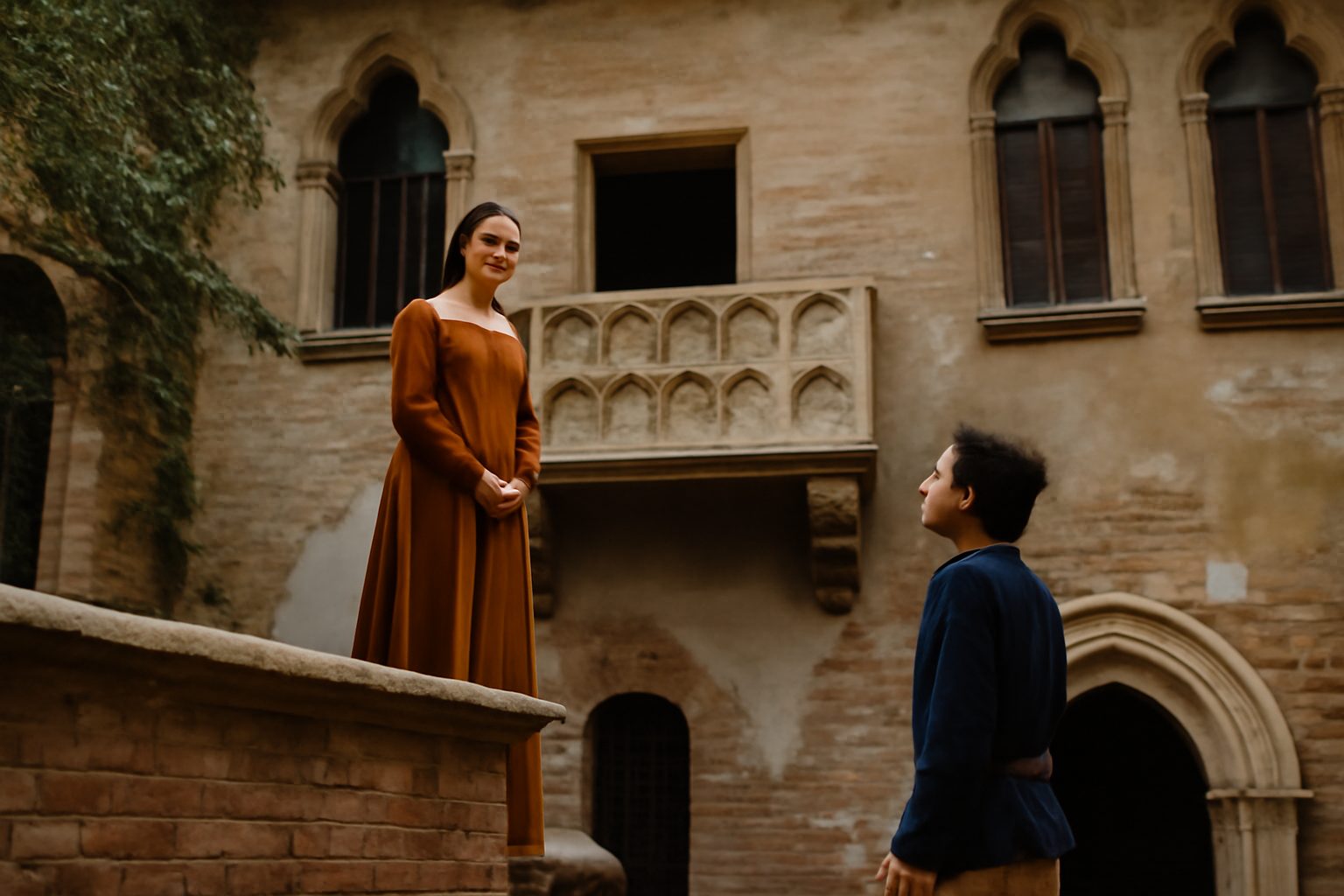
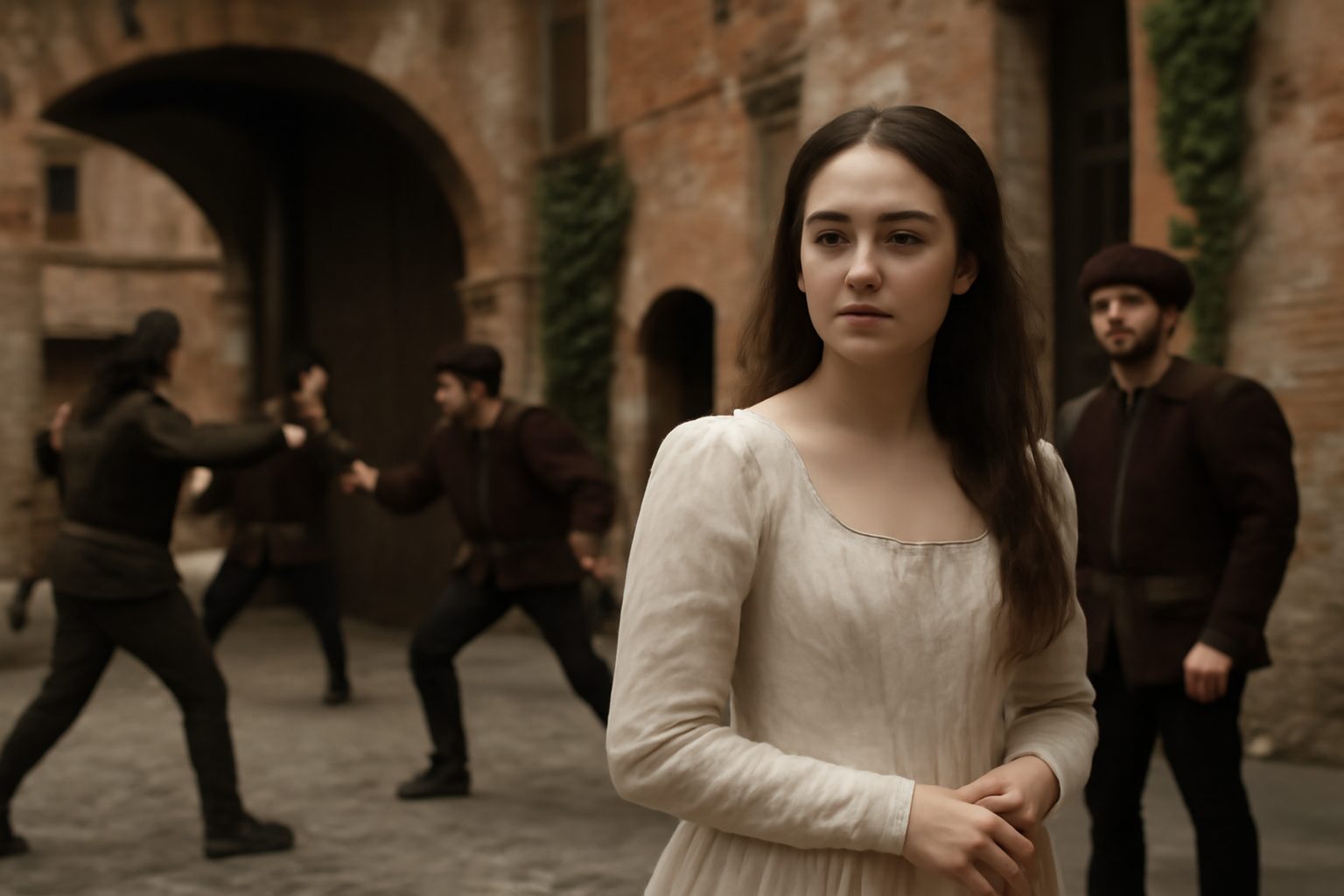
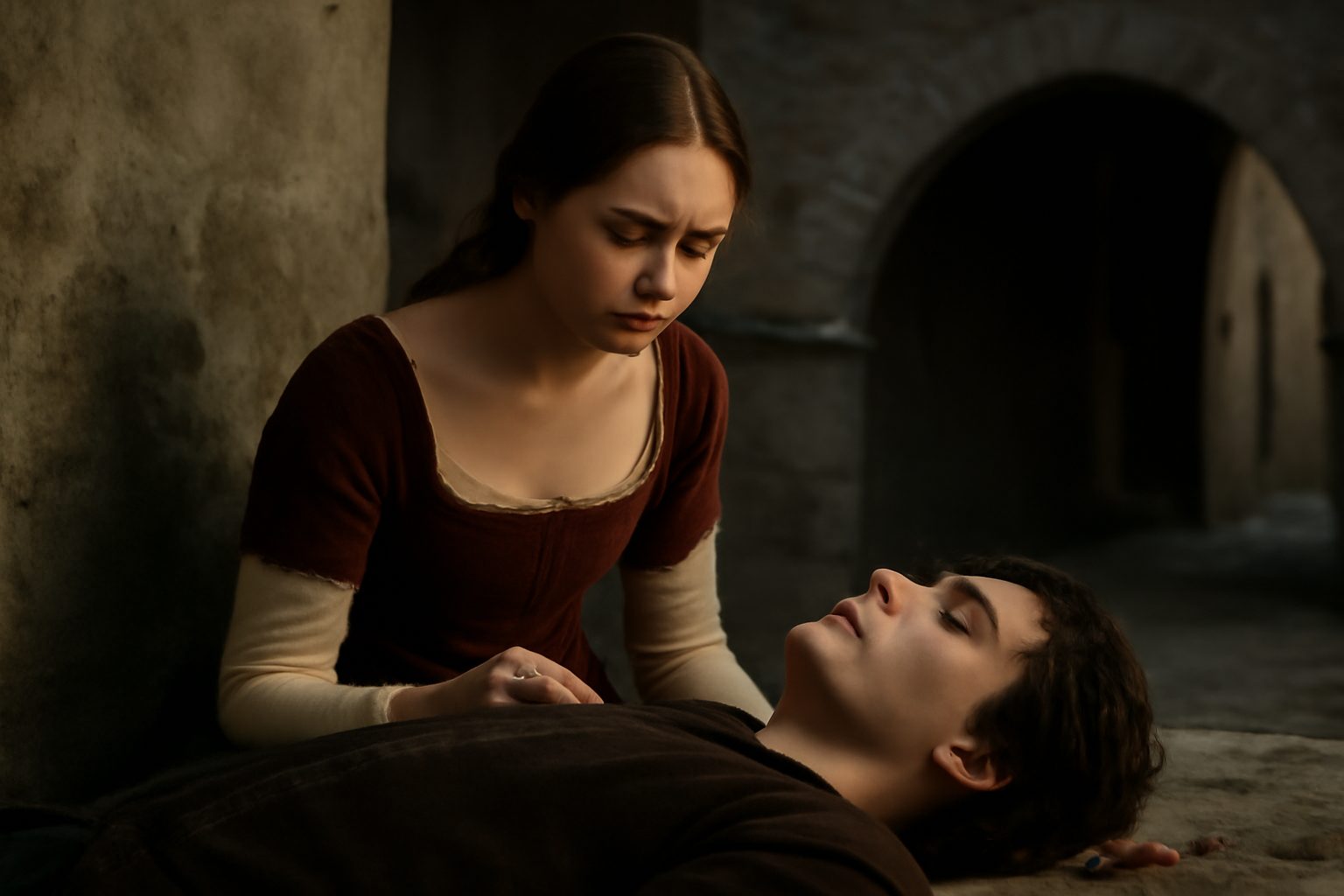
This line appears in the prologue of Romeo and Juliet, setting the tone for the play’s central conflict. It highlights the violence between the Montagues and Capulets, suggesting that even those who are civil or noble are stained by the feud. The phrase foreshadows the bloodshed and moral consequences that will unfold as a result of the families' bitter rivalry.
Chorus: "Where civil blood makes civil hands unclean."
In modern day english, we would say:
In a place where citizens shed each other's blood and stain their own hands with violence.
Frequently Asked Questions
What does the line about civil blood and civil hands mean in Romeo and Juliet?
It means that the fighting between the citizens of Verona (the Montagues and Capulets) is causing innocent people to become guilty or stained with blood.
Connections to other verses:
Connection to the Setting and Conflict
The verse "Where civil blood makes civil hands unclean" directly follows the establishment of the play's location in (In fair Verona, where we lay our scene), immediately juxtaposing the city's beauty with the violence that stains it. This bloodshed stems from the "ancient grudge" mentioned in From ancient grudge break to new mutiny, illustrating how longstanding hatred erupts into fresh violence, corrupting the citizens ("civil hands unclean").
Connection to the Families and Their Fate
The line emphasizes the consequences of the feud between the "Two households, both alike in dignity" (Two households, both alike in dignity), showing how their conflict defiles the very community they belong to. This corruption is only resolved through the tragic fate of "A pair of star-crossed lovers" (A pair of star-crossed lovers take their life), born "From forth the fatal loins of these two foes" (From forth the fatal loins of these two foes), whose deaths ultimately "bury their parents' strife" (Doth with their death bury their parents' strife).
Connection to the Play's Themes and Narrative
The unclean hands symbolize the pervasive impact of the feud, which drives the "fearful passage of their death-marked love" (The fearful passage of their death-marked love) and underscores the inevitability of tragedy. This verse sets the stage for the resolution hinted at in Which, but their children's end, naught could remove, emphasizing that only the lovers' sacrifices can cleanse the civil strife introduced here.