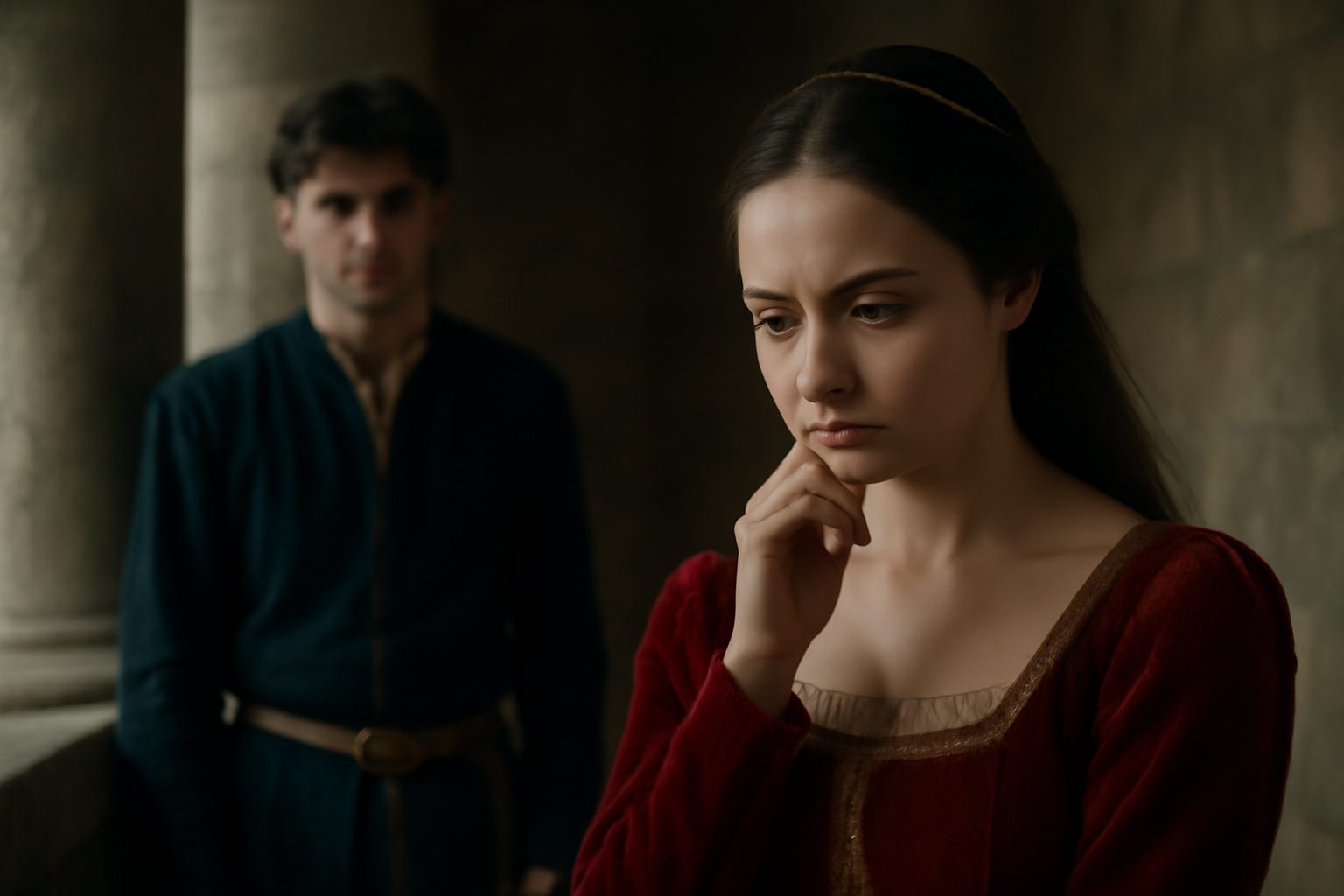
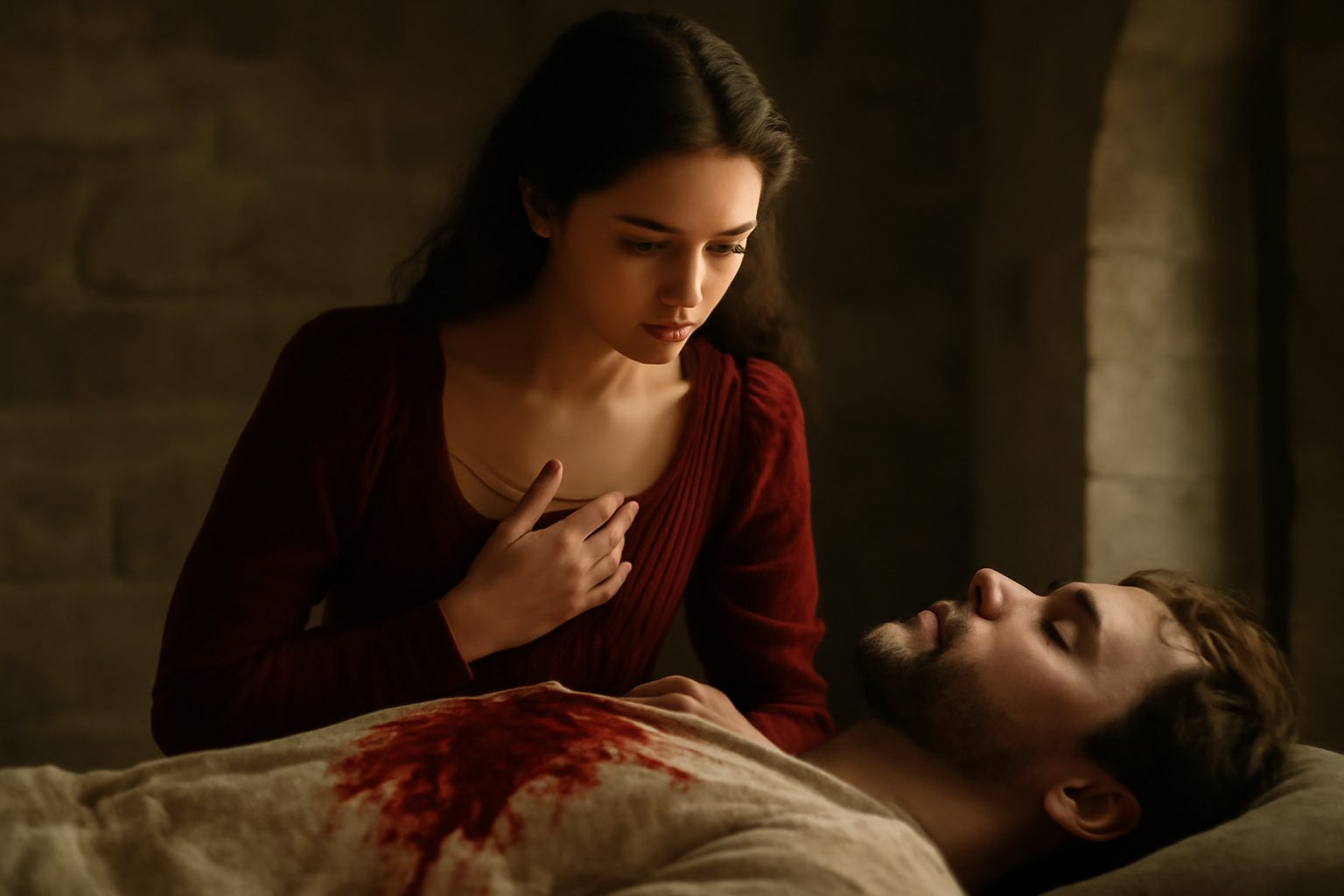
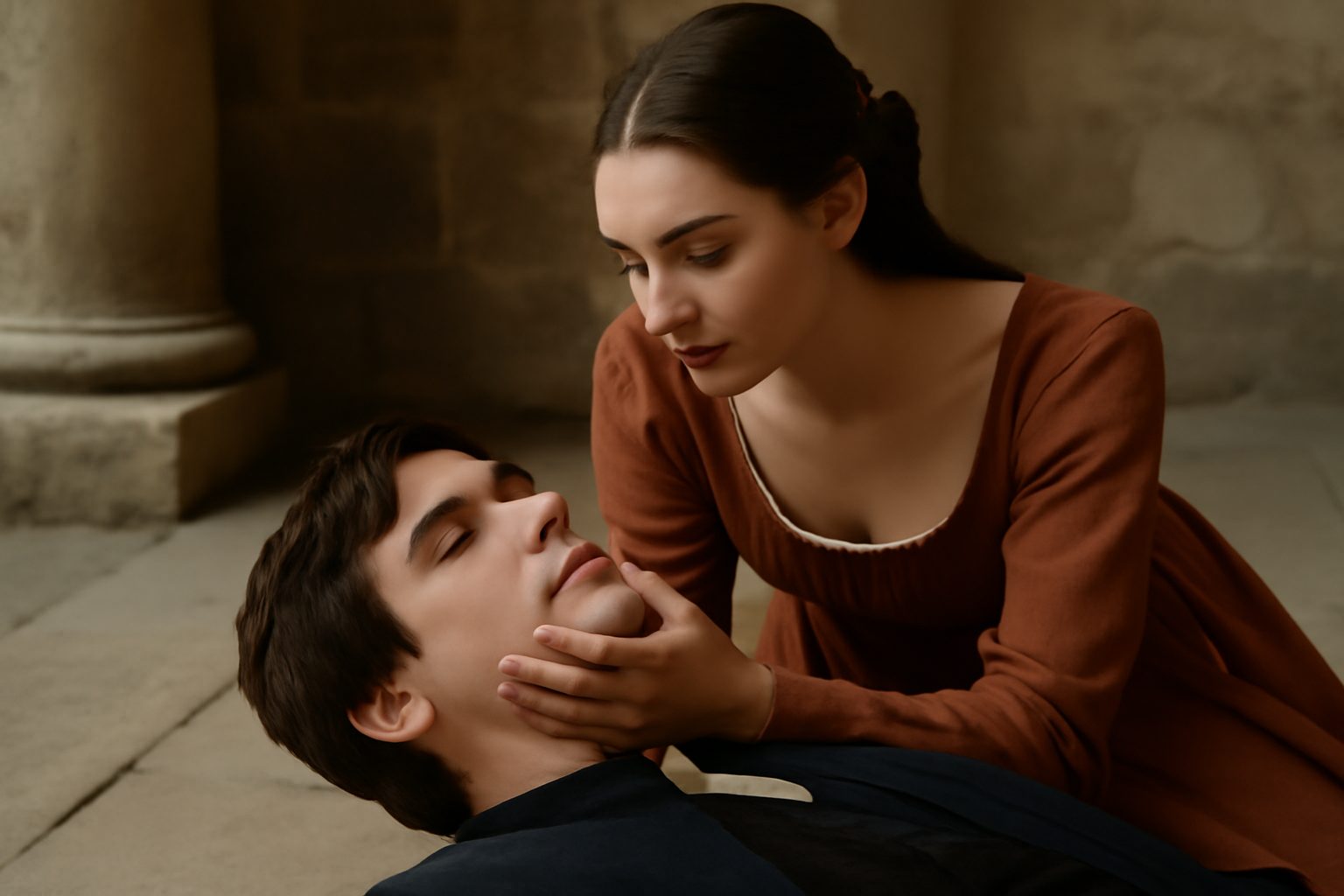
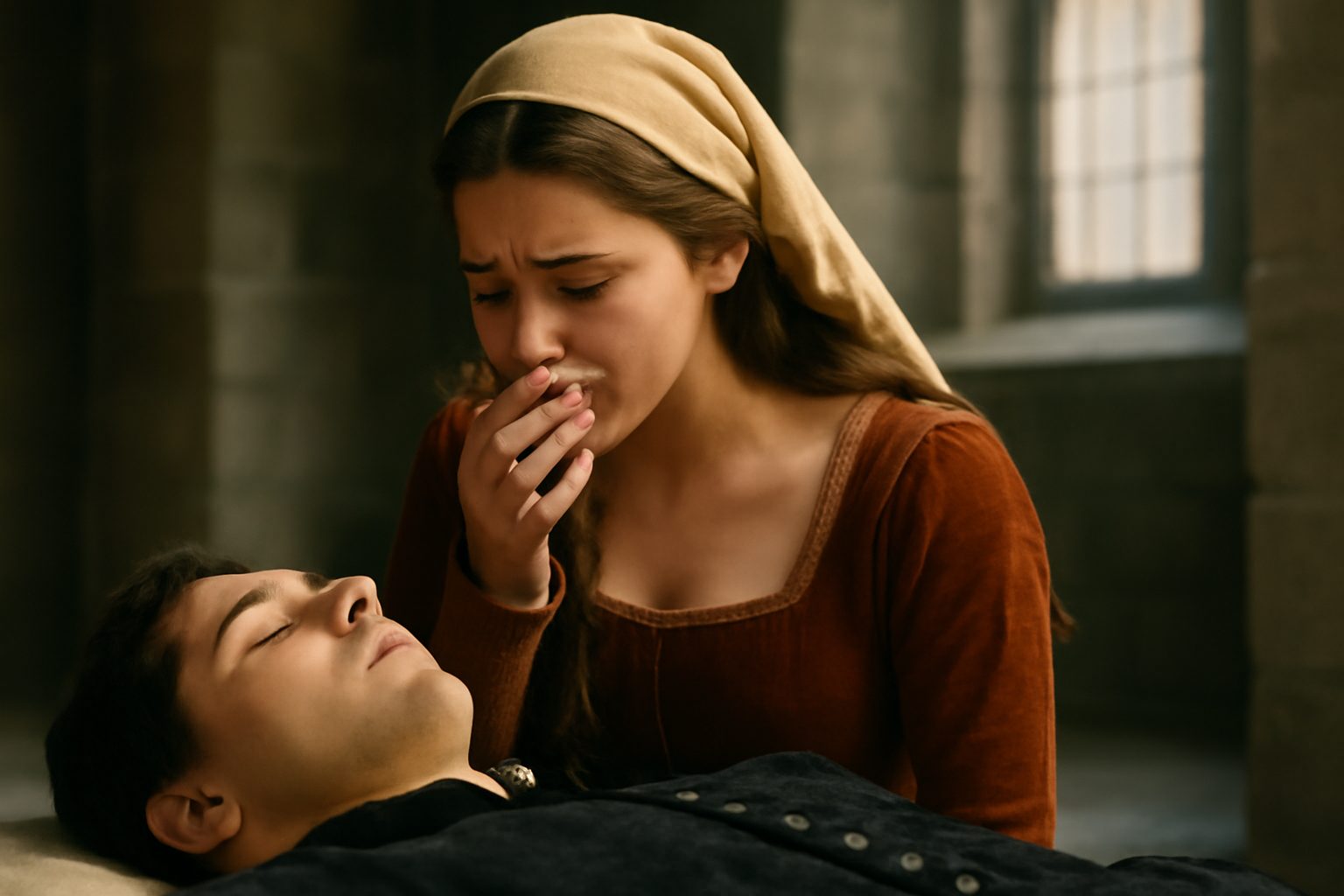
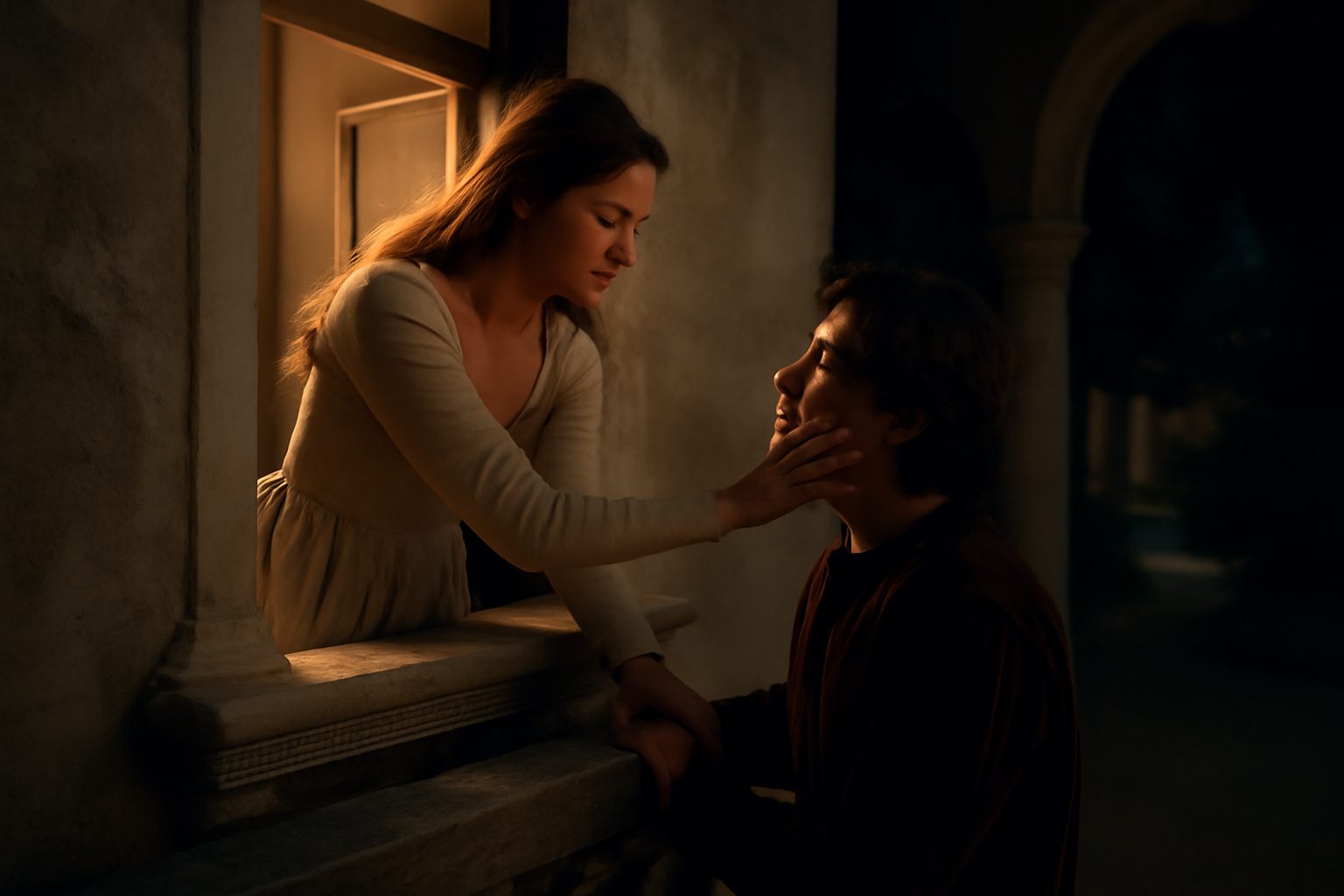
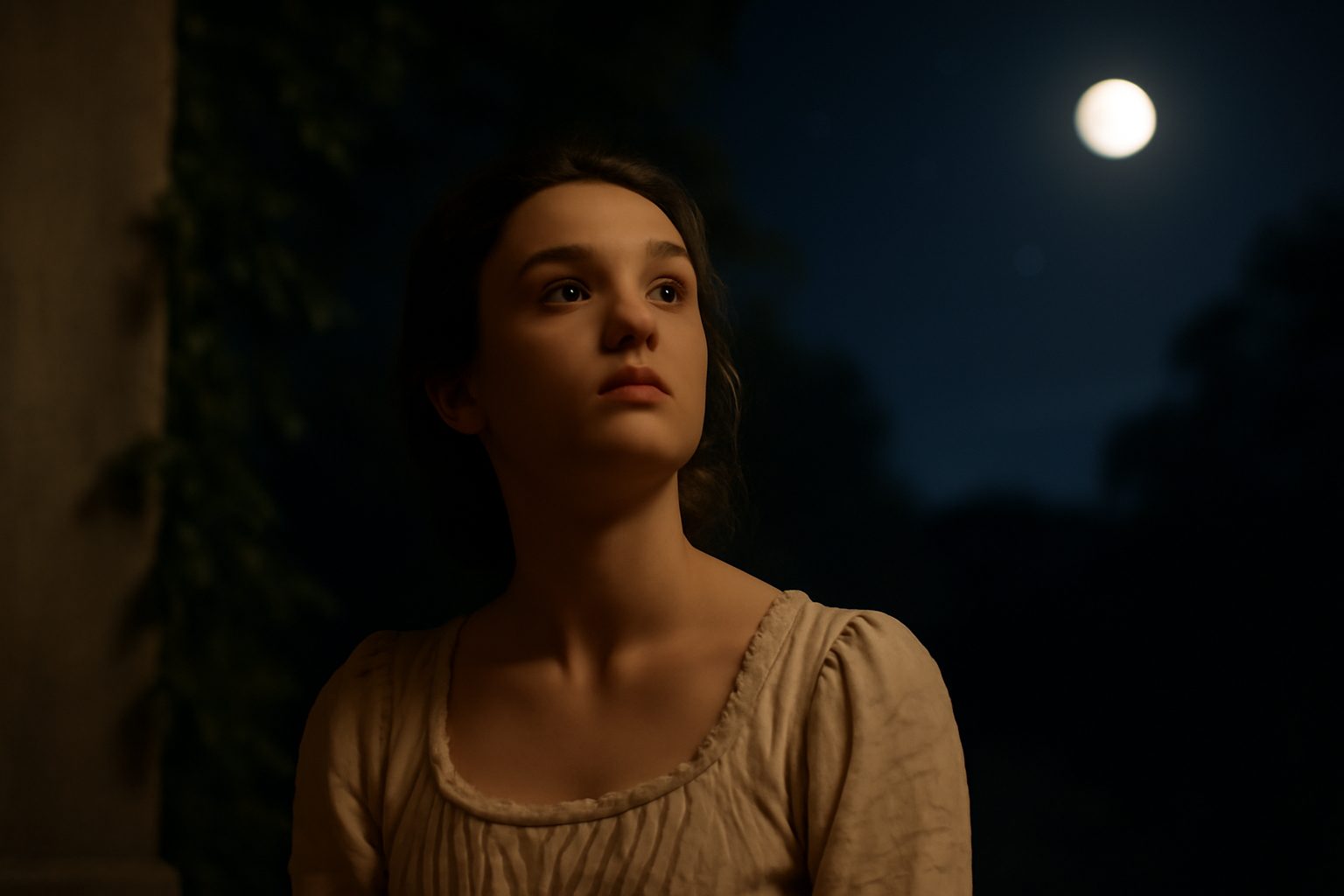
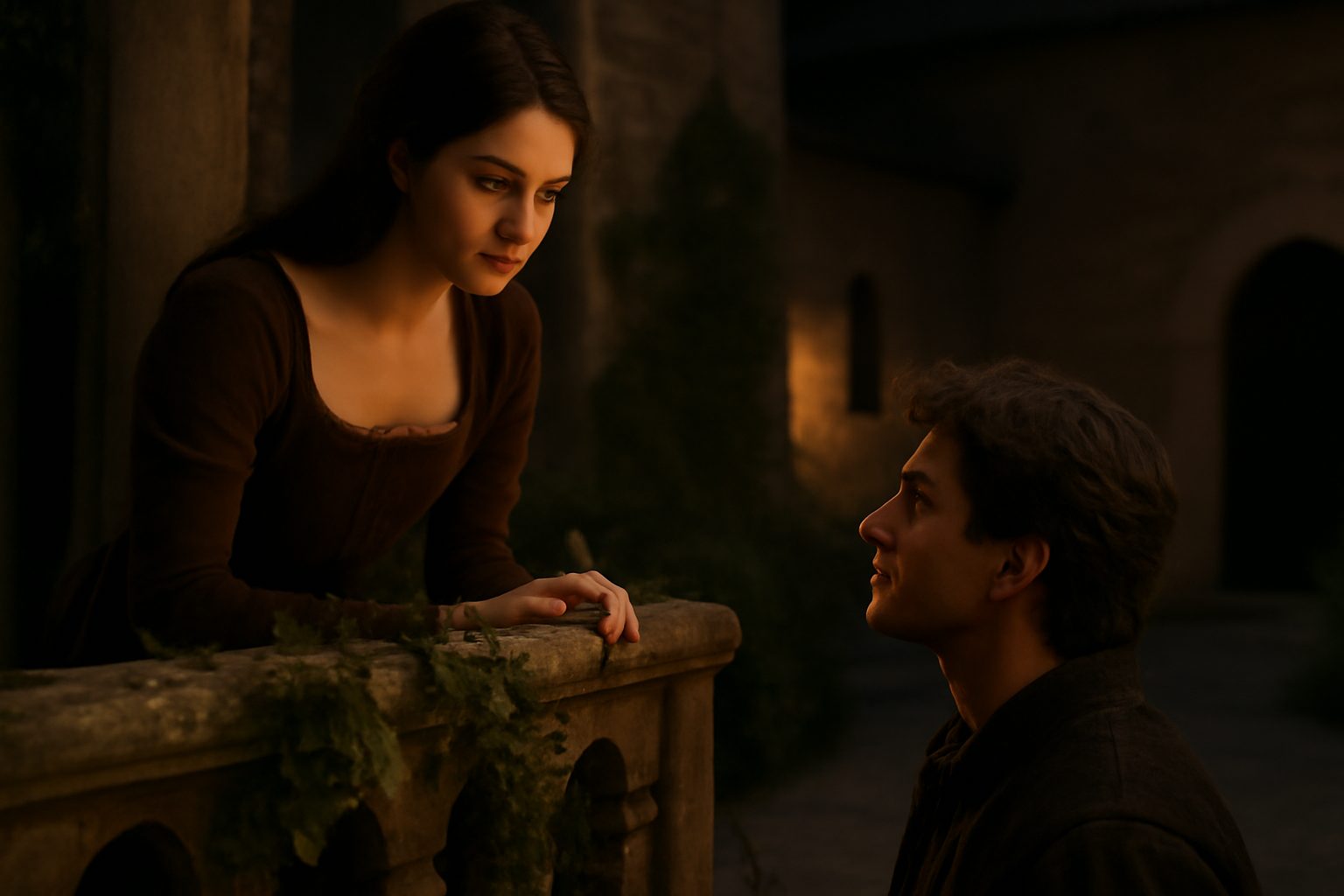
In Act 3, Scene 2 of Romeo and Juliet, Juliet anxiously awaits nightfall so Romeo can join her after their secret marriage. Filled with impatience, she compares the sun's slow descent to Phaethon, the mythical figure who recklessly drove the sun chariot, wishing he would hurry the day's end. This line reflects her desperate longing for Romeo and the passage of time.
Juliet: "As Phaethon would whip you to the west,"
In modern day english, we would say:
Just as Phaethon would drive the sun’s chariot wildly toward the west, hurrying the day to night.
Frequently Asked Questions
Who is Phaethon in the line Juliet speaks?
Phaethon is a figure from Greek mythology who tried to drive the sun chariot but lost control, causing chaos.
What does Juliet mean by comparing someone to Phaethon?
She is suggesting that the person is reckless or uncontrollable, like Phaethon was with the sun chariot.
Connections to other verses:
Connection to the Opening Invocation
The verse As Phaethon would whip you to the west is part of Juliet's opening soliloquy, where she impatiently calls for night to come so she can be with Romeo. This mythological reference to Phaethon, who disastrously attempted to drive the sun chariot, underscores her desire for haste and foreshadows the chaotic events to follow. It connects directly to the preceding line, Towards Phoebus' lodging: such a wagoner, which also alludes to the sun god's chariot, establishing a cohesive celestial imagery that emphasizes her urgency.
Connection to Night Imagery
Juliet's plea for night is echoed in several other verses, such as And bring in cloudy night immediately and Spread thy close curtain, love-performing night. These lines reinforce her longing for darkness as a veil for her union with Romeo, contrasting sharply with the tragic news that soon arrives.
Contrast with Later Despair
The hopeful, impatient tone of As Phaethon would whip you to the west is starkly opposed by verses like Ah, well-a-day! he's dead, he's dead, he's dead! and Alack the day! he's gone, he's kill'd, he's dead!, where the Nurse's cries shatter Juliet's anticipatory mood. This shift highlights the dramatic irony and emotional whiplash of the scene.
Connection to Themes of Fate and Disaster
The reference to Phaethon, whose hubris led to catastrophe, subtly foreshadows the play's tragic outcome. This connects to later expressions of despair and fate, such as Then, dreadful trumpet, sound the general doom! and All slain, all dead. 'Romeo is banished!', reinforcing the inevitability of the characters' downfall.
Juxtaposition with Duality and Oxymorons
Juliet's initial idealization of night and Romeo contrasts with her later turmoil upon learning of Tybalt's death, exemplified in lines like Beautiful tyrant! fiend angelical! and A damned saint, an honourable villain!. The Phaethon allusion thus sets up a thematic foundation for the contradictions that define her emotional journey.