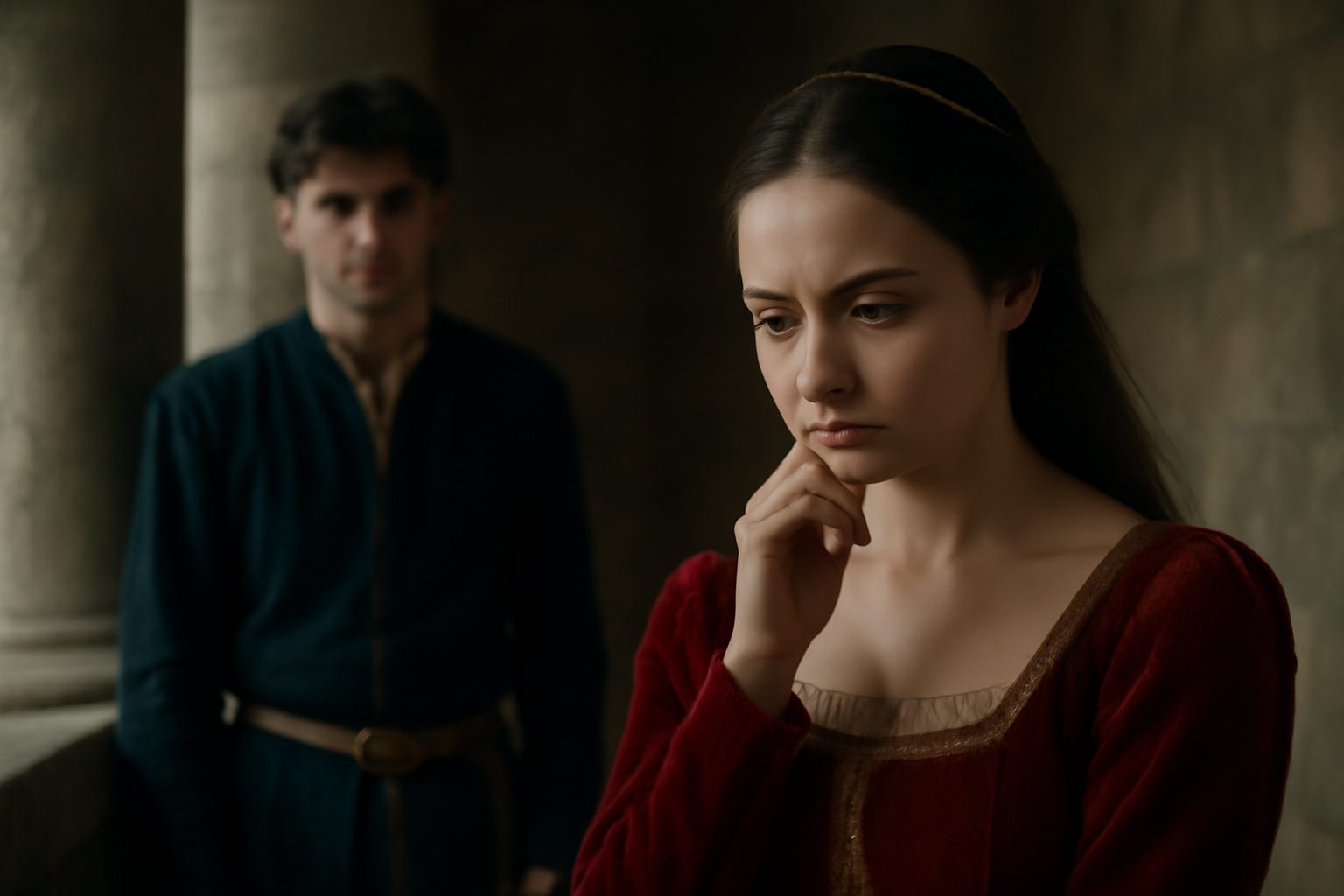
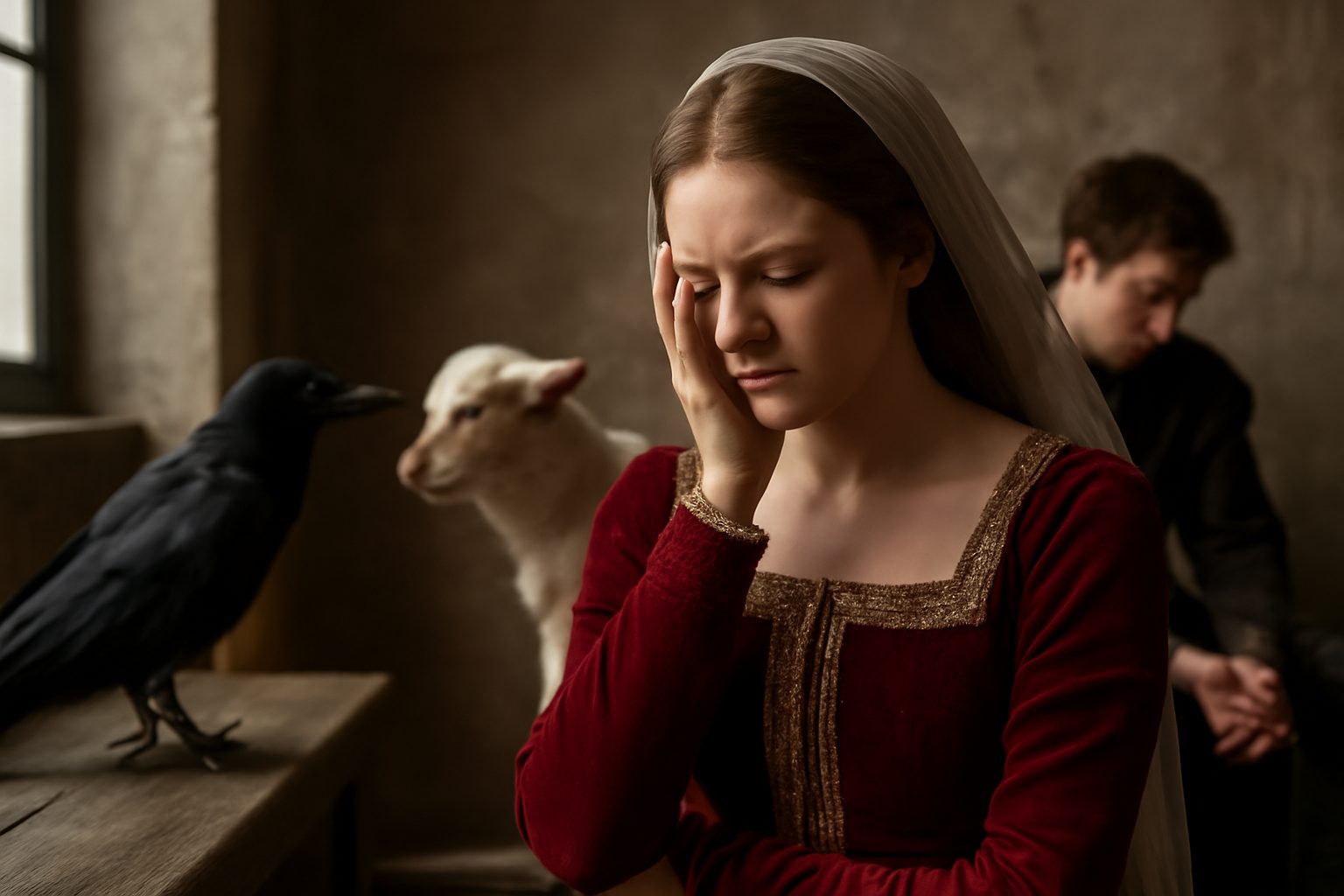
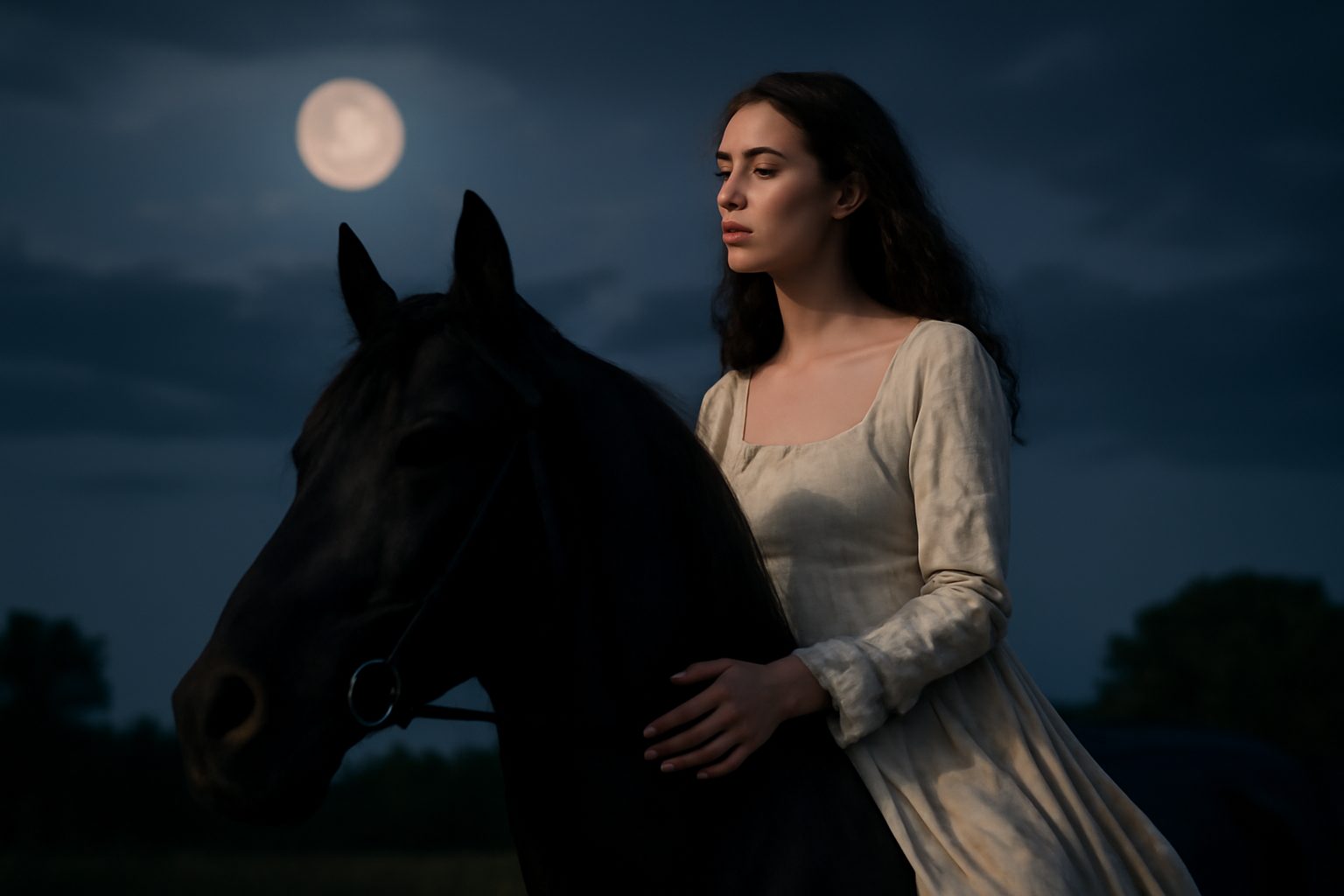
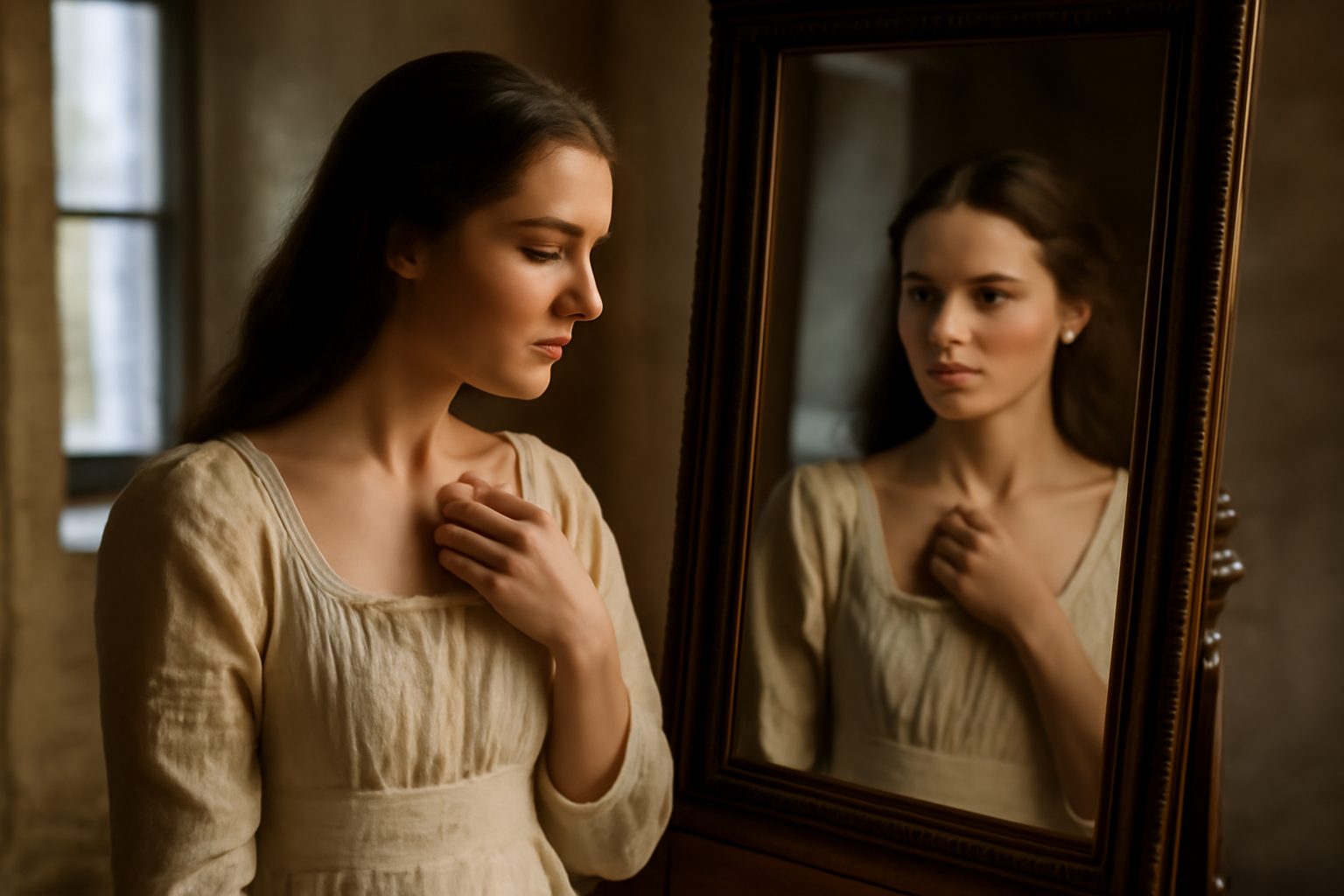
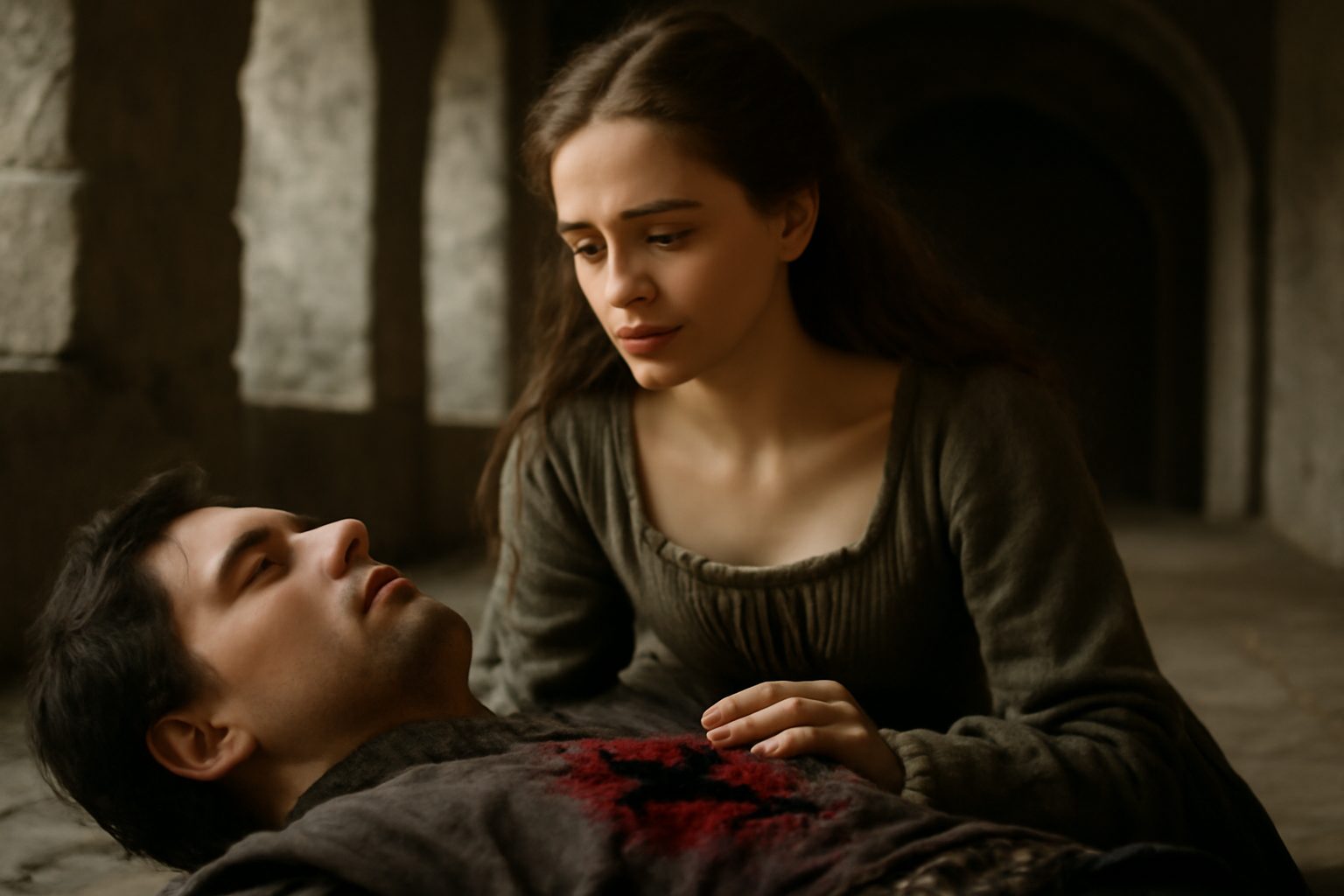
In Act 3 Scene 2 of Romeo and Juliet, Juliet anxiously awaits nightfall so Romeo can join her after their secret marriage. She reflects on love's paradoxical nature, questioning whether it blinds lovers or if their affections are truly inspired by each other's beauty. This line captures her contemplation of love's power to distort perception or reveal truth.
Juliet: "By their own beauties; or, if love be blind,"
In modern day english, we would say:
They fall in love because of each other's beauty, unless love truly can't see.
Frequently Asked Questions
What does Juliet suggest about love in this line?
She suggests that love might be blind, meaning it doesn't see flaws or judge based on appearances.
Connections to other verses:
Connections to "By their own beauties; or, if love be blind,"
This verse from Juliet's soliloquy explores the paradox of love's perception—whether lovers see truly or are blinded by affection. It connects thematically and emotionally to several other lines in the scene.
Love's Idealization and Paradox
The idea of love's blindness and beauty ties to Juliet's later oxymoronic descriptions of Romeo, such as "Beautiful tyrant! fiend angelical!" and "Dove-feather'd raven! wolvish-ravening lamb!", where she grapples with Romeo's conflicting nature—beautiful yet deadly. This echoes the theme of love's capacity to obscure harsh truths.
Night as a Facilitator of Love
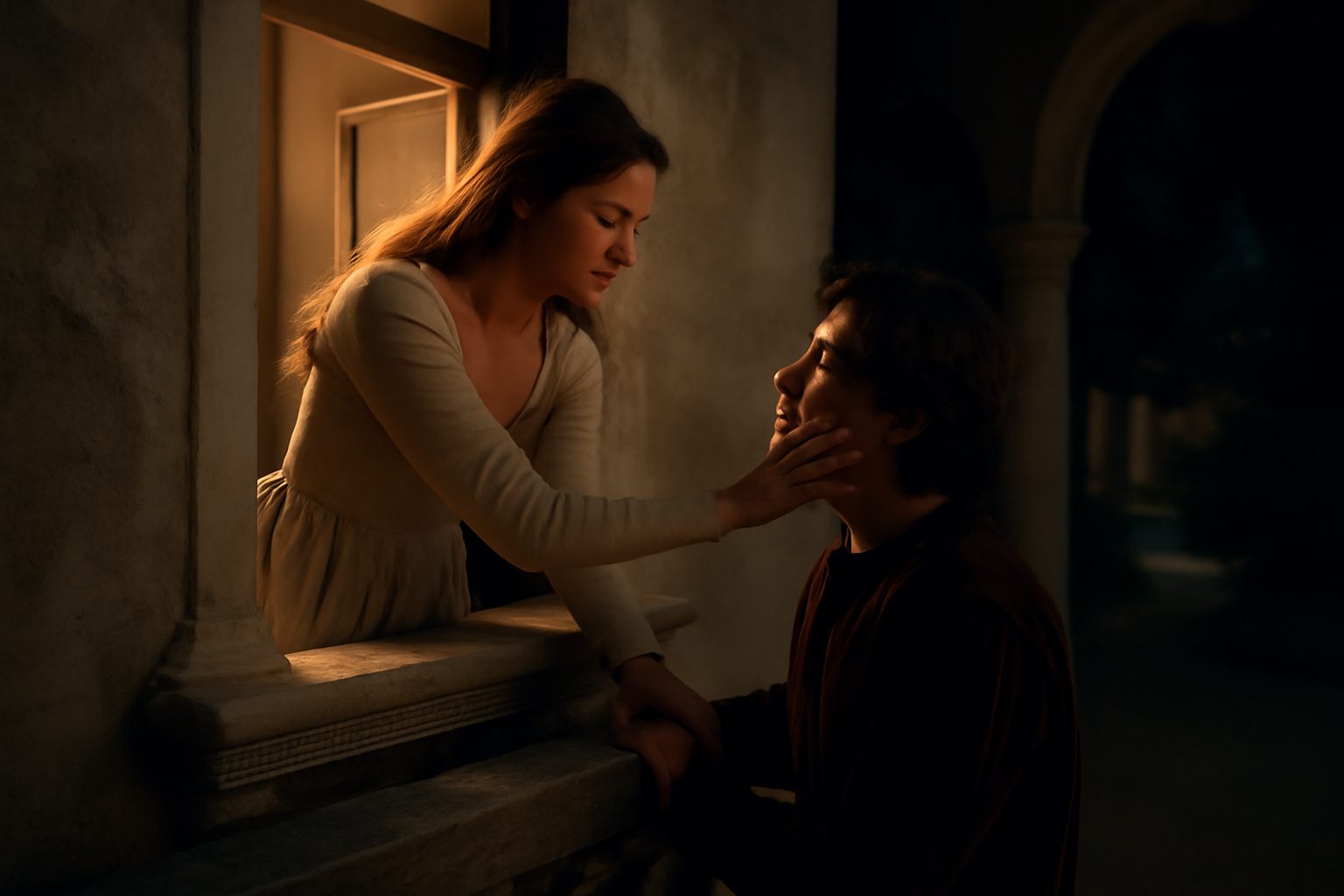
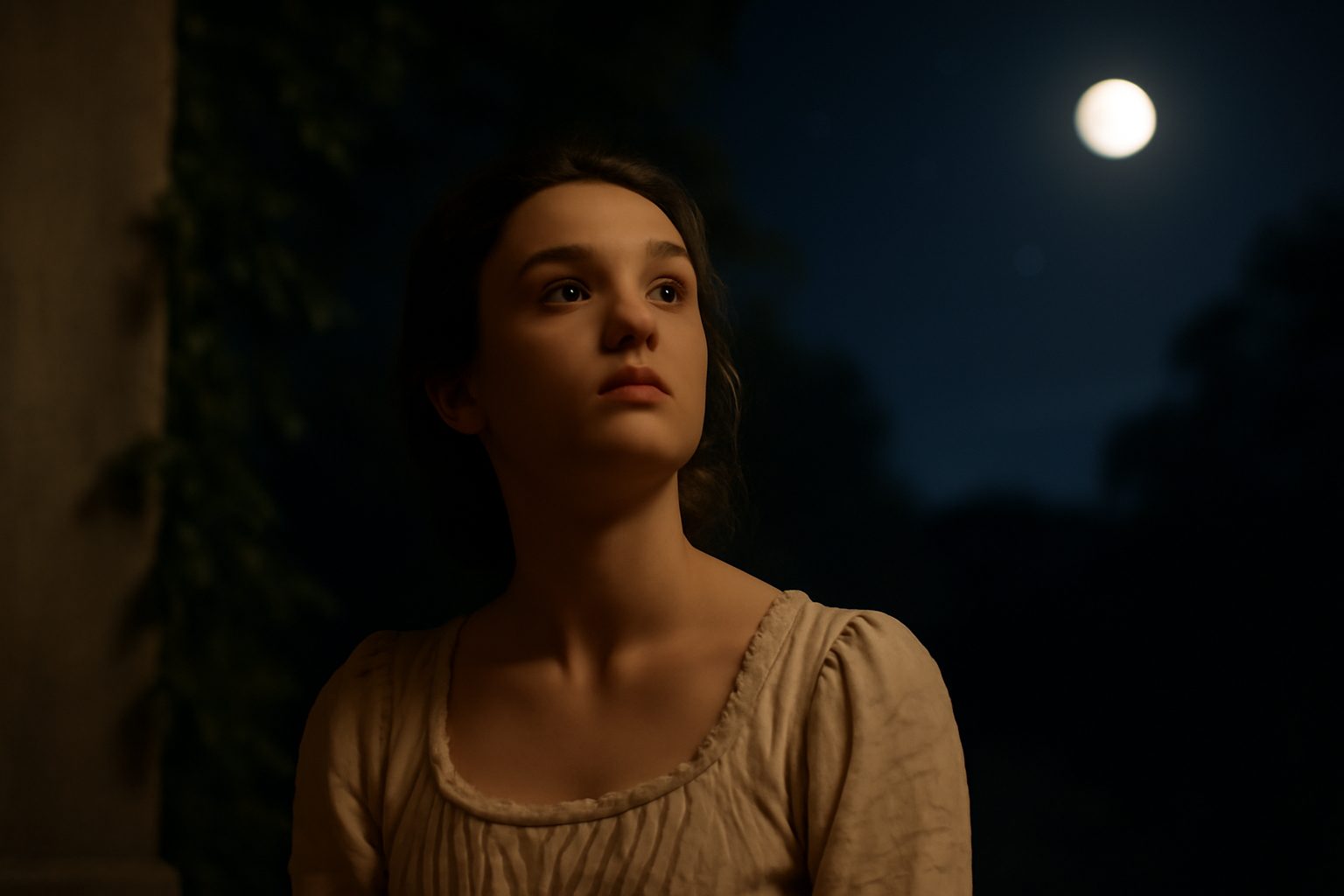
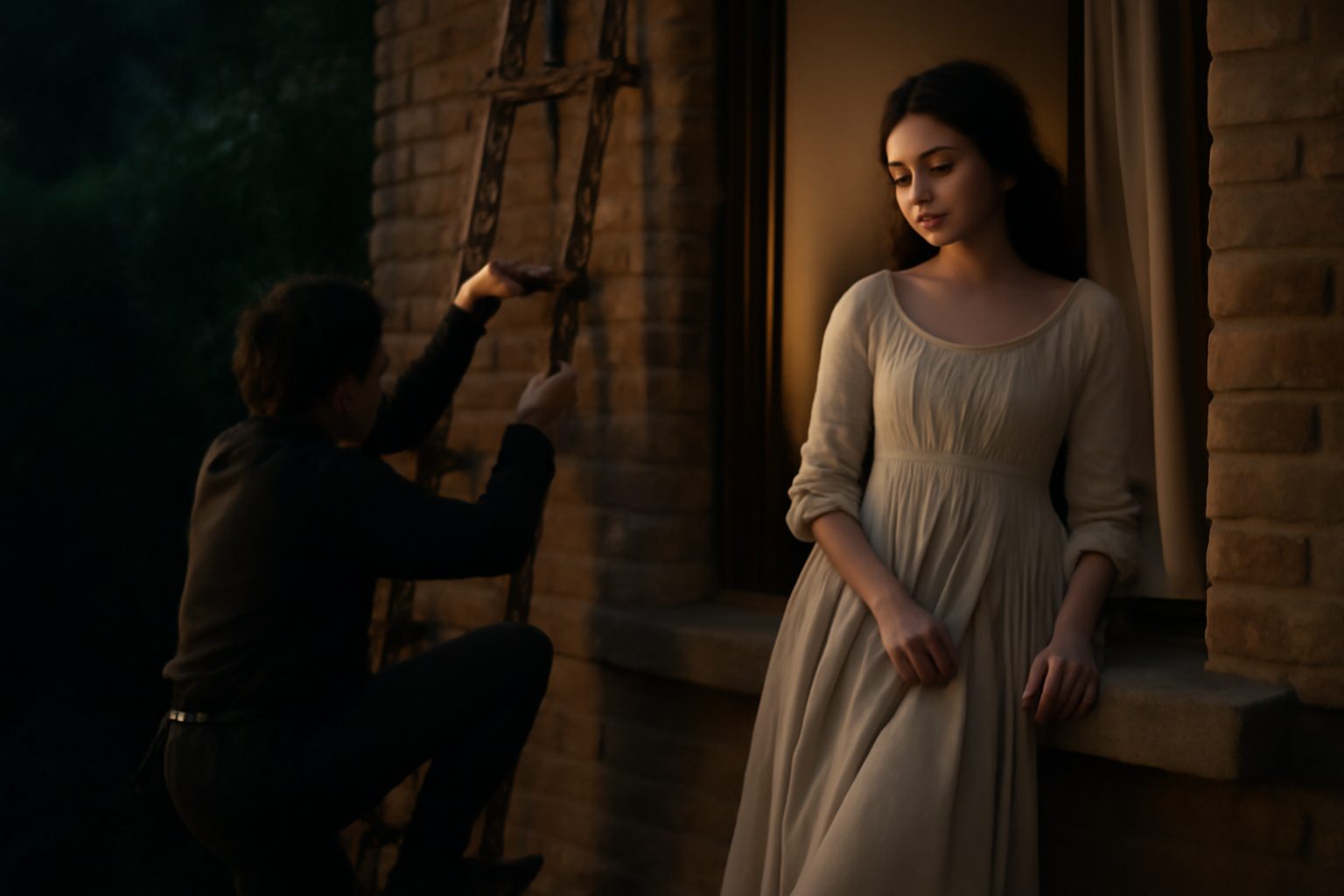
Juliet's invocation for night to arrive, as in "Come, gentle night, come, loving, black-brow'd night", connects to the idea that lovers "see to do their amorous rites" (Lovers can see to do their amorous rites), reinforcing that night—and love—allow a unique, intimate vision.
Contrast with Harsh Reality
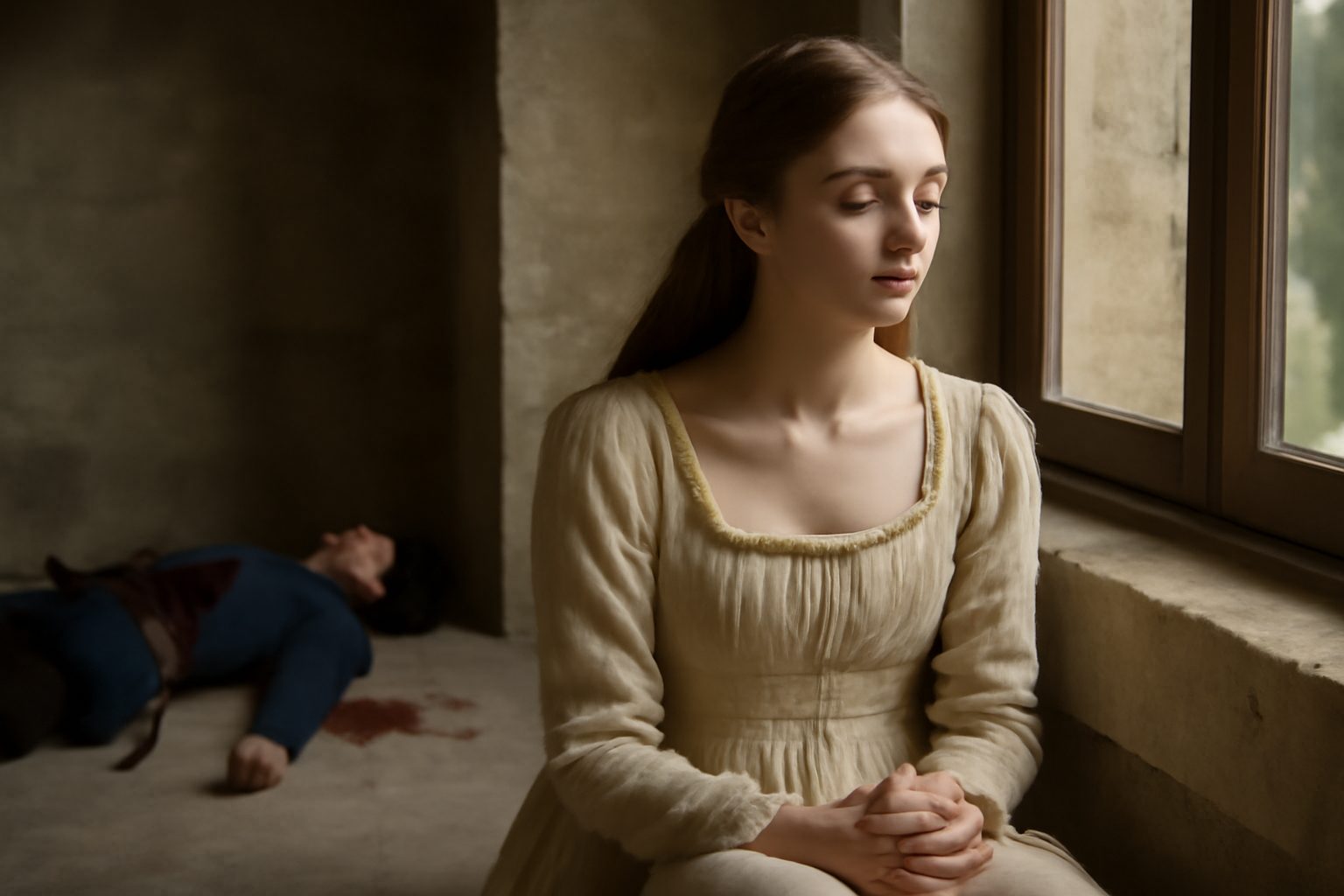
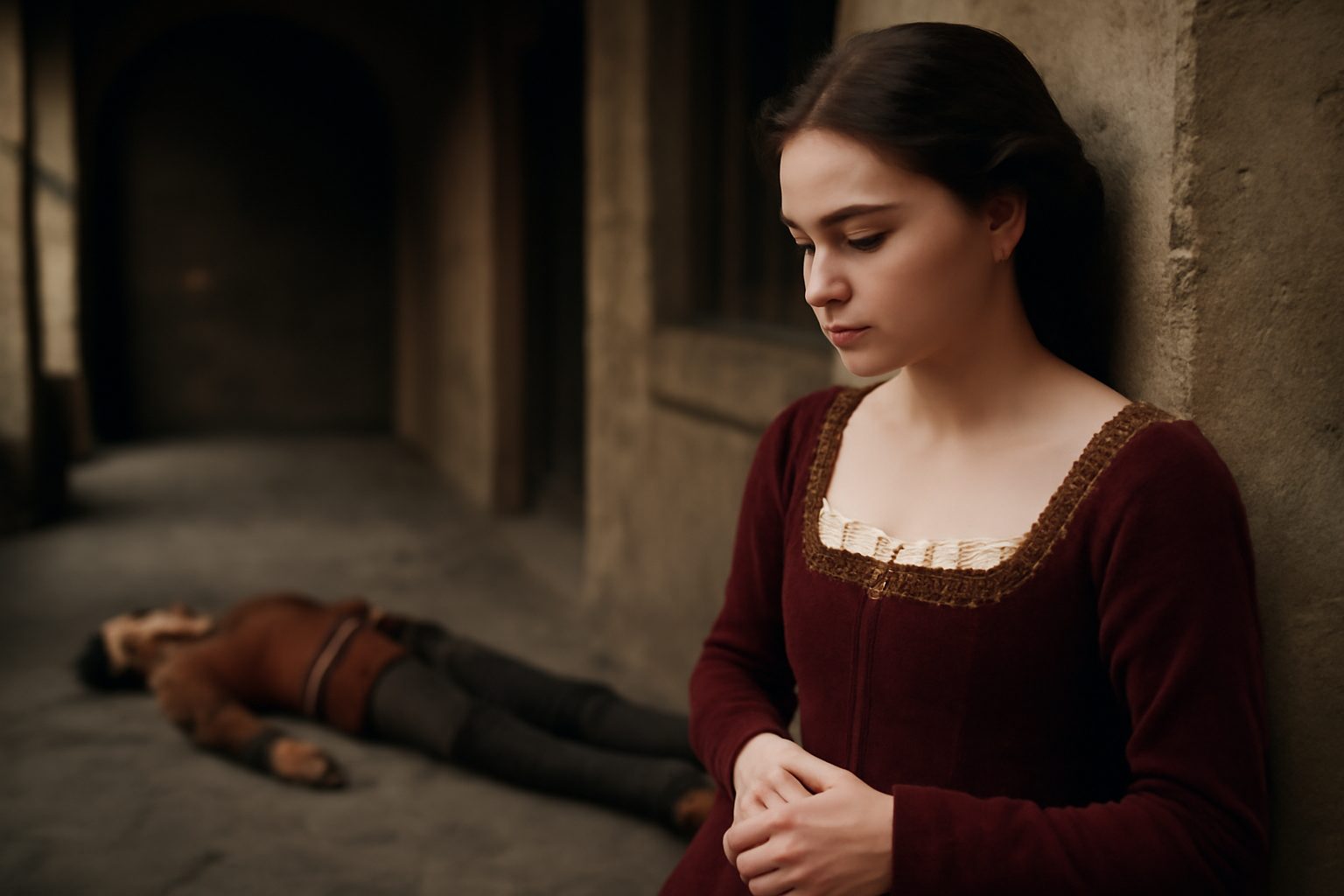
Once Juliet learns of Tybalt's death and Romeo's banishment, her idealistic view shatters. Lines like "No faith, no honesty in men; all perjured" and "All forsworn, all naught, all dissemblers" starkly contrast with her earlier faith in love's beauty, showing how blindness gives way to painful clarity.
Emotional Turmoil and Reflection
Her anguish is captured in "O, break, my heart! poor bankrupt, break at once!", reflecting the collapse of her romantic ideals. Similarly, "All this is comfort; wherefore weep I then?" underscores her confusion, mirroring the earlier tension between love's beauty and its potential for delusion.