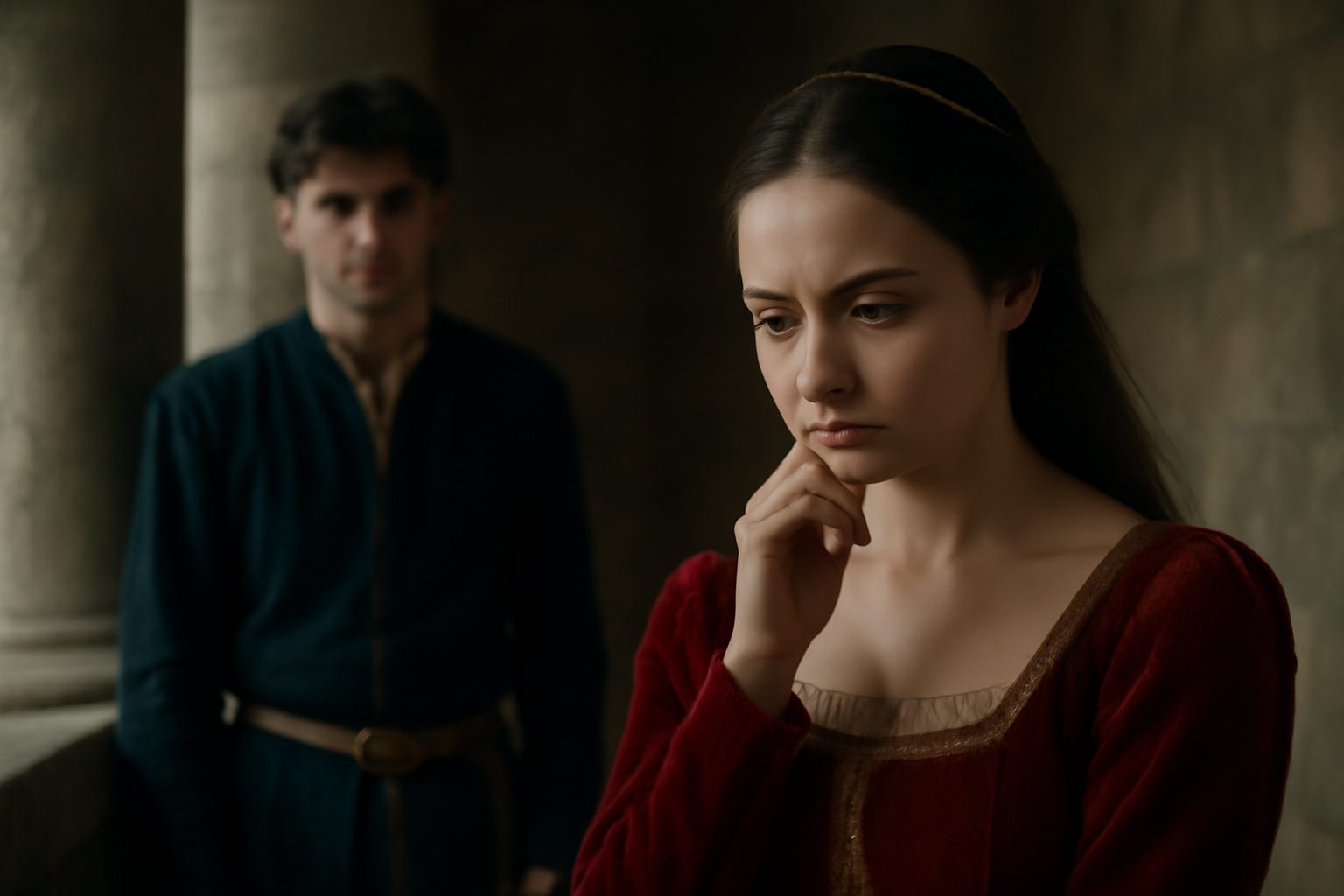
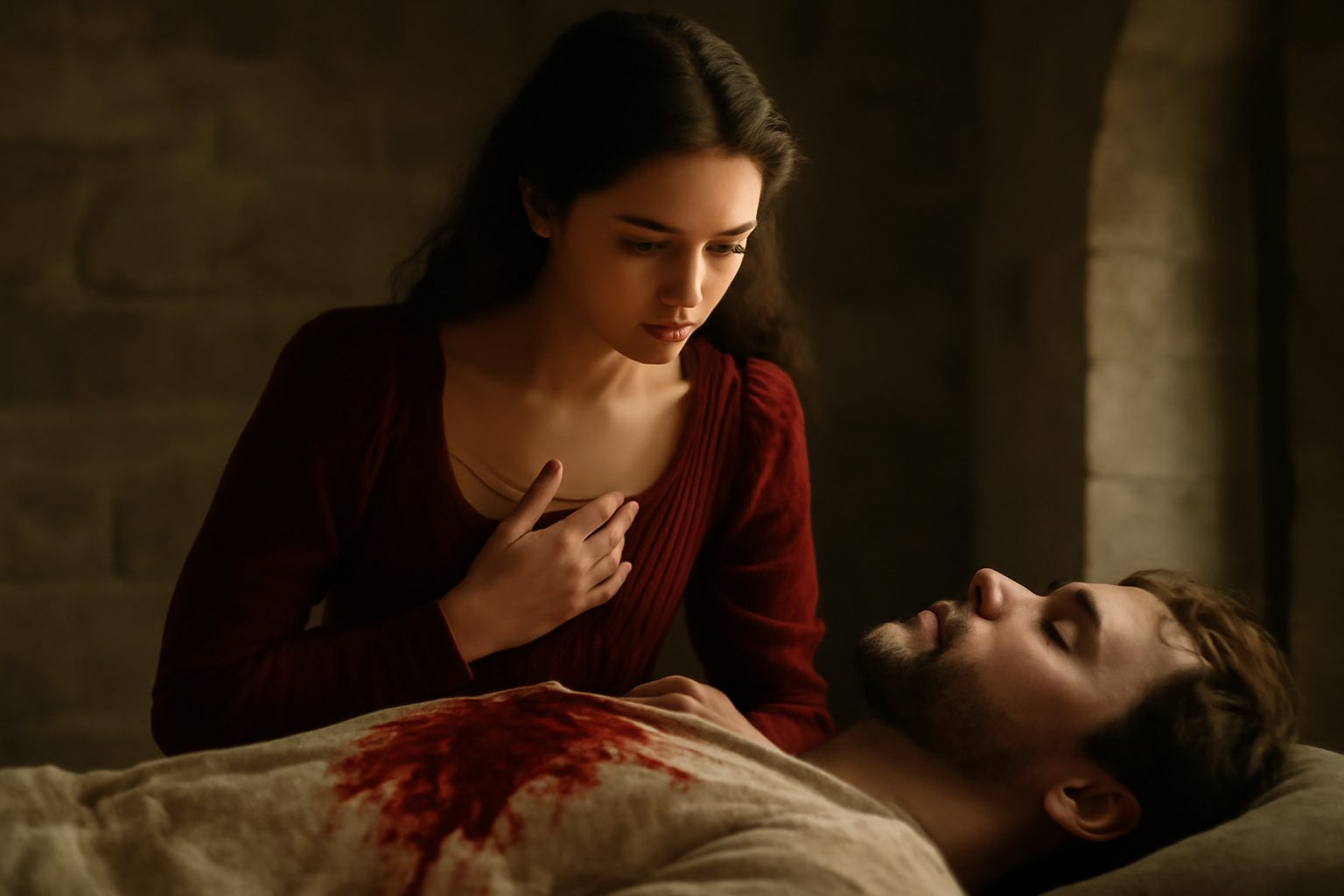
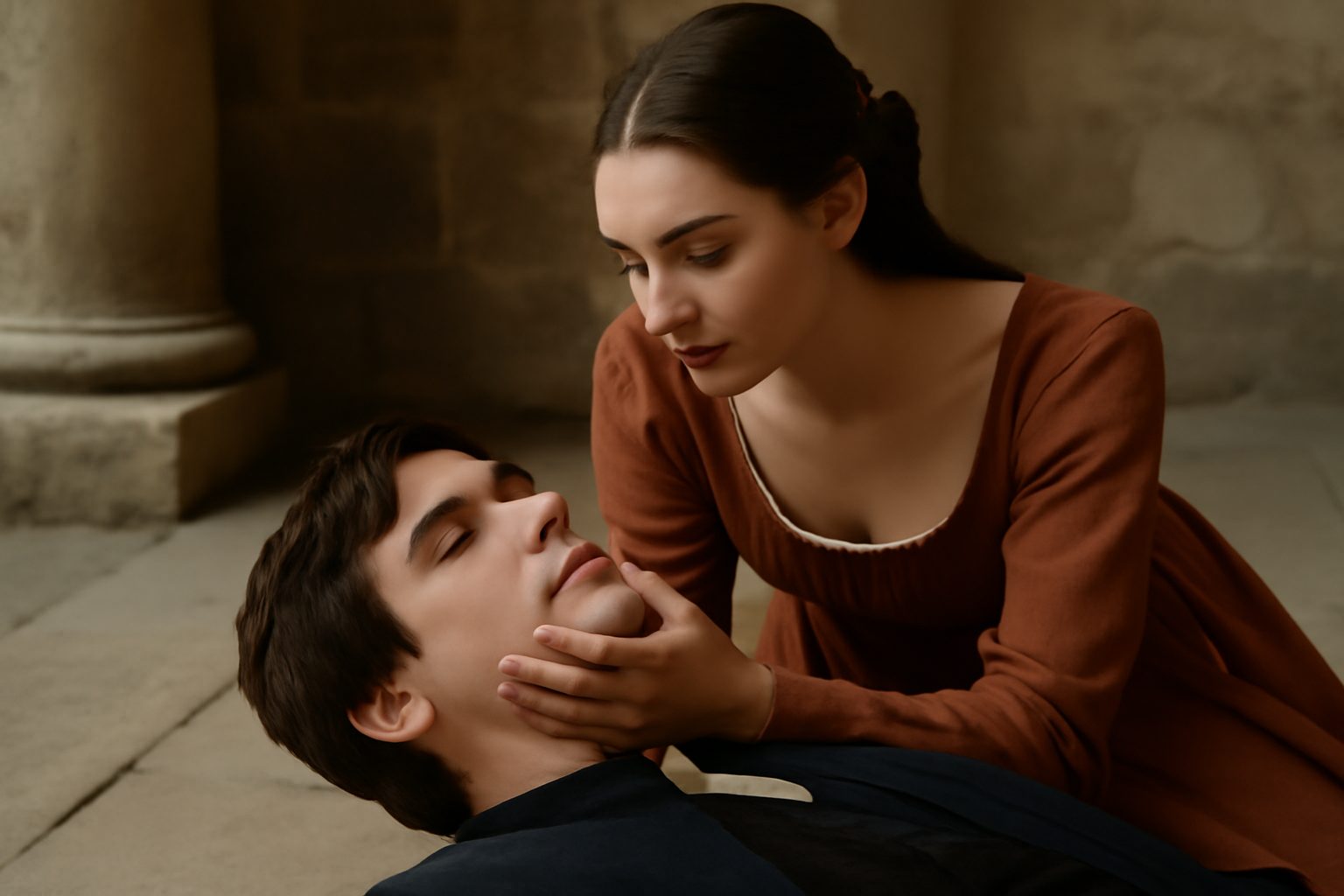
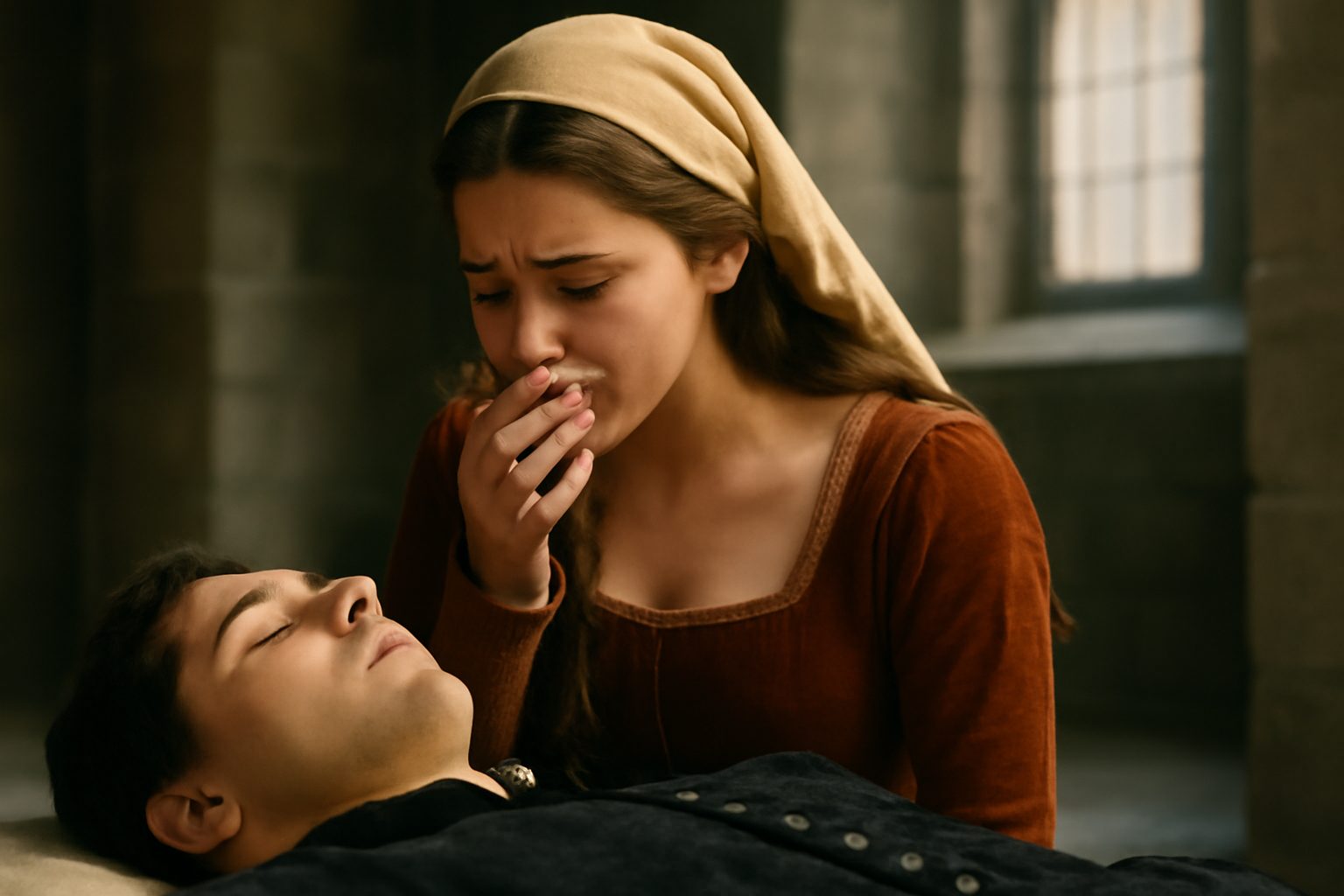
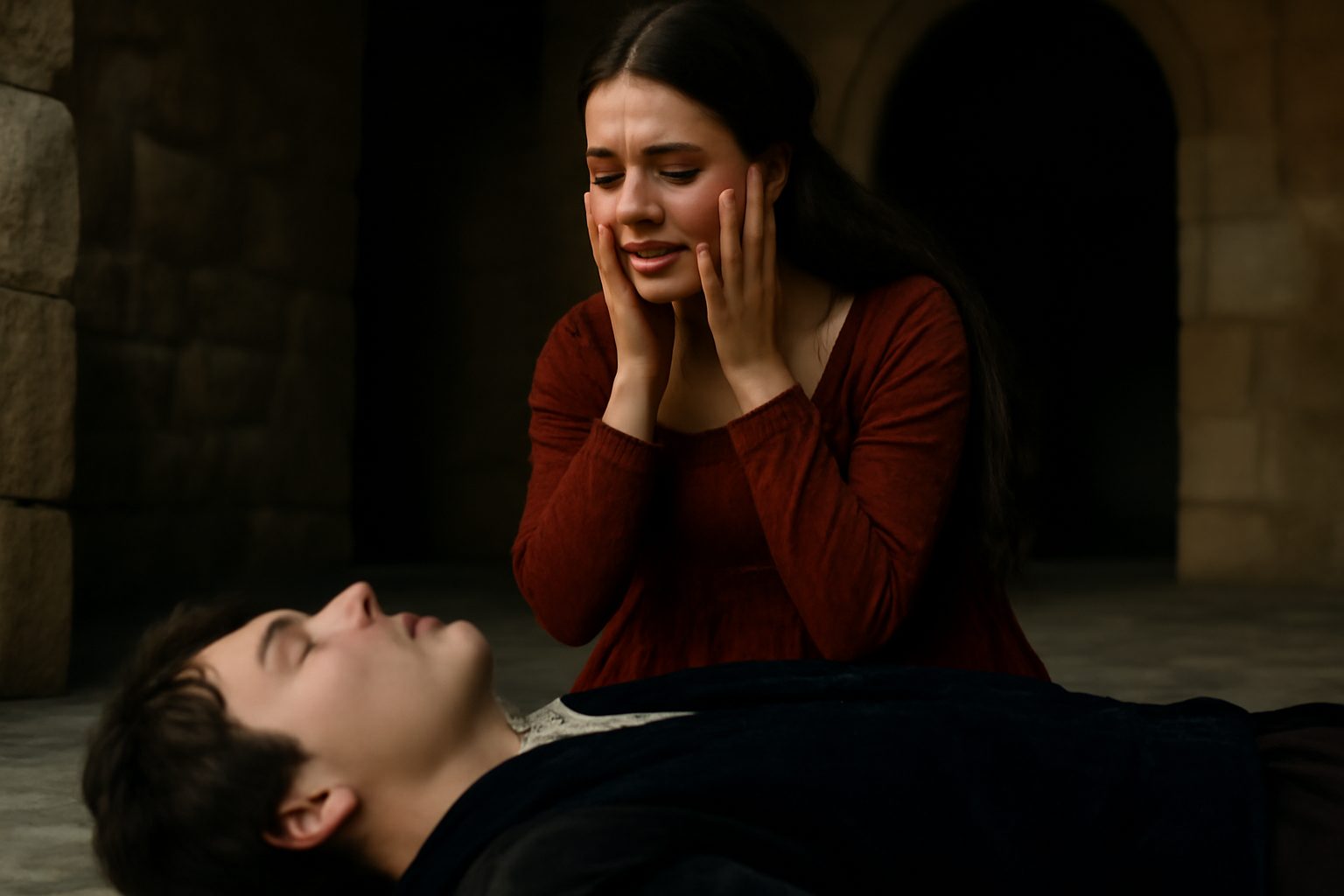
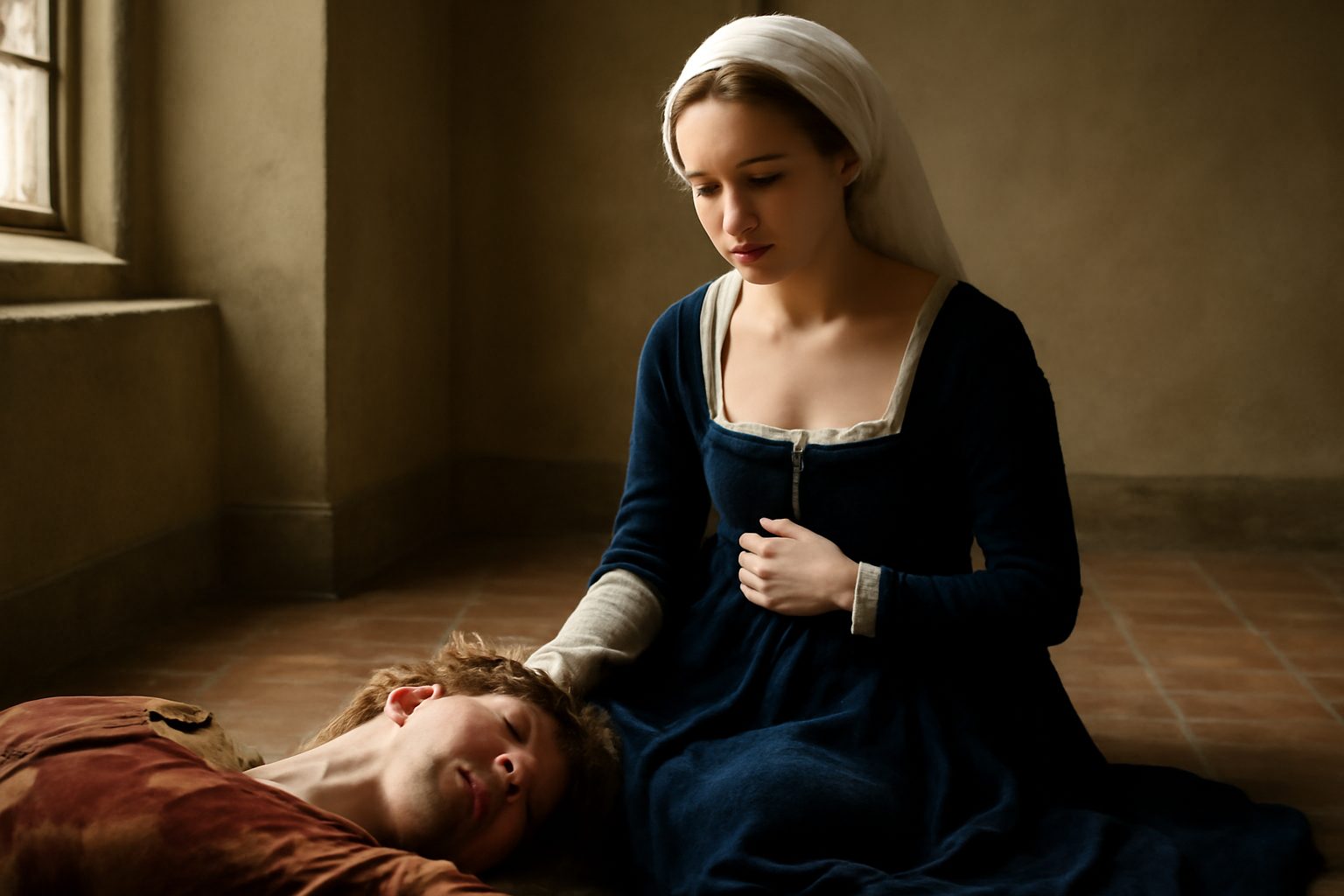
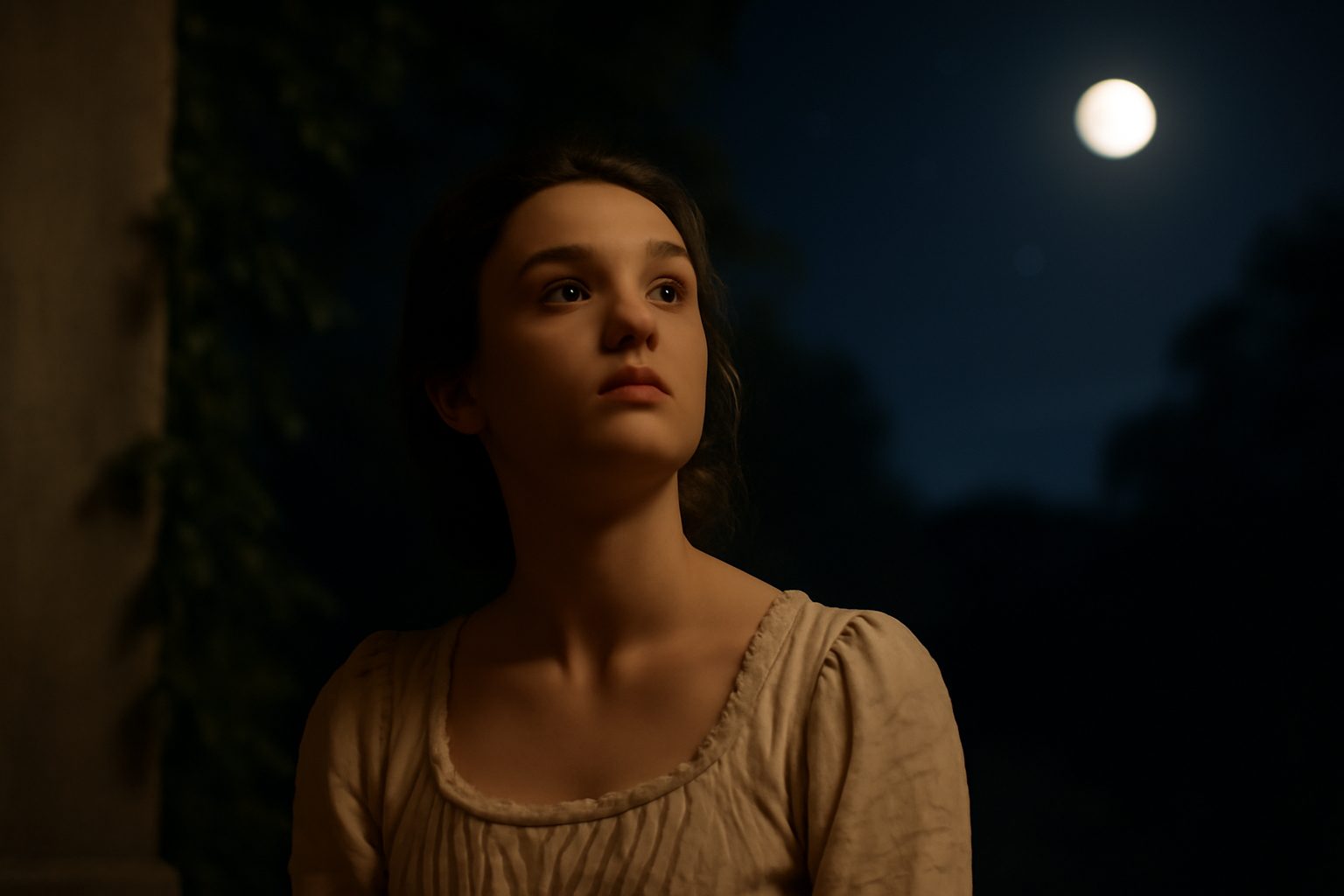
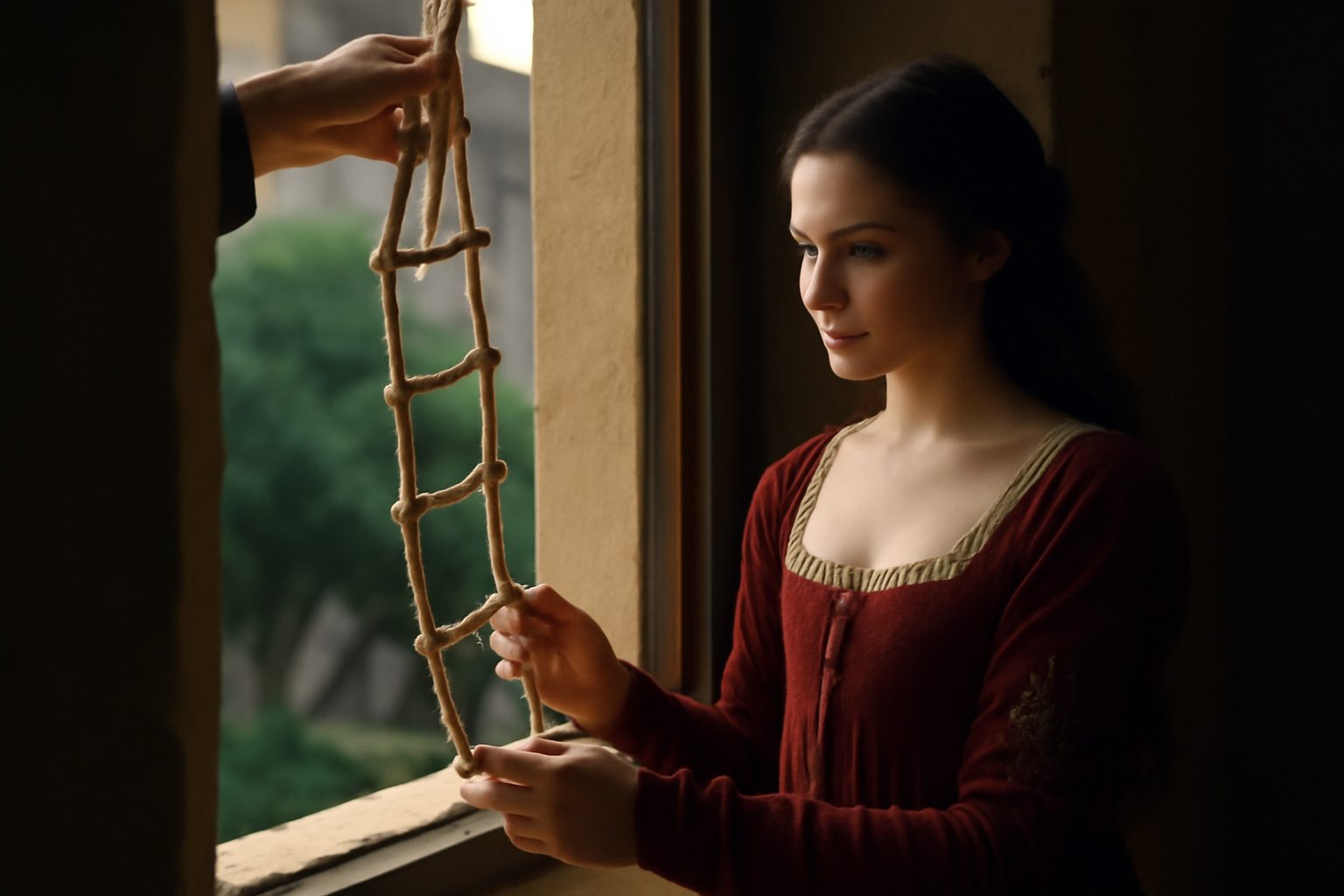
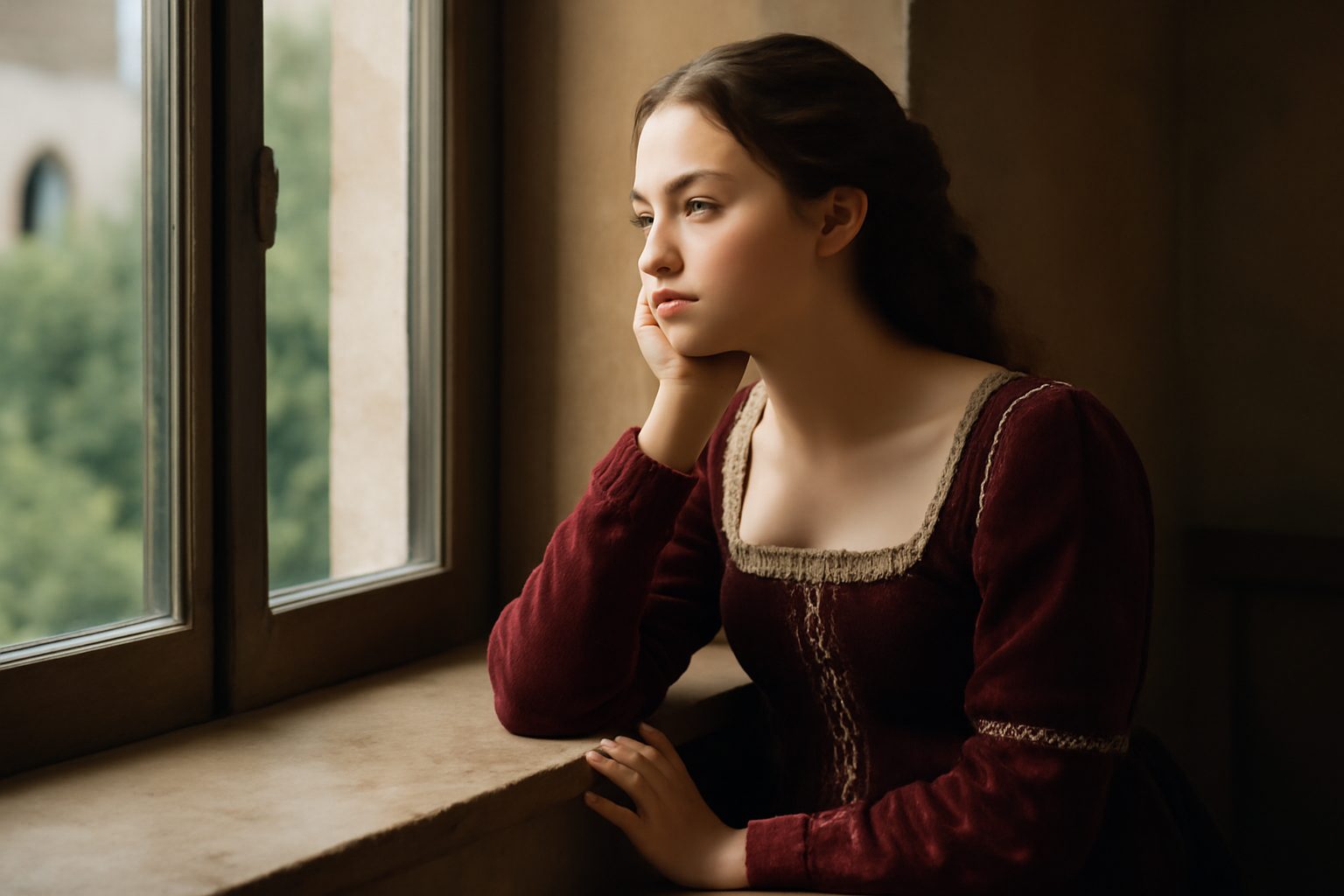
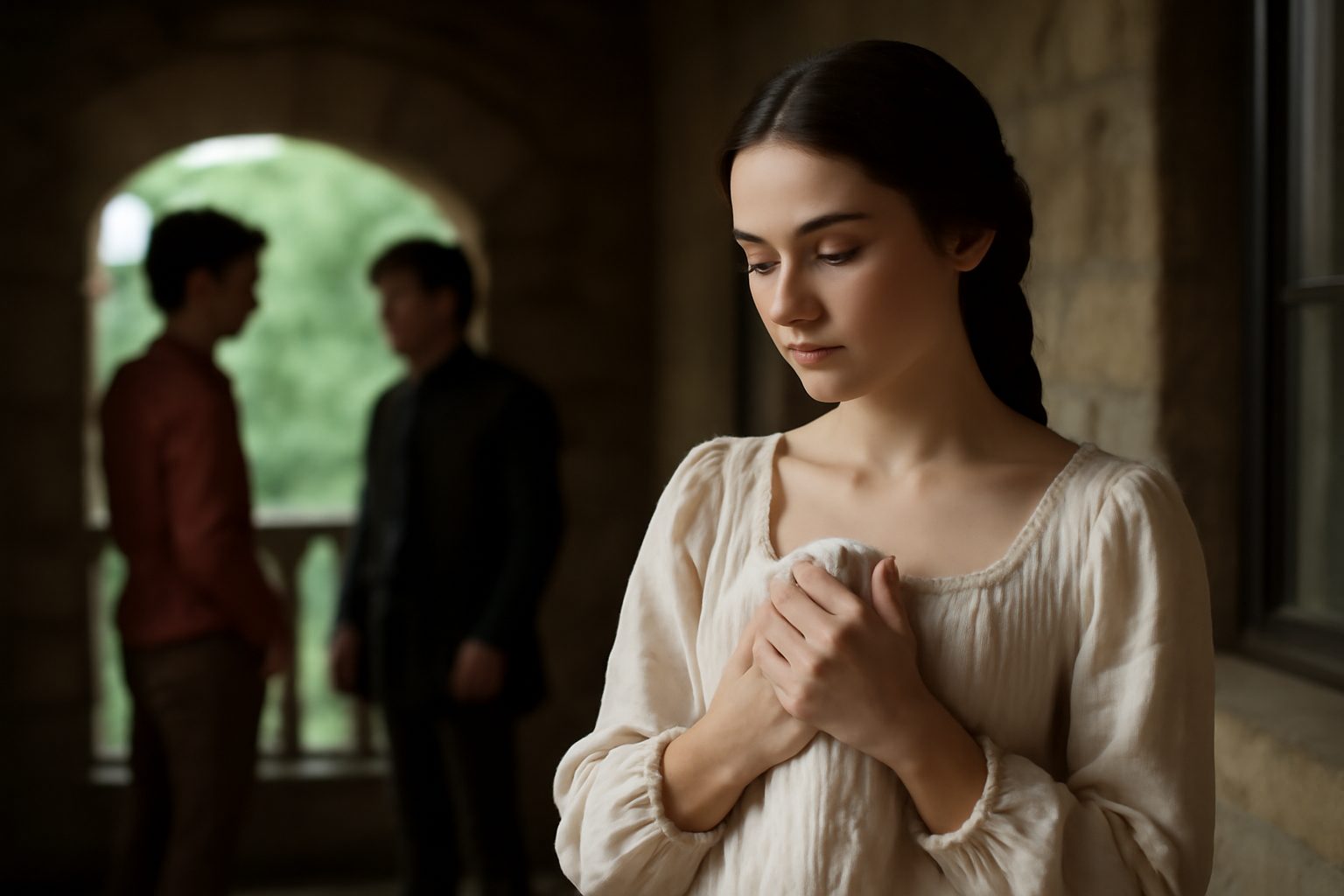
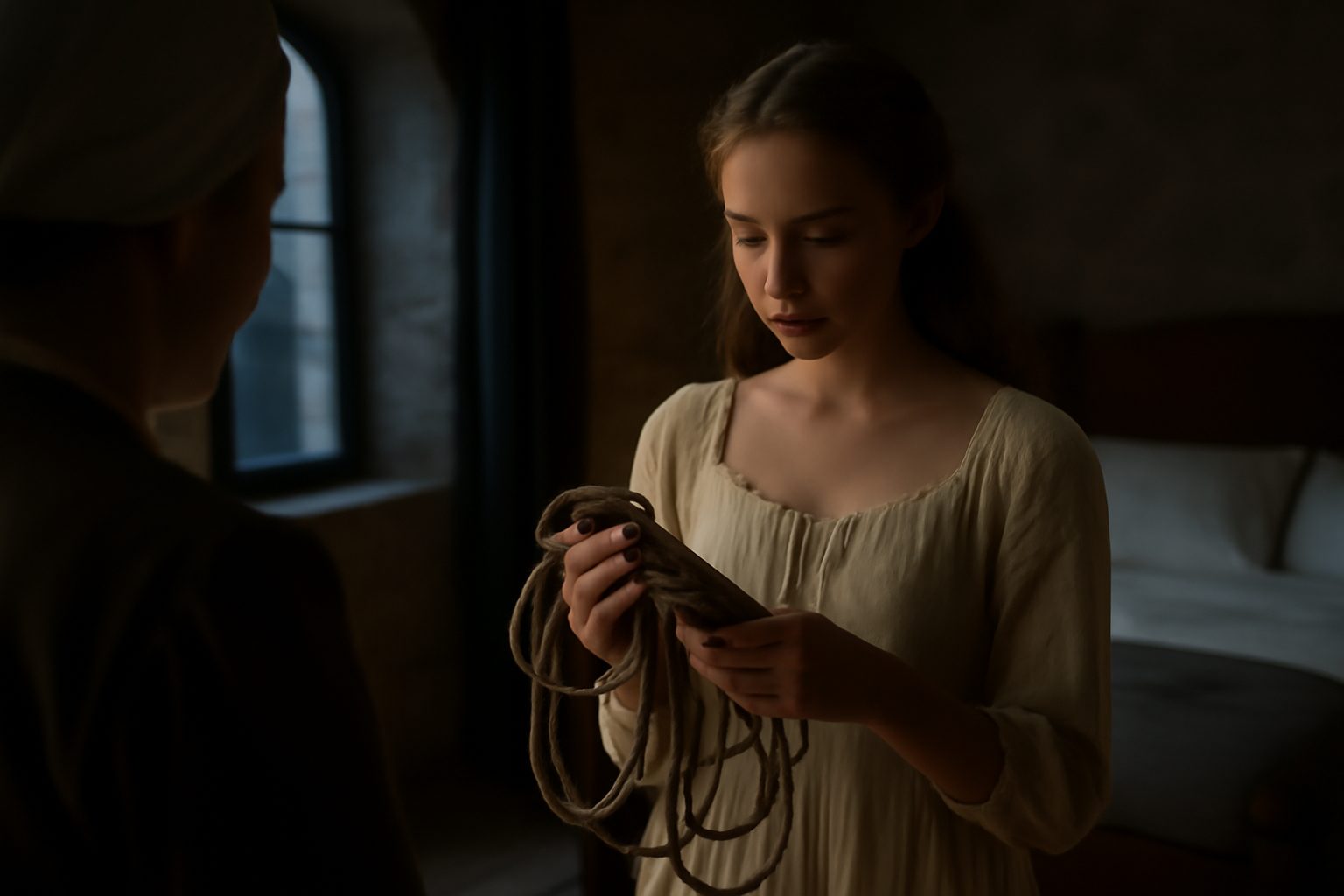
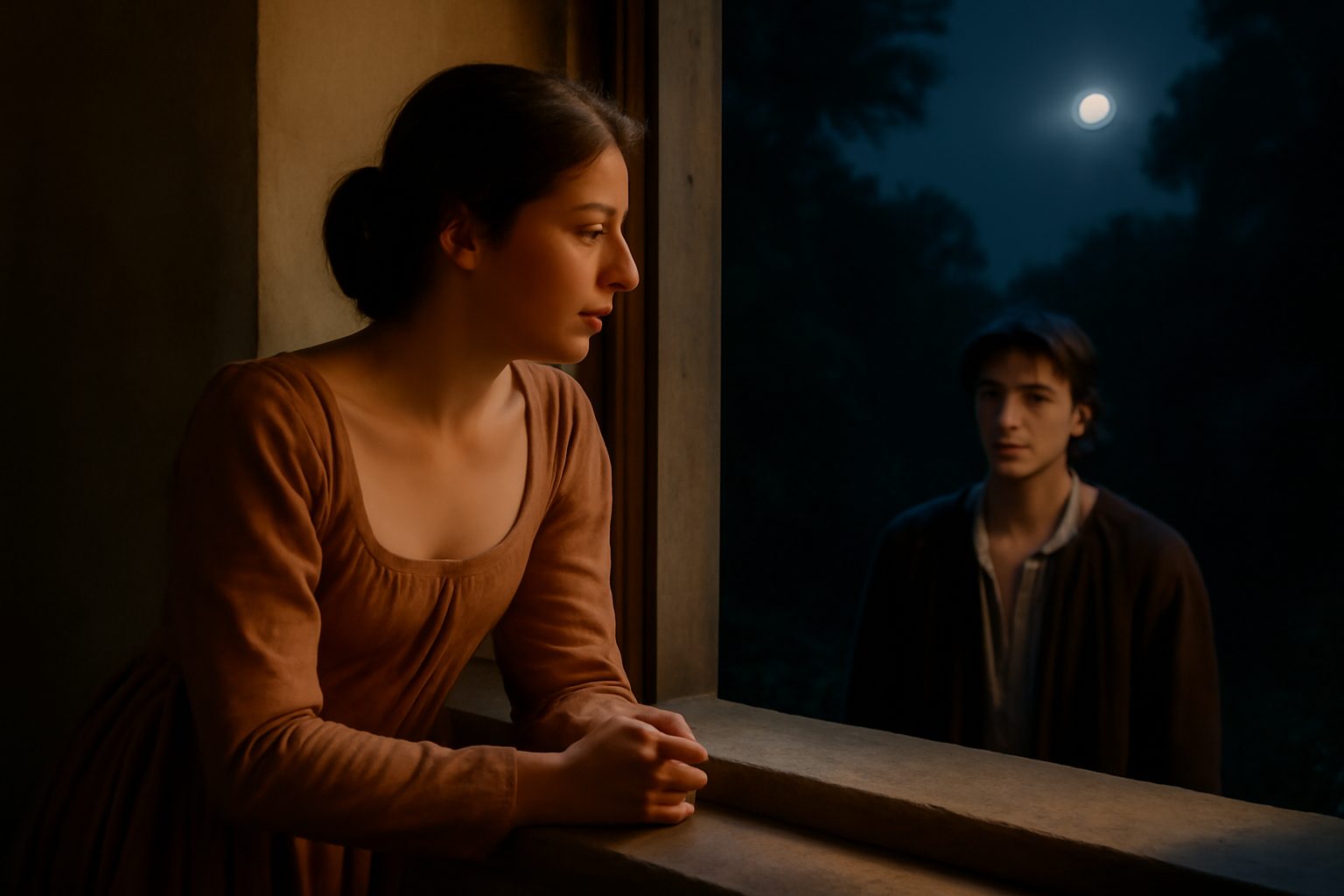
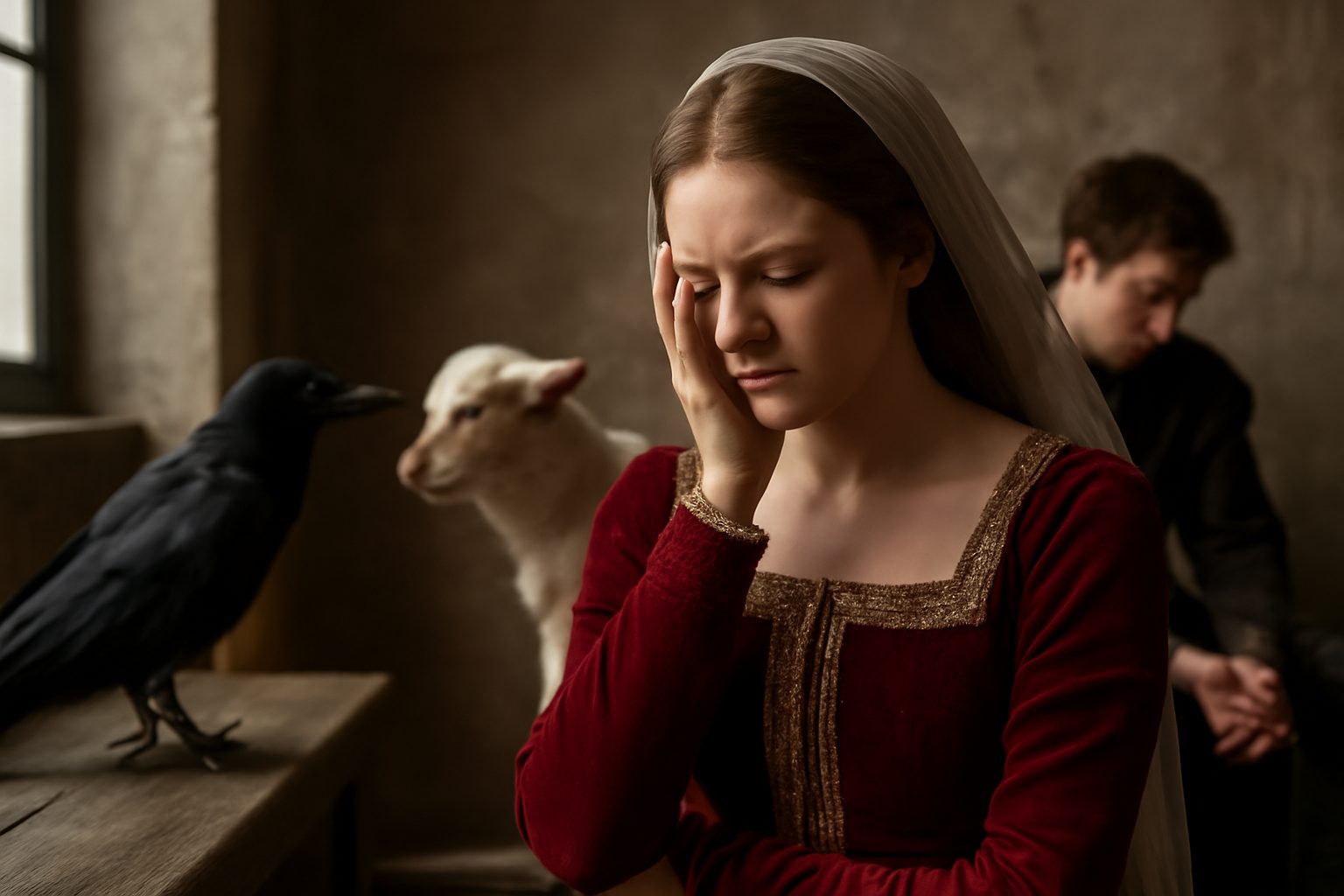
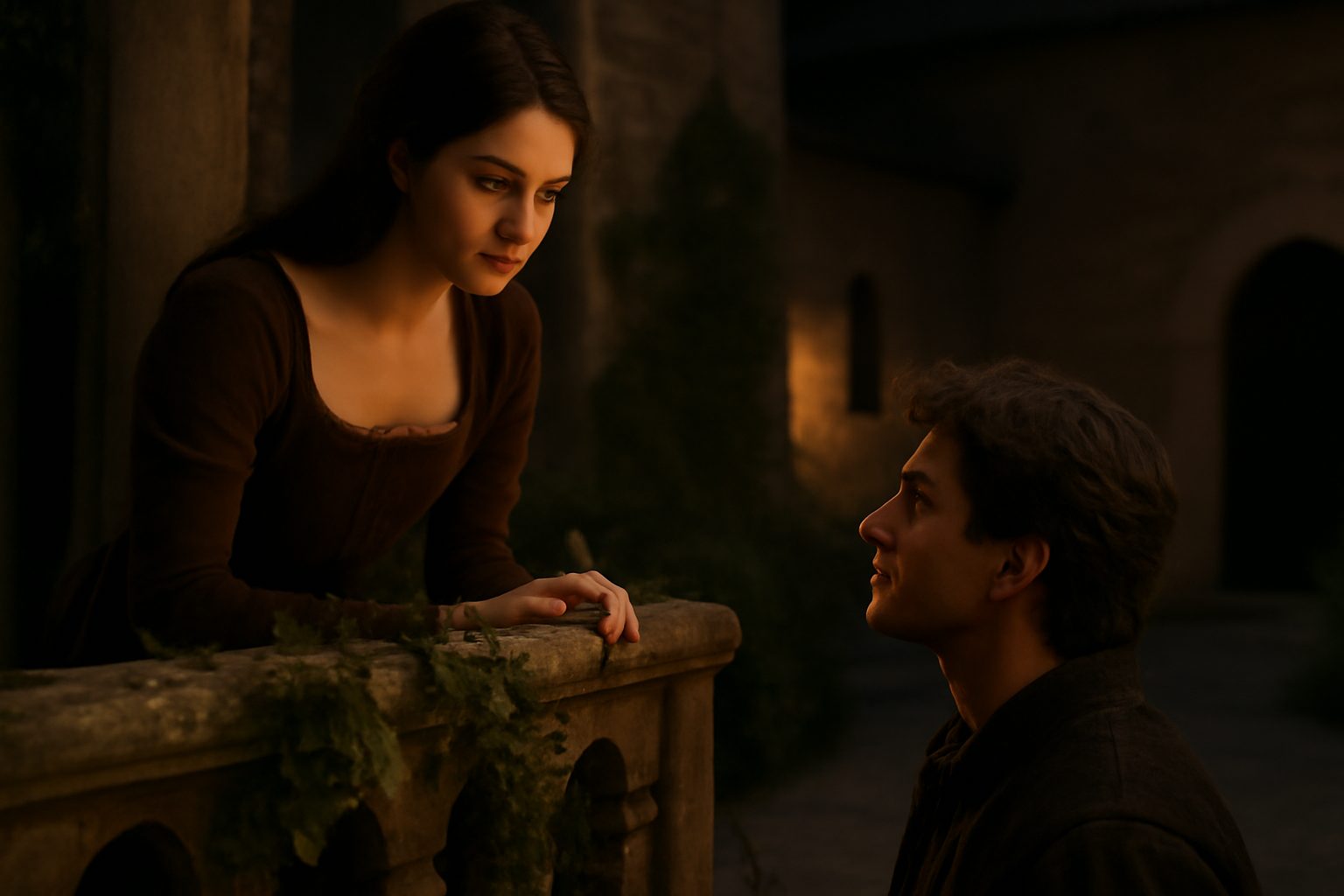
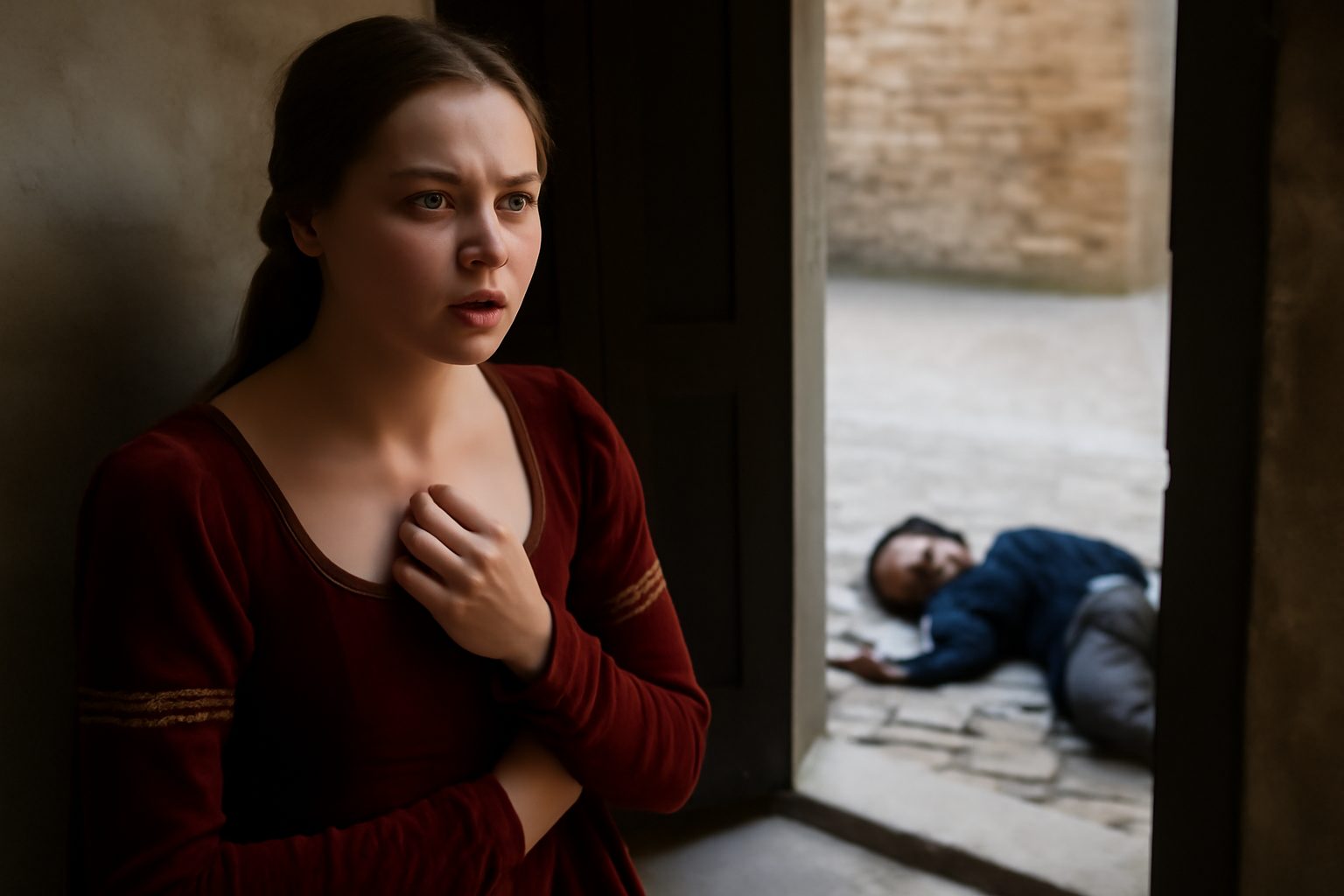
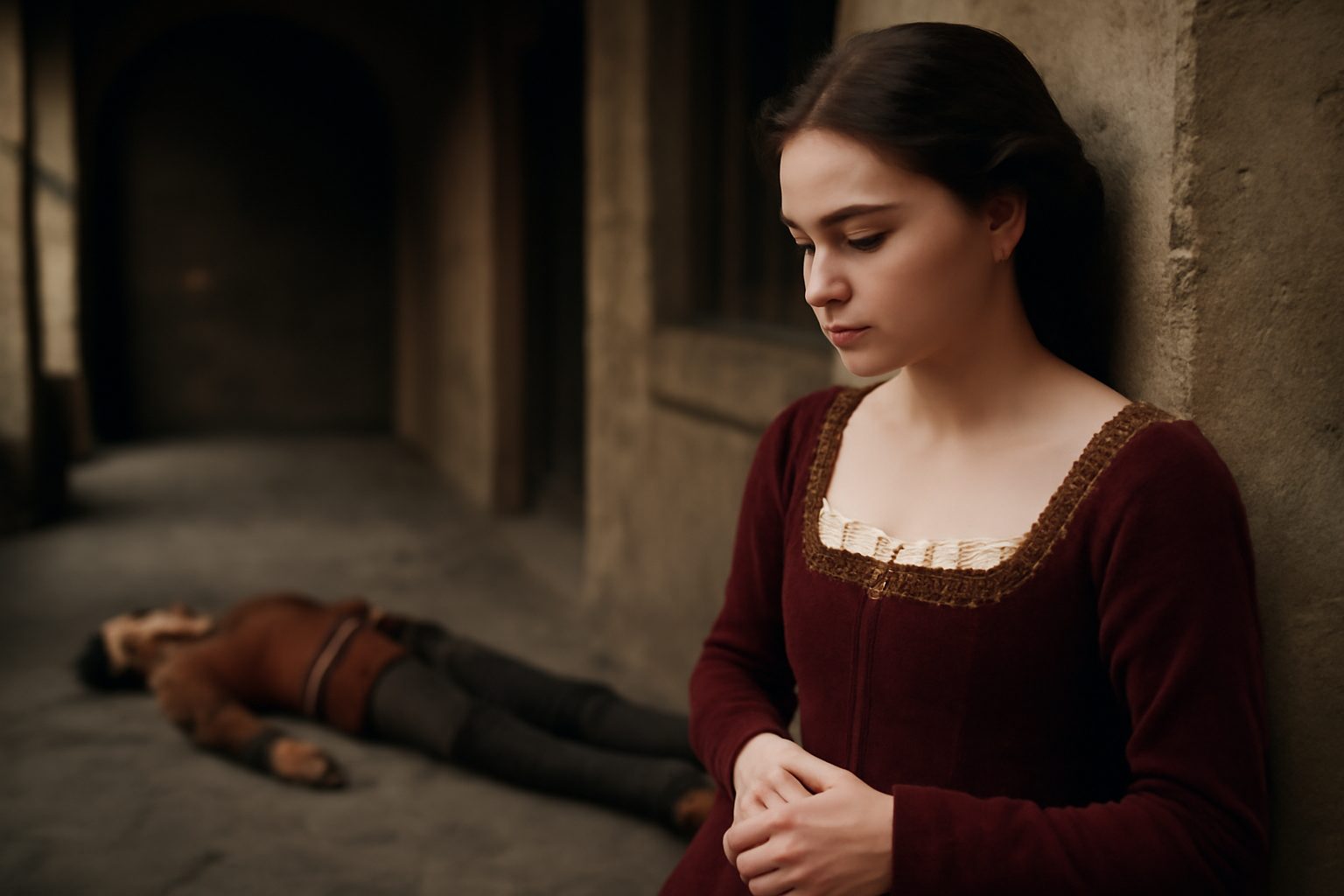
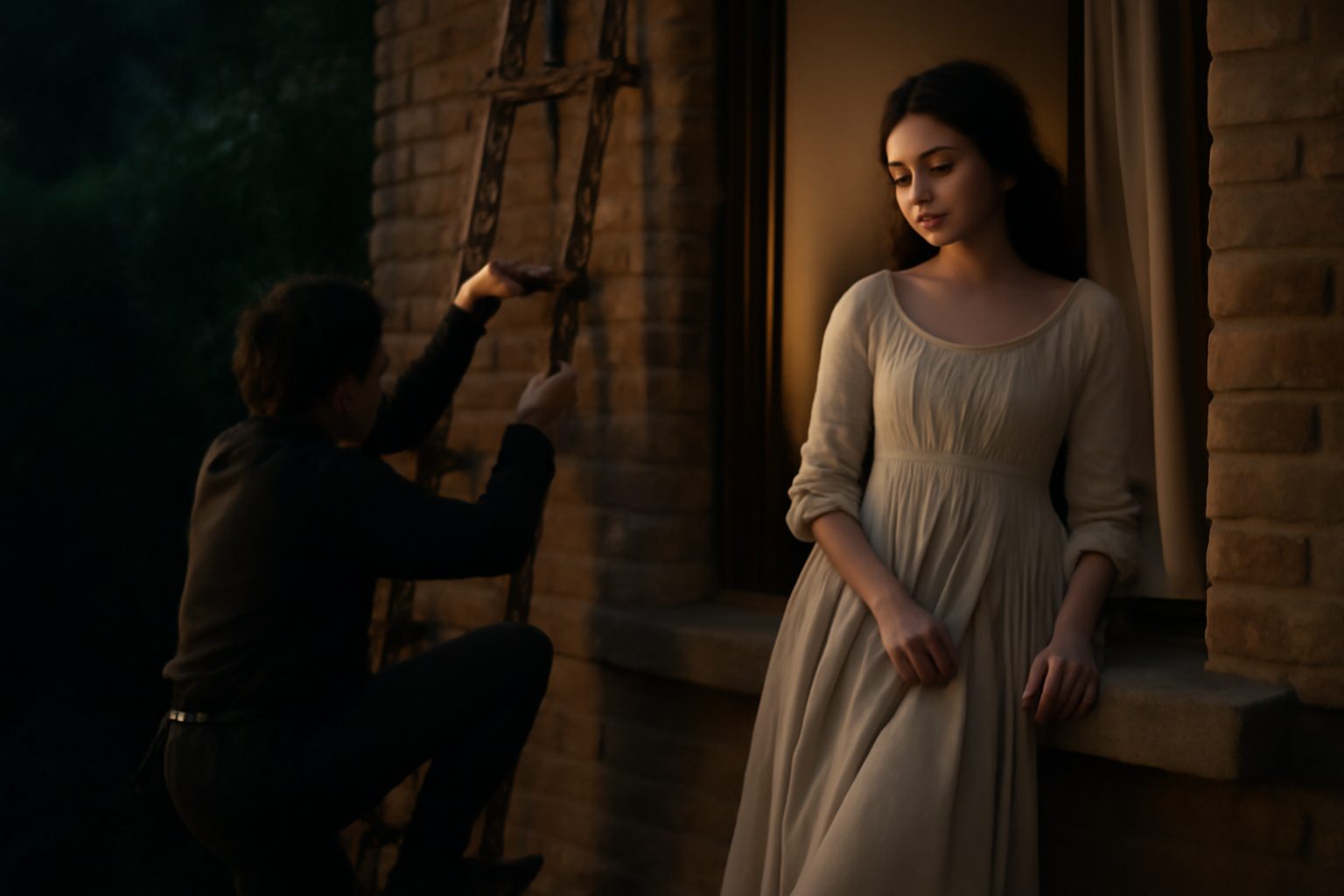
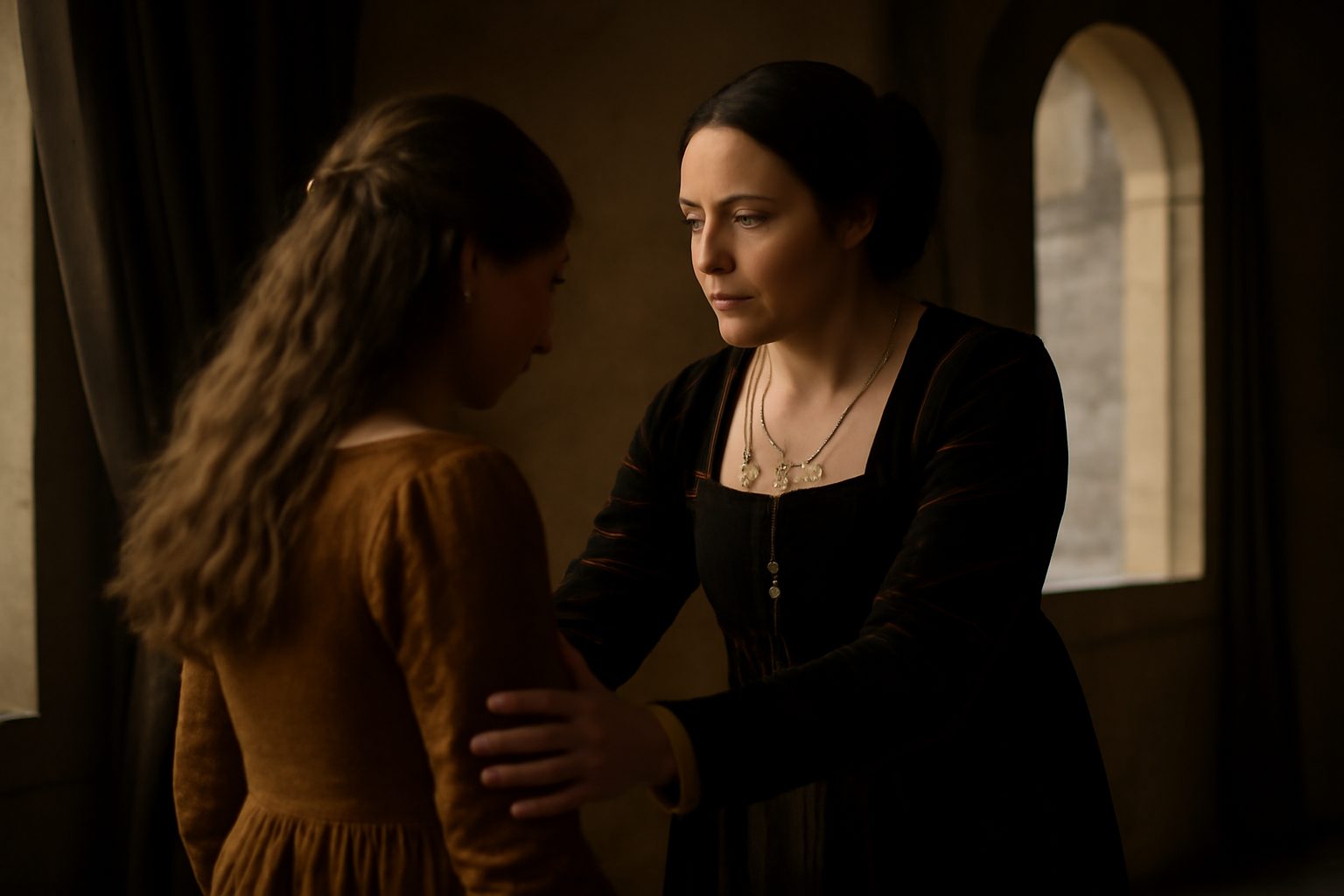
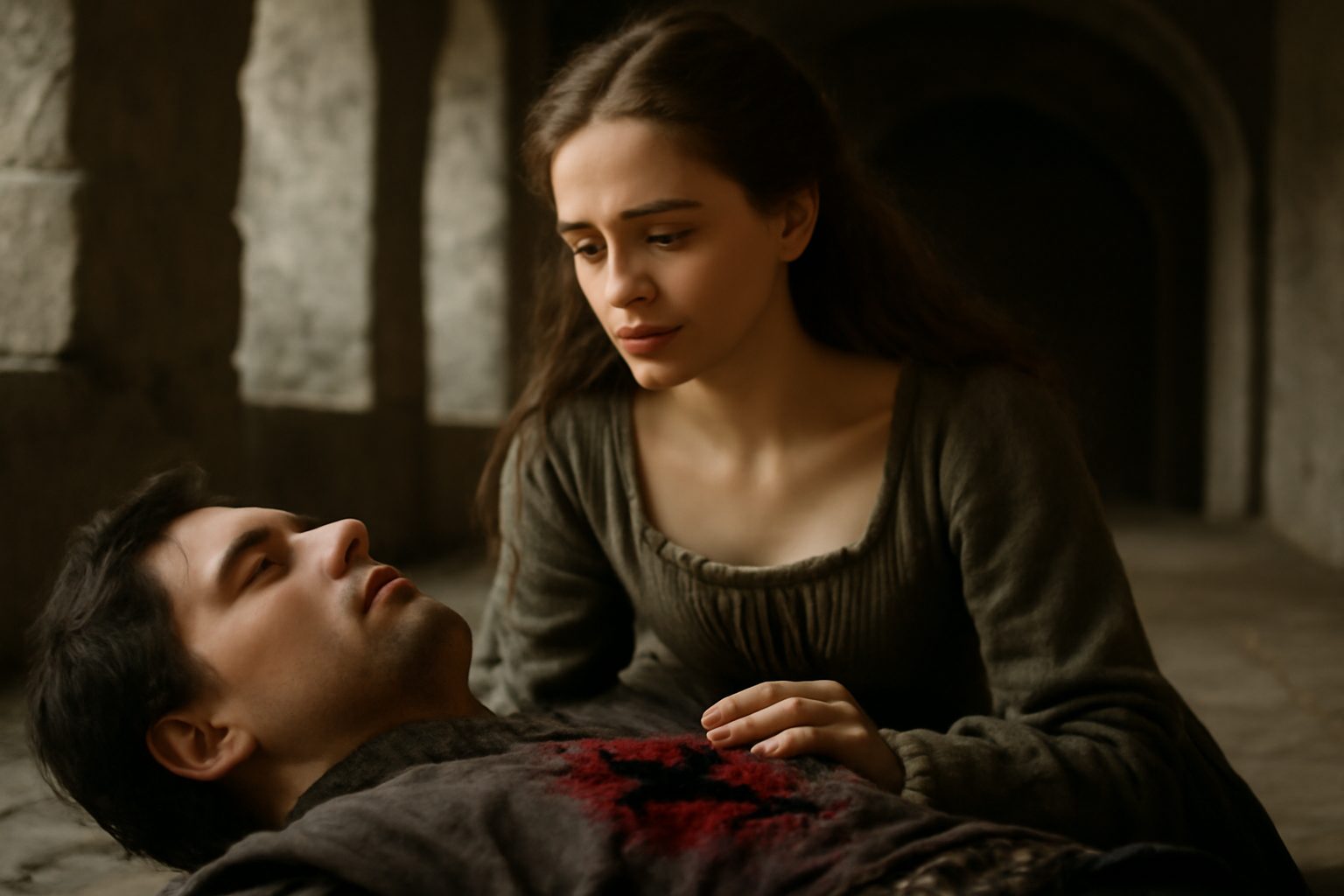
In Act 3, Scene 2 of Romeo and Juliet, Juliet eagerly awaits Romeo's arrival, her heart full of anticipation after their secret marriage. This line captures the restless excitement she feels, comparing her impatience to the night before a joyous celebration. The moment is charged with expectation, though the audience knows tragedy looms just beyond this fleeting happiness.
Juliet: "As is the night before some festival"
In modern day english, we would say:
It’s like the night before a big celebration, full of excitement and anticipation.
Frequently Asked Questions
What does Juliet compare the night to in this line?
Juliet compares the night to the evening before a festival.
Connections to other verses:
Connections to "As is the night before some festival"
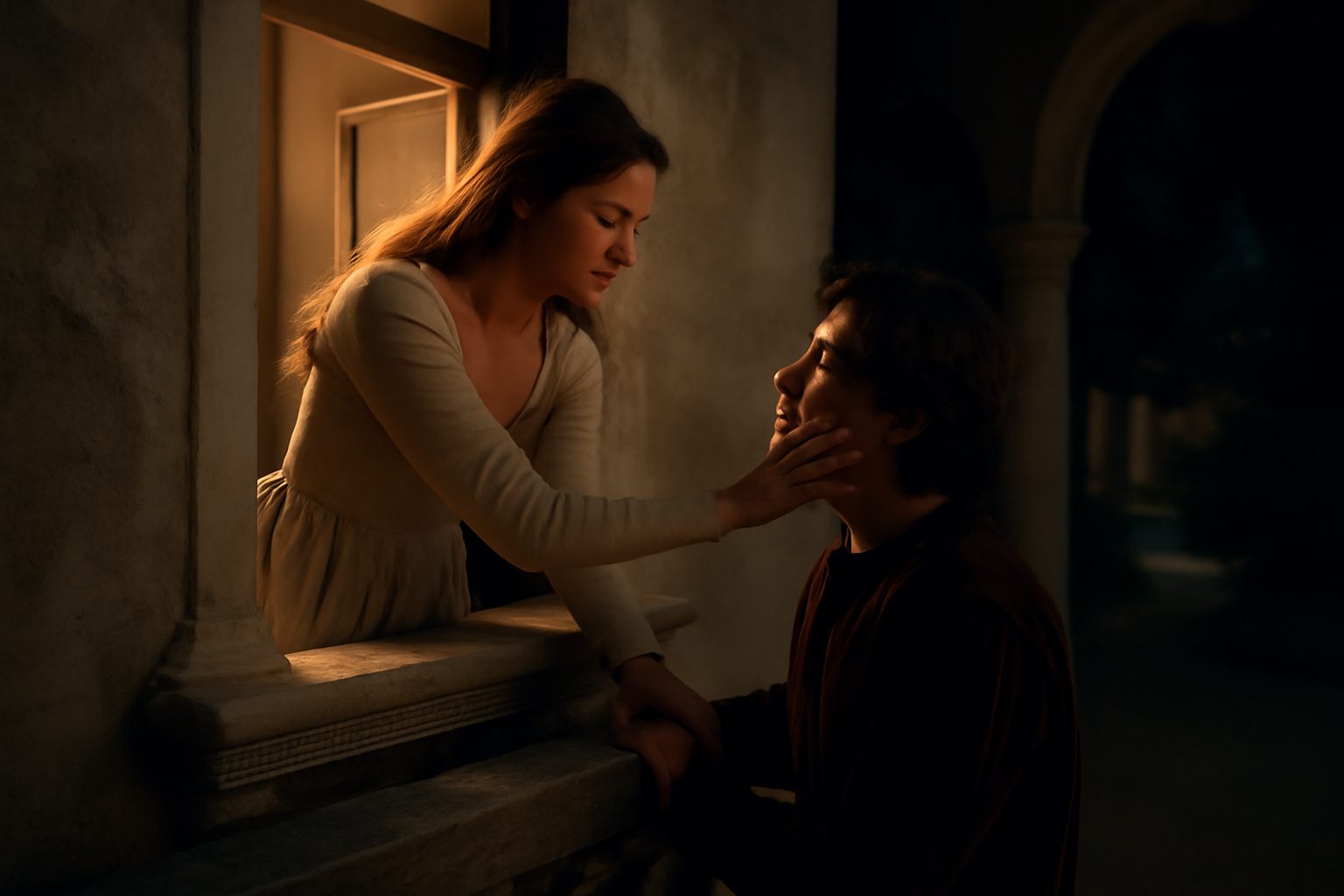
The verse "As is the night before some festival" captures Juliet's eager anticipation for her wedding night, comparing it to the excitement preceding a celebration. This imagery of joyful expectation is starkly contrasted by the tragic news that follows in the scene.
Anticipation and Imagery of Night
Juliet's longing for night is echoed in "Come, gentle night, come, loving, black-brow'd night" and "Come, night; come, Romeo; come, thou day in night", where night symbolizes union and intimacy. The festive anticipation is further emphasized by "To an impatient child that hath new robes", illustrating her restless excitement.
Dramatic Irony and Contrast
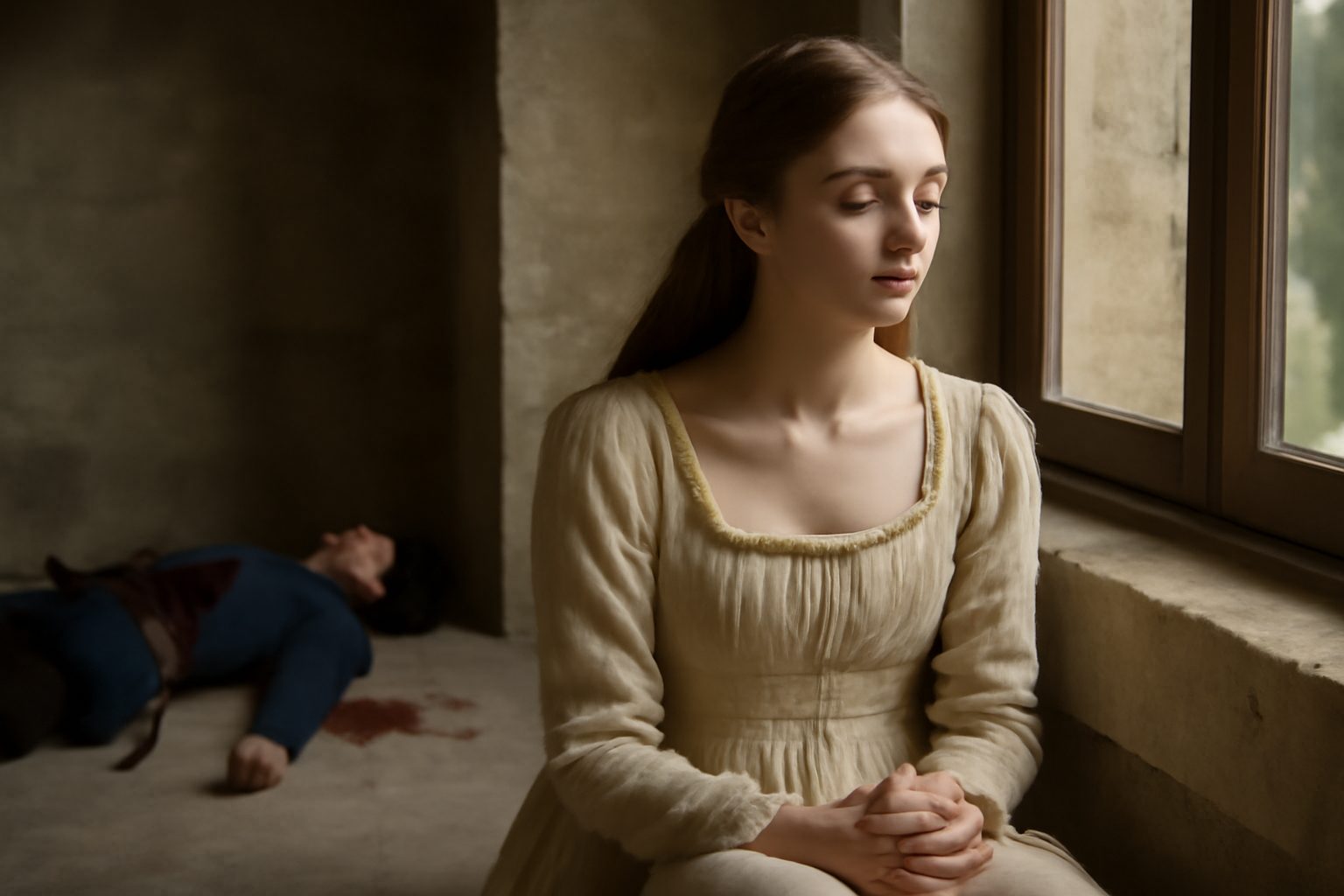
The hopeful tone of this verse is brutally undercut by the Nurse's entrance and the subsequent revelation of Tybalt's death and Romeo's banishment. "Ah, well-a-day! he's dead, he's dead, he's dead!" and "Alack the day! he's gone, he's kill'd, he's dead!" shatter Juliet's festive imagery, replacing it with grief.
Transformation of Emotion
Juliet's initial joy turns to despair, reflected in "O, break, my heart! poor bankrupt, break at once!" and "Vile earth, to earth resign; end motion here". The festive night she longed for becomes a backdrop to tragedy, highlighting the scene's emotional pivot.
Symbolic Duality
The verse's imagery of anticipation parallels "O, I have bought the mansion of a love", where Juliet speaks of unrealized joy, and "Not yet enjoy'd: so tedious is this day", reinforcing her impatience. However, this is contrasted with "And death, not Romeo, take my maidenhead!", where her desires twist into despair.