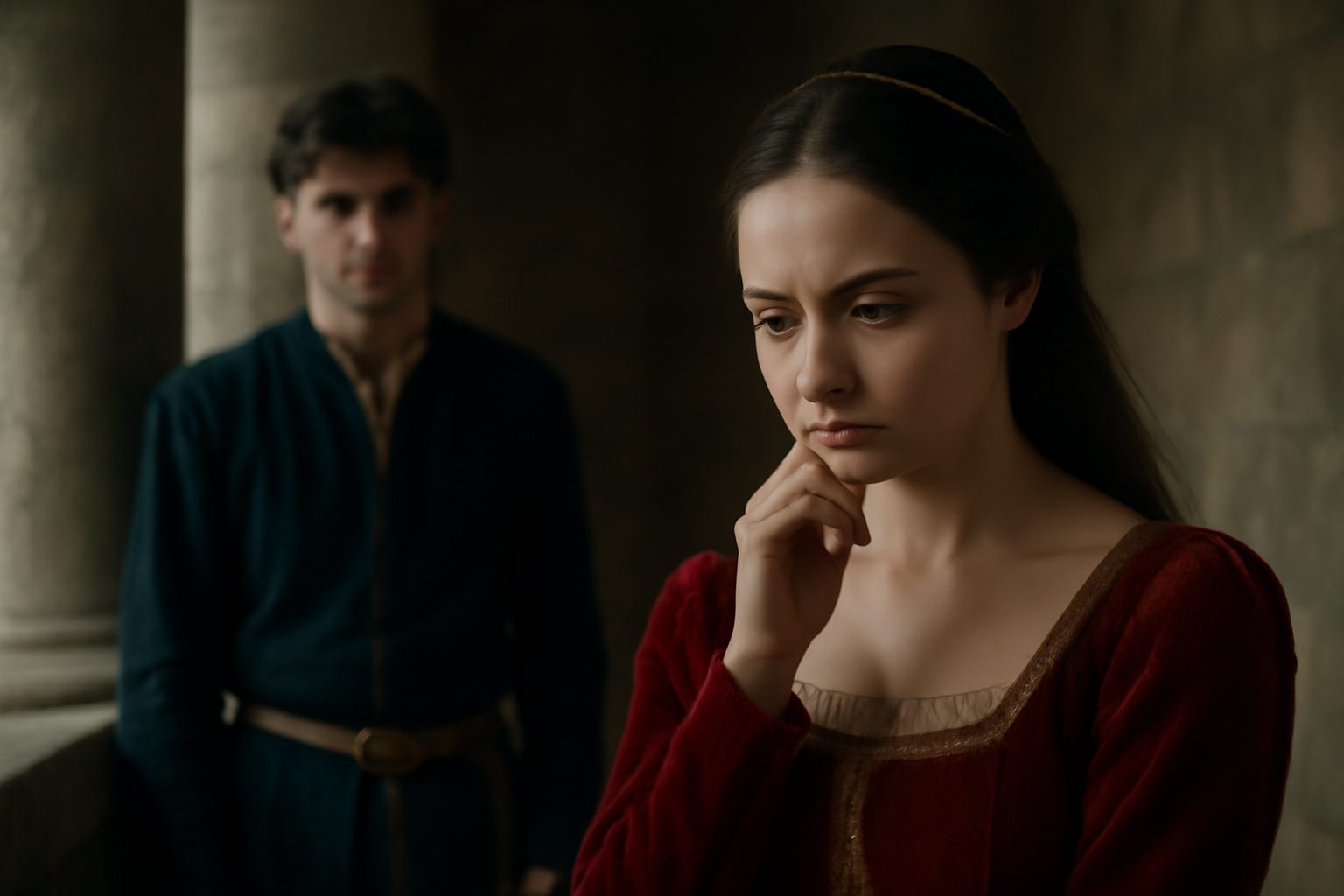
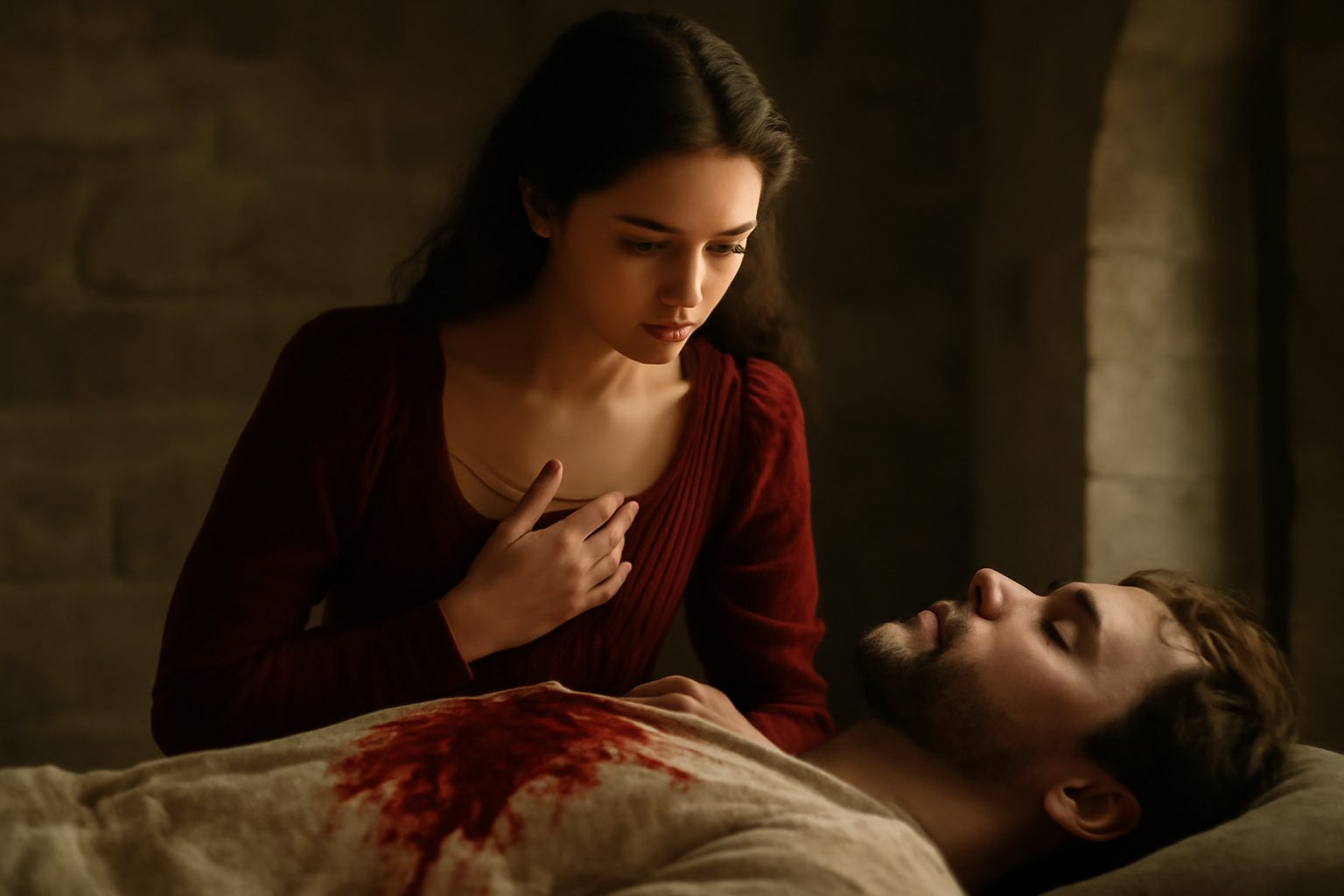
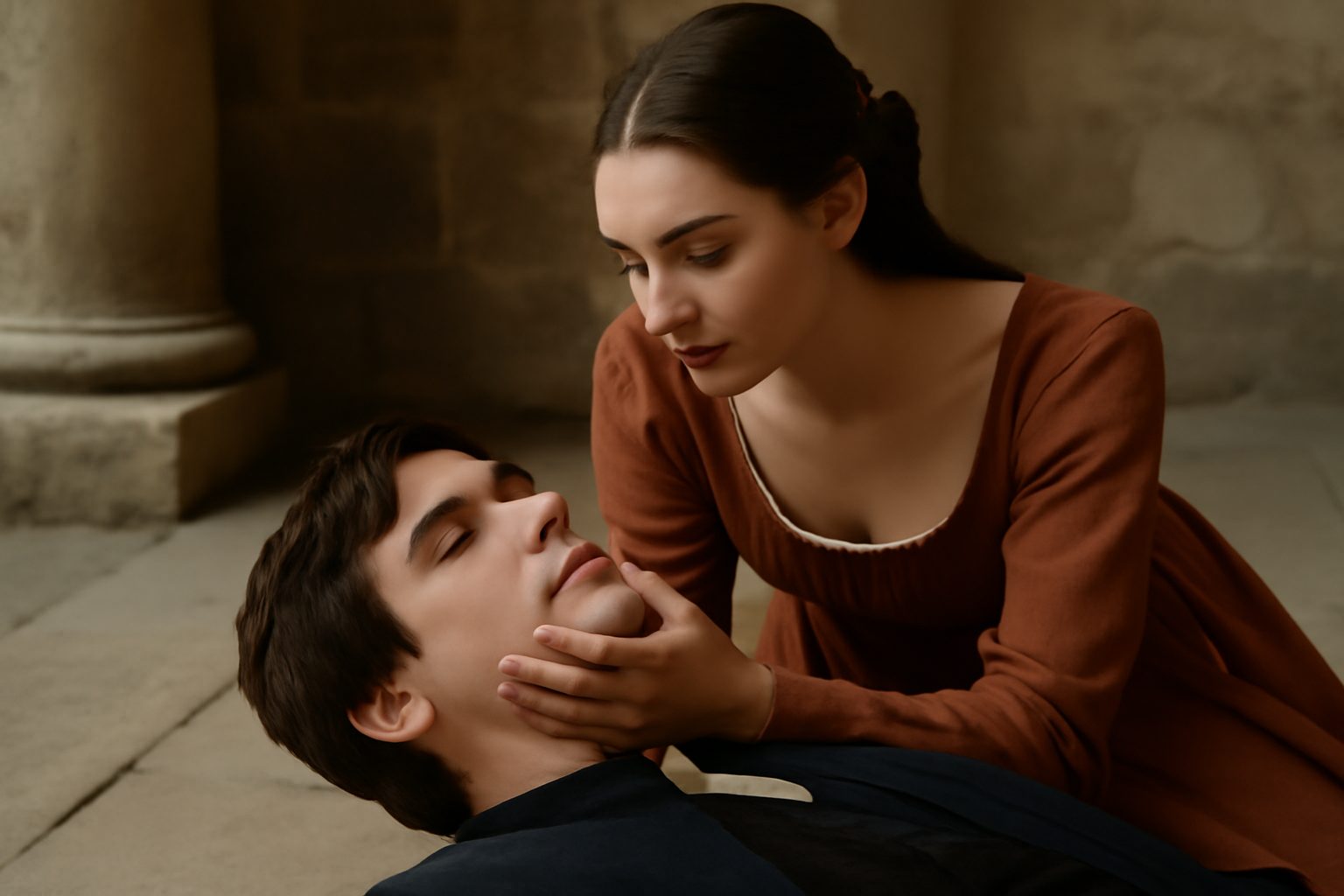
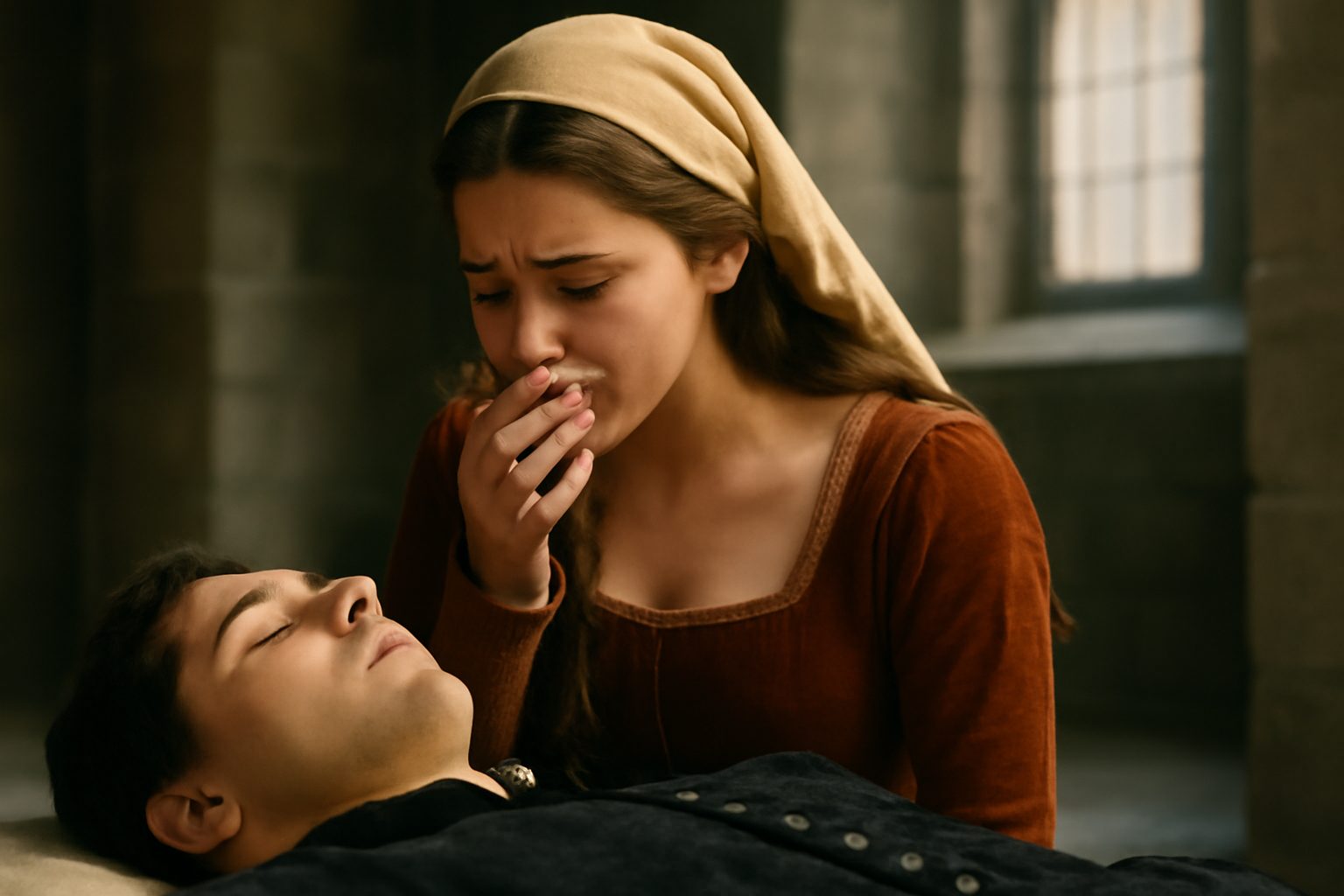
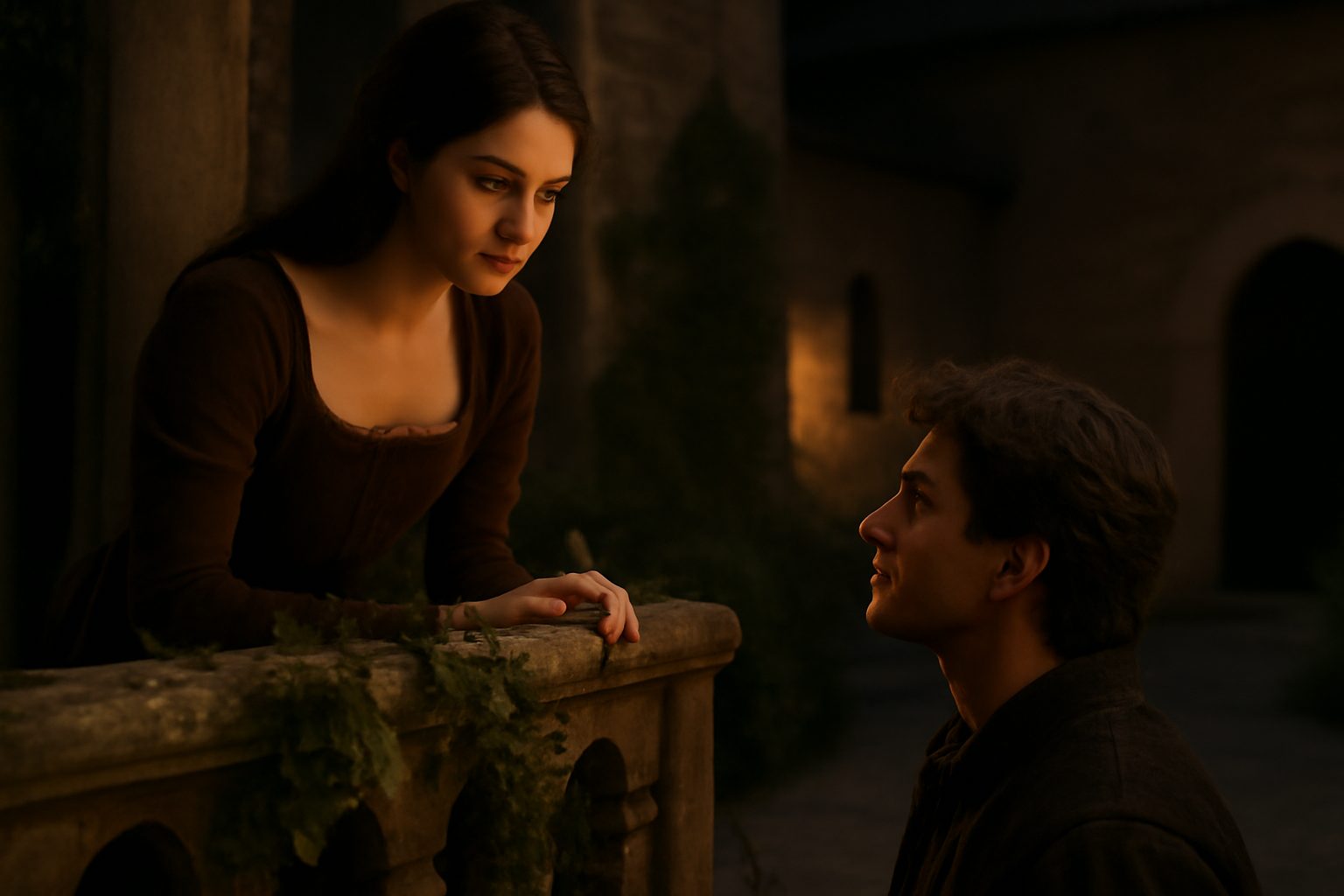
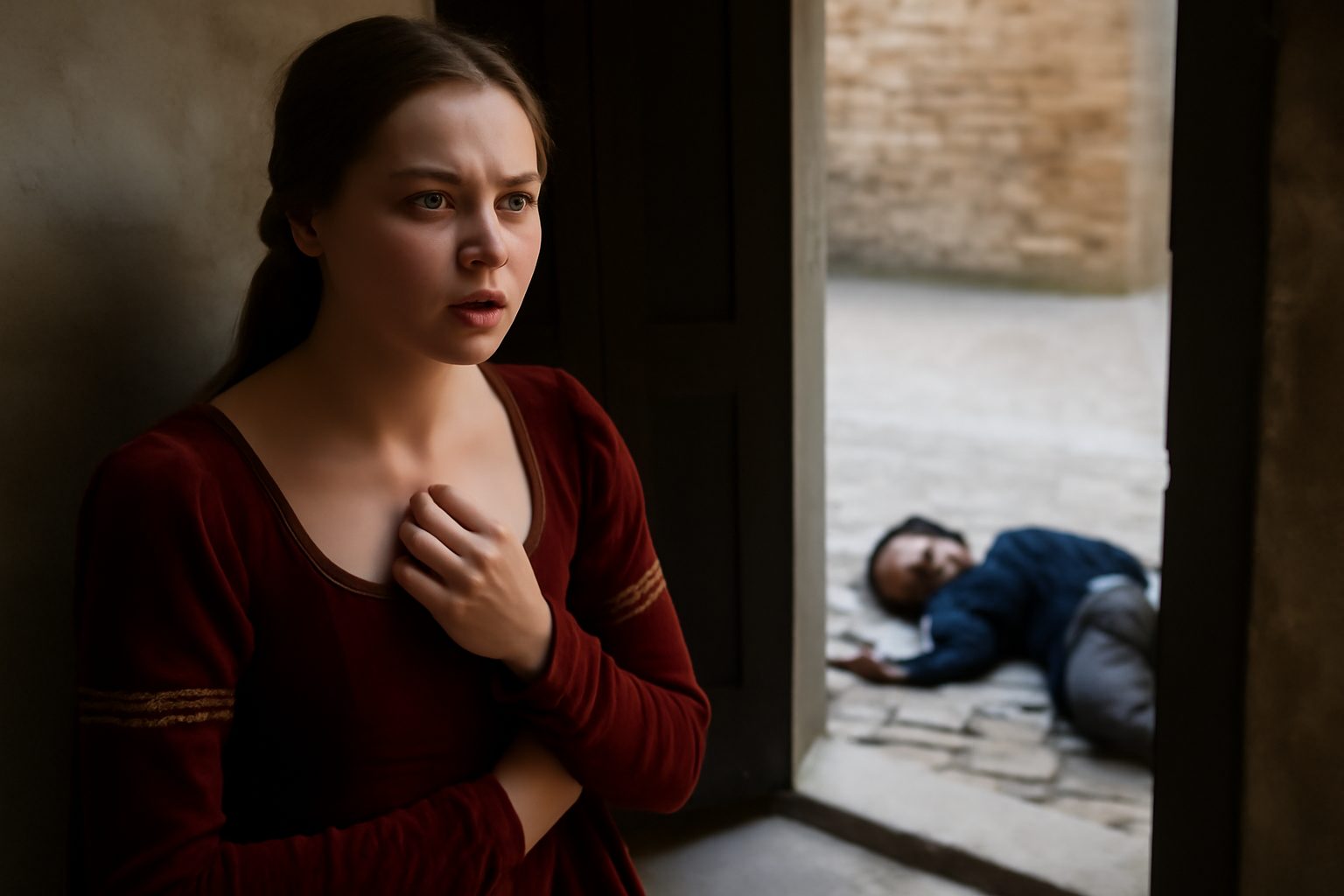
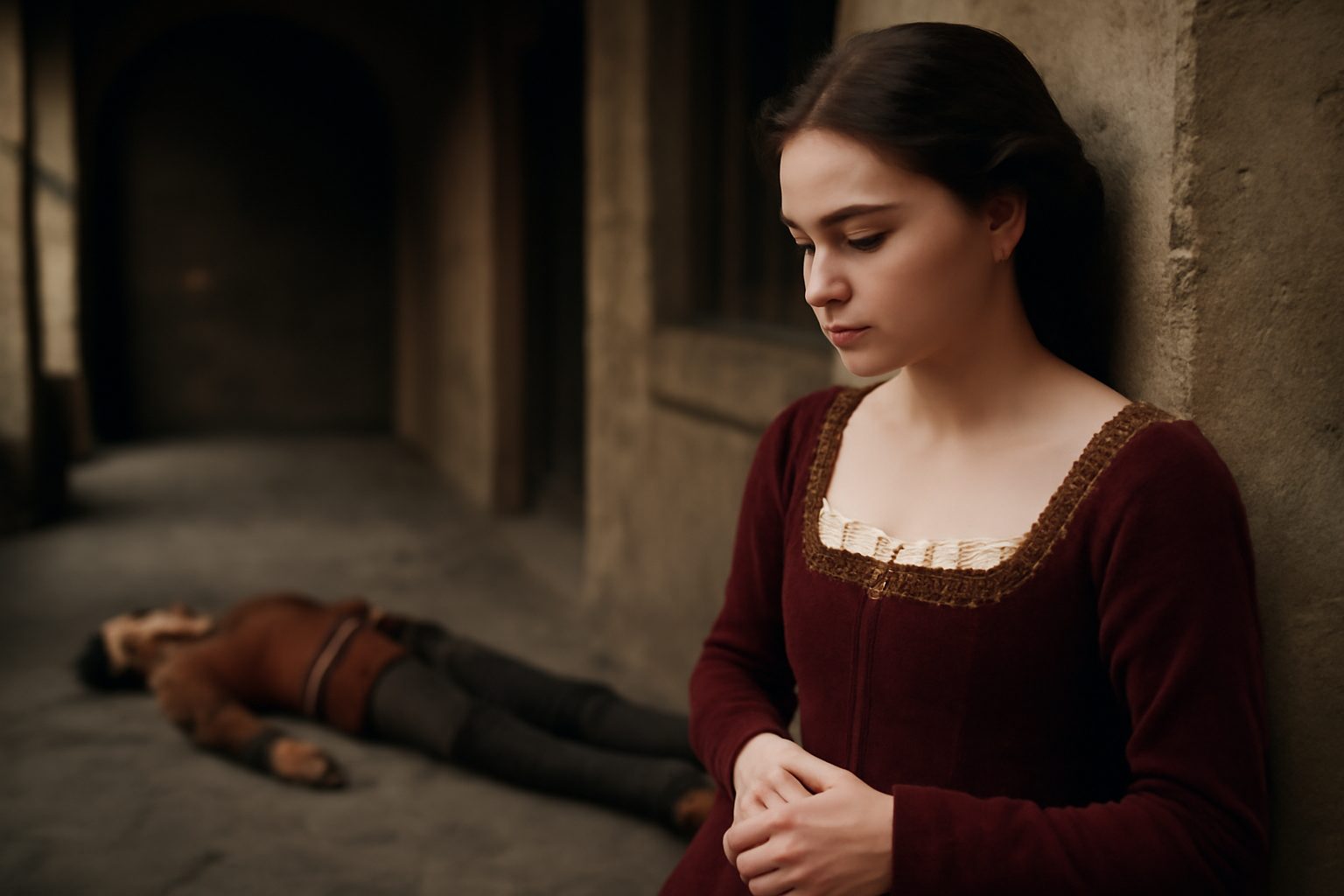
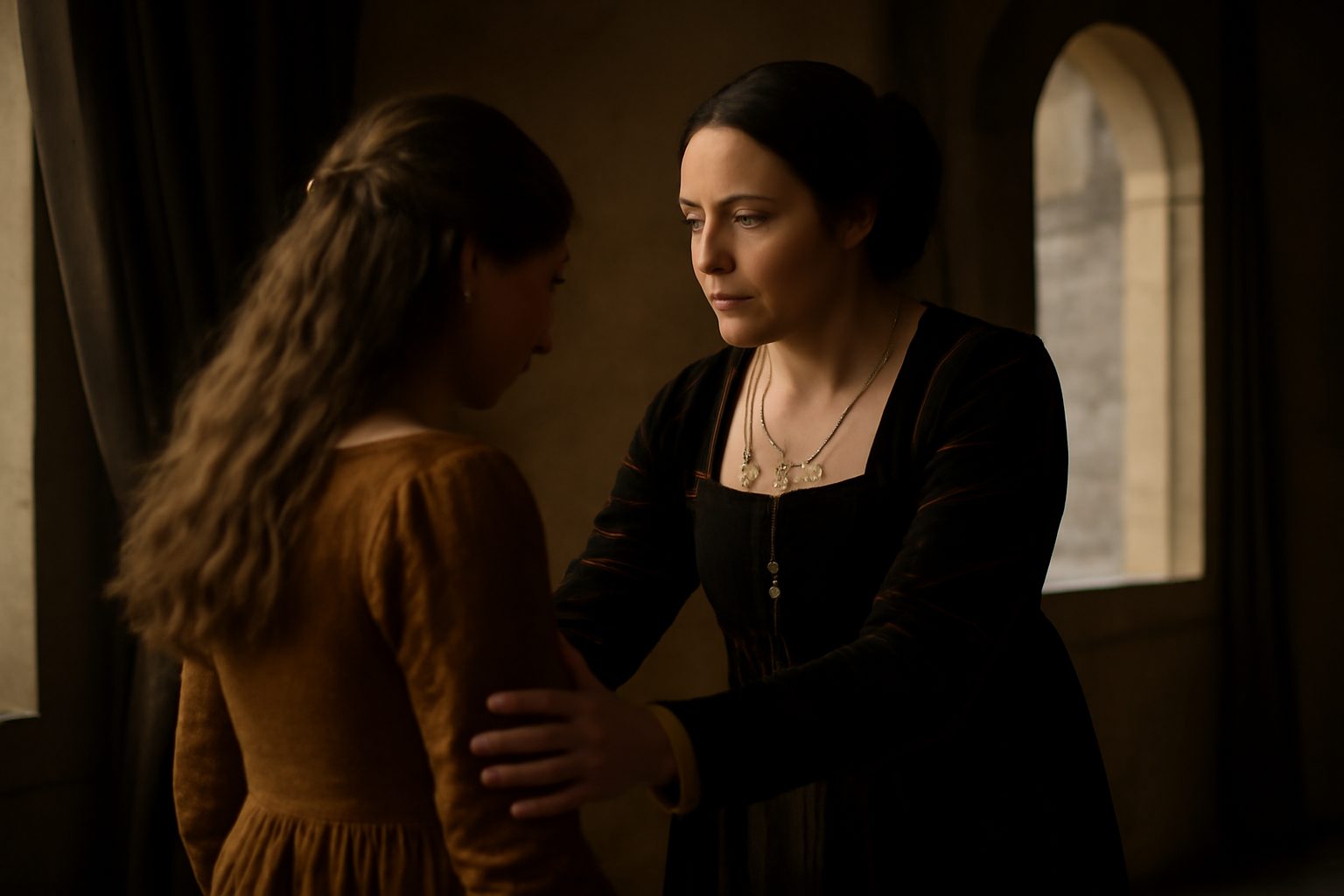
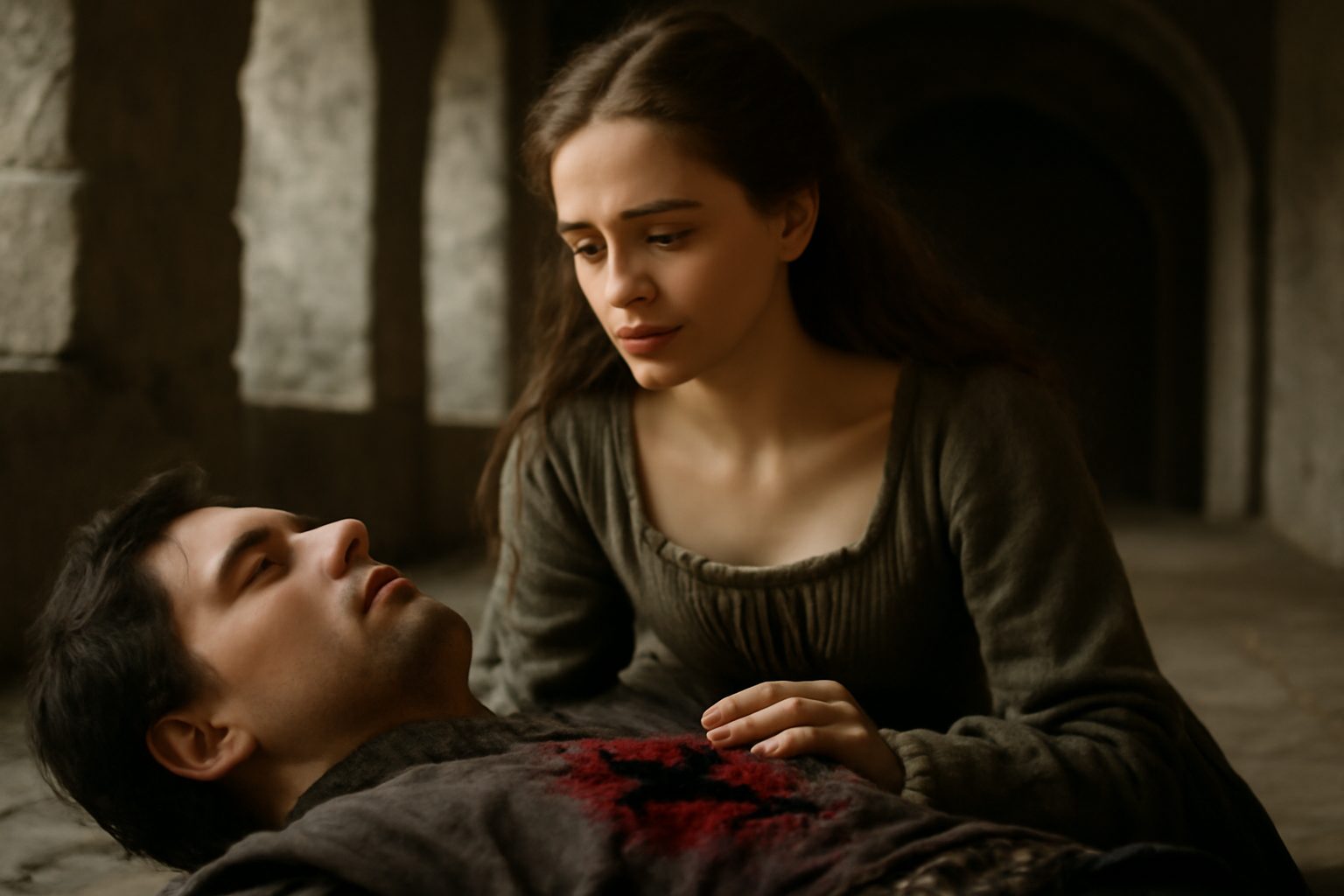
In Act 3 Scene 2 of Romeo and Juliet, Juliet anxiously awaits news from her nurse about Romeo. When she learns he has killed her cousin Tybalt, her initial grief and shock give way to conflicted anguish as she grapples with loving a man capable of such violence. The line reflects her despair as she compares Romeo's actions to something foul written in a book, torn between devotion and horror.
Juliet: "Was ever book containing such vile matter"
In modern day english, we would say:
Has any book ever contained such horrible content.
Frequently Asked Questions
What does Juliet compare to a book with bad content in this line?
Juliet compares the news of Romeo killing Tybalt to a book filled with terrible things.
Connections to other verses:
Connections to "Was ever book containing such vile matter"
The verse "Was ever book containing such vile matter" reflects Juliet's shock and horror upon learning that Romeo has killed Tybalt. This line uses the metaphor of a book to express her disbelief at the contradiction between Romeo's beautiful appearance and his violent actions.
Related Verses on Deception and Appearance
This theme is echoed in "O serpent heart, hid with a flowering face!", where Juliet directly contrasts Romeo's outer beauty with his inner violence. Similarly, "Did ever dragon keep so fair a cave?" extends this imagery, questioning how something so evil could reside in something so beautiful.
Expressions of Betrayal and Grief
Juliet's sense of betrayal is further emphasized in "Beautiful tyrant! fiend angelical!", which captures her conflicted emotions. Her grief over the situation is palpable in "O, break, my heart! poor bankrupt, break at once!", showing the depth of her despair.
Contrast with Earlier Idealism
This moment starkly contrasts with her earlier idealization of Romeo, such as in "Give me my Romeo; and, when he shall die", where she imagines a romanticized future. The shift from adoration to anguish highlights the tragic turn of events.
Connection to Banishment
The verse also ties into the theme of banishment, as seen in "That 'banished,' that one word 'banished,'", where Juliet laments the word's devastating impact. This connects her horror at Romeo's action to the consequence that now separates them.