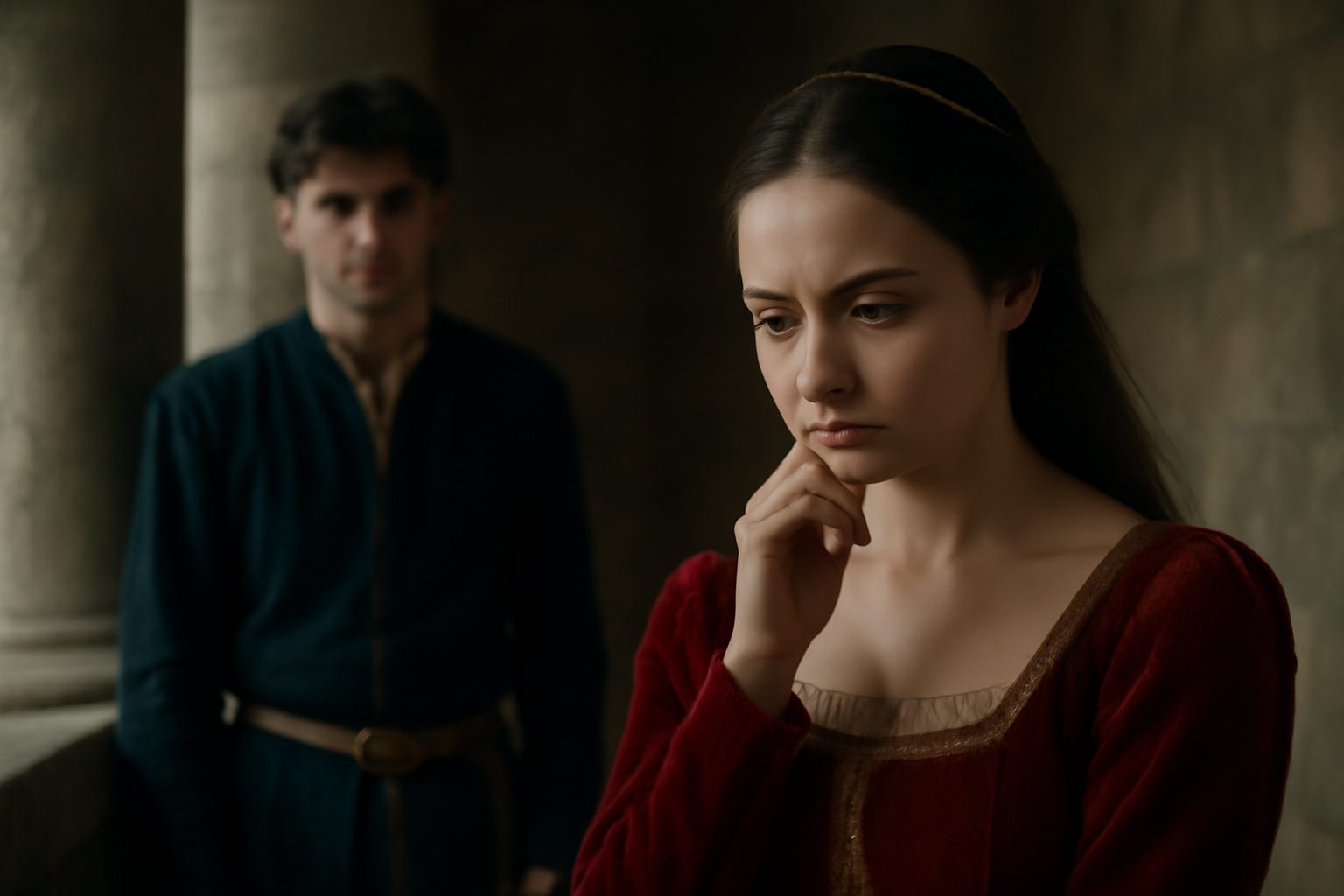
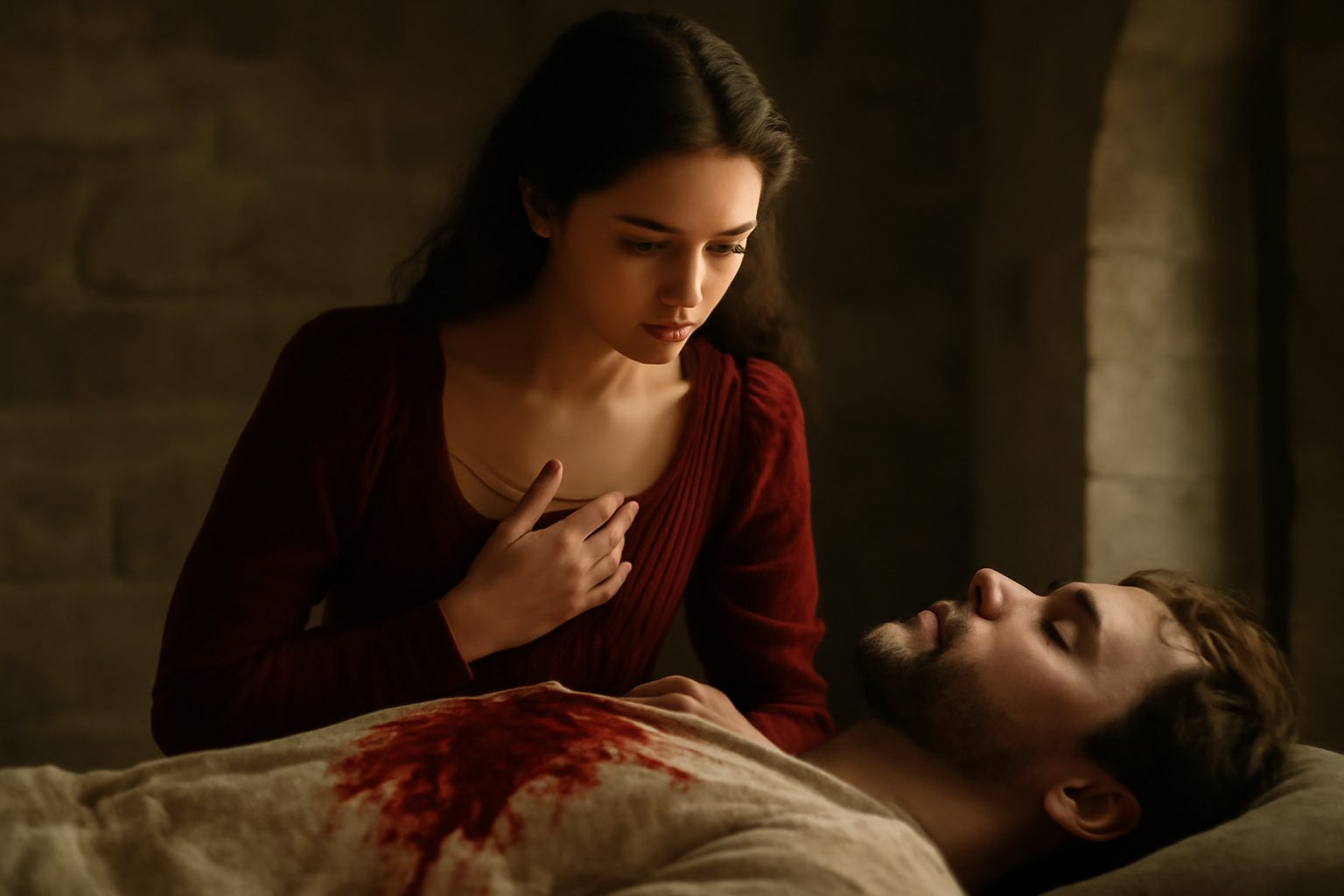
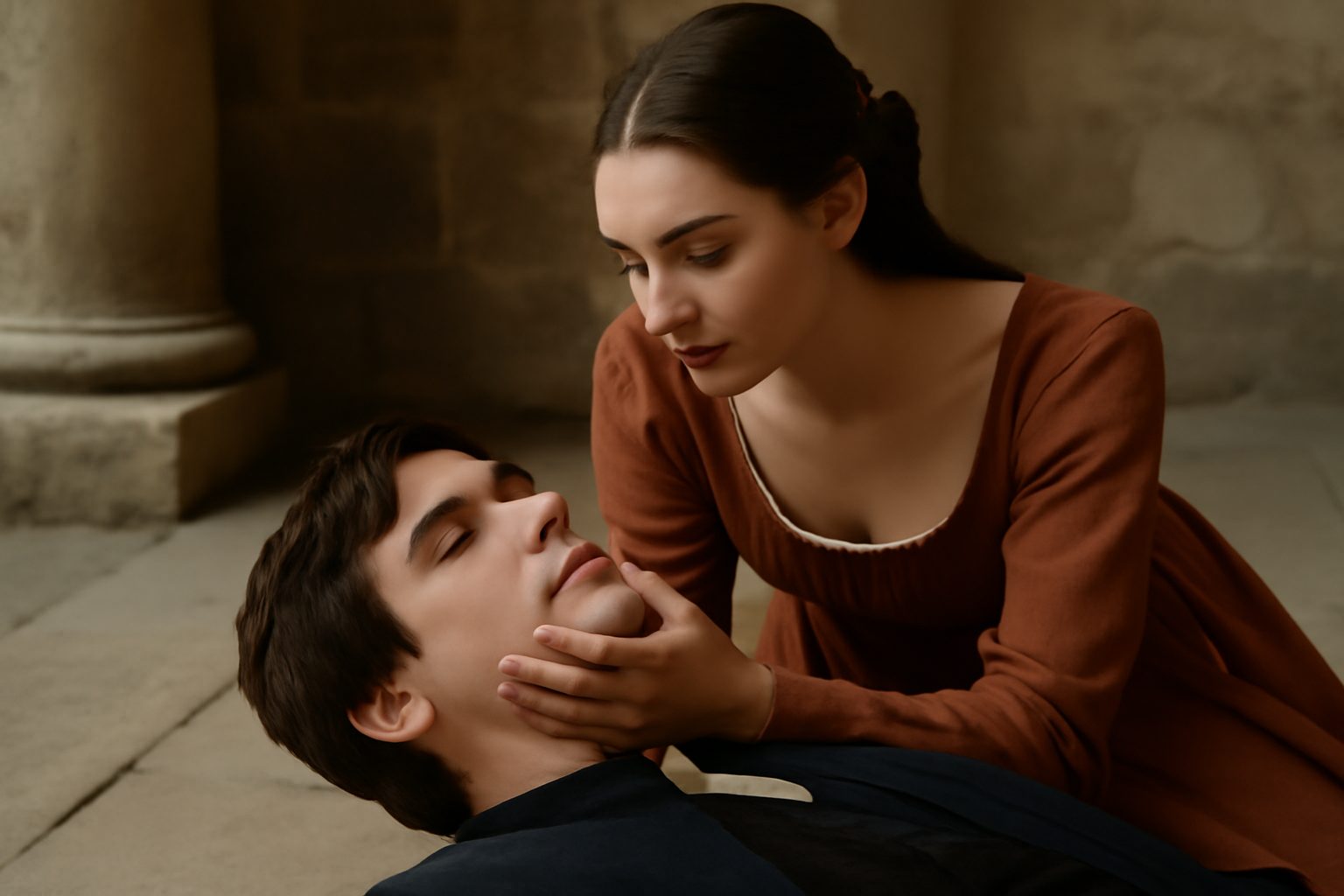
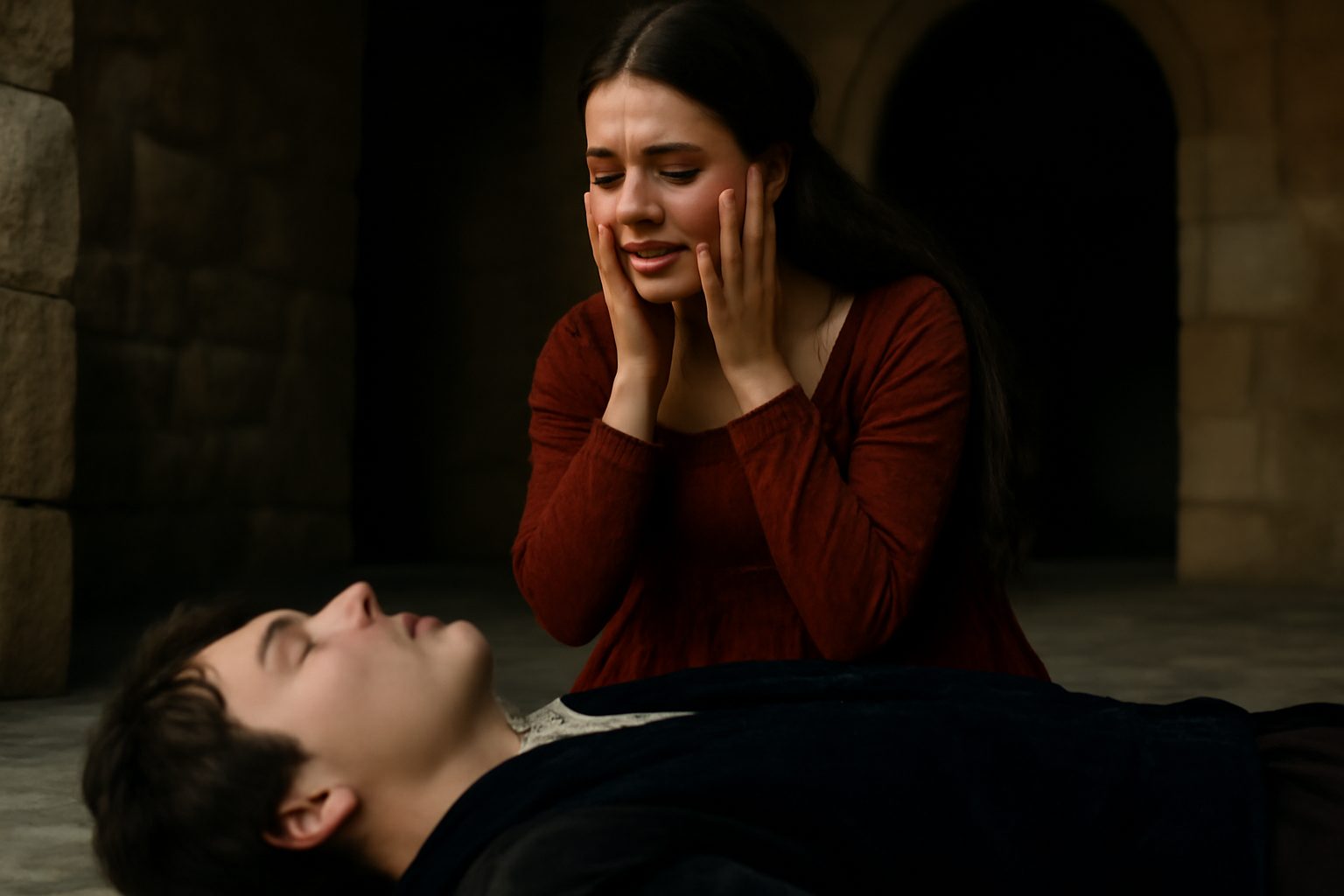
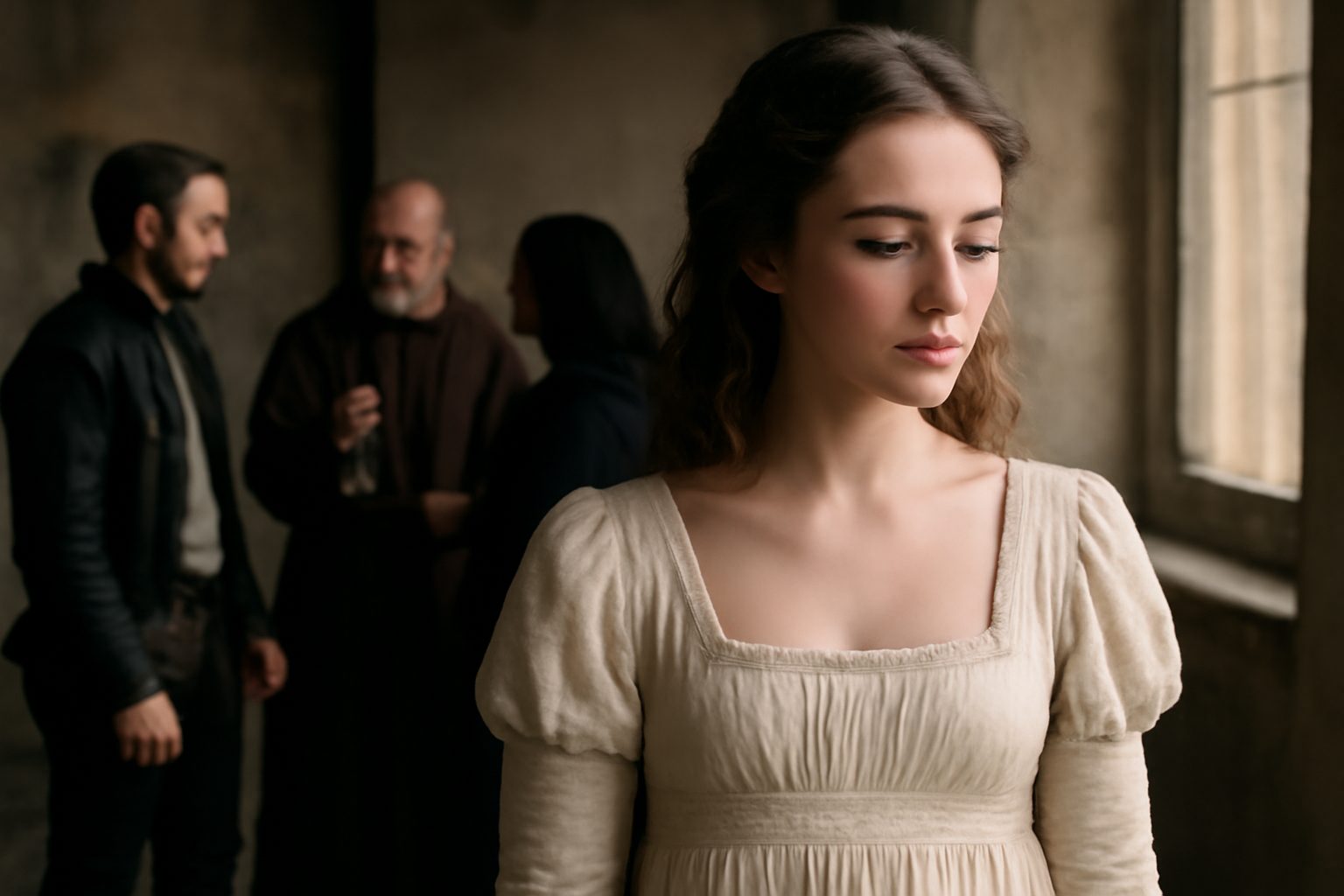
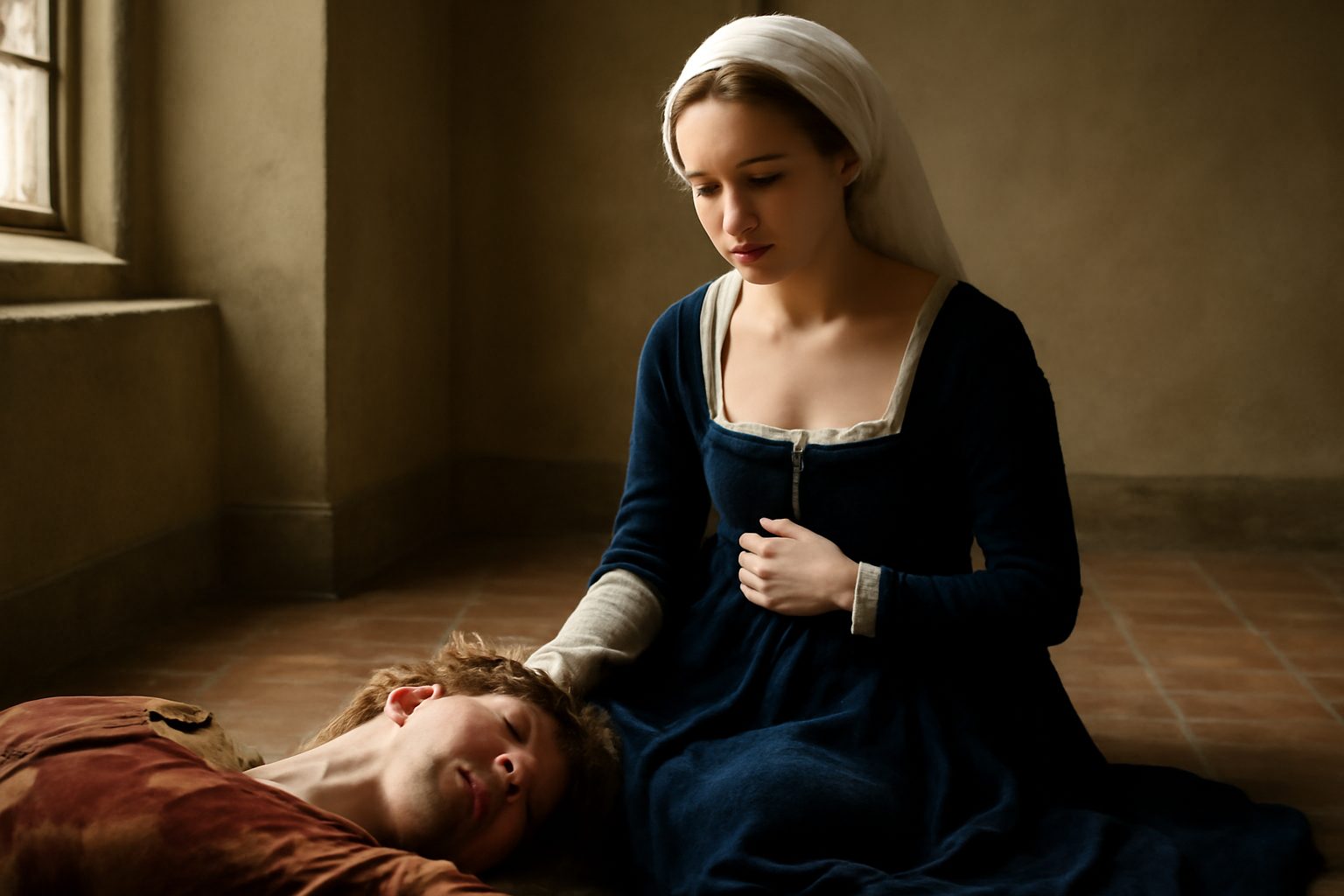
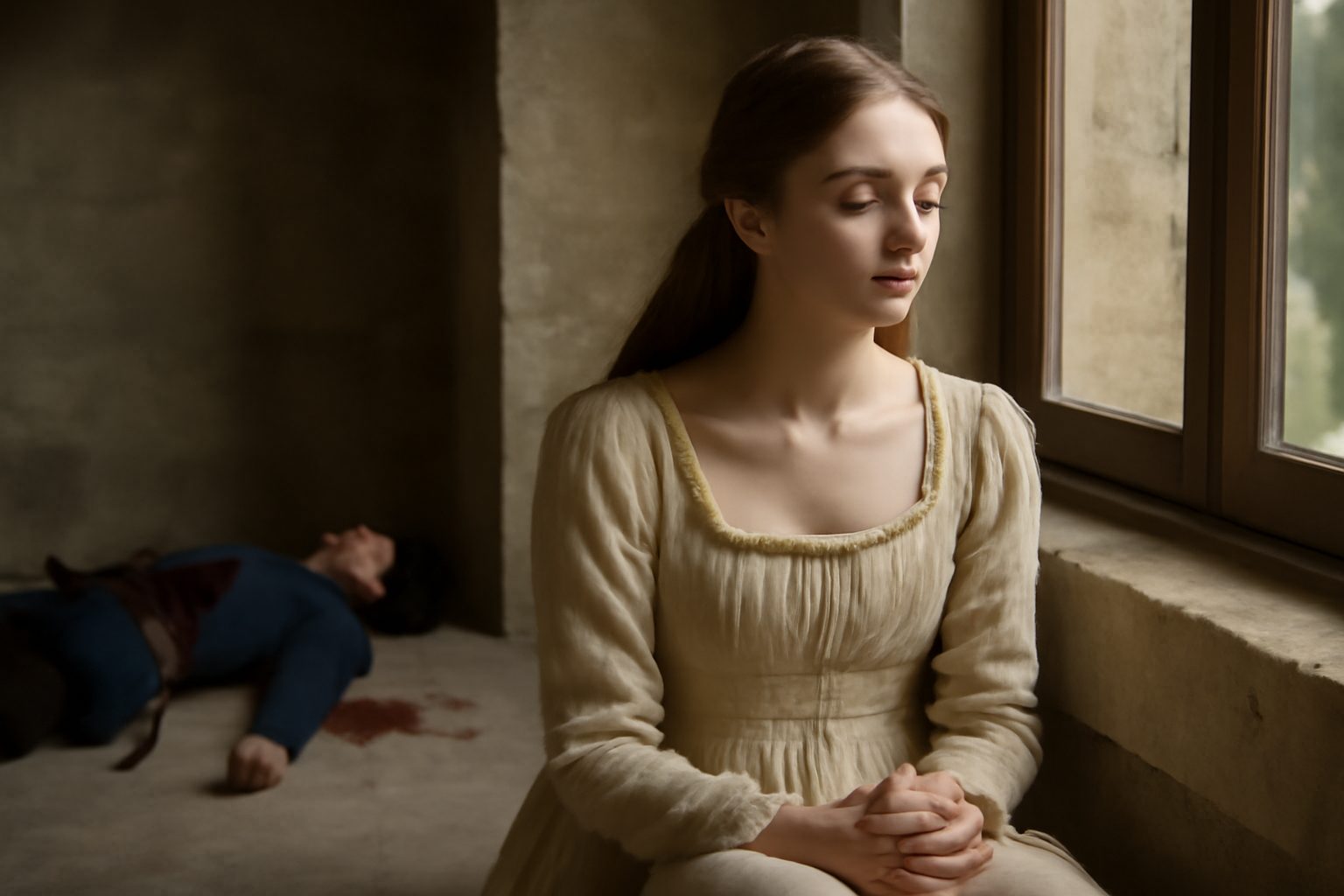
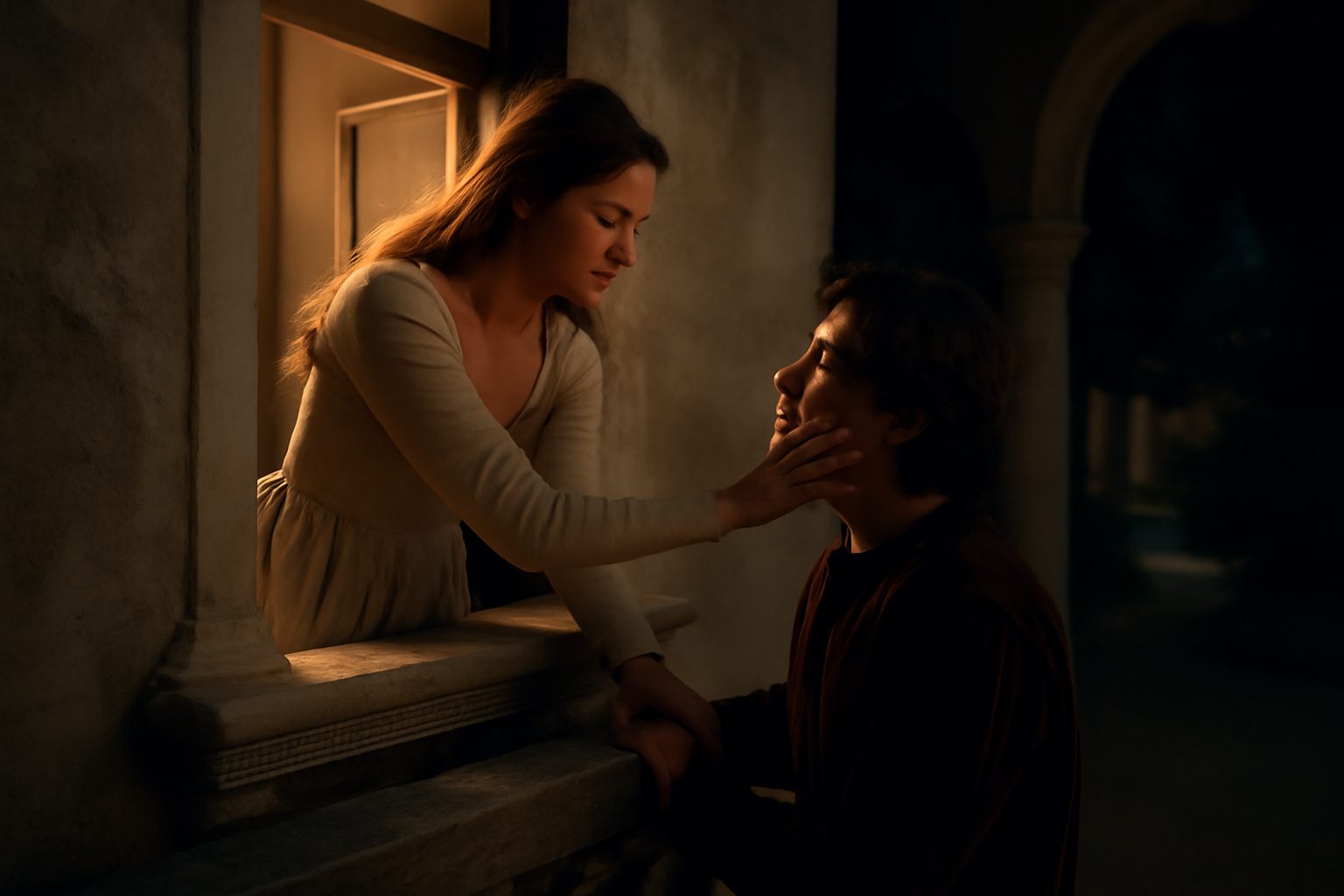
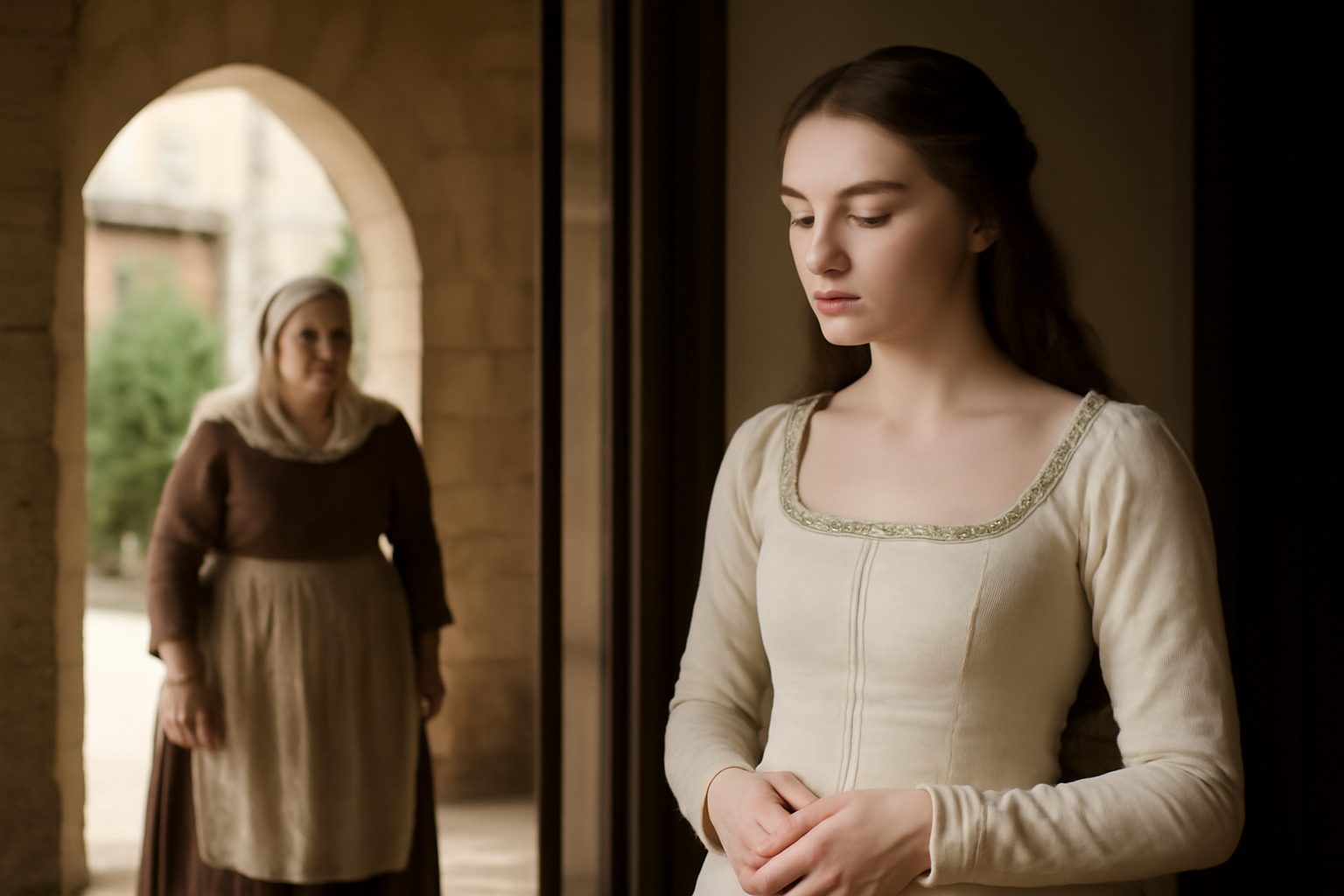
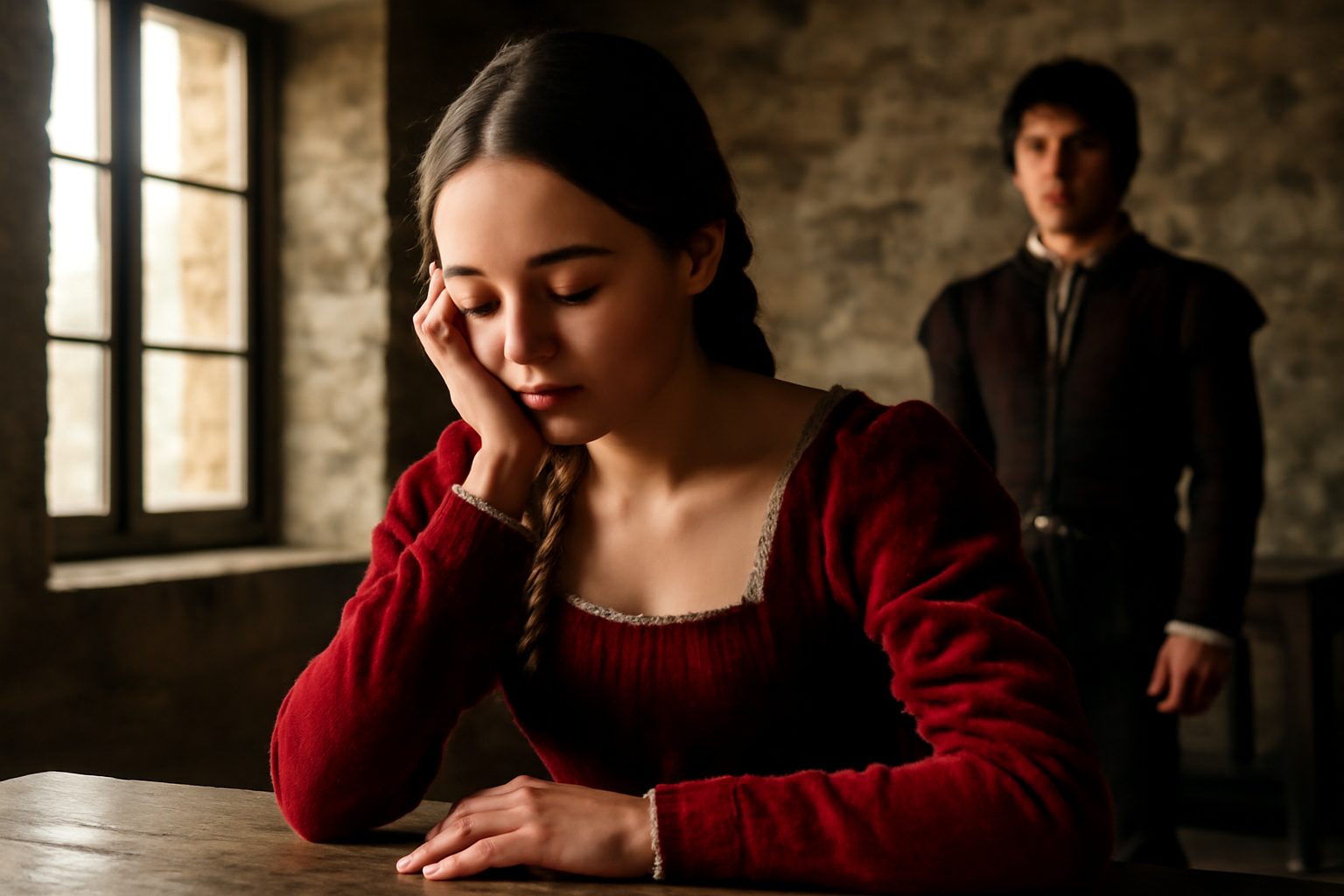
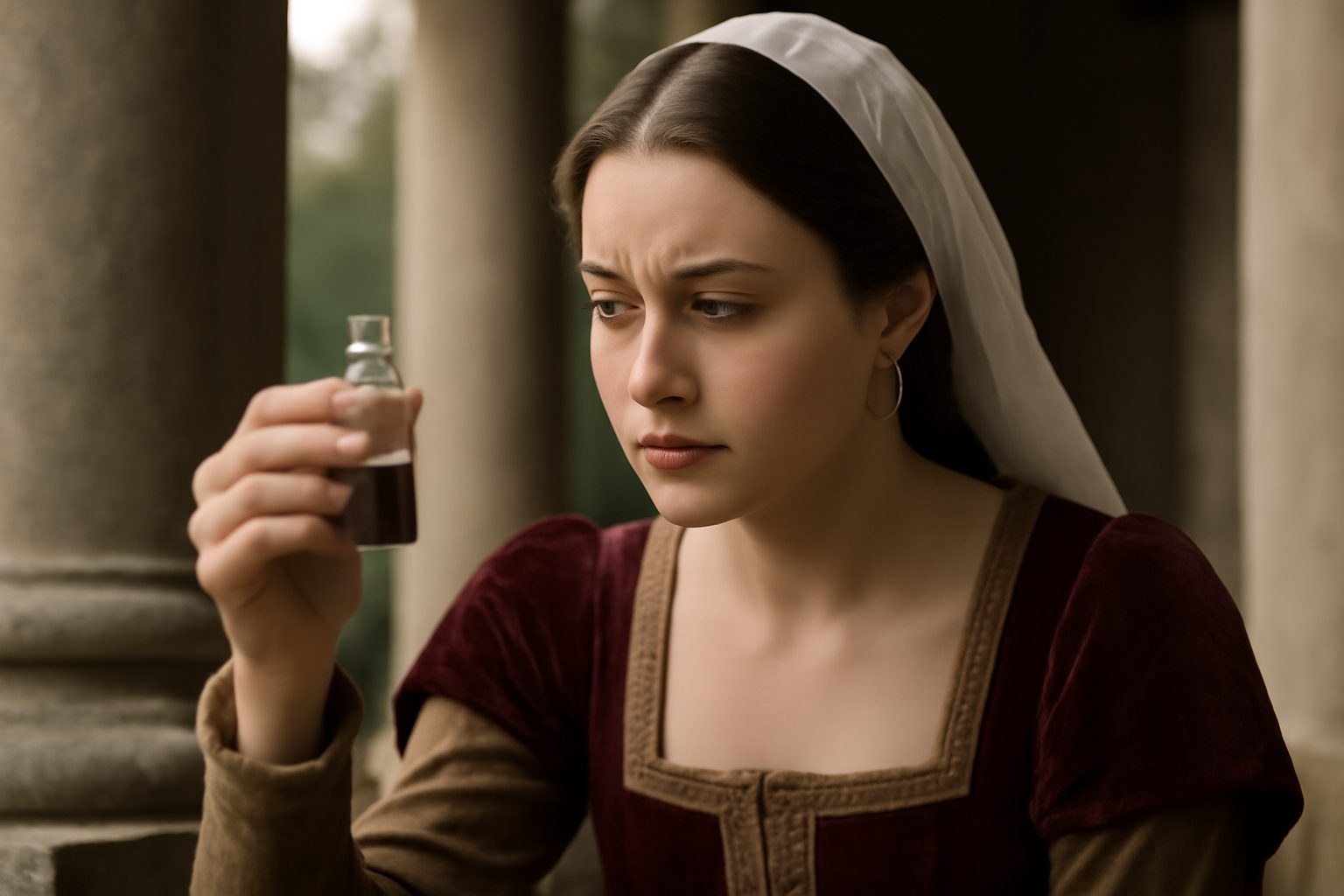
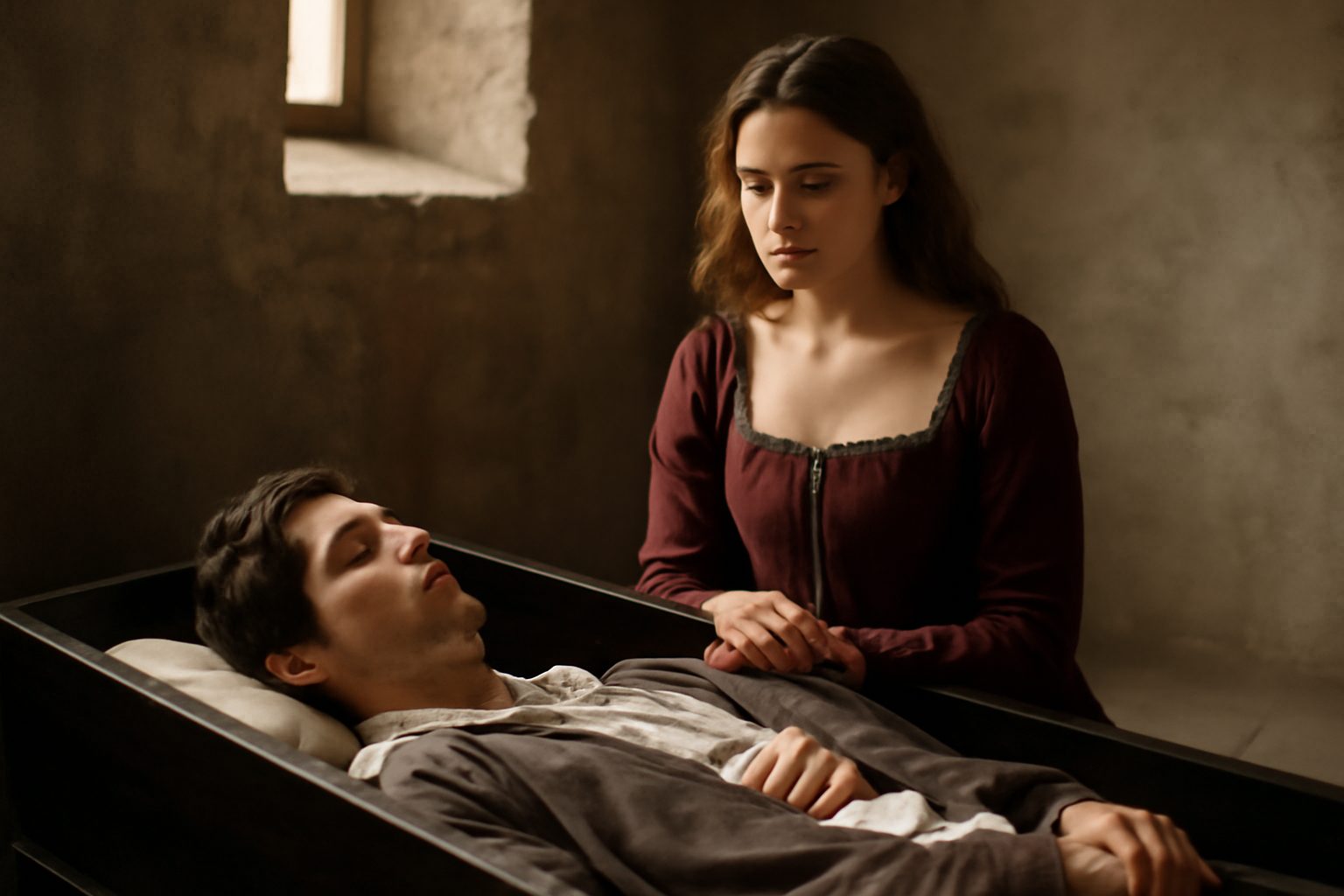
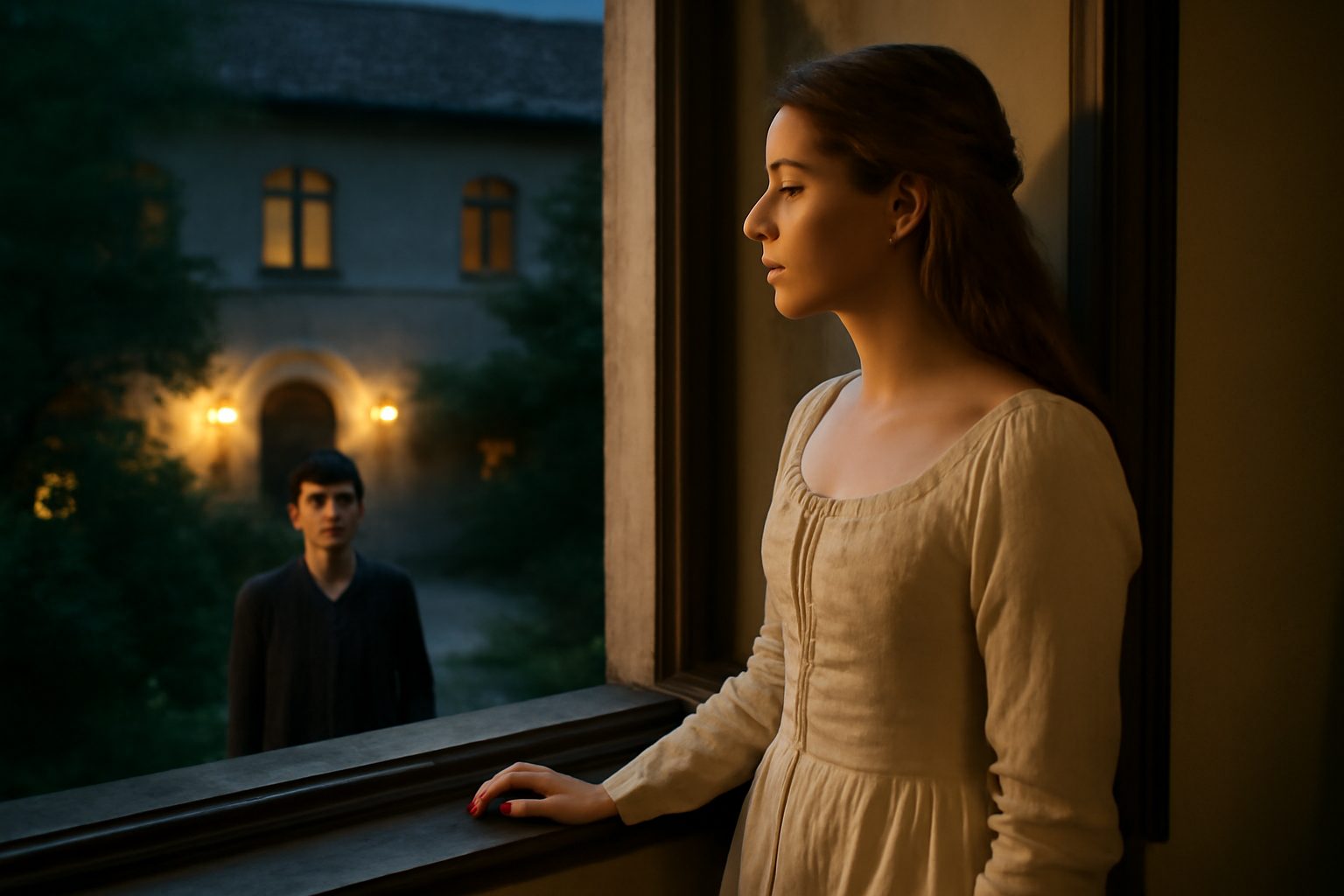
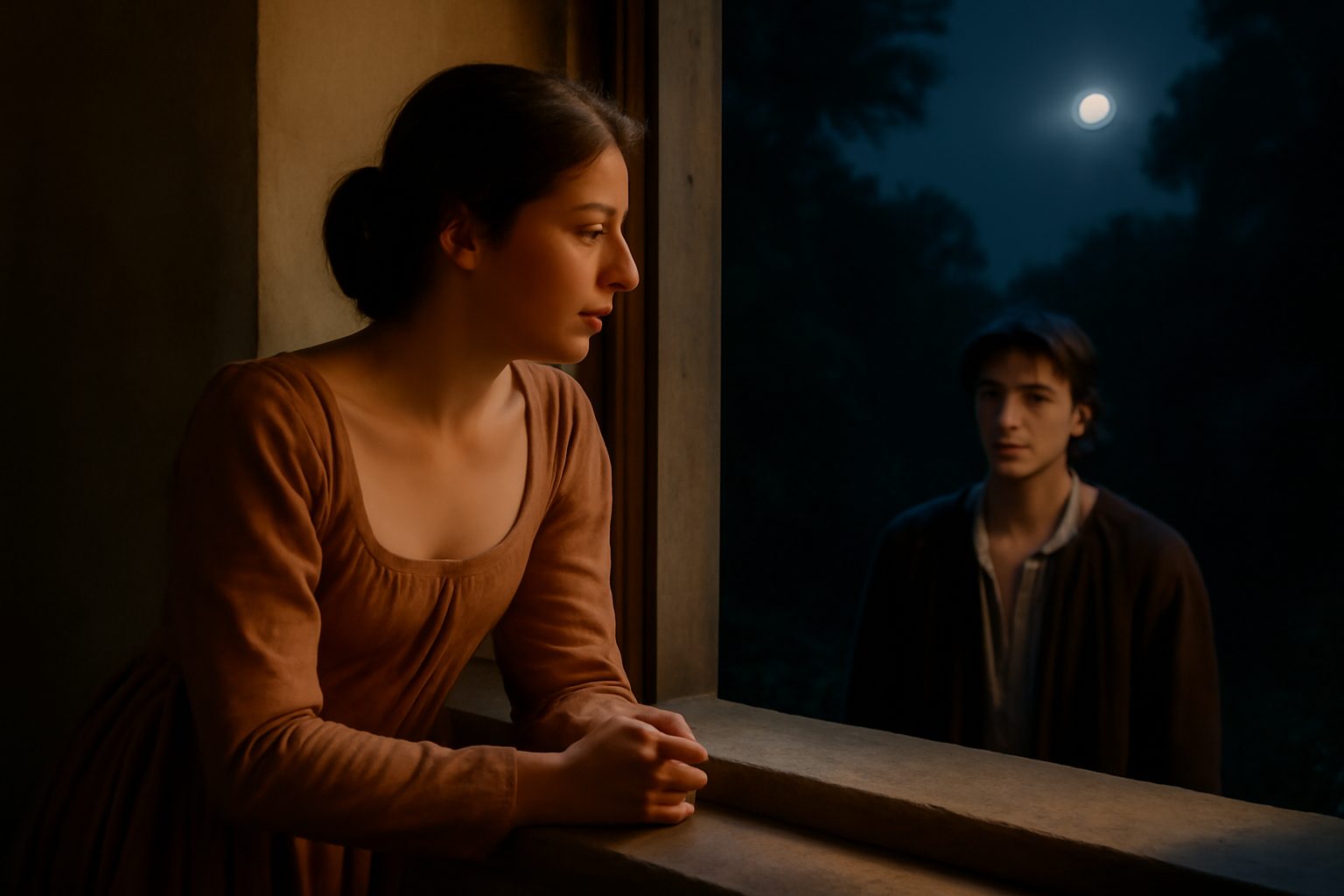
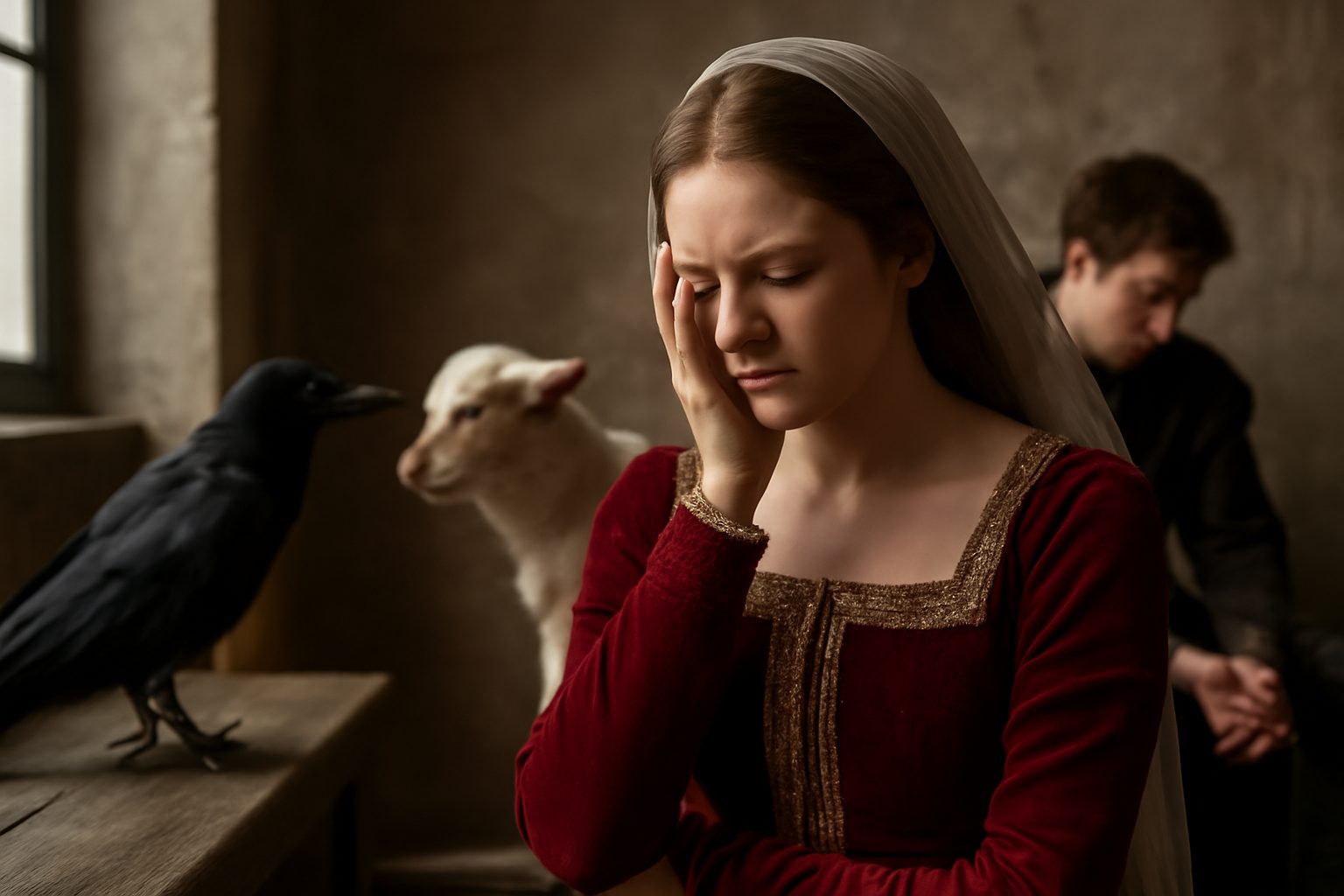
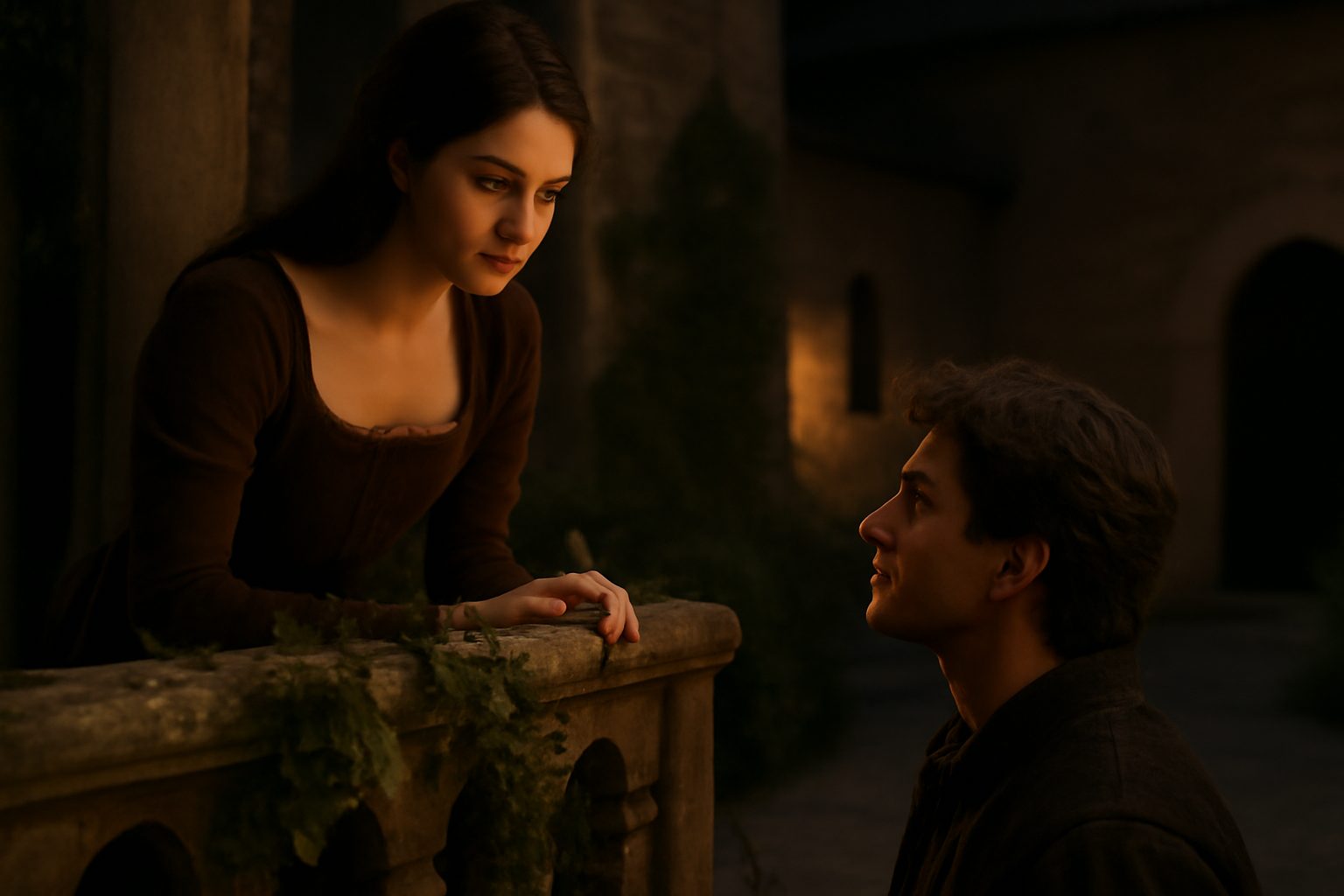
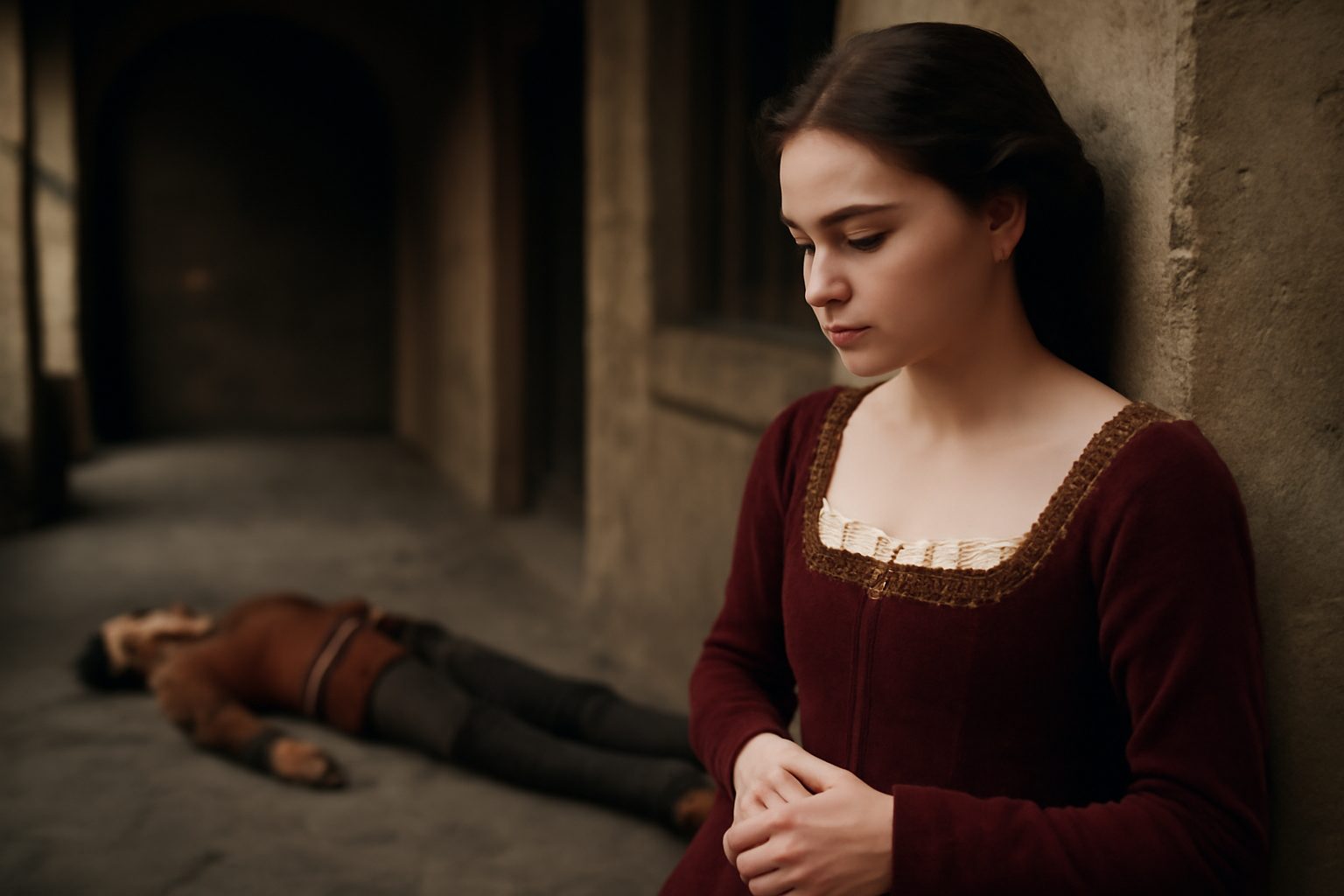
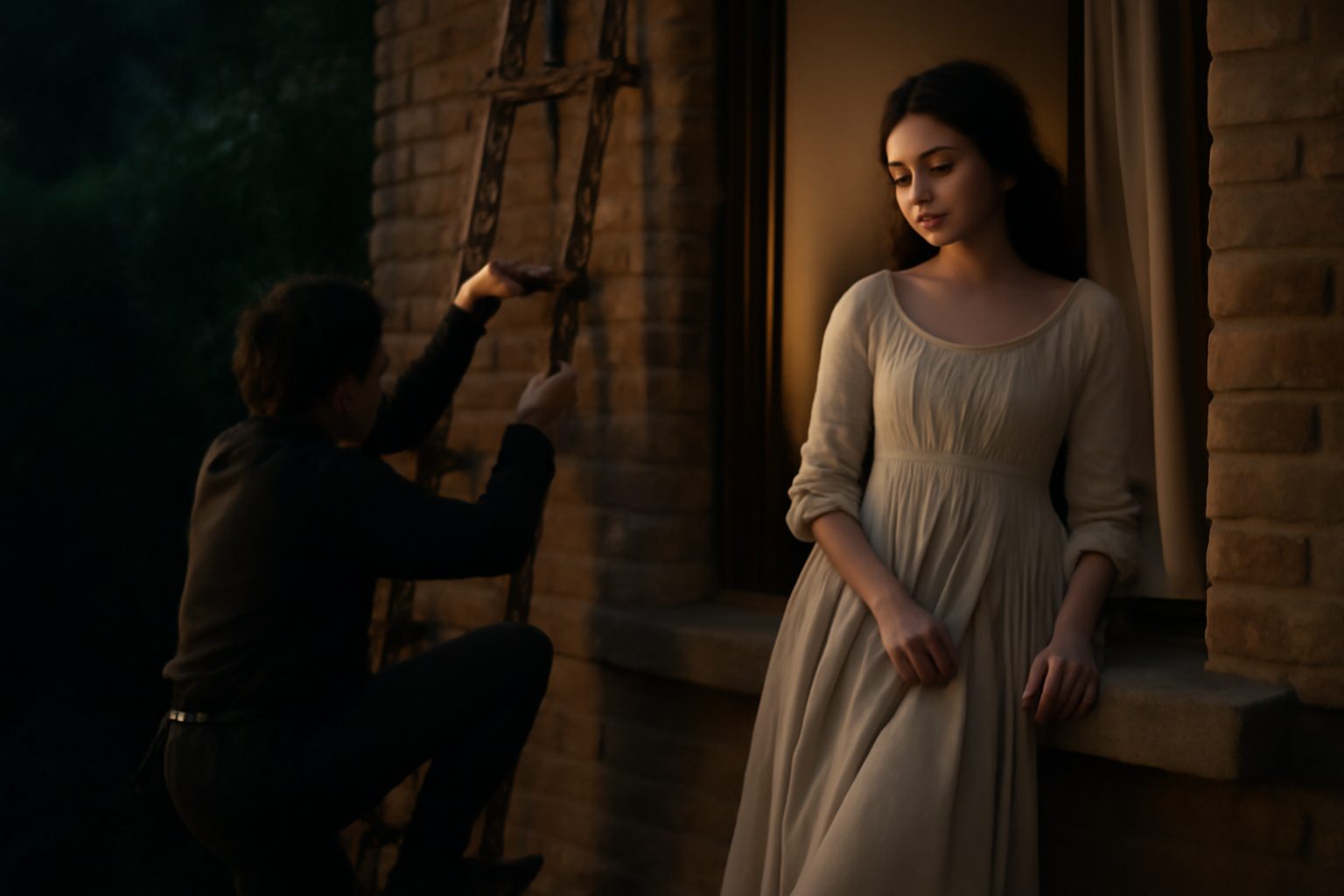
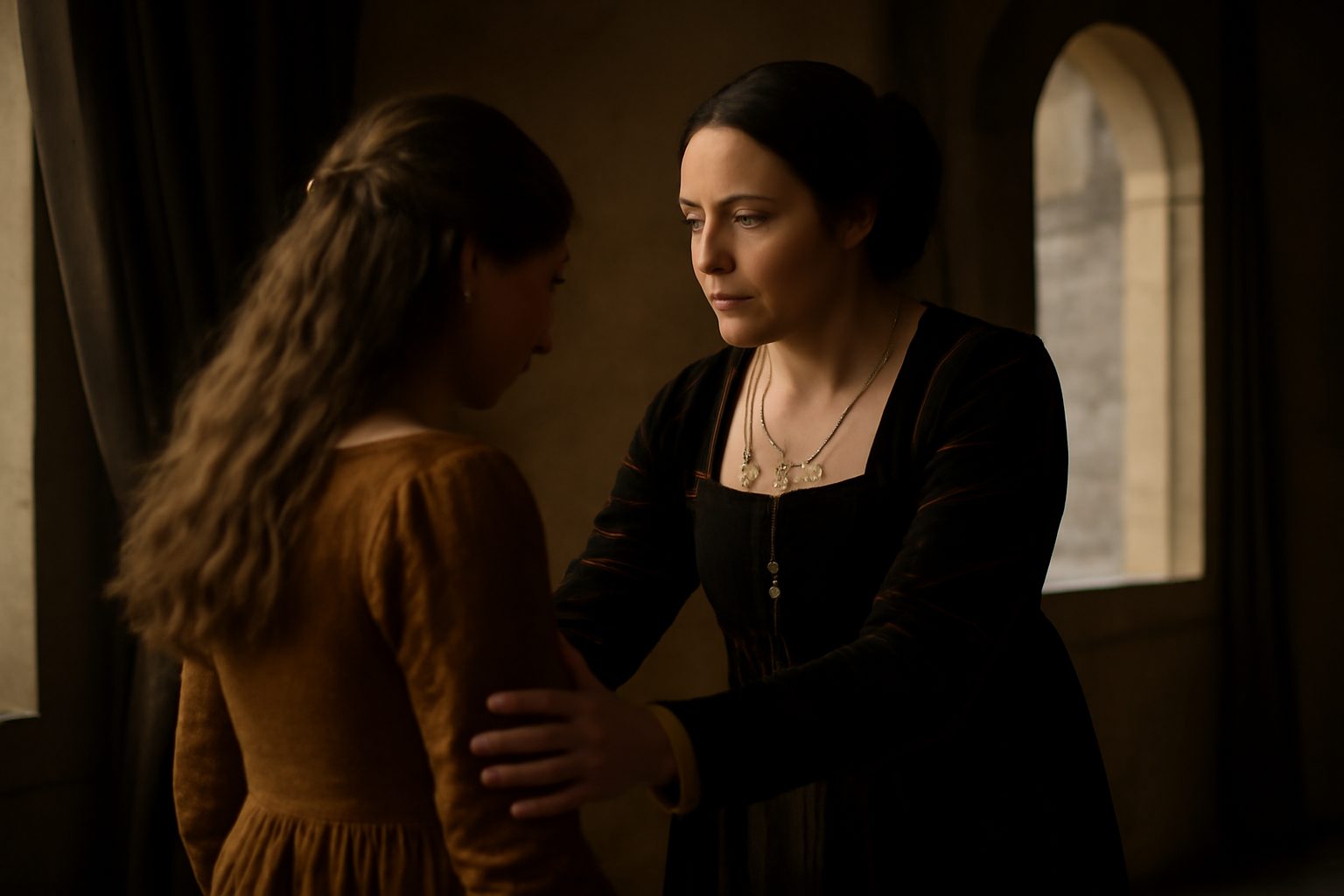
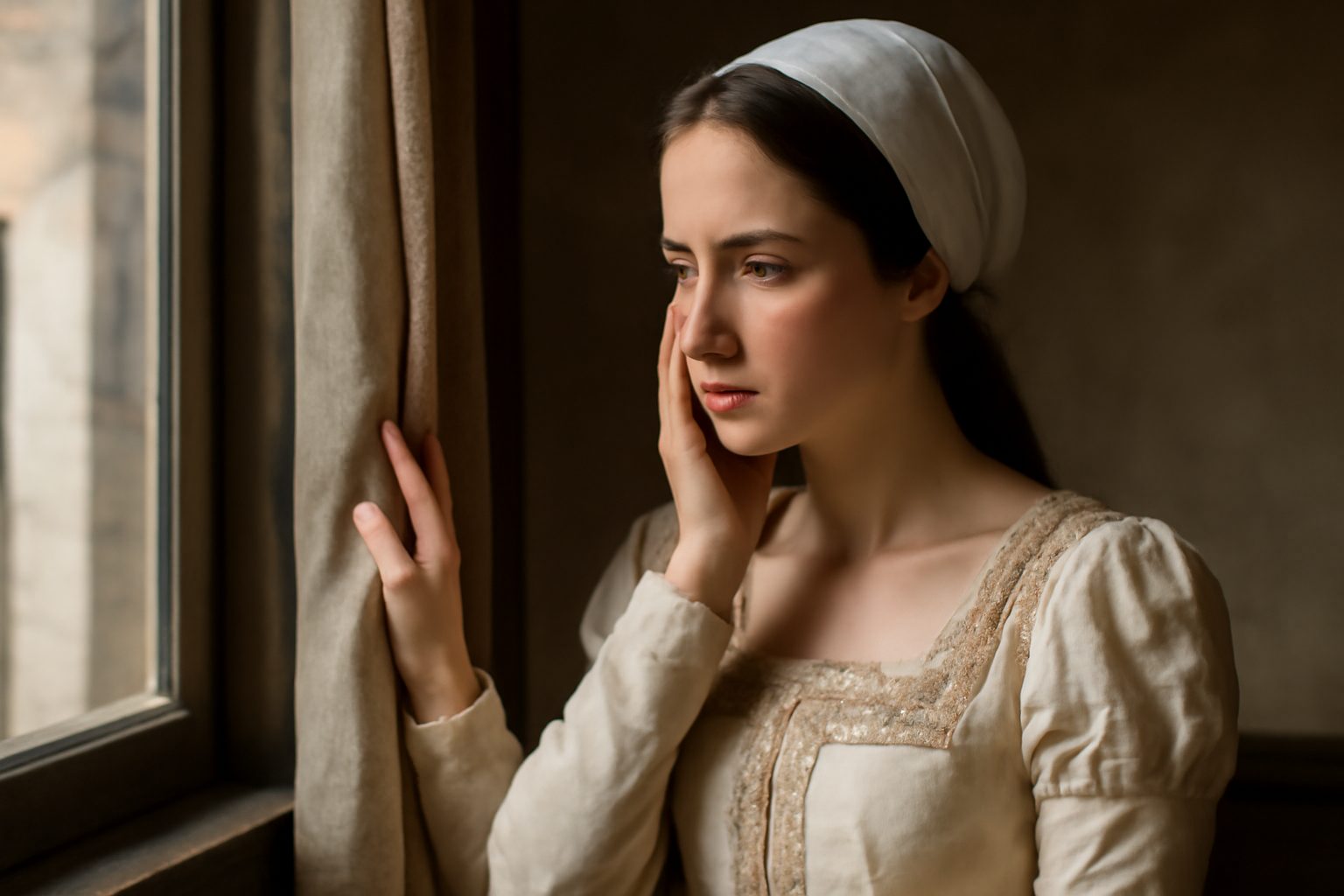
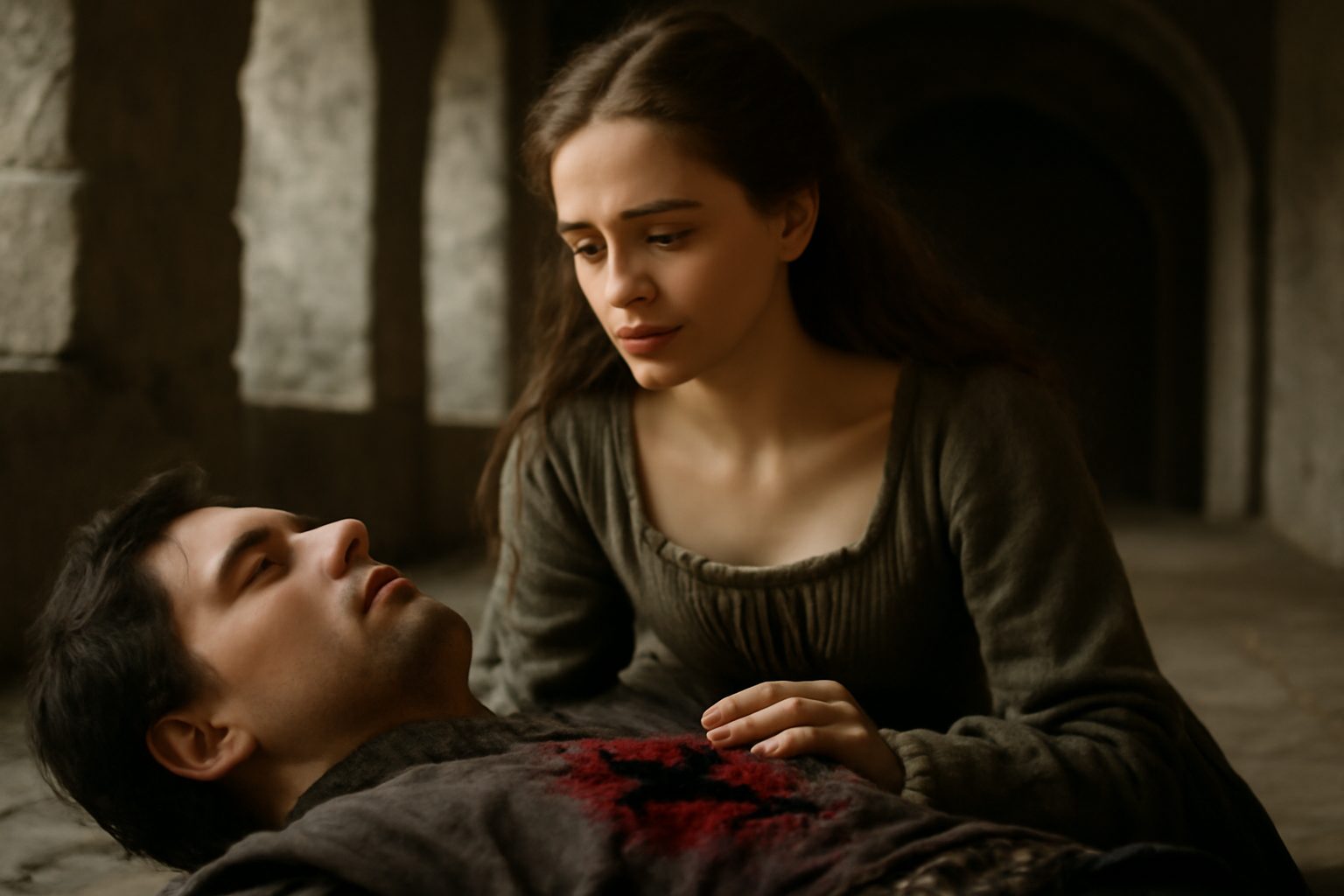
In Act 3 Scene 2 of Romeo and Juliet, the Nurse arrives in distress to deliver terrible news to Juliet. This line vividly describes the aftermath of a violent encounter, painting a grim picture of death and suffering. The imagery underscores the sudden shift from the play's earlier themes of love and hope to one of tragedy and despair.
Nurse: "Pale, pale as ashes, all bedaub'd in blood,"
In modern day english, we would say:
She looked deathly pale, covered in blood, like ashes.
Frequently Asked Questions
What does the nurse describe about Juliet's appearance in this line?
The nurse describes Juliet as very pale and covered in blood.
Connections to other verses:
Connections to "Pale, pale as ashes, all bedaub'd in blood"
The verse "Pale, pale as ashes, all bedaub'd in blood" vividly describes the gruesome aftermath of violence, specifically the sight of Tybalt's corpse. This imagery is echoed and expanded upon in several other lines within the scene, reflecting Juliet's shock, grief, and the stark contrast between her earlier romantic expectations and the brutal reality she now faces.
Visual and Emotional Descriptions of Death
The phrase connects closely to "A piteous corse, a bloody piteous corse", which similarly emphasizes the pitiable and bloody state of the dead body, reinforcing the horror of the scene. Juliet's exclamation "All in gore-blood; I swounded at the sight" directly references her physical reaction to the same ghastly image, highlighting how the visual impact leads to her fainting. The nurse's cries, "Ah, well-a-day! he's dead, he's dead, he's dead!" and "Alack the day! he's gone, he's kill'd, he's dead!", further punctuate the finality and trauma of death, framing the pale, bloodied imagery within a context of overwhelming loss.
Contrast with Earlier Idealism
This gruesome description starkly contrasts with Juliet's earlier speeches in the scene, where she yearns for night and Romeo's arrival with phrases like "Come, gentle night, come, loving, black-brow'd night" and "Come, night; come, Romeo; come, thou day in night". The bloody reality shatters her idealized vision, leading her to lament the deception in appearances, as in "O serpent heart, hid with a flowering face!" and "Beautiful tyrant! fiend angelical!", where the horror of bloodshed conflicts with Romeo's previously perceived beauty.
Broader Themes of Violence and Fate
The imagery also ties into the scene's larger themes of violence and impending doom. Juliet's realization that "Romeo that kill'd him, he is banished" and her despair over the word "banished" show how the bloodshed leads to catastrophic consequences. The phrase "All slain, all dead. 'Romeo is banished!'" encapsulates the chain of death and exile stemming from the bloody conflict, while her wish for death in "And death, not Romeo, take my maidenhead!" underscores how the pallor and blood of death now dominate her thoughts, replacing her earlier dreams of love.