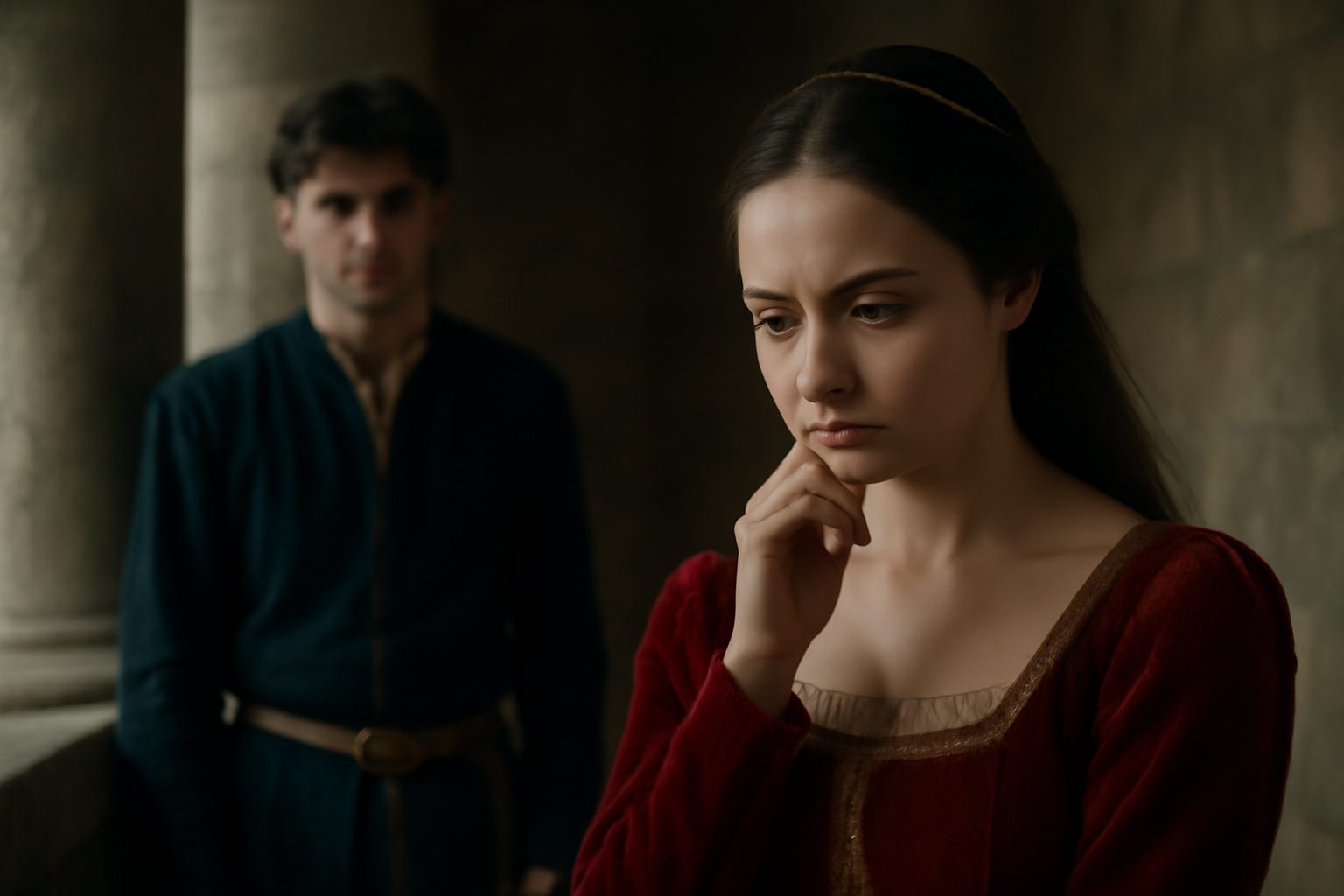
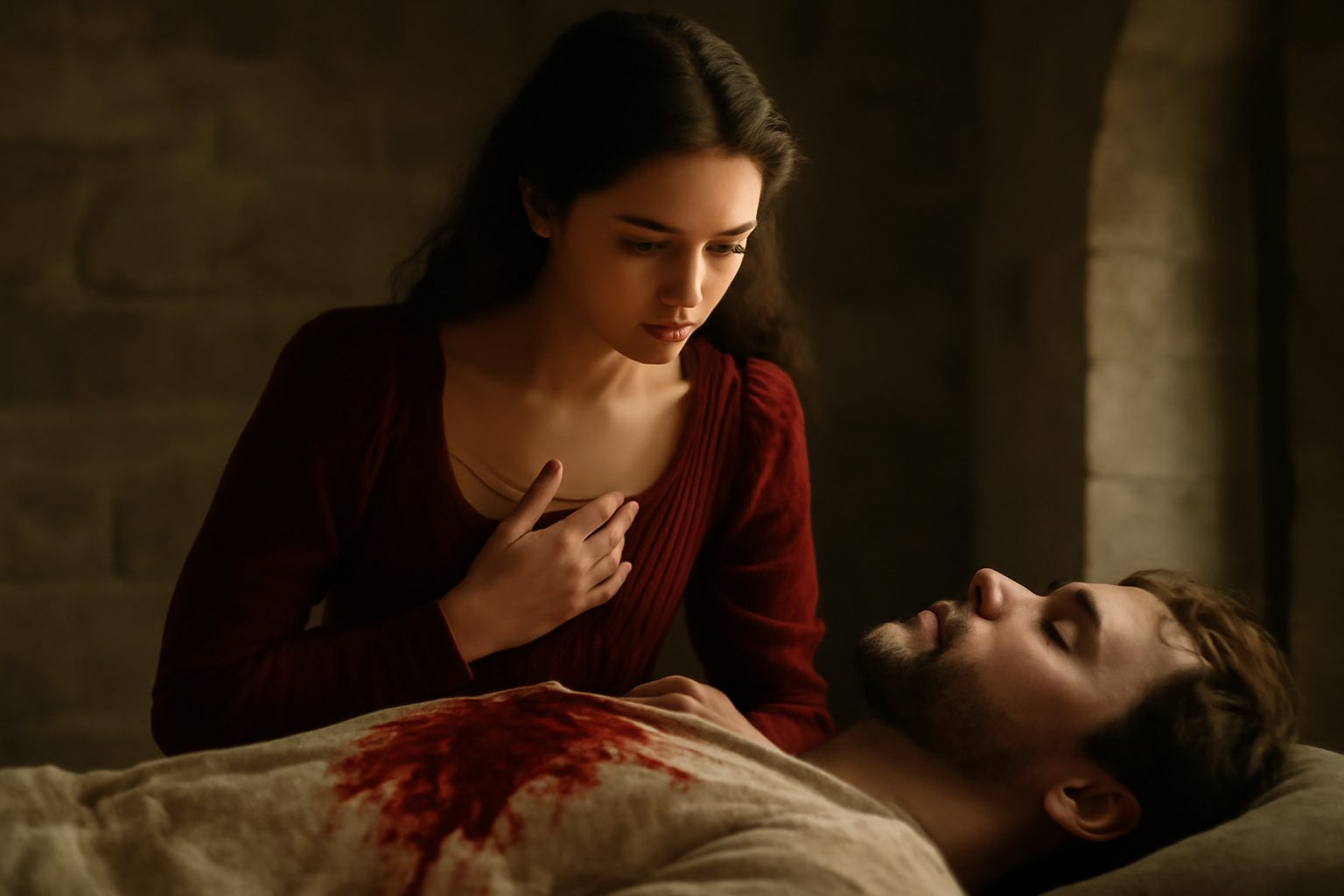
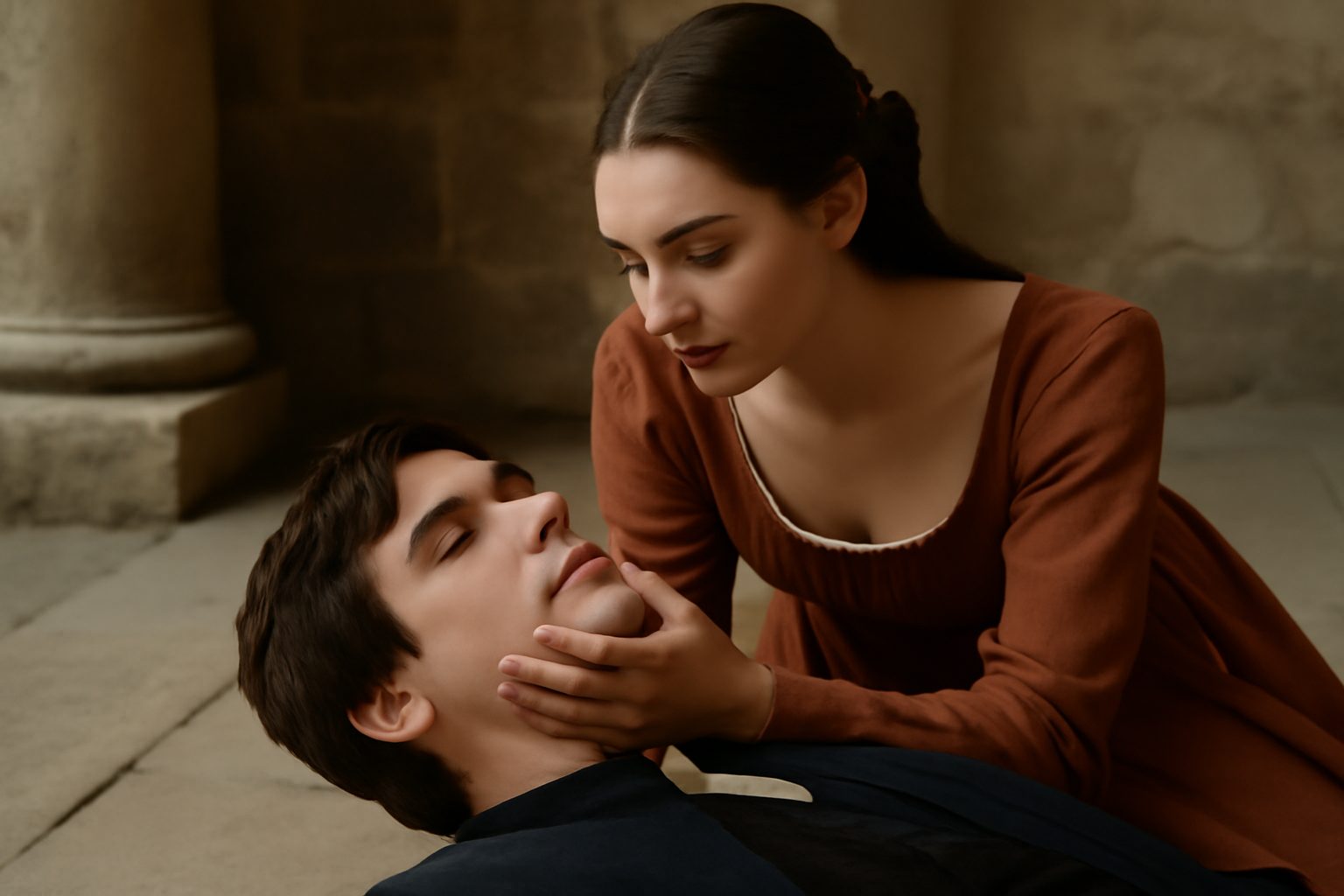
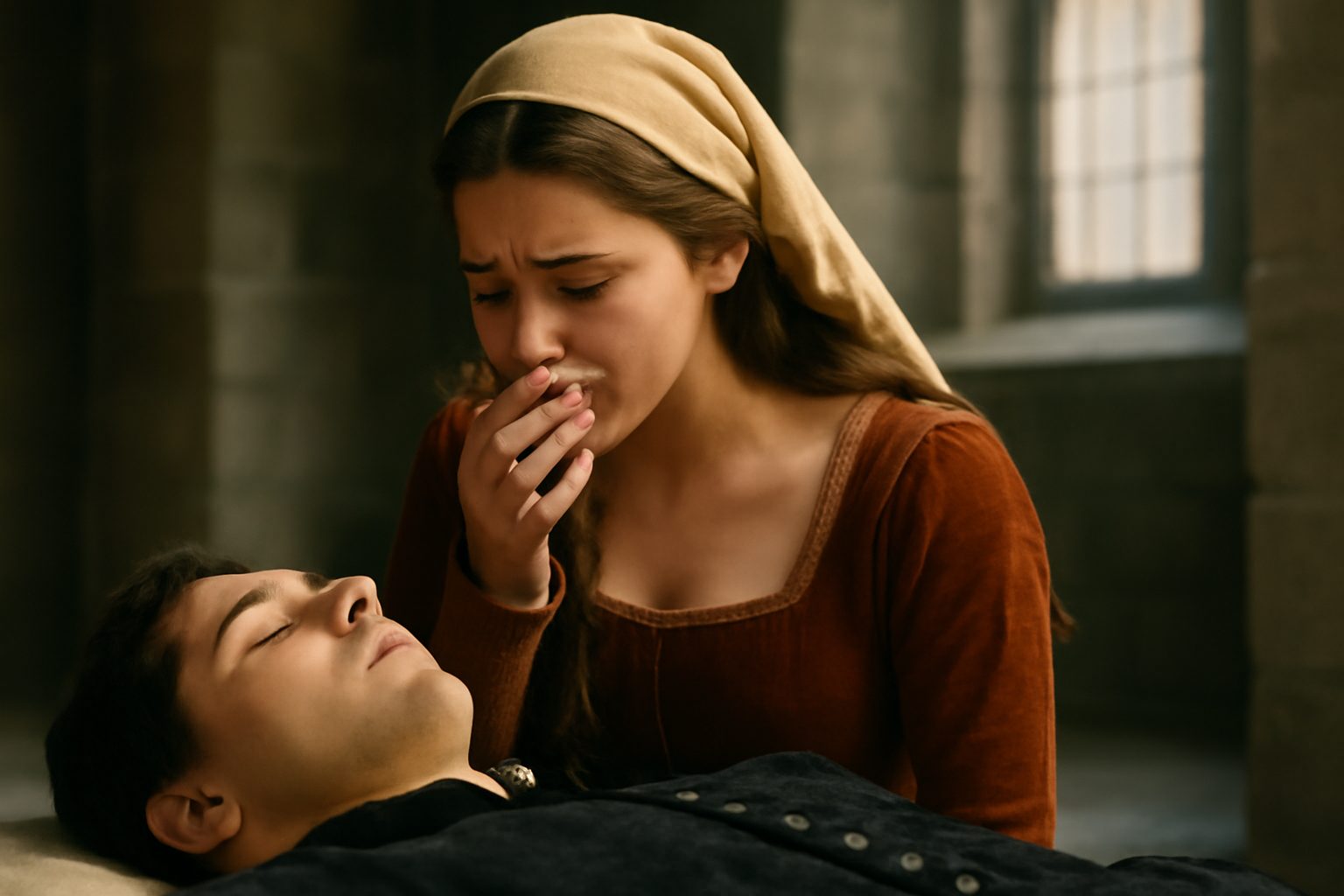
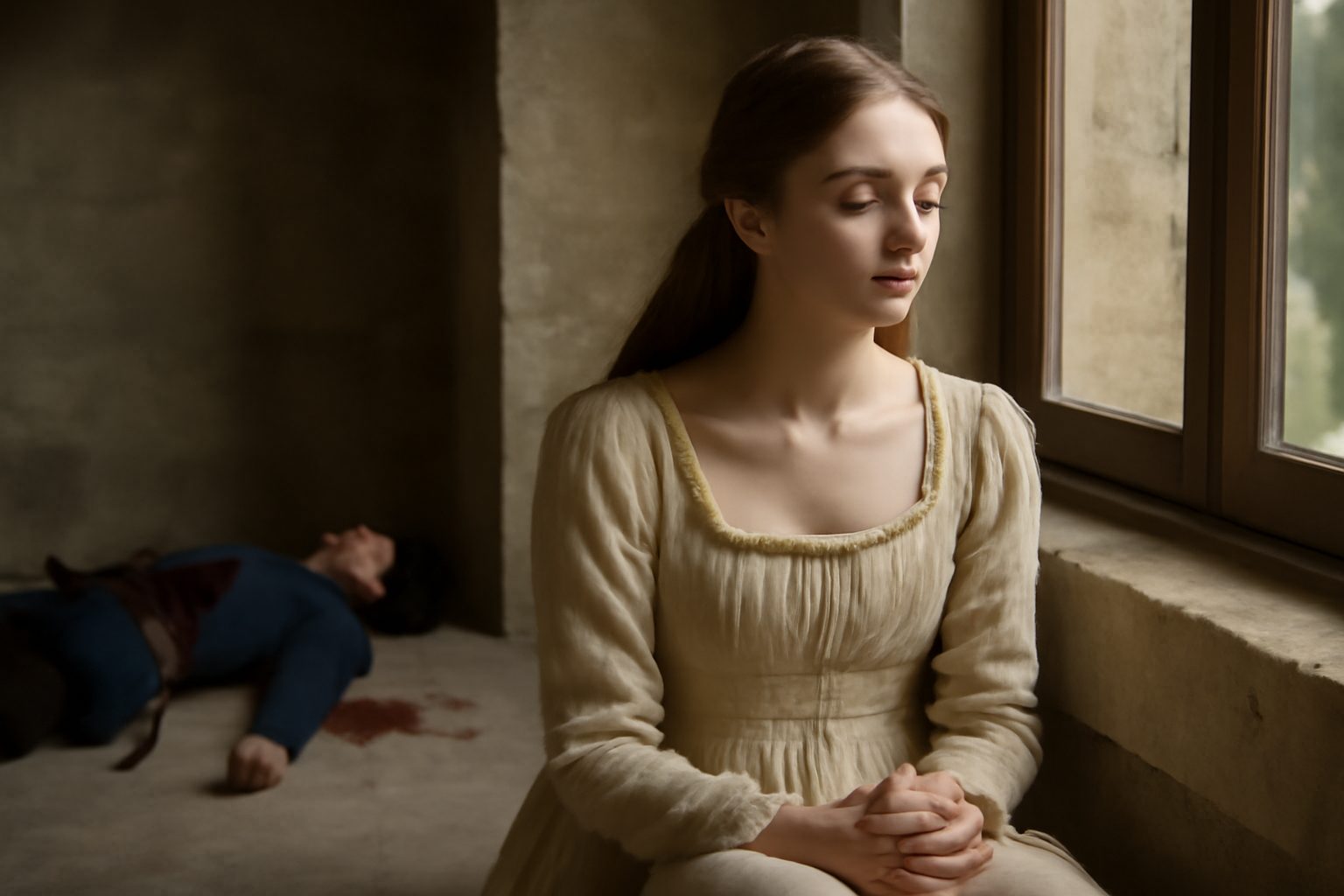
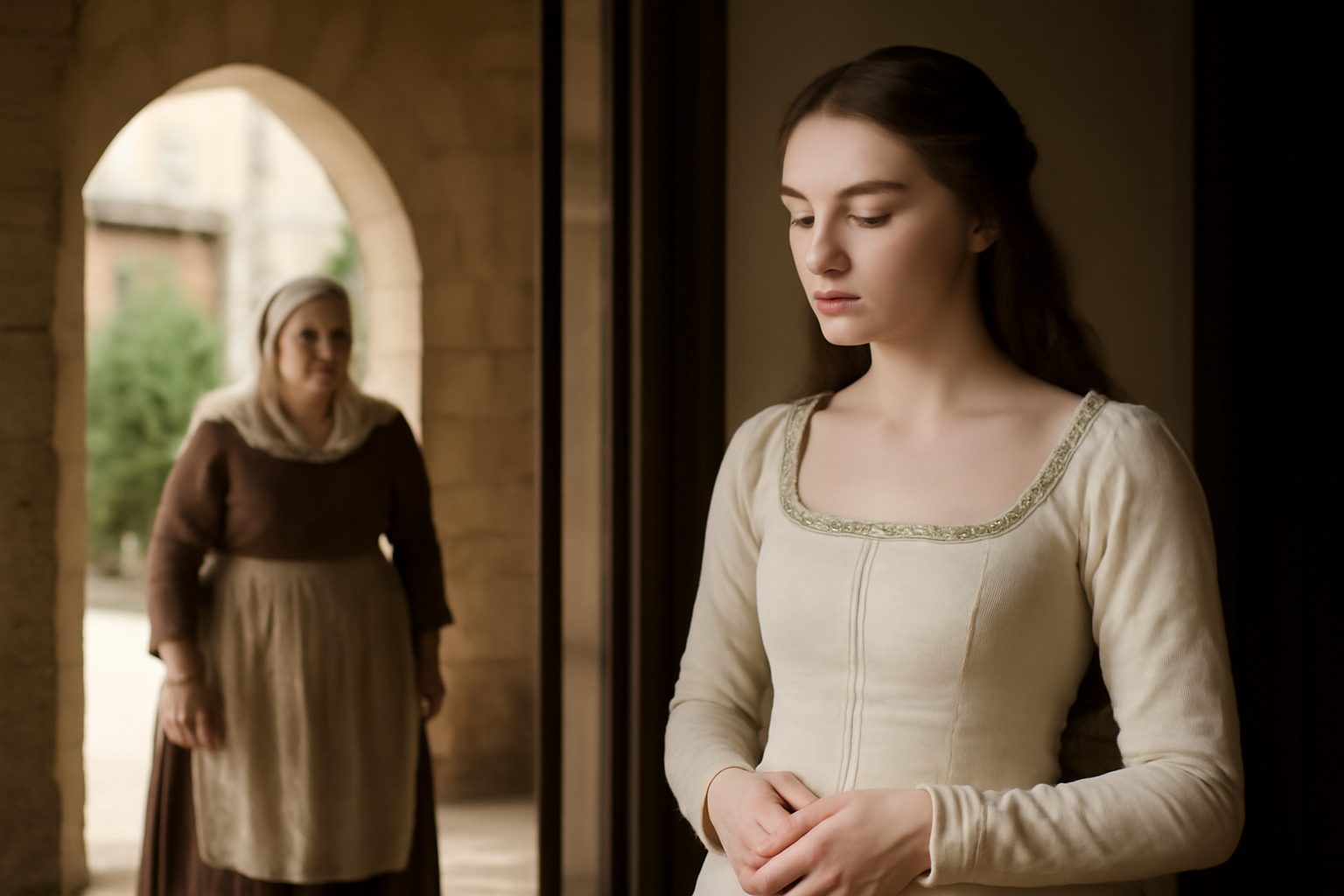
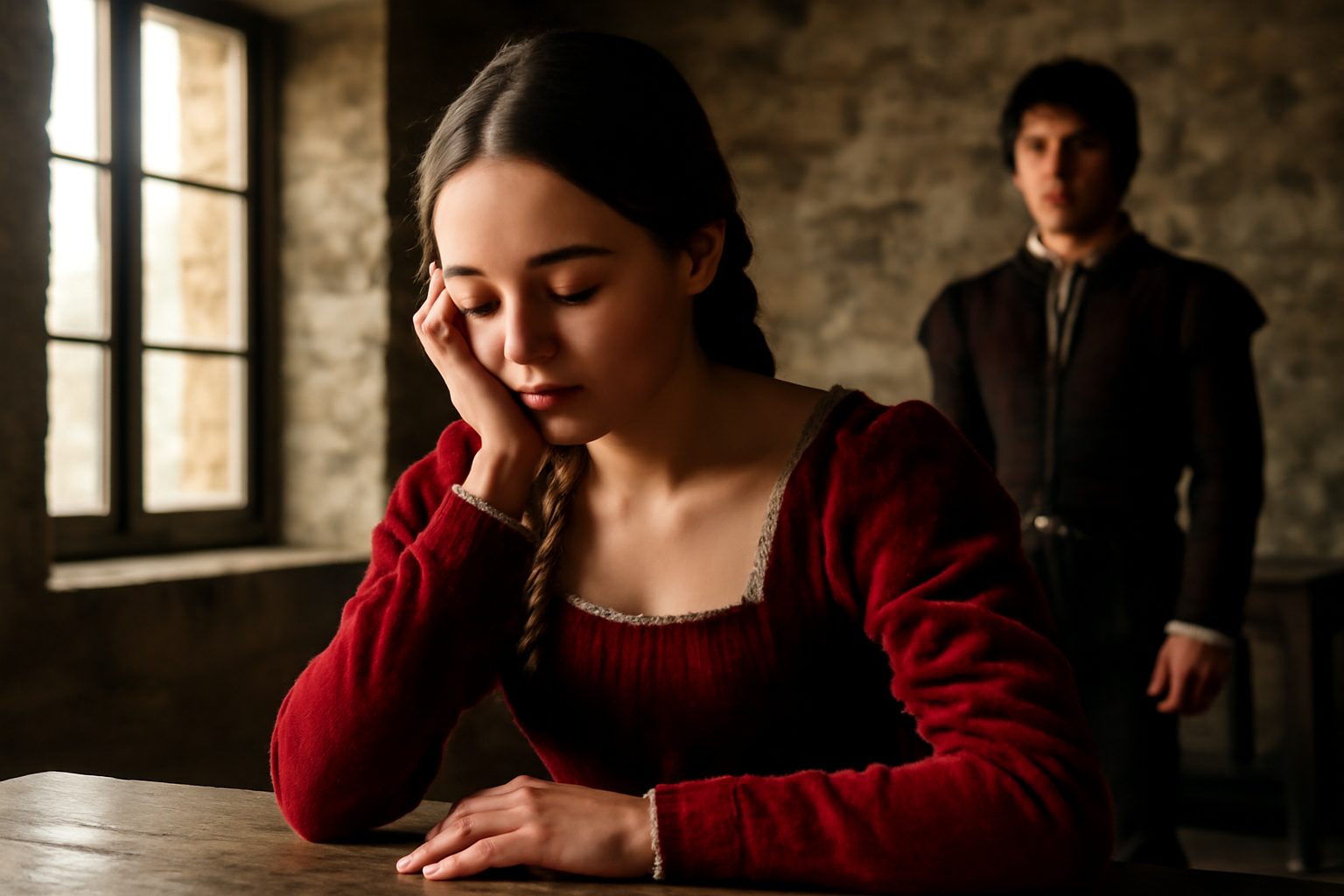
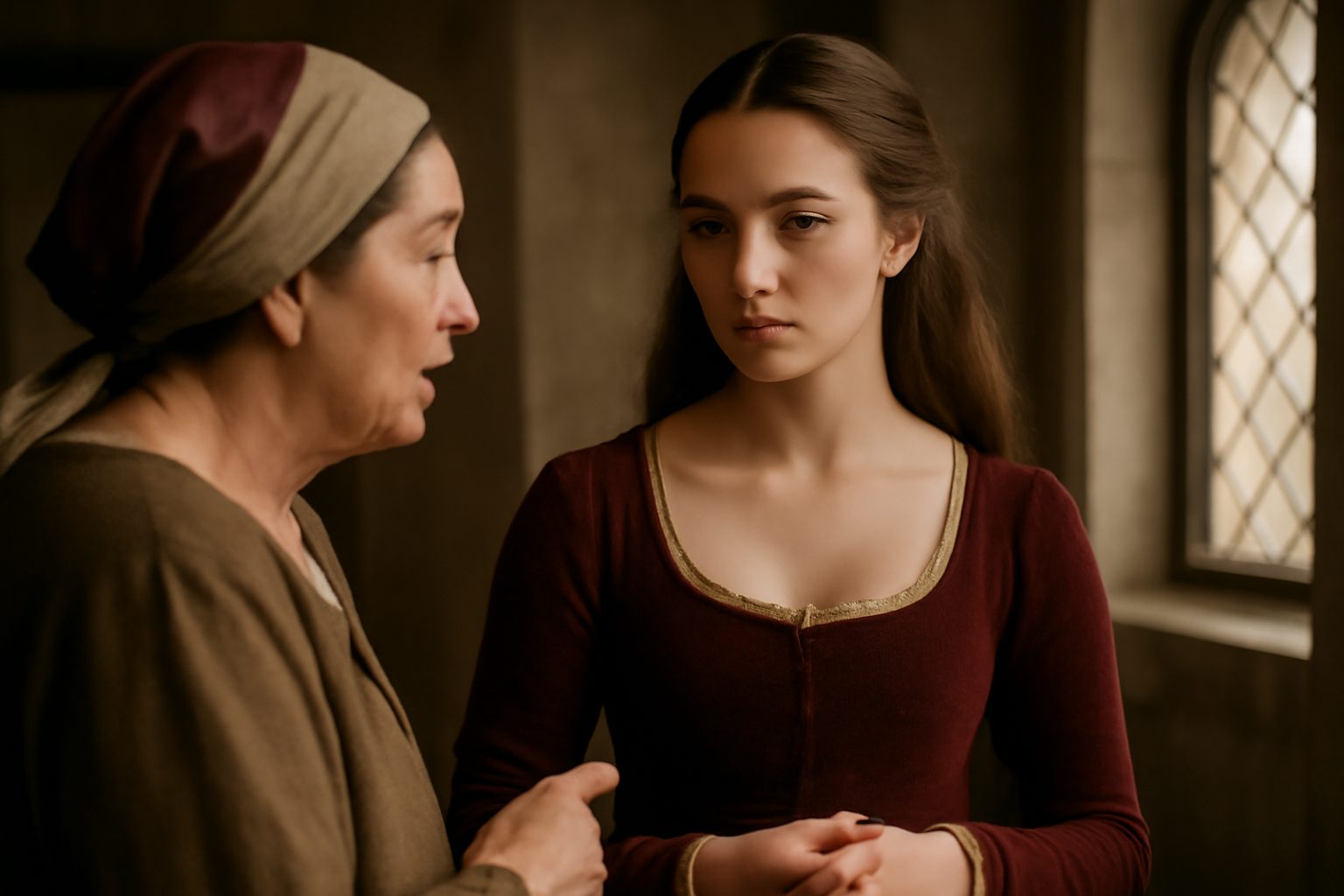
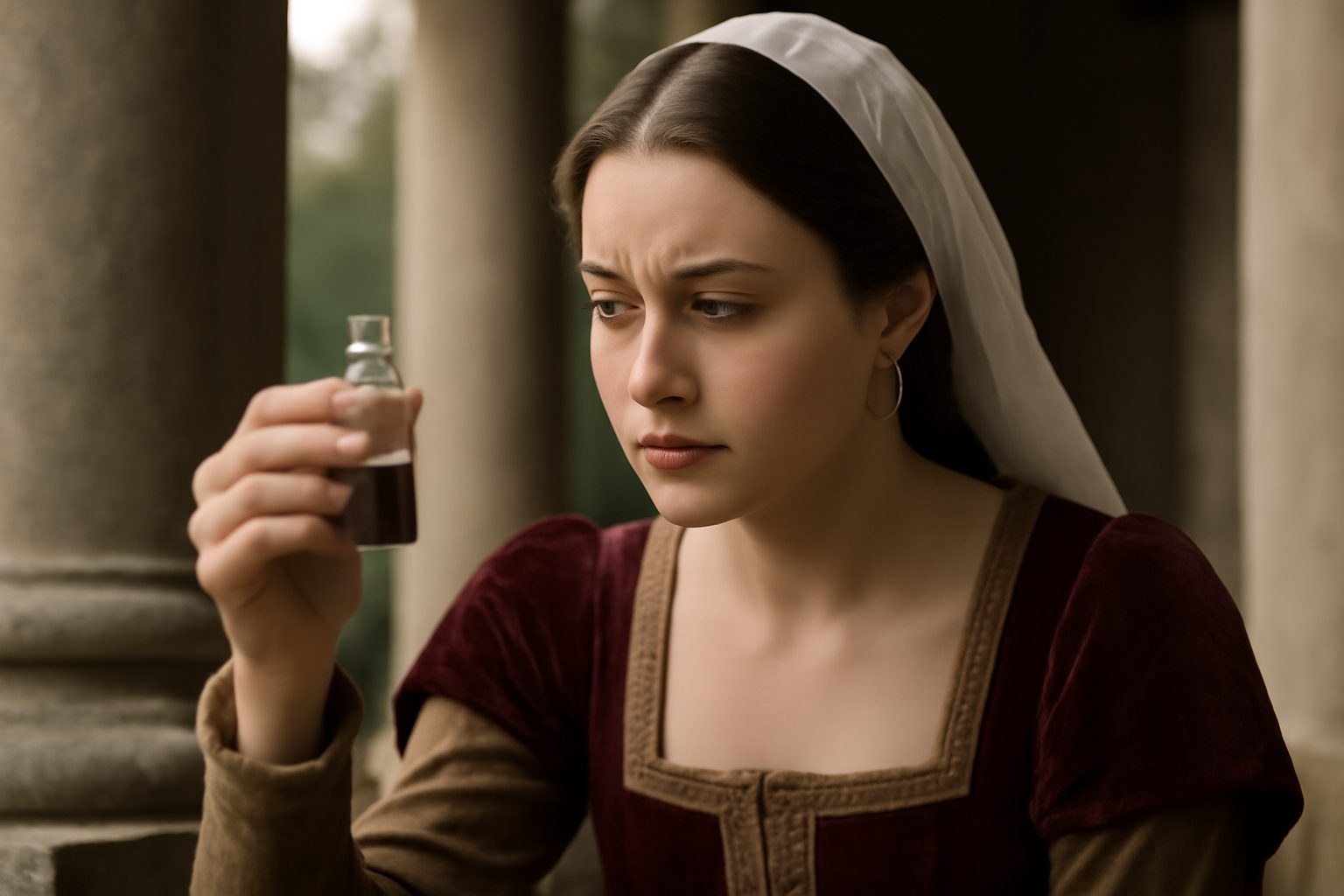
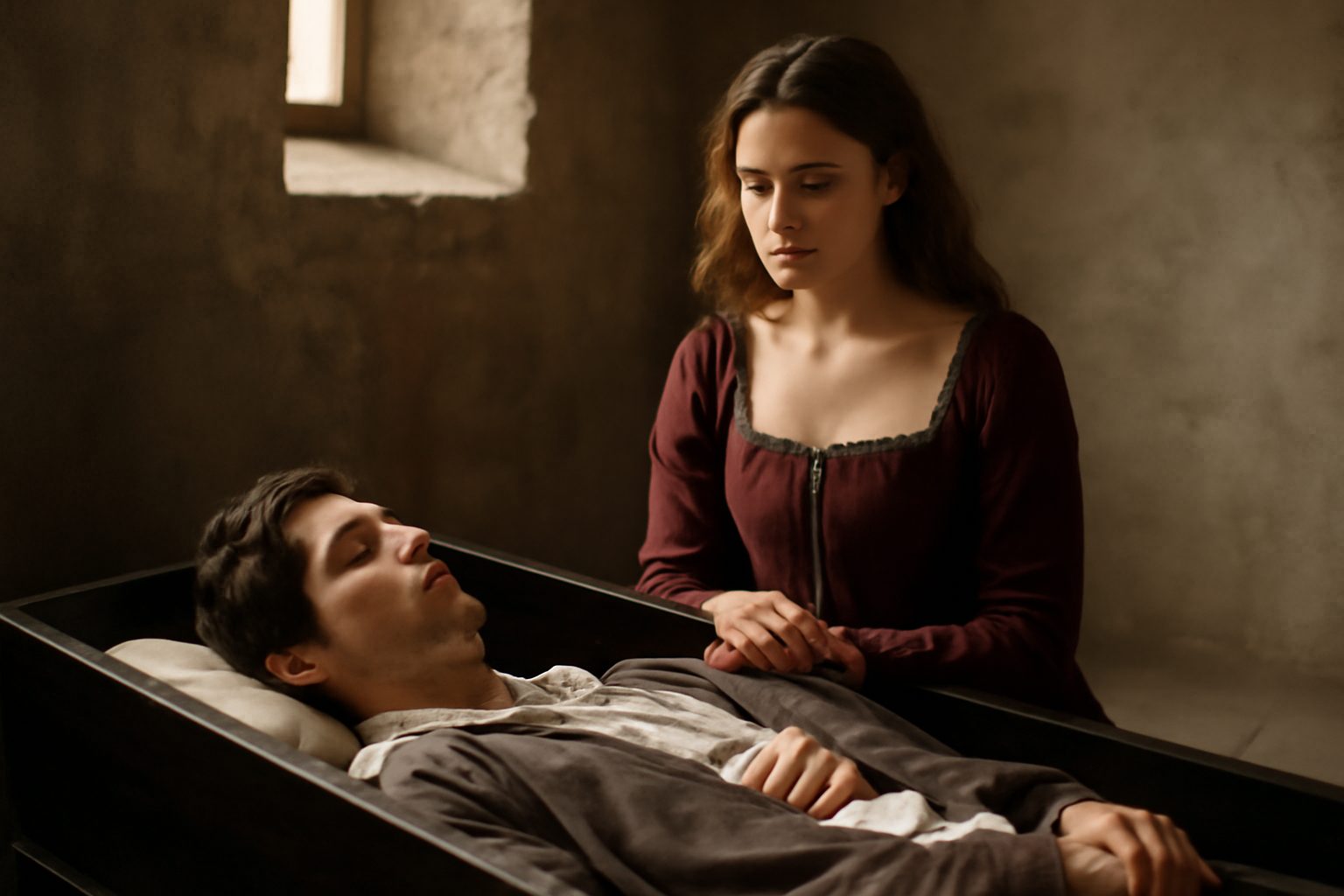
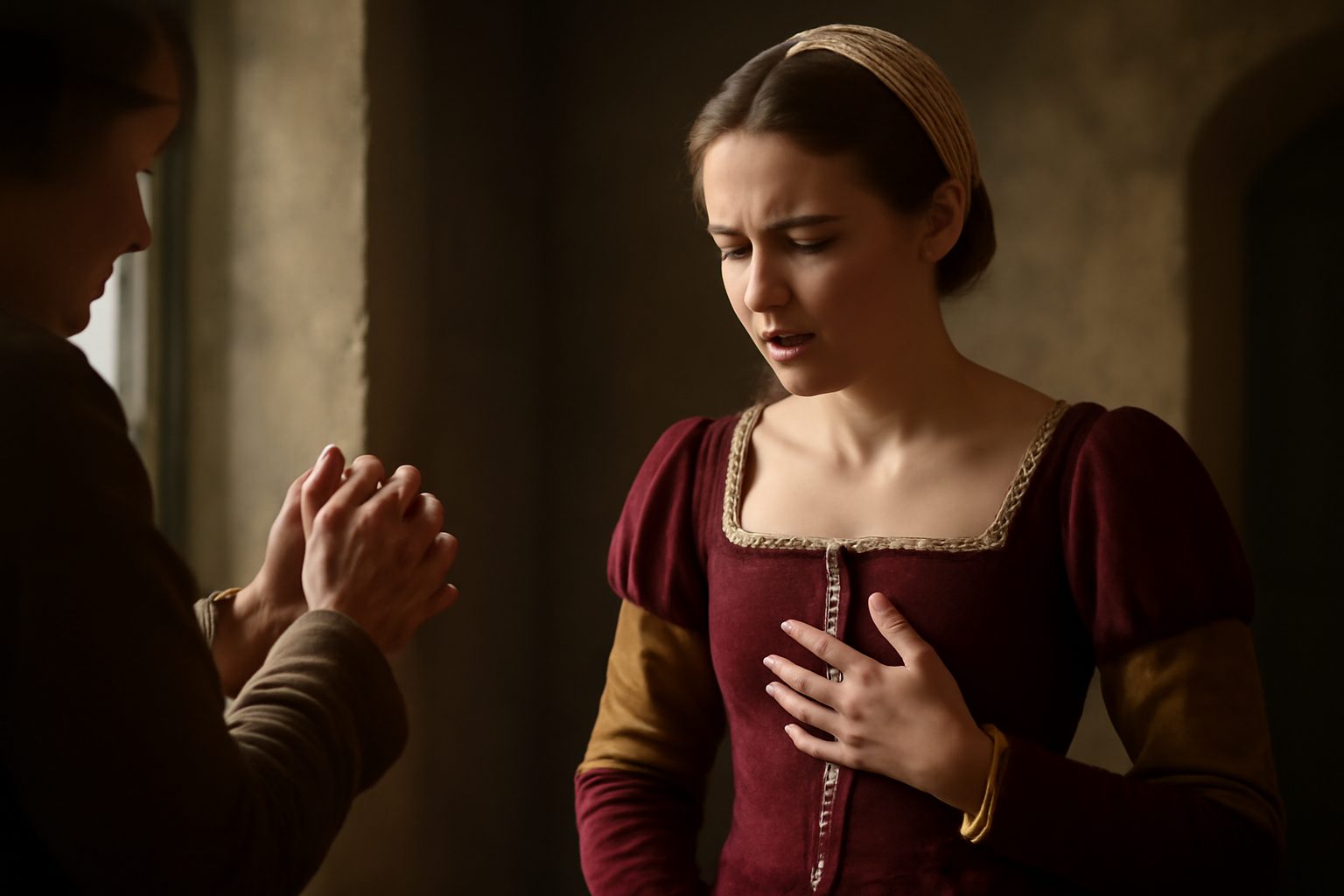
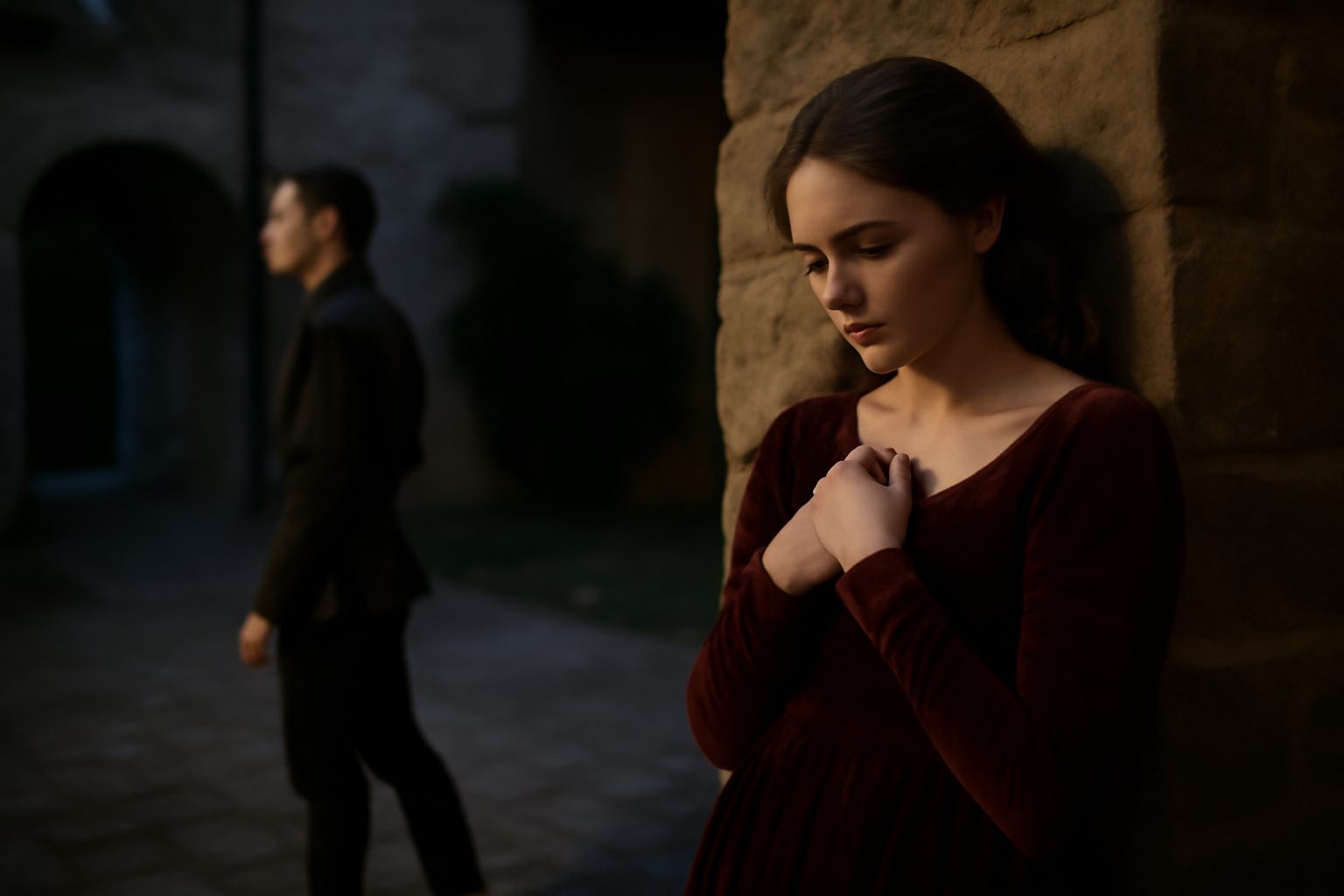
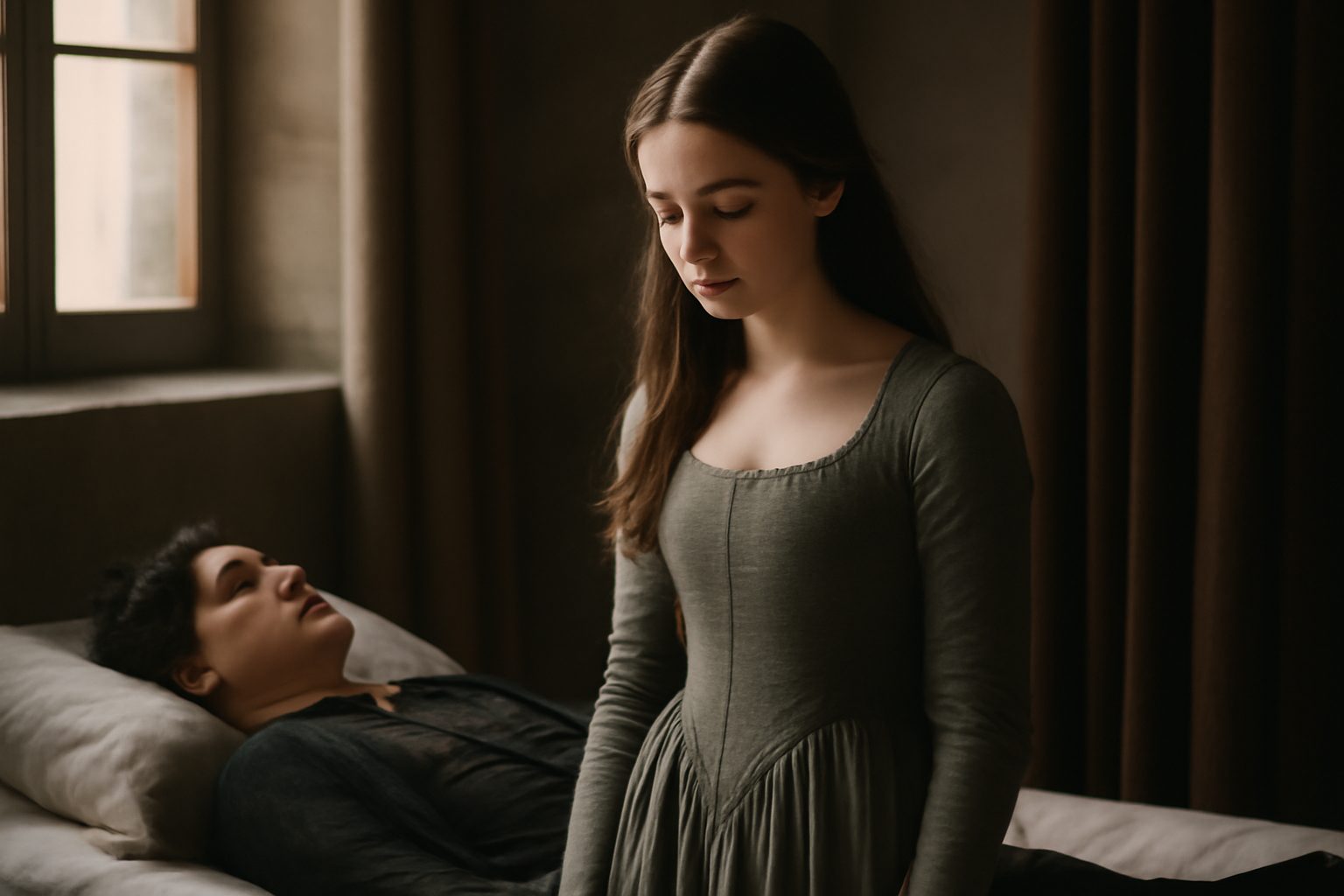
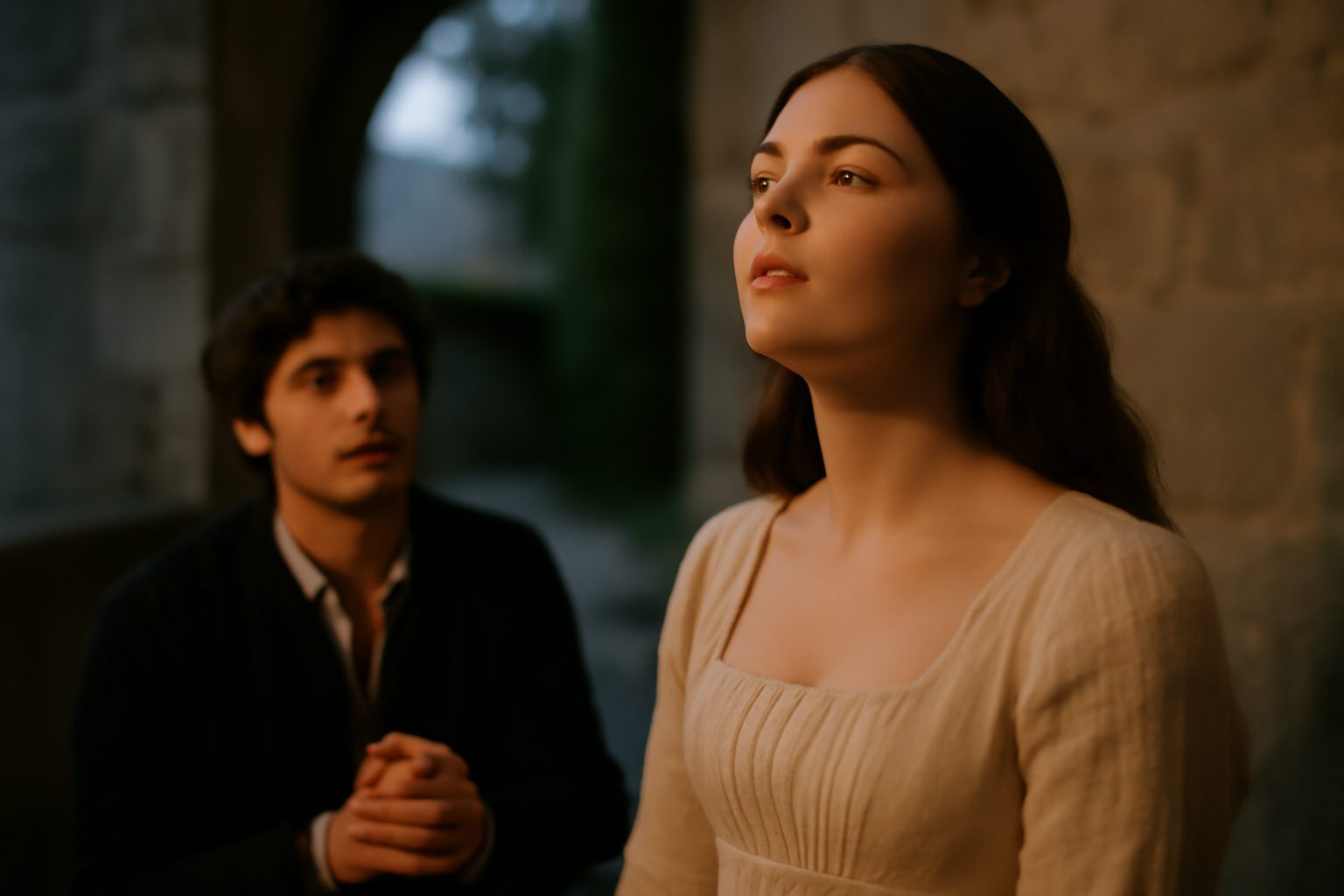
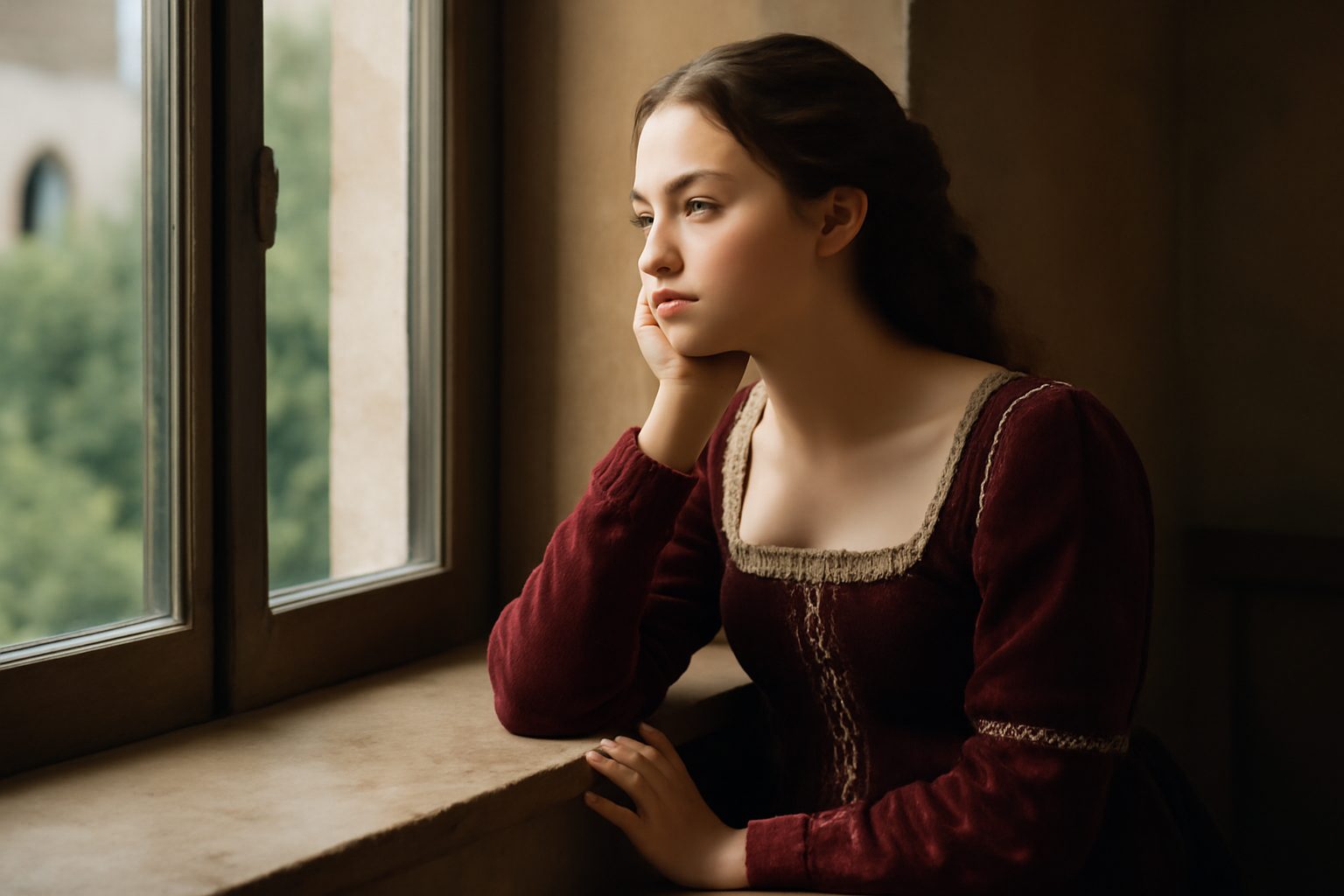
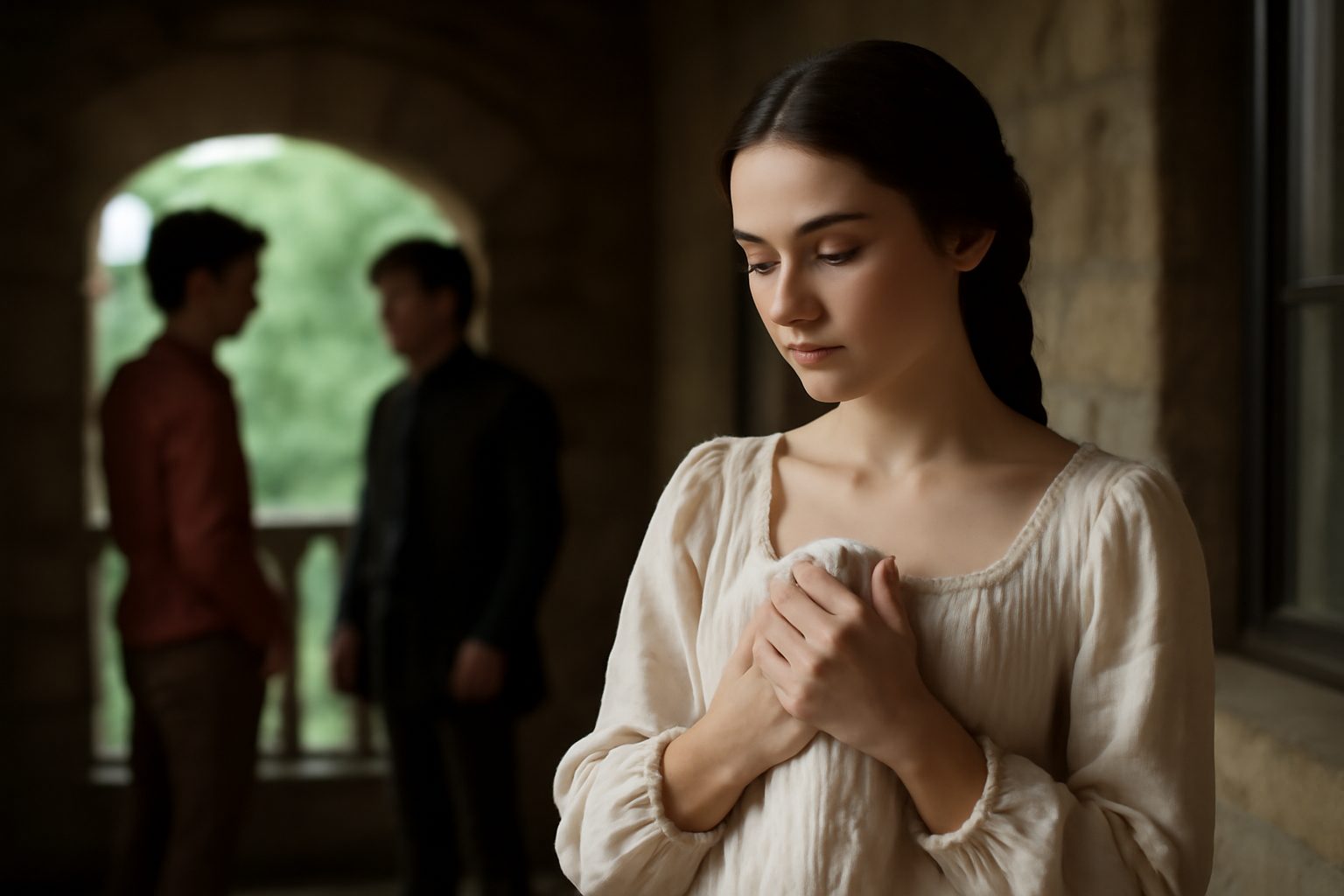
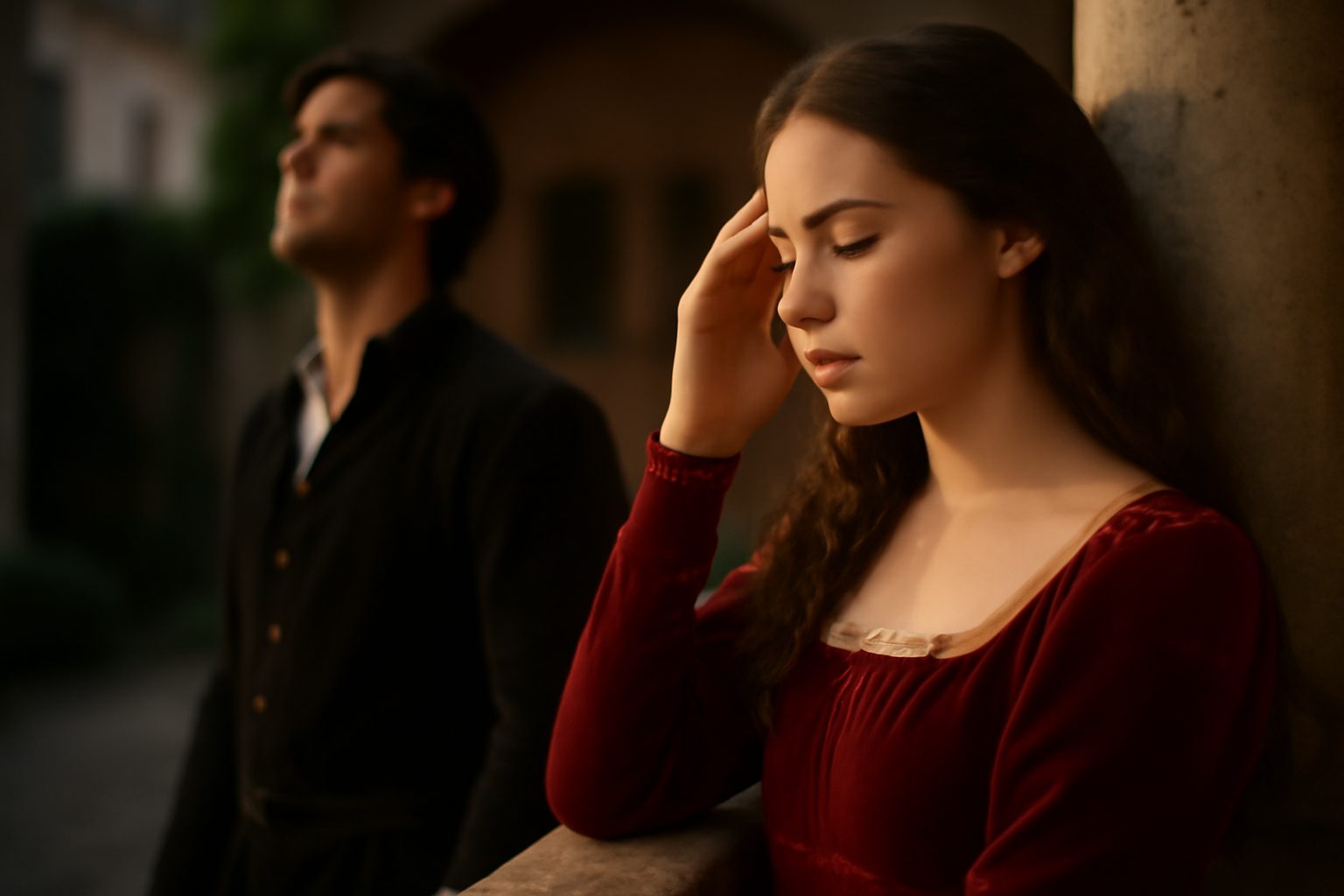
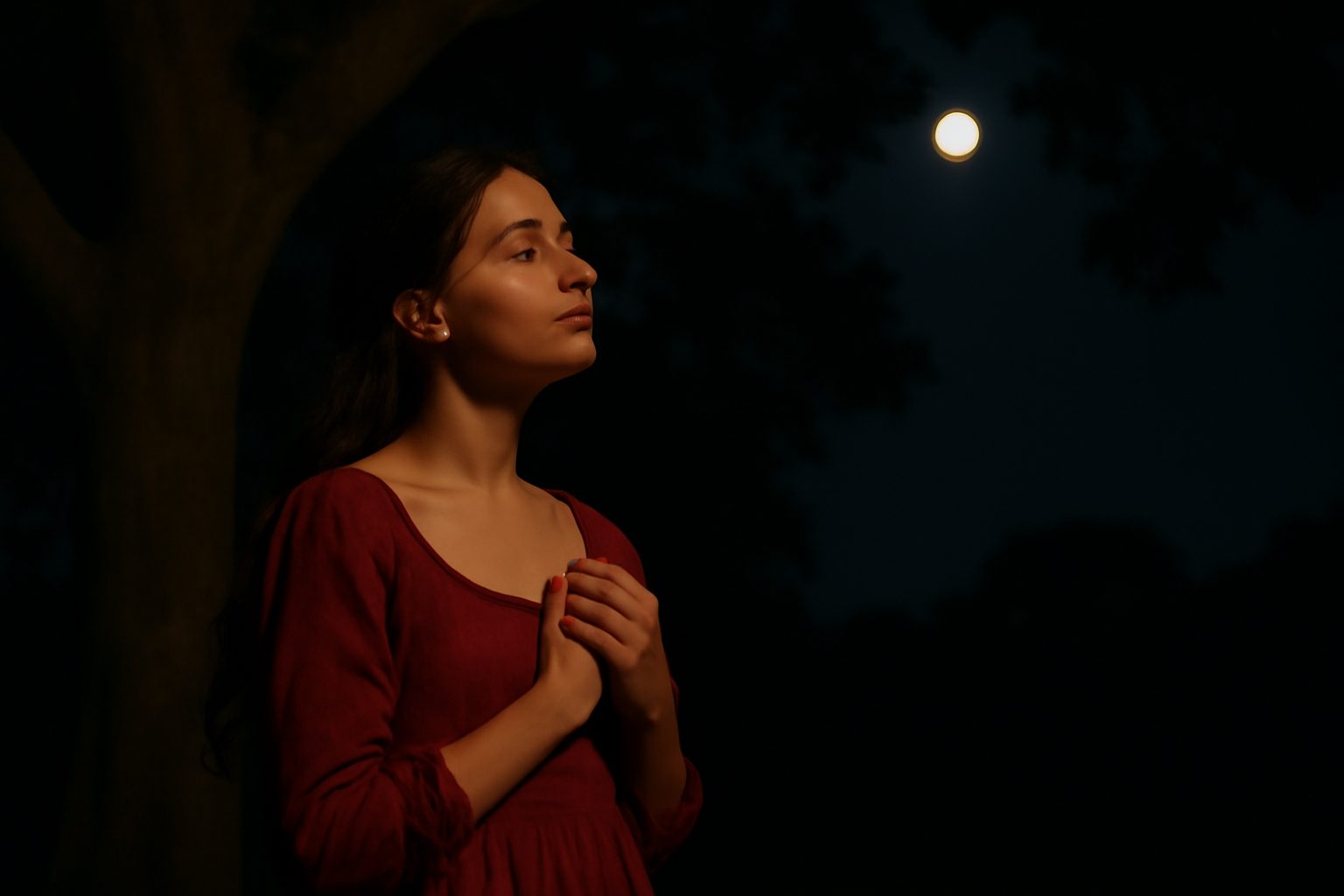
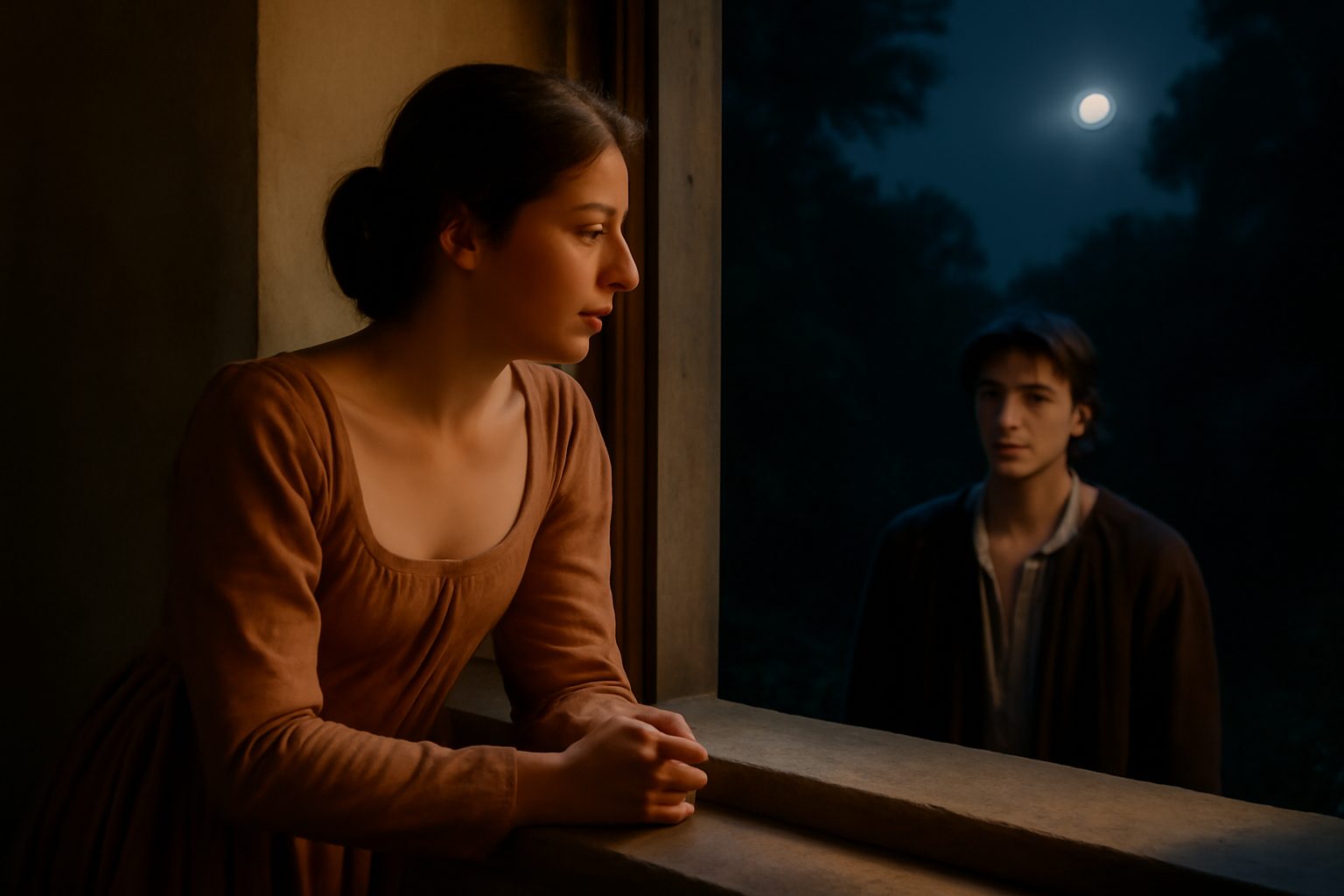
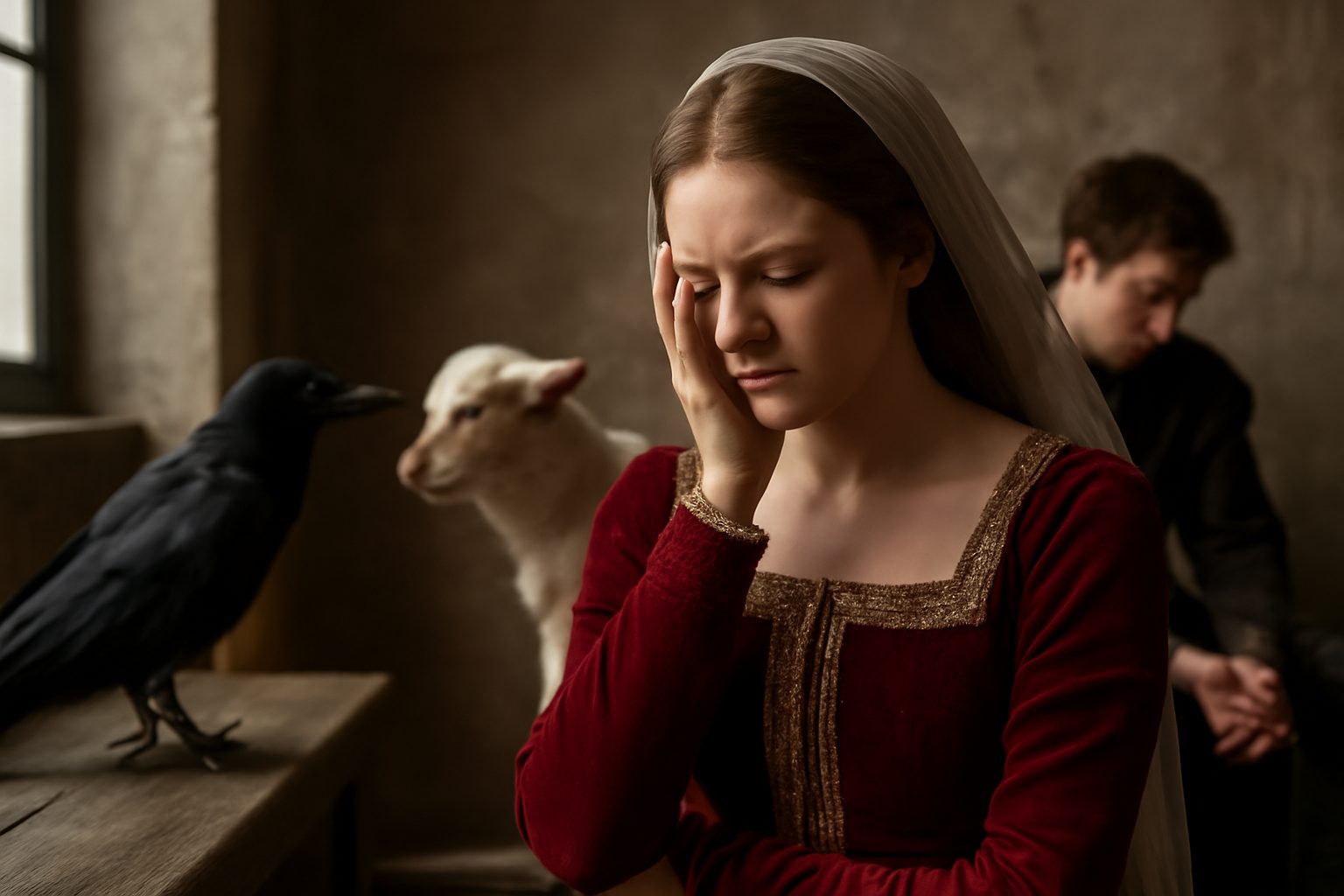
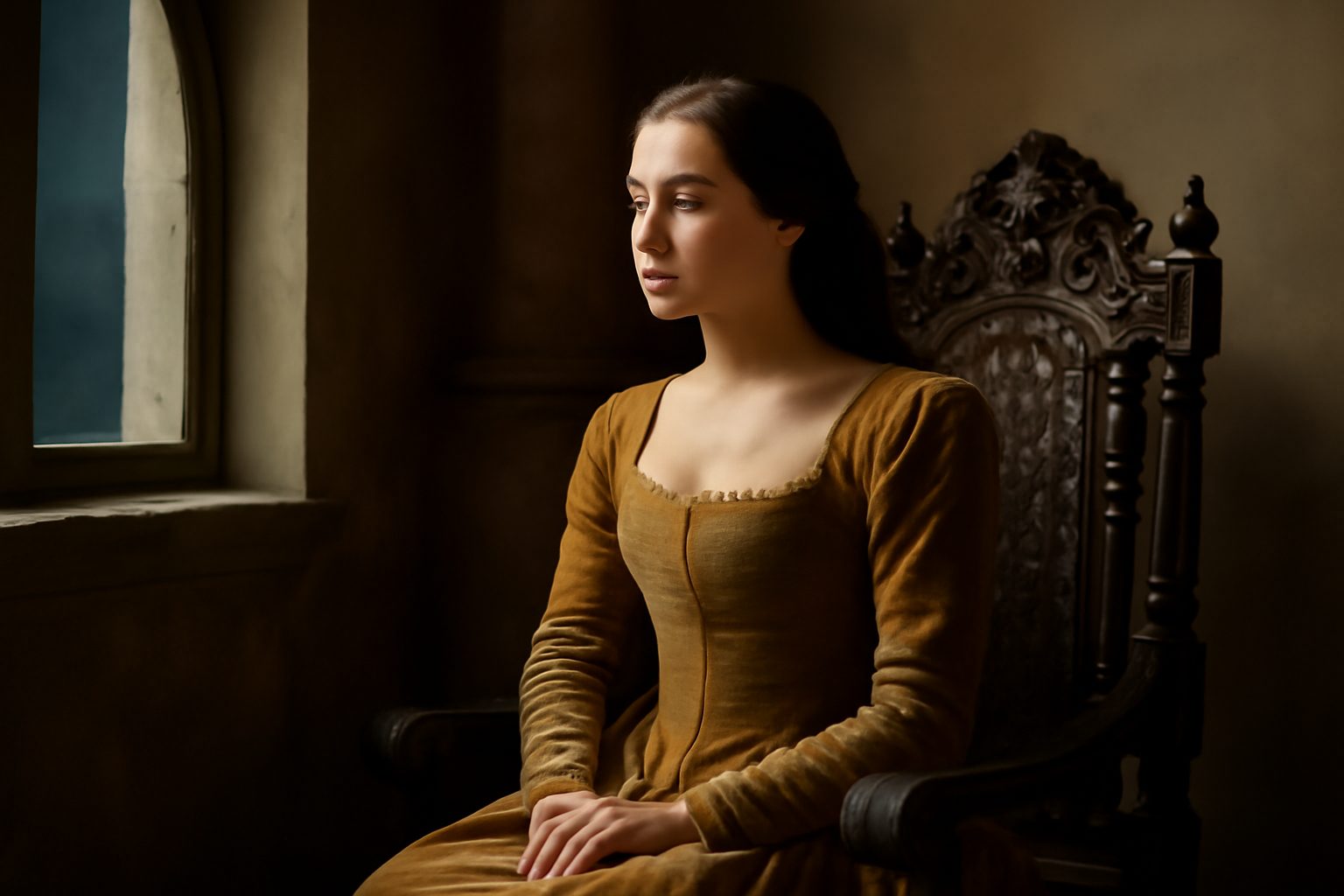
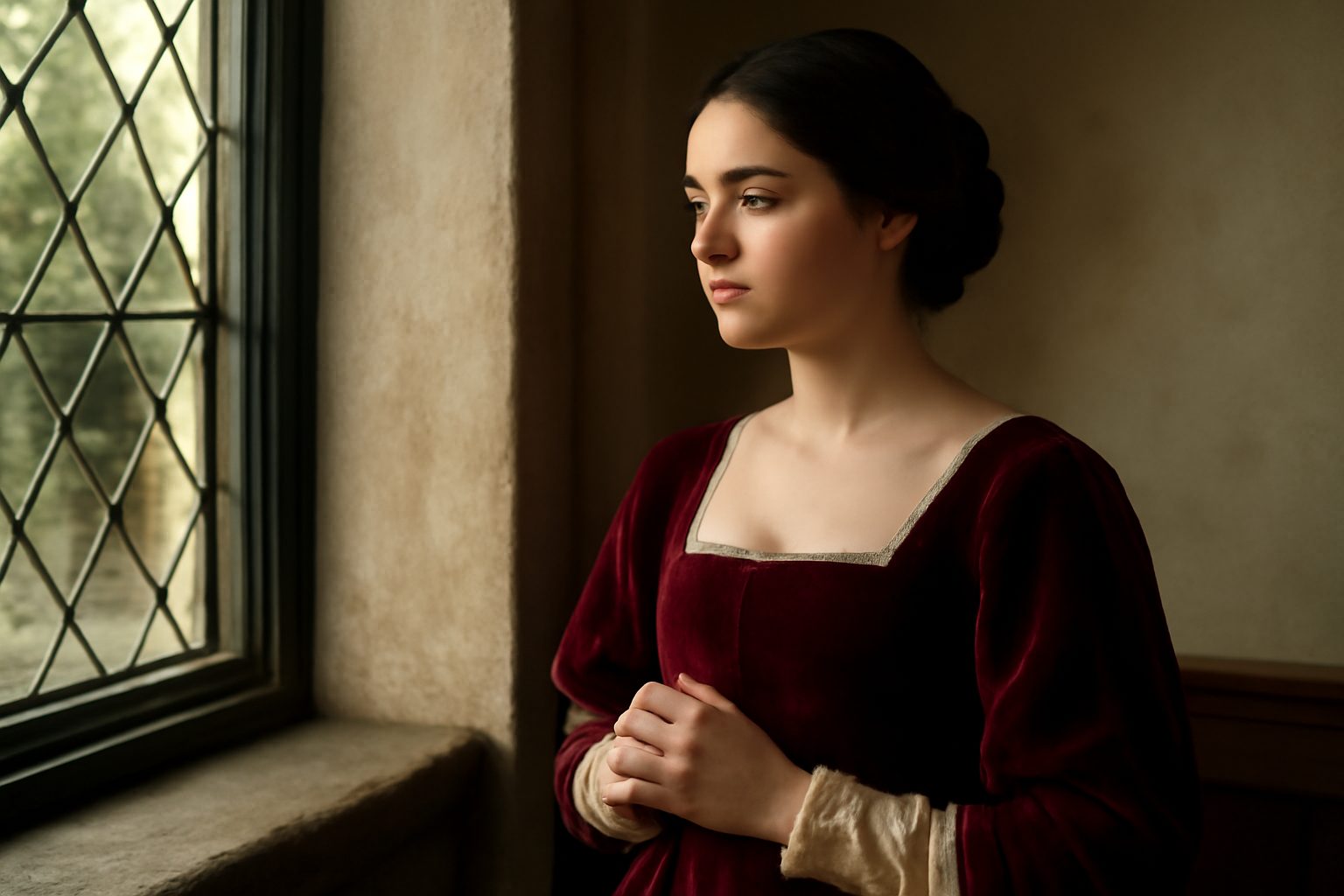
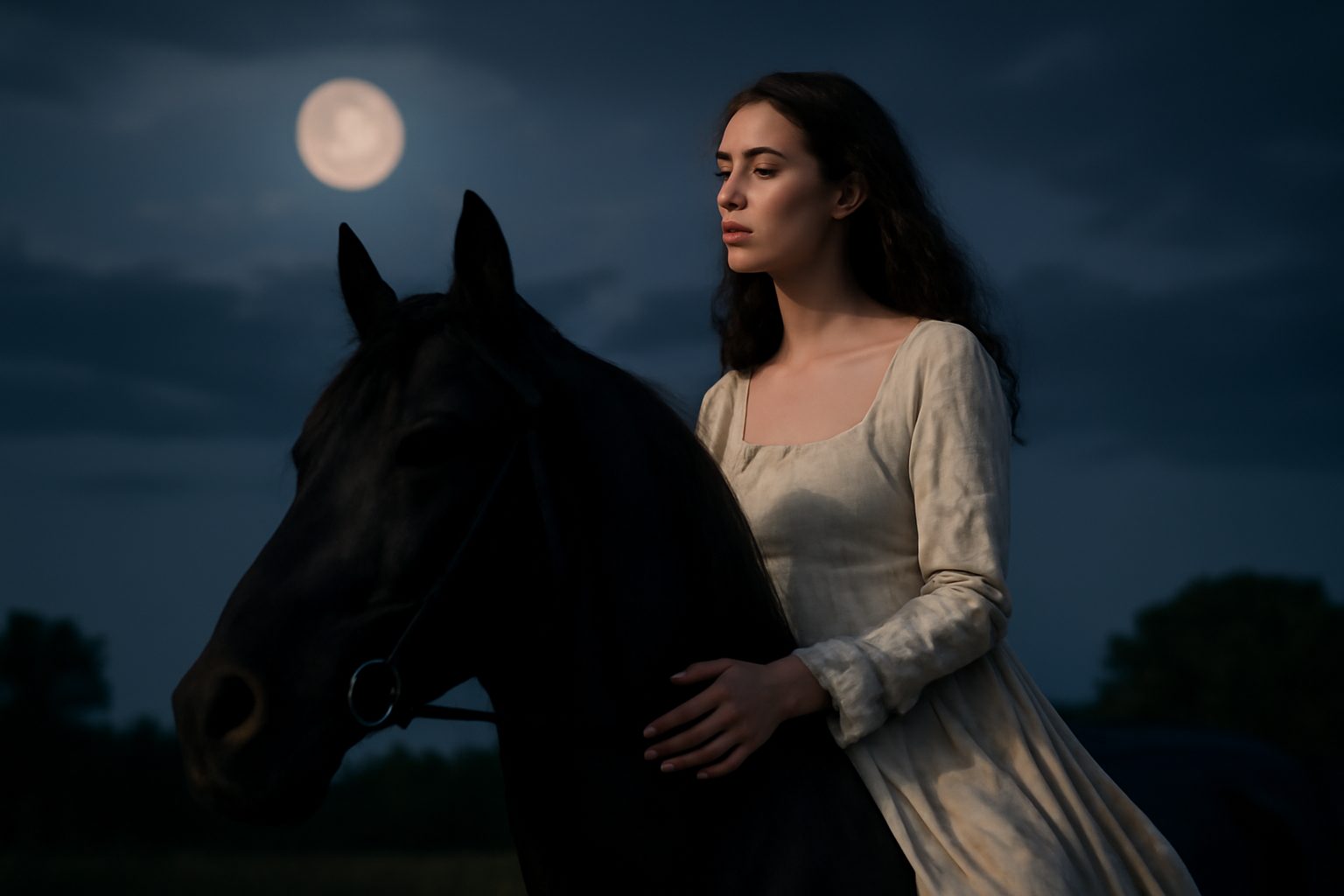
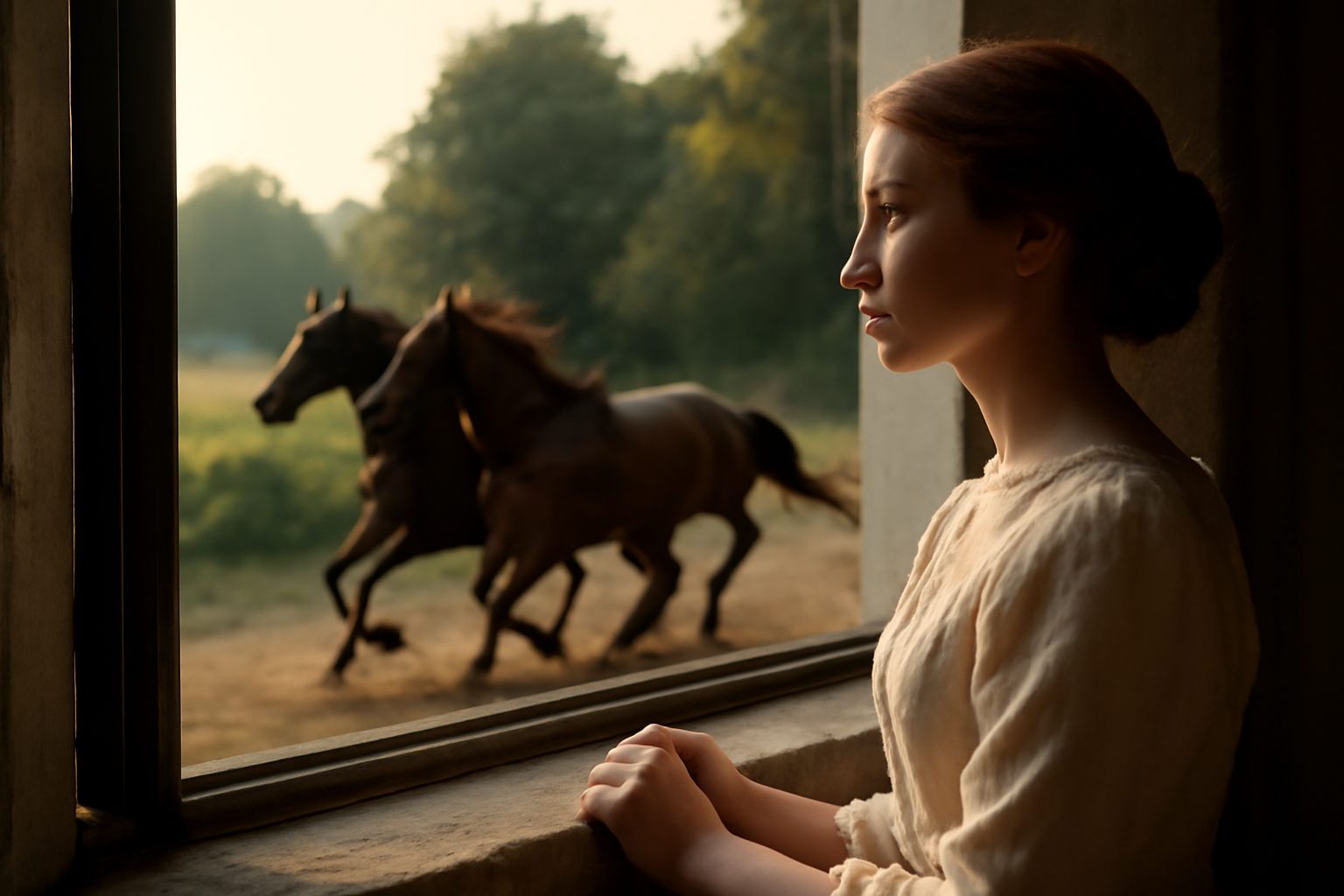
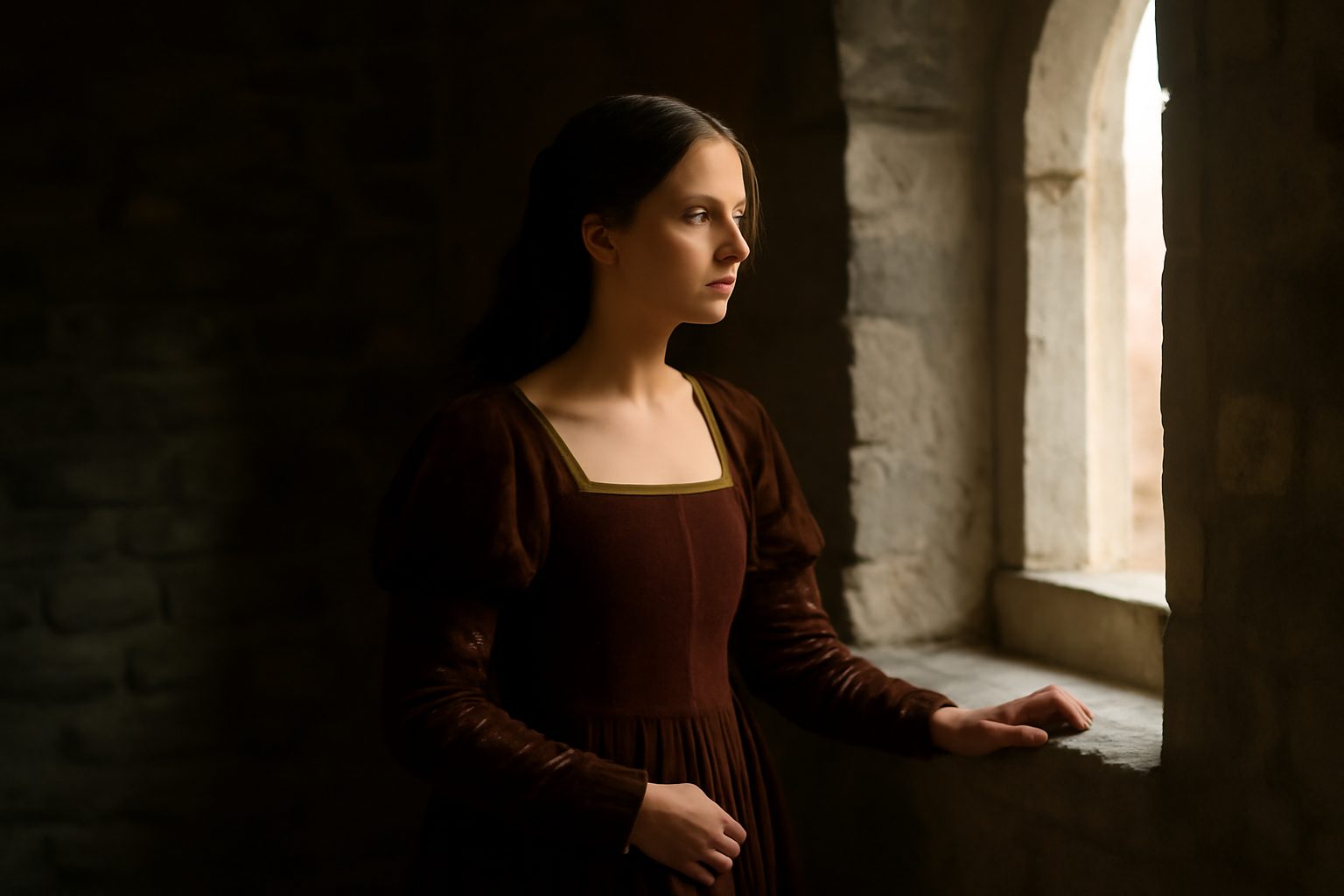
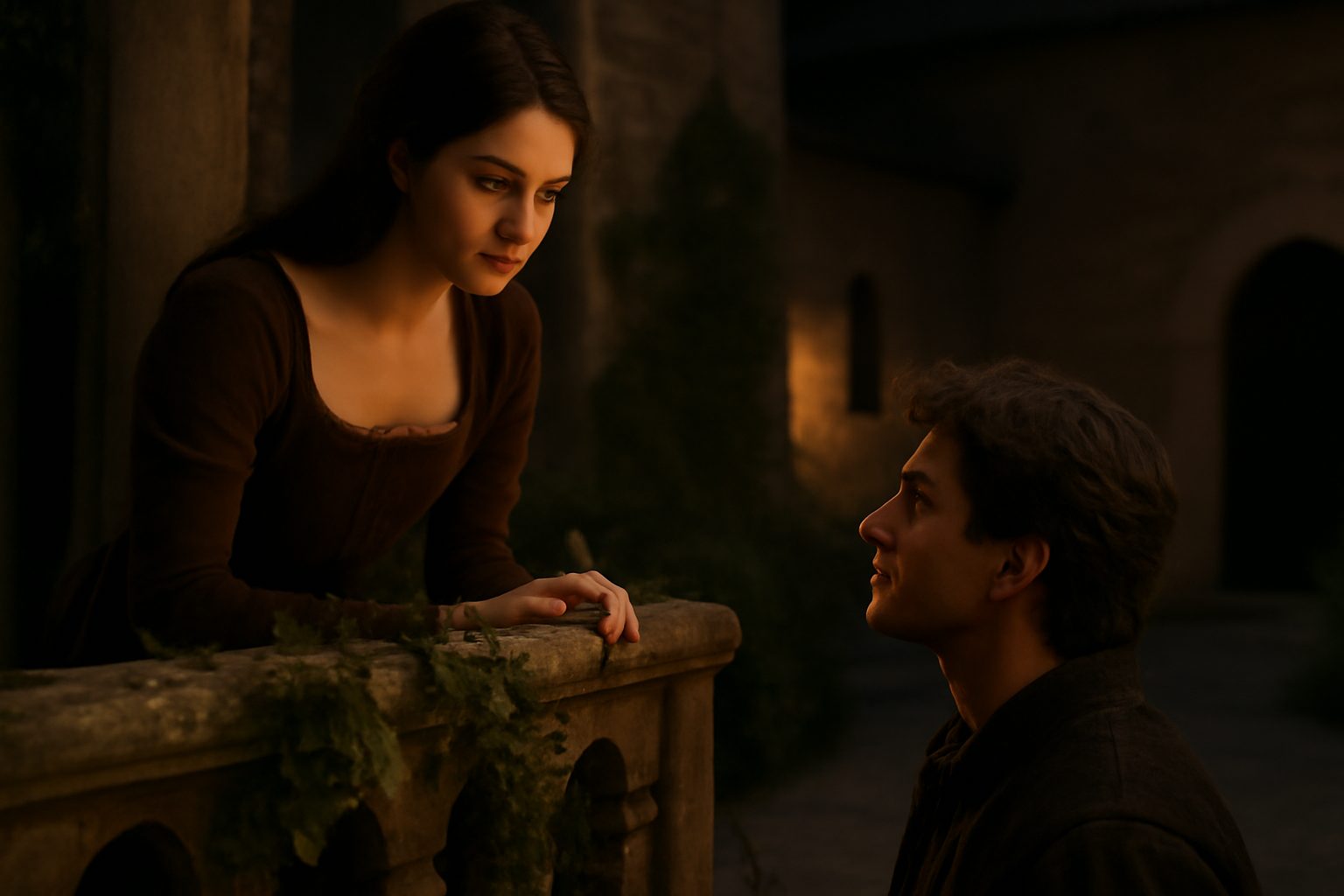
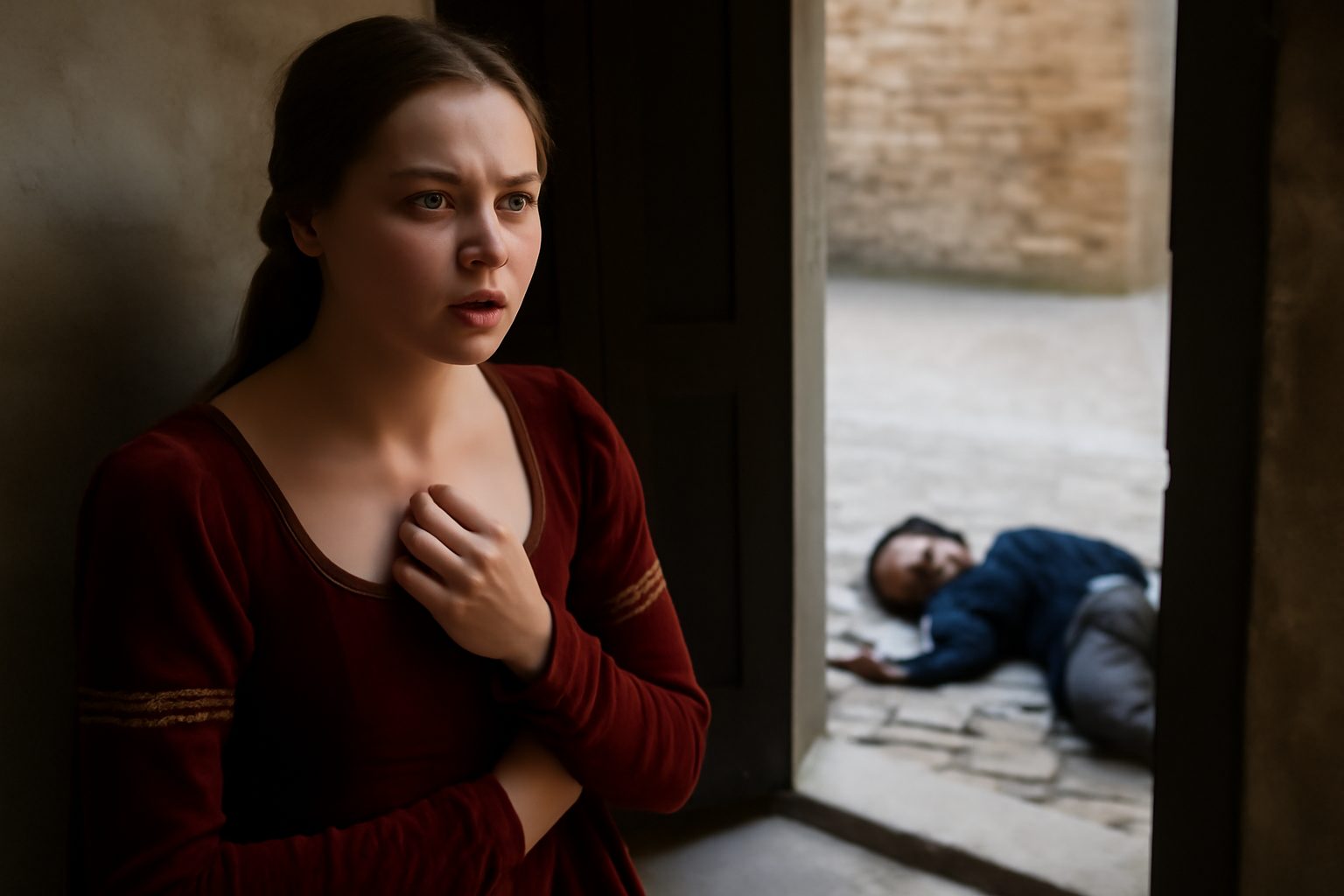
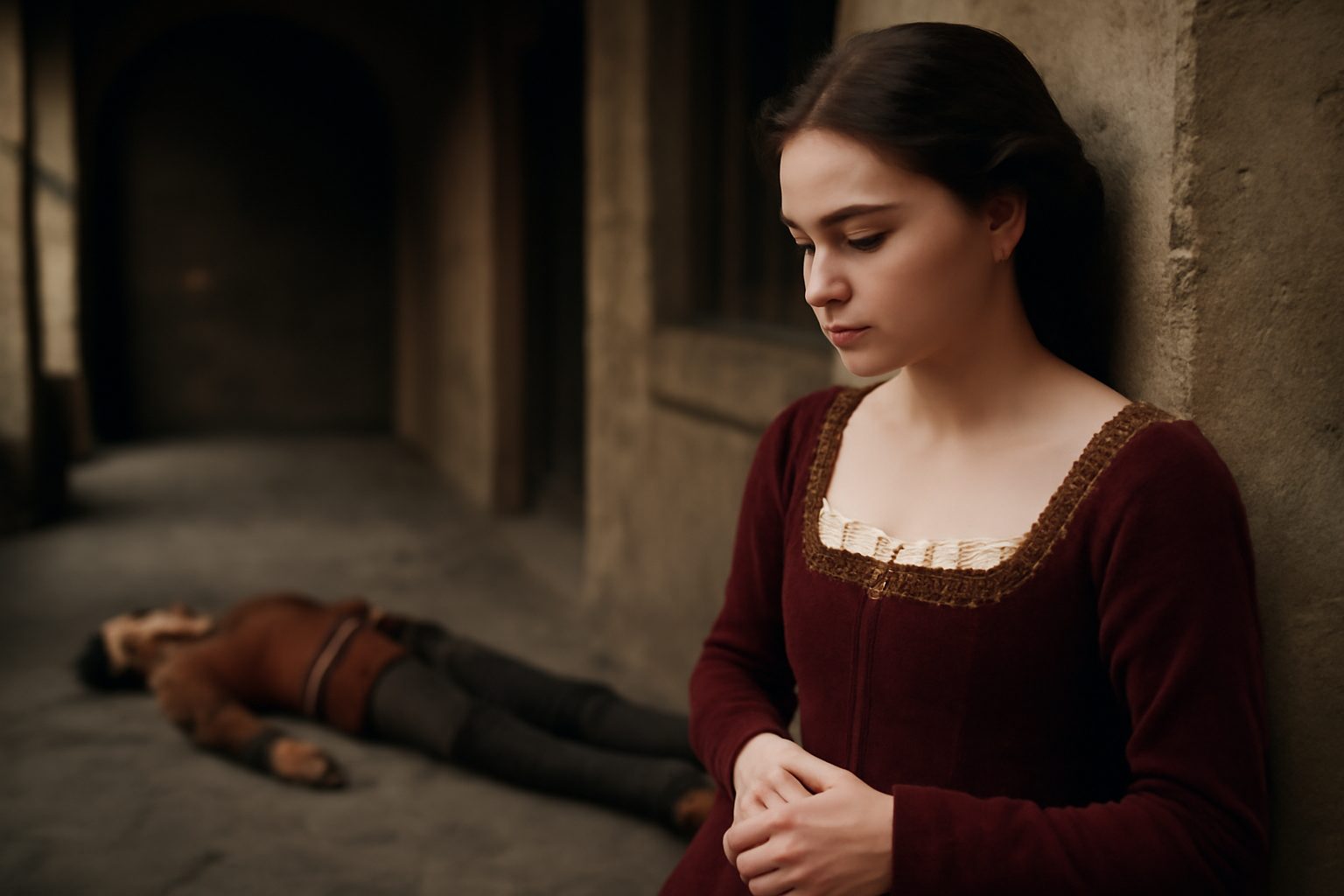
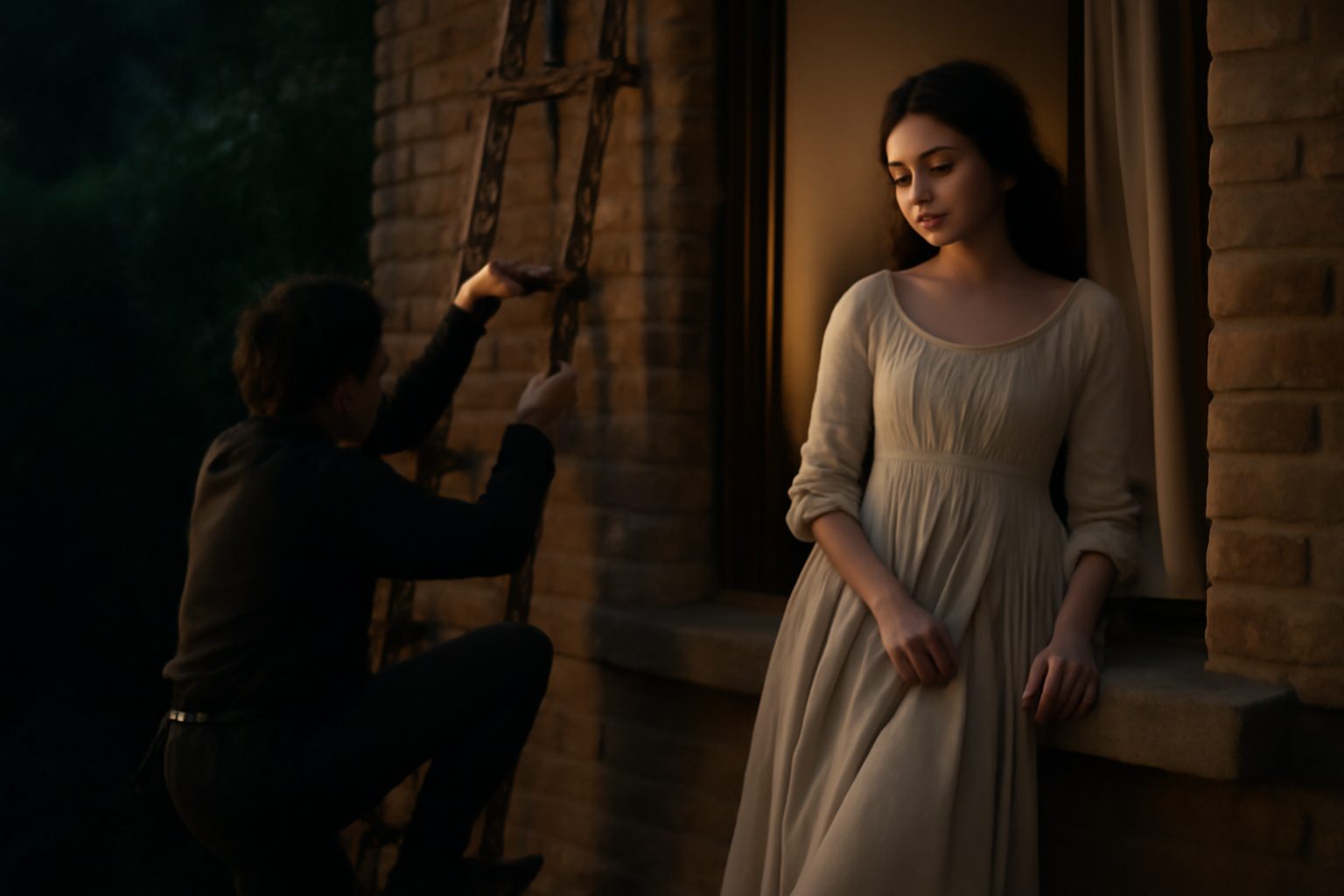
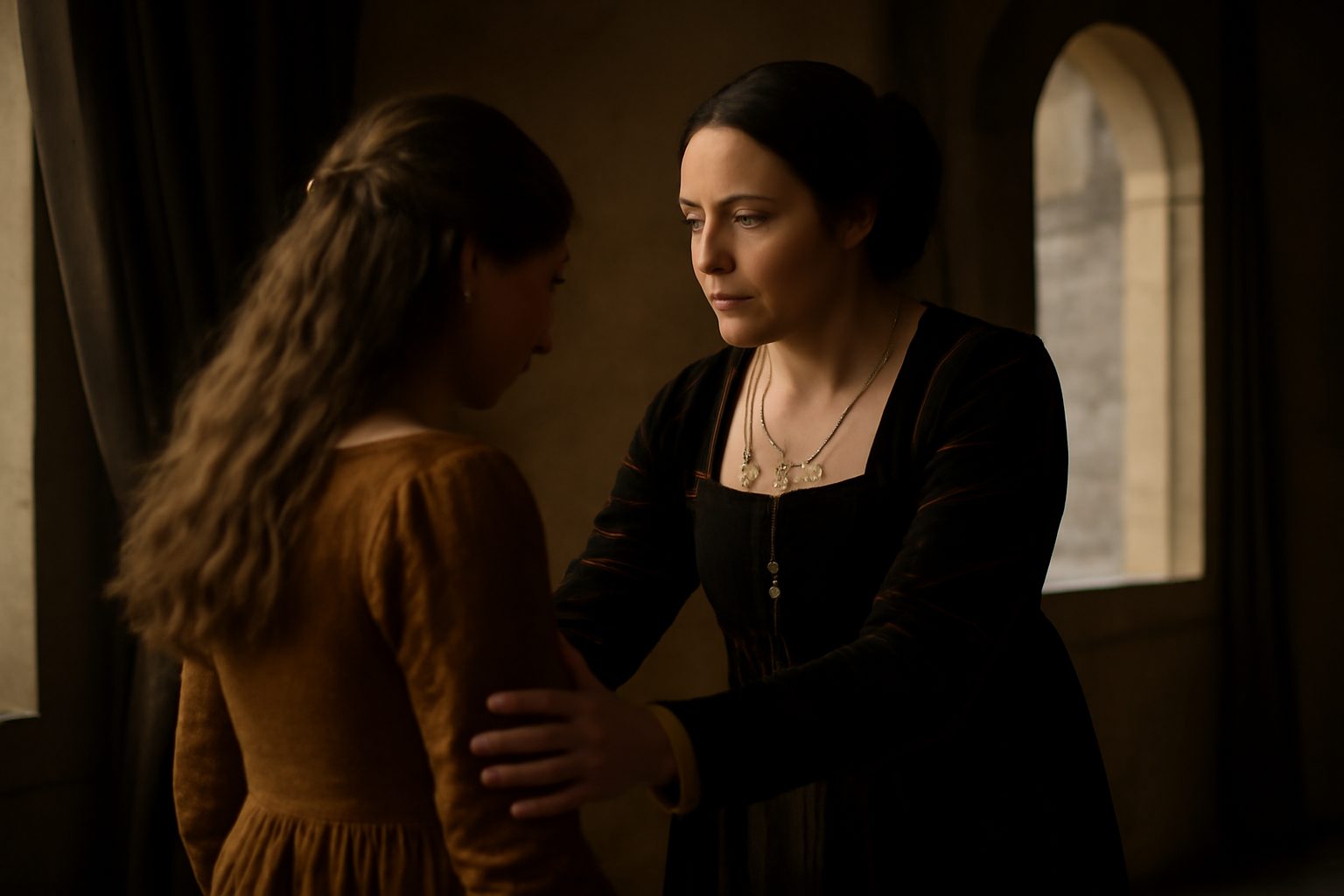
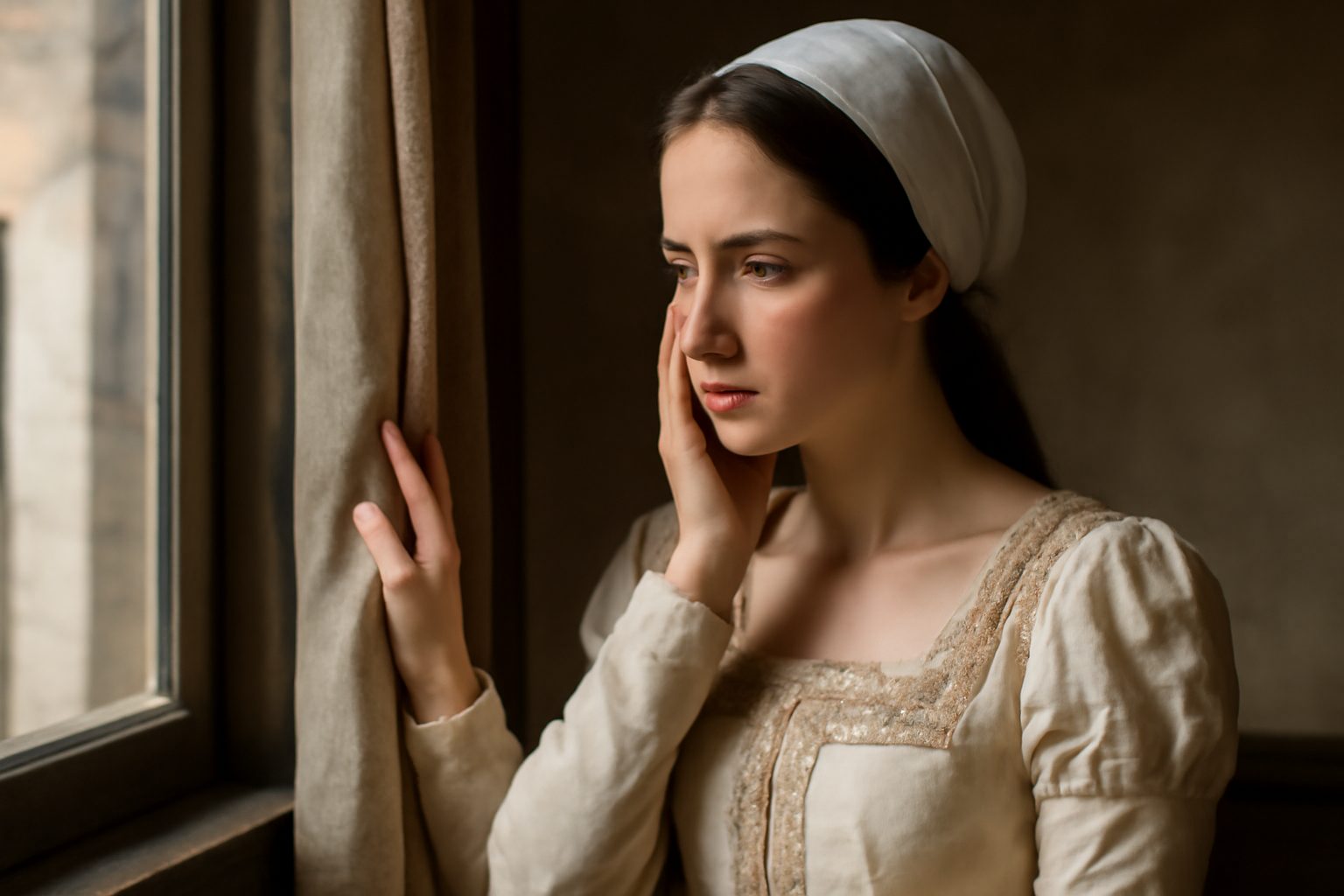
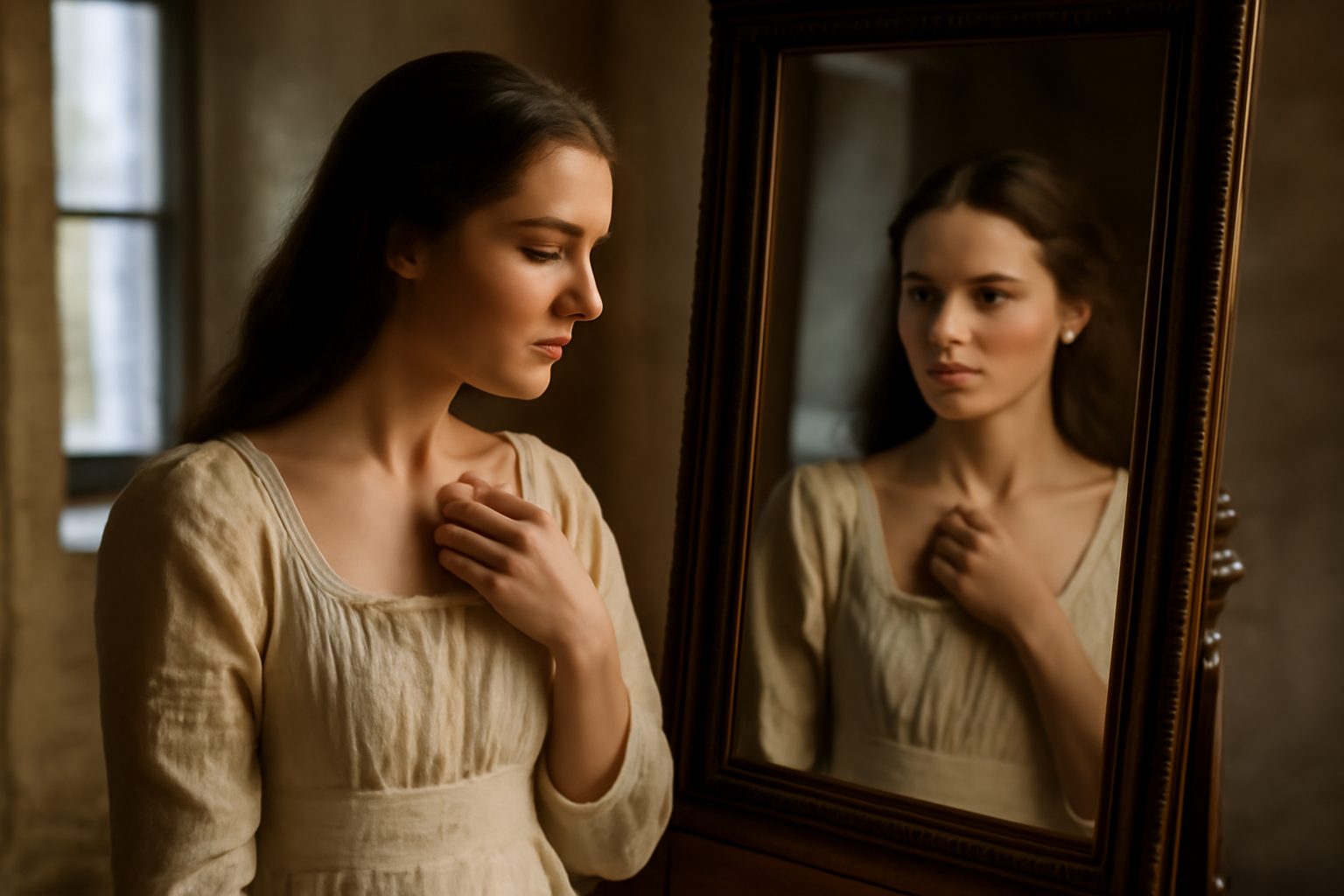
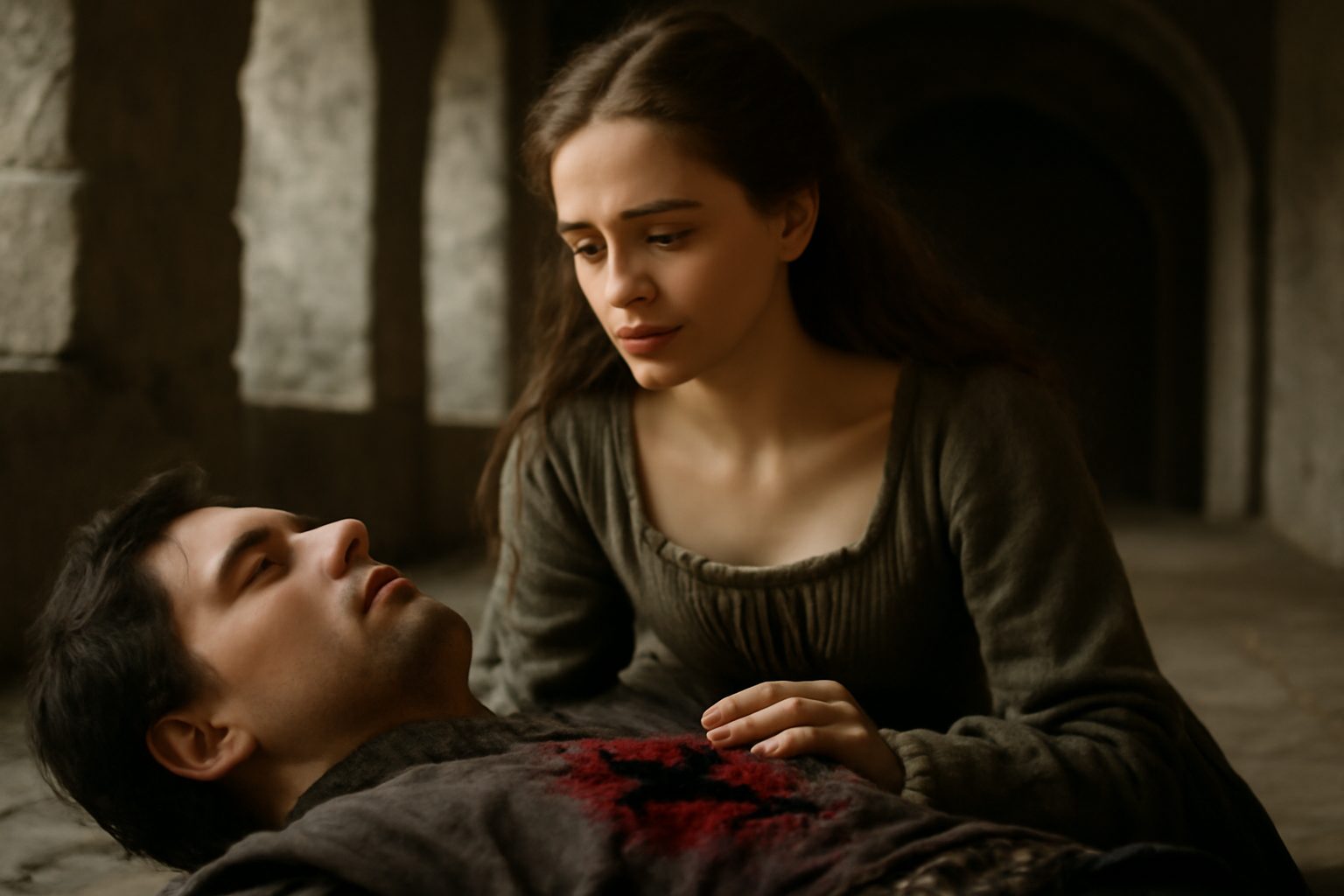
In Act 3, Scene 2 of Romeo and Juliet, Juliet speaks these words in anguish after learning that Romeo has killed Tybalt and been banished. Overwhelmed by grief, she feels trapped in her despair, as if her eyes are imprisoned and denied the freedom to see joy again. This moment captures her emotional turmoil as she grapples with love, loss, and loyalty.
Juliet: "To prison, eyes, ne'er look on liberty!"
In modern day english, we would say:
Eyes, stop seeing the world—you don’t deserve freedom anymore.
Frequently Asked Questions
What does Juliet mean when she tells her eyes they will never see freedom again?
Juliet is expressing her deep sadness and despair after learning that Romeo has been banished. She feels like her happiness is gone forever, as if her eyes are trapped in prison and will never see joy or freedom again.
Connections to other verses:
Connections to "To prison, eyes, ne'er look on liberty!"
The verse "To prison, eyes, ne'er look on liberty!" reflects Juliet's despair and sense of entrapment upon learning of Romeo's banishment. This feeling of imprisonment is echoed in several other verses throughout the scene.
Despair and Emotional Turmoil
Juliet's declaration of her eyes being imprisoned connects to her earlier exclamation, "O, break, my heart! poor bankrupt, break at once!", where she expresses overwhelming sorrow. Similarly, her sense of hopelessness is mirrored in "Vile earth, to earth resign; end motion here;", as she wishes for an end to her suffering.
Banishment as a Form of Imprisonment
The theme of banishment as a kind of living death or imprisonment is prevalent. In "Romeo is banished,' to speak that word,", Juliet emphasizes the pain of the word "banished," which she equates with a loss of freedom. This is further explored in "Both you and I; for Romeo is exiled:", highlighting the shared imprisonment she feels with Romeo.
Contrast with Earlier Hopes
Juliet's current despair starkly contrasts with her earlier anticipation of night and union with Romeo, such as in "Come, gentle night, come, loving, black-brow'd night", where she longed for freedom in darkness. The shift from hope to imprisonment underscores the tragedy of the scene.
Physical and Emotional Confinement
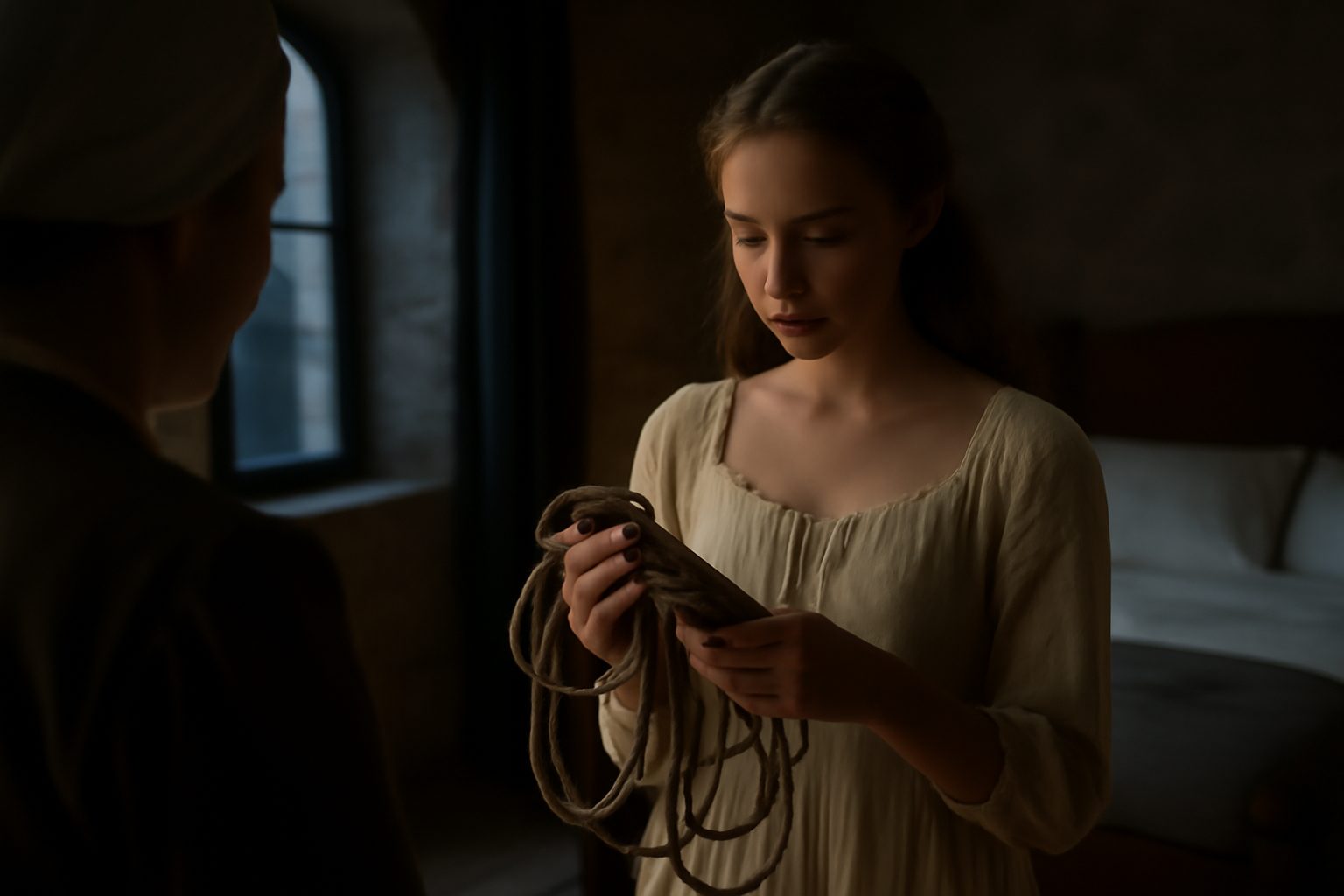
The idea of confinement is also physical, as seen in "Come, cords, come, nurse; I'll to my wedding-bed;", where she retreats to her bed as a place of both marriage and death, symbolizing her trapped state. This echoes the earlier verse "But I, a maid, die maiden-widowed.", emphasizing her unresolved and confined fate.