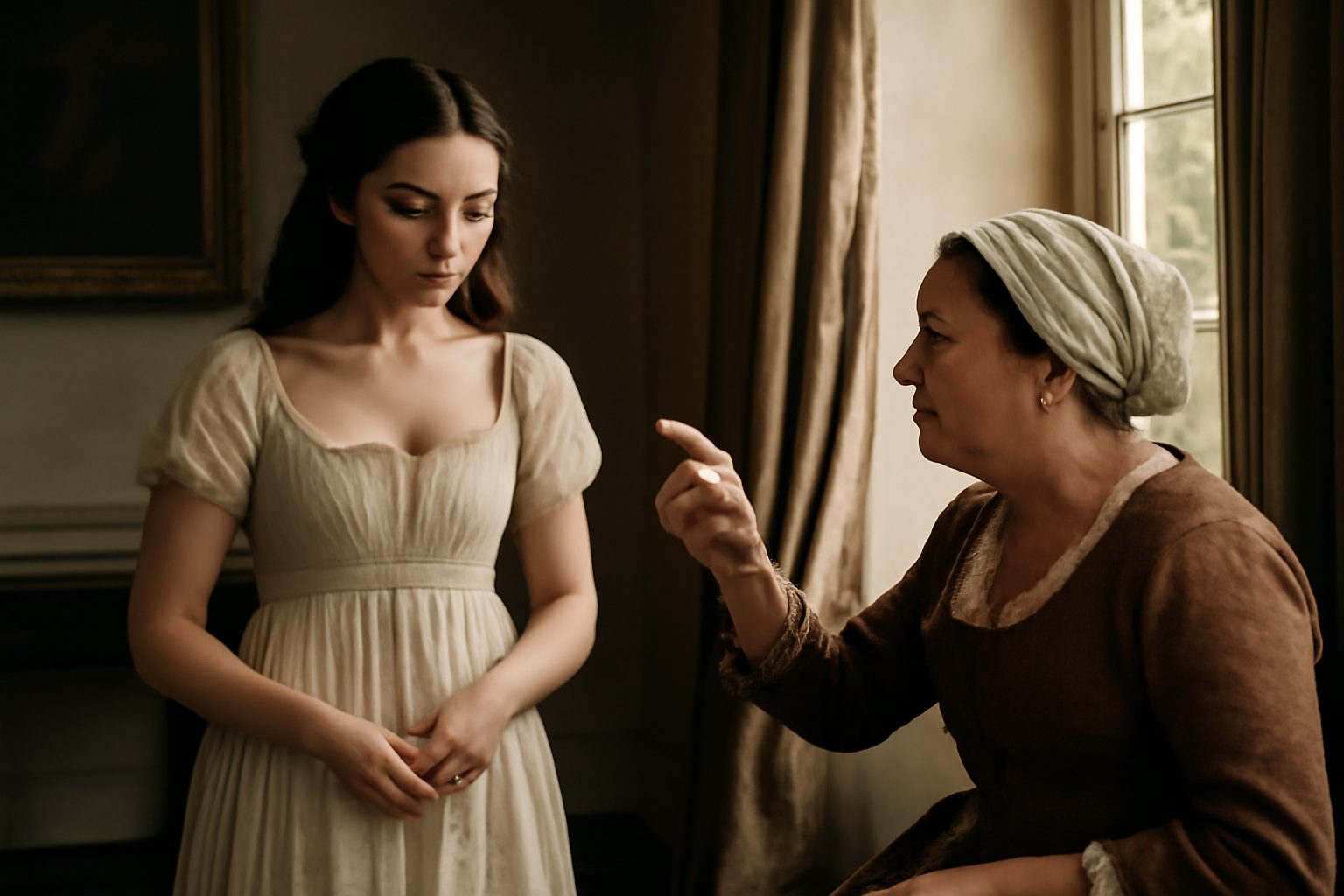
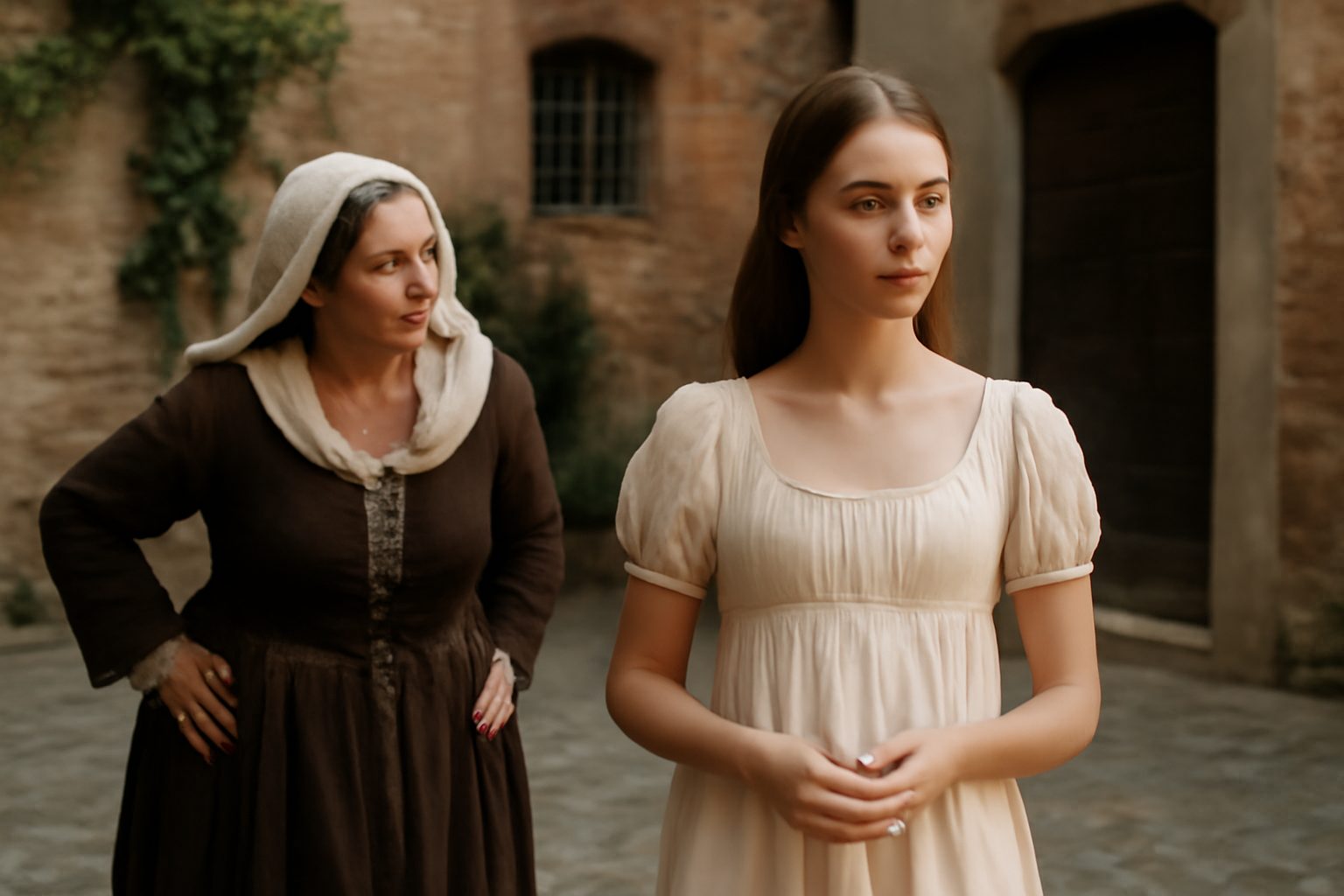
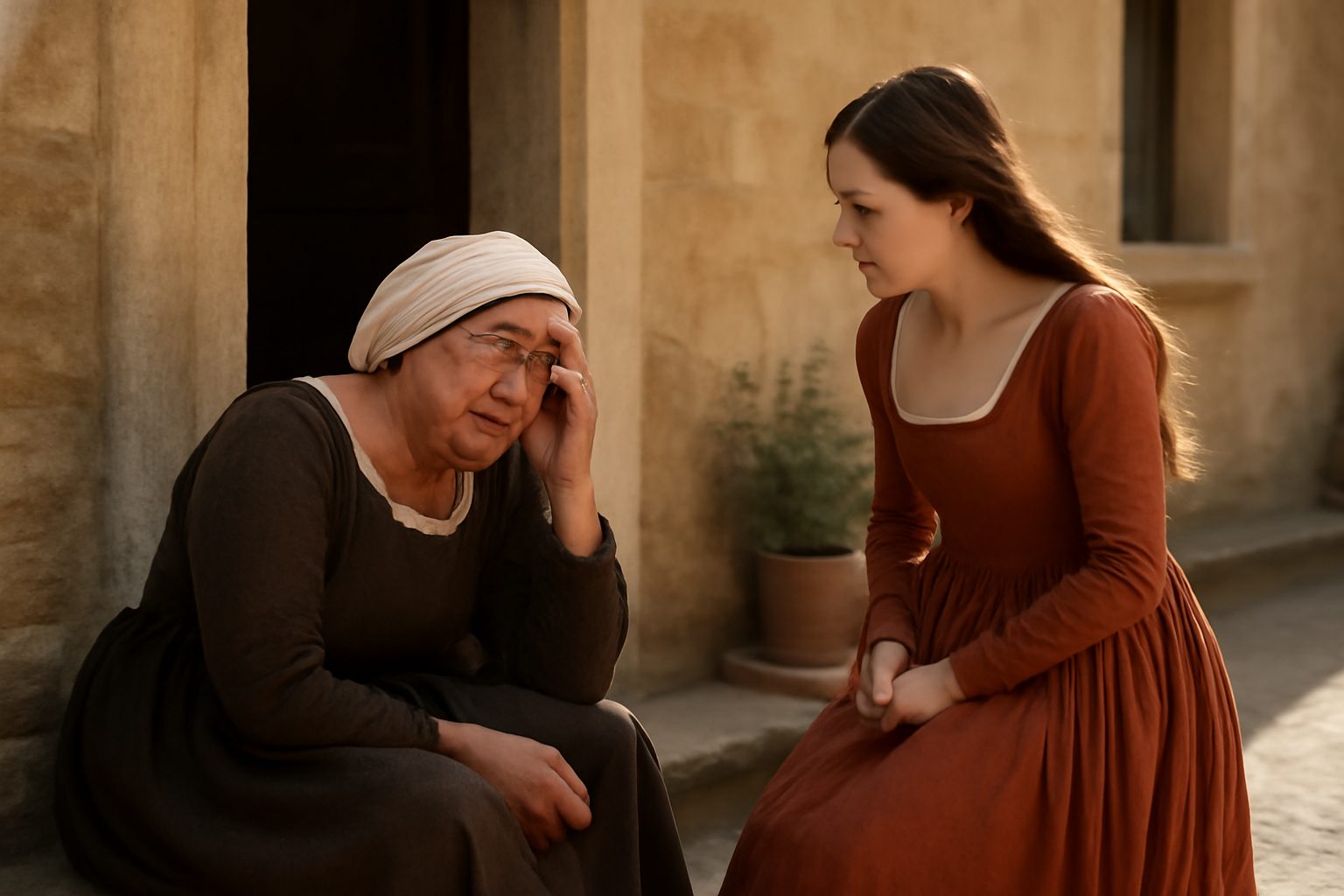
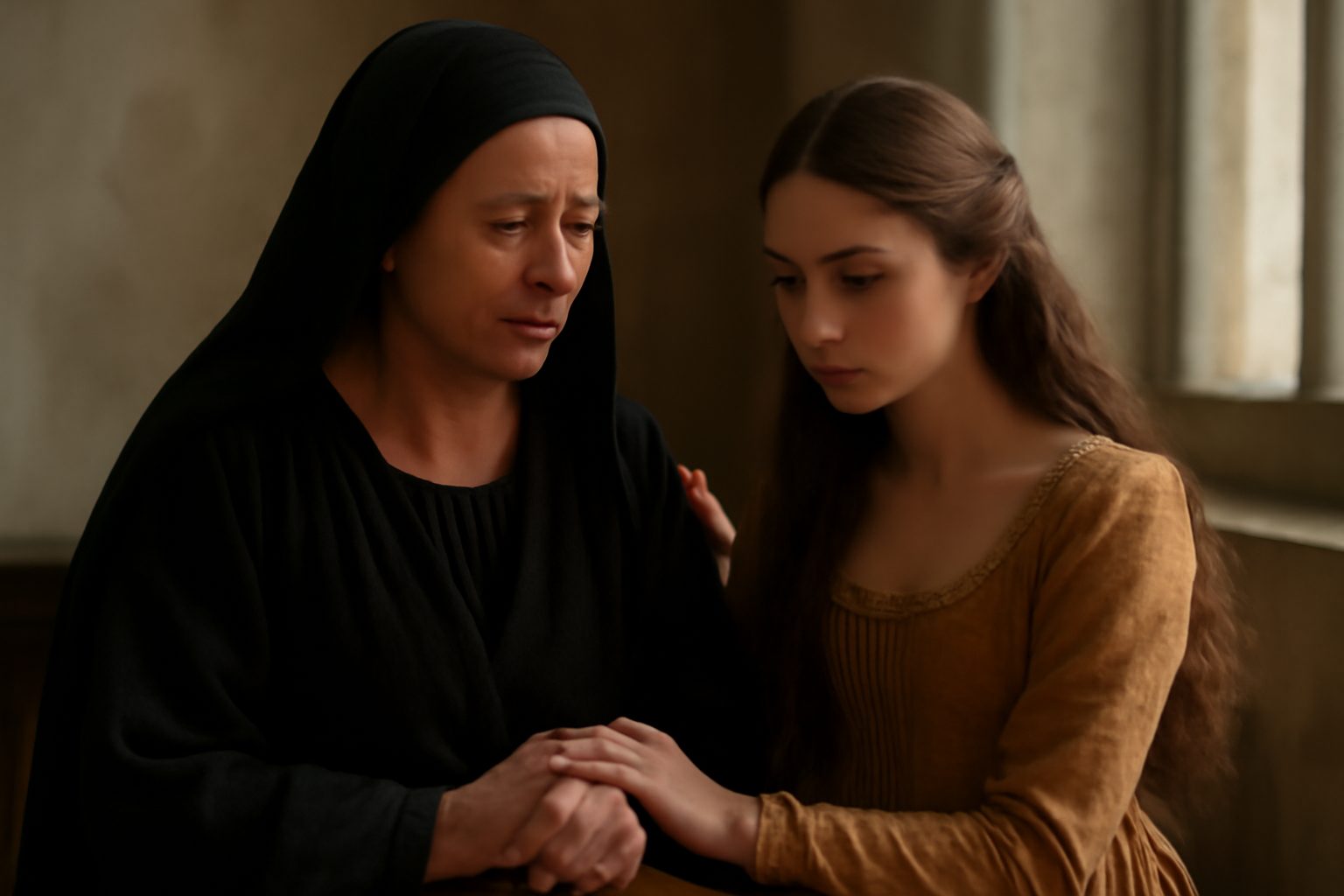
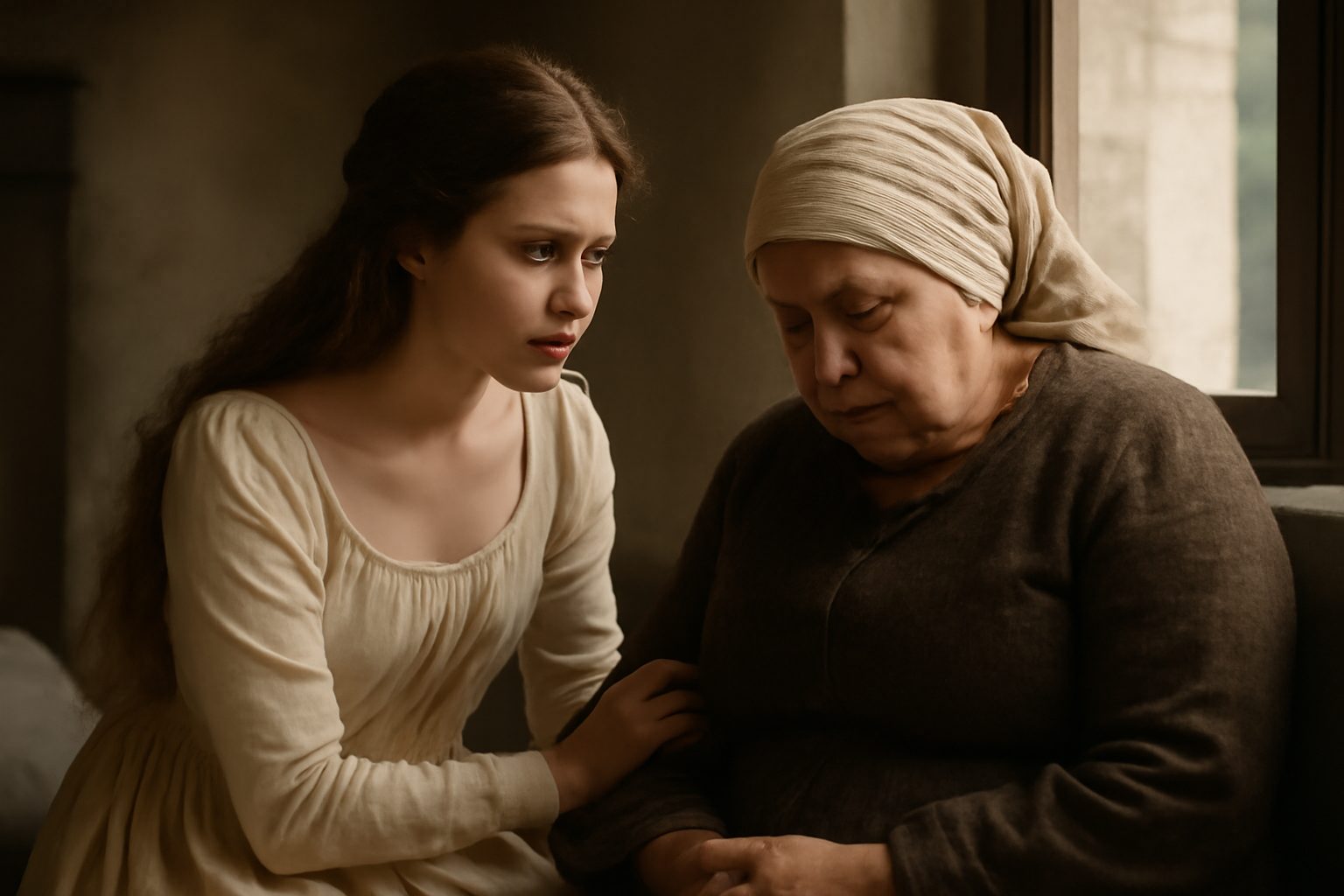
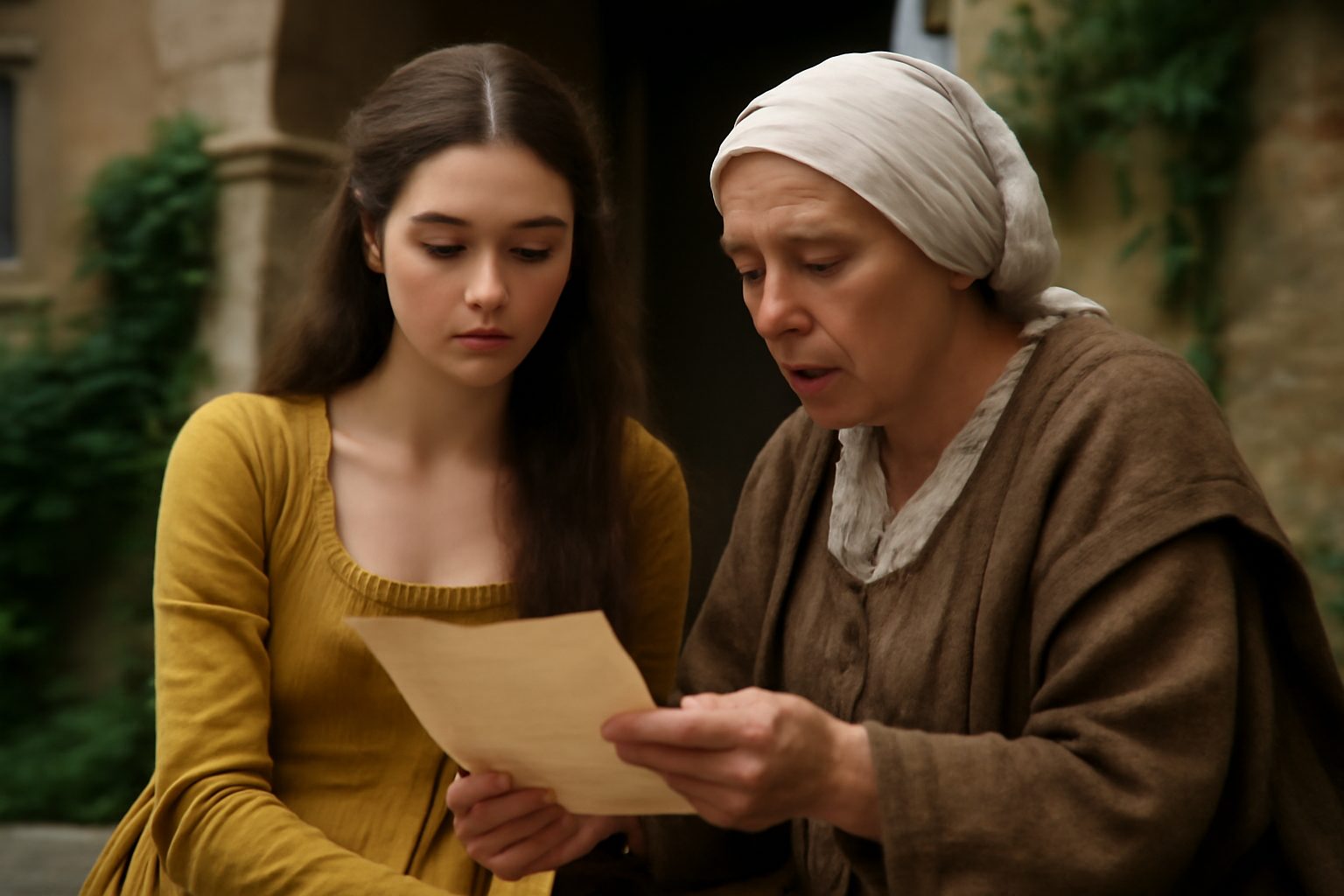
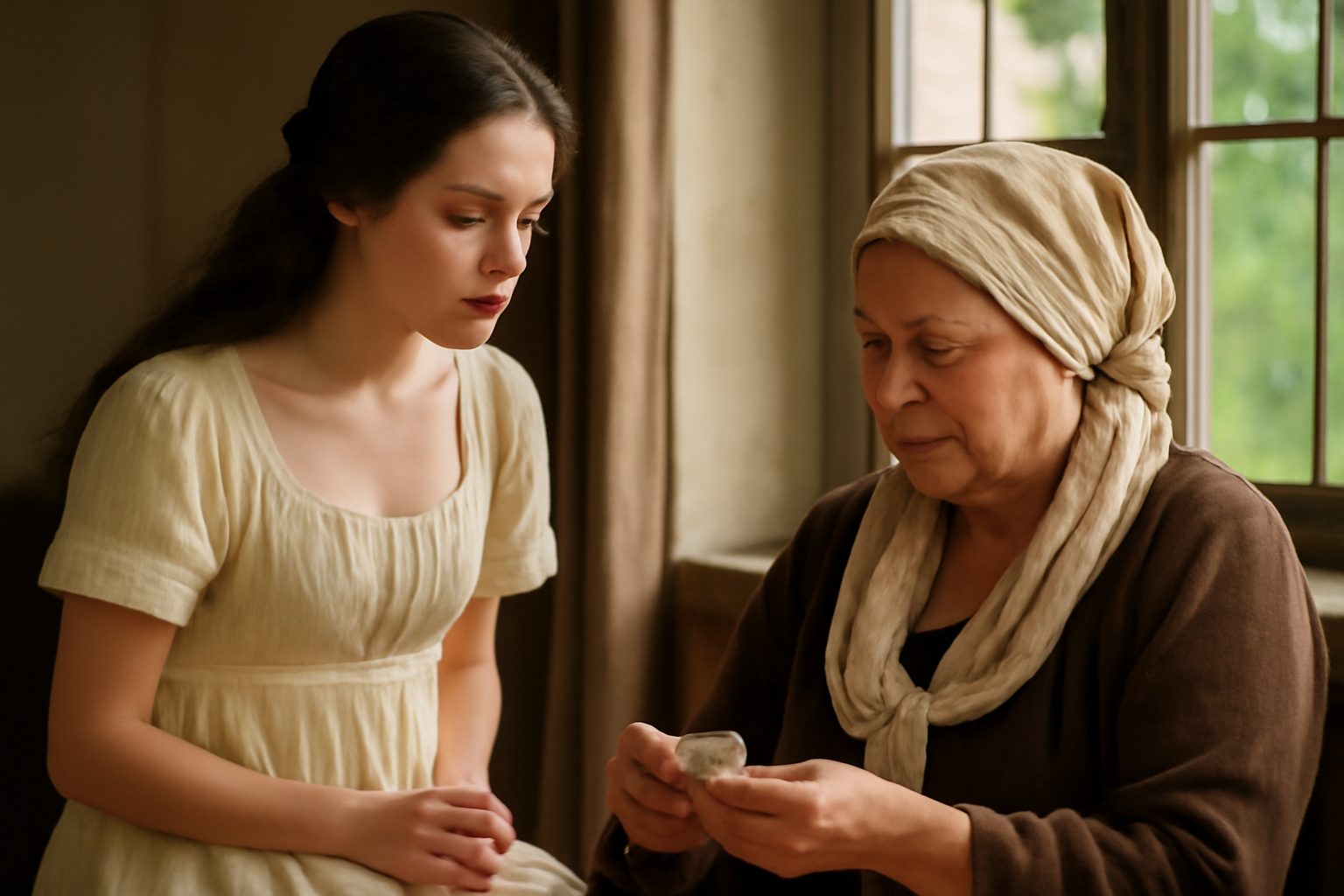
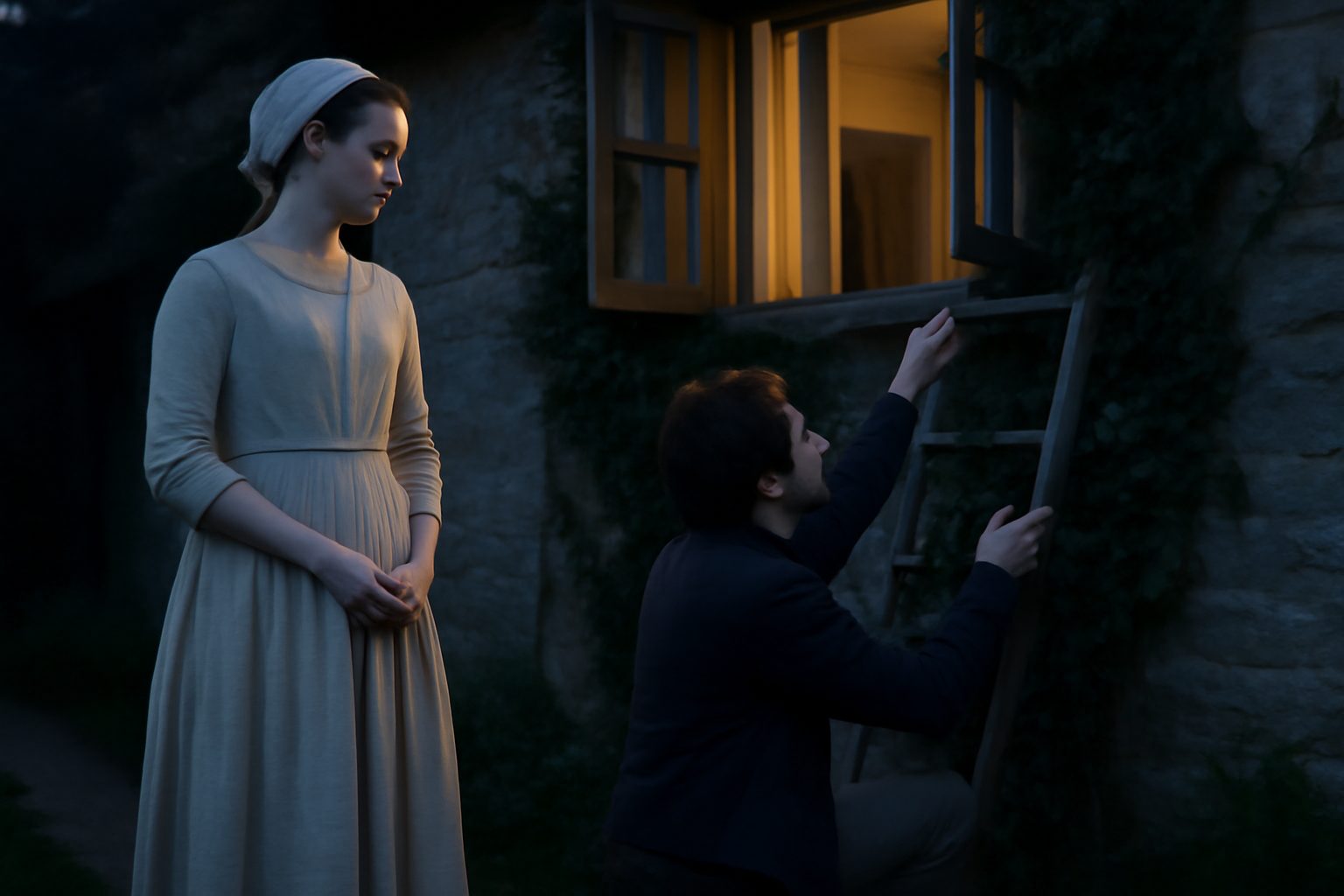
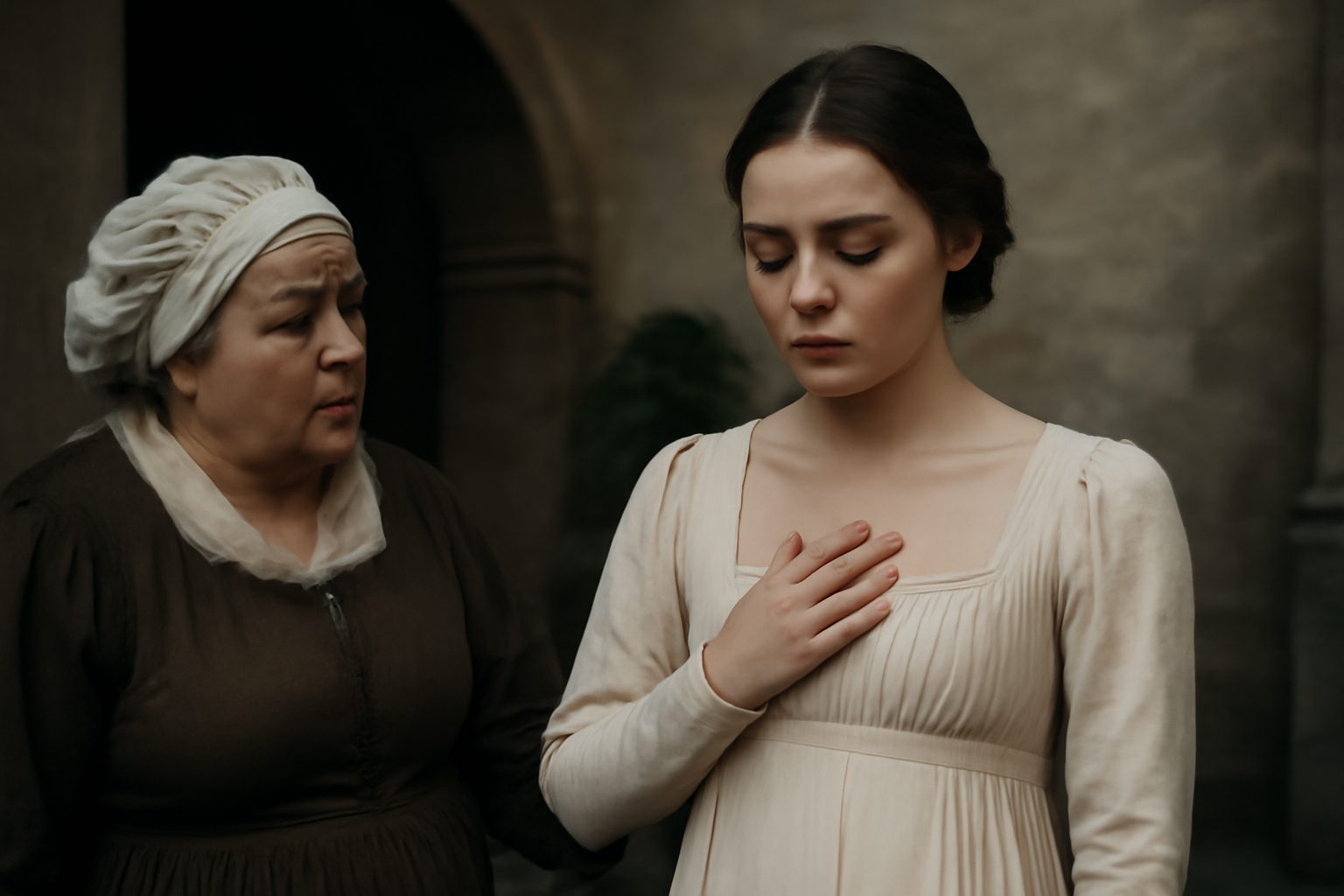
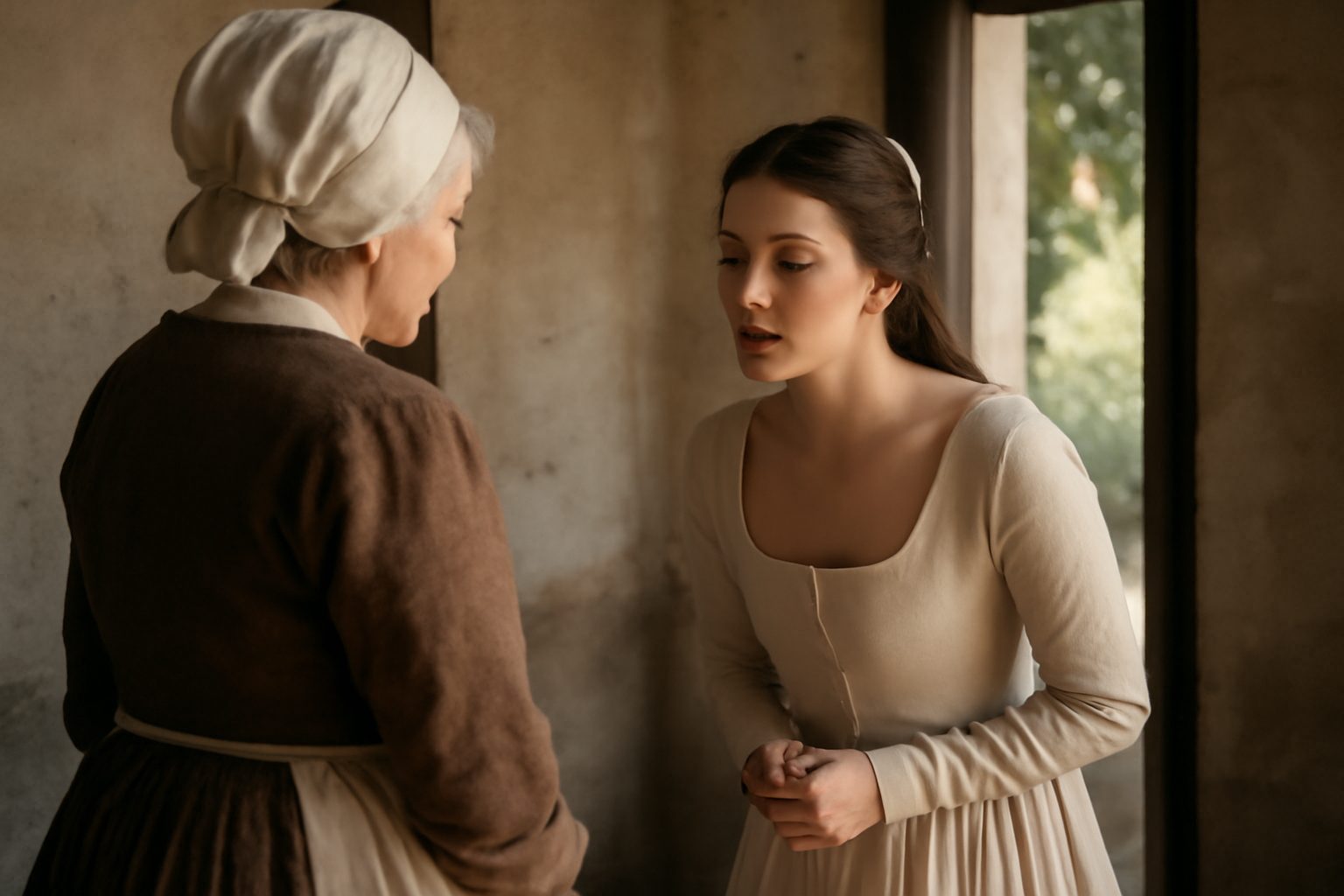
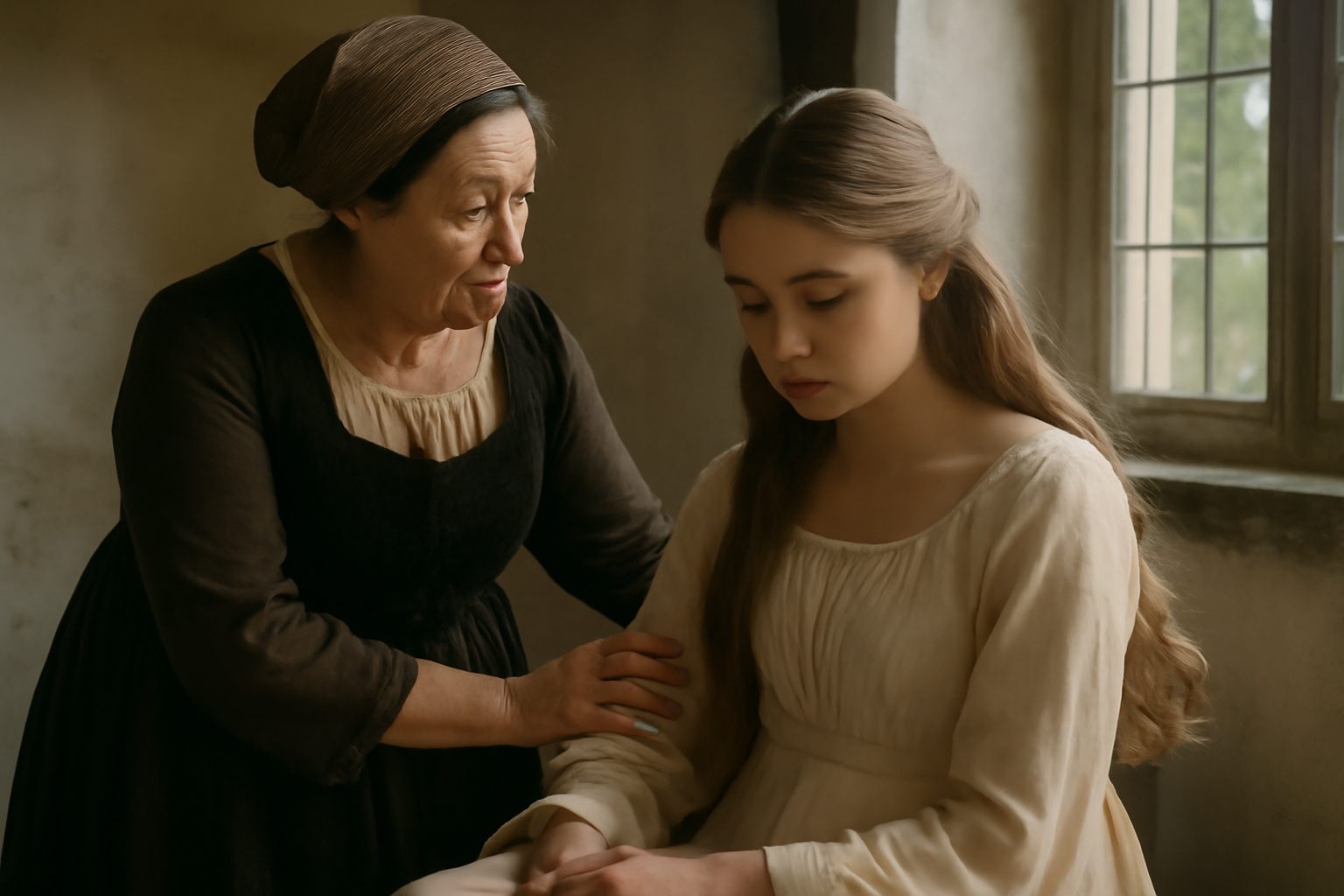
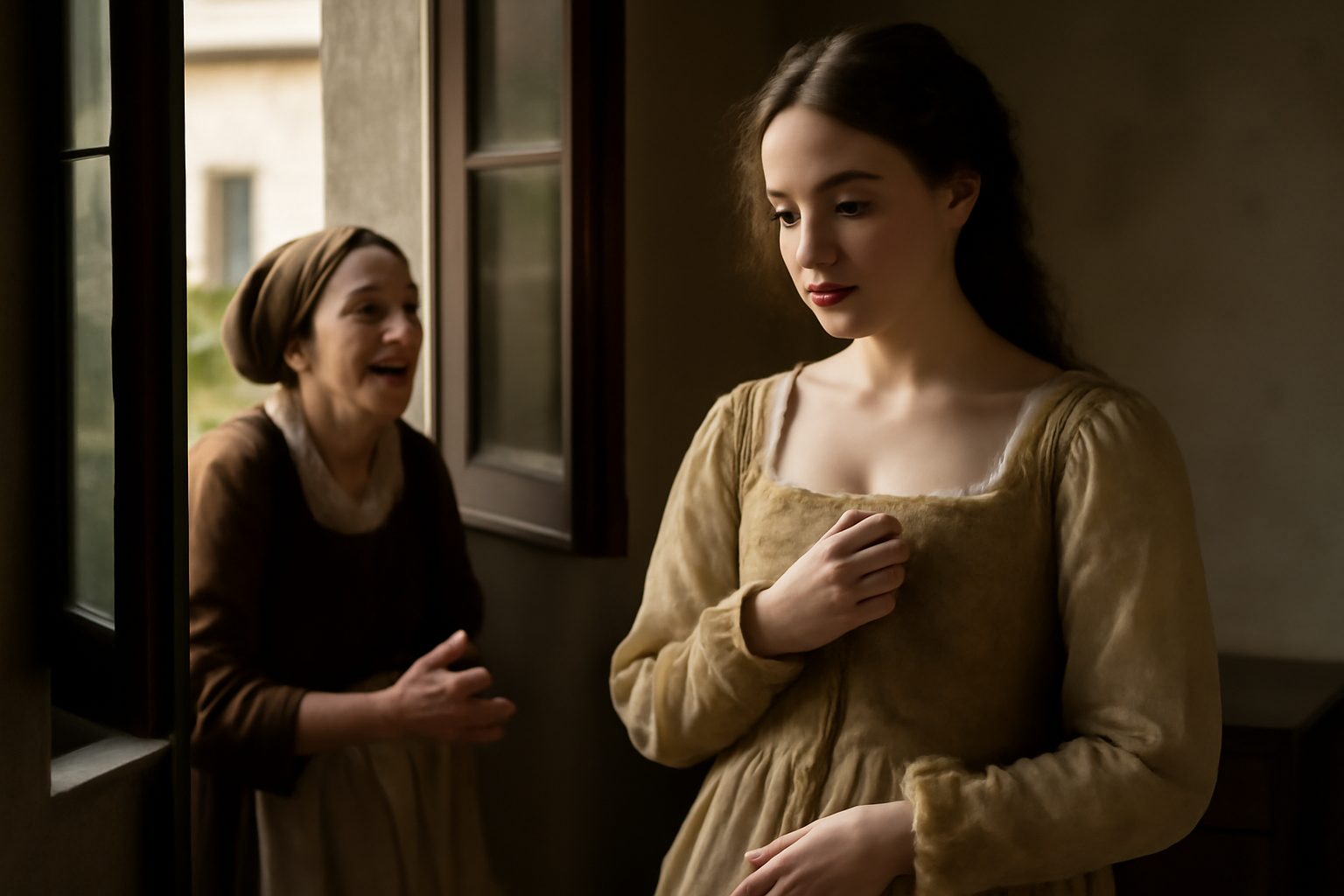
In Act 2, Scene 5 of Romeo and Juliet, Juliet impatiently waits for the Nurse to return with news from Romeo. The Nurse, teasing Juliet, delays sharing the message, prompting Juliet to reflect on the impetuous nature of young love. This line captures Juliet's frustration, questioning whether the Nurse, despite her age, still remembers the passions of youth.
Juliet: "Had she affections and warm youthful blood,"
In modern day english, we would say:
If she had feelings and the passionate energy of youth.
Frequently Asked Questions
What is Juliet questioning about another woman in this line?
Juliet is questioning if the other woman has feelings and passion like a young person.
Connections to other verses:
Connections to "Had she affections and warm youthful blood"
The verse "Had she affections and warm youthful blood" from Romeo & Juliet Act 2 Scene 5 reflects Juliet's impatience and youthful passion, which is a central theme in this scene. It connects to several other verses that highlight the contrast between youthful ardor and the Nurse's weariness or slowness.
Impatience and Youthful Passion
Juliet's longing is immediately contrasted with the Nurse's physical complaints, such as in "Fie, how my bones ache! what a jaunt have I had!", emphasizing the generational divide in energy and urgency. Juliet's idealized vision of swift, passionate love is further expressed in "She would be as swift in motion as a ball", which directly follows the queried verse and reinforces the imagery of rapid, eager movement associated with youth.
Contrast with the Nurse's Delays
The Nurse's slowness and excuses, like "The excuse that thou dost make in this delay", stand in stark opposition to Juliet's "warm youthful blood." Similarly, Juliet's frustration is palpable when she remarks "Is three long hours, yet she is not come", directly tying back to the impatience implied in the original verse.
Symbolism of Love and Speed
The theme of swift, youthful love is echoed in earlier lines of the scene, such as "Which ten times faster glide than the sun's beams", which uses natural imagery to convey the rapid pace of affection. This idea is complemented by "Therefore do nimble-pinion'd doves draw love", symbolizing love's urgency and lightness, further contrasting with the Nurse's heaviness and slowness.
Emotional States and Physical Reactions
Juliet's "warm youthful blood" not only speaks to her passion but also to her emotional state, which is mirrored when the Nurse observes "Now comes the wanton blood up in your cheeks", indicating Juliet's blushing excitement. This connection shows how Juliet's inner fervor manifests physically, tying back to the original idea of youthful affection driving her actions and reactions.