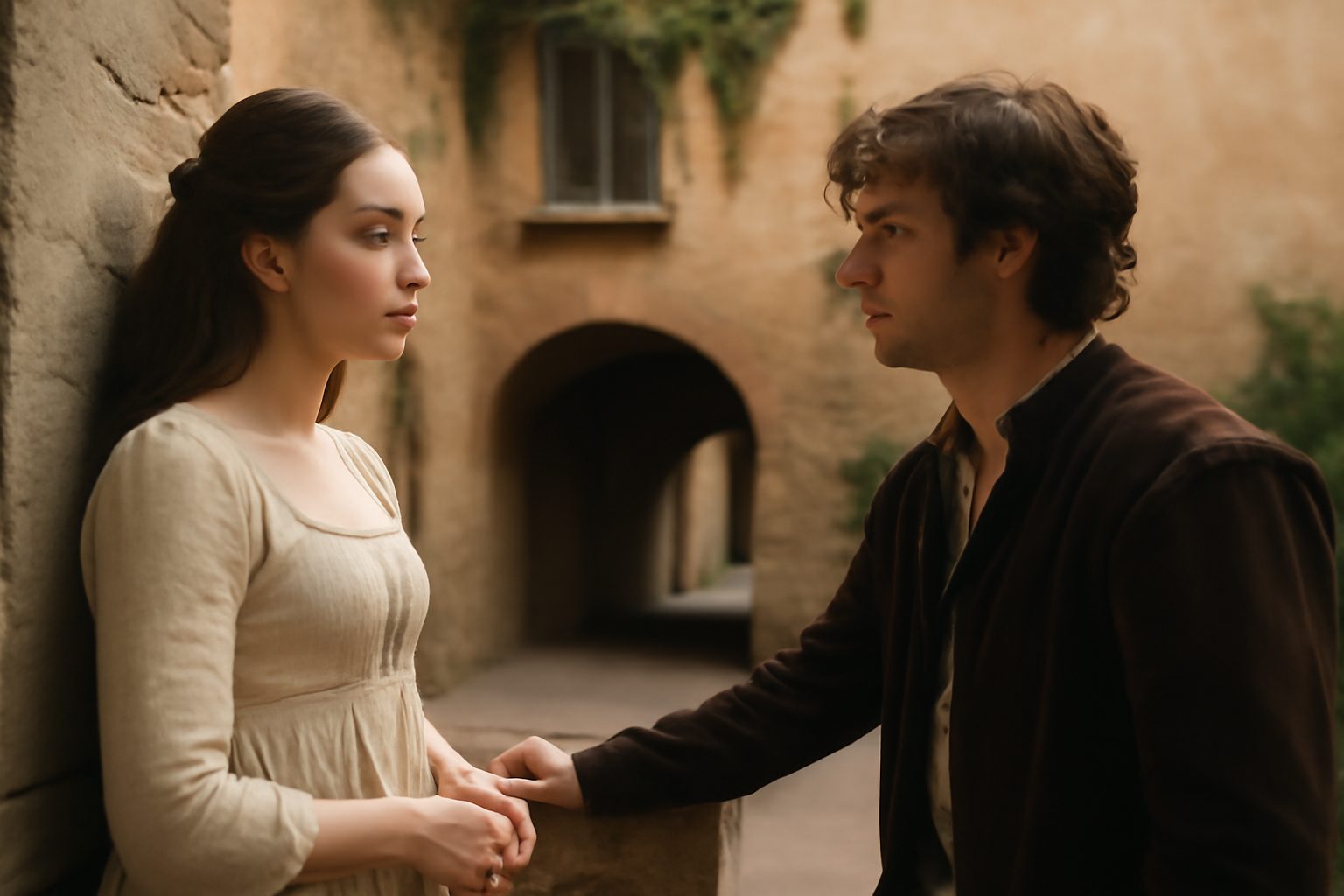
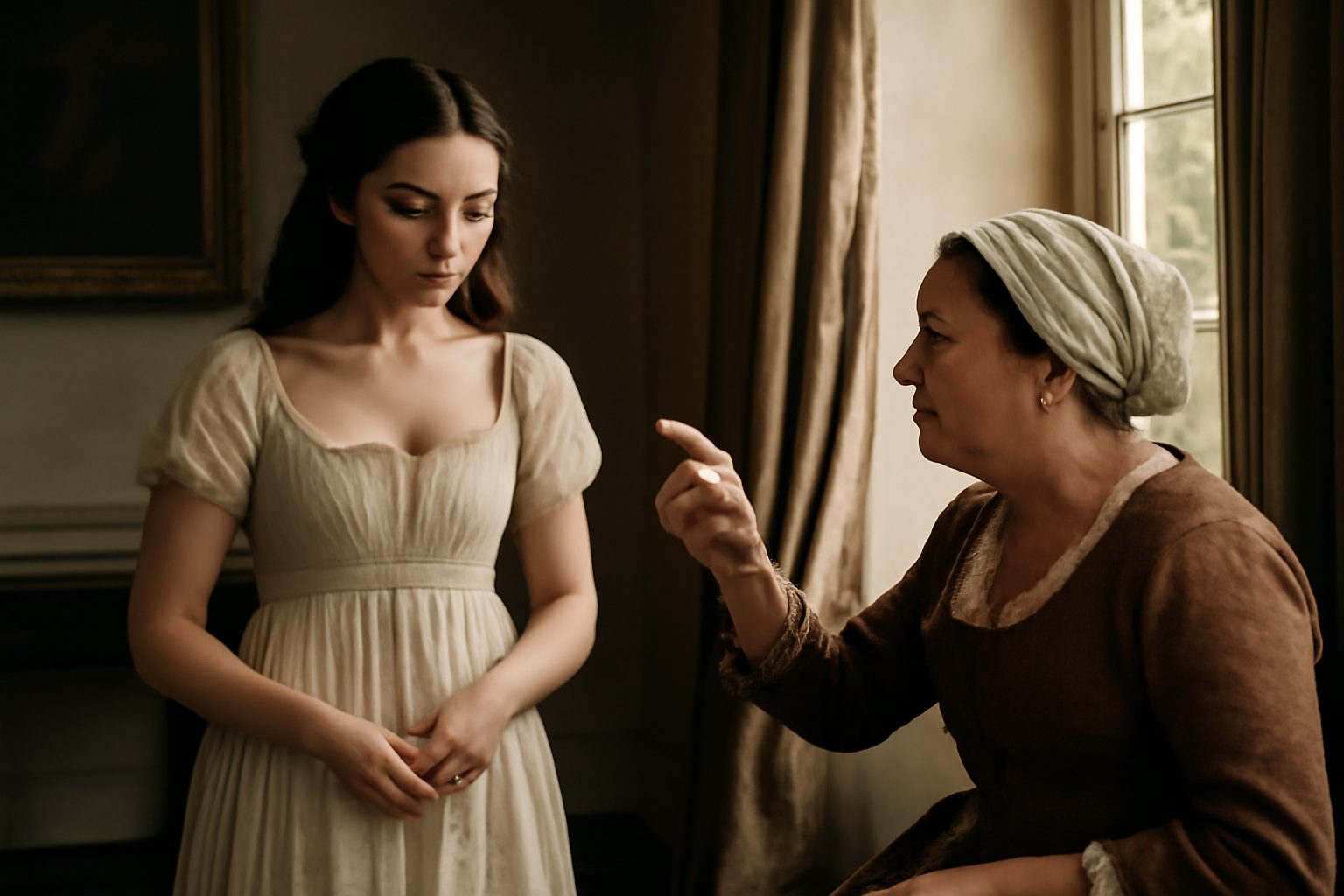
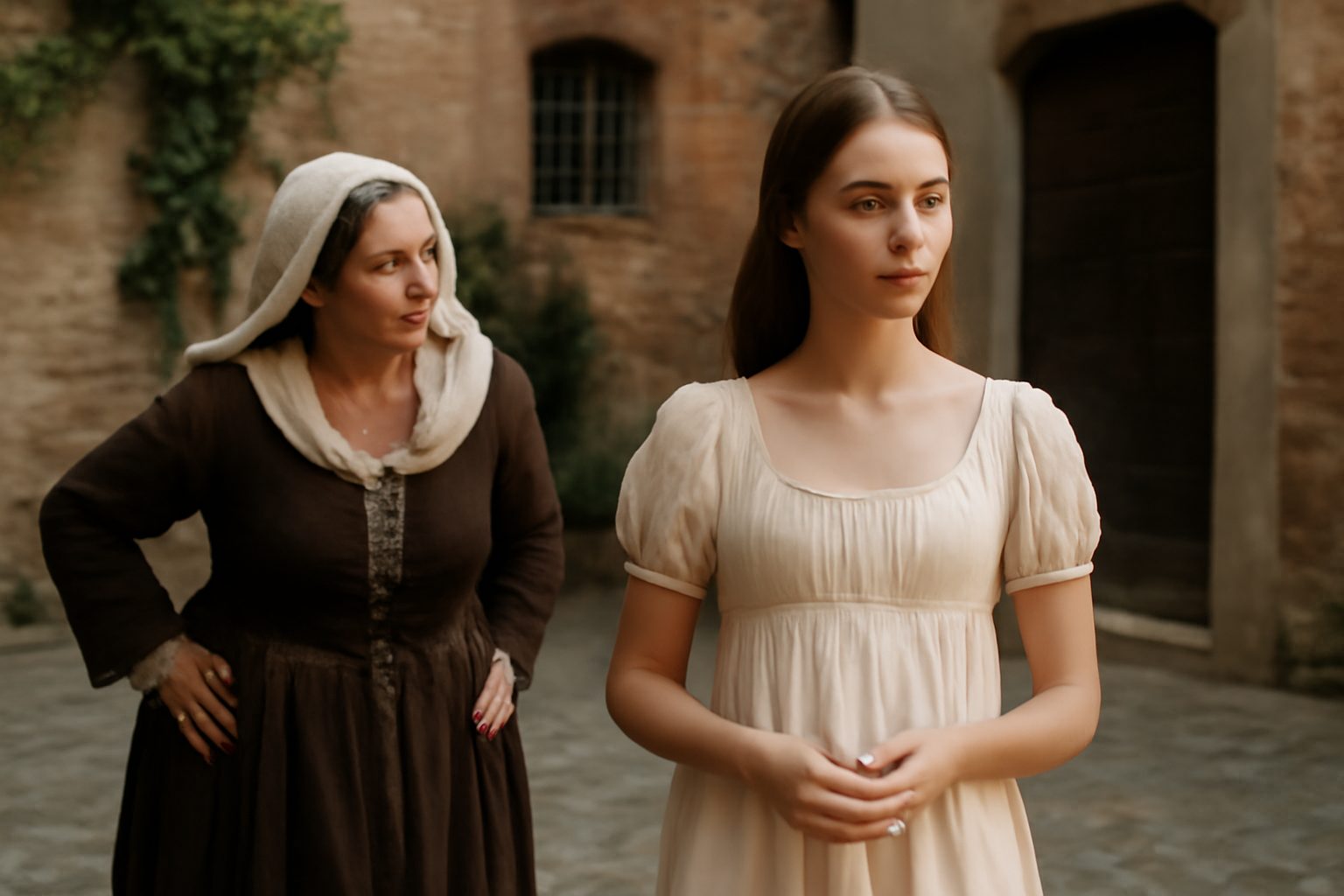
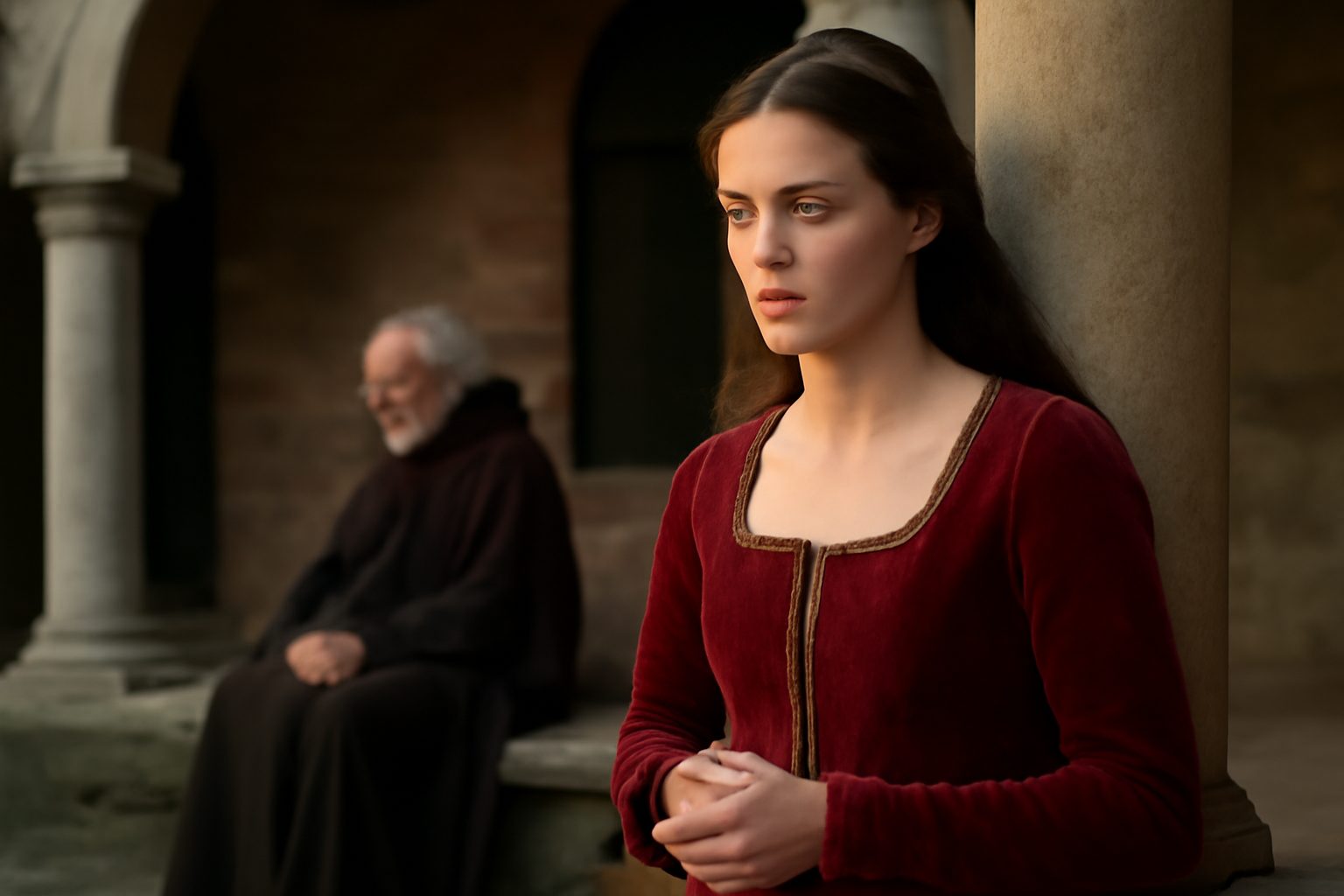
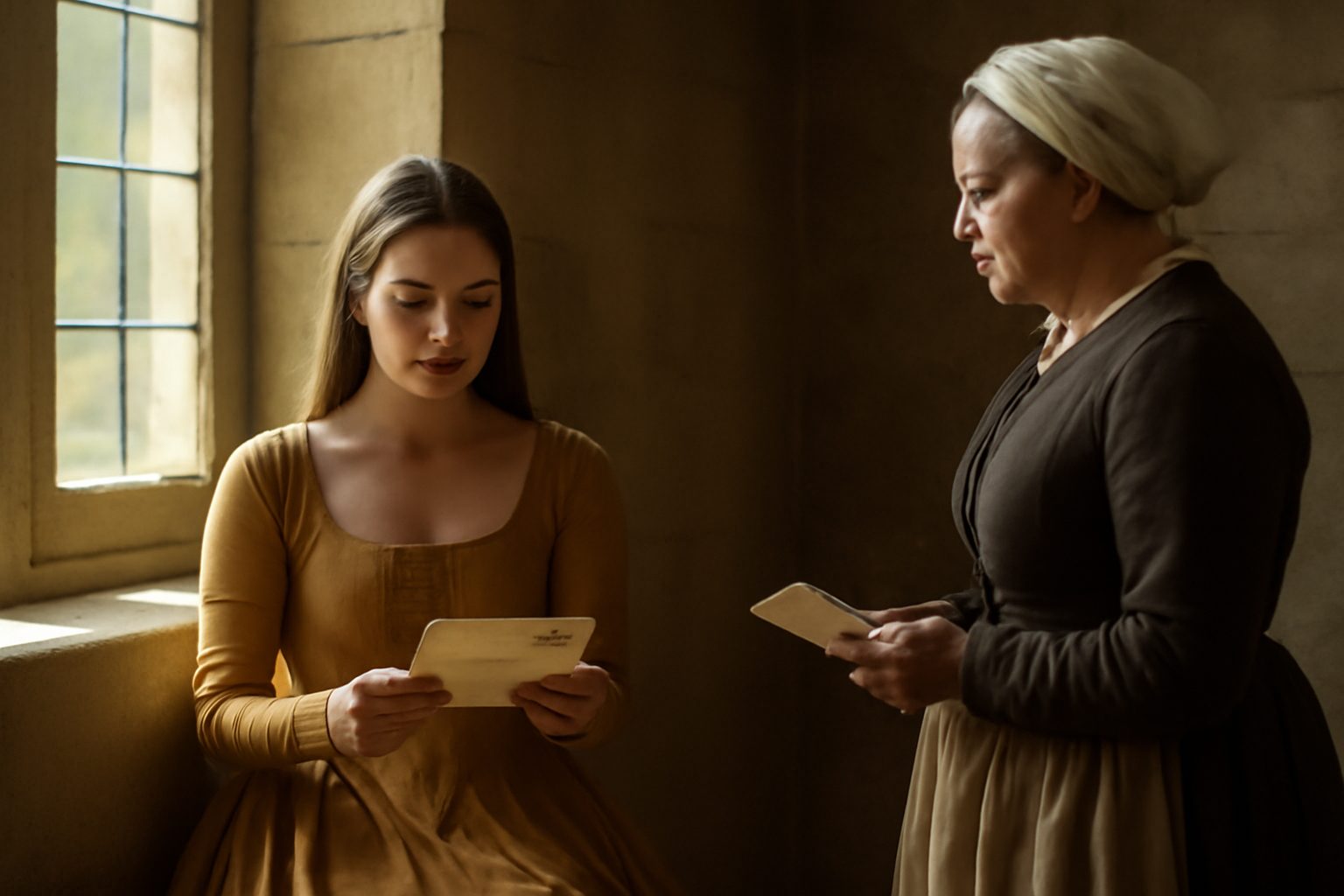
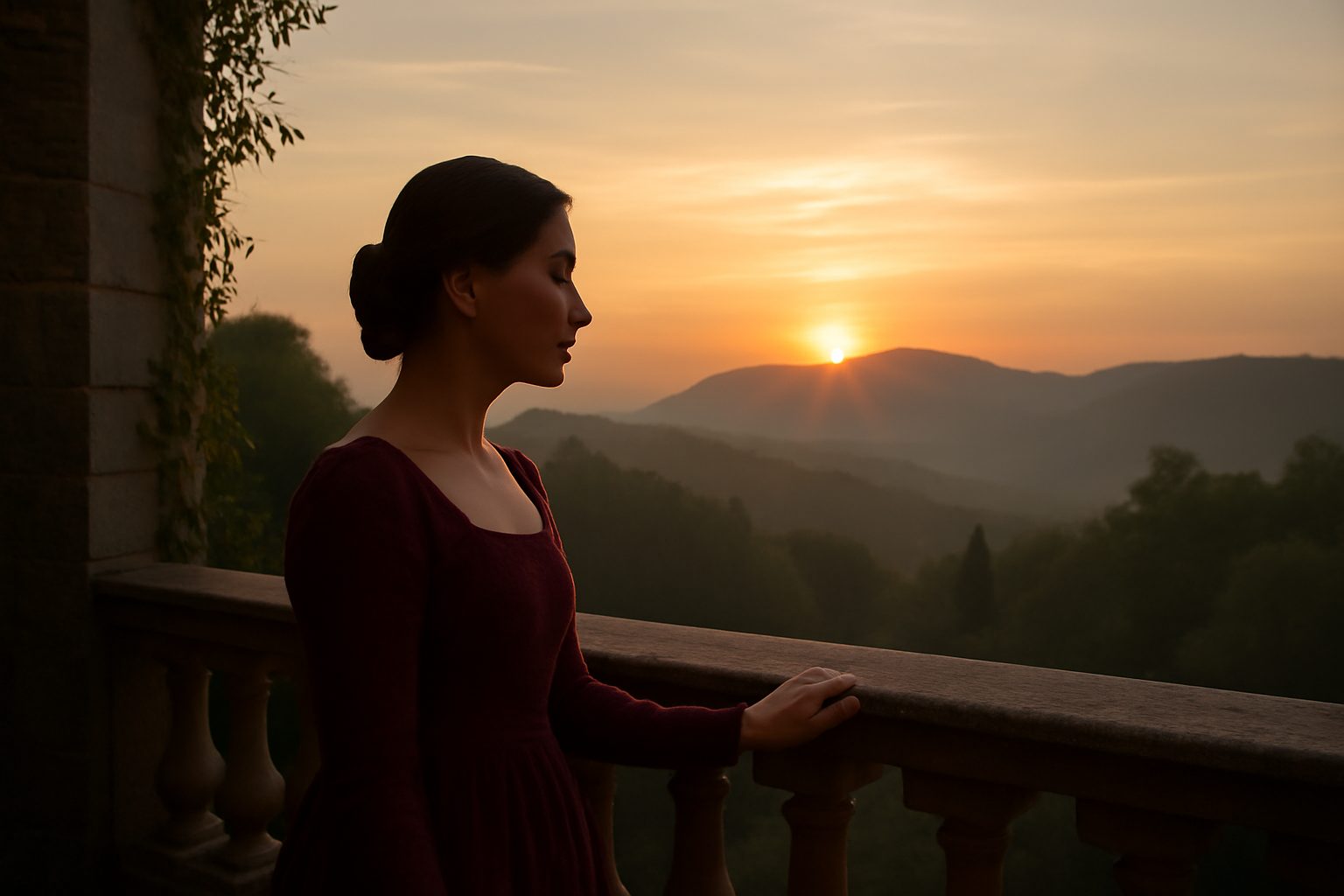
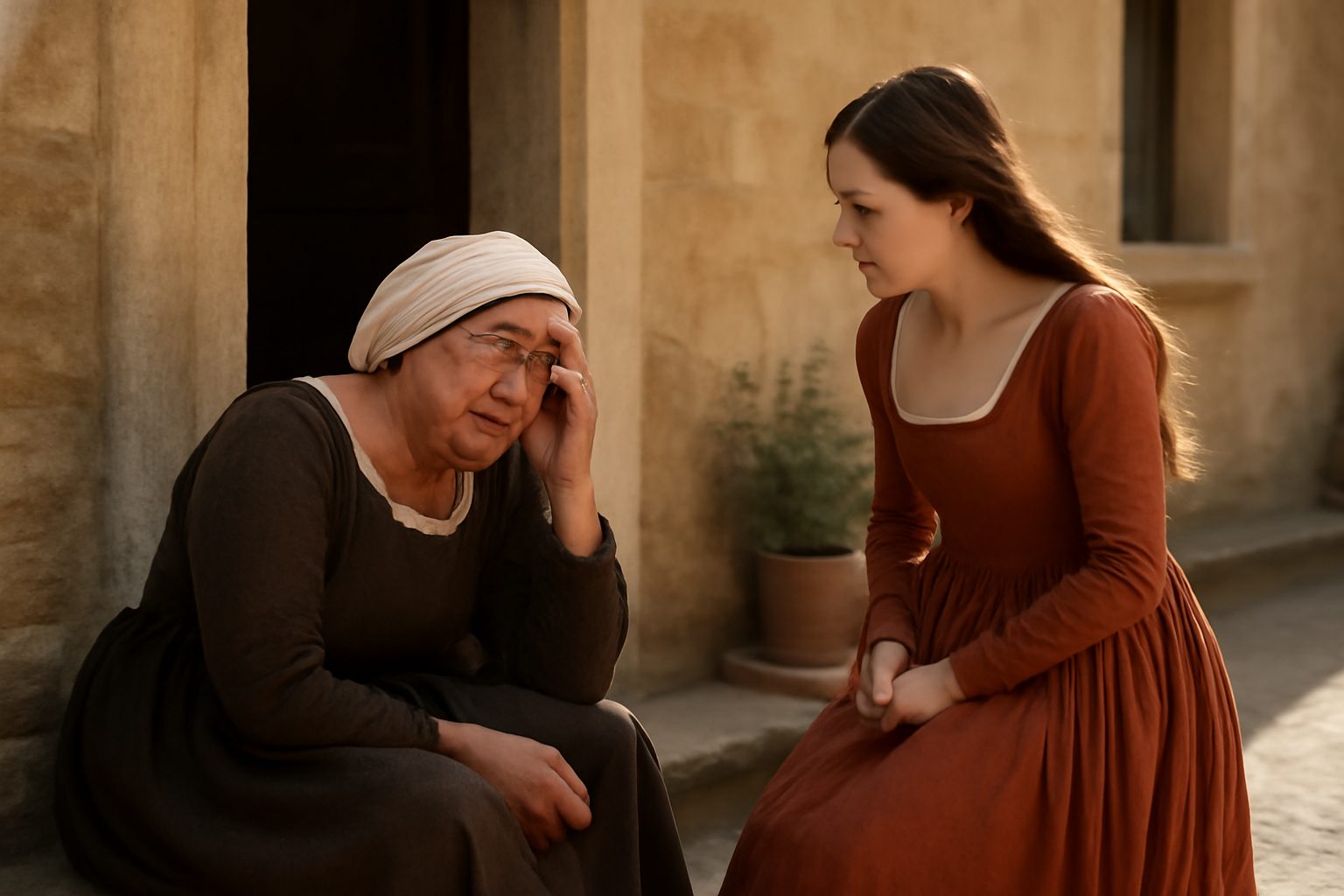
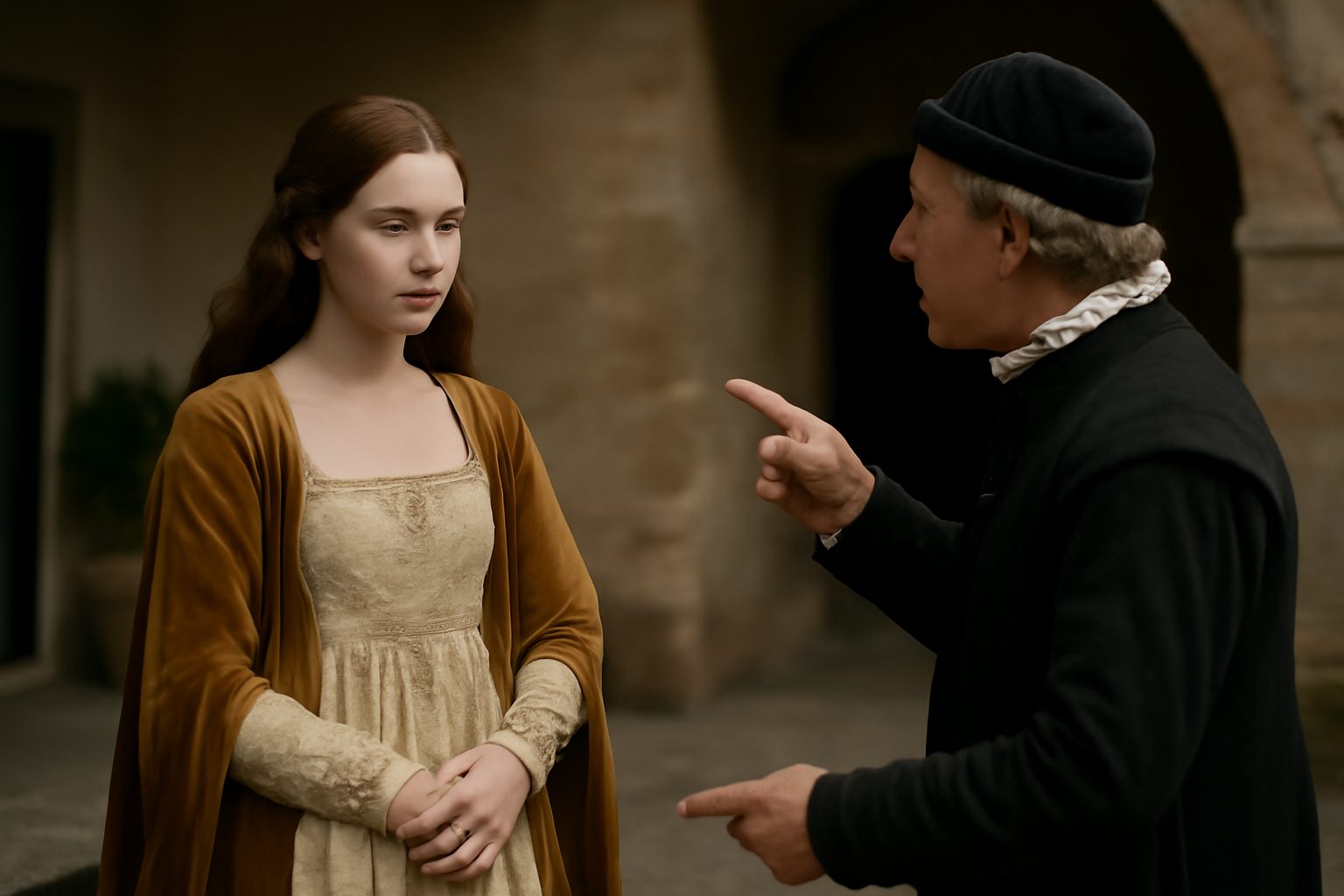
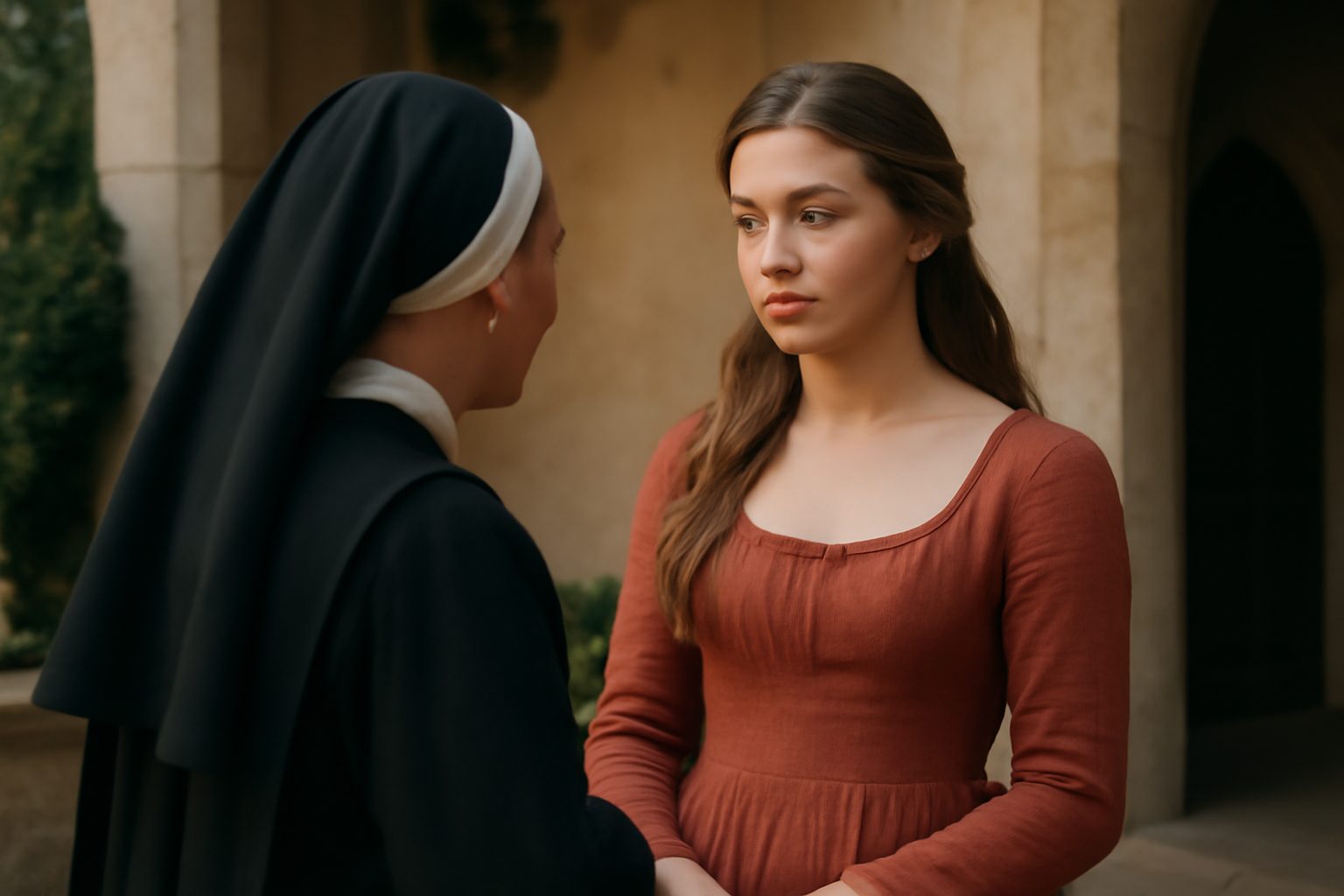
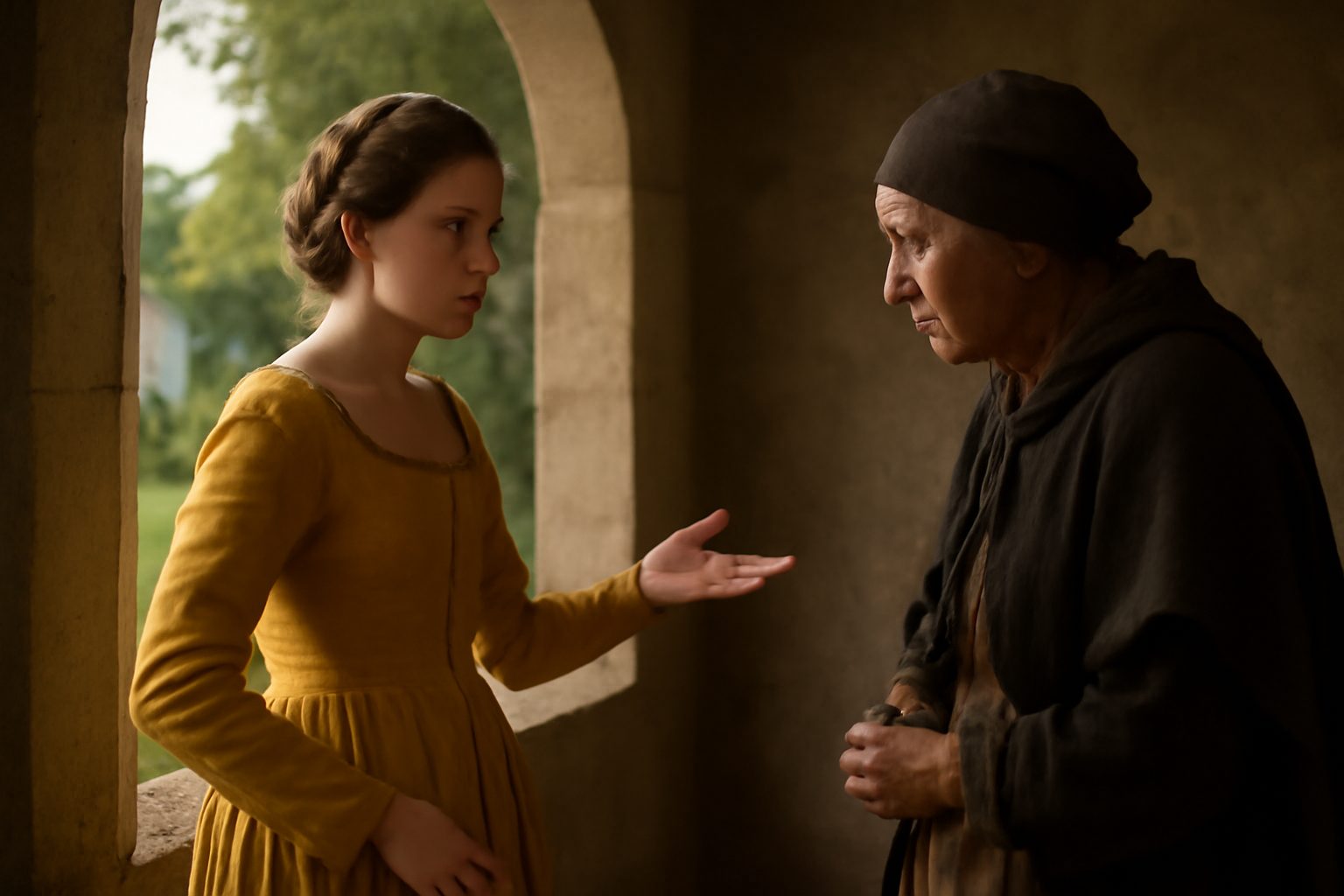
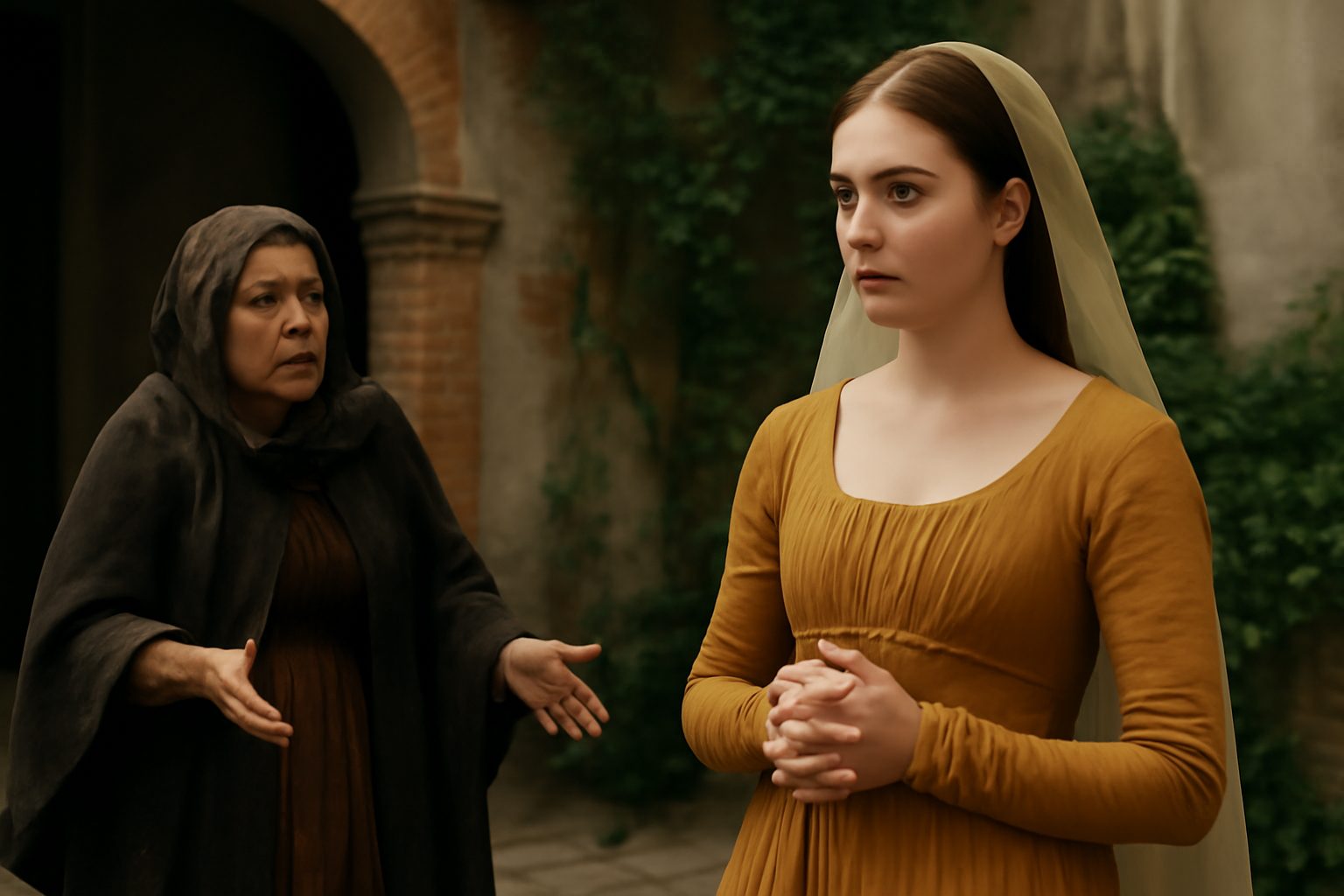
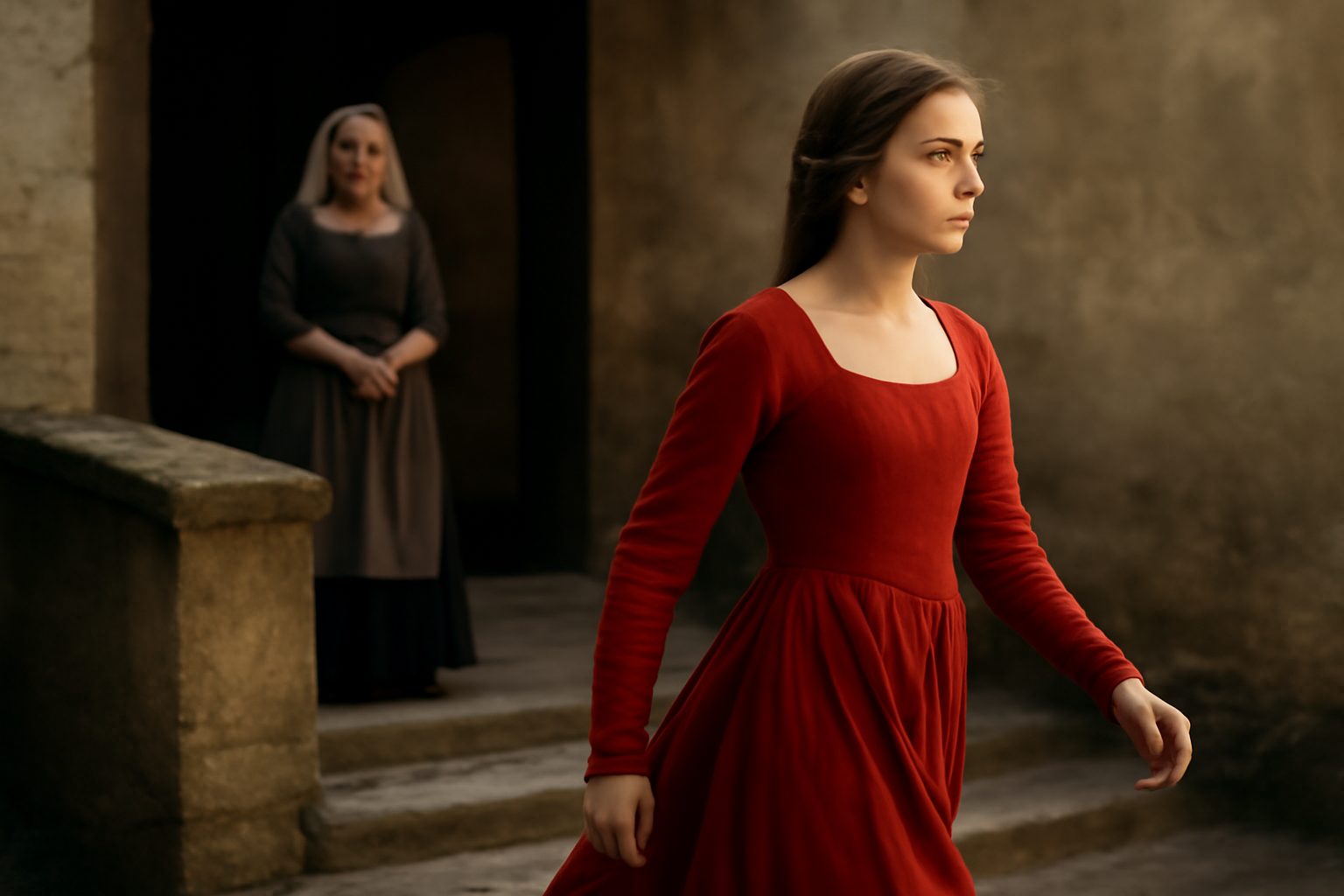
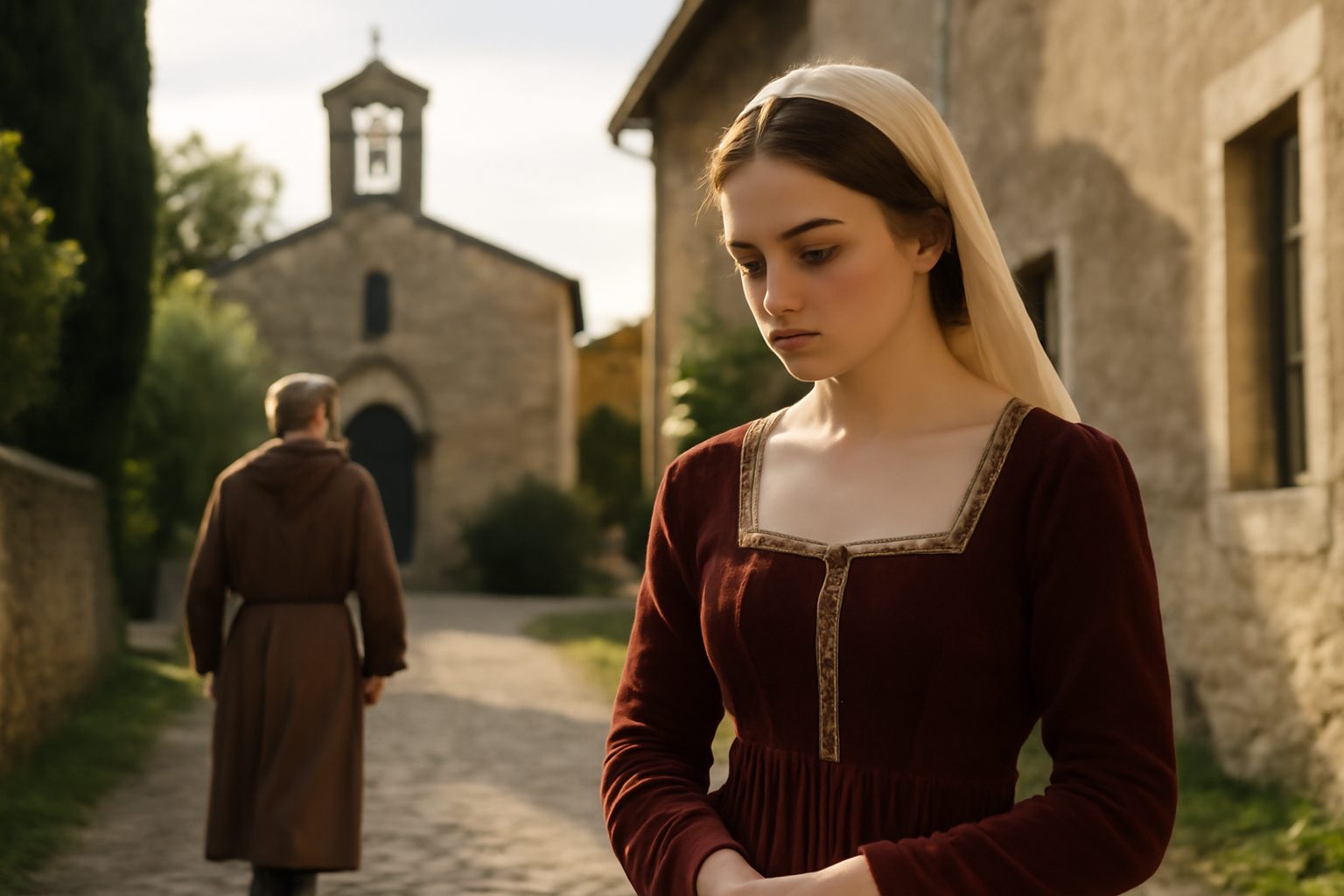
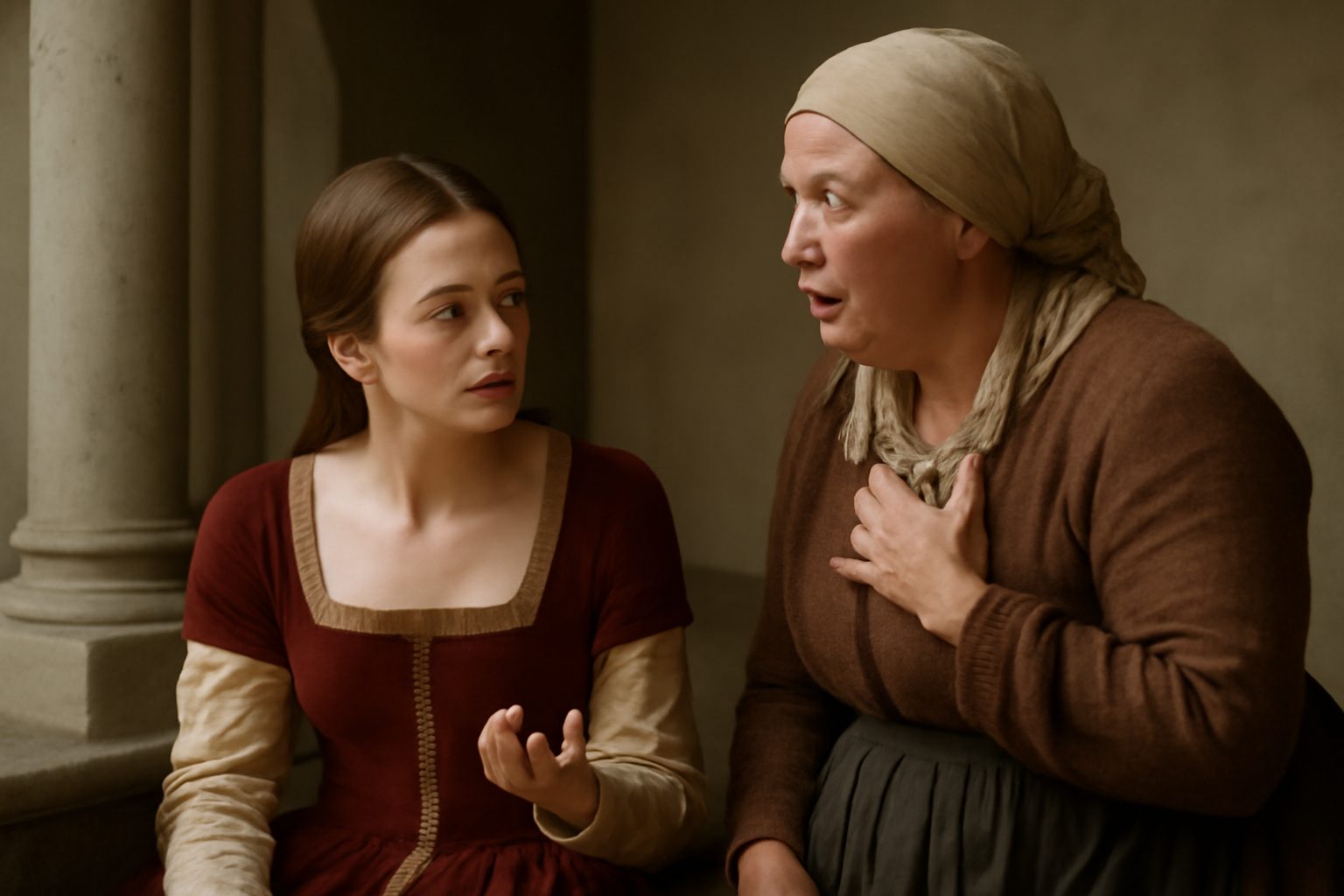
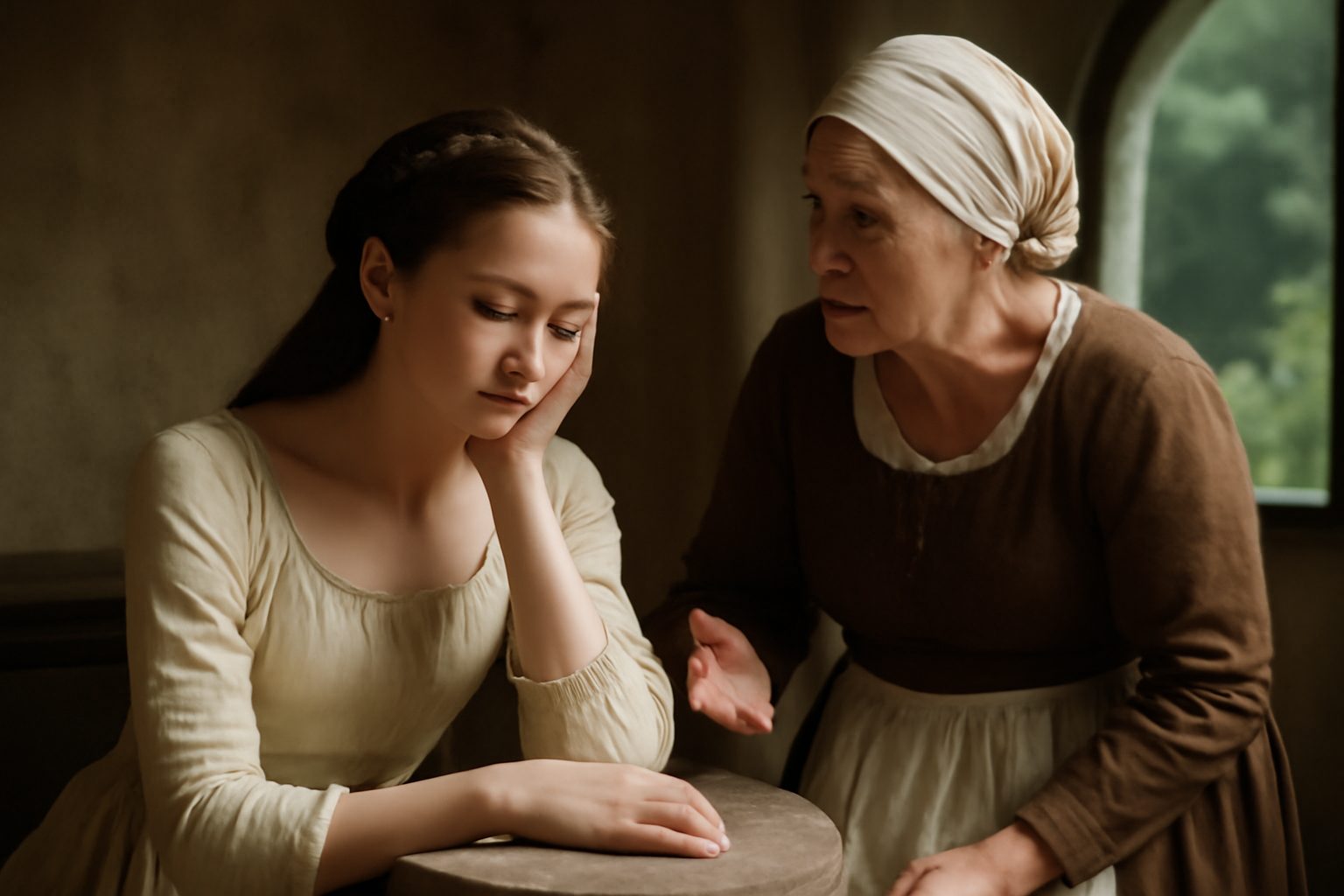
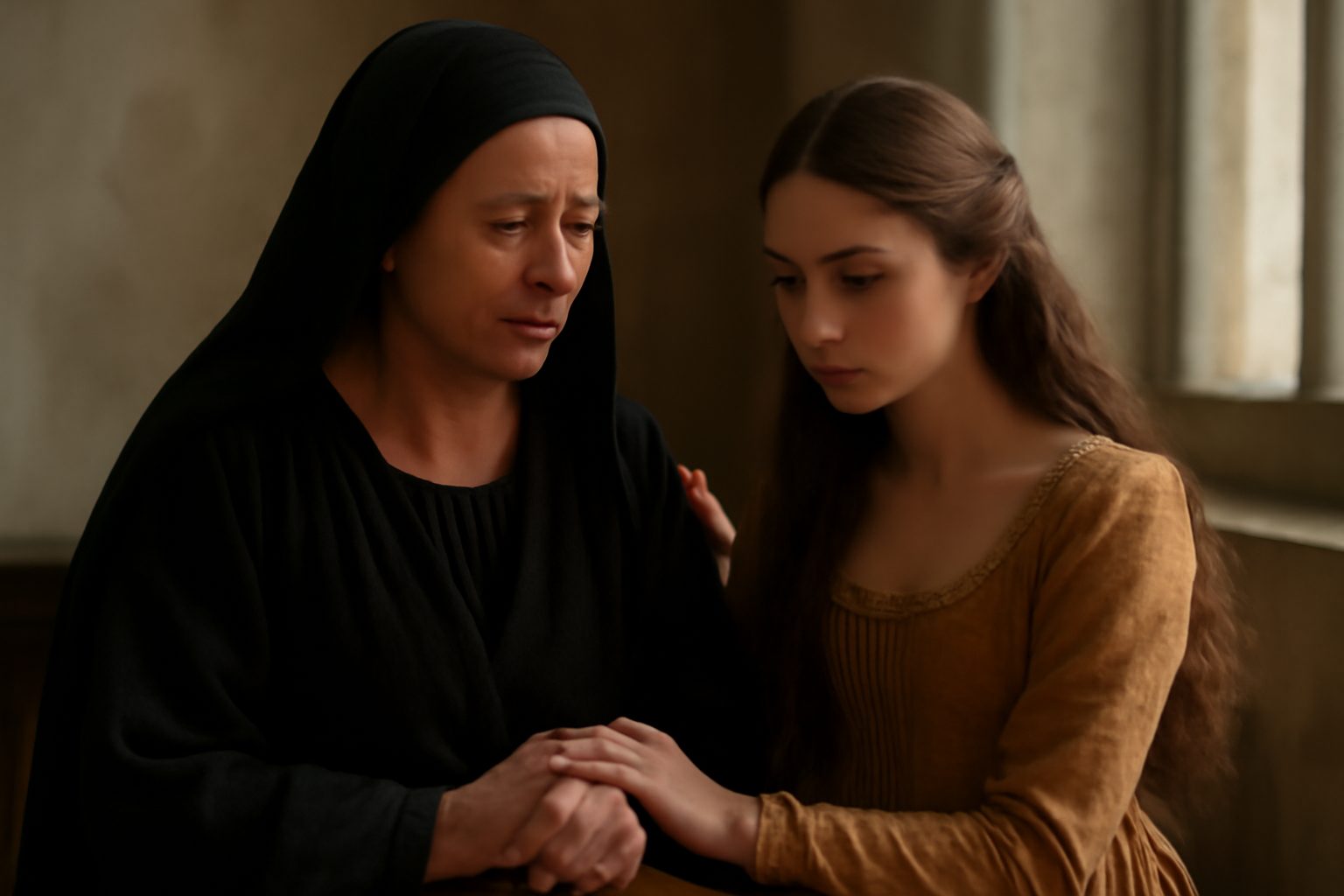
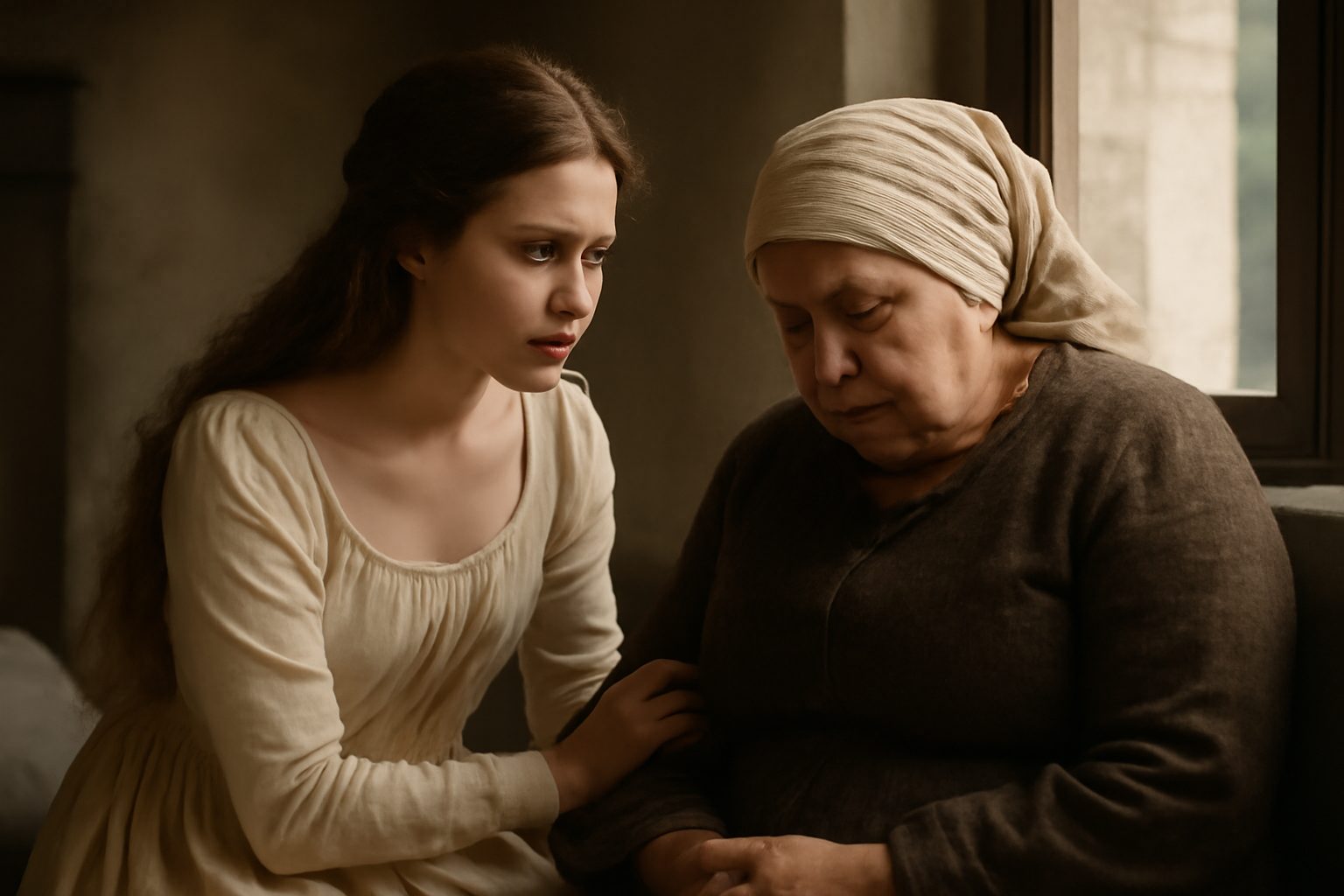
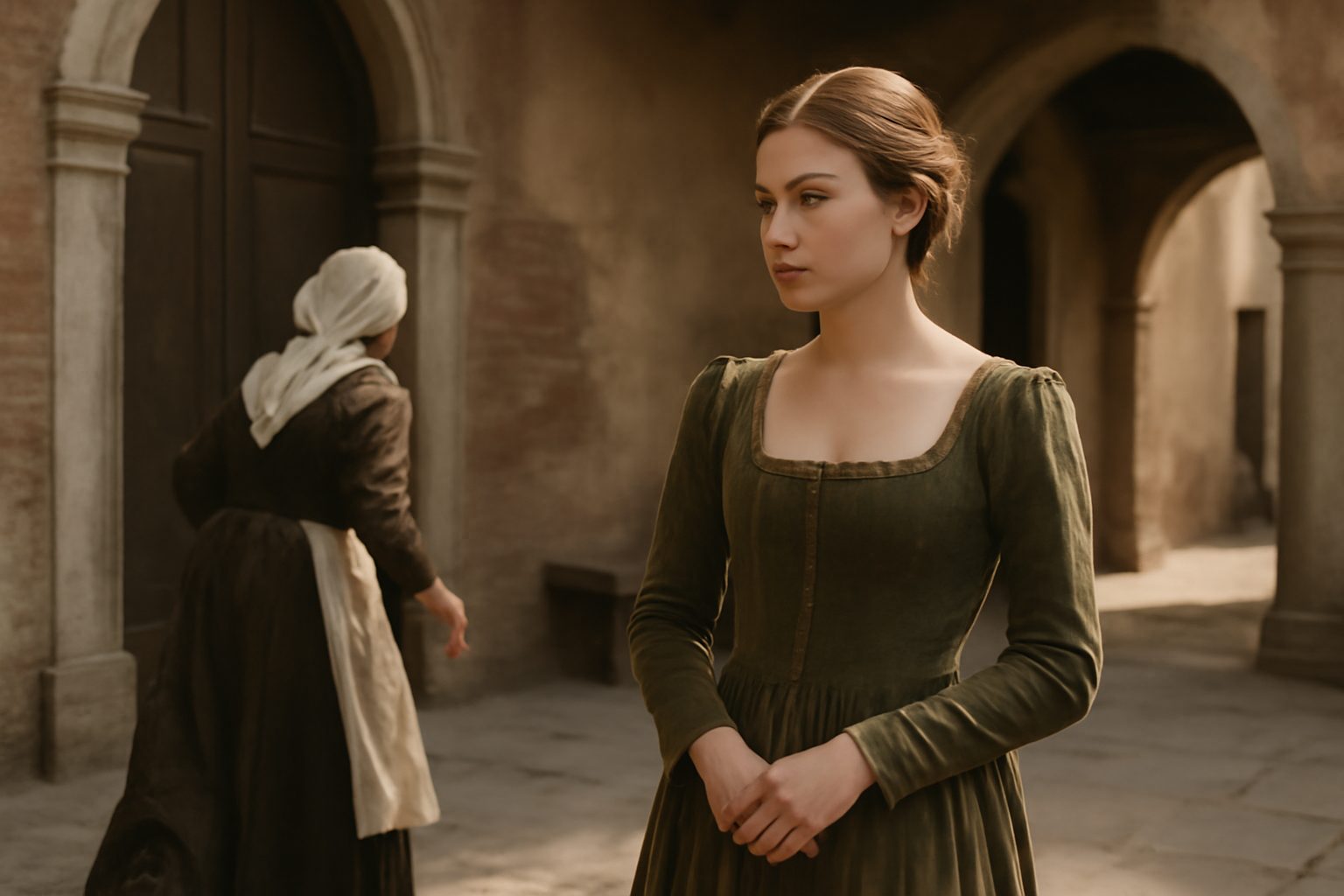
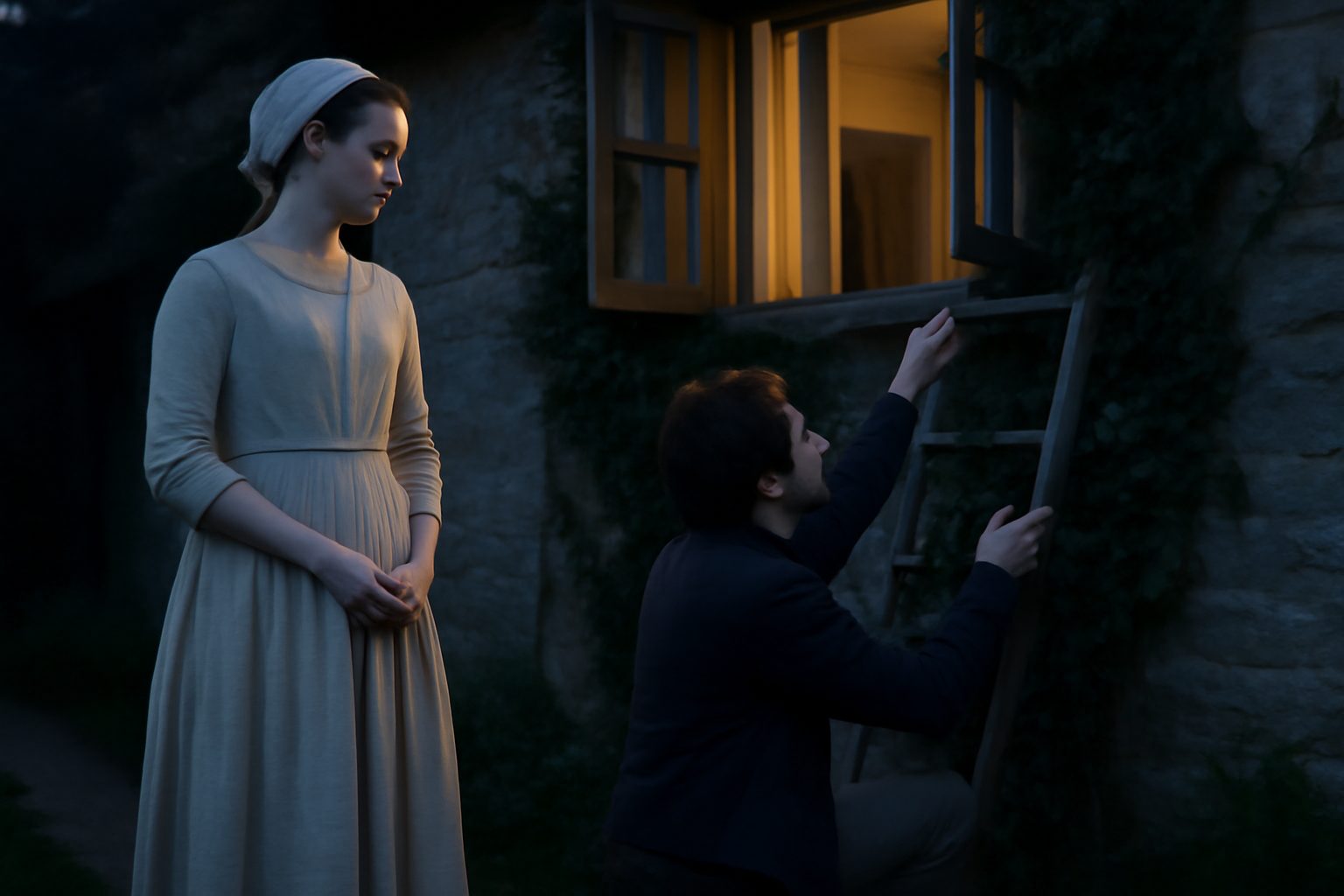
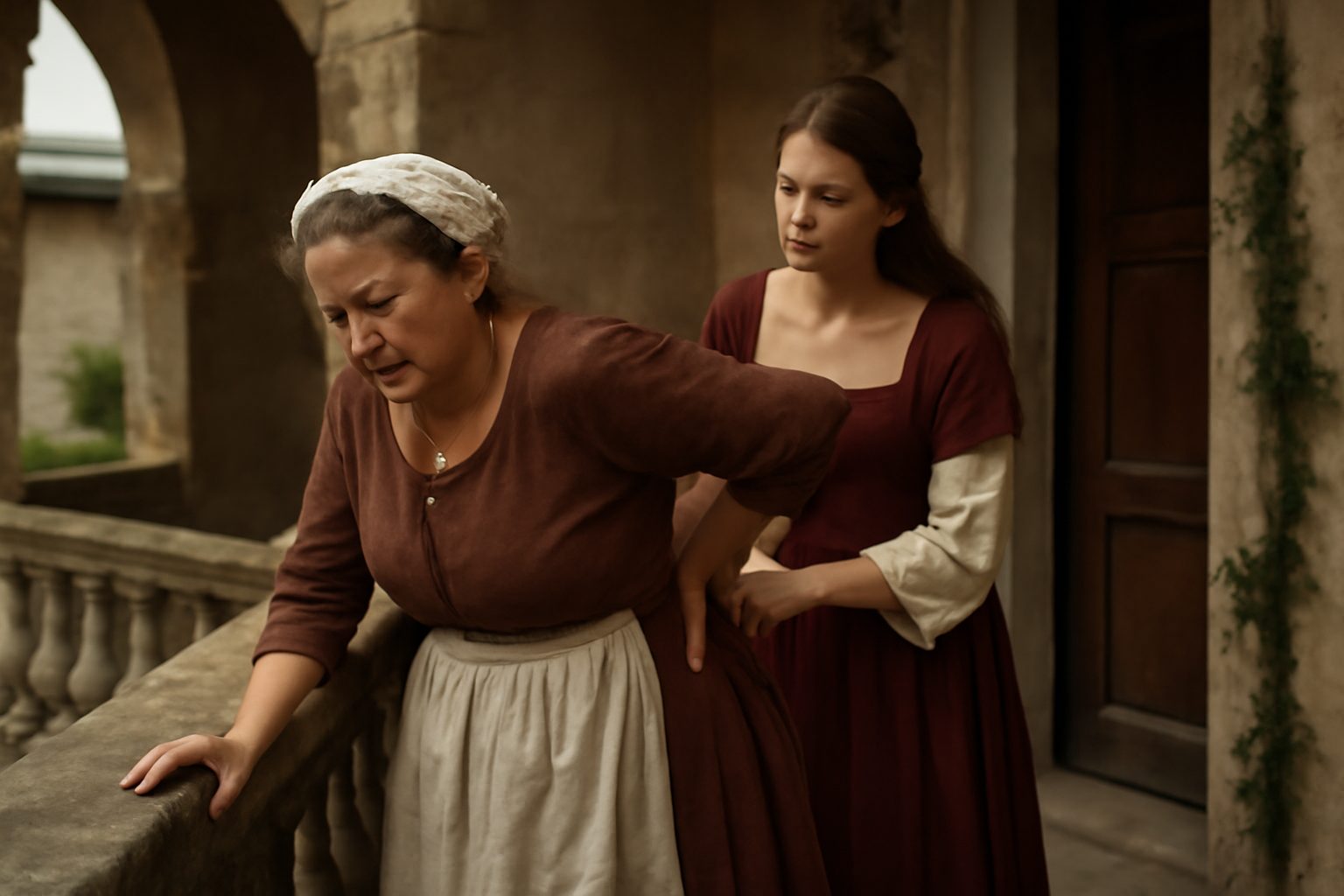
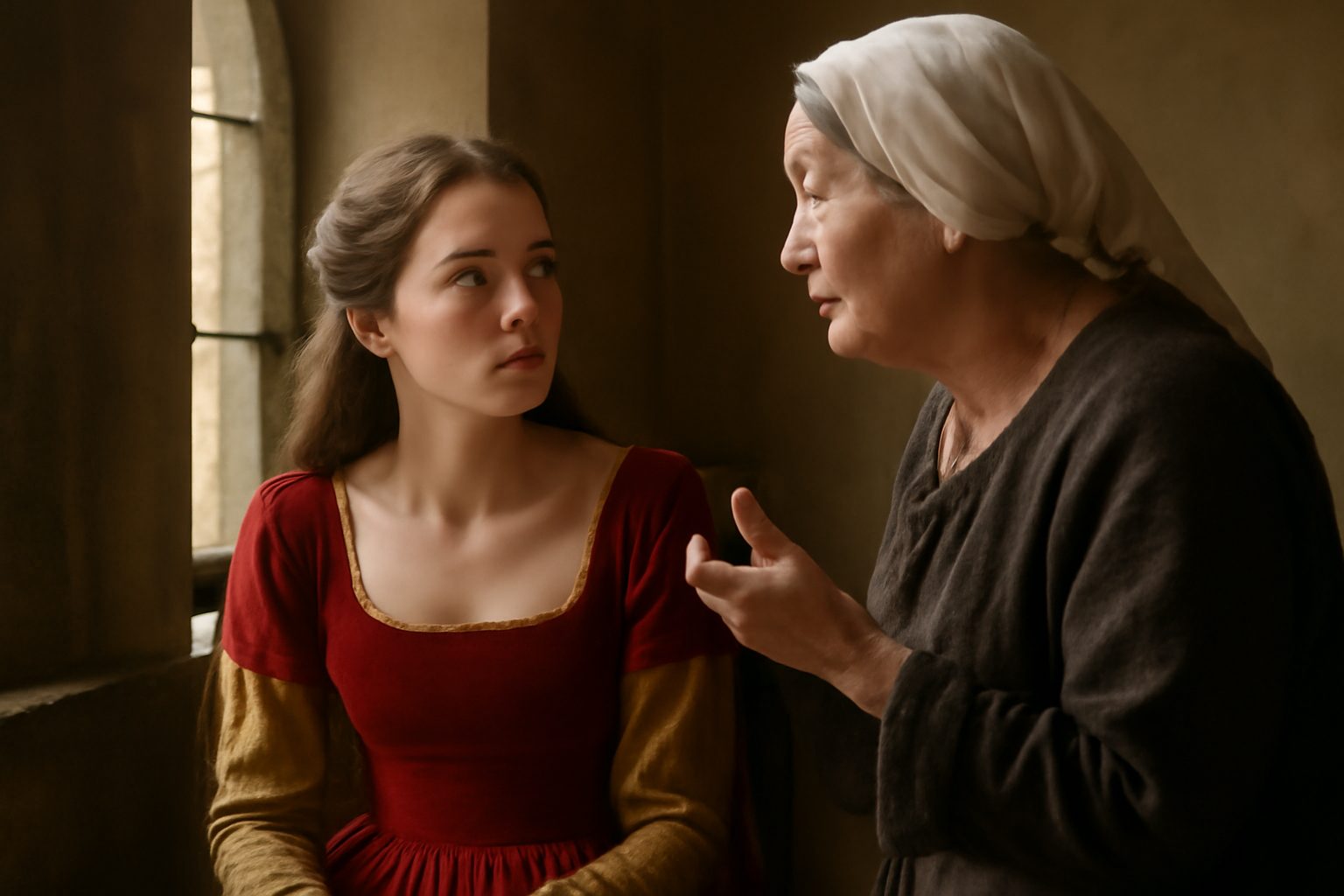
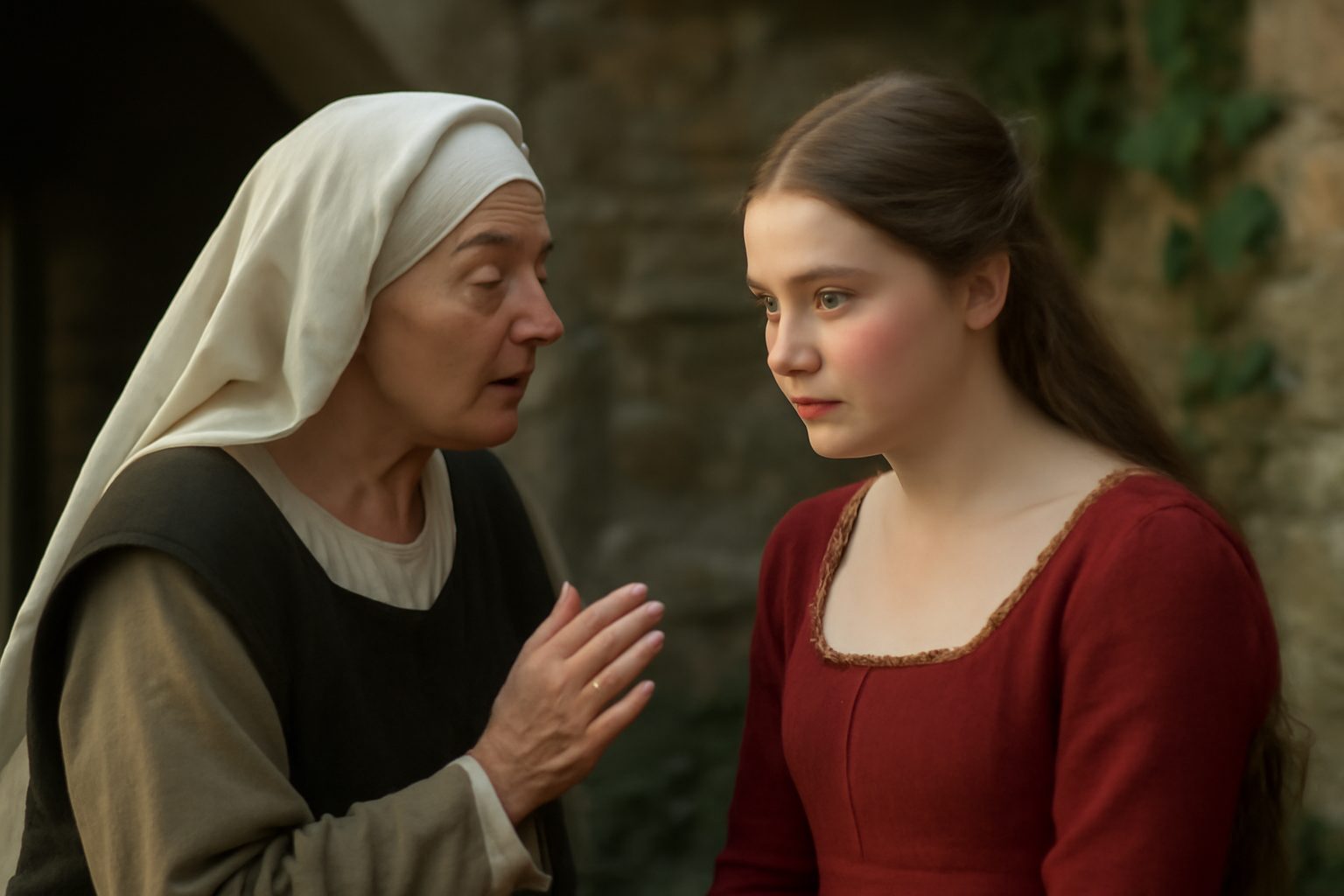
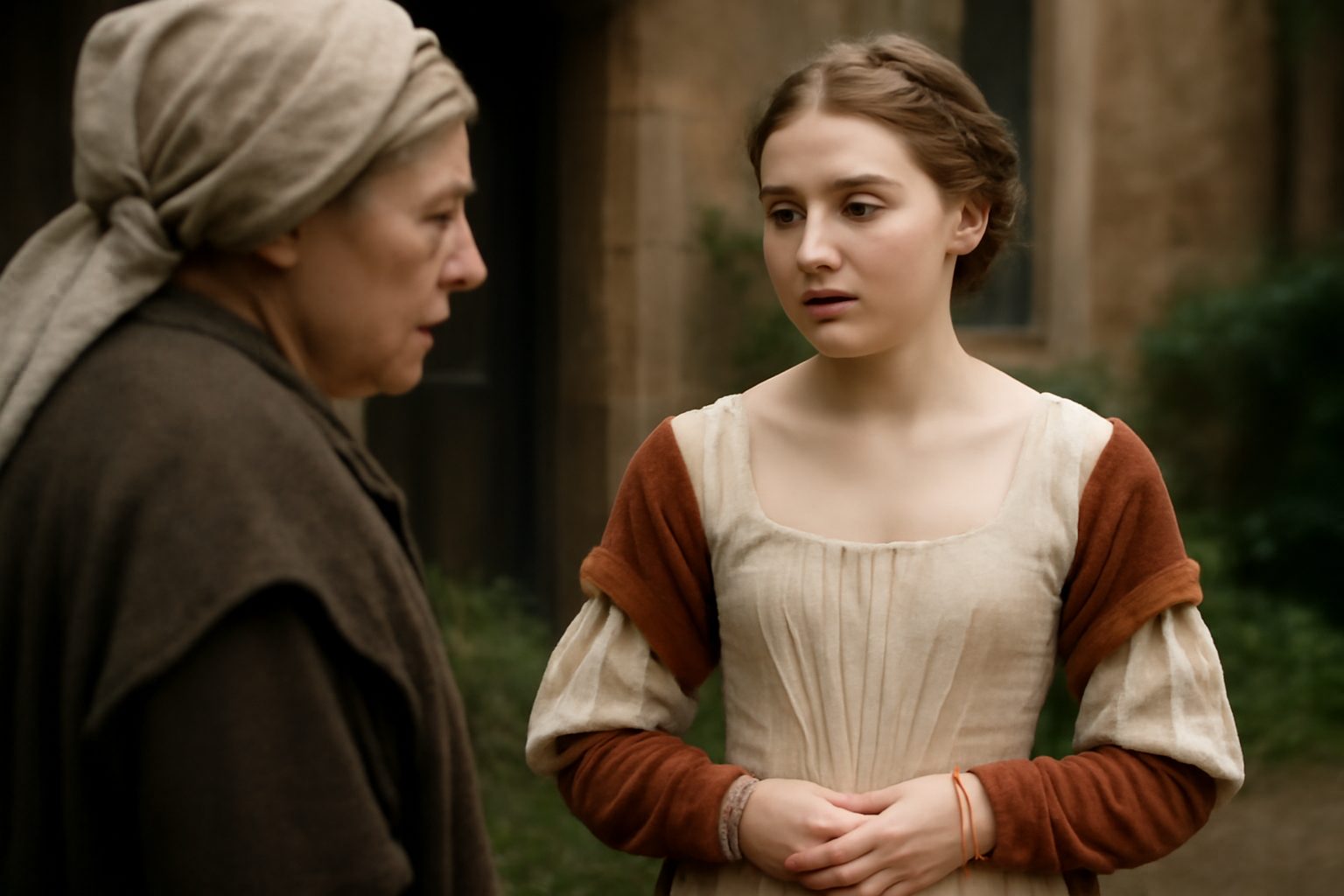
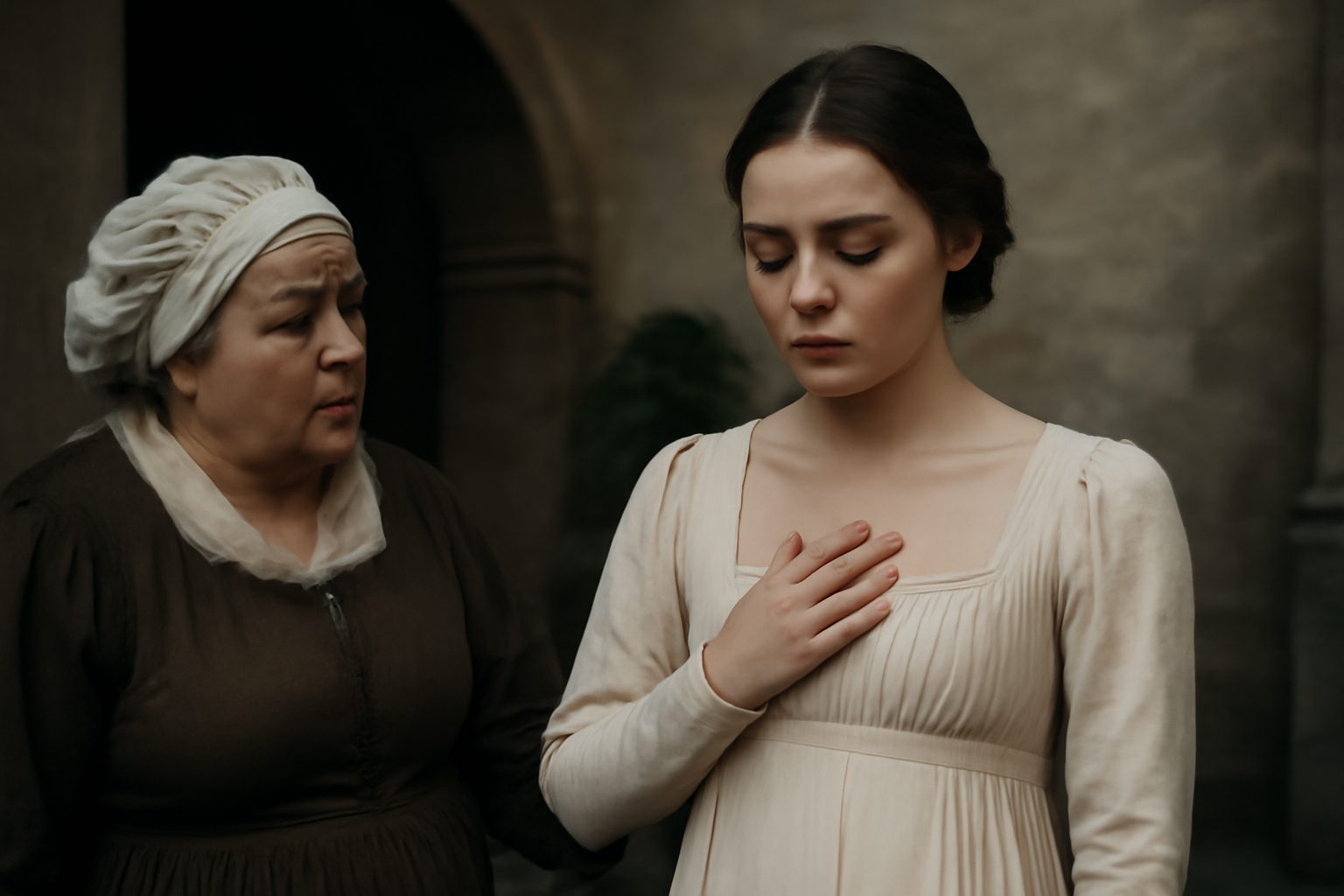
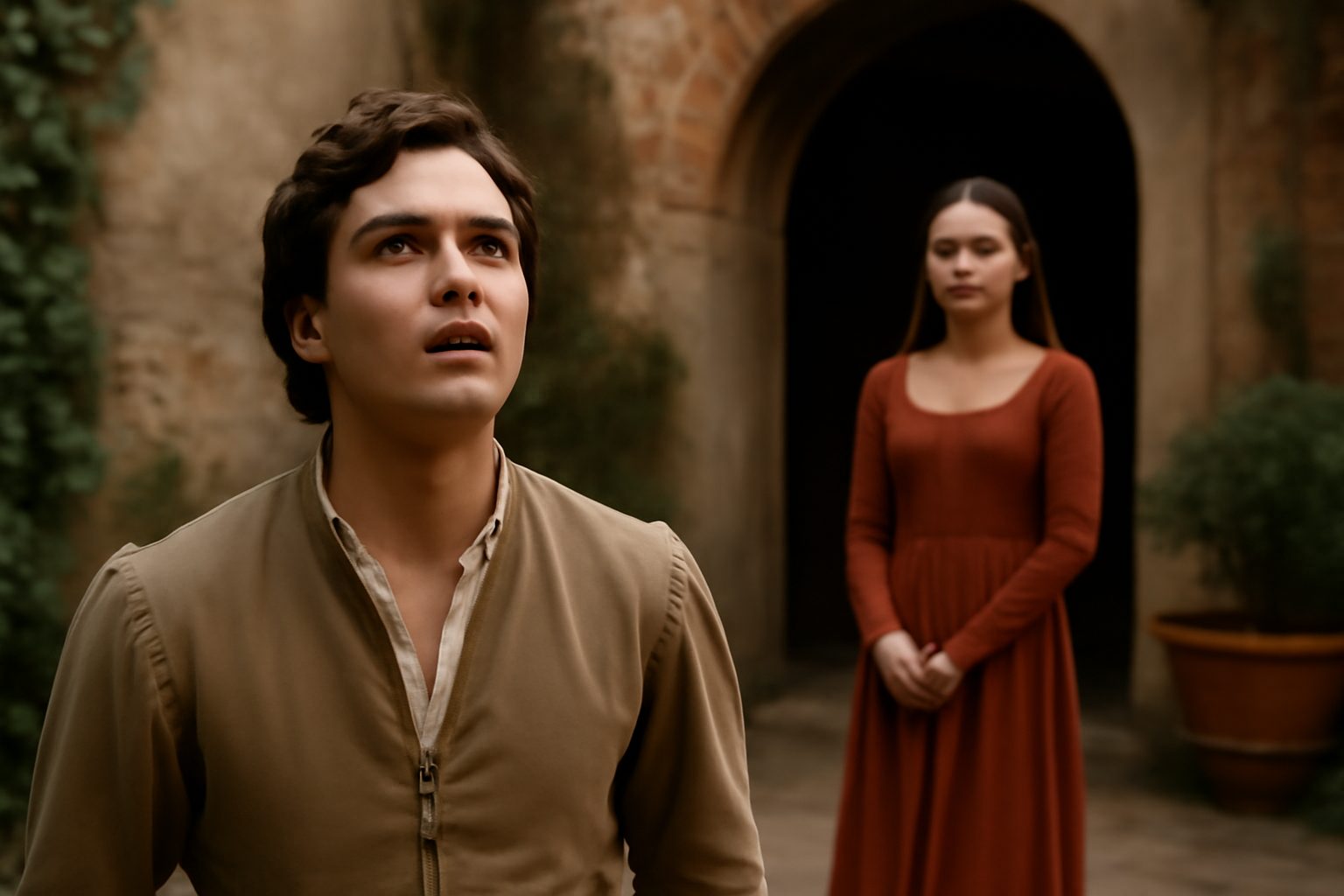
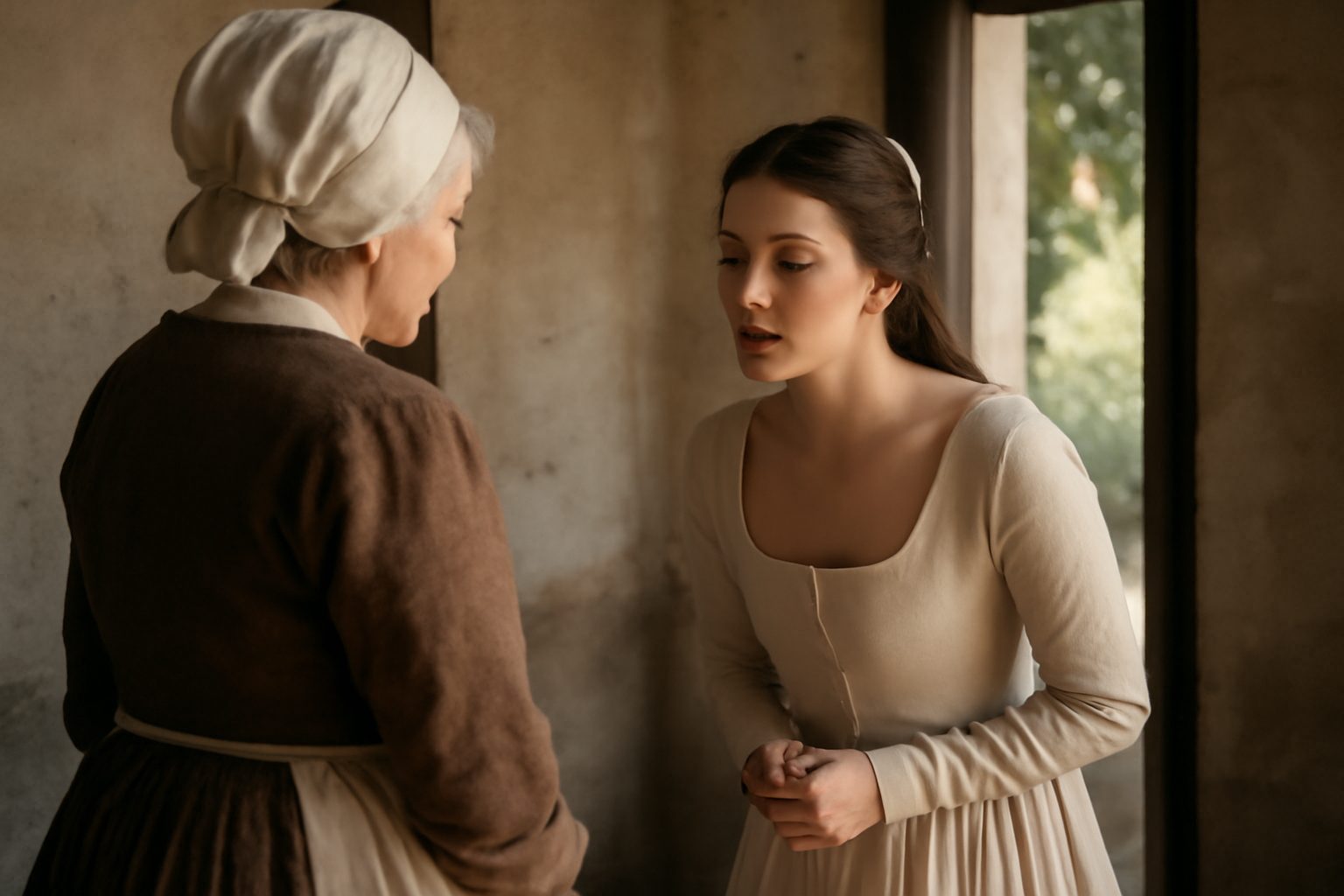
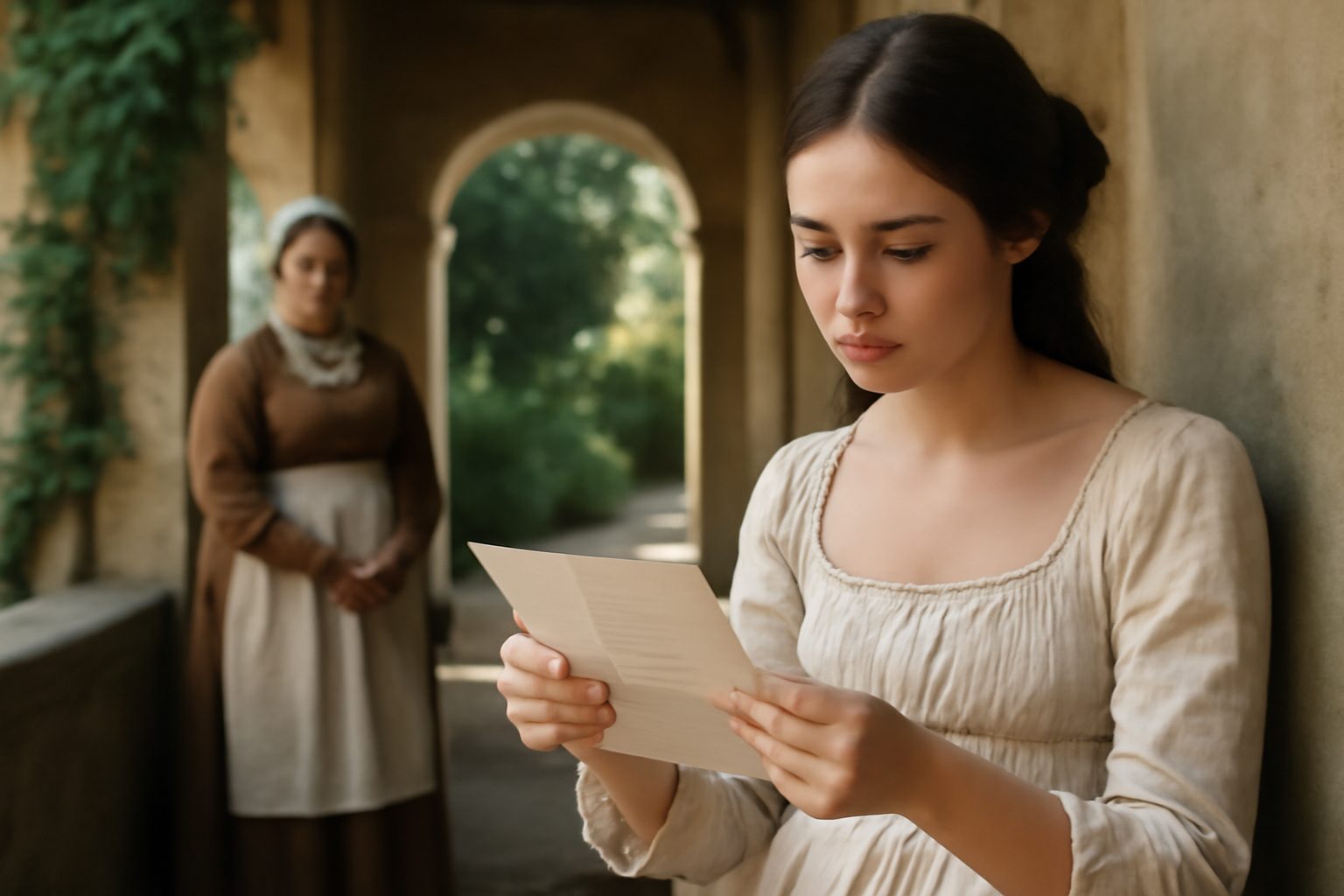
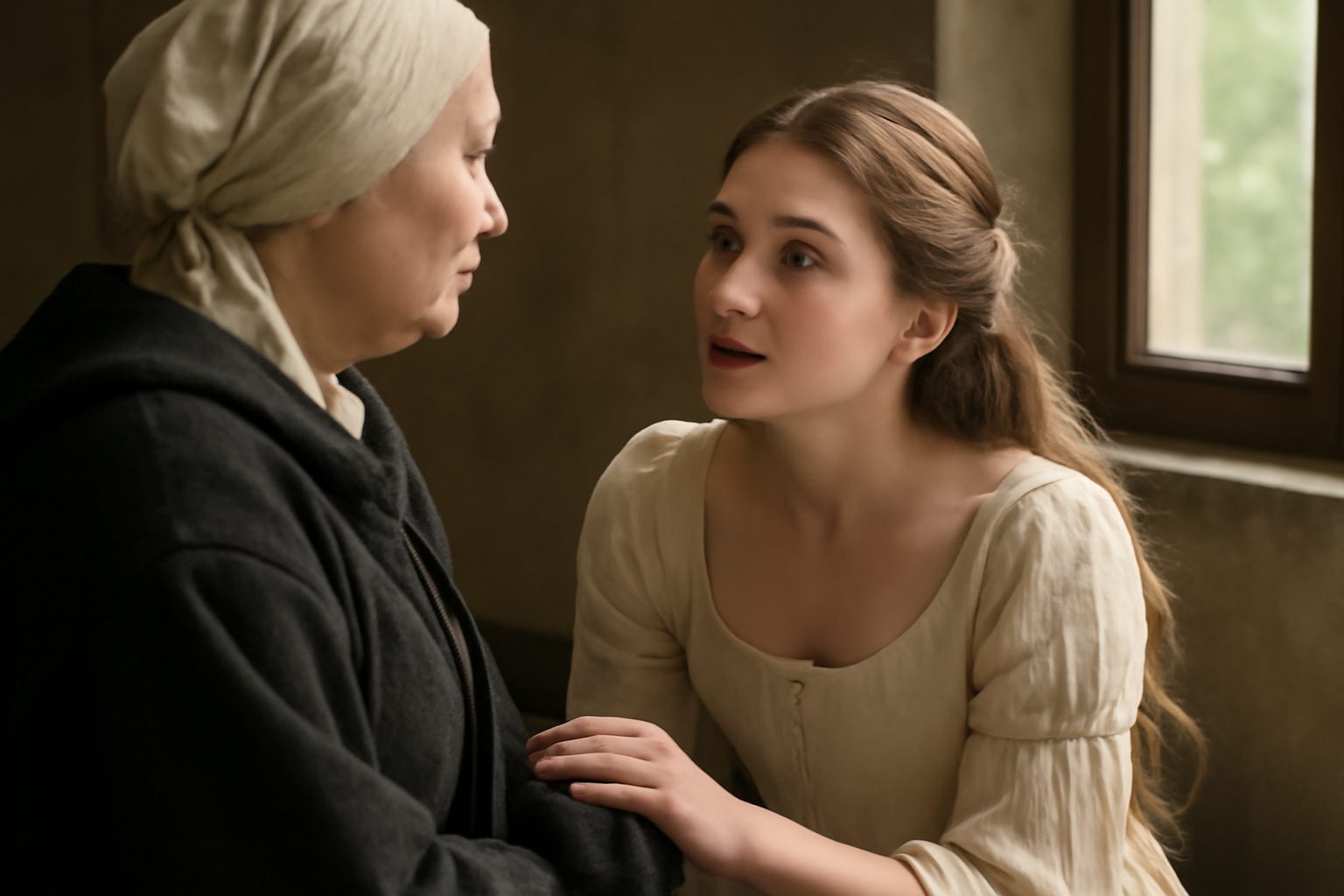
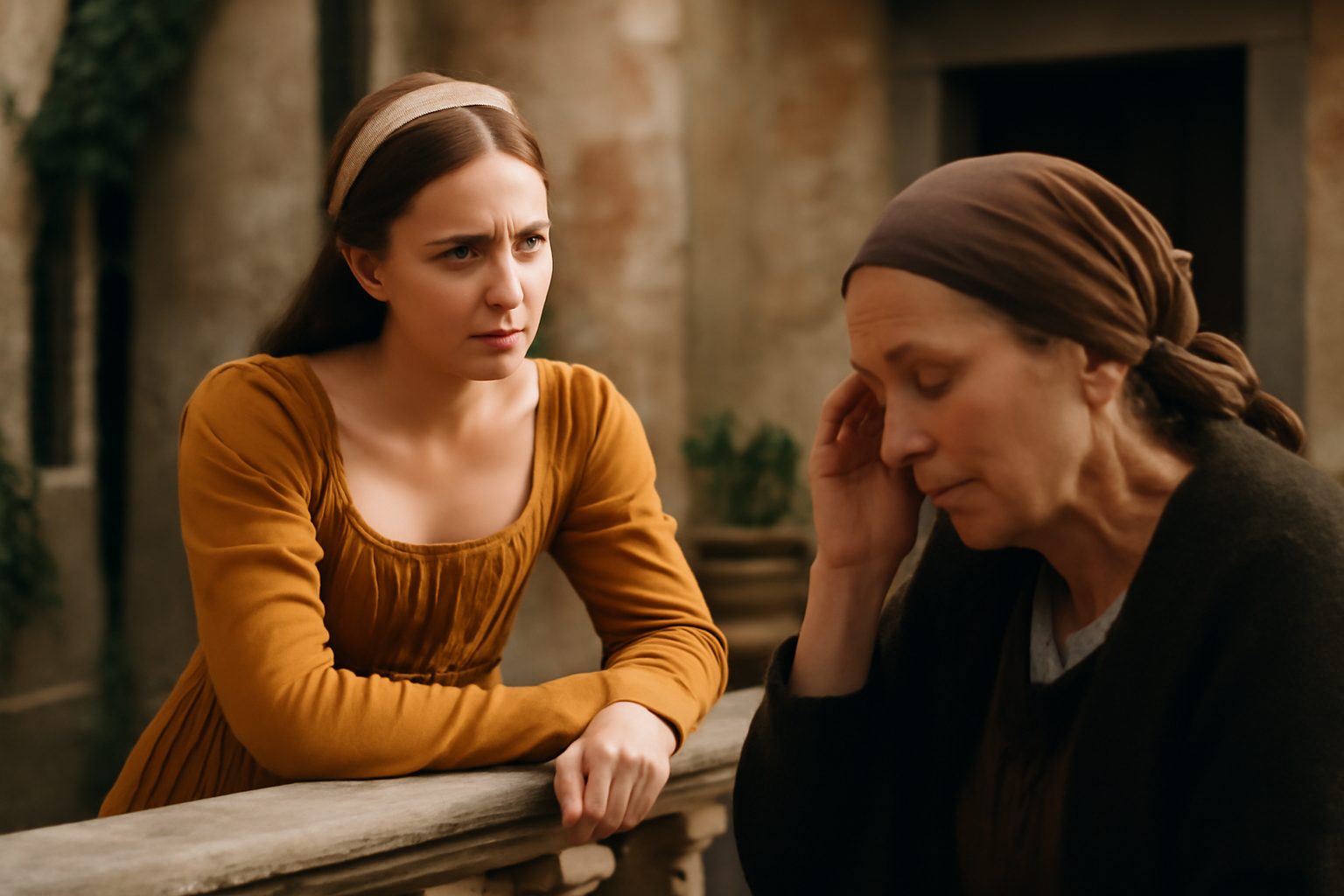
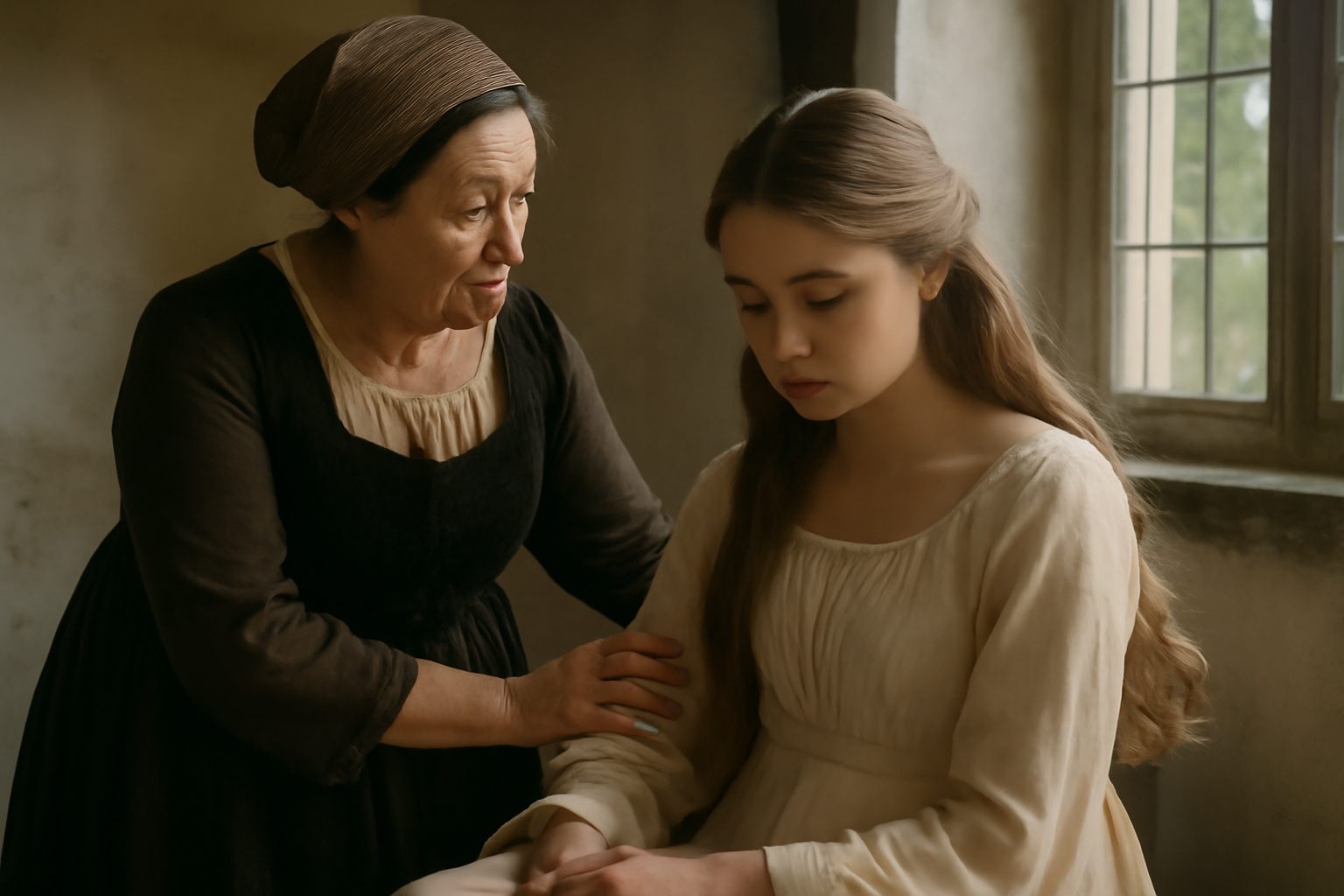
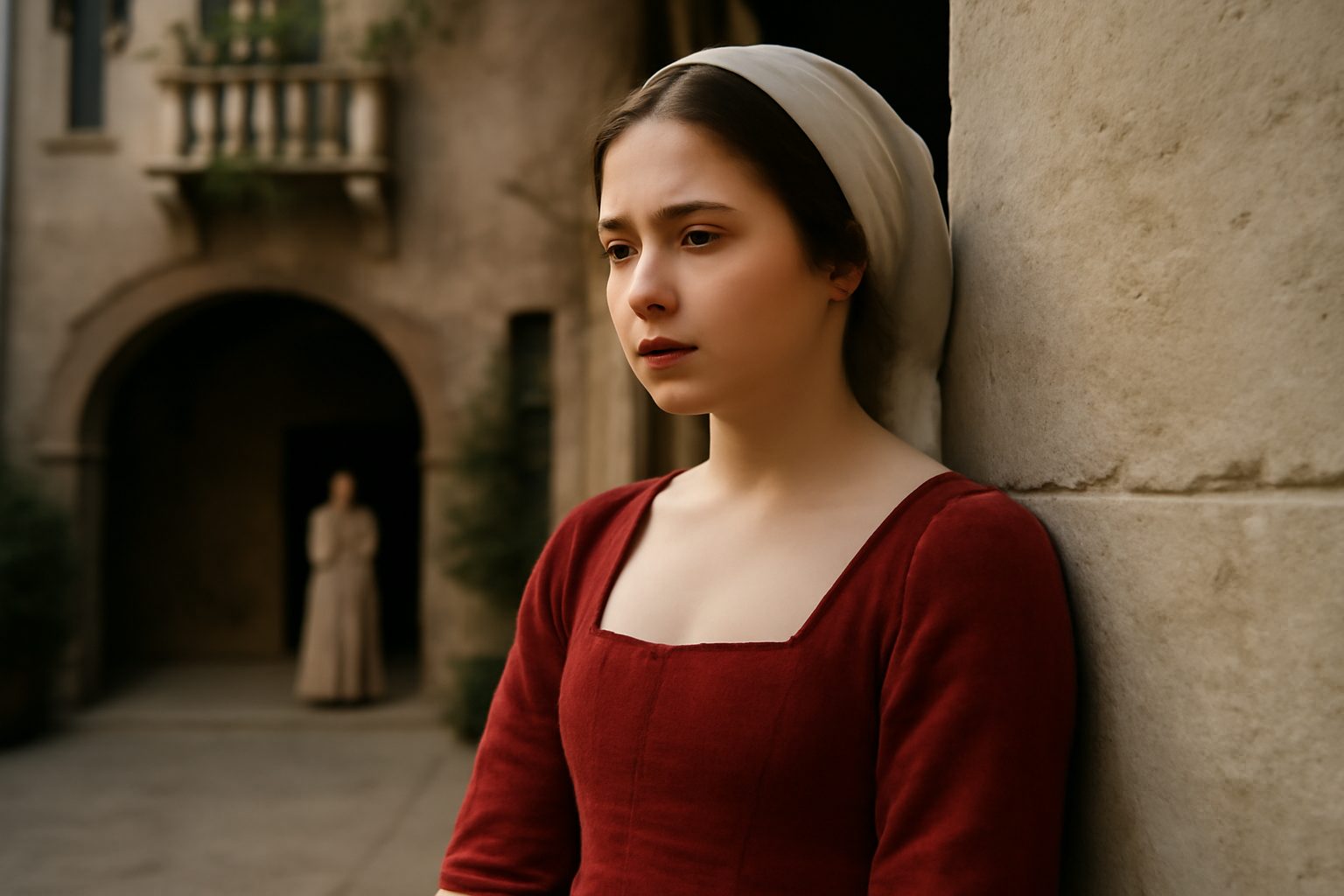
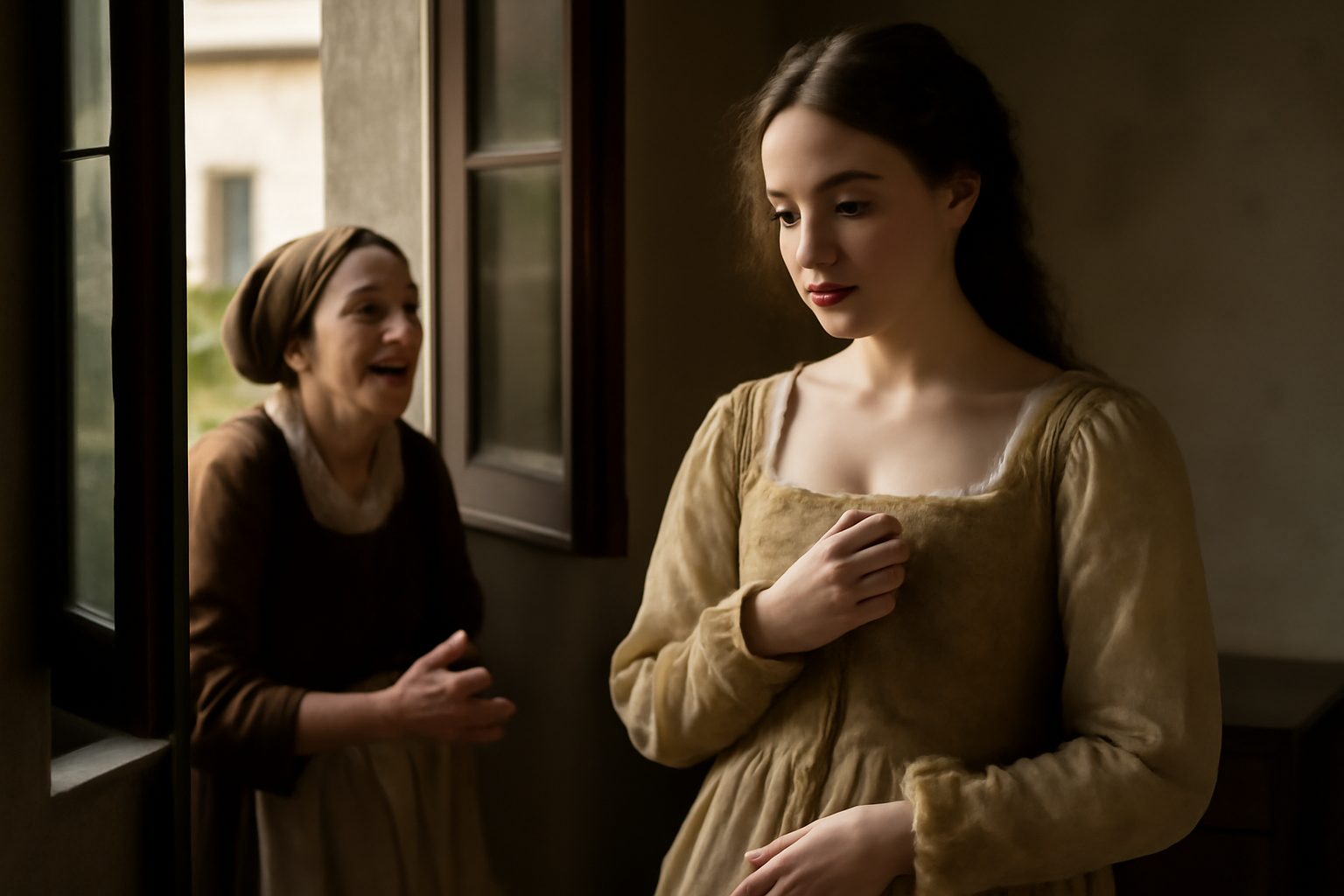
In Act 2, Scene 5 of Romeo and Juliet, Juliet anxiously awaits news from her nurse about Romeo's plans for their secret marriage. The line refers to the sun reaching its peak, symbolizing both the passage of time and Juliet's growing impatience. This moment captures her restless anticipation as she longs for confirmation of her future with Romeo.
Juliet: "Now is the sun upon the highmost hill"
In modern day english, we would say:
The sun is at its highest point in the sky right now.
Frequently Asked Questions
What time of day is Juliet describing in this line?
Juliet is describing midday, when the sun is at its highest point in the sky.
Connections to other verses:
Connections to "Now is the sun upon the highmost hill"
The verse "Now is the sun upon the highmost hill" from Romeo & Juliet Act 2 Scene 5 serves as a metaphorical representation of time's passage and the urgency of love. It connects thematically and contextually with several other verses in the same scene.
Time and Impatience
Juliet's anxious waiting for the Nurse's return is echoed in "Is three long hours, yet she is not come", emphasizing the slow passage of time from her perspective. The sun's position at its peak contrasts with Juliet's feeling that time drags, heightening the dramatic tension.
Speed and Love's Messengers
The imagery of swift movement in love is further developed in "And therefore hath the wind-swift Cupid wings", which reinforces the idea that love should be rapid and effortless, unlike the Nurse's delays. Similarly, "Which ten times faster glide than the sun's beams" underscores the expectation of quick communication, contrasting with the reality of the scene.
Physical and Emotional Contrasts
The Nurse's complaints about her physical state, such as in "Fie, how my bones ache! what a jaunt have I had!", highlight the laborious effort behind love's messages, opposing the idealized speed suggested by the sun's position. This creates a juxtaposition between romantic ideals and practical realities.
Resolution and Forward Motion
Finally, the scene moves toward action with verses like "Then hie you hence to Friar Laurence' cell", where plans are set in motion, resolving the earlier tension built by the waiting and the sun's metaphorical journey across the sky.