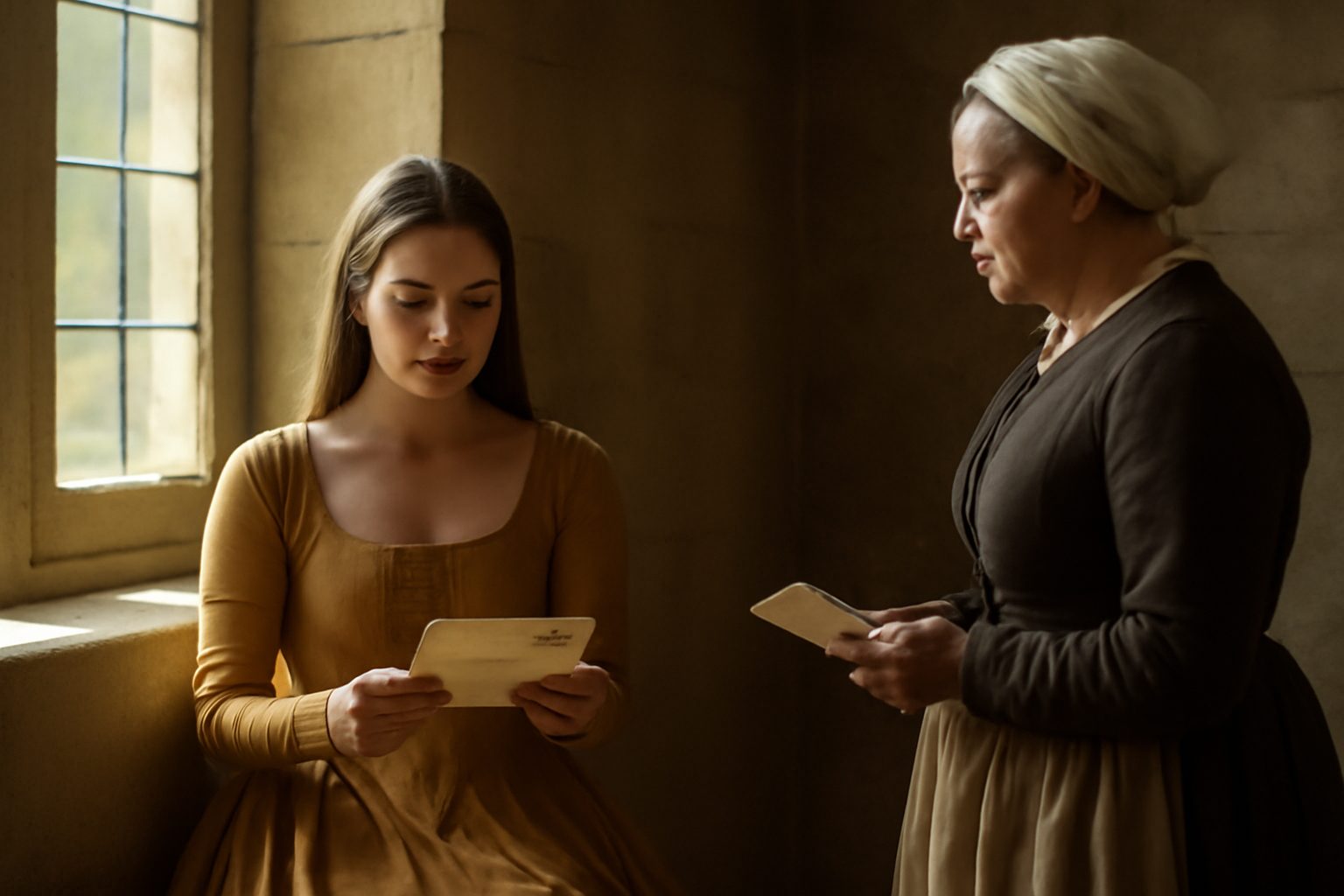
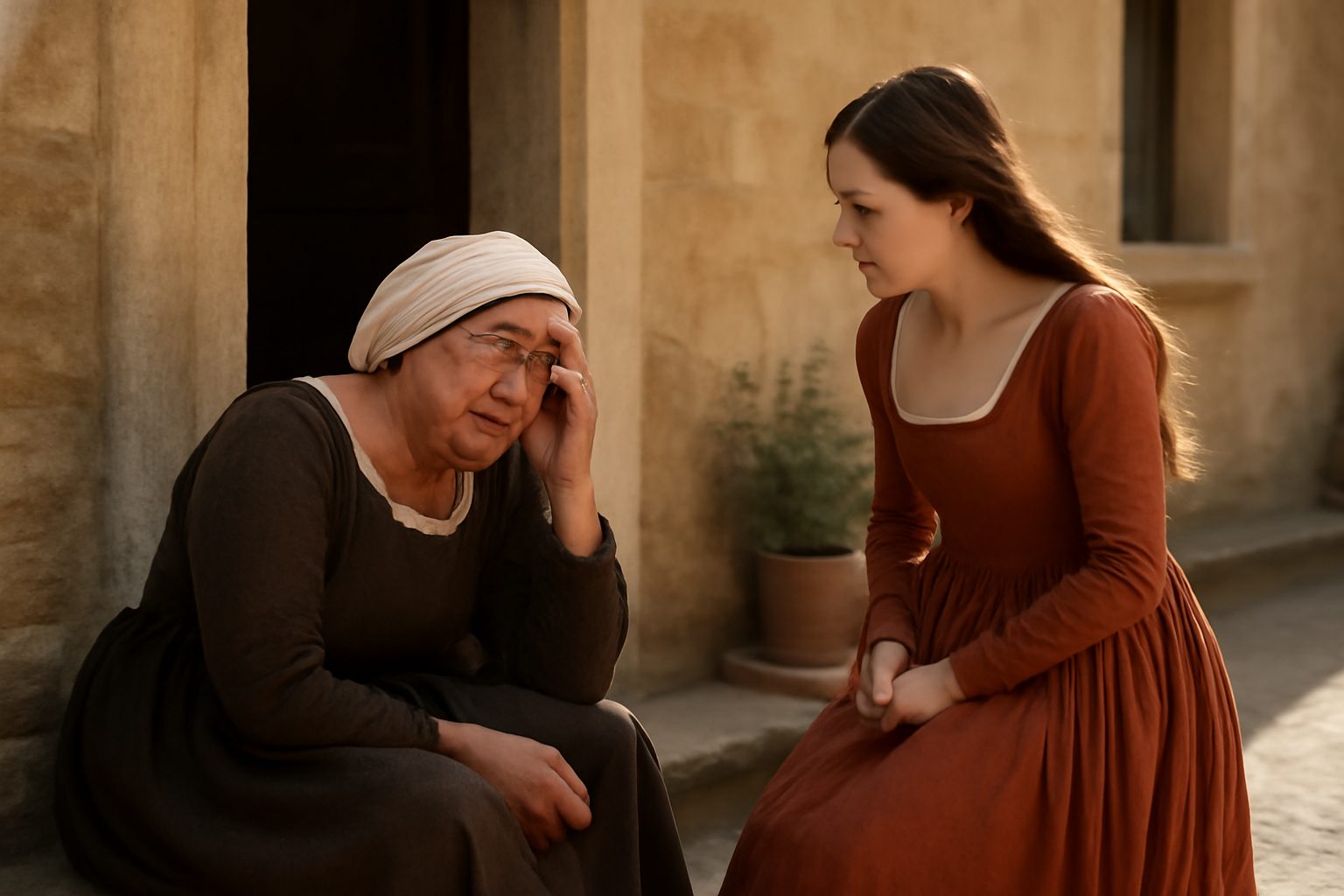
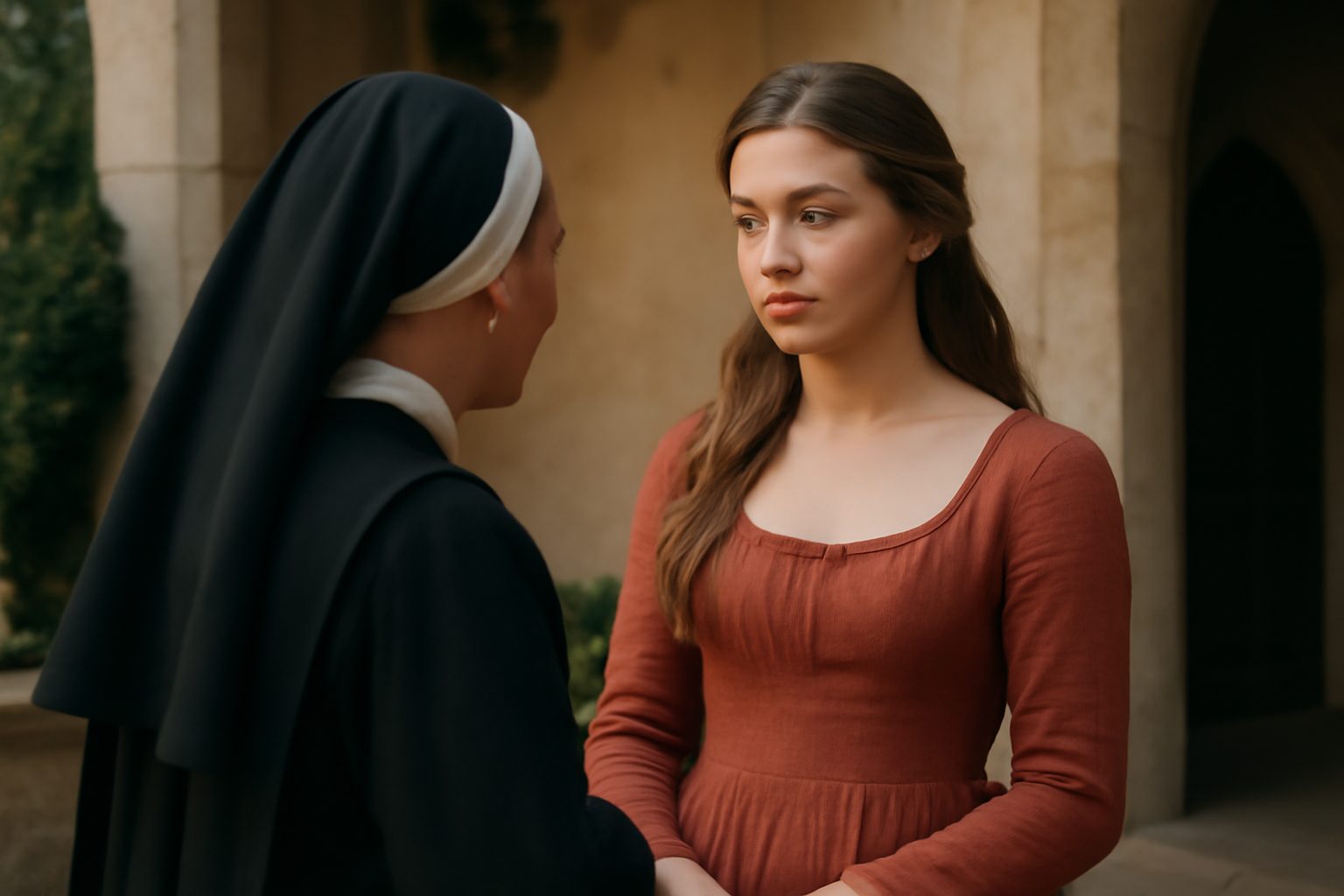
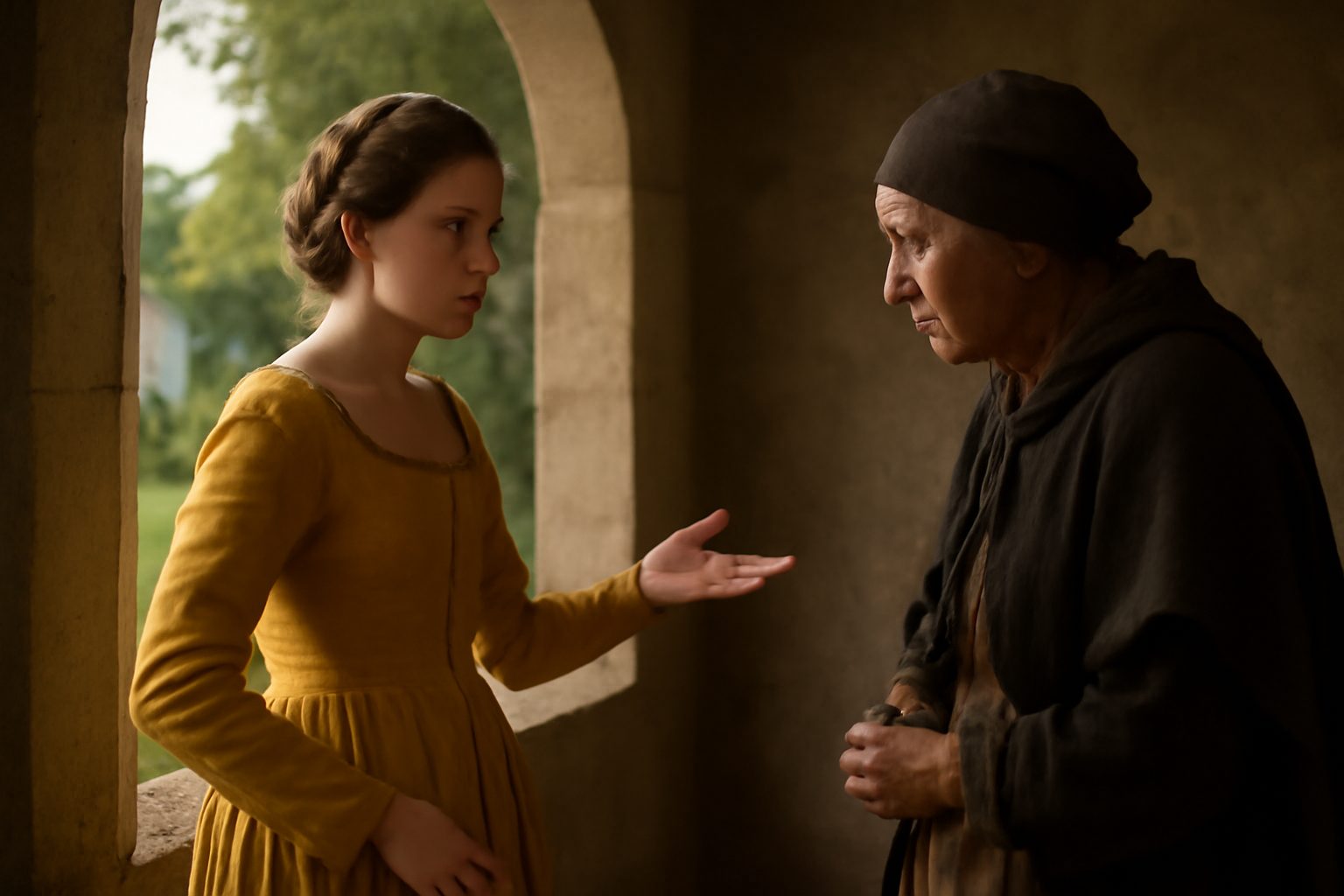
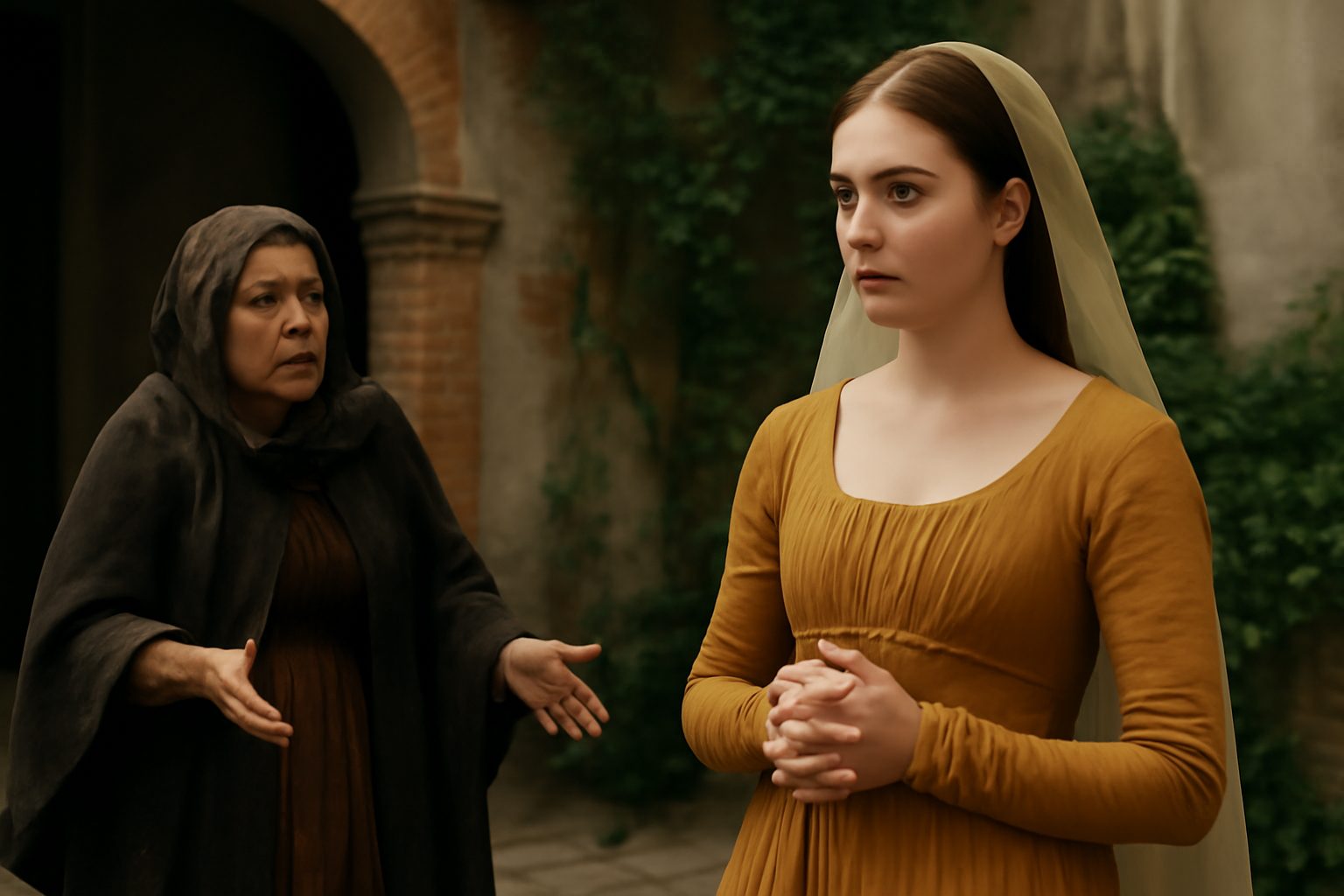
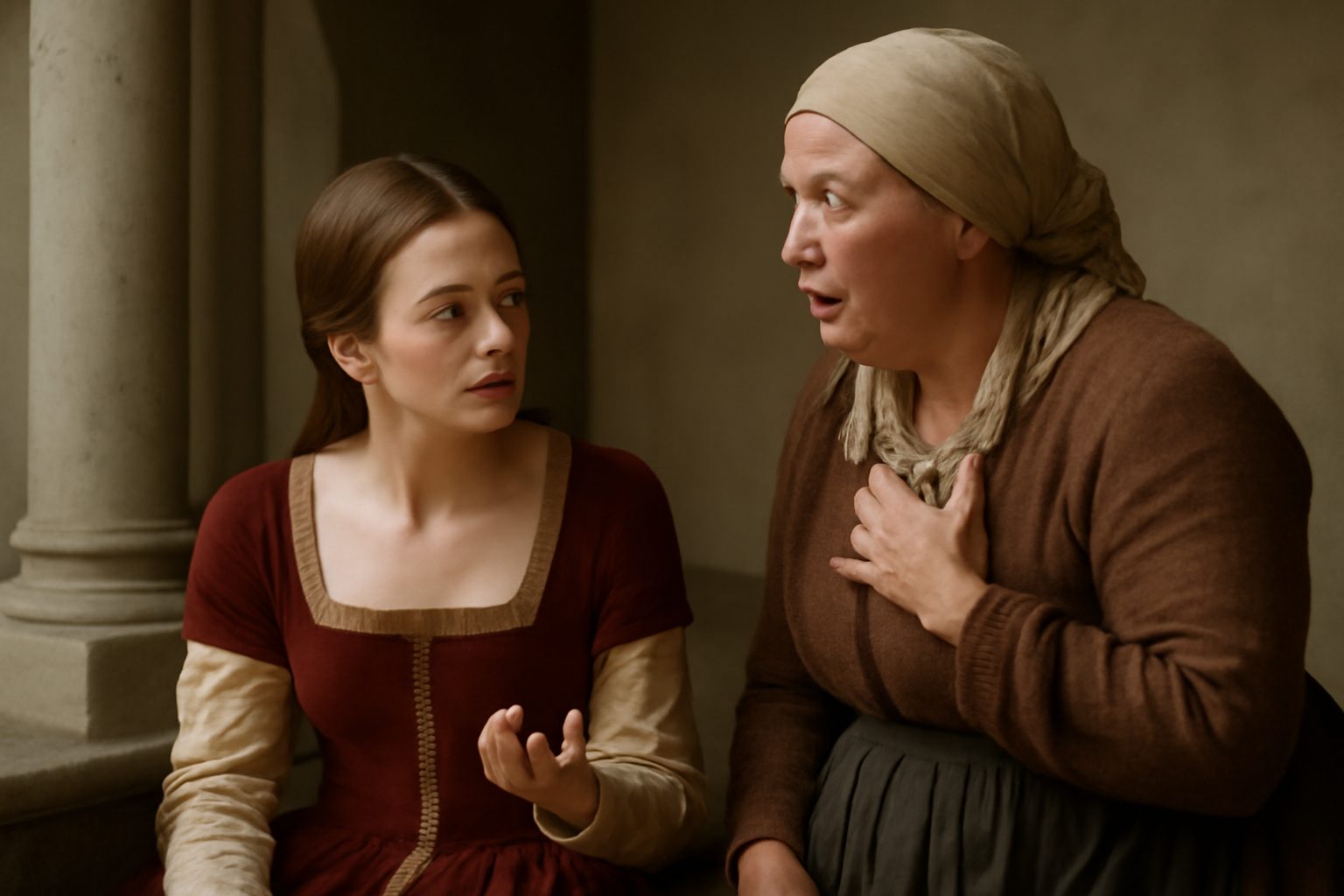
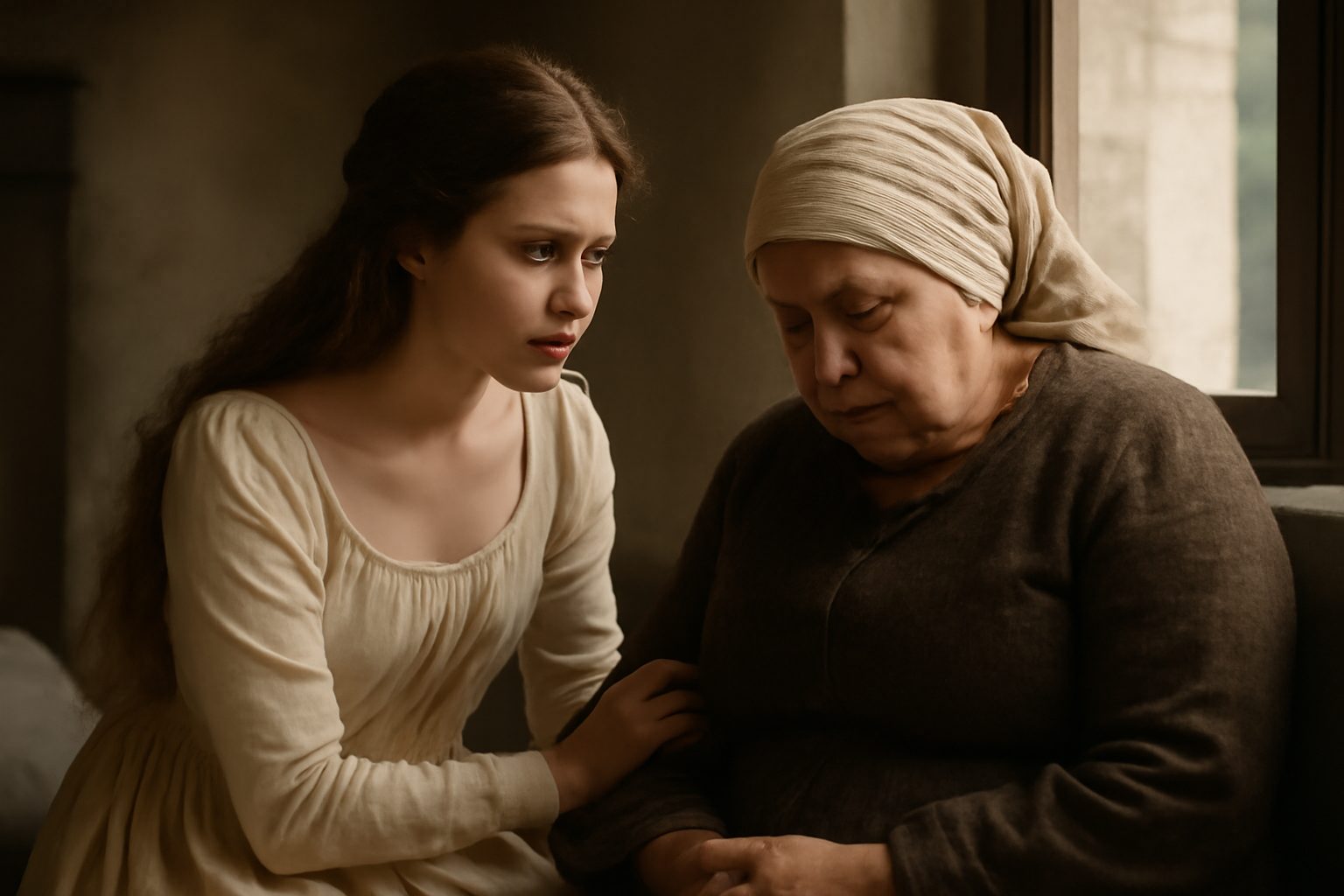
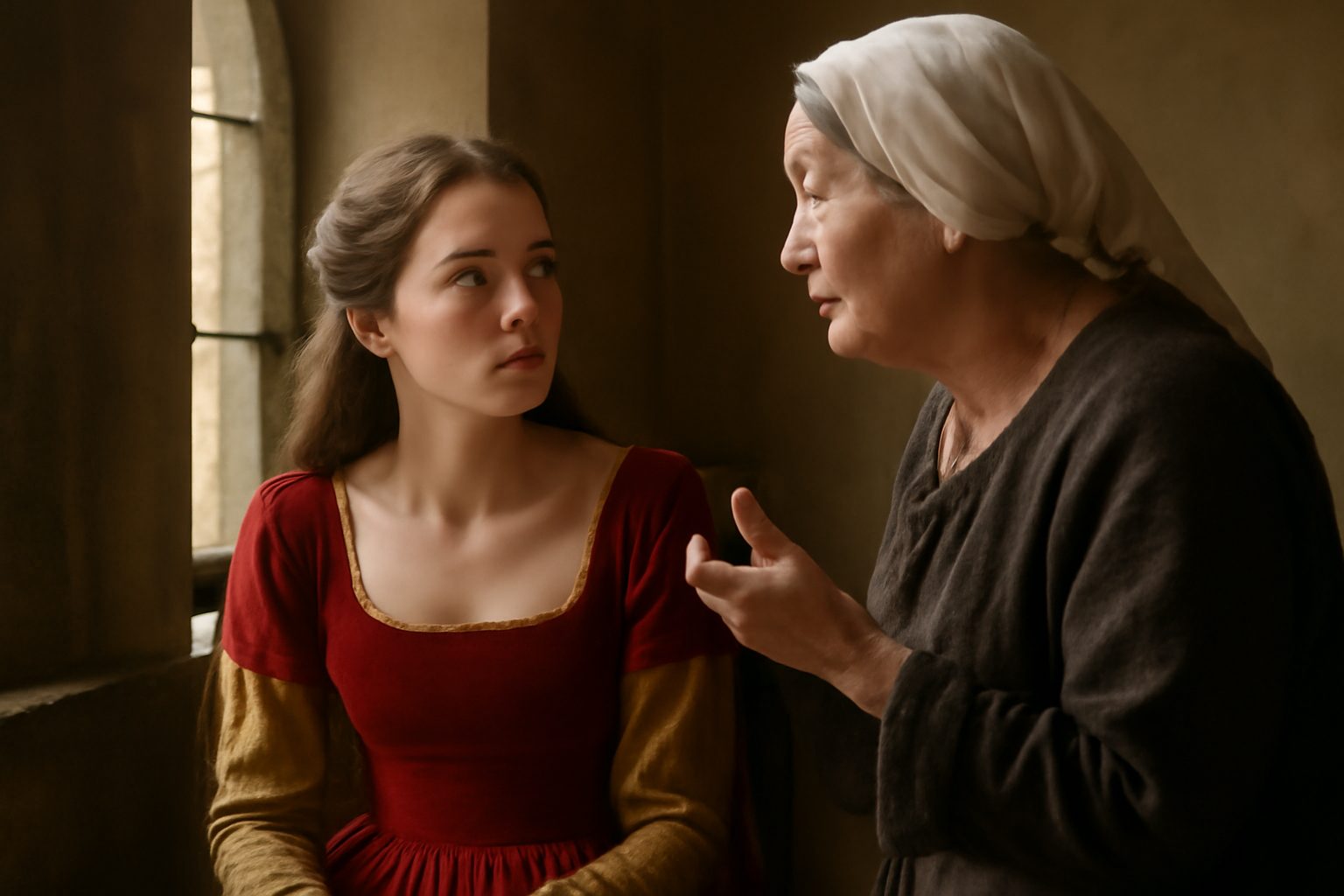
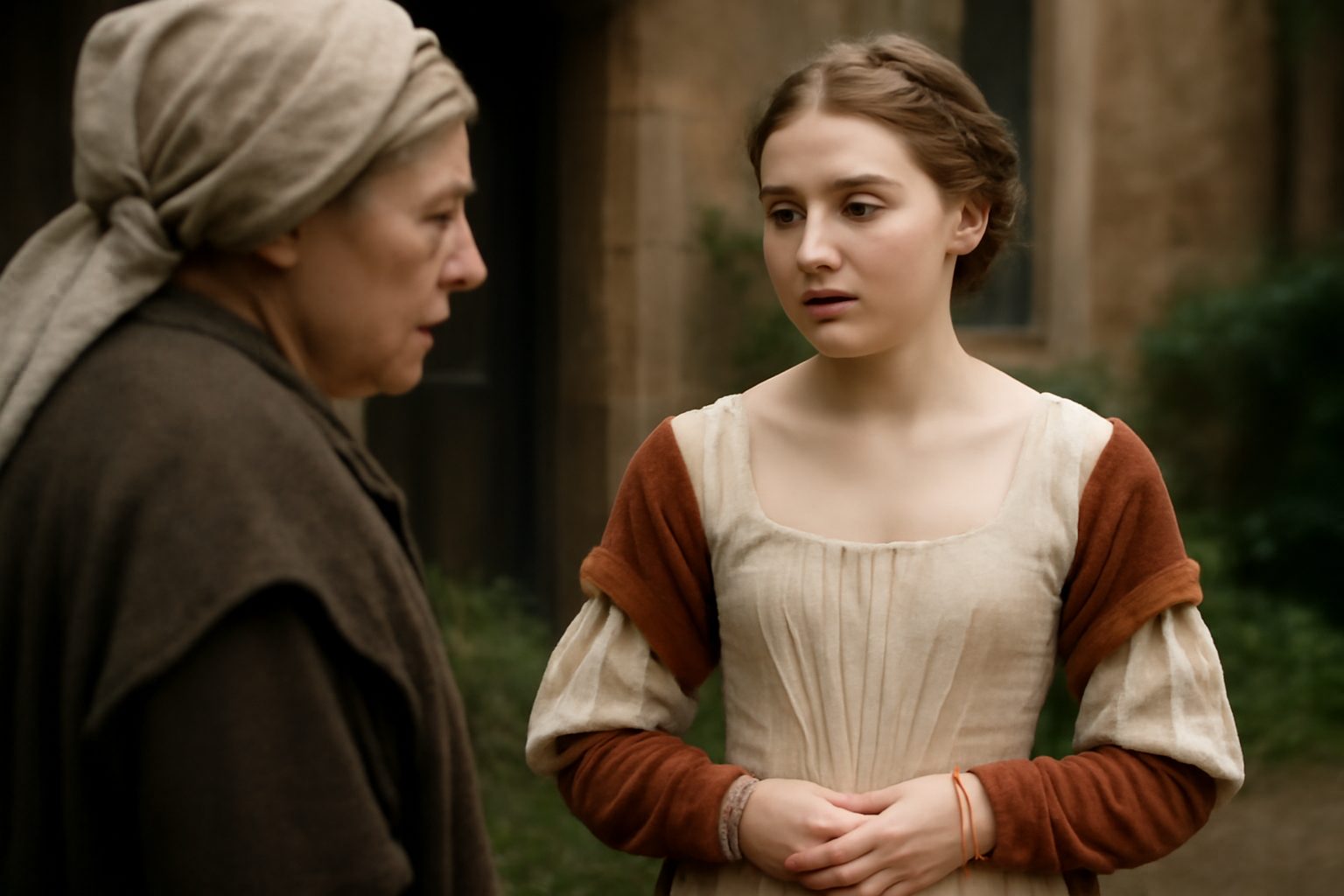
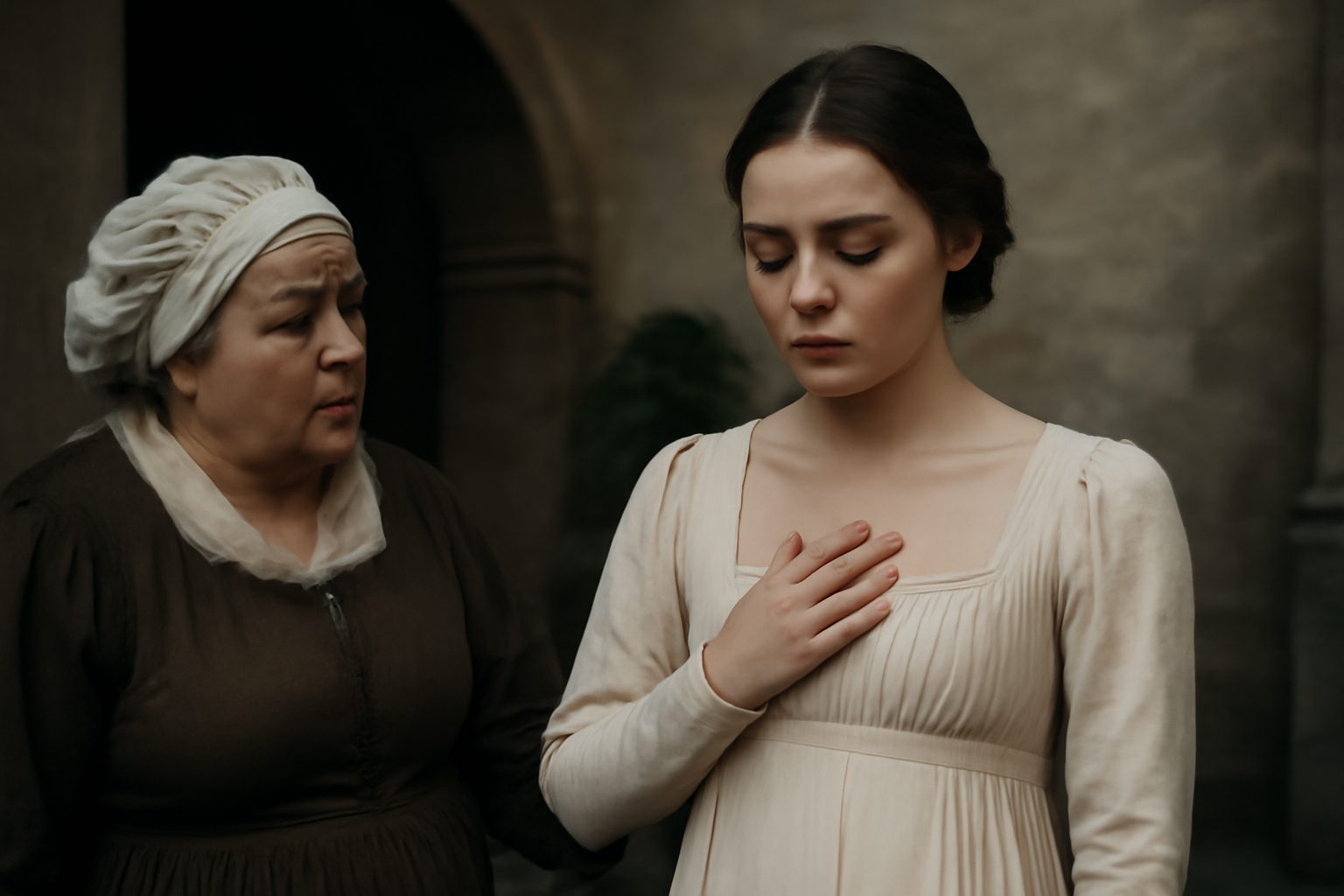
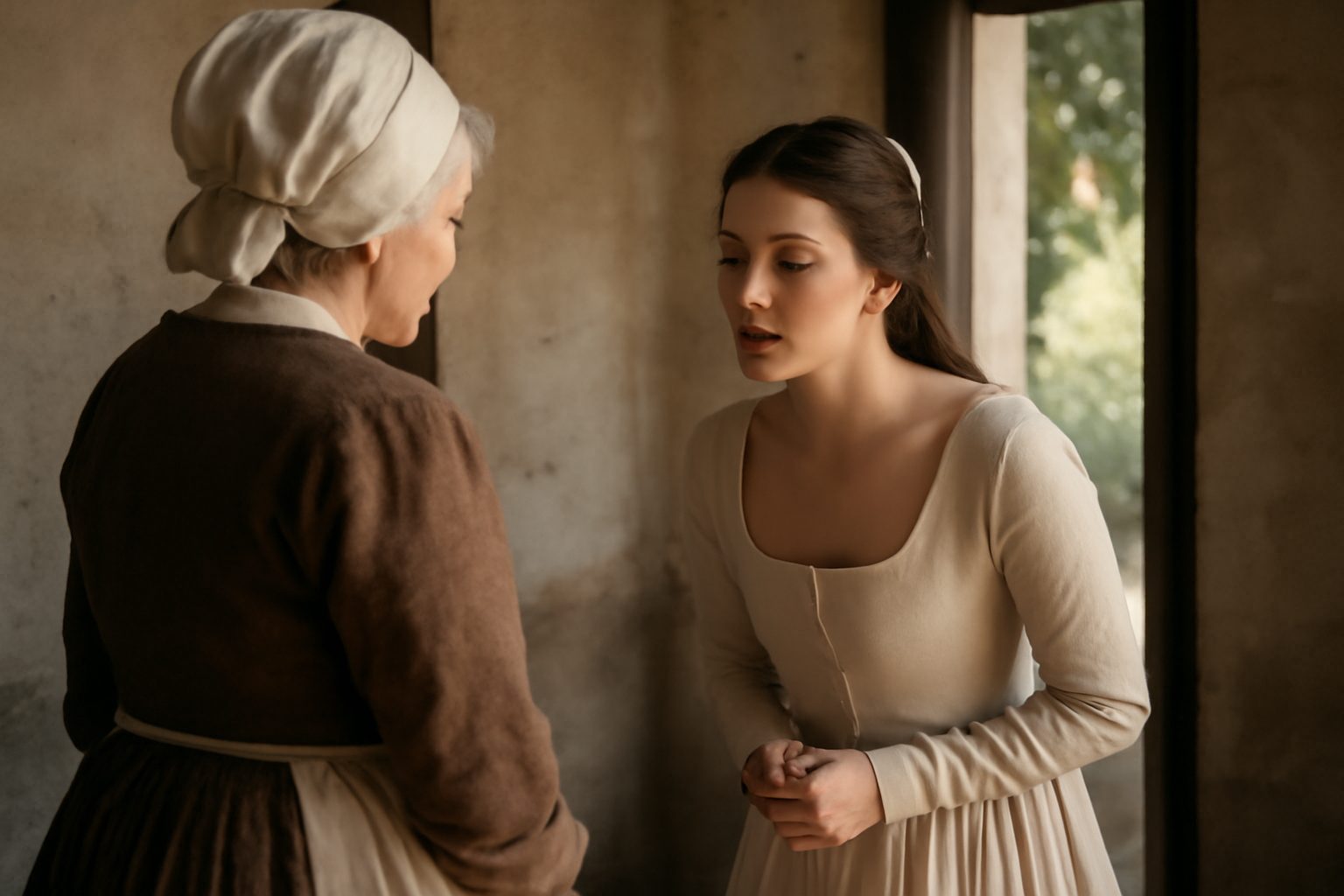
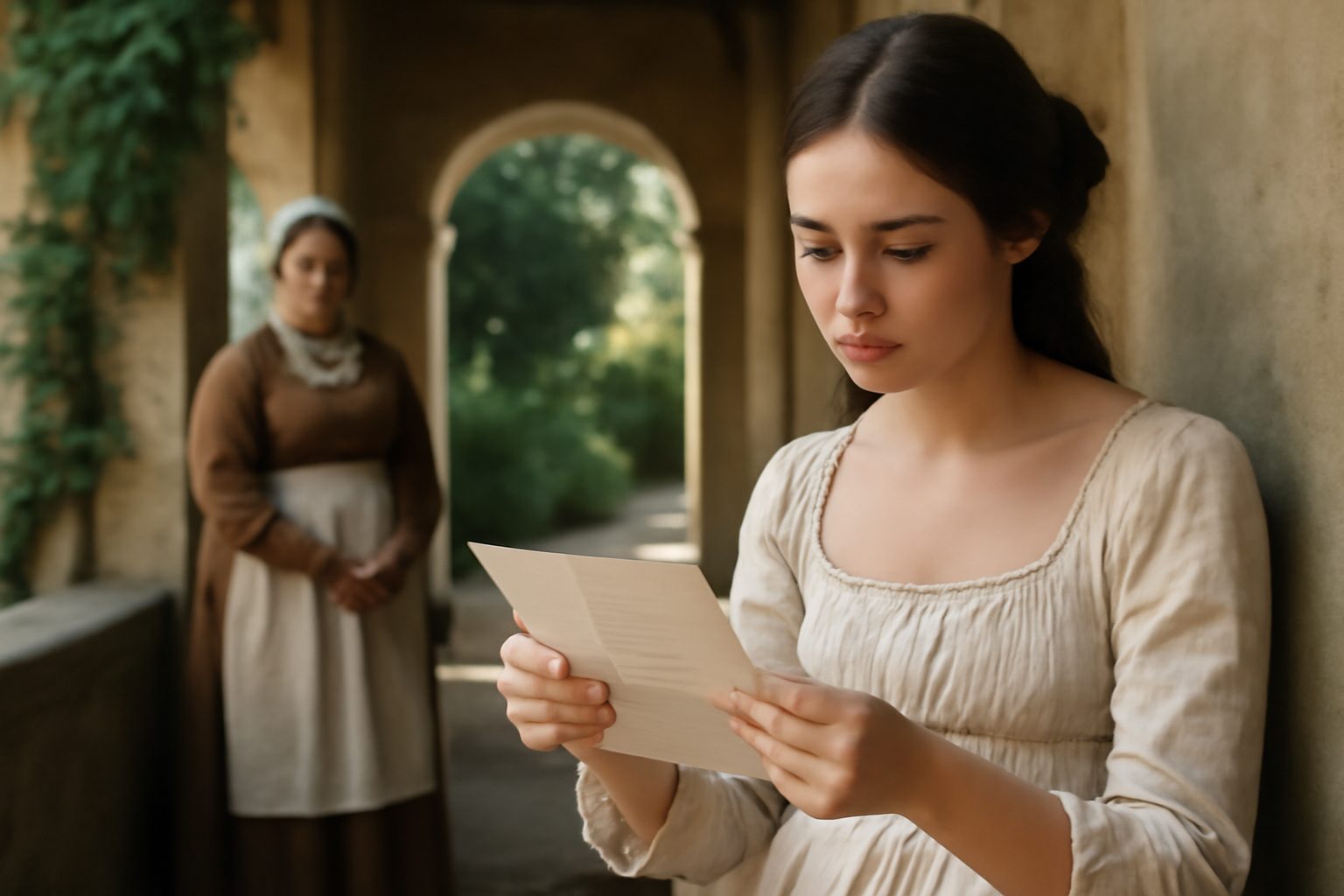
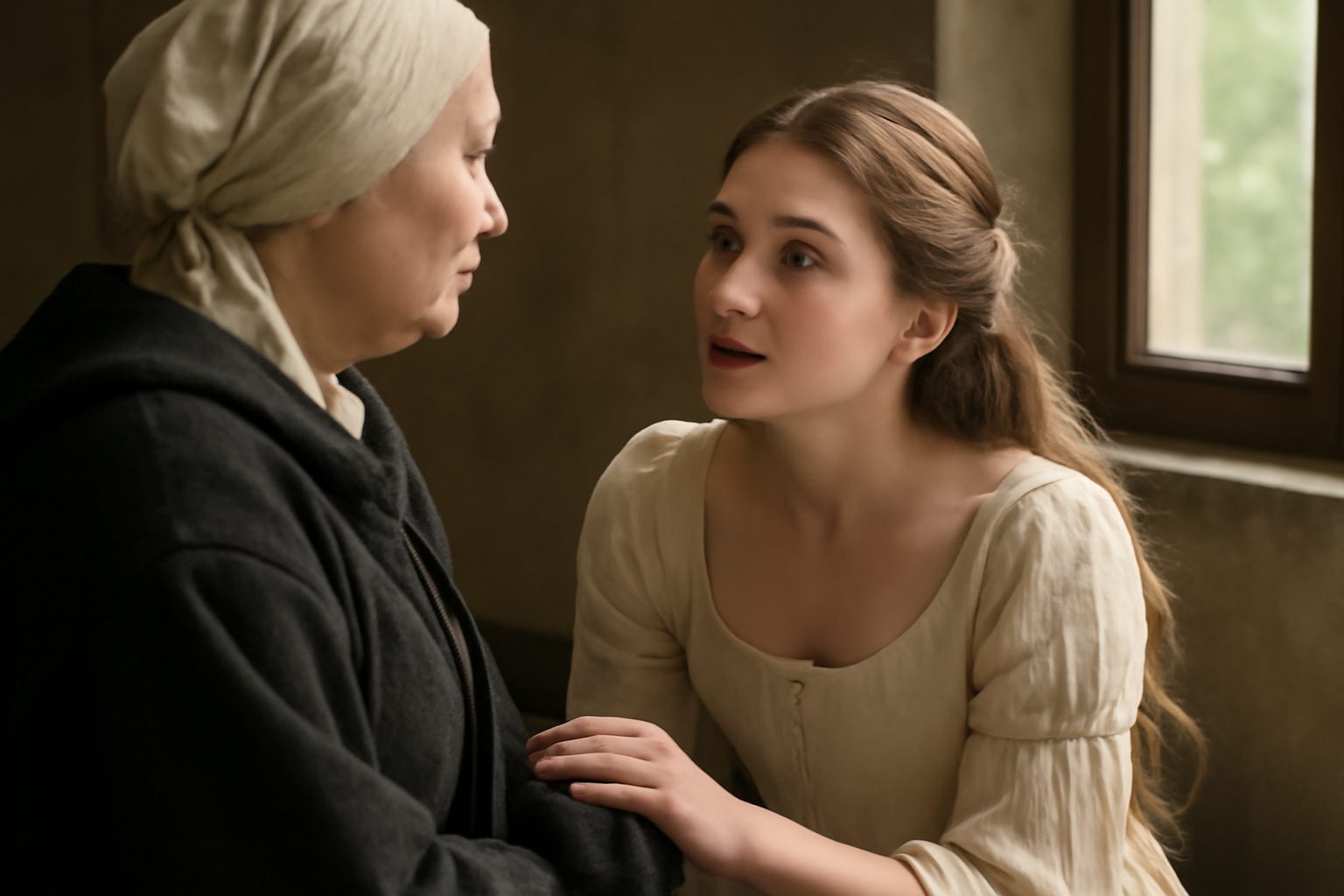
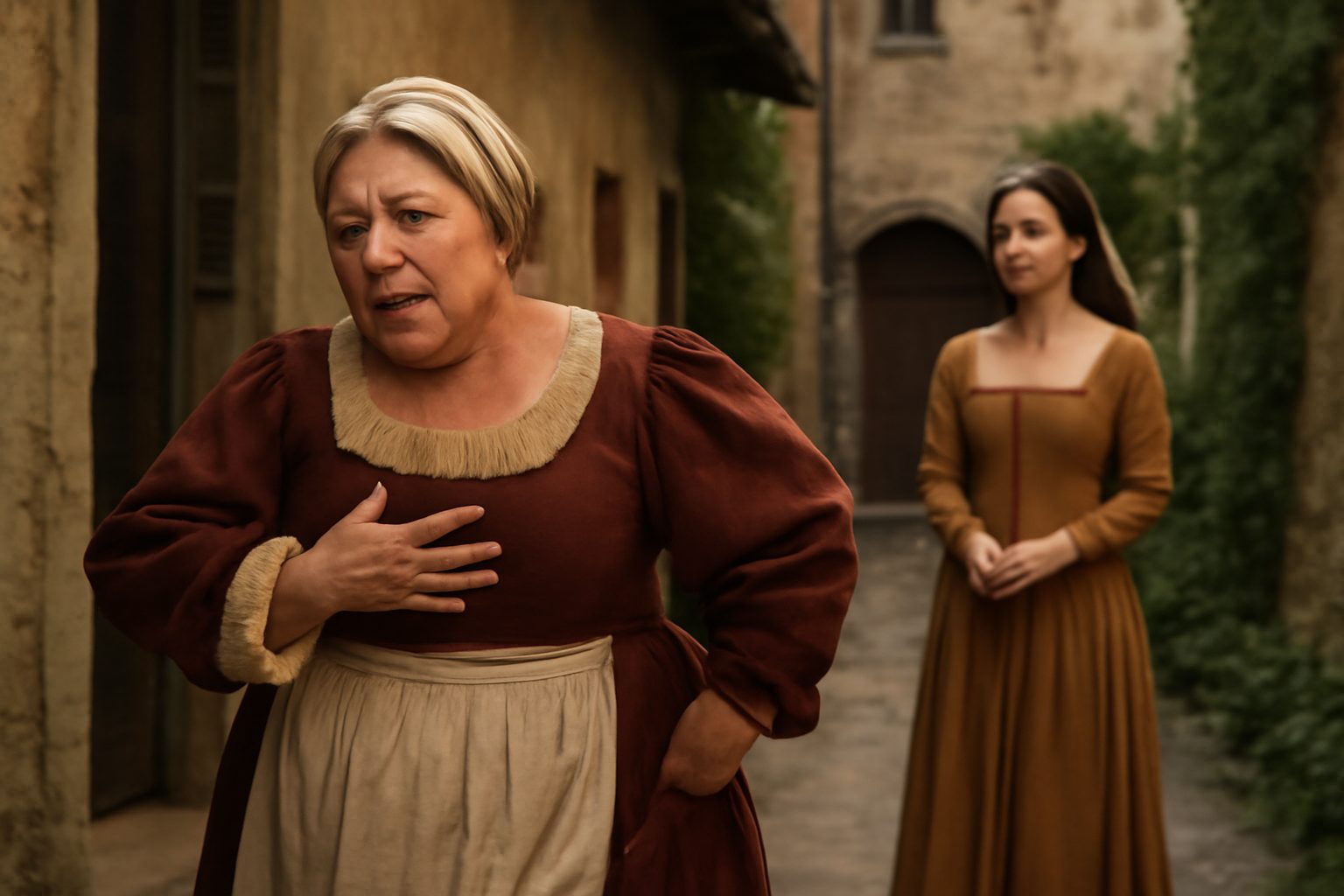
In Act 2, Scene 5 of Romeo and Juliet, the Nurse returns to Juliet after meeting with Romeo, teasing the impatient young woman by delaying the news of his plans. This particular line is part of the Nurse's playful, rambling description of Romeo, highlighting his admirable qualities while drawing out Juliet's frustration. The moment captures the Nurse's fondness for teasing as well as Juliet's eagerness to hear about her beloved.
Nurse: "courteous, and a kind, and a handsome, and, I"
In modern day english, we would say:
He's polite, kind, good-looking, and—well, I won't say more.
Frequently Asked Questions
What qualities does the Nurse say the person has in this line?
The Nurse says the person is courteous, kind, and handsome.
Connections to other verses:
Connections to "courteous, and a kind, and a handsome, and, I"
The verse "courteous, and a kind, and a handsome, and, I" is part of the Nurse's description of Romeo's qualities, reflecting Juliet's infatuation and the idealized view of love in the scene. This connects thematically with "past compare: he is not the flower of courtesy", where the Nurse playfully contradicts herself, adding humor and realism to Romeo's portrayal.
Links to Other Descriptions of Romeo
This description aligns with "Your love says, like an honest gentleman, and a", emphasizing Romeo's honorable nature. It also contrasts with "how to choose a man: Romeo! no, not he; though his", where the Nurse teases Juliet about her choice, highlighting the tension between idealization and practicality in love.
Emotional and Physical Context
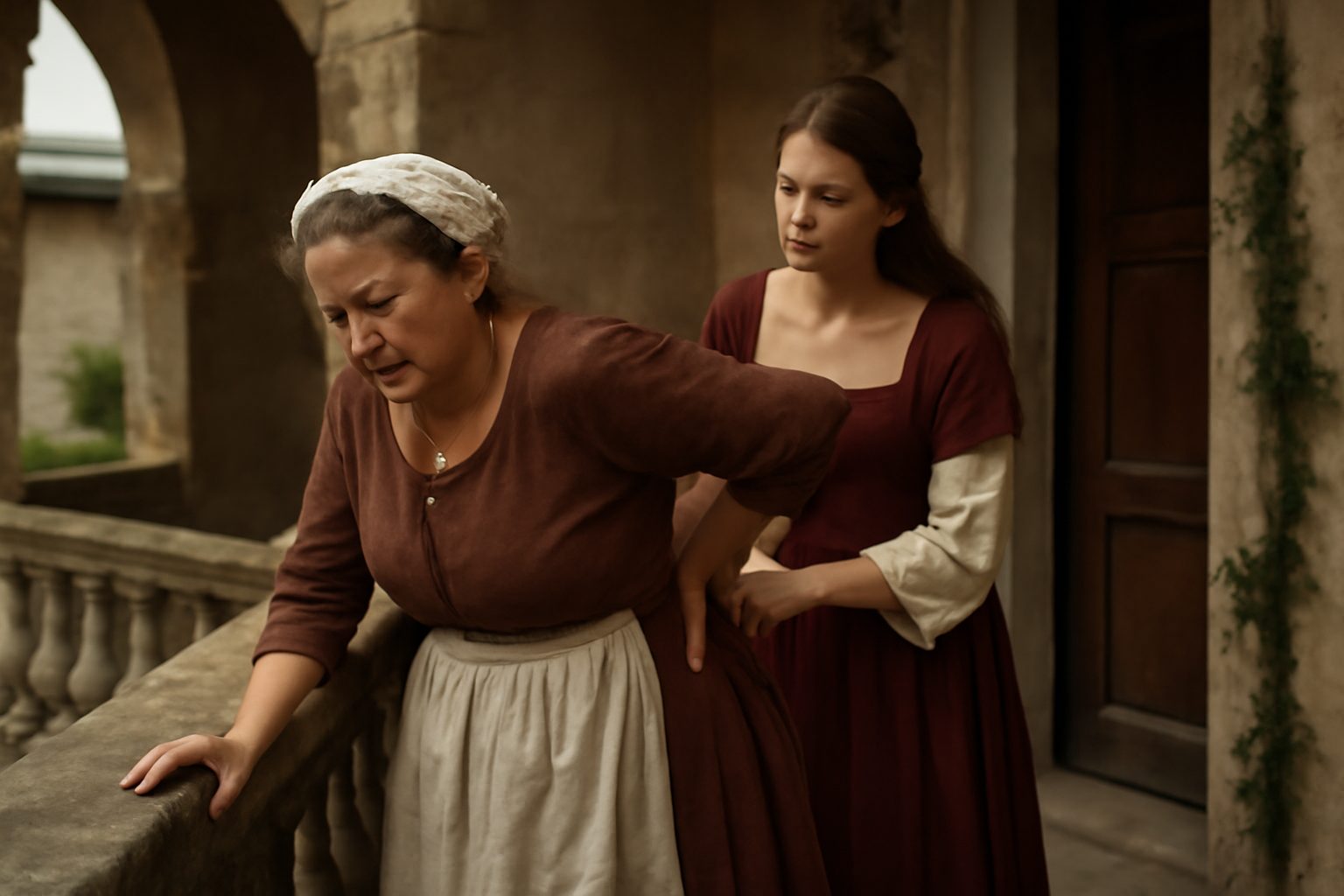
The Nurse's effusive praise here follows her complaints about physical exertion, such as in "Fie, how my bones ache! what a jaunt have I had!", underscoring her role as a mediator who endures hardship for Juliet's happiness. Juliet's impatient response in "Sweet, sweet, sweet nurse, tell me, what says my..." shows her eagerness, which the Nurse delays satisfying, adding dramatic irony.
Structural and Thematic Echoes
This verse contributes to the scene's exploration of youthful love versus age's weariness, echoed in "But old folks, many feign as they were dead". It also complements the urgency of love expressed in "Therefore do nimble-pinion'd doves draw love", reinforcing the theme of swift, passionate romance.