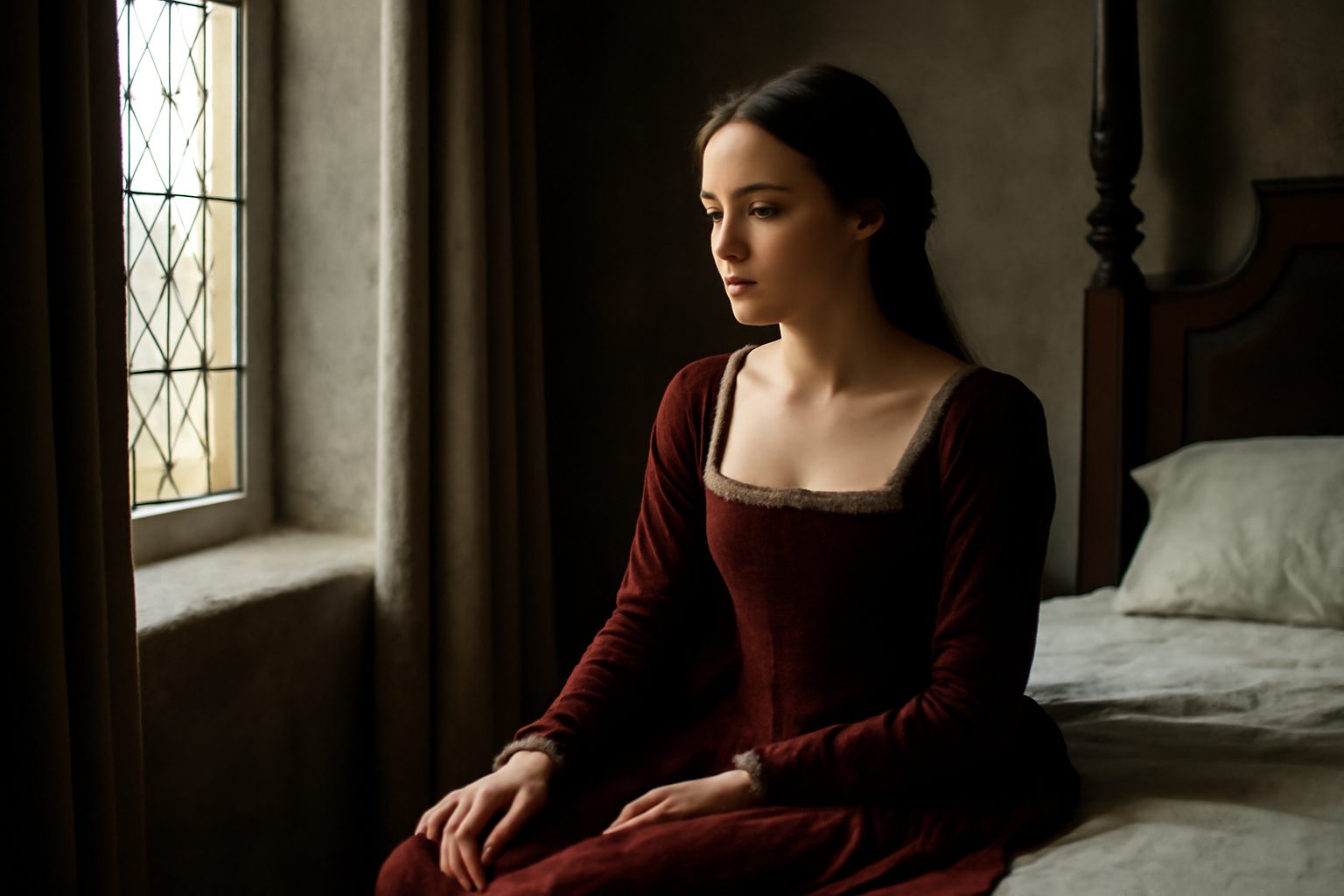
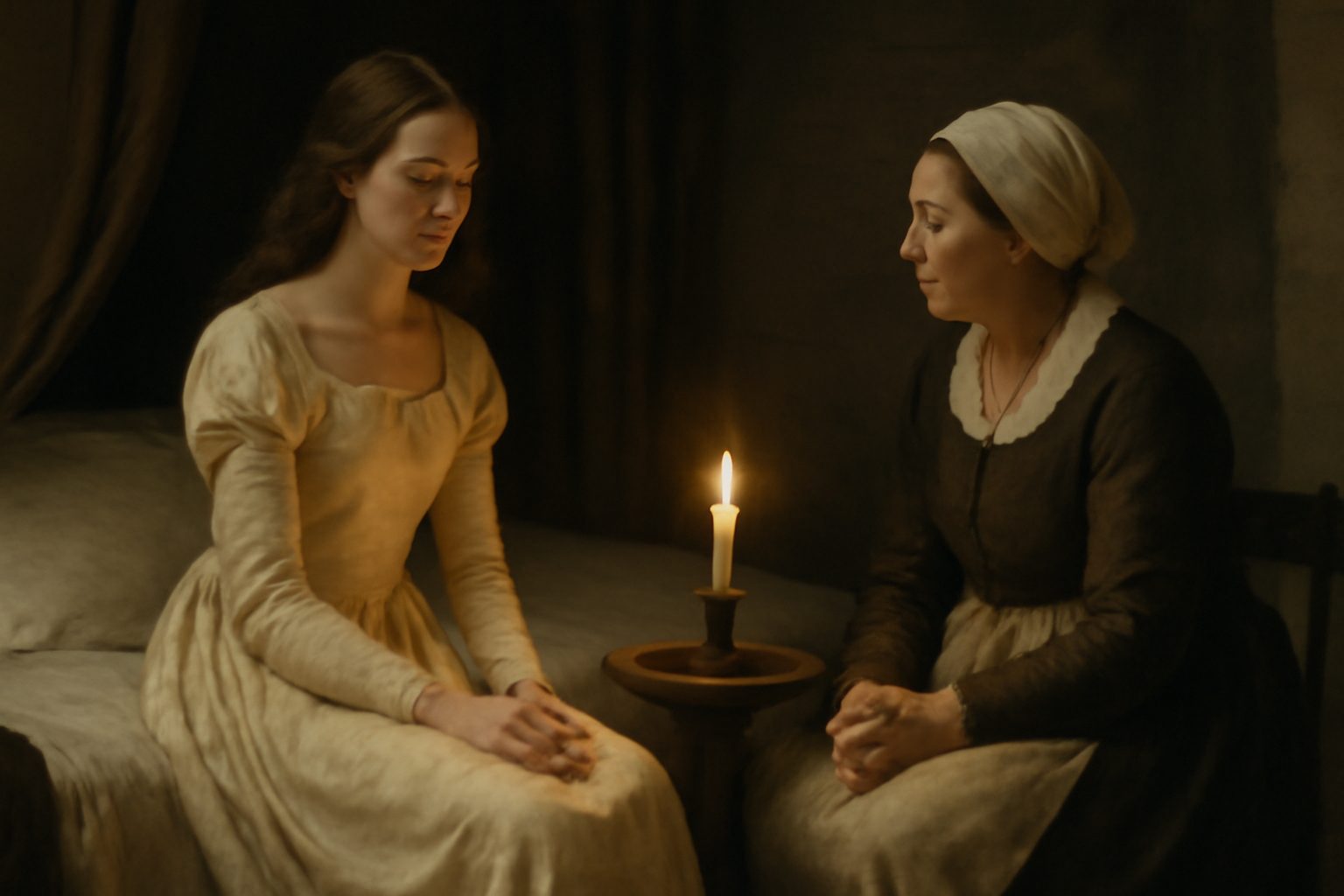
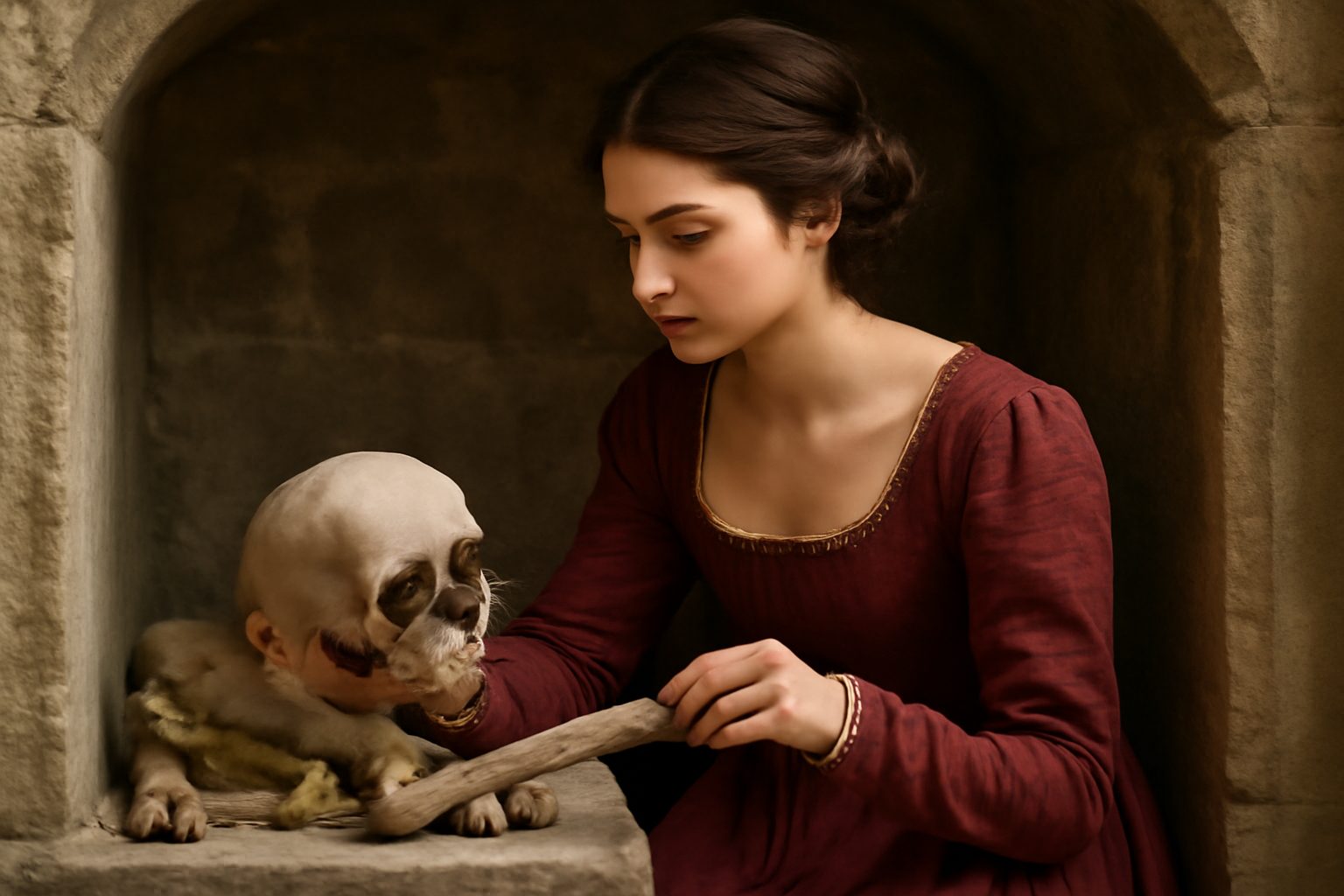
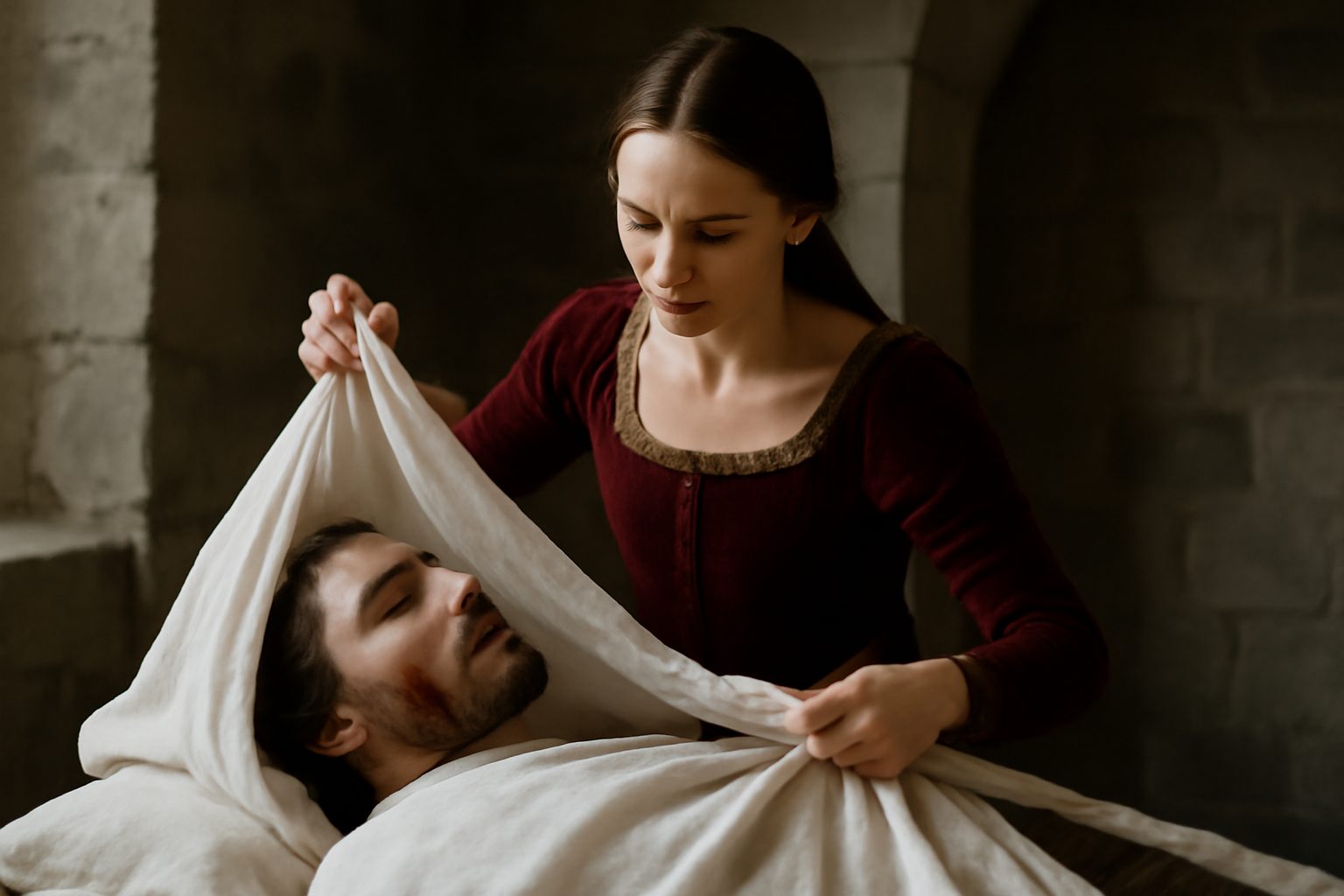
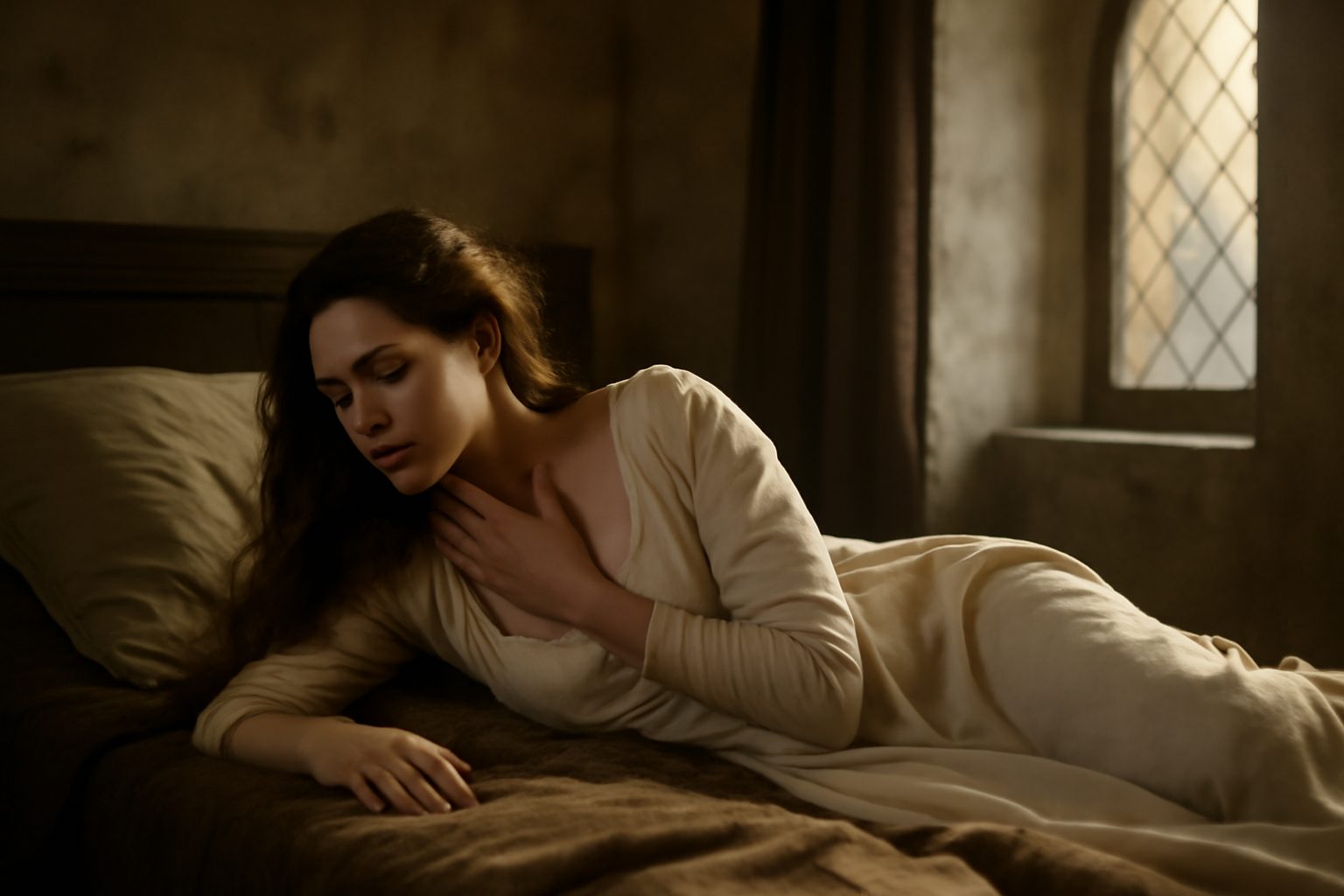
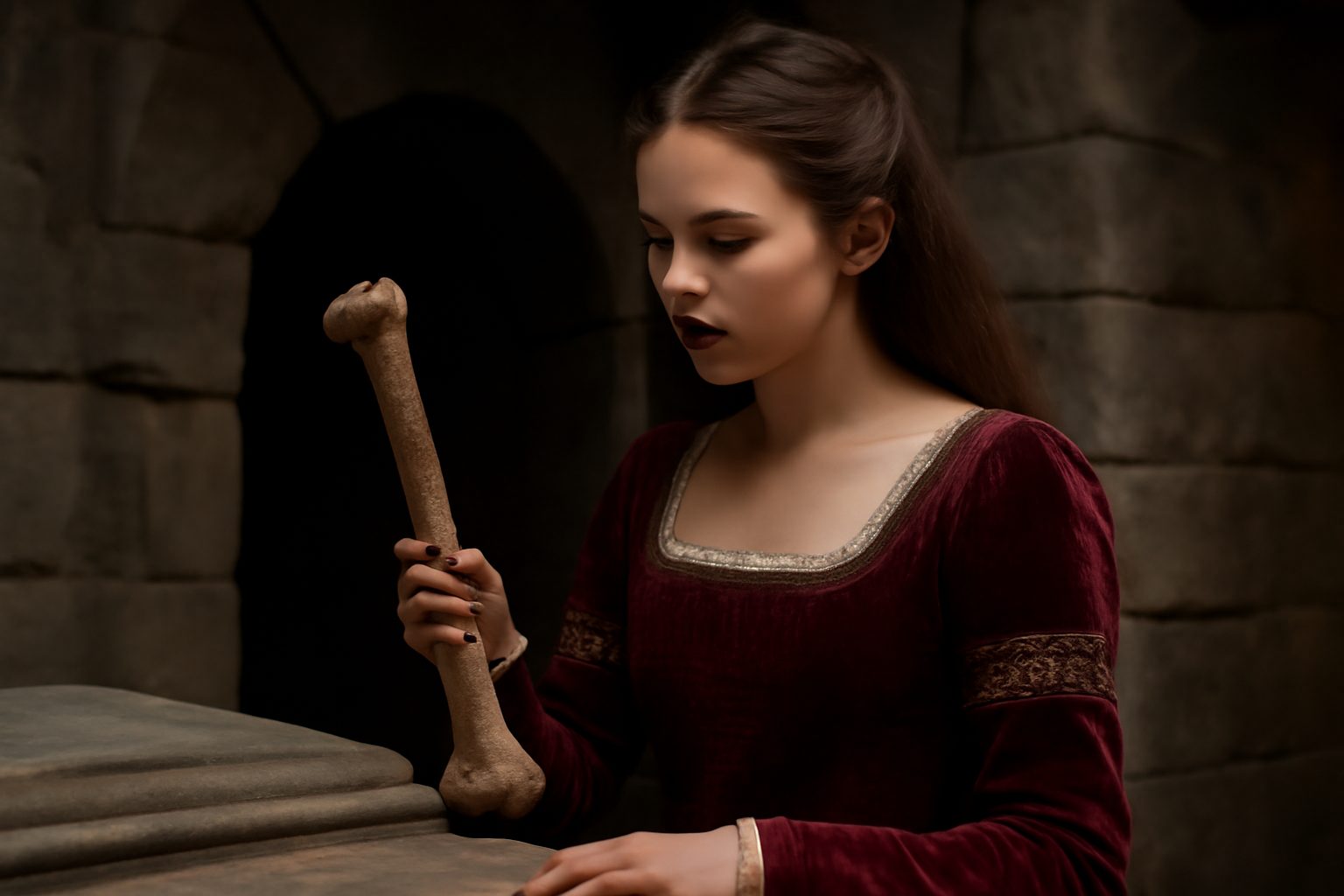
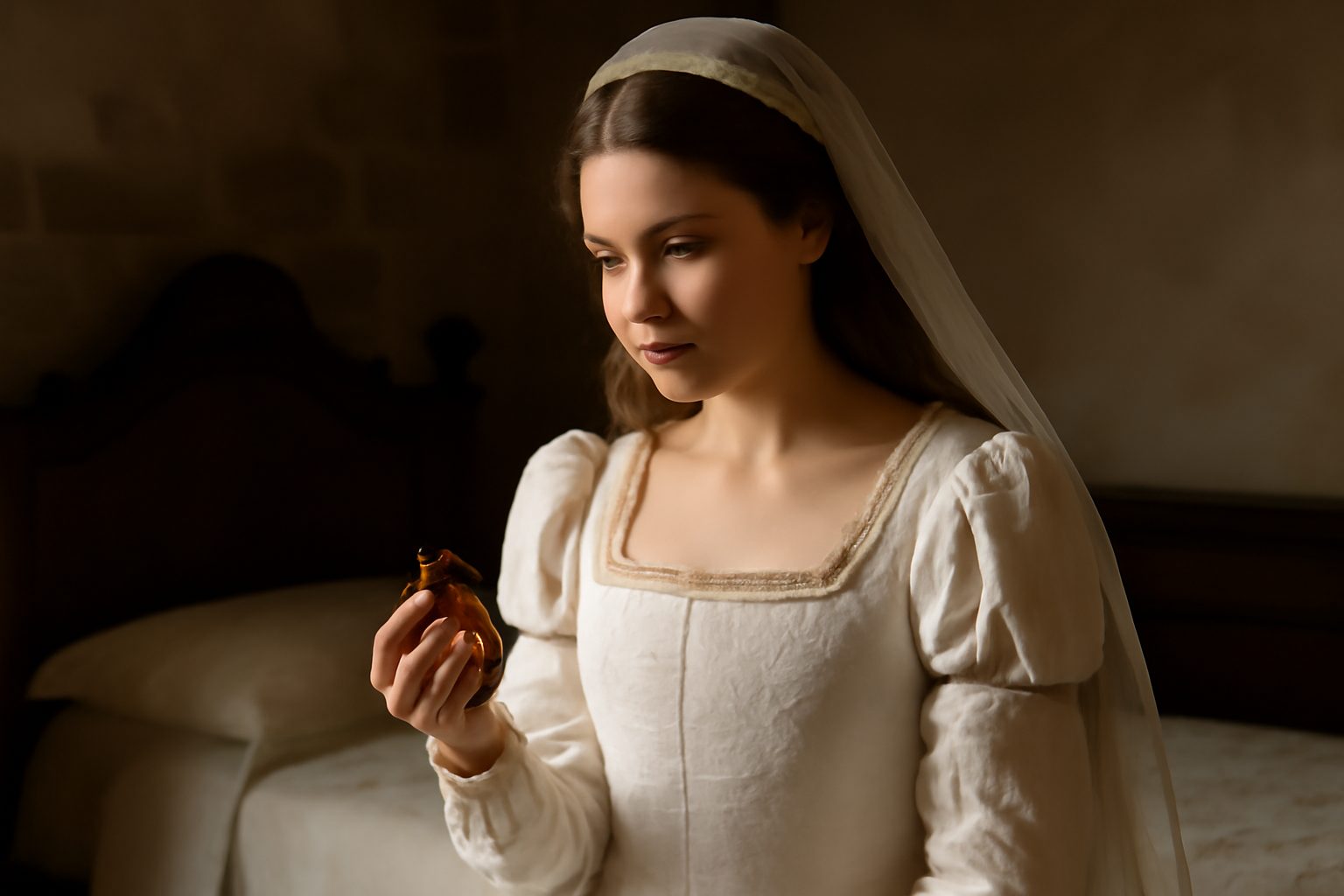
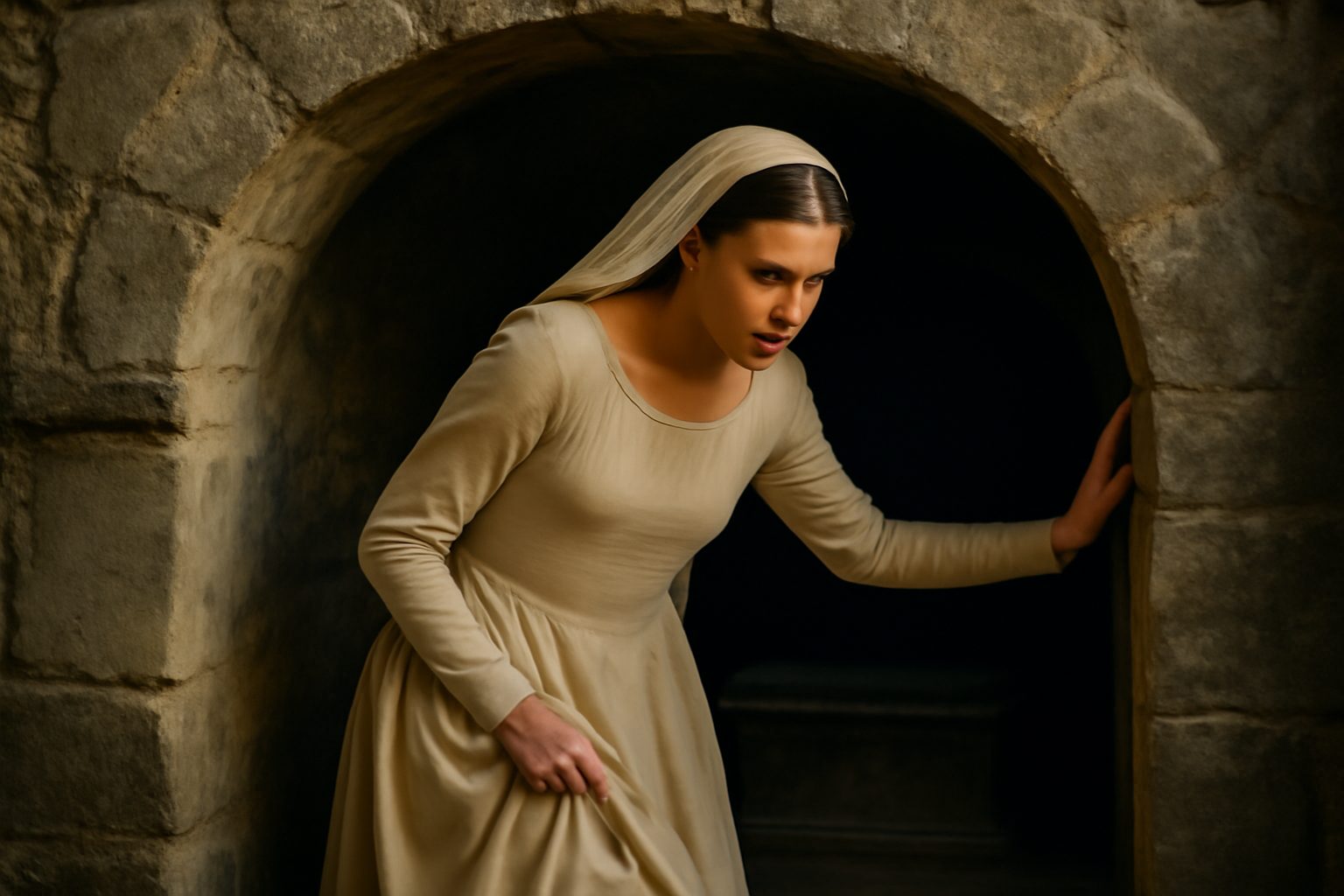
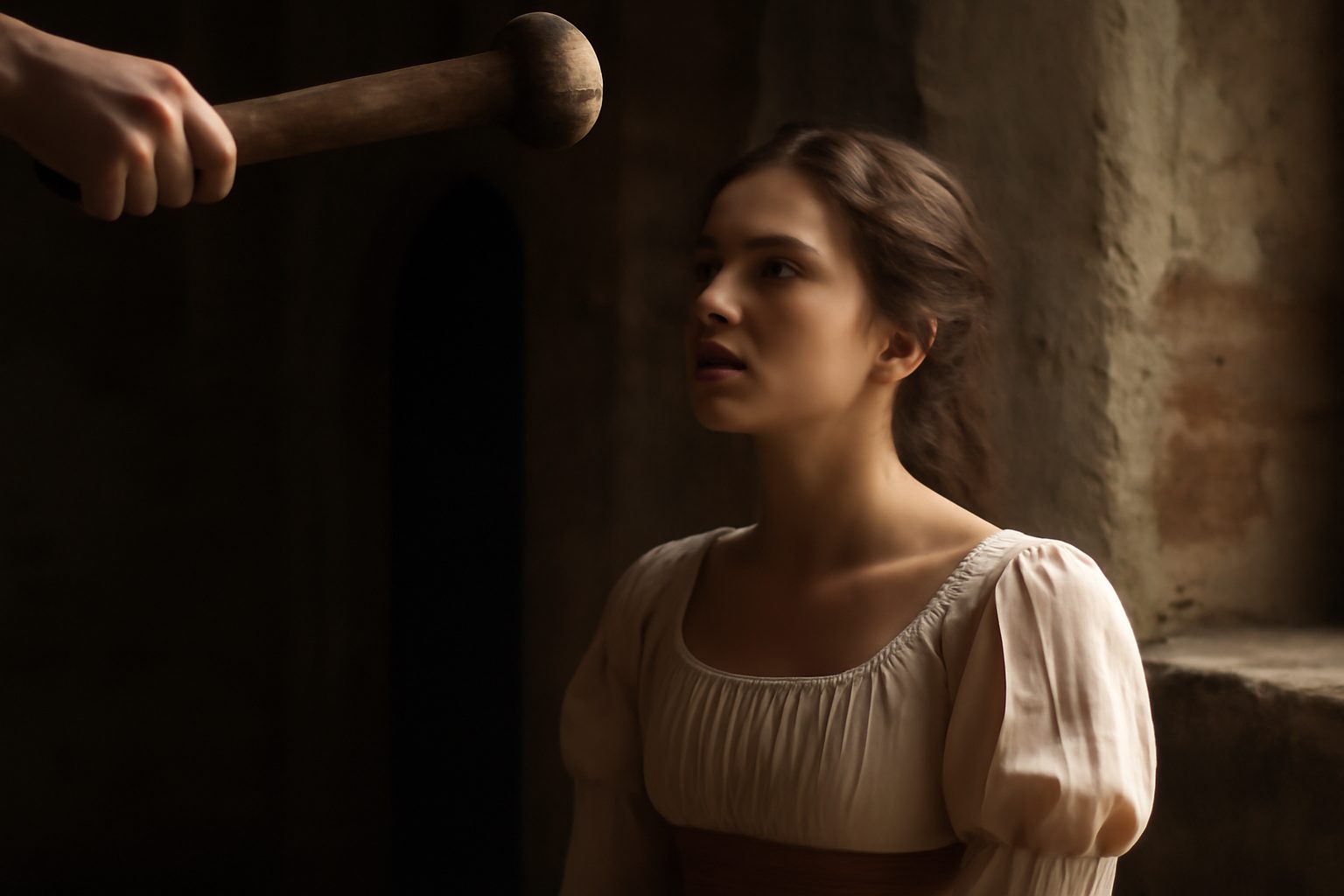
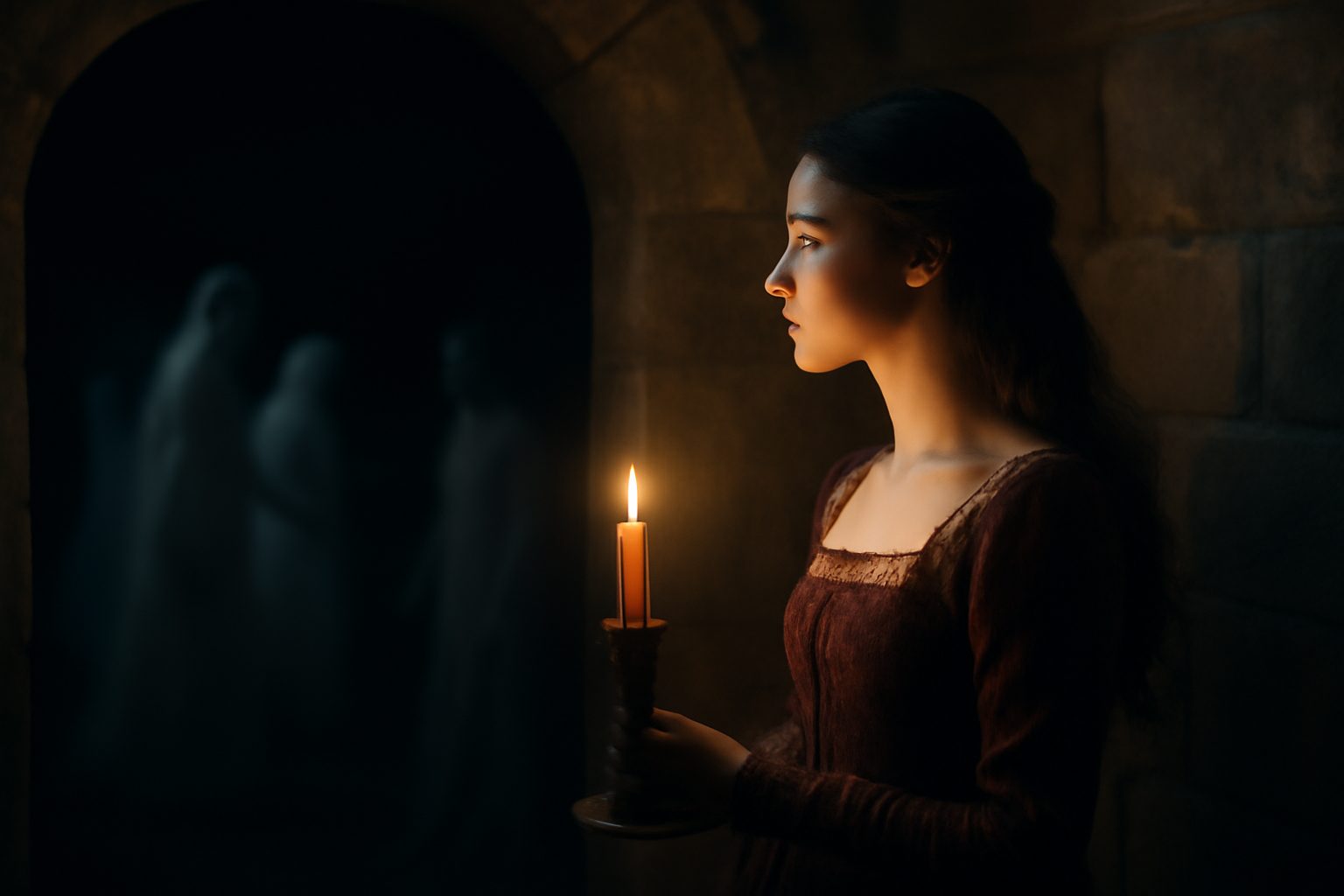
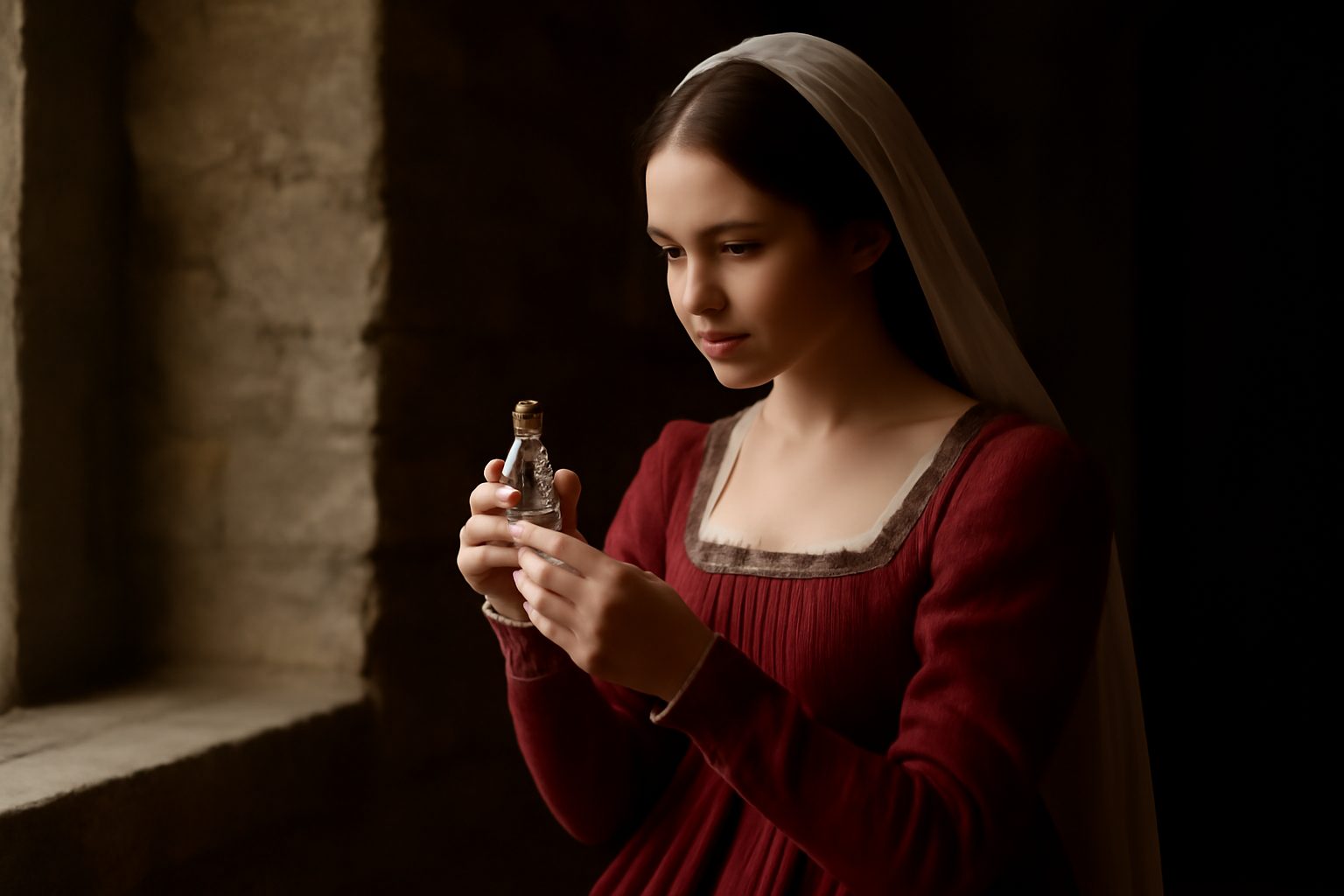
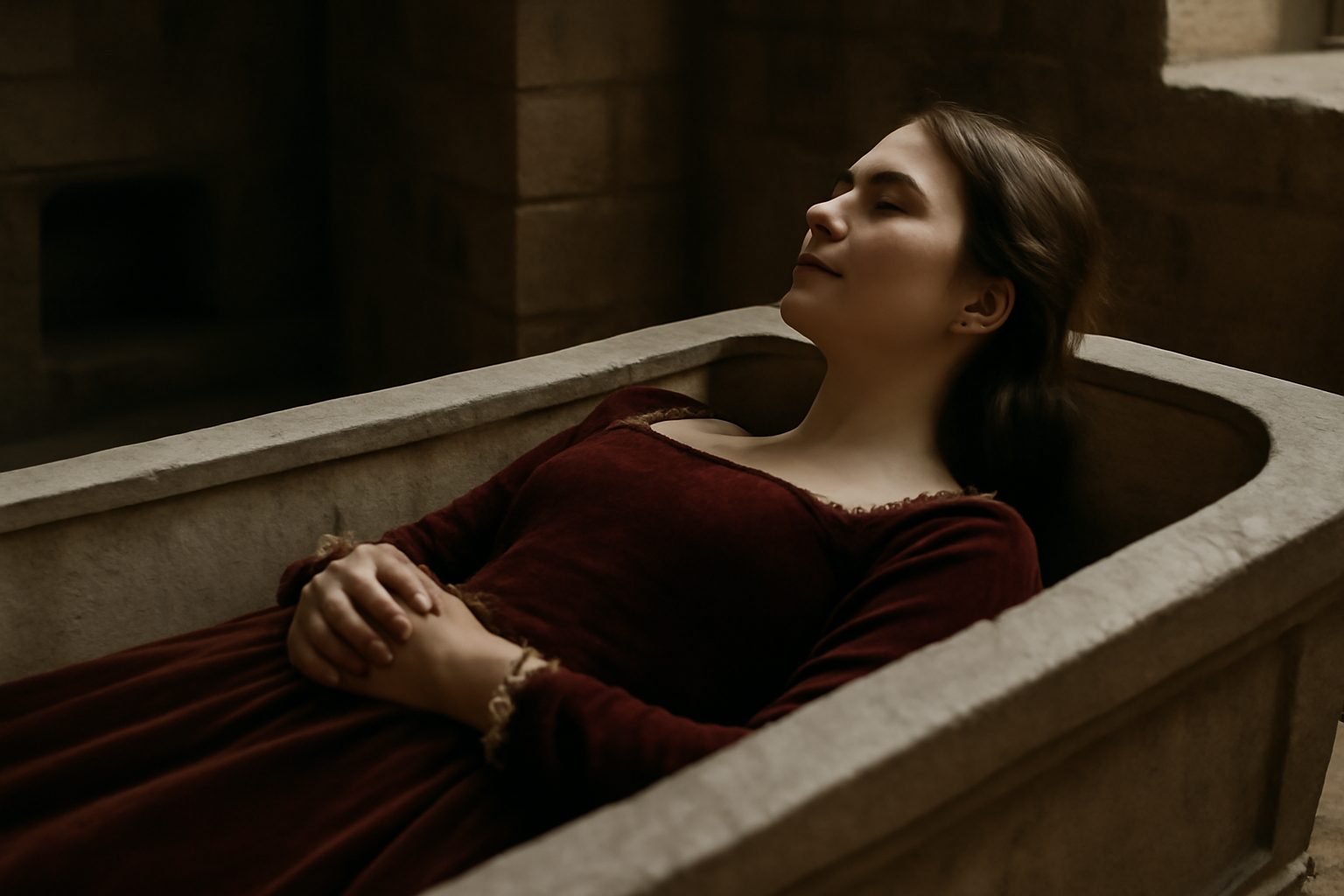
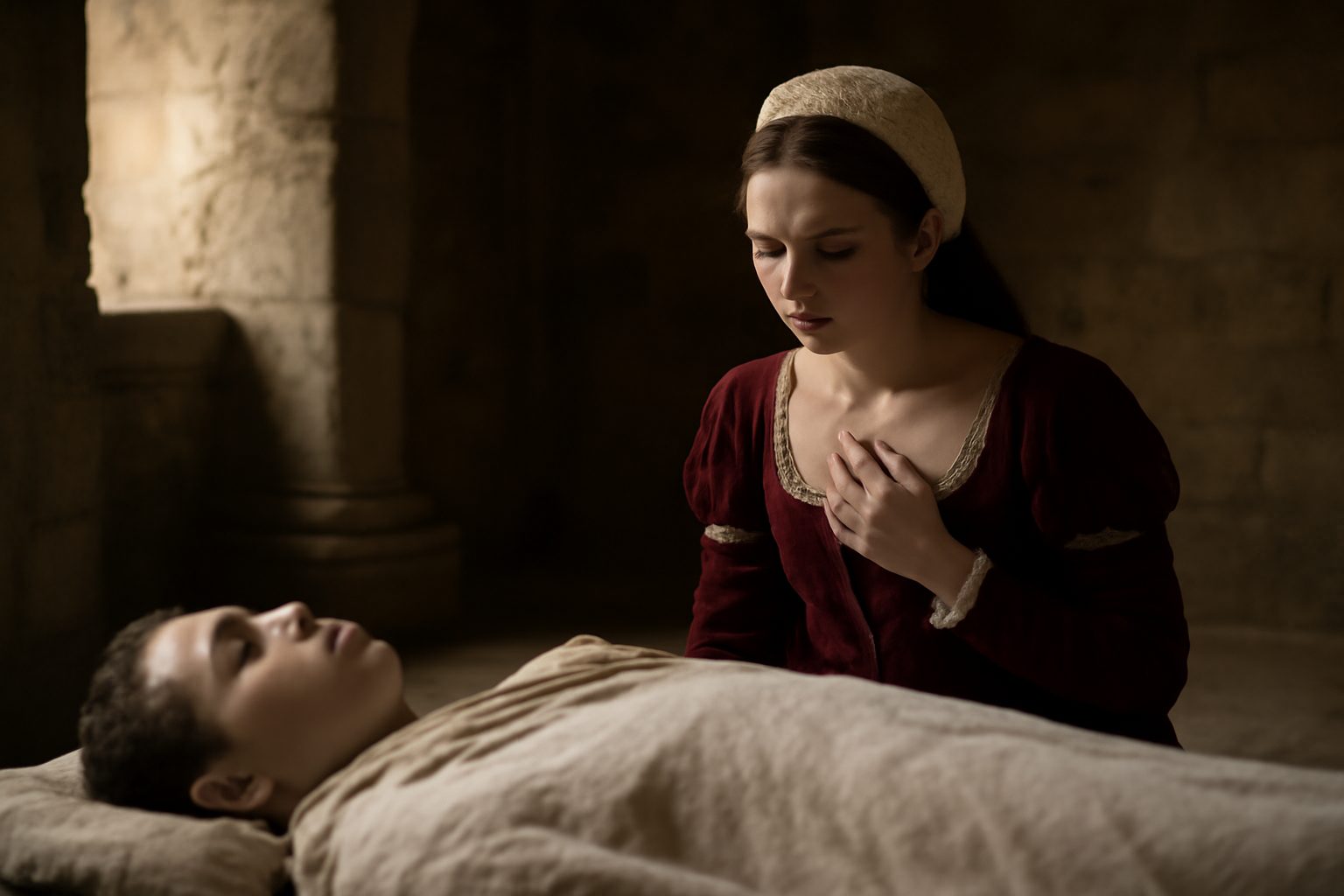
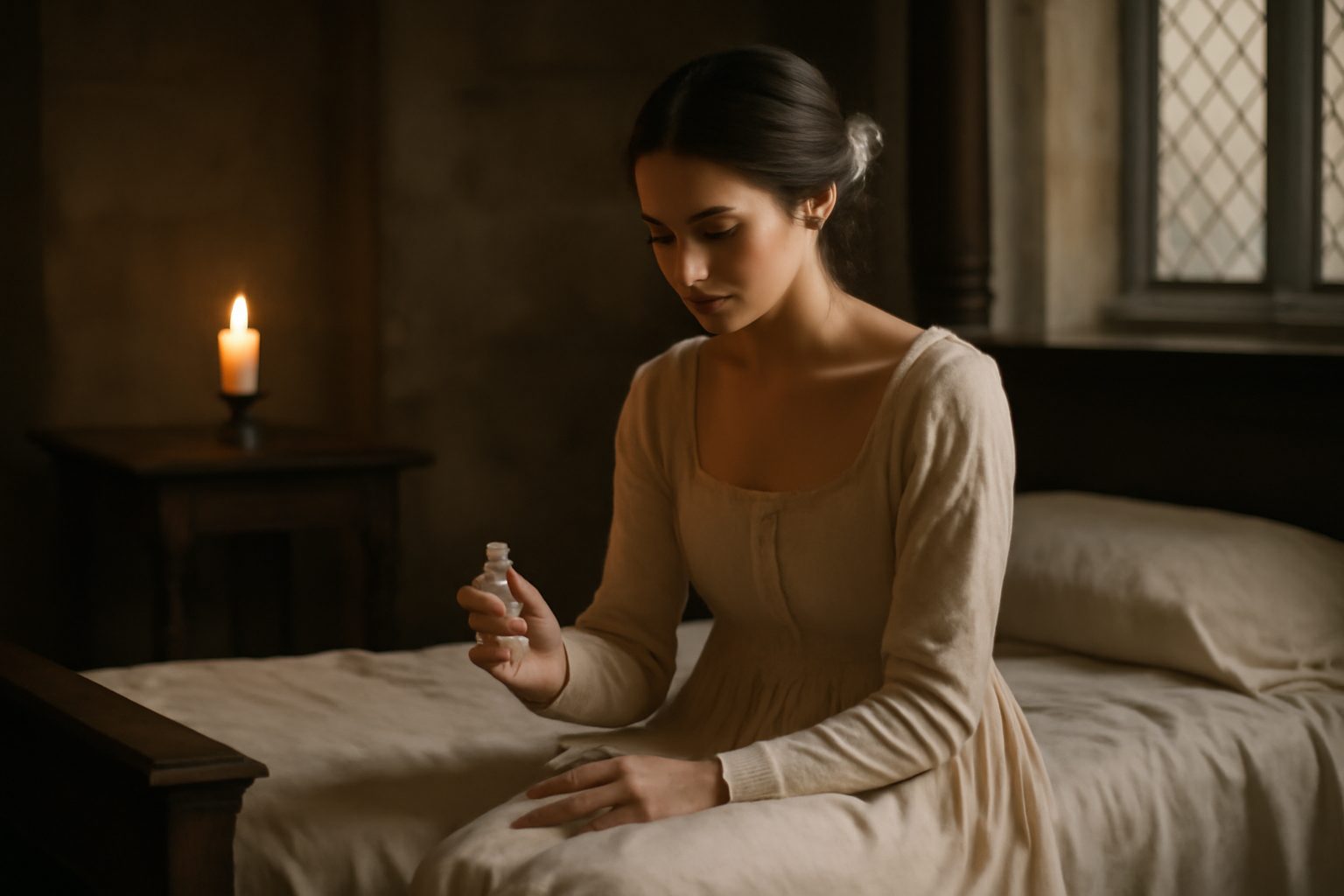
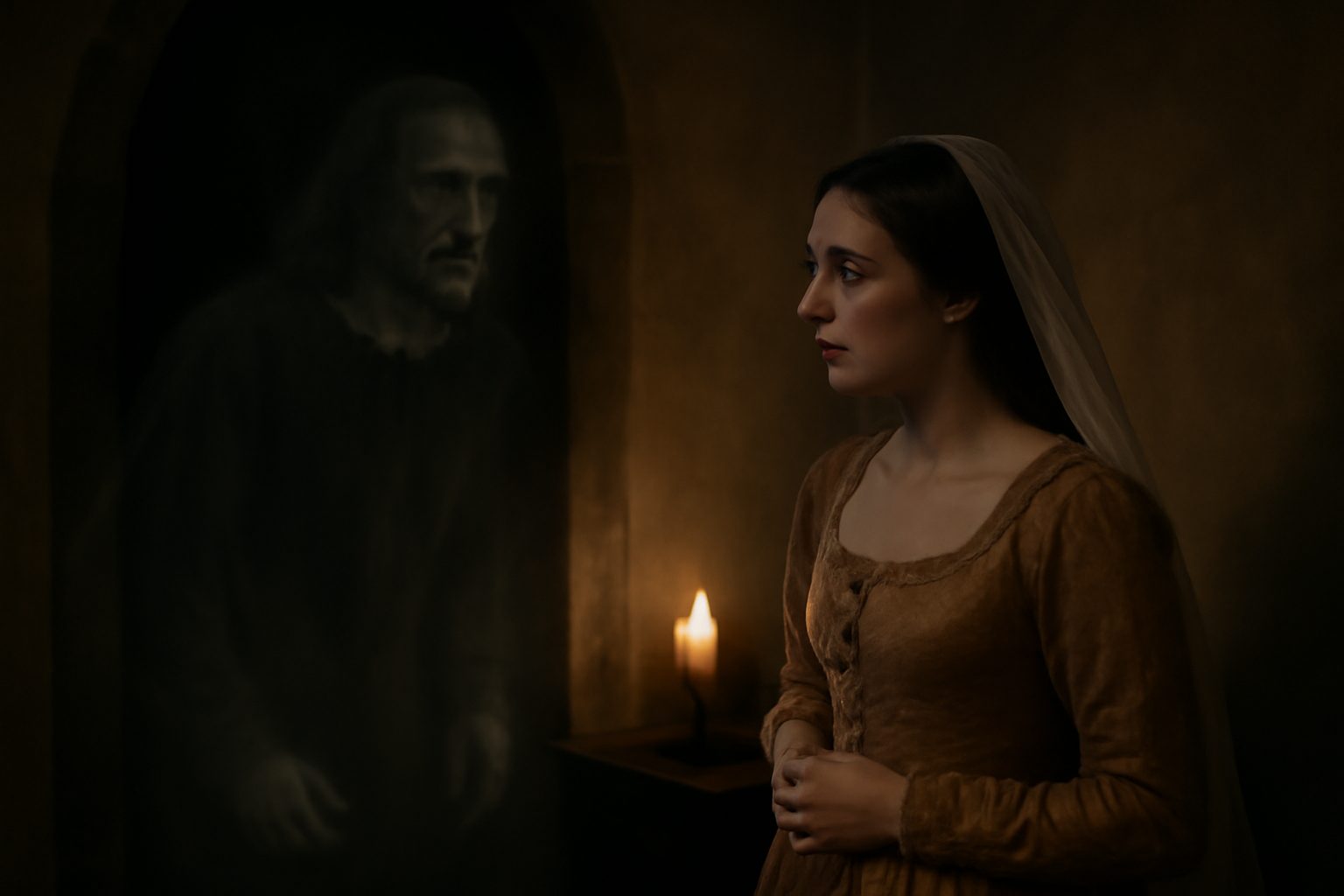
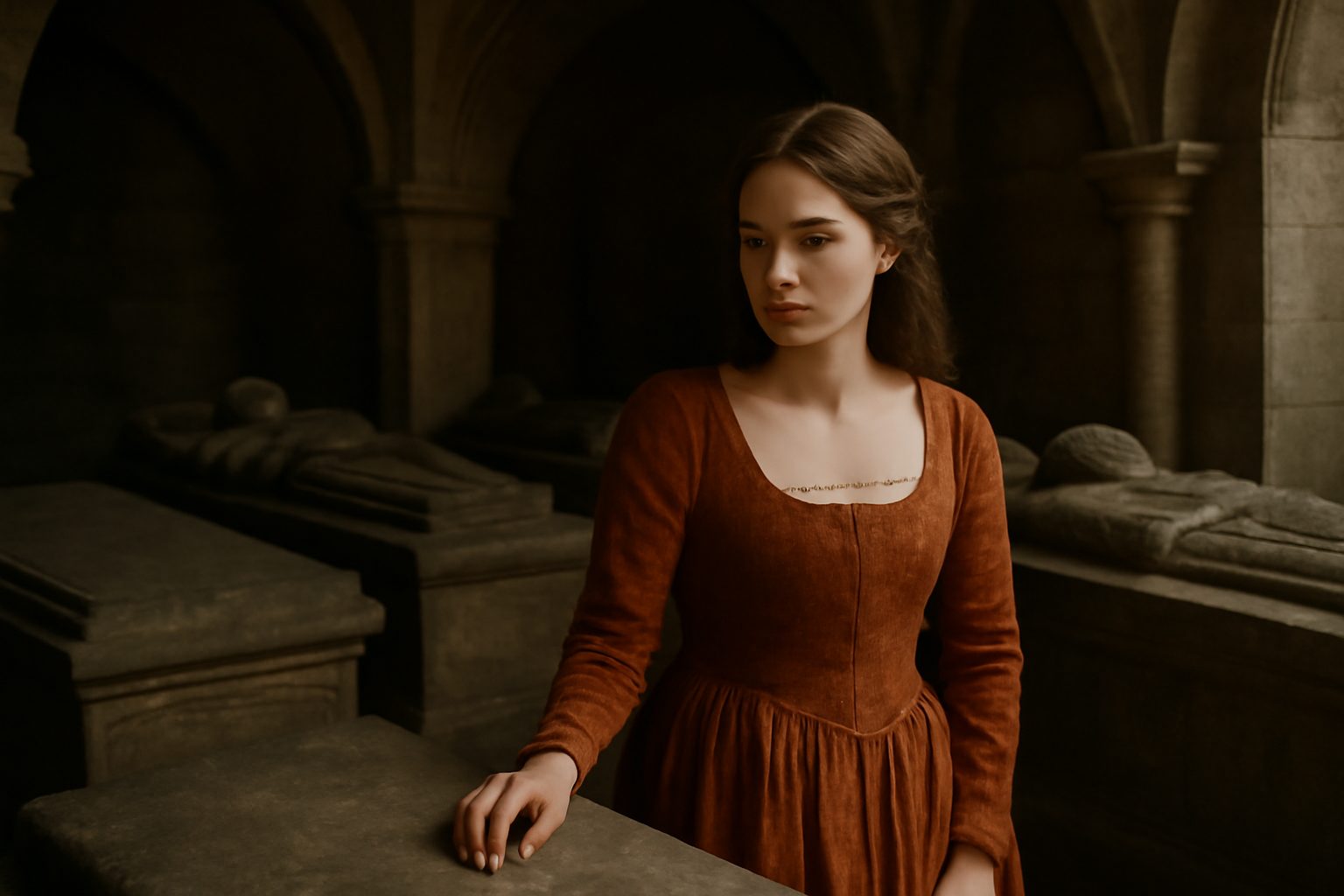
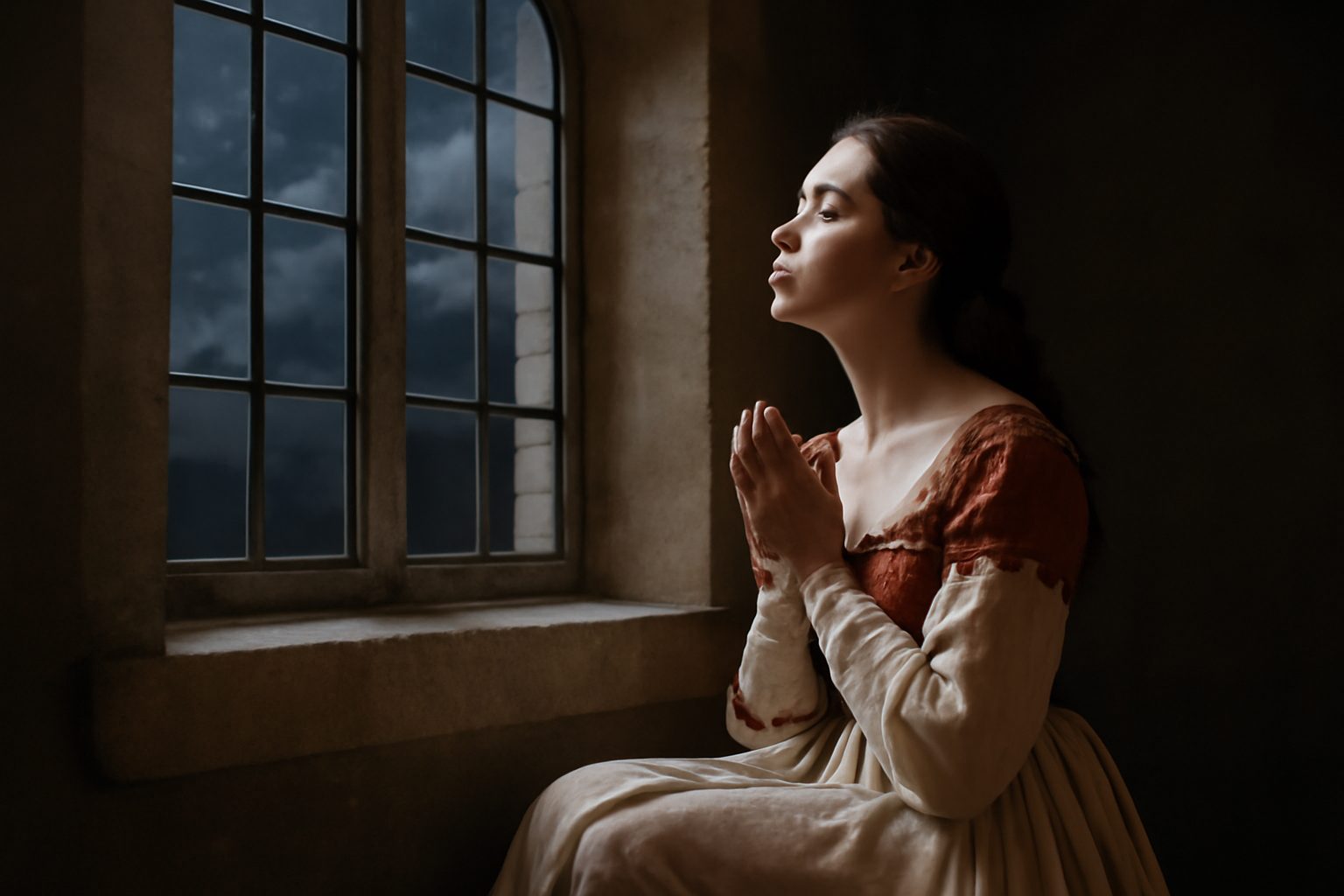
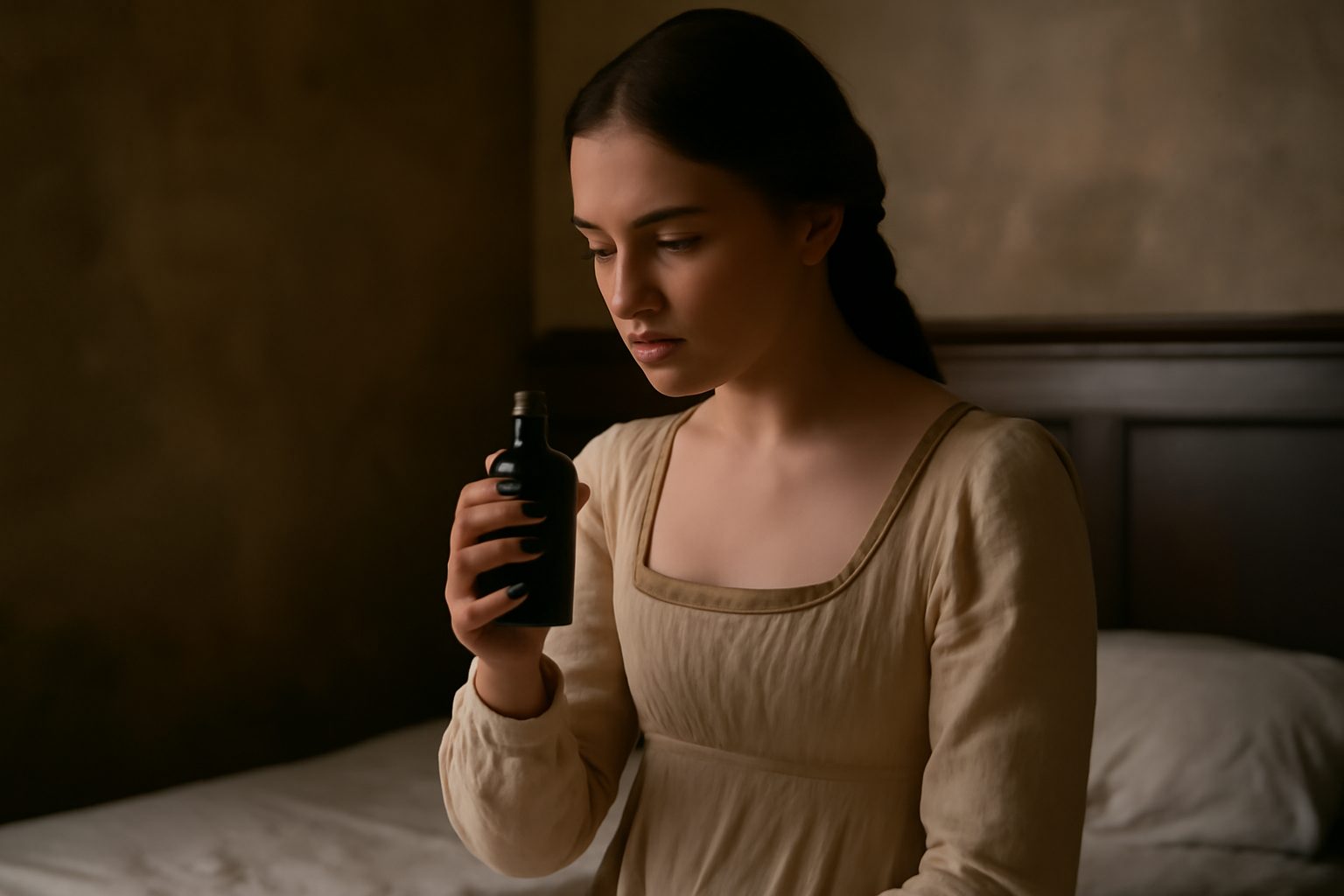
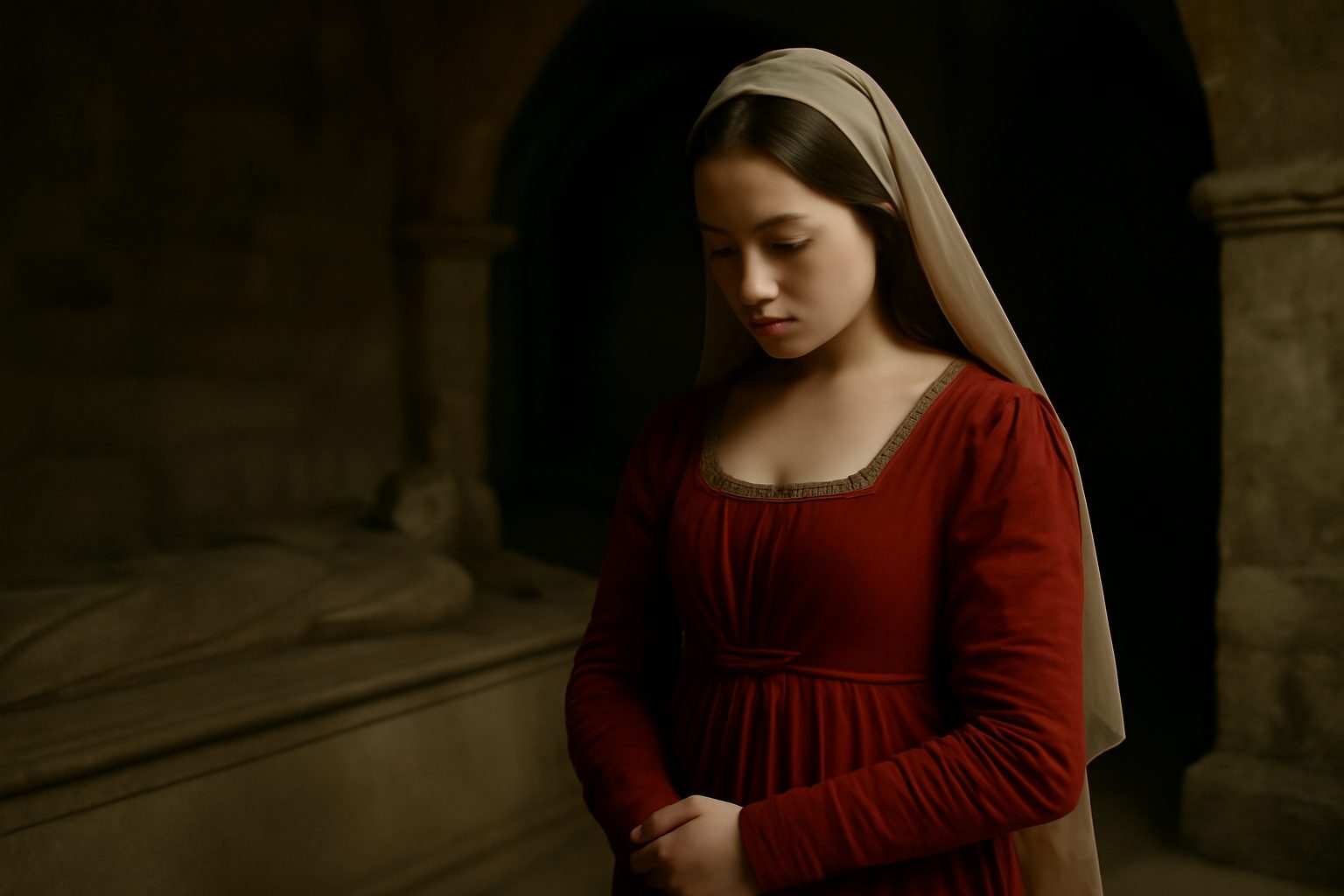
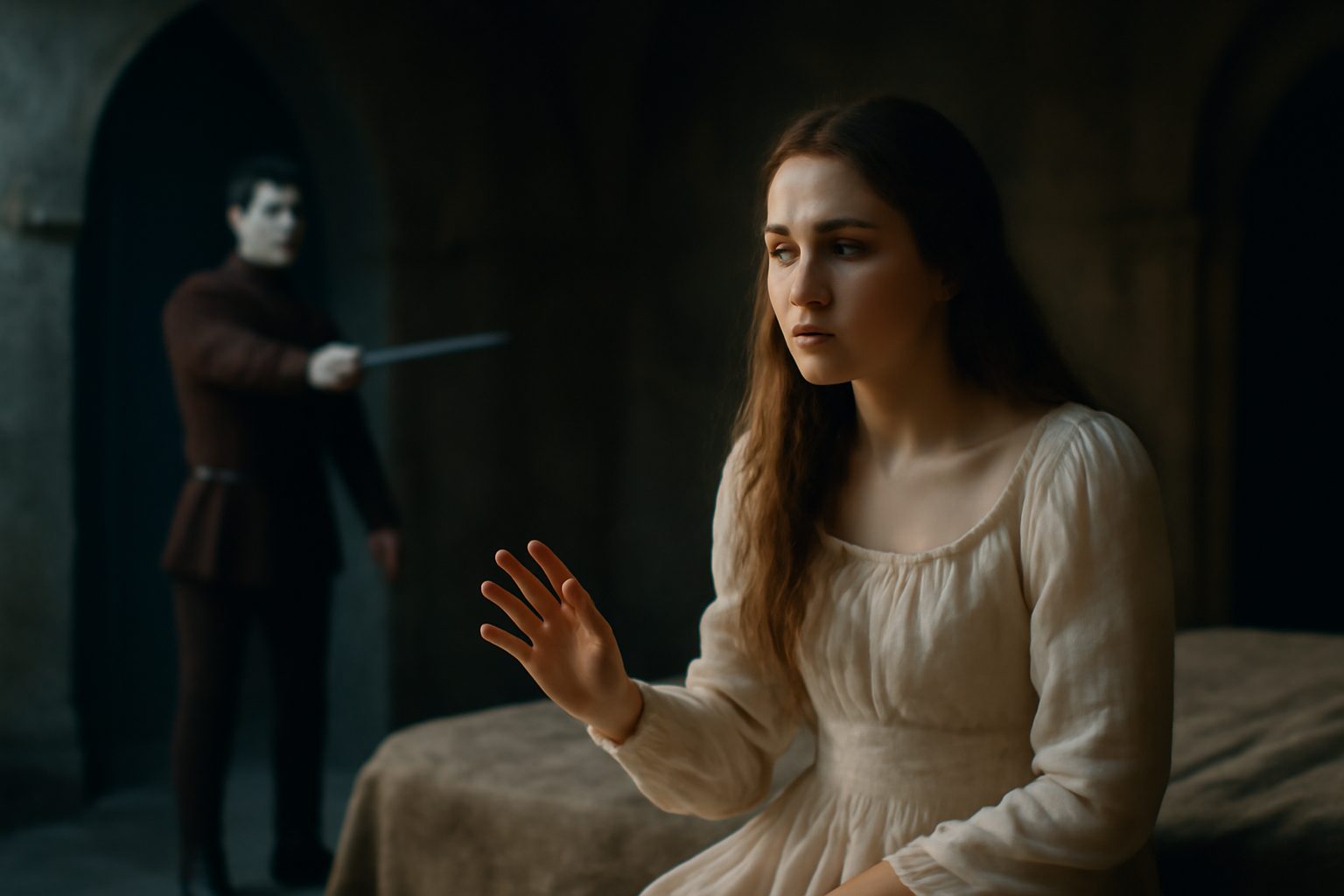
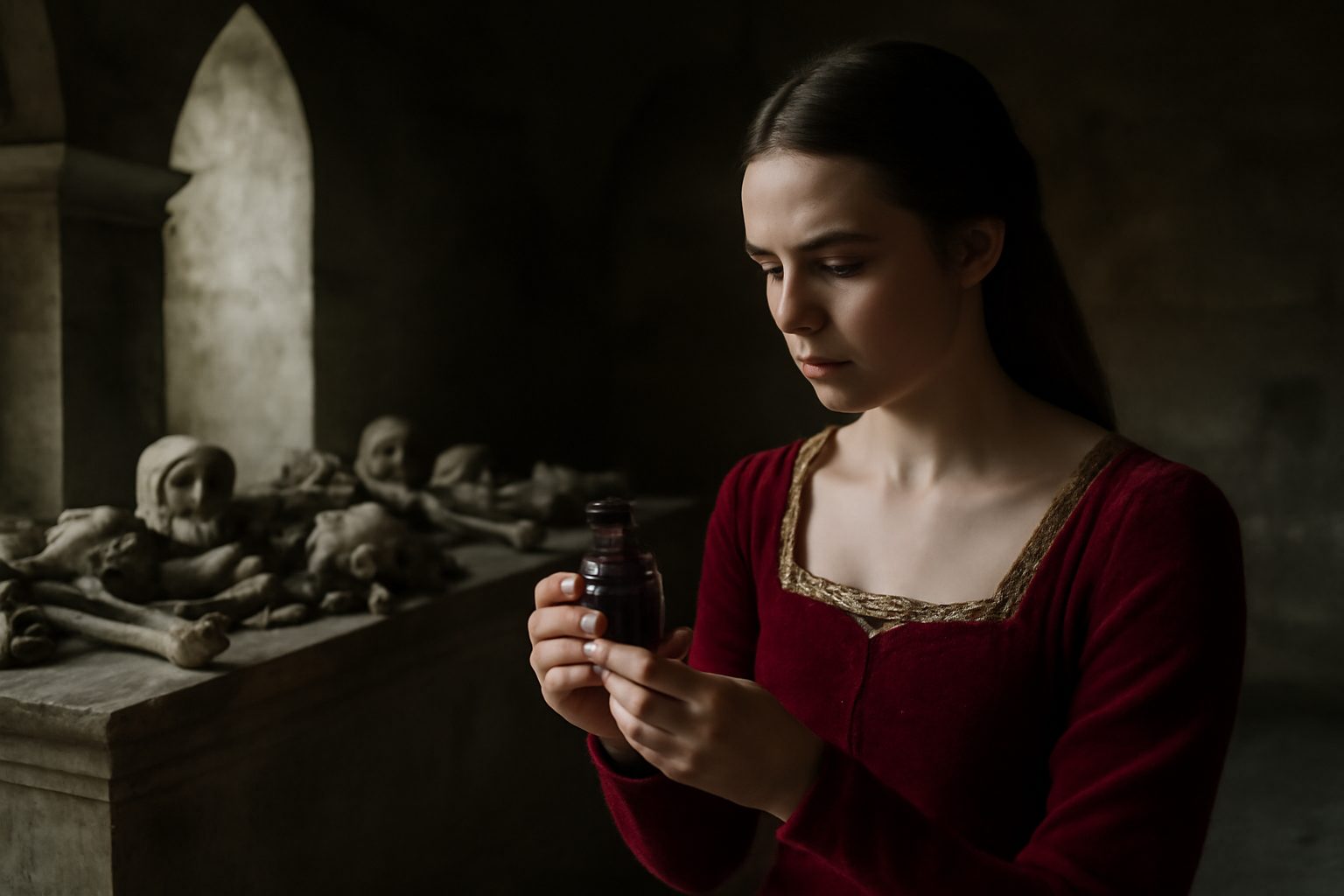
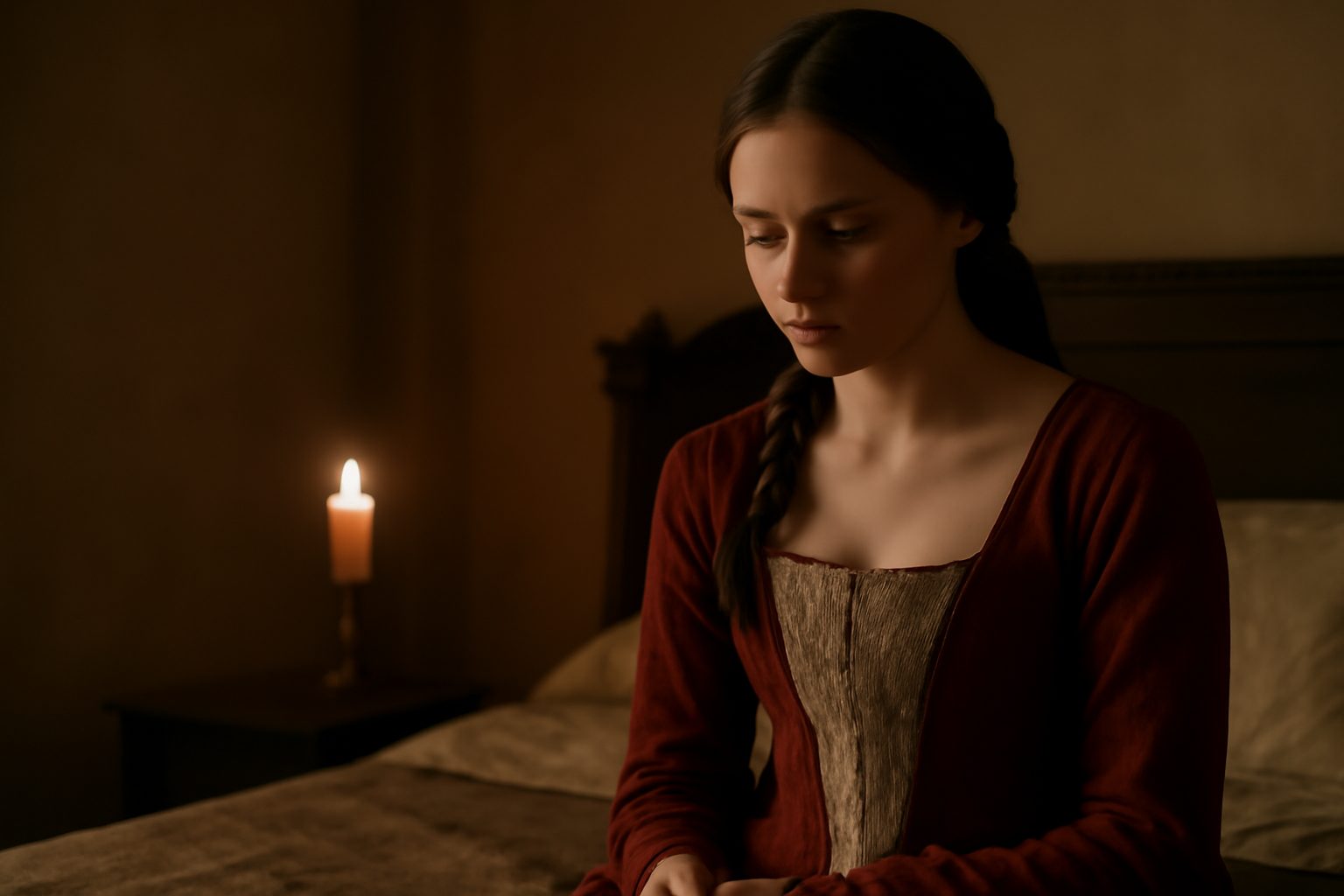
In Act 4, Scene 3 of Romeo and Juliet, Juliet prepares to drink the potion Friar Laurence gave her, fearing it might be poison or that she will wake too early in the vault among corpses. Overwhelmed by terror, she imagines the horrors she might face, including eerie, unnatural sounds. The reference to mandrakes being torn from the earth reflects the superstitions of the time, as mandrakes were believed to scream when uprooted, a sound thought to drive listeners to madness or death.
Juliet: "And shrieks like mandrakes' torn out of the earth,"
In modern day english, we would say:
The screams sound like mandrake roots being ripped from the ground, which was believed to be deadly.
Frequently Asked Questions
What does Juliet compare the sound of shrieking to in this line?
Juliet compares the sound of shrieking to the scream of a mandrake plant being pulled from the ground.
Connections to other verses:
Connections to "And shrieks like mandrakes' torn out of the earth"
This line connects powerfully to Juliet's escalating fears about the tomb's horrors. The mandrake's shriek symbolizes the terror she anticipates, directly linking to her dread of waking amid "loathsome smells" and "spirits [that] resort" at night. Her imagination conjures a sound so piercing it could drive "living mortals... run mad," amplifying the scene's tension between supernatural dread and mortal fear.
Imagery of Death and Decay
Juliet's reference to the mandrake's cry intertwines with her graphic visions of the vault, where "bloody Tybalt, yet but green in earth" lies festering, and she fears she might "pluck the mangled Tybalt from his shroud" or "madly play with my forefather's joints." These horrors culminate in her panicked question: "O, if I wake, shall I not be distraught," surrounded by "all these hideous fears"?
Emotional and Physical Paralysis
The mandrake's shriek mirrors Juliet's inner turmoil, introduced when she admits "I have a faint cold fear thrills through my veins" that "almost freezes up the heat of life." This visceral reaction to the "horrible conceit of death and night" underscores her isolation, as she resolves this "dismal scene I needs must act alone," despite her longing for Romeo's rescue.