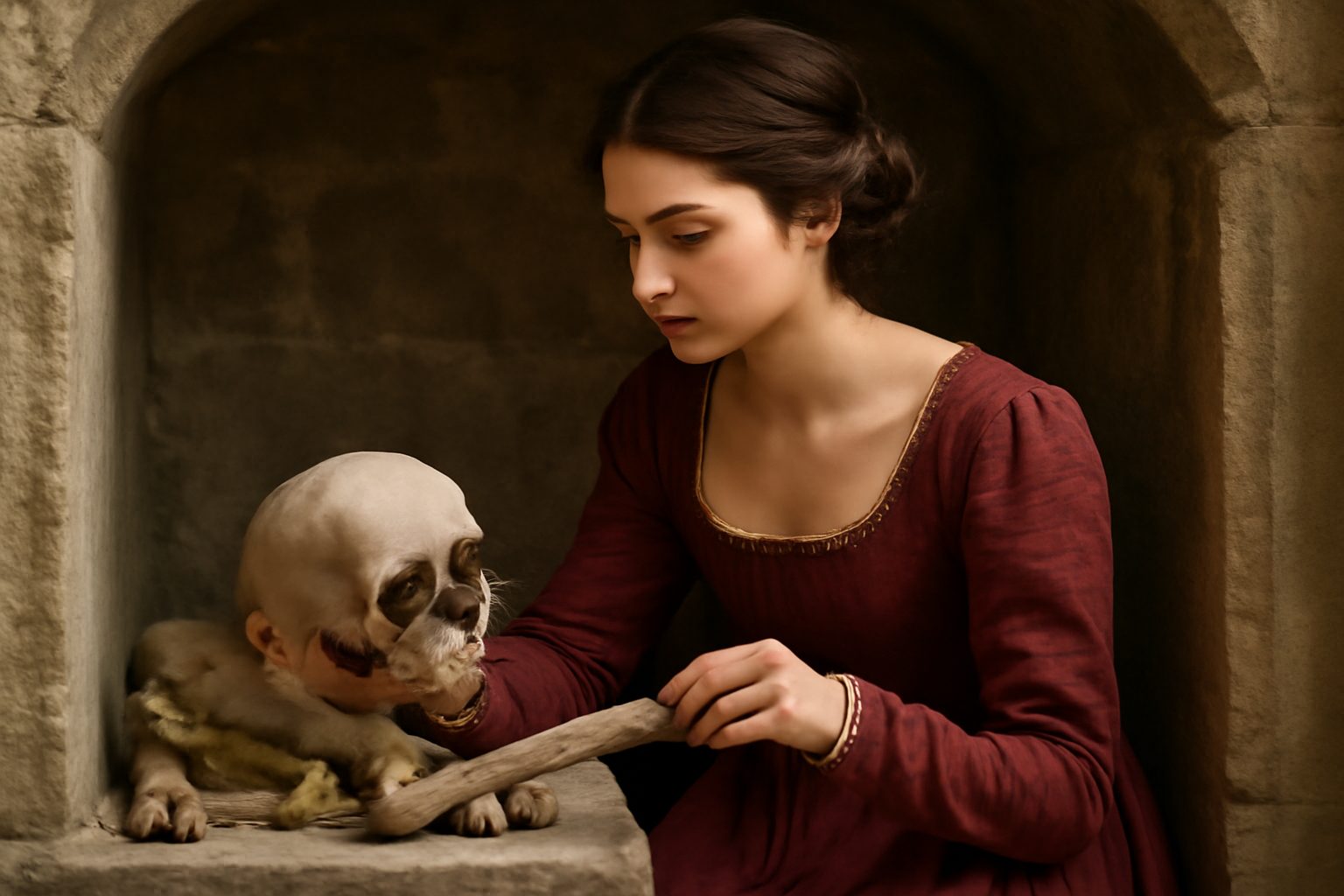
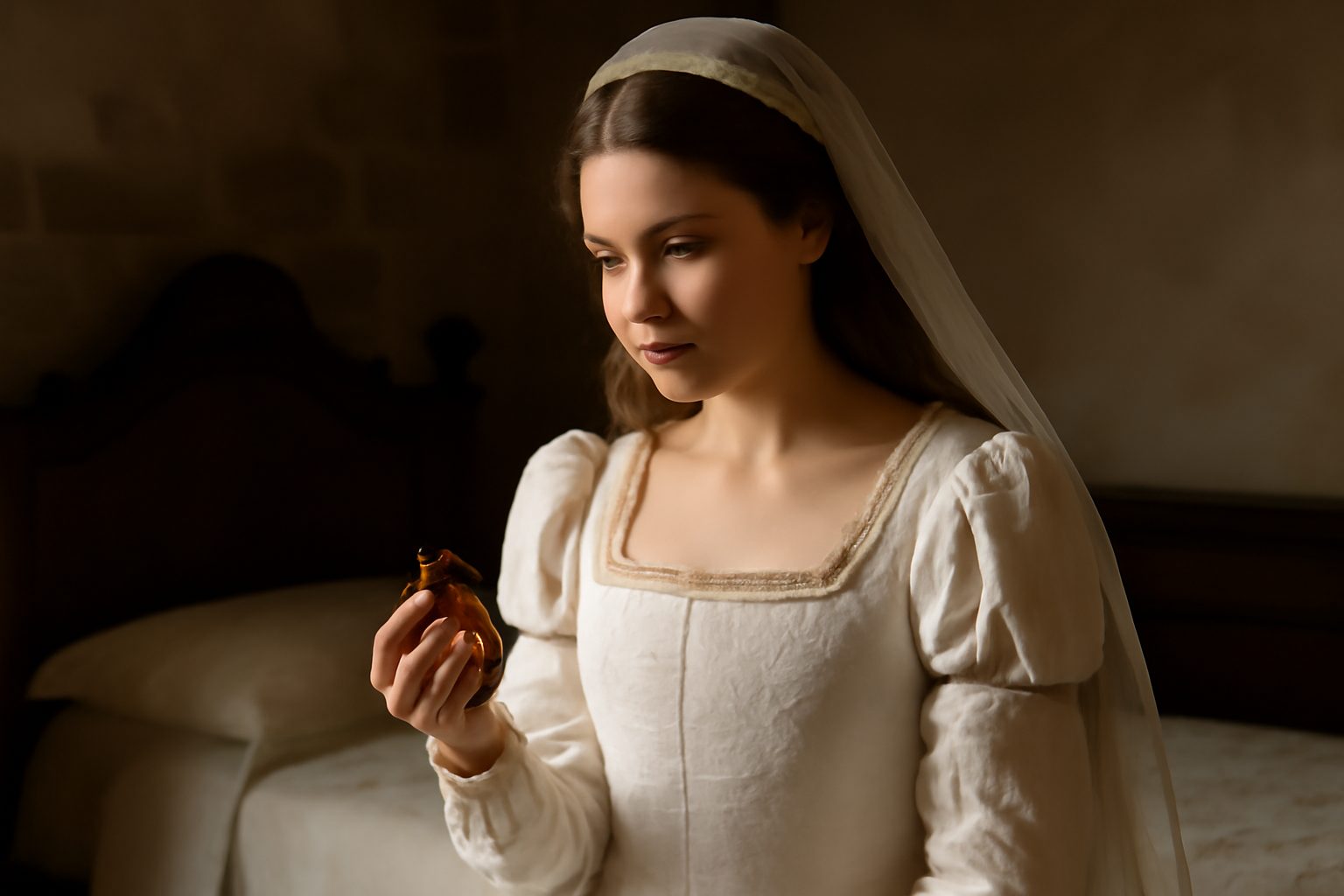
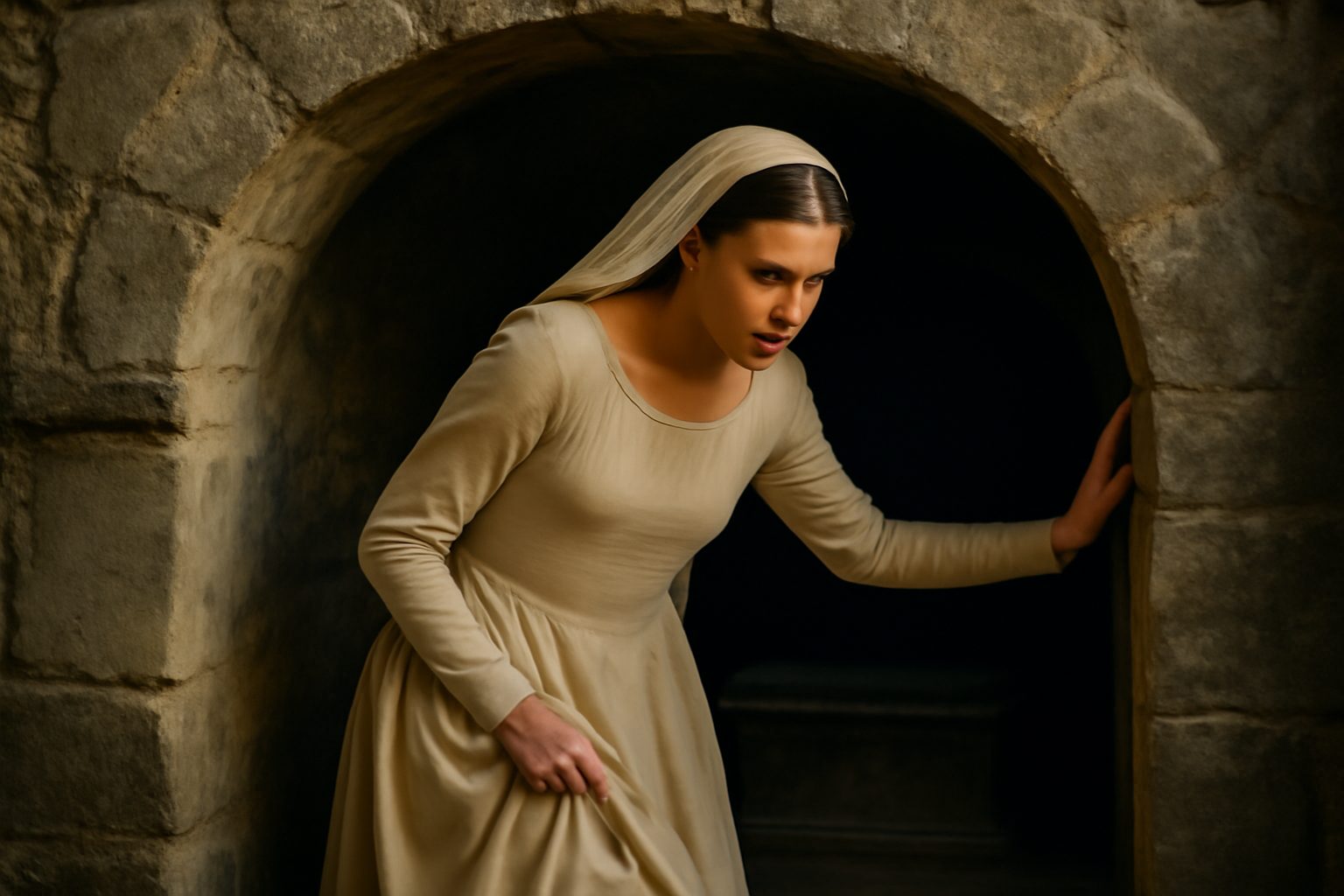
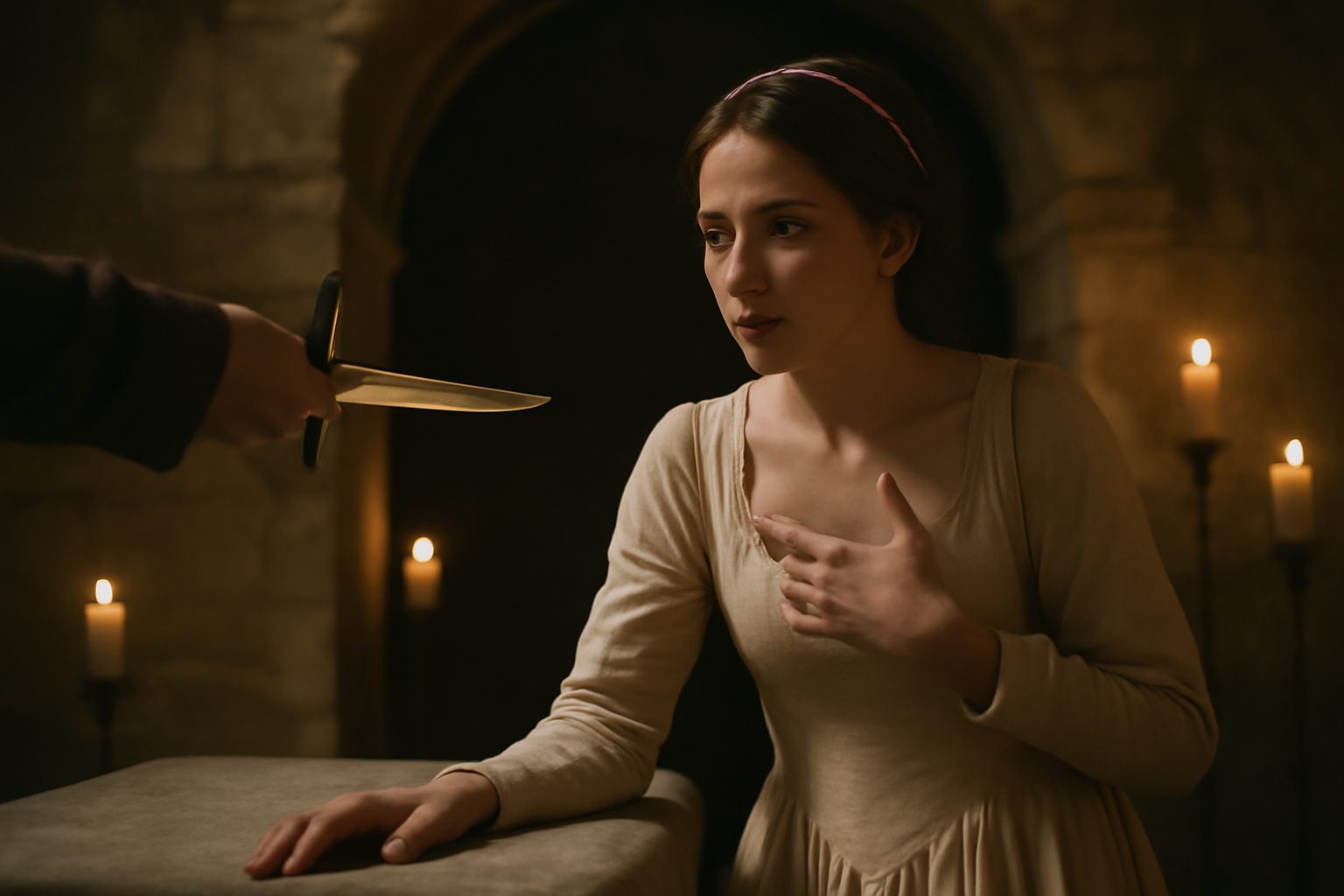
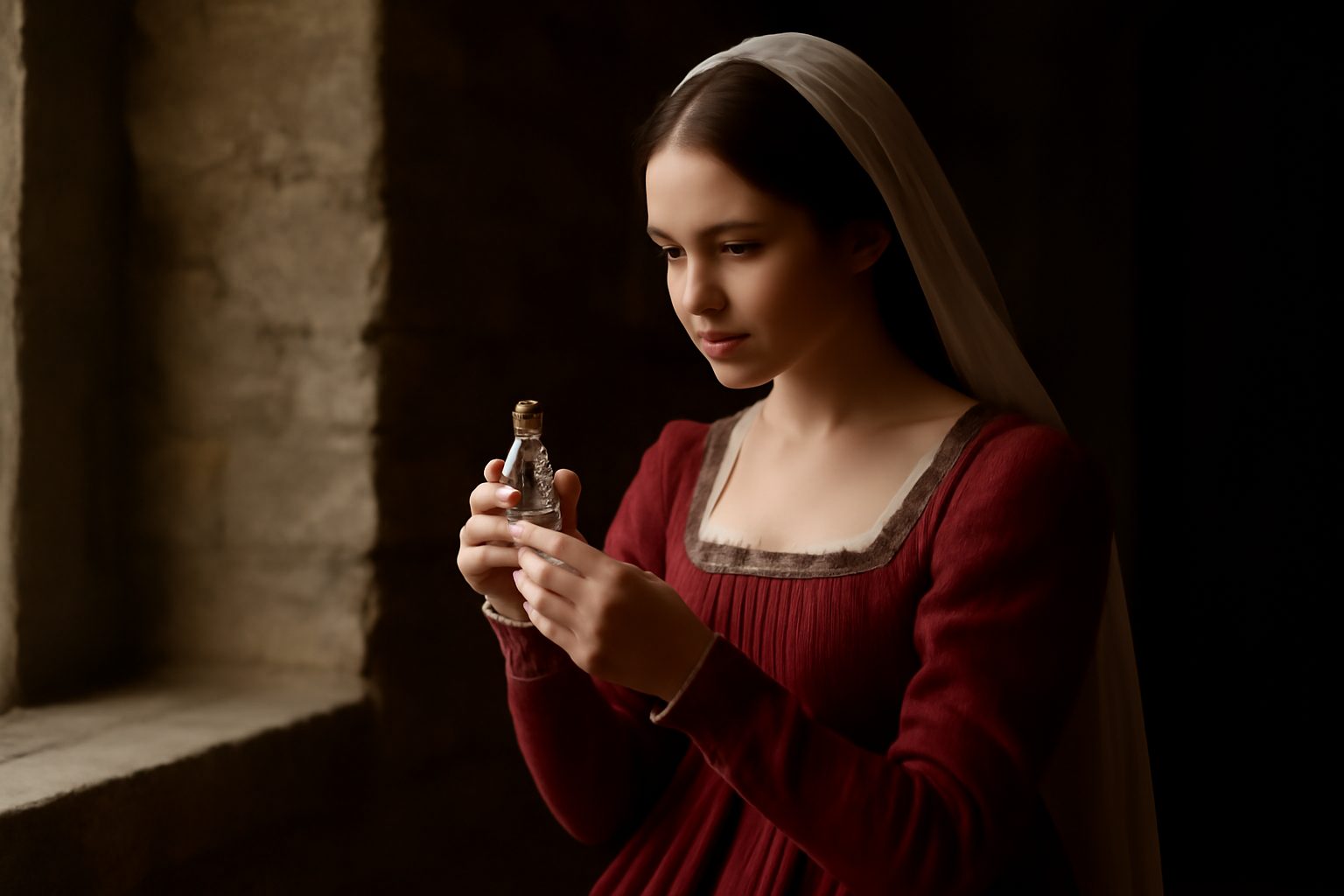
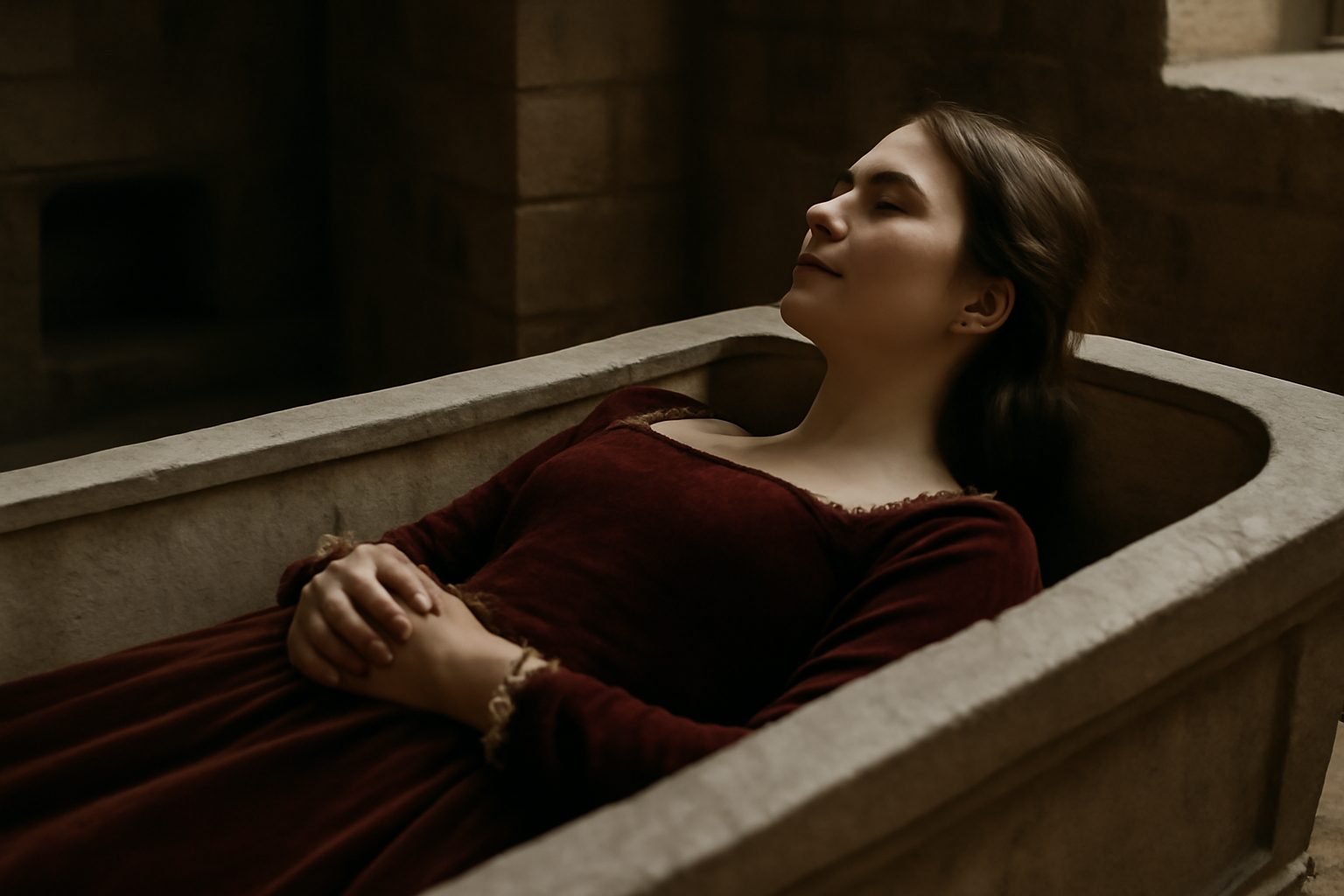
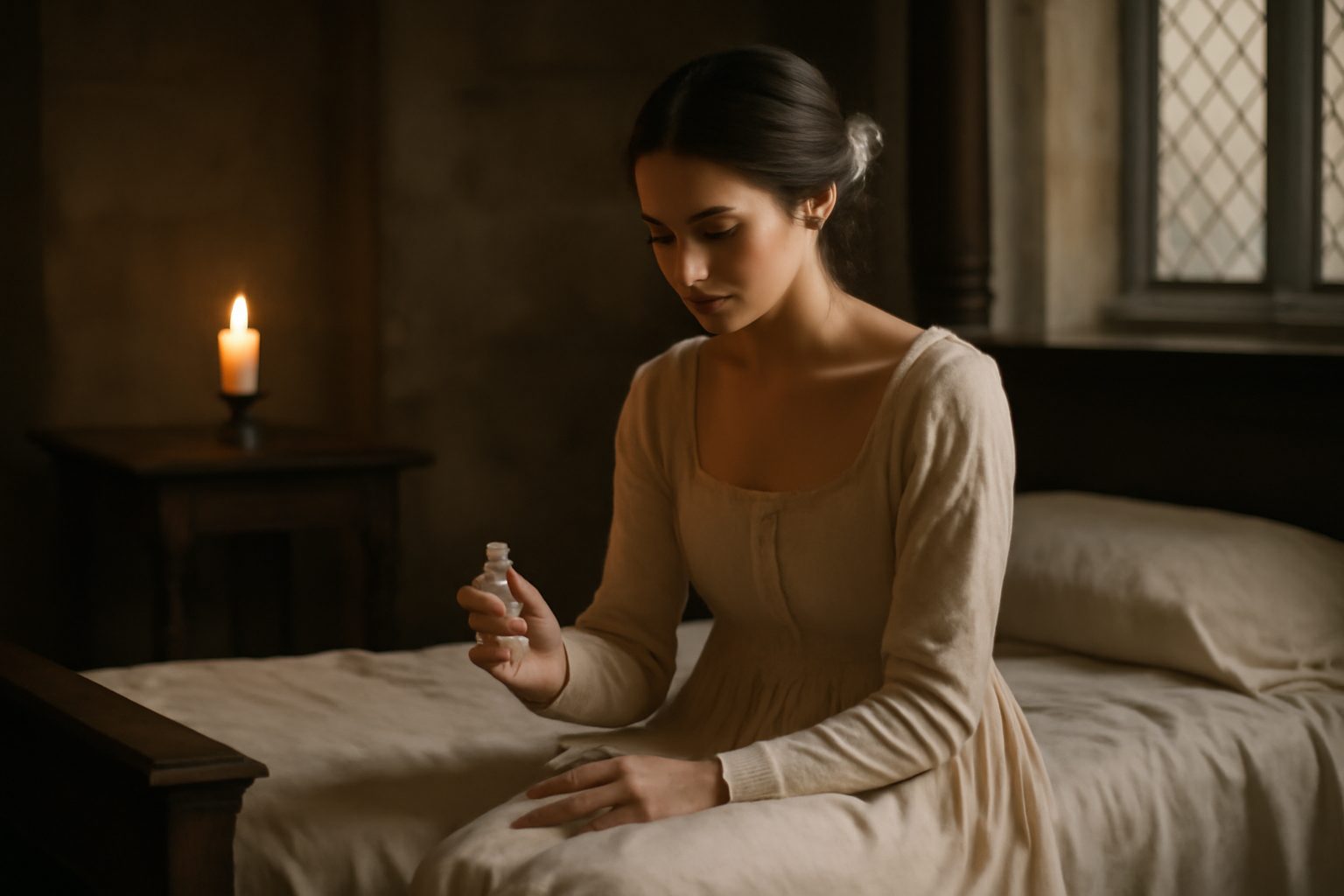
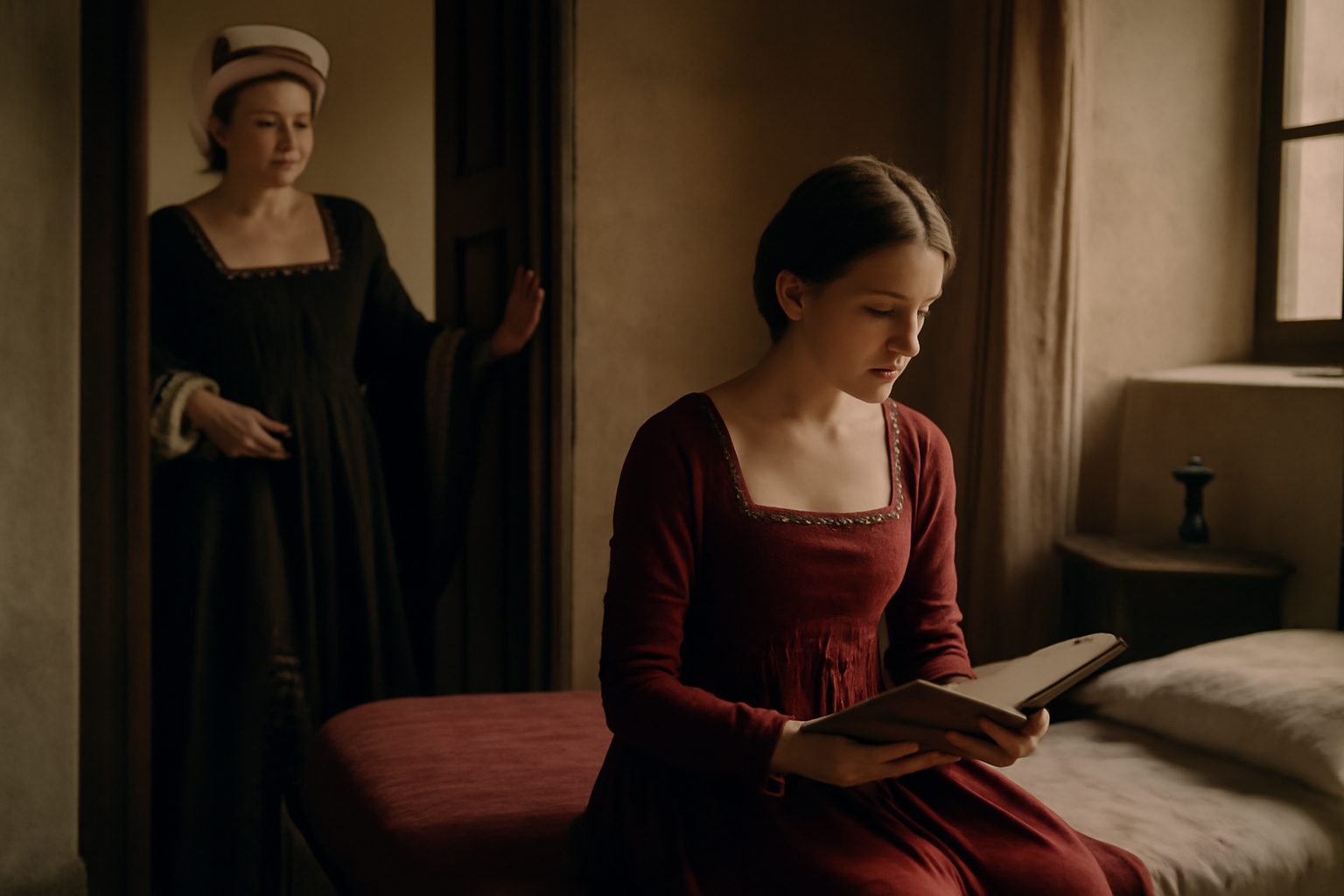
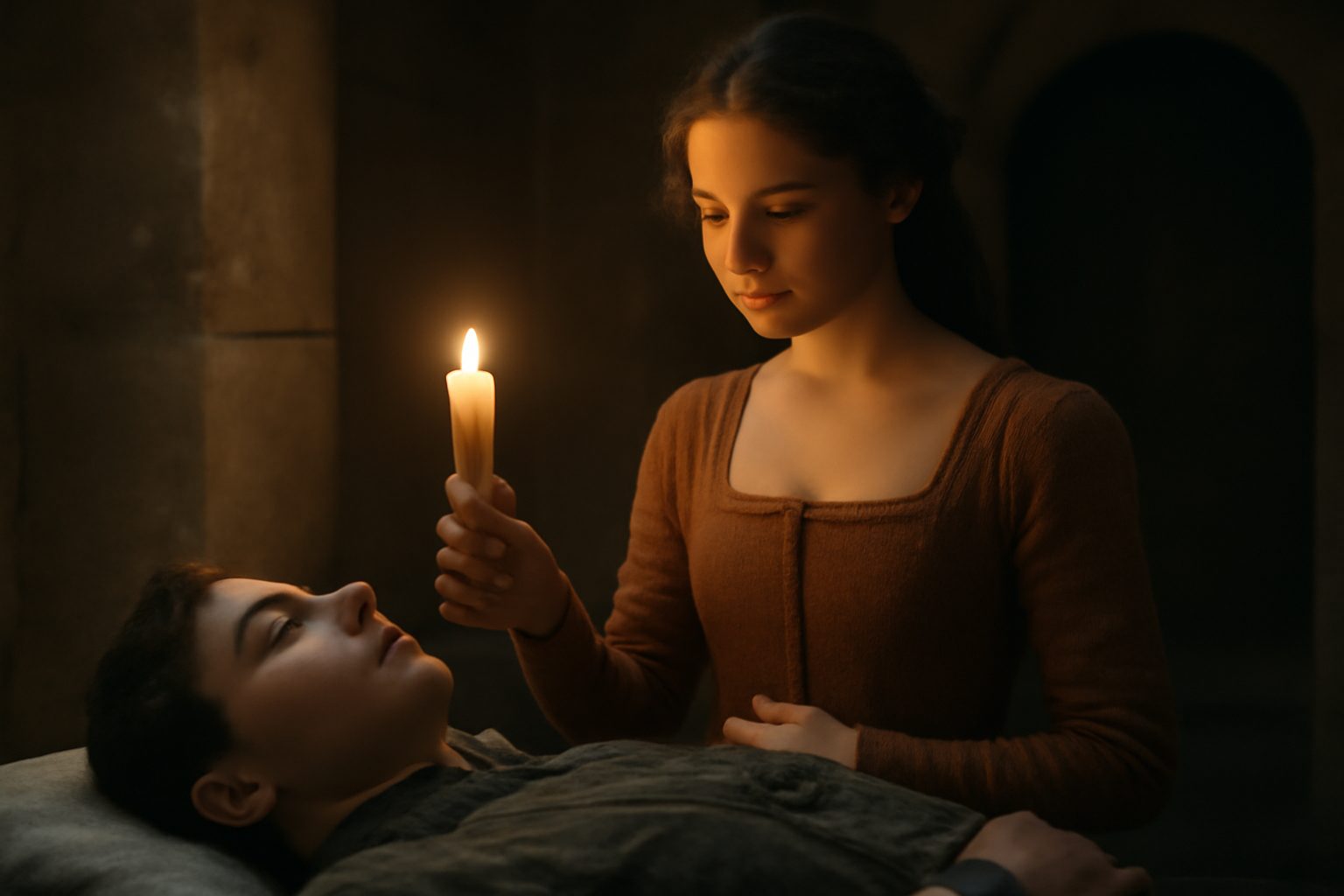
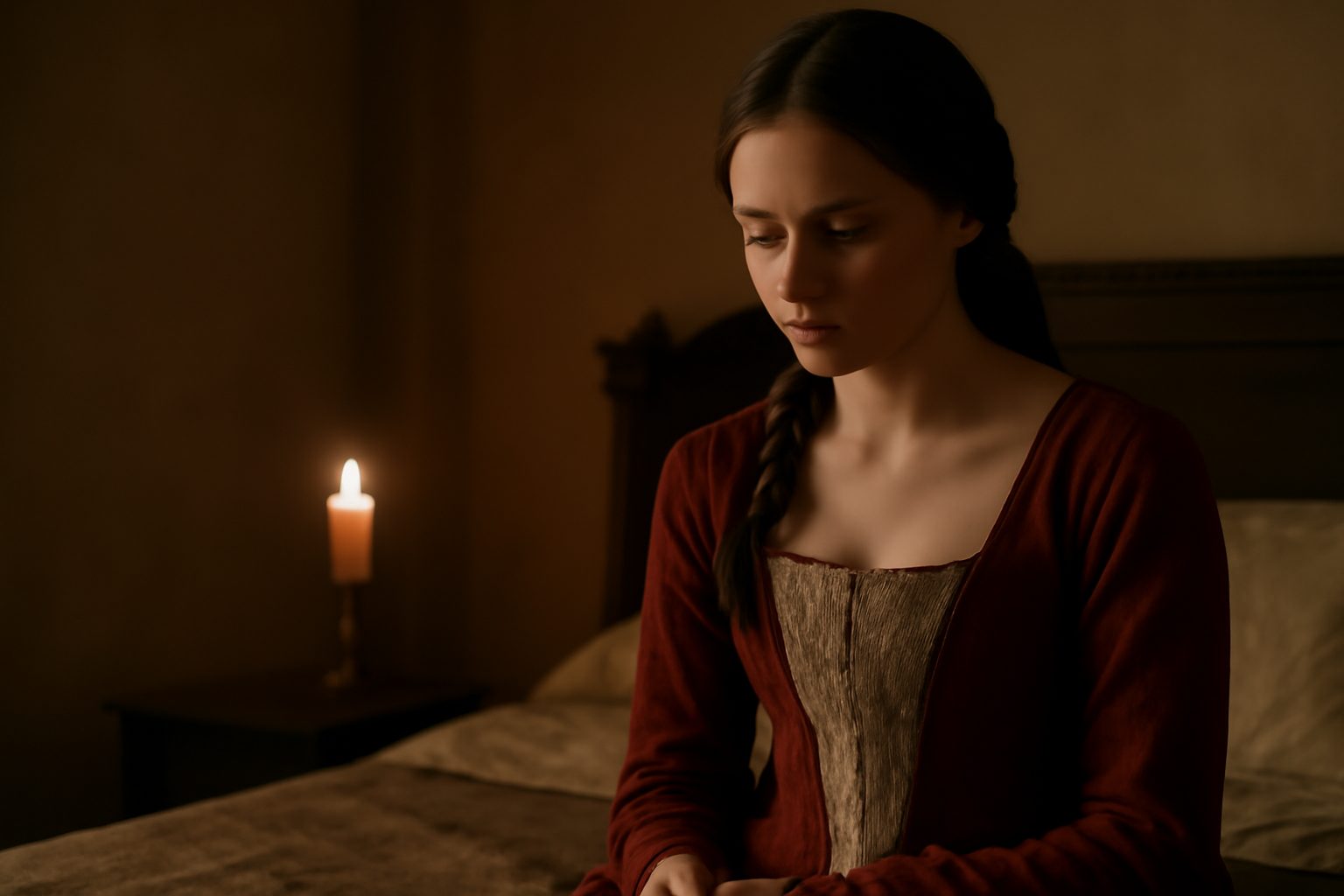
In Act 4, Scene 3 of Romeo and Juliet, Juliet prepares to drink the Friar's potion, which will make her appear dead to avoid marrying Paris. As she hesitates, she imagines the grim setting of the Capulet tomb, where generations of her ancestors lie. This line reflects her fear of awakening surrounded by death, emphasizing the darkness and desperation of her plan.
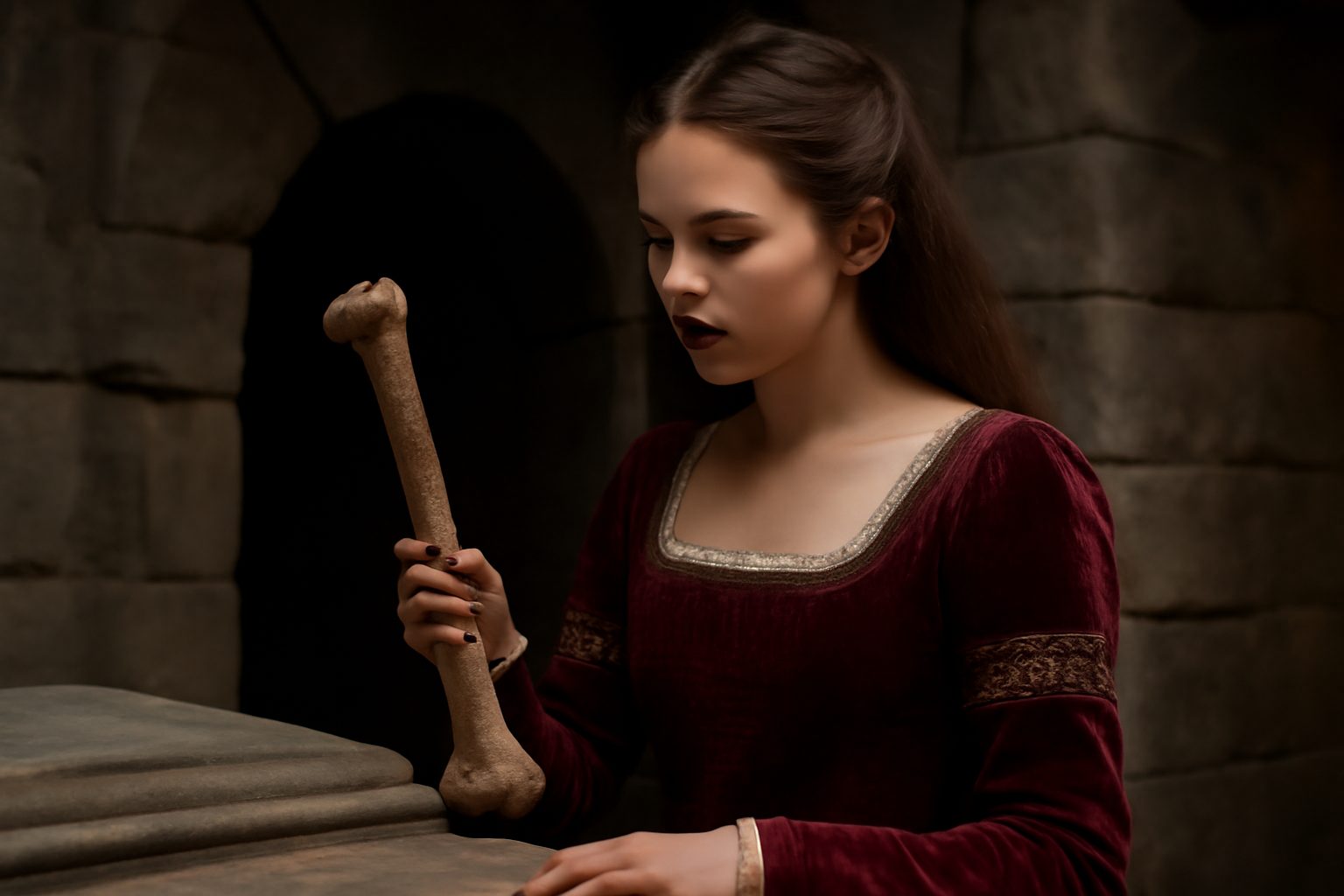
Juliet: "Where, for these many hundred years, the bones"
In modern day english, we would say:
For hundreds of years, this is where people’s bones have been laid to rest.
Frequently Asked Questions
What is Juliet referring to when she mentions bones that have been there for hundreds of years?
Juliet is referring to the ancient burial vault or tomb where her family's ancestors are buried.
Connections to other verses:
Connections to "Where, for these many hundred years, the bones"
This verse from Act 4 Scene 3, Line 41 introduces the ancient, crowded Capulet tomb, setting a macabre stage for Juliet's fears. It connects thematically and contextually with several other lines in the scene.
Imagery of the Tomb and Decay
The description of the tomb as "an ancient receptacle" (Line 40) directly precedes this line, emphasizing its age and grim purpose. Juliet's dread is compounded by the thought of "all my buried ancestors are packed" (Line 42), highlighting the claustrophobic and ancestral weight of the vault. The presence of "bloody Tybalt, yet but green in earth" (Line 43), whose body "lies festering in his shroud" (Line 44), adds a immediate, visceral horror to the ancient bones, connecting decay with fresh death.
Fear of the Supernatural
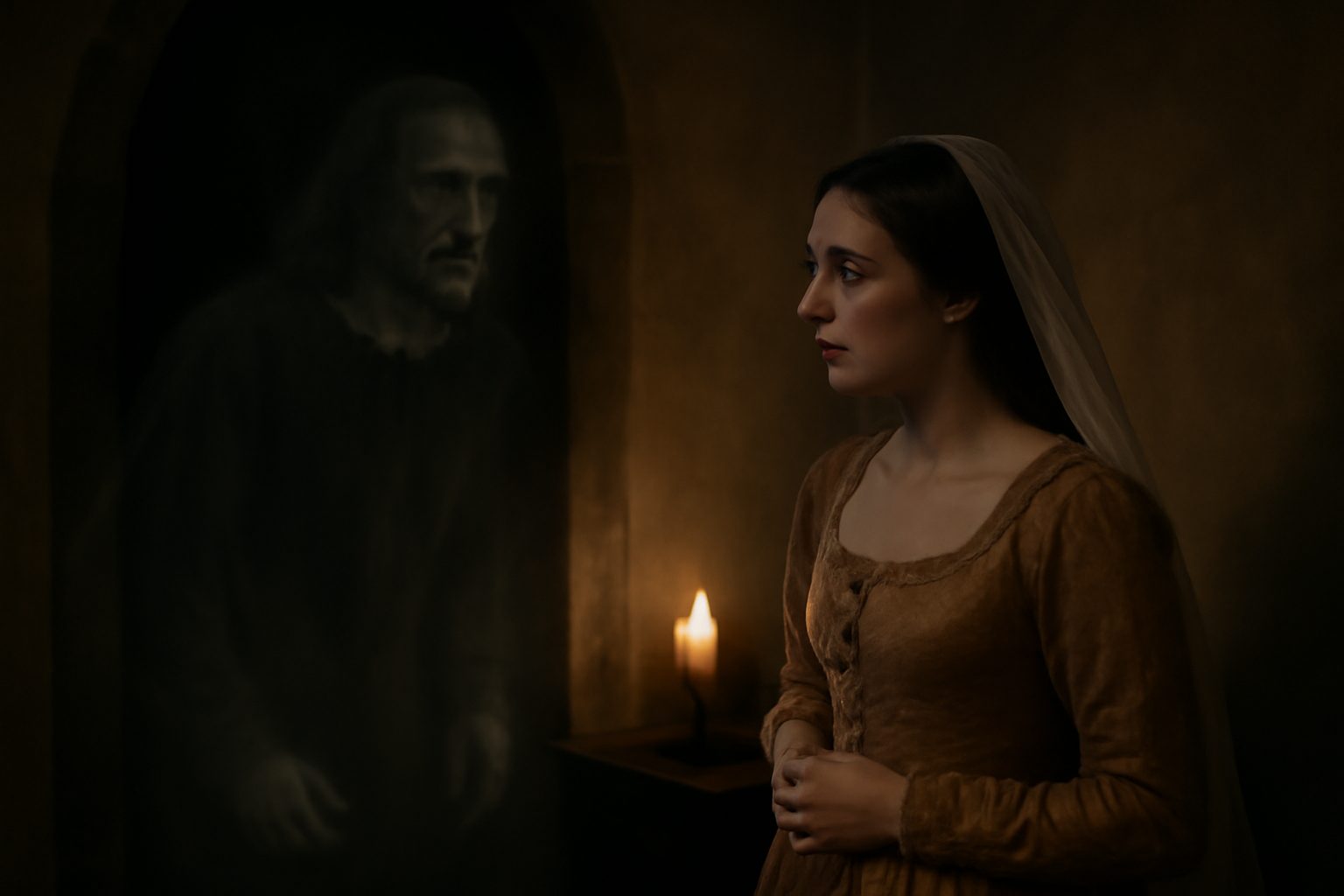
The tomb's eerie atmosphere, where "at some hours in the night spirits resort" (Line 45), feeds into Juliet's terror. She worries she might wake to "shrieks like mandrakes' torn out of the earth" (Line 48) that drive mortals mad, a fear rooted in the tomb's supernatural associations. This culminates in her hallucination of "my cousin's ghost" (Line 56) seeking Romeo, directly tying the ancestral bones to vengeful spirits.
Physical and Emotional Dread
Juliet's anticipation of "loathsome smells" (Line 47) and the "foul mouth no healthsome air breathes in" (Line 35) reflects her revulsion at the tomb's airless, decay-filled environment. Her fear of being "stifled in the vault" (Line 34) or waking too early amidst this horror shows how the physical space threatens her plan. The "horrible conceit of death and night" (Line 38) paired with the "terror of the place" (Line 39) encapsulates her psychological torment, all stemming from the tomb's grim description.
Violent Fantasies and Desperation
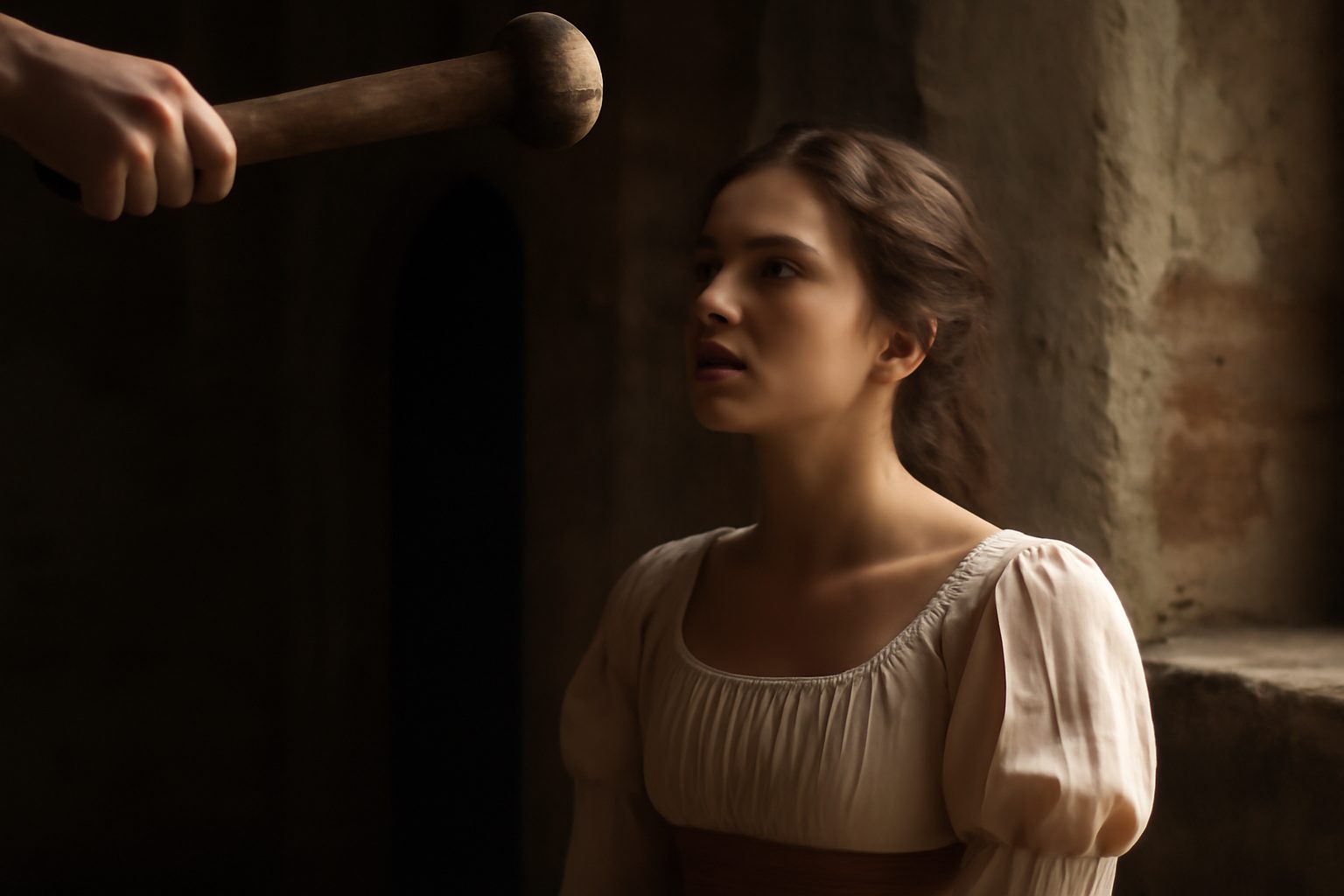
In her hysterical state, Juliet imagines using "some great kinsman's bone" (Line 54) as a weapon, a direct callback to the ancient bones, to "madly play with my forefather's joints" (Line 52) or even "dash out my desperate brains" (Line 55). This reveals the depth of her despair and how the tomb's contents symbolize both her heritage and her potential doom.