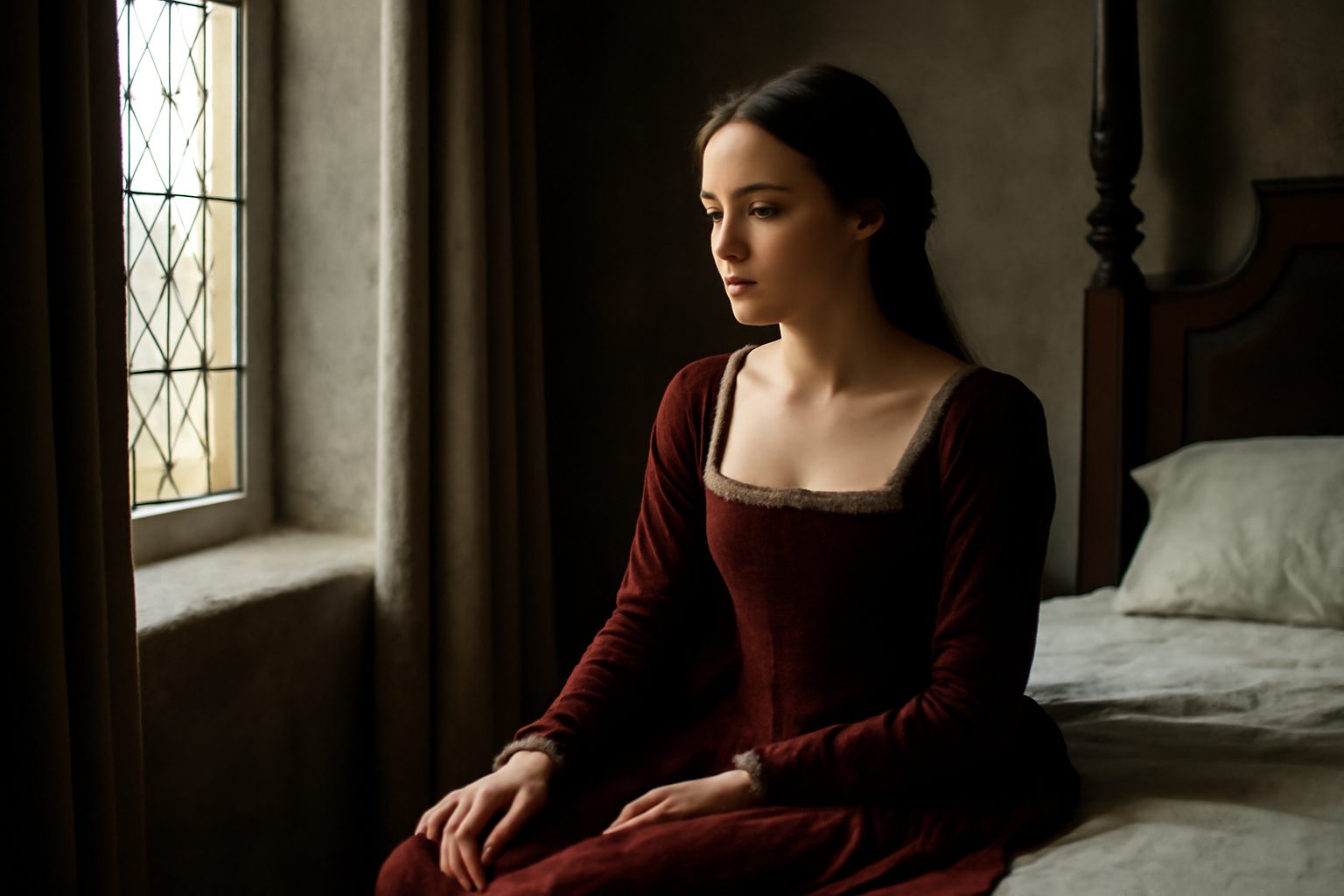
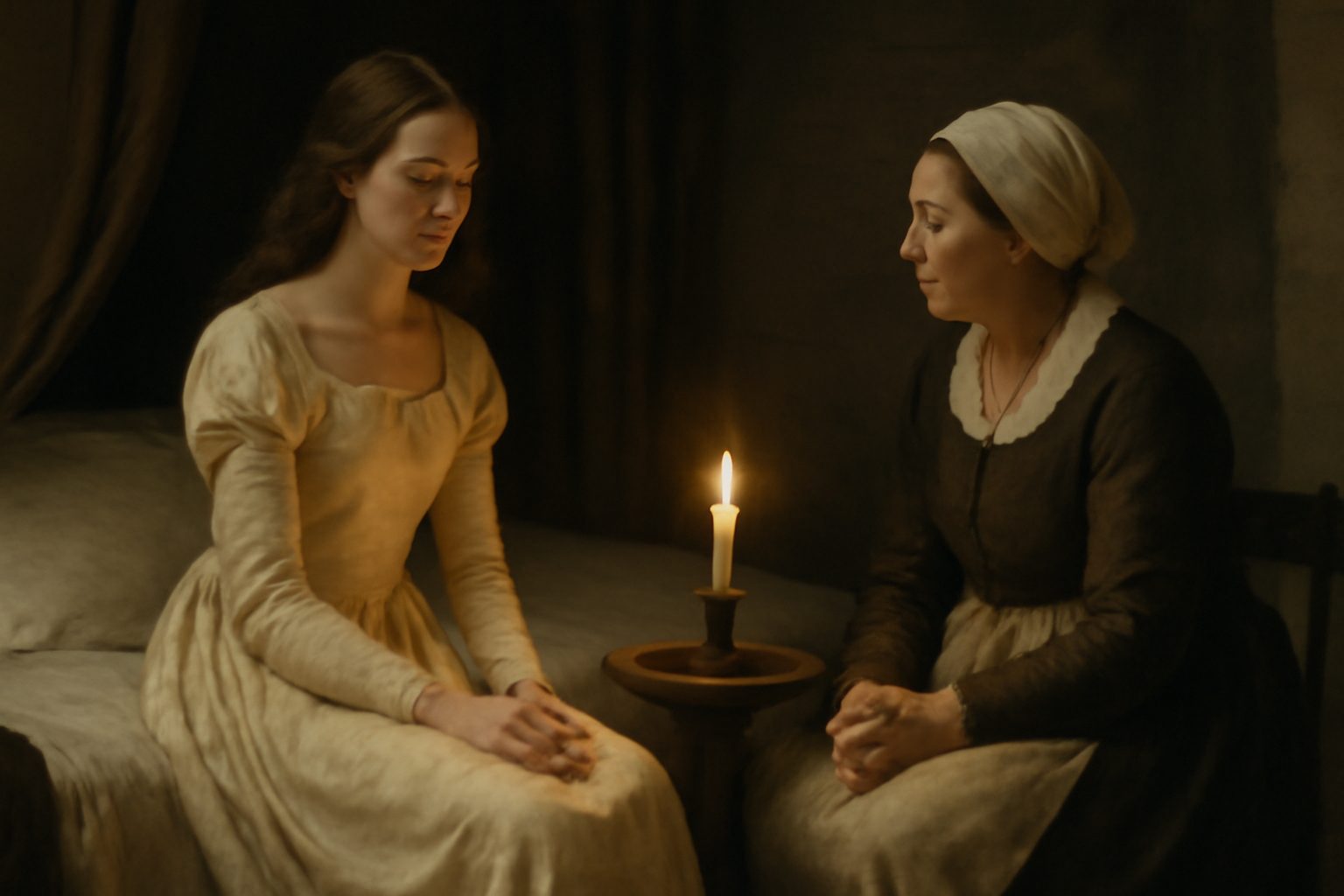
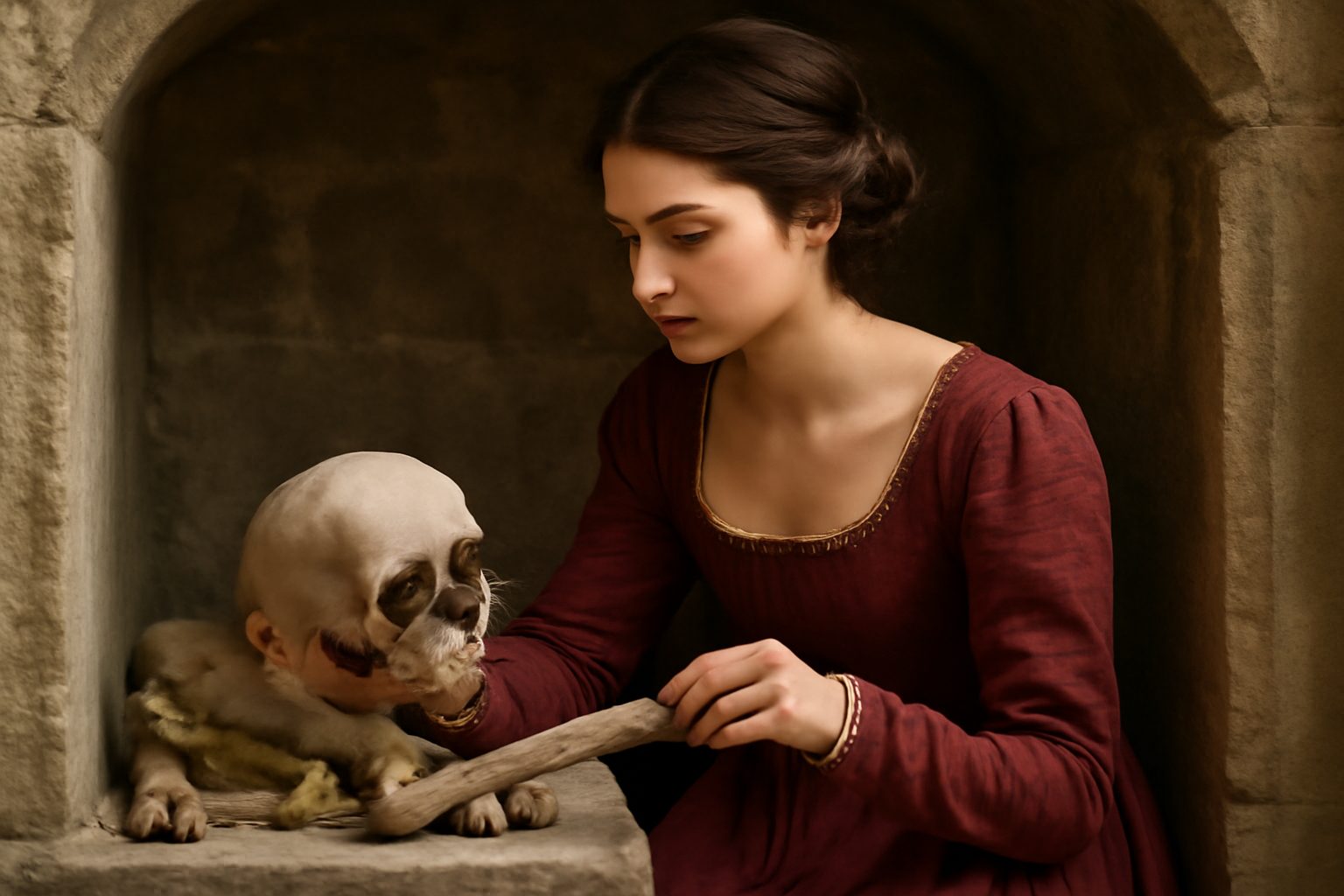
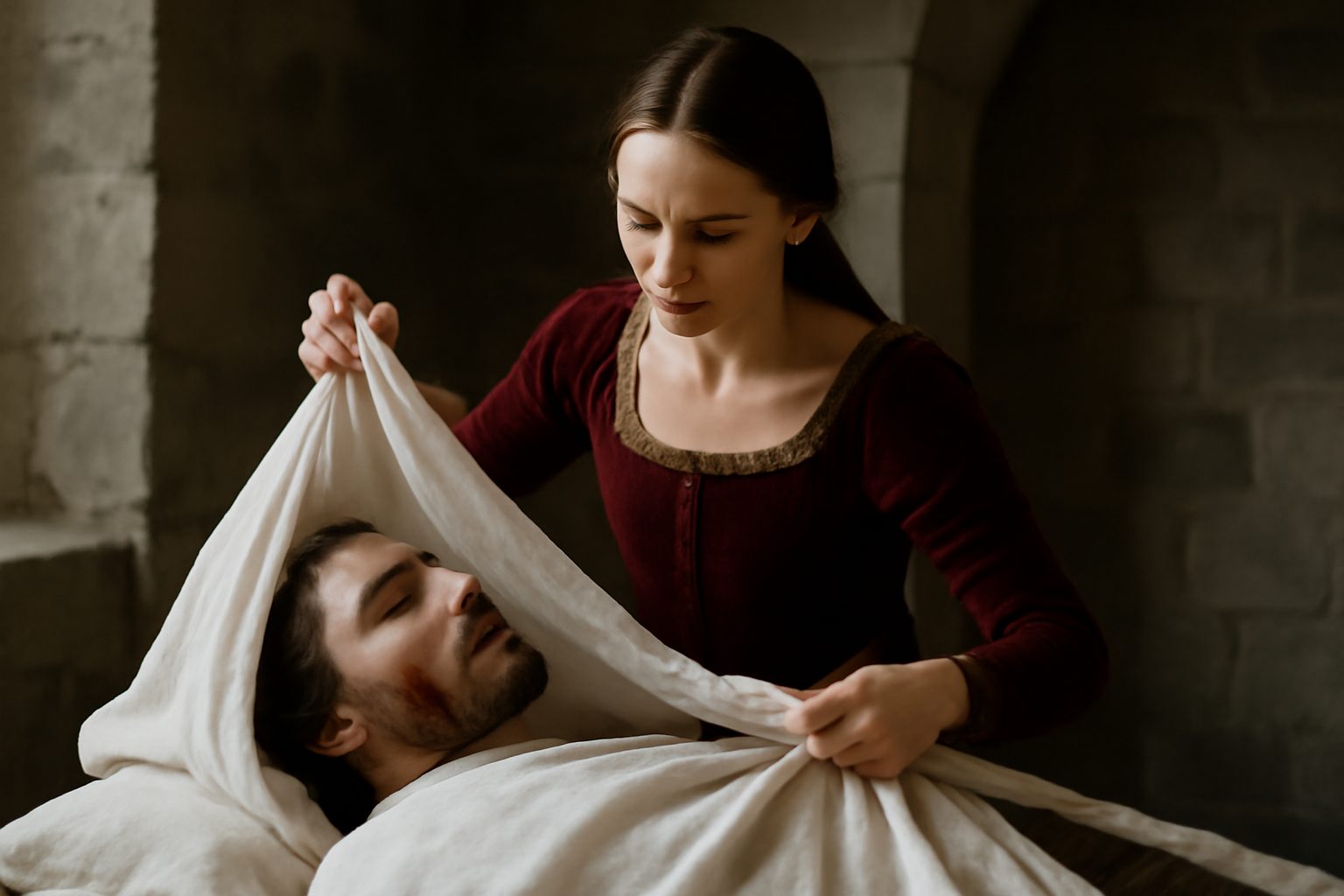
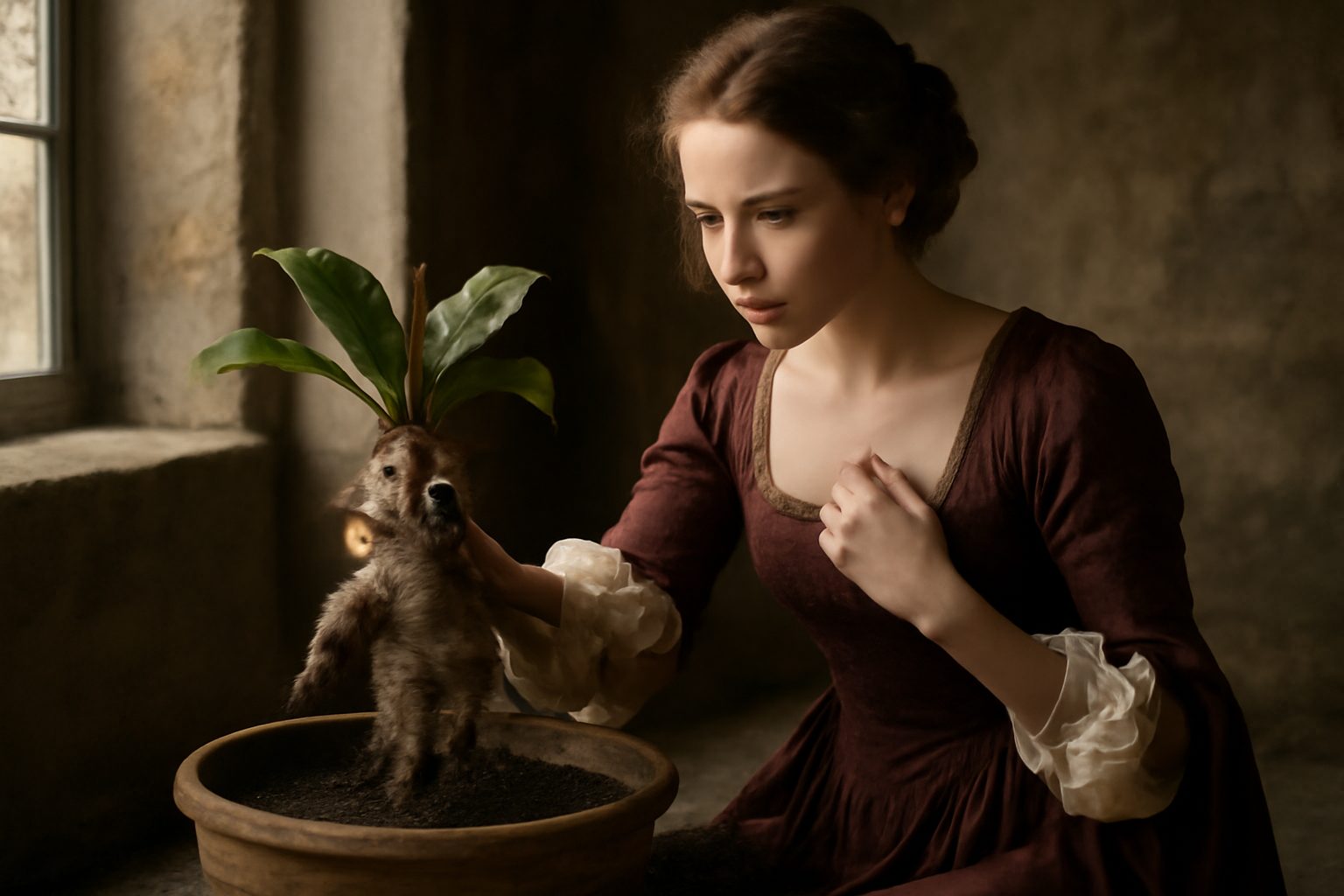
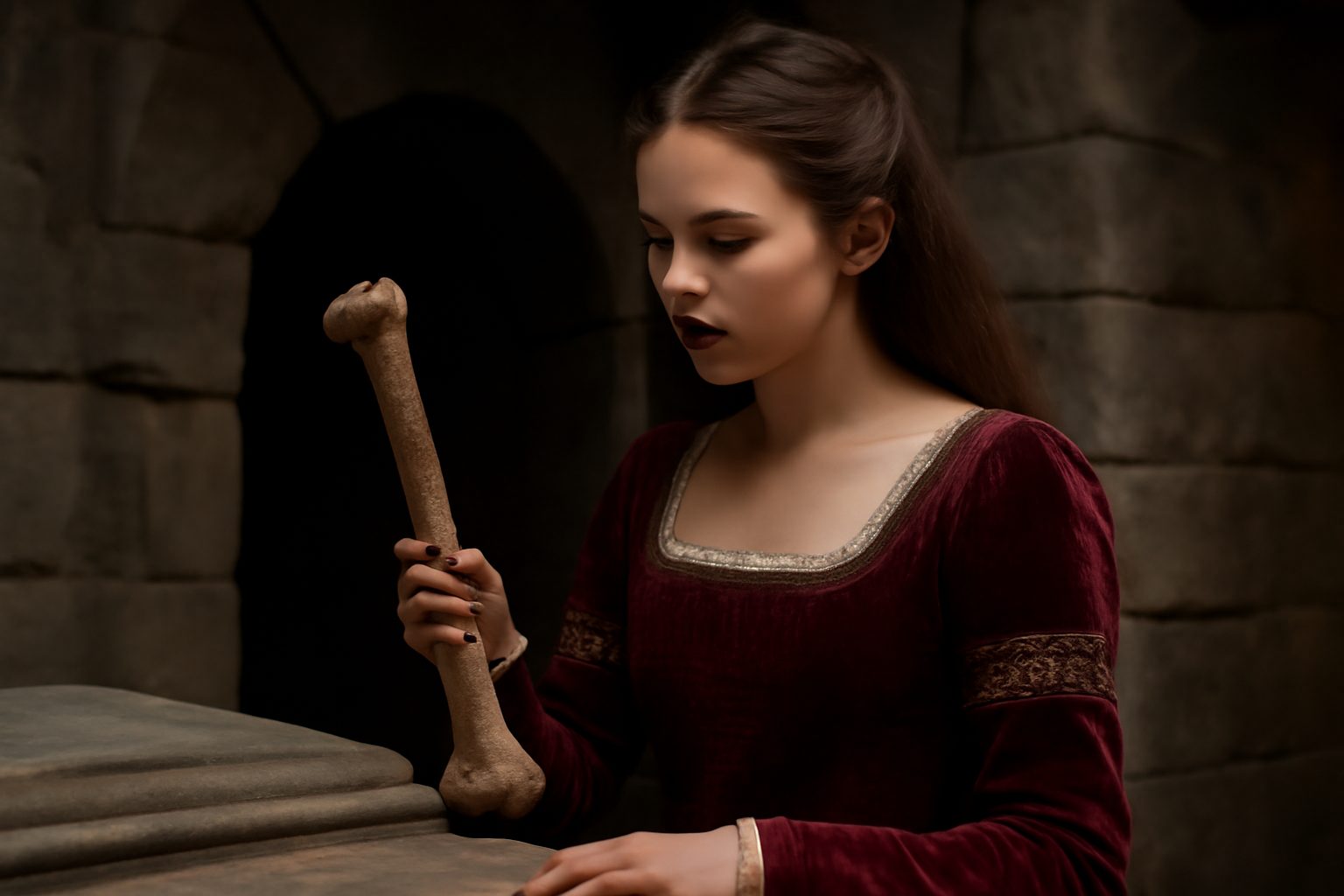
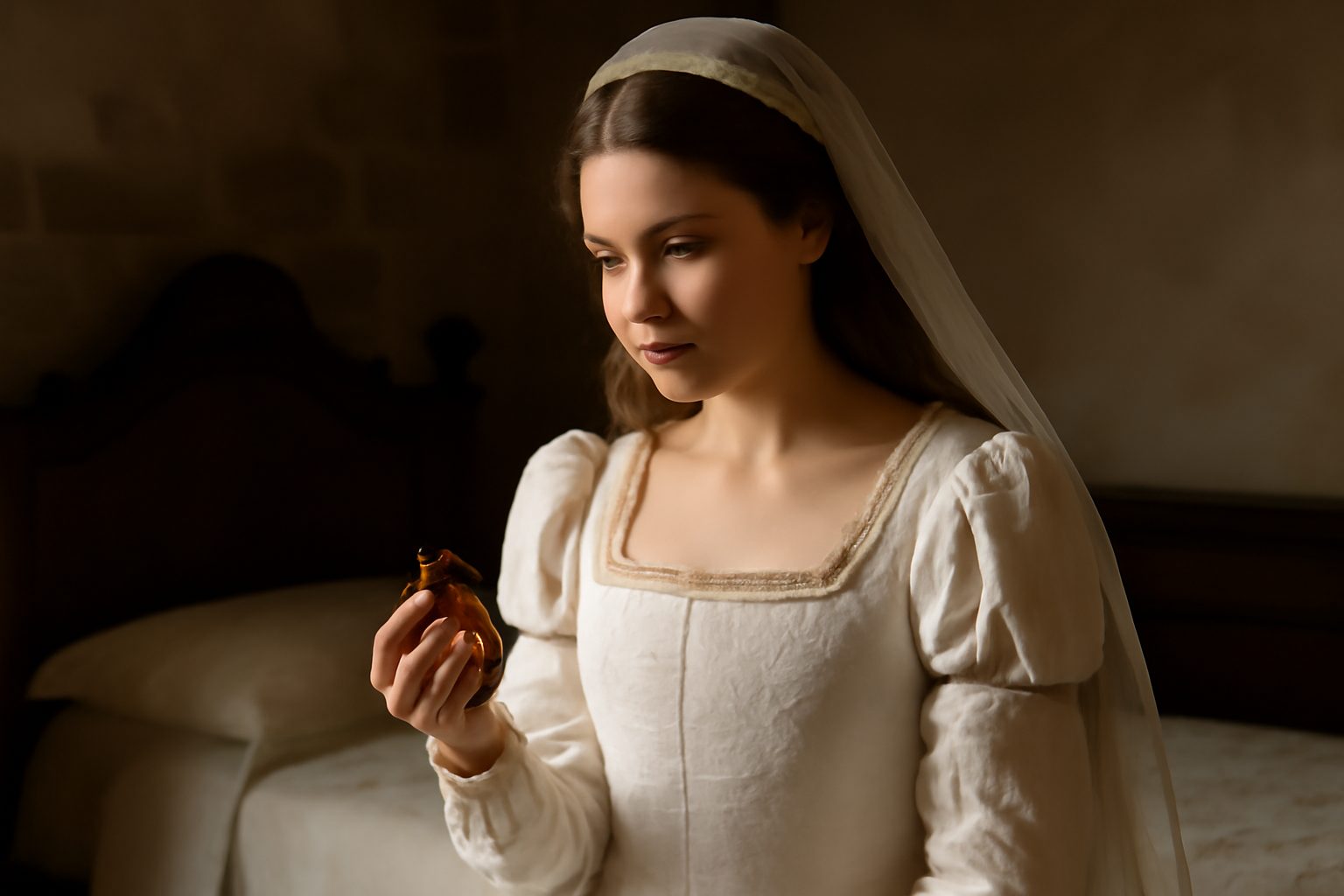
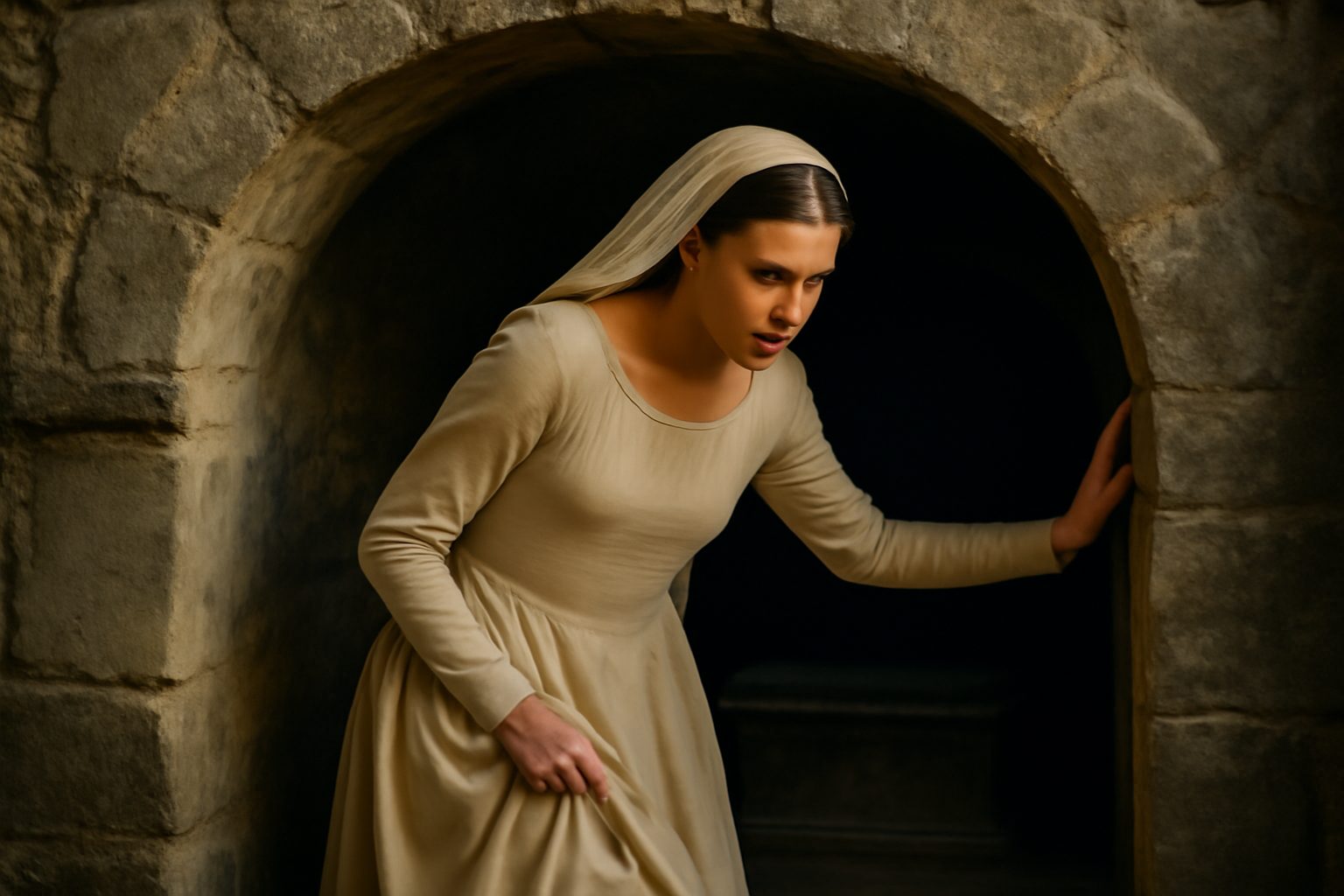
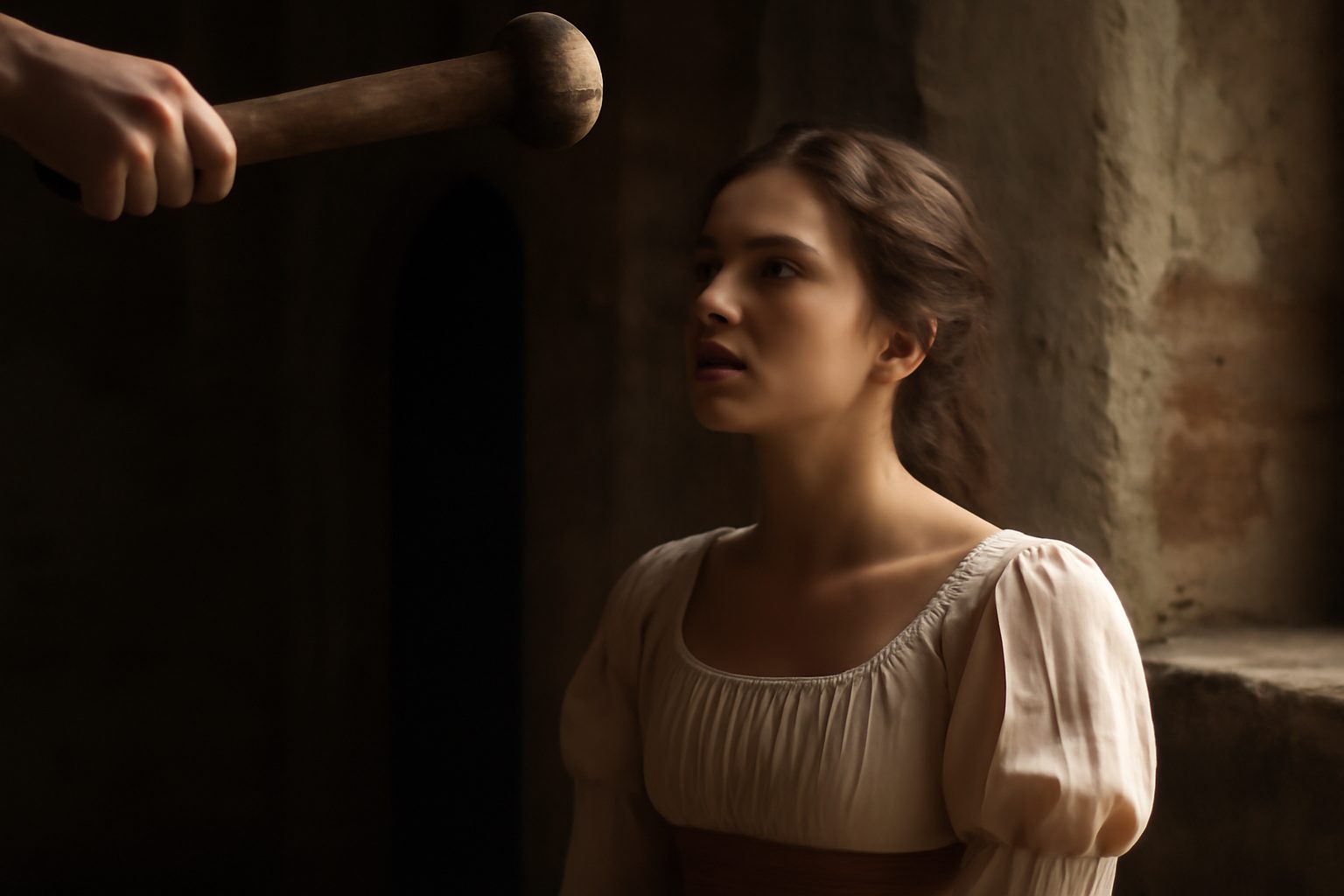
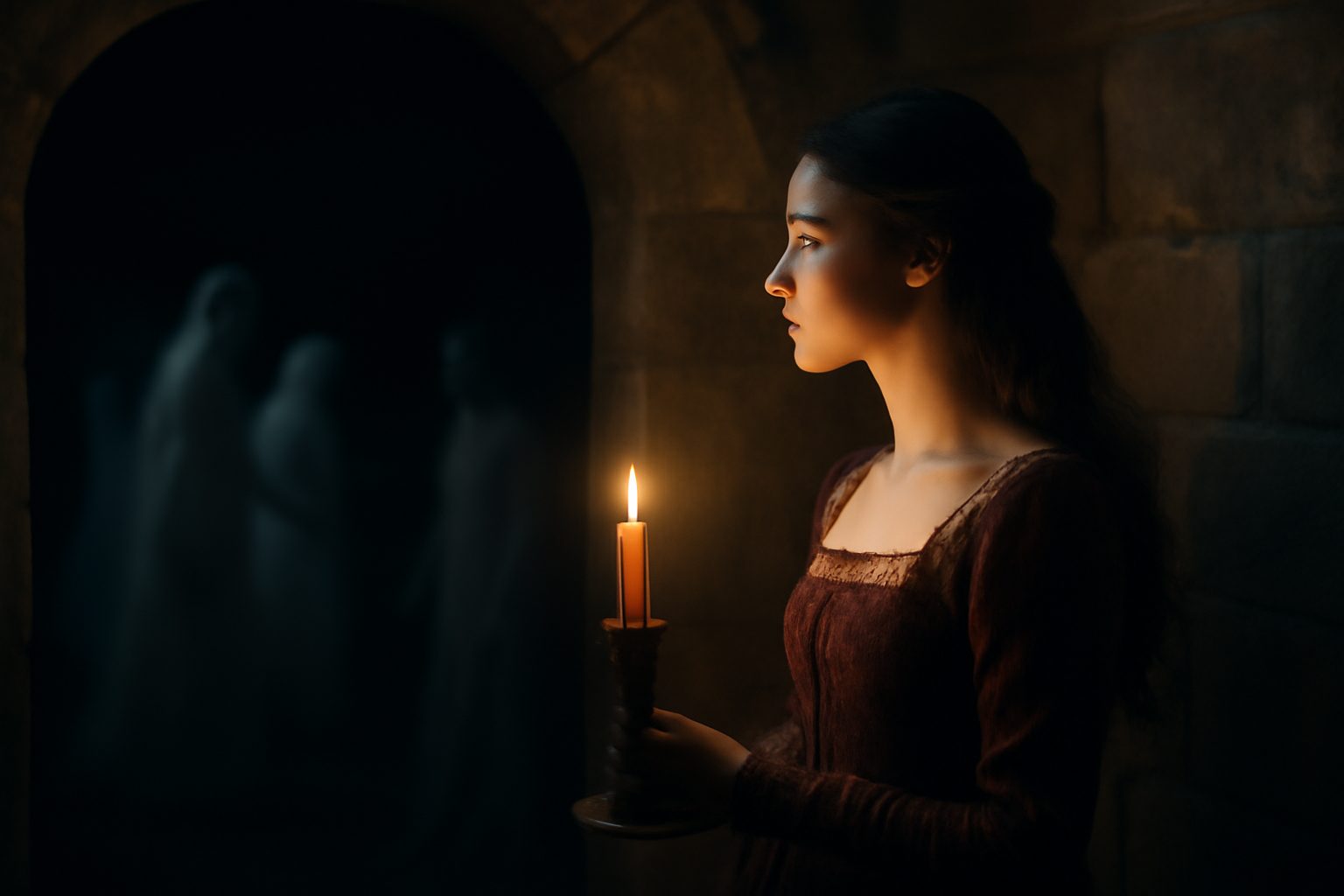
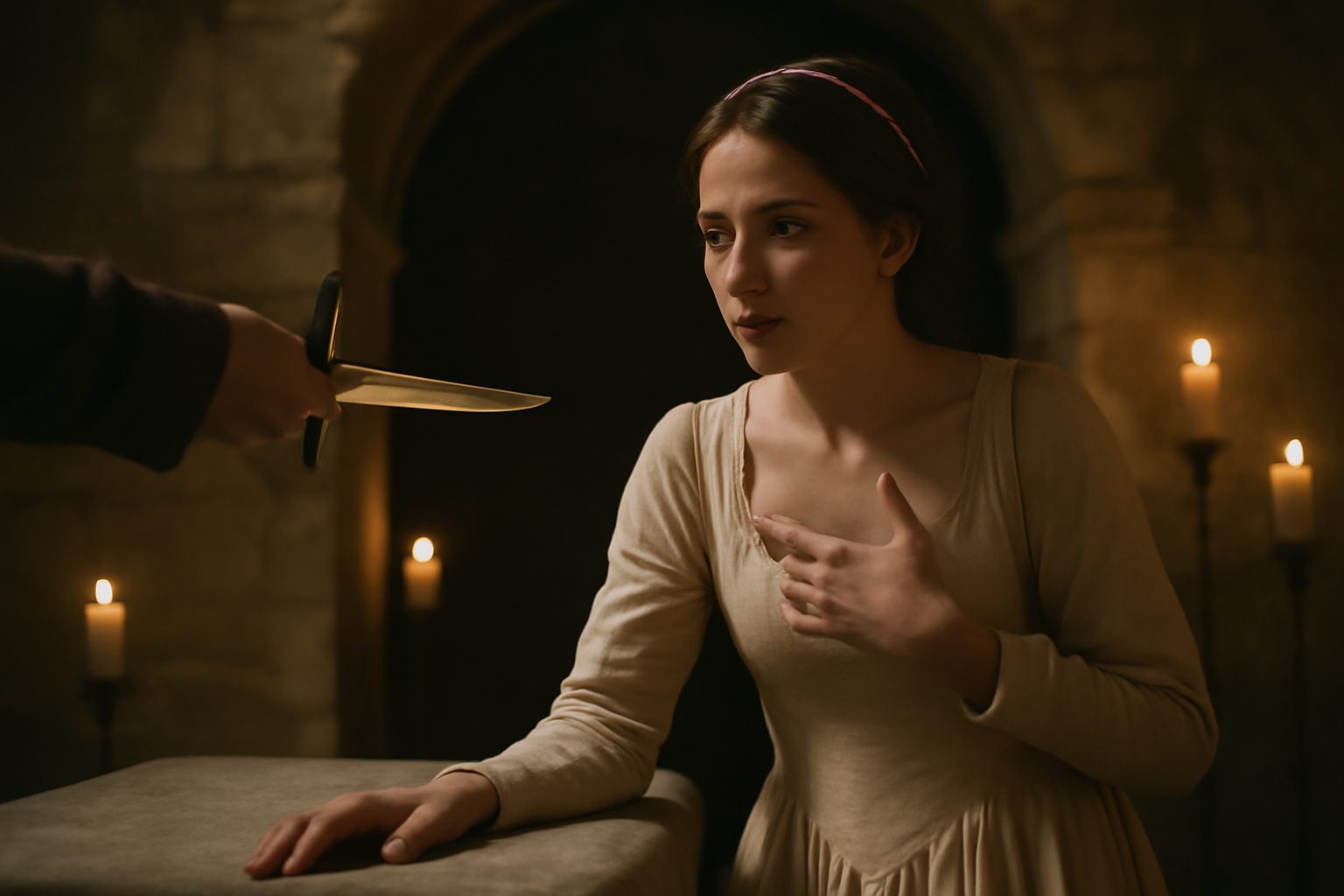
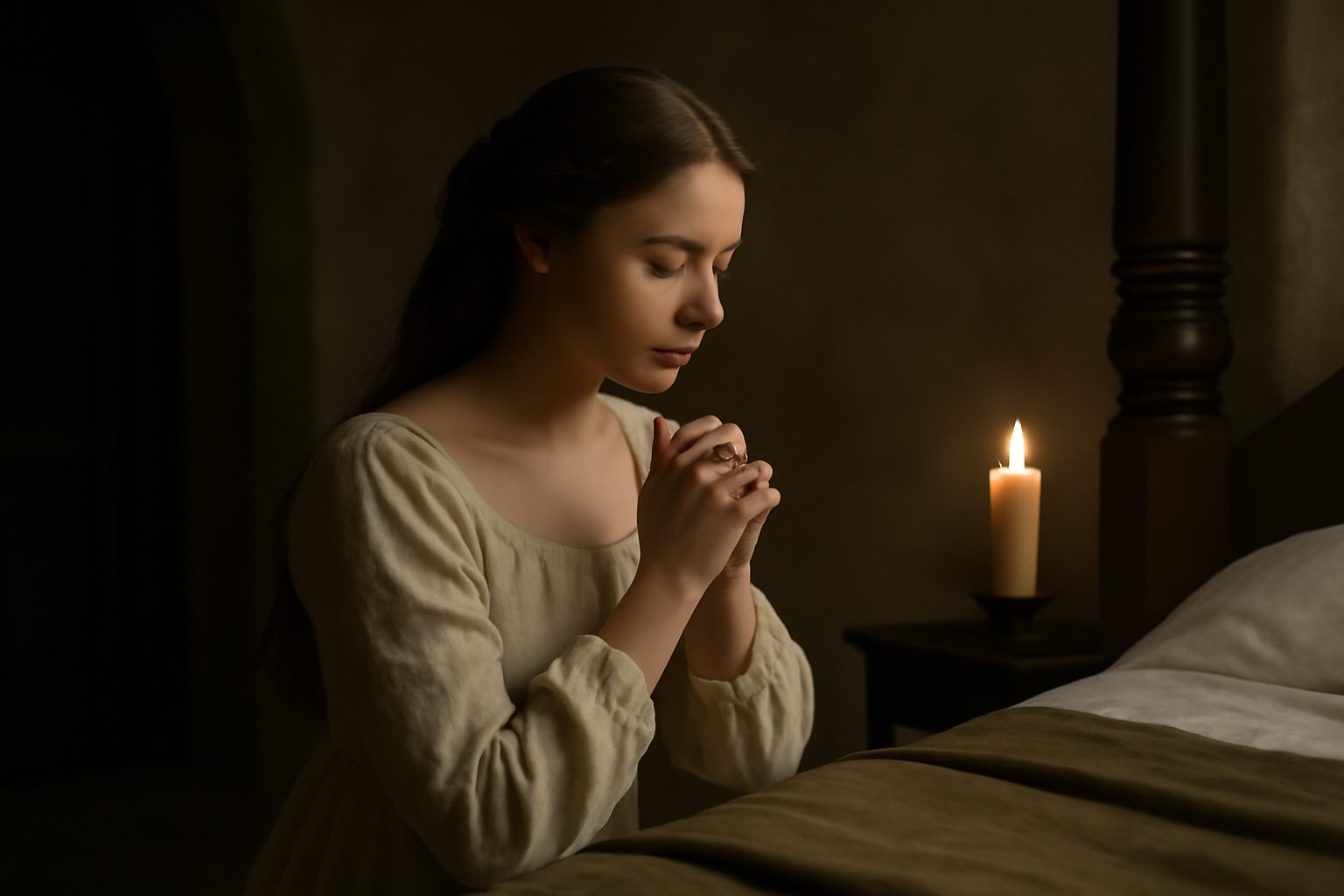
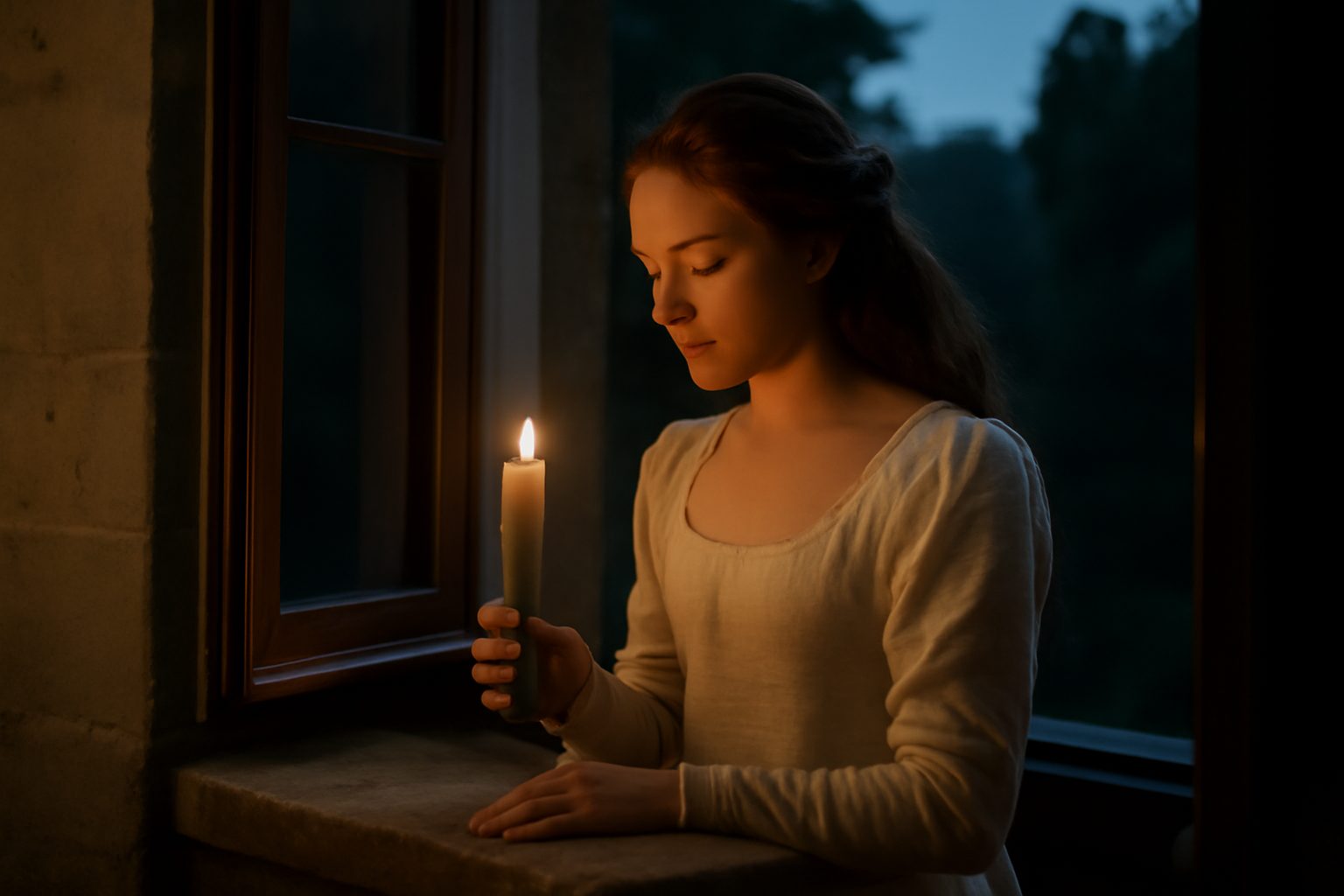
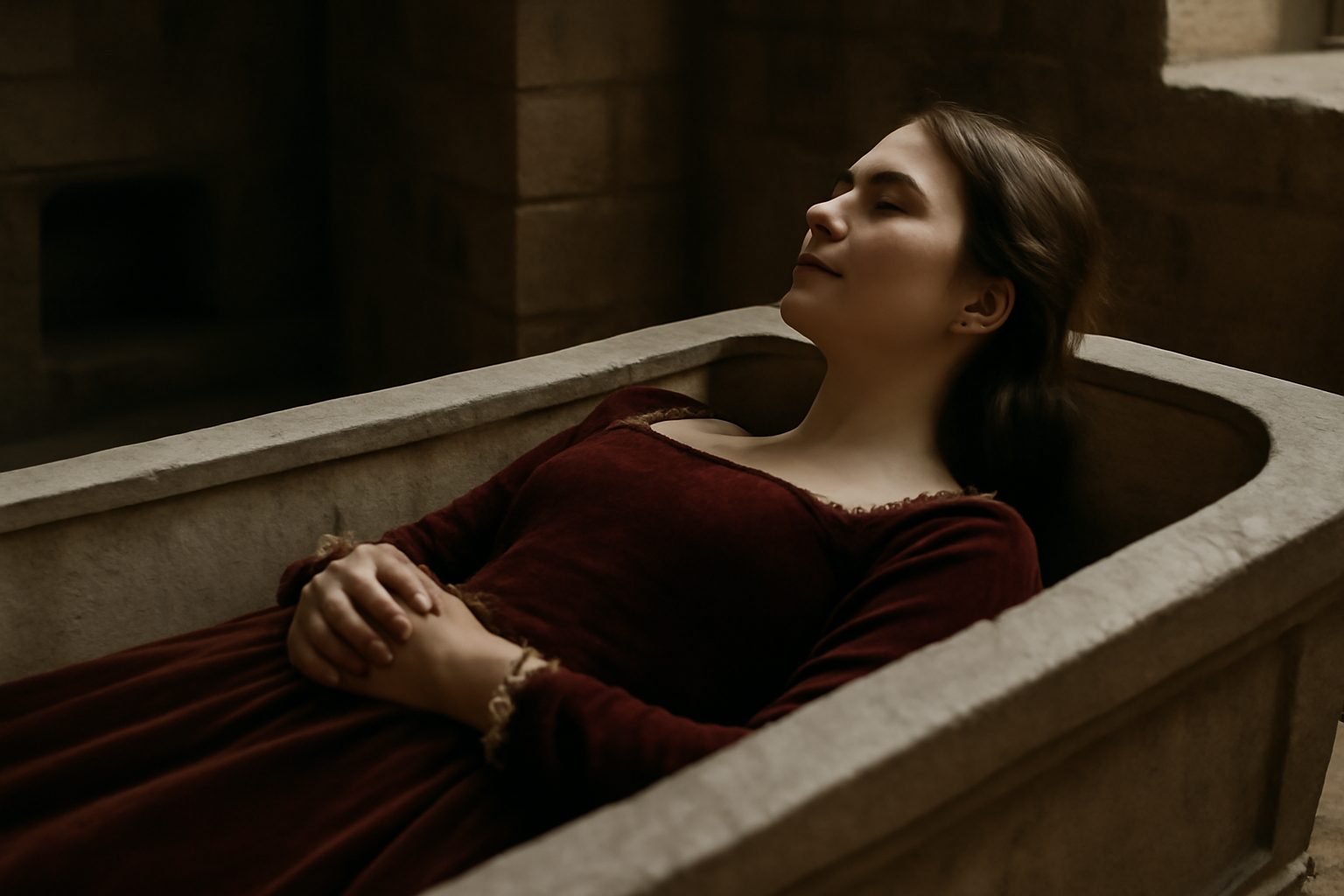
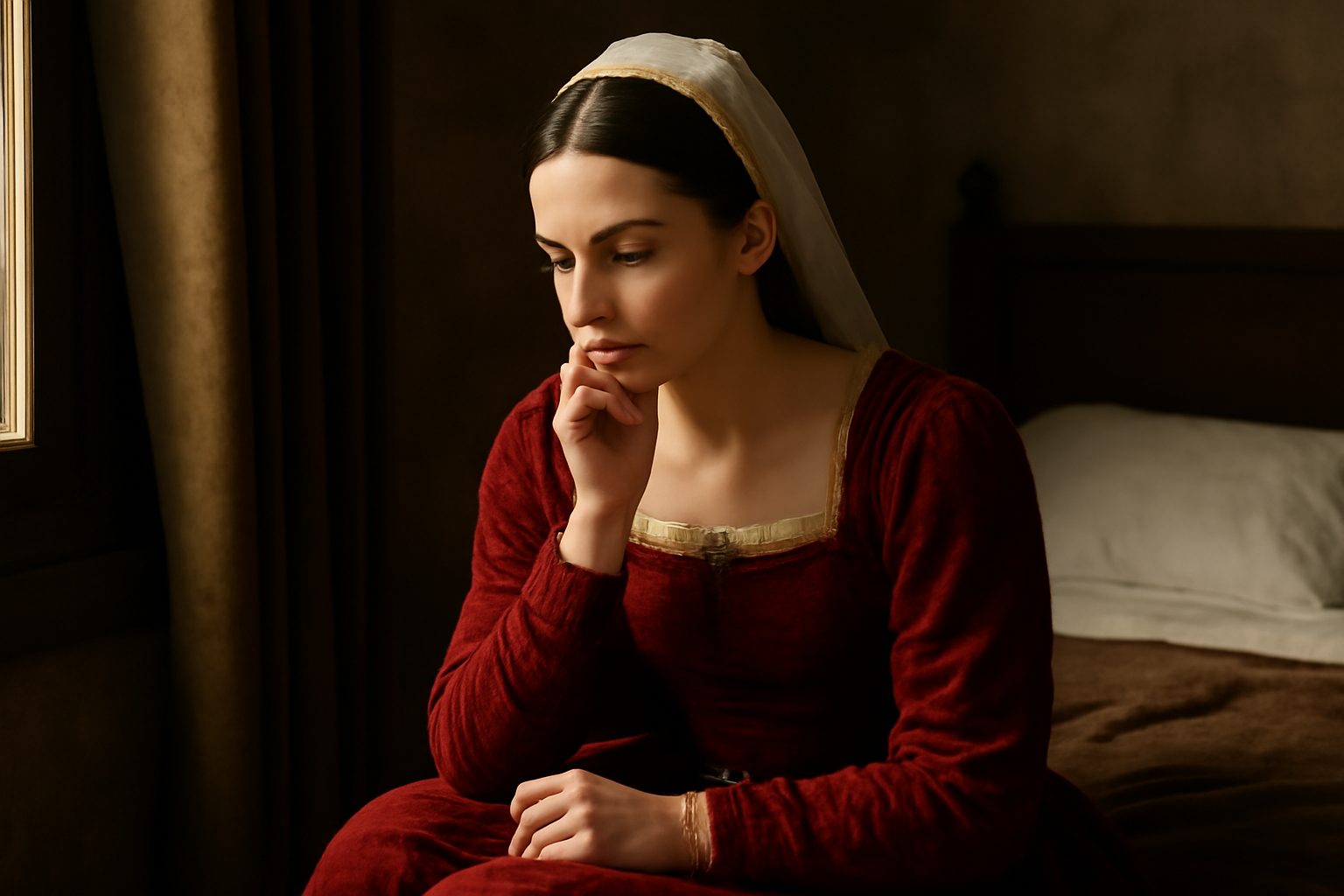
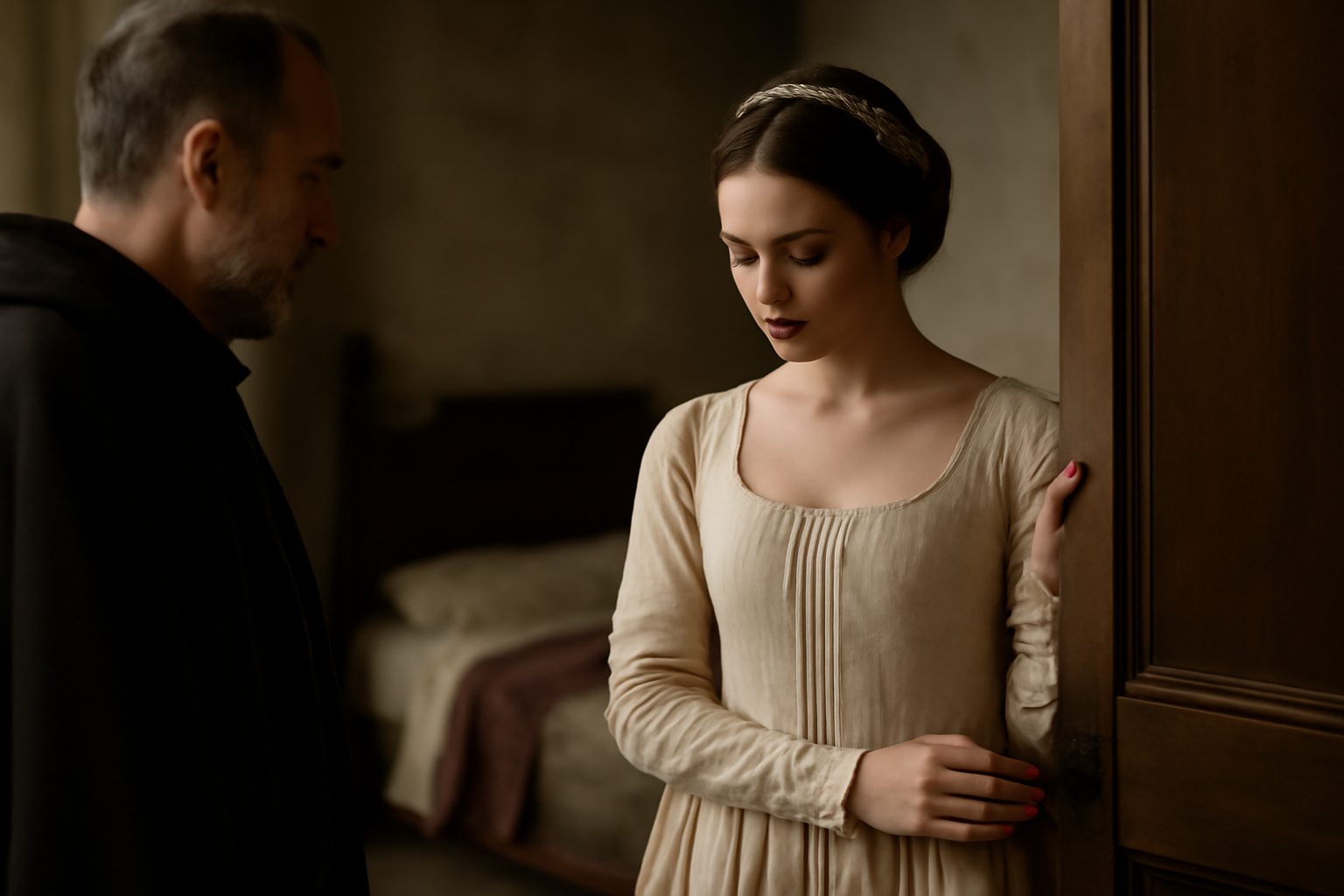
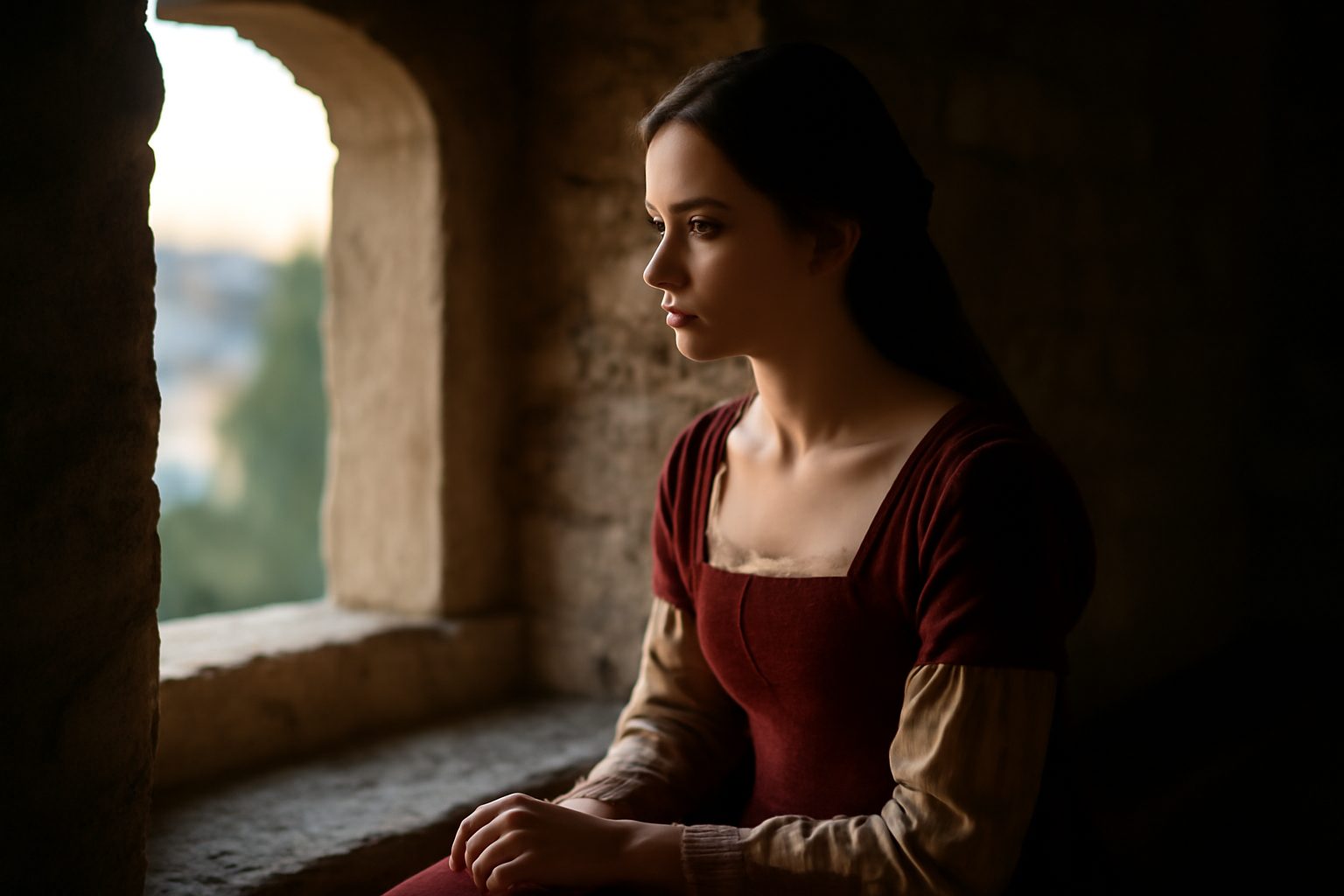
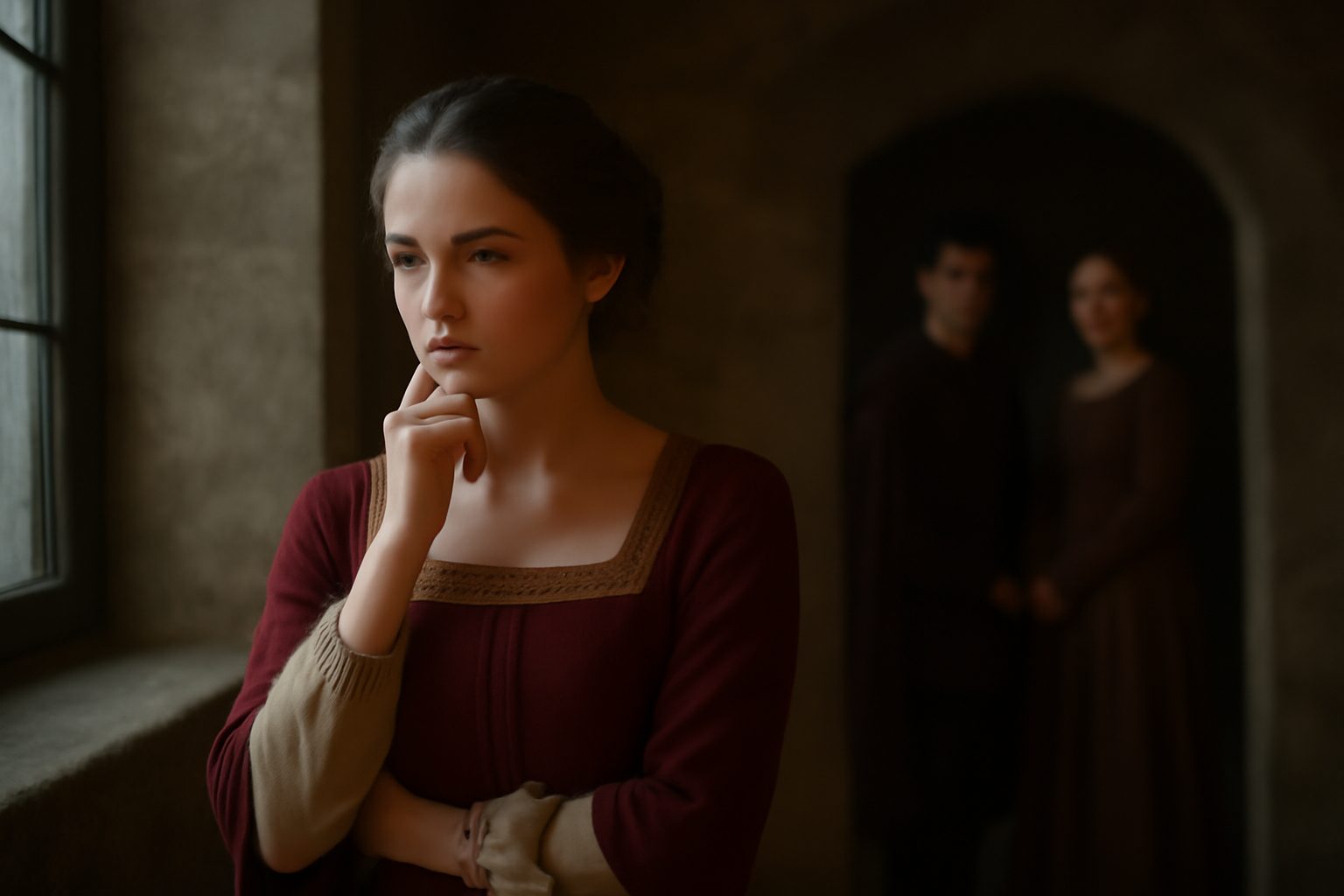
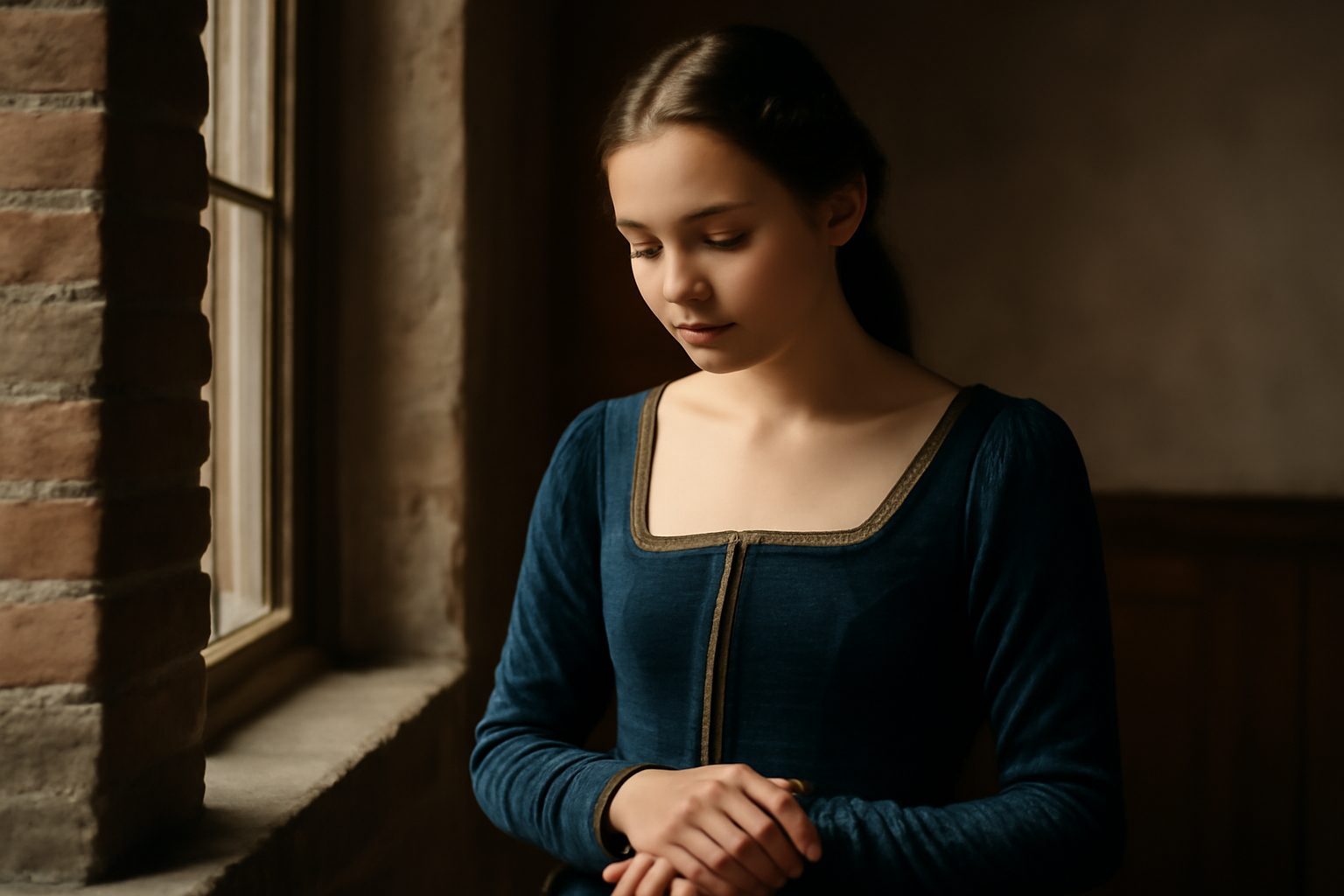
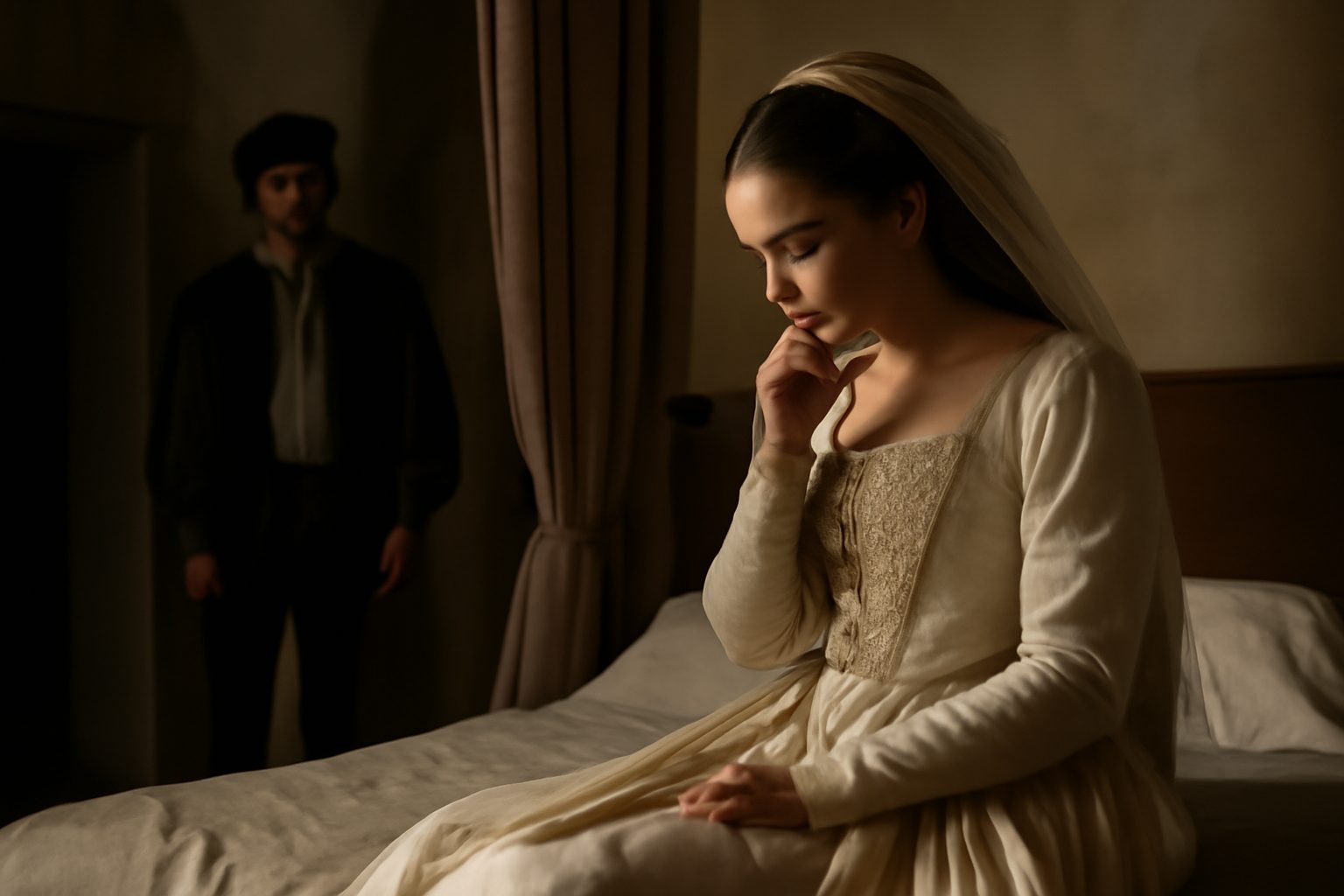
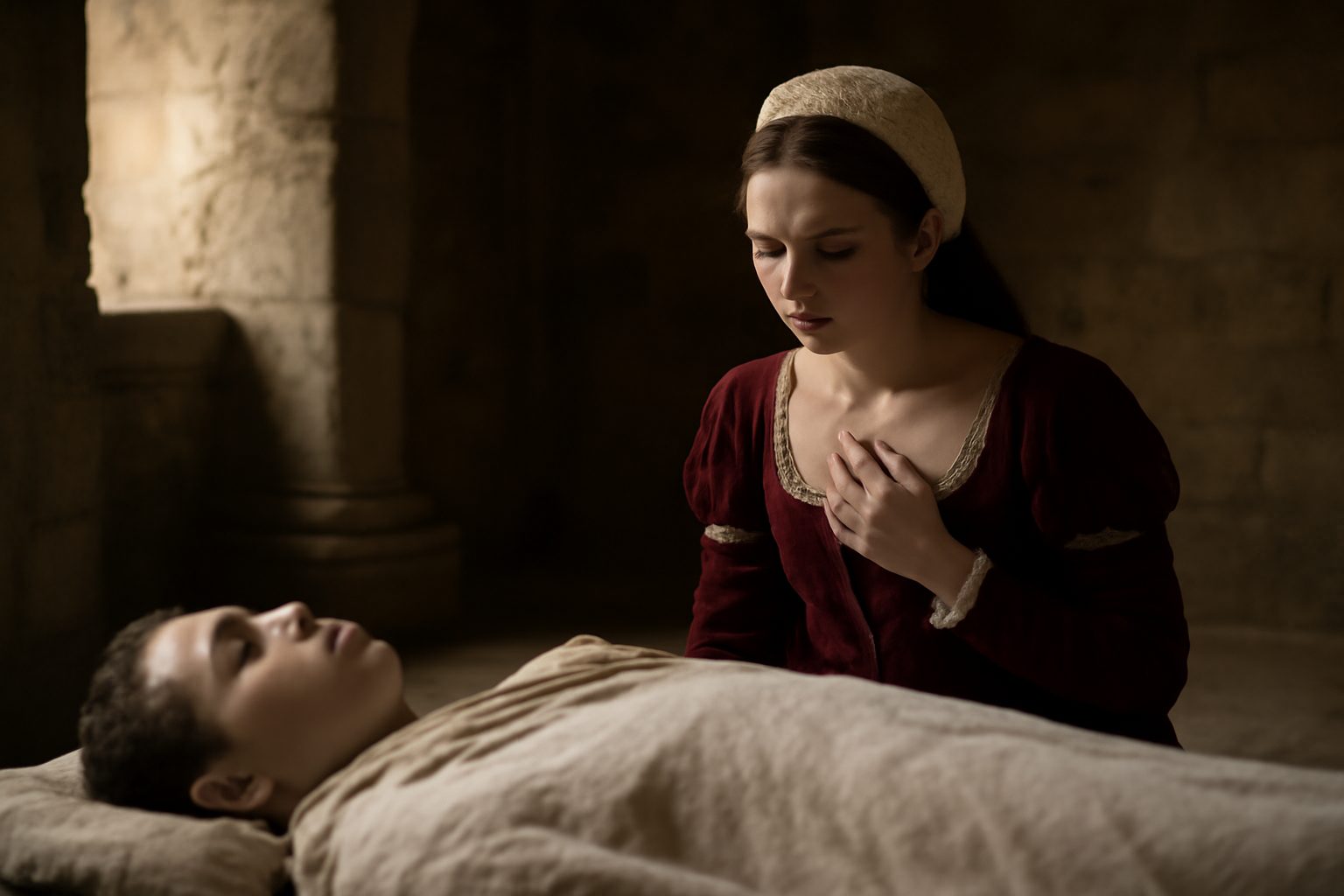
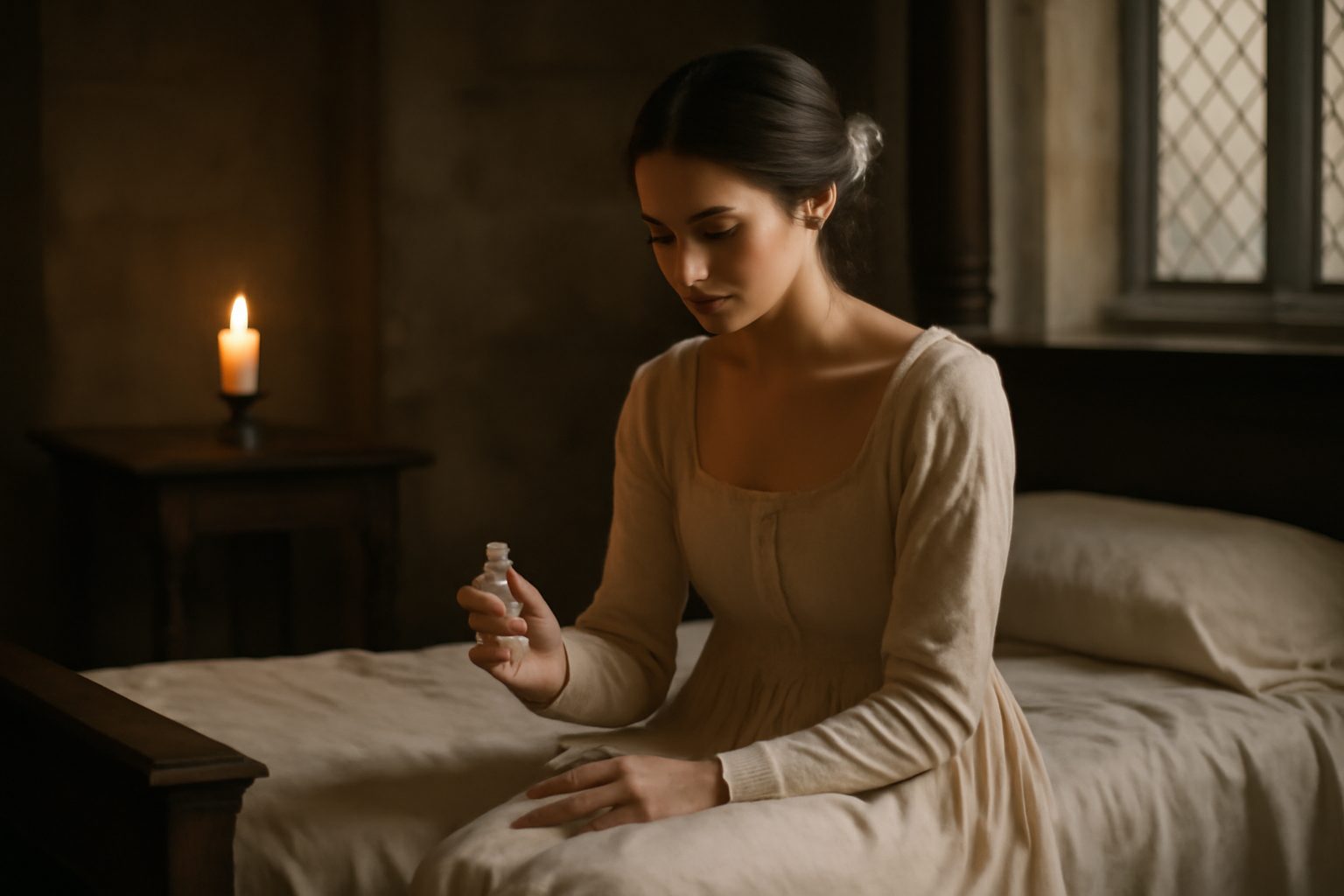
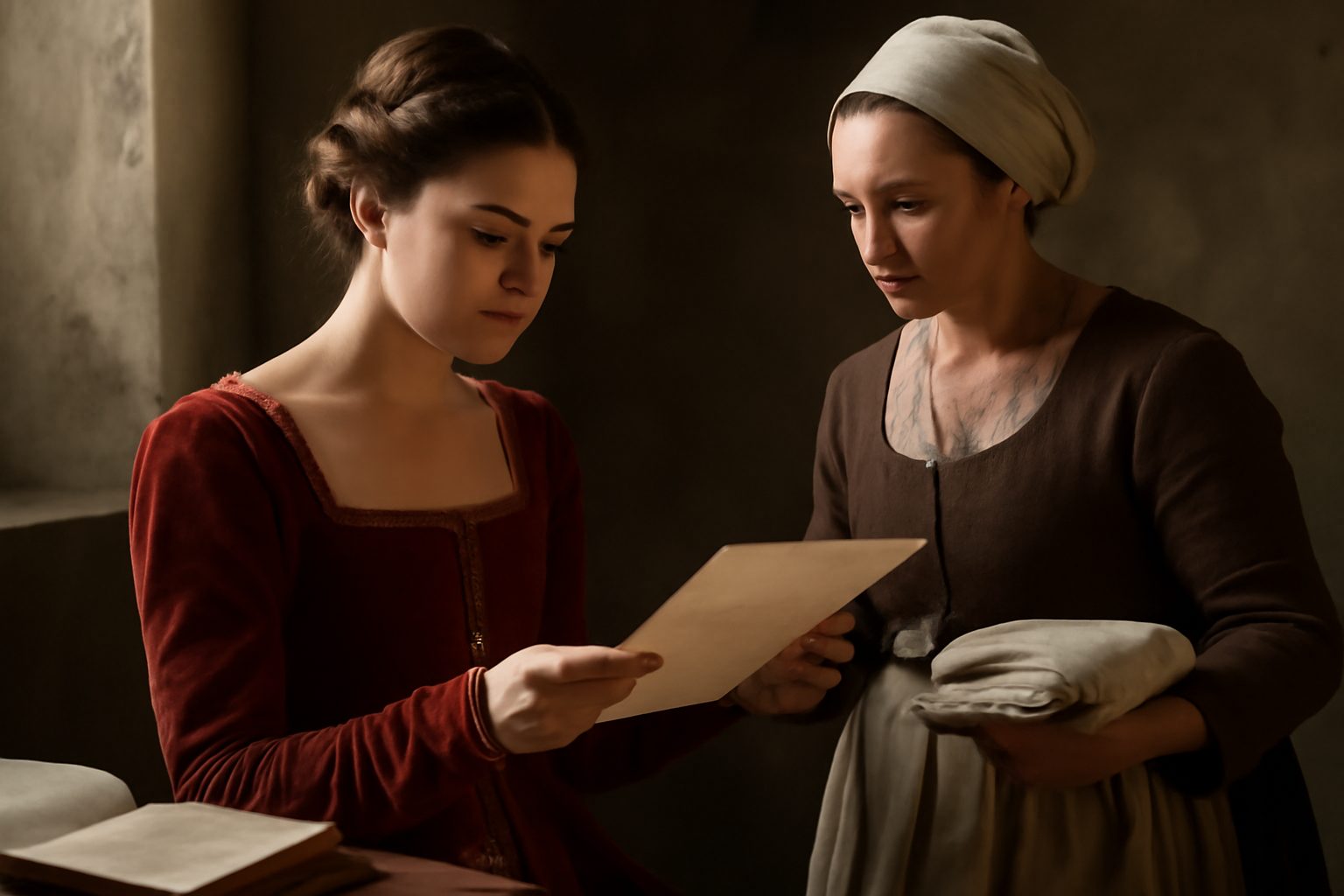
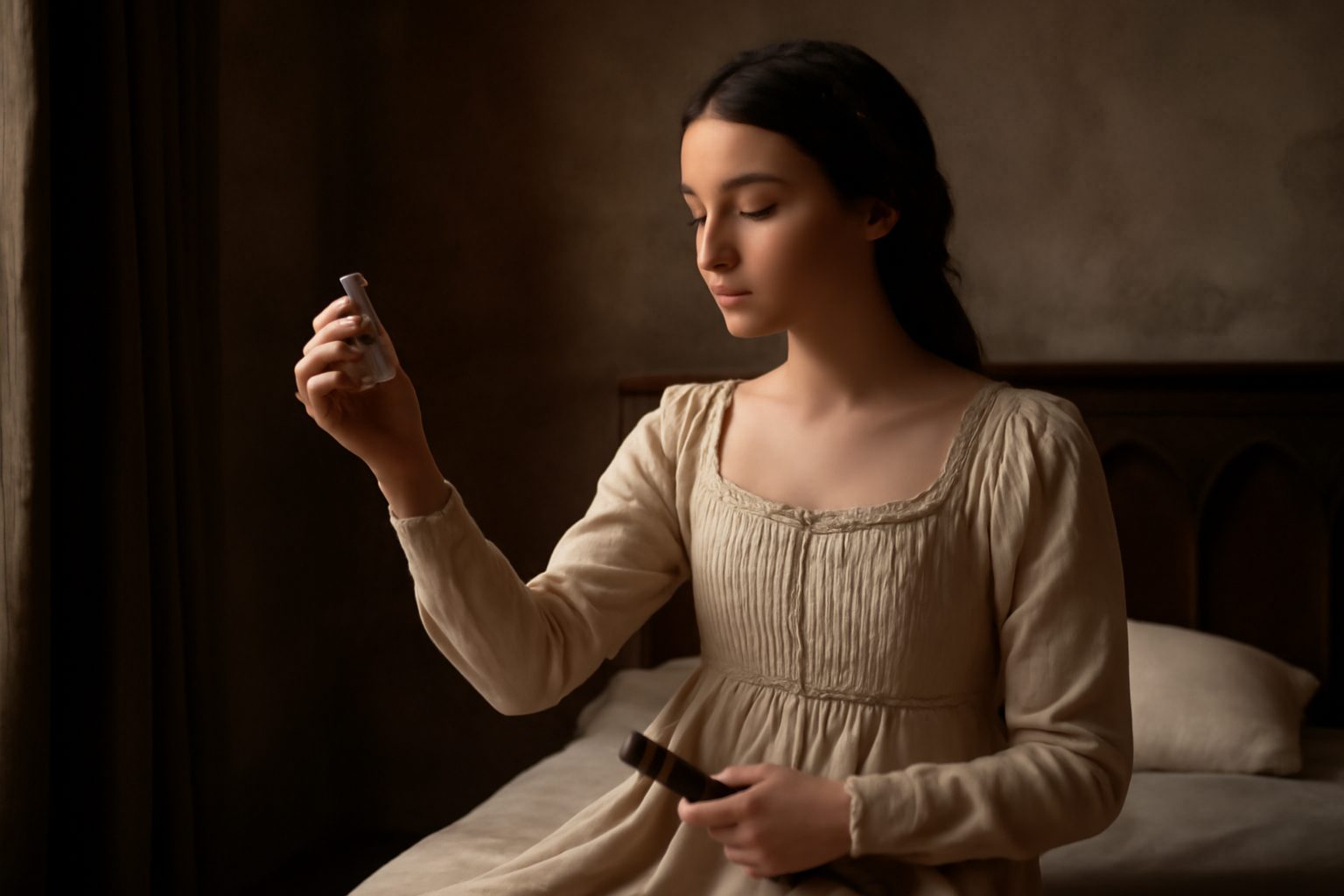
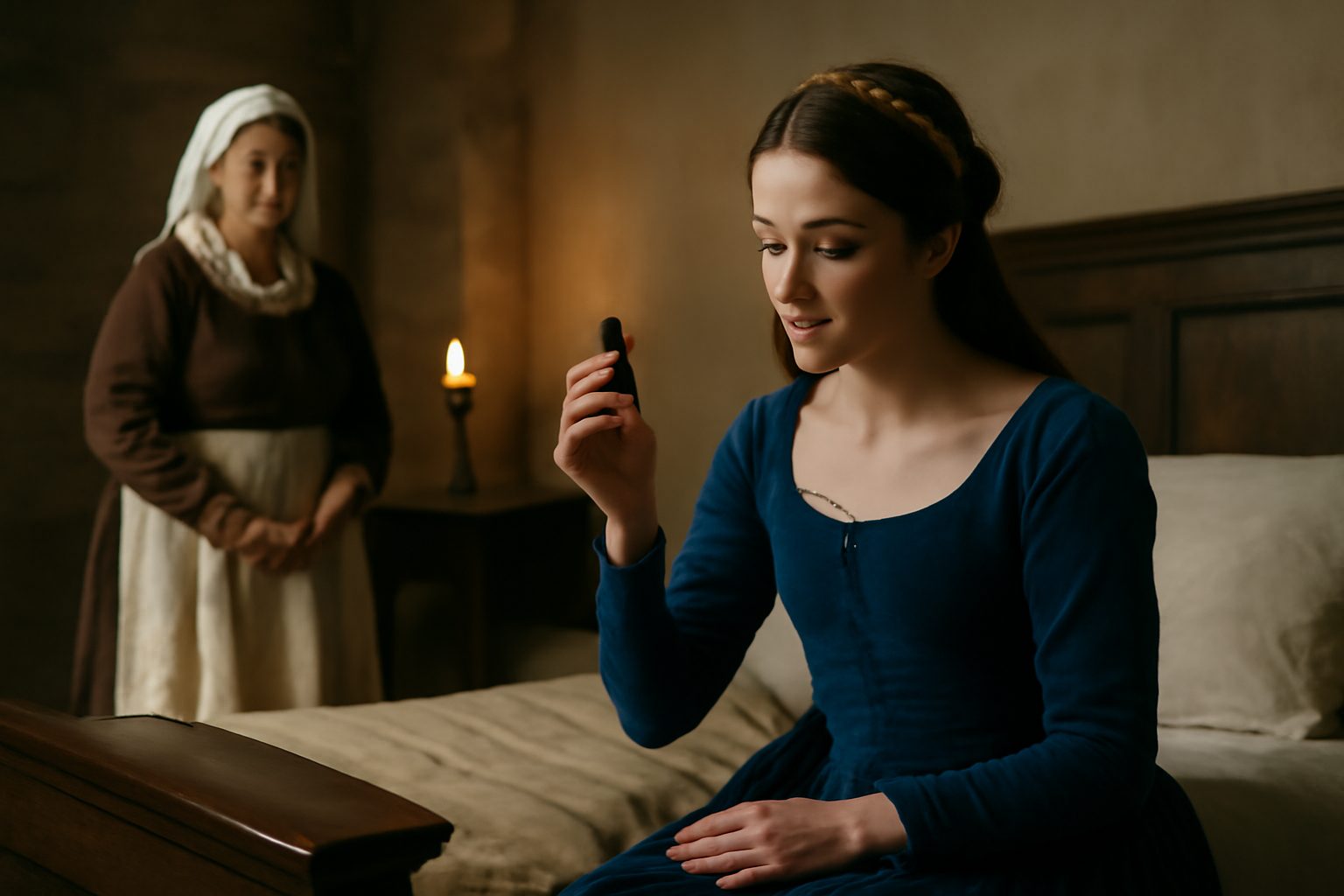
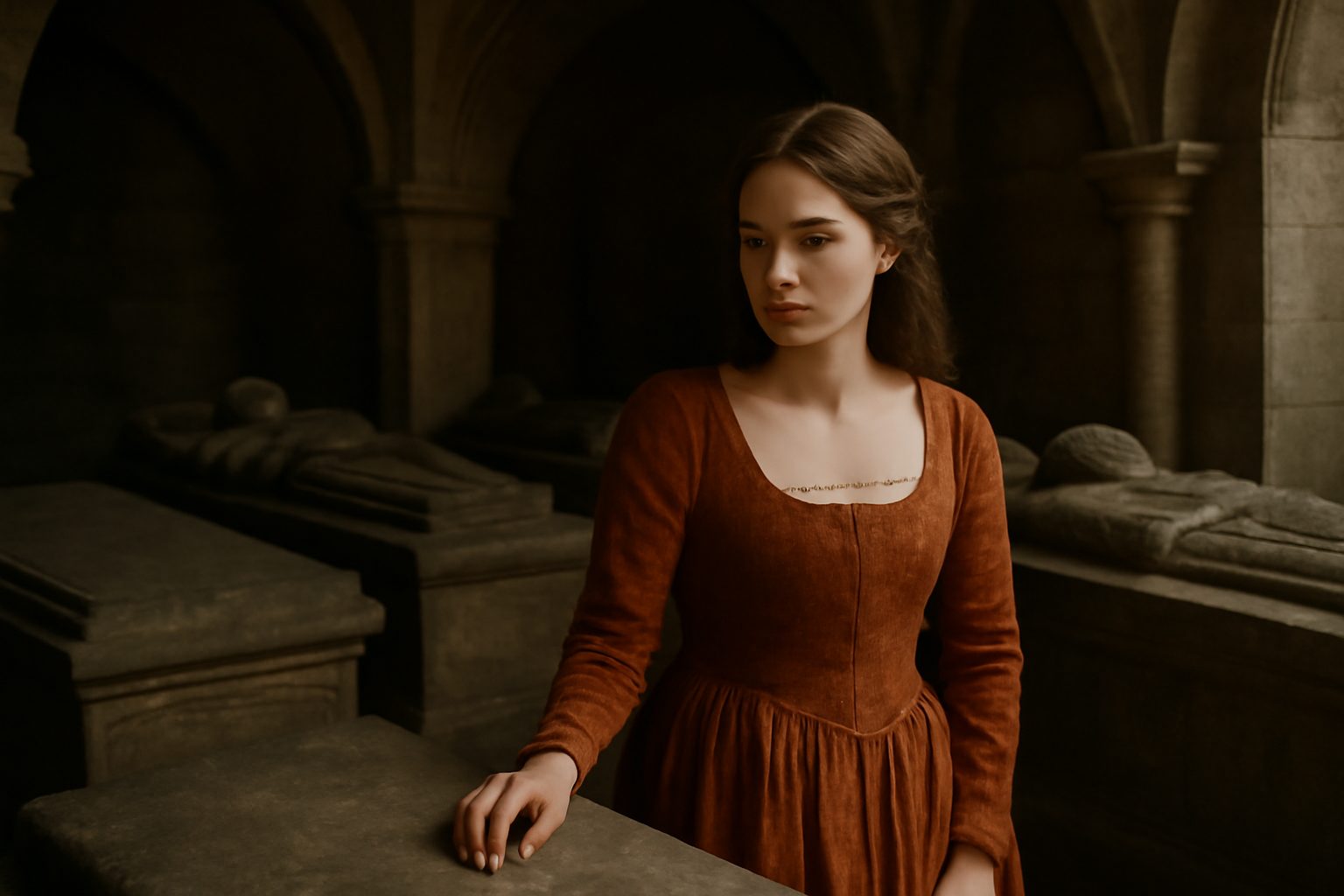
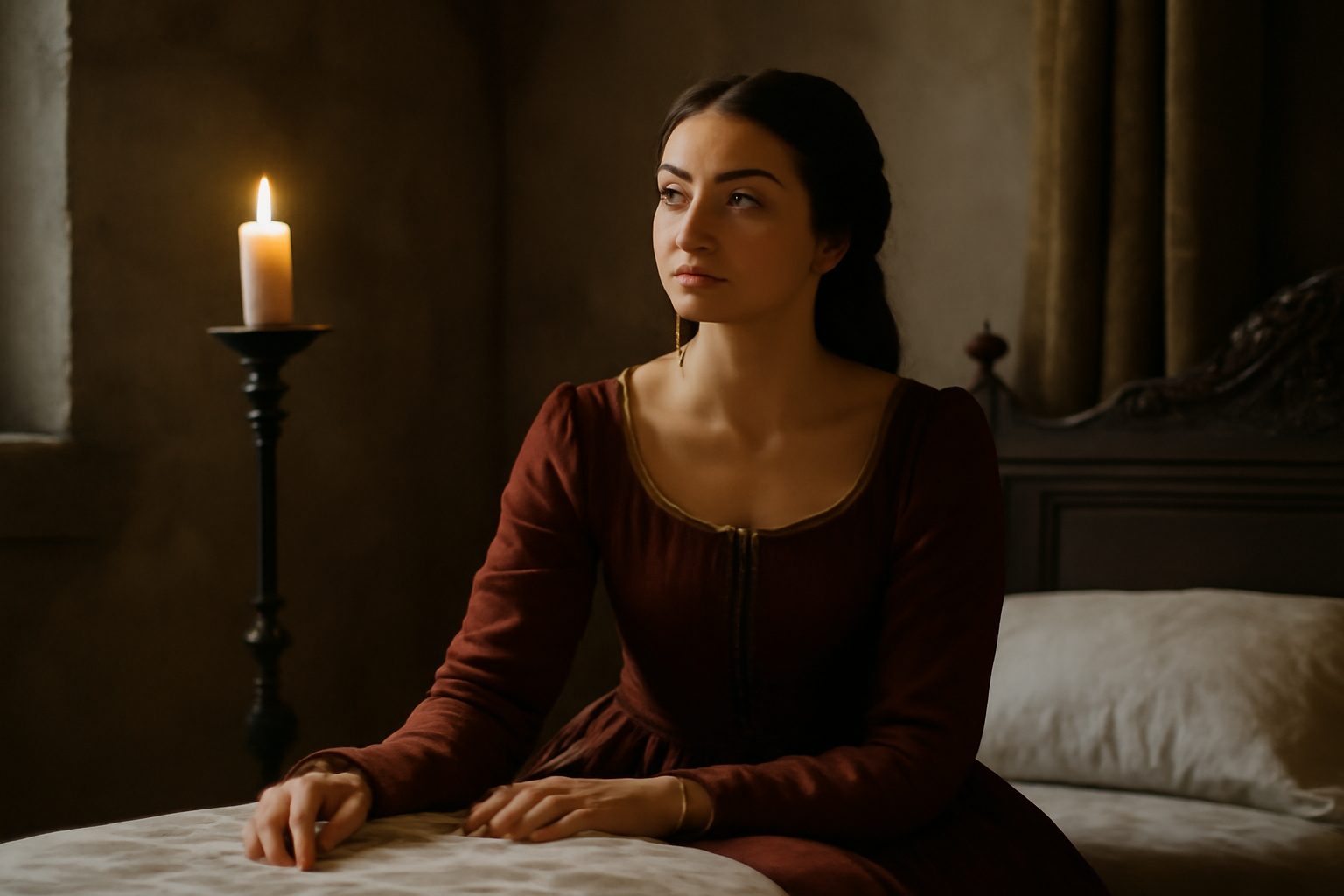
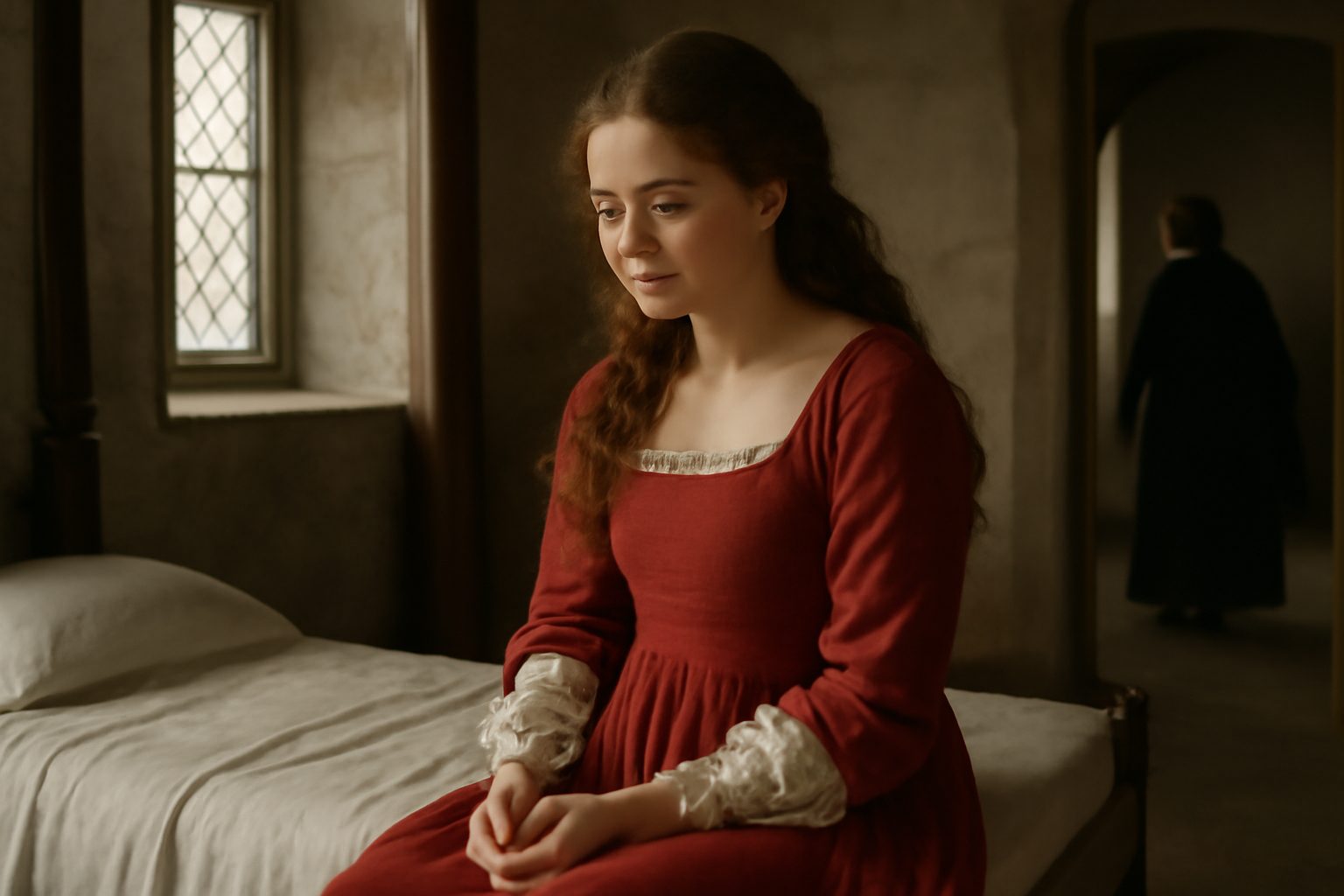
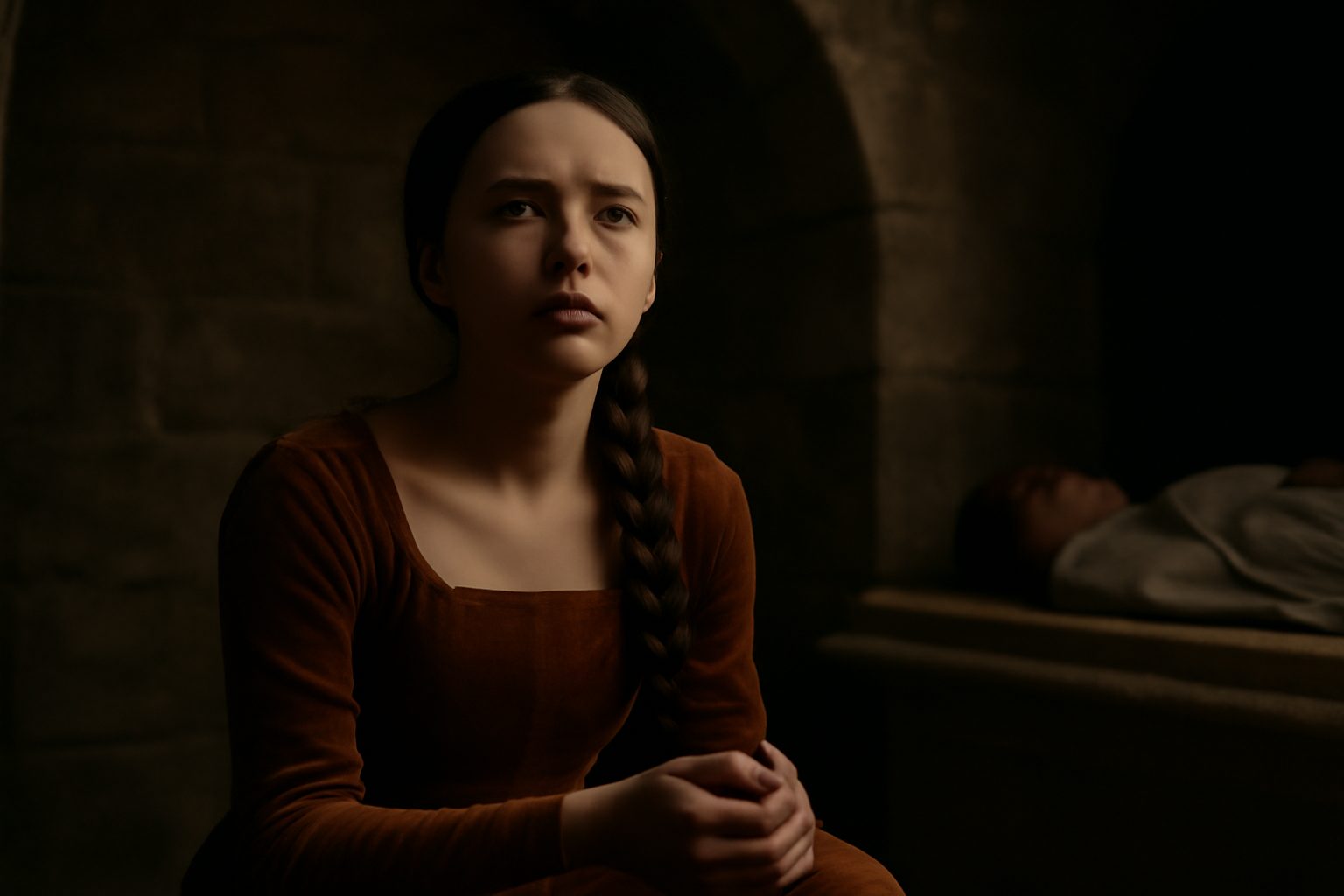
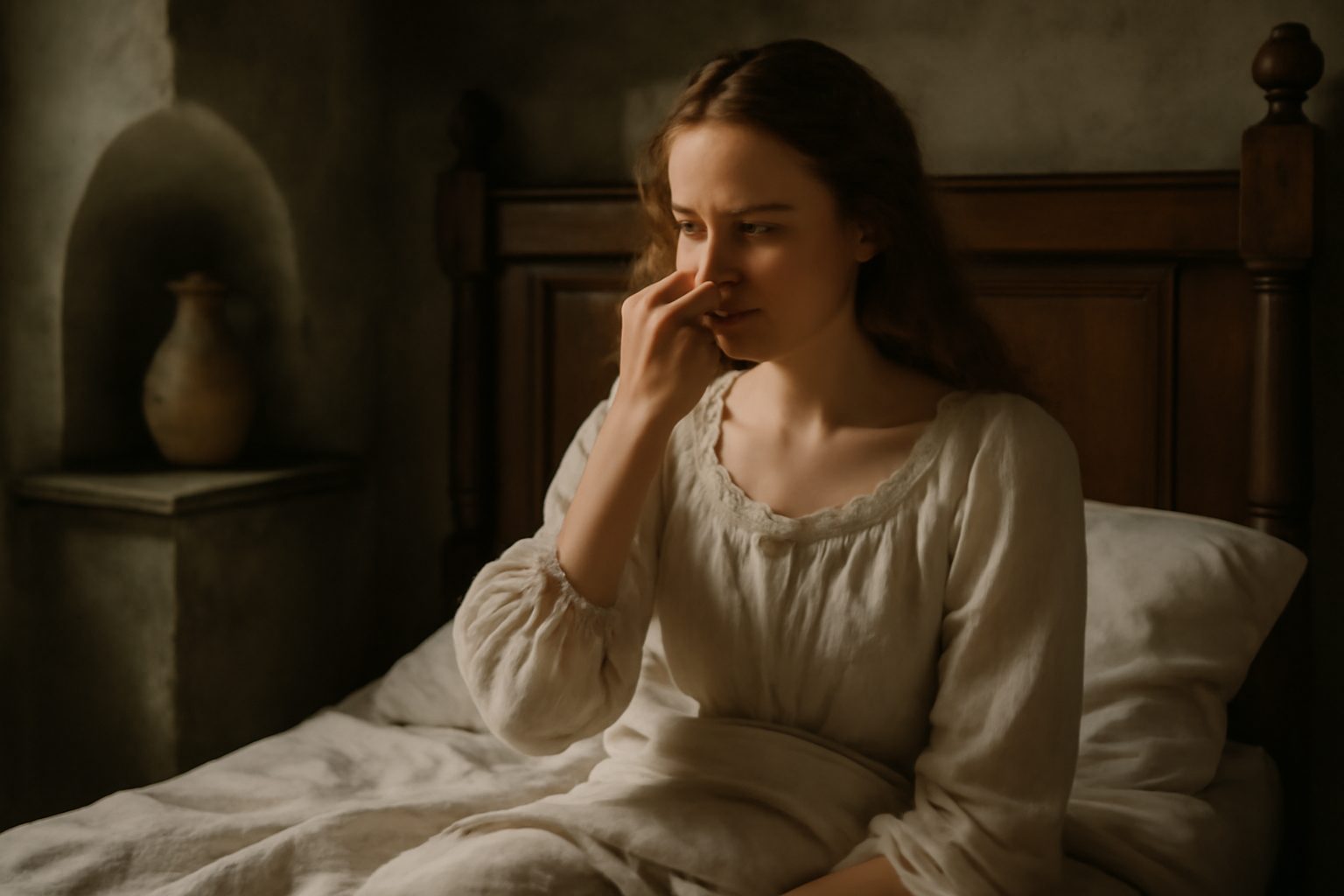
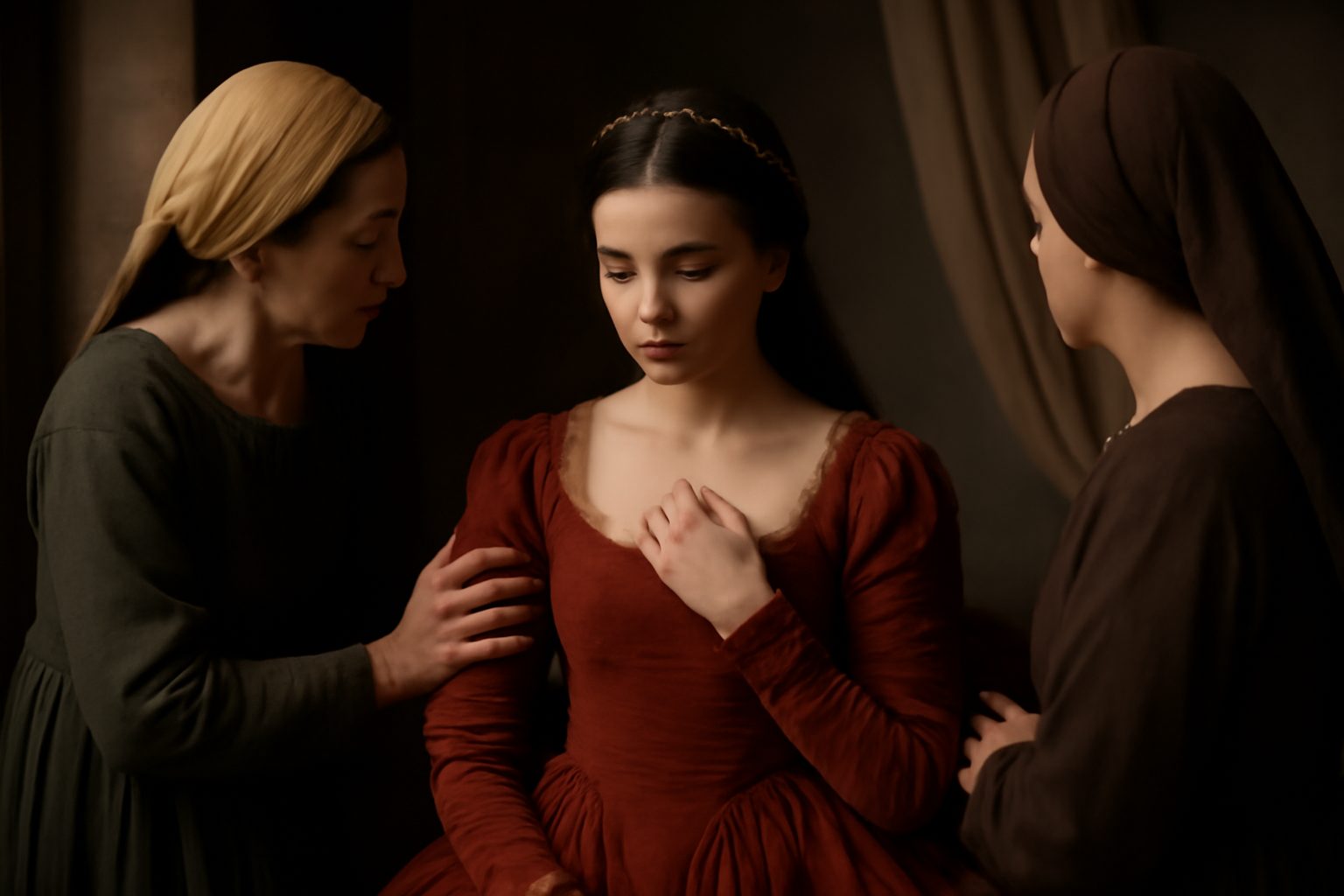
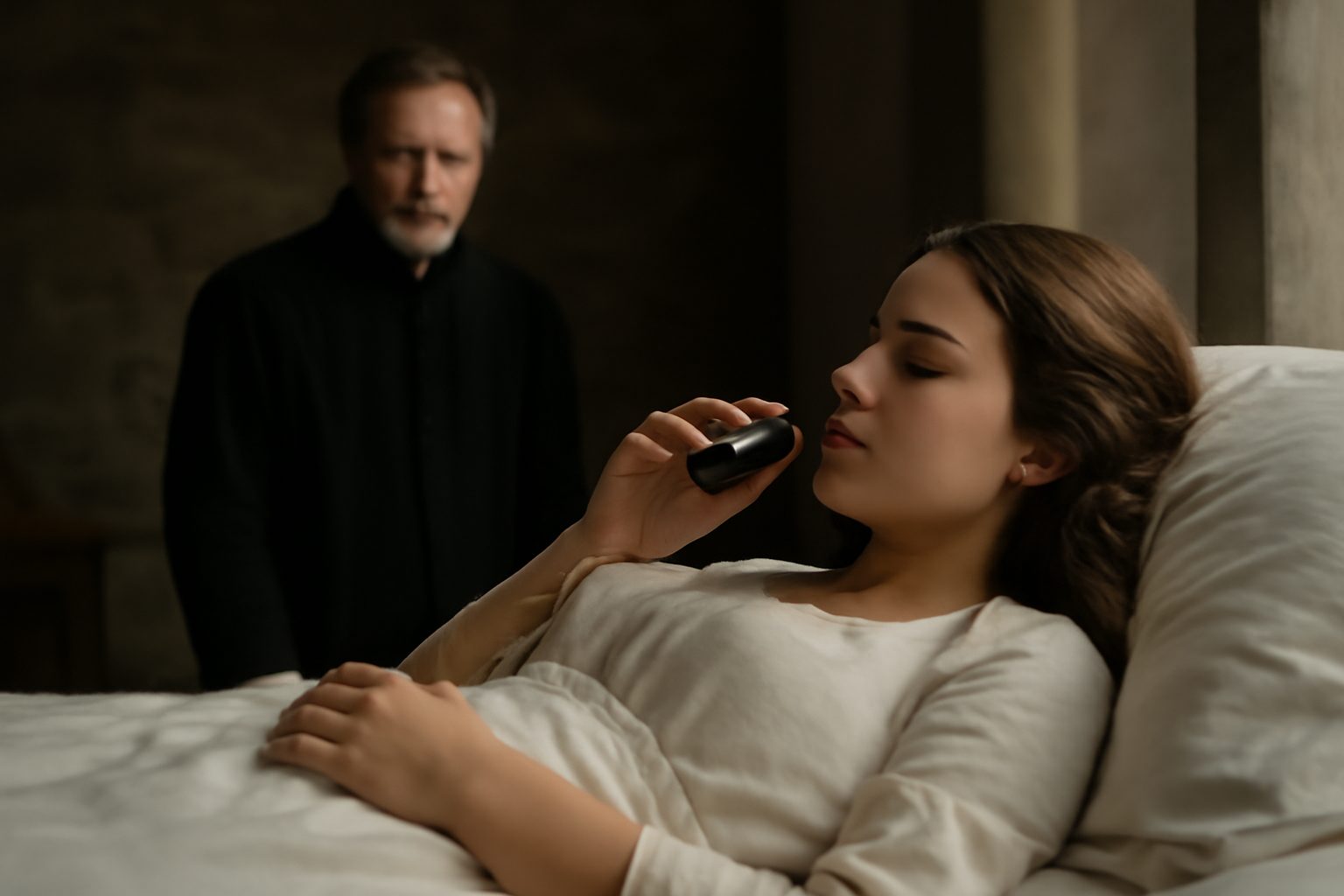
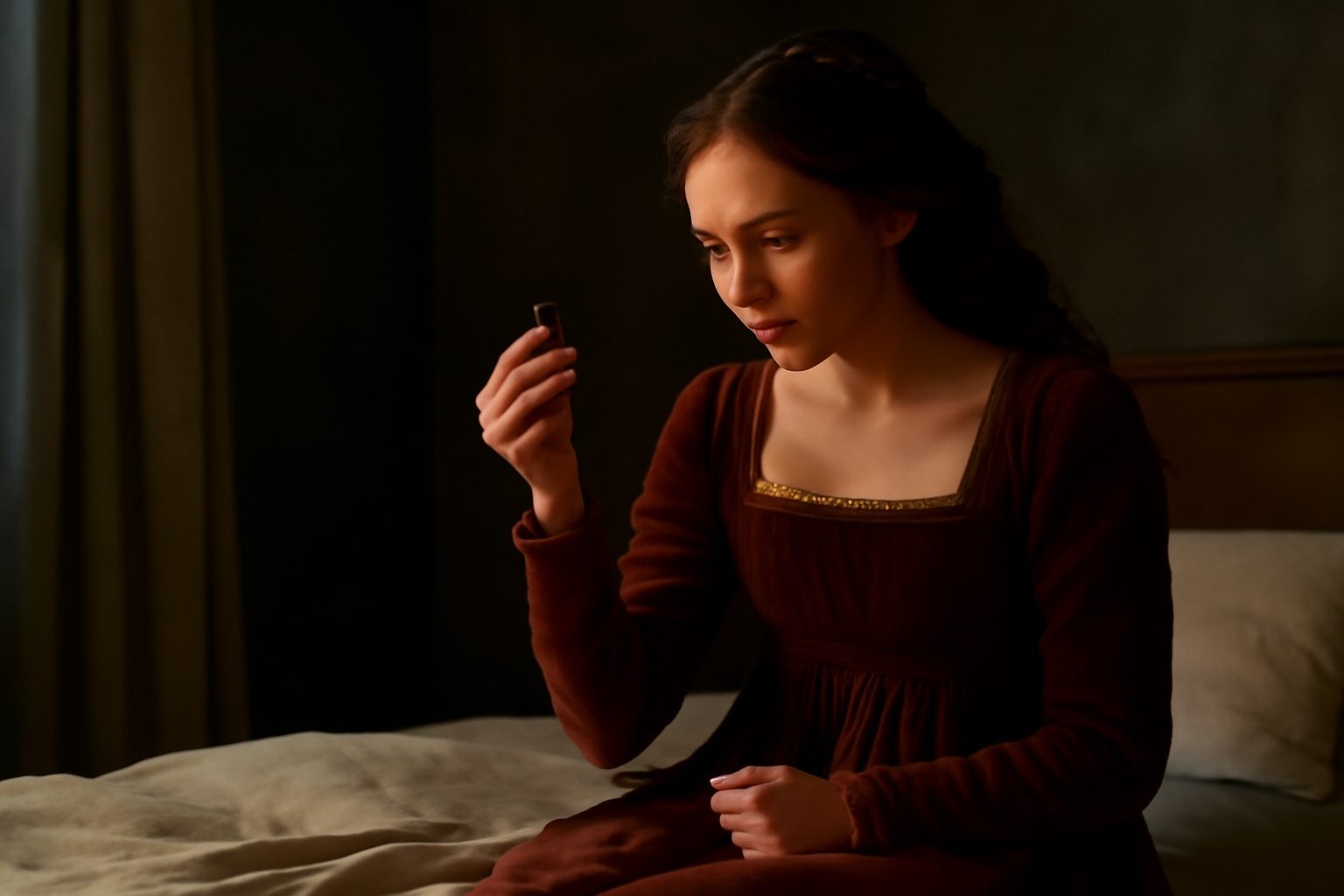
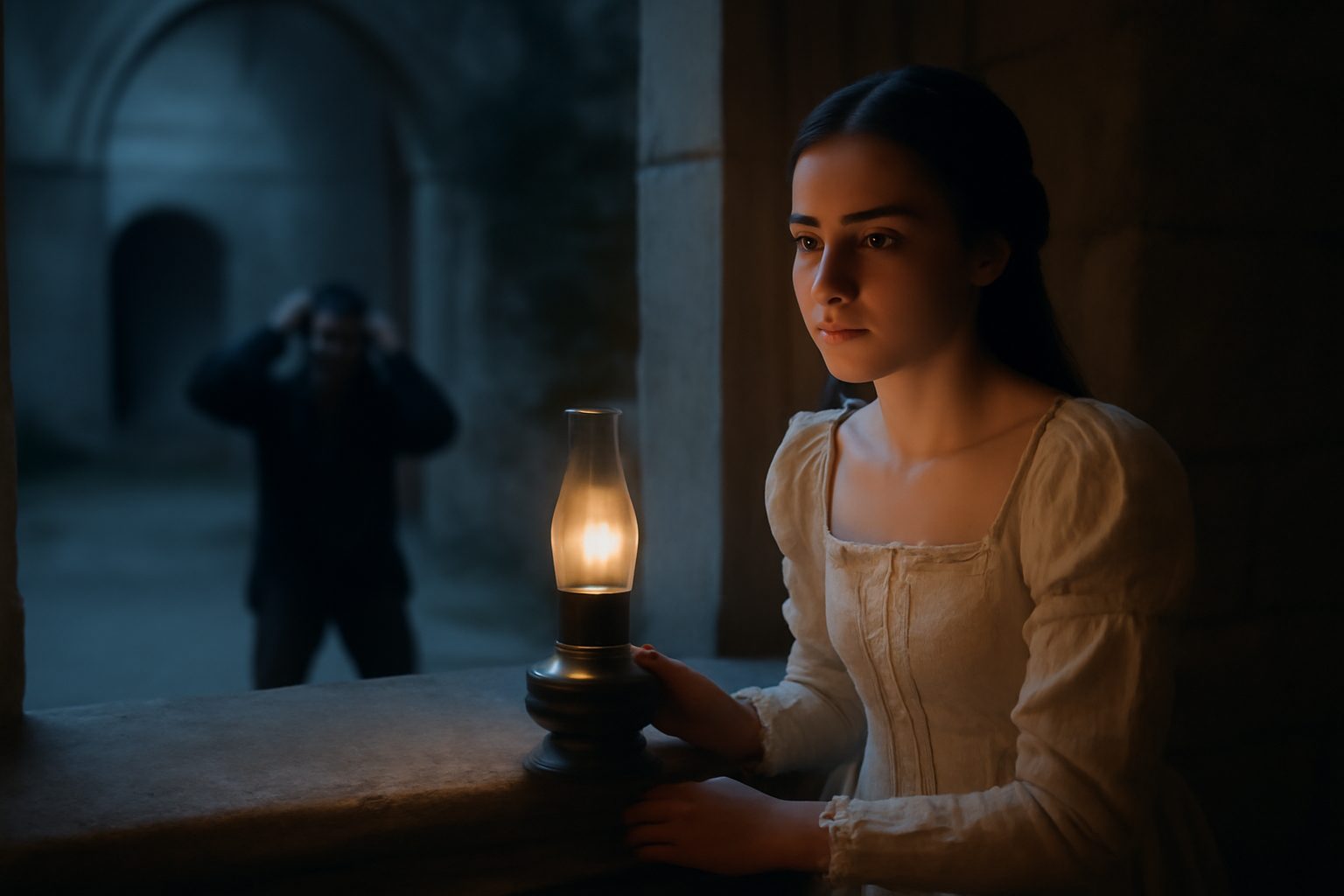
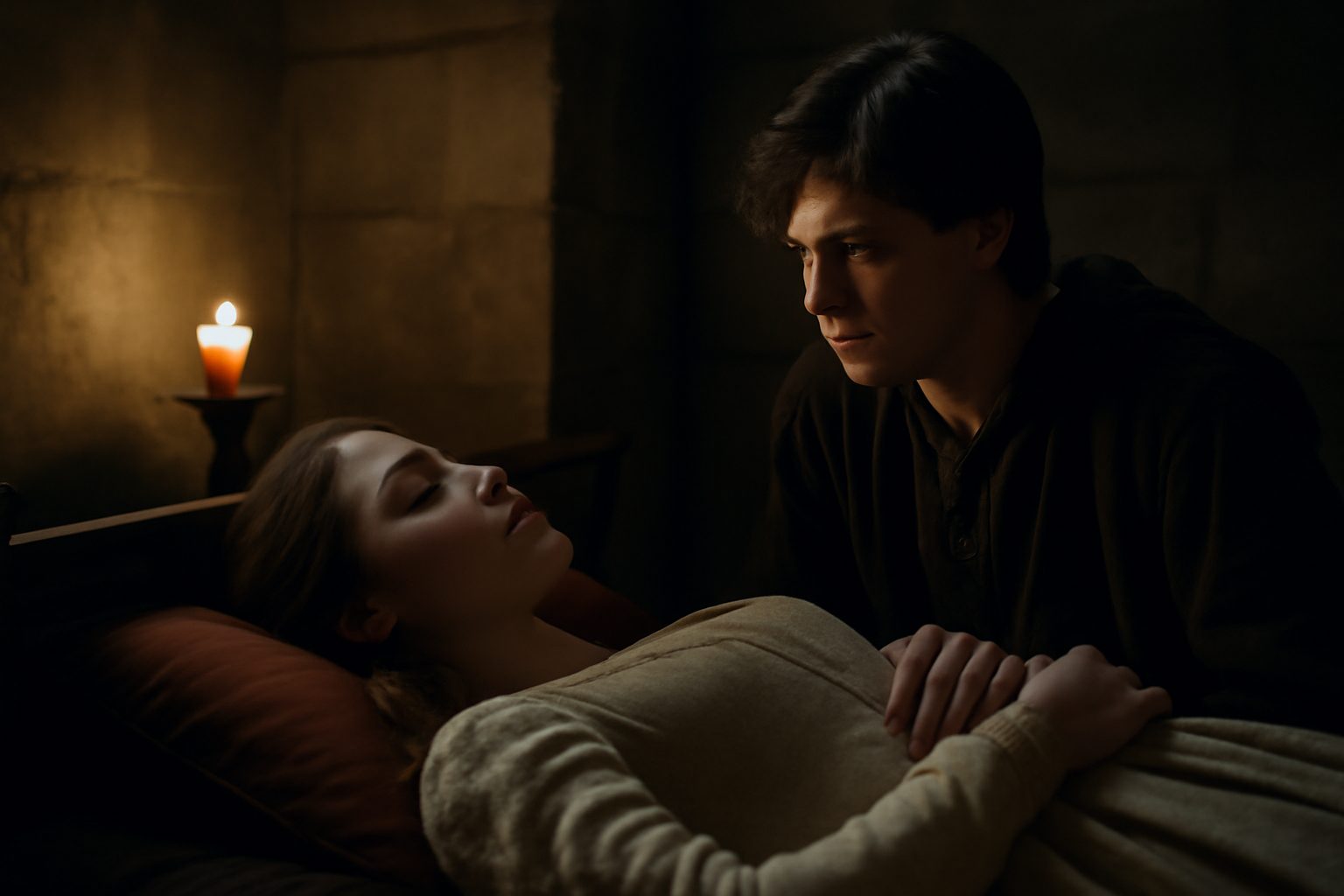
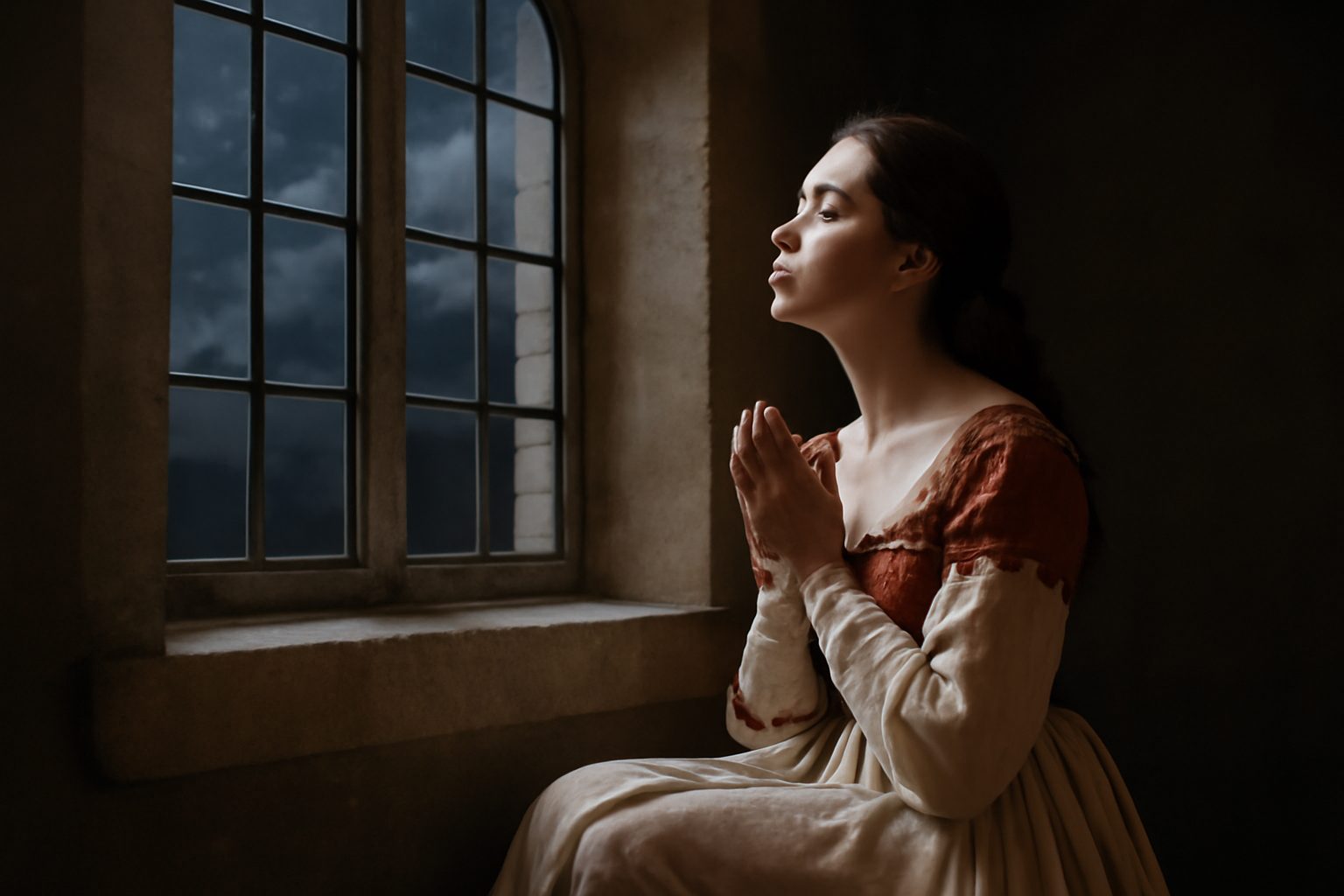
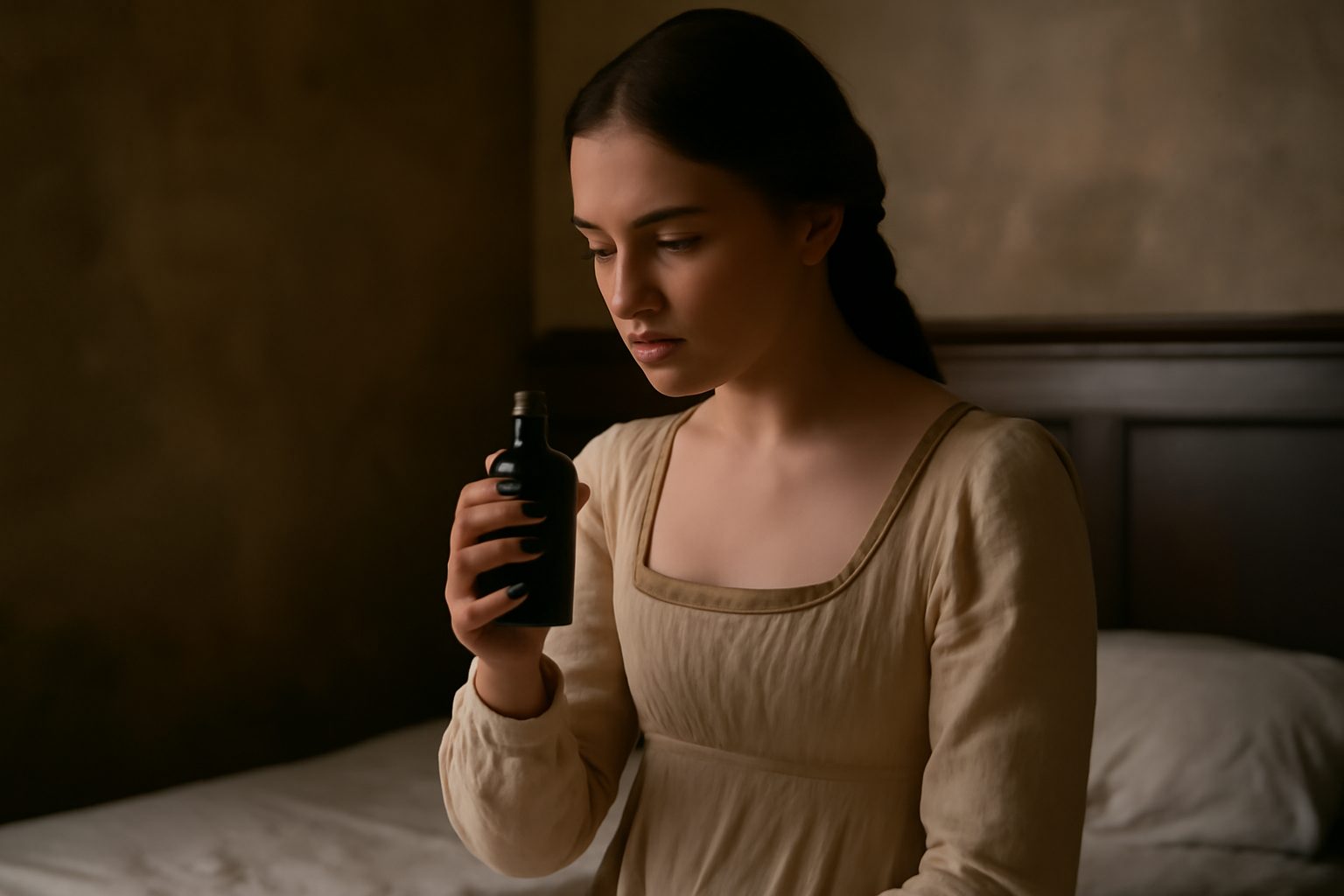
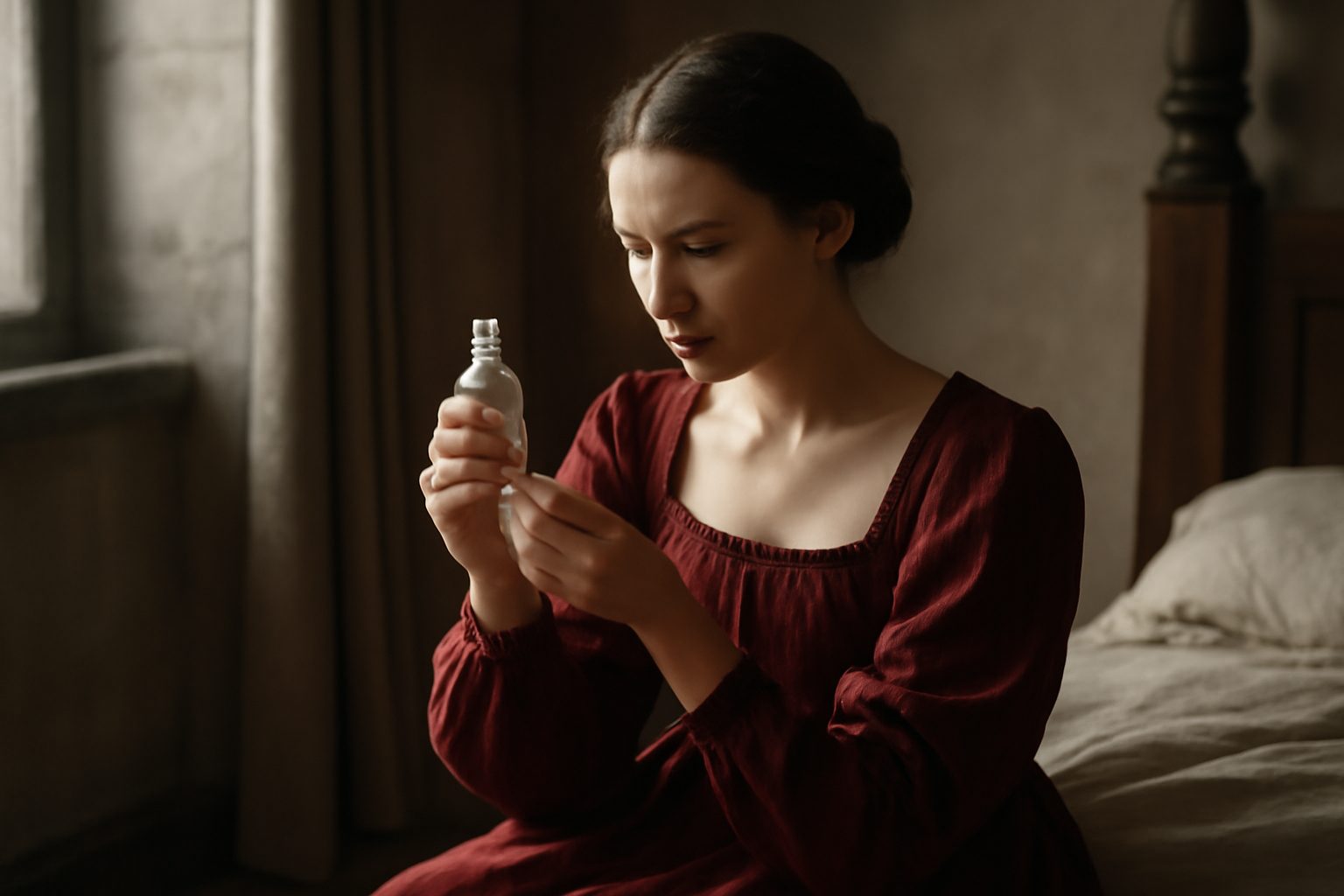
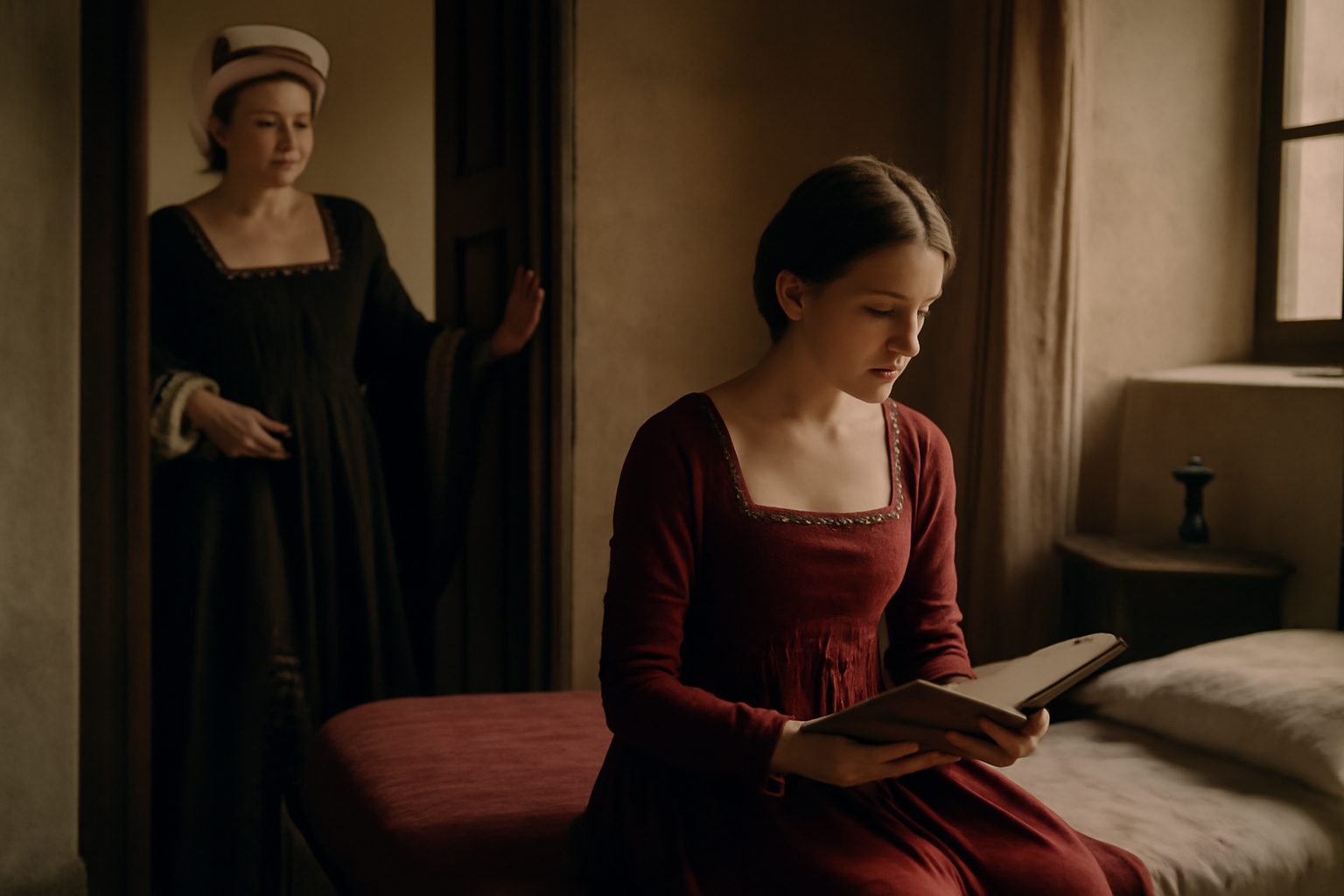
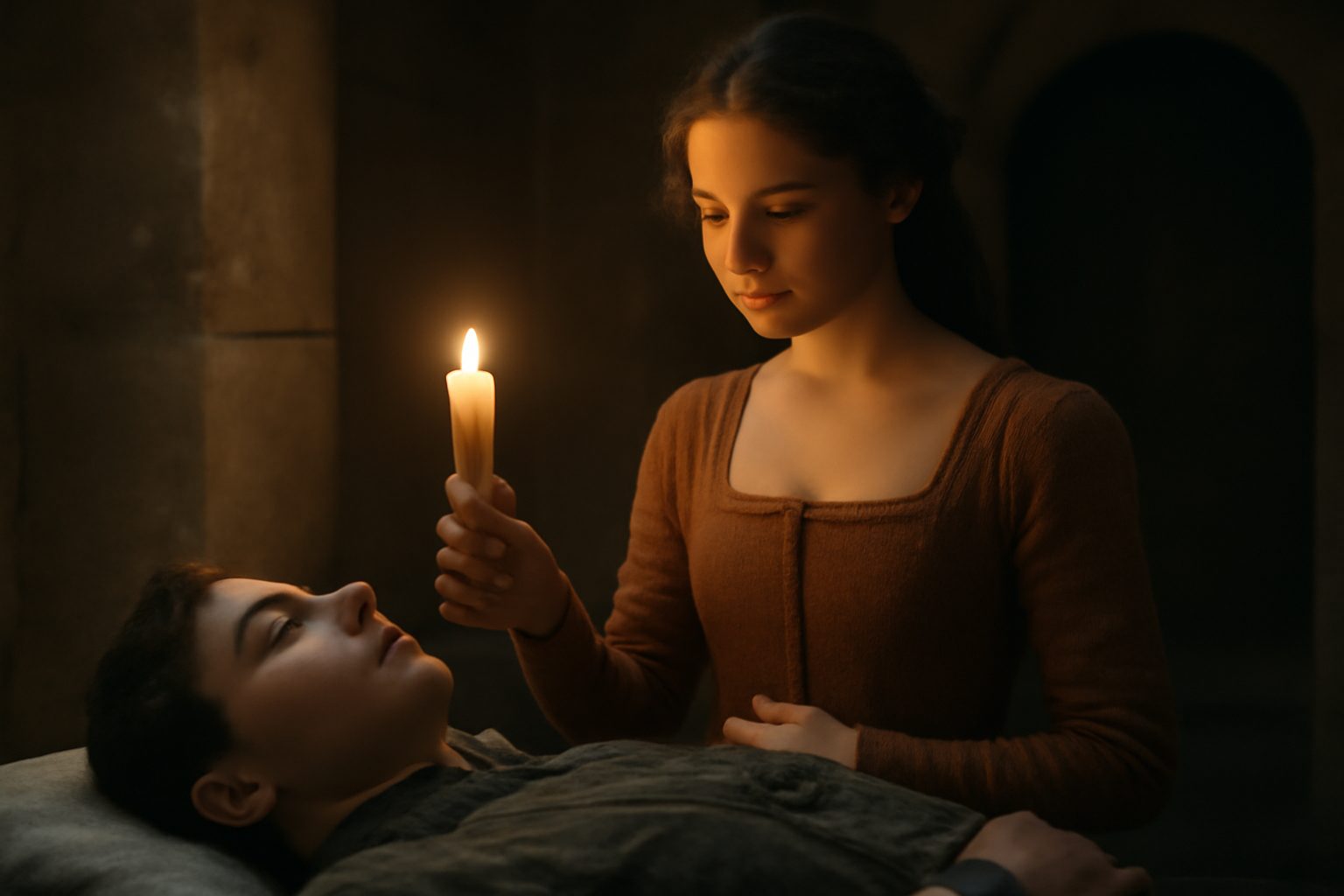
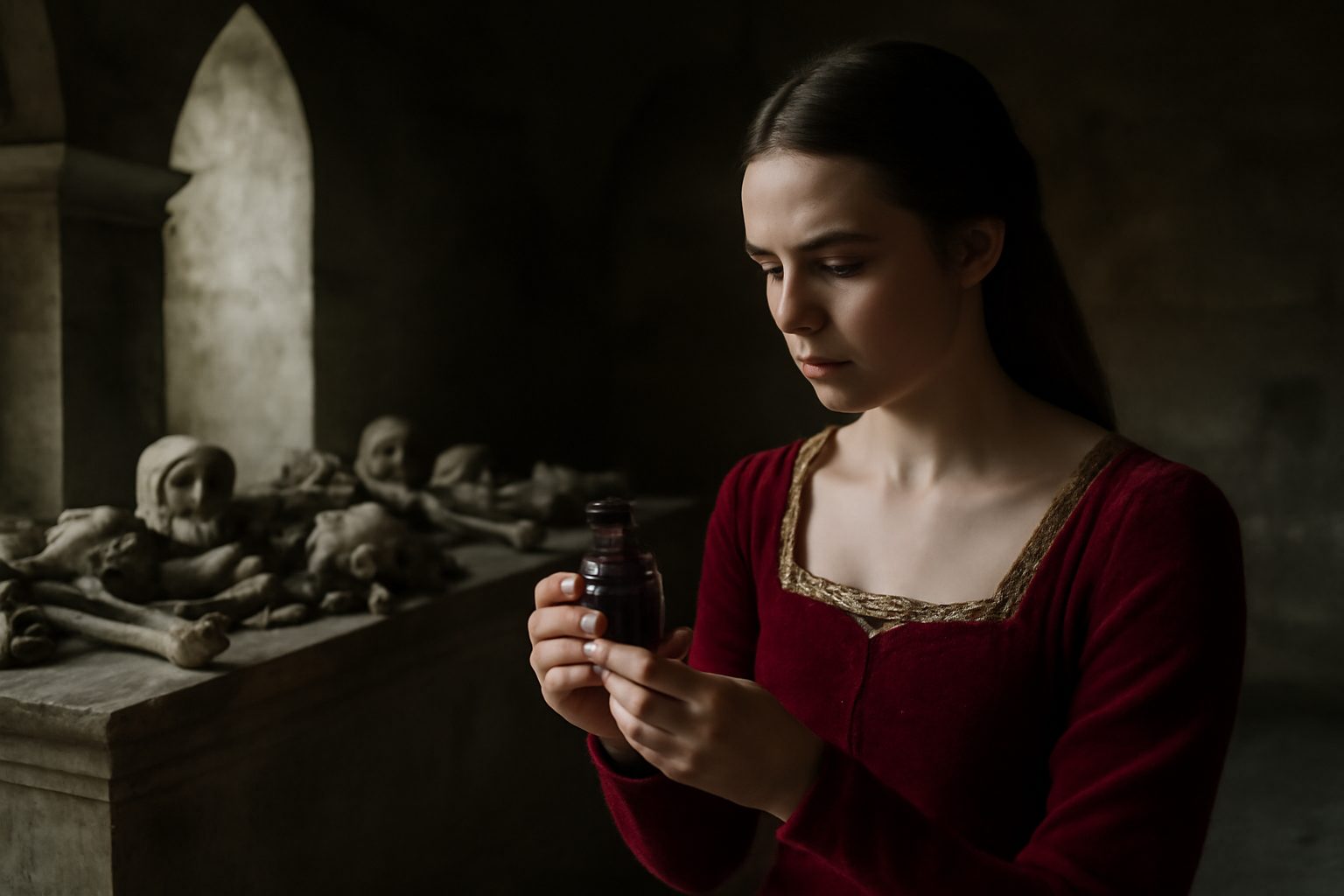
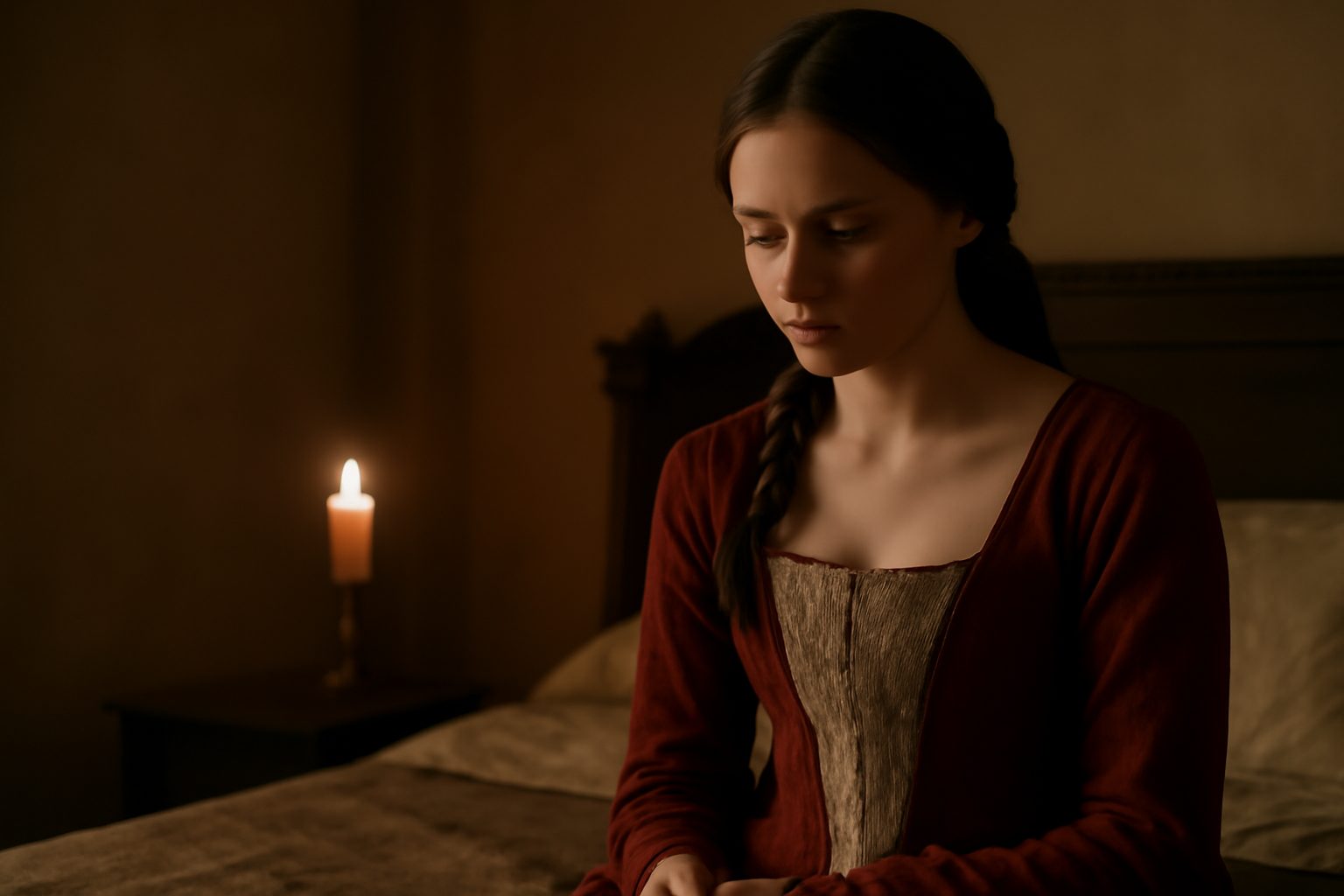
In Act 4, Scene 3 of Romeo and Juliet, Juliet prepares to drink the potion given to her by Friar Laurence, a desperate measure to avoid marrying Paris. As she holds the vial, she steels herself for the plan’s risks, including the fear of waking alone in the Capulet tomb. This moment captures her resolve and the tension between hope and dread as she takes control of her fate.
Juliet: "Come, vial."
In modern day english, we would say:
Okay, here I go.
She picks up the vial, ready to drink its contents.
Frequently Asked Questions
What is Juliet about to do when she says 'Come, vial'?
She is about to drink a potion from the vial to fake her death.
Connections to other verses:
Connections to "Come, vial."
The verse Come, vial. marks Juliet's decisive moment of taking the potion, but it is deeply intertwined with her preceding fears and doubts expressed in other parts of the scene.
Doubt and Fear
Just before this action, Juliet questions the Friar's intentions, wondering, What if it be a poison, which the friar / Subtly hath minister'd to have me dead? This suspicion highlights her vulnerability and the high stakes of her decision.
She also fears the potion might fail entirely, asking, What if this mixture do not work at all? This directly precedes her resolve to drink it anyway, emphasizing her desperation.
Isolation and Resolve
Her solitude is emphasized earlier when she insists, My dismal scene I needs must act alone. This reinforces that the moment with the vial is a solitary, courageous act.
She dismisses the idea of calling the Nurse for comfort, stating, Nurse! What should she do here? showing her determination to face the plan without interference.
Imagined Horrors
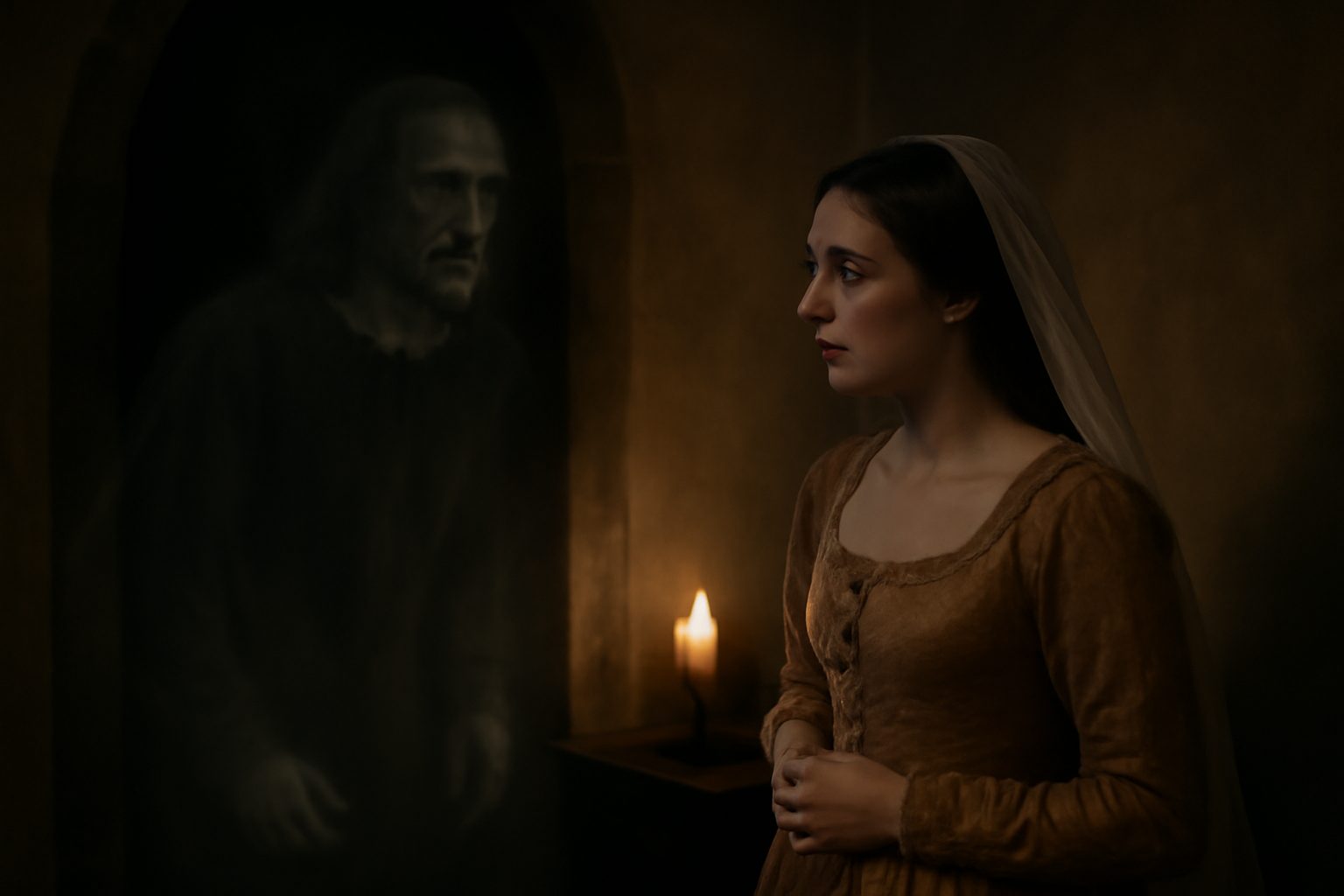
Her terror of the tomb is vivid, as she envisions waking stifled in the vault or encountering Tybalt's ghost, O, look! methinks I see my cousin's ghost. These fears make drinking the vial an act of immense bravery.
Love and Finality
The act culminates in her dedication to Romeo: Romeo, I come! this do I drink to thee. This directly follows "Come, vial." and transforms the moment from one of fear to one of love and sacrifice.