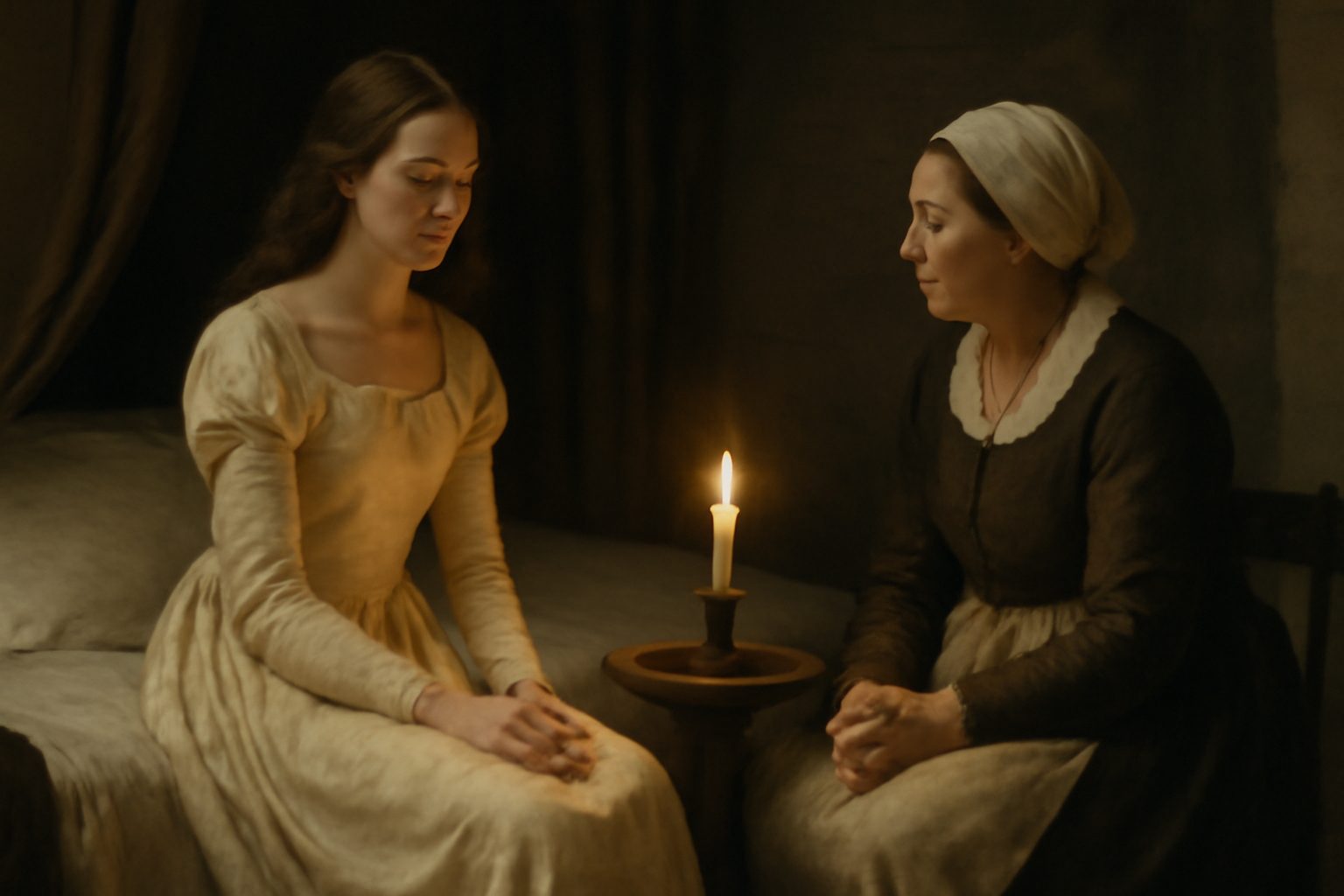
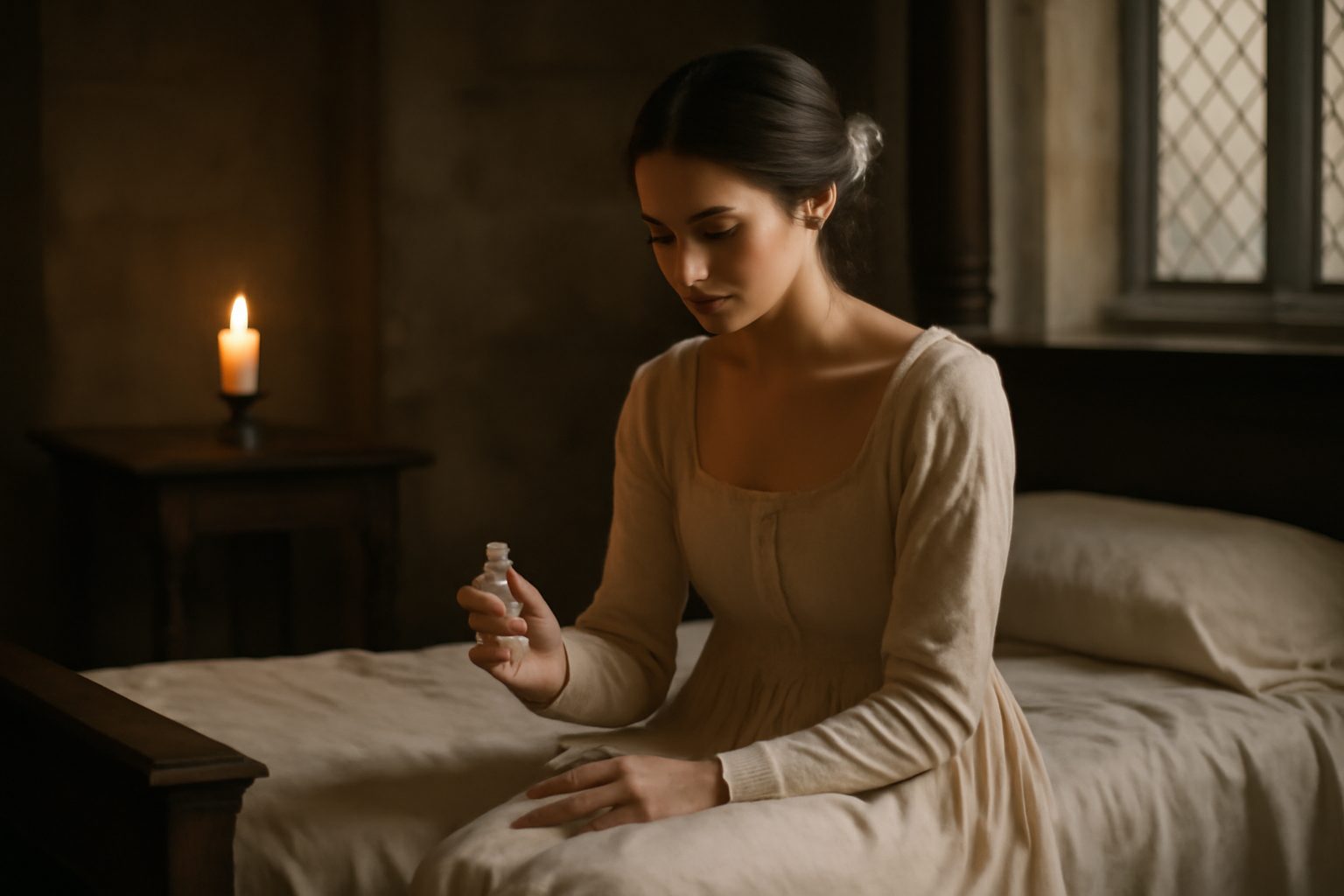
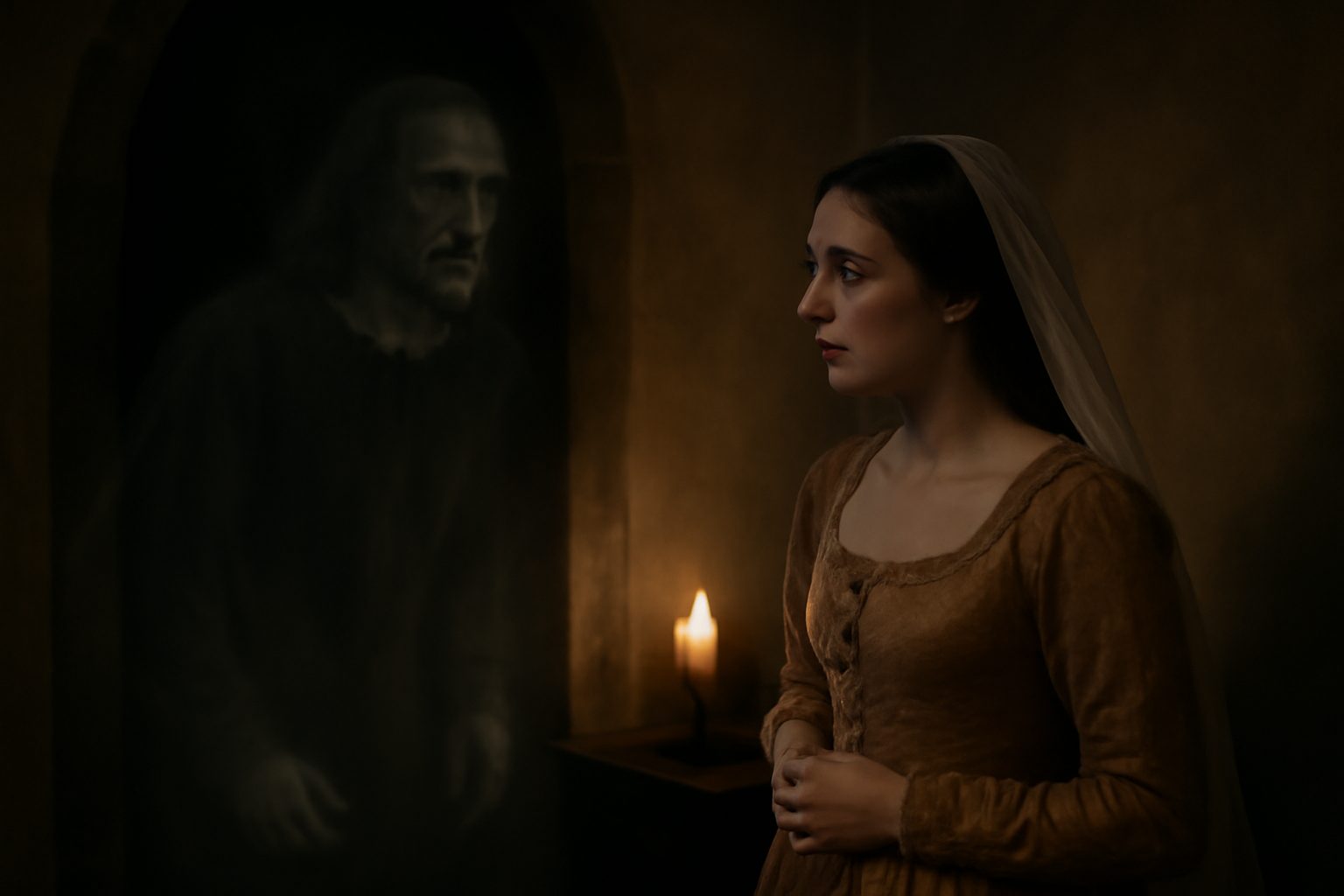
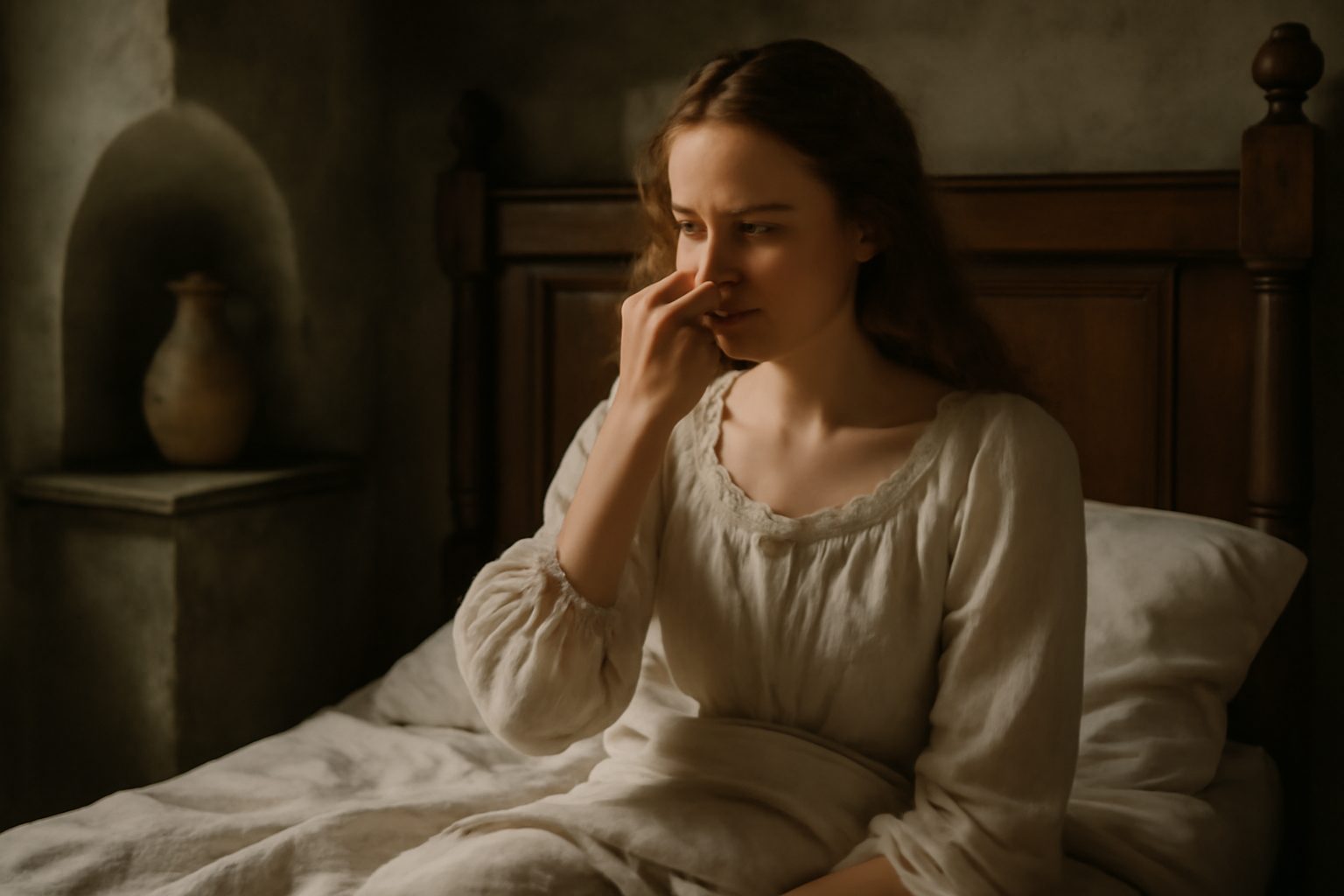
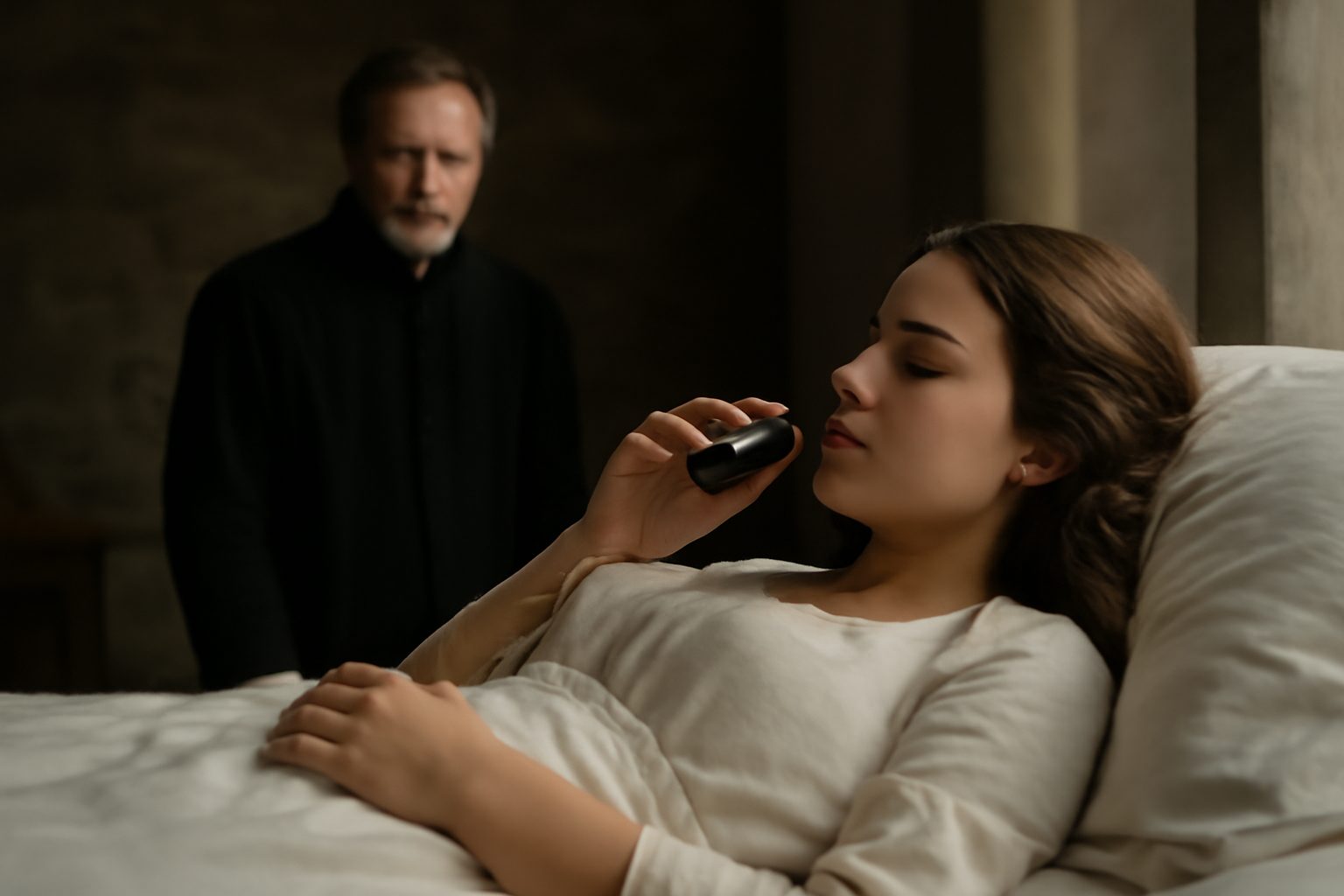
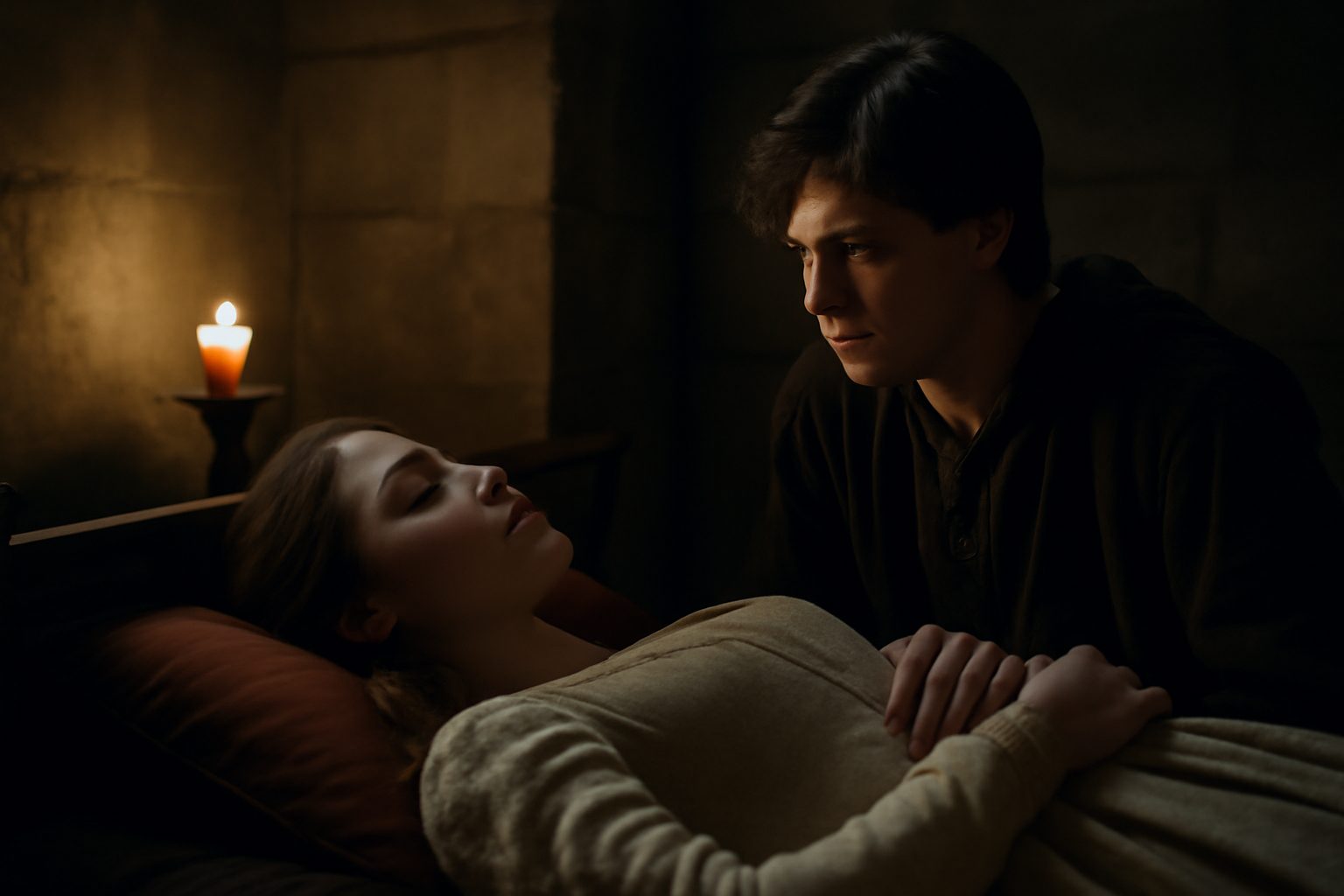
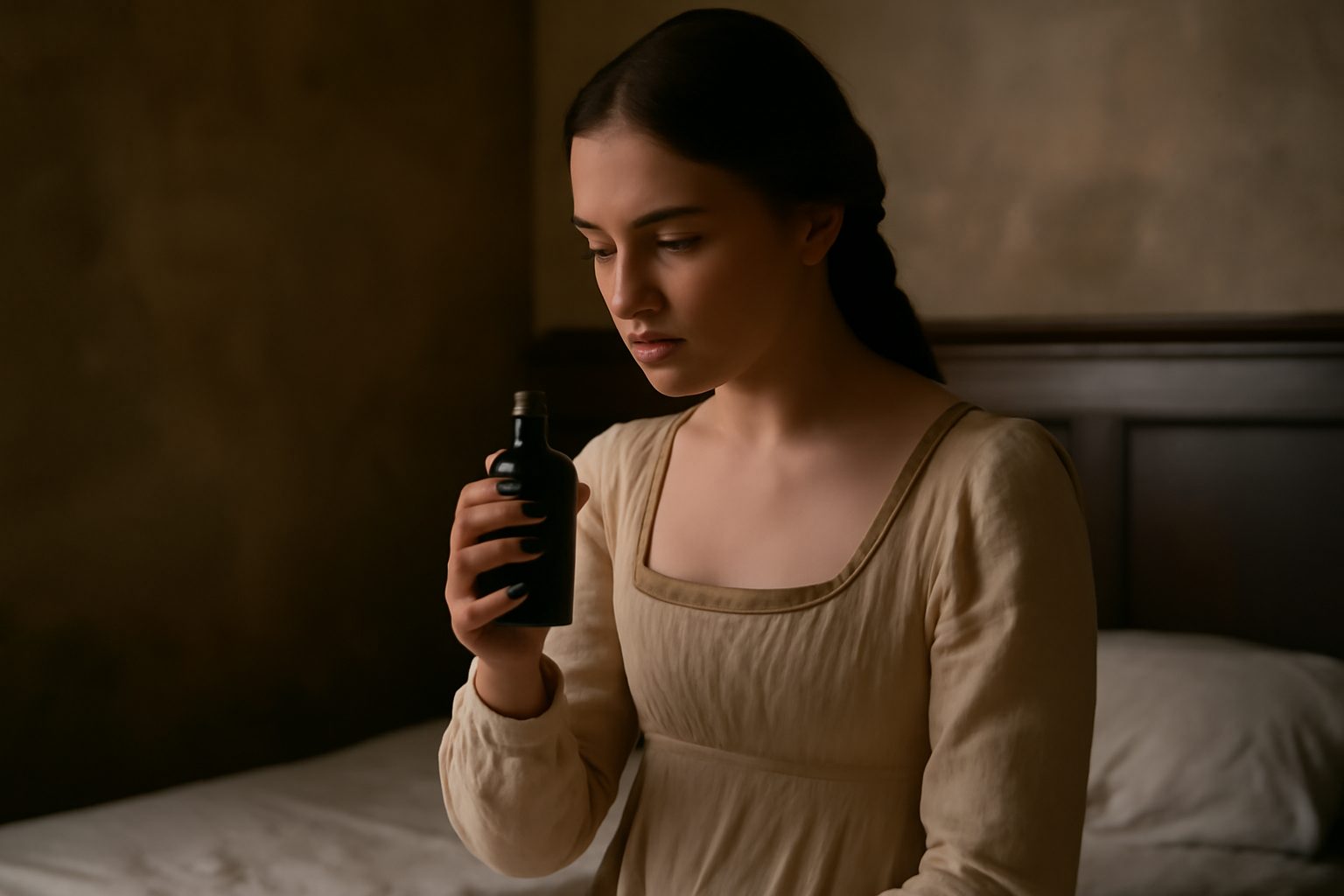
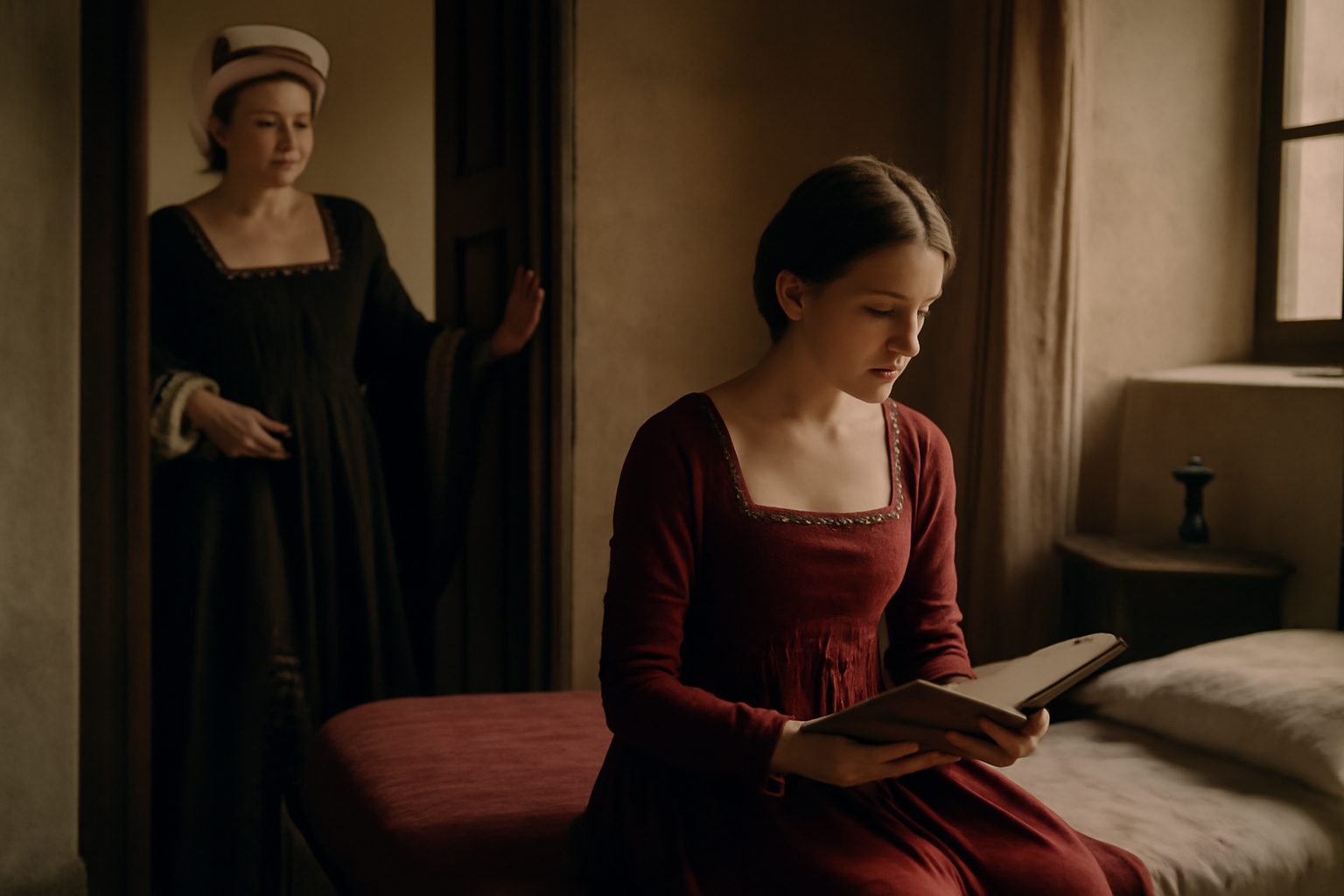
In Act 4, Scene 3 of Romeo and Juliet, Juliet prepares to take the potion the Friar has given her, uncertain whether it will lead to her reunion with Romeo or her death. As she steels herself for the plan, her nurse offers gentle words, urging her to rest because she is clearly exhausted from the emotional turmoil. This moment highlights the nurse’s concern for Juliet, unaware of the true stakes of her actions.
Lady Capulet: "Get thee to bed, and rest; for thou hast need."
In modern day english, we would say:
Go to bed and get some rest; you need it.
Frequently Asked Questions
What does Lady Capulet tell Juliet to do in this line?
Lady Capulet tells Juliet to go to bed and rest because she needs it.
Connections to other verses:
Connections to "Get thee to bed, and rest; for thou hast need."
This line, spoken by Lady Capulet, serves as a moment of maternal concern before Juliet's desperate act. It contrasts sharply with Juliet's inner turmoil and foreshadows the solitude she must face.
Connection to Preparation and Solitude
Earlier, Juliet requests privacy with I pray thee, leave me to my self to-night, emphasizing her need to be alone for her plan. This aligns with her mother's instruction to rest, though Juliet's intentions are far from peaceful. Her resolve is clear in My dismal scene I needs must act alone, highlighting that the "rest" her mother envisions is actually a prelude to her feigned death.
Link to Fear and Apprehension
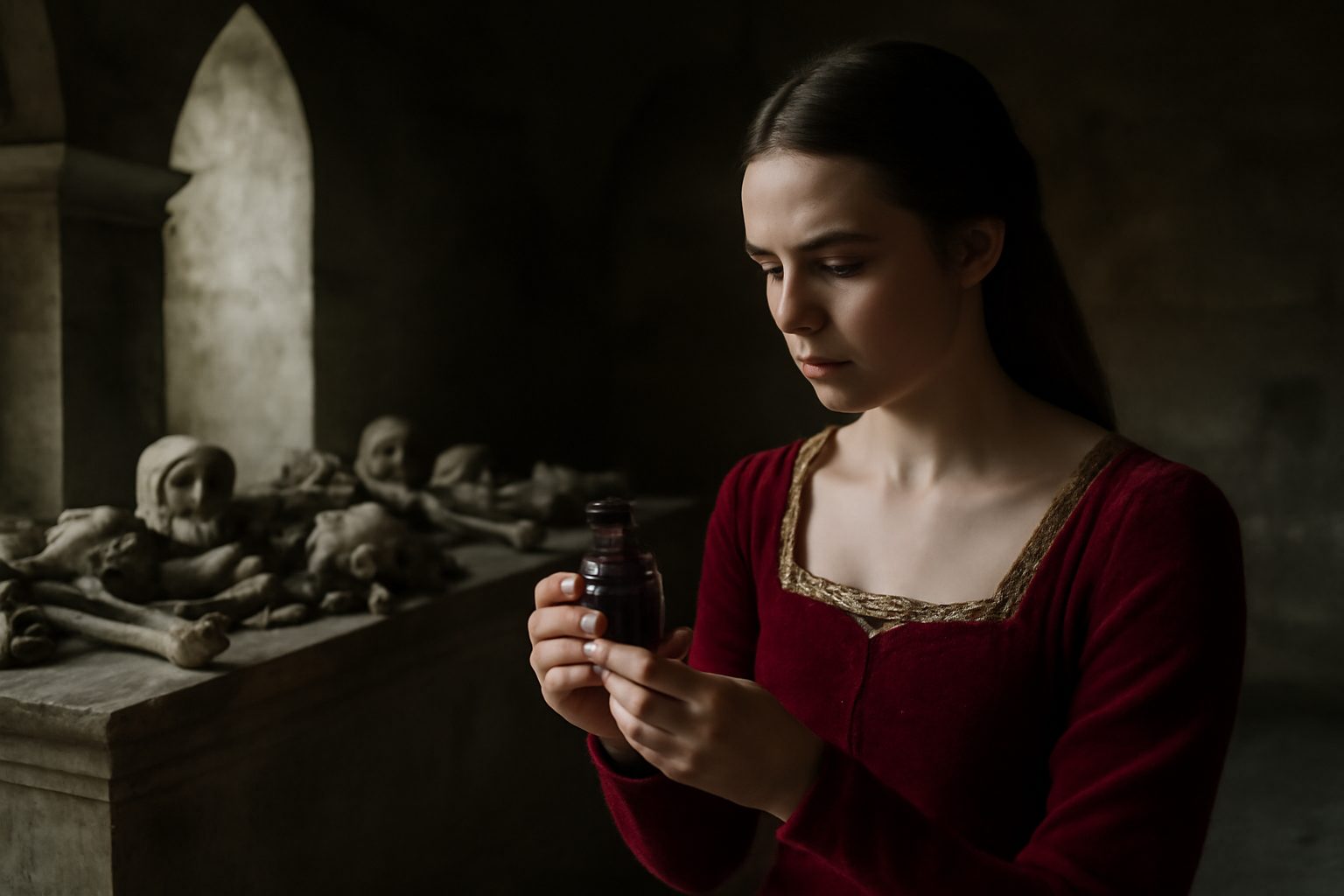
Juliet's anxiety is palpable in I have a faint cold fear thrills through my veins, which directly contradicts the calmness implied by "rest." Her fears escalate as she imagines waking in the tomb, asking How if, when I am laid into the tomb, and worrying she might suffocate or go mad, as in O, if I wake, shall I not be distraught.
Relation to the Potion and Final Resolve
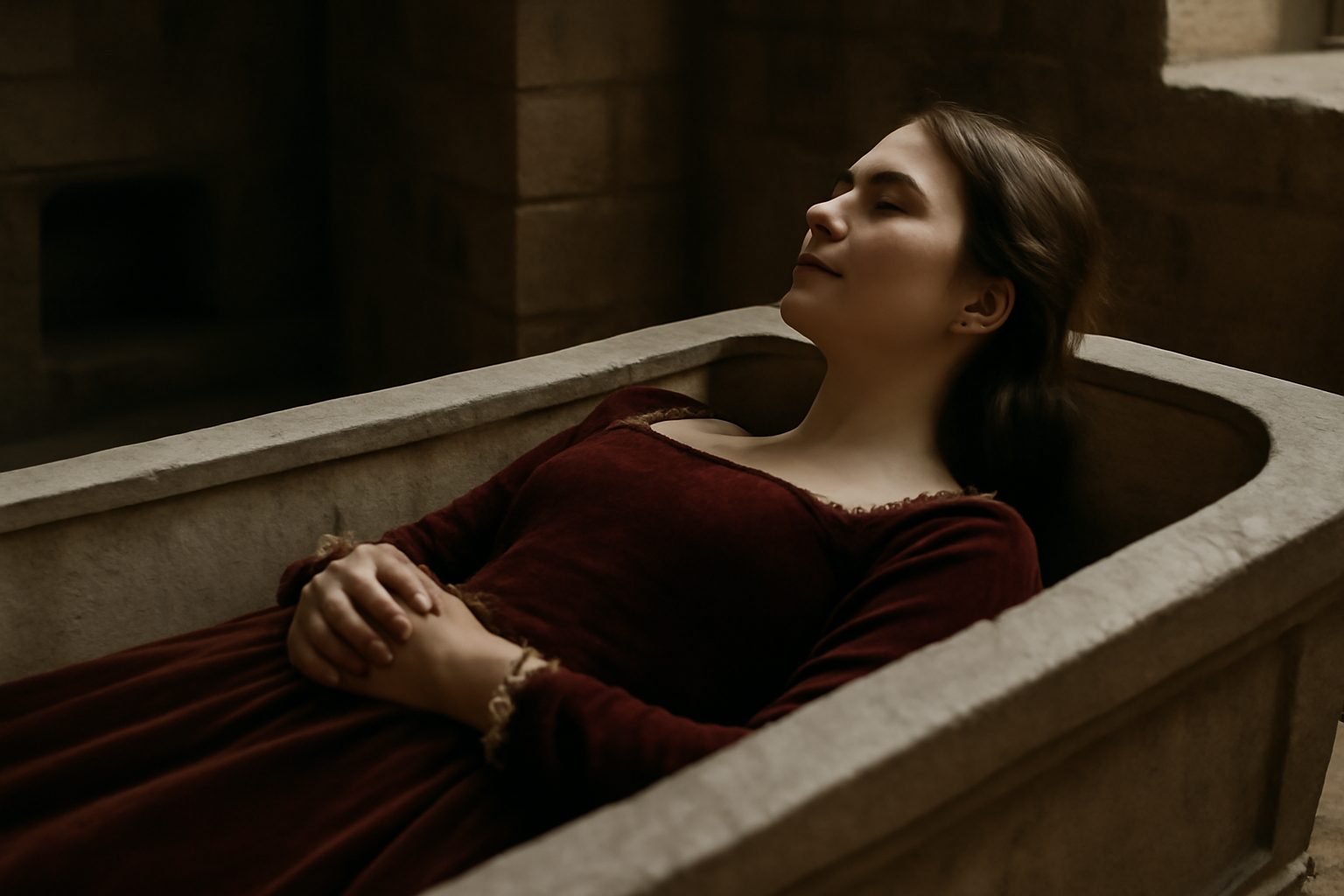
Her mother's words precede Juliet's decisive moment with the vial, referenced in Come, vial. Despite doubts like What if it be a poison, she overcomes her terror, culminating in Romeo, I come! this do I drink to thee, turning the call for "rest" into a permanent, tragic sleep.