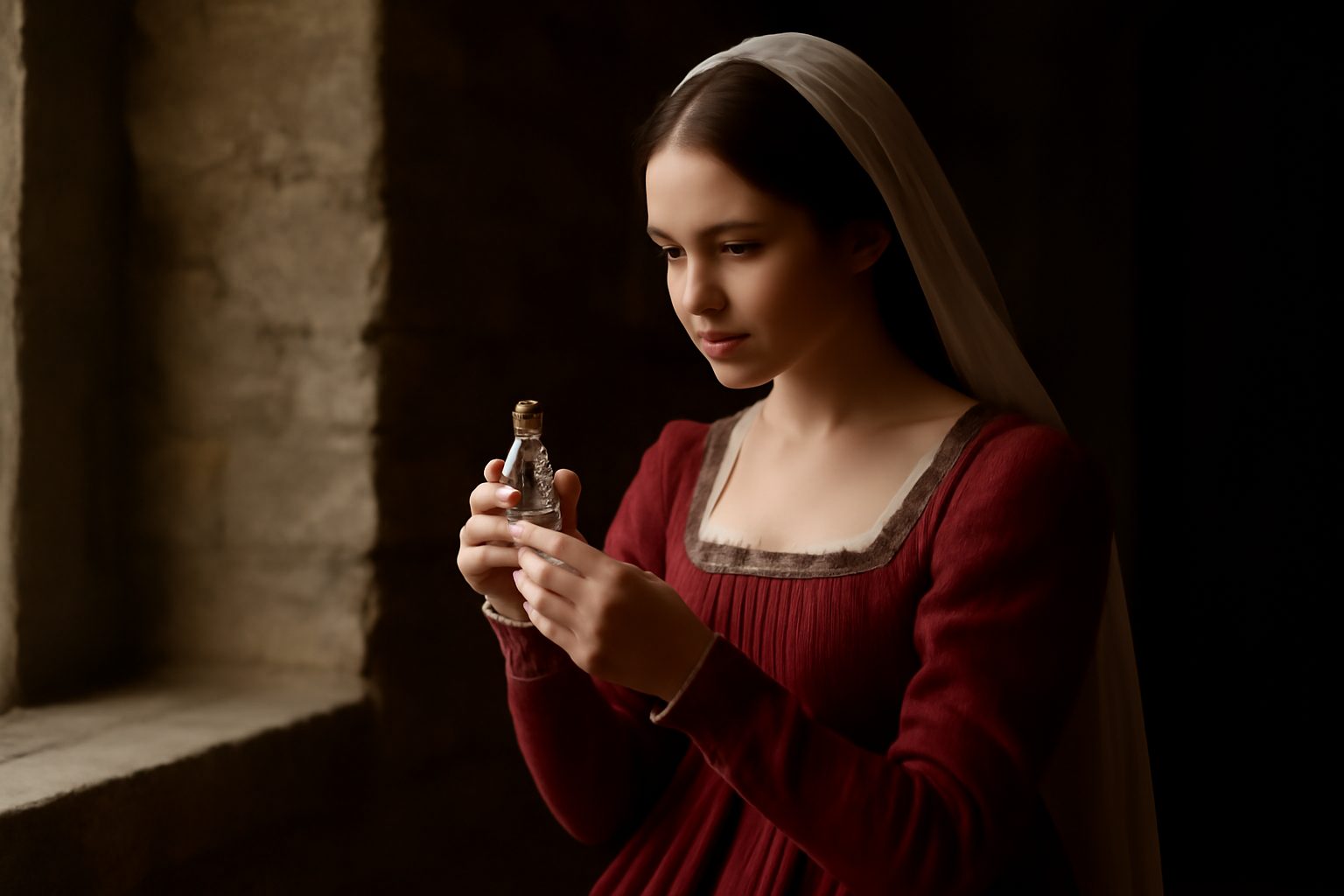
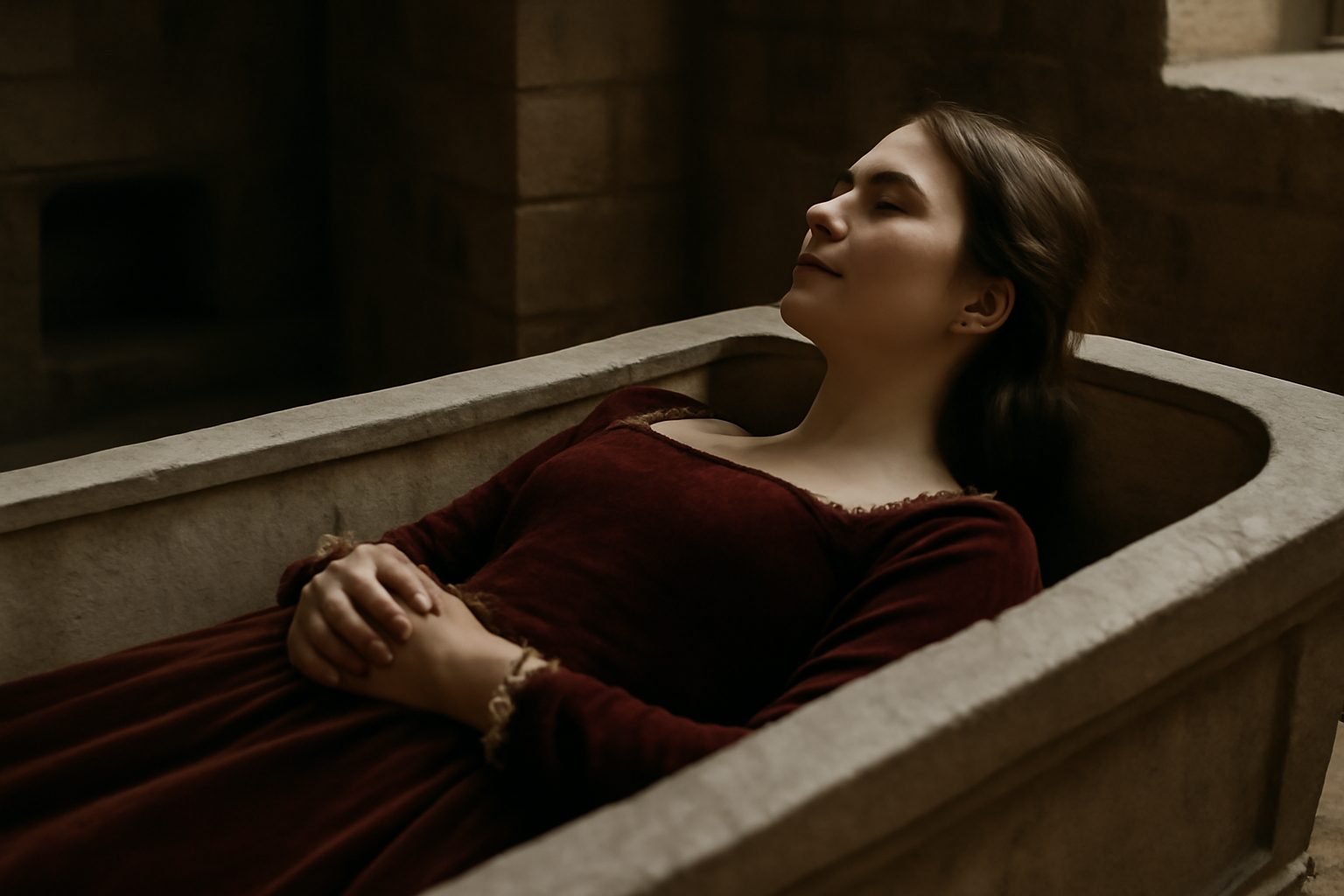
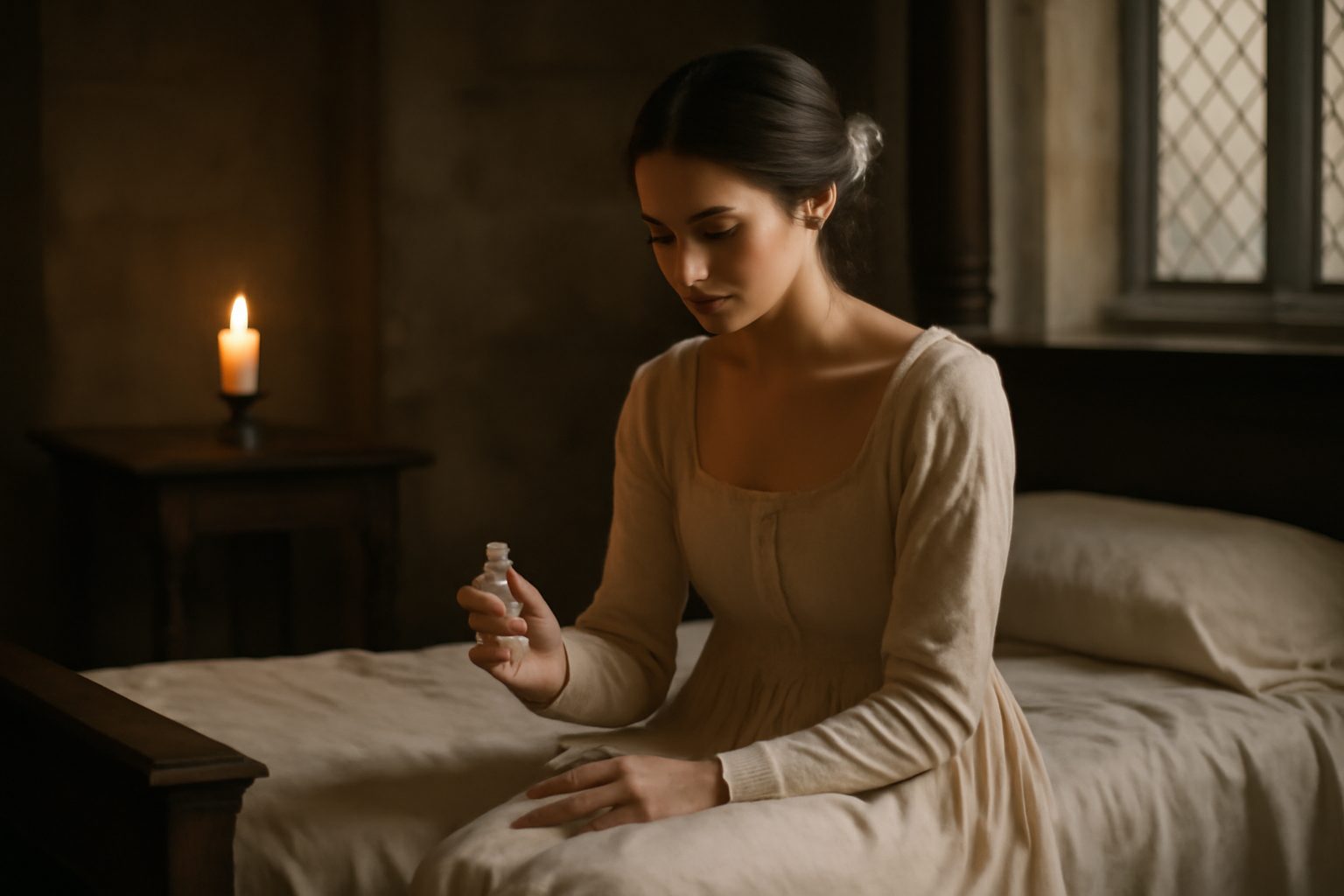
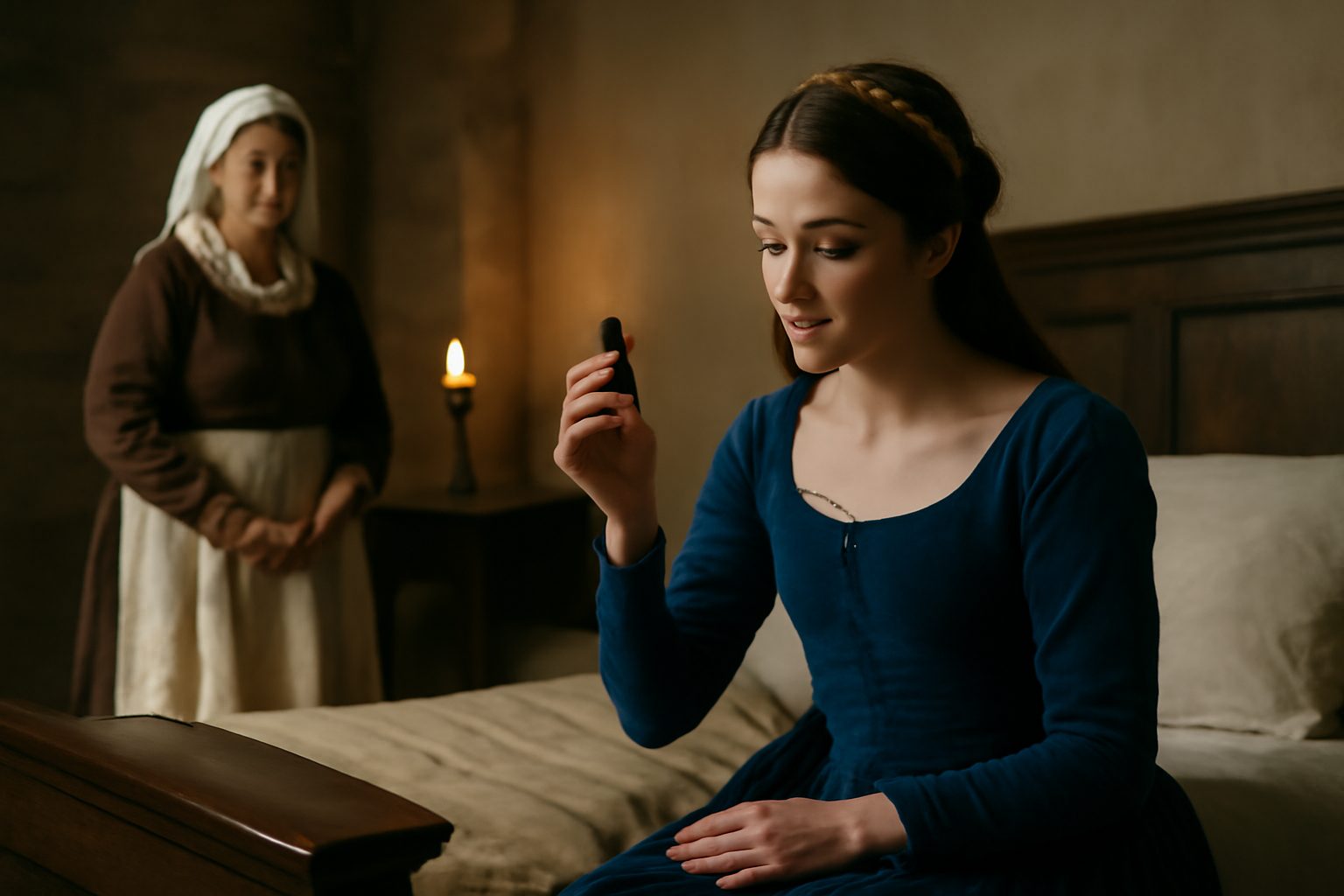
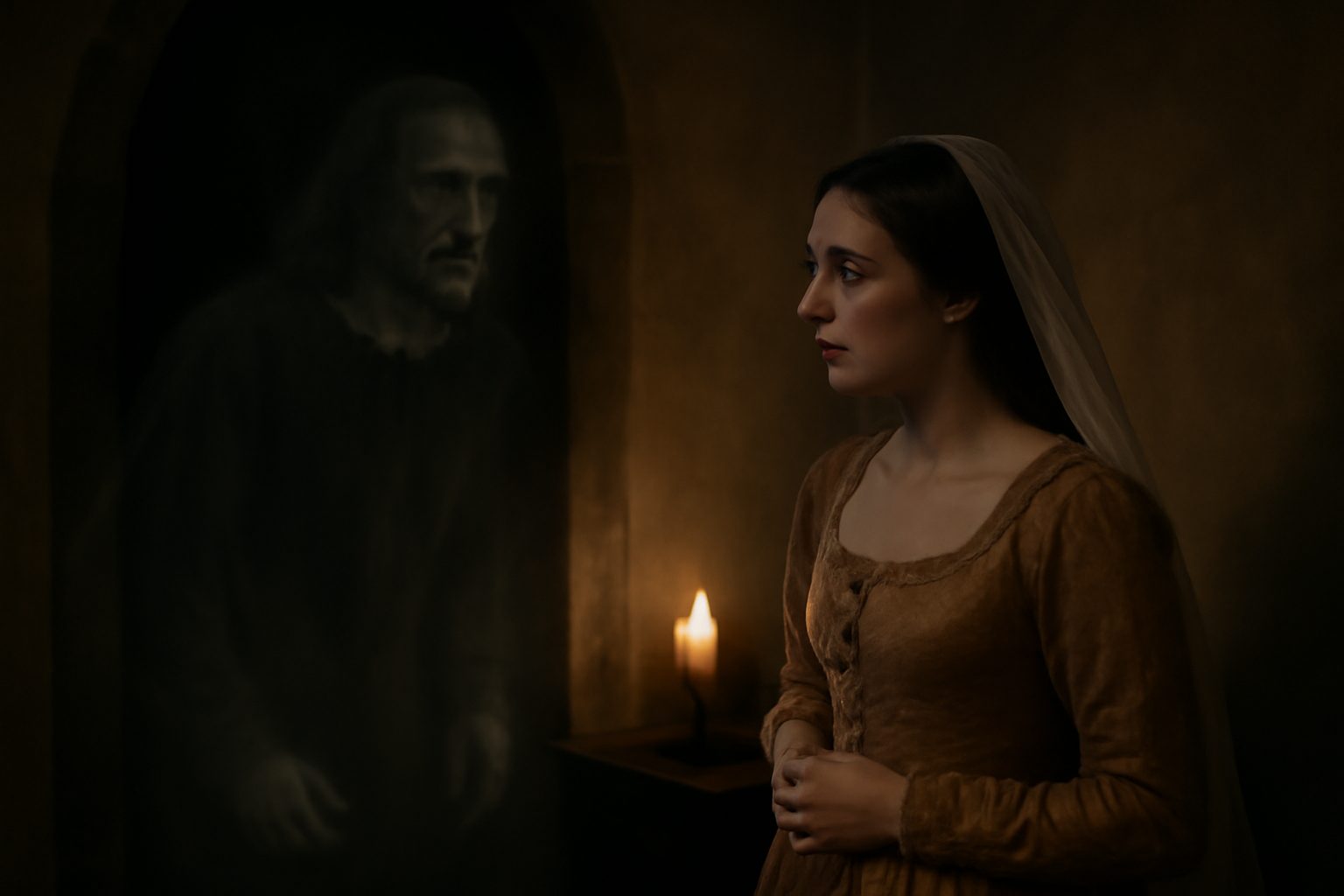
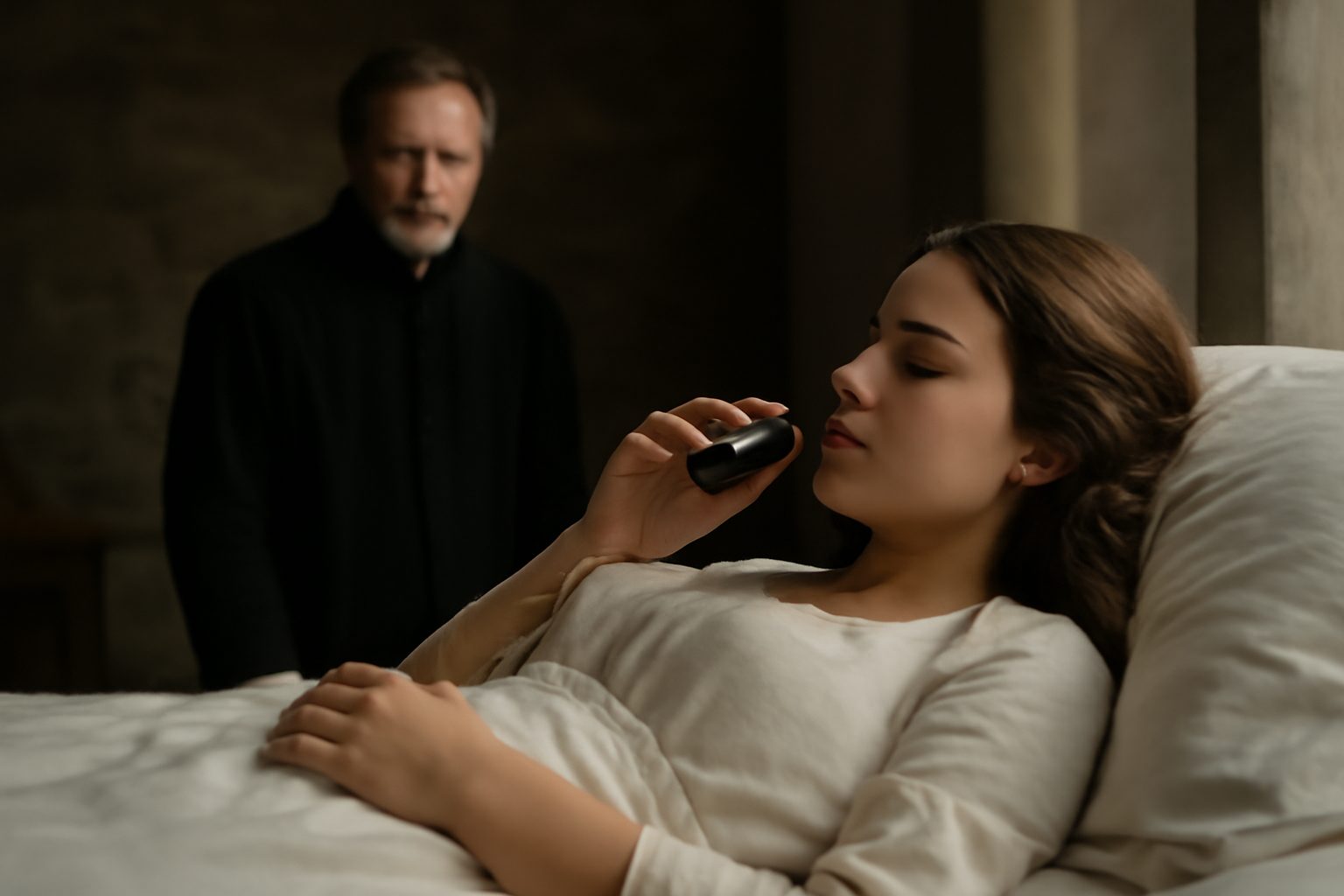
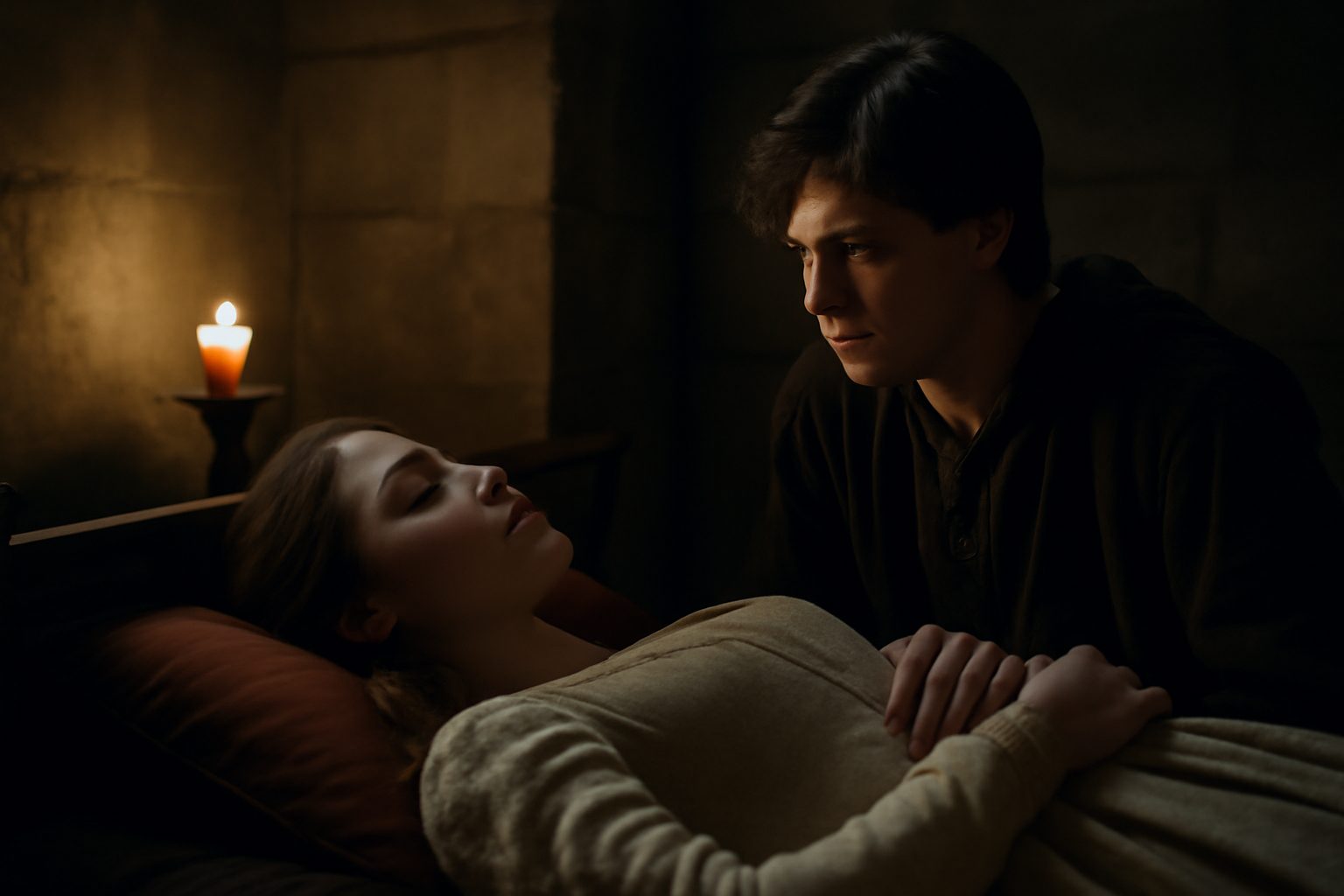
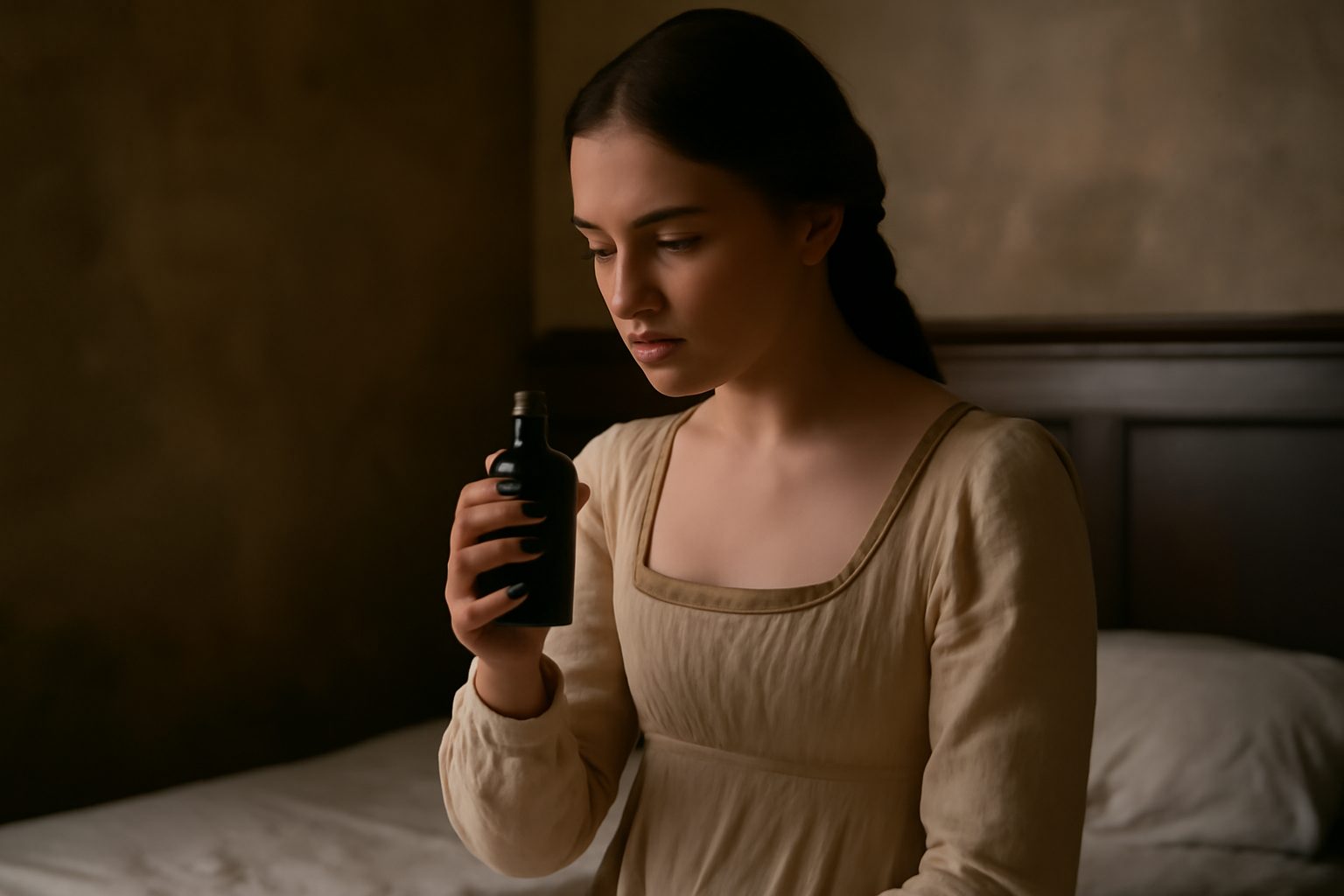
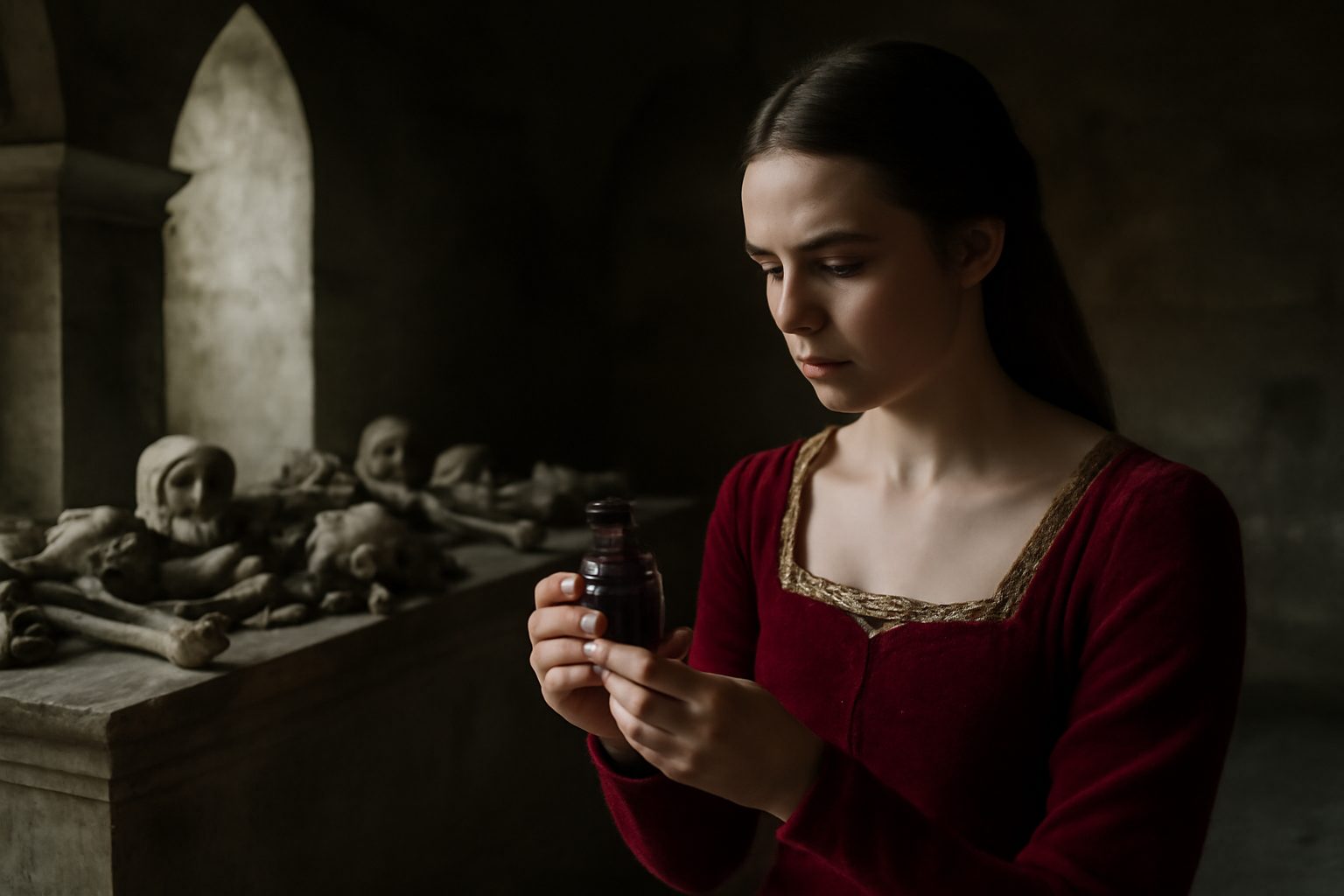
In Act 4, Scene 3 of Romeo and Juliet, Juliet prepares to drink the Friar's potion, which will make her appear dead to avoid marrying Paris. As she hesitates, she reassures herself by reflecting on the Friar's reputation for wisdom and piety. This line underscores her trust in him, despite the extreme and risky nature of his plan.
Juliet: "For he hath still been tried a holy man."
In modern day english, we would say:
He has always been known to be a devout and honorable man.
Frequently Asked Questions
What does Juliet believe about Friar Laurence based on this line?
Juliet believes that Friar Laurence has always been proven to be a good and trustworthy man.
Connections to other verses:
Connections to "For he hath still been tried a holy man"
The verse "For he hath still been tried a holy man" reflects Juliet's trust in Friar Laurence's moral integrity and spiritual guidance. This trust is foundational to her decision to follow his plan, yet it is immediately questioned in her subsequent soliloquy.
Doubt and Fear
Juliet's faith is juxtaposed with her fears, as seen in "What if it be a poison, which the friar", where she questions whether the friar might have deceitfully provided a lethal potion to avoid dishonor from her marriage to Romeo. This doubt is echoed in "Subtly hath minister'd to have me dead", amplifying her suspicion of his motives.
Isolation and Resolve
Her reliance on the friar's holiness contrasts with her solitude in executing the plan, emphasized in "My dismal scene I needs must act alone". Despite her trust, she must face the terrifying vault alone, as described in "As in a vault, an ancient receptacle", where her fears of death and spirits reside.
Ultimate Faith Over Fear
Ultimately, Juliet's belief in the friar's virtue prevails, leading her to drink the potion in "Romeo, I come! this do I drink to thee", demonstrating how her initial trust catalyzes her tragic, courageous action.