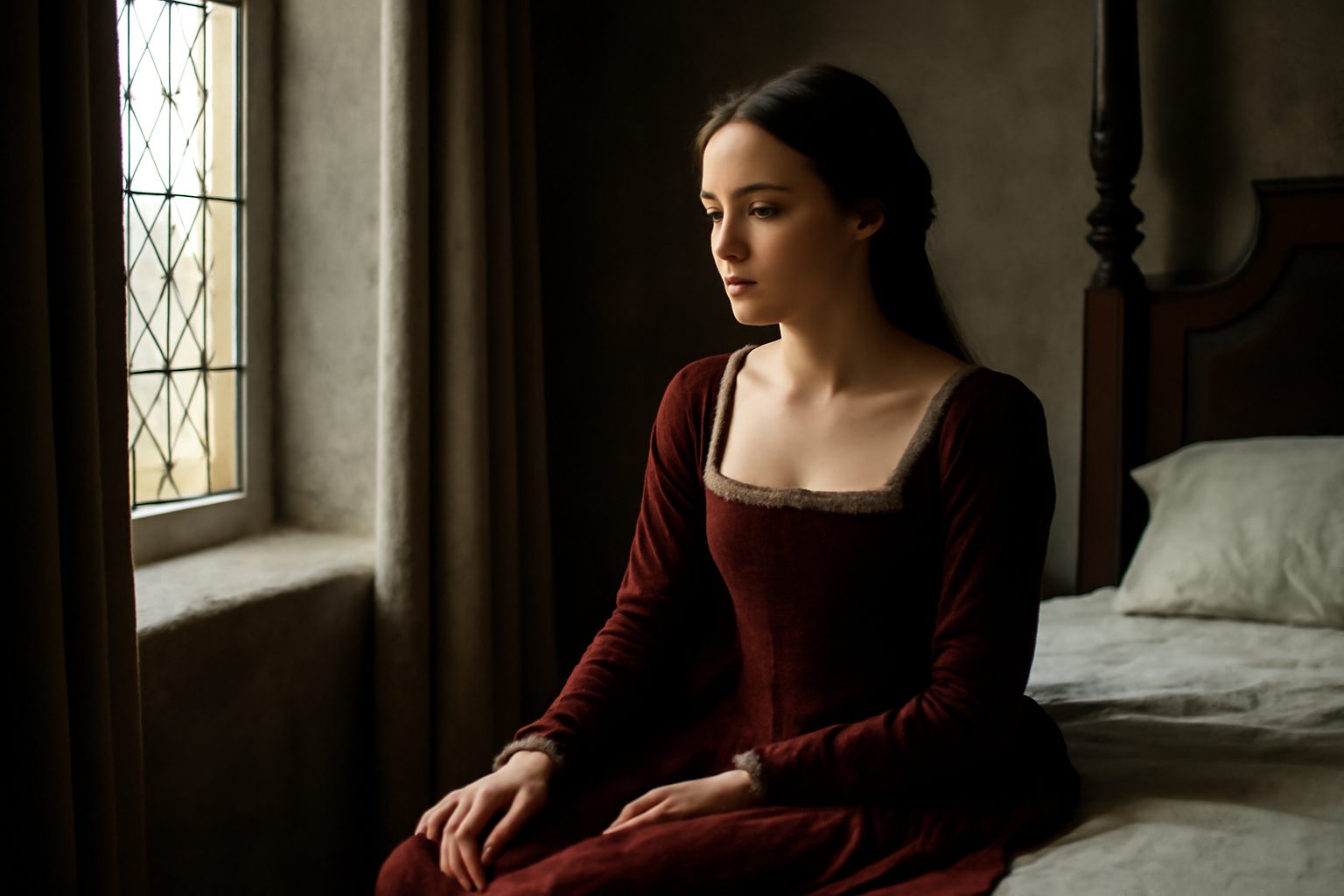
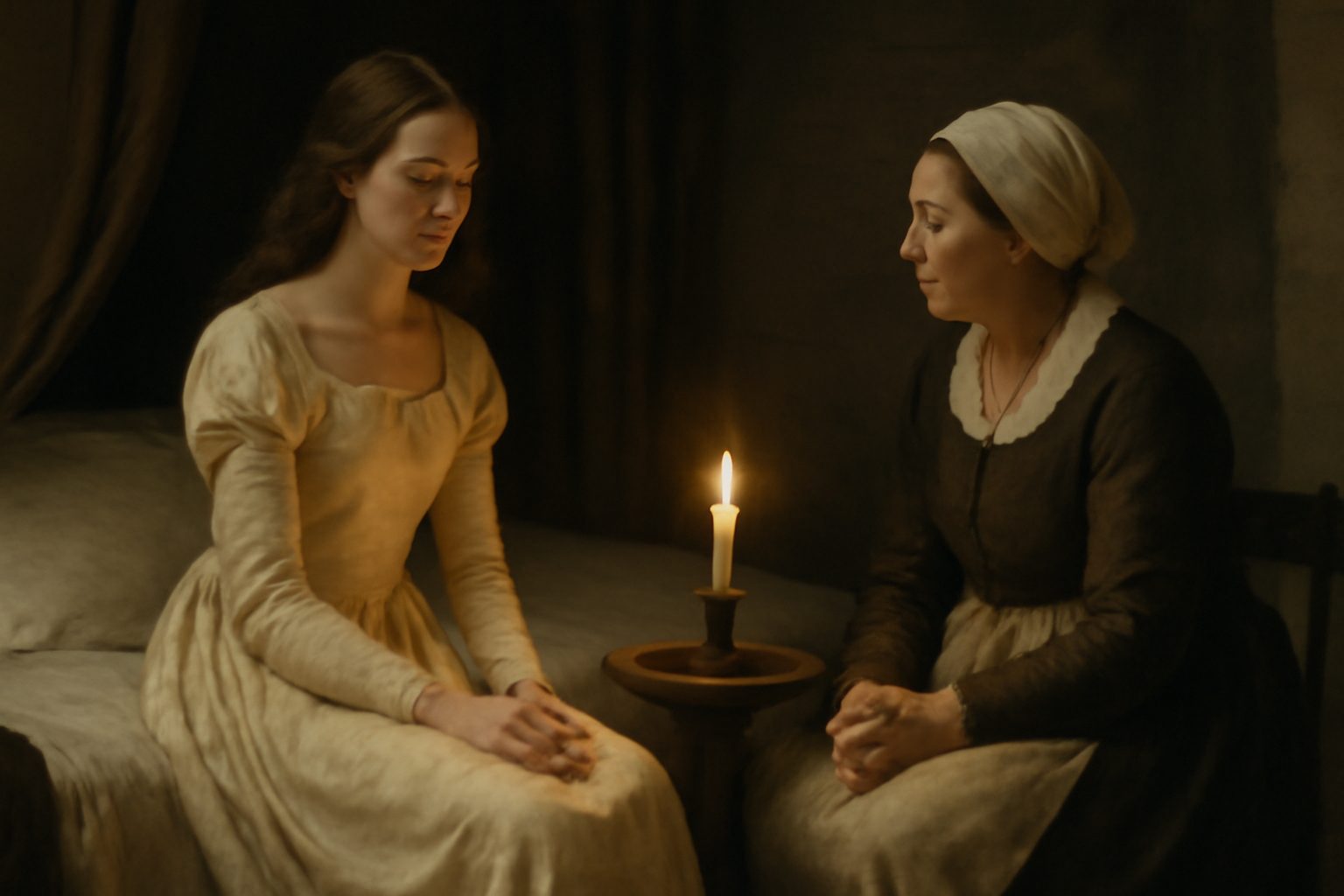
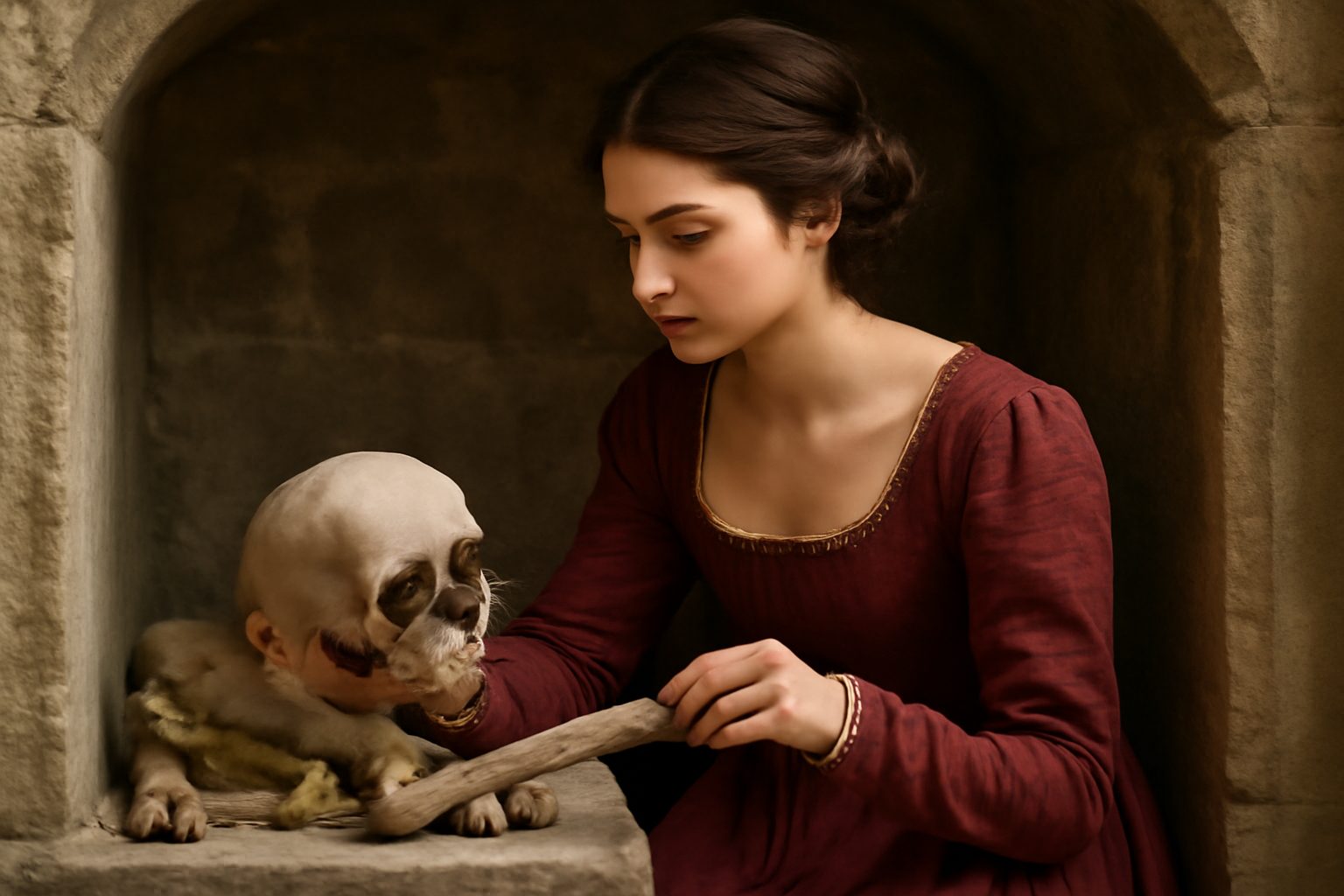
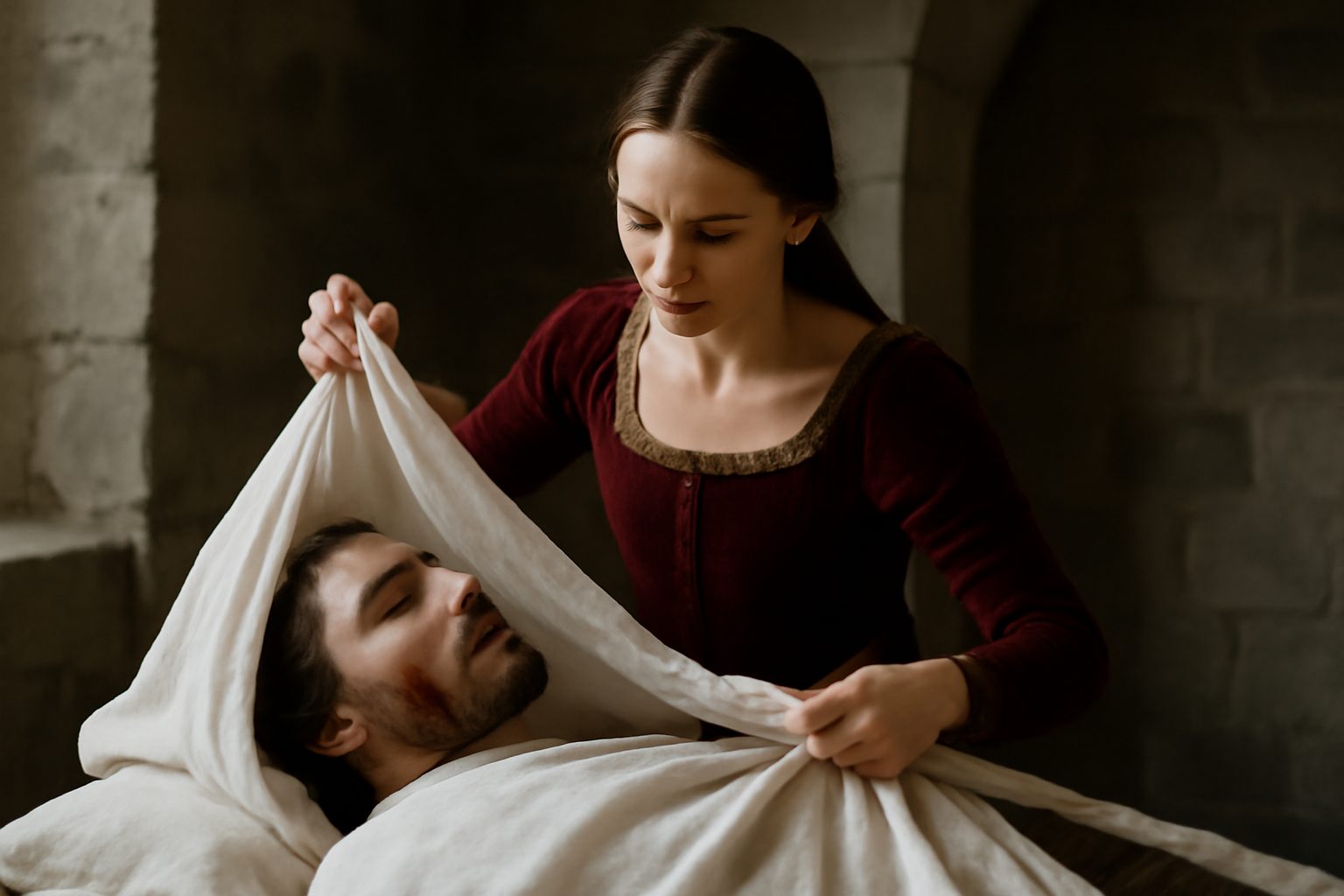
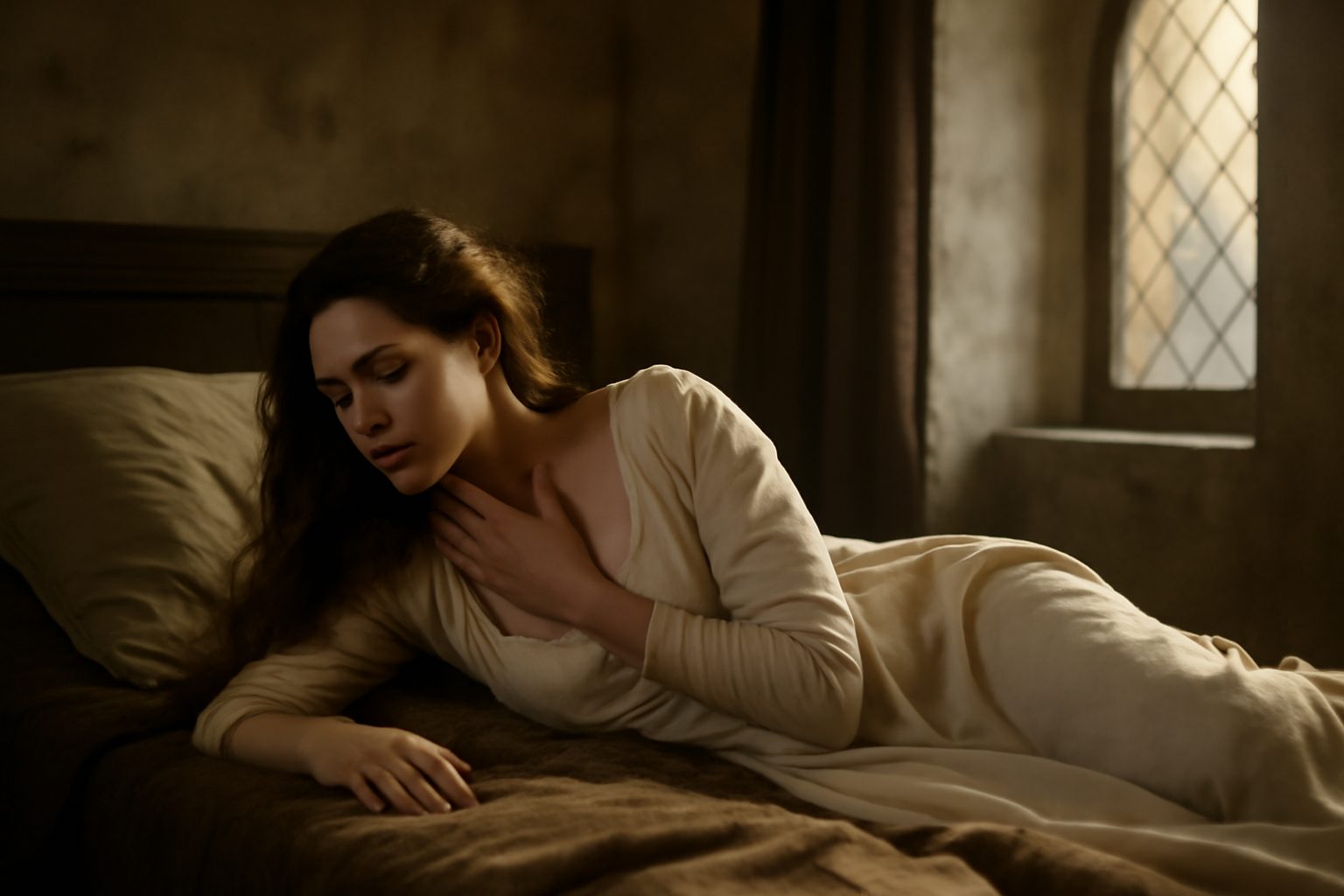
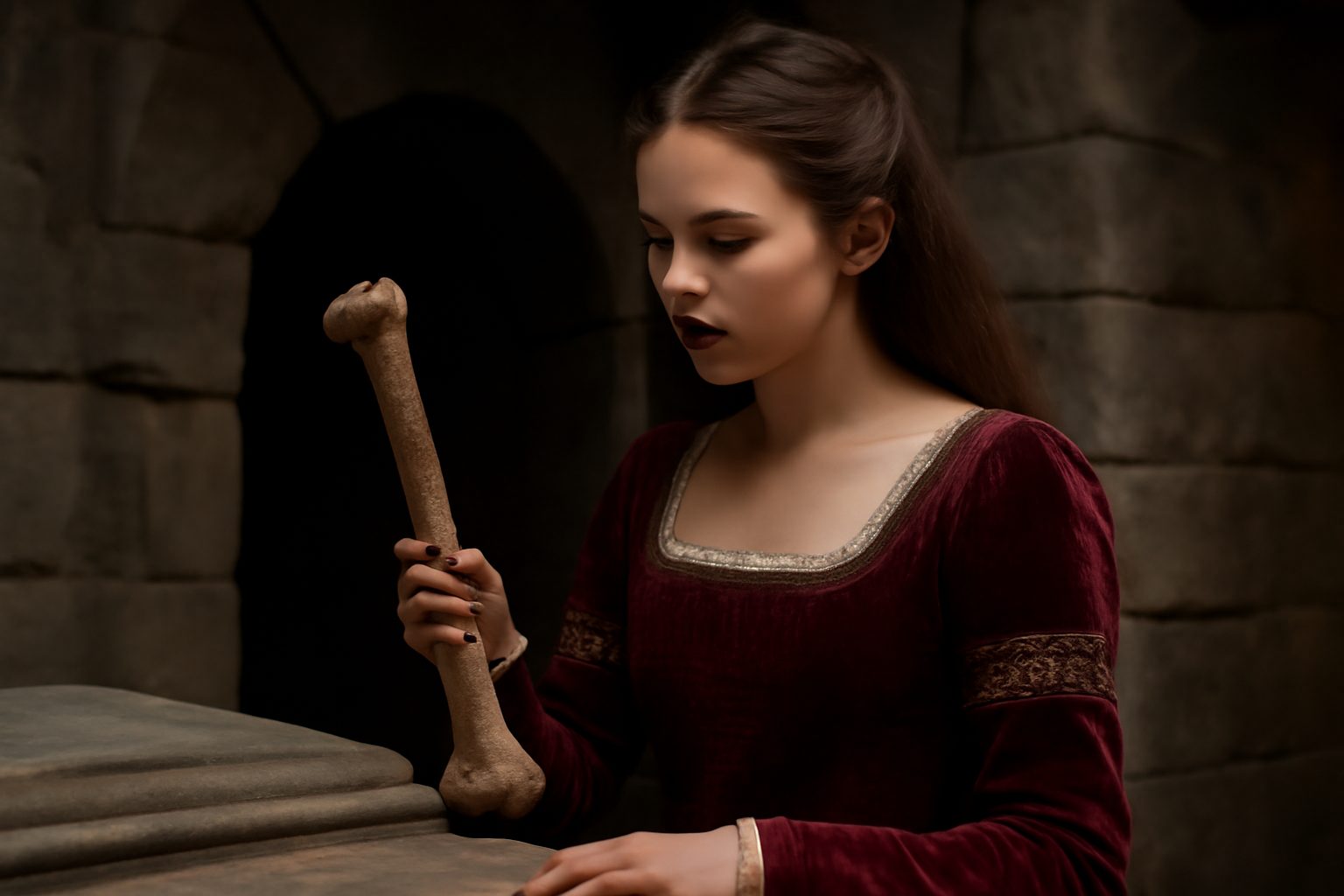
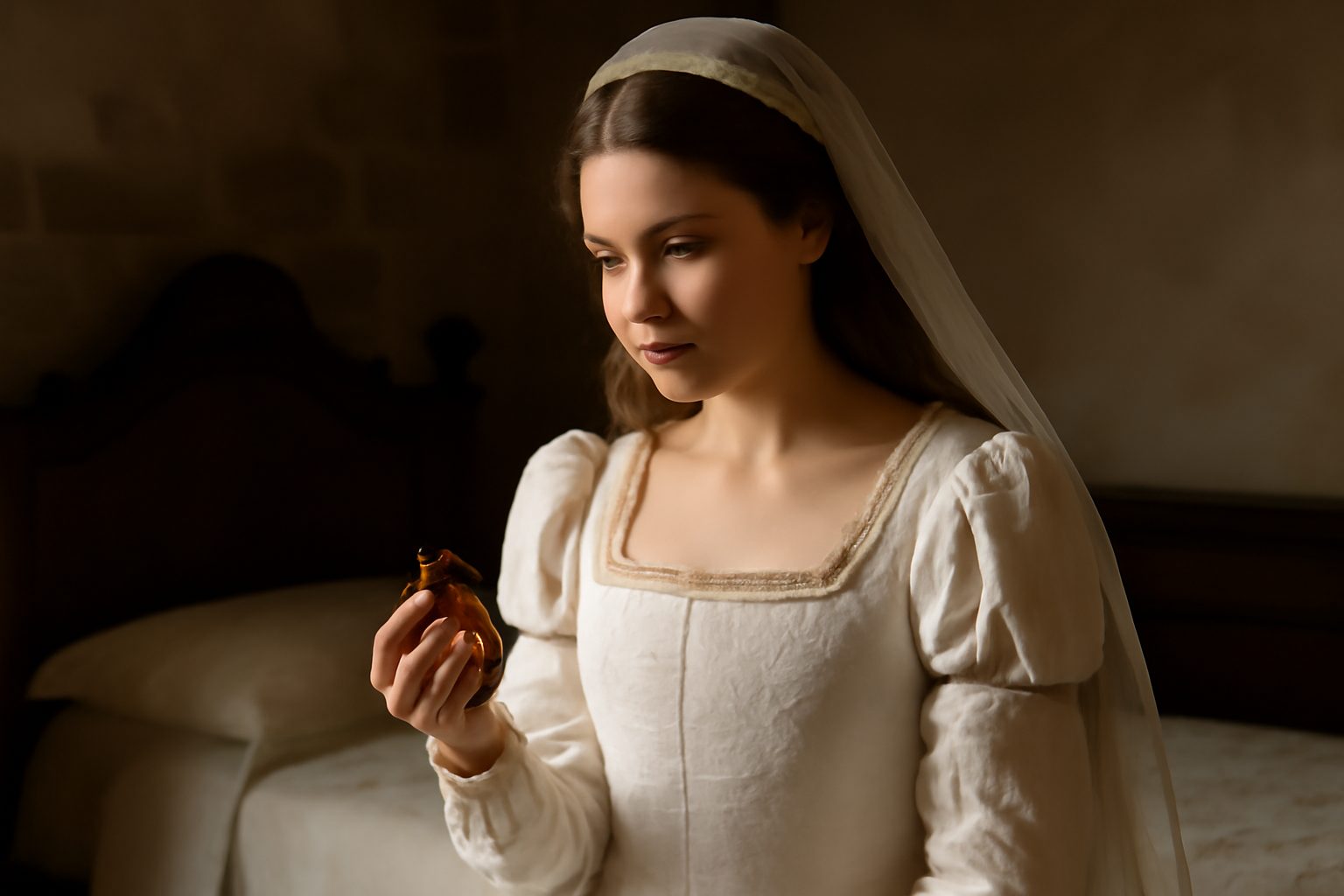
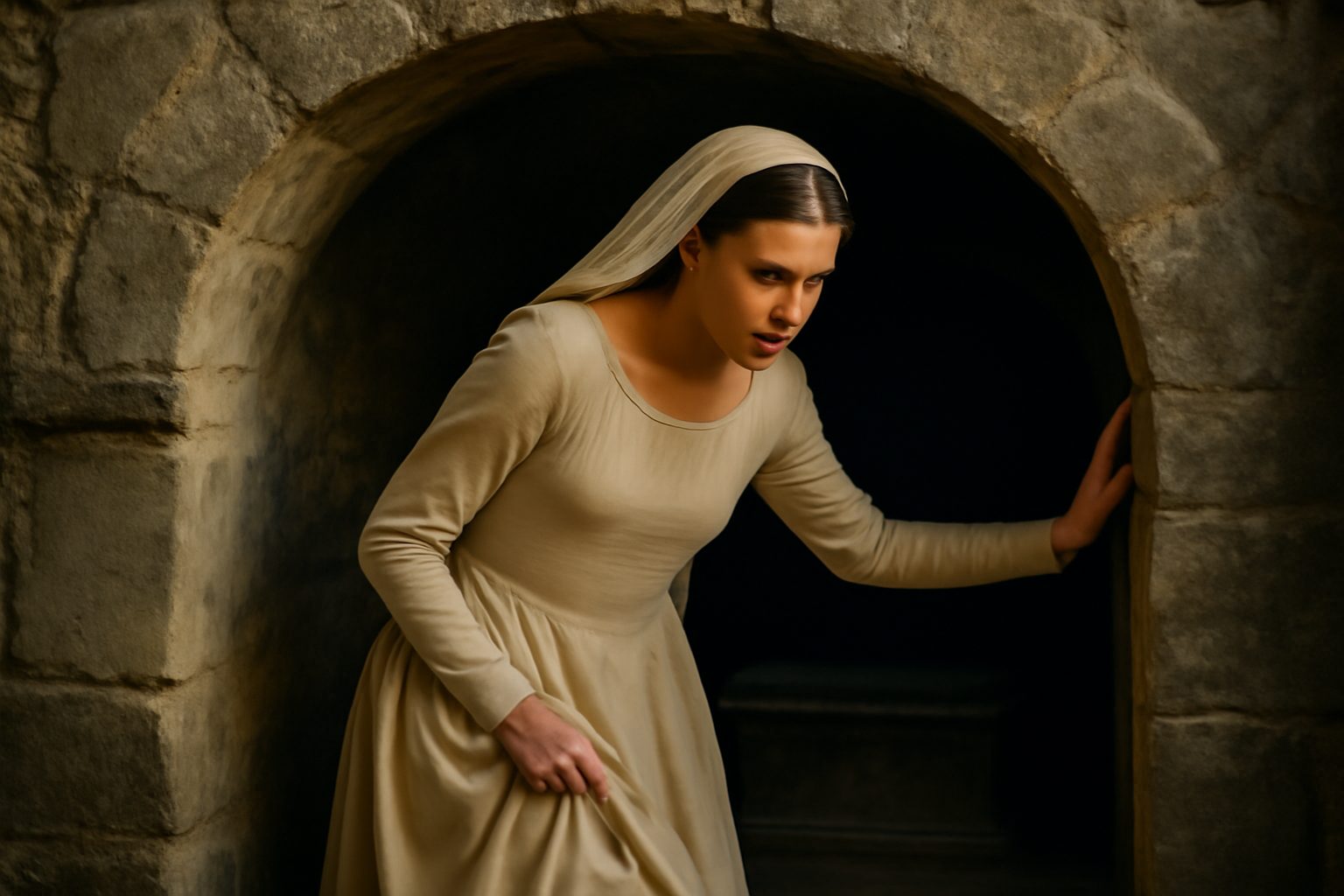
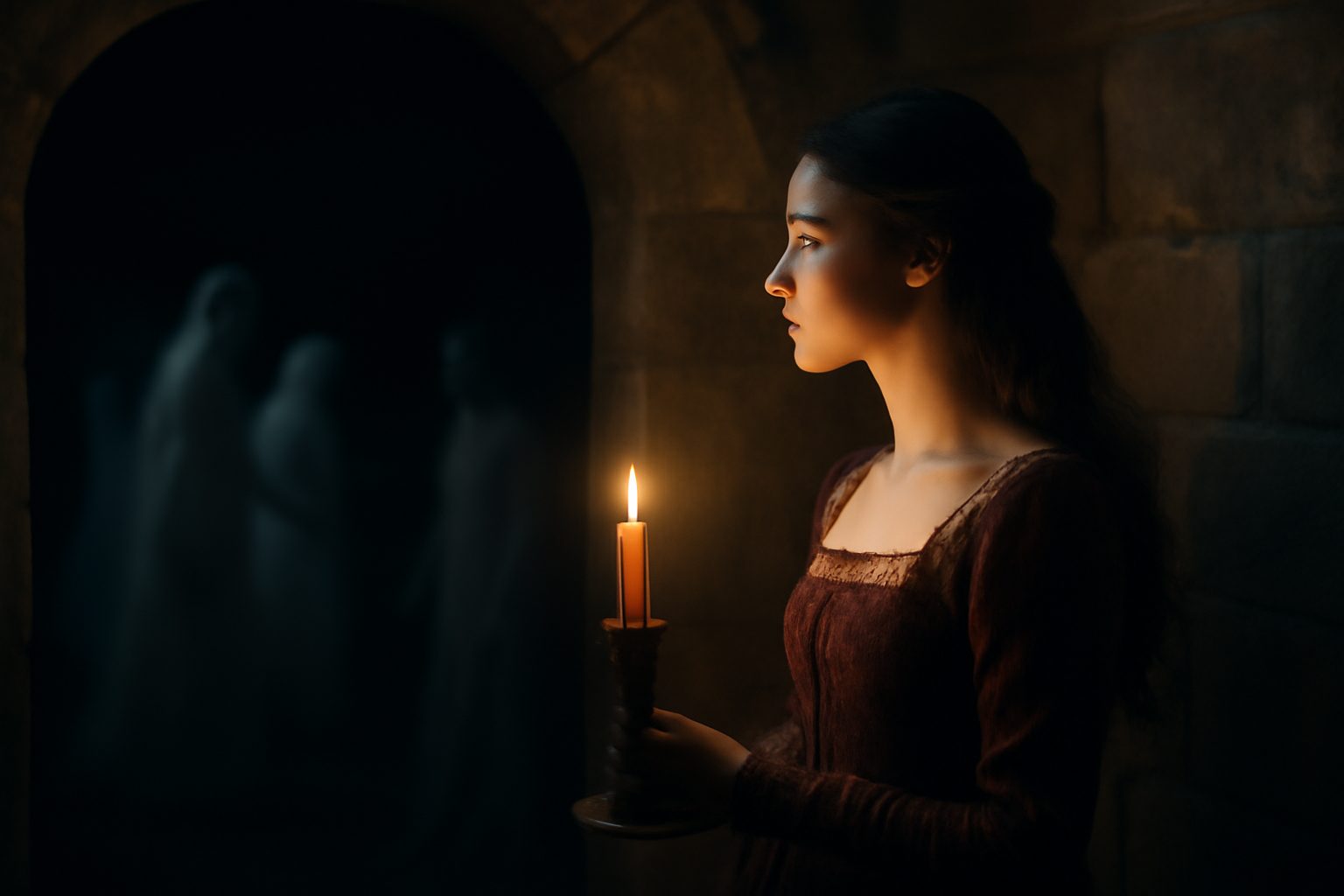
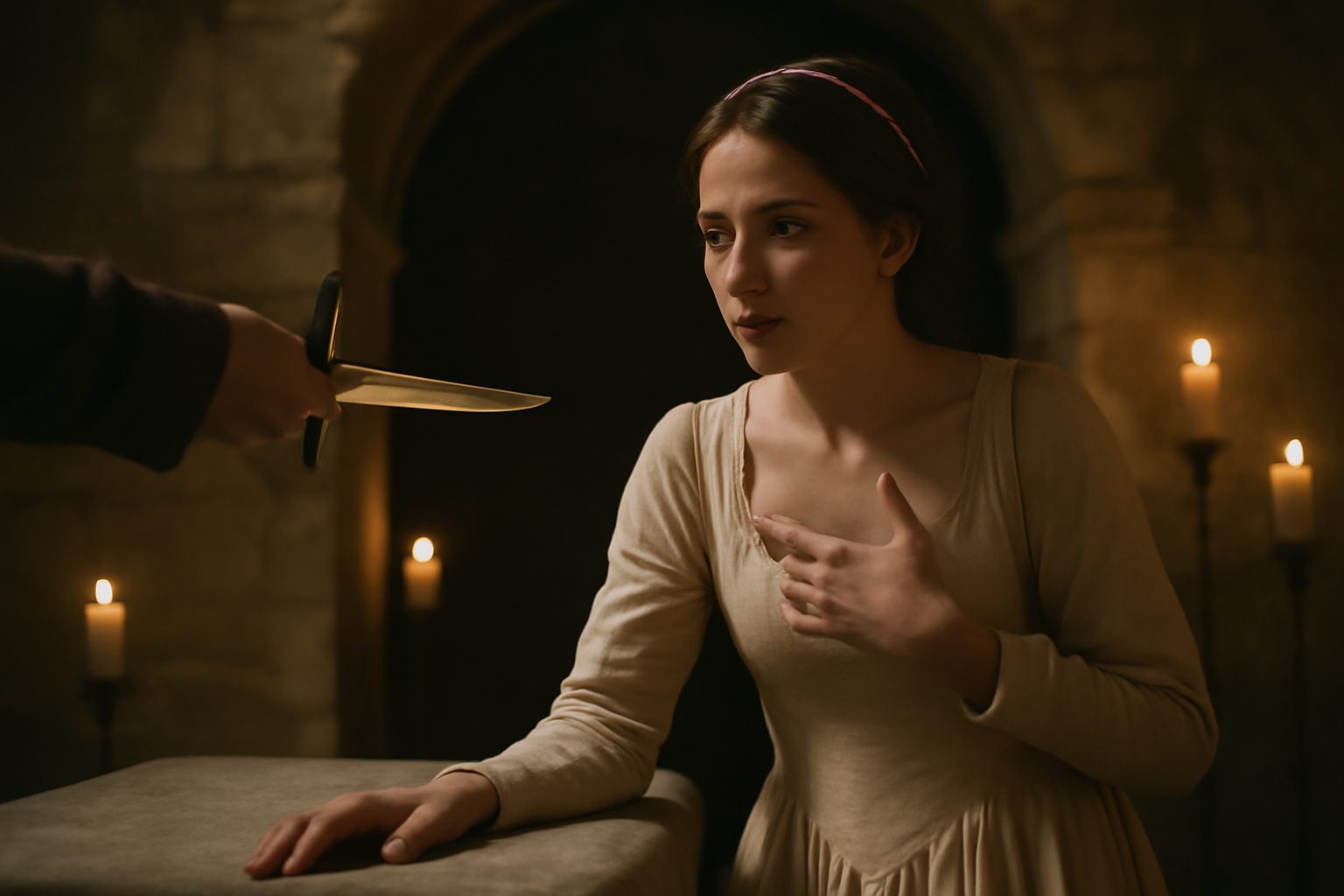
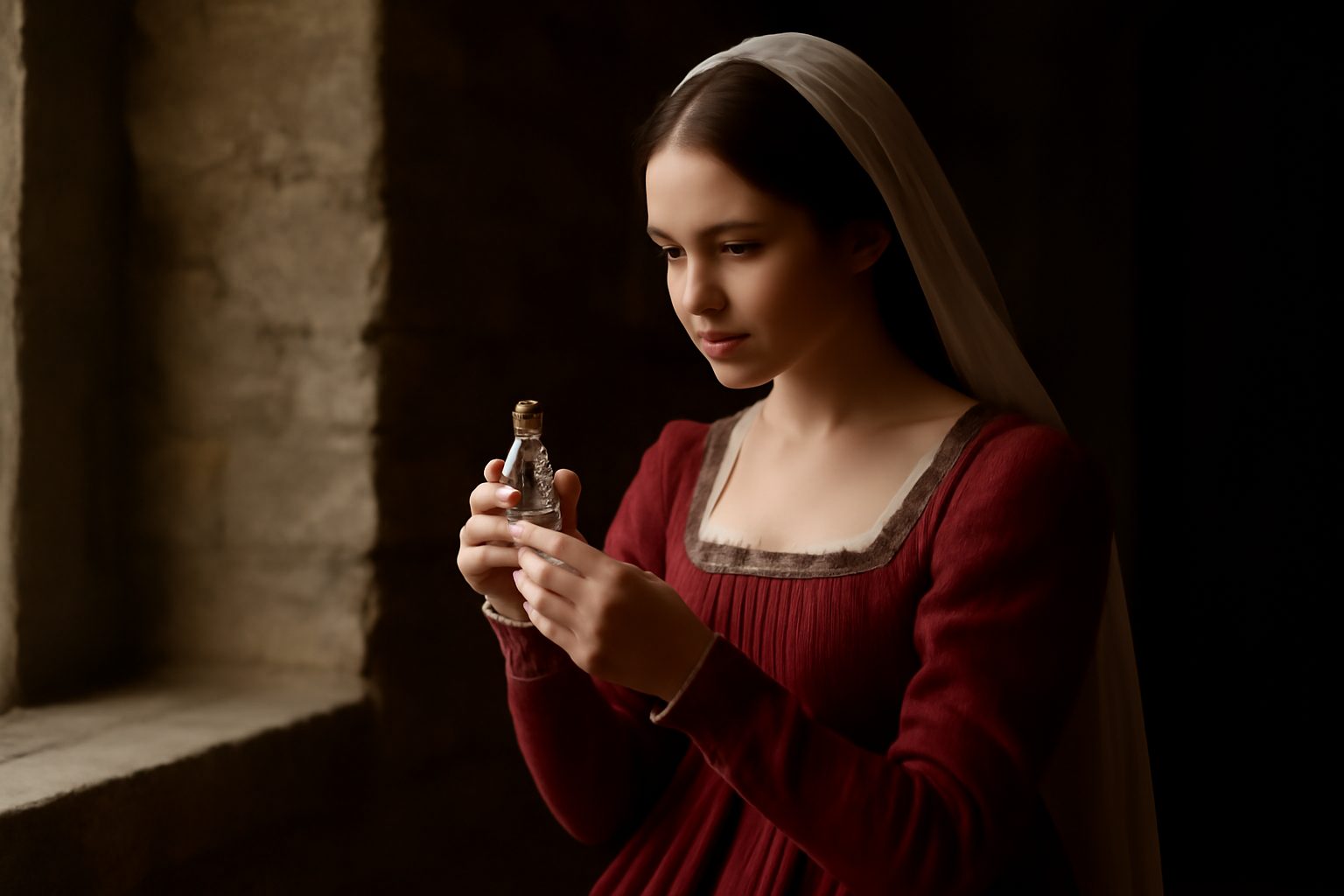
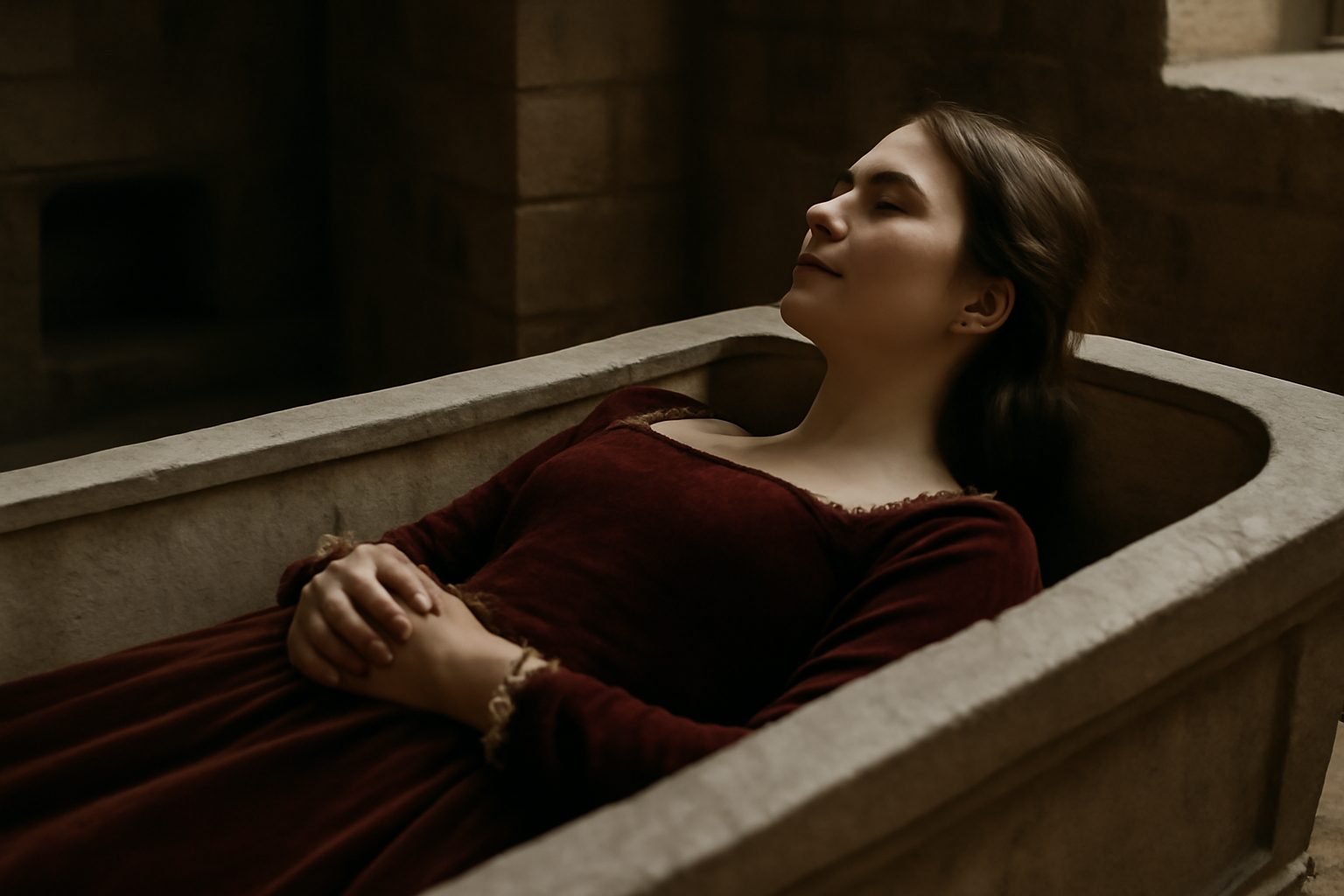
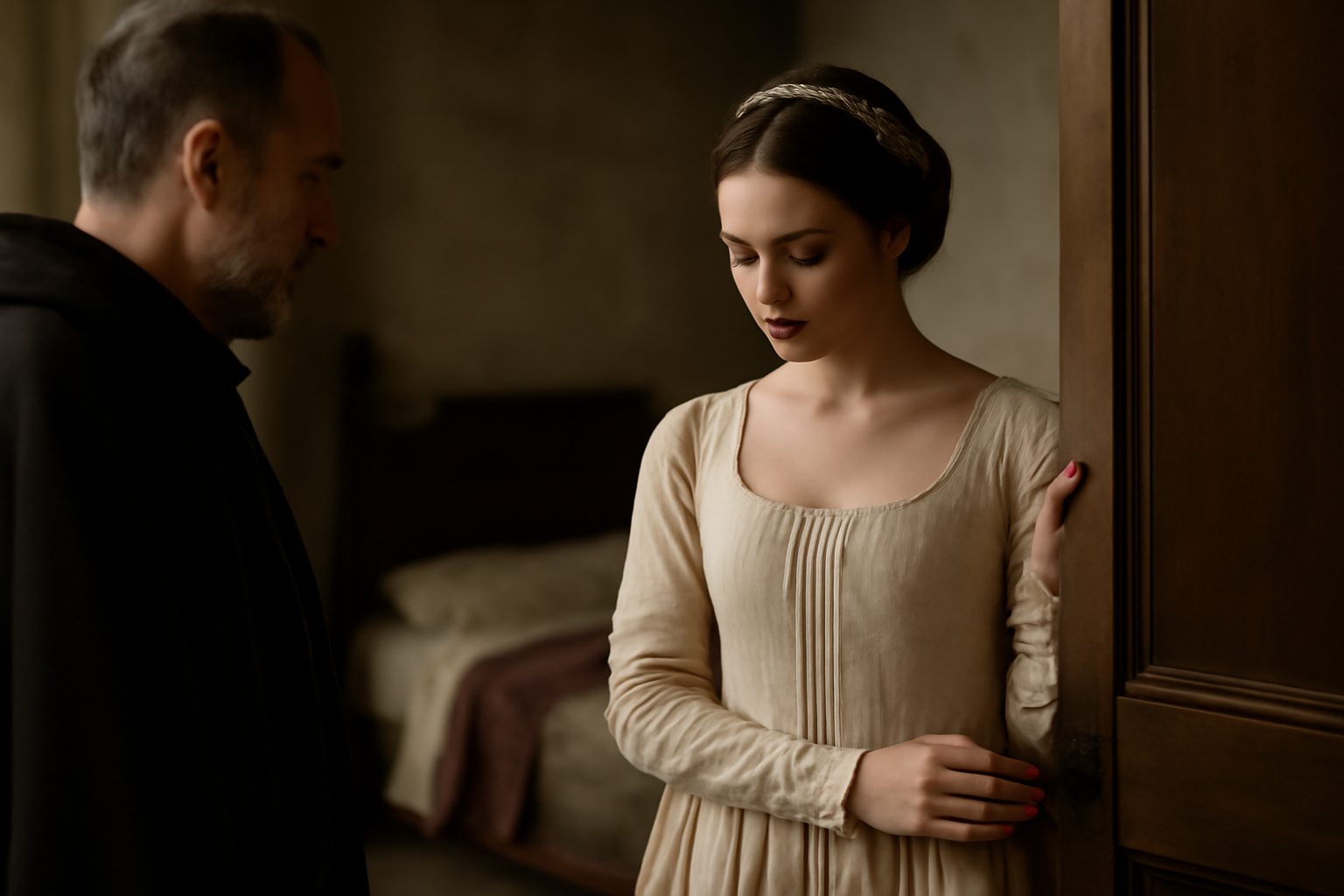
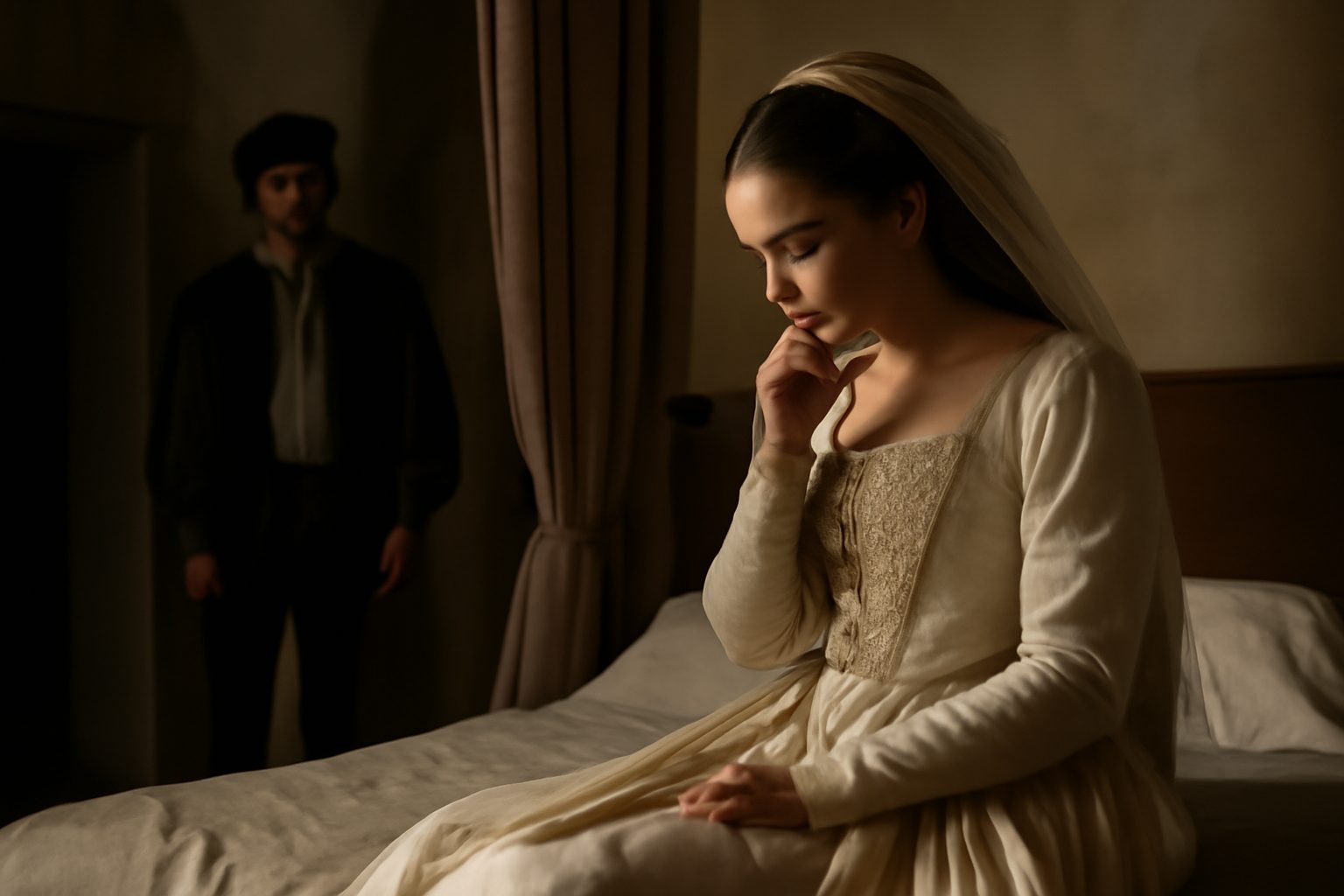
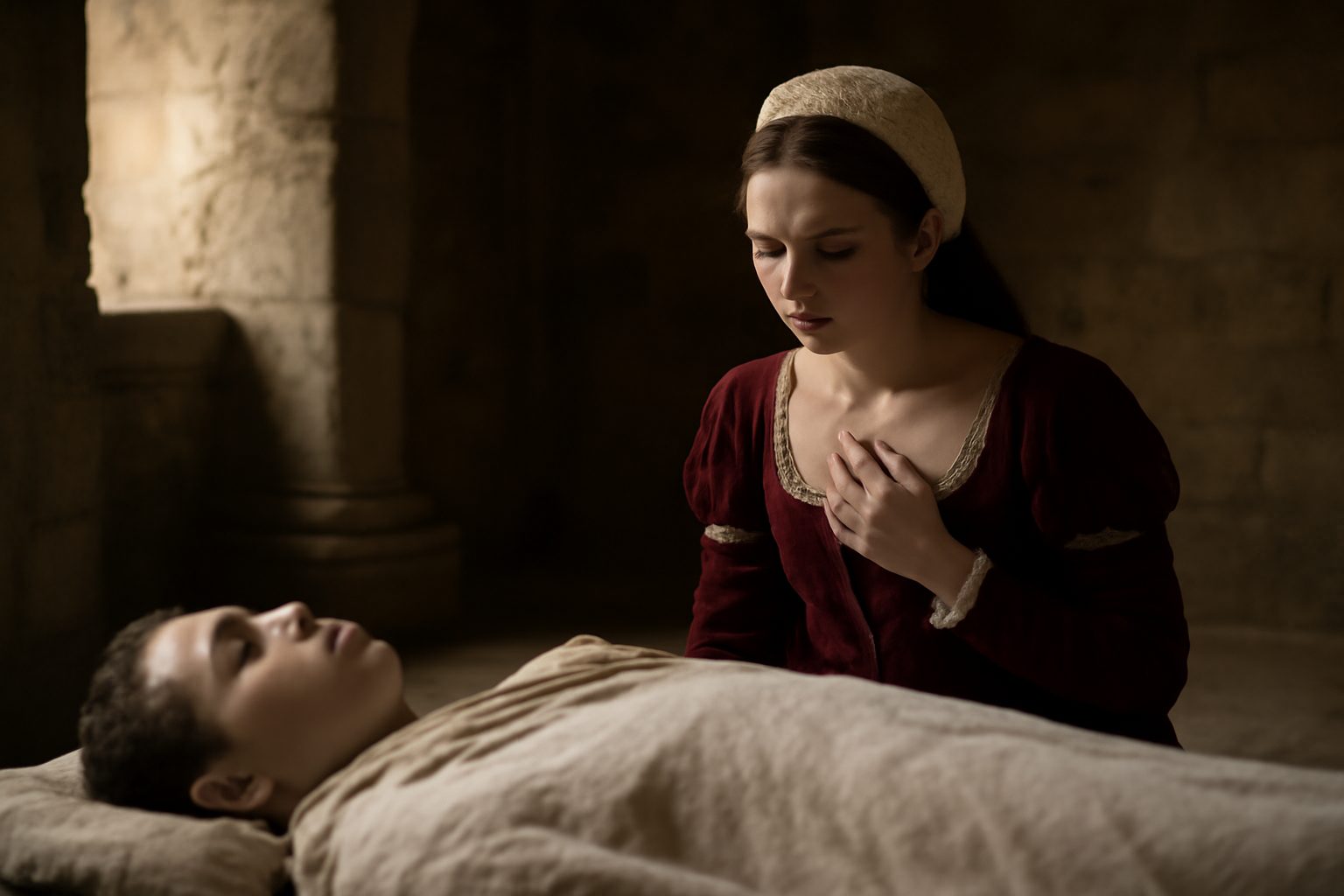
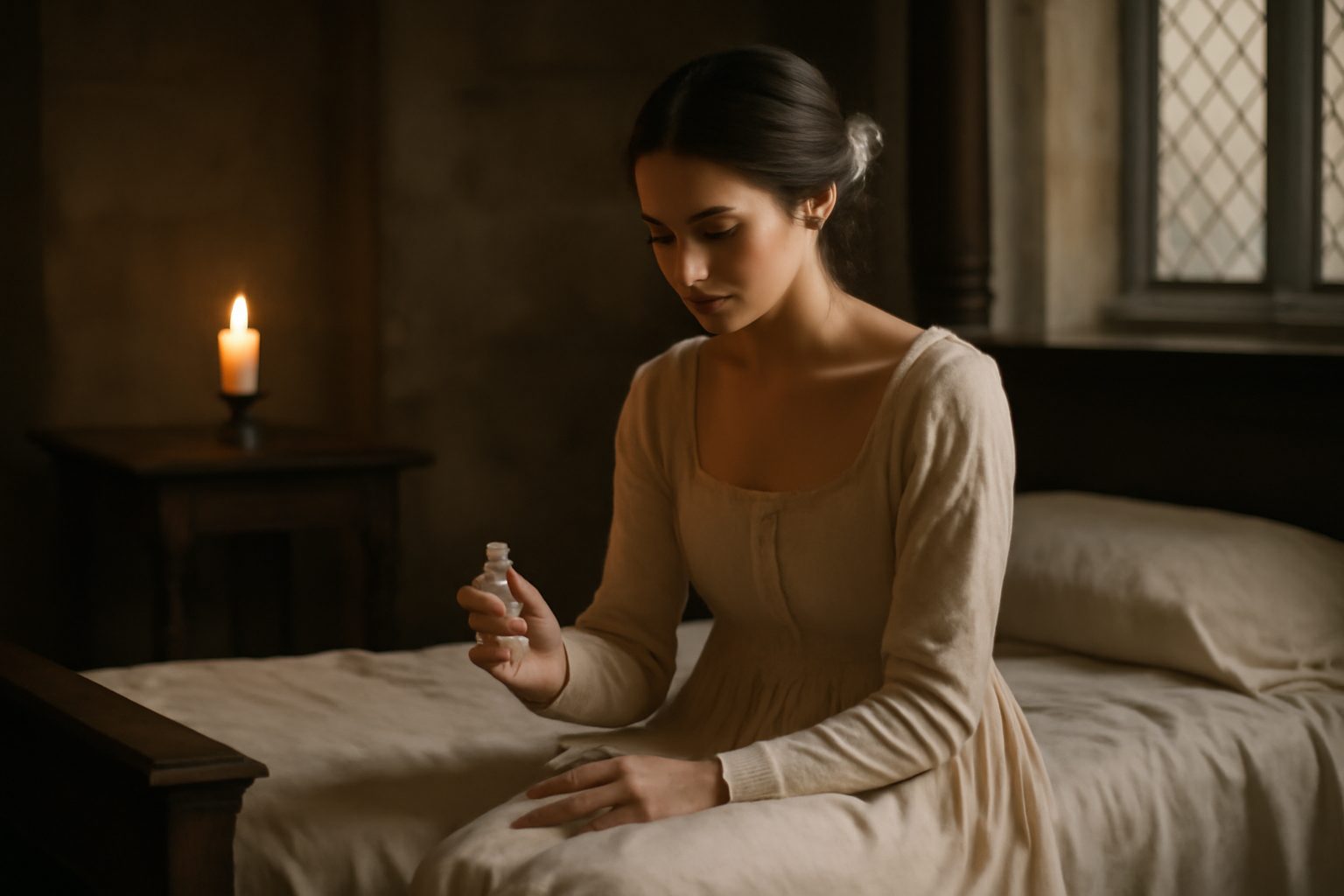
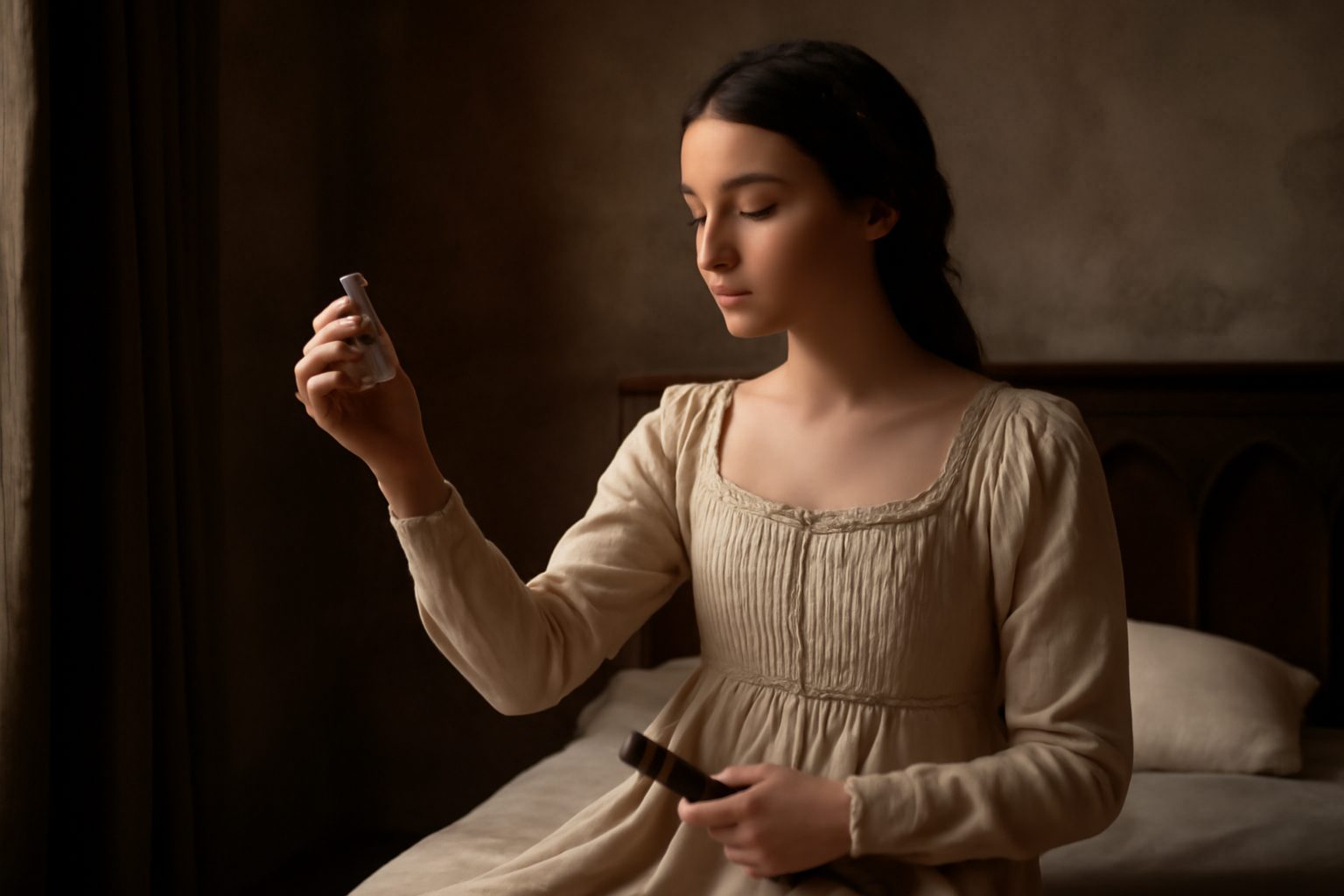
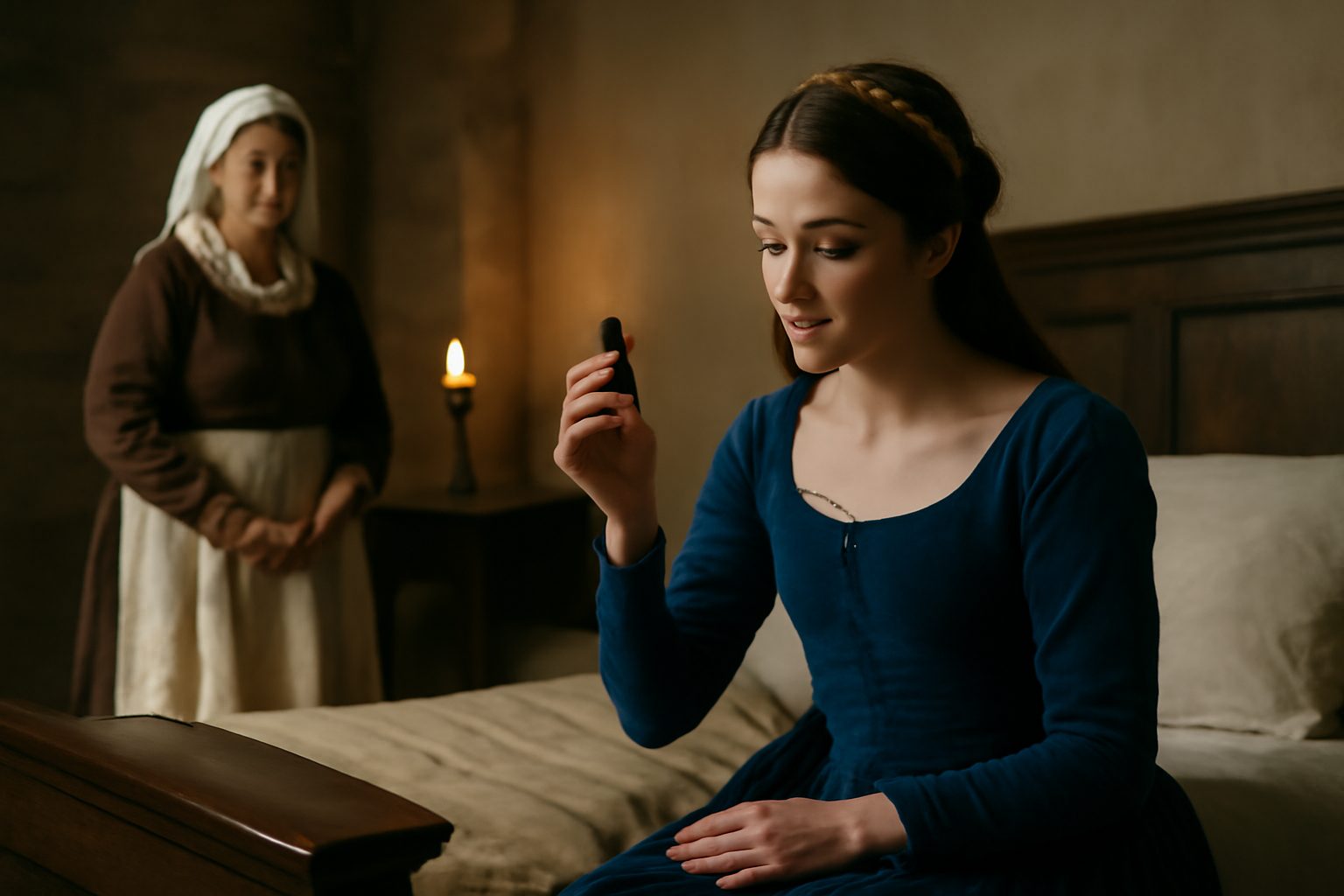
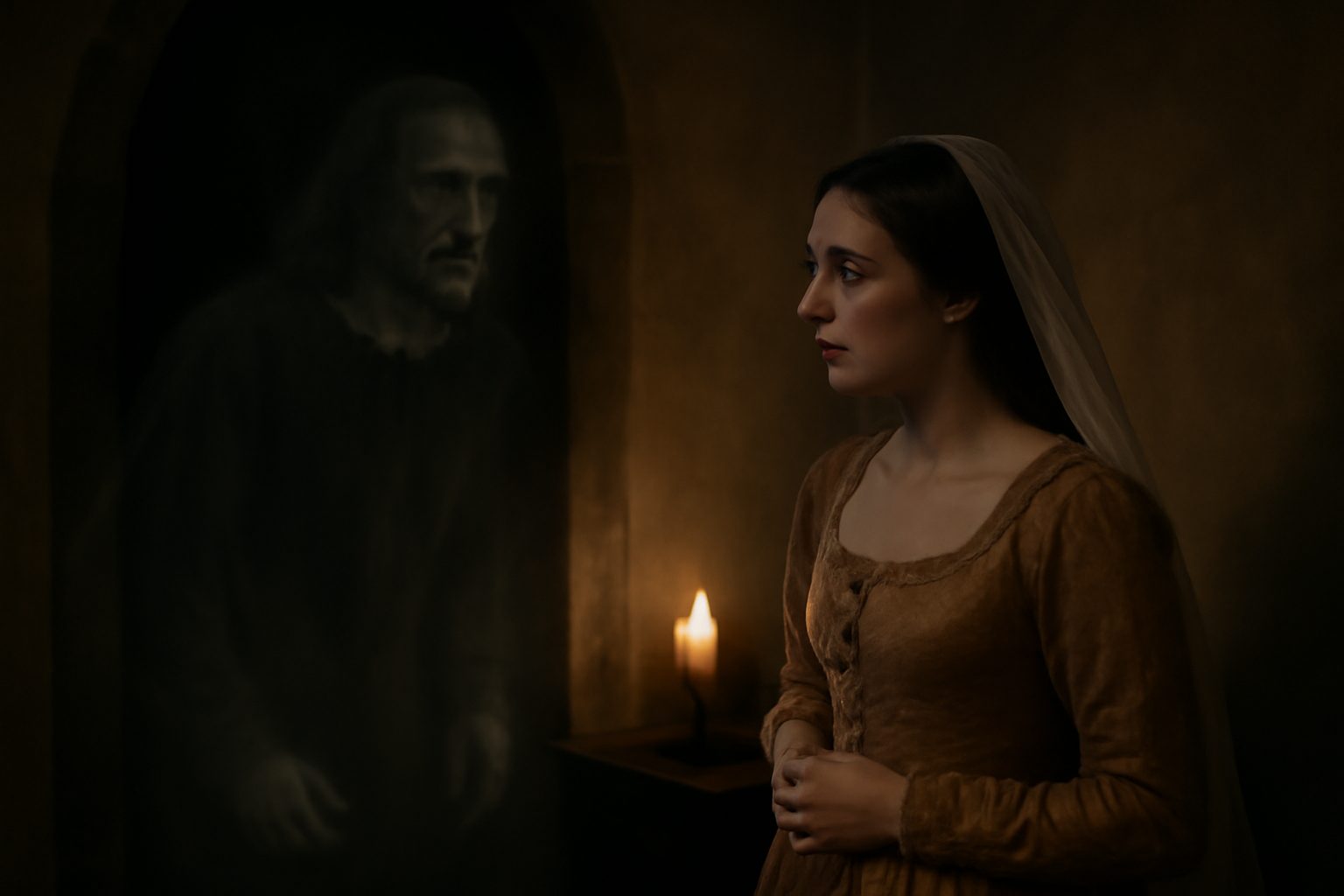
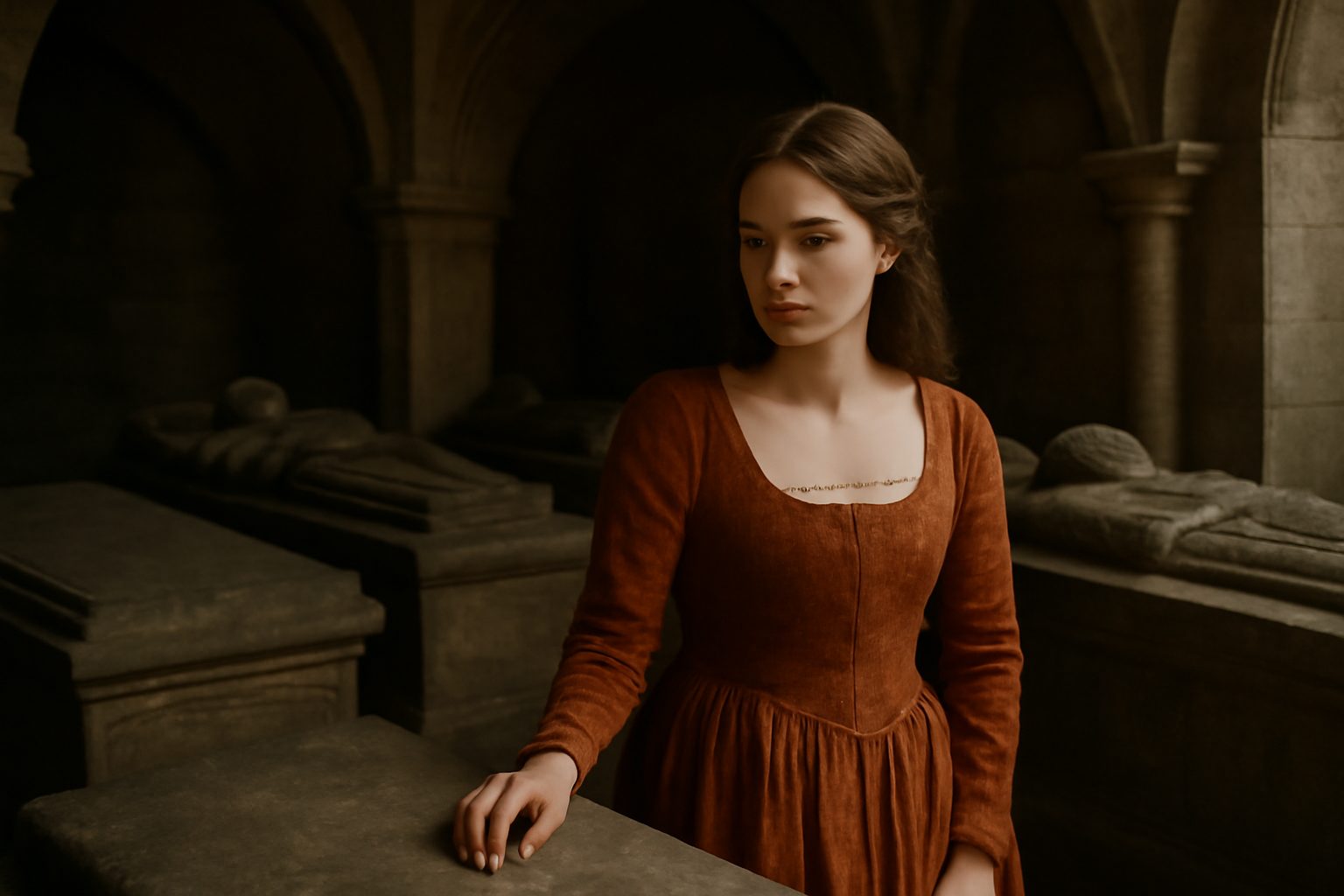
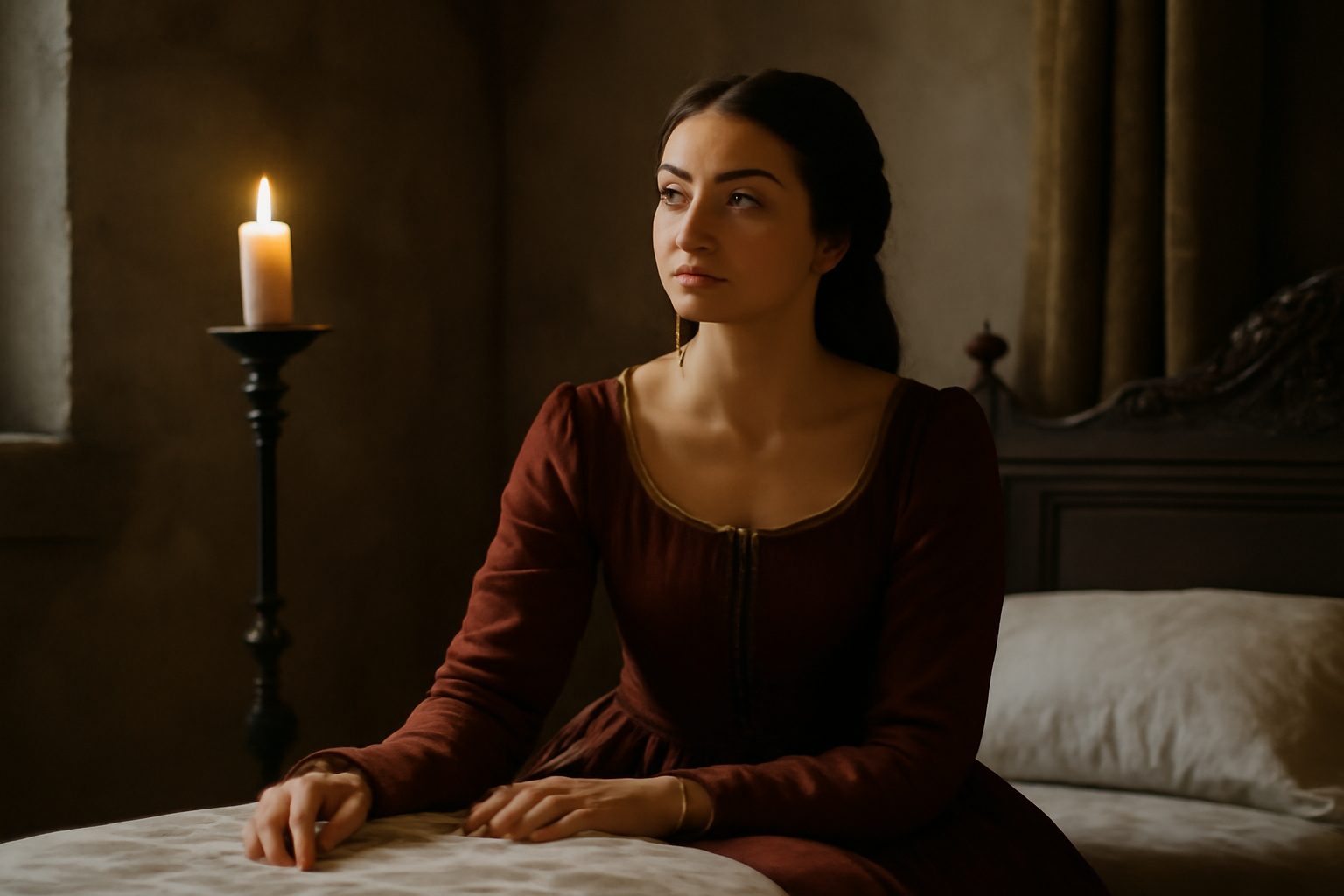
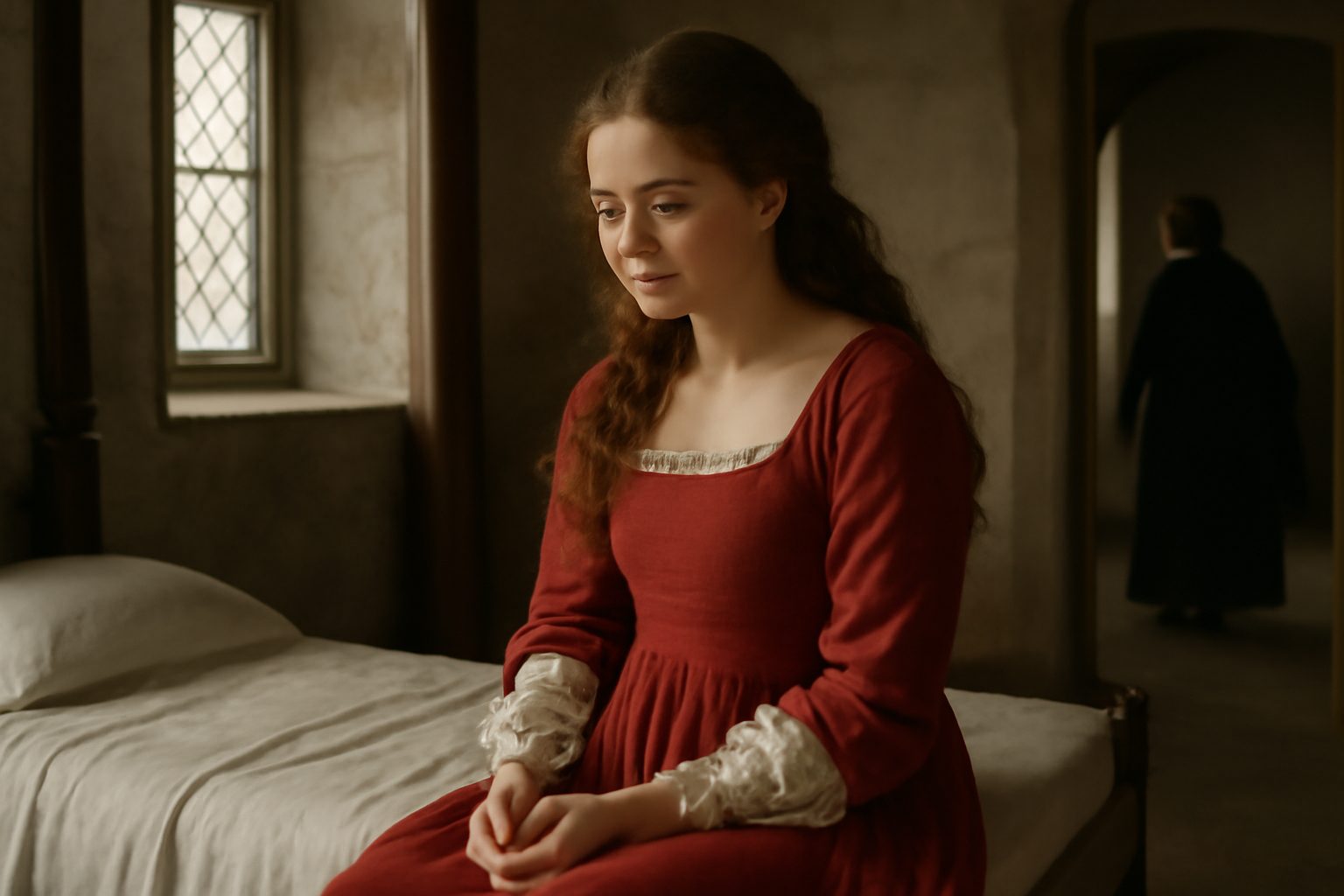
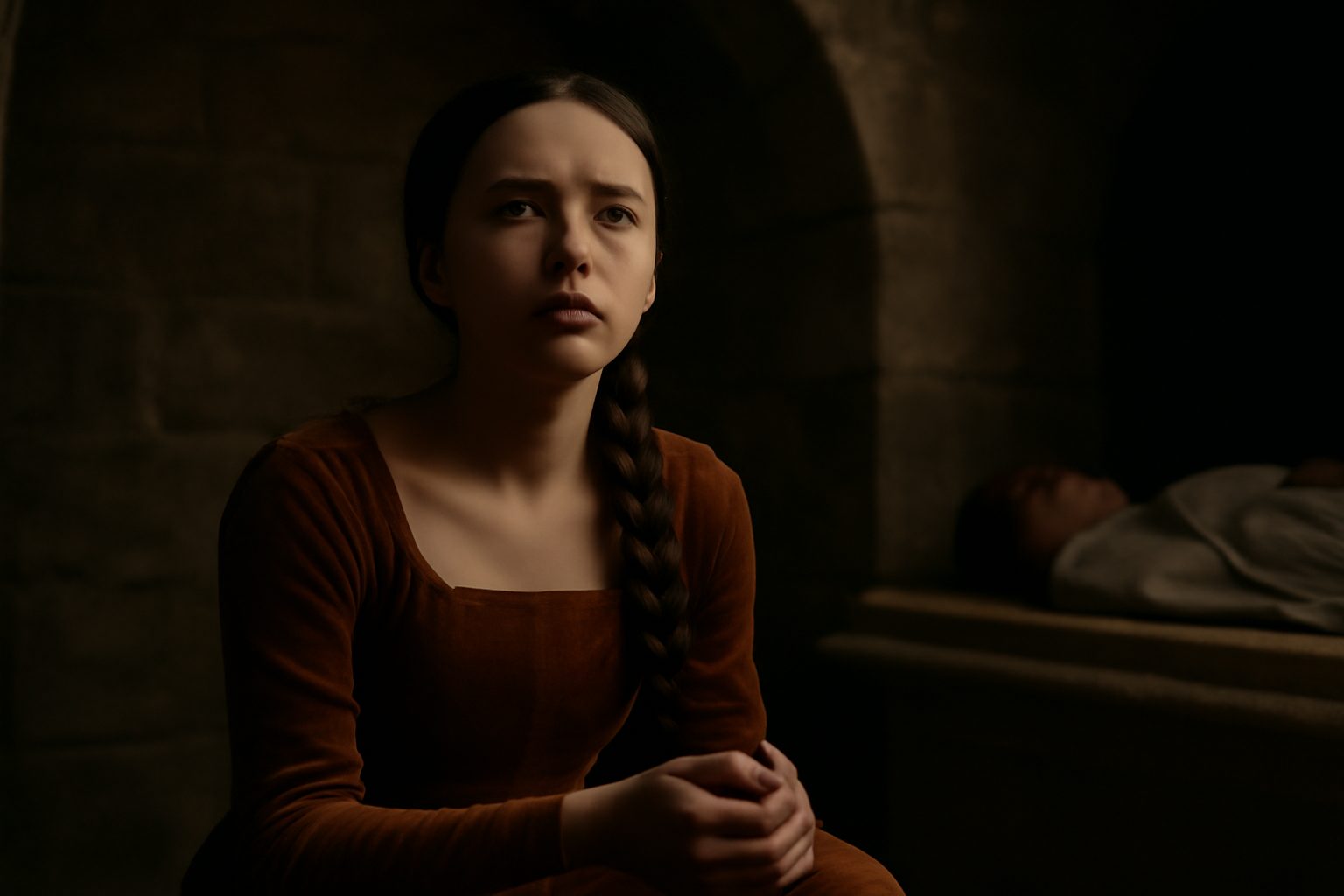
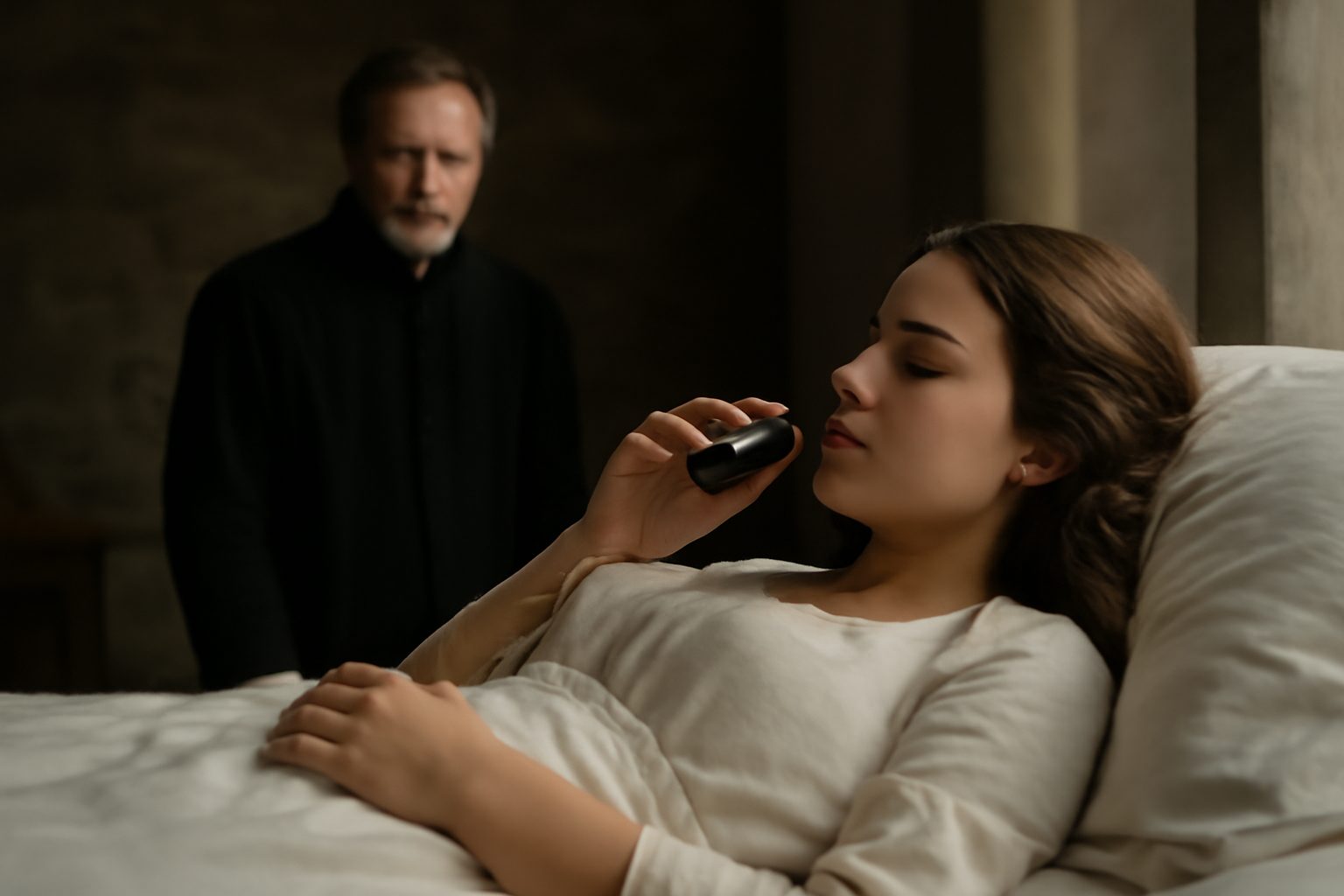
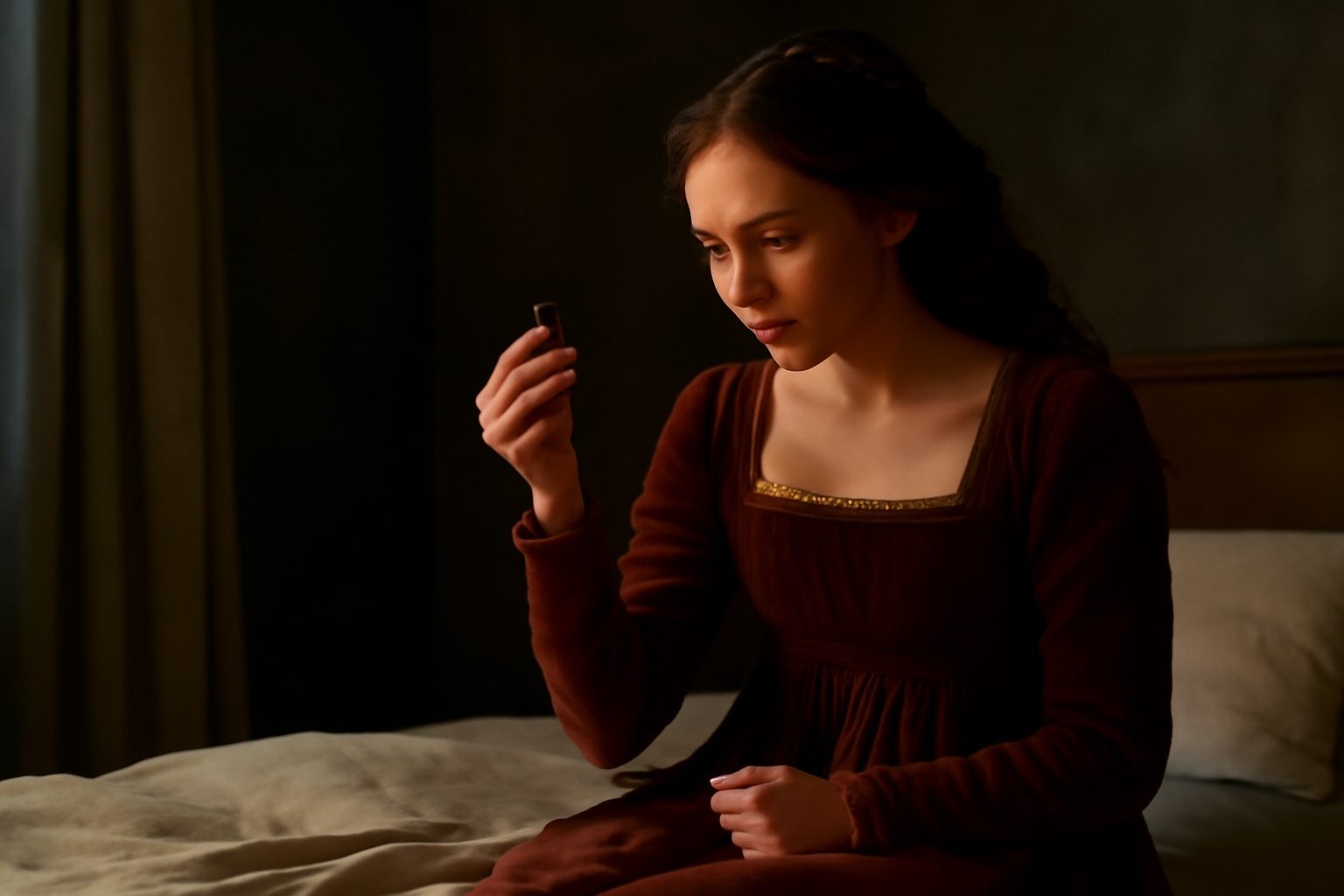
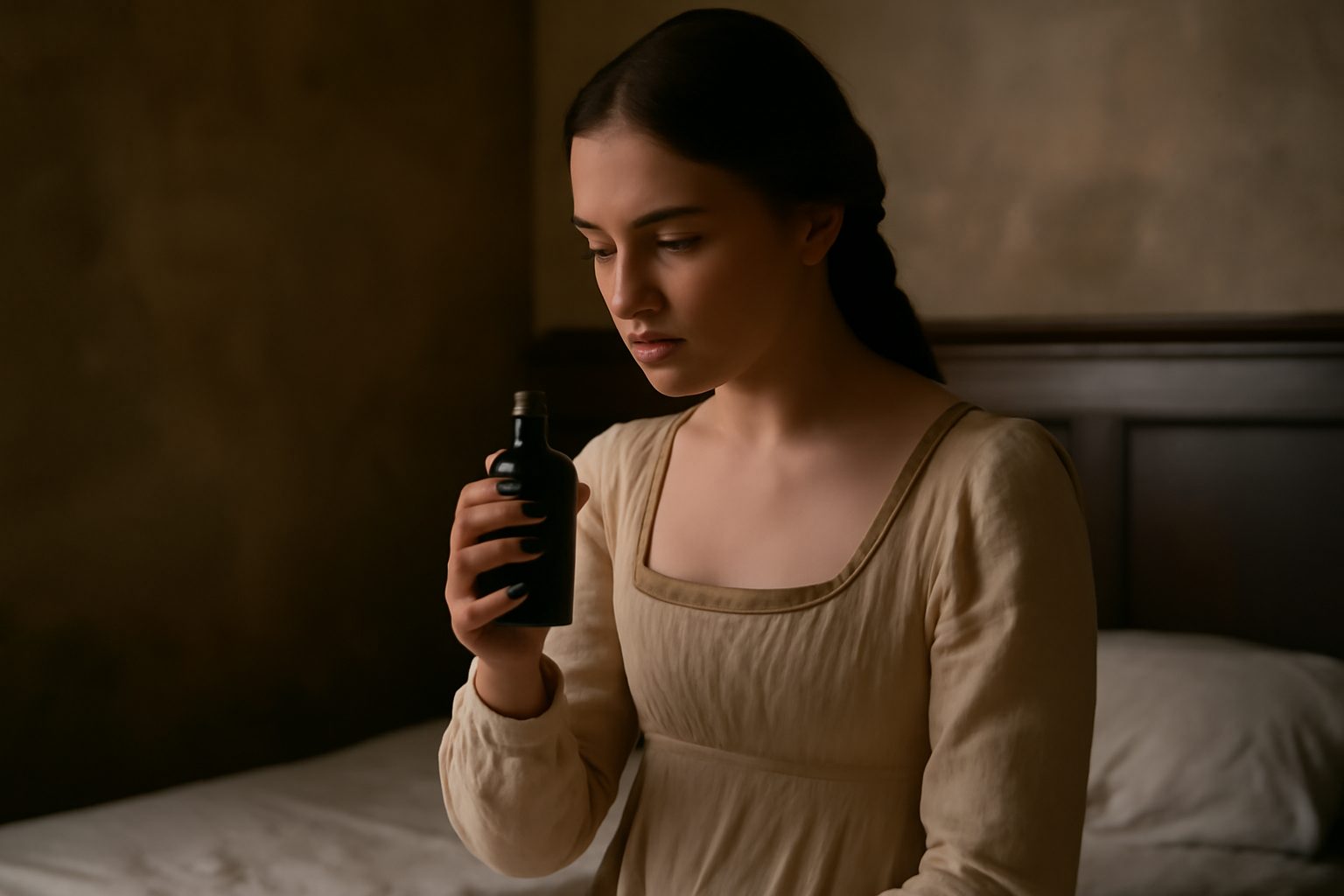
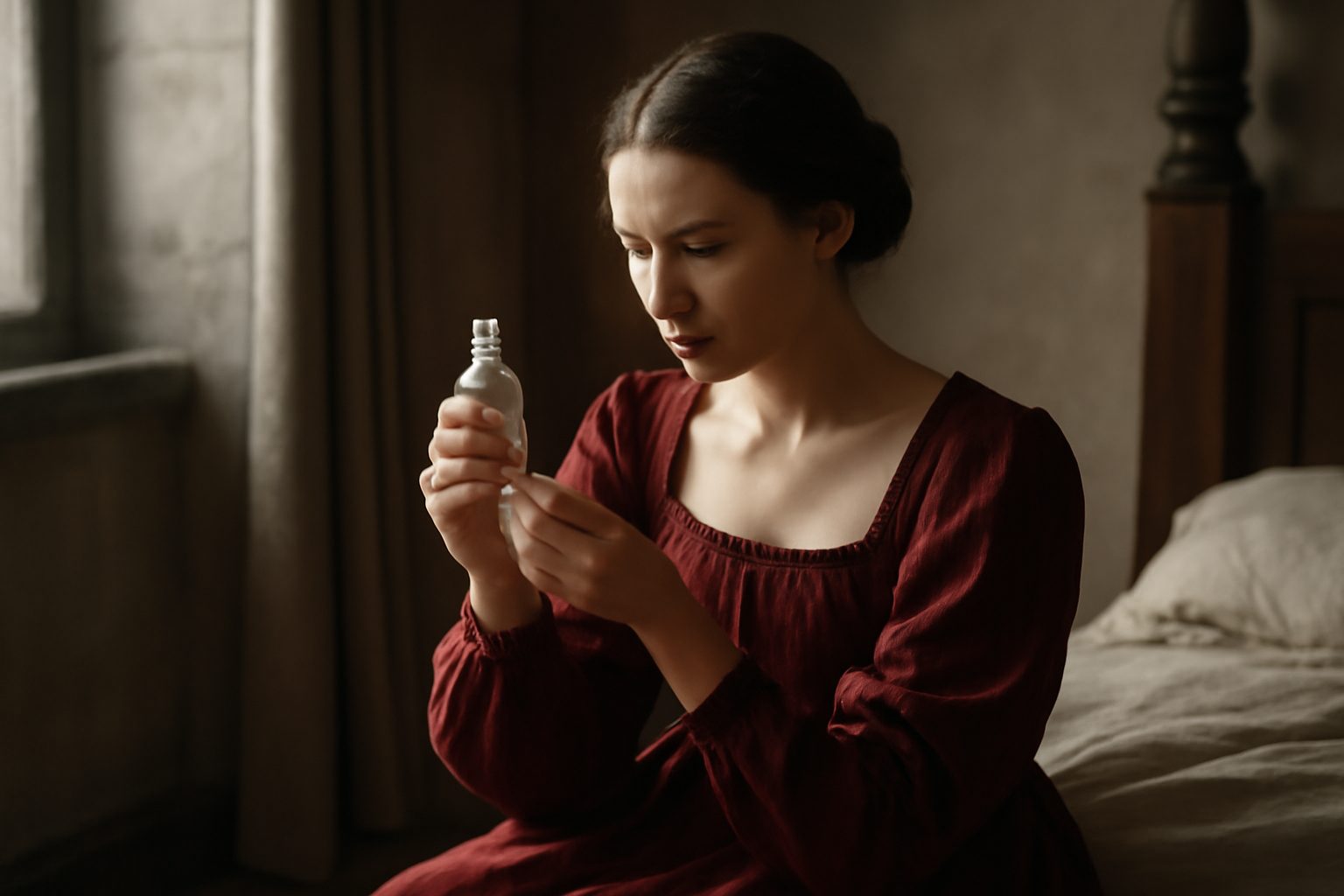
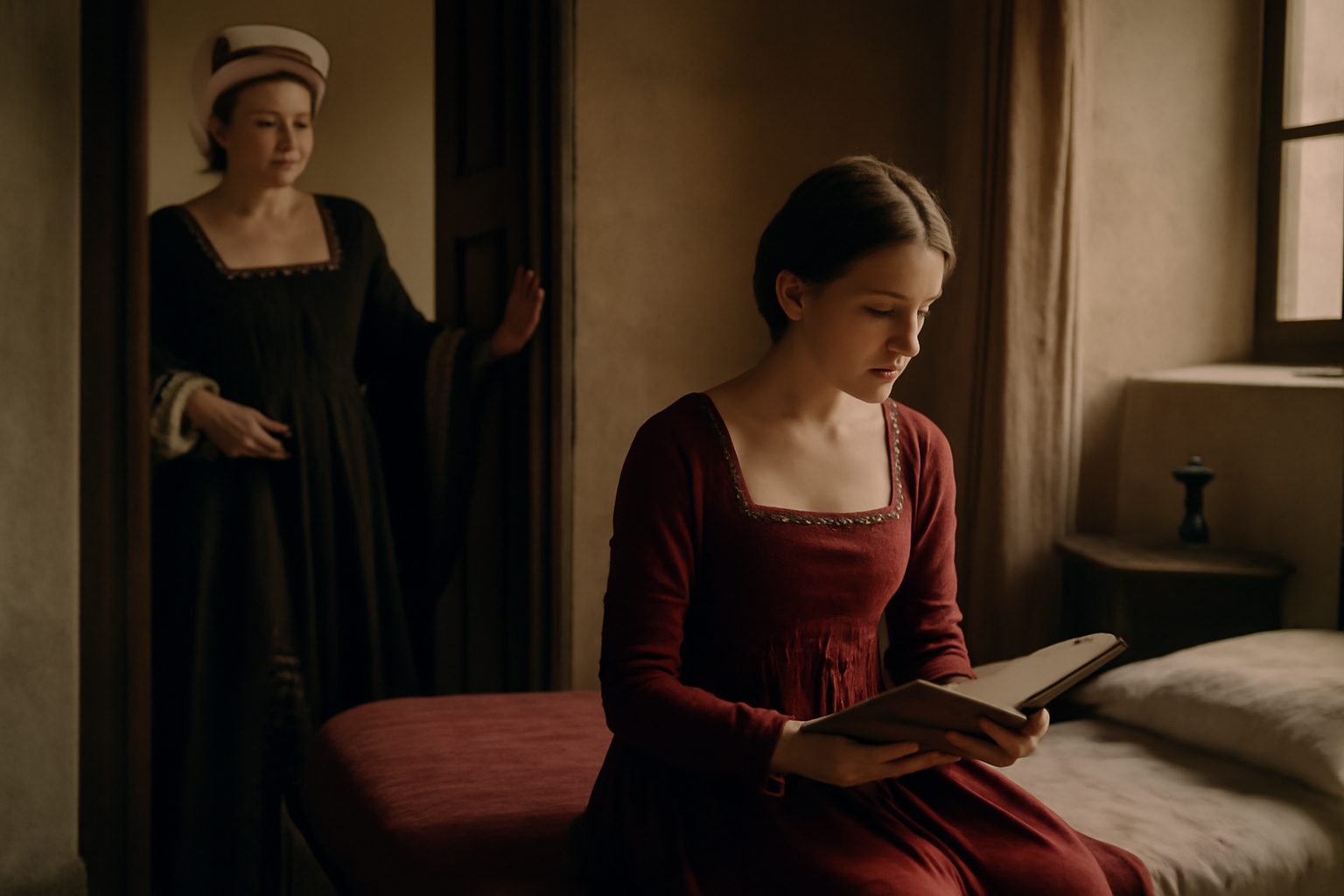
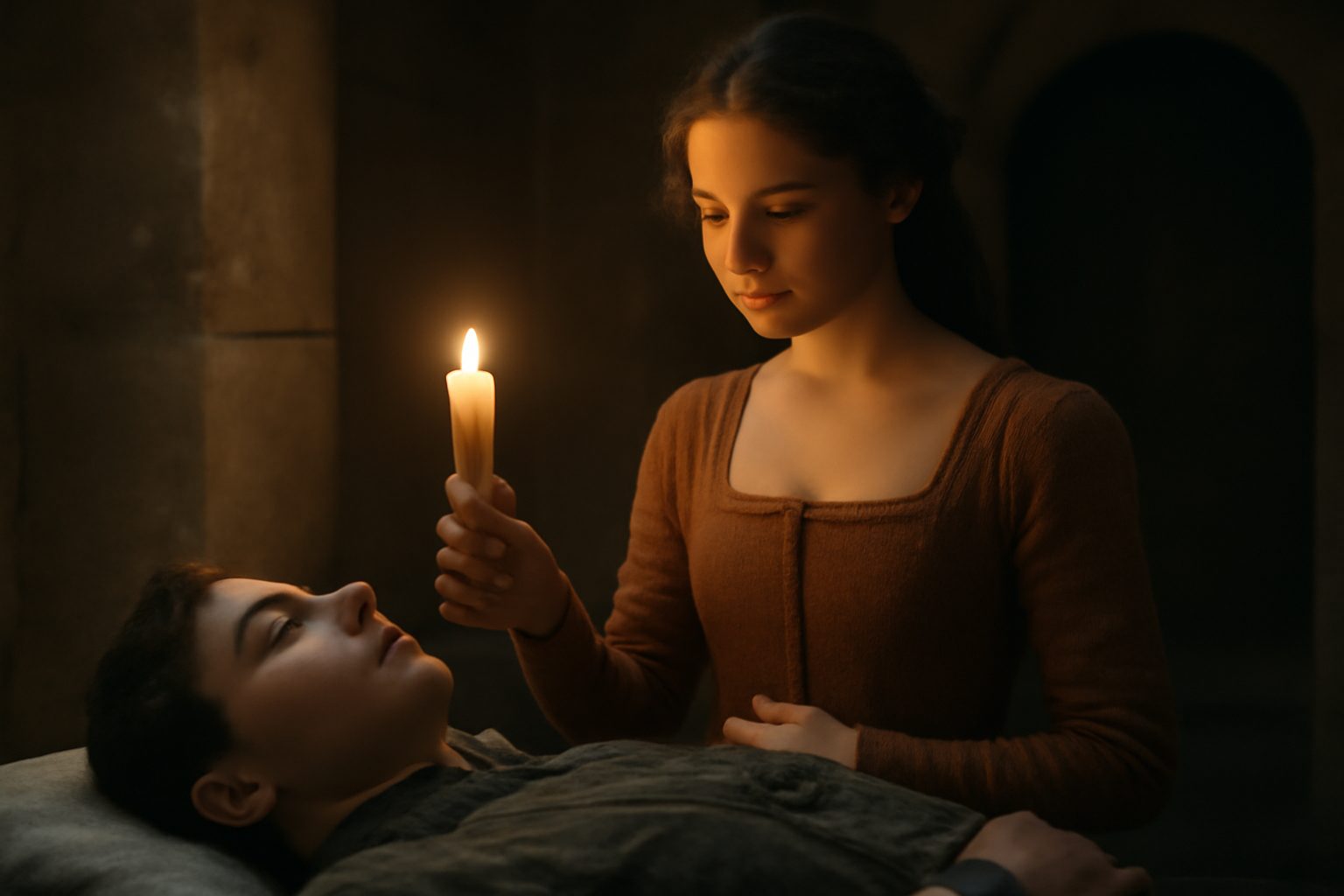
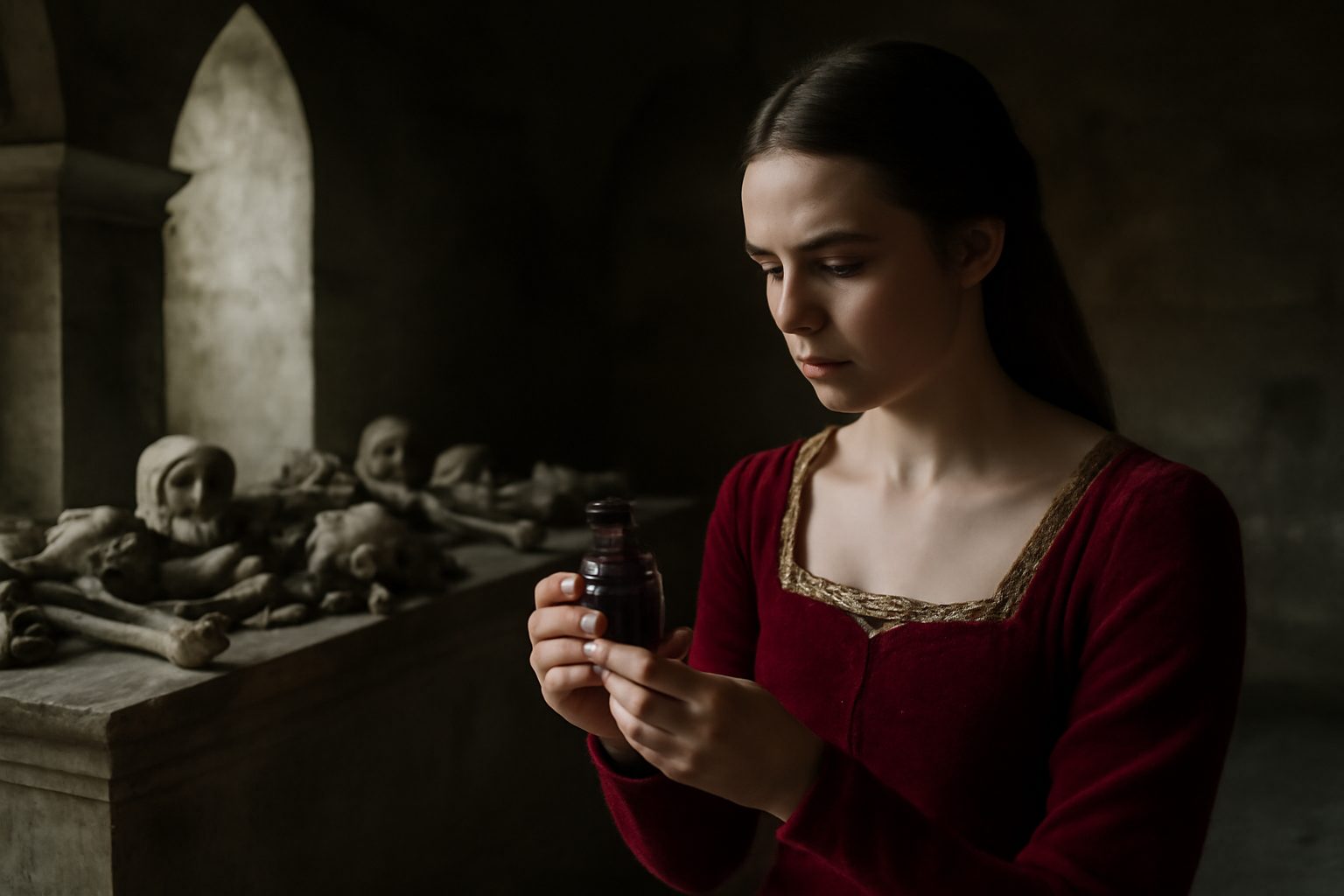
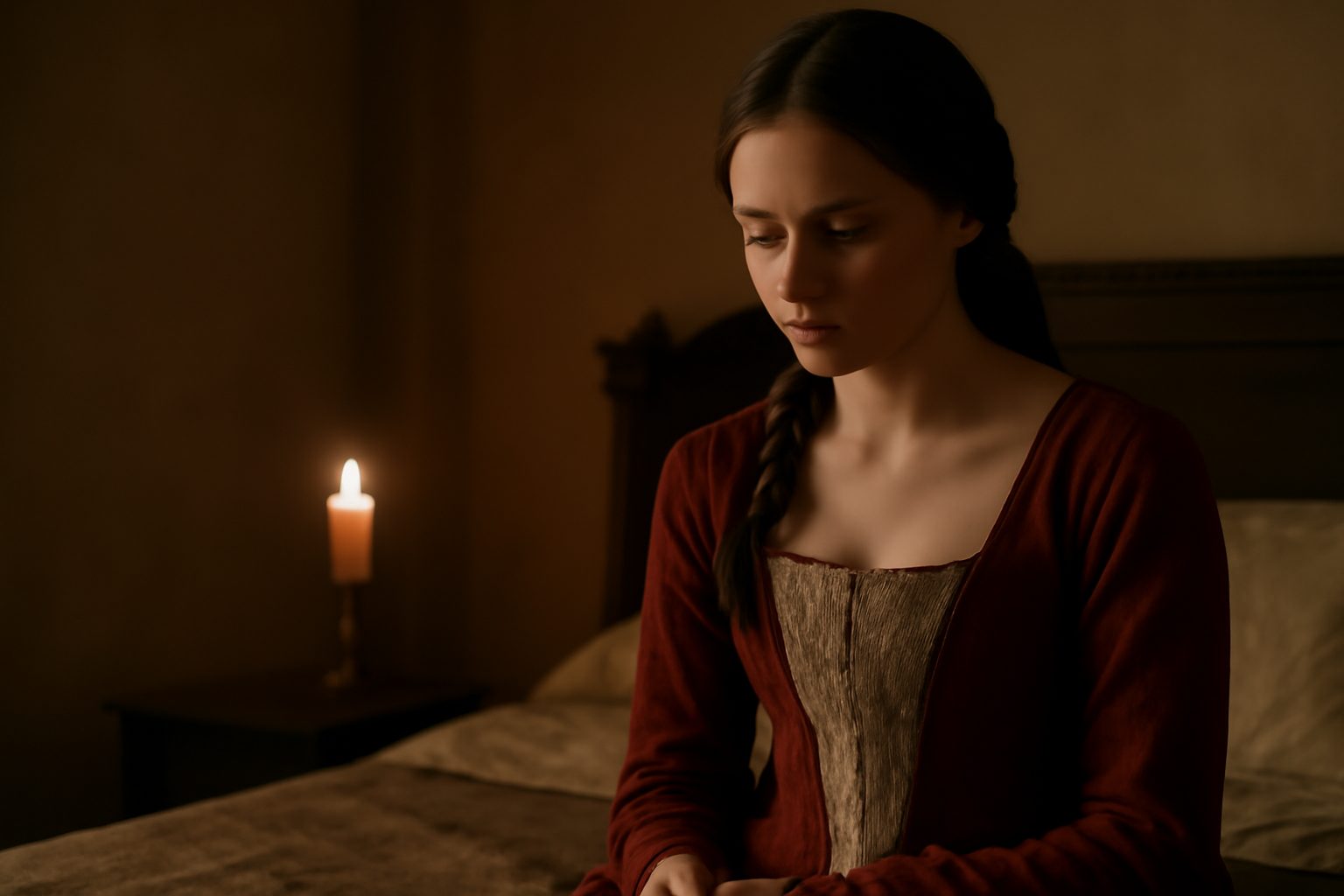
In Act 4, Scene 3 of Romeo and Juliet, Juliet prepares to drink Friar Laurence's potion, which will make her appear dead to avoid marrying Paris. Overcome by fear and doubt, she imagines the horrors of waking alone in the Capulet tomb, where she might be driven to madness. This line captures her desperation as she envisions a violent end to her suffering if the plan goes awry.
Juliet: "As with a club, dash out my desperate brains?"
In modern day english, we would say:
She’s asking if she should smash her own head in desperation, like someone would with a club.
Frequently Asked Questions
What is Juliet saying she would rather do than marry Paris?
She is saying she would rather have her brains smashed out with a club than marry Paris.
Connections to other verses:
Connections to "As with a club, dash out my desperate brains?"
Juliet's desperate question about dashing out her brains with a club reflects her escalating fears and the violent imagery that pervades her soliloquy. This line connects thematically and emotionally to several other verses in the scene.
Fear of the Tomb and Death
Juliet's morbid imagination is evident in her concern about waking prematurely in the Capulet tomb, as she asks, "Shall I not, then, be stifled in the vault?" This fear of suffocation parallels the violent self-harm she contemplates, both outcomes born from her terror of the burial vault. Her dread is compounded by the description of the tomb as "To whose foul mouth no healthsome air breathes in", emphasizing the suffocating and deadly atmosphere she expects.
Horrific Visions and Supernatural Dread
Her desperation is further amplified by supernatural fears, such as encountering spirits or ghosts. She references "At some hours in the night spirits resort", and this anxiety culminates in her vision of "O, look! methinks I see my cousin's ghost". The horror of these visions connects to her contemplation of extreme violence as an escape from such terrors.
Violence and Madness
Juliet's fear of losing her sanity upon waking is expressed in "O, if I wake, shall I not be distraught", which ties directly to her thought of dashing out her brains to avoid madness. The idea of being driven insane is reinforced by her mention of "That living mortals, hearing them, run mad", referring to the shrieks of mandrakes, symbolizing the unbearable sounds she anticipates.
Connection to Tybalt's Death
Her violent imagery also links to the recent trauma of Tybalt's death. She imagines "pluck the mangled Tybalt from his shroud", showing how his violent end haunts her and feeds into her own thoughts of desperation and brutality.
Resolution and Defiance
Despite these fears, Juliet's resolve strengthens, culminating in "Romeo, I come! this do I drink to thee". This decisive action contrasts with her earlier hesitation and violent imaginings, showing her transition from fear to determination.