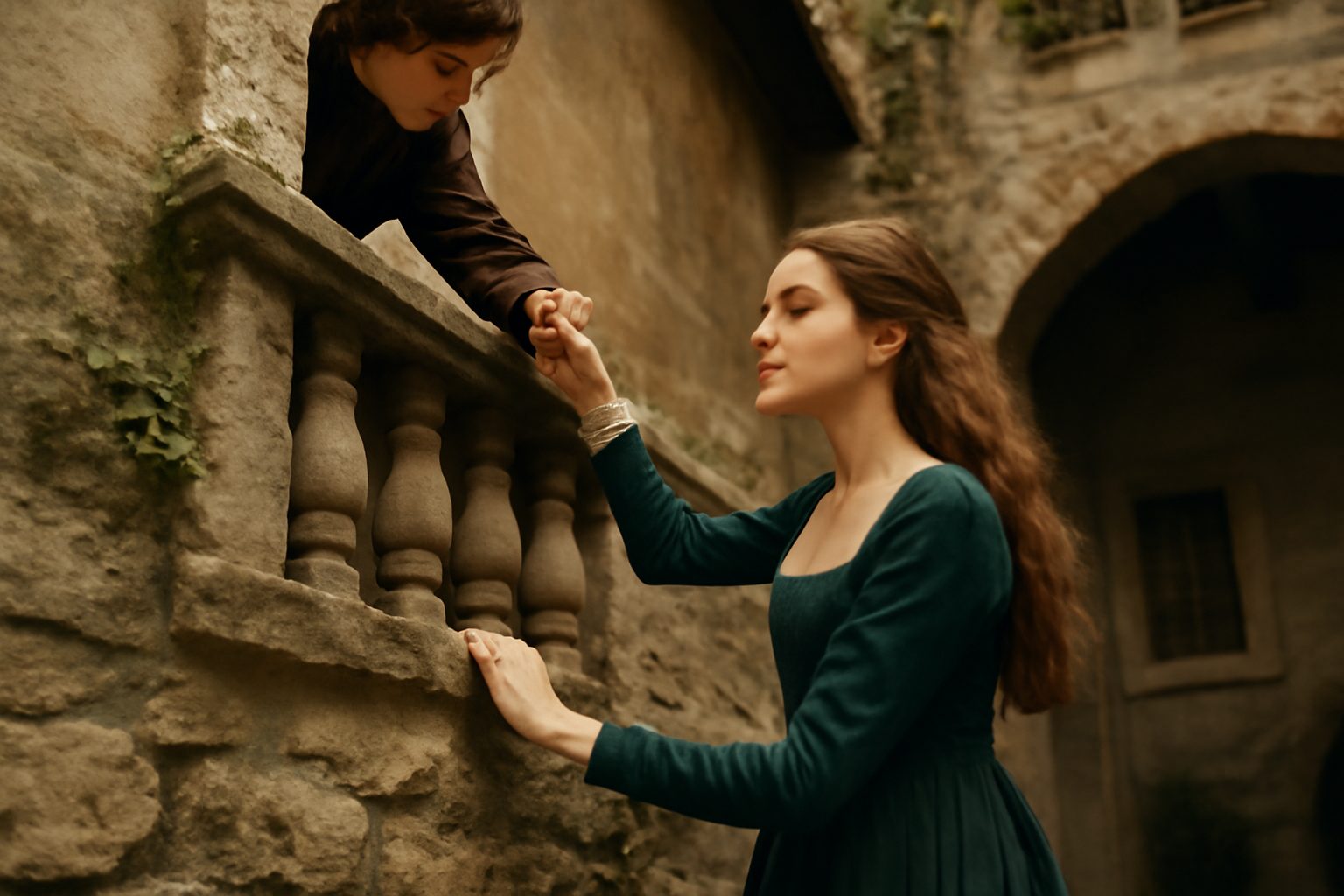
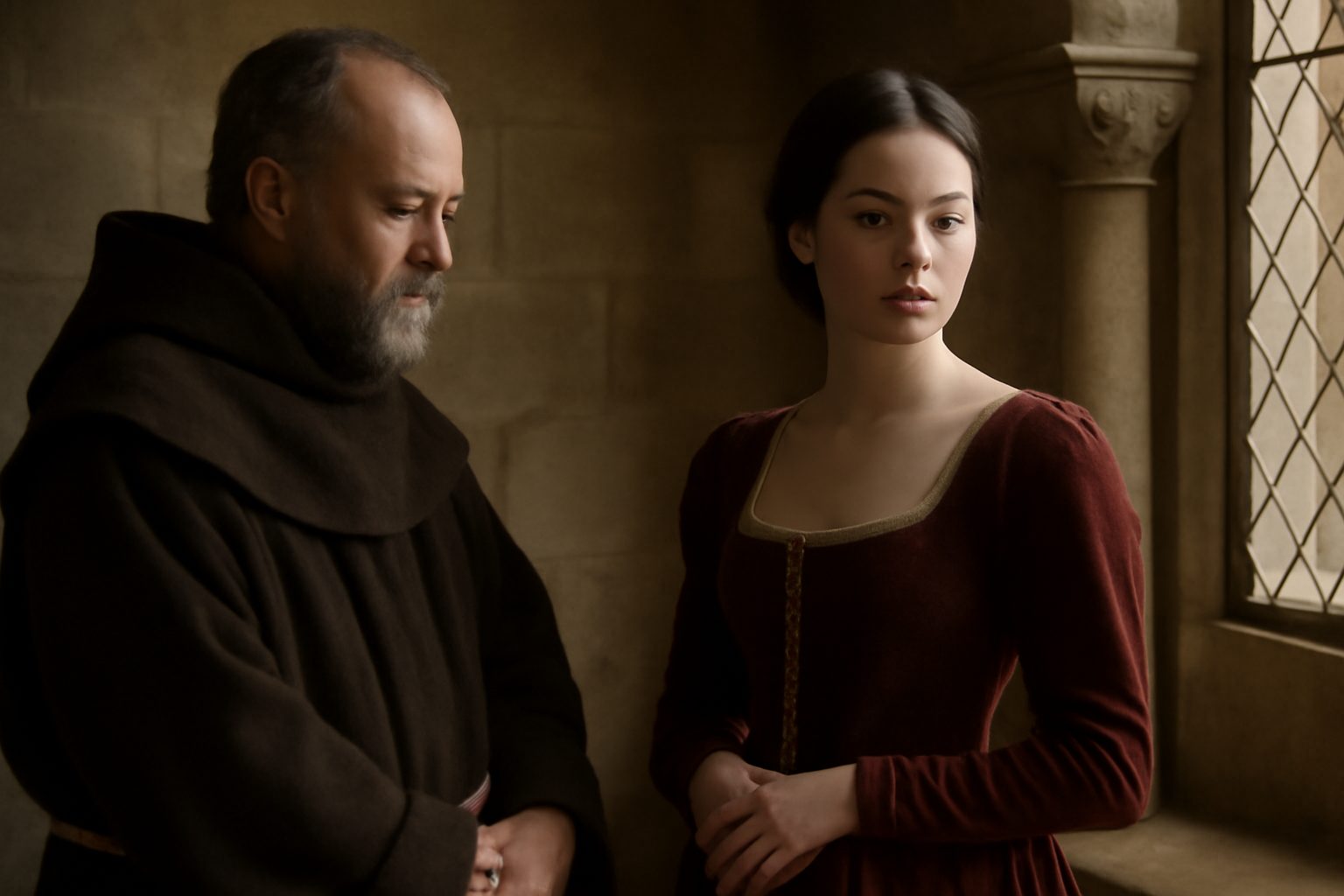
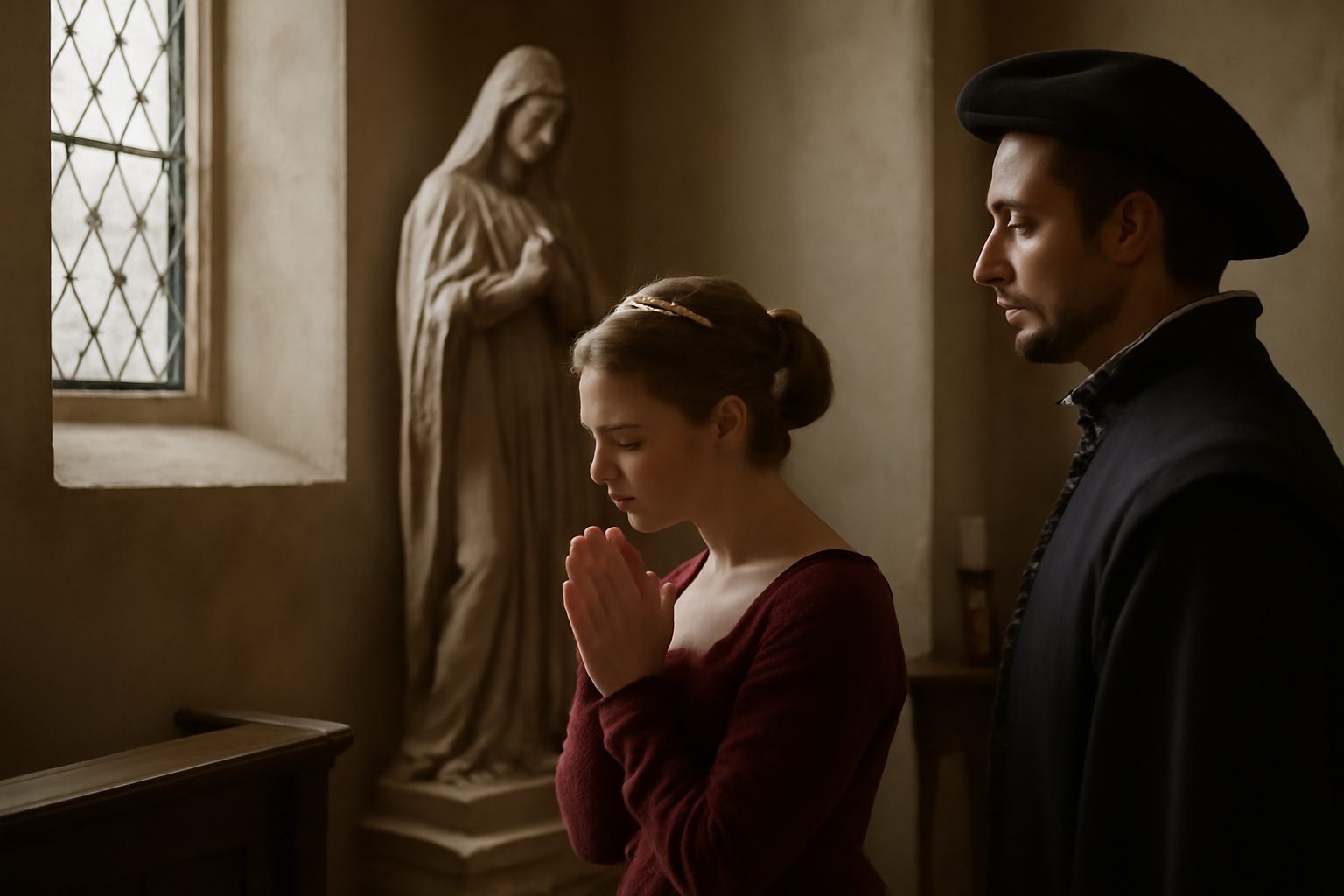
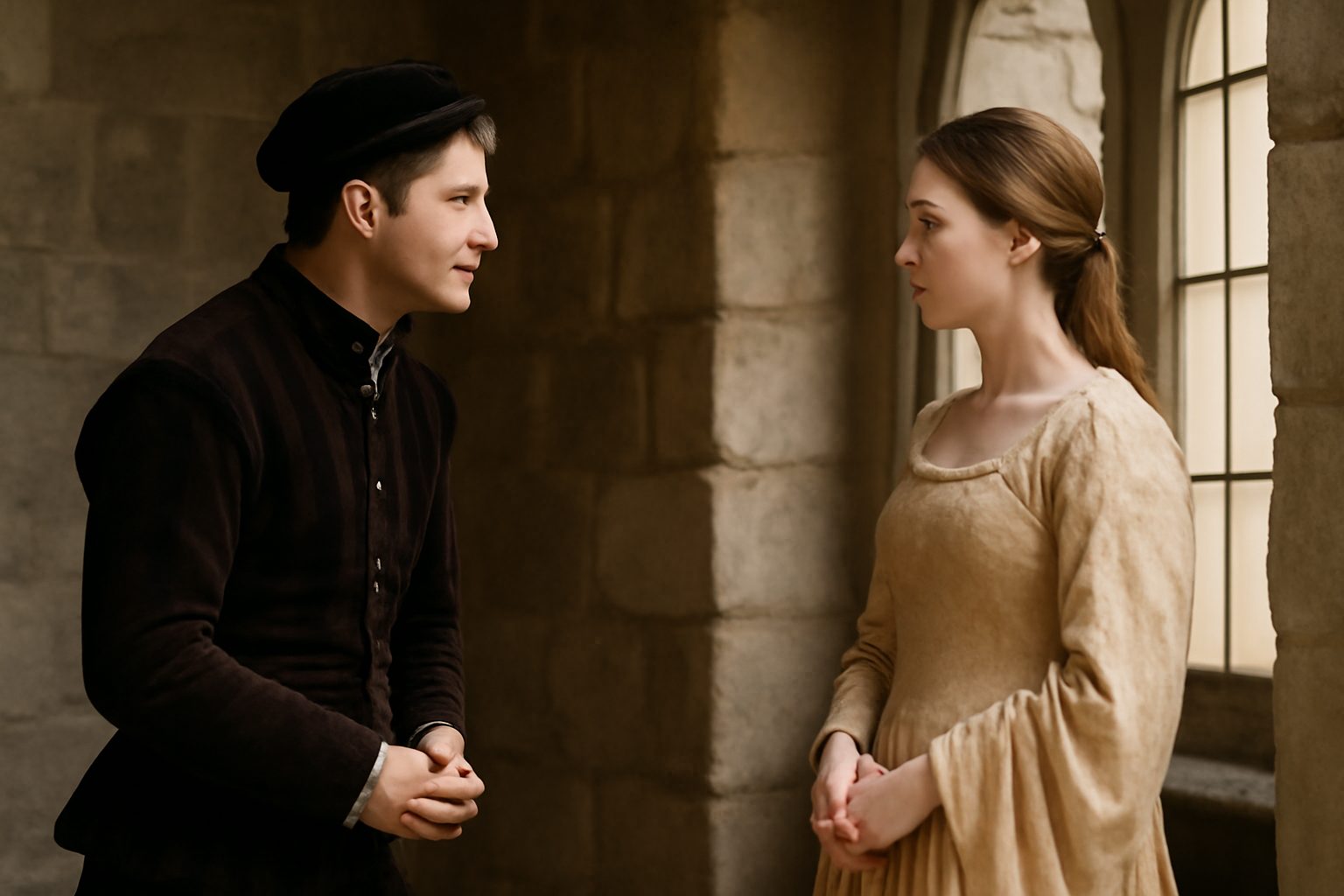
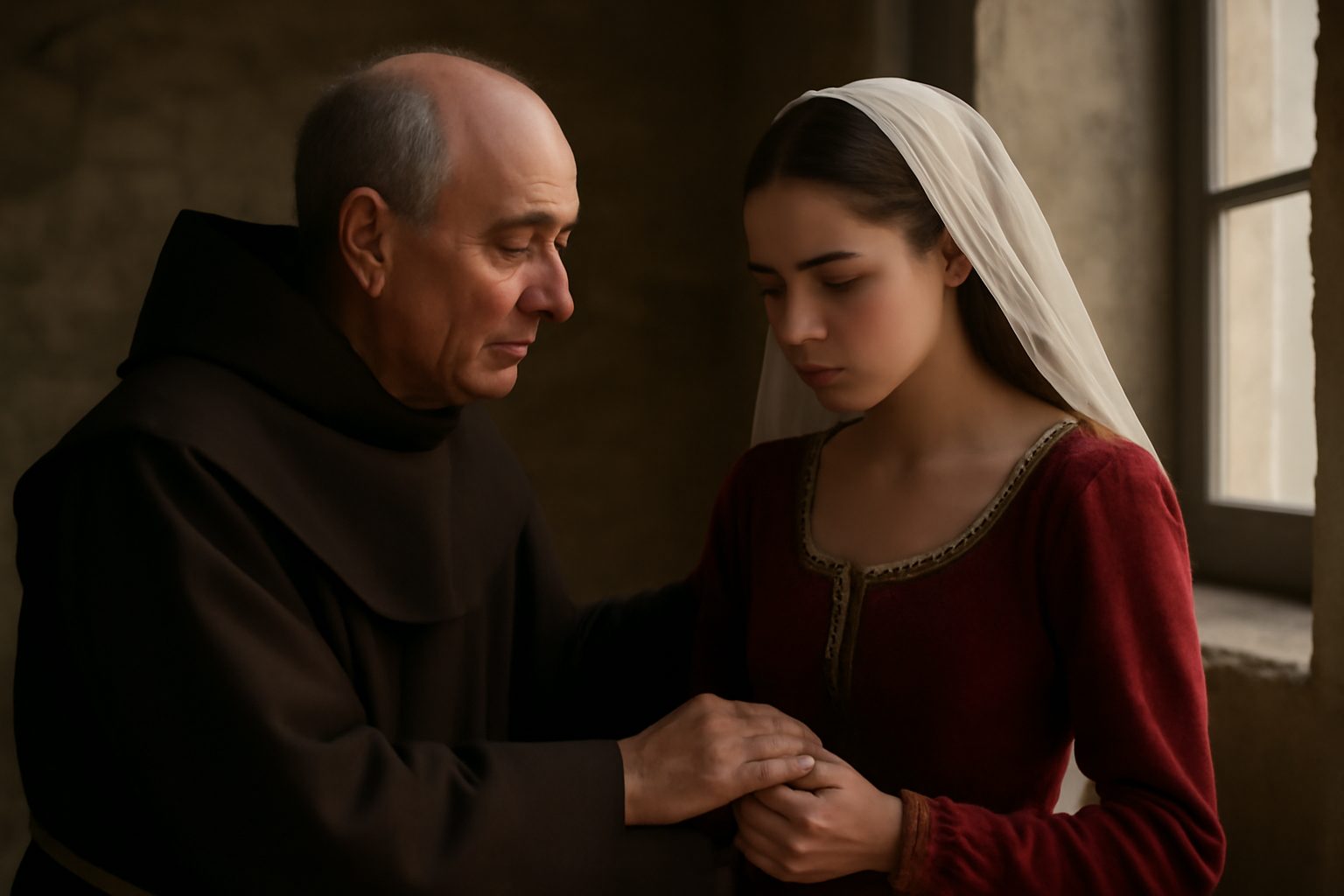
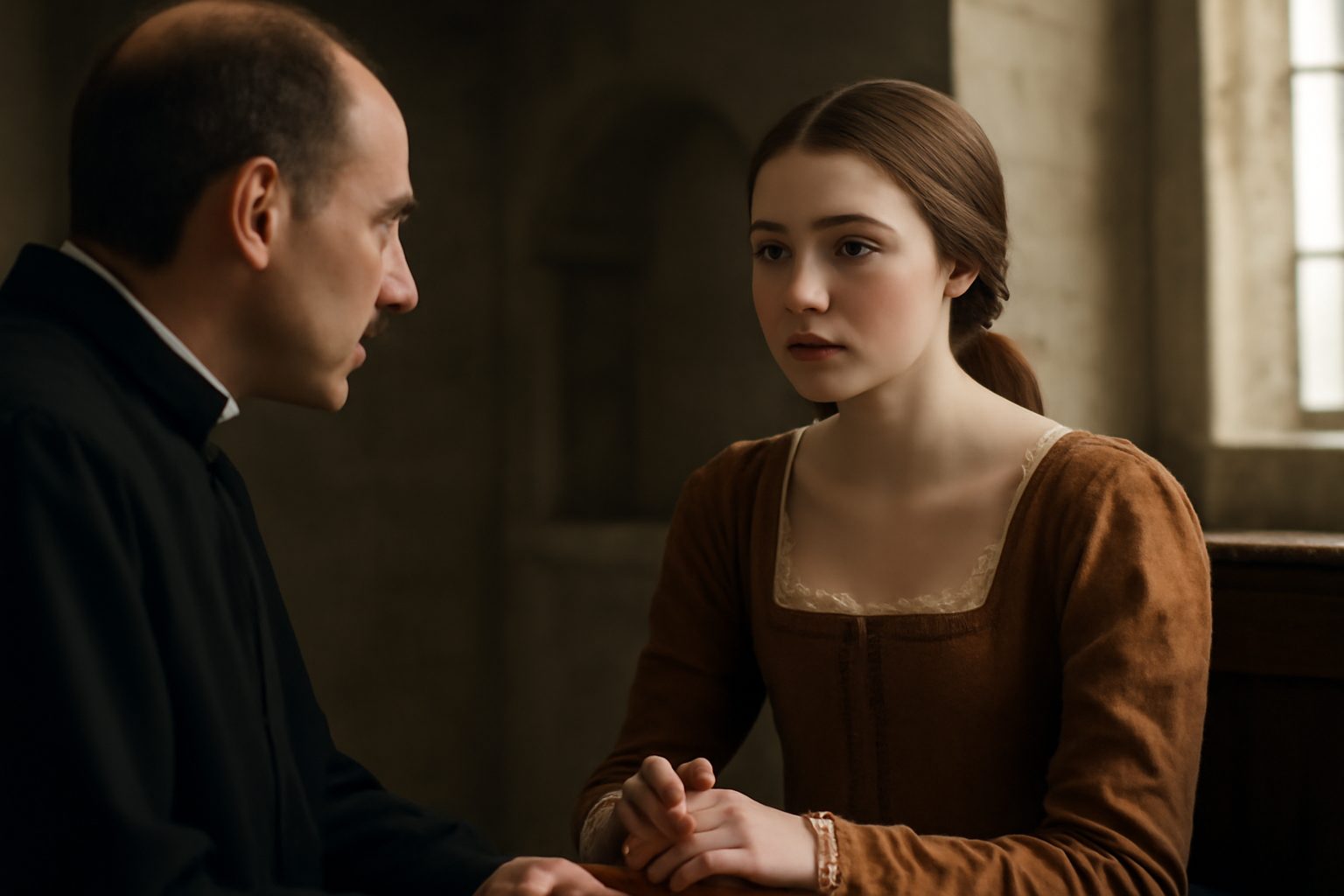
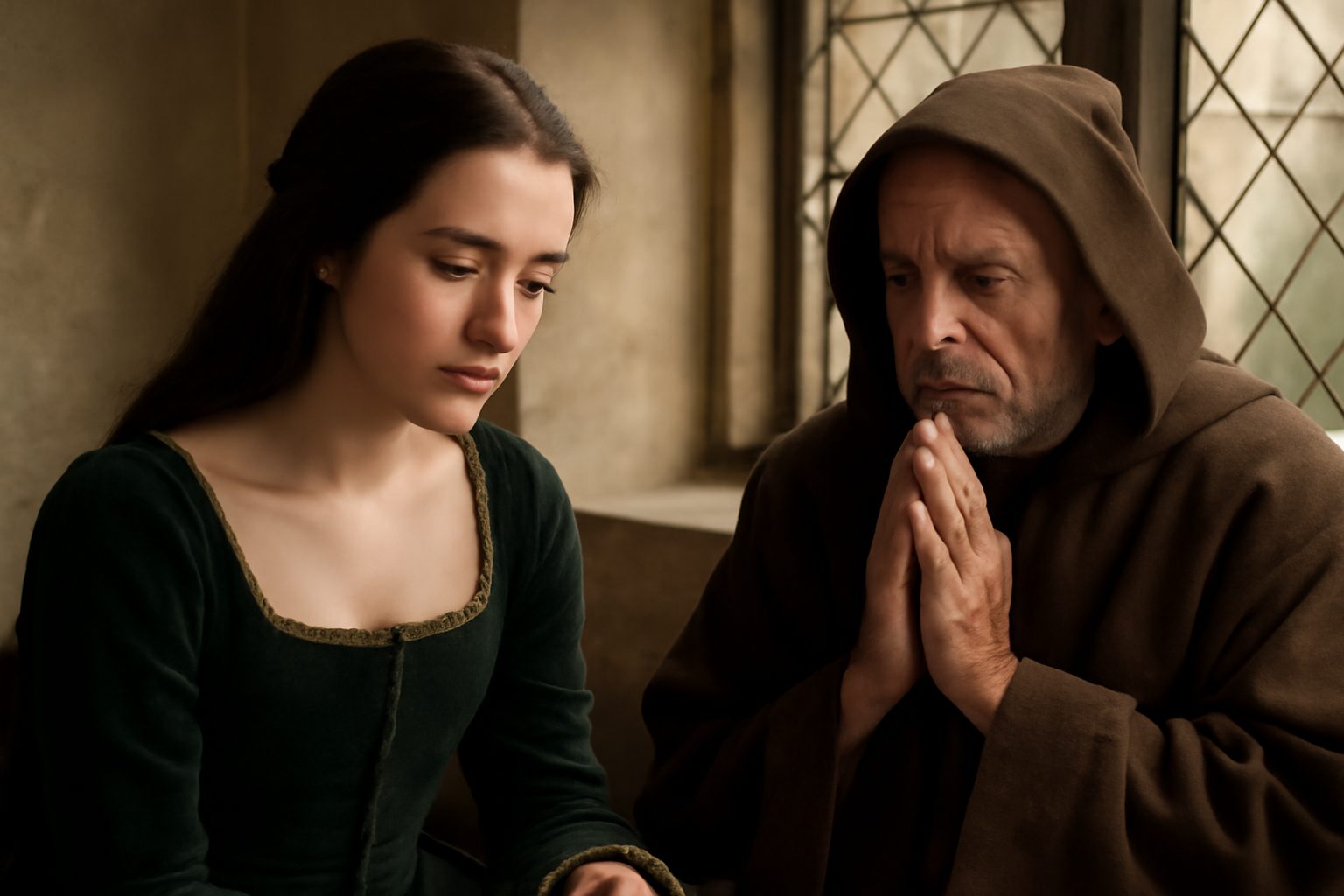
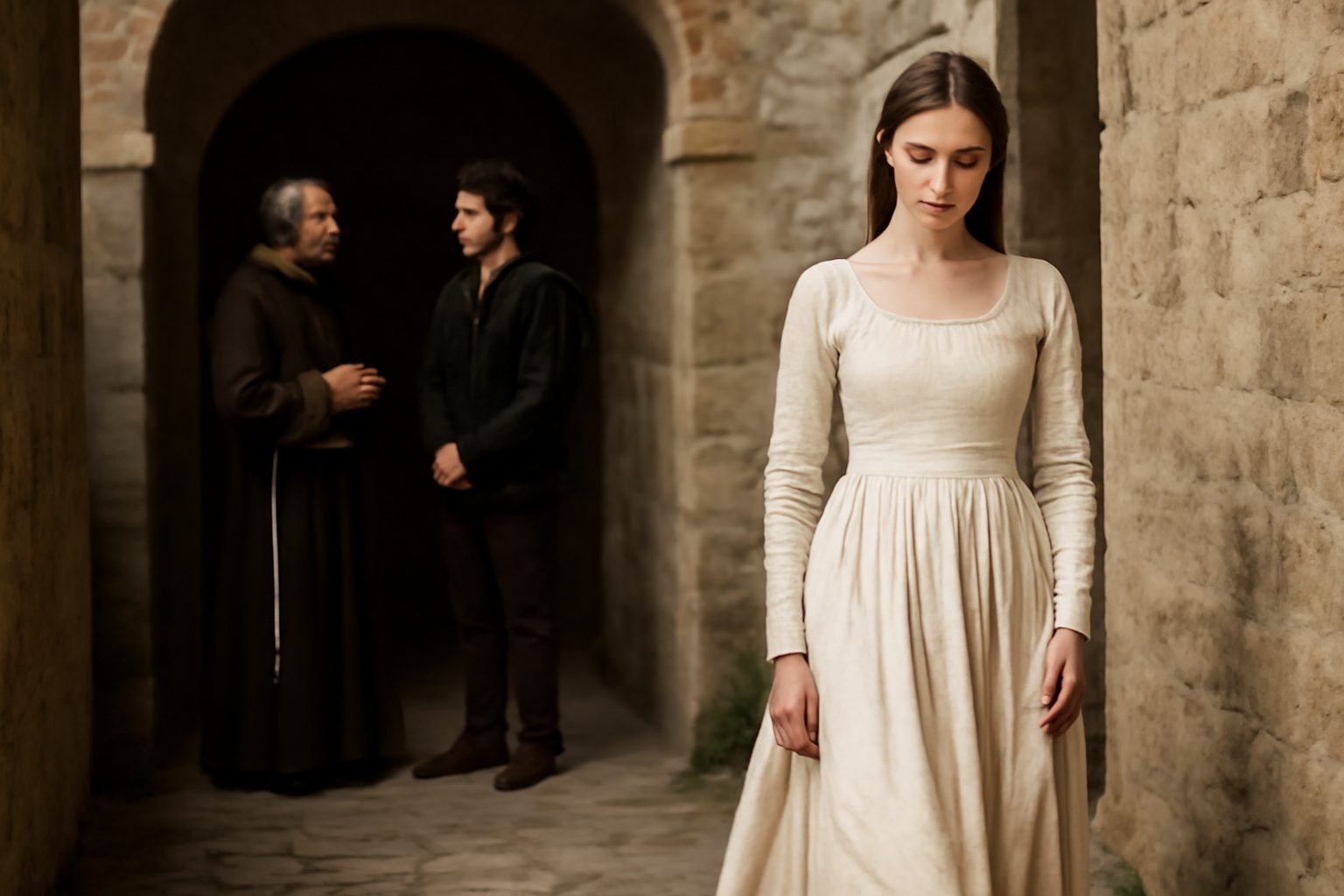
In Act 4, Scene 1 of Romeo and Juliet, Juliet visits Friar Laurence in desperation after her father insists she marry Paris. The Friar, seeking to delay the wedding and reunite her with Romeo, devises a risky plan involving a sleeping potion. This line refers to his urgency in arranging their secret marriage to prevent Juliet from being forced into another union.
Paris: "And in his wisdom hastes our marriage,"
In modern day english, we would say:
He’s being smart by rushing us to get married.
Frequently Asked Questions
Who is Paris talking about when he says 'his wisdom'?
Paris is talking about Friar Laurence, who is arranging his marriage to Juliet.
Connections to other verses:
Connections to "And in his wisdom hastes our marriage"
This line, spoken by Paris to Friar Laurence, reflects the external pressure and urgency surrounding Juliet's forced marriage. It connects thematically and contextually to several other verses in the scene:
Parental Authority and Compliance
Paris explains that the haste comes from Capulet's decision, as seen in My father Capulet will have it so and Now do you know the reason of this haste. These lines emphasize the lack of agency given to Juliet, framing the marriage as a parental decree rather than a mutual desire.
Juliet's Resistance and Desperation
In contrast to the imposed haste, Juliet's own words reveal her inner turmoil and refusal to accept this marriage. She expresses willingness to die rather than betray Romeo, as in O, bid me leap, rather than marry Paris and And with this knife I'll help it presently. Her desperation highlights the conflict between external expectations and her personal vows.
Friar Laurence's Intervention
The Friar recognizes the danger in this rushed union and devises a plan to counteract it. His scheme, detailed in verses like And this distilled liquor drink thou off and Shall Romeo bear thee hence to Mantua, is a direct response to the unwise haste Paris describes, offering a risky alternative to prevent bigamy and preserve Juliet's fidelity to Romeo.
Thematic Irony of "Wisdom"
Paris's allusion to Capulet's "wisdom" is ironically undercut by the Friar's concerns and Juliet's suffering. The line Uneven is the course, I like it not shows the Friar's skepticism, while Juliet's plight in Ah, Juliet, I already know thy grief reveals the emotional cost of this so-called wisdom, tying the marriage's urgency to the tragedy's mounting tension.