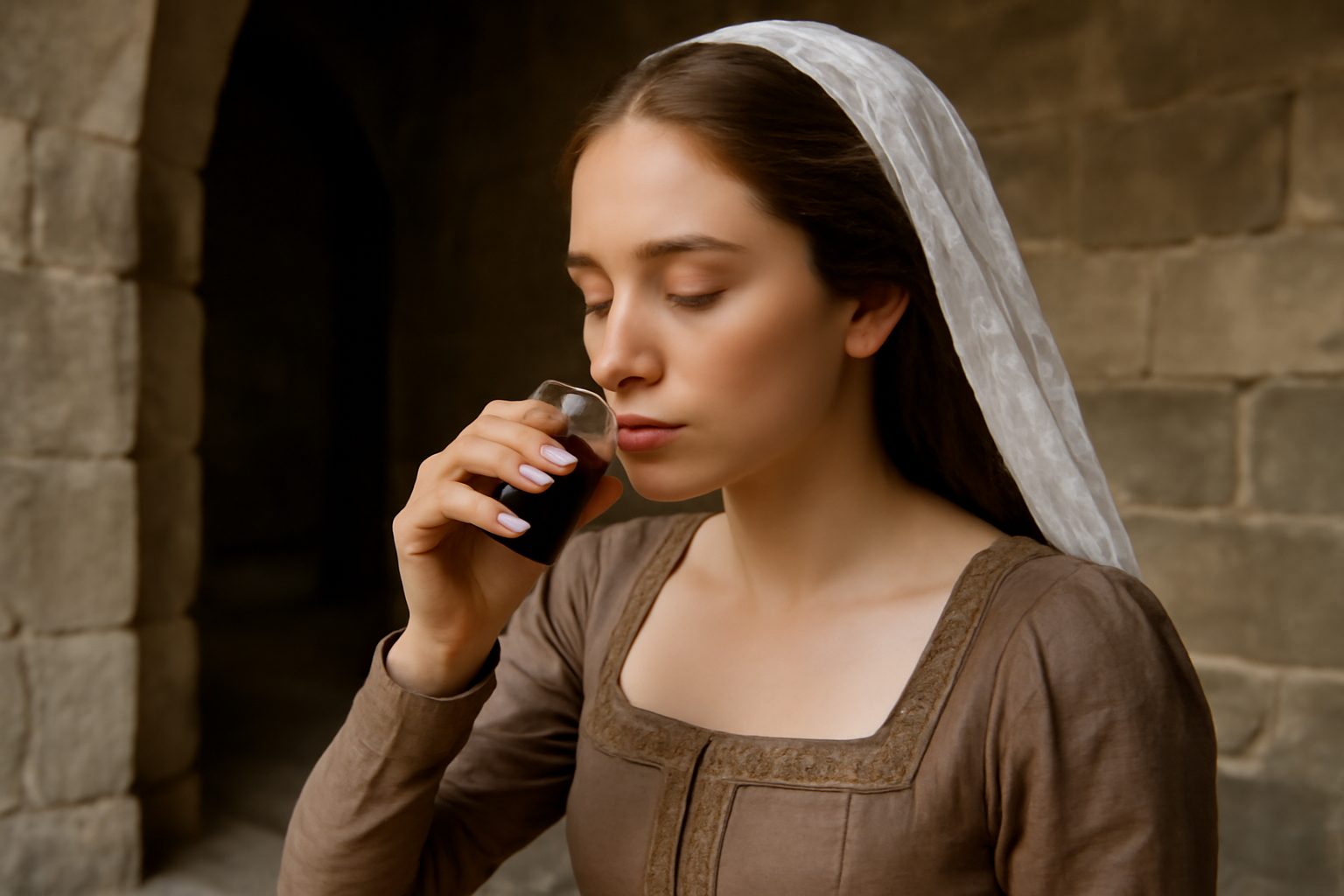
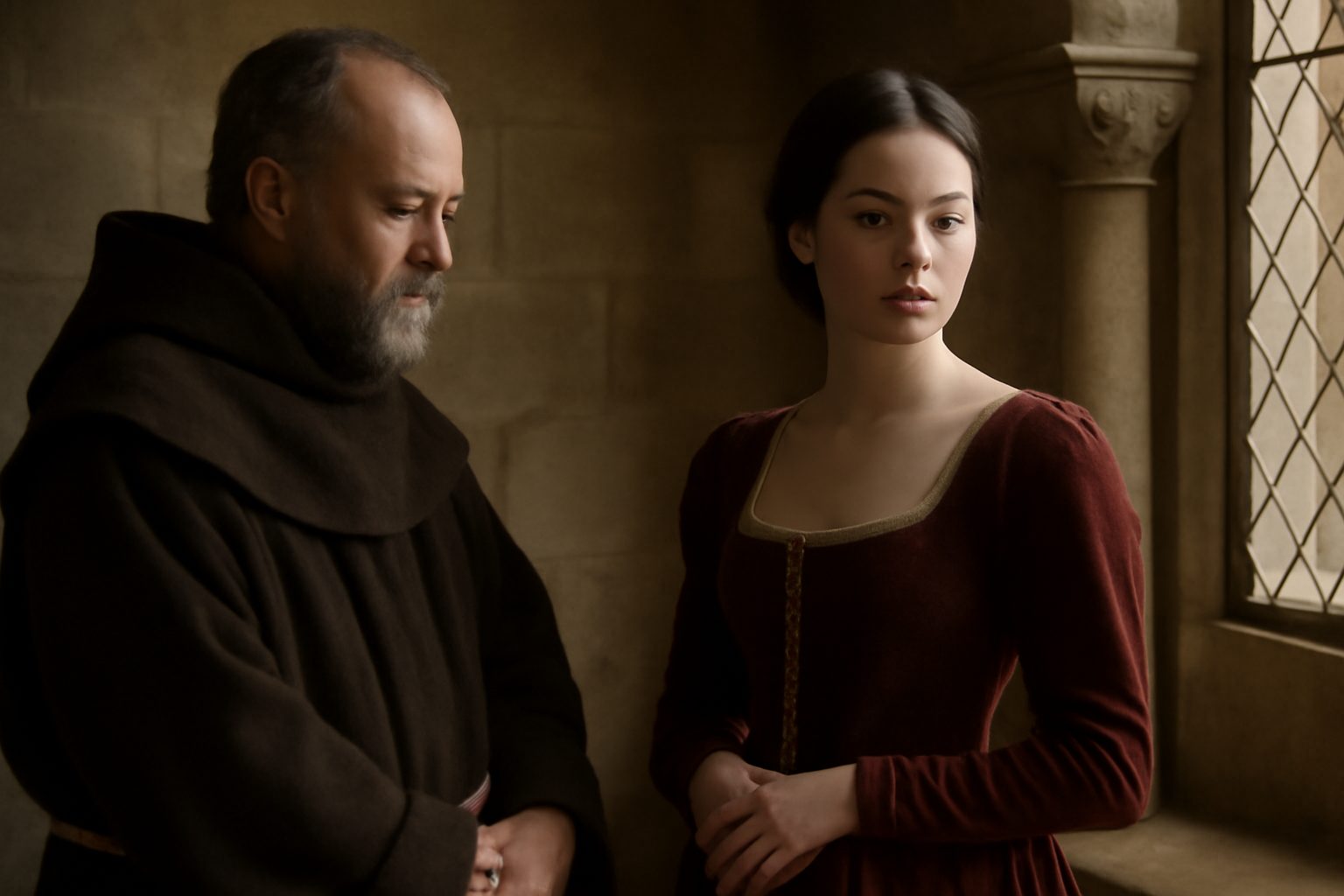
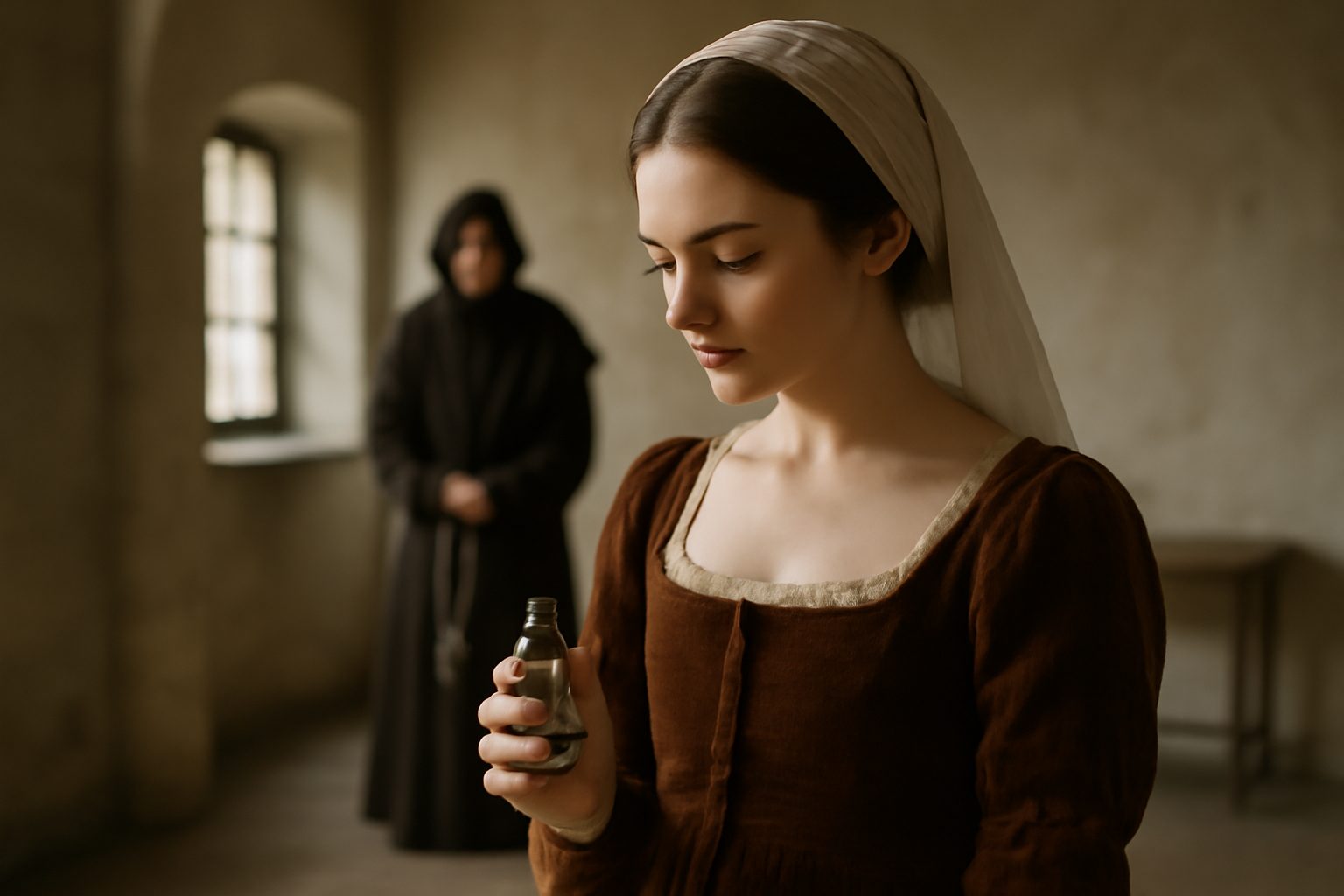
In Act 4, Scene 1 of Romeo and Juliet, Friar Laurence speaks these words to Juliet as she desperately seeks a way to avoid marrying Paris. Distraught over Romeo's banishment and her impending forced marriage, Juliet threatens to take her own life if the Friar cannot help her. In response, he proposes a risky plan involving a sleeping potion, offering her a dangerous but hopeful solution to reunite with Romeo.
Friar Laurence: "And, if thou darest, I'll give thee remedy."
In modern day english, we would say:
If you’re brave enough, I can give you a solution.
Frequently Asked Questions
What does Friar Laurence offer to Juliet in Act 4 Scene 1?
Friar Laurence offers Juliet a solution or remedy to her problem.
Connections to other verses:
Connections to "And, if thou darest, I'll give thee remedy."
This line, spoken by Friar Laurence, is a pivotal moment where he offers Juliet a desperate solution to avoid marrying Paris. It directly responds to Juliet's earlier declaration of despair in "Be not so long to speak; I long to die", showing her willingness to embrace death over dishonor. The Friar's remedy is further detailed in "And this distilled liquor drink thou off", which describes the potion that will simulate death.
Juliet's Resolve and the Friar's Plan
Juliet's courage, highlighted in "And I will do it without fear or doubt", reinforces her readiness to accept the Friar's dangerous remedy. The plan's outcome is foreshadowed in "And then awake as from a pleasant sleep", promising a hopeful awakening, though it ultimately leads to tragedy. The Friar's reassurance in "And this shall free thee from this present shame" underscores his intention to provide escape through the potion.
Thematic Links to Death and Desperation
The remedy's grave nature connects to Juliet's earlier hyperbolic threats, such as "O, bid me leap, rather than marry Paris" and "Or bid me go into a new-made grave", emphasizing her preference for death over betrayal. The Friar's description of the potion's effects in "No warmth, no breath, shall testify thou livest" mirrors the death-like state she must endure, tying back to his initial daring offer.