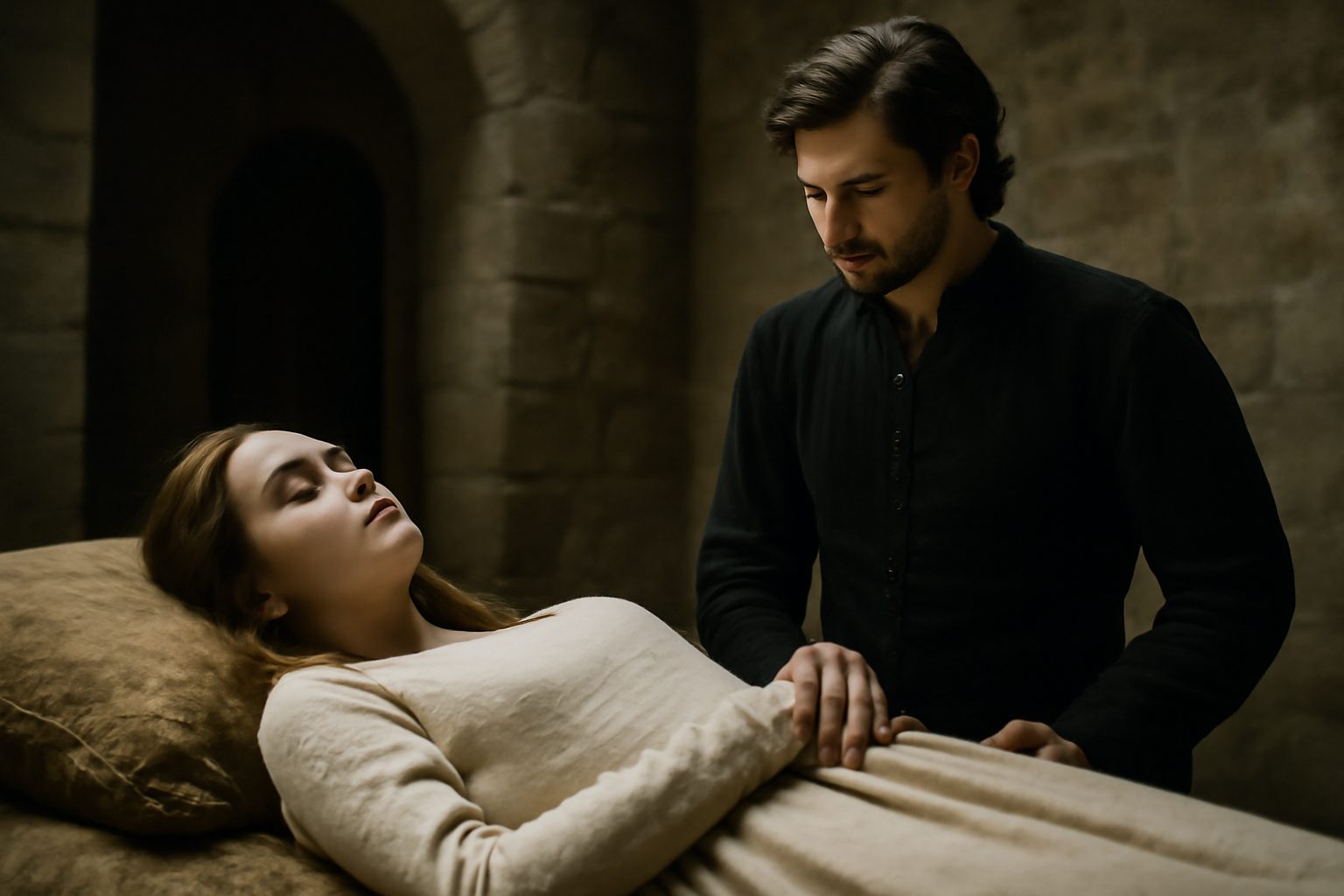
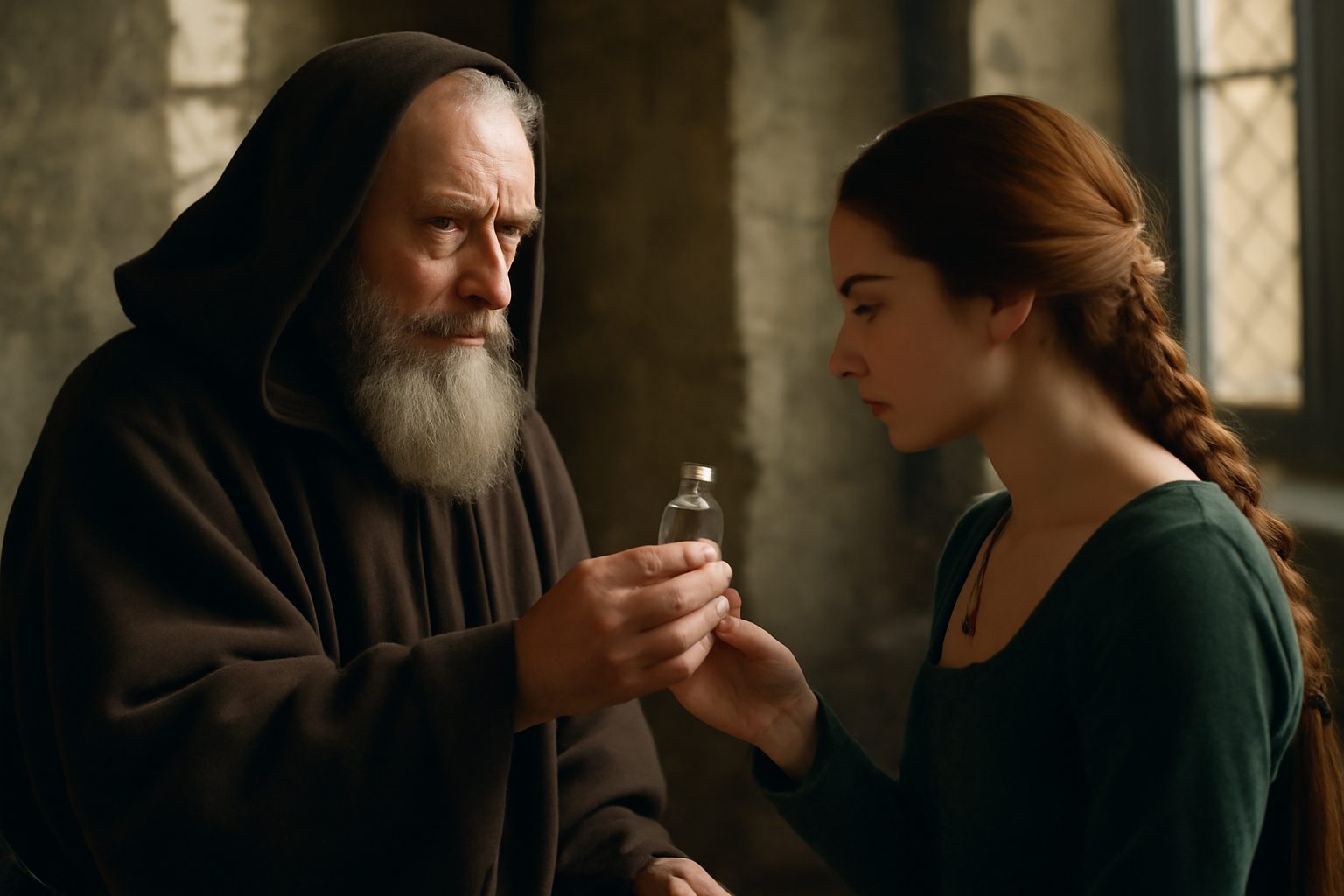
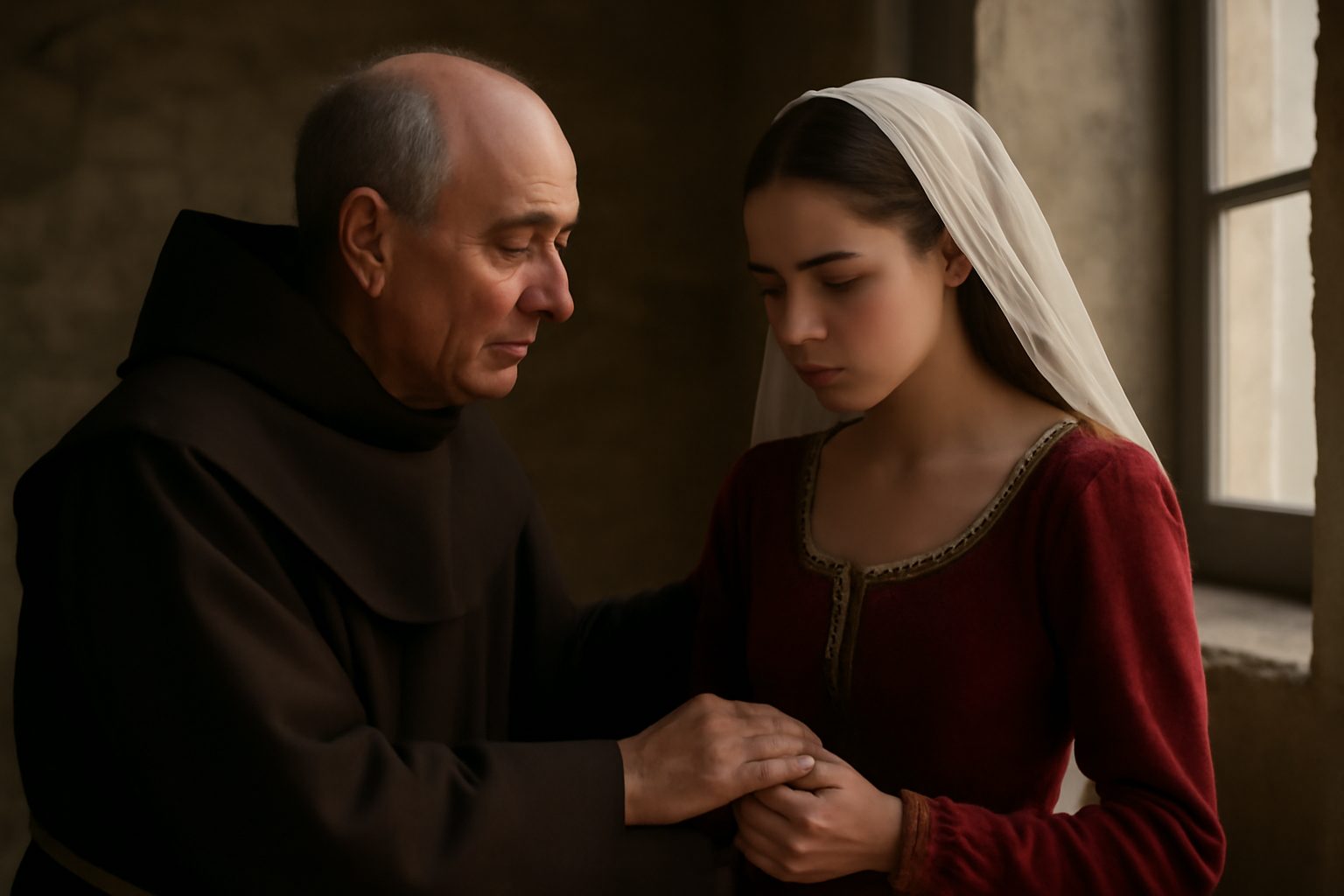
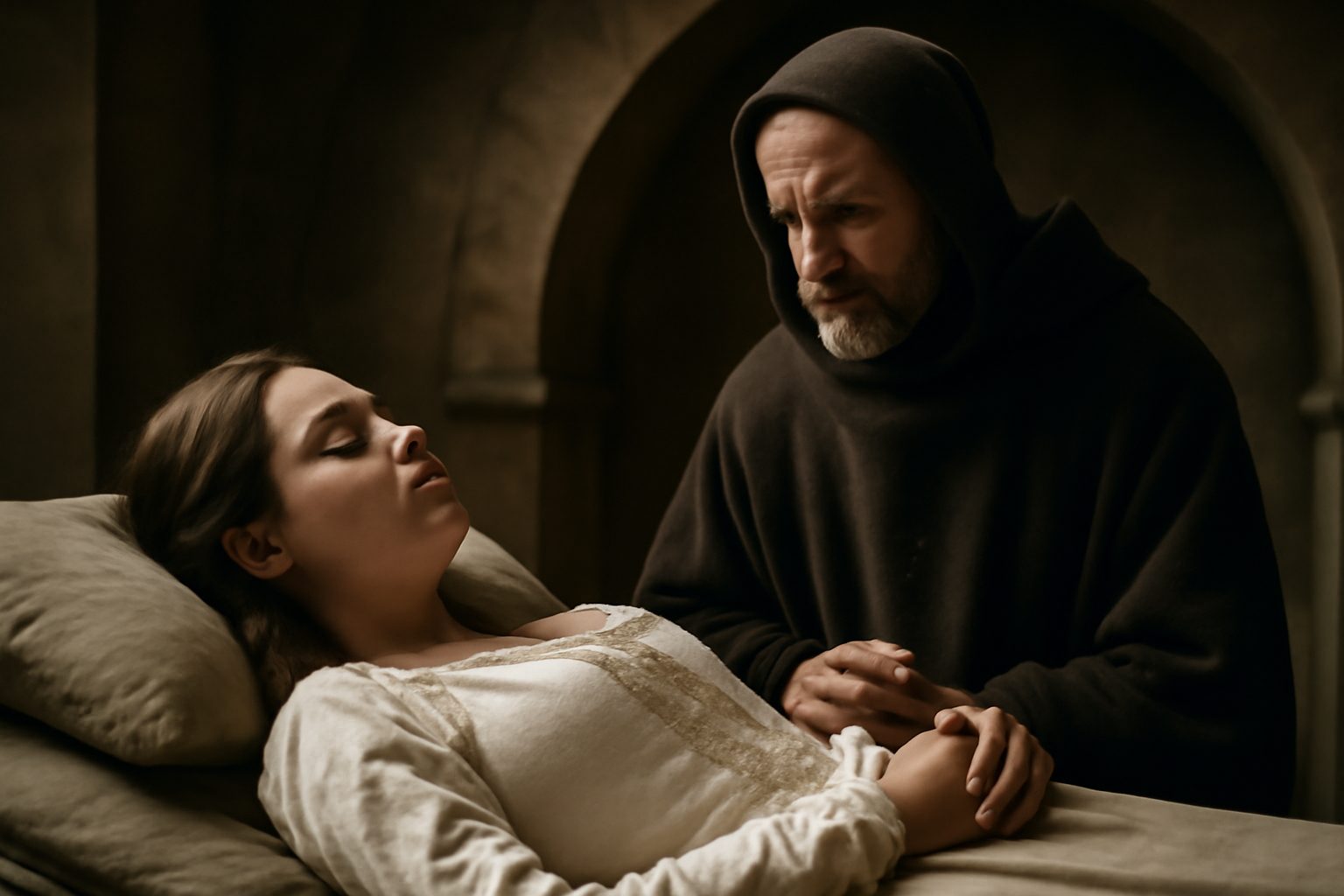
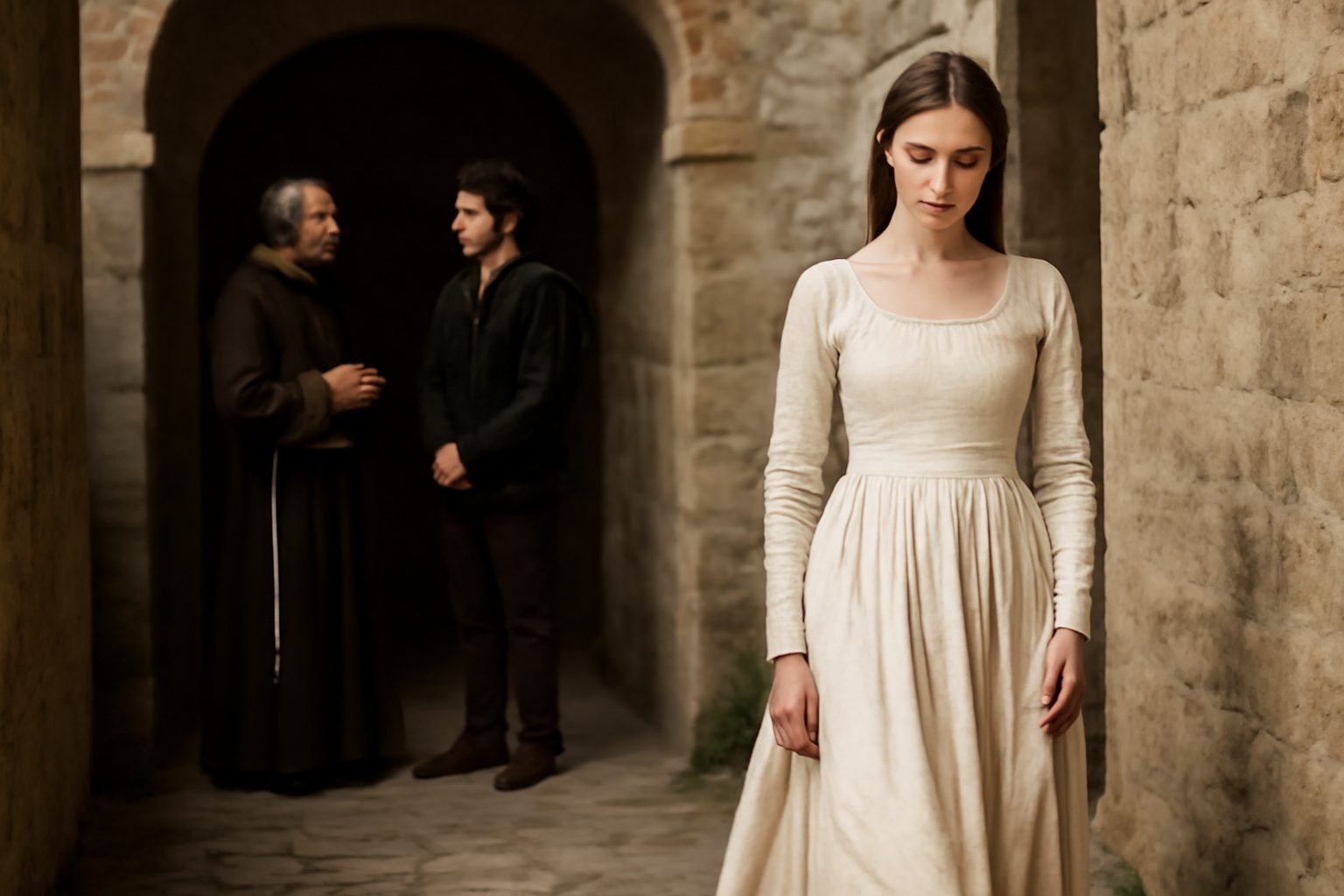
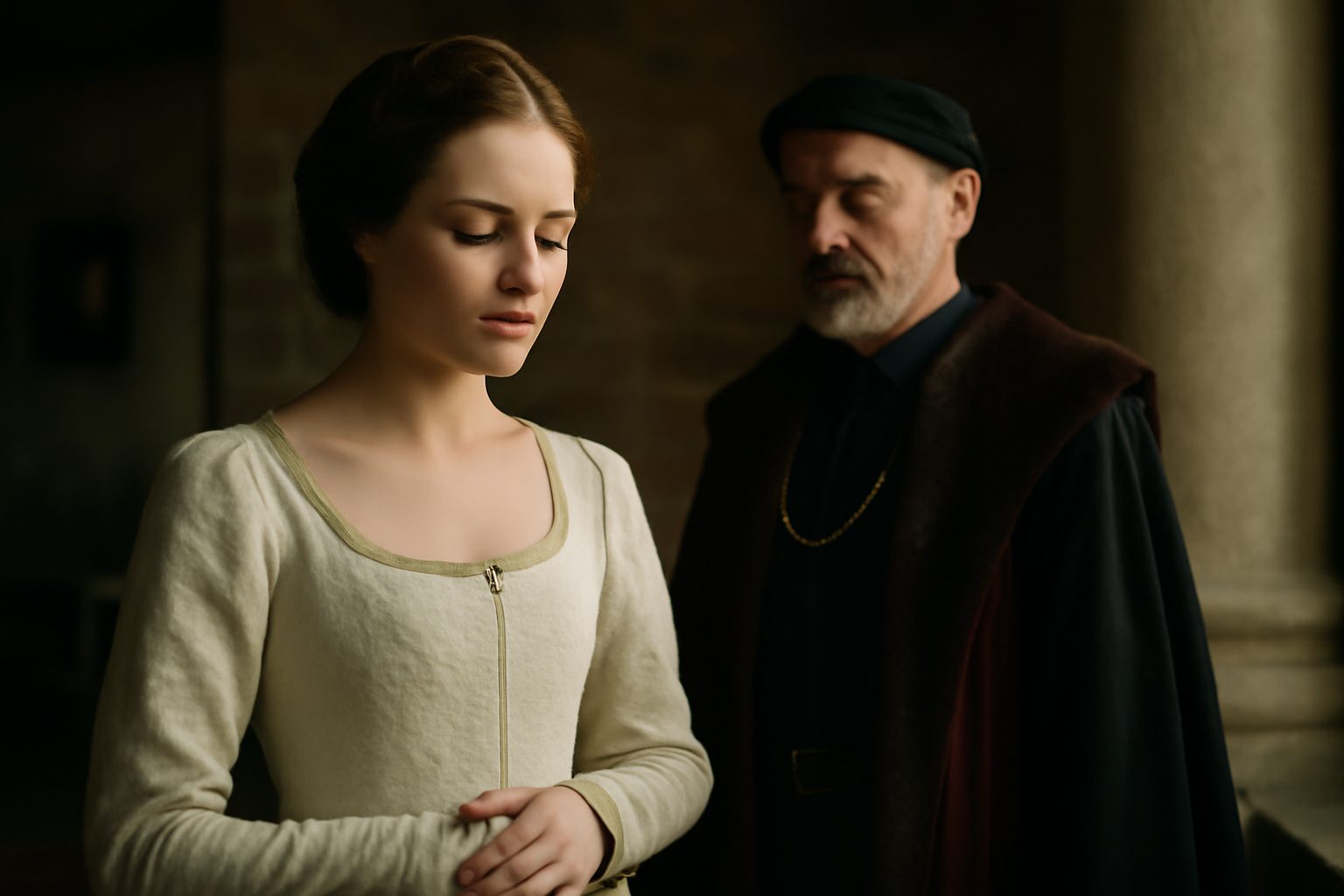
In Act 4, Scene 1 of Romeo and Juliet, Juliet visits Friar Laurence in desperation after her parents demand she marry Paris. Overwhelmed by grief and the threat of bigamy, she explains that her distress has left no room for thoughts of romance. This line reflects her focus on survival rather than love, as she seeks the Friar's help to avoid the arranged marriage.
Paris: "And therefore have I little talk'd of love;"
In modern day english, we would say:
That’s why I haven’t said much about love.
Frequently Asked Questions
Why does Paris say he has not talked much about love?
Paris says he has not talked much about love because he has been focused on arranging his marriage to Juliet, rather than expressing romantic feelings.
Connections to other verses:
Connections to "And therefore have I little talk'd of love"
This verse, spoken by Paris to Friar Laurence, establishes the context of Juliet's emotional state and the rushed marriage plans. It connects thematically and narratively to several other lines in the scene.
Context of Juliet's Distress
Paris explains that Juliet's excessive grief for Tybalt ("Immoderately she weeps for Tybalt's death") has left little room for romantic discussion. This directly supports his claim of having "little talk'd of love," showing how her mourning overshadows their courtship.
Marriage Urgency
The verse relates to Capulet's insistence on haste ("And in his wisdom hastes our marriage"), highlighting the external pressure that contrasts with Juliet's inner turmoil. Paris later reinforces this urgency with "Now do you know the reason of this haste", creating a pattern where practical concerns override emotional connection.
Juliet's True Feelings
Juliet's subsequent confession to Friar Laurence ("I will confess to you that I love him" - referring to Romeo) reveals why Paris has "little talk'd of love" with her: her heart belongs to another. This creates dramatic irony, as Paris remains unaware of her true devotion.
Friar's Solution
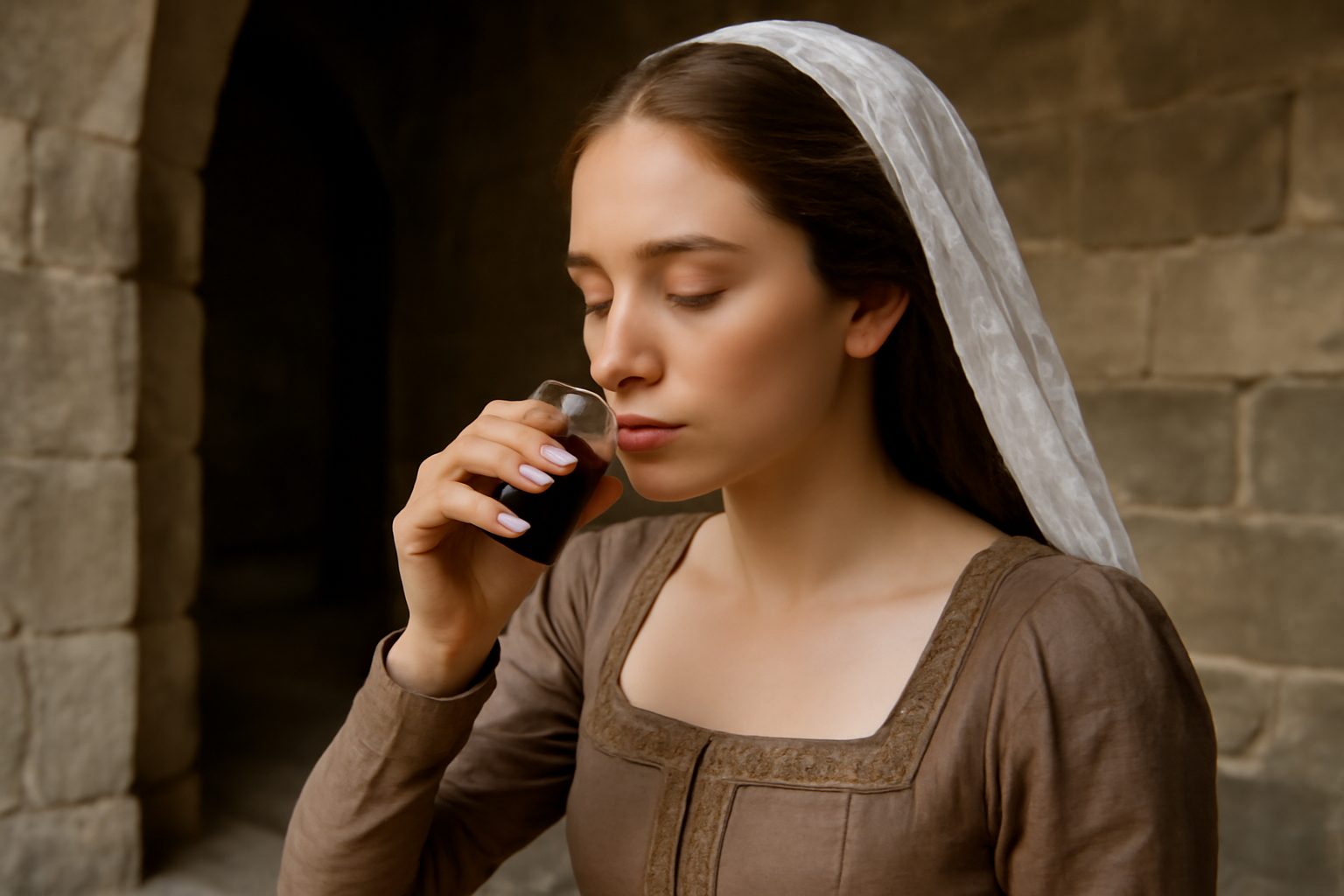
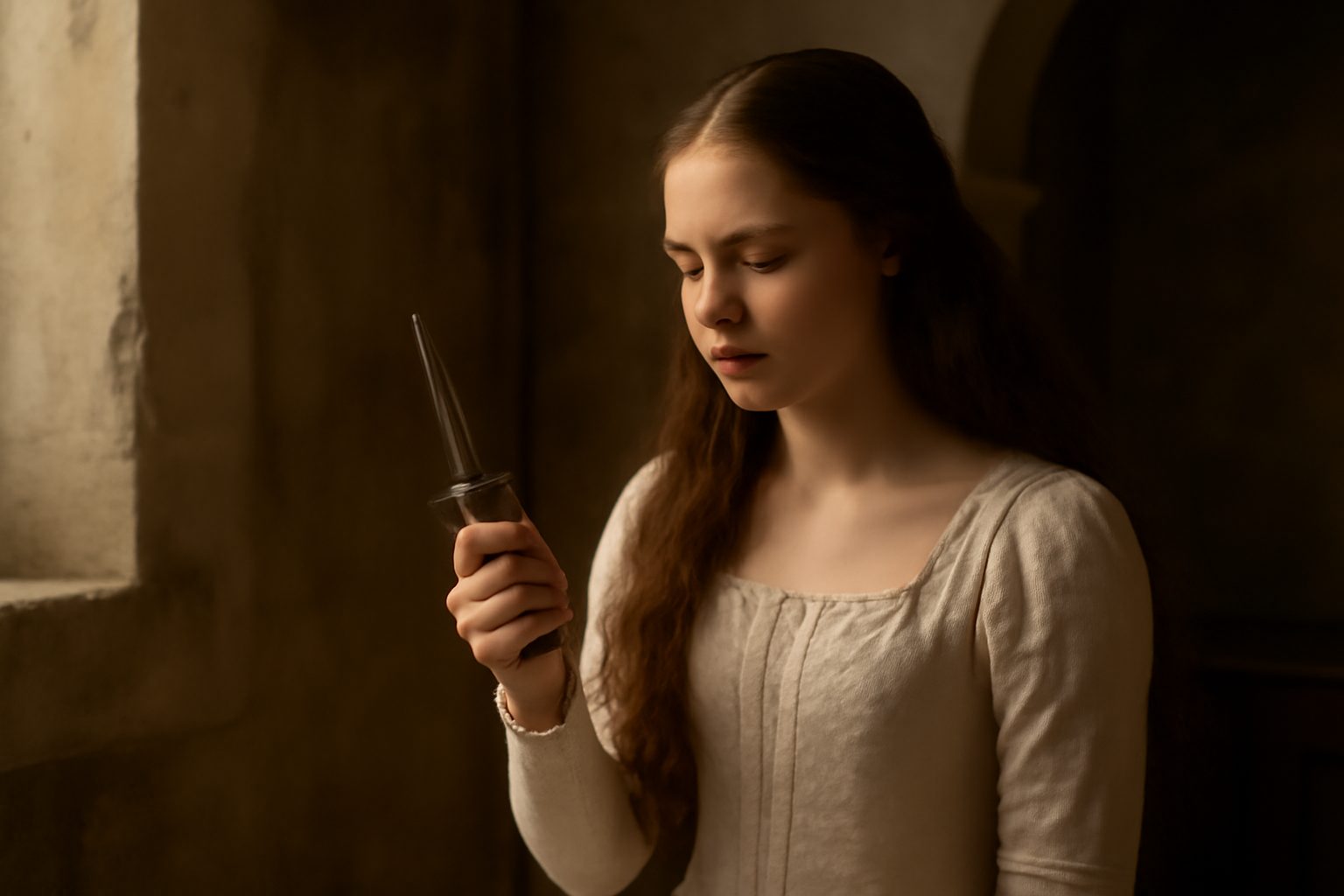
The lack of romantic discourse between Paris and Juliet makes her desperation believable when she threatens suicide ("And with this knife I'll help it presently"), which in turn justifies the Friar's extreme remedy involving the potion that mimics death ("And this distilled liquor drink thou off").