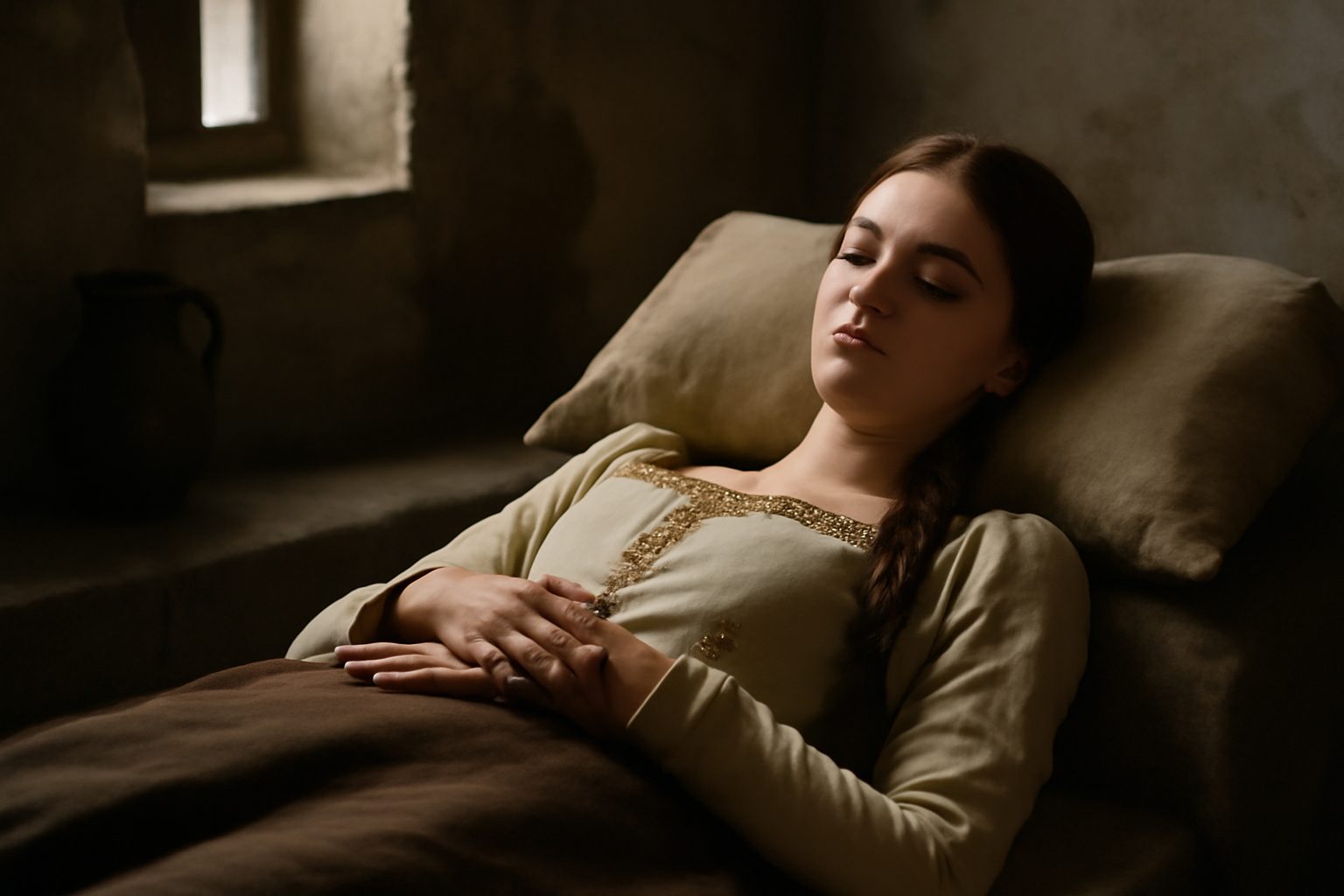
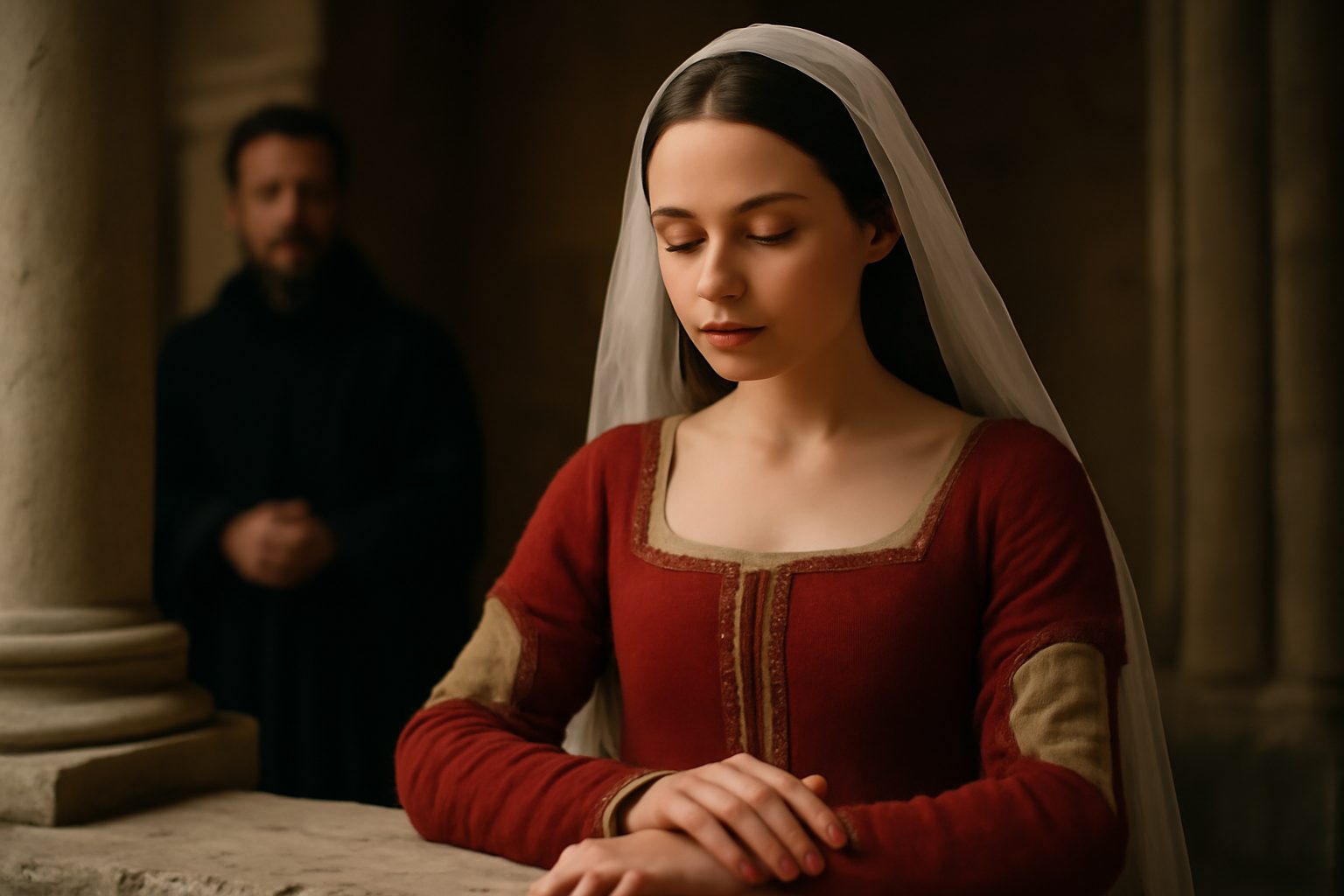
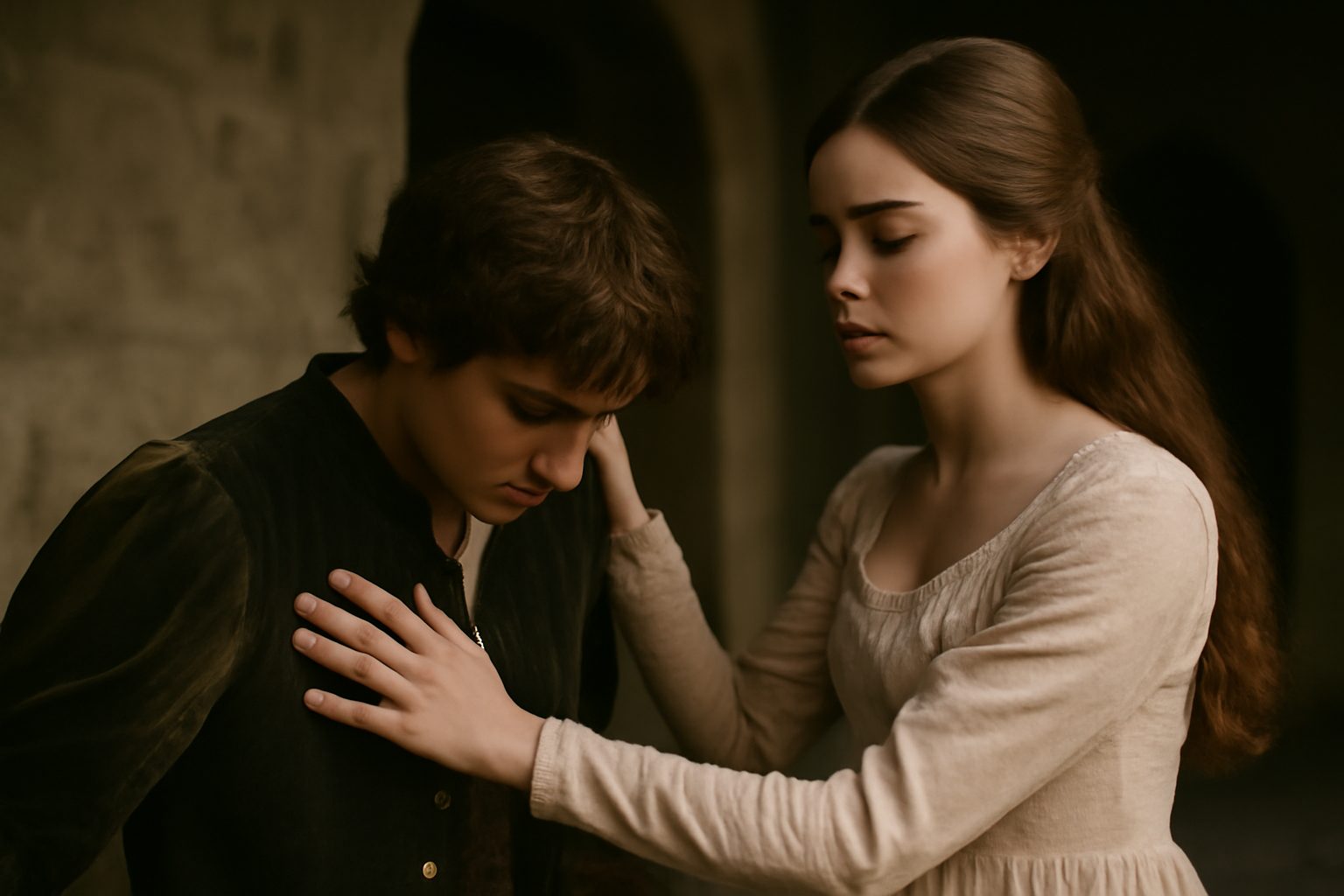
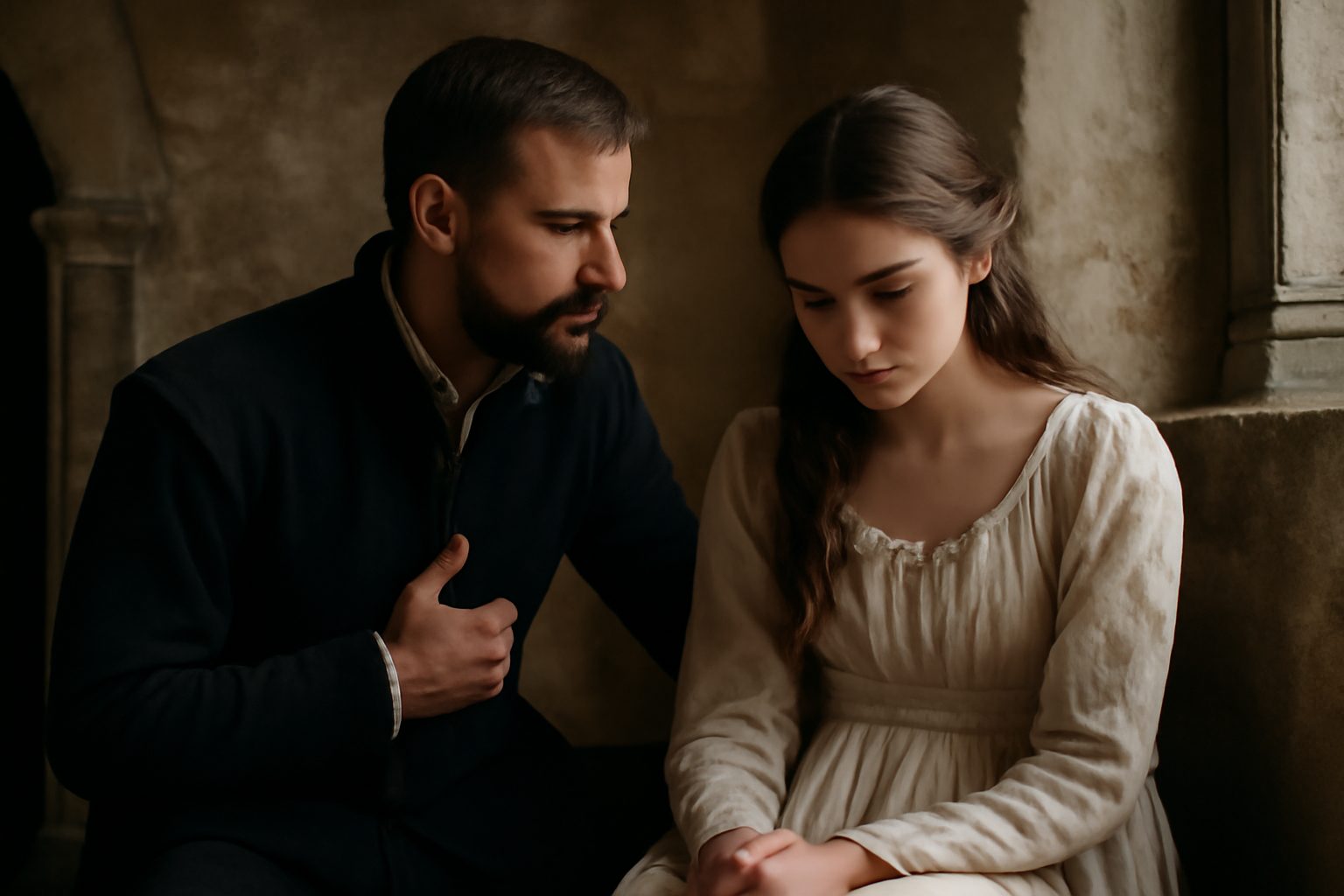
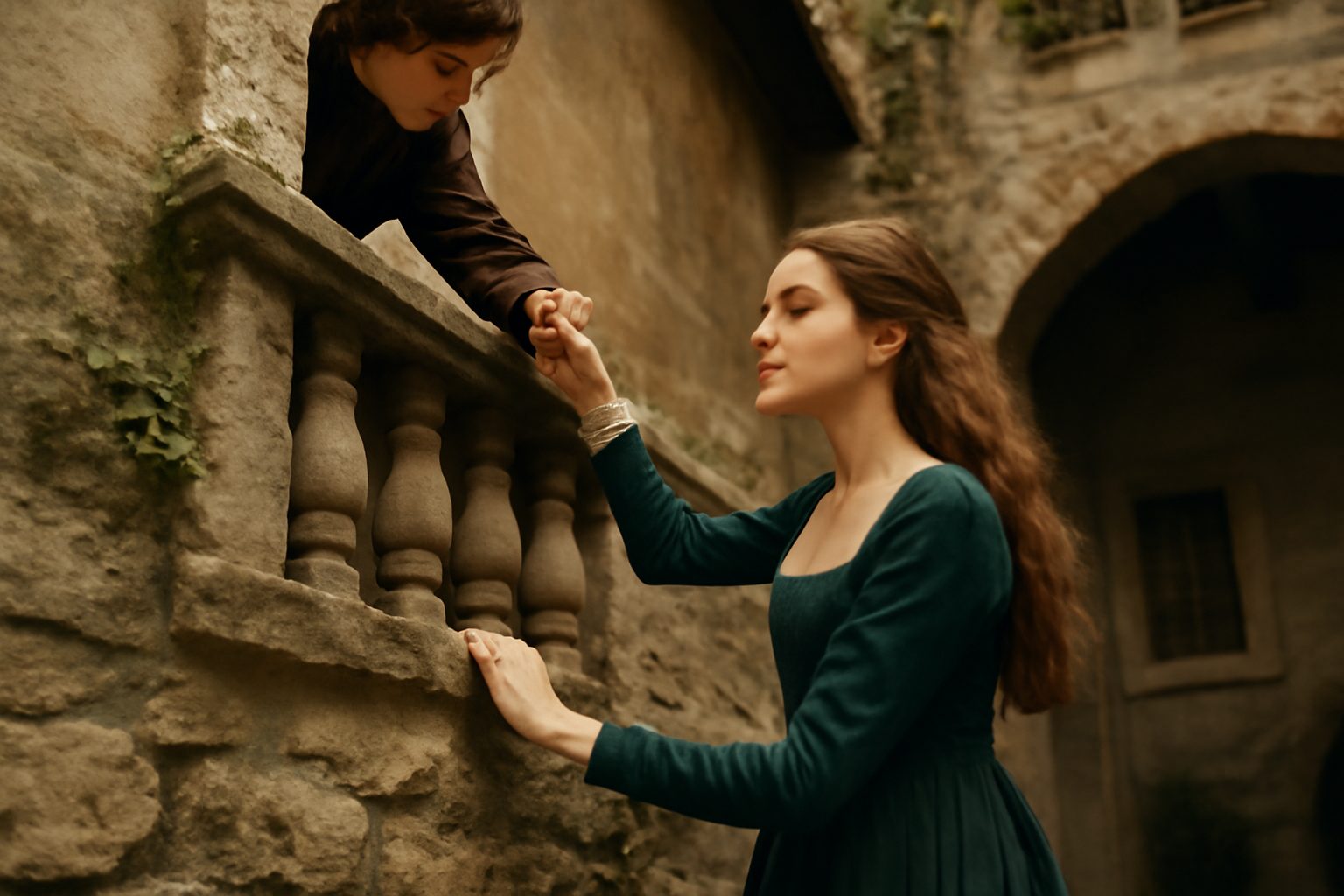
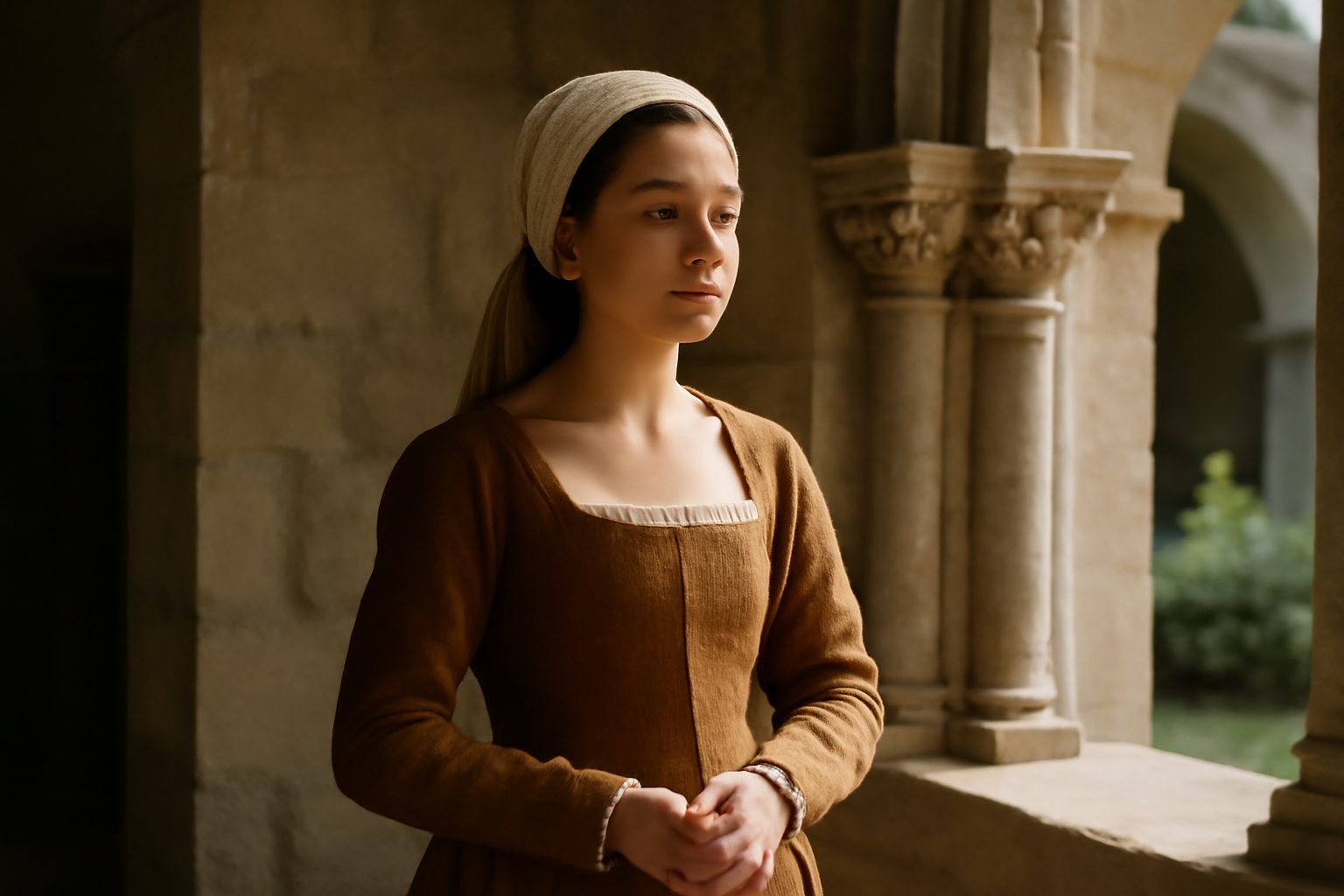
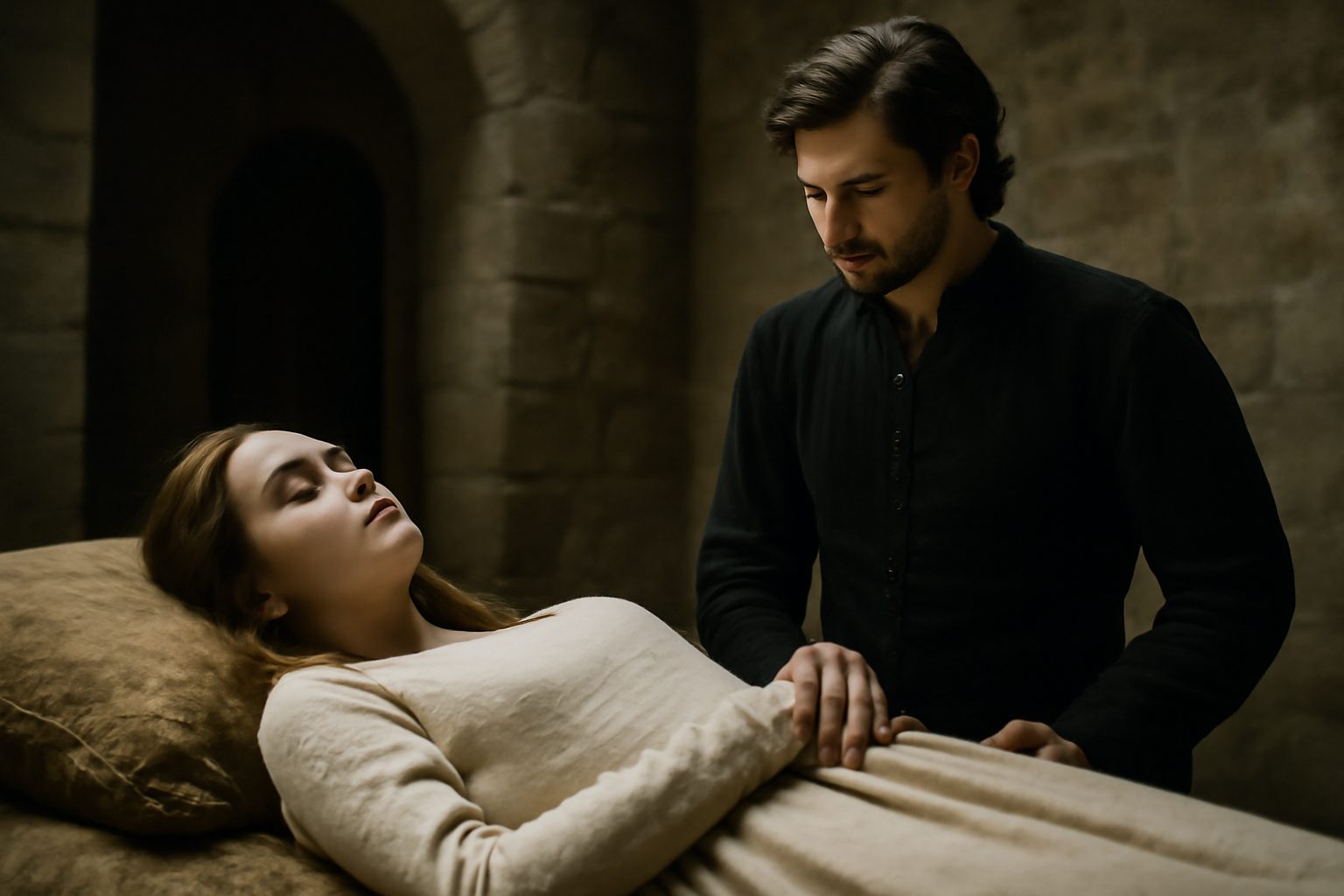
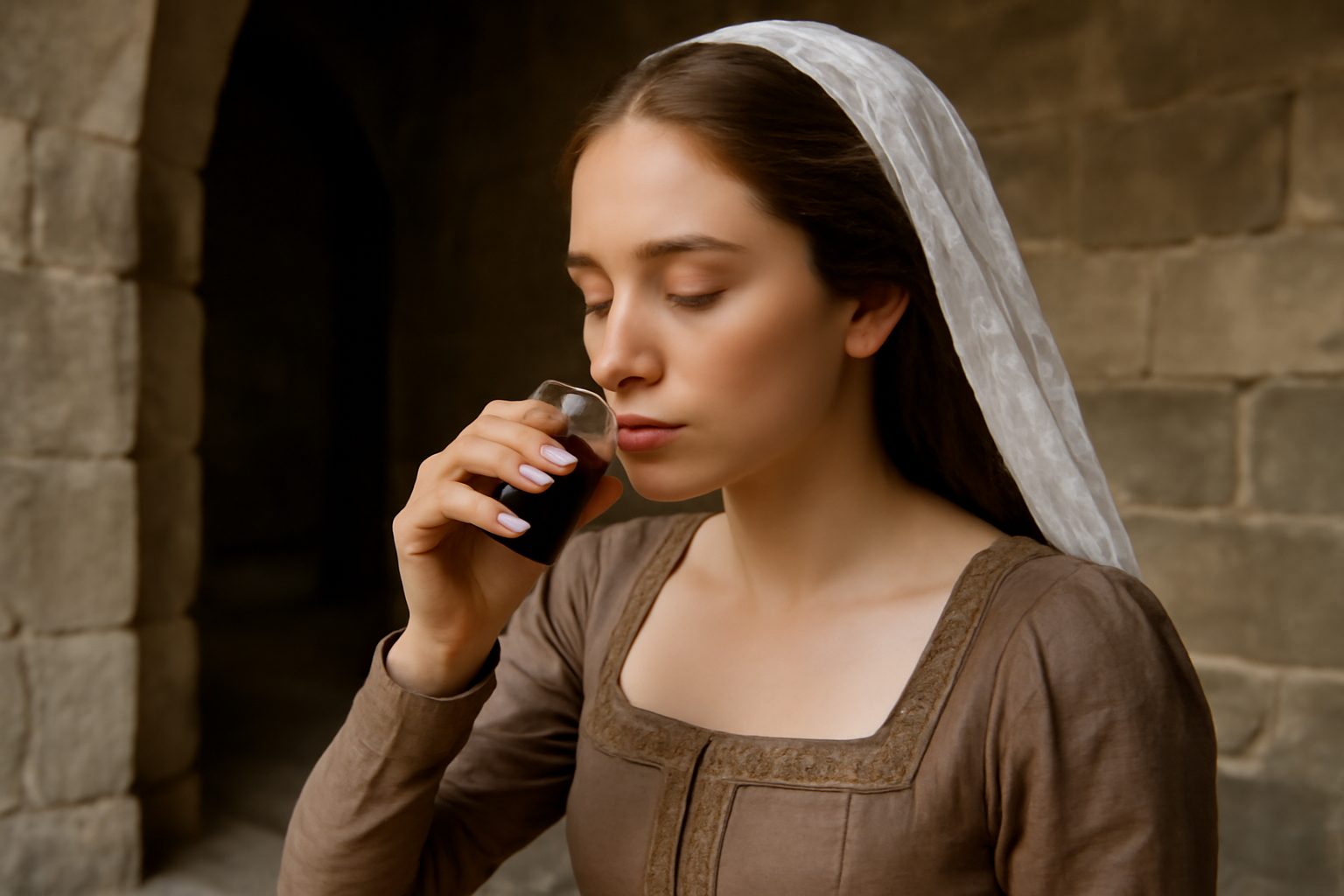
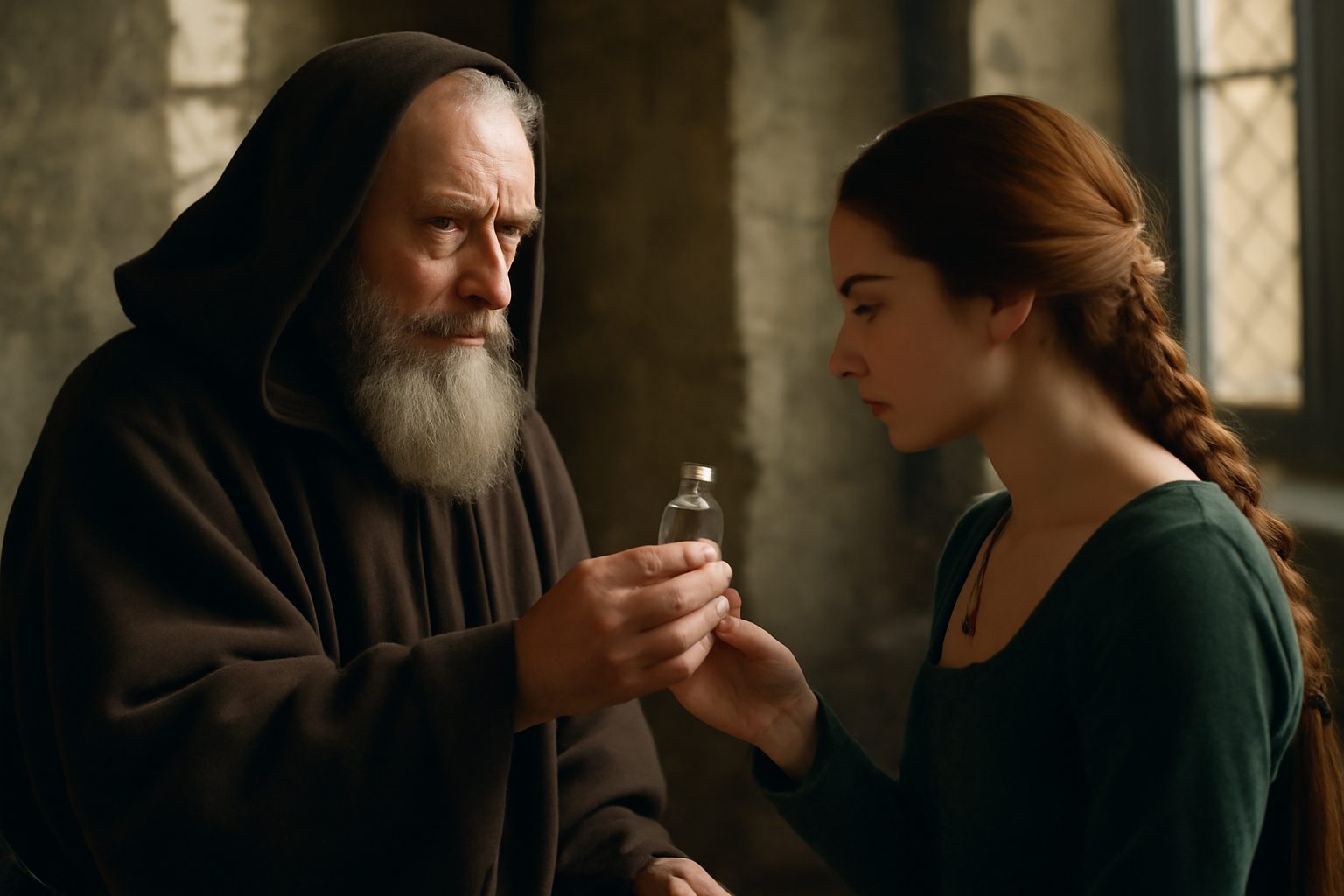
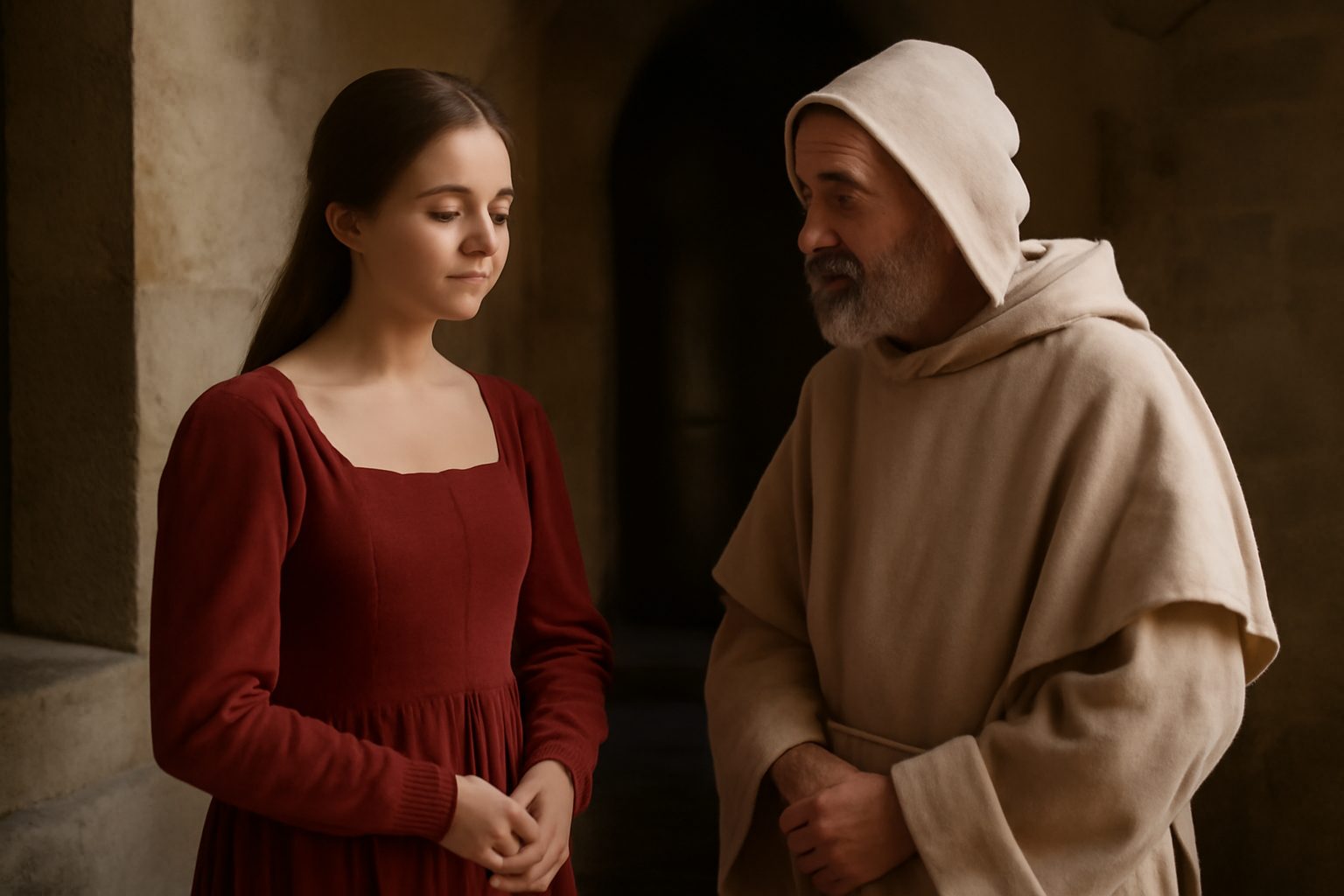
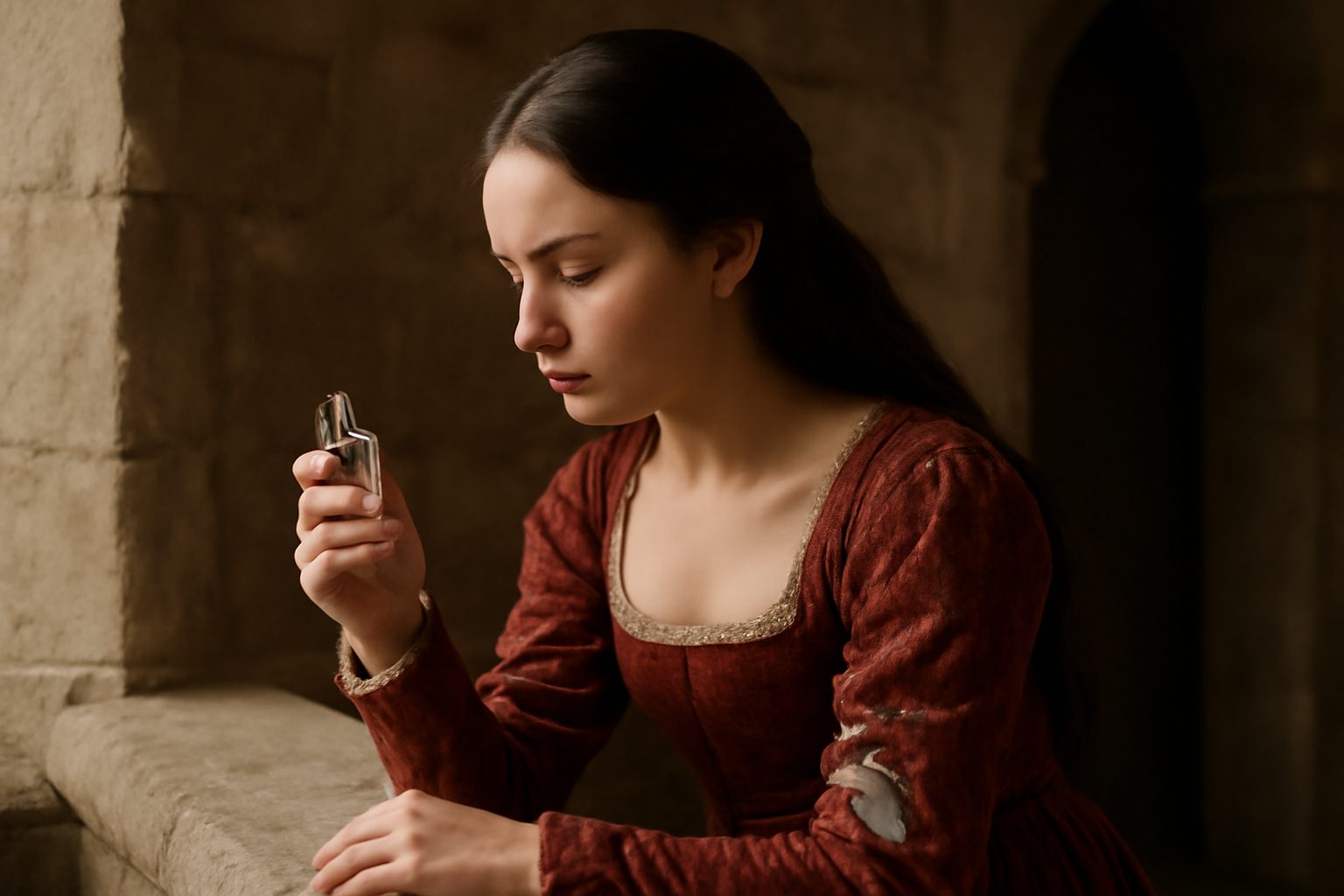
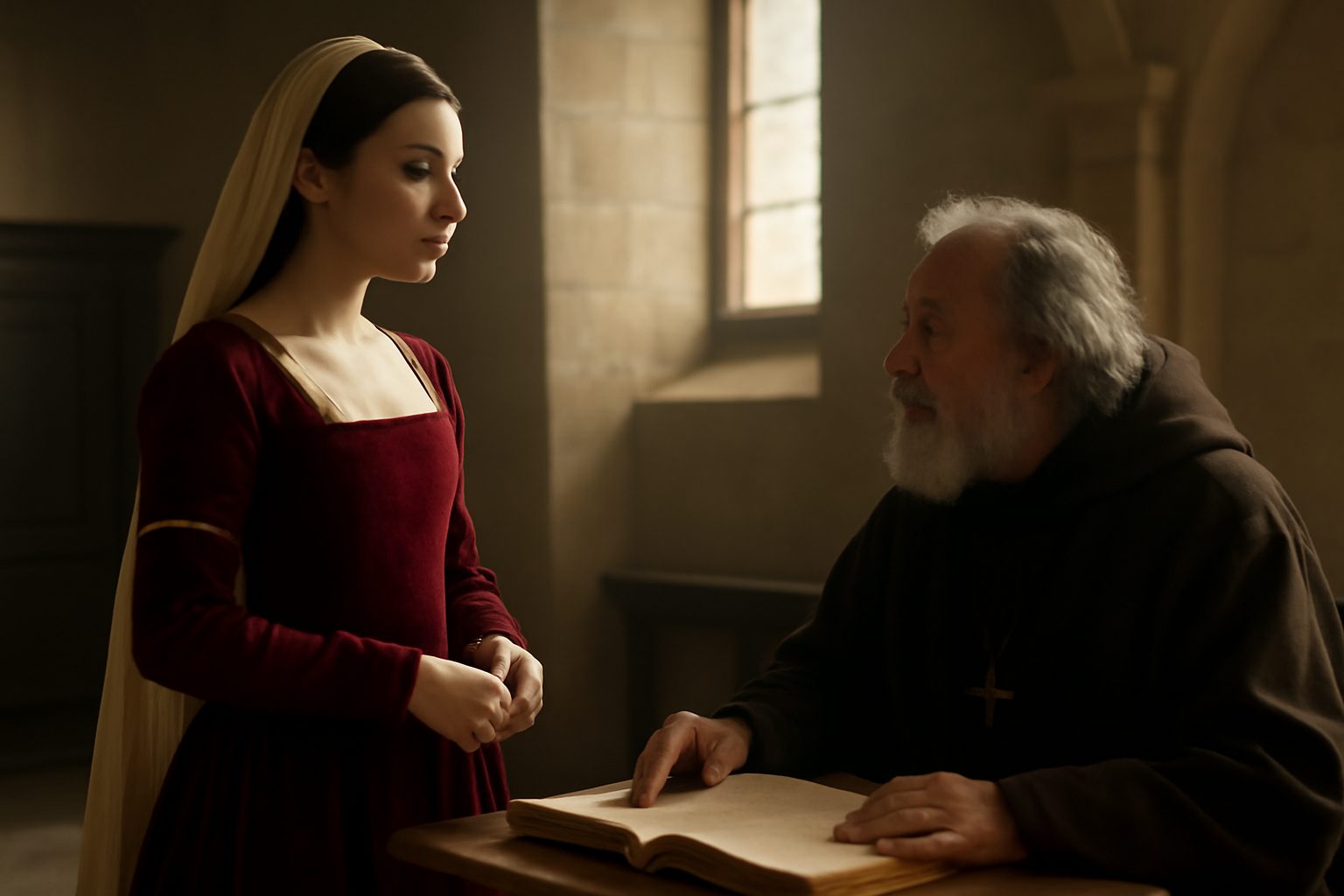
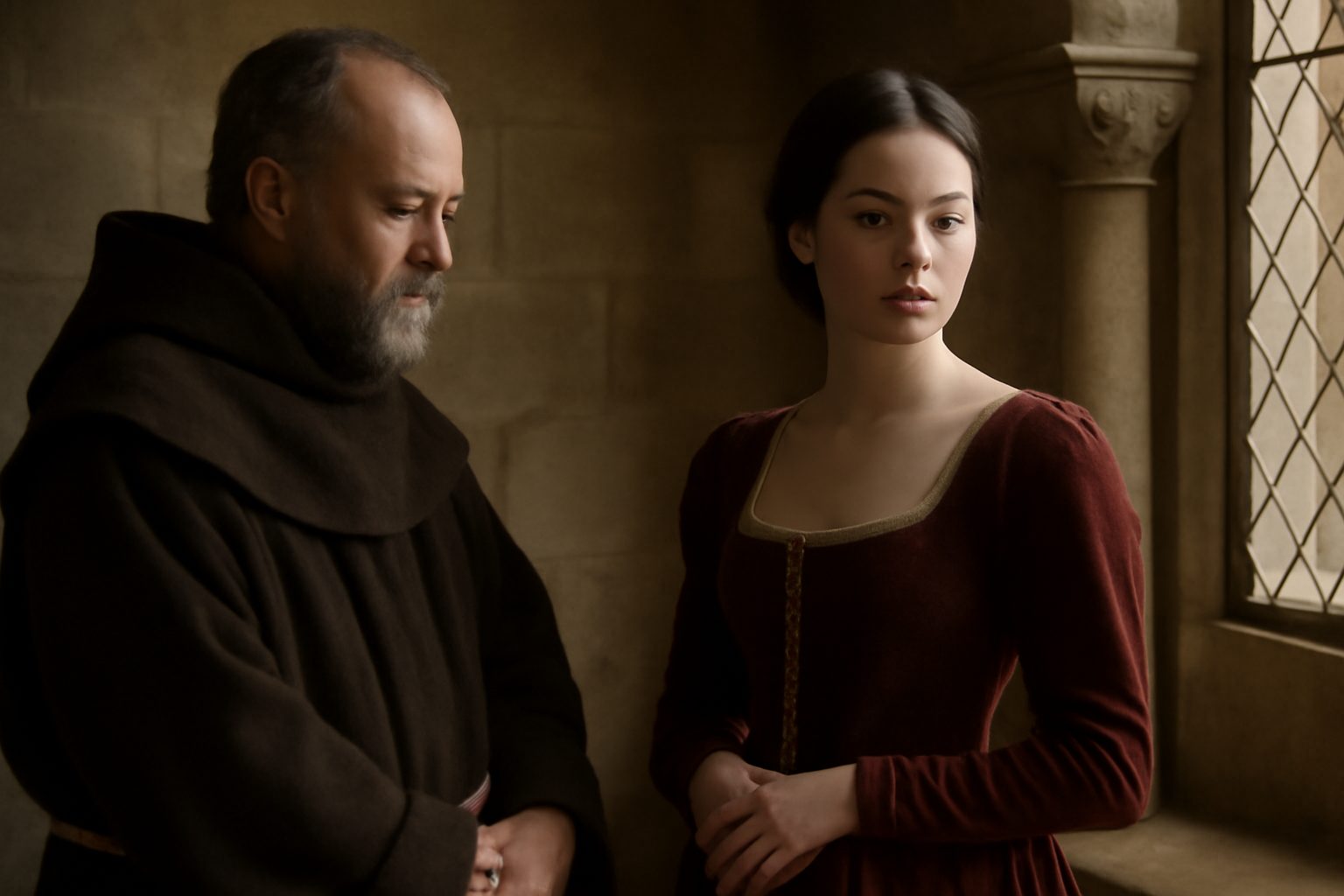
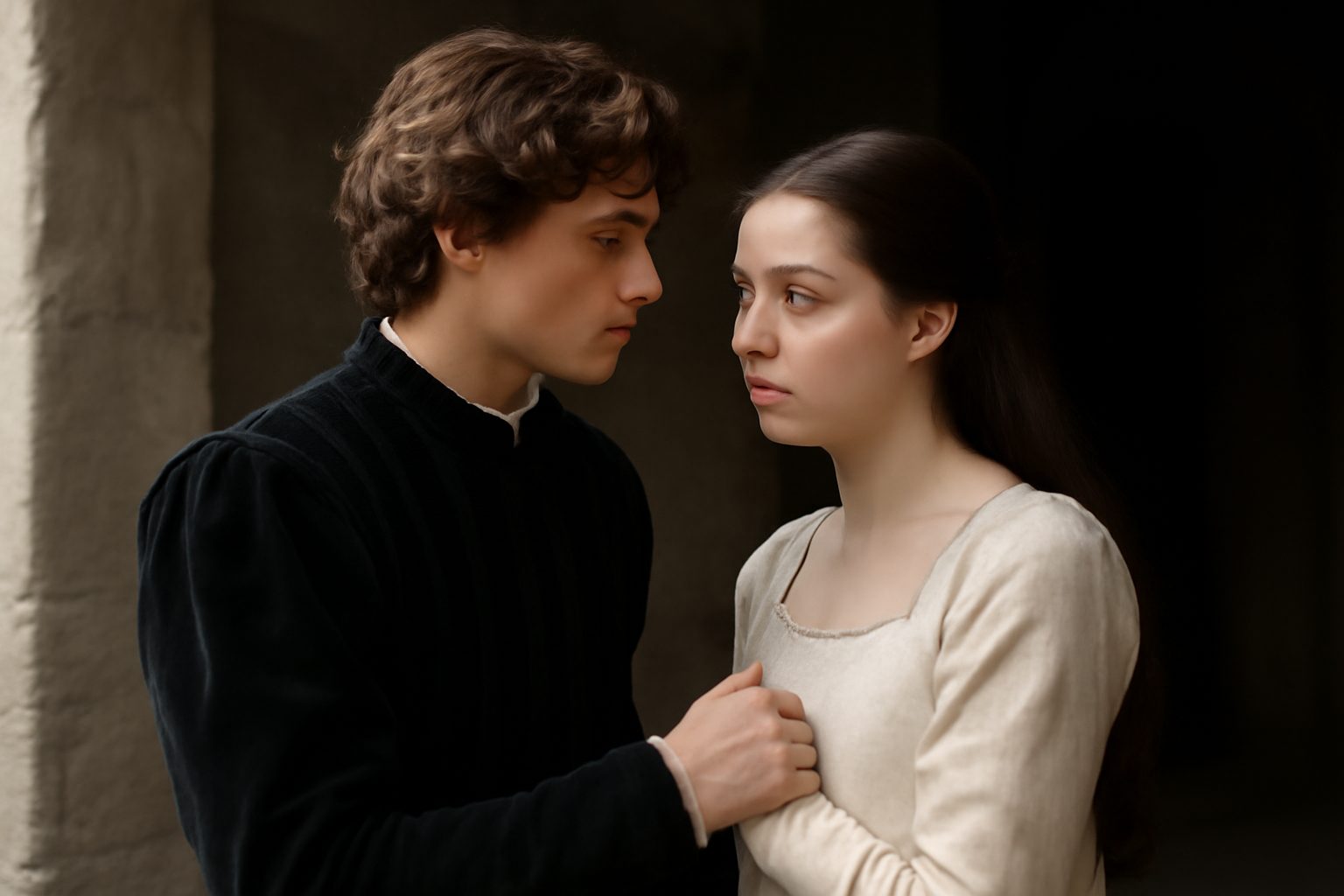
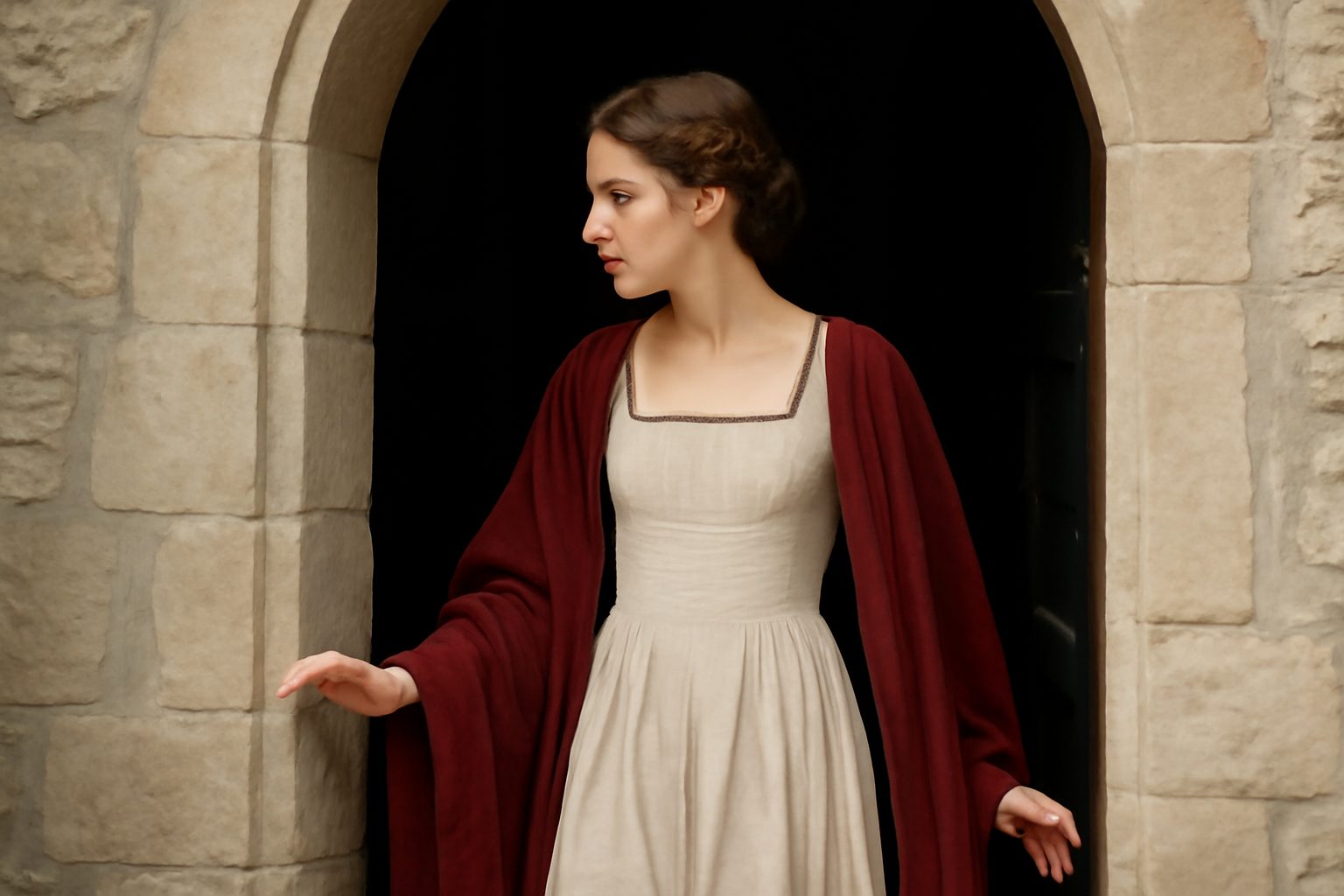
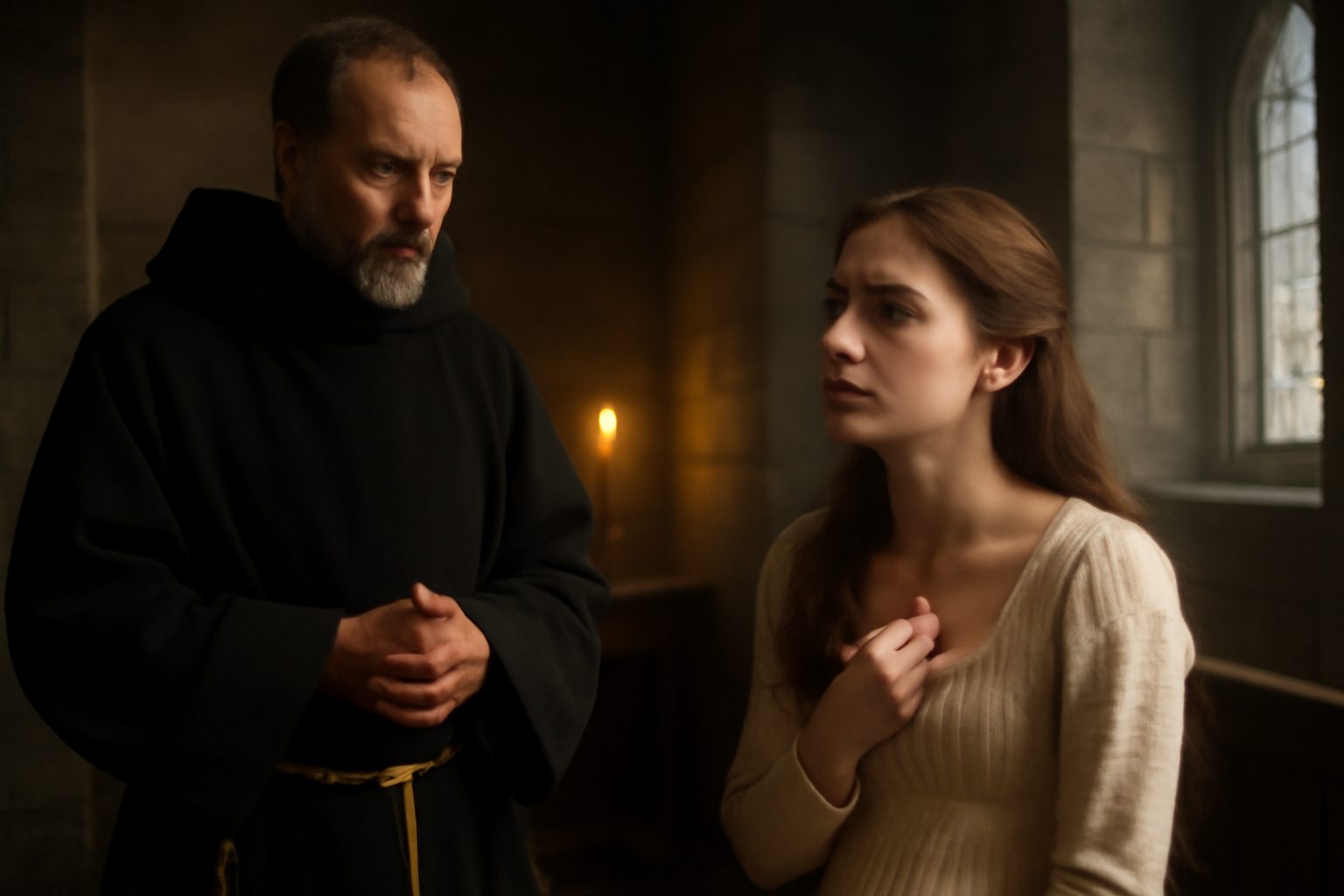
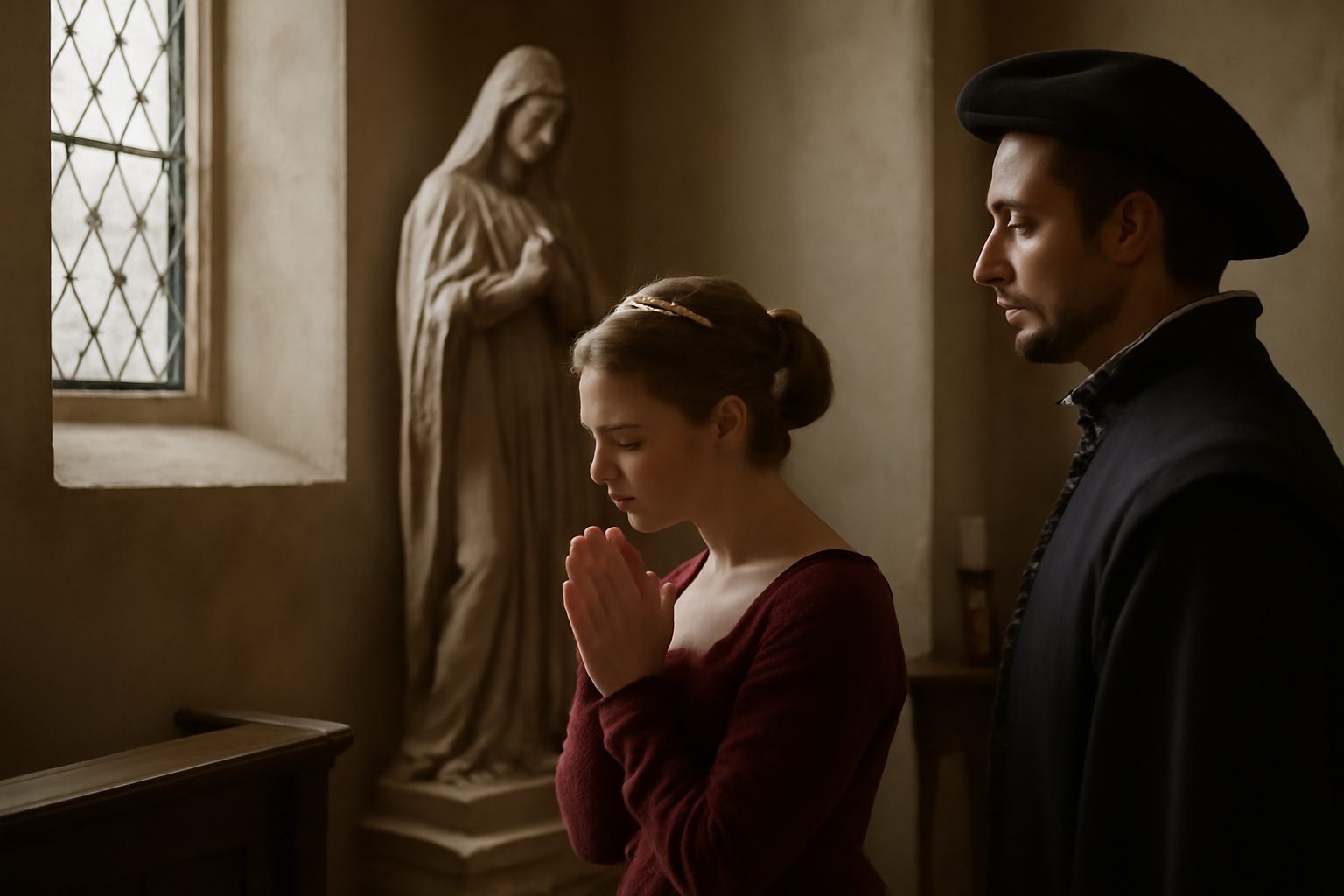
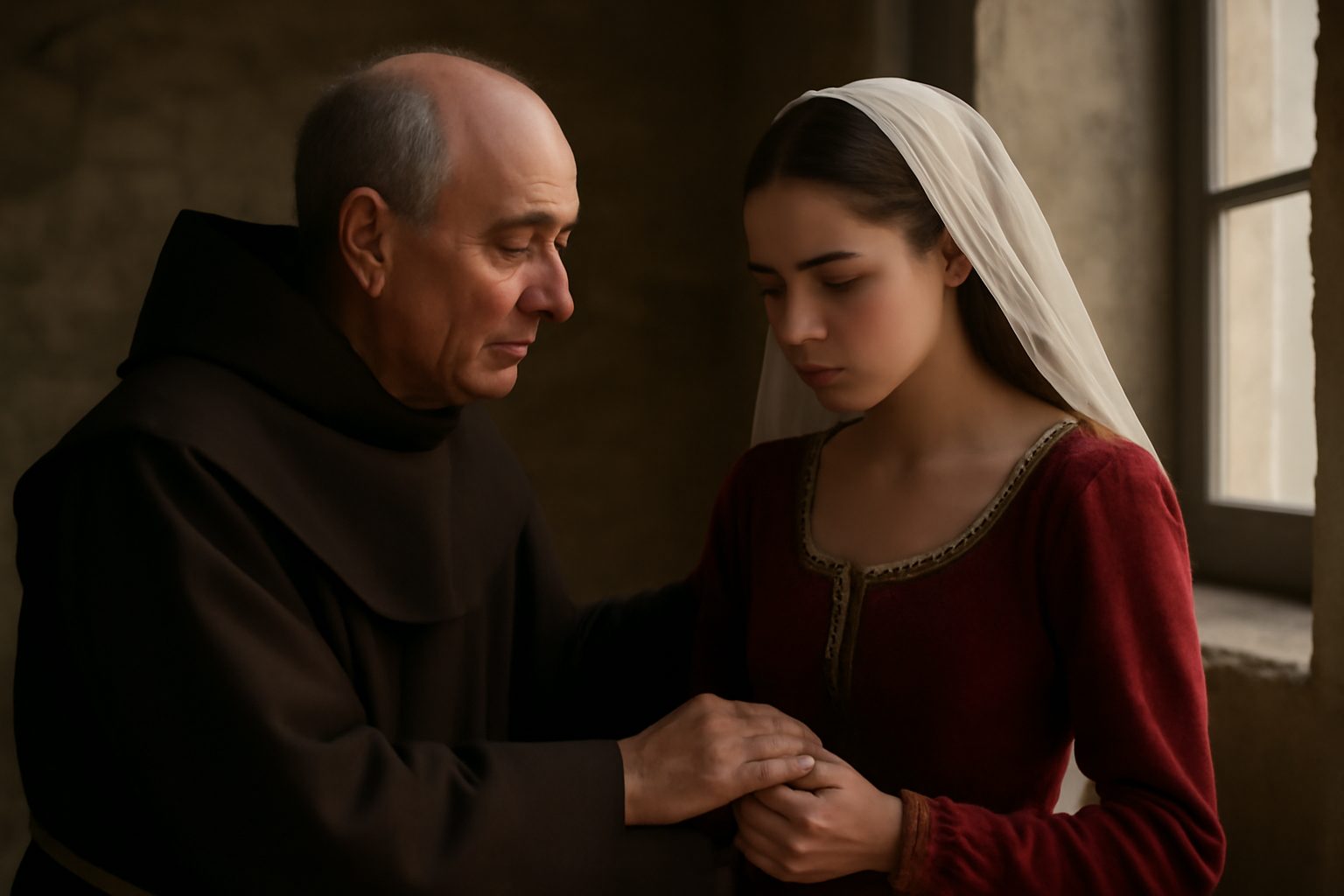
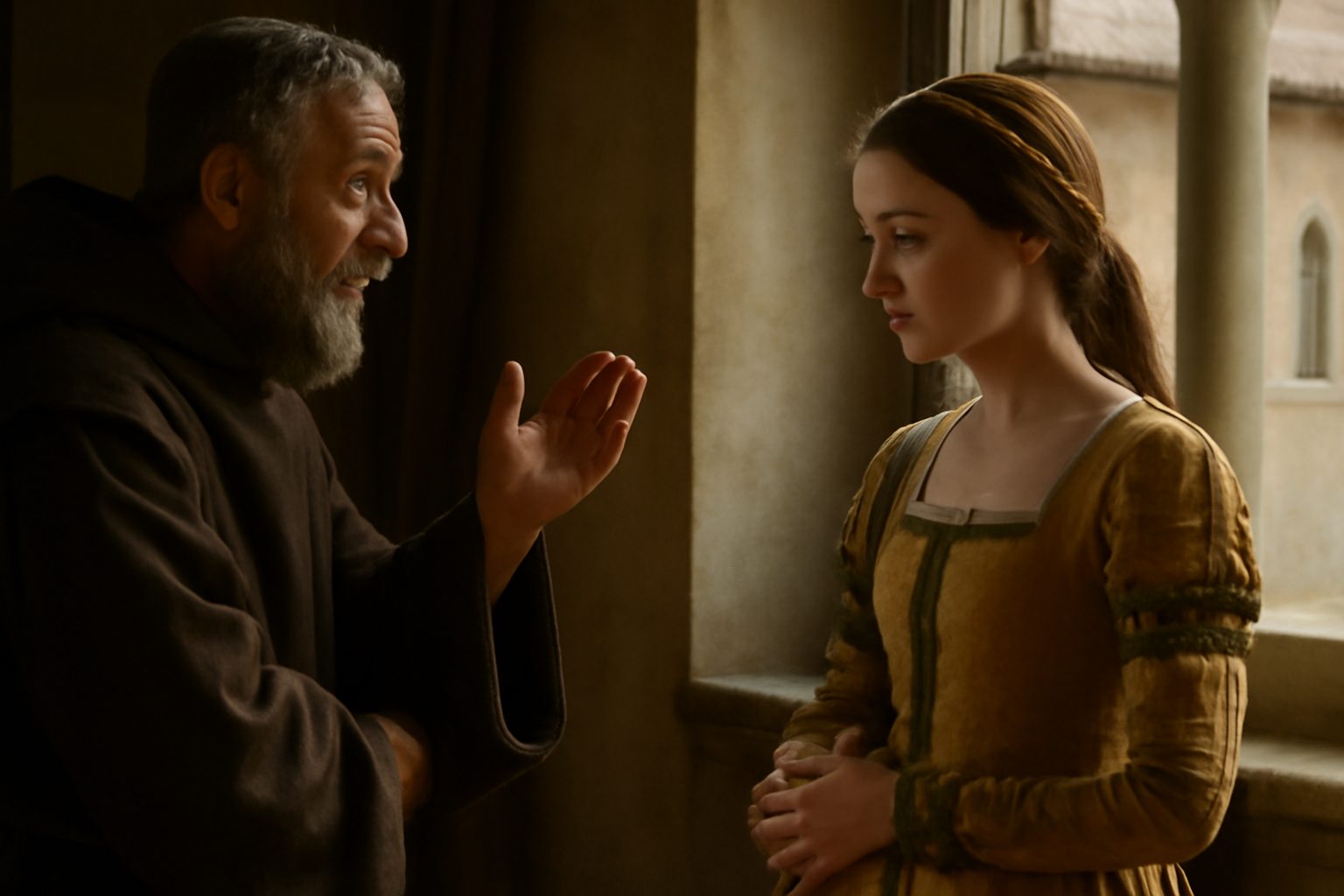
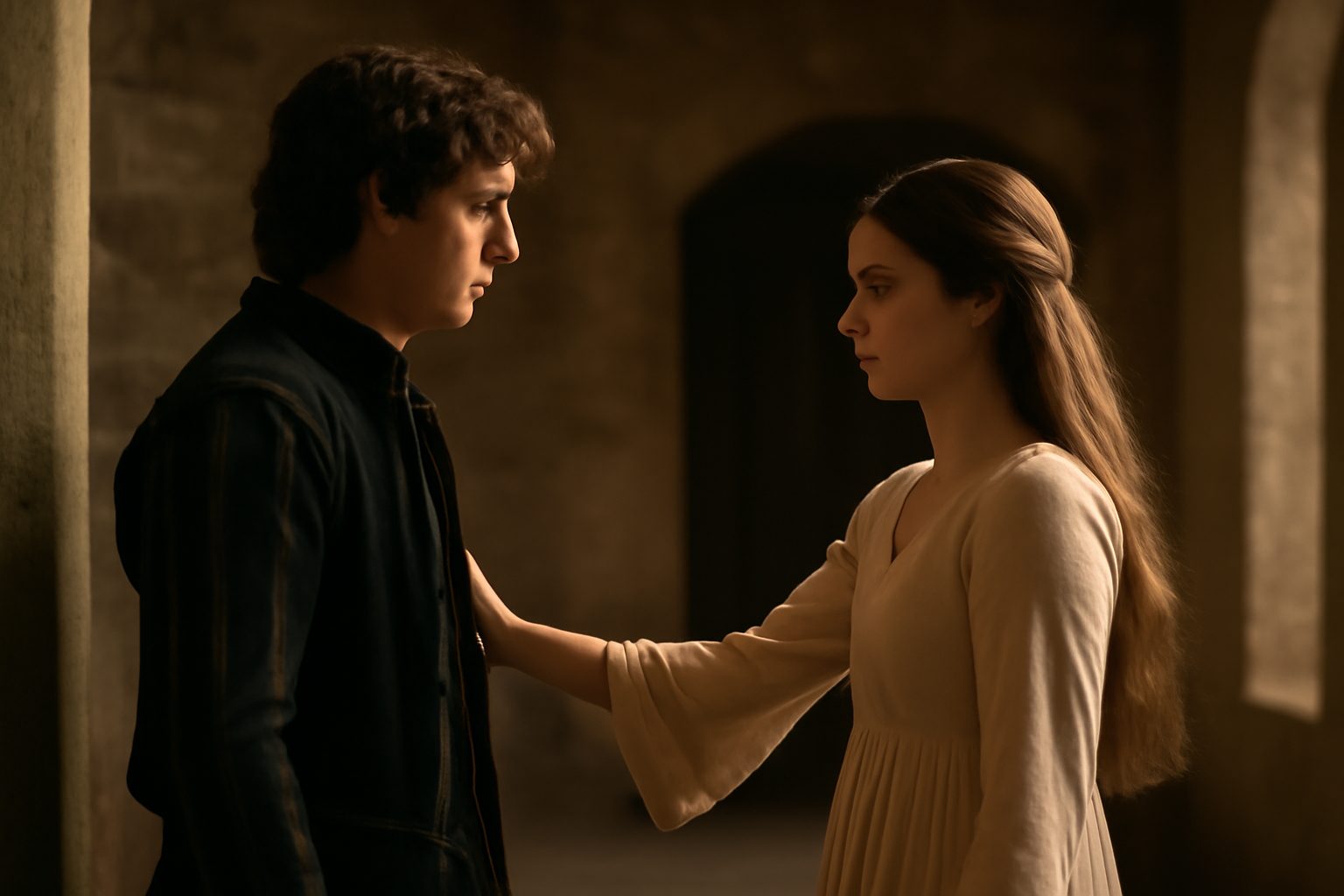
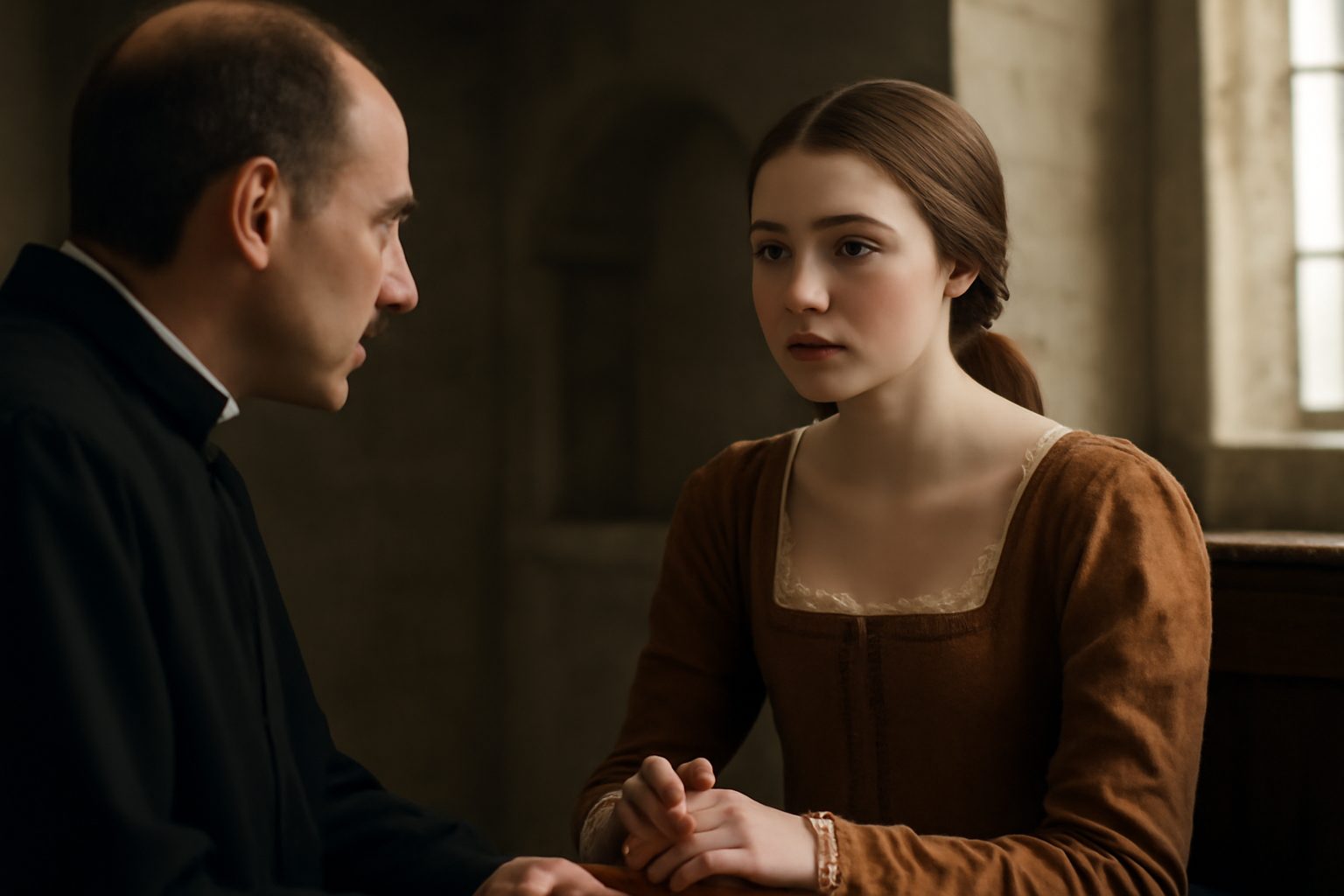
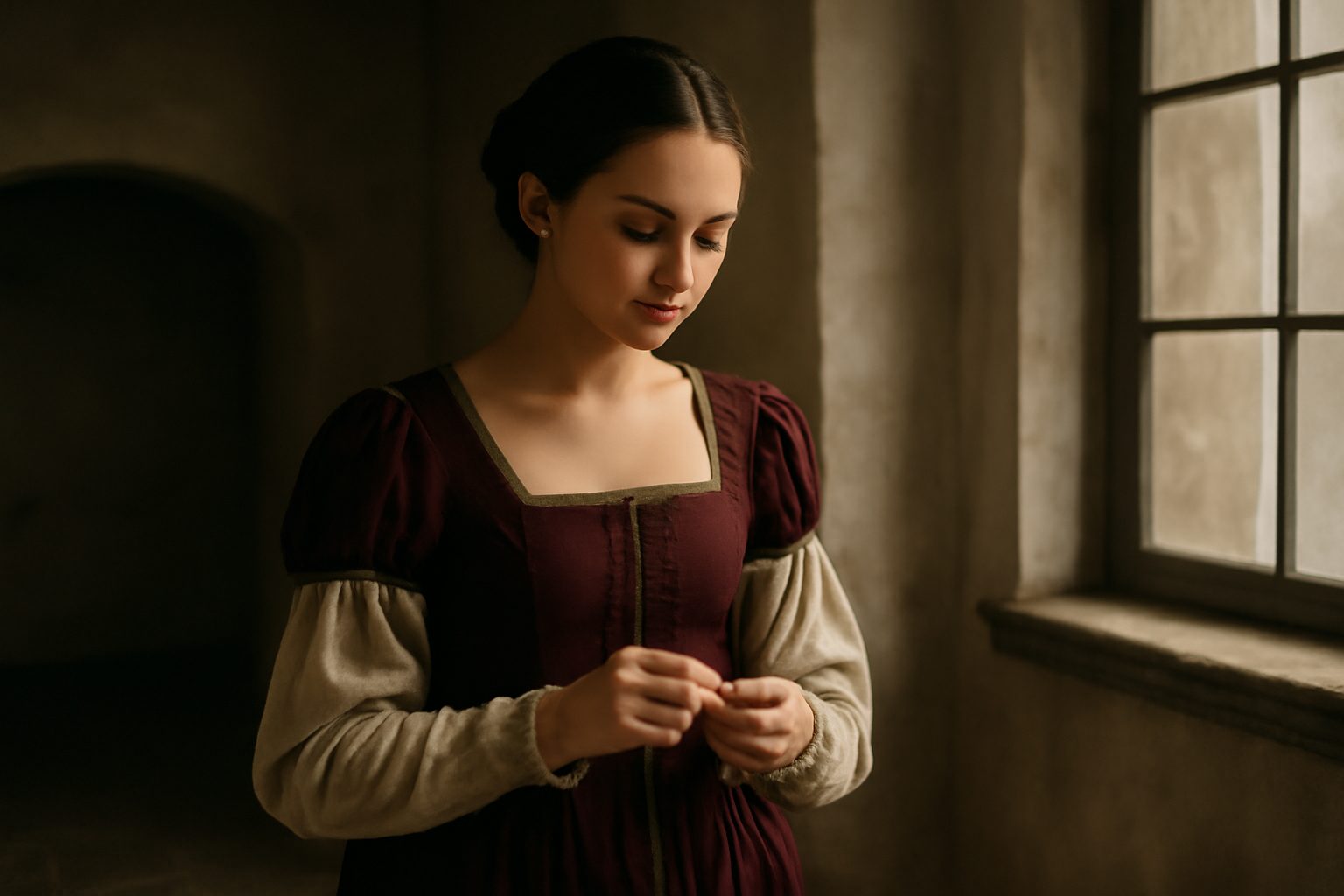
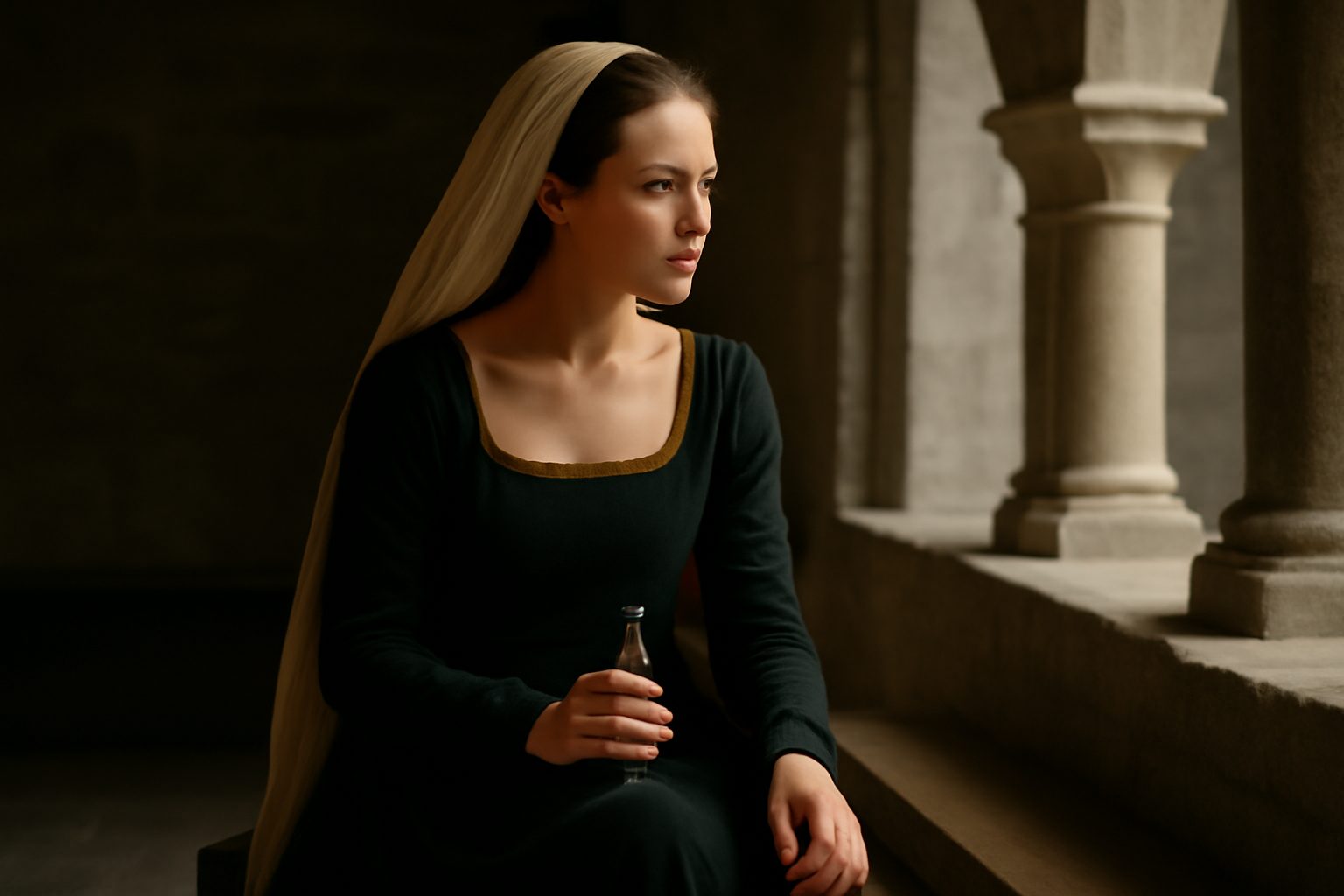
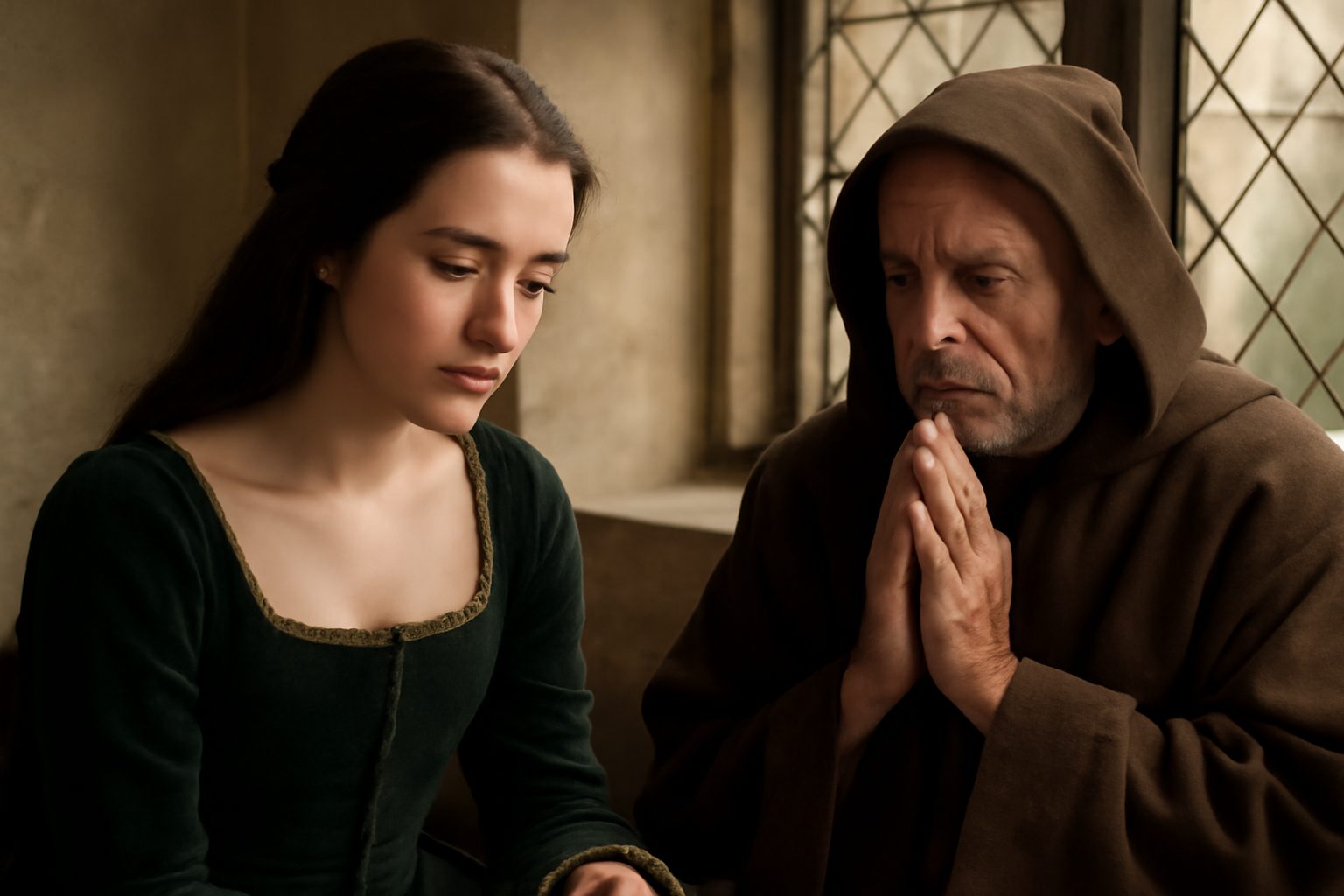
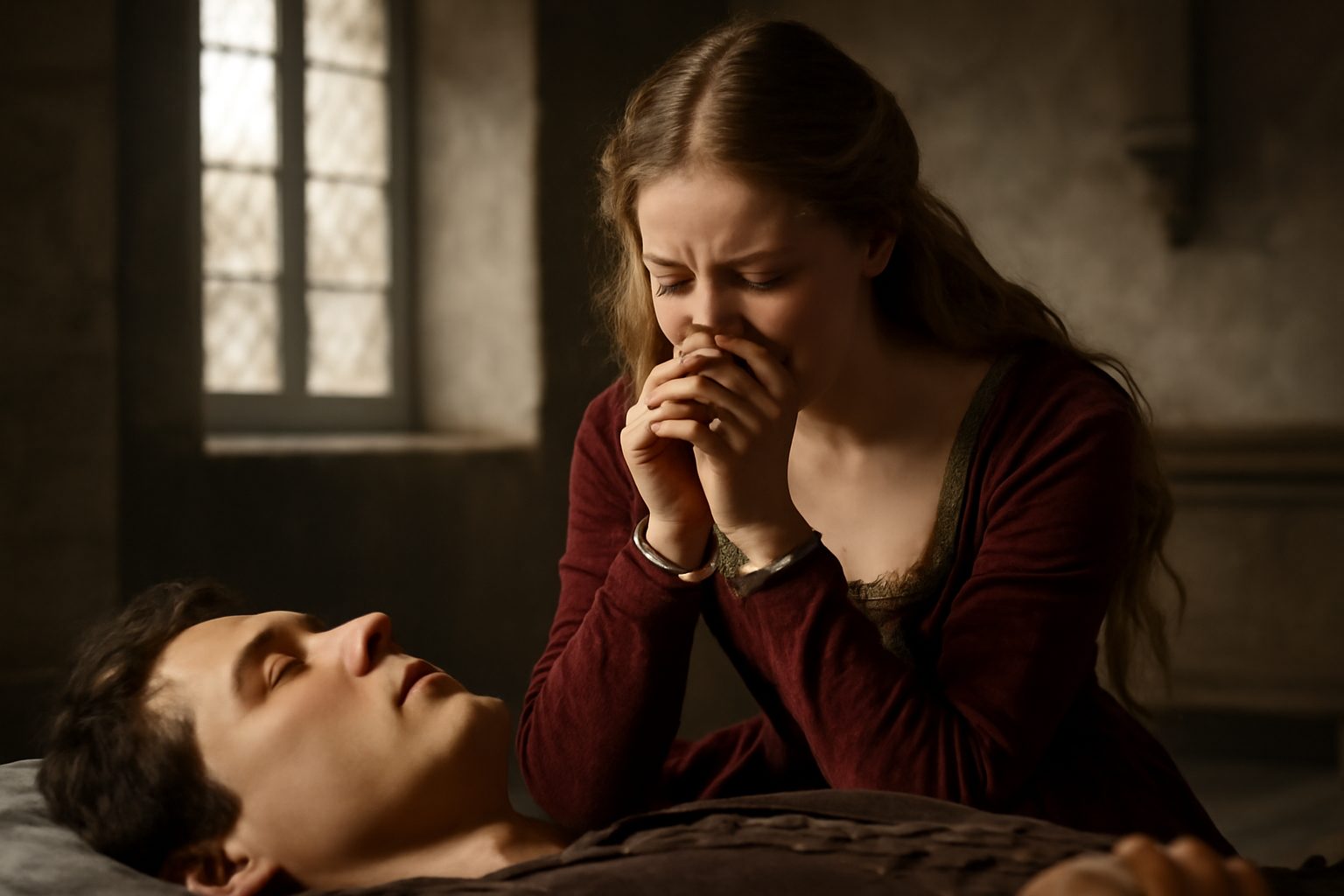
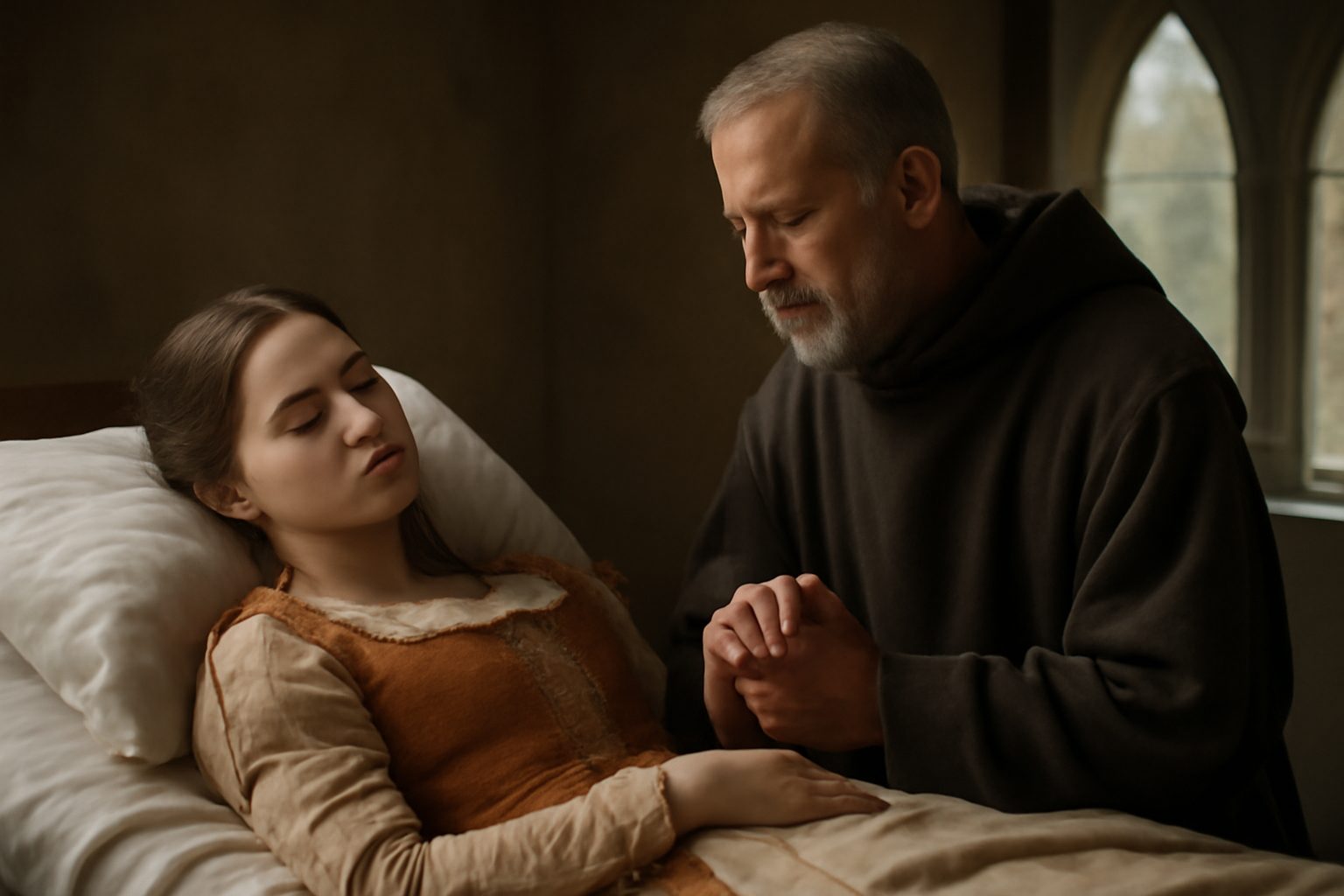
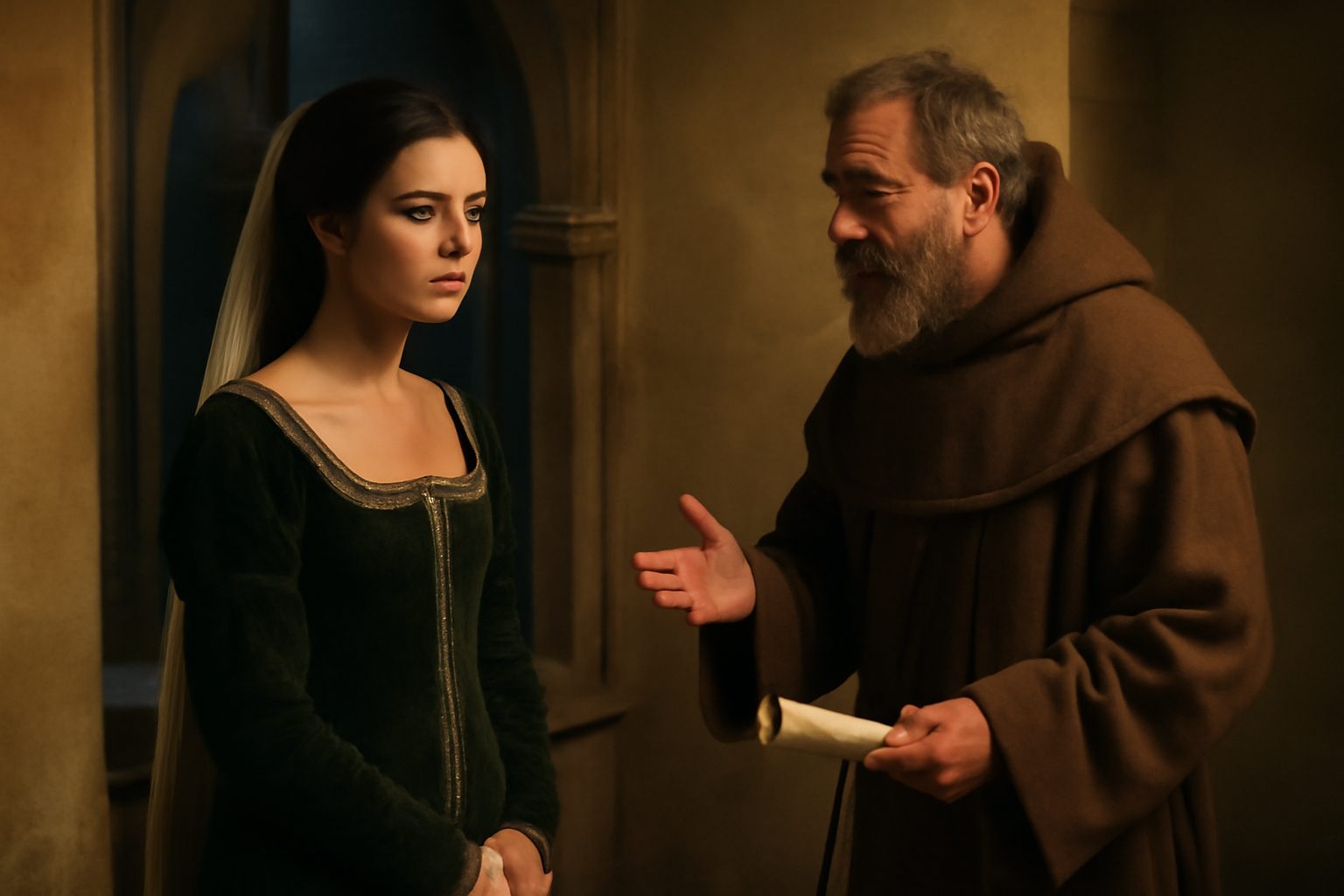
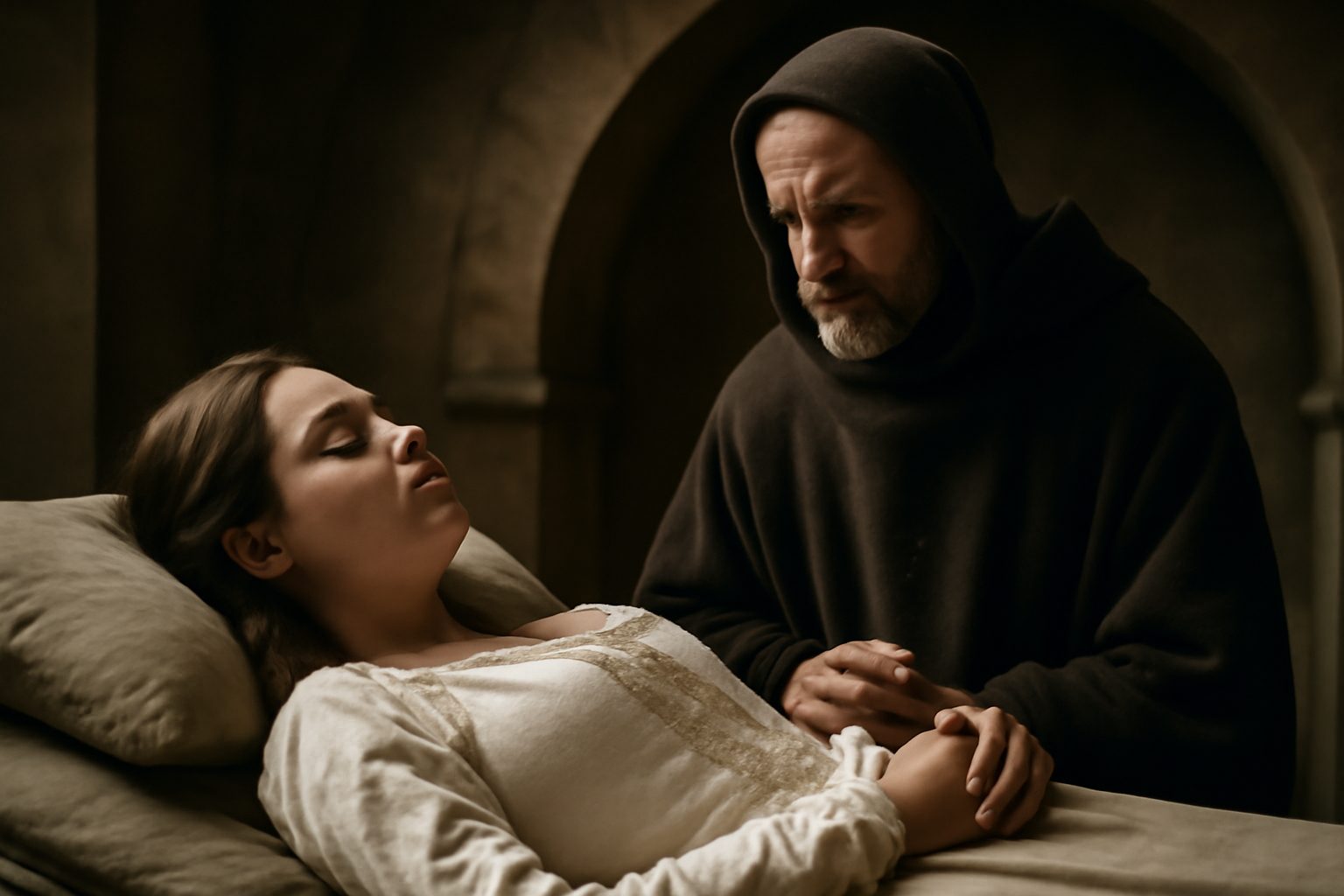
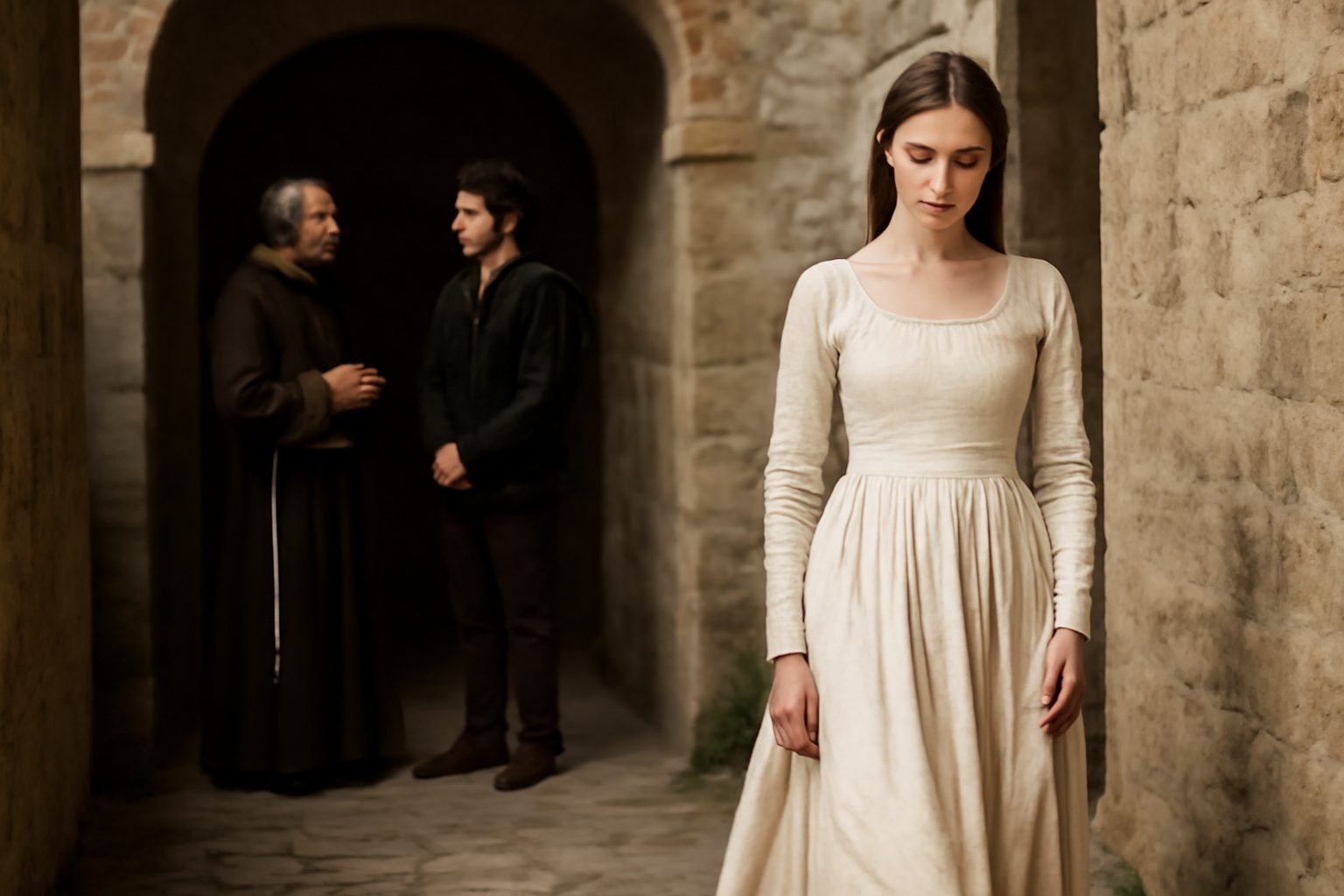
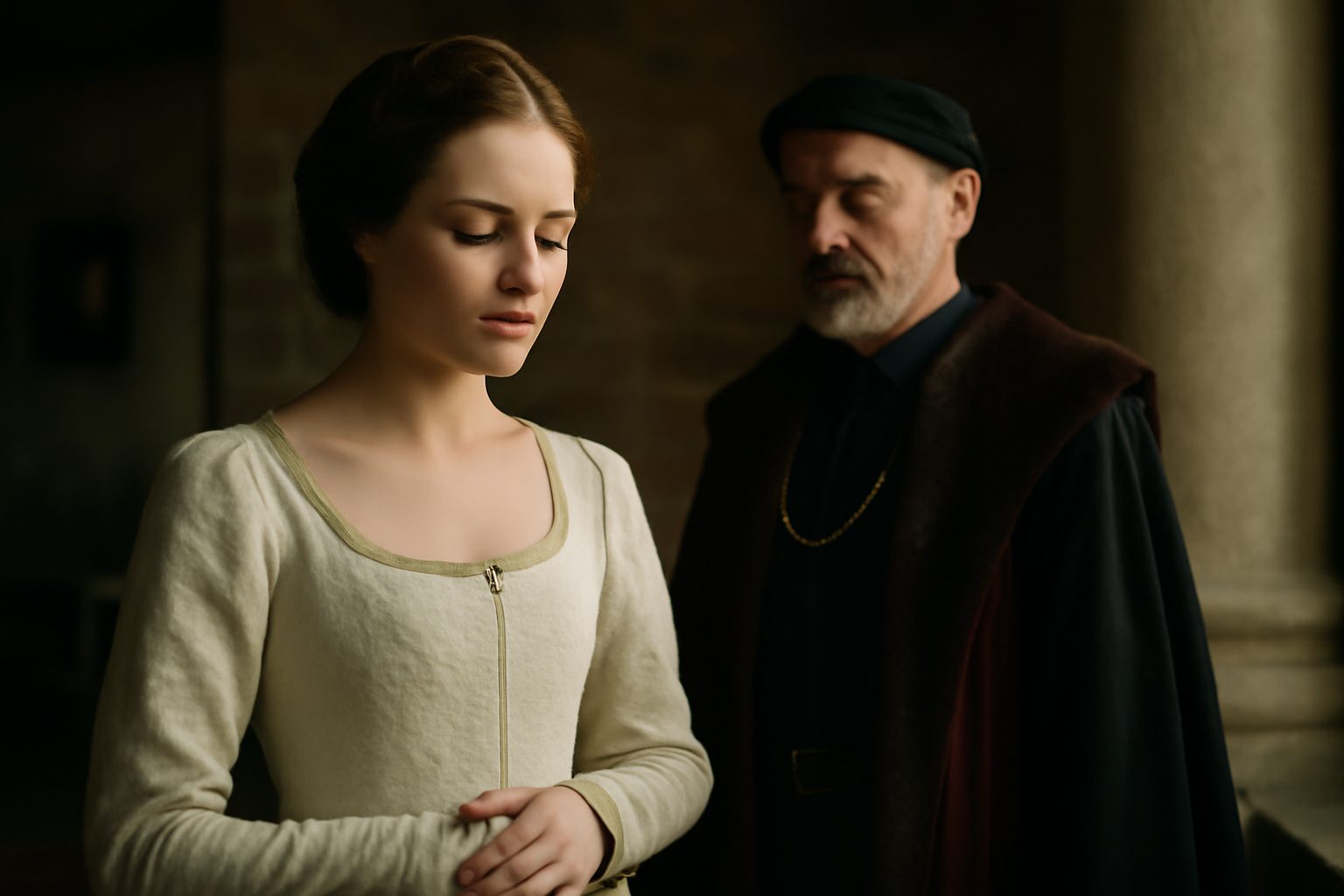
In Act 4, Scene 1 of Romeo and Juliet, Paris arrives at Friar Laurence's cell, expecting to finalize wedding plans with Juliet. When Juliet enters, he greets her warmly with these words, unaware that she has already secretly married Romeo and is distraught over the impending union. His cheerful greeting contrasts sharply with Juliet's inner turmoil as she seeks the friar's help to avoid the marriage.
Paris: "Happily met, my lady and my wife!"
In modern day english, we would say:
It’s so good to see you, my love and my wife!
Frequently Asked Questions
Who is speaking in this line from Romeo and Juliet?
Paris
Who is Paris talking to in this line?
Juliet
What does Paris call Juliet in this line?
My lady and my wife
How does Paris feel when he says this line?
Happy
Connections to other verses:
Connections to "Happily met, my lady and my wife!"
Paris's greeting to Juliet in "Happily met, my lady and my wife!" reflects his confident assumption of their impending marriage, a stark contrast to Juliet's true feelings and the scene's unfolding tension.
Contrast with Juliet's Resistance
Juliet immediately counters Paris's presumption with "That may be, sir, when I may be a wife", subtly expressing reluctance and foreshadowing her desperation to avoid this union. Her distress is further emphasized when she declares her willingness to die rather than betray Romeo, as in "And with this knife I'll help it presently".
Friar Laurence's Awareness
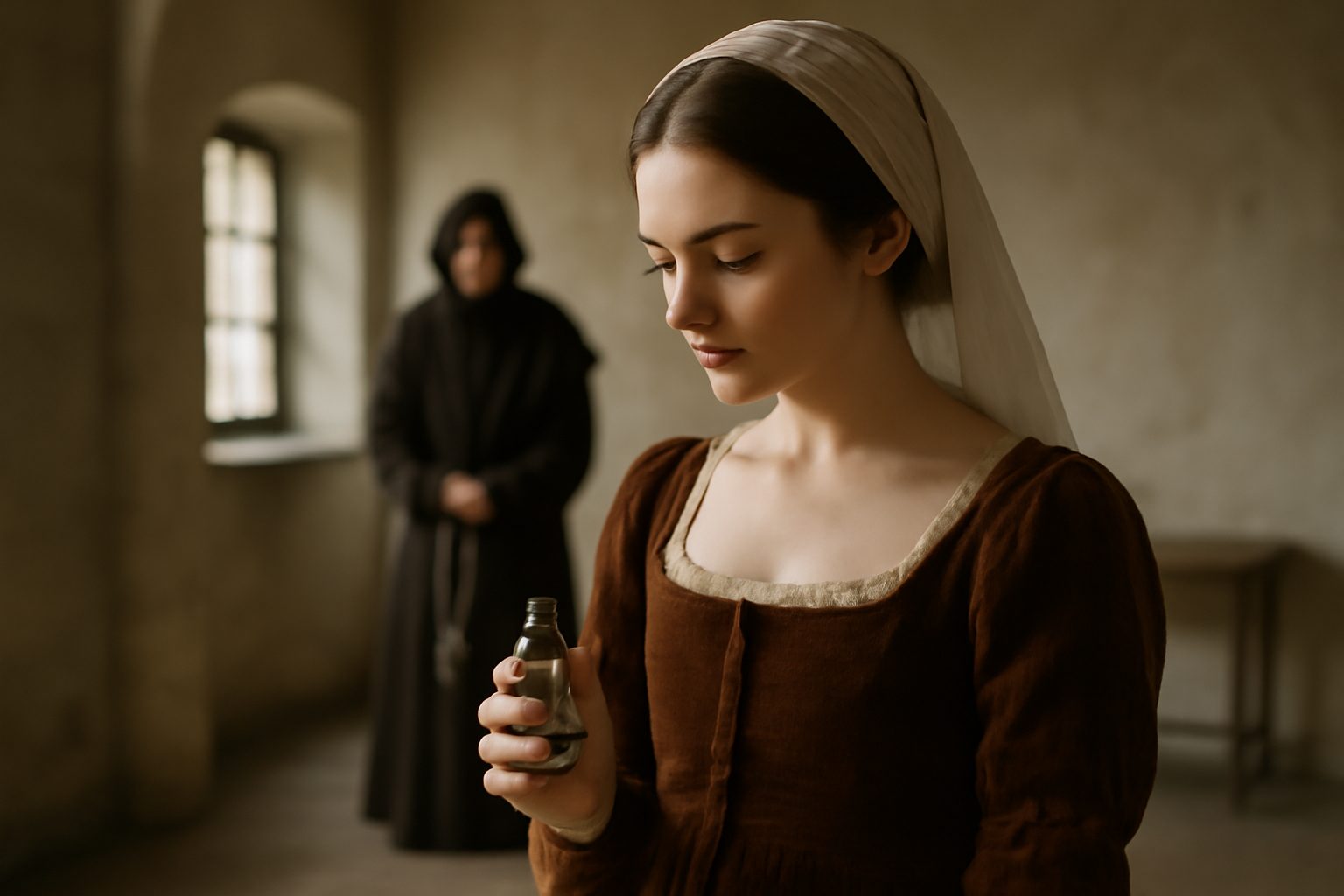
The friar, privy to Juliet's secret marriage, observes this exchange with concern. Earlier, he noted "Ah, Juliet, I already know thy grief", recognizing her turmoil. His plan to fake her death, detailed in verses like "And this distilled liquor drink thou off", arises directly from the conflict Paris's claim initiates.
Irony and Foreshadowing
Paris's joyful greeting is laden with dramatic irony, as the audience knows Juliet is already wed. His mention of Thursday's marriage in "That may be must be, love, on Thursday next" heightens the urgency, leading Juliet to seek the friar's remedy, which involves a death-like state described in "Shall, stiff and stark and cold, appear like death".
Resolution and Desperation
The scene culminates in Juliet's resolve to enact the friar's plan, vowing "And I will do it without fear or doubt". This determination contrasts sharply with Paris's lighthearted opener, underscoring the tragedy of misaligned intentions and the extreme measures Juliet must take to preserve her love.