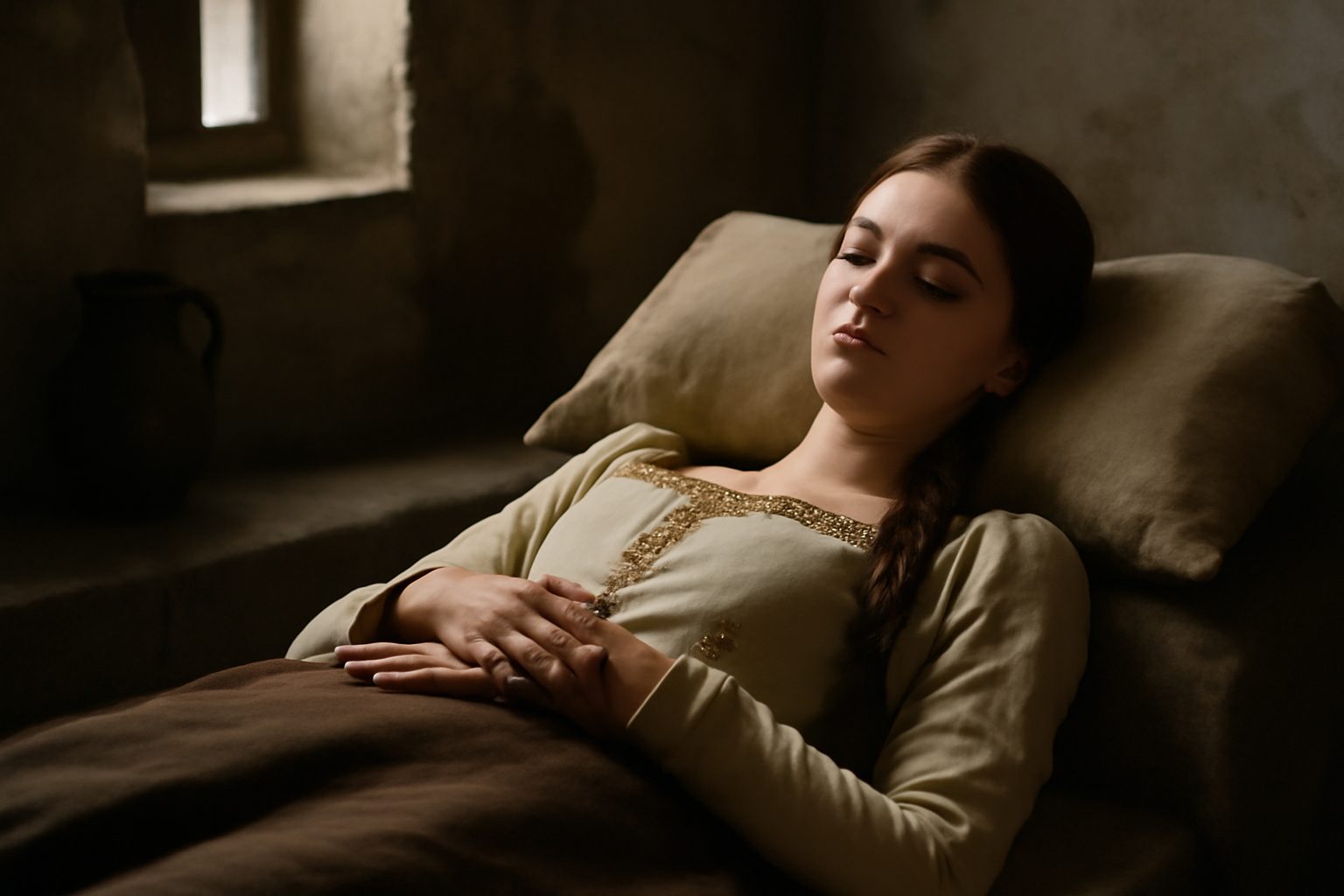
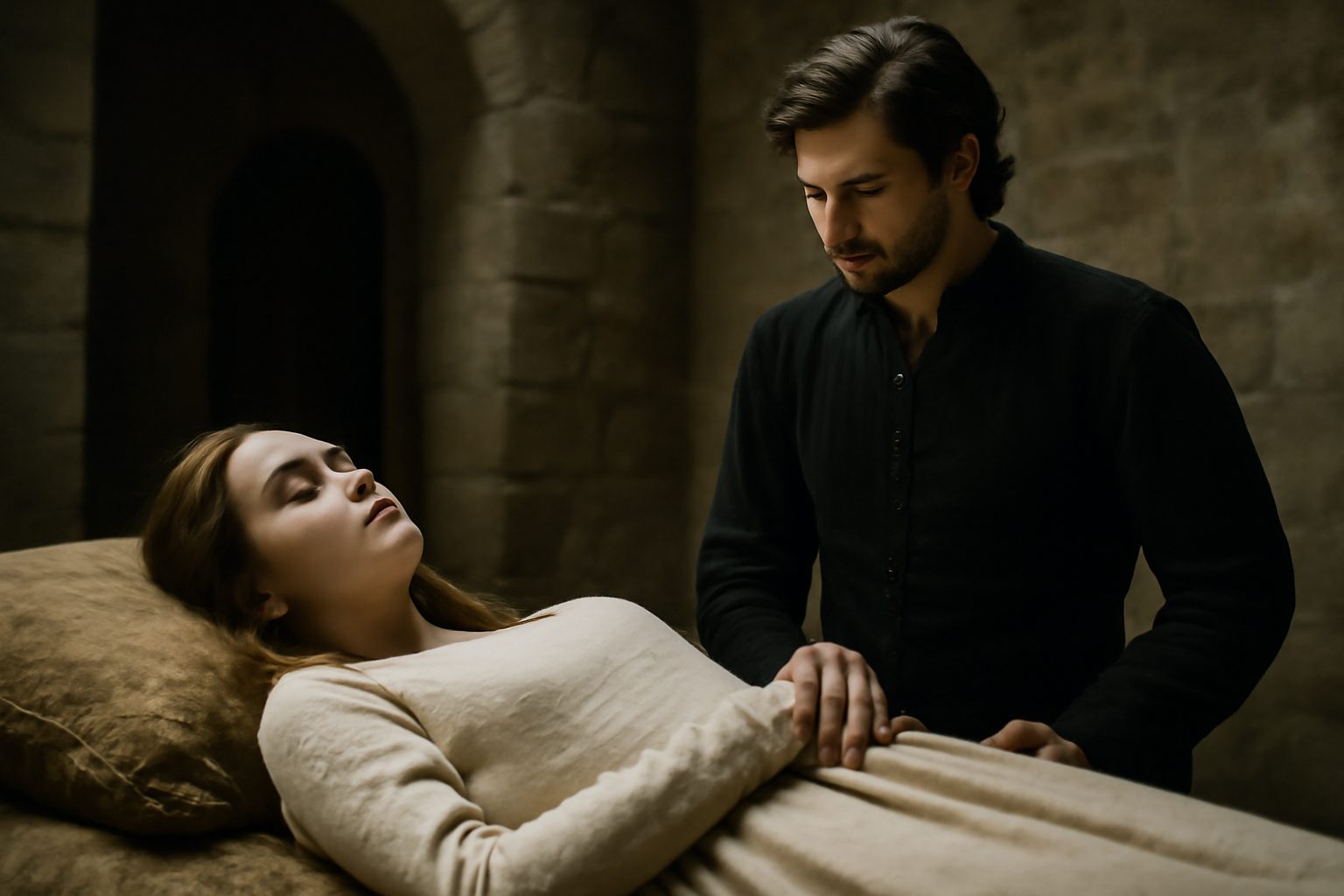
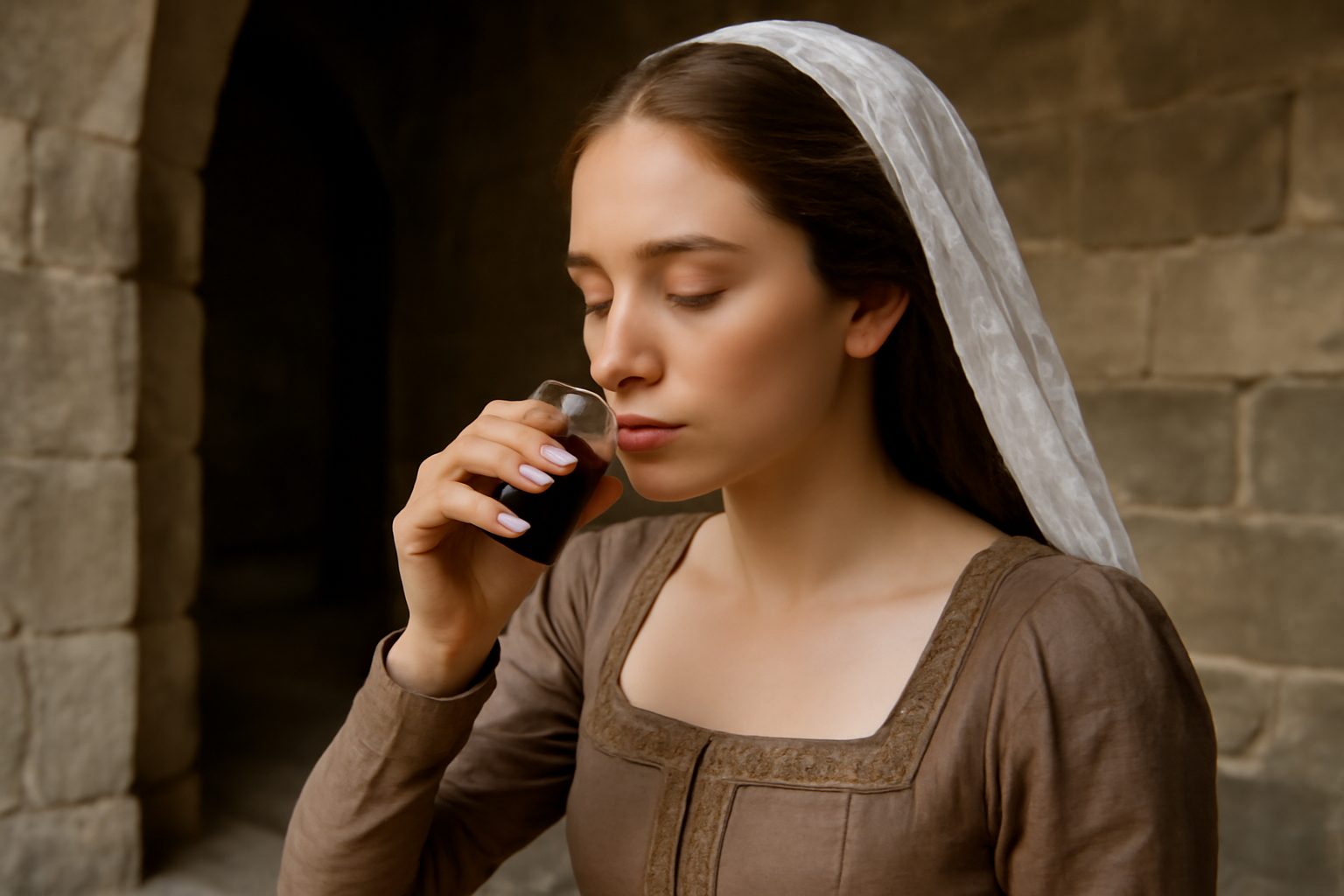
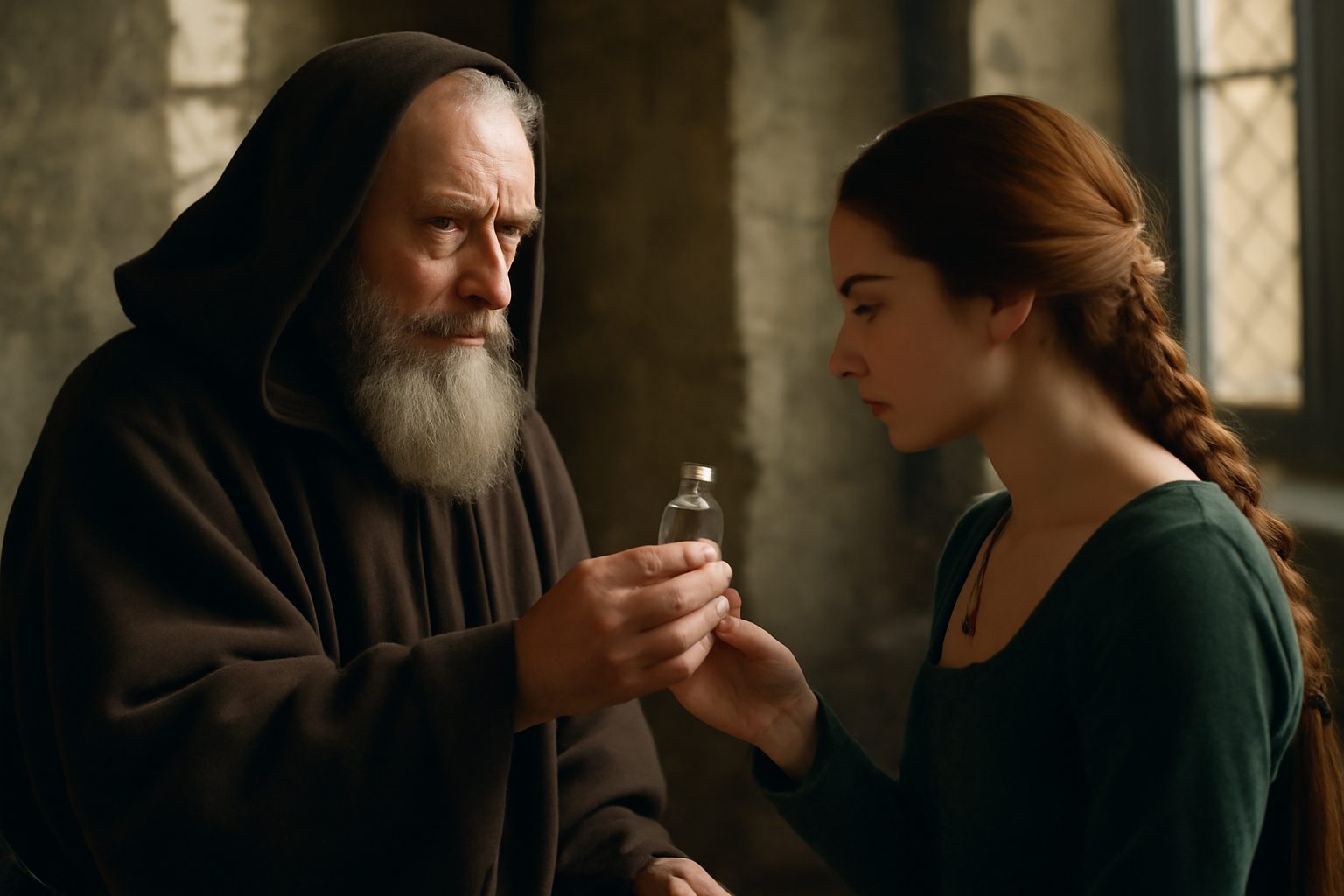
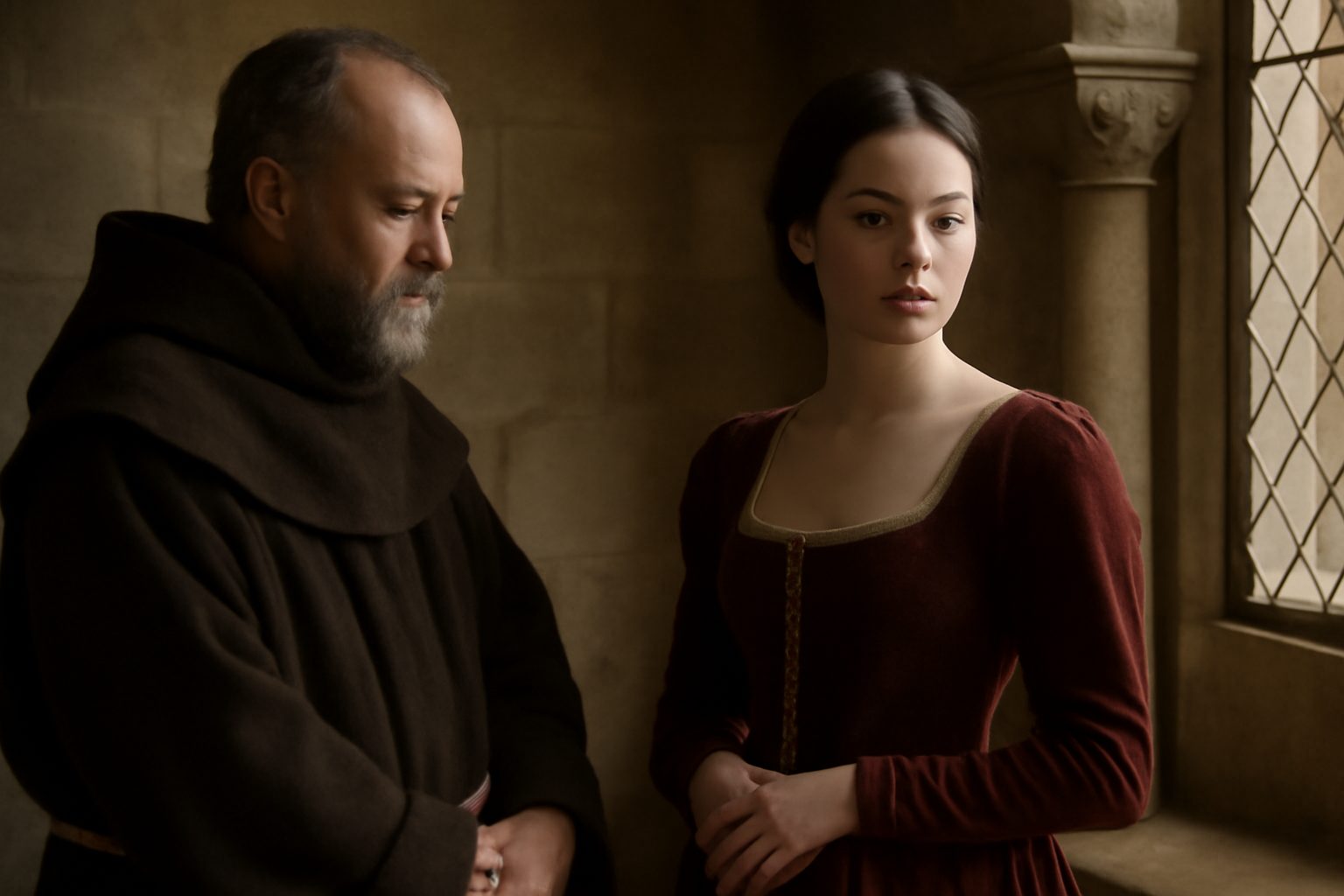
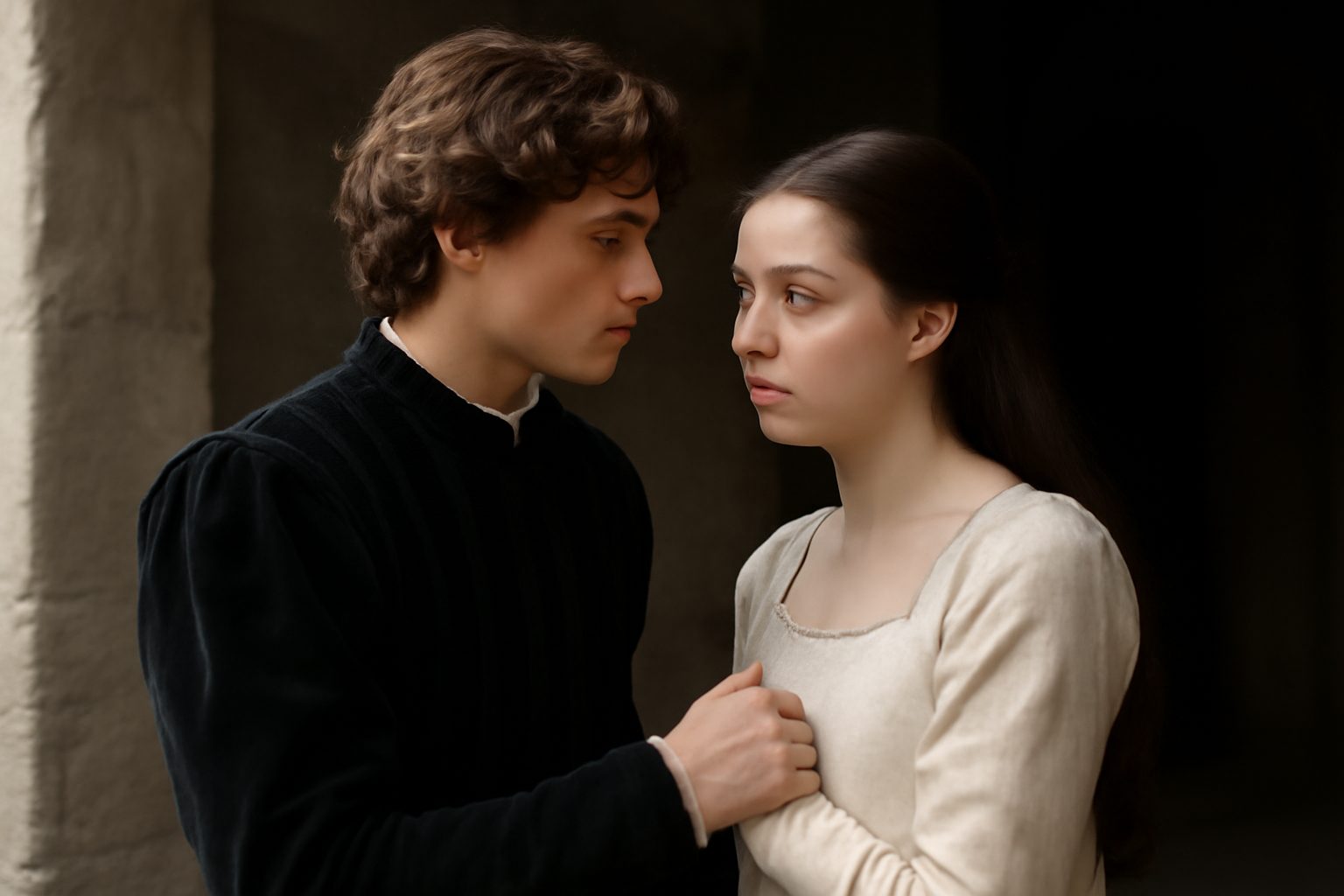
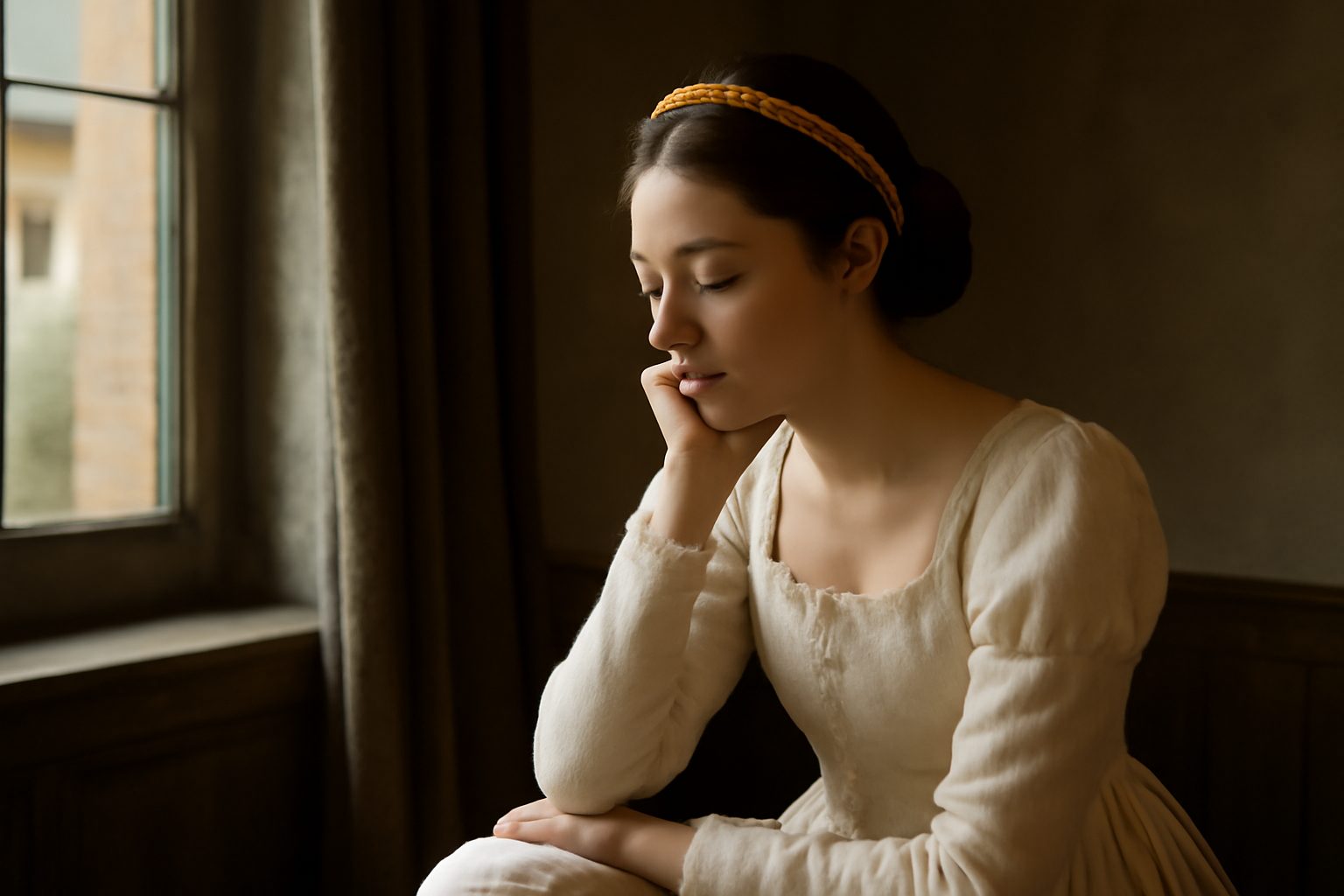
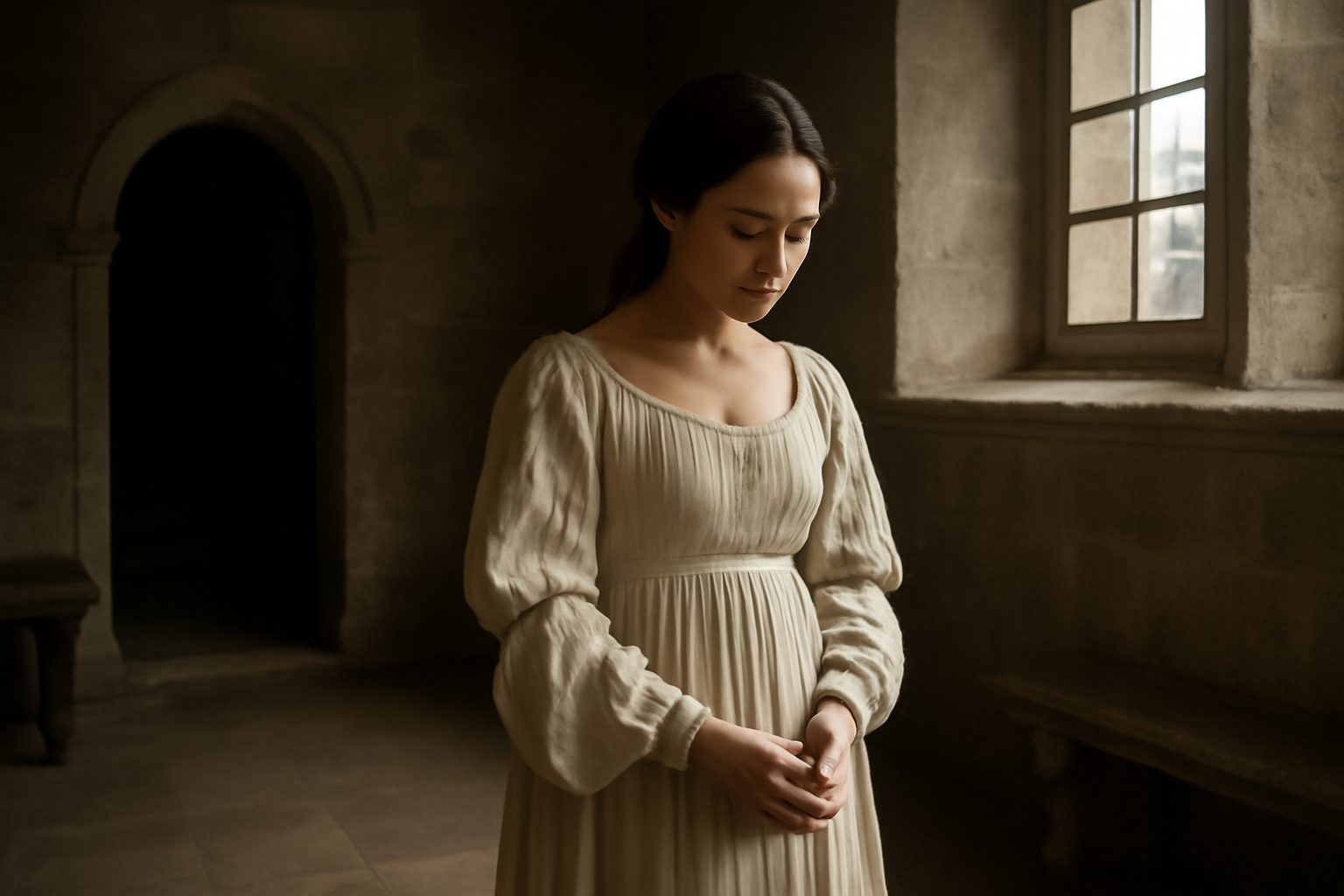
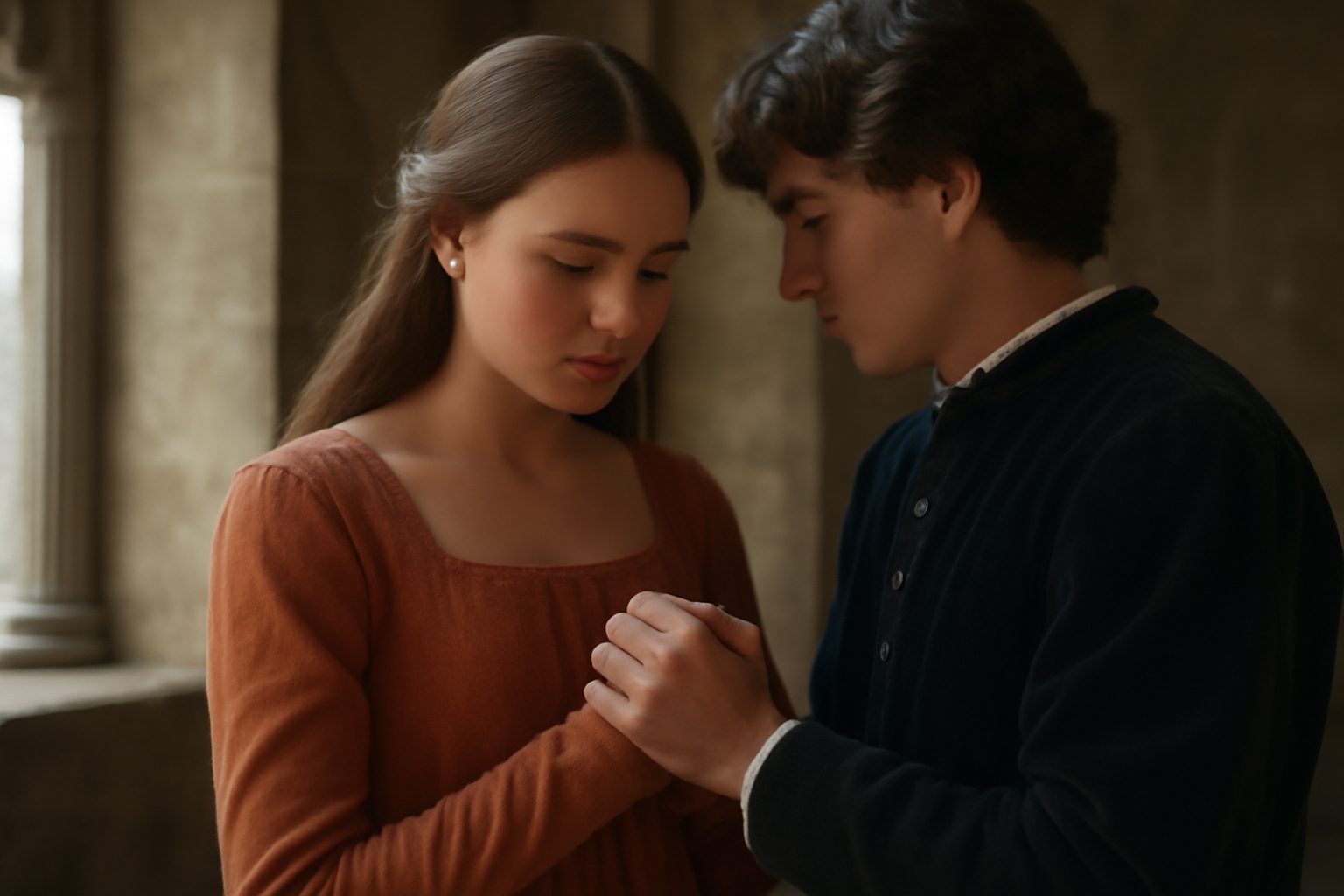
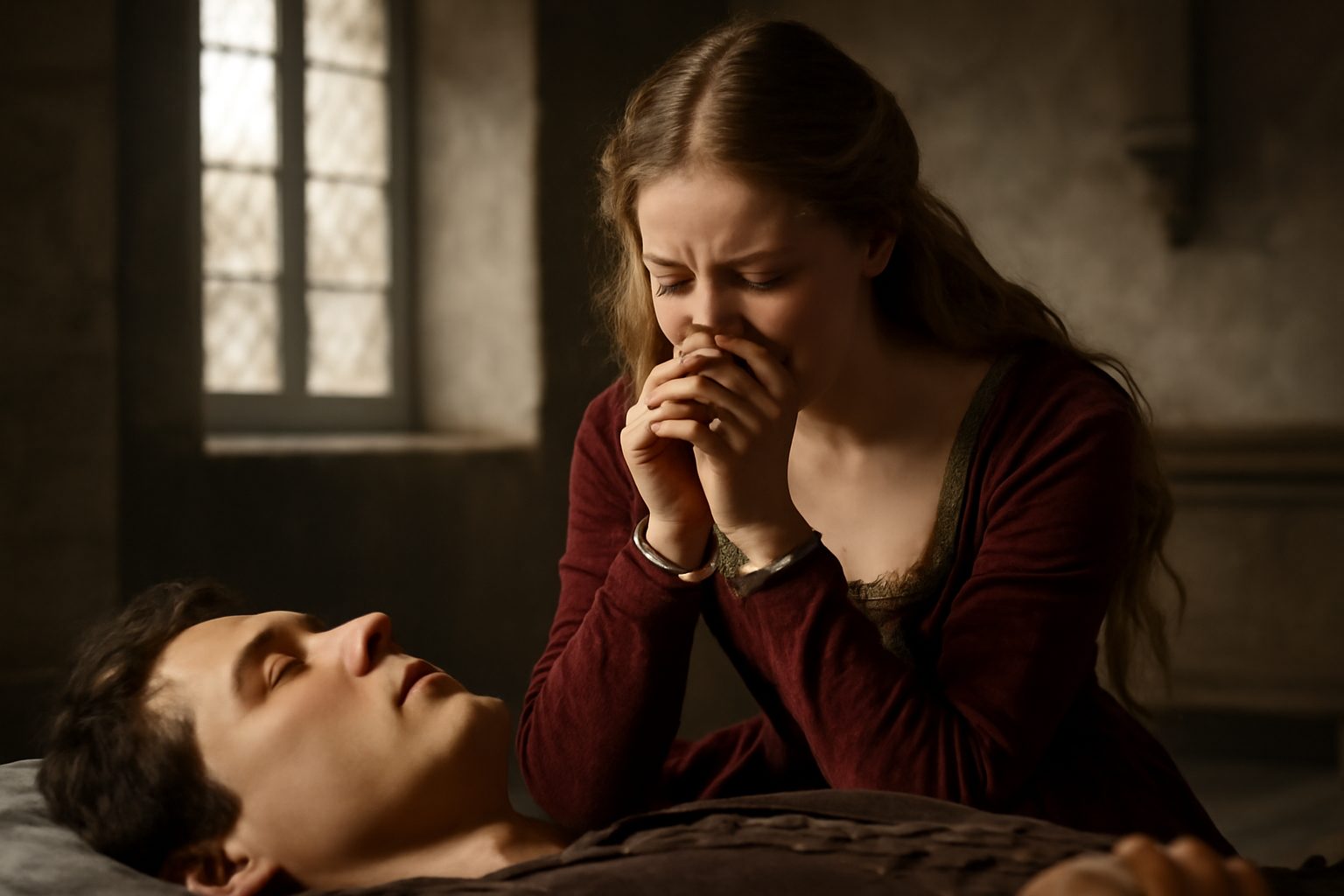
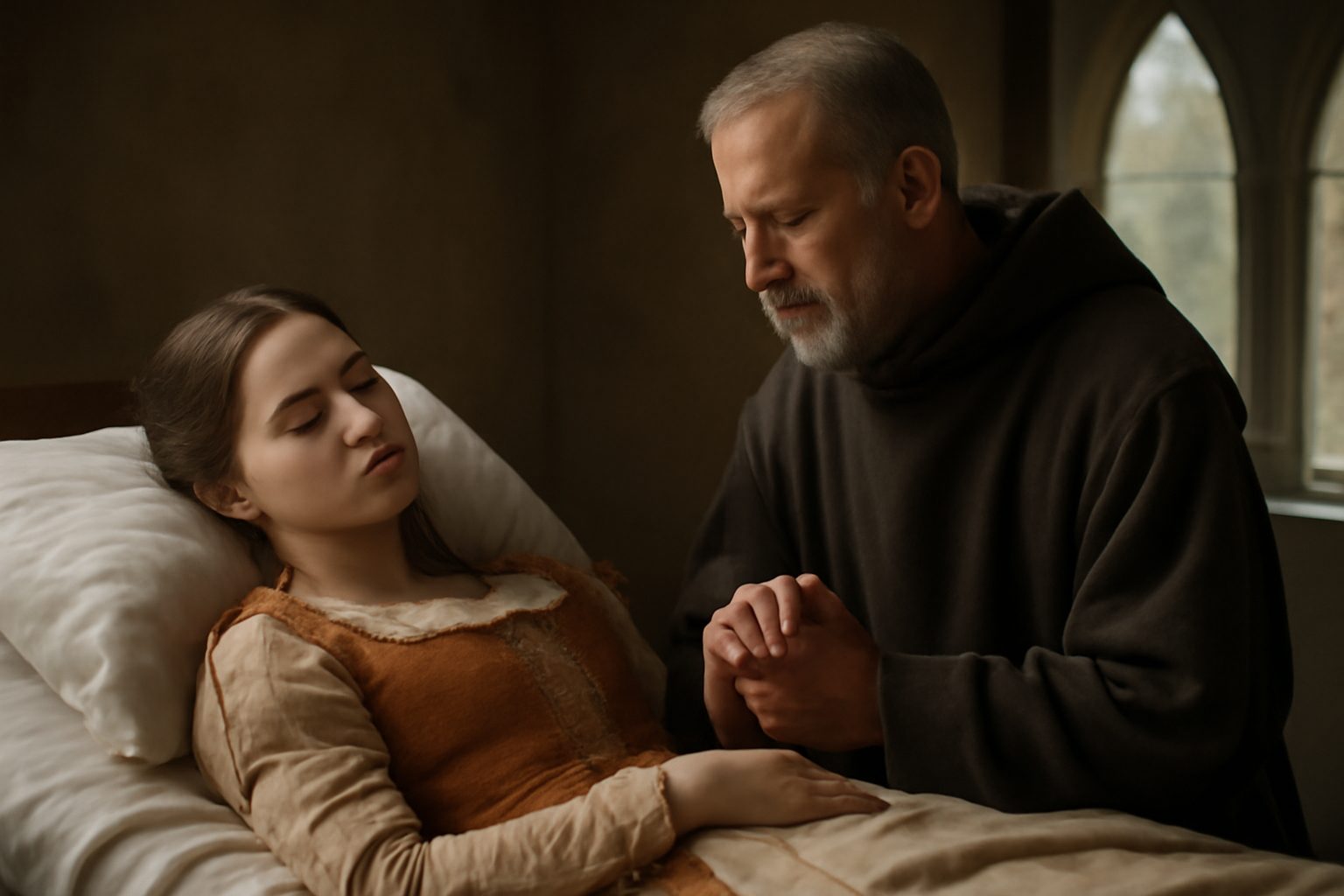
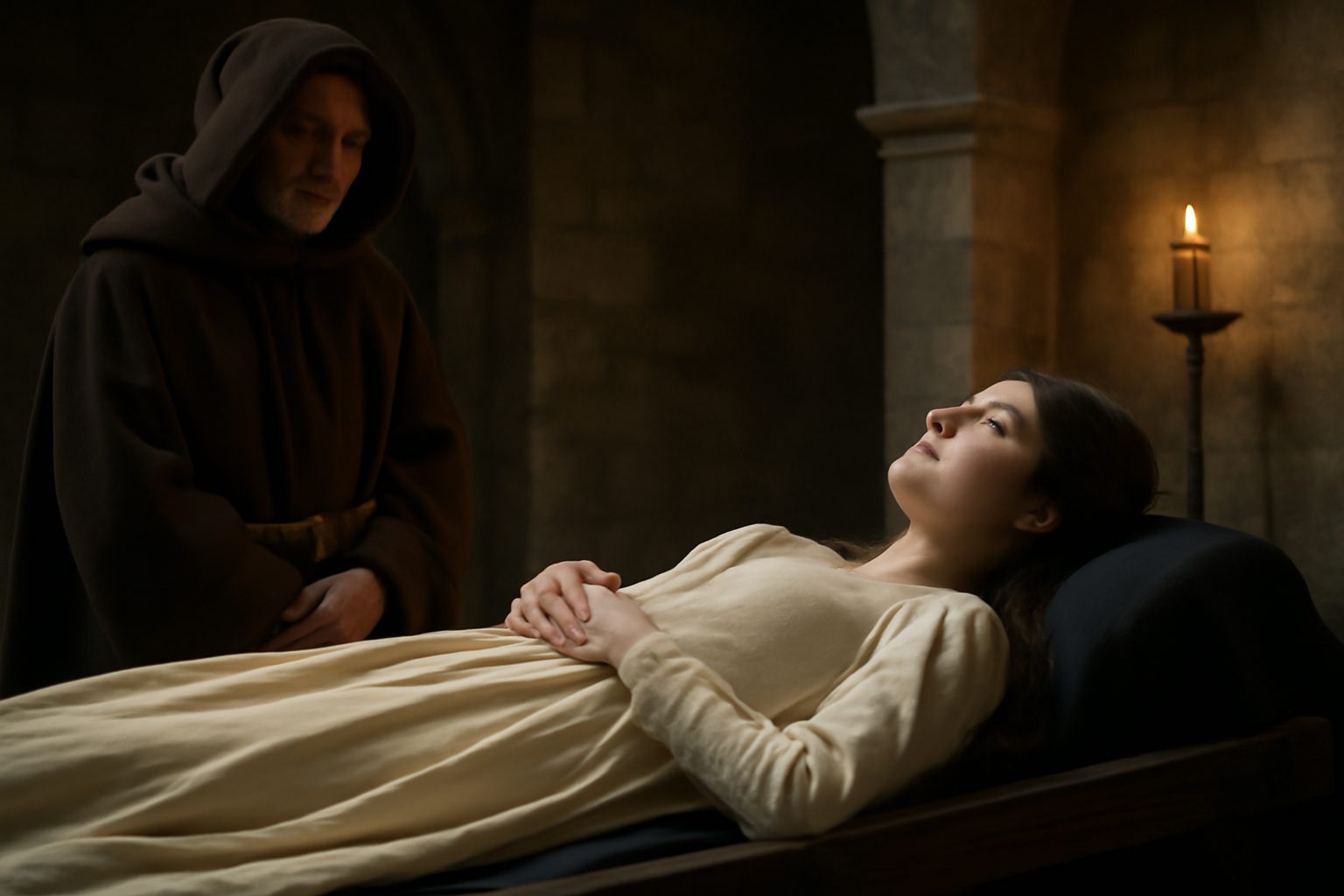
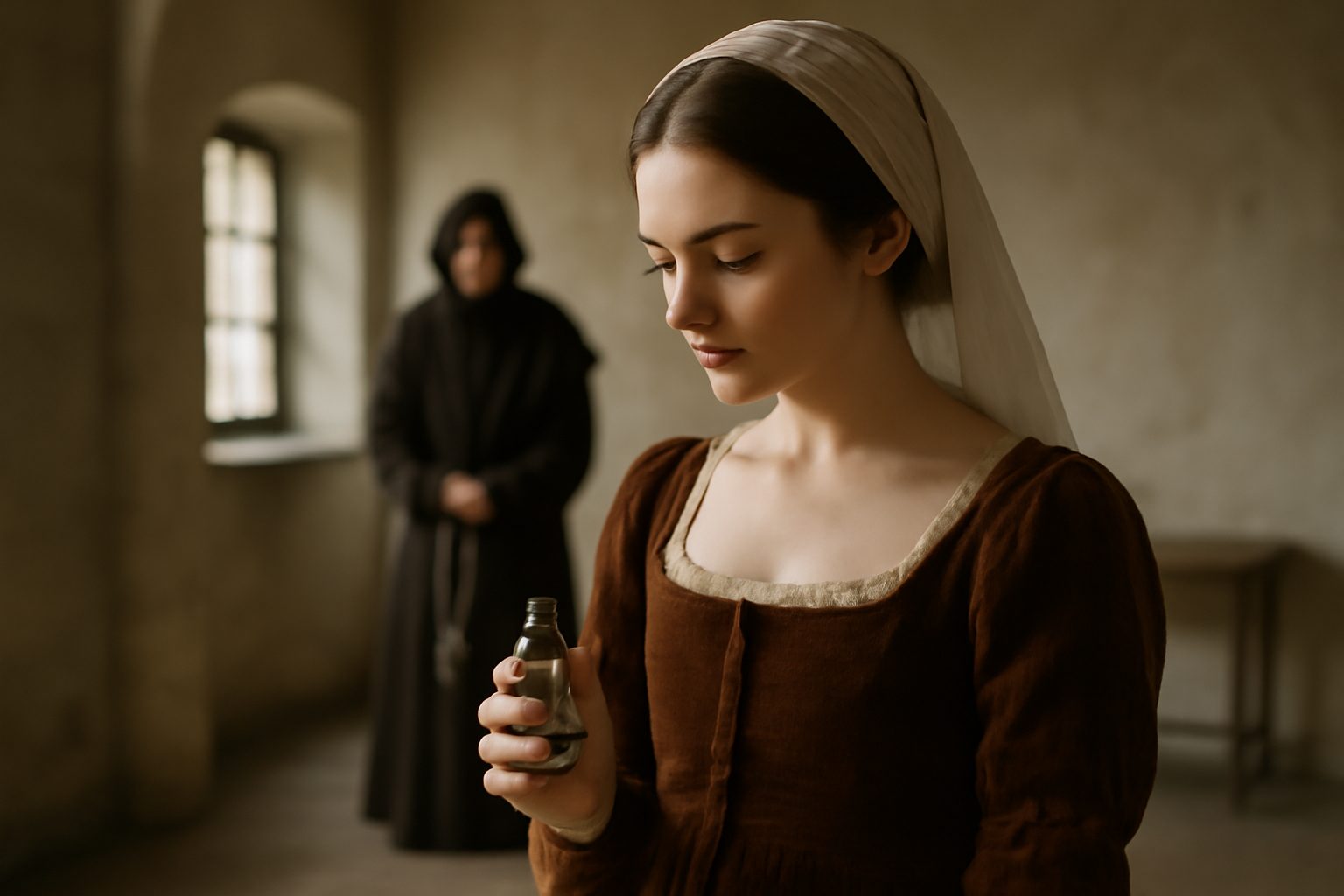
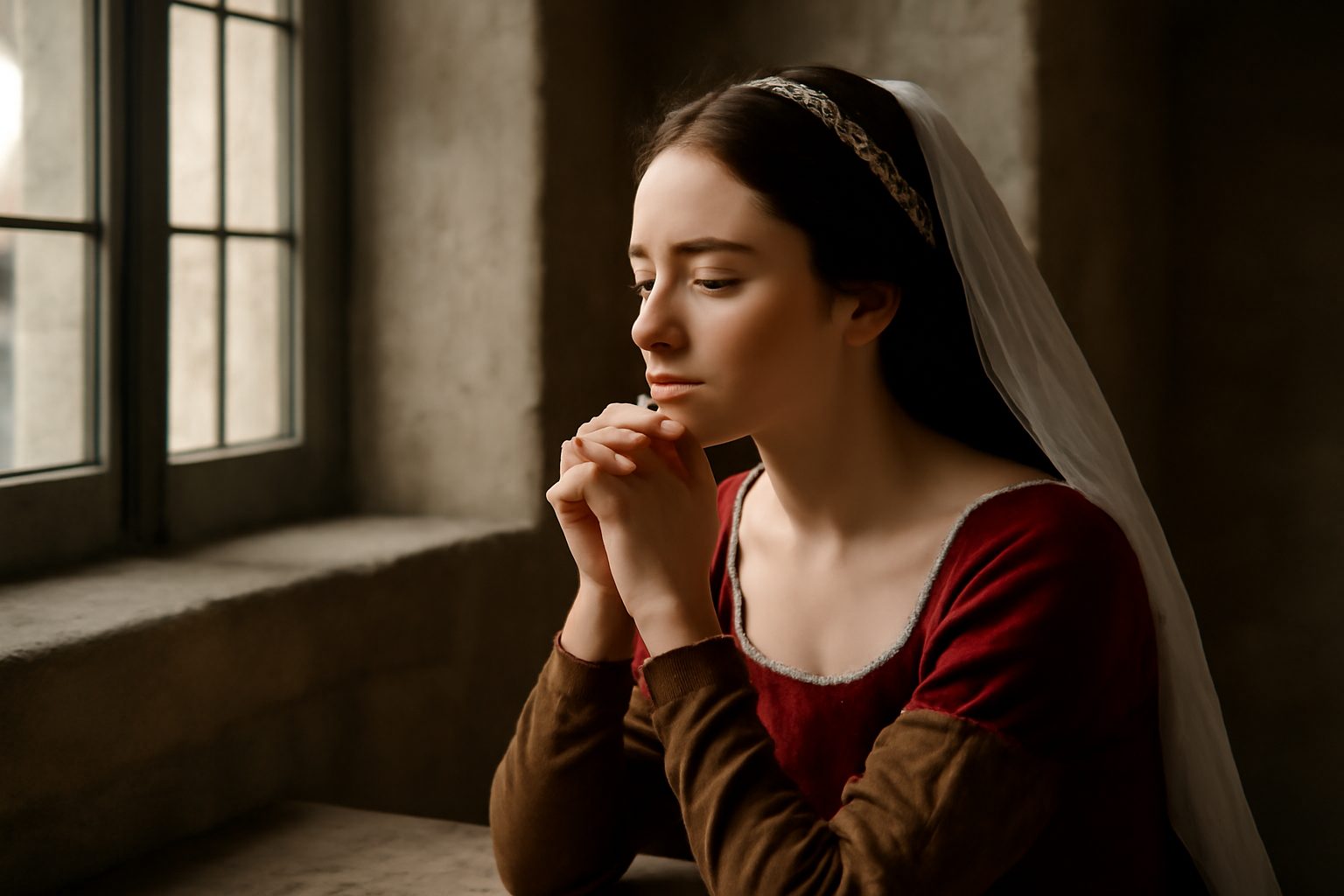
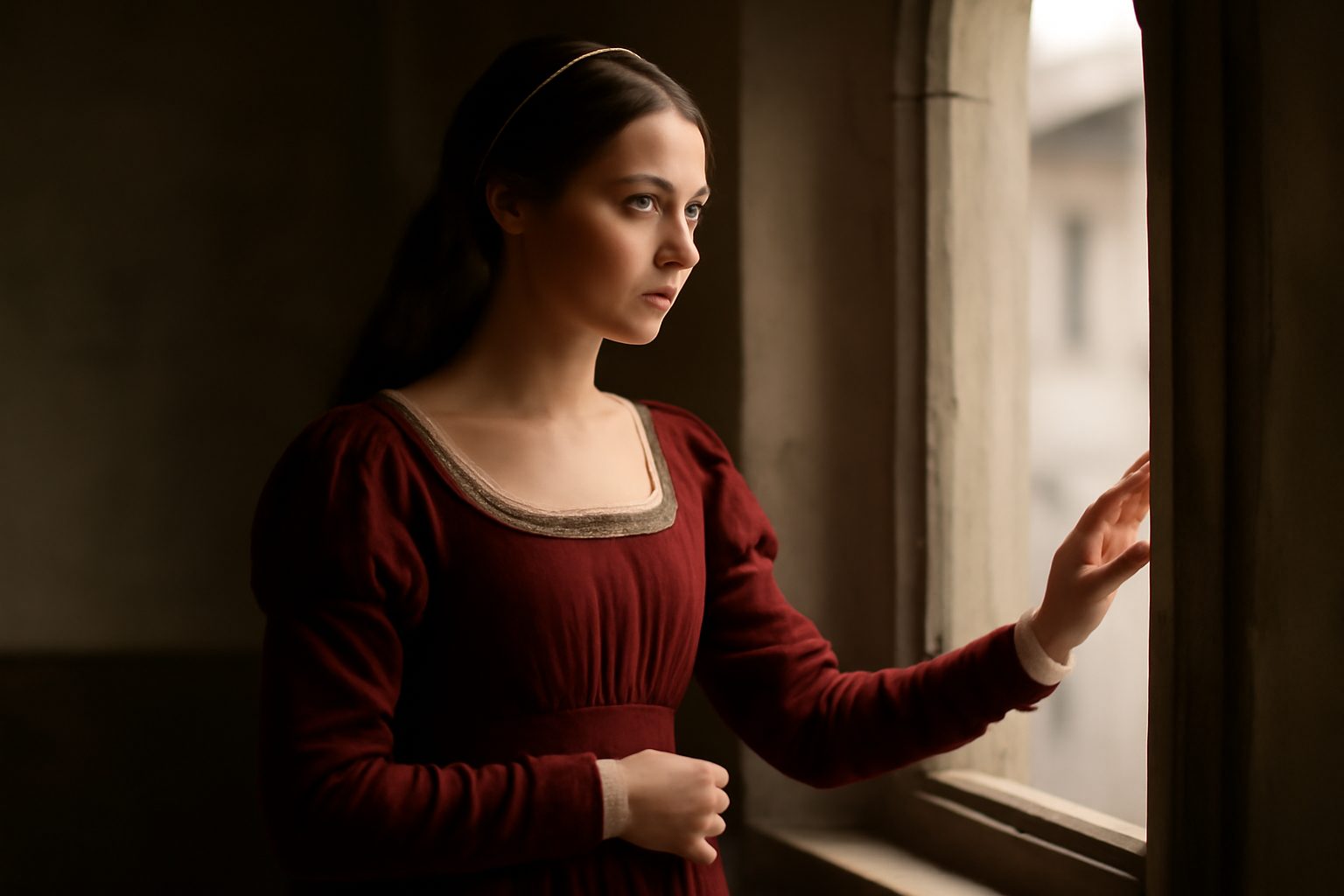
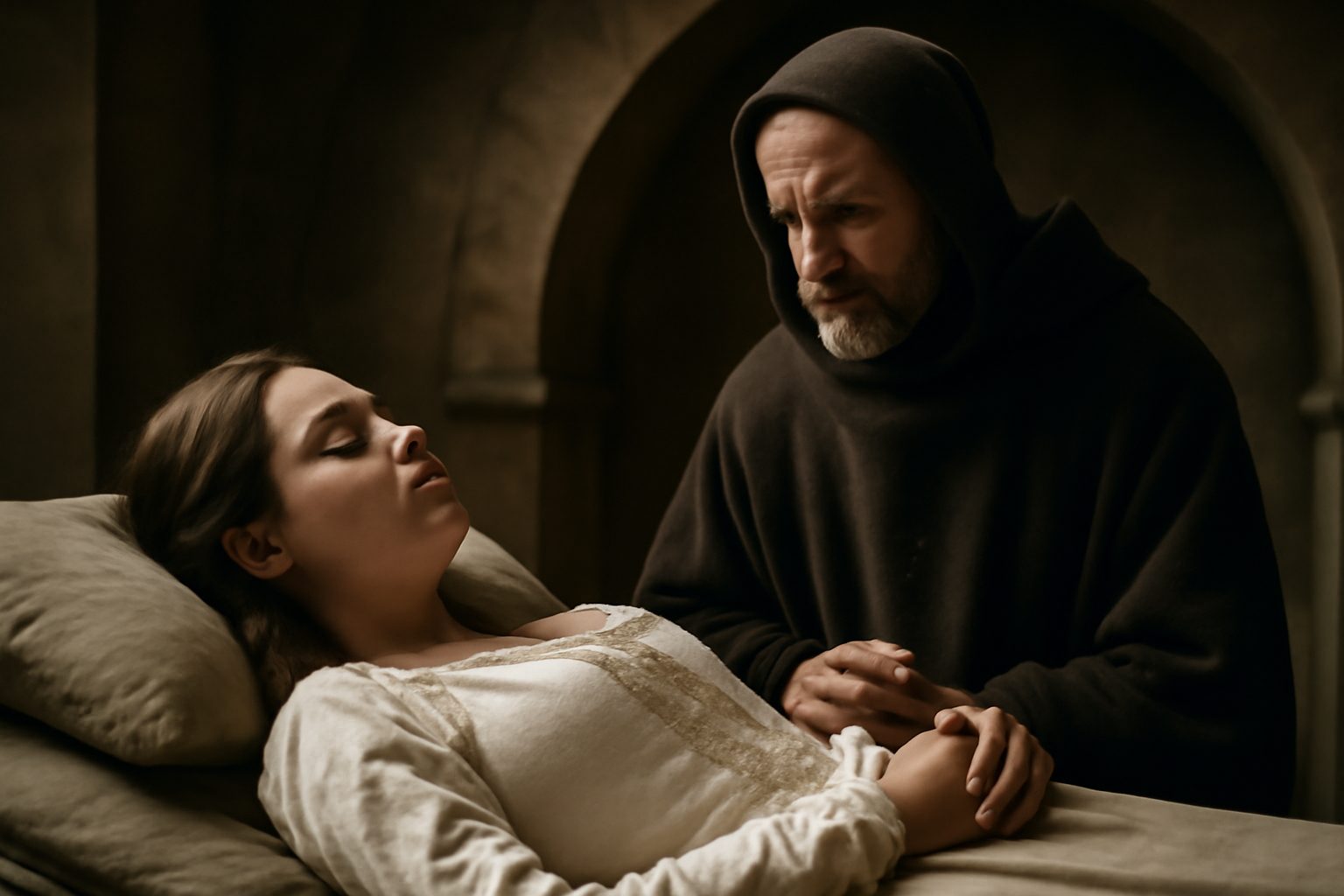
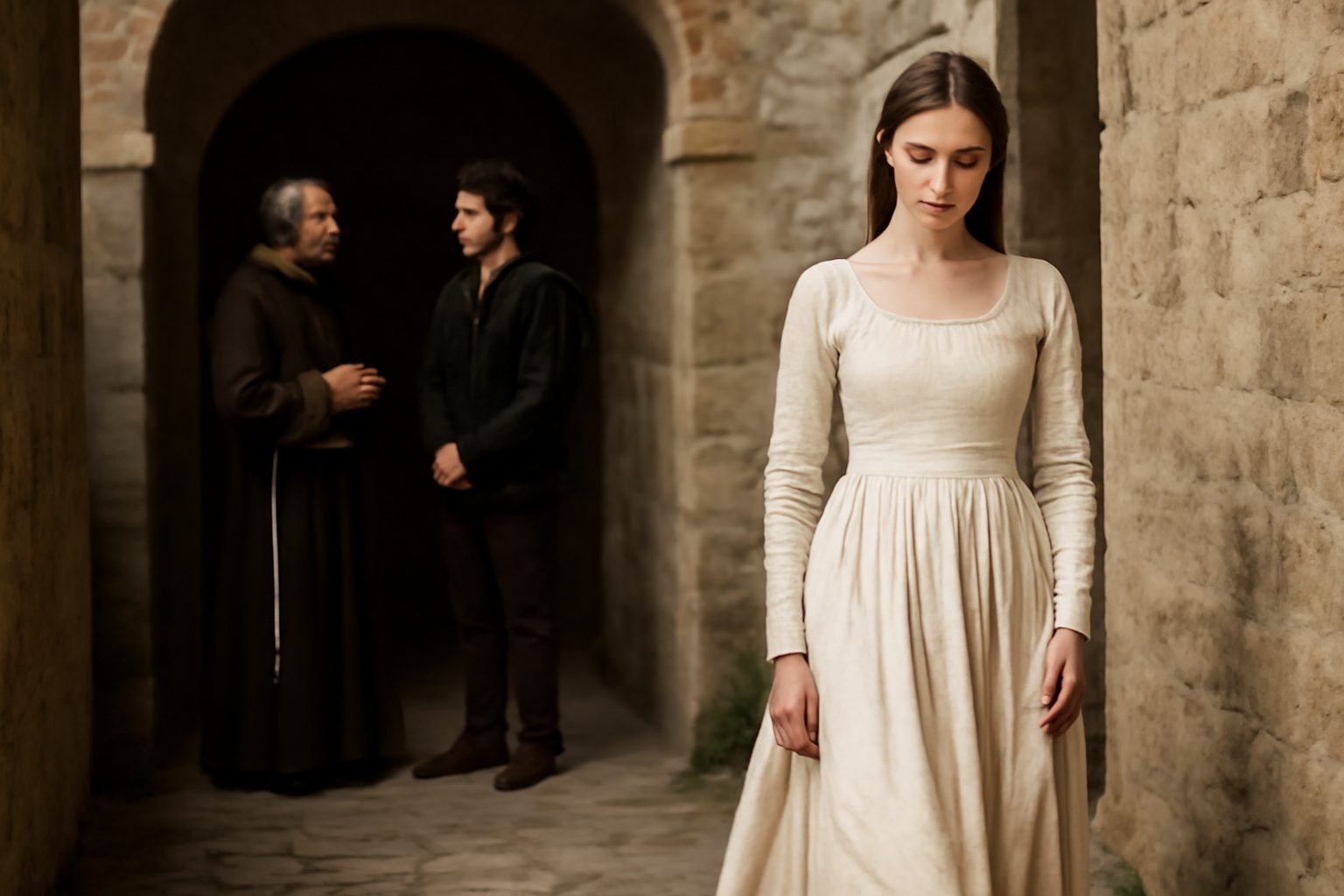
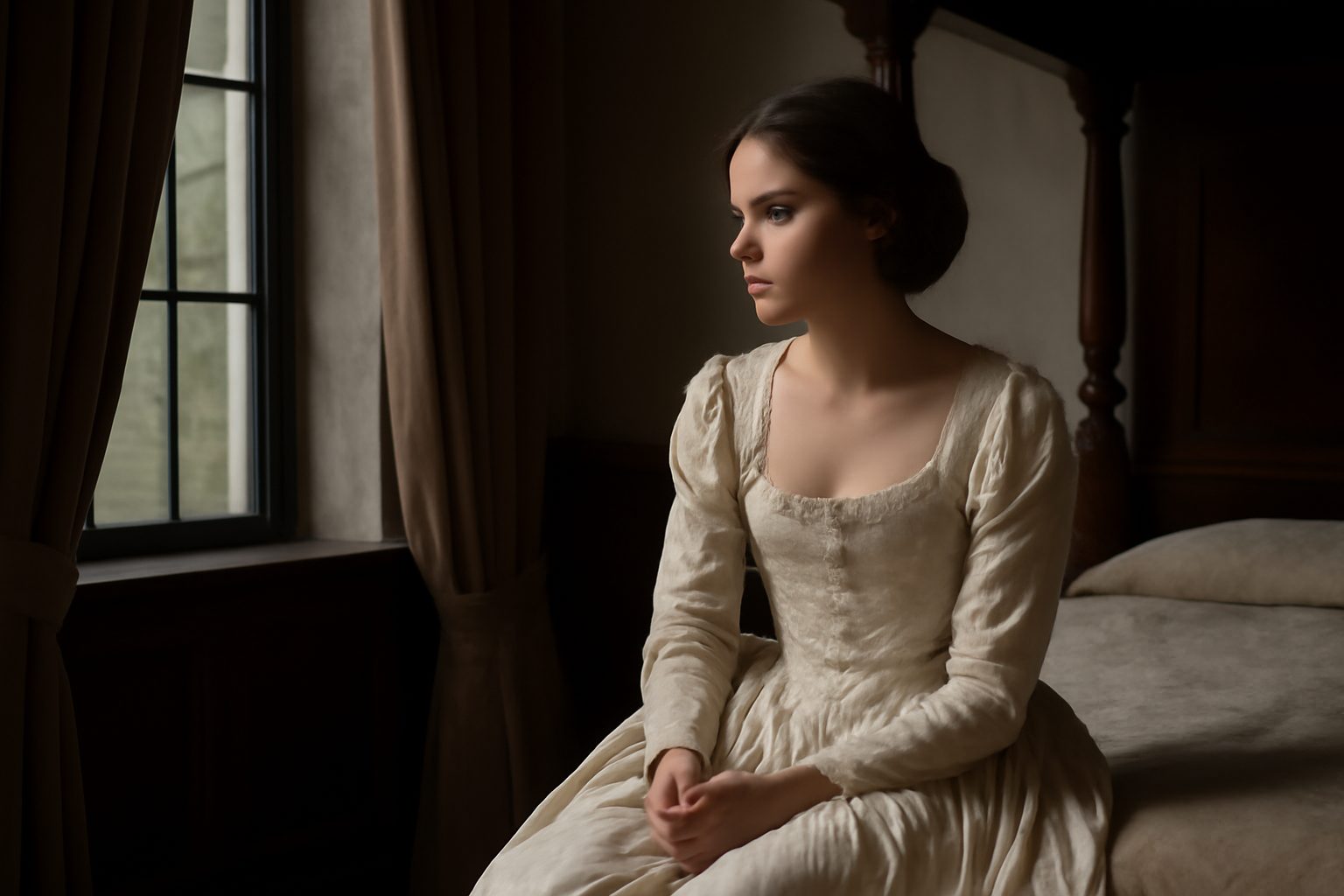
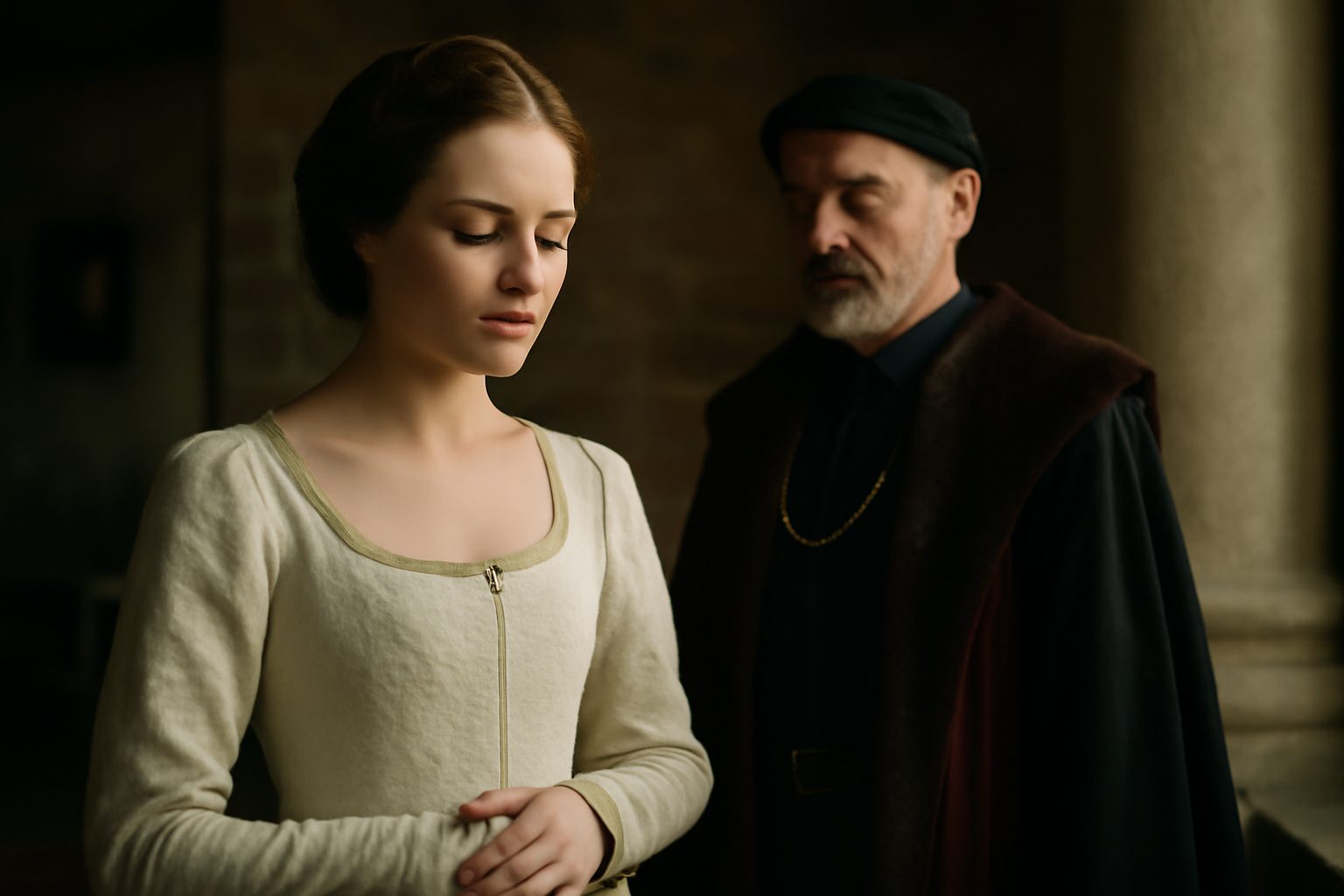
In Act 4, Scene 1 of Romeo and Juliet, Juliet visits Friar Laurence in desperation after her parents demand she marry Paris. The friar devises a plan to fake her death using a sleeping potion, describing the moment she will awaken as peaceful and natural. This line captures his reassurance that her revival will feel gentle, like emerging from a restful slumber.
Friar Laurence: "And then awake as from a pleasant sleep."
In modern day english, we would say:
Then wake up feeling refreshed, like after a good nap.
Frequently Asked Questions
What does Friar Laurence compare waking up to in this line?
He compares waking up to waking from a pleasant sleep.
Connections to other verses:
Connections to "And then awake as from a pleasant sleep"
The verse And then awake as from a pleasant sleep is part of Friar Laurence's plan for Juliet to feign death. It contrasts sharply with the grim reality of the potion's effects, as described in No warmth, no breath, shall testify thou livest, which emphasizes the lifeless state she will enter.
Contrast with Death Imagery
This awakening is framed as a peaceful transition, unlike the terrifying imagery Juliet uses earlier, such as Or bid me go into a new-made grave and O'er-cover'd quite with dead men's rattling bones, which highlight her desperation and fear.
Plan Execution and Hope
The awakening is the culmination of Friar Laurence's detailed instructions, including And this distilled liquor drink thou off and Thou shalt continue two and forty hours, specifying the potion's duration. It ties to the hopeful outcome in Shall Romeo bear thee hence to Mantua, promising reunion.
Juxtaposition with Immediate Danger
This planned awakening contrasts with Juliet's earlier despair, such as Be not so long to speak; I long to die, showing how the Friar's intervention shifts her resolve from suicide to strategic action.