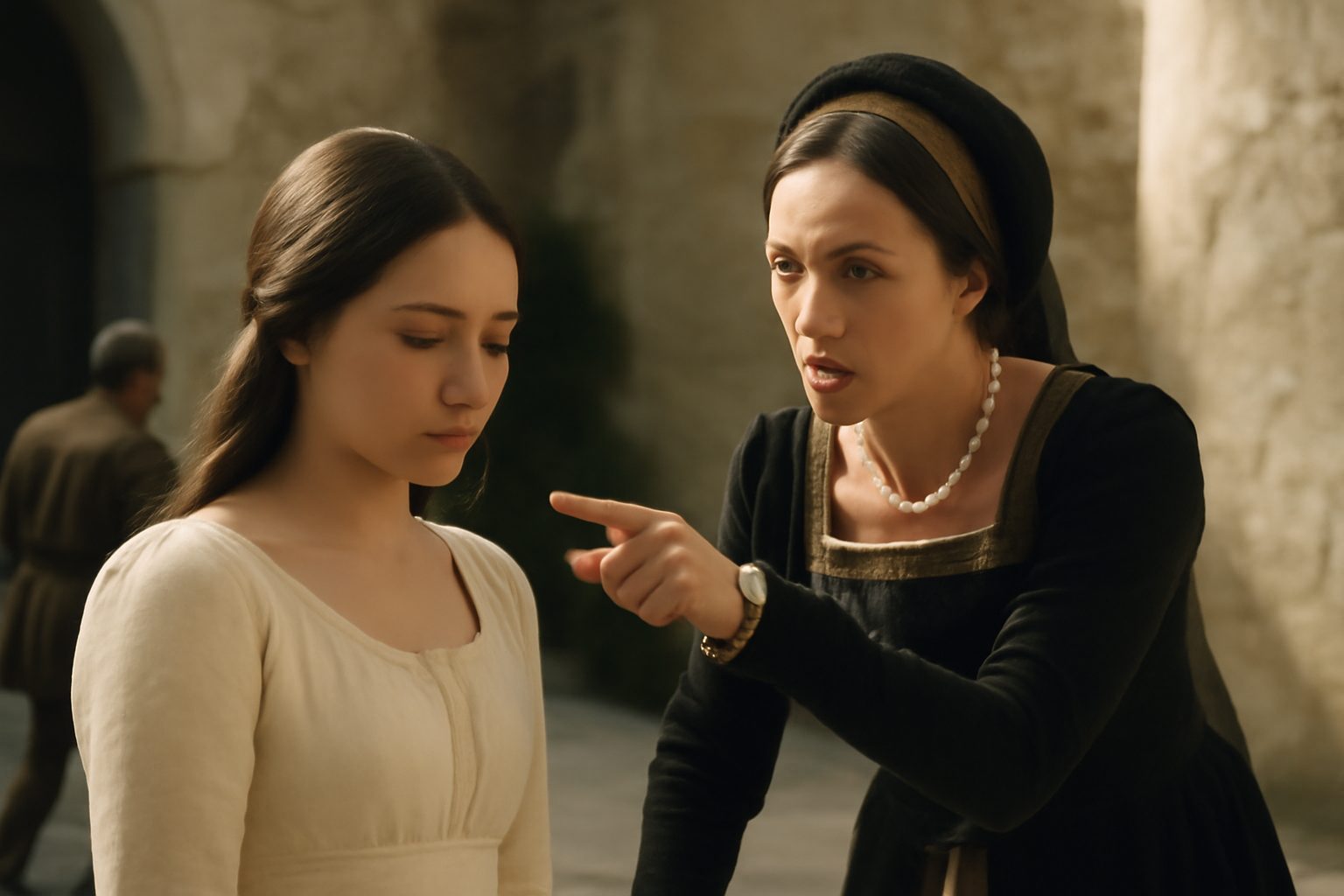
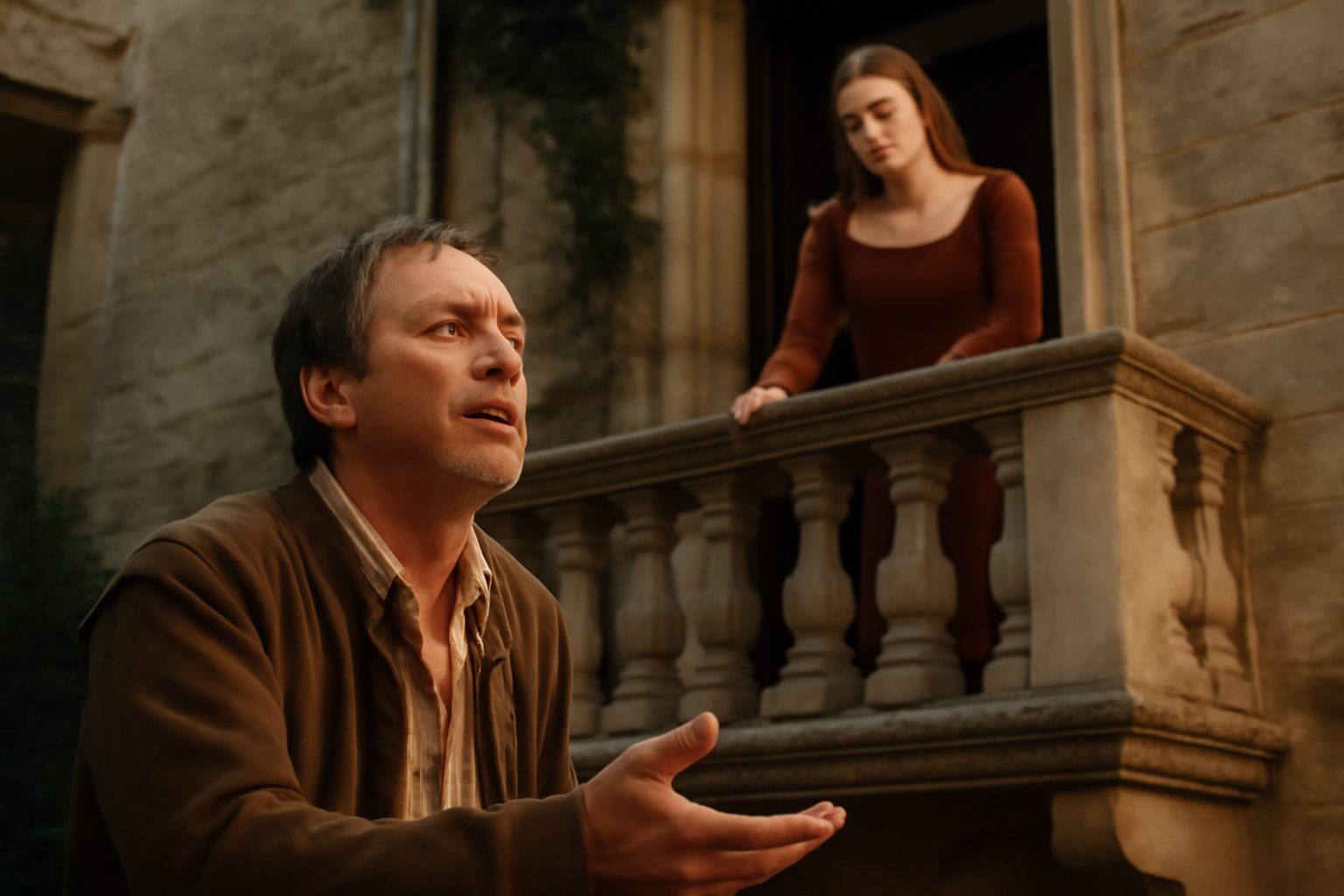
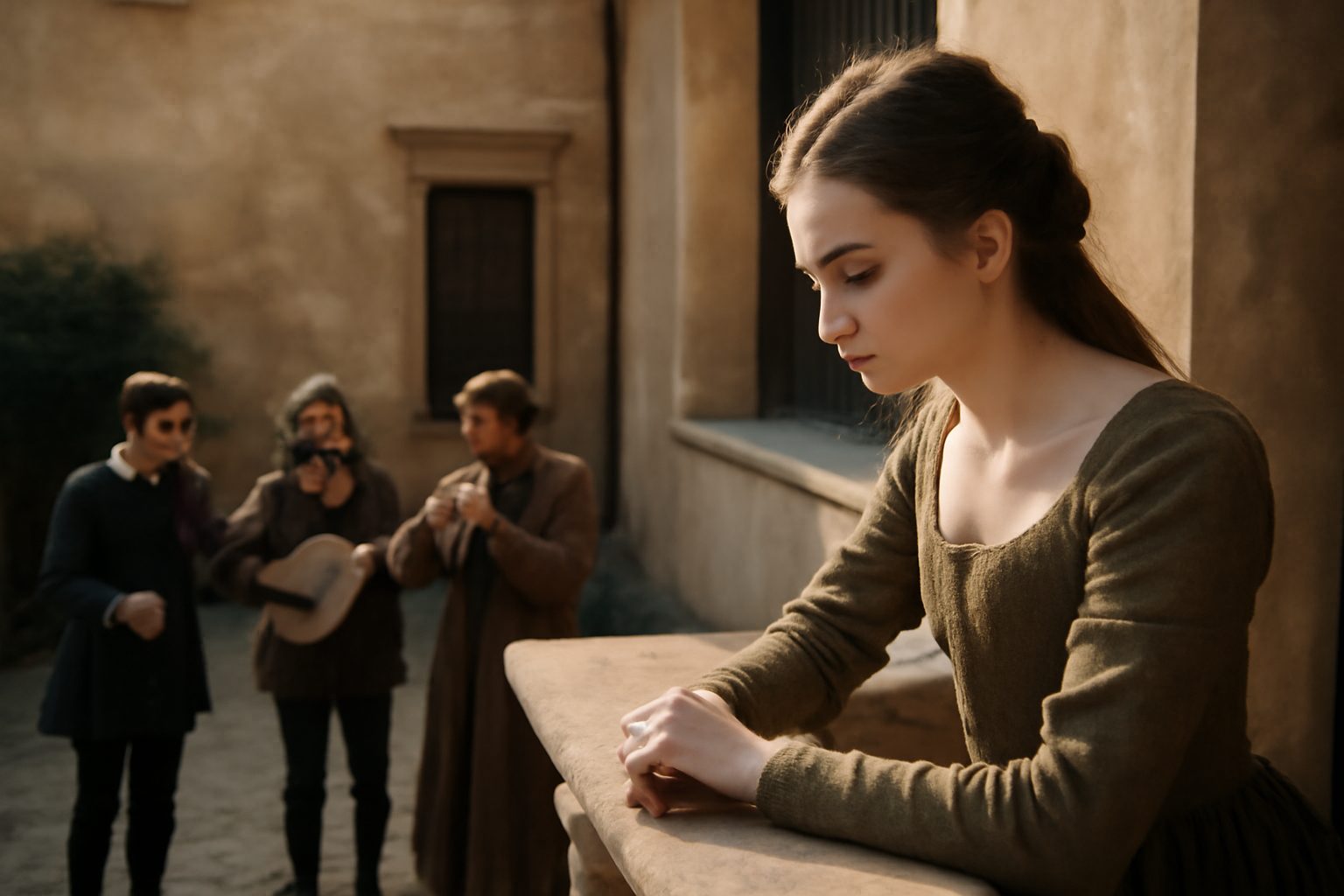
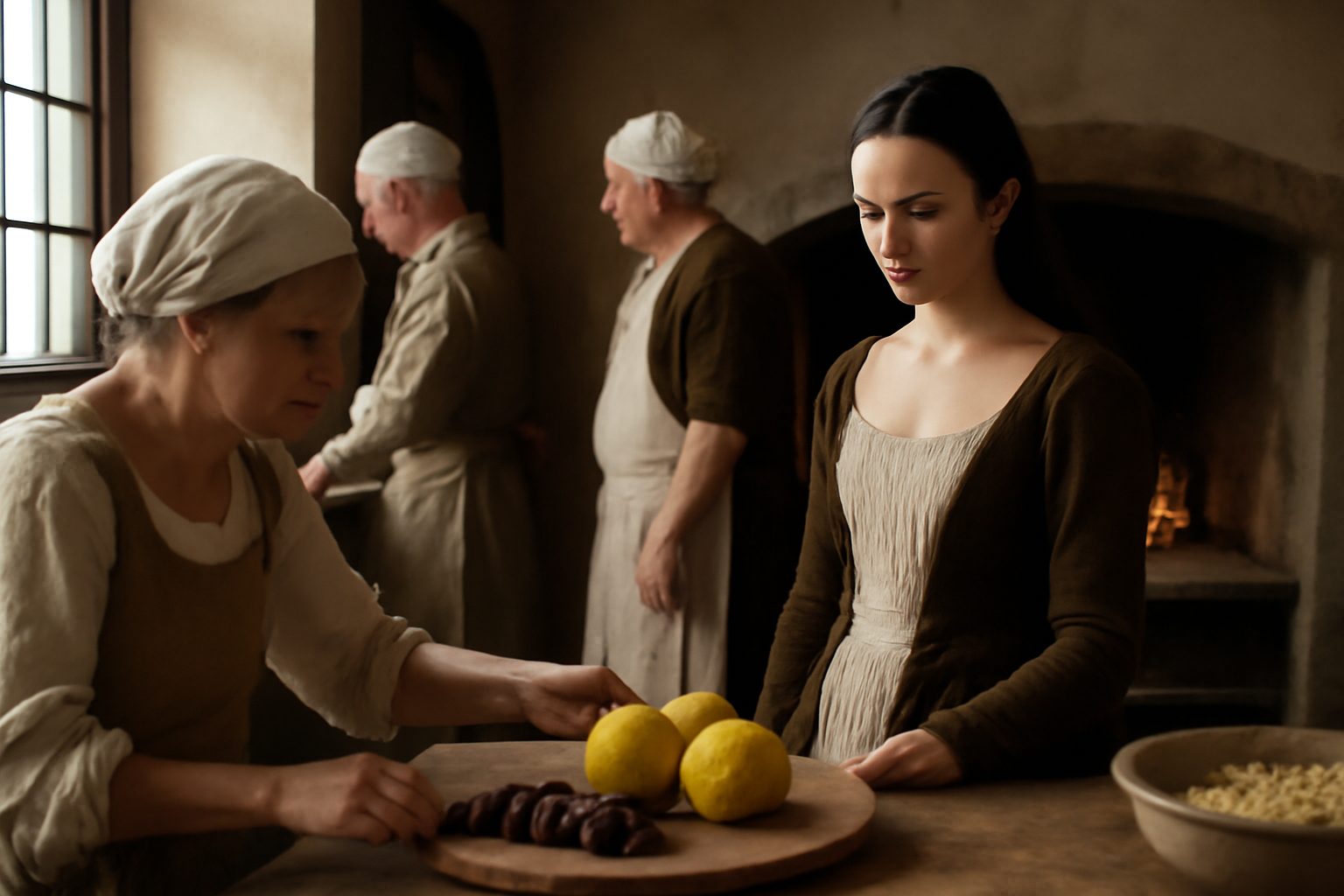
In Act 4 Scene 4 of Romeo and Juliet, the Capulet household is bustling with last-minute preparations for Juliet's wedding to Paris. A weary servant, having stayed up all night, dismisses the idea of being tired with a defiant remark, emphasizing his experience with sleepless nights. This brief exchange highlights the chaotic energy and underlying tension as the household remains unaware of Juliet's secret plan to avoid the marriage.
Capulet: "No, not a whit: what! I have watch'd ere now"
In modern day english, we would say:
Not at all—what, I’ve stayed up all night before.
Frequently Asked Questions
What does Capulet mean when he says he has watched before?
He means that he has stayed up late many times before, so staying up a little longer is not a problem for him.
Connections to other verses:
Connections to "No, not a whit: what! I have watch'd ere now"
This line, spoken by Capulet, dismisses concerns about his health after staying up all night. It connects thematically and contextually with several other verses in the scene:
Related to Health and Vigilance
- Directly responds to Lady Capulet's warning in "Get you to bed; faith, You'll be sick to-morrow", where she expresses concern for his wellbeing.
- Contrasts with his own admission in "For this night's watching", acknowledging the toll of his sleepless night while simultaneously downplaying it.
- Parallels the servant's claim in "All night for lesser cause, and ne'er been sick", showing a shared attitude of resilience despite fatigue.
Connections to Domestic Tension
- Follows Lady Capulet's sharp remark in "Go, you cot-quean, go", highlighting the couple's bickering dynamic.
- Leads into his jealous accusation in "A jealous hood, a jealous hood!", showing how his defensive posture escalates.
- Precedes his warning to Lady Capulet in "But I will watch you from such watching now", turning her concern back on her with suspicion.
Connections to Wedding Preparations
- Occurs amidst the frantic activity shown in "Come, stir, stir, stir! the second cock hath...", emphasizing the urgency of the scene.
- Reflects the same hurried tone as "Make haste, make haste" and "Make haste, I say", showing Capulet's impatience.
- Contributes to the overall atmosphere of chaotic preparation that culminates in "Make haste; the bridegroom he is come already".