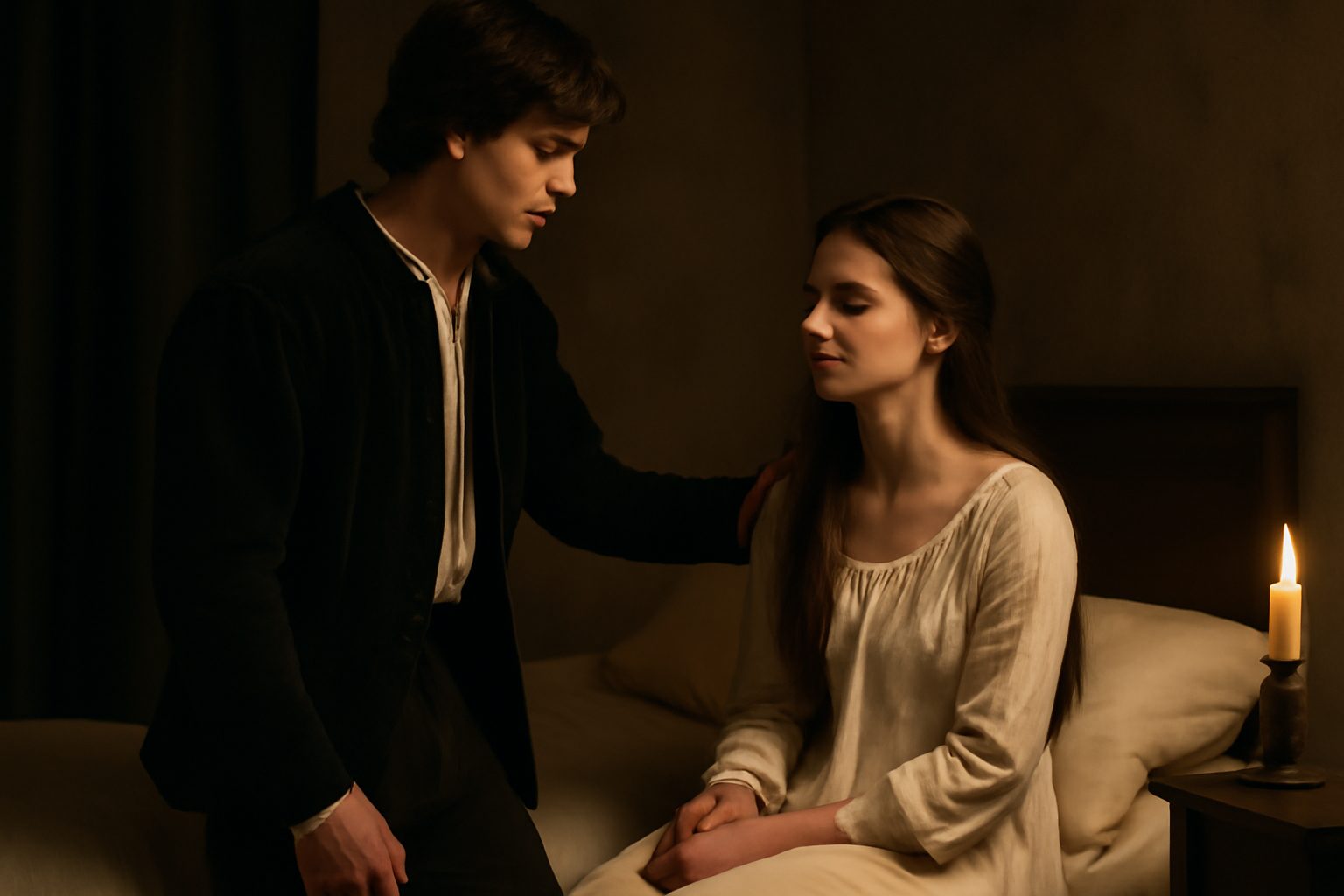
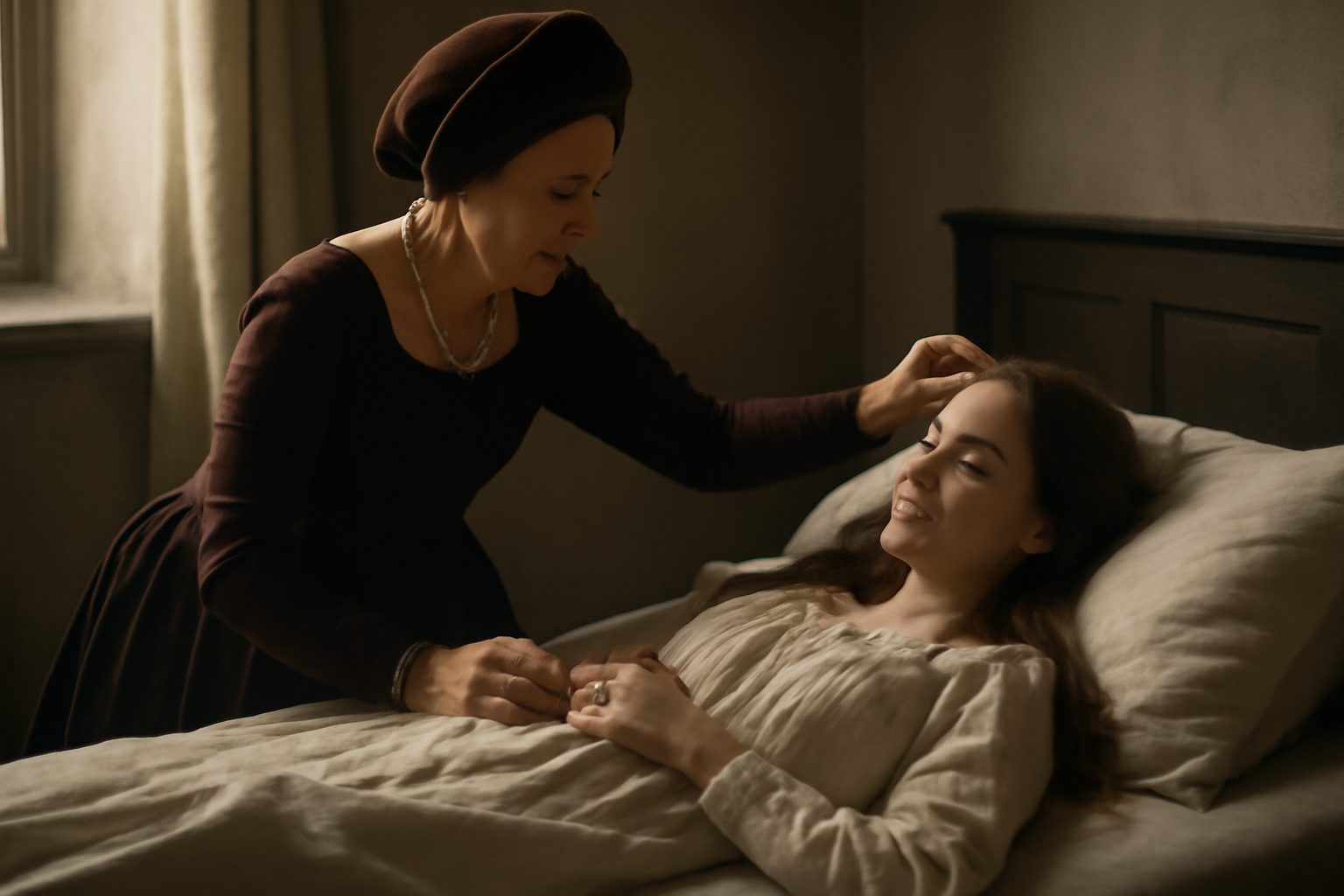
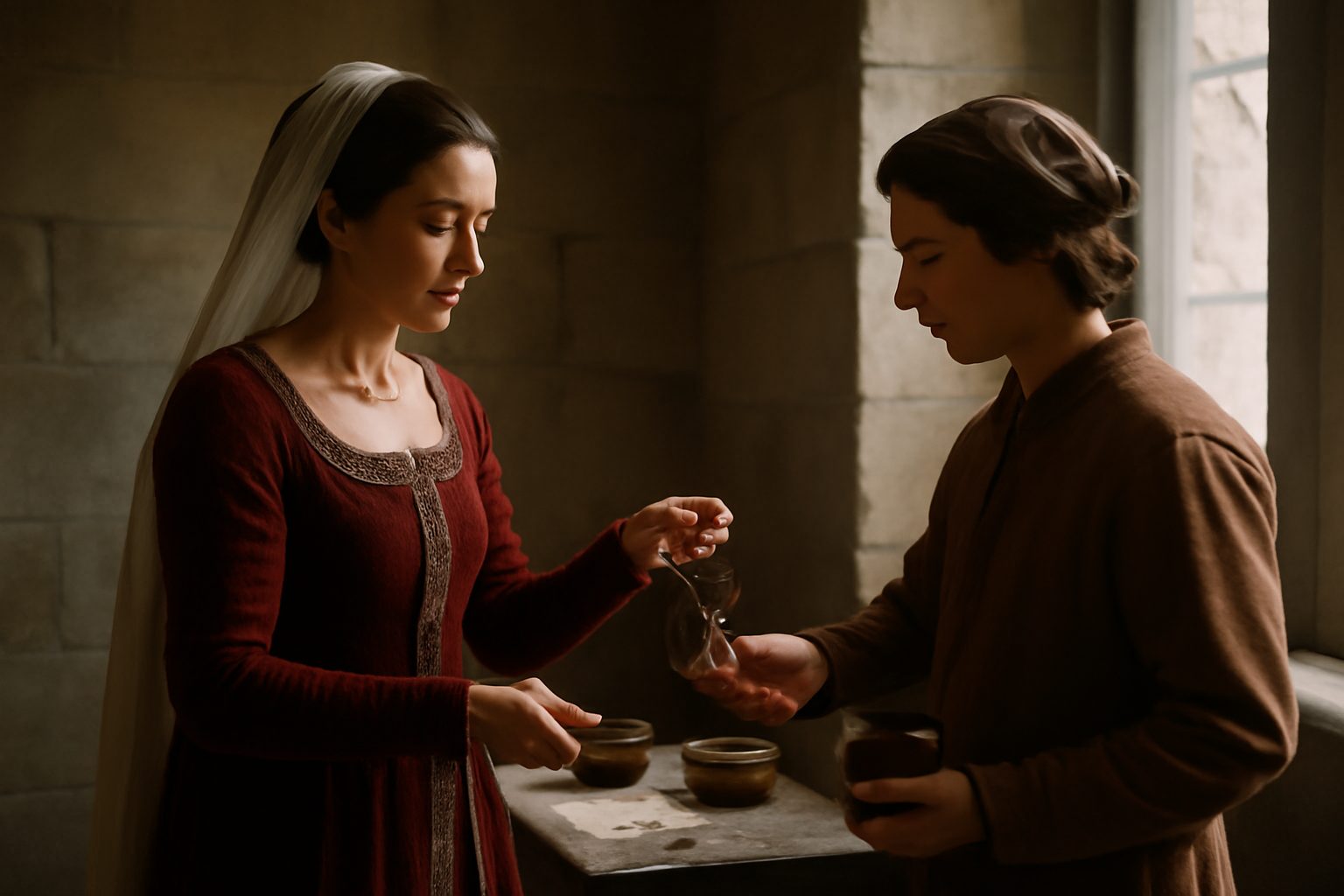
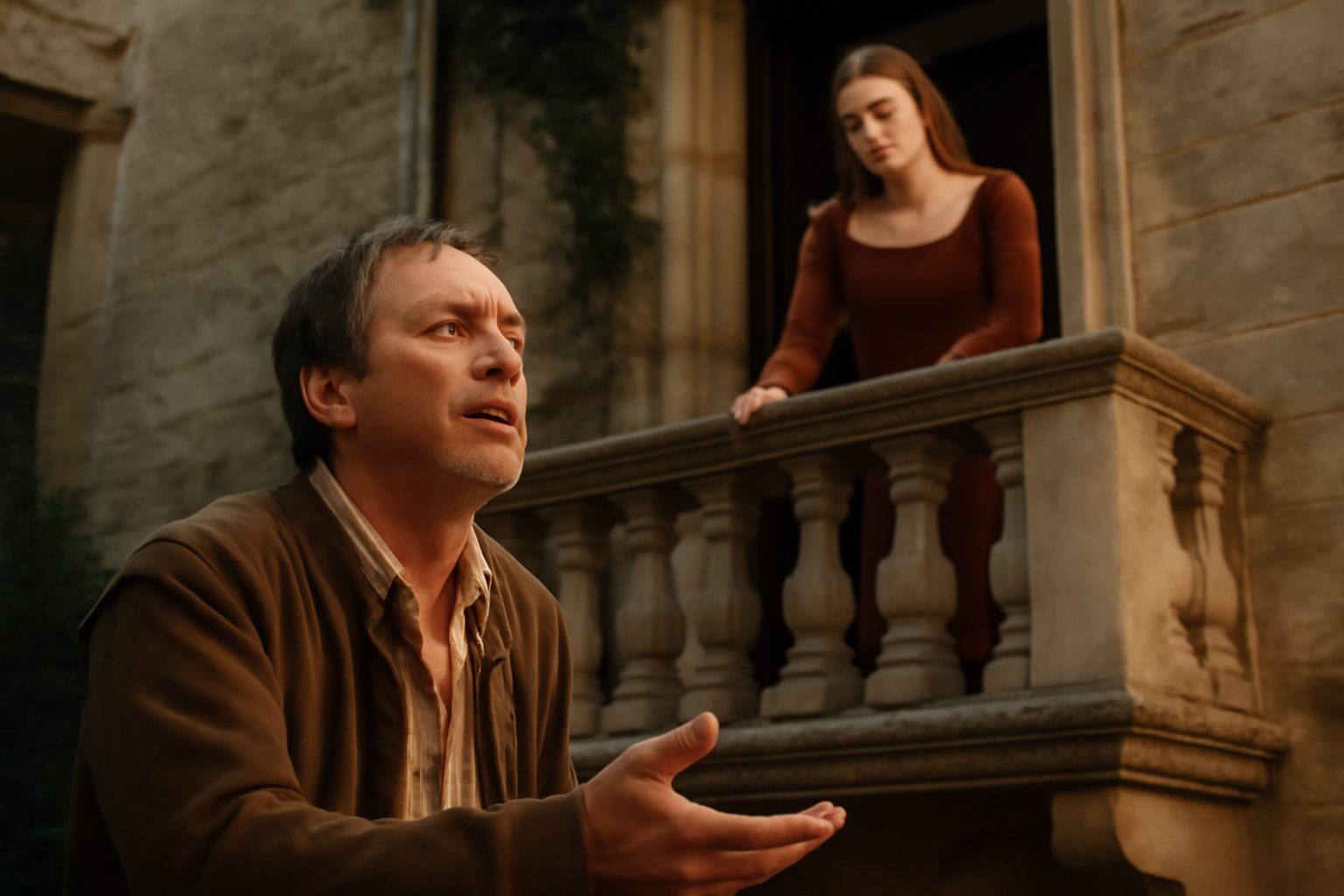
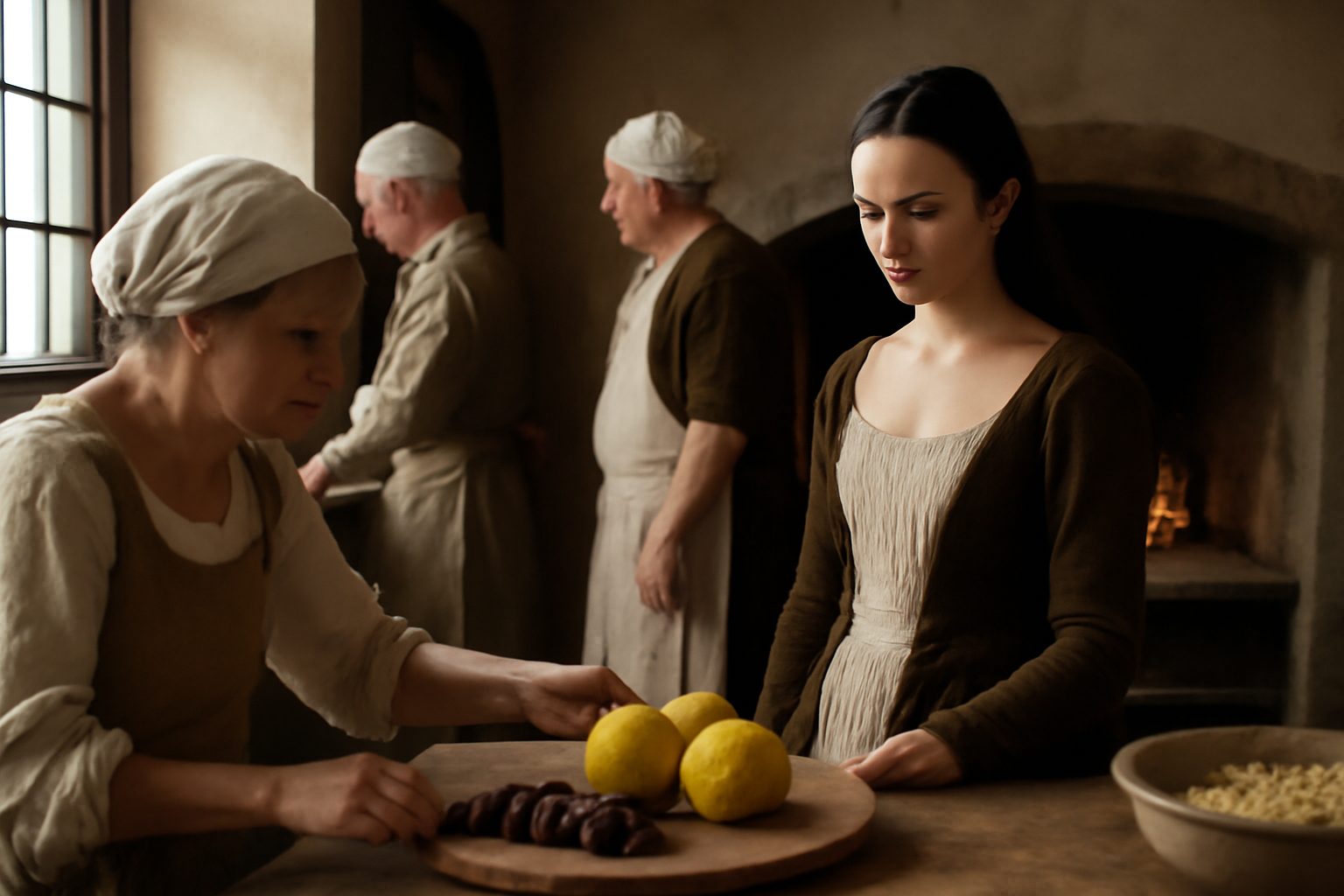
In Act 4, Scene 4 of Romeo and Juliet, the Capulet household is bustling with last-minute preparations for Juliet's wedding to Paris. The Nurse urgently calls for the servants to hurry, as dawn approaches and there is still much to be done. This line reflects the chaotic energy of the scene, contrasting sharply with the tragic events unfolding unseen.
Capulet: "Come, stir, stir, stir! the second cock hath crow'd,"
In modern day english, we would say:
Hurry up, get moving—it’s already past midnight, the second rooster has crowed.
Frequently Asked Questions
What time of day is Capulet referring to when he mentions the second cock crowing?
He is referring to early morning, just before dawn.
Connections to other verses:
Connections to "Come, stir, stir, stir! the second cock hath..."
This urgent exclamation by the First Servant sets the frantic, pre-dawn tone for the wedding preparations, linking thematically and contextually to several other verses in the scene.
Urgency and Time Pressure
The call to action is echoed in Make haste, I say and Make haste, make haste, reinforcing the servants' rush to complete tasks before the wedding. The time-sensitive atmosphere is further emphasized by The curfew-bell hath rung, 'tis three o'clock, which grounds the urgency in the early morning hour.
Domestic Chaos and Task Delegation
The verse connects to instructions like Look to the baked meats, good Angelica and They call for dates and quinces in the pastry, highlighting the flurry of specific duties. It also relates to Call Peter, he will show thee where they are, showing how characters delegate amidst the chaos.
Character Interactions and Tensions
Capulet's scolding tone in Go, you cot-quean, go contrasts with the servant's industriousness, while his concern in Get you to bed; faith, You'll be sick to-morrow adds a layer of familial tension to the bustling environment.
Foreshadowing and Irony
The line’s focus on preparation ironically contrasts with the tragic outcome, subtly paralleling Make haste; the bridegroom he is come already, where urgency masks impending doom. The servants' haste also contrasts with the Nurse’s later distress in Nurse! Wife! What, ho! What, nurse, I say!, underscoring the scene’s dramatic irony.