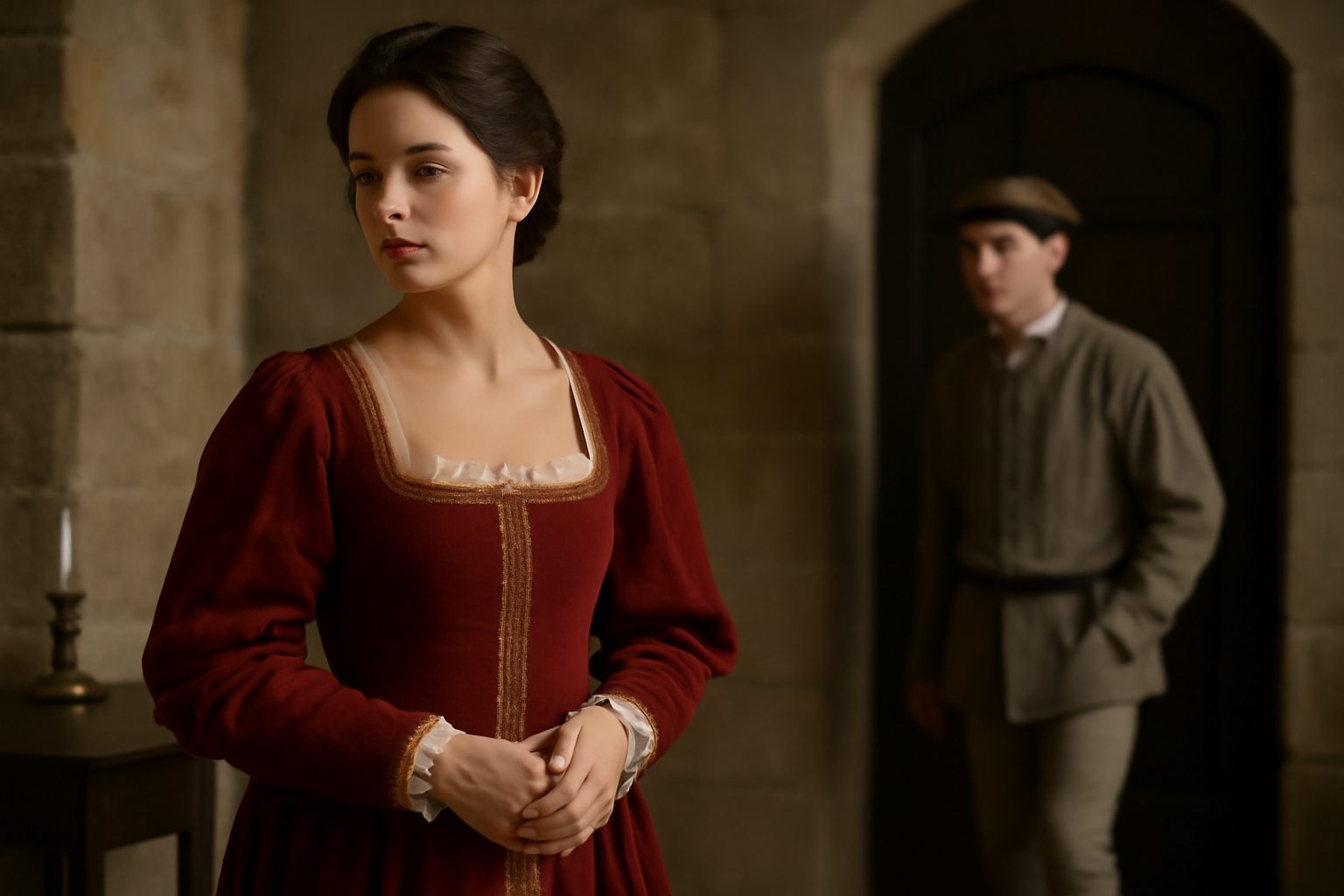
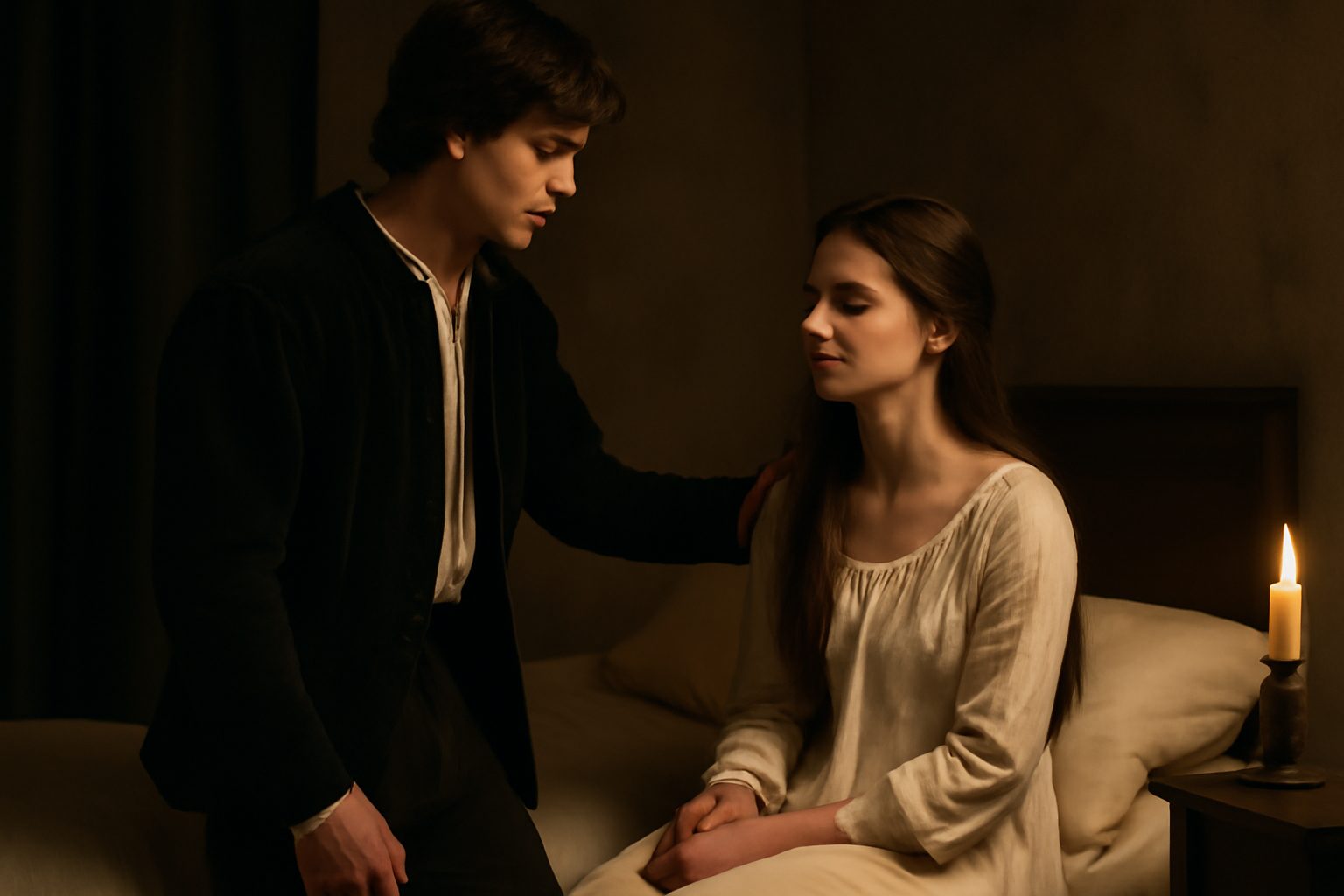
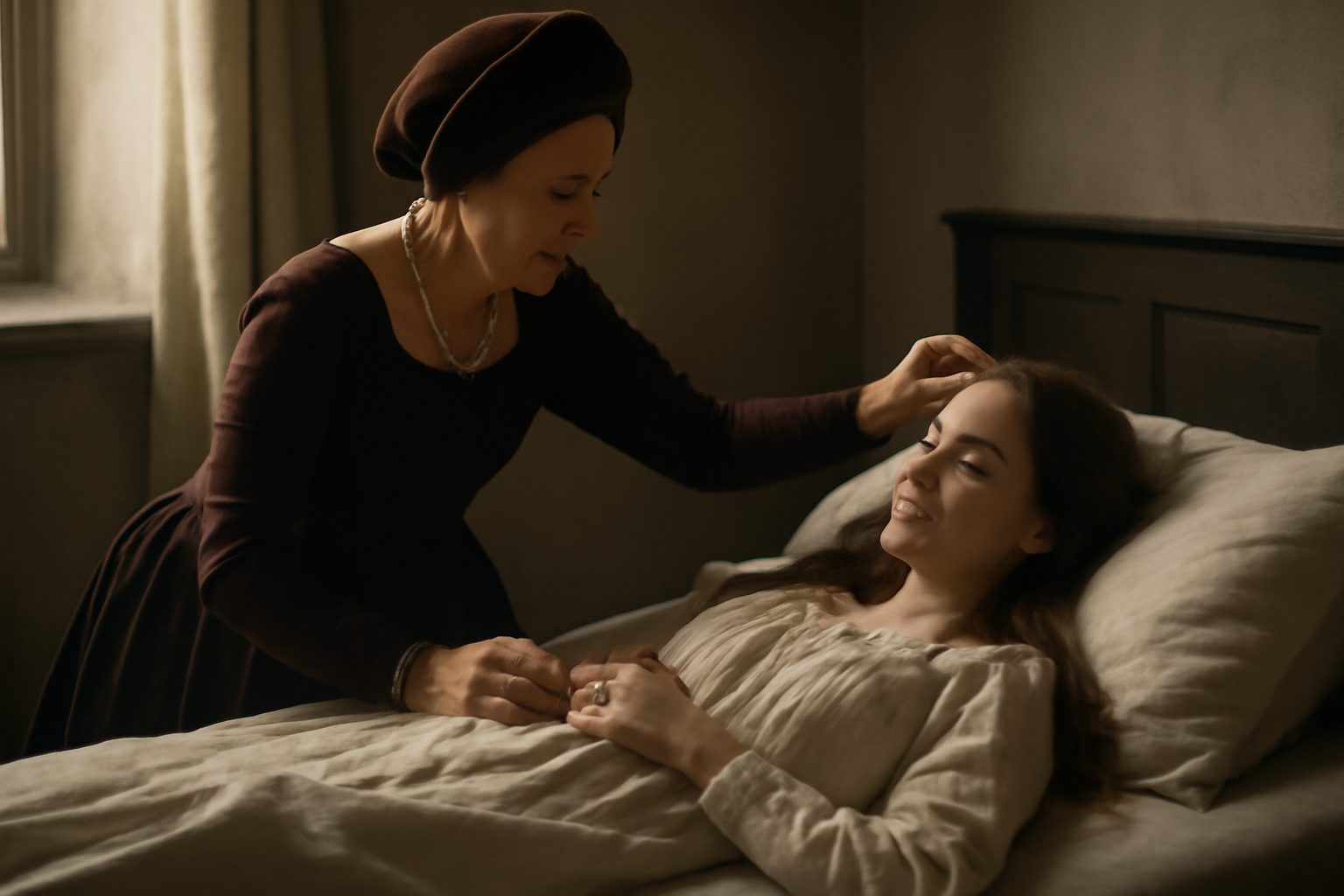
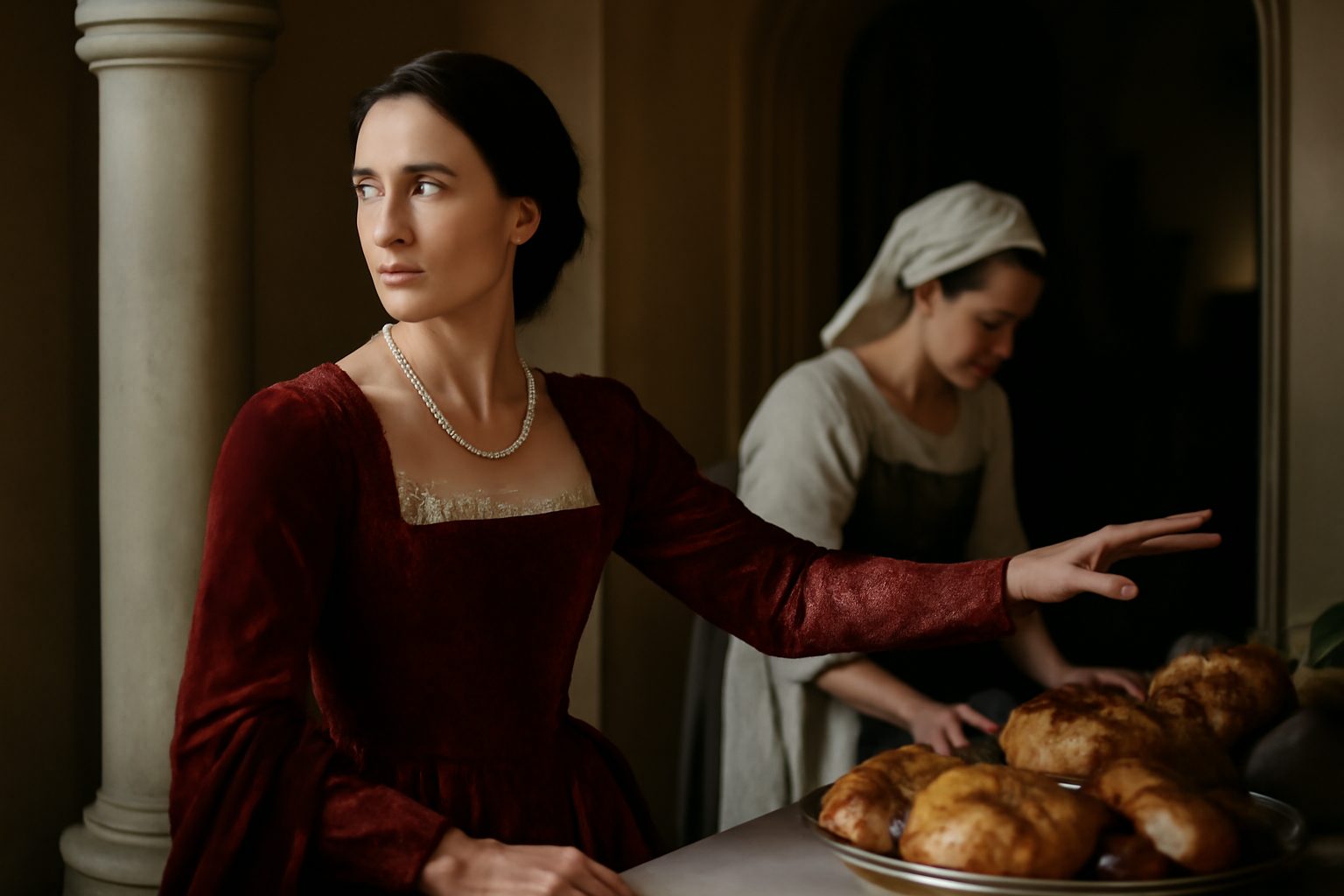
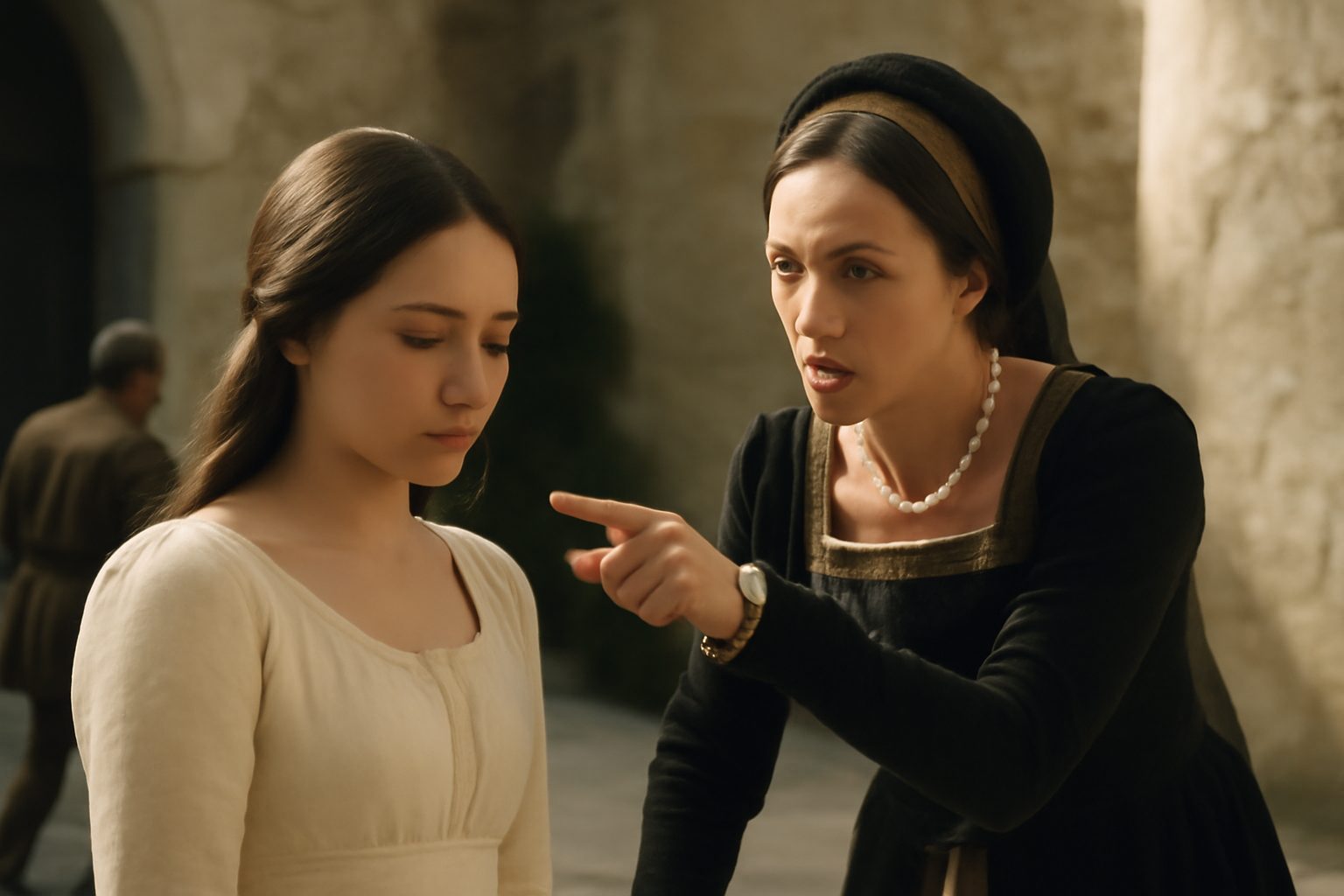
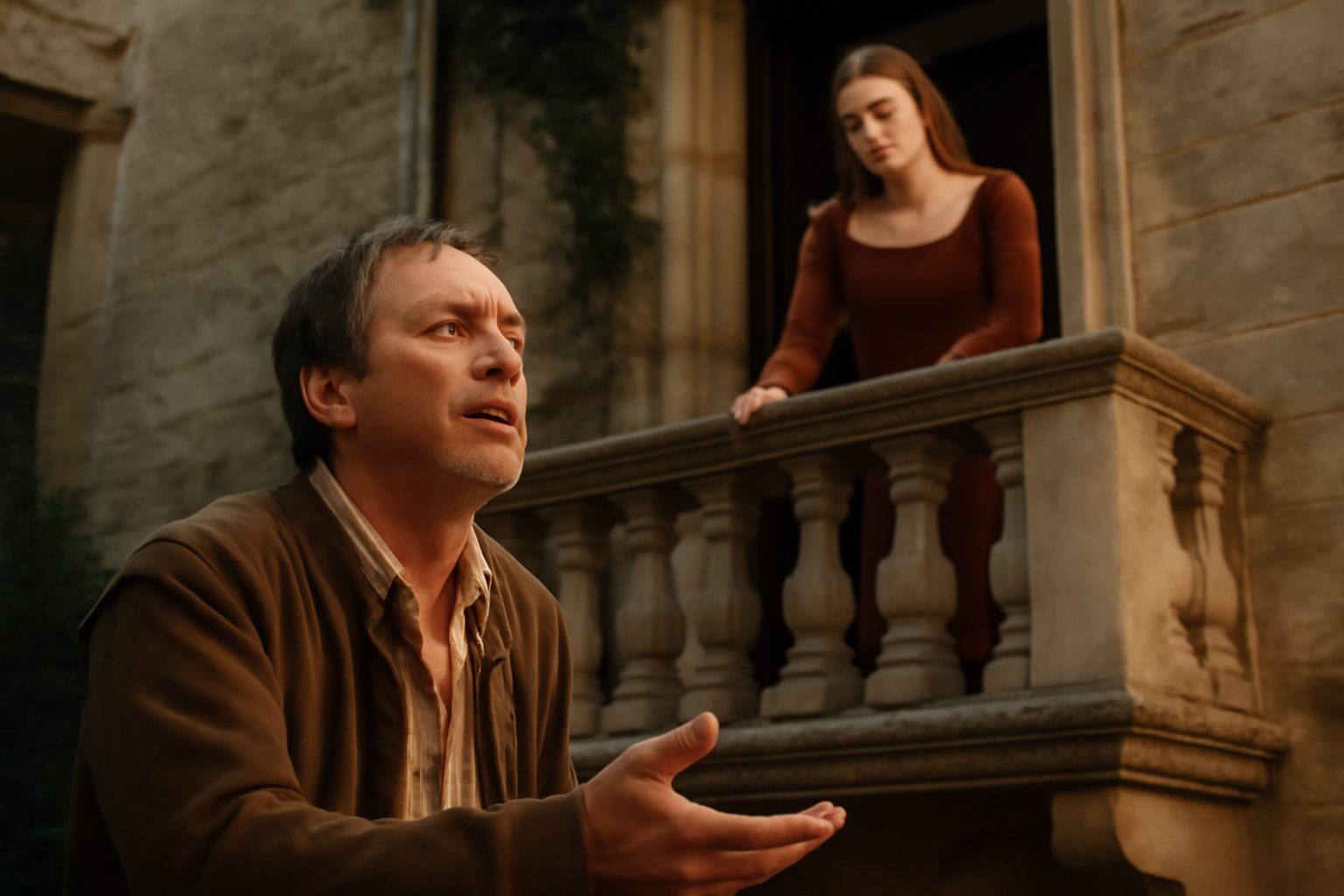
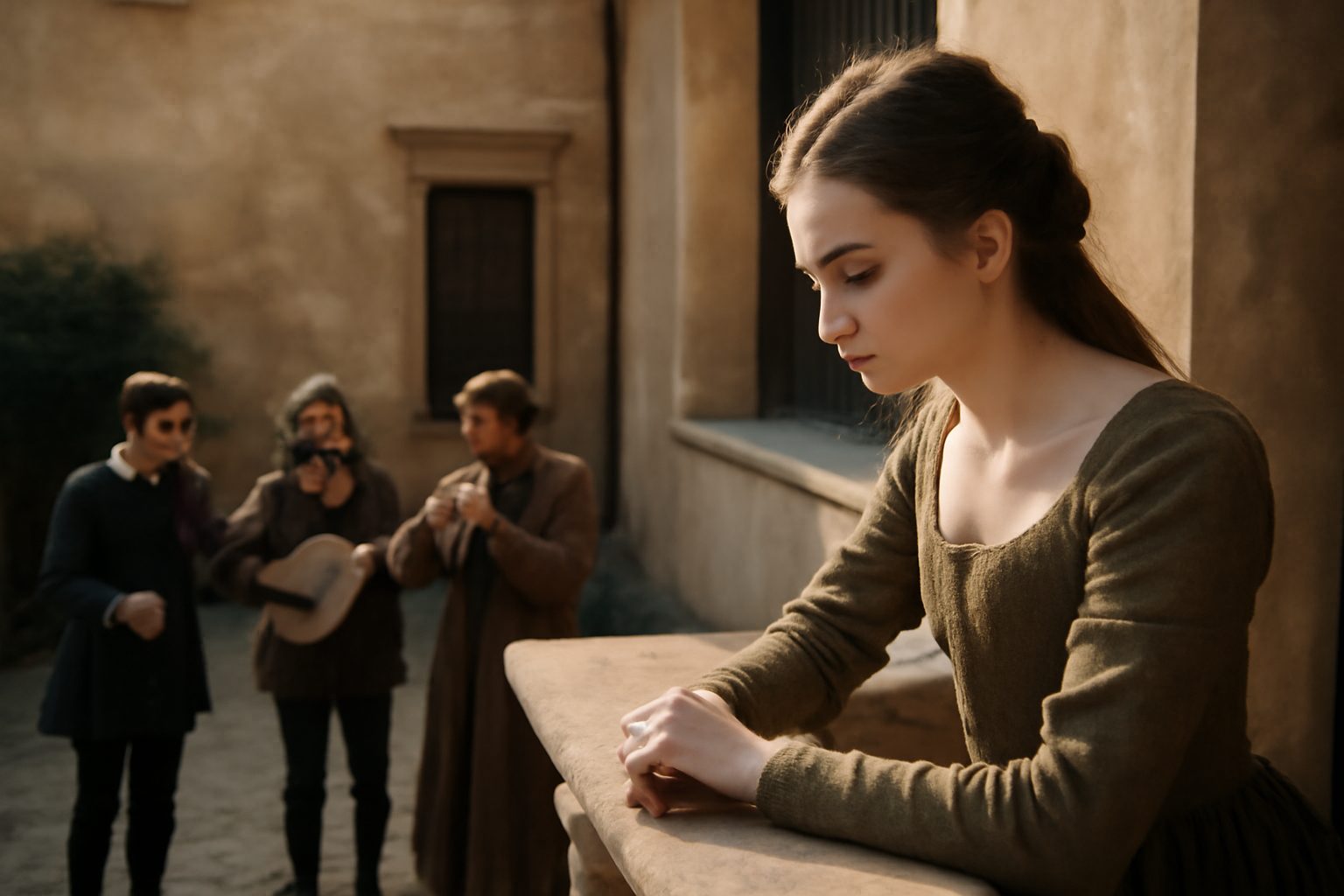
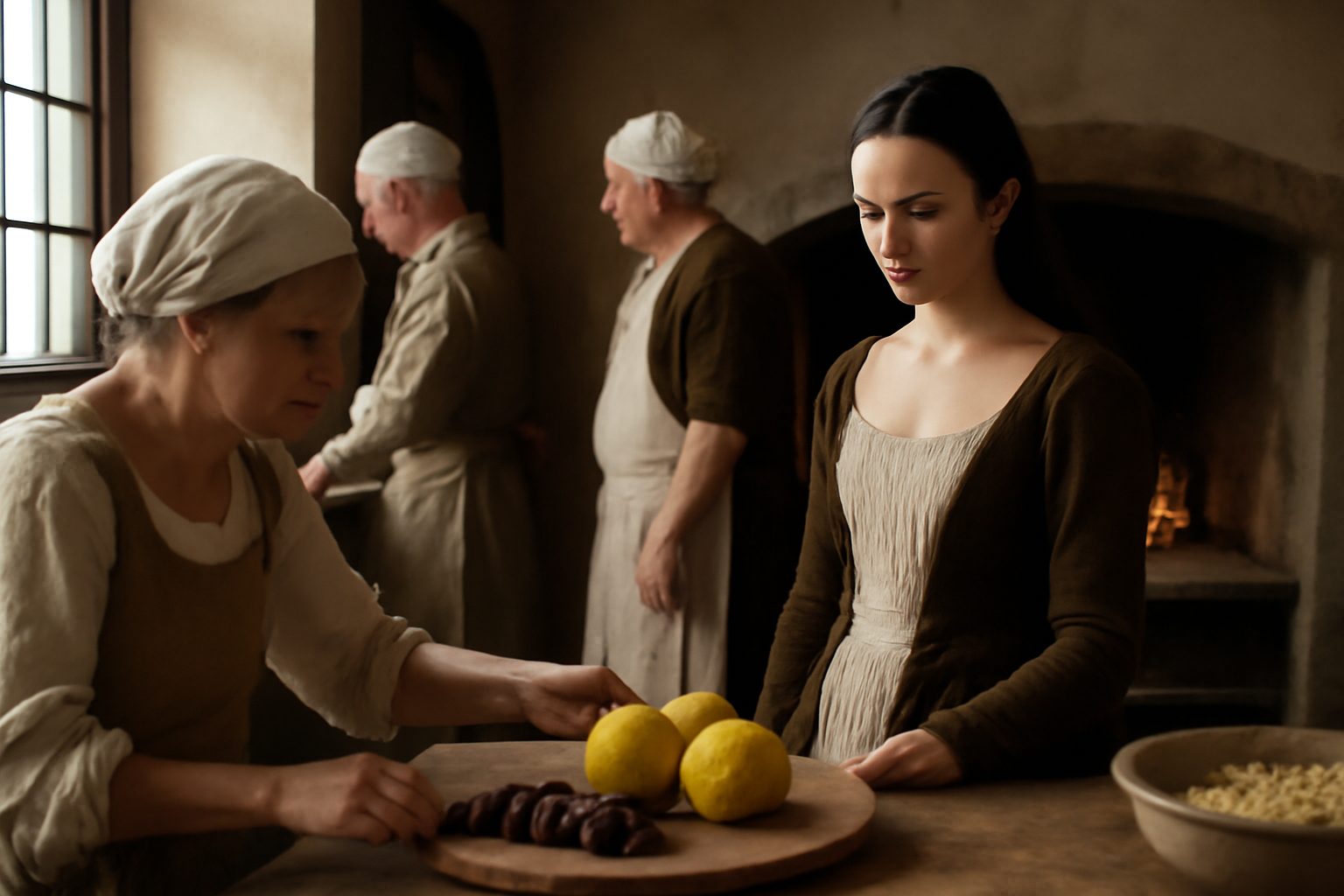
In Act 4 Scene 4 of Romeo and Juliet, the Capulet household is bustling with last-minute wedding preparations for Juliet and Paris. As the Nurse tries to rouse Juliet from sleep, one of the servants responds with a playful insult, highlighting the chaotic and hurried mood of the scene. This moment contrasts sharply with the tragic events unfolding just beneath the surface, as the audience knows Juliet has taken a potion to feign death.
Capulet: "Thou shalt be logger-head. Good faith, 'tis day:"
In modern day english, we would say:
You’ll be a fool if you don’t hurry—it’s already morning.
Frequently Asked Questions
What does Capulet call the person he is speaking to in this line?
He calls them a logger-head, which means a blockhead or a foolish person.
What time of day does Capulet mention in this line?
He mentions that it is day, meaning it is morning.
Connections to other verses:
Connections to "Thou shalt be logger-head. Good faith, 'tis day:"
This line, spoken by the First Musician, is part of a humorous exchange with Peter and the other musicians. It connects thematically and contextually to several other verses in the scene:
Links to Time and Urgency
The remark "Good faith, 'tis day" reflects the scene's preoccupation with the passage of time and the urgency of wedding preparations. This echoes "Come, stir, stir, stir! the second cock hath crow'd", where the Nurse urges haste, and "The curfew-bell hath rung, 'tis three o'clock", which grounds the action in the early morning hours. The sense of urgency is reinforced by repeated commands like "Make haste, make haste" and "Make haste, I say".
Humorous and Playful Exchanges
The insult "logger-head" (meaning a blockhead) is part of the scene's lighthearted, bantering tone. This connects to "Mass, and well said; a merry whoreson, ha!", where Capulet praises Peter's wit, and "Ay, you have been a mouse-hunt in your time", where Lady Capulet teases her husband about his past flirtations. The playful dynamic is also evident in "Go, you cot-quean, go", where Capulet mockingly chides his wife for meddling in domestic affairs.
References to Peter and Servants
Peter is a central figure in these exchanges, and the line "Thou shalt be logger-head" is directed at him. This ties to "Call Peter, he will show thee where they are" and "I have a head, sir, that will find out logs", where Peter's role in fetching logs (a pun on "logger-head") is highlighted. The dismissal of Peter's concerns in "And never trouble Peter for the matter" further emphasizes his position as the butt of jokes.
Contrast with Serious Undertones
While the musicians' banter provides comic relief, it contrasts with the scene's underlying tension, such as Juliet's feigned death and the impending wedding. This is hinted at in lines like "Go waken Juliet, go and trim her up" and "Make haste; the bridegroom he is come already", which remind the audience of the tragic events unfolding alongside the humor.