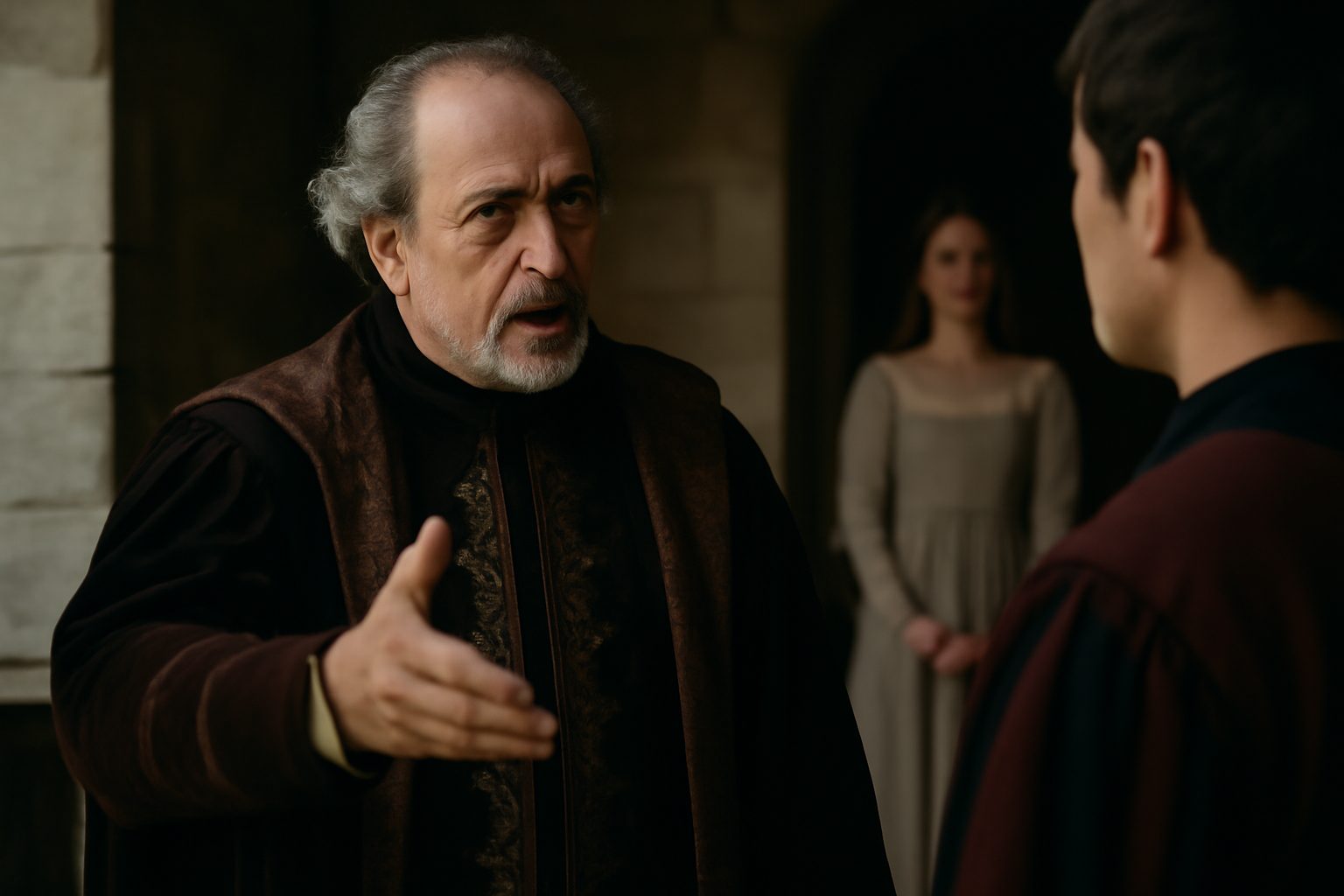
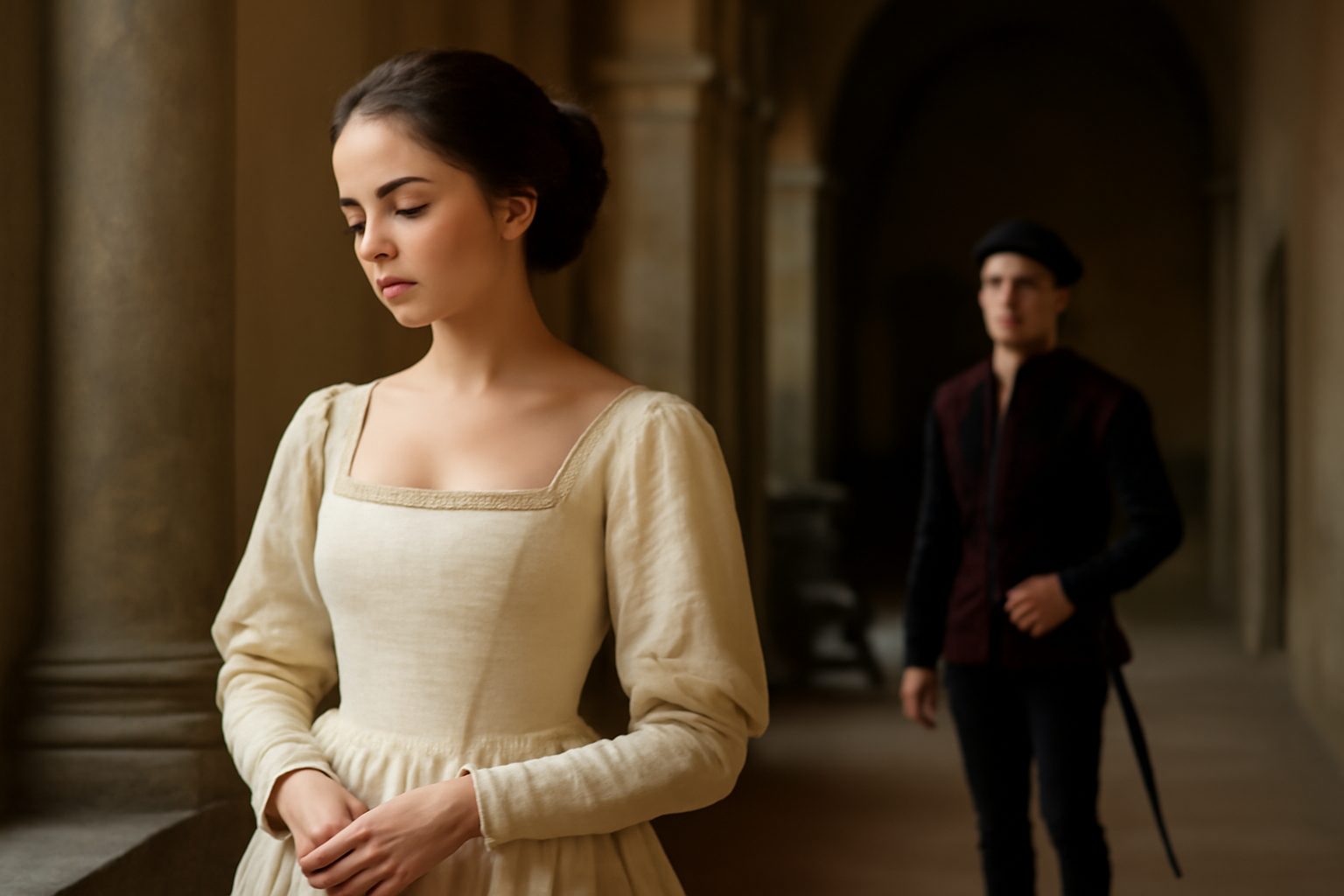
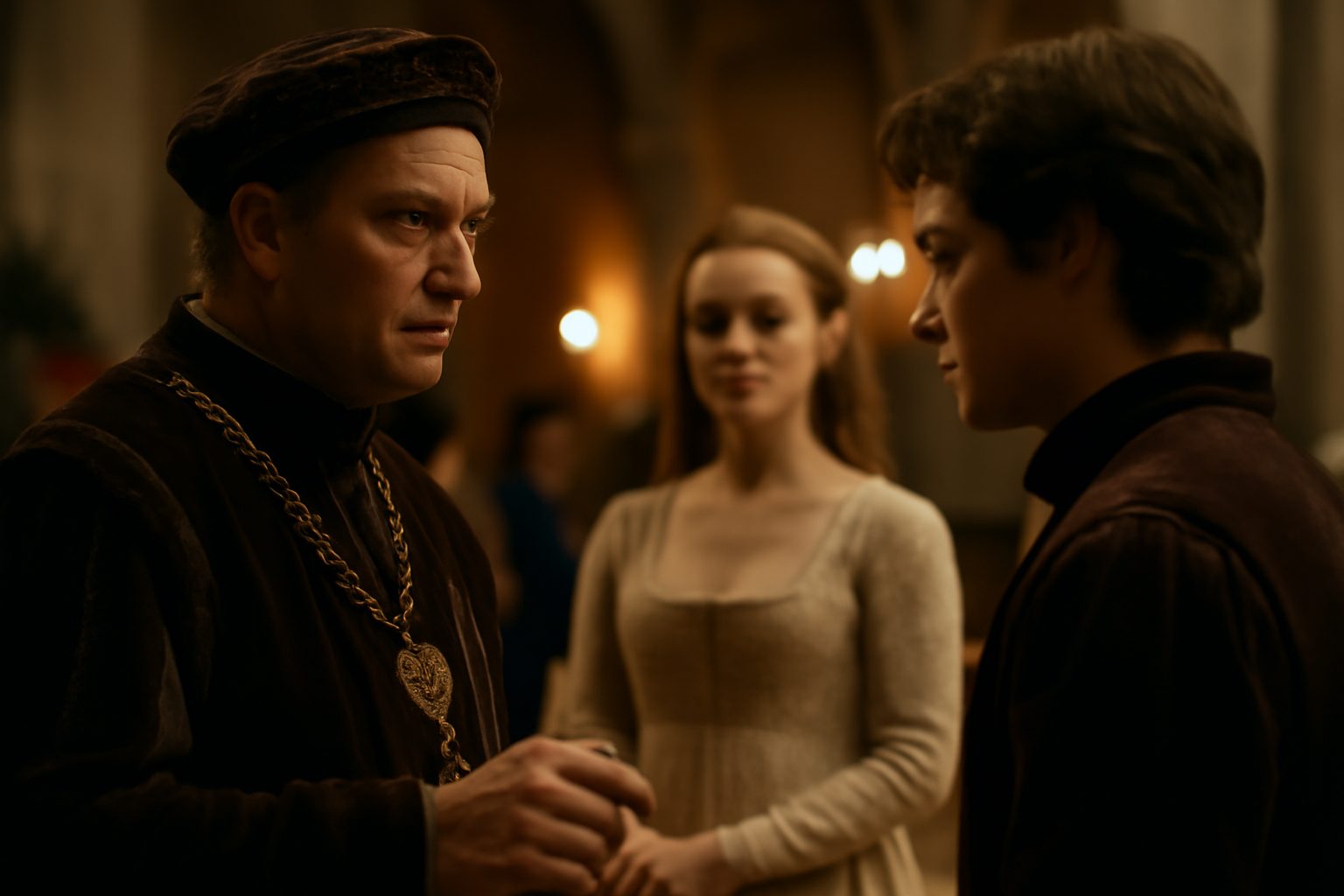
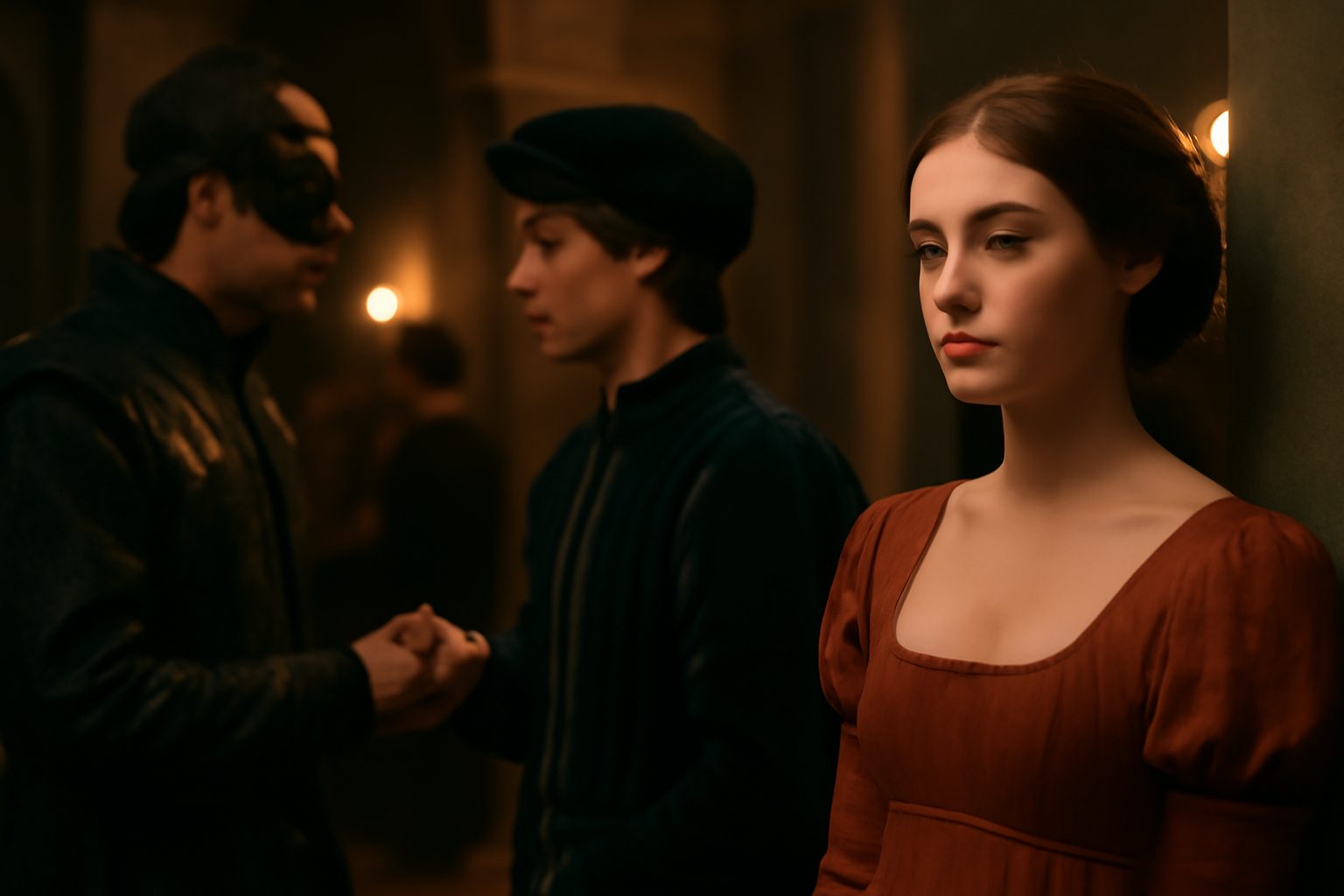
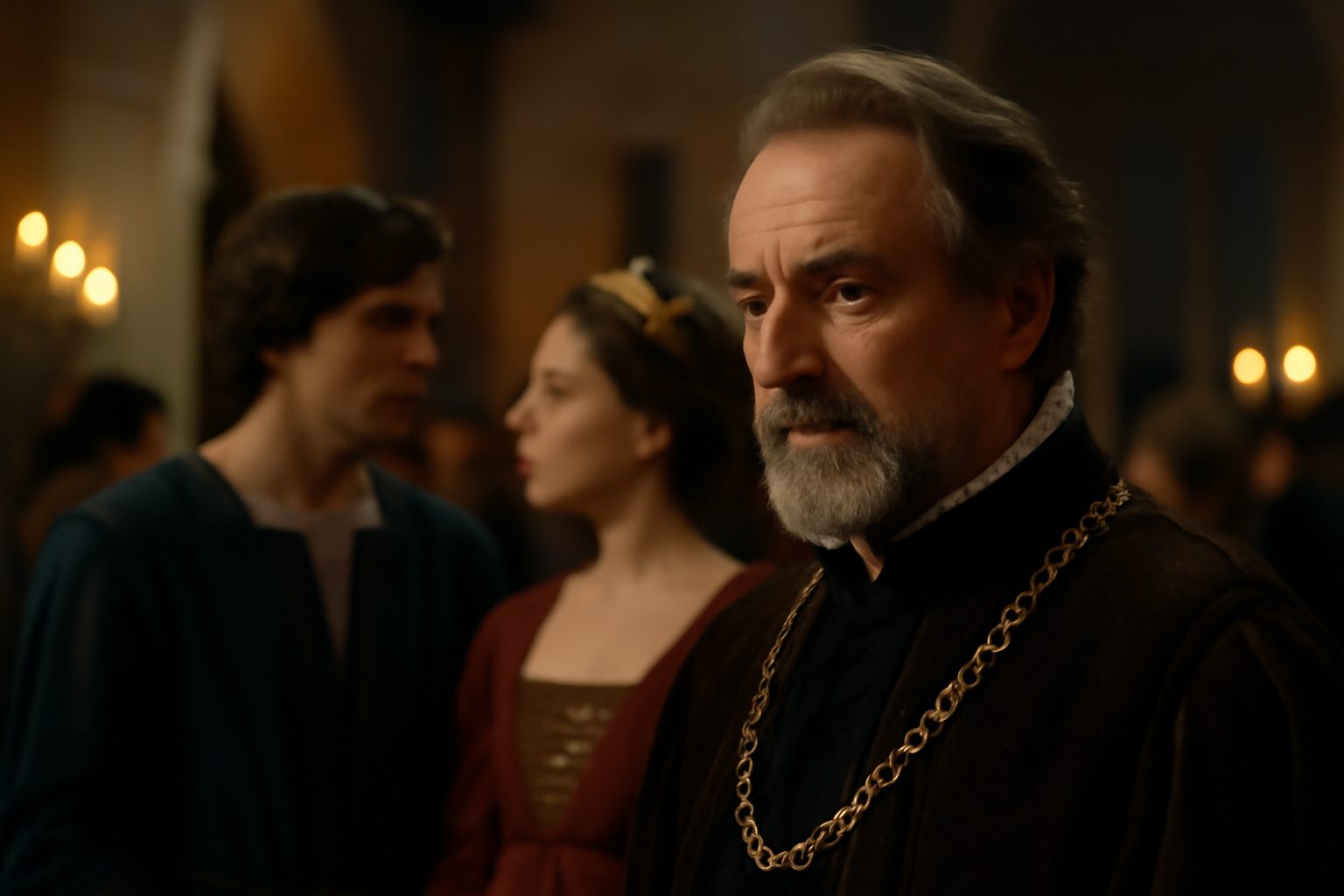
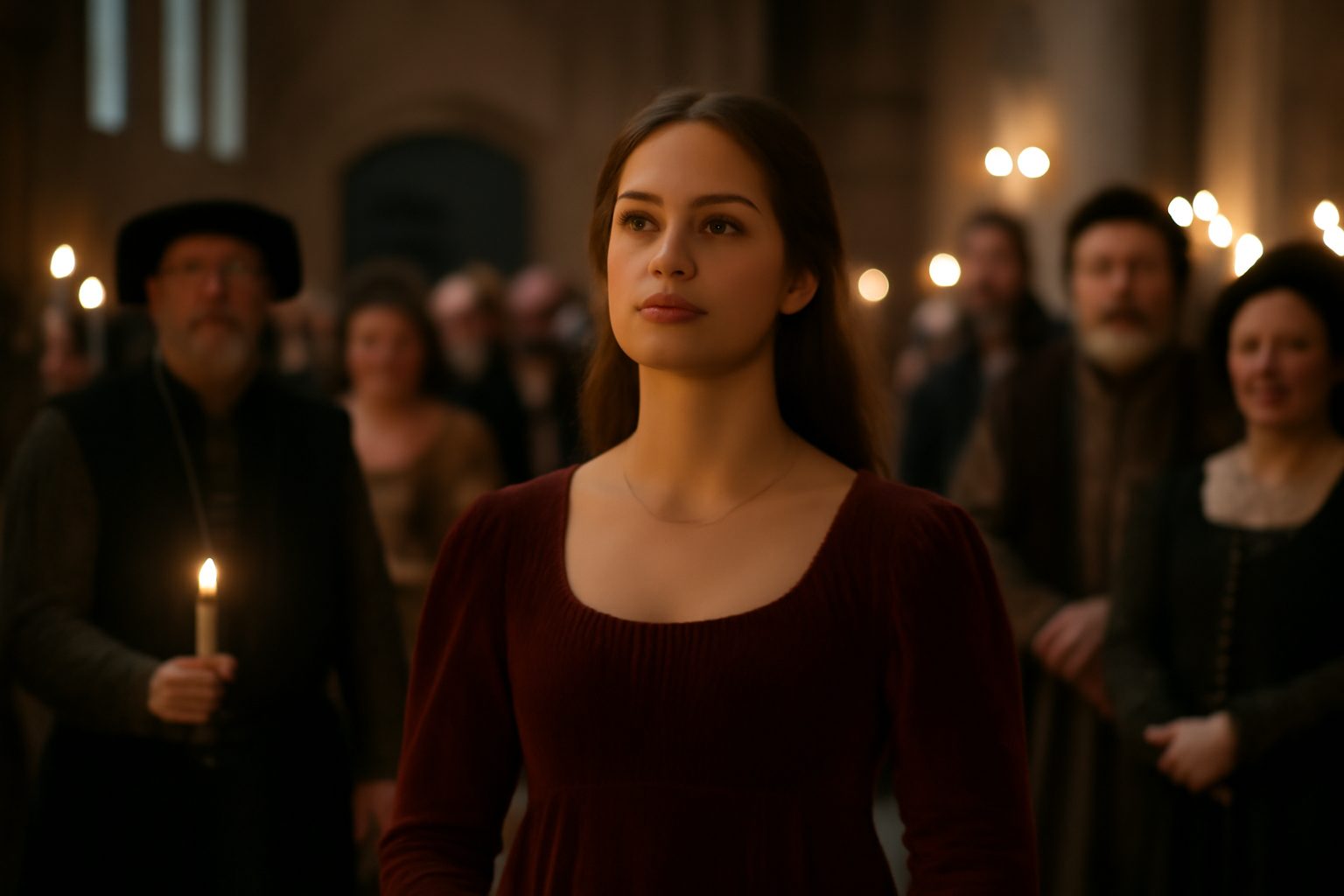
In Act 1, Scene 5 of Romeo and Juliet, the Capulet household is bustling with guests at a lively masquerade ball. As the festivities continue, an unnamed servant speaks this line, noting how late the hour has grown. The remark subtly hints at the passage of time, foreshadowing the urgency and fleeting moments that will shape the story.
Capulet: "Ah, sirrah, by my fay, it waxes late:"
In modern day english, we would say:
Ah, my friend, honestly, it’s getting late.
Frequently Asked Questions
What does Capulet mean when he says it is getting late?
Capulet is telling someone that the time is getting late, meaning the evening is advancing and it's time to wrap things up.
Connections to other verses:
Connections to "Ah, sirrah, by my fay, it waxes late:"
This line, spoken by Capulet, signals the winding down of the festivities and connects to several other verses in the scene that emphasize the lateness of the hour and the conclusion of the party.
Related Verses on the End of the Celebration
- Away, begone; the sport is at the best. – Capulet reinforces that the entertainment is over, directly following his comment on the late hour.
- Nay, gentlemen, prepare not to be gone; – Though he initially urges guests to stay, it underscores his awareness that the event is concluding.
- We have a trifling foolish banquet towards. – This mention of a light meal suggests the final part of the evening, aligning with the late hour.
- I thank you, honest gentlemen; good night. – Capulet's formal farewell to guests, a direct result of the late time indicated earlier.
- More torches here! Come on then, let's to bed. – The call for light and retirement to bed echoes the acknowledgment that "it waxes late."
- Come, let's away; the strangers all are gone. – The final departure, confirming the end of the event due to the late hour.
Connections to Preparations and Servants
- Away with the joint-stools, remove the – Early servant activity to clear the hall, which contrasts with the later winding down but shows the progression of the evening.
- More light, you knaves; and turn the tables up, – Instructions to servants as the party nears its end, related to the need for light as it grows late.
Reflections on Time and Age
- For you and I are past our dancing days: – Capulet's reflection on aging and the passage of time, which resonates with his comment on the lateness of the hour.
- How long is't now since last yourself and I – A nostalgic question about time passed, reinforcing themes of time's progression highlighted in "it waxes late."
Contrast with Youthful Energy
- Ah ha, my mistresses! which of you all – Earlier, lively address to the guests, showing the shift from high spirits to the acknowledgment of late hour.
- You are welcome, gentlemen! come, musicians, play. – The call for music at the party's height, contrasting with the later winding down.