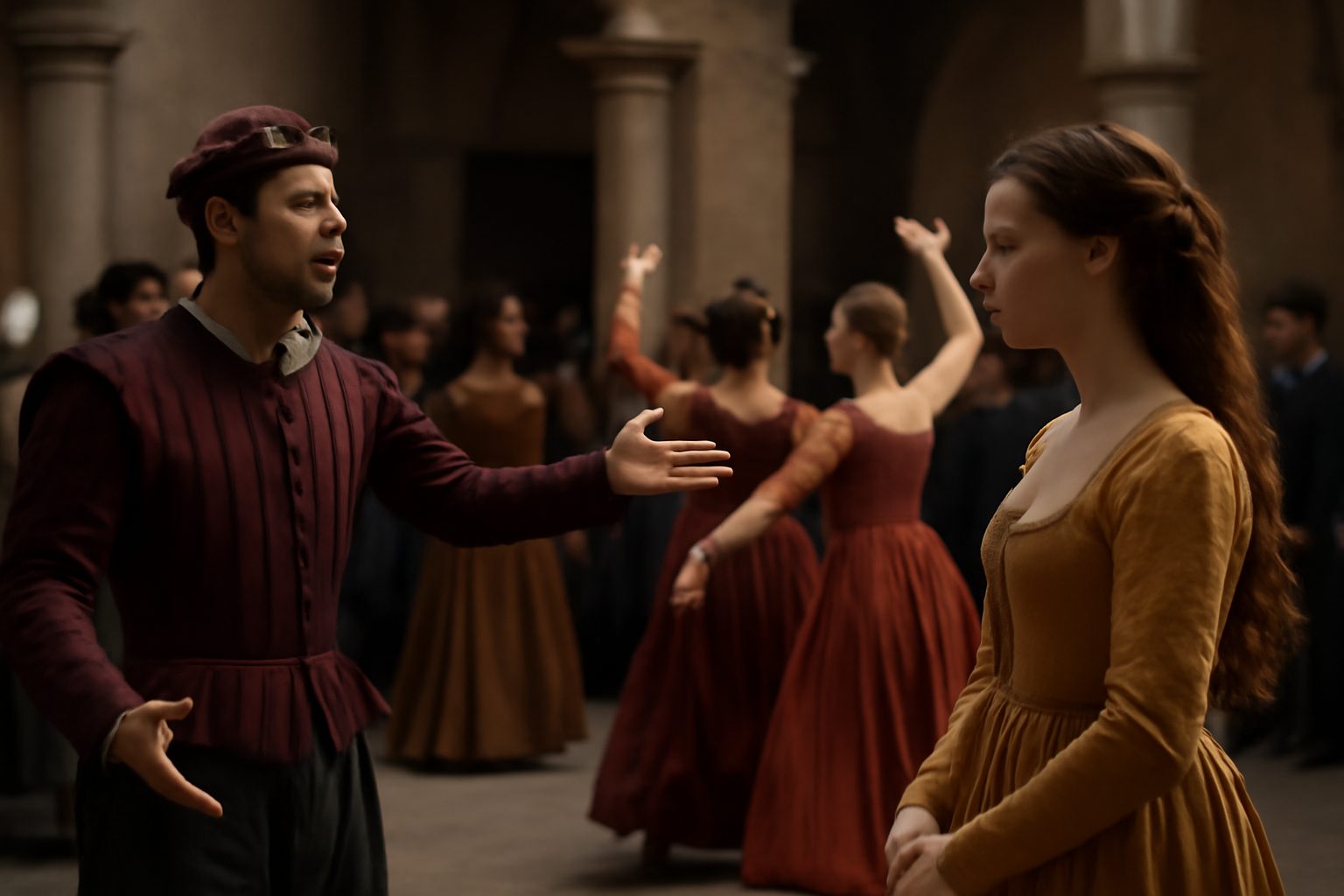
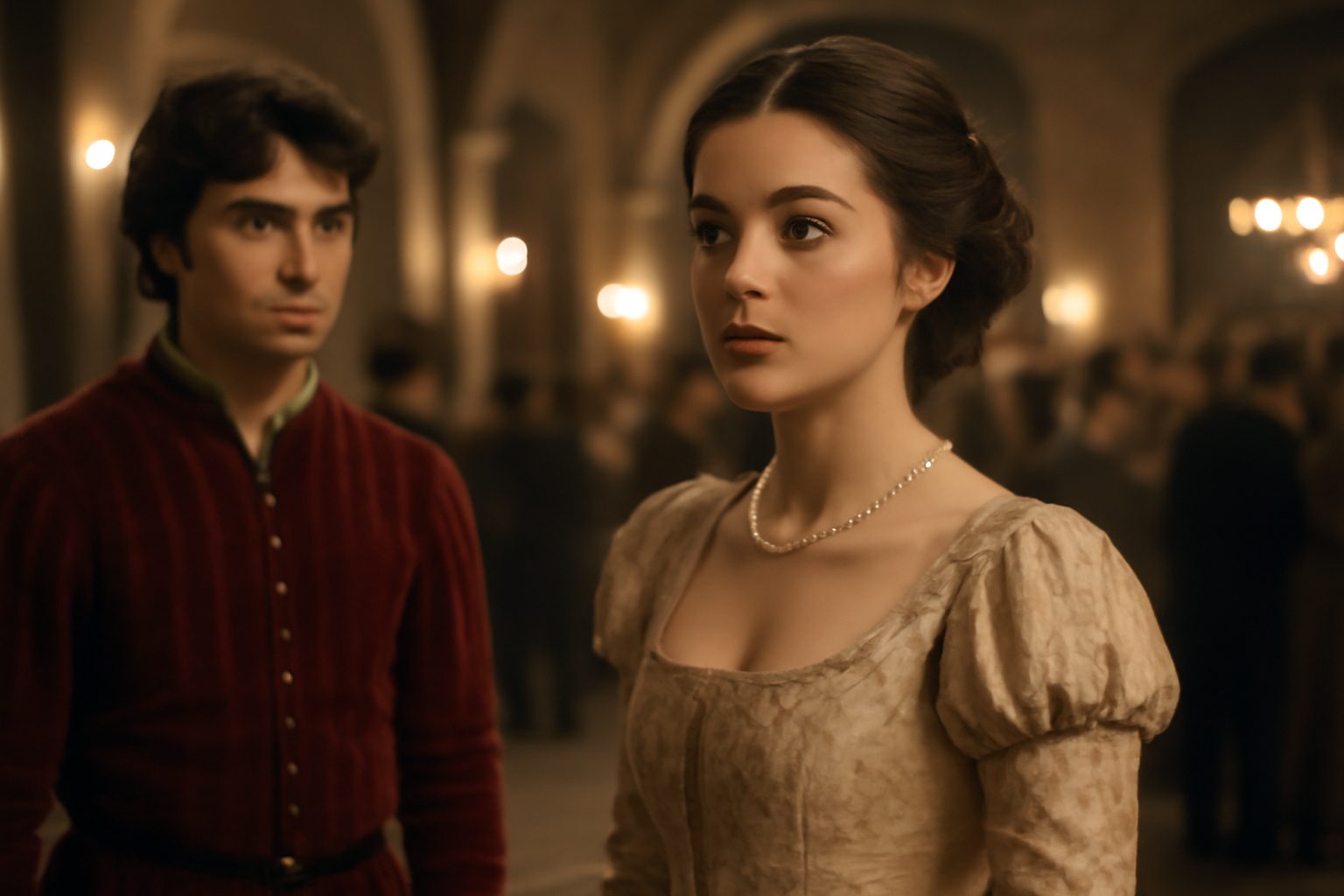
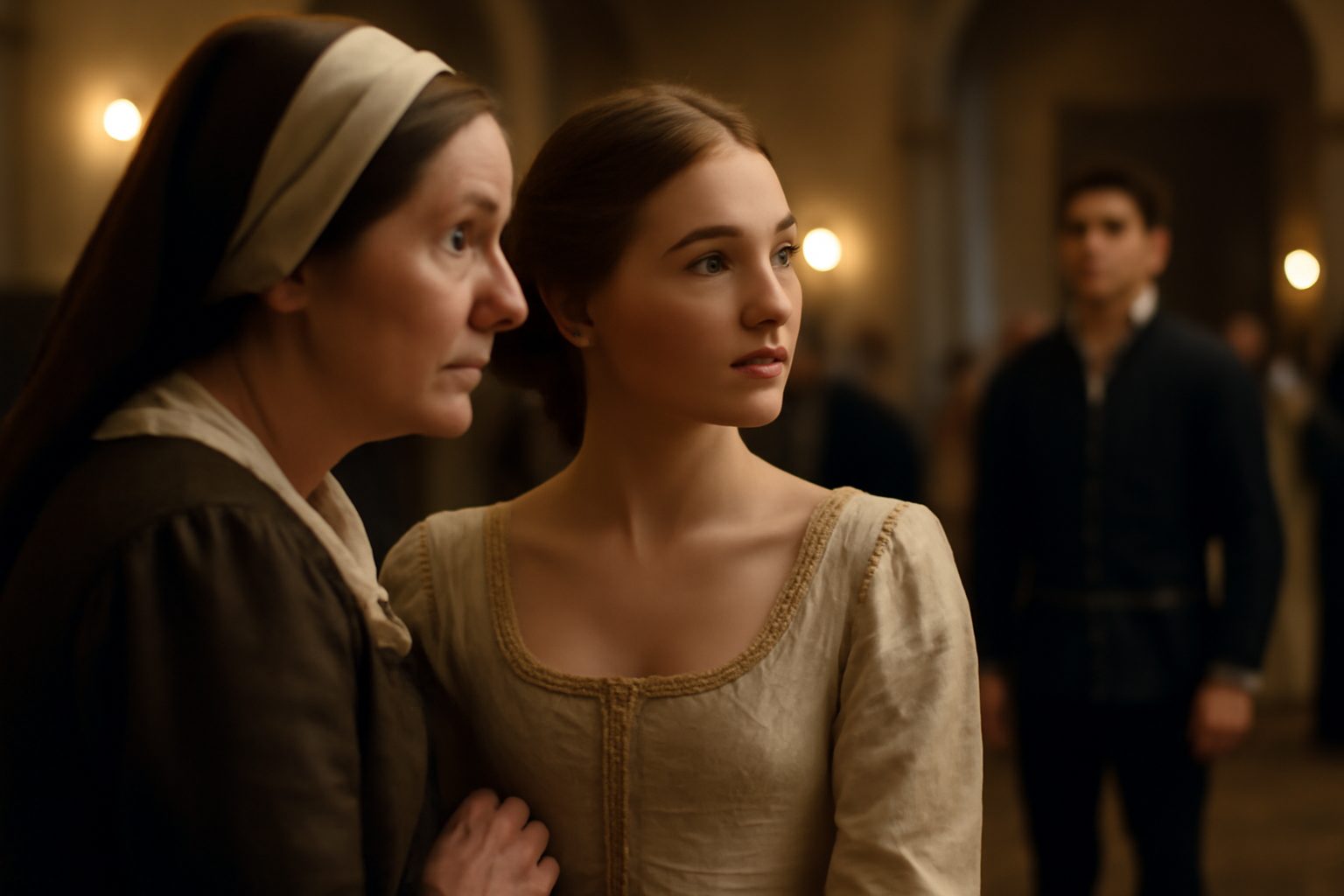
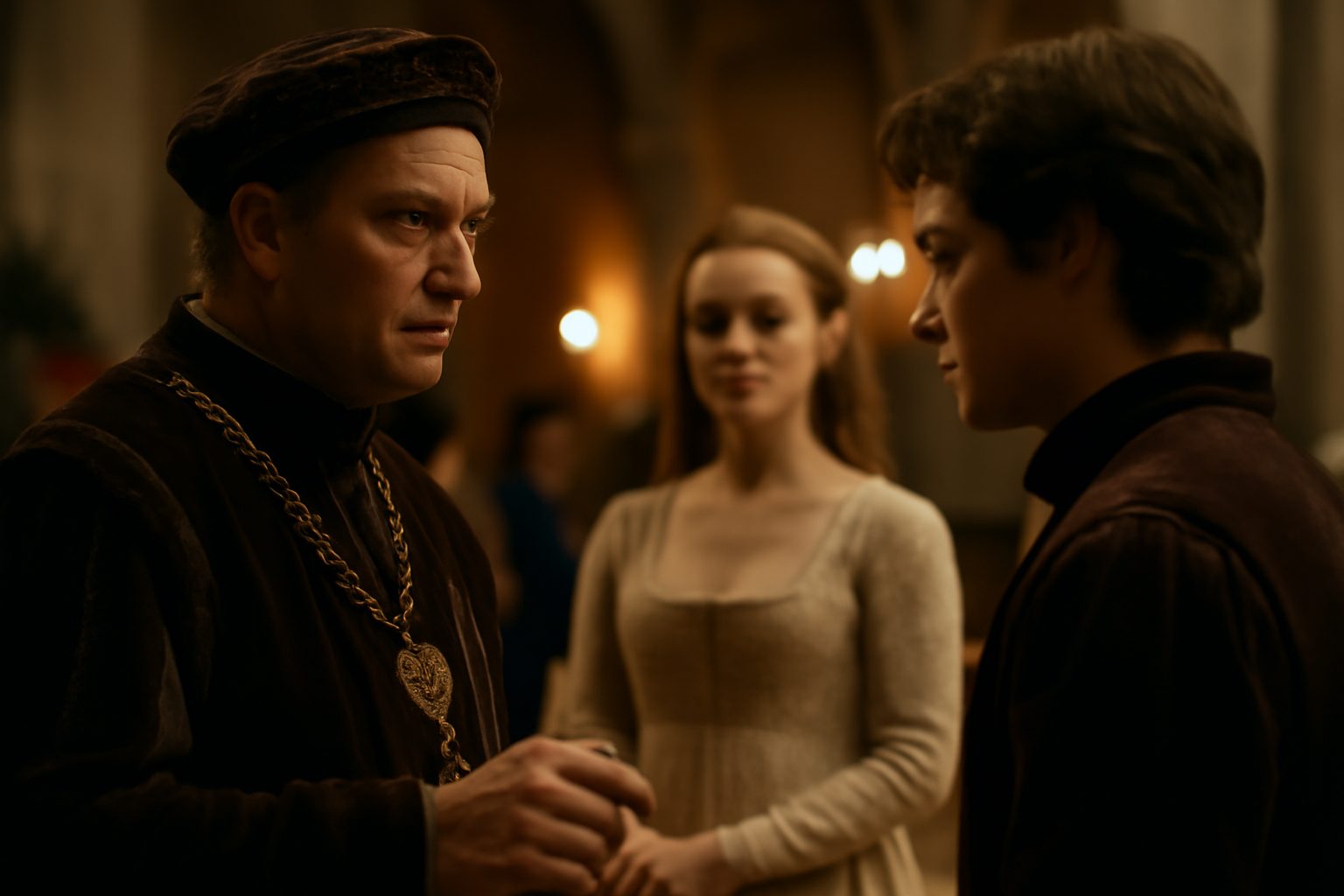
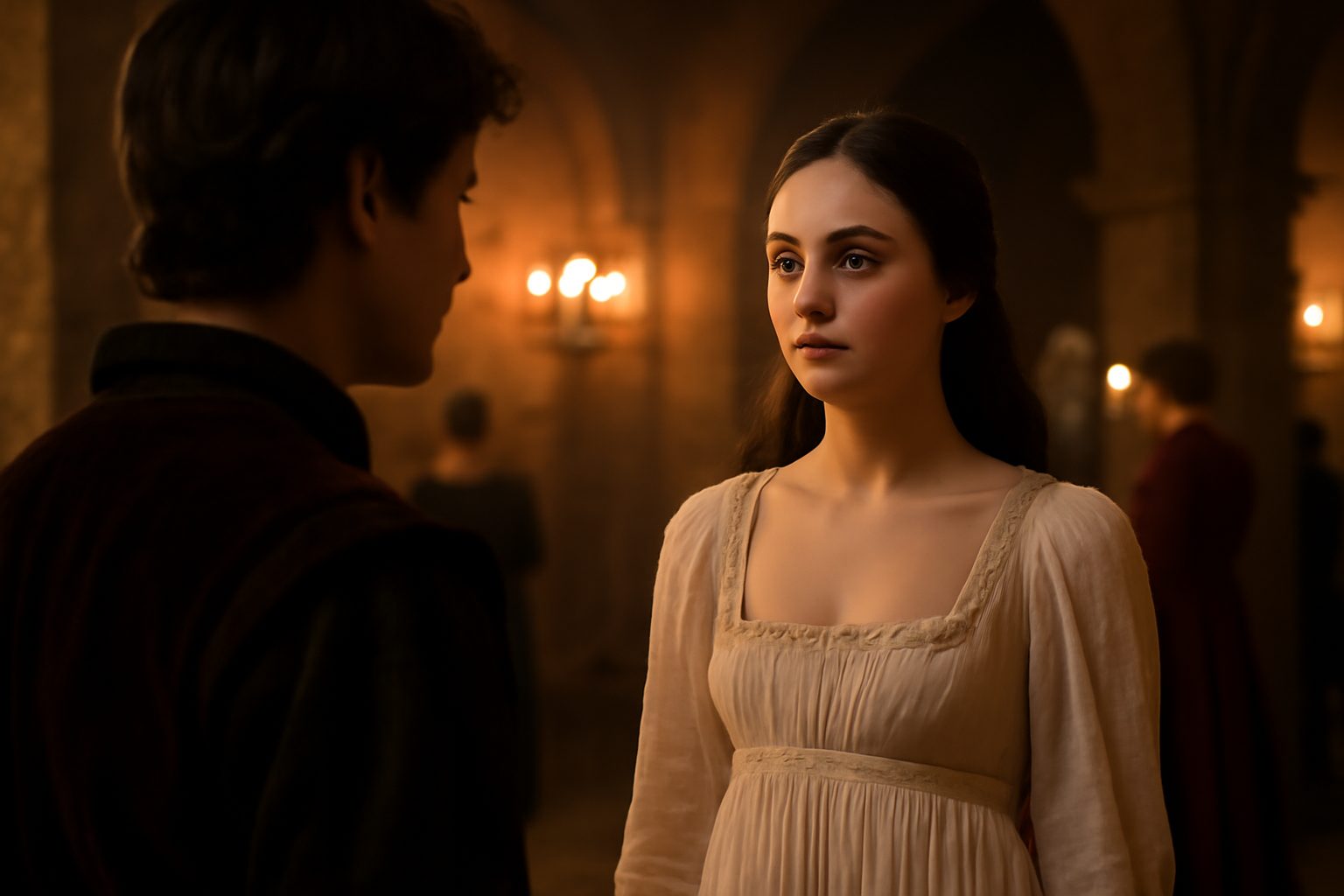
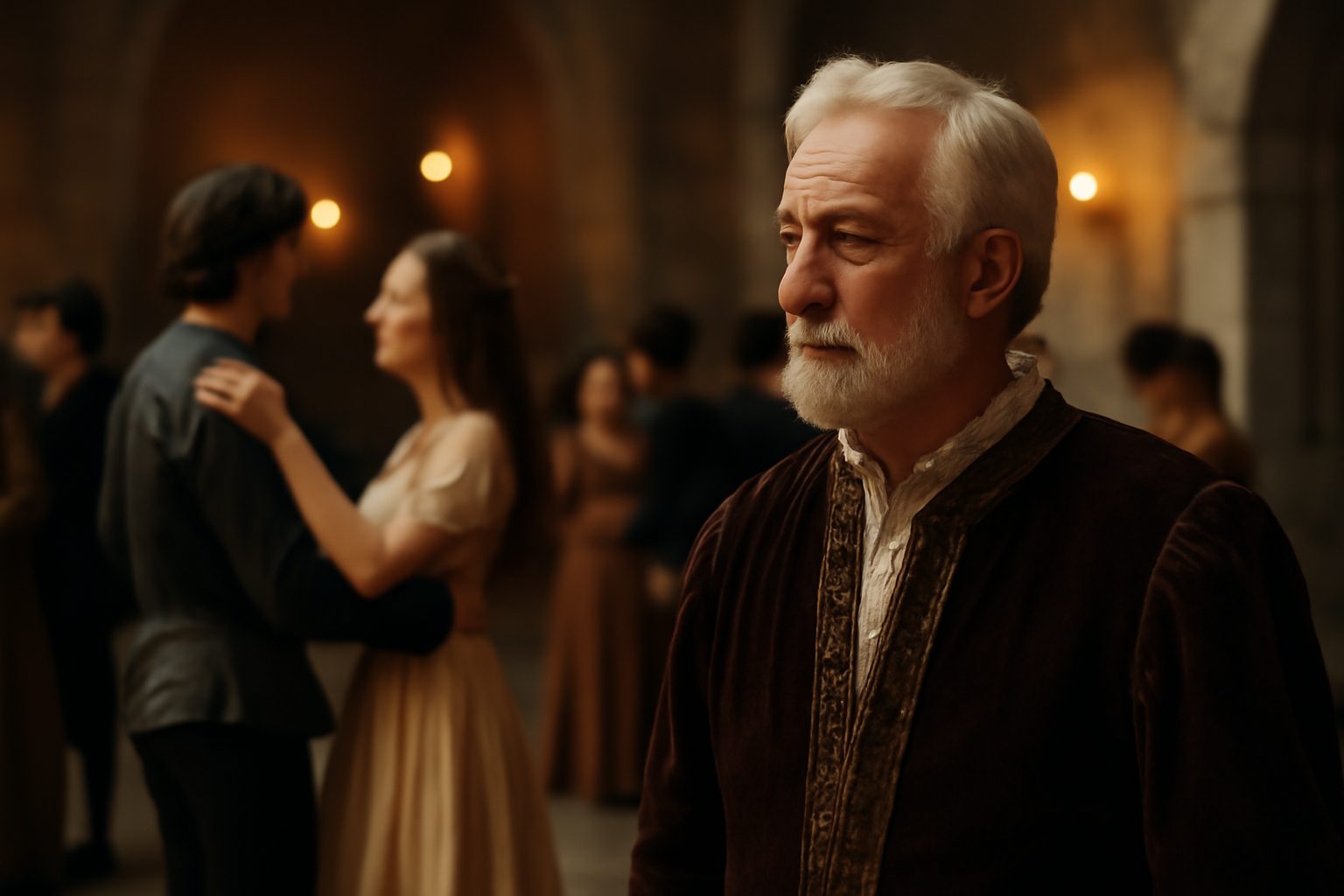
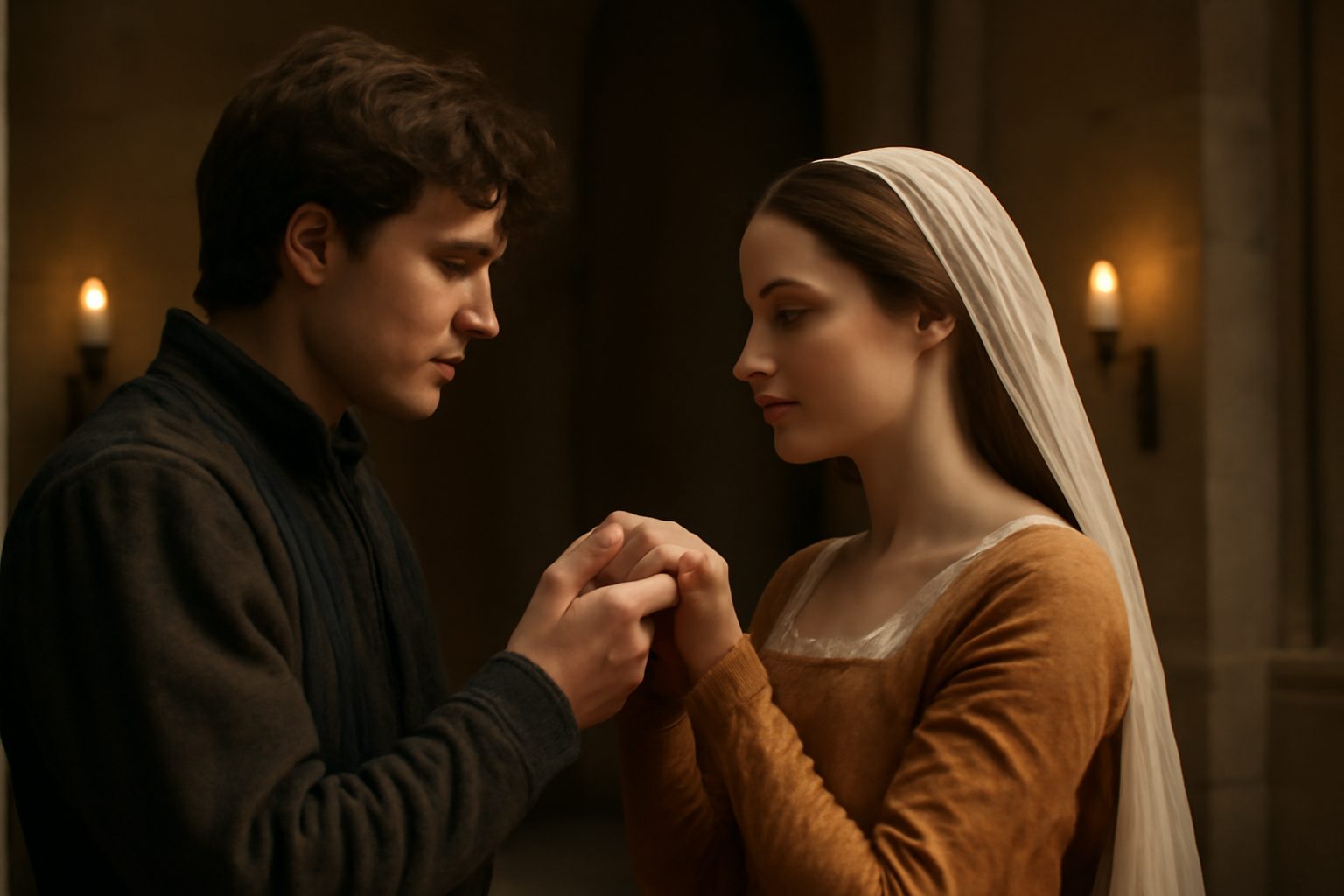
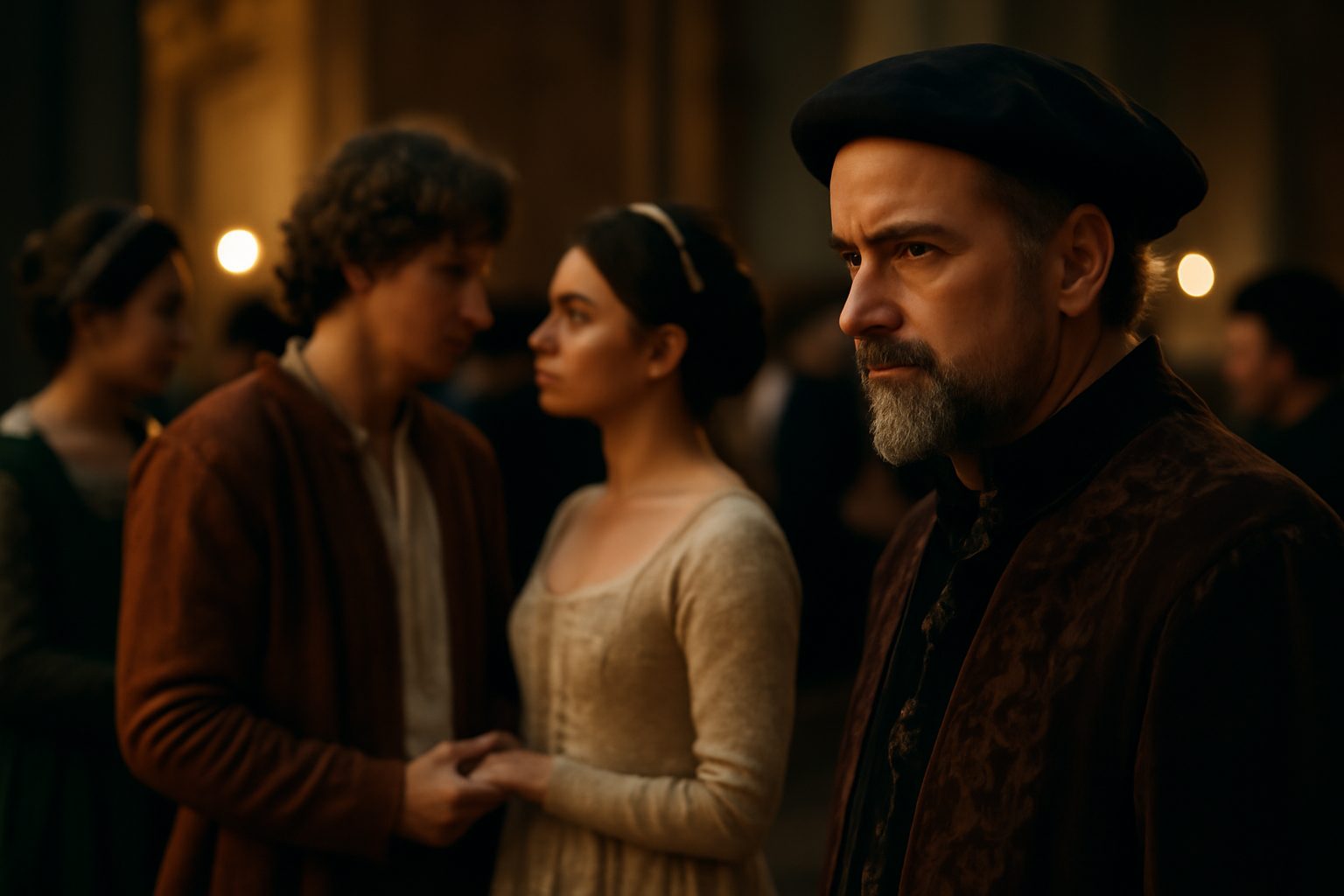
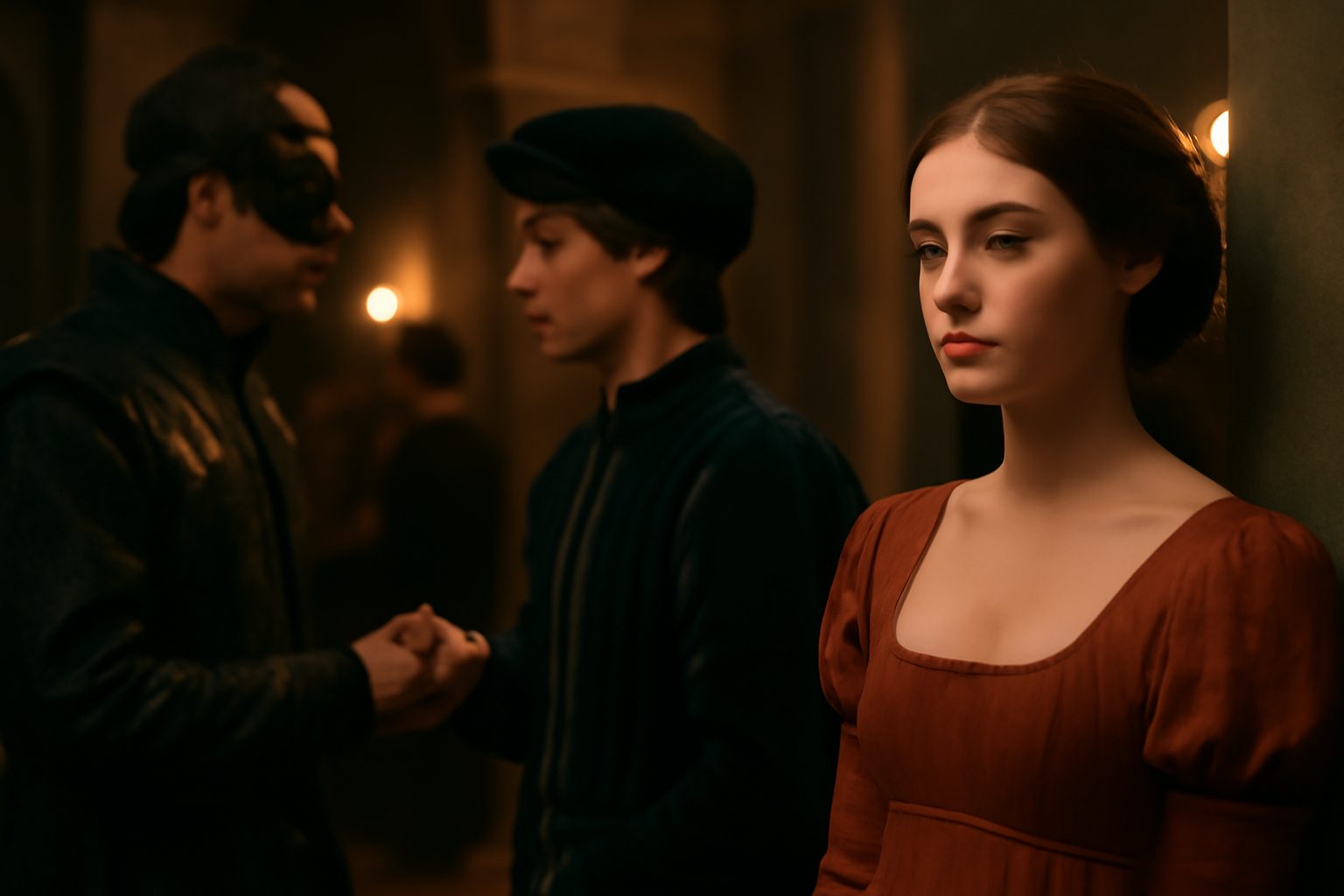
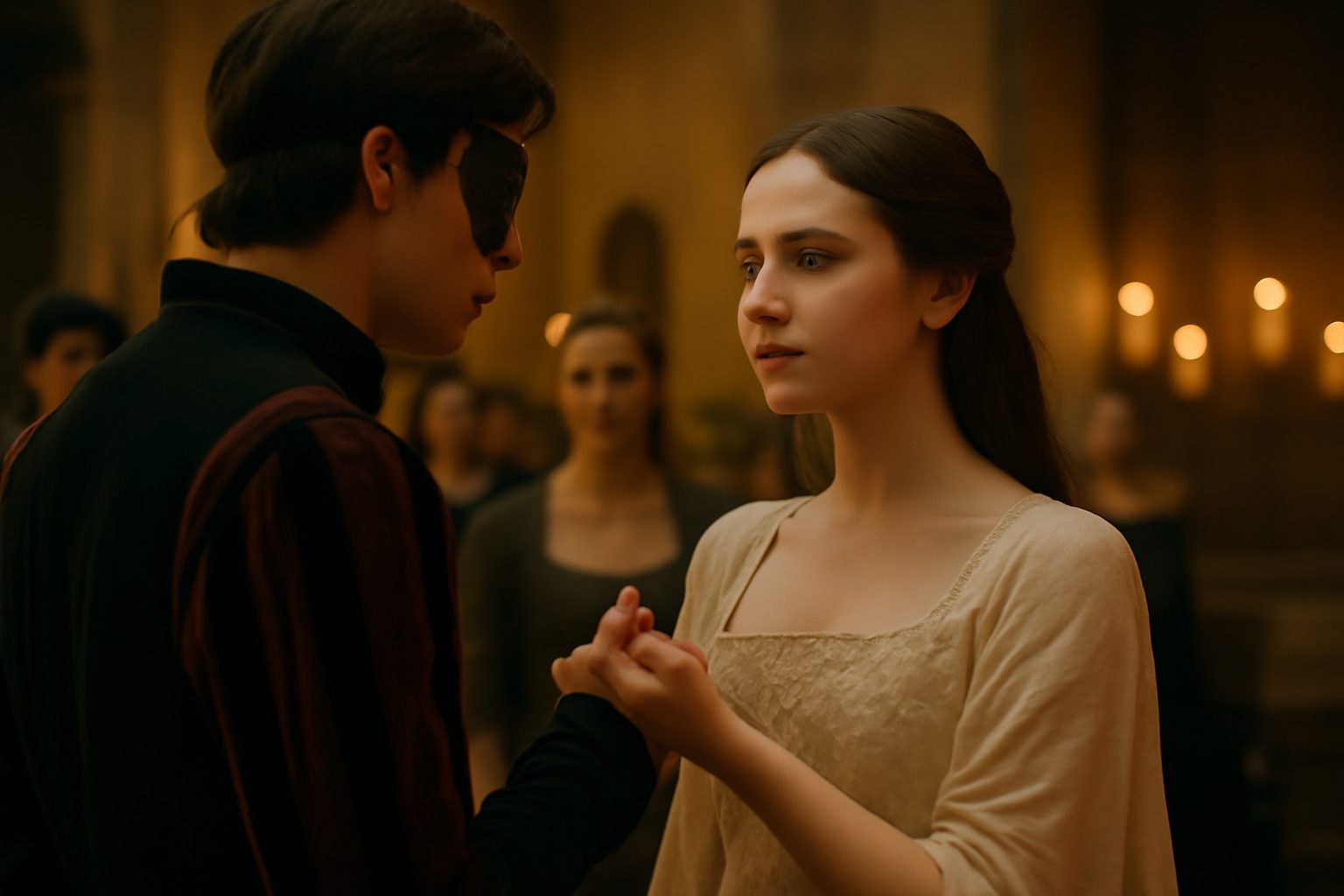
In Act 1, Scene 5 of Romeo and Juliet, the Capulets are hosting a lavish masquerade ball. As the festivities unfold, an older guest remarks on the age difference between two young men, emphasizing that one is notably older than the other. This brief exchange highlights the social dynamics and generational contrasts present at the gathering.
Second Capulet: "Tis more, 'tis more, his son is elder, sir;"
In modern day english, we would say:
He’s even more than that—his son is older, sir.
Frequently Asked Questions
Who is older according to the Second Capulet in this line?
The son of the person being discussed is older.
Connections to other verses:
Connections to "Tis more, 'tis more, his son is elder, sir;"
This line is part of a conversation between Lord Capulet and a kinsman about the passage of time and the age of a guest's son. It connects to several other verses in the scene that explore themes of time, age, and social interactions at the feast.
Related Verses on Time and Age
- How long is't now since last yourself and I – This verse continues the reflection on time passed, directly preceding the discussion about the son's age.
- By'r lady, thirty years. – This line provides the specific age mentioned, reinforcing the theme of aging and memory.
- Tis since the nuptials of Lucentio, – Another reference to a past event, linking to the broader conversation about time.
- Some five and twenty years; and then we mask'd. – Further emphasizes the passage of time and past festivities.
Social Context and Revelry
- Welcome, gentlemen! I have seen the day – Lord Capulet's nostalgic remark ties into the theme of aging and past experiences echoed in the verse.
- For you and I are past our dancing days: – Highlights the generational differences and the acknowledgment of aging among the characters.
Contrast with Youthful Energy
- Welcome, gentlemen! ladies that have their toes – Focuses on the younger attendees and their readiness to dance, contrasting with the older generation's reflections.
- Will now deny to dance? she that makes dainty, – Addresses the youthful hesitation or playfulness, further emphasizing the generational divide.