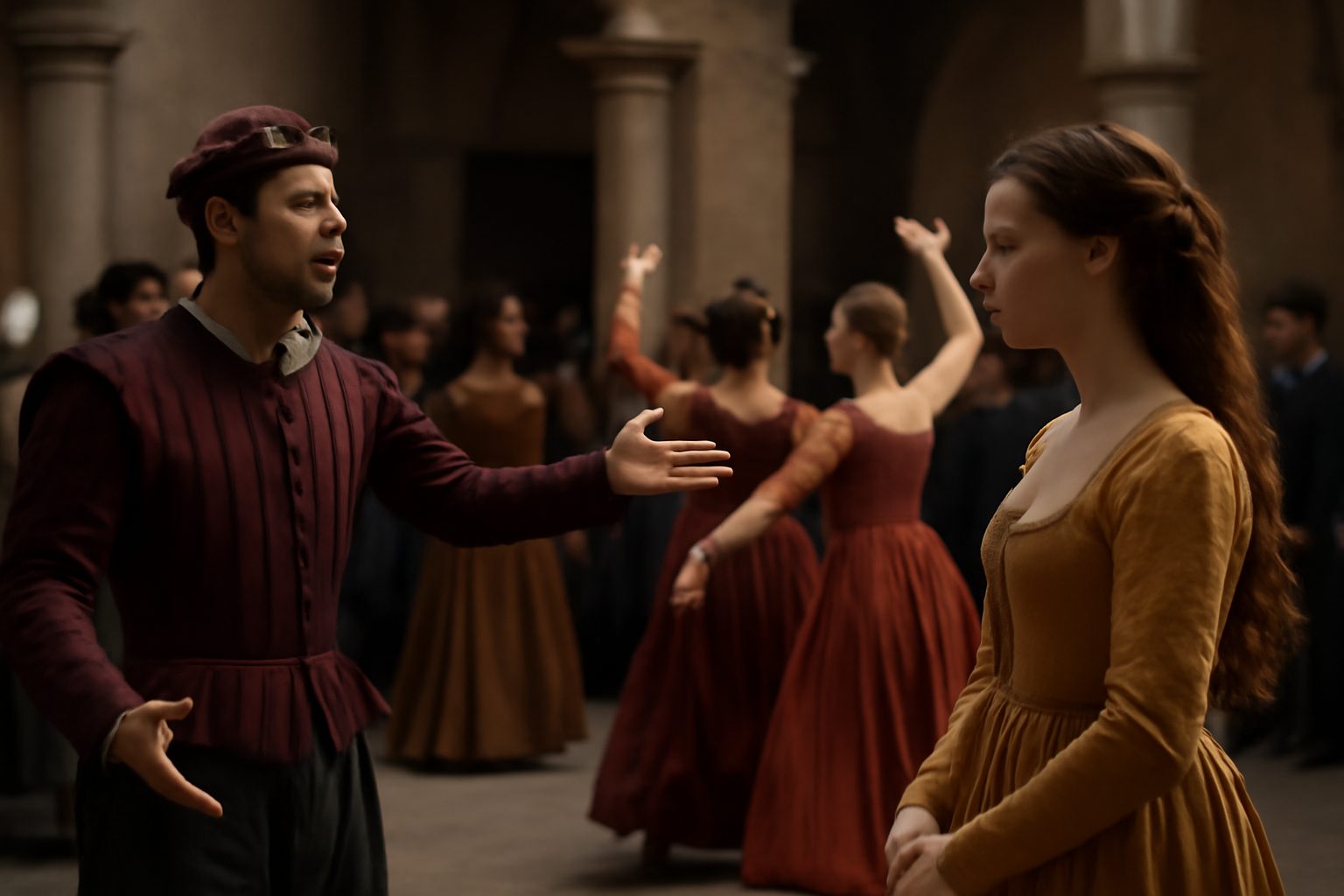
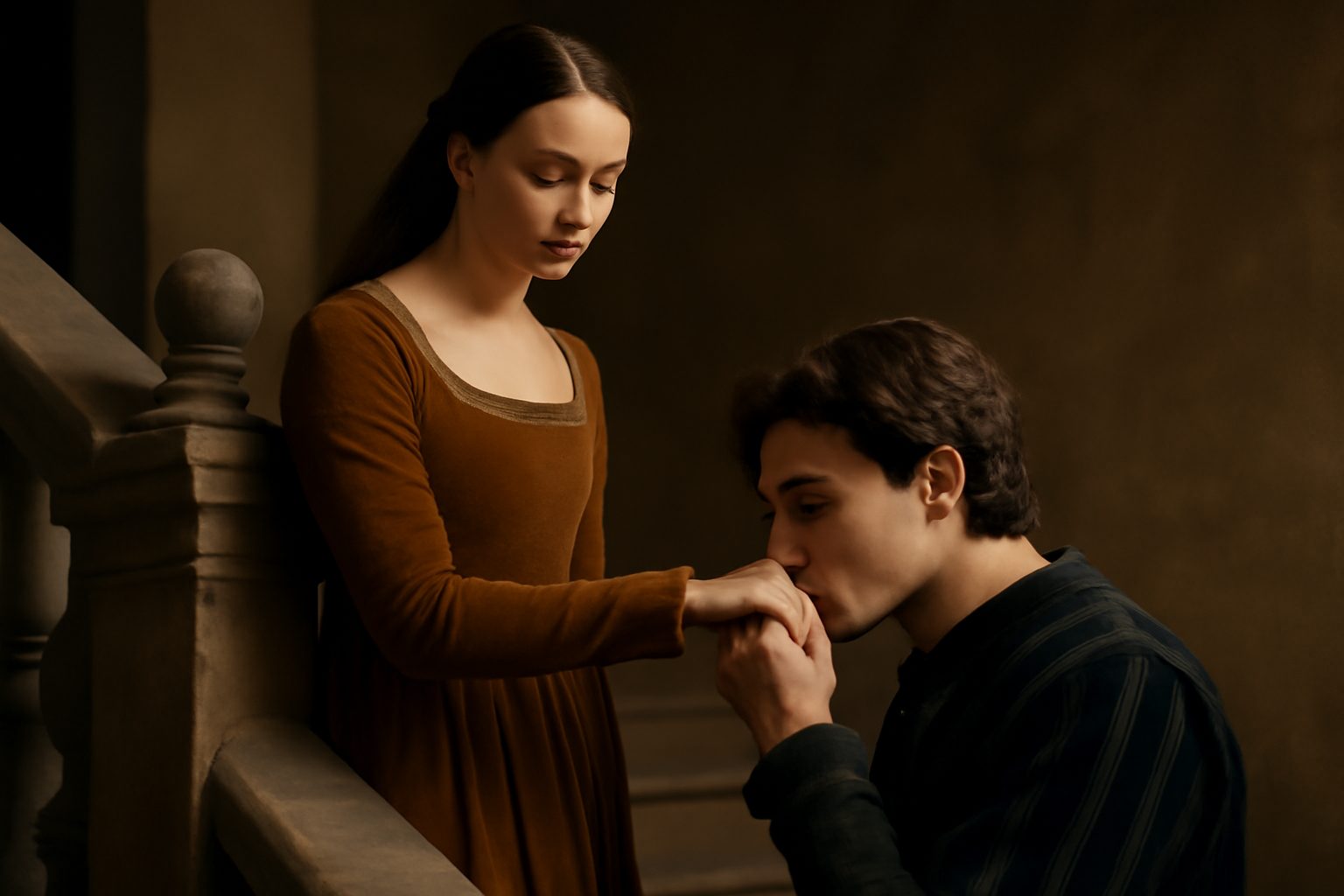
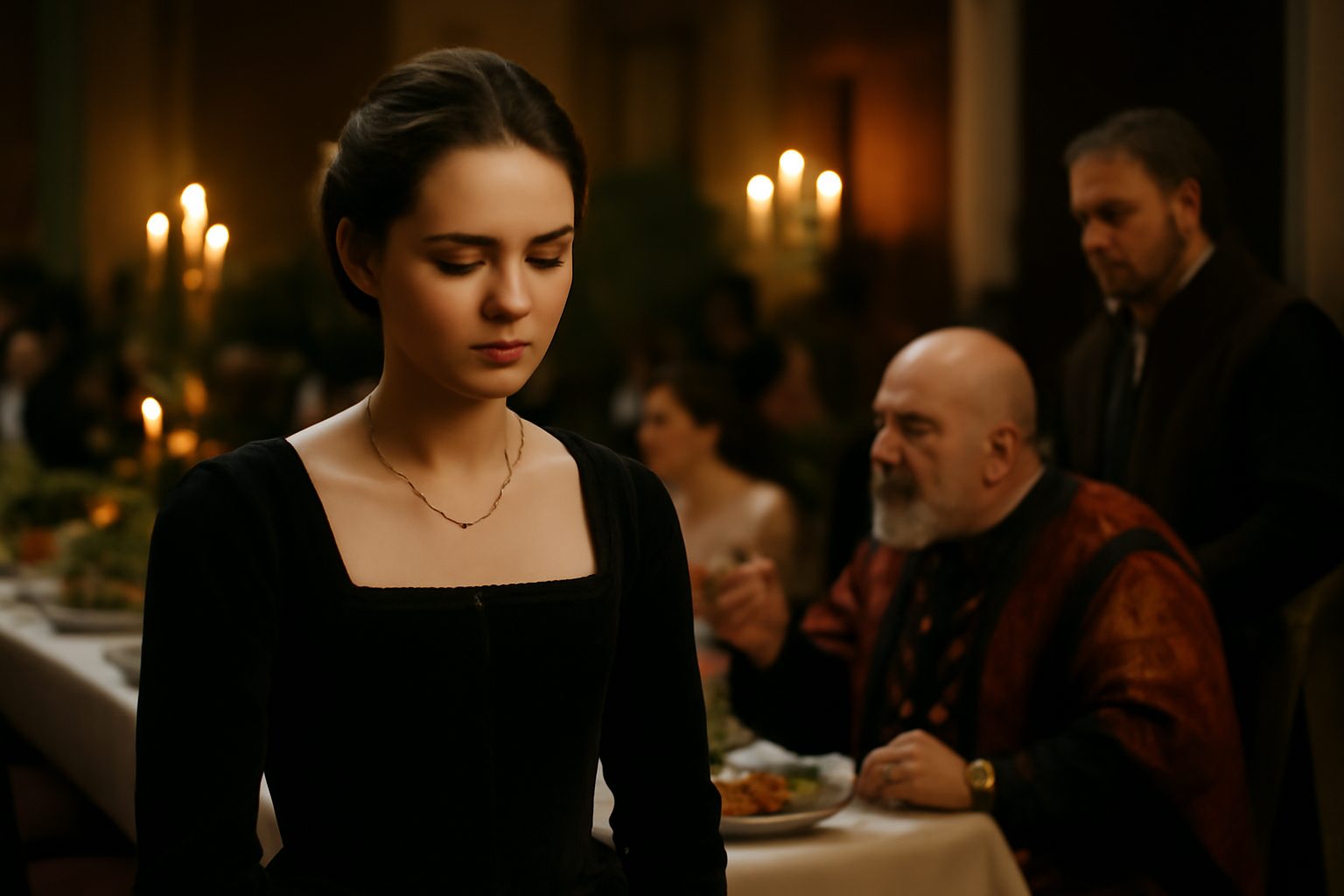
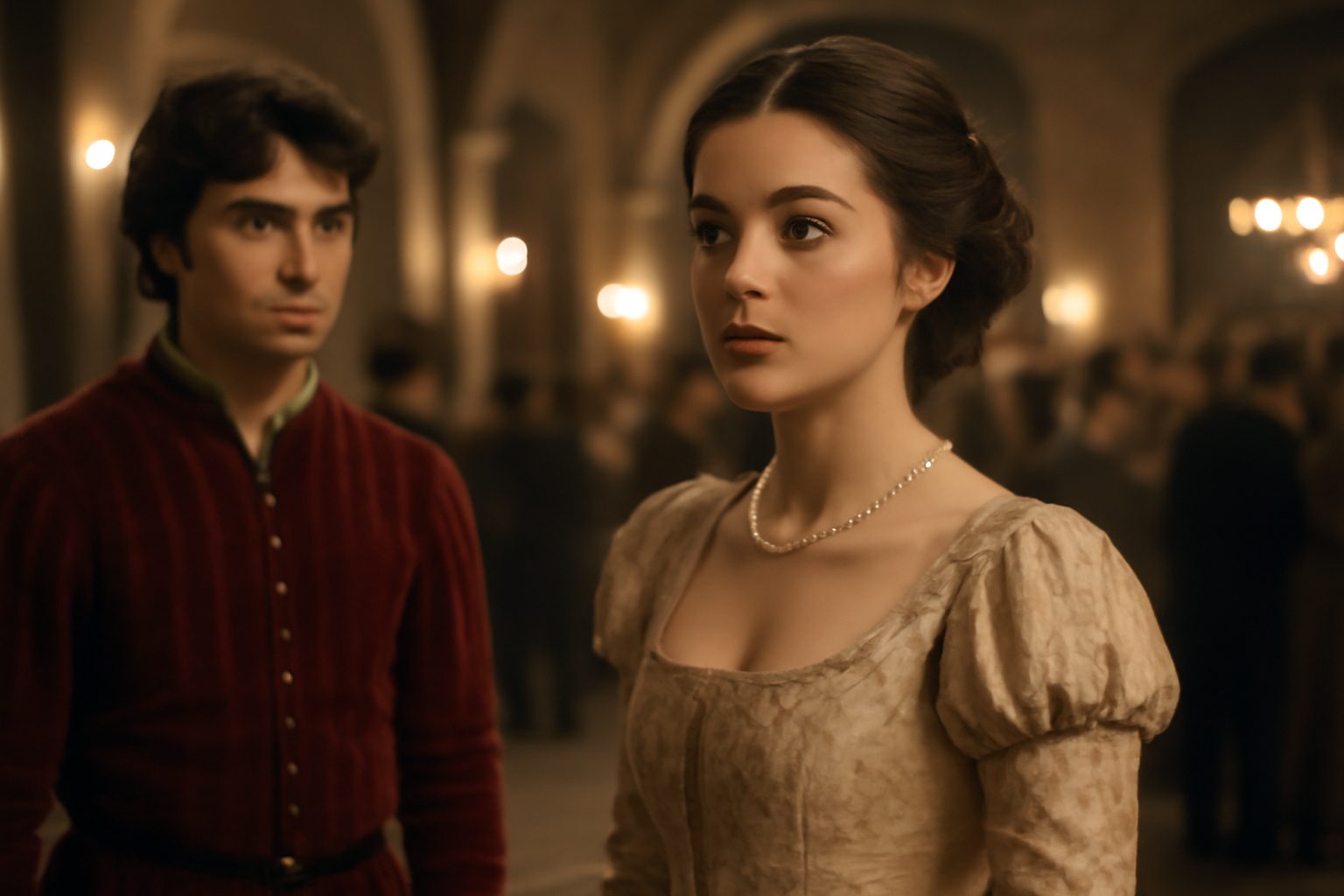
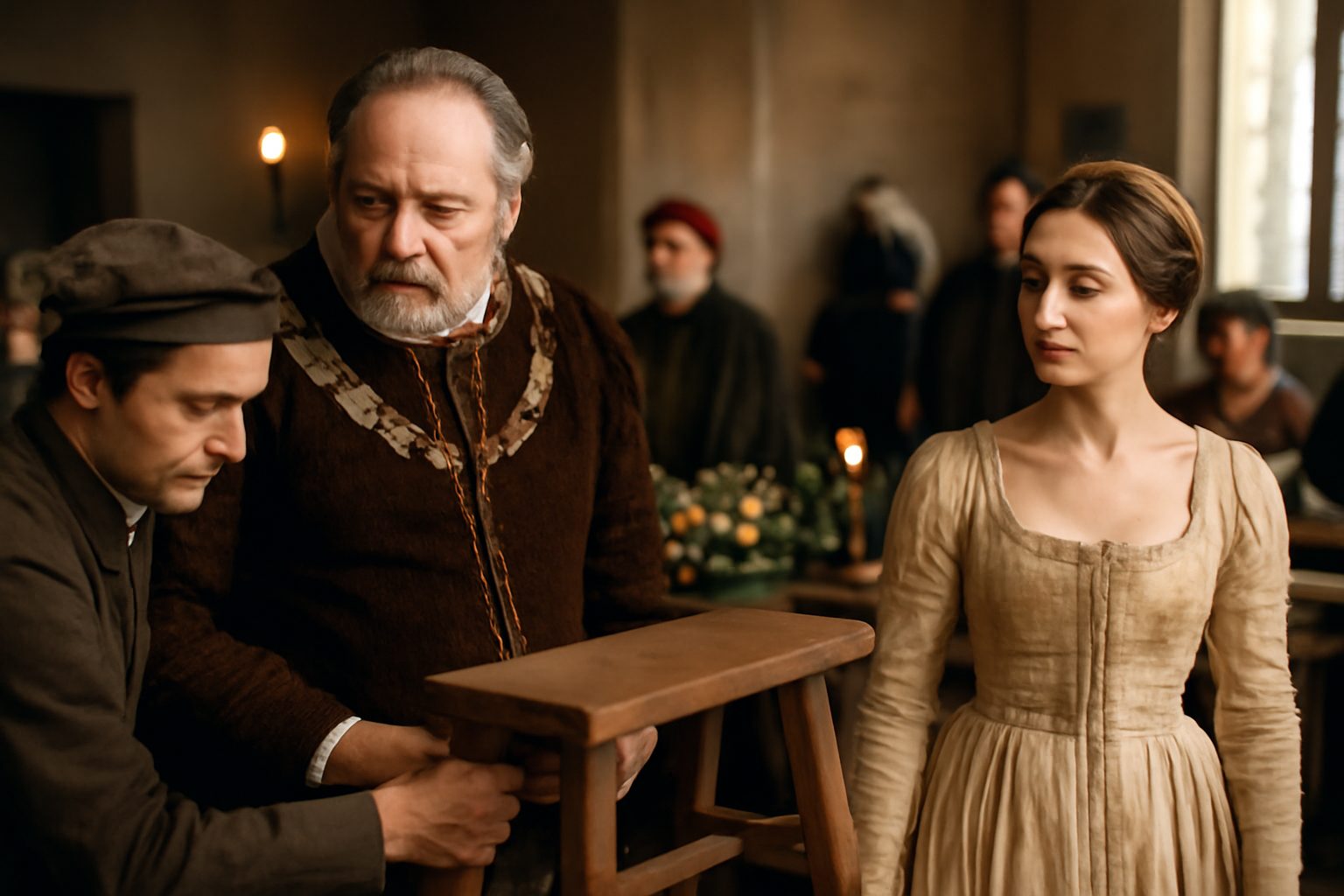
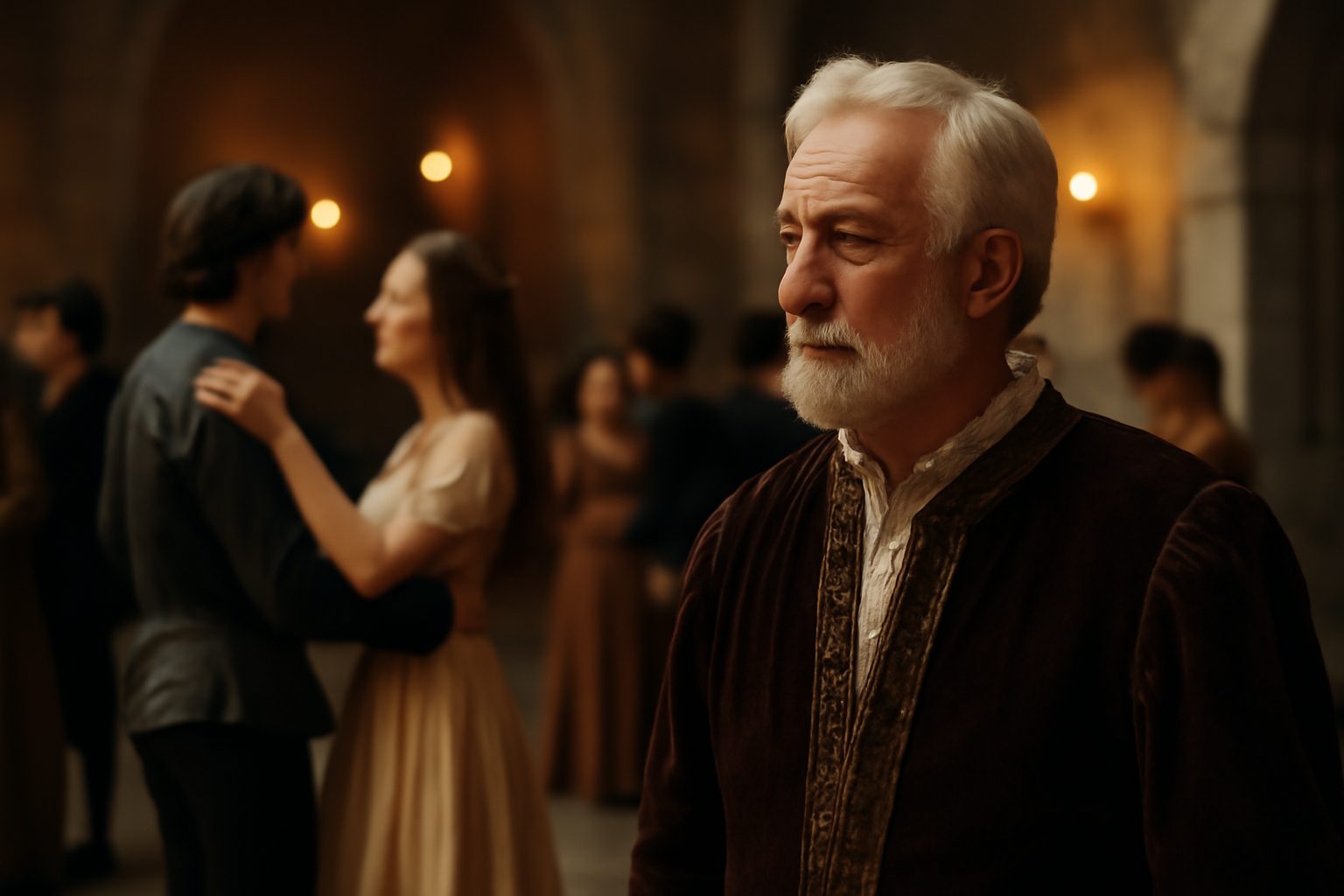
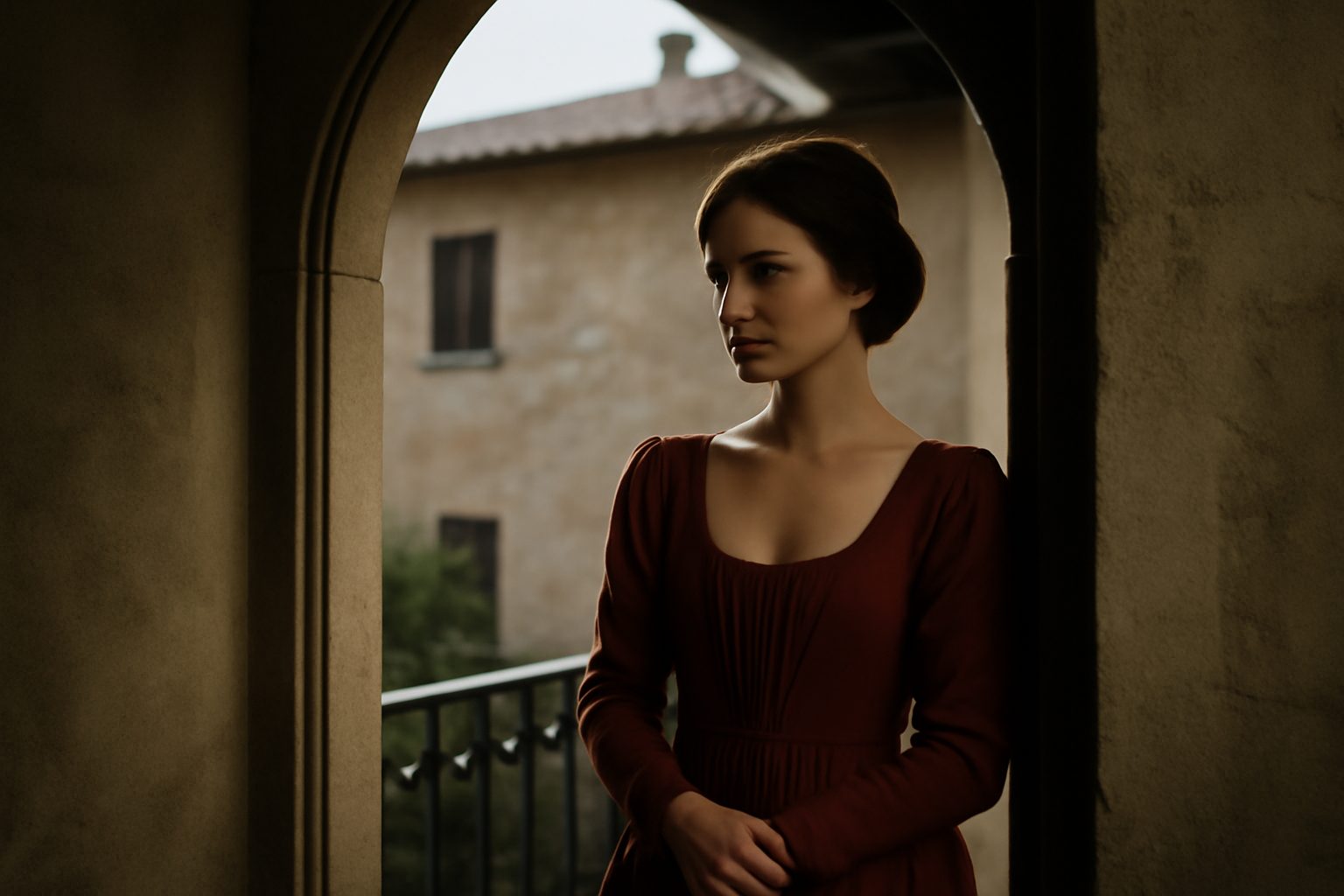
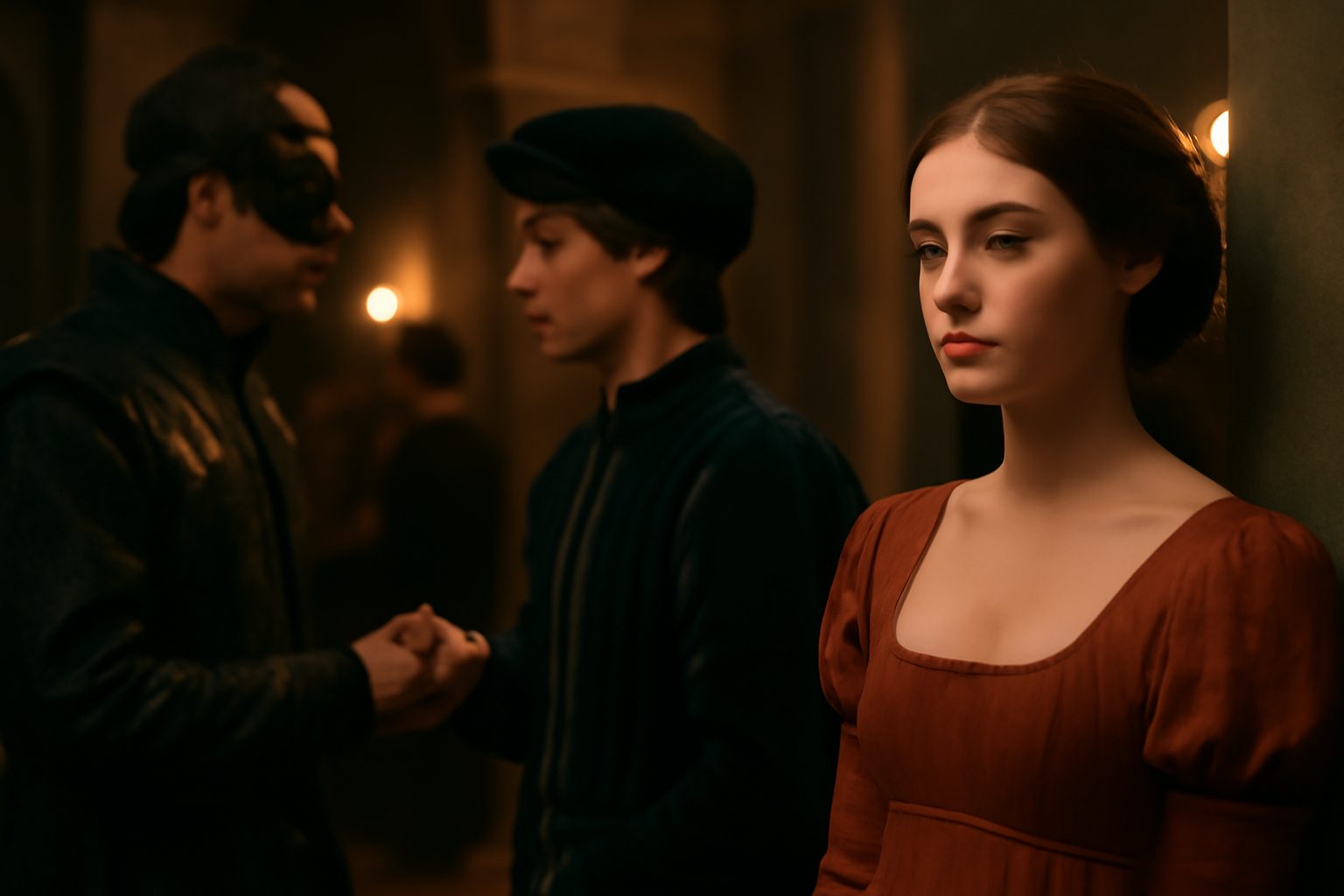
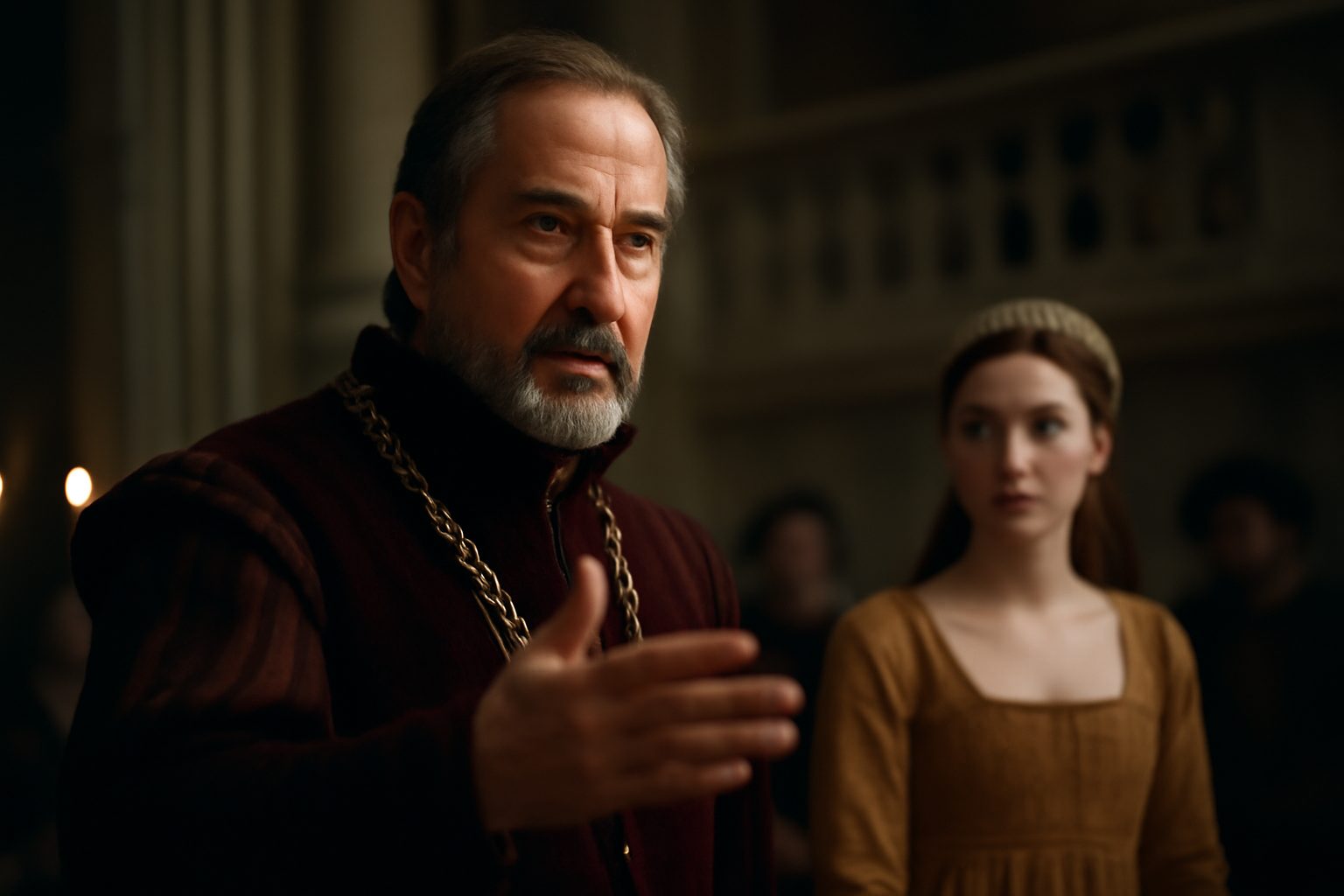
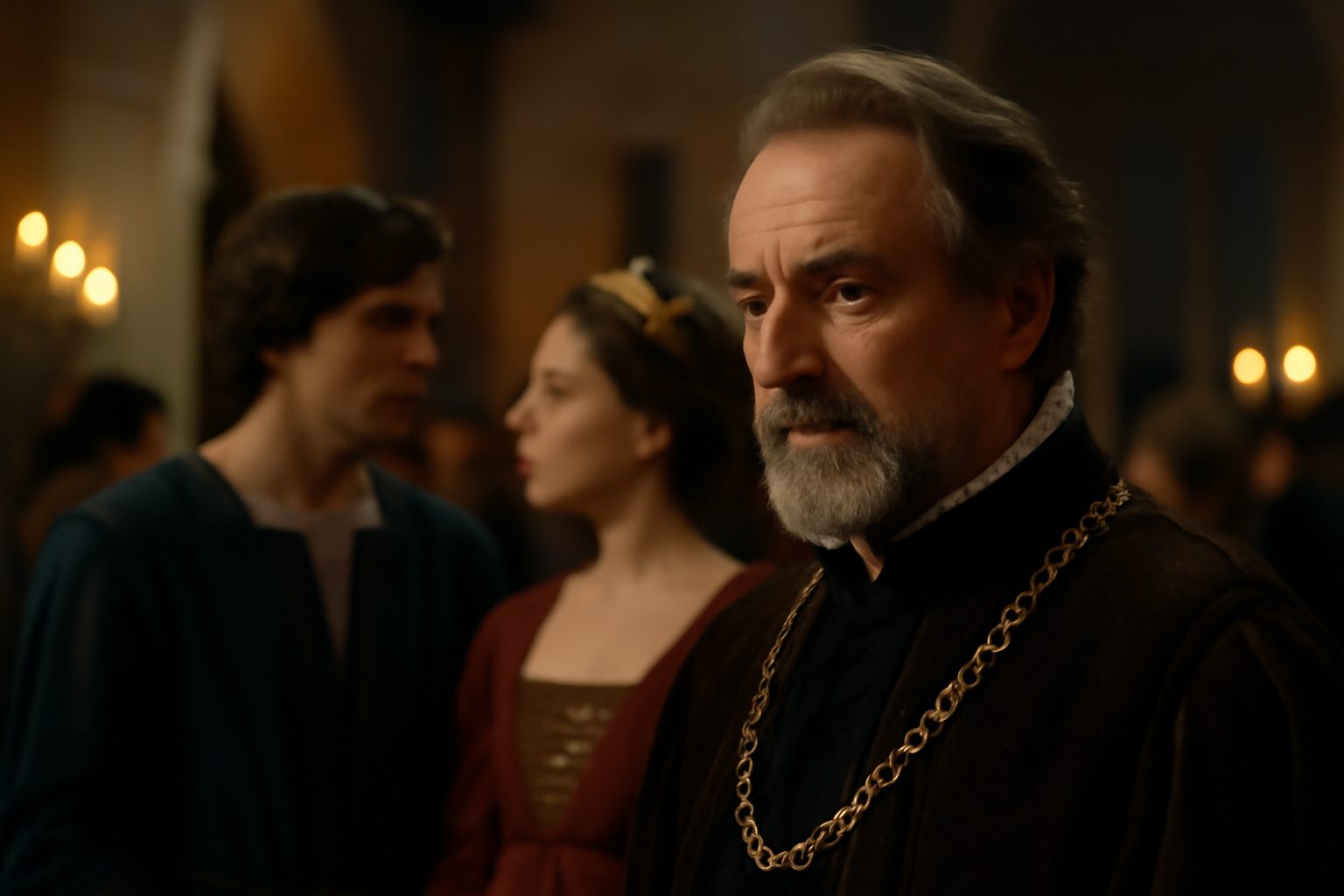
In Act 1, Scene 5 of Romeo and Juliet, the Capulet household is bustling with preparations for a grand feast. Amid the chaos of servants rushing to clear tables and serve guests, one frustrated attendee calls out for a missing servant named Potpan, who is neglecting his duties. This brief moment of comic relief contrasts with the scene's later intensity, where Romeo and Juliet first meet.
First Servant: "Where's Potpan, that he helps not to take away? He"
In modern day english, we would say:
Where is Potpan? Why isn’t he helping to clear the tables? That lazy guy.
Frequently Asked Questions
What is the servant complaining about in this line?
The servant is complaining that Potpan is not helping to clear things away.
Connections to other verses:
Connections to "Where's Potpan, that he helps not to take away? He"
This line, spoken by a servant, highlights the chaotic and bustling atmosphere of the Capulet feast. It connects to several other verses in the scene that emphasize the disorder, the servants' duties, and the underlying tension amidst the revelry.
Servants and Chaos
The mention of Potpan is part of a series of calls to servants, such as in "Antony, and Potpan!", showing the frantic efforts to manage the event. Similarly, "Away with the joint-stools, remove the" and "court-cupboard, look to the plate. Good thou, save" reflect the servants' responsibilities and the hustle to maintain order.
Atmosphere of the Feast
The line contributes to the scene's lively but strained mood, echoed in Capulet's attempts to keep things under control, like in "You'll make a mutiny among my guests!" and "Be quiet, or--More light, more light! For shame!". The servants' disorganization contrasts with the romantic and dramatic developments, such as Romeo and Juliet's meeting.
Contrast with Key Moments
While servants scramble, pivotal events unfold, like Romeo's first sight of Juliet in "O, she doth teach the torches to burn bright!" and Tybalt's recognition of Romeo in "Tis he, that villain Romeo.". The mundane query about Potpan underscores the dramatic irony and the feast's dual nature—surface celebration masking deep conflict.