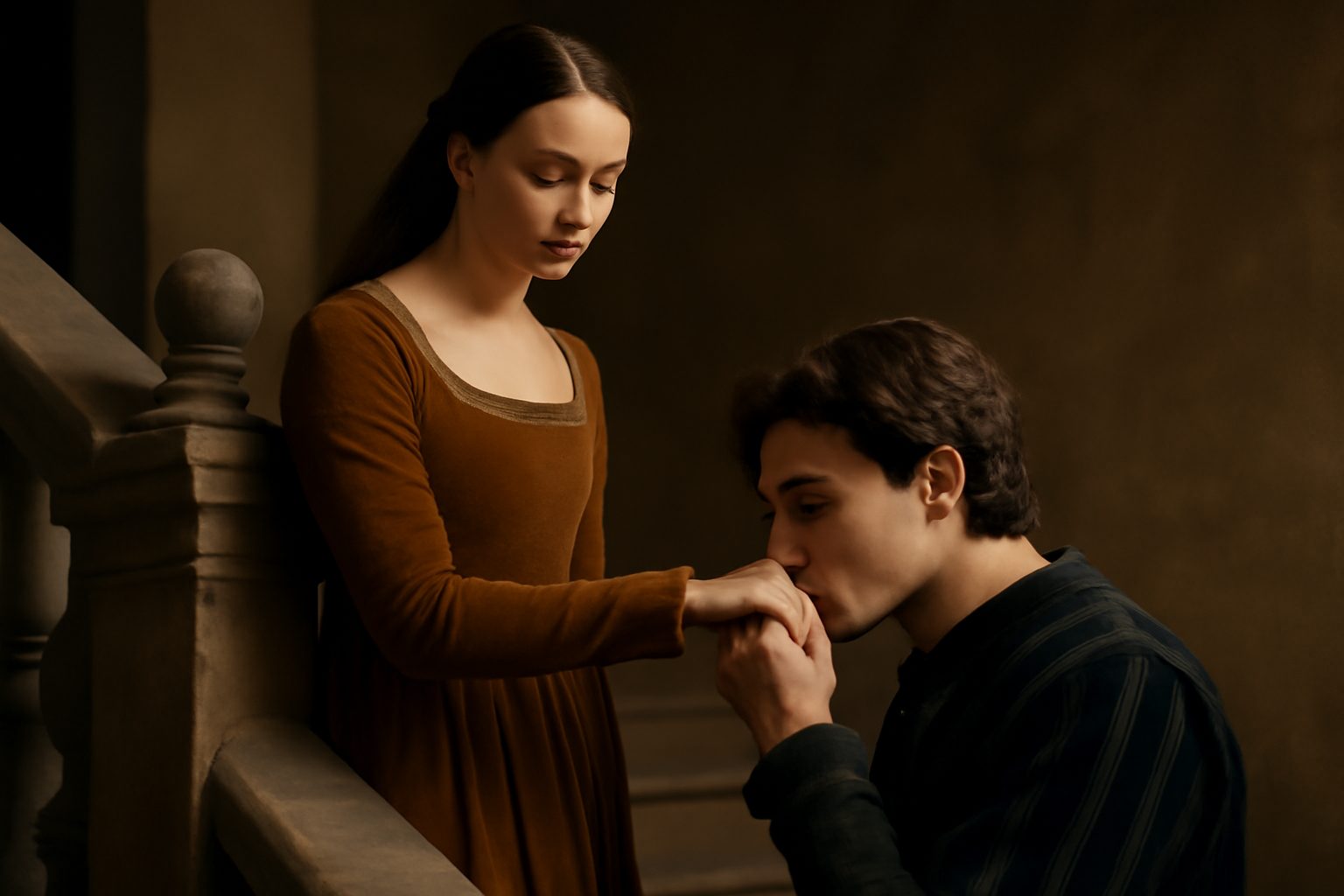
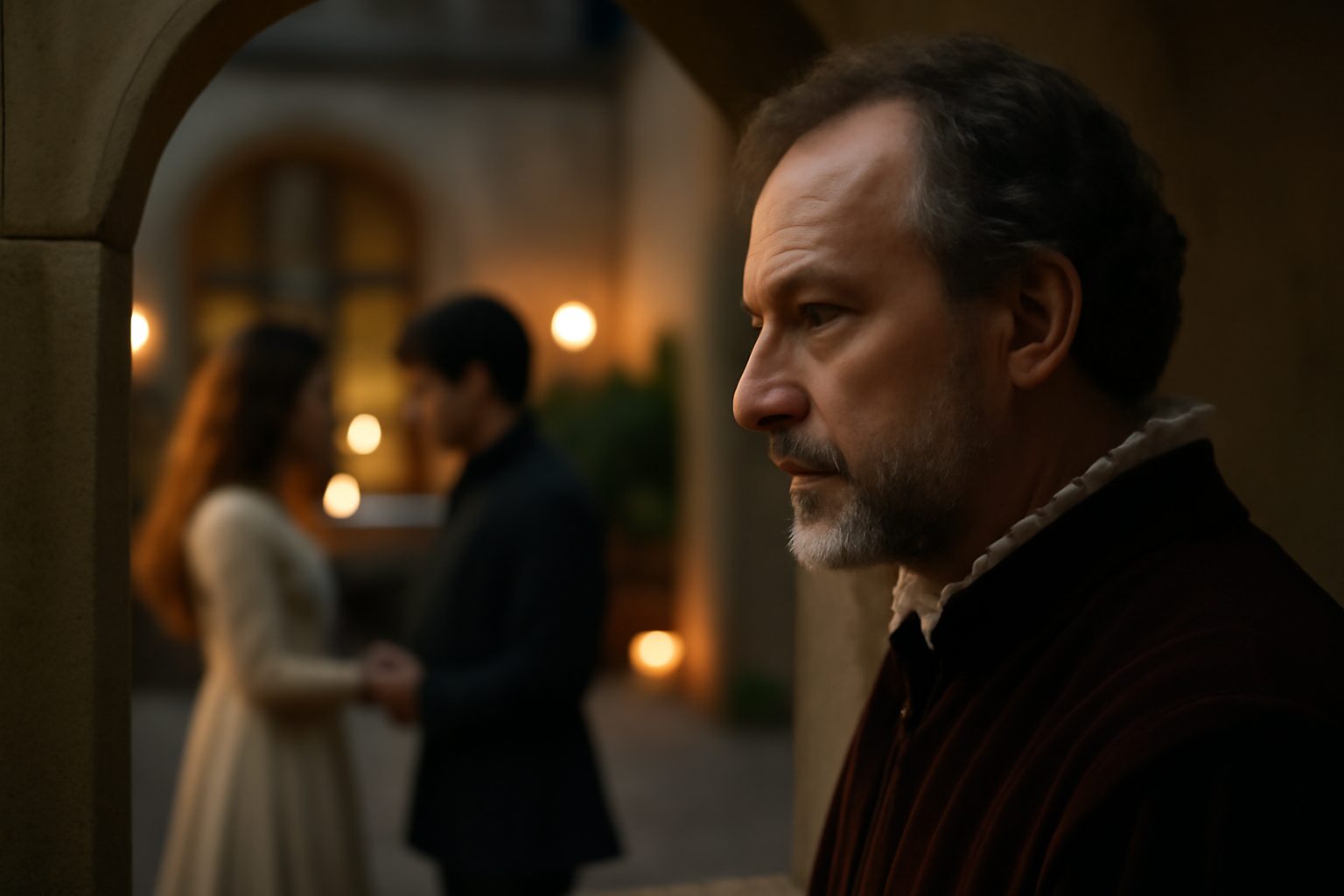
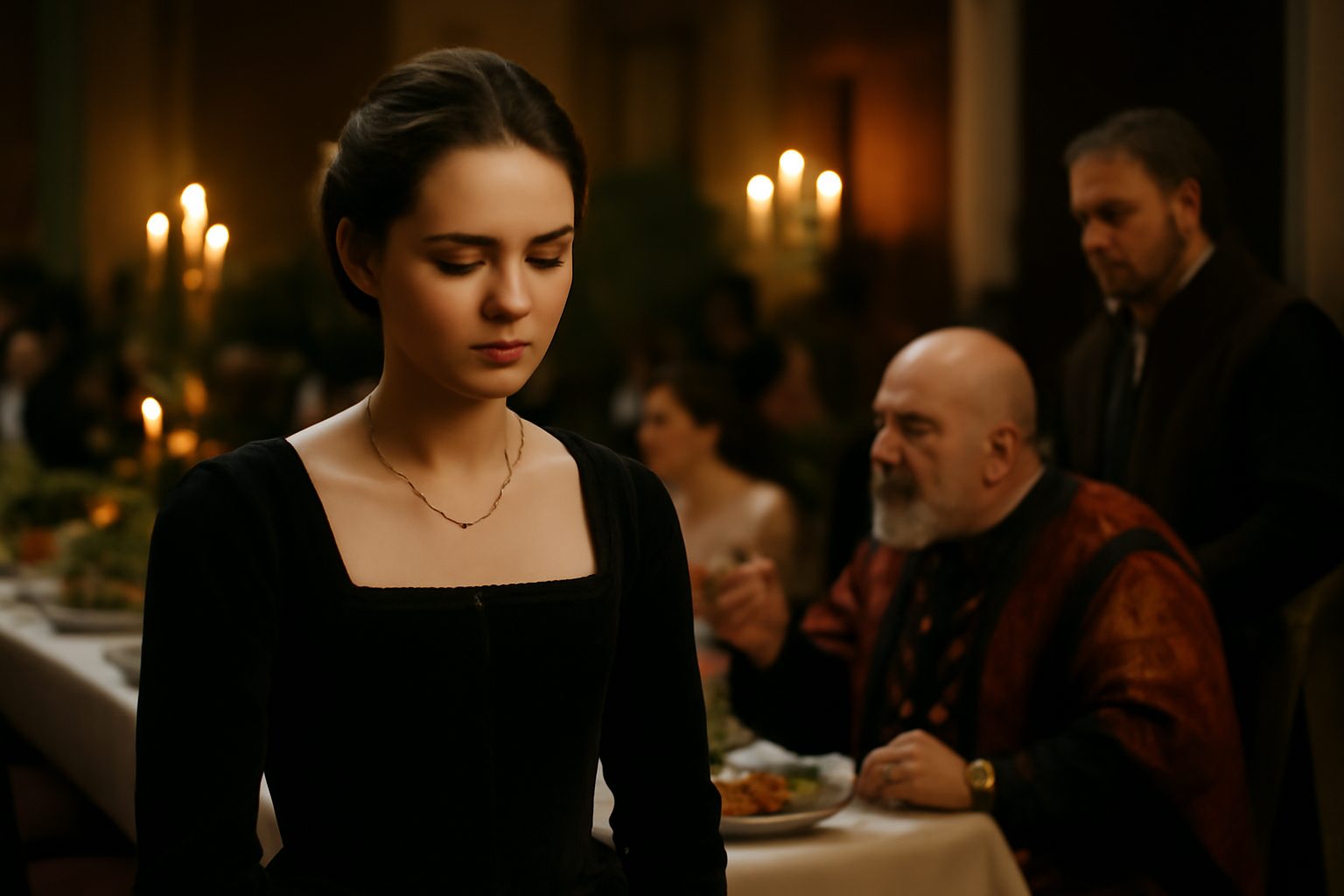
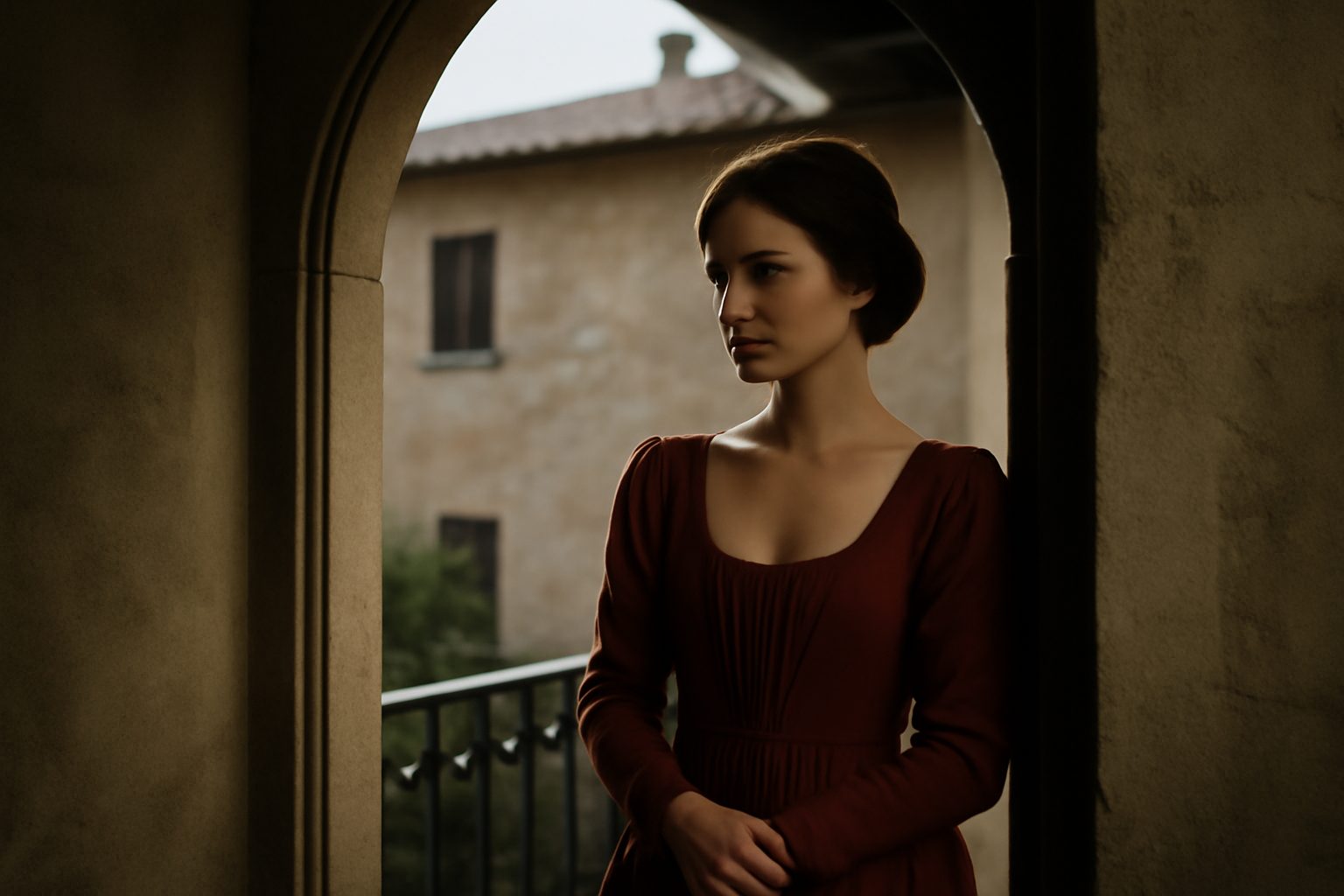
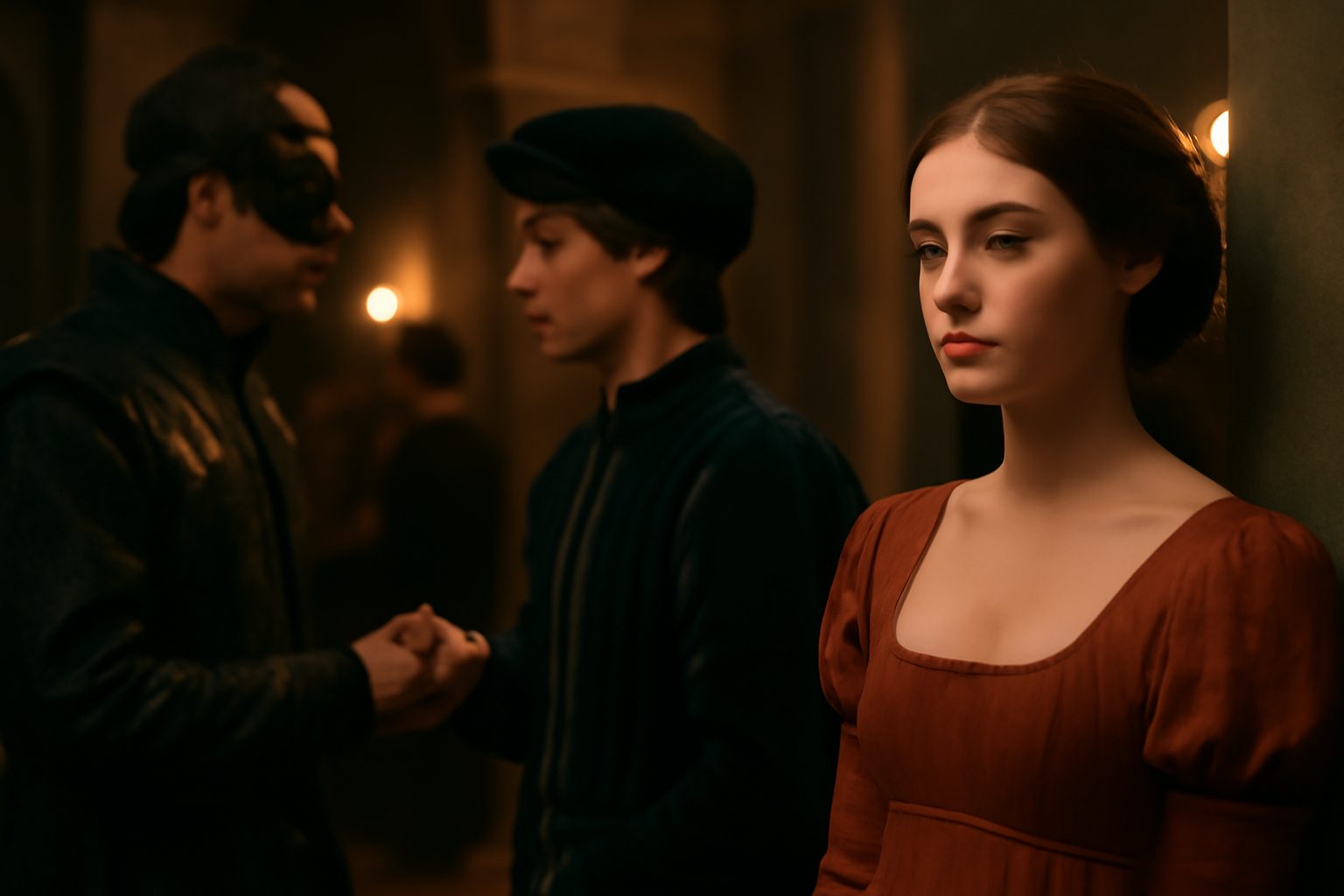
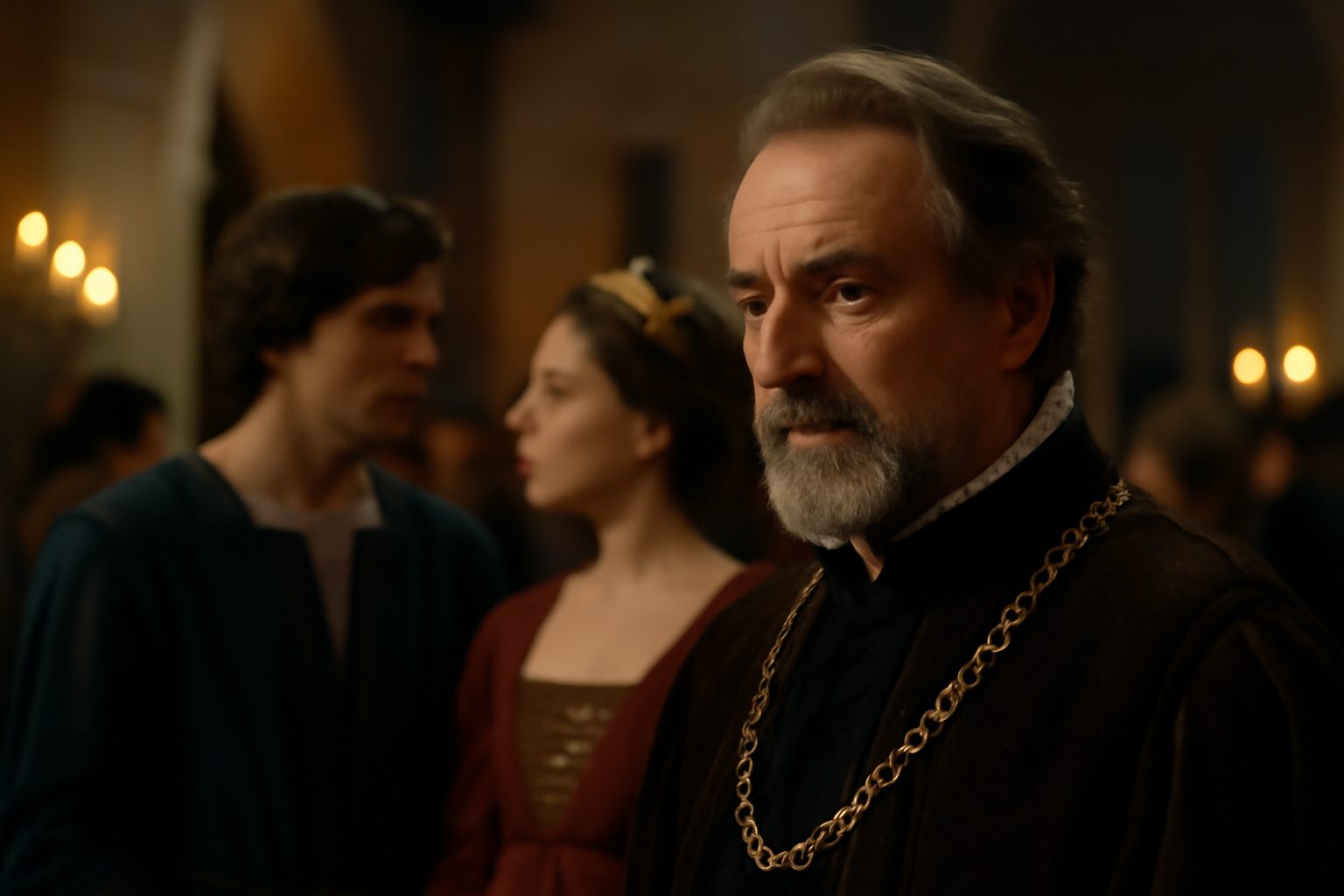
In Act 1, Scene 5 of Romeo and Juliet, the Capulets host a grand masquerade ball to celebrate their daughter Juliet. As the festivities unfold, Tybalt recognizes Romeo, a Montague, and is outraged by his presence at the event. This line is Tybalt's indignant reaction, expressing his anger at Romeo daring to mock their solemn celebration.
Tybalt: "To scorn at our solemnity this night."
In modern day english, we would say:
To mock our formal celebration tonight.
Frequently Asked Questions
What is Tybalt upset about in this line?
Tybalt is upset because someone is disrespecting or mocking their important party.
Connections to other verses:
Connections to "To scorn at our solemnity this night"
The line "To scorn at our solemnity this night" is spoken by Tybalt in Act 1, Scene 5, Line 65, expressing his outrage at Romeo's presence at the Capulet feast. This sentiment is closely tied to several other verses in the scene that highlight the tension and conflict arising from Romeo's intrusion.
Direct Preceding and Following Lines
Tybalt's accusation is part of a larger outburst. Just before this, in Line 59, he questions Romeo's motives: "To fleer and scorn at our solemnity?" This rhetorical question sets the stage for his definitive statement in Line 65. Immediately after, in Line 67, he identifies Romeo explicitly: "Tis he, that villain Romeo," reinforcing his scorn and anger.
Capulet's Intervention and Contrasting Atmosphere
Capulet's response to Tybalt's anger provides a counterpoint to the scorn Tybalt feels. In Line 74, Capulet urges patience: "Therefore be patient, take no note of him," emphasizing his desire to maintain the festive atmosphere. This is further supported in Line 76, where he instructs Tybalt to "Show a fair presence and put off these frowns," directly contrasting Tybalt's scornful attitude.
Romeo's Unawareness and Idealistic View
While Tybalt is filled with scorn, Romeo is oblivious to the animosity. His lines, such as "Did my heart love till now? forswear it, sight!" and "For I ne'er saw true beauty till this night," show his idealistic and love-struck state, which starkly contrasts with Tybalt's hostility and underscores the dramatic irony of the scene.
Juliet's Discovery and the Foreshadowing of Conflict
The tension introduced by Tybalt's scorn culminates in Juliet's realization of Romeo's identity. In Line 144, the Nurse reveals, "His name is Romeo, and a Montague," leading to Juliet's despairing lines in Line 146: "My only love sprung from my only hate!" This connection highlights how Tybalt's scorn is not just a momentary outburst but a catalyst for the central conflict of the play.