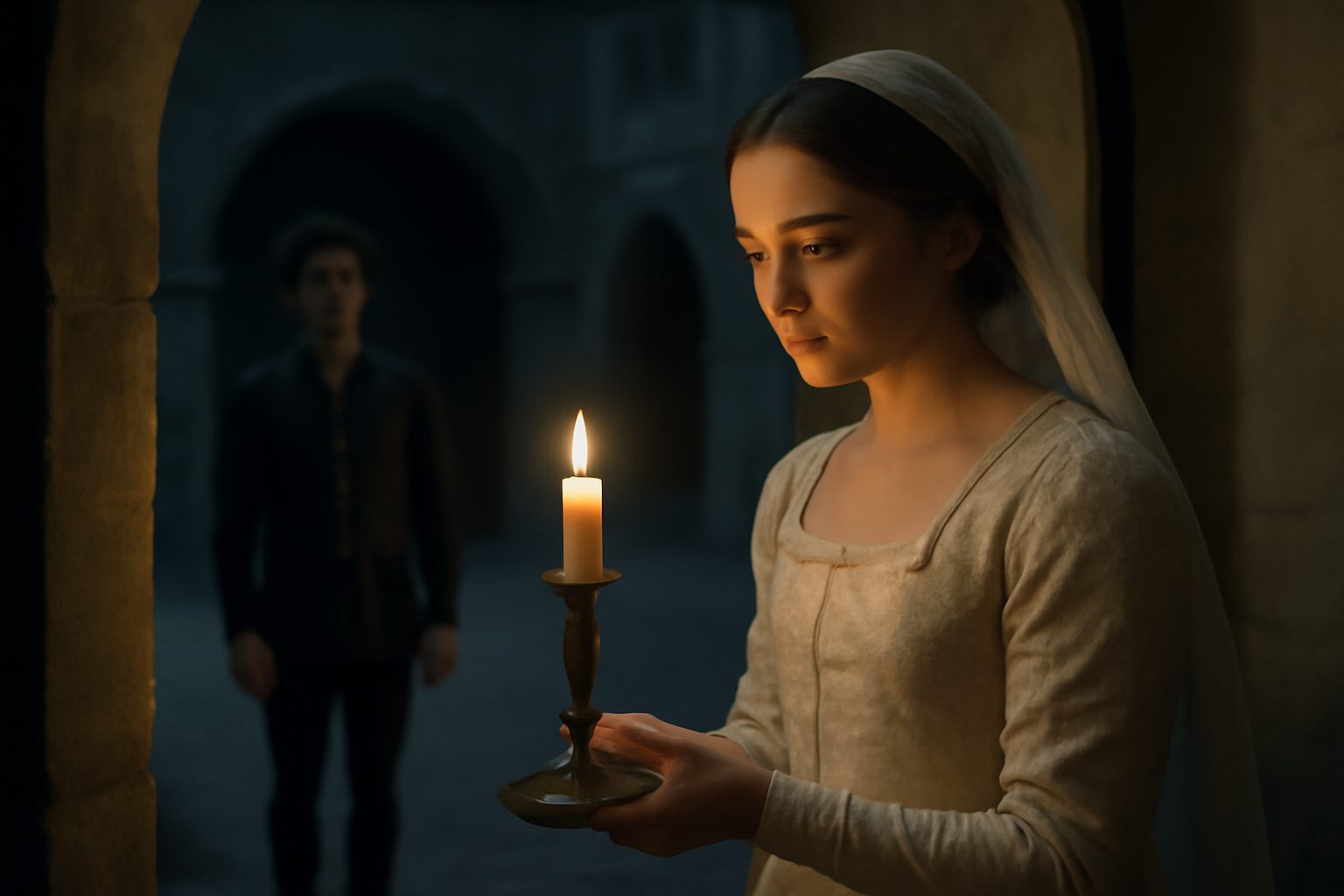
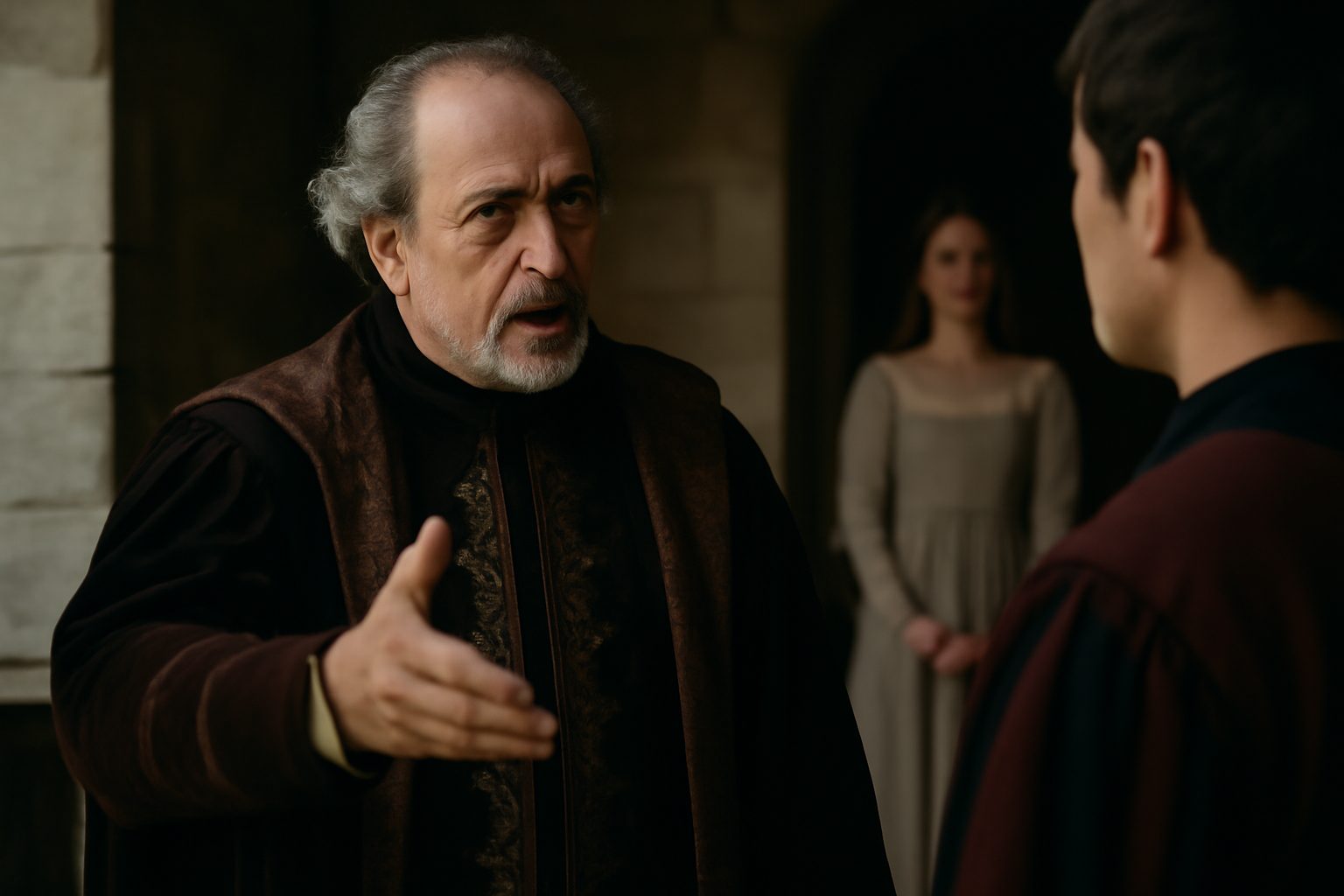
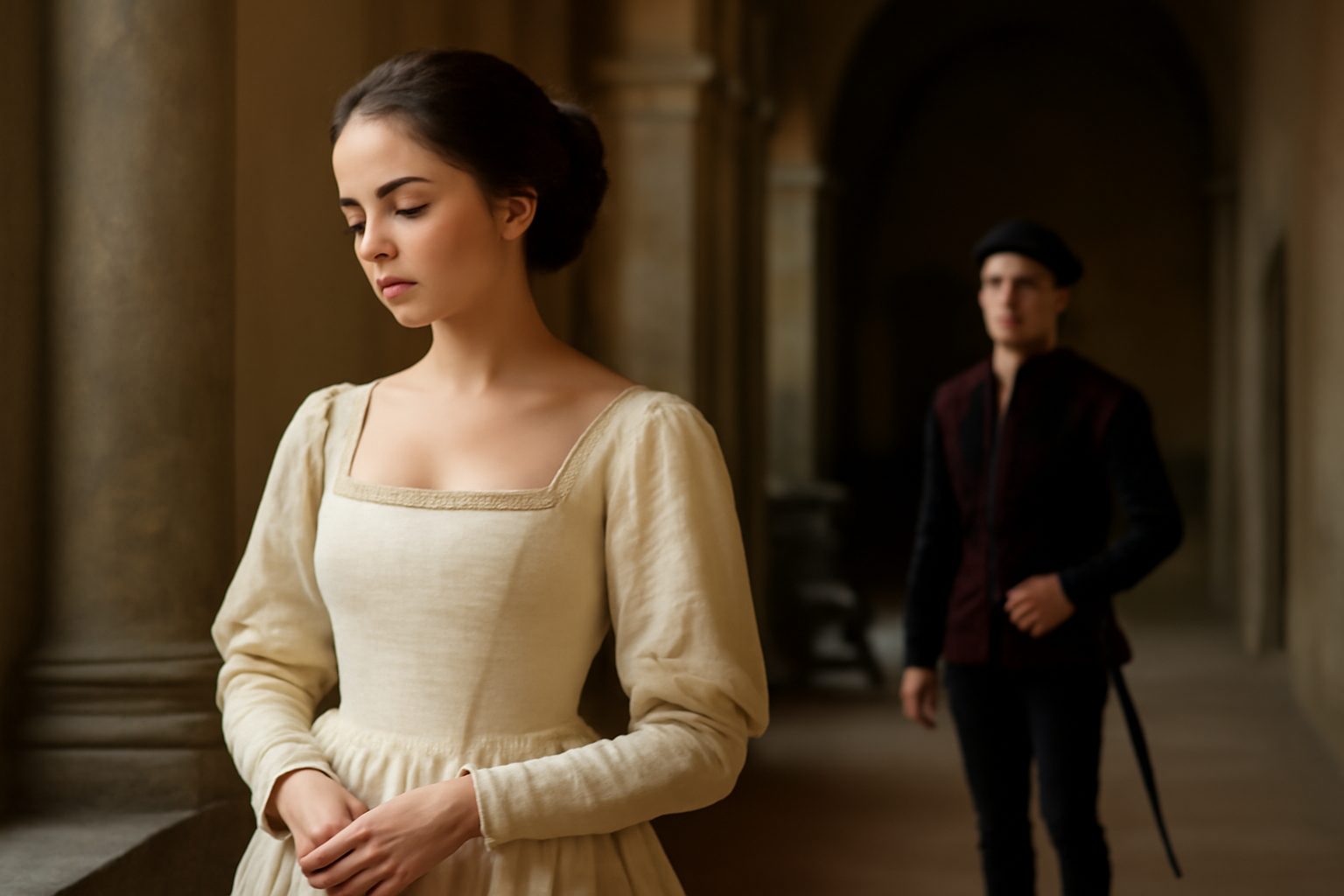
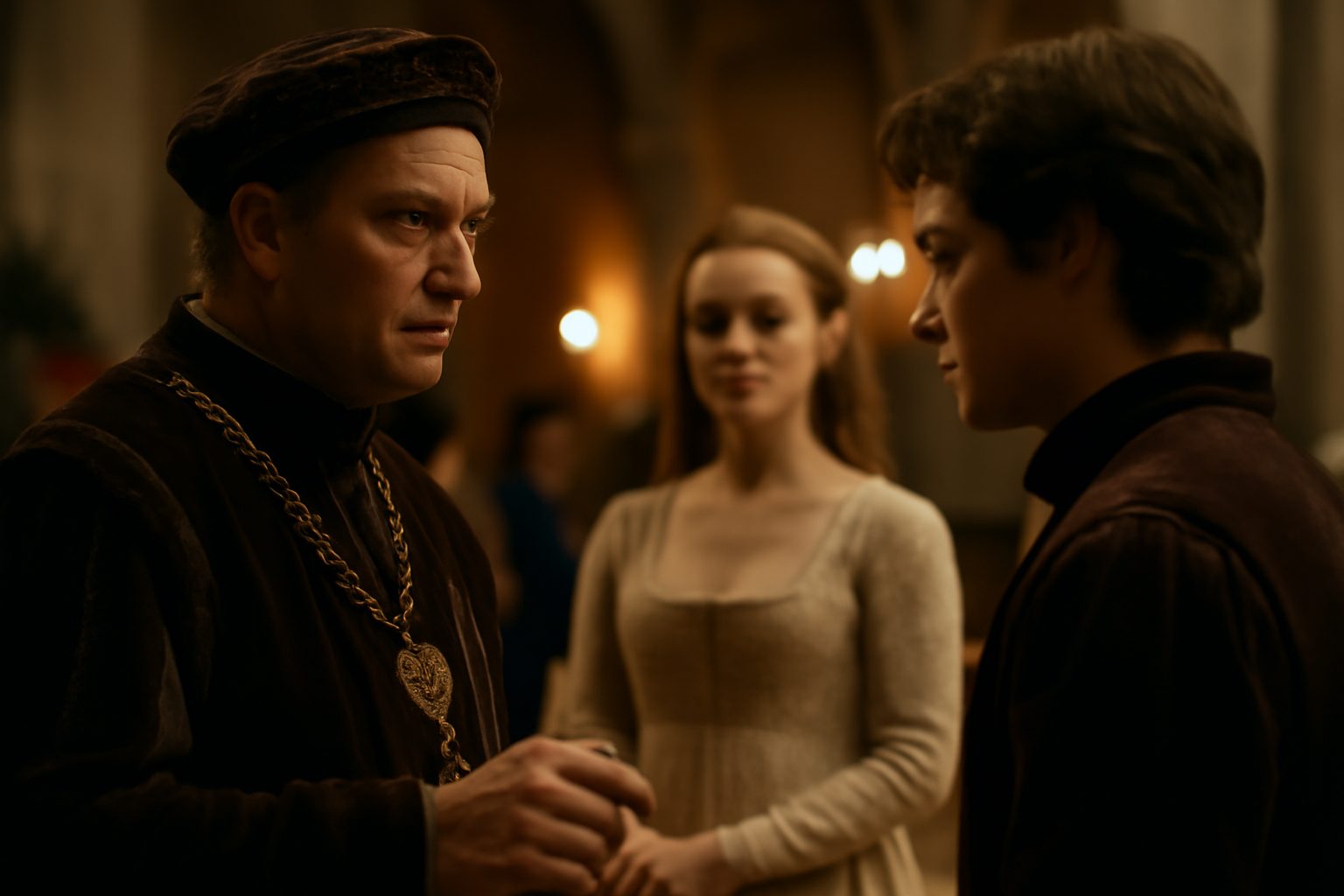
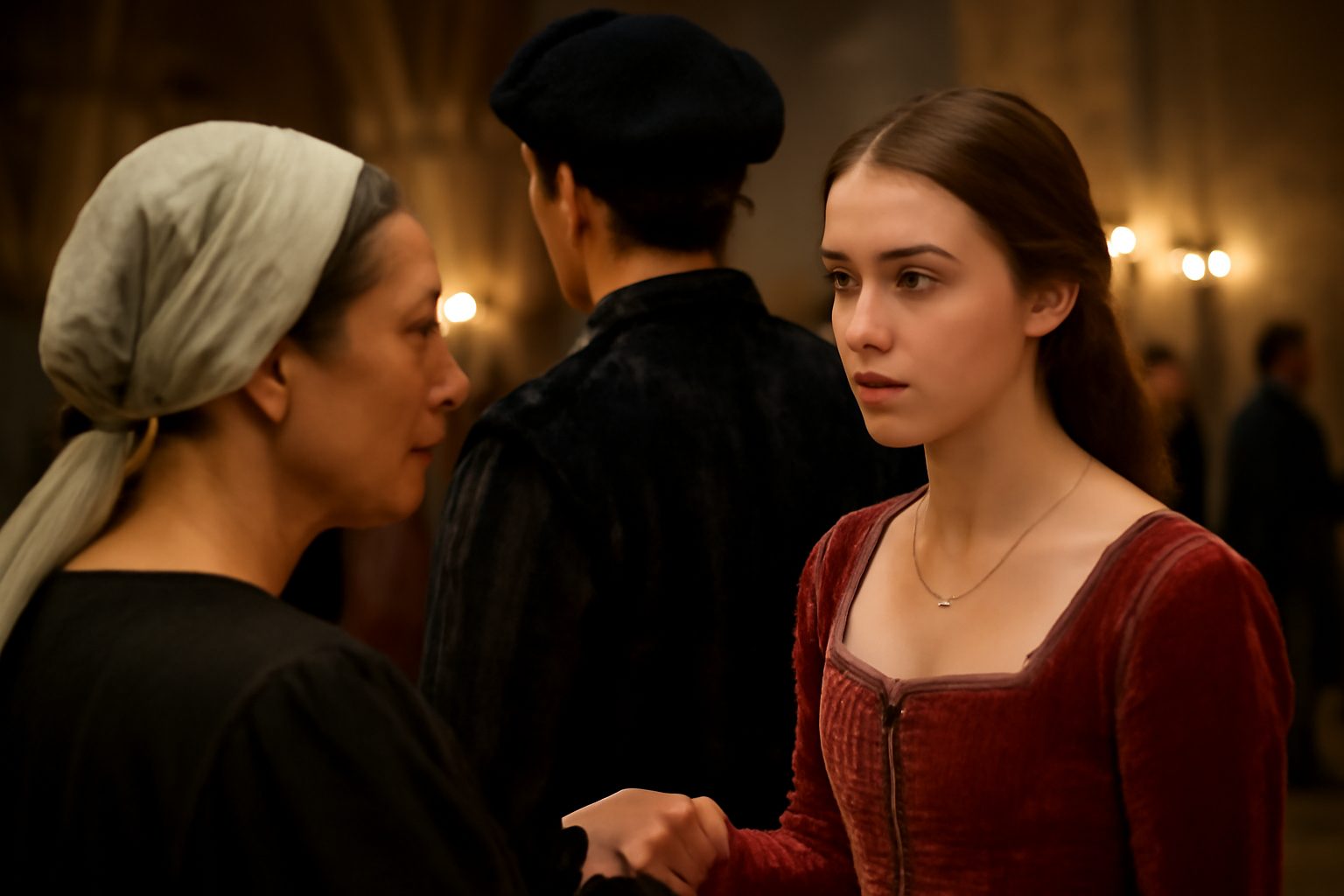
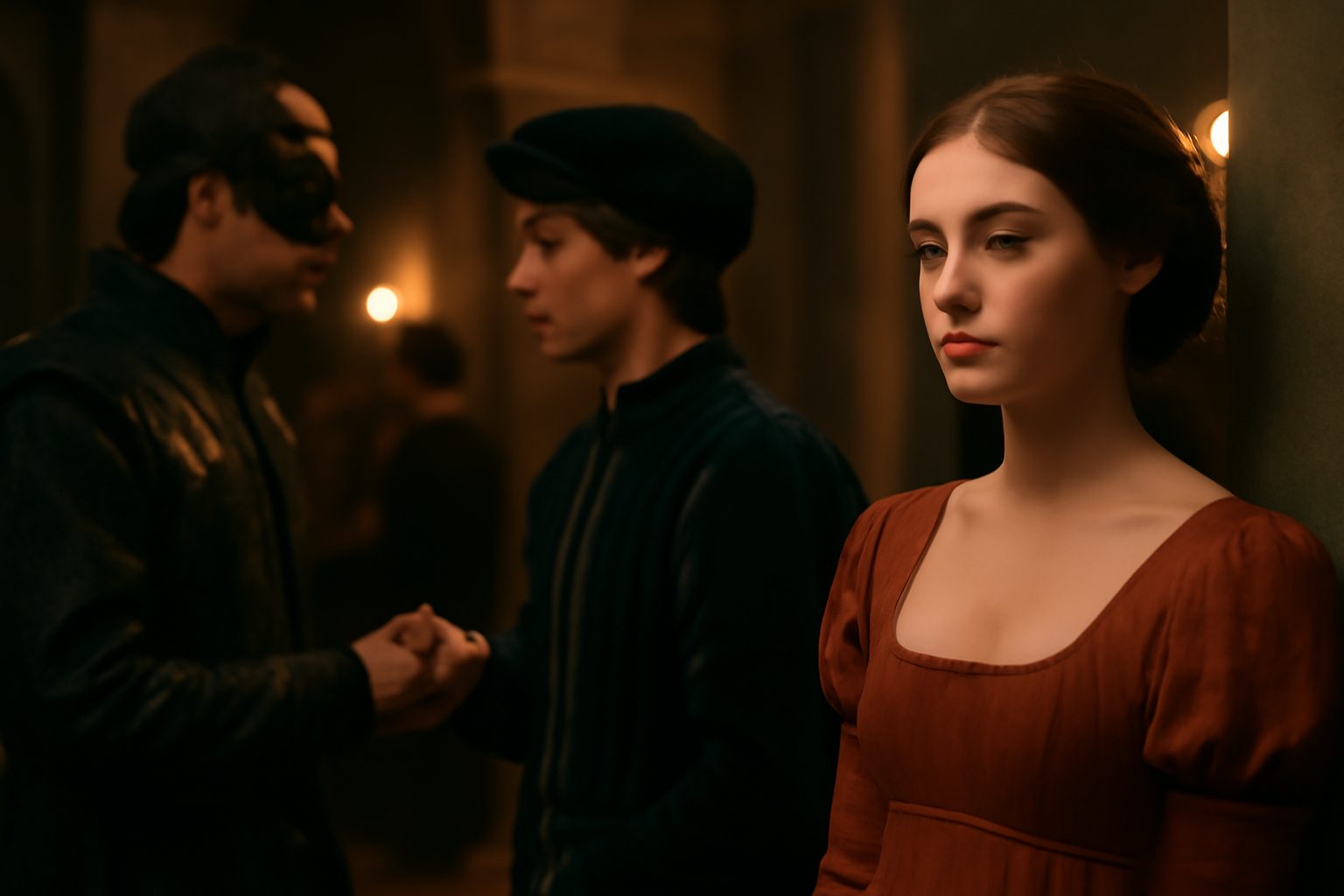
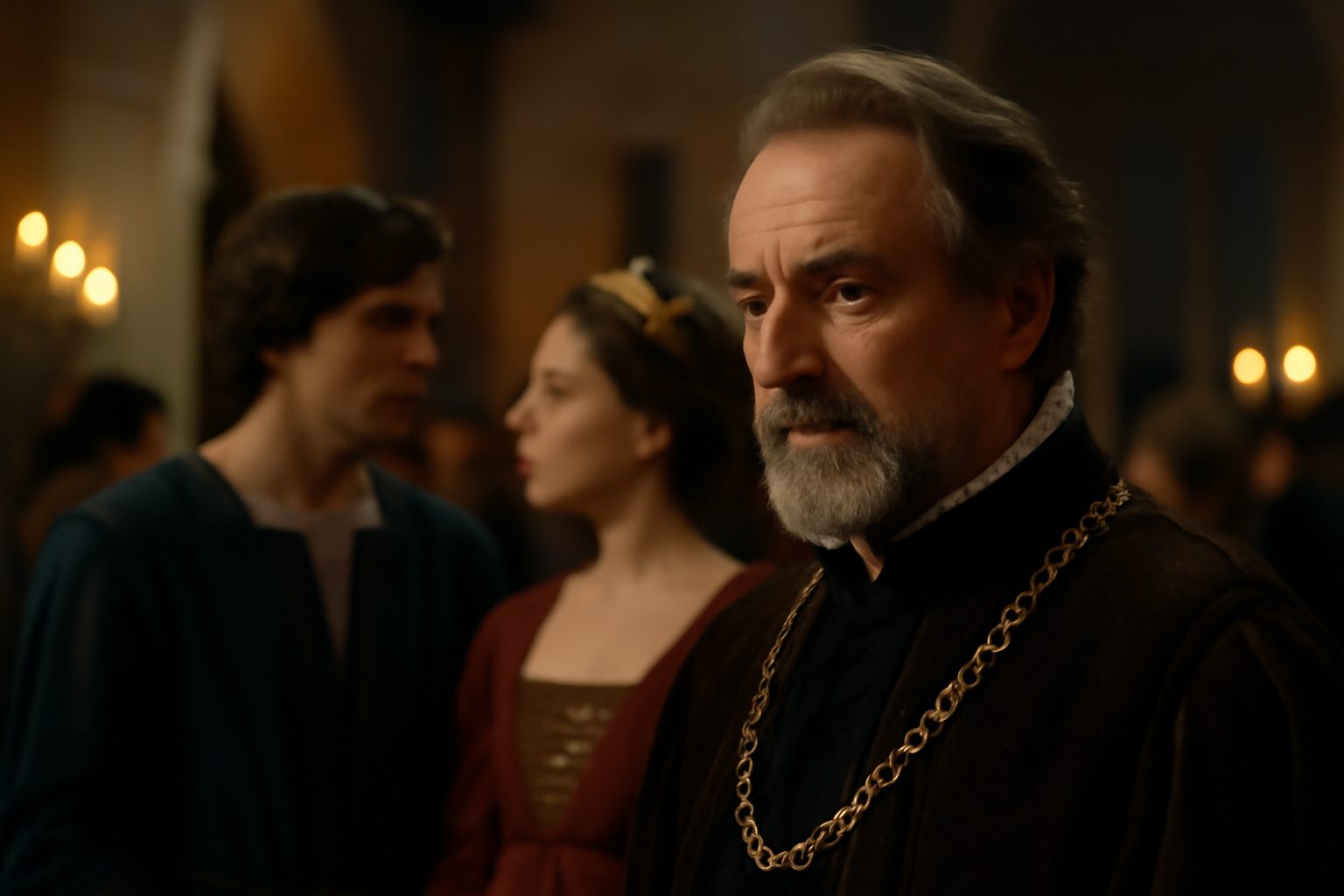
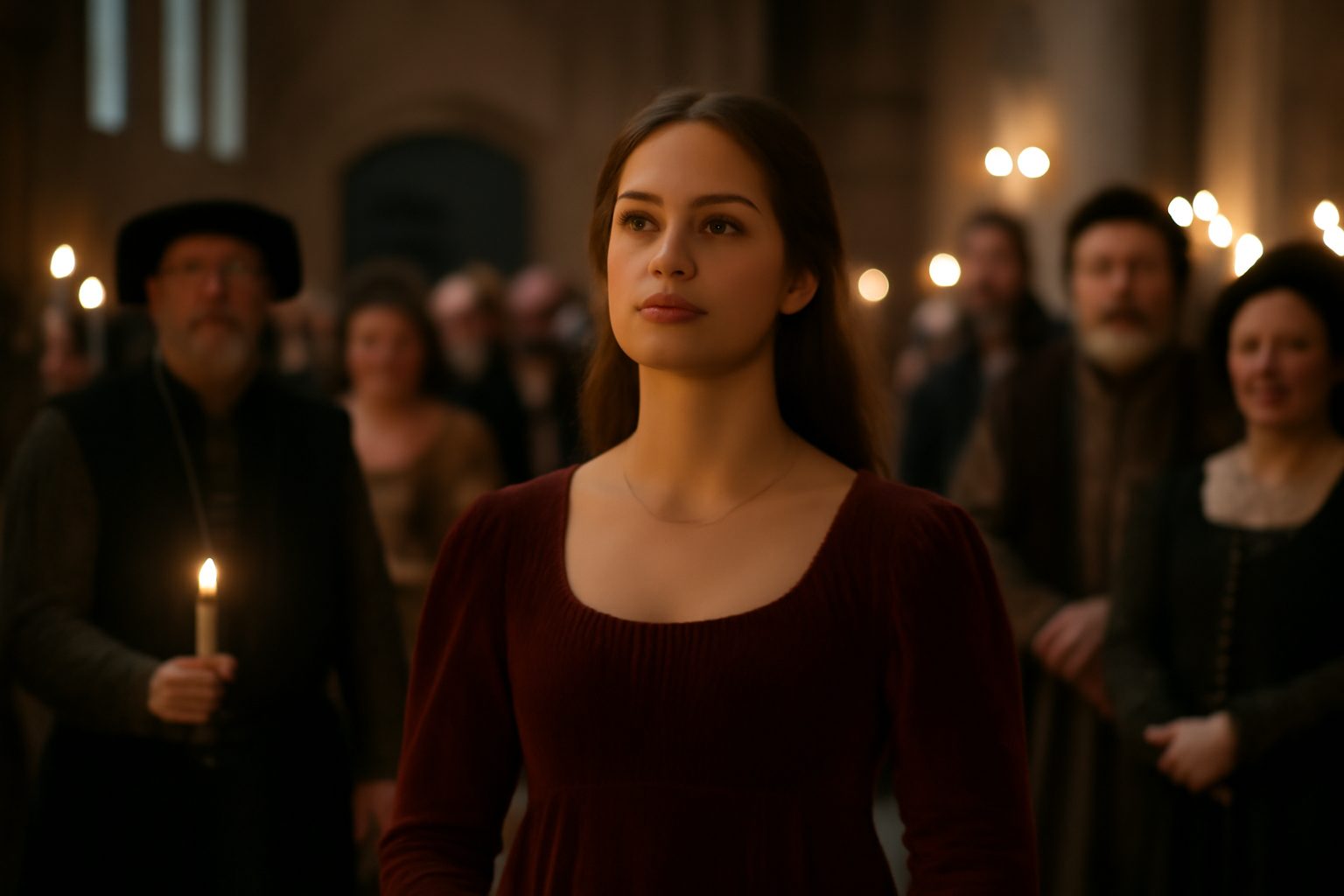
In Act 1, Scene 5 of Romeo and Juliet, Romeo attends the Capulet feast and first sees Juliet, instantly captivated by her beauty. This line captures his sudden realization that he has fallen in love with her before even knowing her identity—only to discover she is a Capulet, his family's sworn enemy. The moment underscores the play's themes of fate and the tragic consequences of haste.
Juliet: "Too early seen unknown, and known too late!"
In modern day english, we would say:
I saw him too soon before I knew who he was, and now I know him too late!
Frequently Asked Questions
What does Juliet mean when she says she saw Romeo too early without knowing him, and knew him too late?
Juliet means that she saw Romeo before she knew who he was, and by the time she realized he was from the rival Montague family, she had already fallen in love with him.
Connections to other verses:
Connections to "Too early seen unknown, and known too late!"
This line, spoken by Juliet, encapsulates the tragic irony of her instant love for Romeo, followed by the devastating realization of his identity as a Montague. It connects thematically and dramatically to several other verses in the scene.
Initial Enchantment and Discovery
Juliet's lament follows her immediate captivation by Romeo, expressed in Did my heart love till now? forswear it, sight! and For I ne'er saw true beauty till this night, where Romeo similarly marvels at her beauty. Their mutual awe is framed by Romeo's earlier observation, As yonder lady o'er her fellows shows, highlighting Juliet's striking presence.
Identity and Conflict
The phrase "known too late" directly ties to the moment Tybalt recognizes Romeo, declaring Tis he, that villain Romeo, and Capulet's restraint in He shall be endured. This tension underscores the feud that makes their love forbidden. Juliet's subsequent realization, Is she a Capulet? and My only love sprung from my only hate!, deepens the tragedy of delayed knowledge.
Foreshadowing and Irony
The line's prophetic nature echoes Juliet's earlier foreboding, My grave is like to be my wedding bed, and Romeo's premonitory O dear account! my life is my foe's debt. It also contrasts with the playful, unaware exchange during their first meeting, such as And palm to palm is holy palmers' kiss, where their connection feels pure before identity intervenes.
Structural and Emotional Shifts
This verse marks a turning point from the scene's festive atmosphere, like You are welcome, gentlemen! come, musicians, play, to impending doom. It resonates with Capulet's command, Away, begone; the sport is at the best, signaling an end to joy and the start of sorrow, much like Juliet's belated awareness.