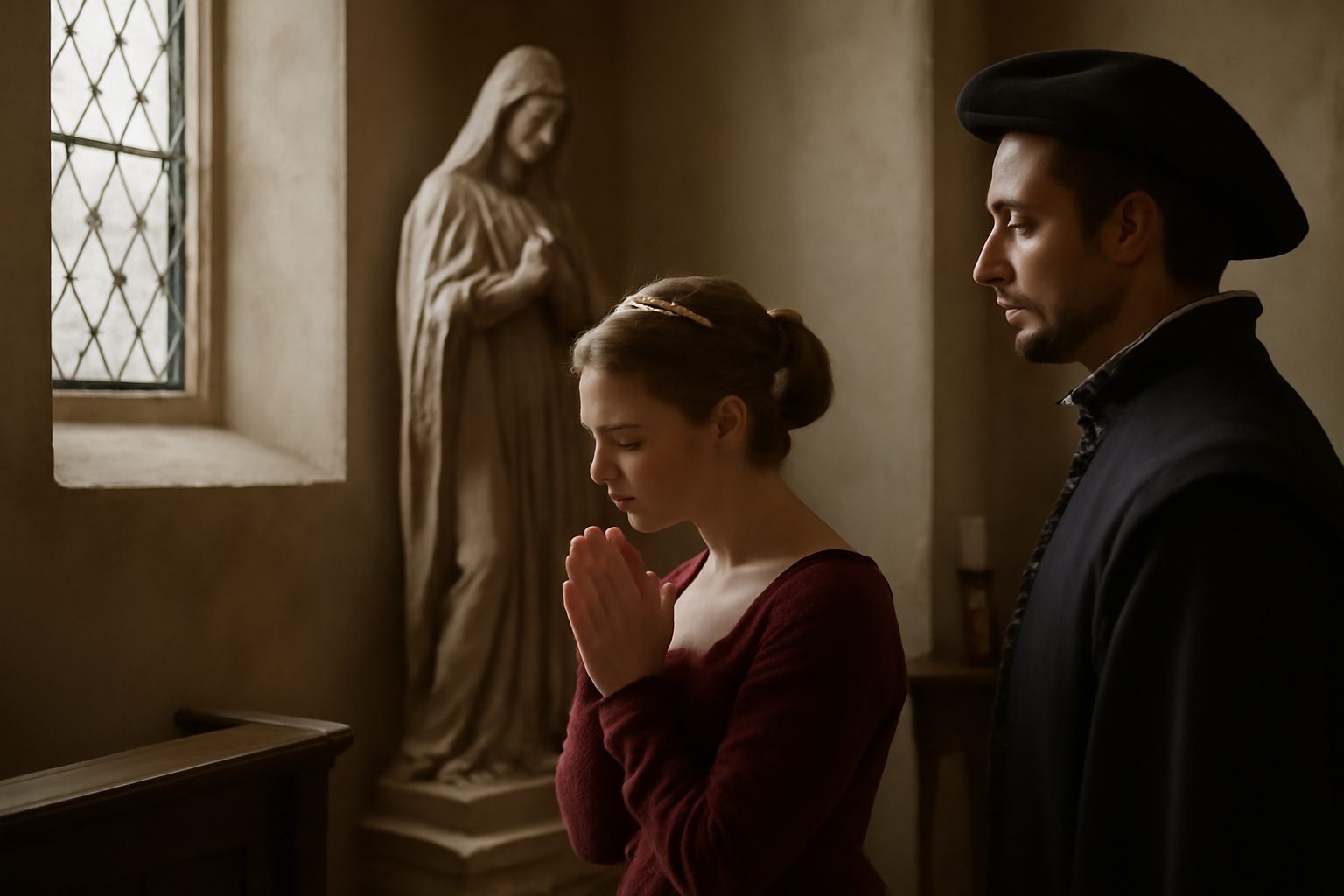
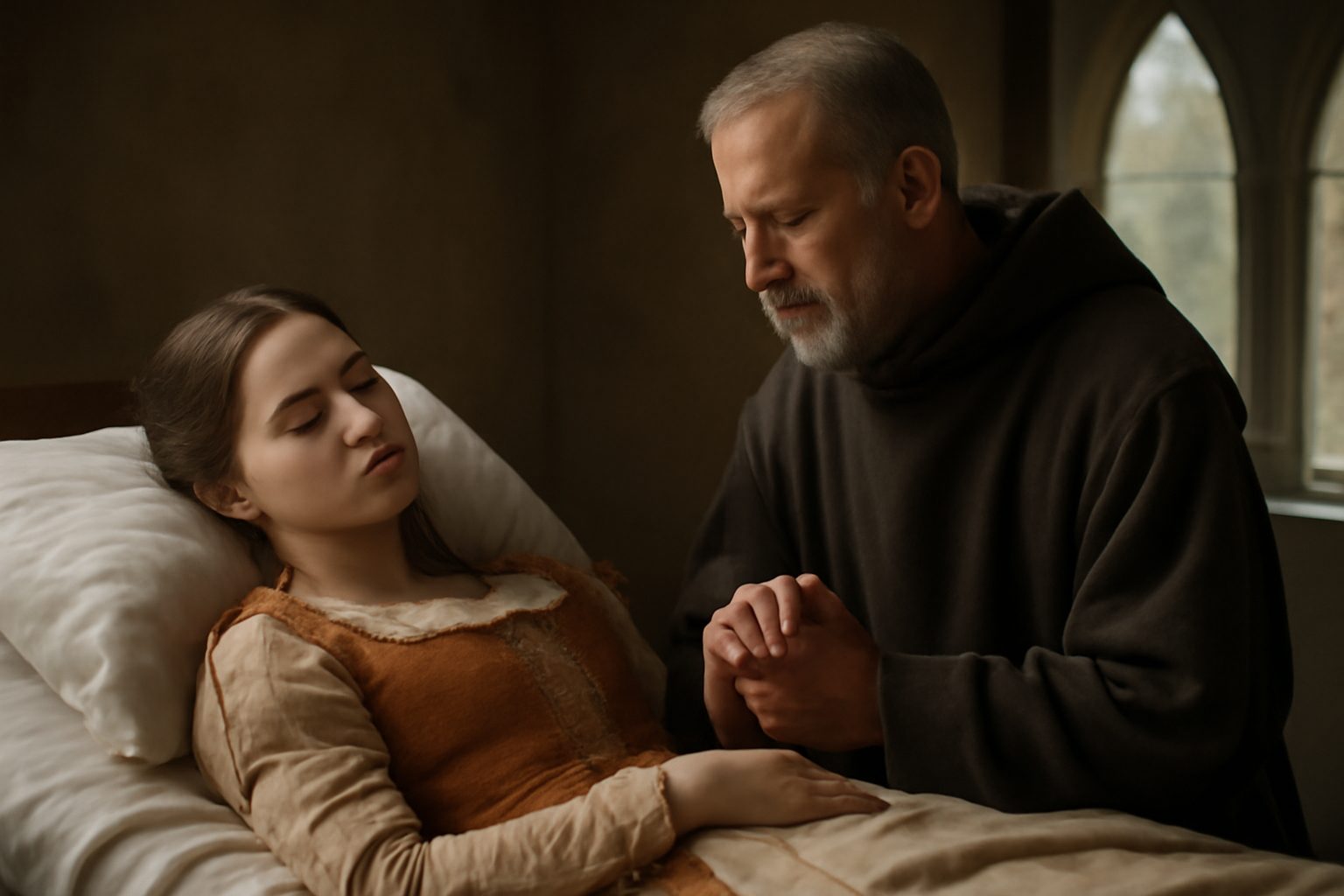
In Act 4, Scene 1 of Romeo and Juliet, Friar Laurence speaks these words as he reflects on the unpredictable and troubled path ahead. Juliet has just arrived in distress, seeking a way to avoid her forced marriage to Paris, and the Friar, though sympathetic, feels uneasy about the risky plan he is about to propose. His line captures his hesitation, acknowledging the dangerous and uncertain nature of the course they are taking.
Friar Laurence: "Uneven is the course, I like it not."
In modern day english, we would say:
This path is unpredictable, and I don’t like it.
Frequently Asked Questions
What does Friar Laurence mean when he says the course is uneven?
He means that the plan or situation is not smooth or straightforward, and he is worried about it.
Connections to other verses:
Connections to "Uneven is the course, I like it not."
Friar Laurence's line, "Uneven is the course, I like it not," reflects his unease with the hasty and forced marriage plans for Juliet. This sentiment is echoed in his earlier remark, "Now do you know the reason of this haste," where he acknowledges the rushed nature of the arrangements driven by external pressures.
Juliet's Desperation and the Friar's Concern
Juliet's distress over the impending marriage to Paris is clear in her plea, "Unless thou tell me how I may prevent it," which underscores the urgency and imbalance the Friar dislikes. Her willingness to embrace extreme measures, as seen in "O, bid me leap, rather than marry Paris," highlights the dire circumstances that make the course so "uneven."
The Friar's Remedial Plan
In response, the Friar devises a plan involving a potion that mimics death, described in "And this distilled liquor drink thou off," which he hopes will rectify the tumultuous path. However, his cautionary advice in "Abate thy valour in the acting it" shows his awareness of the risks, reinforcing his initial misgivings about the precarious situation.
Resolution and Hope
Despite his reservations, the Friar offers a solution intended to restore order, promising in "And this shall free thee from this present shame," aiming to smooth out the uneven course through subterfuge and careful planning.