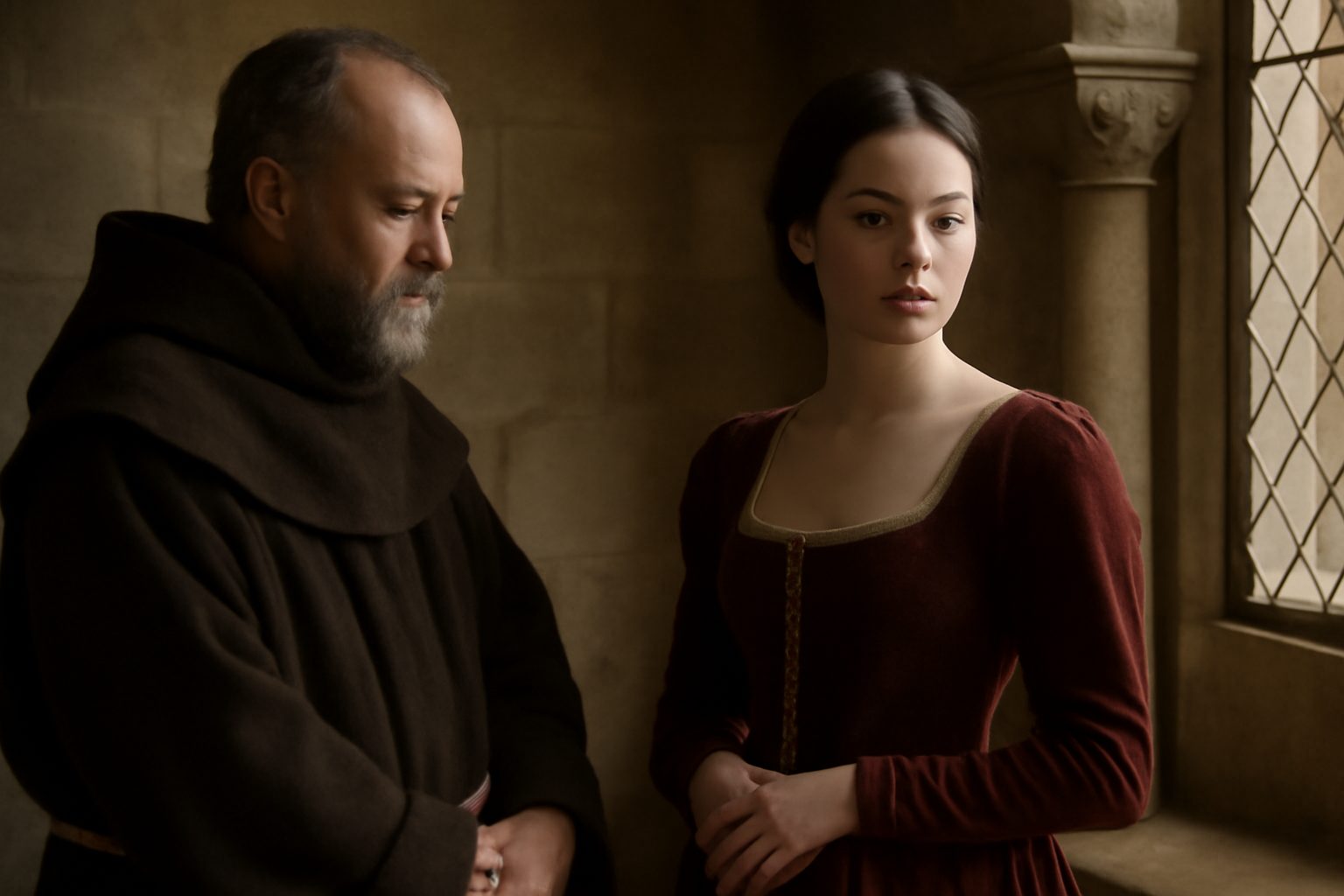
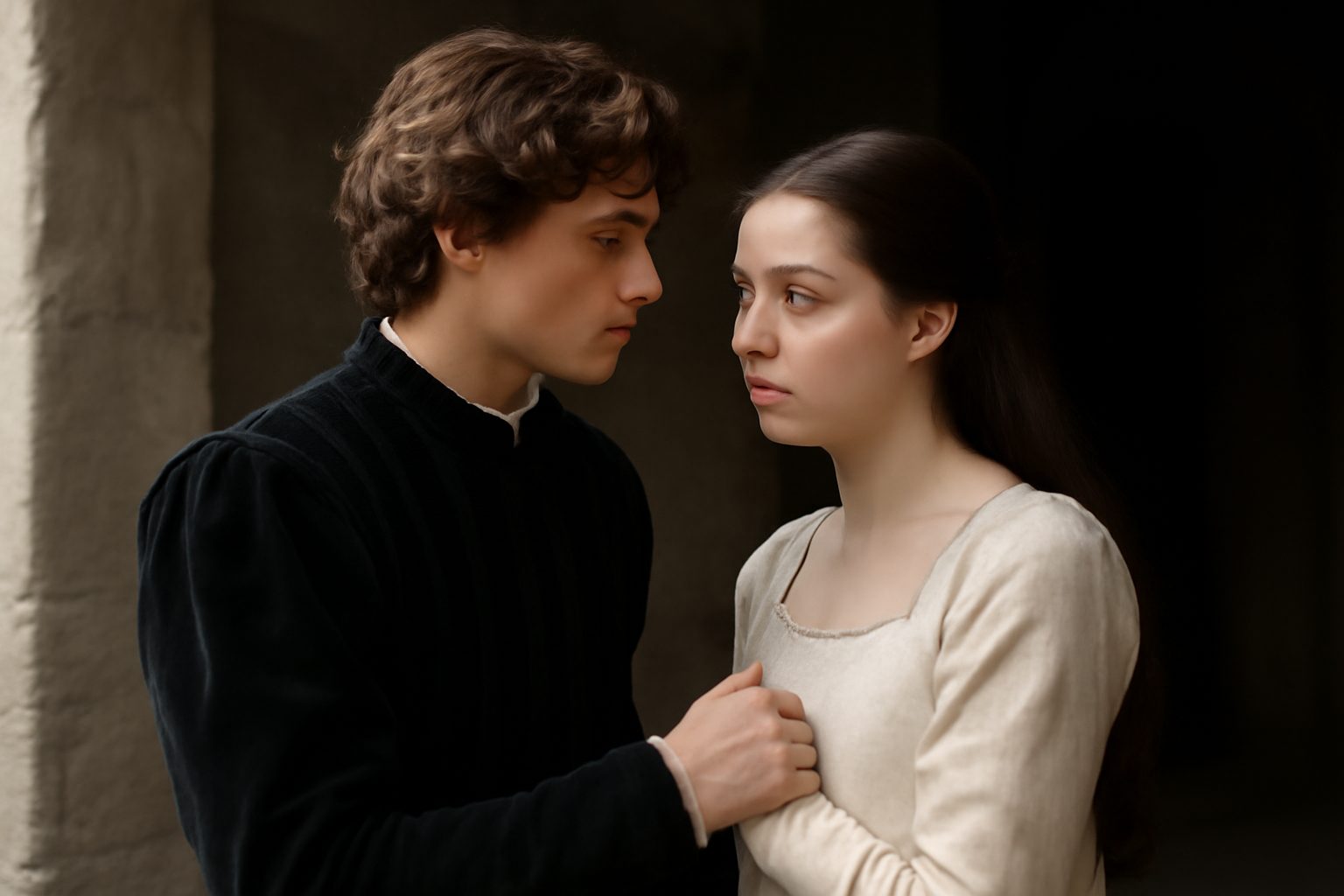
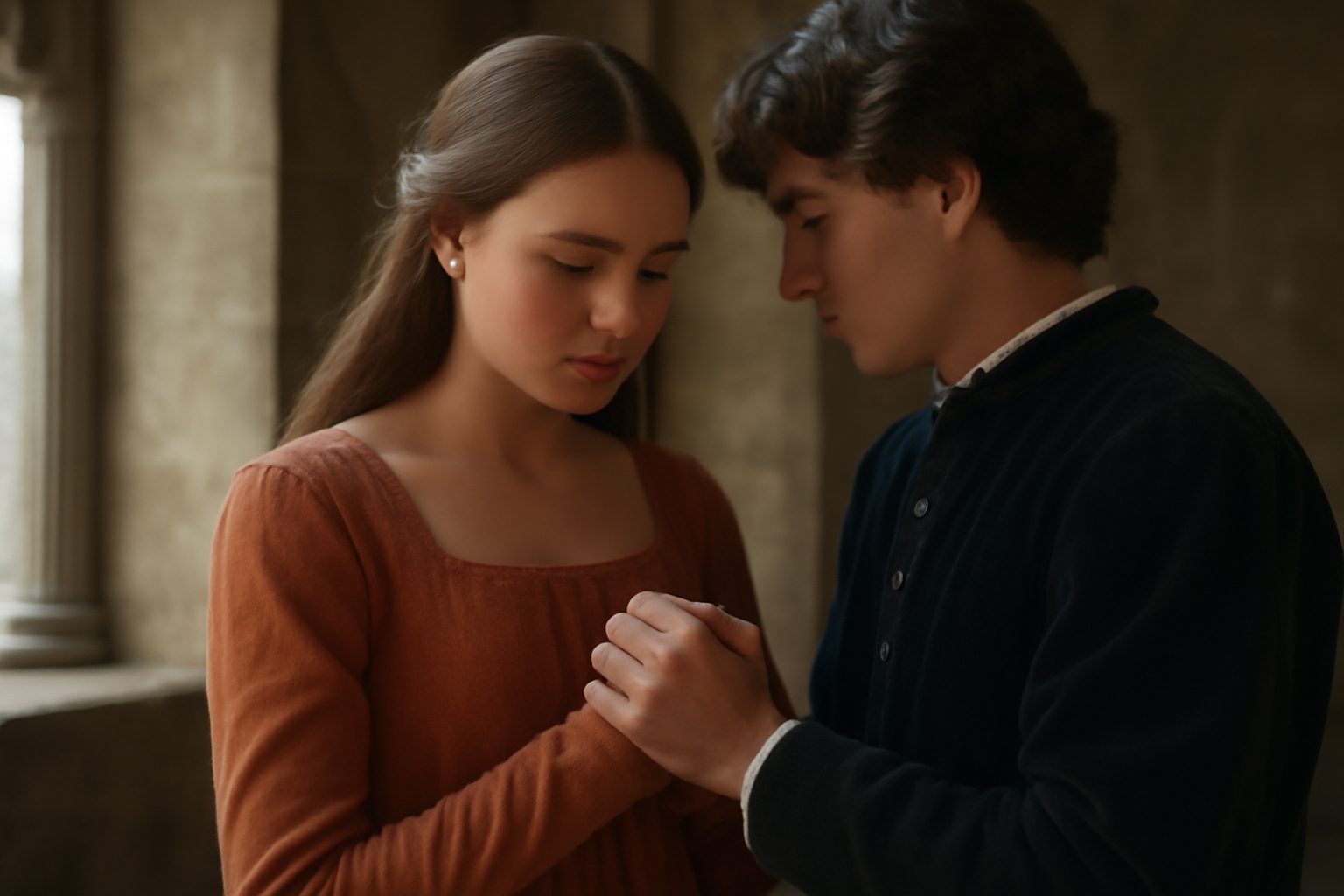
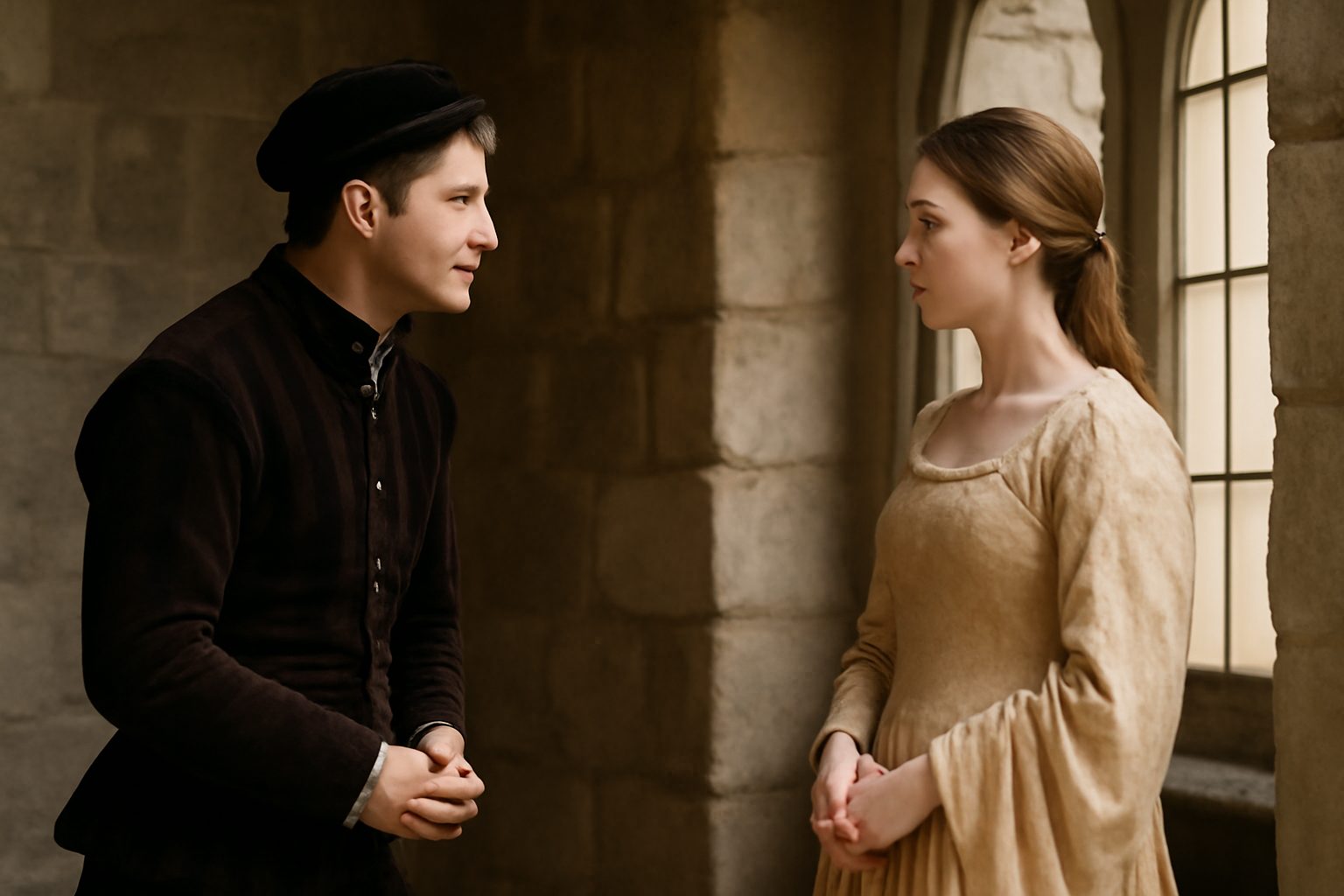
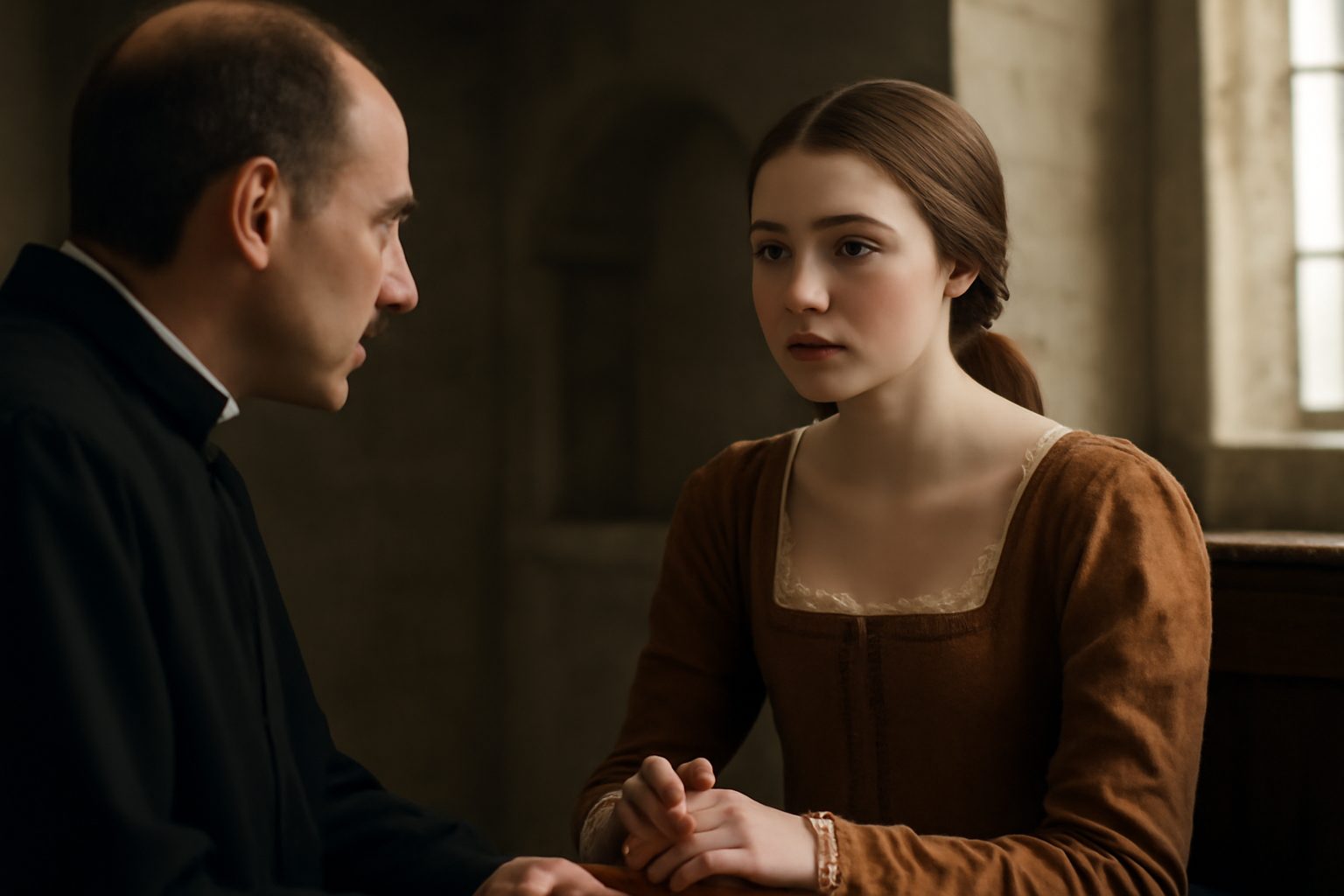
In Act 4 Scene 1 of Romeo and Juliet, Friar Laurence is speaking to Paris about Juliet's apparent grief over Tybalt's death. Paris misunderstands Juliet's sorrow, believing it stems solely from loss, while the audience knows she is also distraught over Romeo's banishment. The line underscores the Friar's frustration with Paris, who misinterprets Juliet's pain as he insists on hastening their marriage.
Paris: "Thou wrong'st it, more than tears, with that report."
In modern day english, we would say:
You’re hurting its reputation more with that statement than tears ever could.
Frequently Asked Questions
Who is speaking in this line from Romeo and Juliet?
Paris
What does Paris think is worse than tears in this line?
The report or news being told
In which act and scene does this line appear?
Act 4 Scene 1
Connections to other verses:
Connections to "Thou wrong'st it, more than tears, with that…"
This line, spoken by Paris to Juliet, criticizes her excessive grief for Tybalt, suggesting she harms her own beauty more with sorrow than tears alone could. It connects thematically and emotionally to several other verses in the scene.
Related to Juliet's Distress and Desperation
Paris's observation links to Poor soul, thy face is much abused with tears, where Friar Lawrence similarly notes the physical toll of her weeping. Both highlight how her visible sorrow dominates interactions.
It also contrasts with Juliet's own declaration of despair in Be not so long to speak; I long to die, showing her internal state aligns with Paris's external critique—her grief is indeed profound.
Connections to Remedies and Friar Lawrence's Plan
Paris's comment on her sorrow ties into Friar Lawrence's earlier remark in That she doth give her sorrow so much sway, indicating a shared concern about her emotional state, which prompts the Friar's drastic plan.
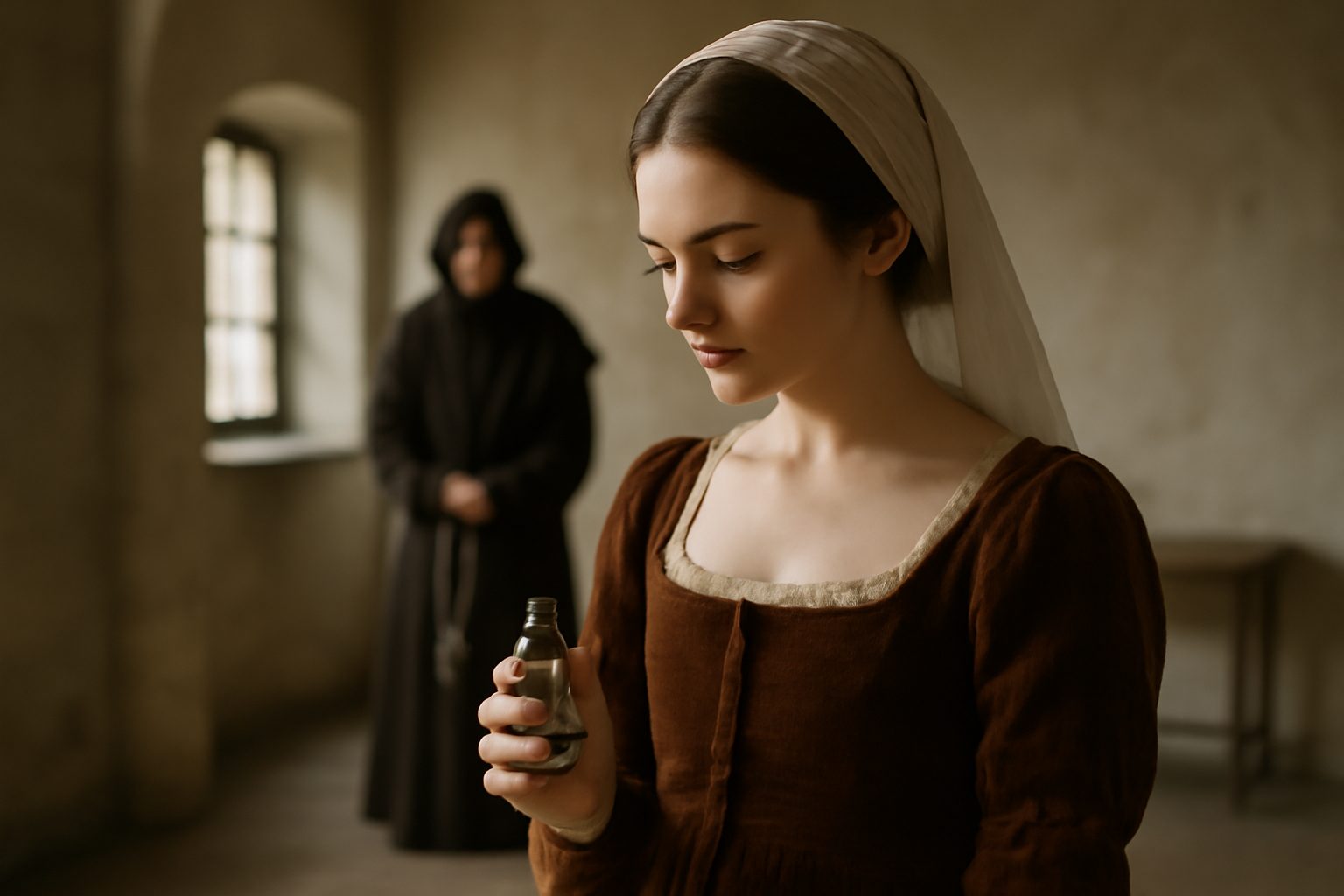
This culminates in the Friar's offer of a "remedy" in And, if thou darest, I'll give thee remedy, directly addressing the desperation that Paris's line critiques.
Link to Themes of Death and Appearance
The idea of "wronging" oneself through sorrow foreshadows the Friar's description of the potion's effects in Shall, stiff and stark and cold, appear like death, where Juliet's appearance will deceive others, much as her tears deceive Paris about her true anguish.
It also resonates with Juliet's willingness to embrace death-like states in And hide me with a dead man in his shroud, showing her desperation to escape her plight, which Paris misinterprets as mere grief.