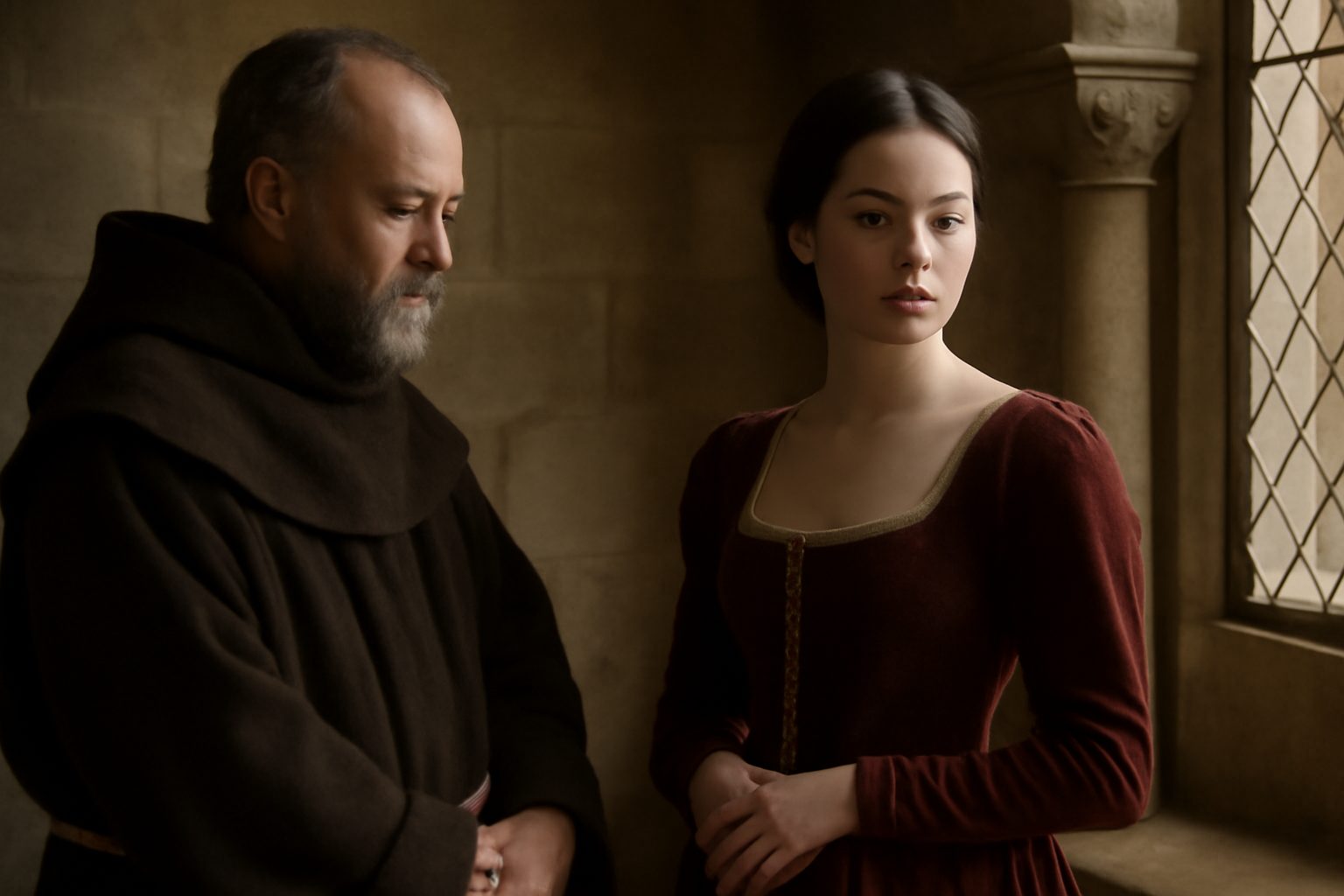
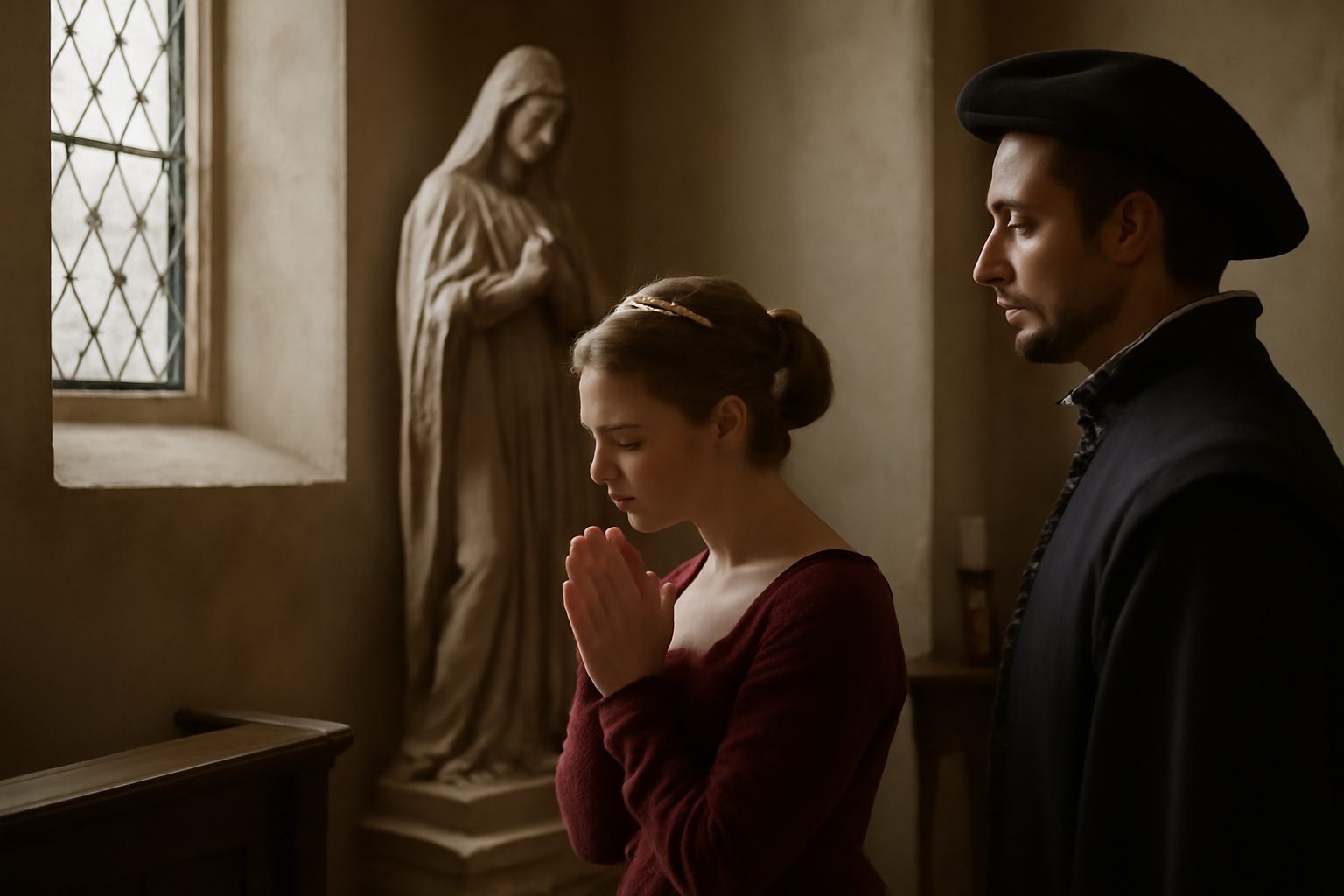
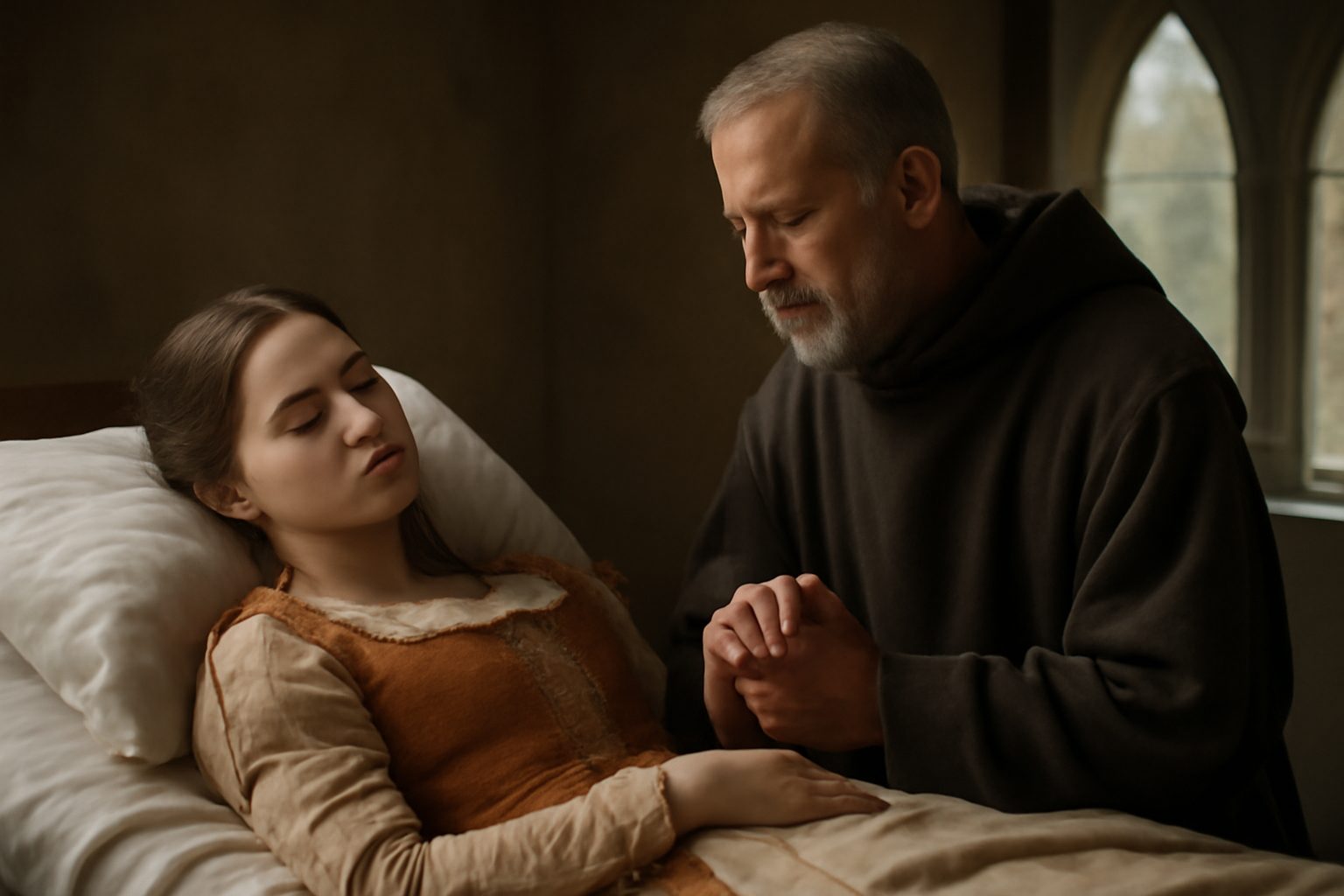
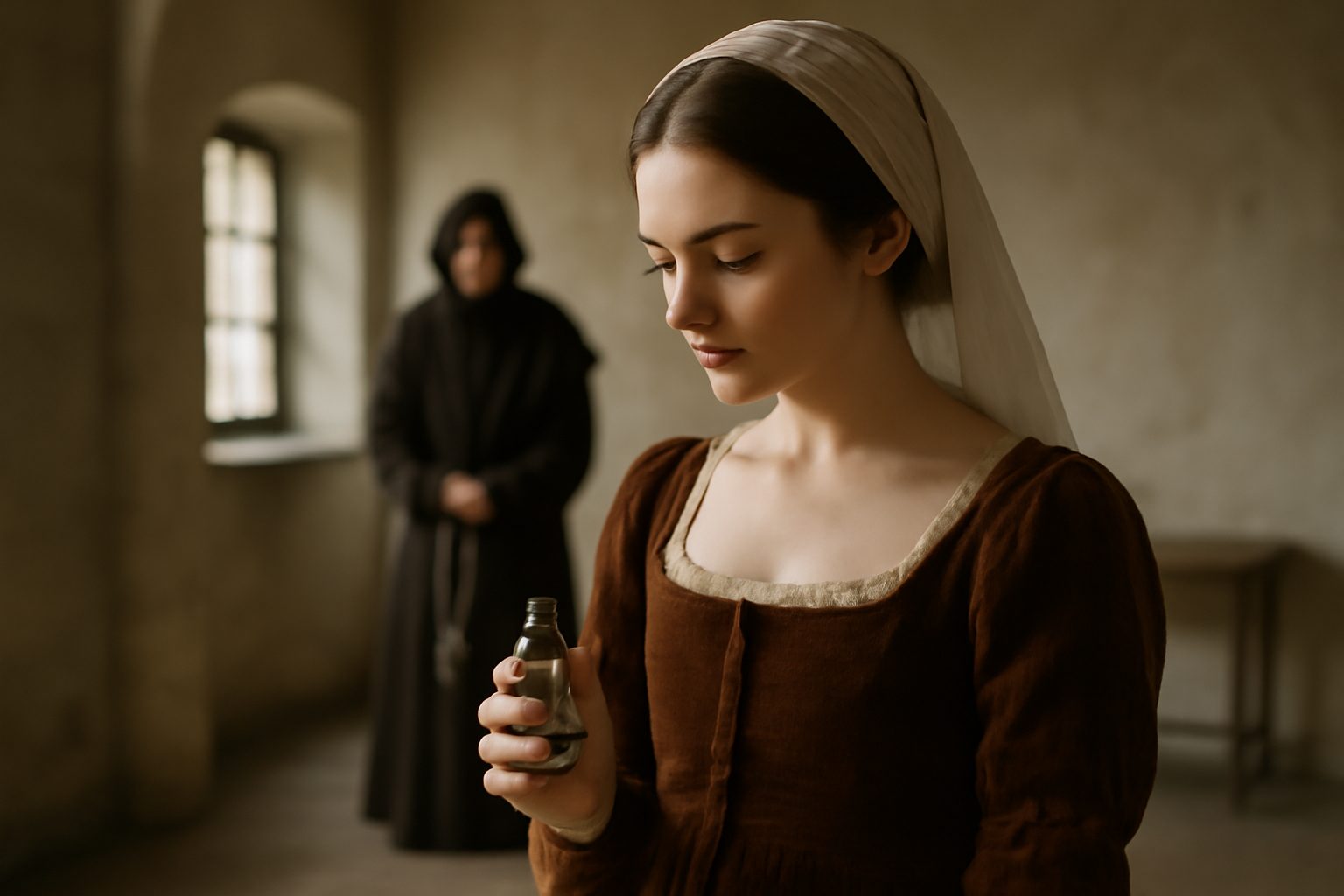
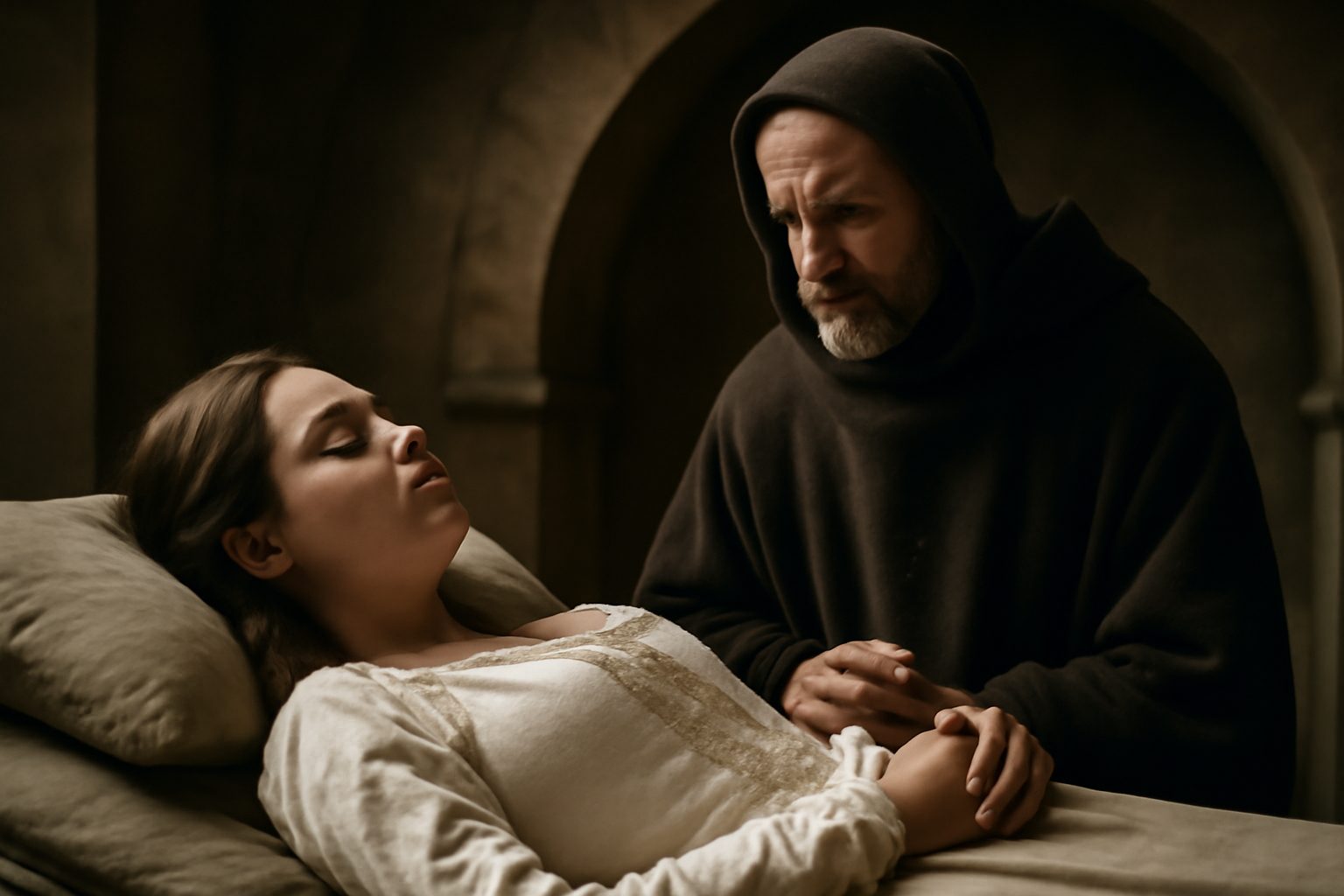
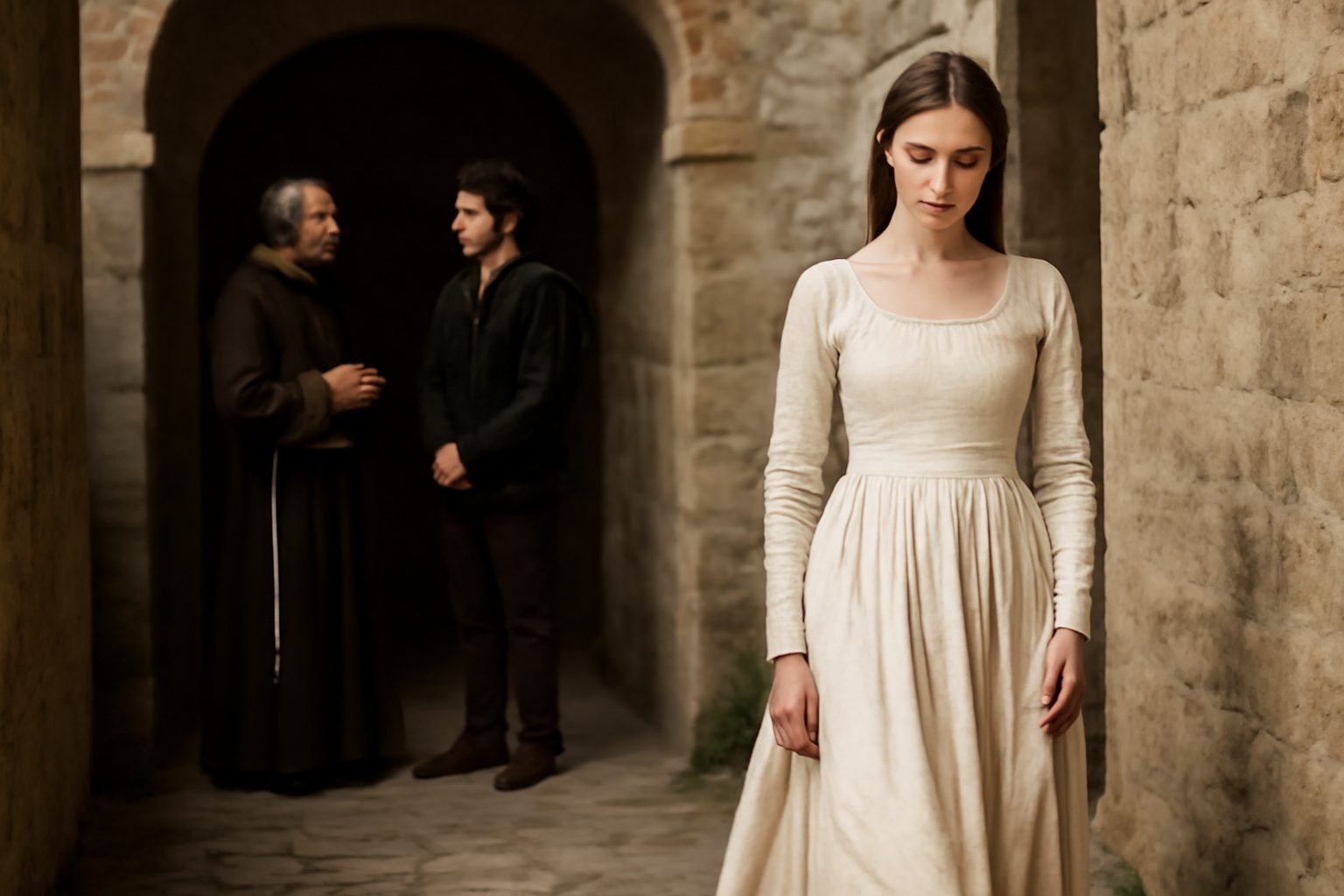
In Act 4, Scene 1 of Romeo and Juliet, Juliet seeks out Friar Laurence in desperation after her parents demand she marry Paris. She addresses him with polite urgency, asking if he is available to help her in her dire situation. This moment marks a turning point as Juliet, isolated and fearful, turns to the friar for a solution to avoid the arranged marriage.
Juliet: "Are you at leisure, holy father, now;"
In modern day english, we would say:
Are you free to talk right now, holy father?
Frequently Asked Questions
What is Juliet asking the holy father in this line?
Juliet is asking the holy father if he is free to talk at that moment.
Connections to other verses:
Connections to "Are you at leisure, holy father, now;"
This line, spoken by Paris to Friar Laurence, initiates the scene's central conflict and sets the tone for the desperate measures that follow. It reflects the urgency felt by multiple characters regarding Juliet's impending marriage.
Related Verses on Urgency and Consultation
- Paris reveals his own haste in "And I am nothing slow to slack his haste", showing his alignment with Capulet's rushed plans.
- Juliet's desperation mirrors this urgency when she demands "Give me some present counsel, or, behold," seeking immediate help from the Friar.
- The Friar acknowledges the rushed marriage in "Uneven is the course, I like it not", expressing his disapproval of the haste that Paris represents.
Connections to Juliet's Distress
- Juliet's entrance prompts Paris's comment "Look, sir, here comes the lady towards my cell", immediately following the leisure question and shifting focus to her crisis.
- Her emotional state is described by Paris in "Immoderately she weeps for Tybalt's death", which the Friar already understands when Juliet arrives seeking help.
- Juliet confirms her despair in "Be not so long to speak; I long to die", showing how the Friar's available "leisure" becomes crucial to preventing tragedy.
Friar Laurence's Pivotal Role
- The Friar responds to Paris's question with "My leisure serves me, pensive daughter, now", directly acknowledging Juliet's need and setting up their private consultation.
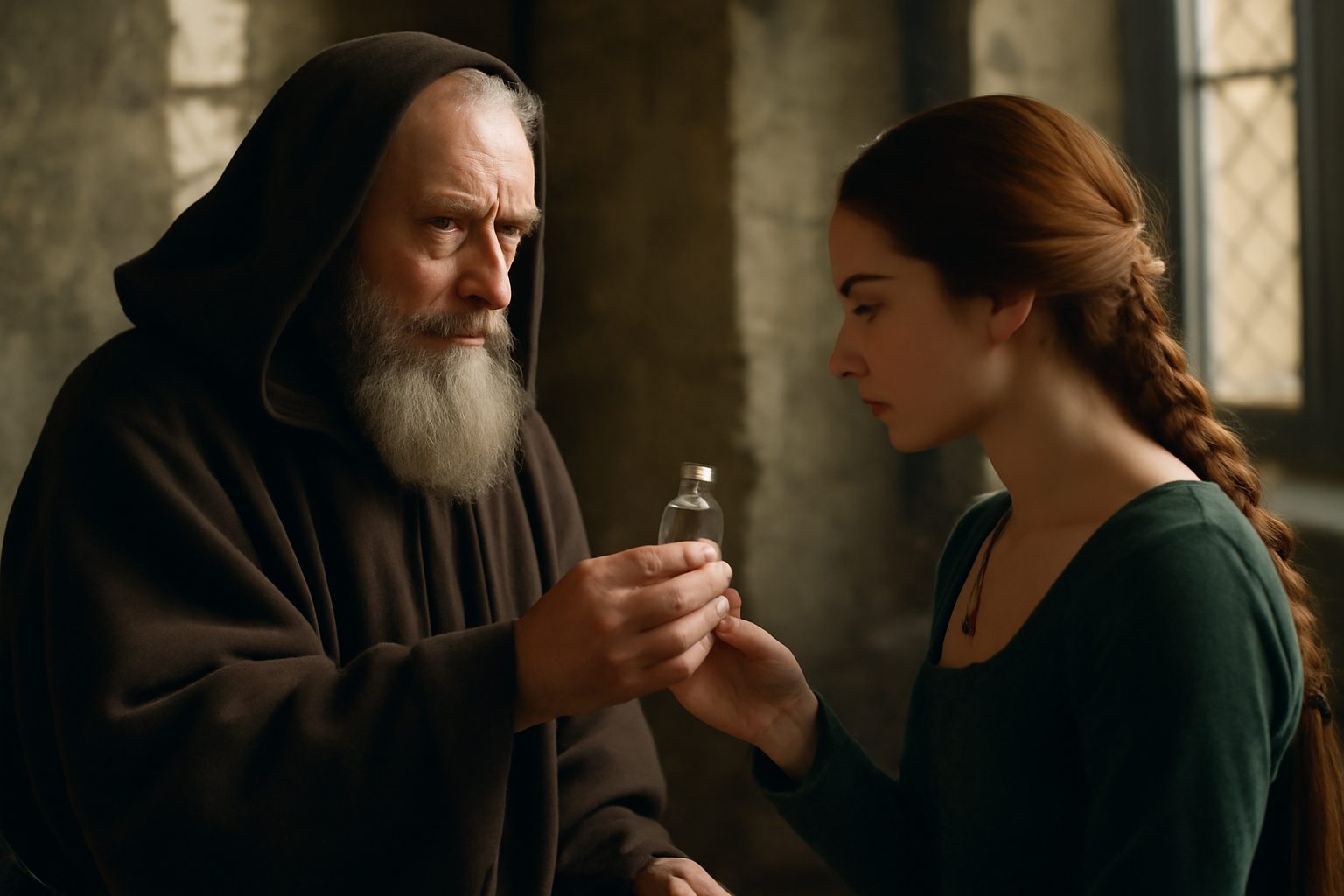
- He later devises the desperate plan described in "And this distilled liquor drink thou off", using his available time to create a solution.
- His reassurance to Juliet in "Hold; get you gone, be strong and prosperous" shows how the initial availability of his leisure leads to decisive action.