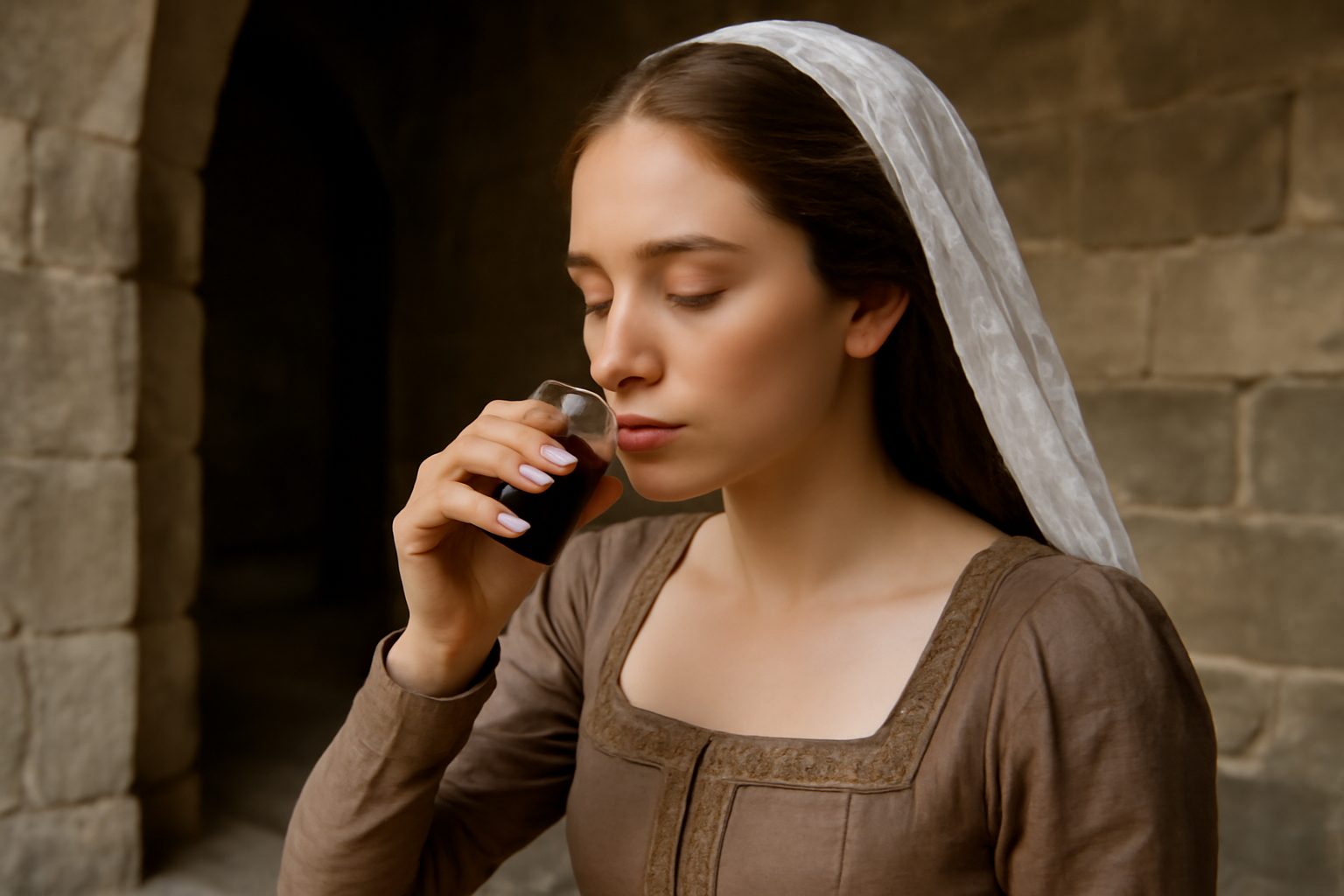
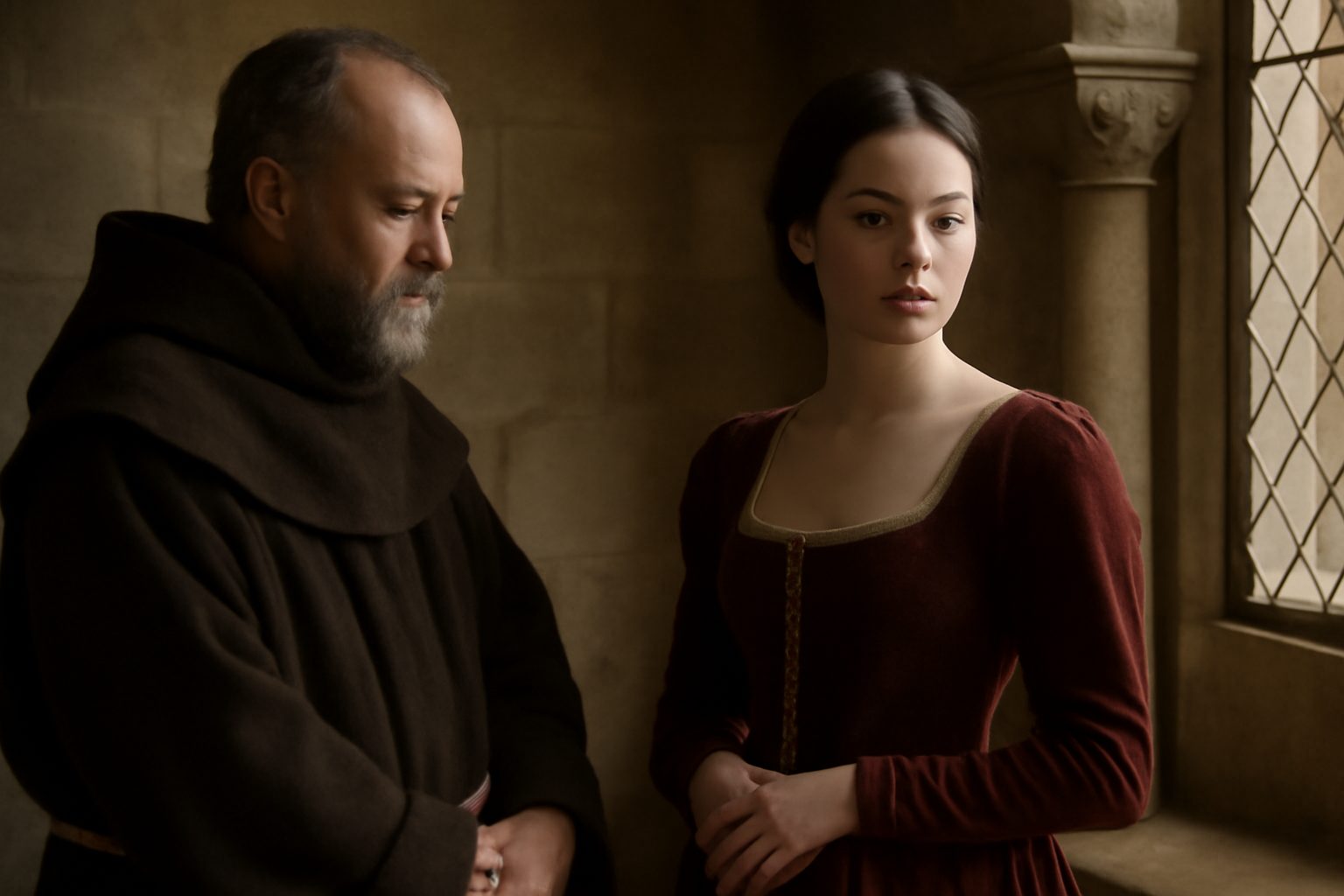
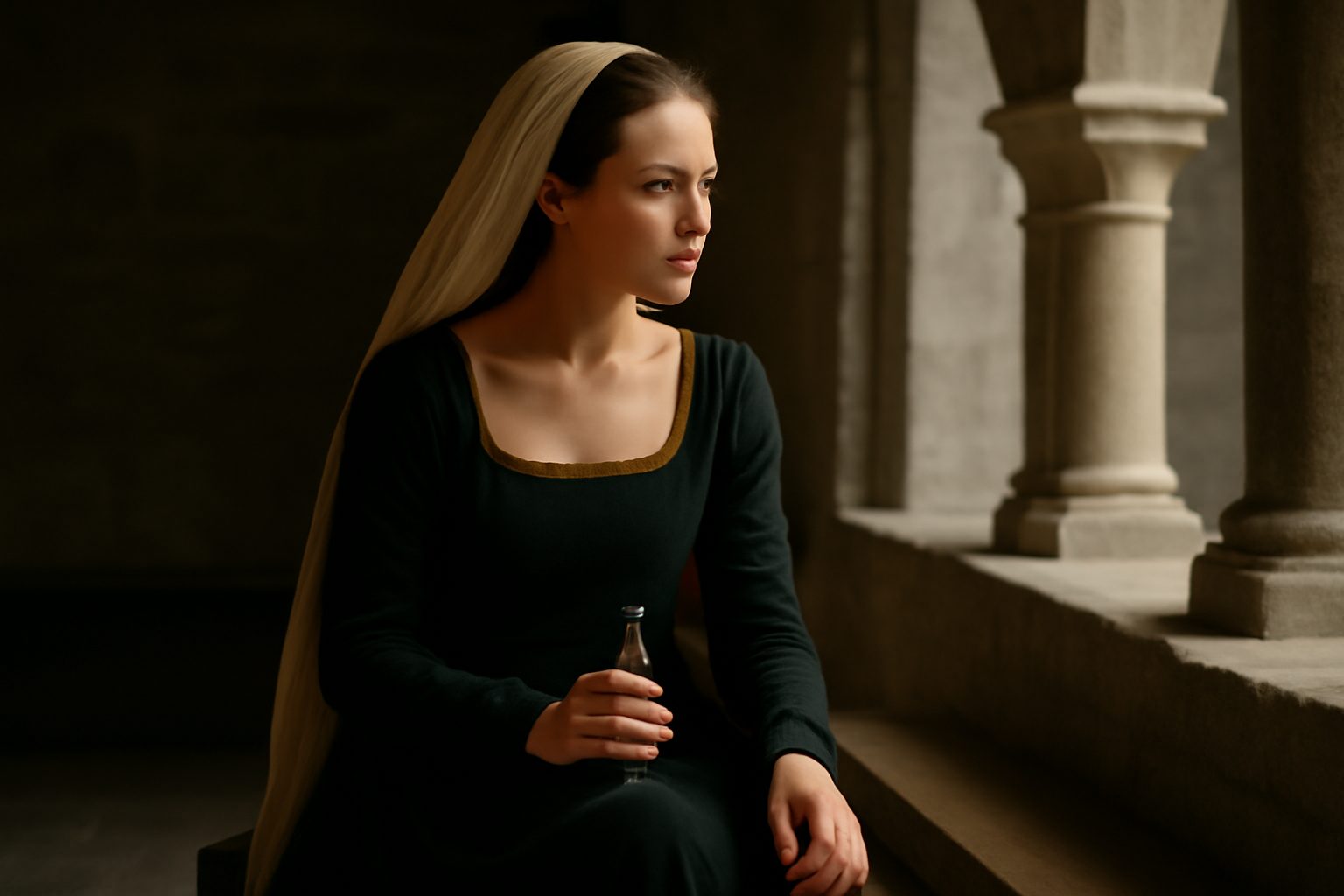
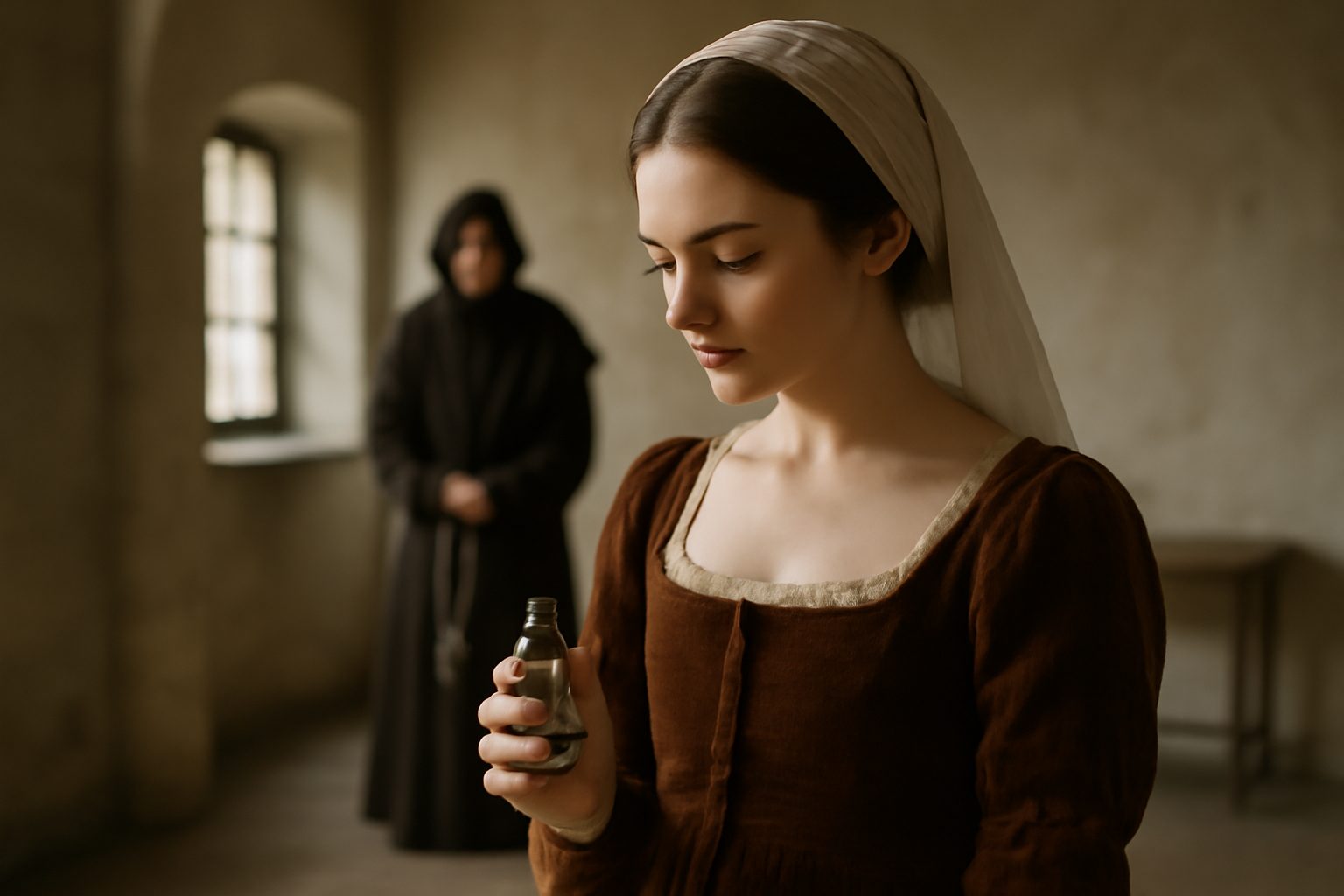
In Act 4 Scene 1 of Romeo and Juliet, Friar Laurence devises a desperate plan to help Juliet avoid marrying Paris. He offers her a potion that will mimic death, describing its effects as it spreads through her body. This moment underscores the extreme measures Juliet is willing to take for love, as well as the friar's risky attempt to resolve the conflict.
Friar Laurence: "When presently through all thy veins shall run"
In modern day english, we would say:
Soon the poison will spread quickly through your entire body.
Frequently Asked Questions
What does Friar Laurence mean when he says the potion will run through Juliet's veins?
He means that the potion will quickly spread throughout her body, making her appear dead.
Connections to other verses:
Connections to "When presently through all thy veins shall run"
Physical Transformation and Simulated Death
The verse "When presently through all thy veins shall run" describes the immediate physiological effects of Friar Laurence's potion. This connects directly to "And this distilled liquor drink thou off", which introduces the potion itself, and "A cold and drowsy humour, for no pulse", which continues describing the physical symptoms of the simulated death.
The Illusion of Death
The spreading sensation through Juliet's veins creates the appearance of death, connecting to "No warmth, no breath, shall testify thou livest" which emphasizes the completeness of the death-like state. This illusion is further developed in "Shall, stiff and stark and cold, appear like death", describing the corpse-like appearance she will assume.
Contrast with Awakening
The temporary nature of this death-like state connects to "And then awake as from a pleasant sleep", showing the planned reversal of the potion's effects. The entire process is framed as a temporary measure in "Thou shalt continue two and forty hours", specifying the duration of the death-like trance.
Desperation and Resolution
This dangerous solution connects to Juliet's earlier desperate declaration in "O, bid me leap, rather than marry Paris", showing her willingness to embrace extreme solutions. The friar's plan responds to her determination shown in "Thou hast the strength of will to slay thyself", offering an alternative to suicide.