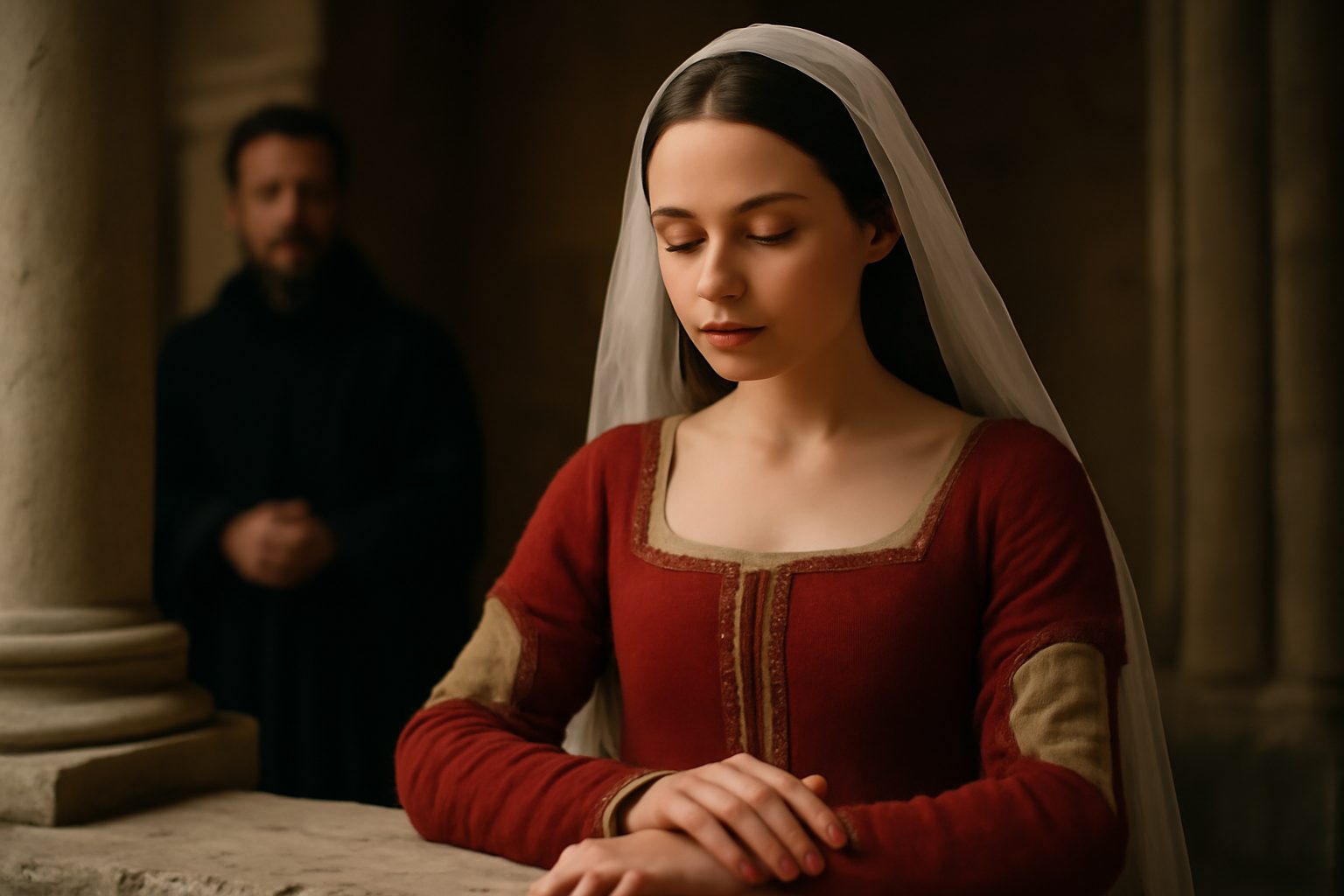
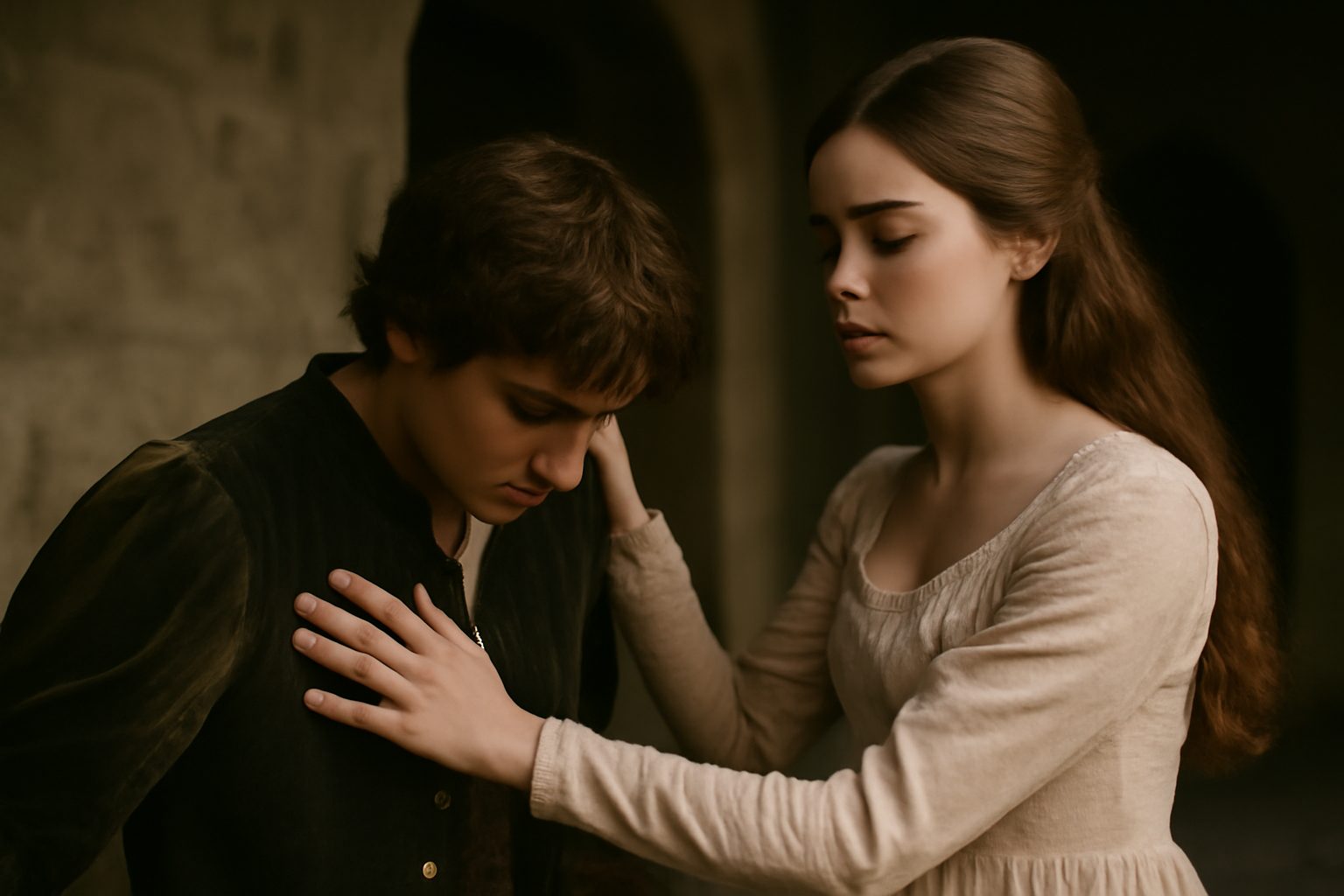
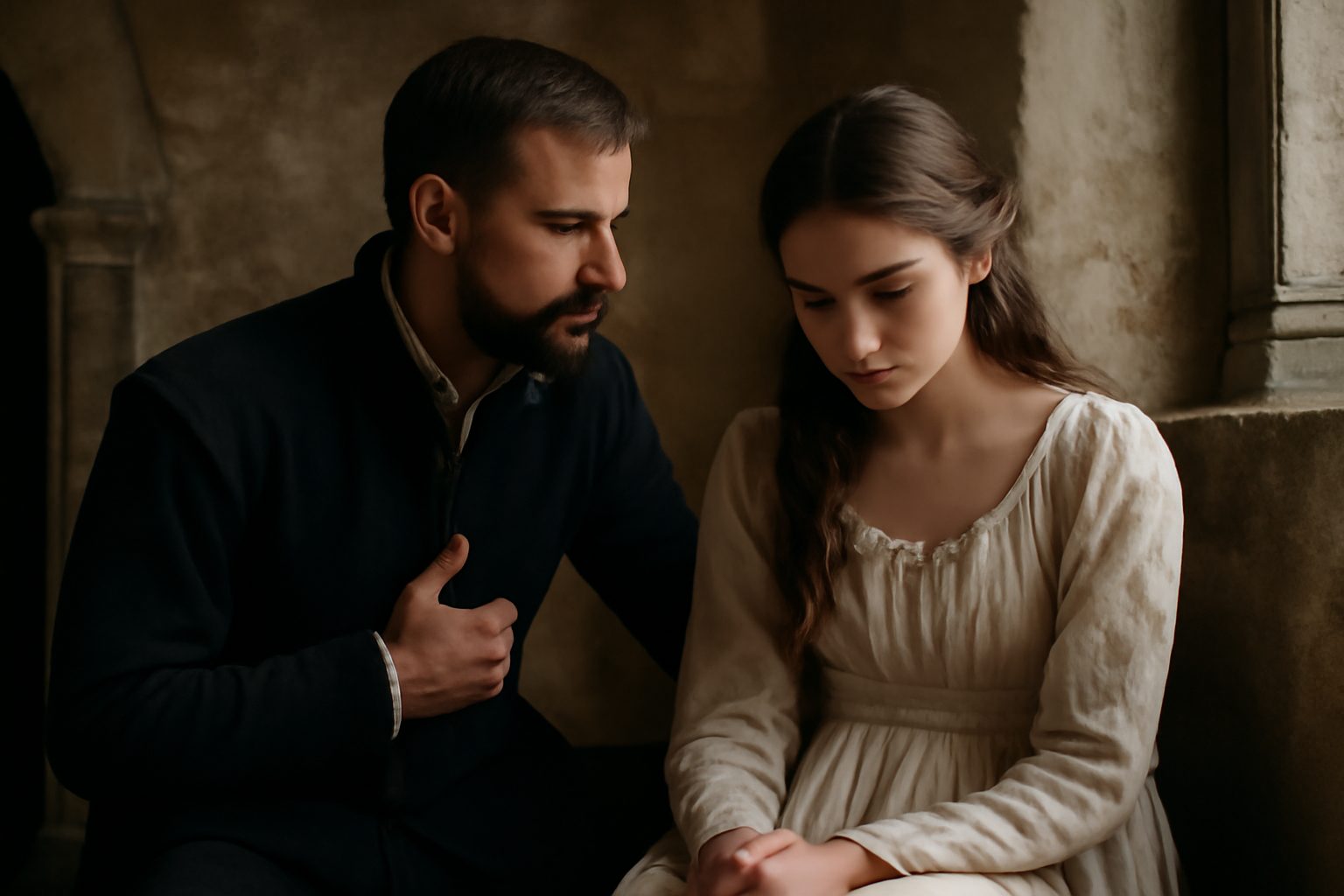
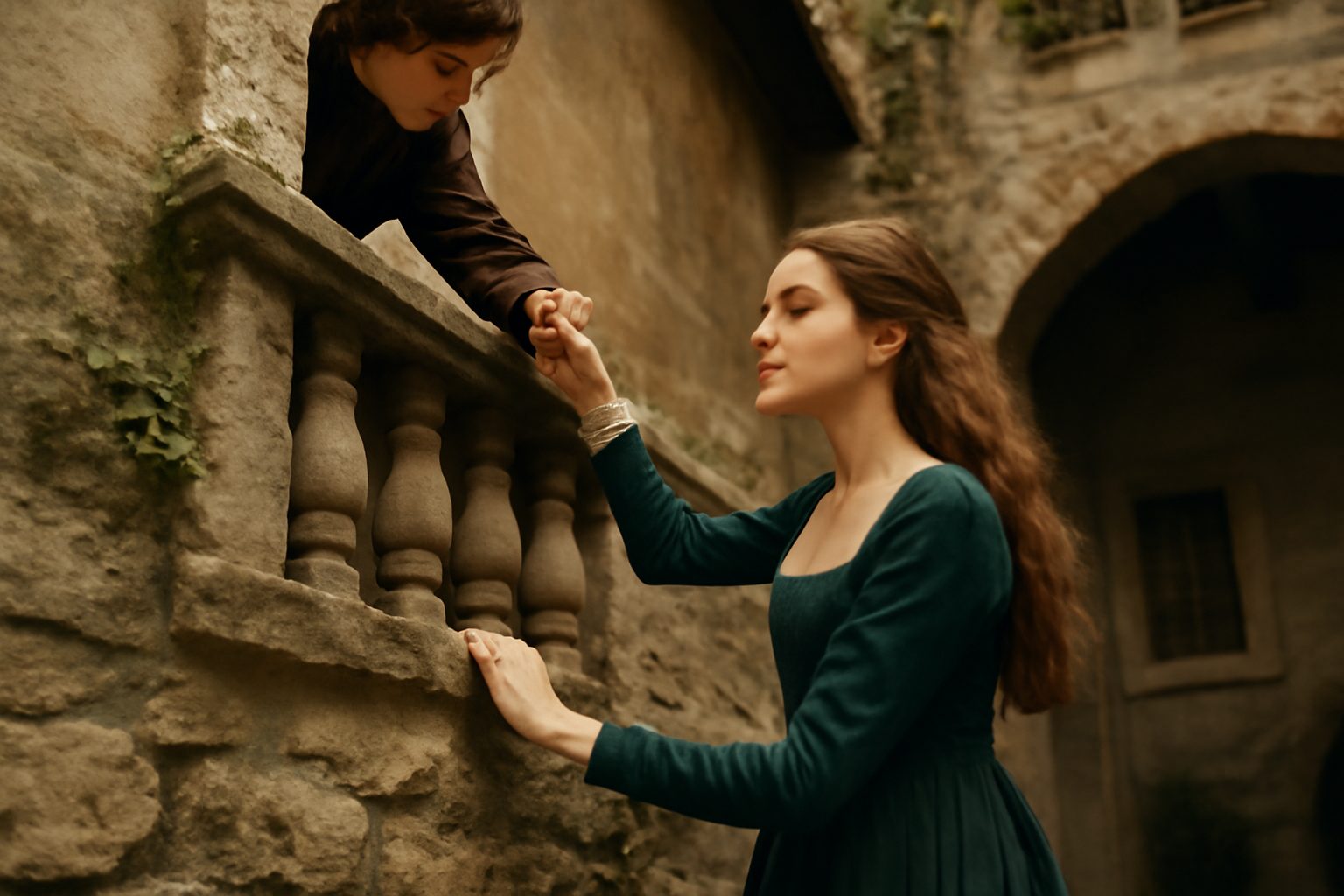
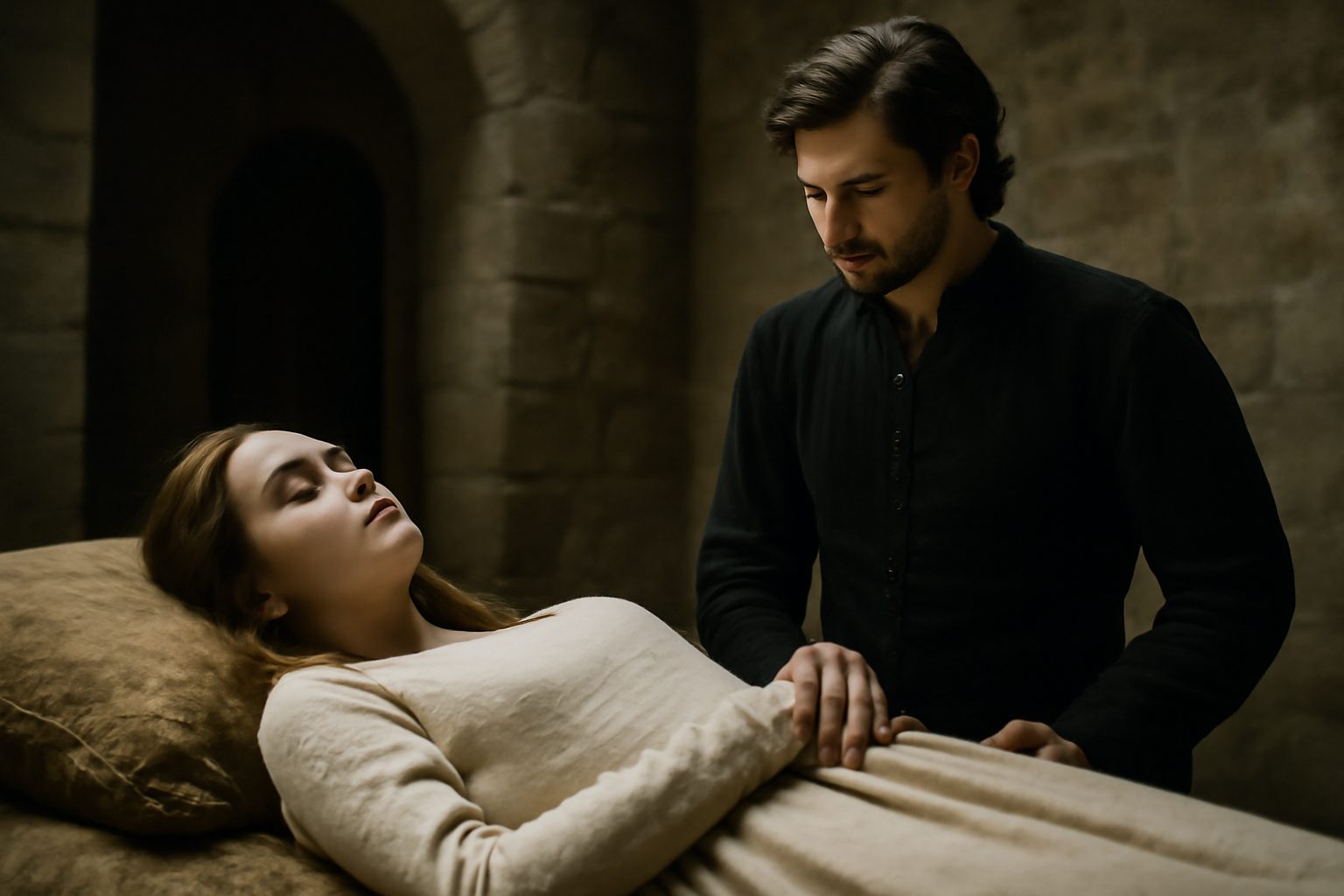
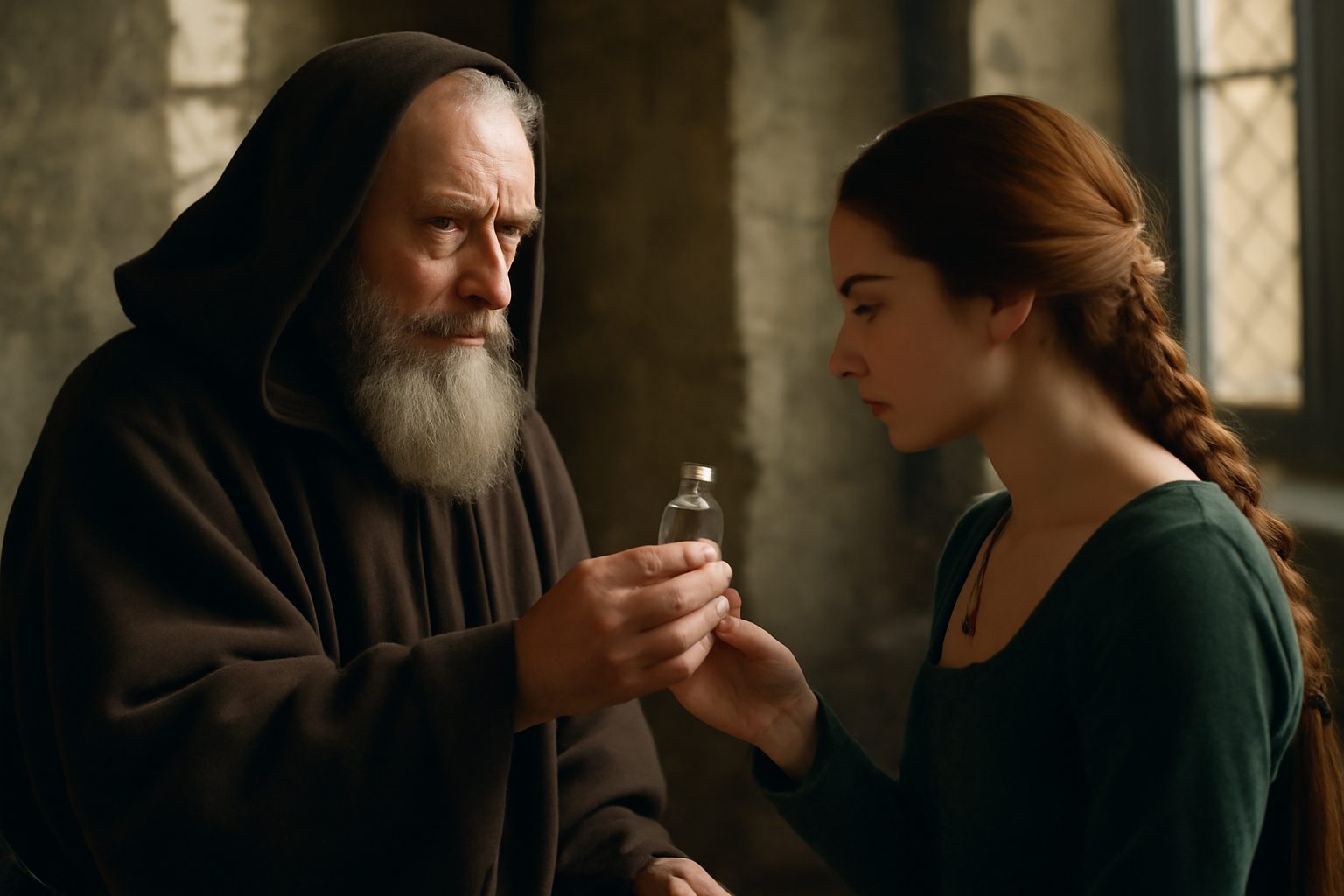
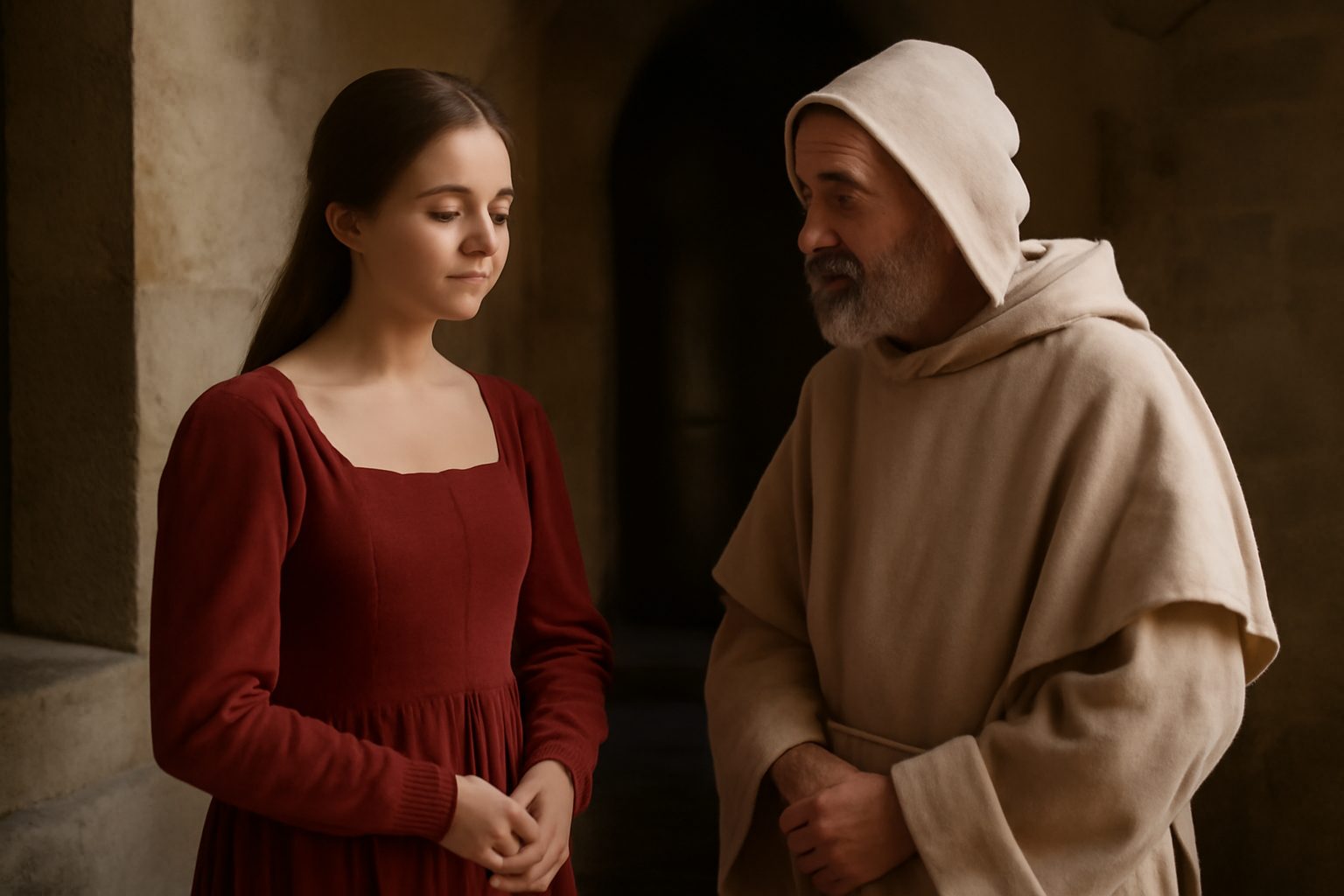
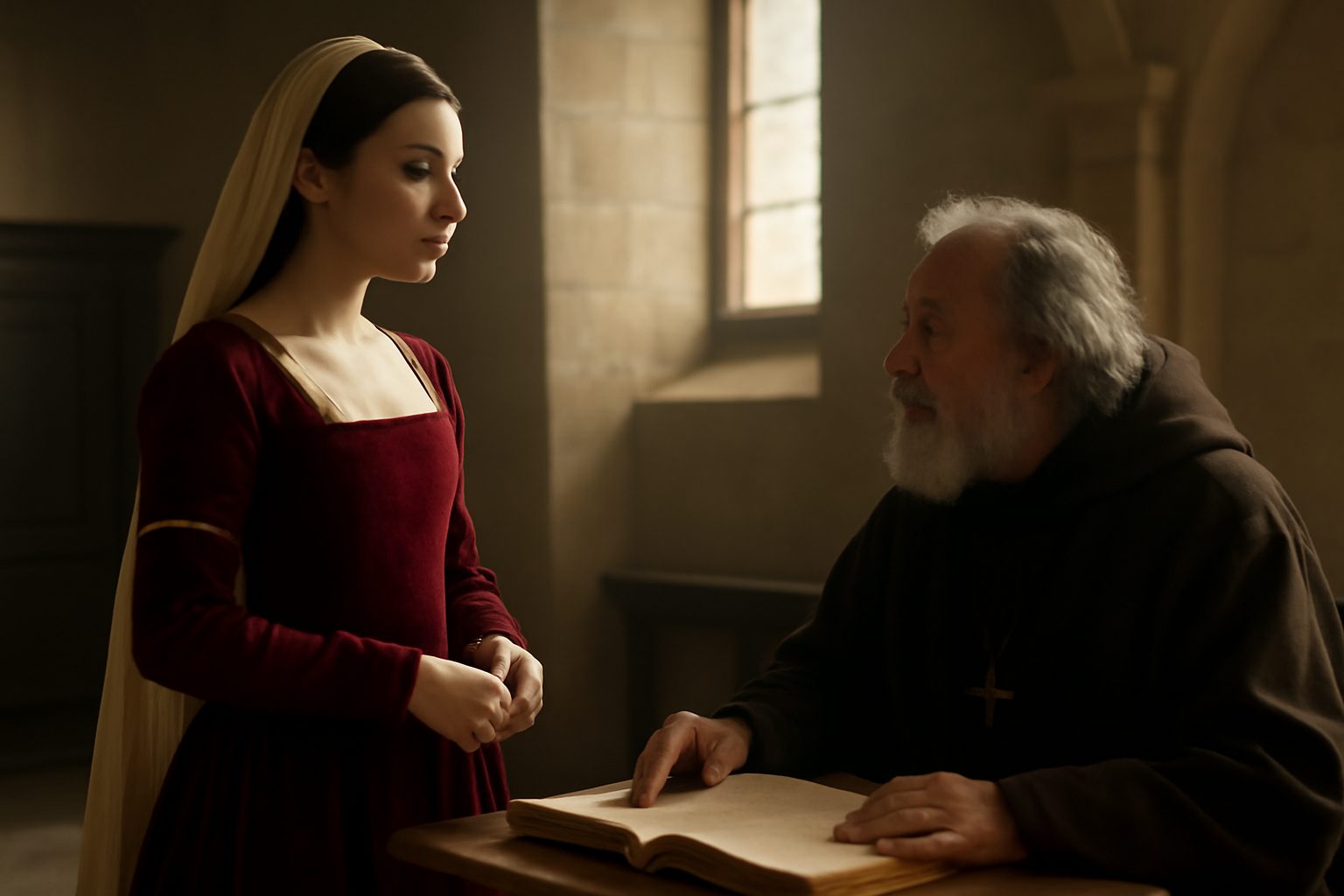
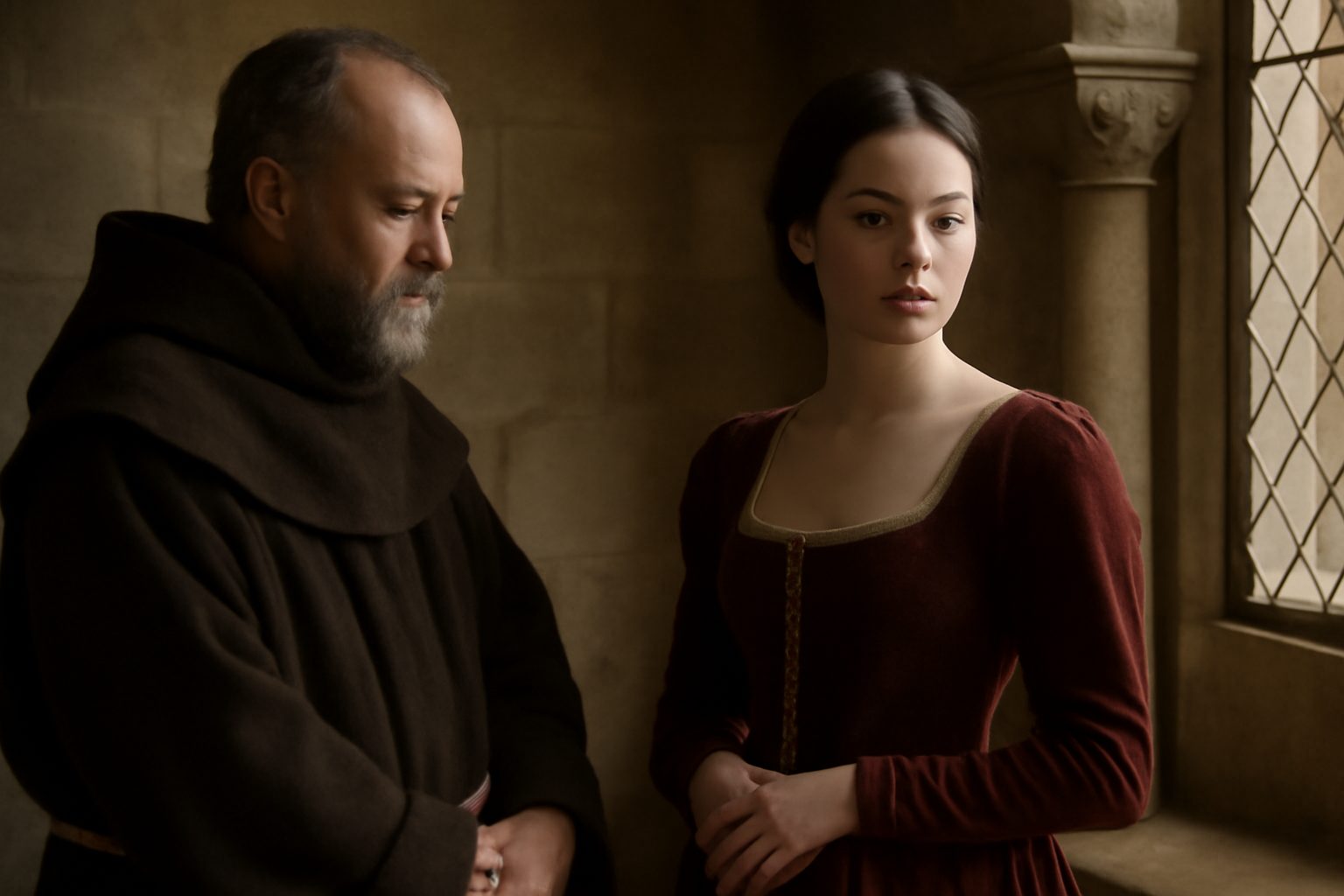
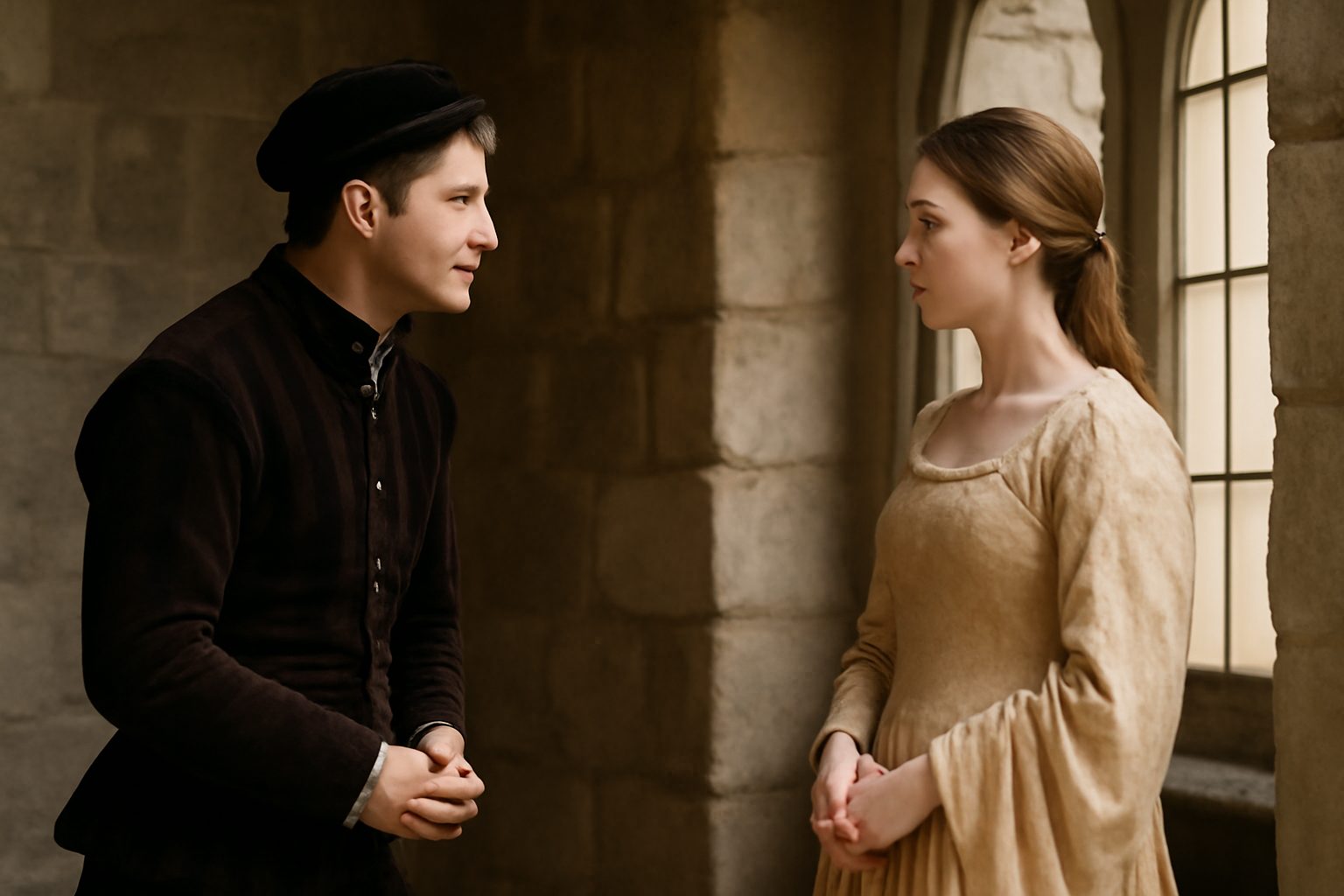
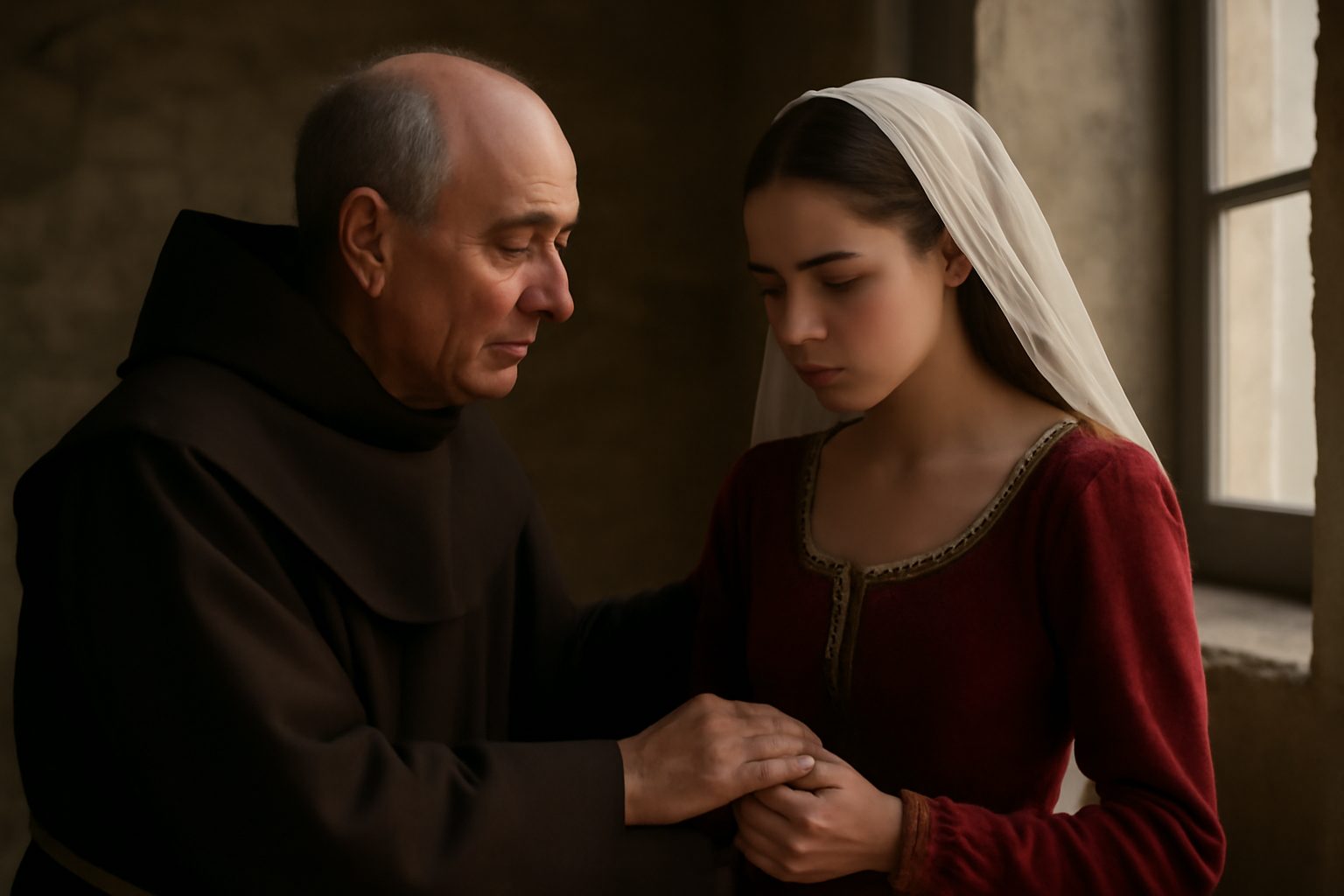
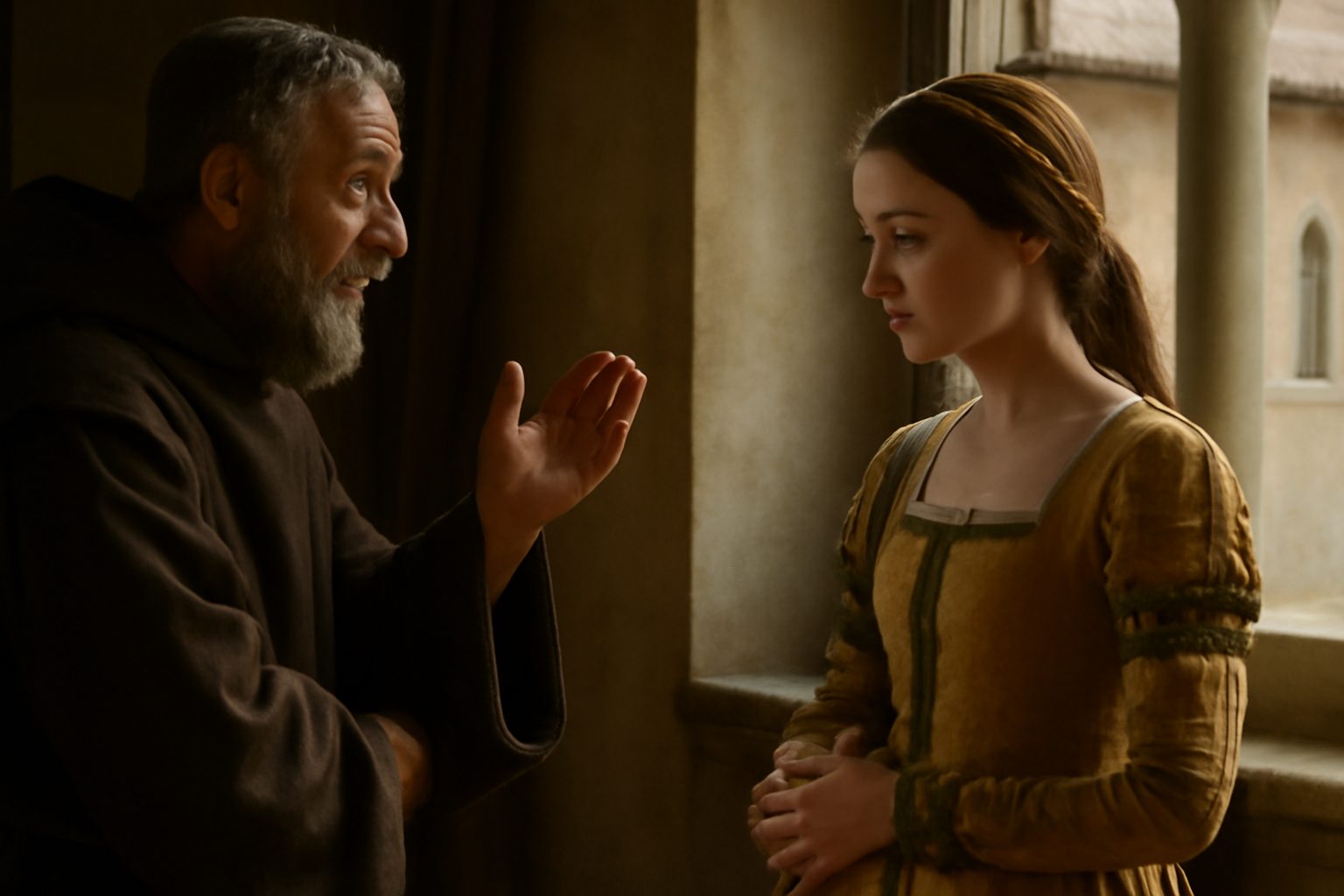
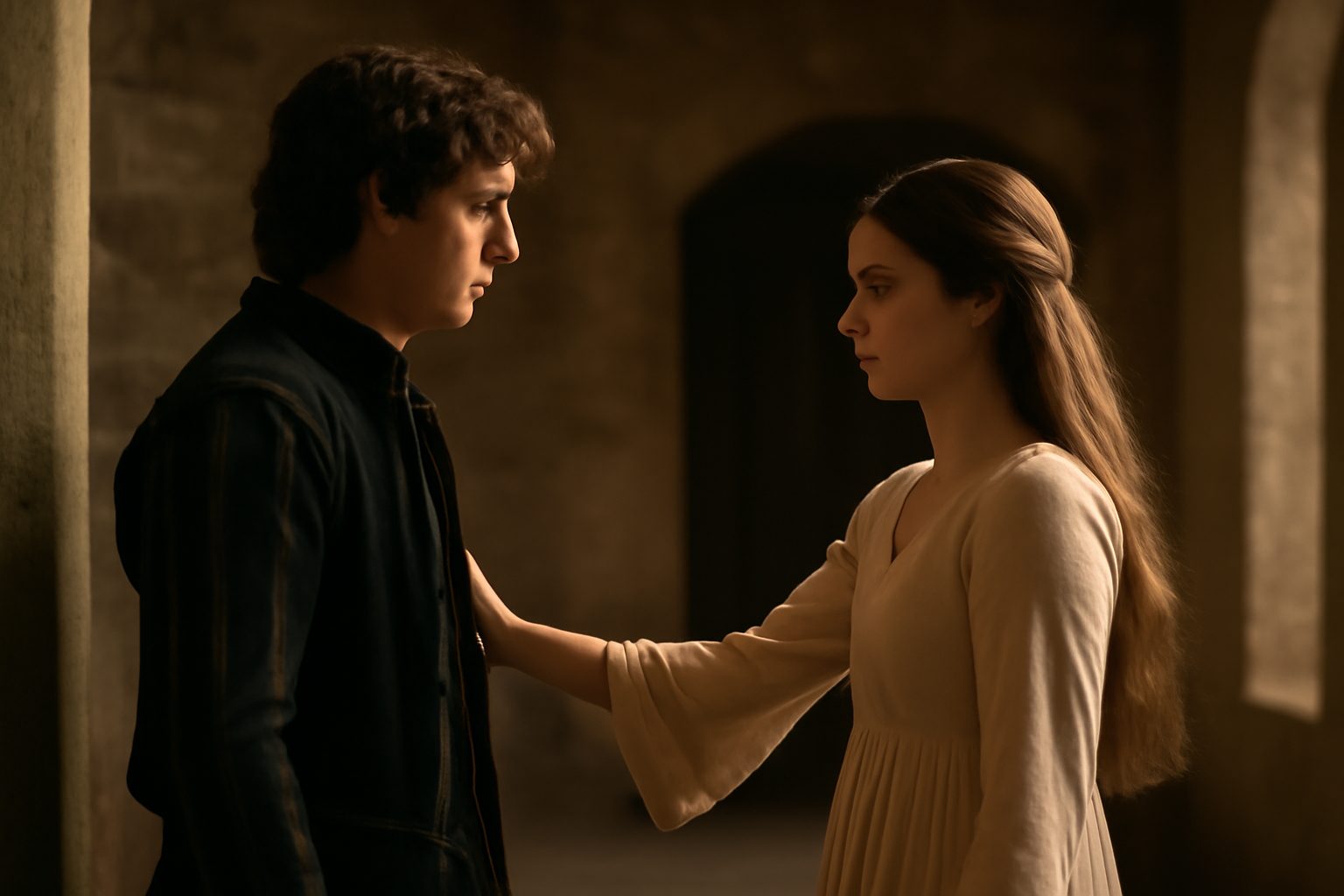
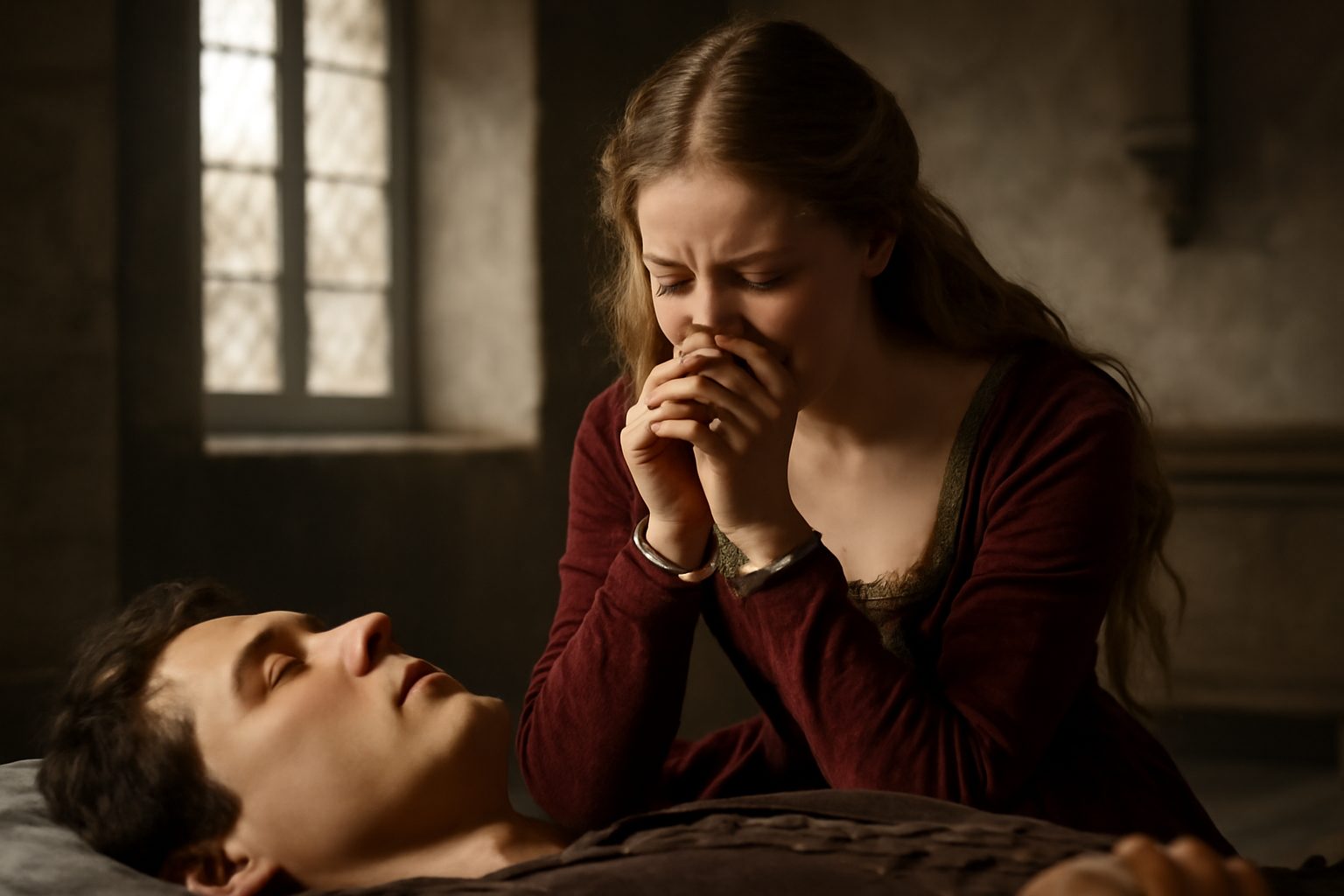
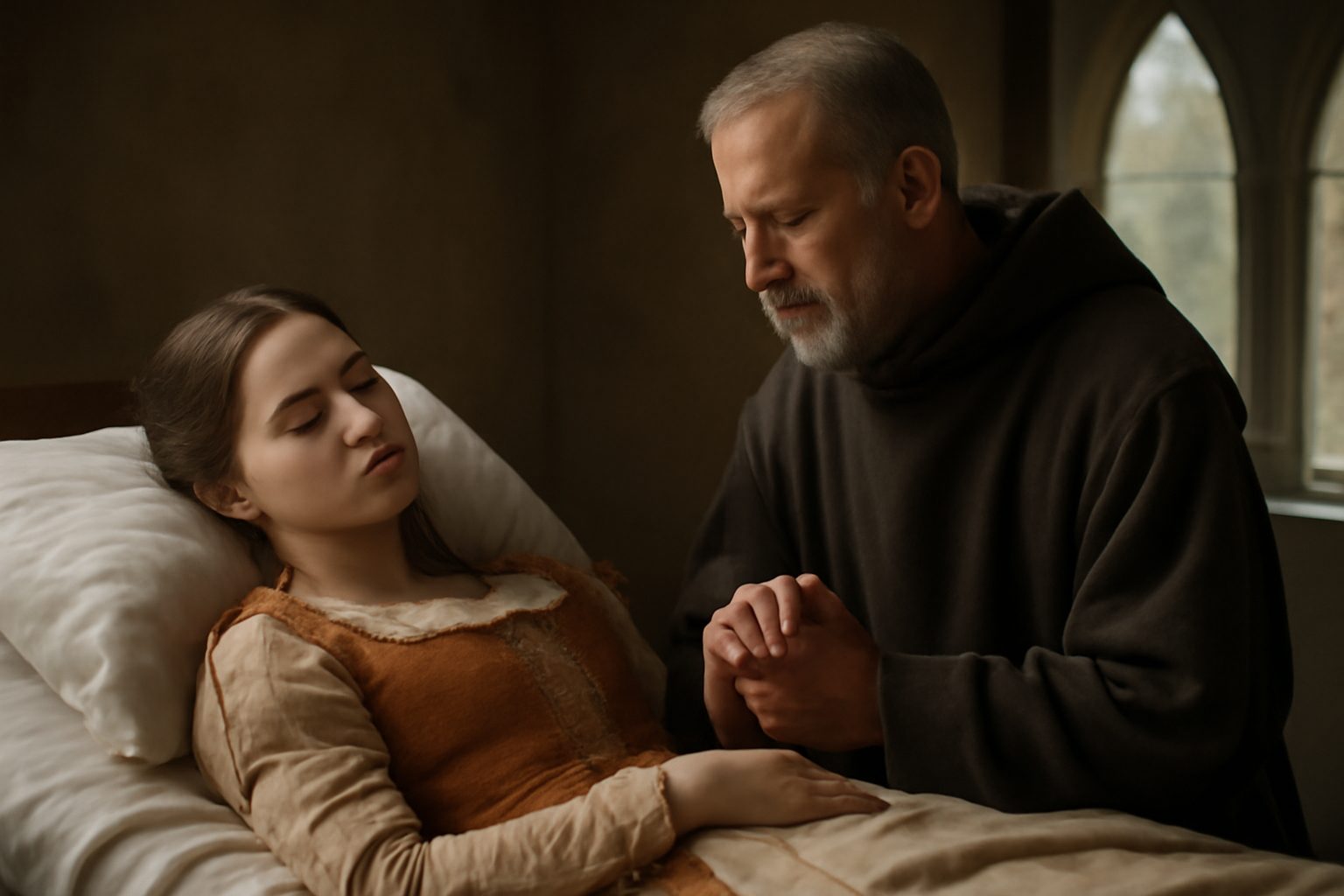
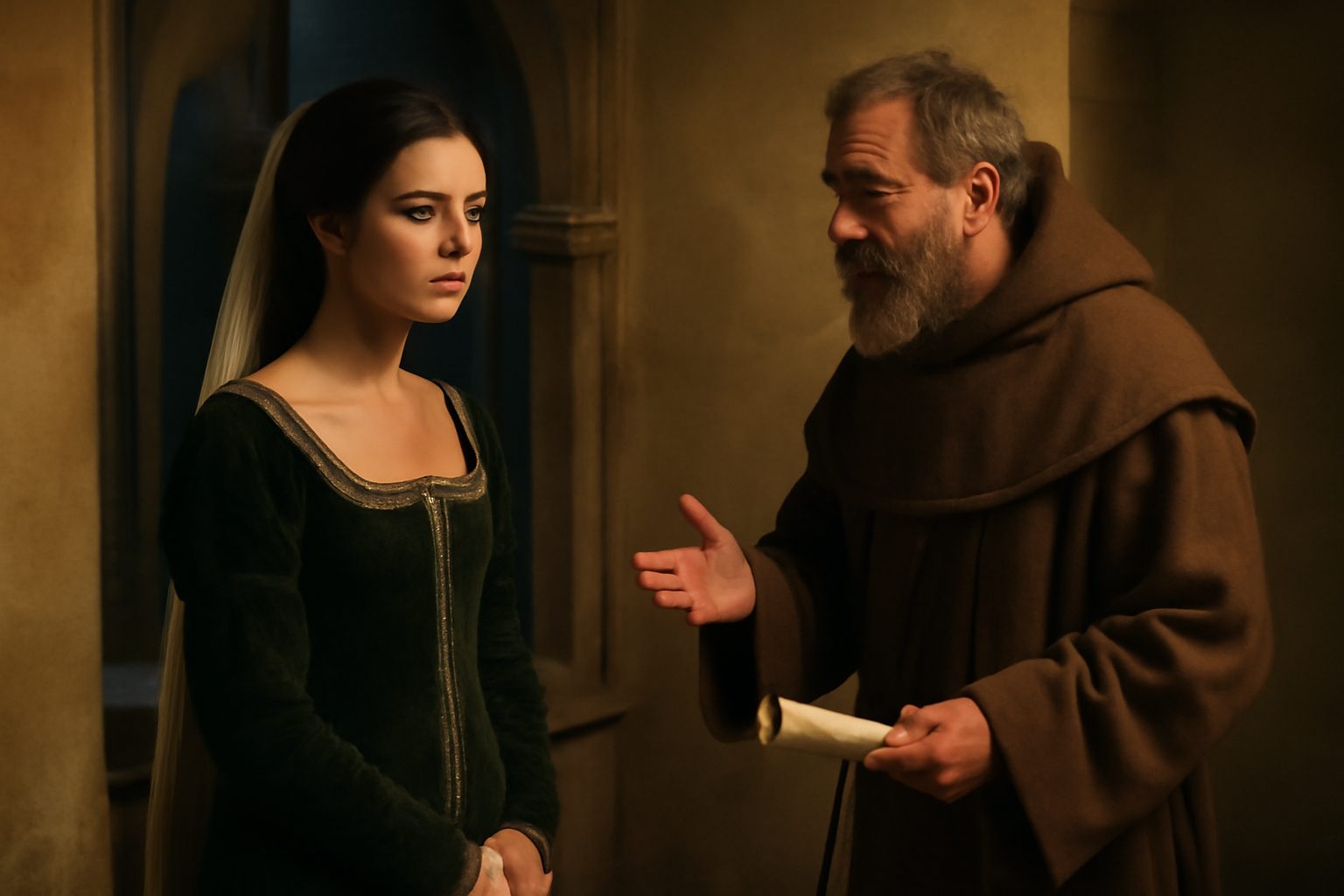
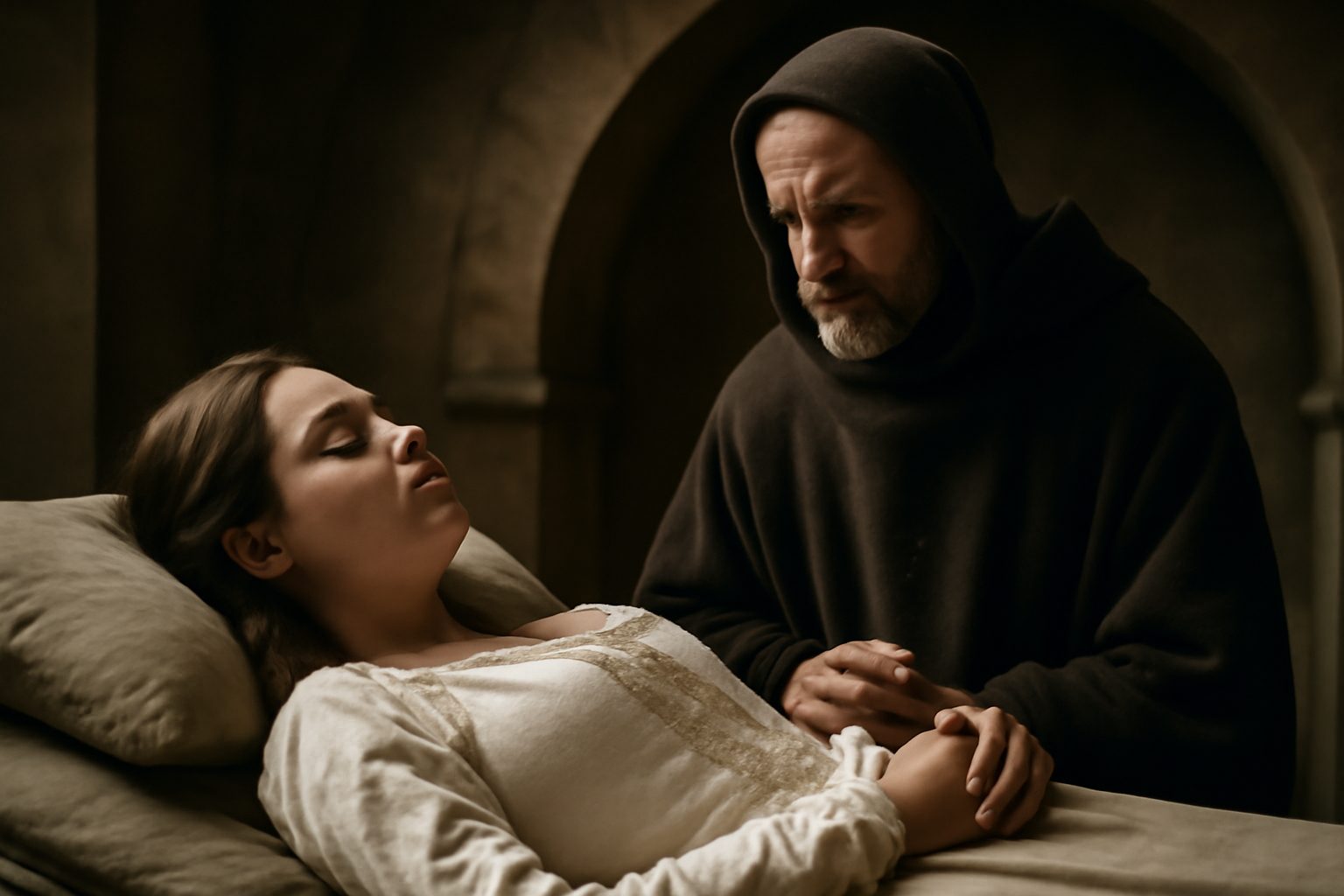
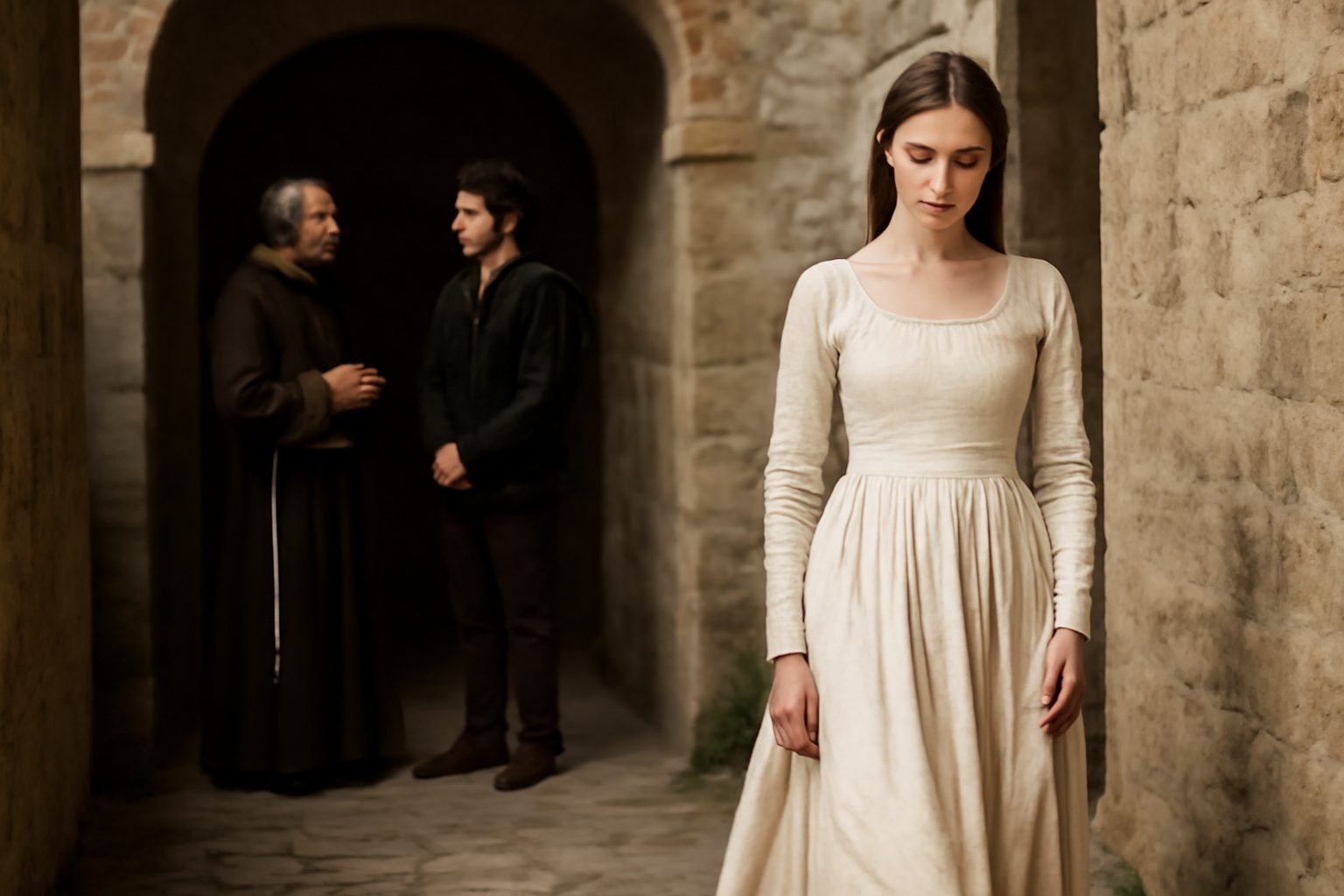
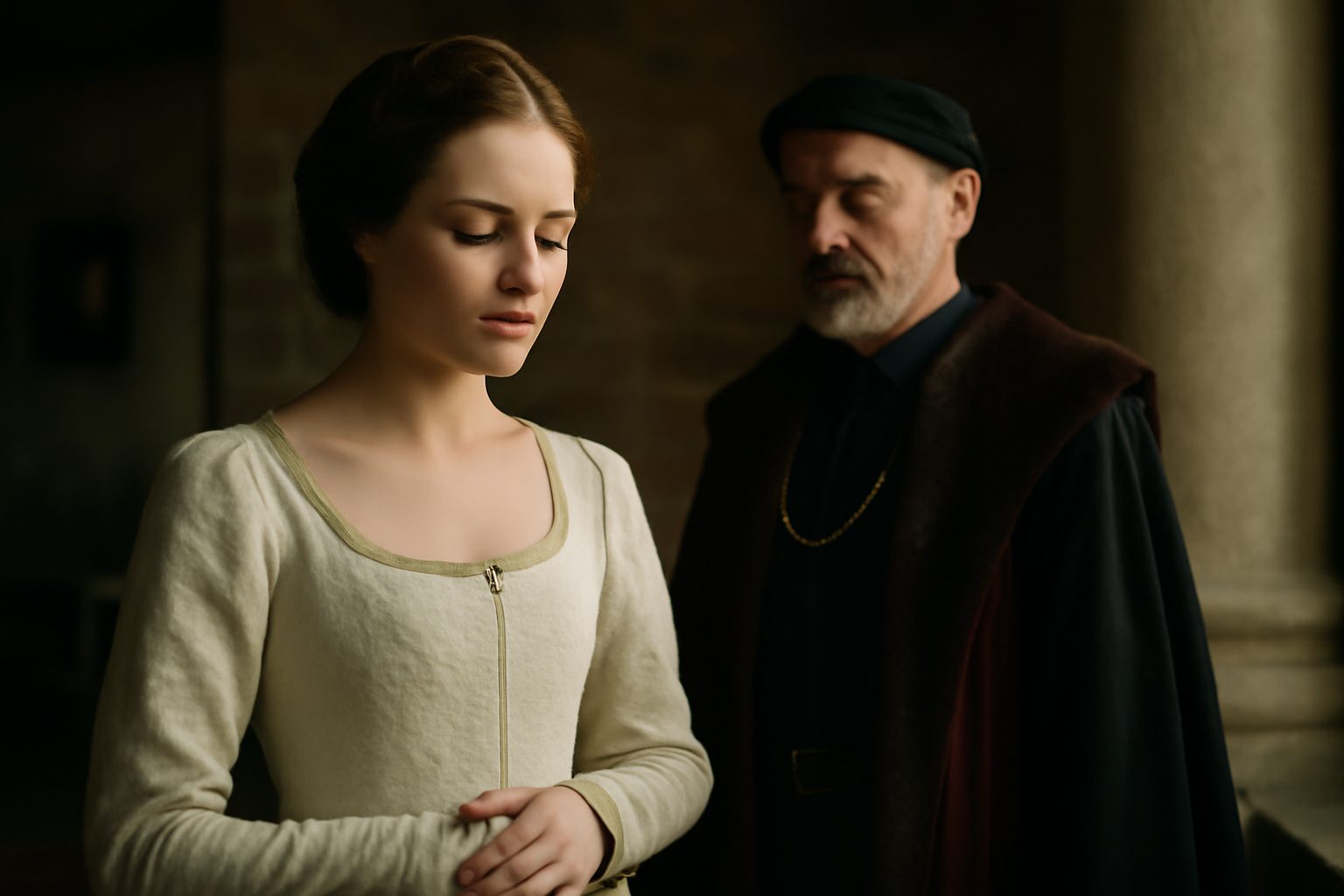
In Act 4, Scene 1 of Romeo and Juliet, Friar Laurence is devising a risky plan to help Juliet escape her arranged marriage to Paris. As he reassures her, he dismisses any trivial or cowardly hesitation that might undermine their scheme. This line reflects his attempt to steel Juliet's resolve for the dangerous steps ahead.
Friar Laurence: "If no inconstant toy, nor womanish fear,"
In modern day english, we would say:
If you’re not changing your mind out of fickleness or acting out of cowardly fear.
Frequently Asked Questions
What is Friar Laurence warning against in this line?
He is warning against being fickle or acting out of childish fear.
Connections to other verses:
Connections to "If no inconstant toy, nor womanish fear"
This line, spoken by Friar Laurence, directly addresses Juliet's resolve and contrasts with her earlier expressions of desperation. It connects thematically and emotionally with several other verses in the scene.
Connection to Juliet's Desperation and Courage
The phrase "nor womanish fear" directly contrasts with Juliet's earlier declaration "Give me, give me! O, tell not me of fear!", showing how the Friar's plan requires the same fearlessness she has already demonstrated. This is further emphasized when she states "And I will do it without fear or doubt", proving her commitment matches the Friar's requirements.
Connection to Extreme Resolve
The condition "If no inconstant toy" relates to Juliet's unwavering determination shown when she threatens suicide: "And with this knife I'll help it presently". The Friar acknowledges this resolve when he says "Thou hast the strength of will to slay thyself", making his conditional statement a direct response to her proven fortitude.
Connection to the Friar's Remedy
This verse introduces the Friar's requirement for implementing his plan, which he describes as "Which craves as desperate an execution". It connects to his promise of "And, if thou darest, I'll give thee remedy", showing the conditional nature of their agreement based on her courage.
Connection to Death Imagery
The phrase anticipates the death-like state Juliet must embrace, described as "And in this borrow'd likeness of shrunk death". It requires her to overcome natural fear, much like when she declared "O, bid me leap, rather than marry Paris", showing her preference for literal death over betrayal.