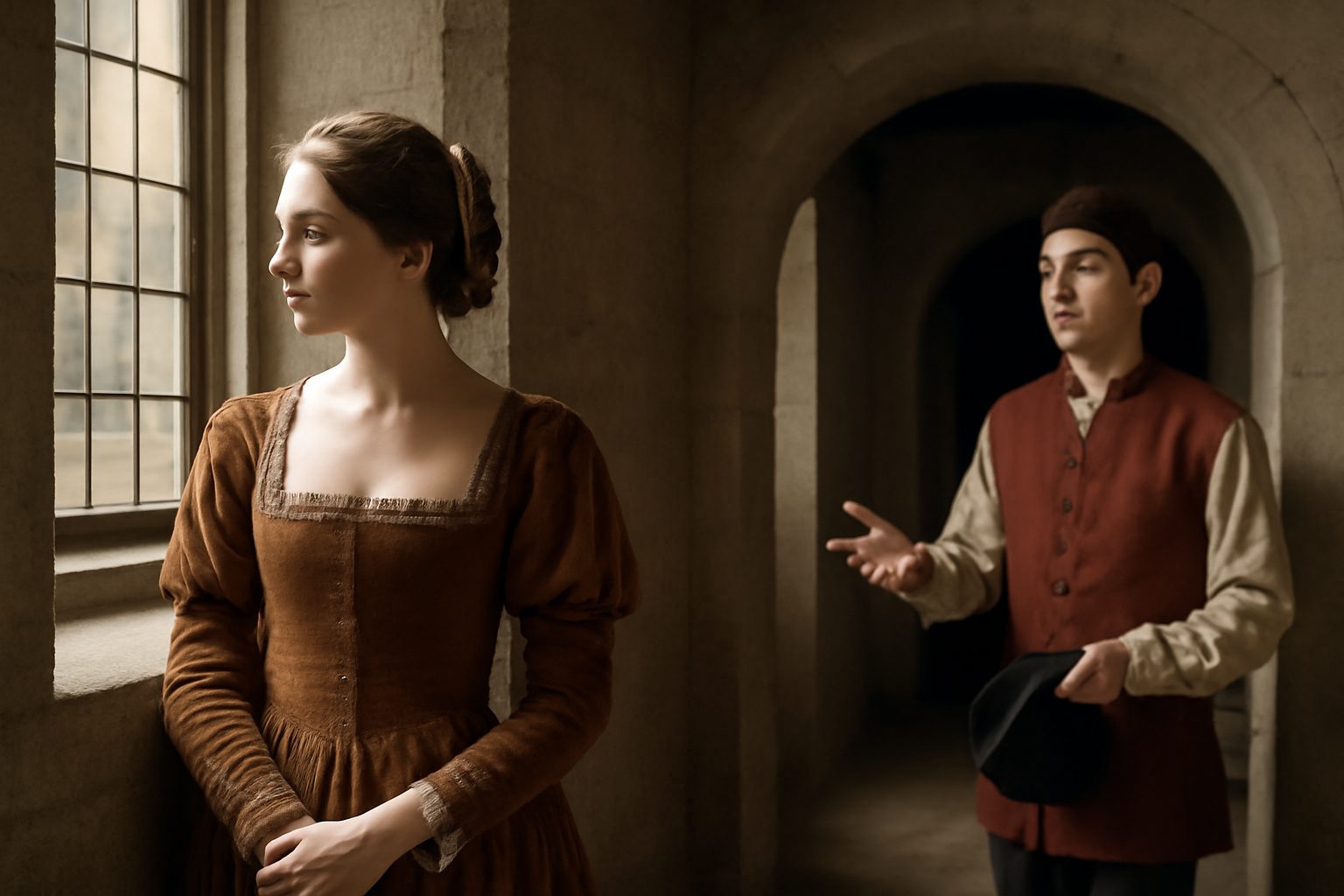
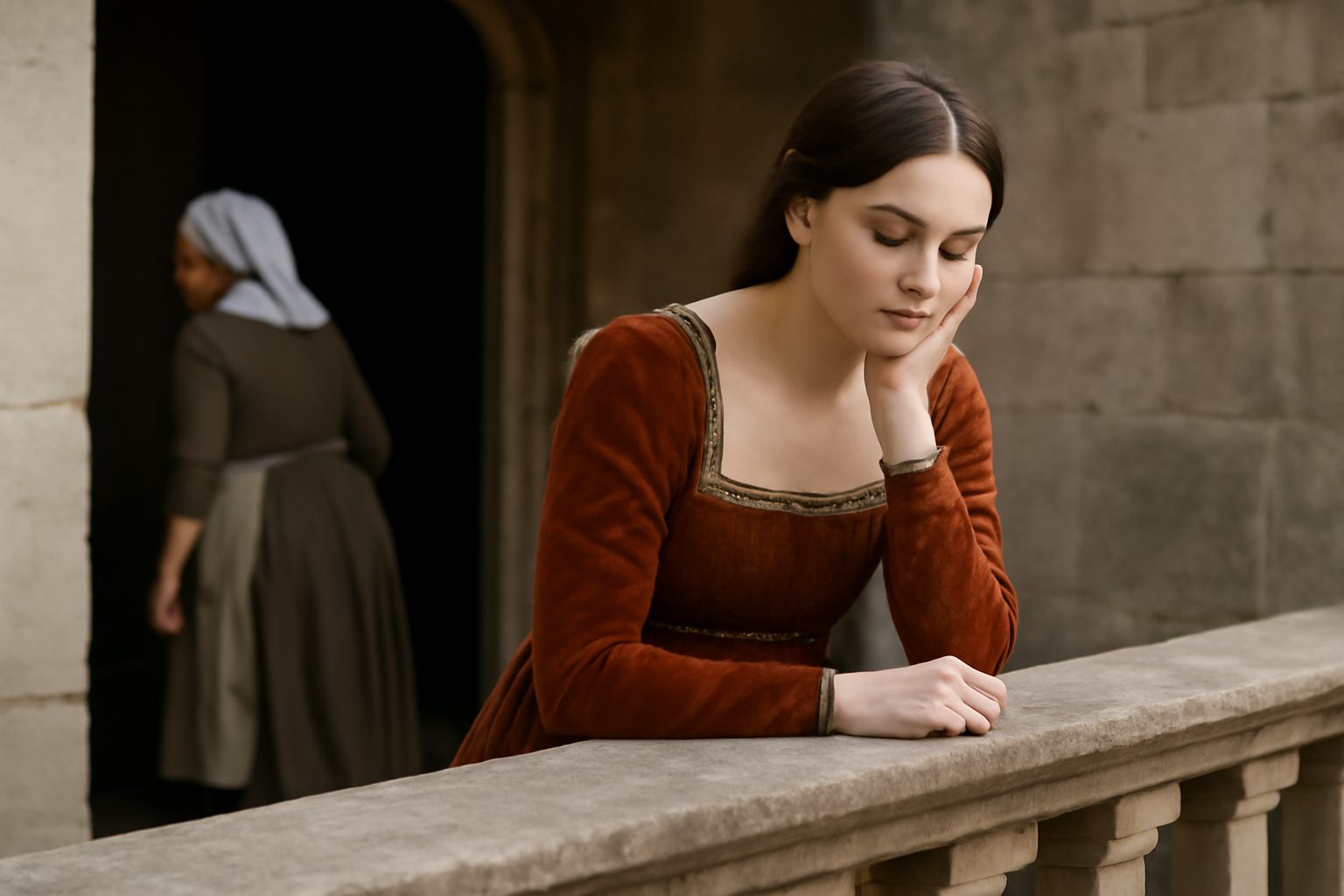
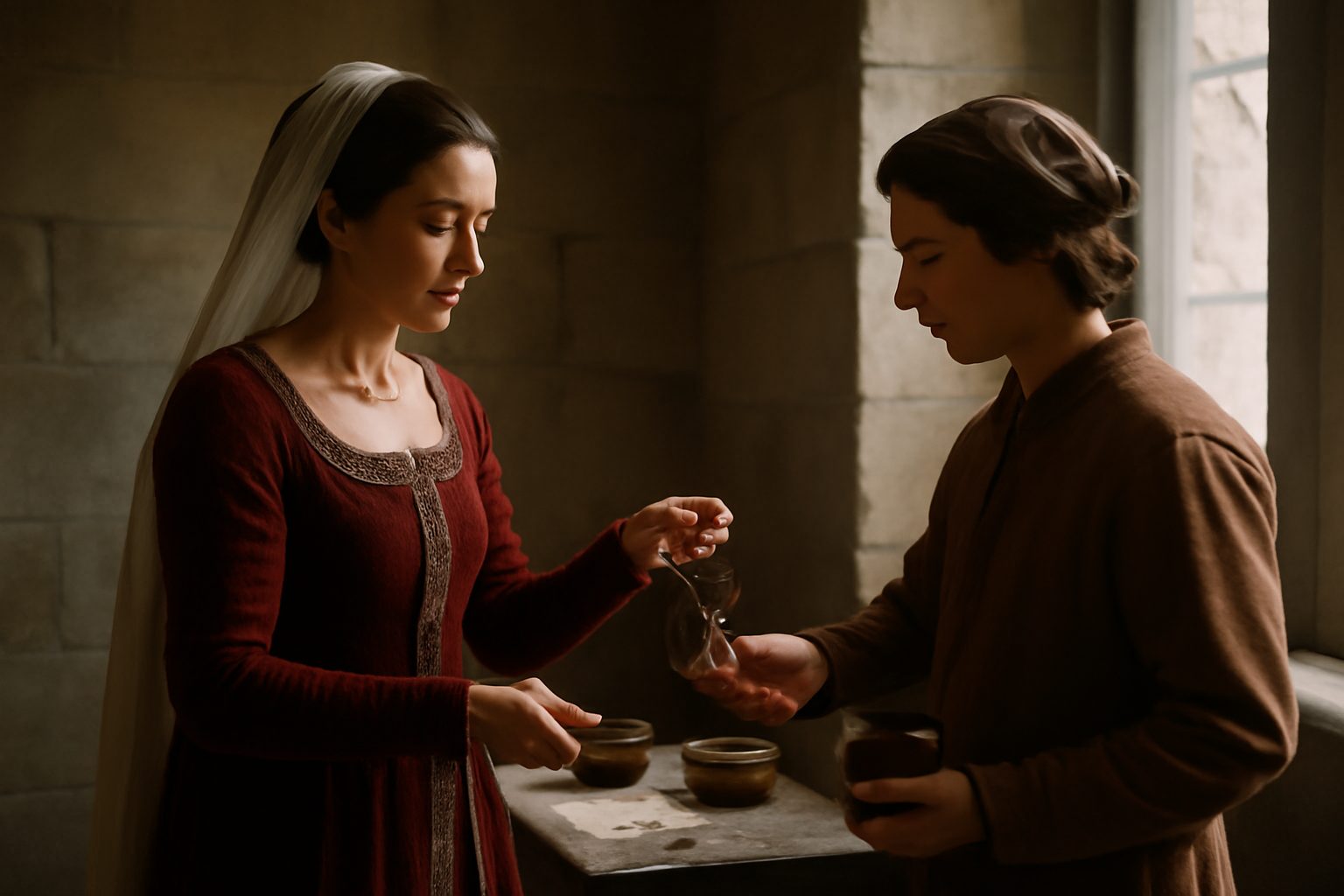
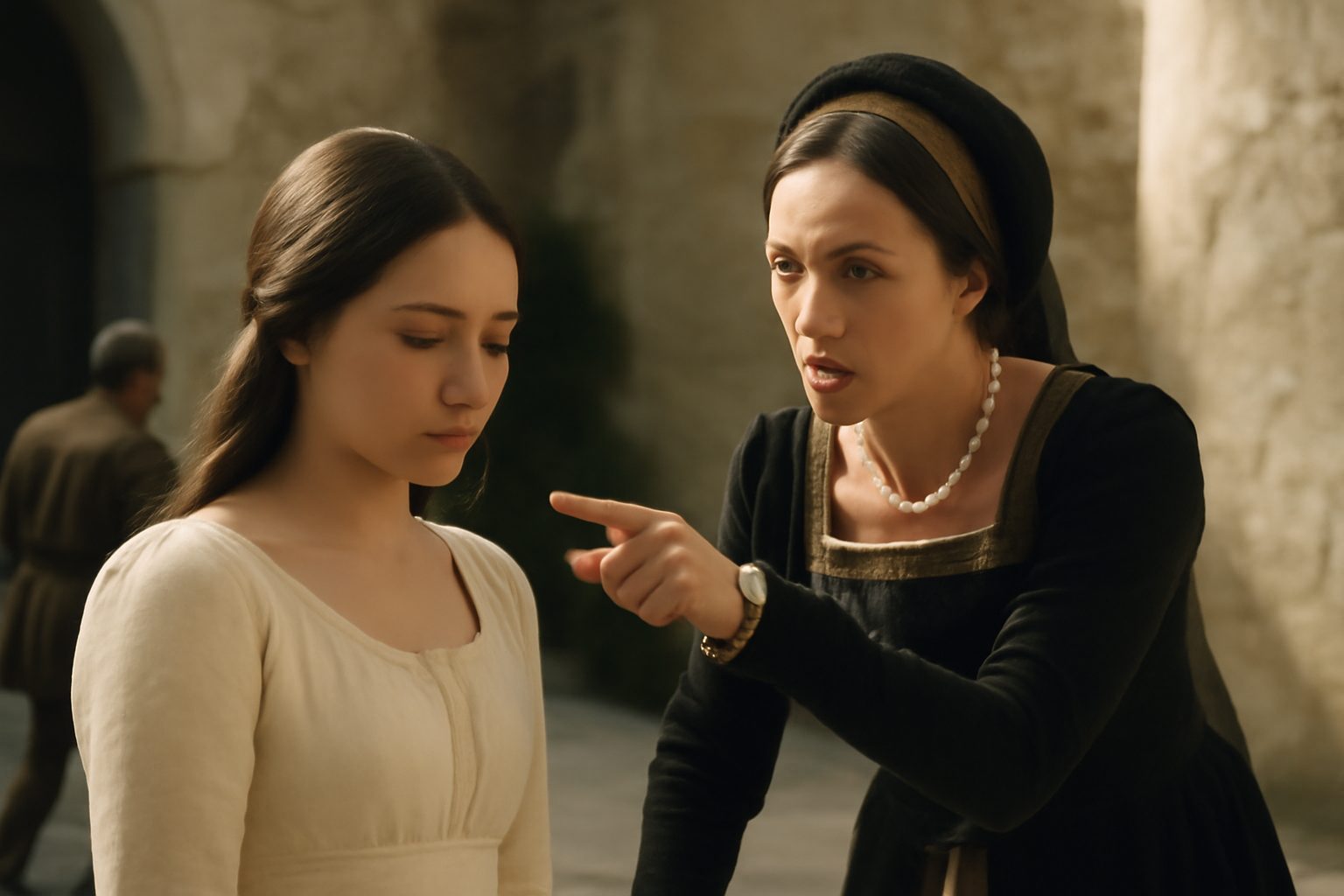
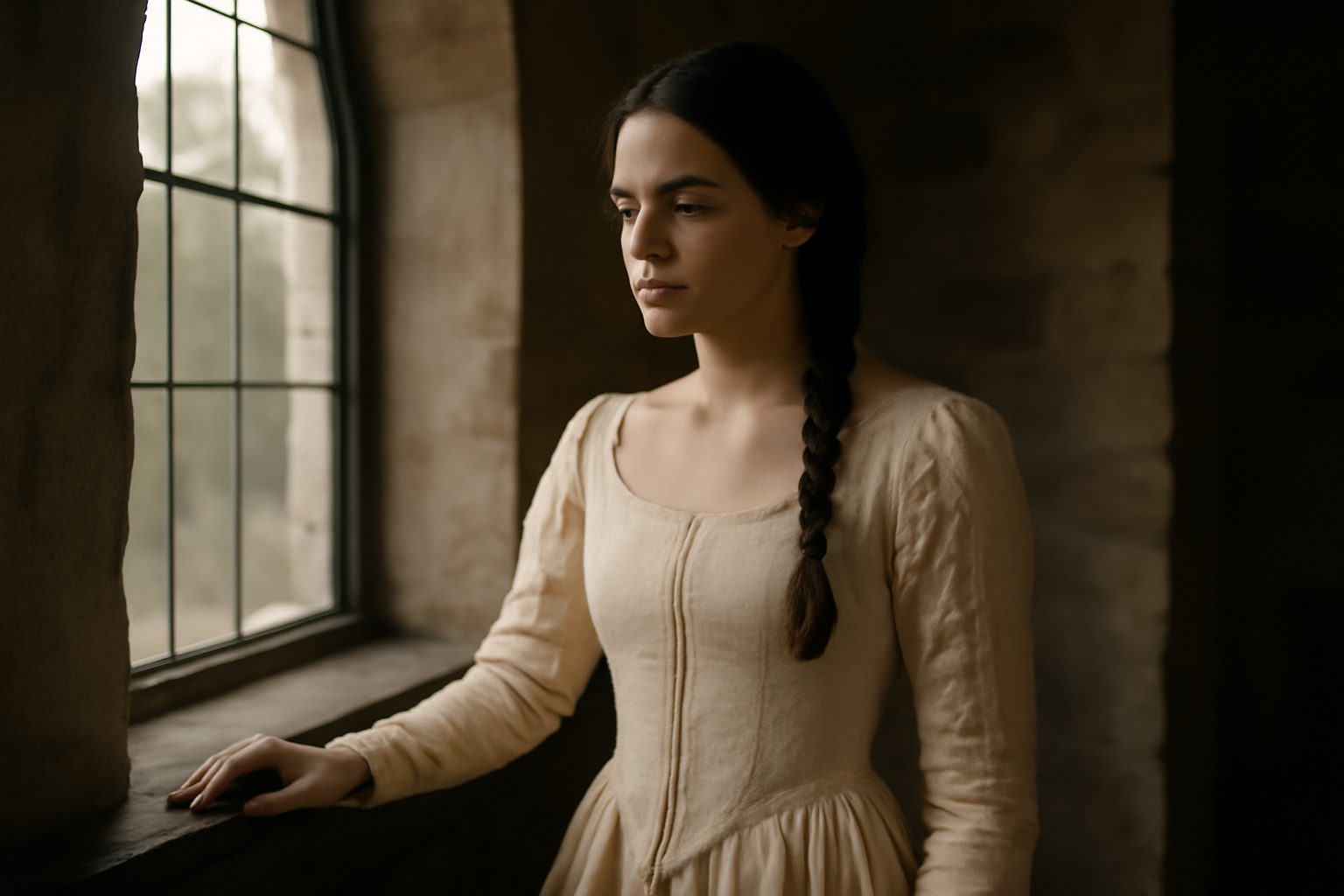
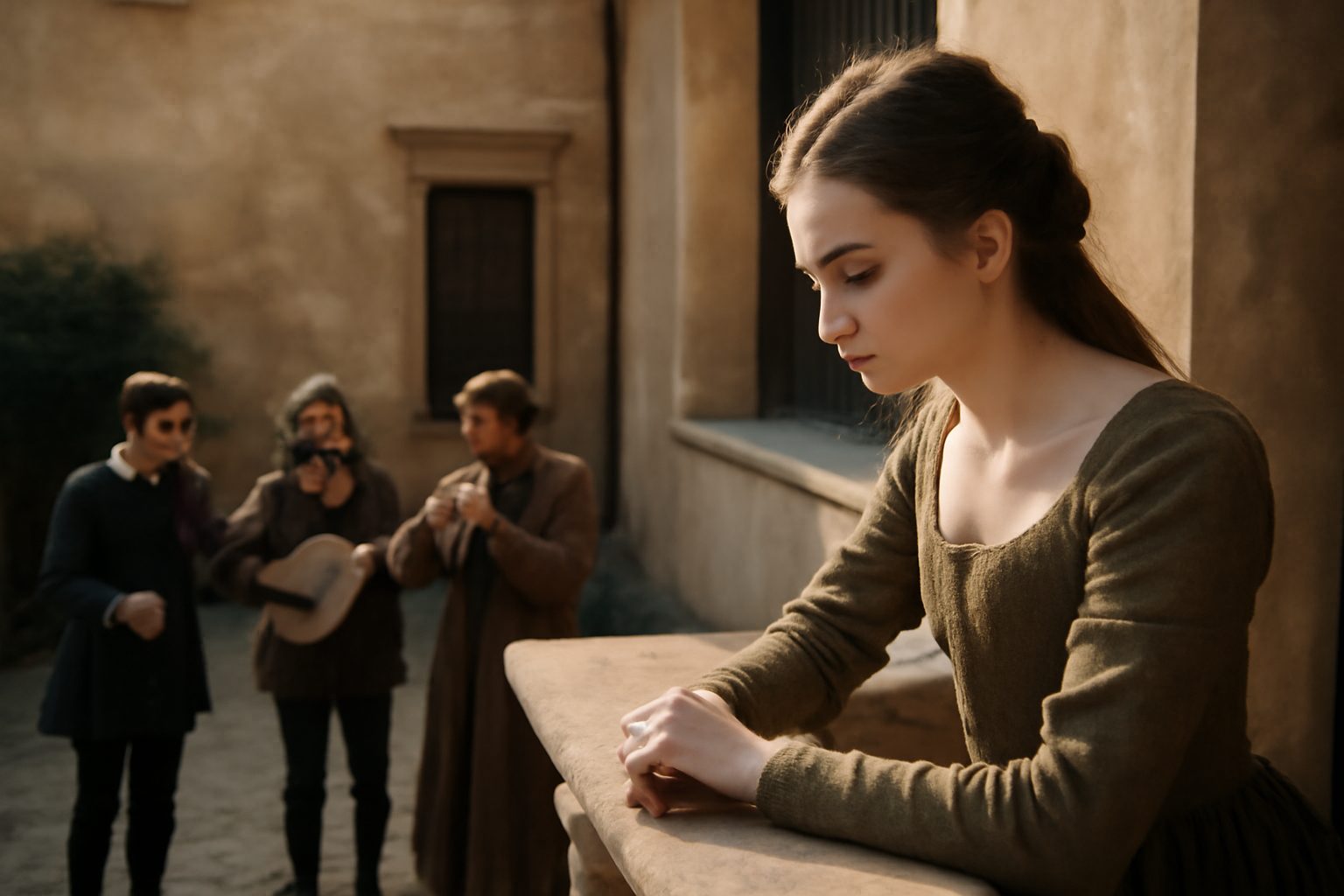
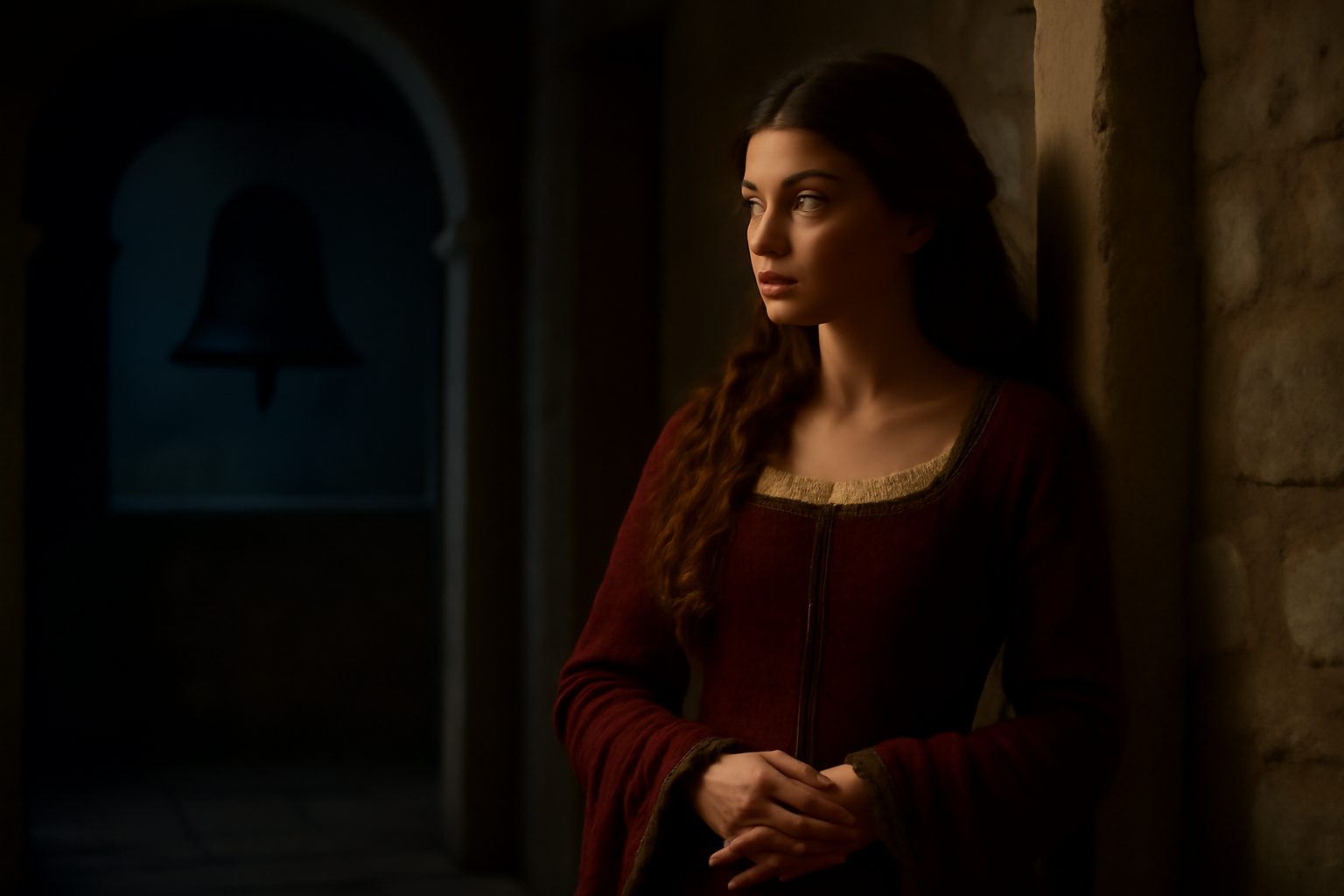
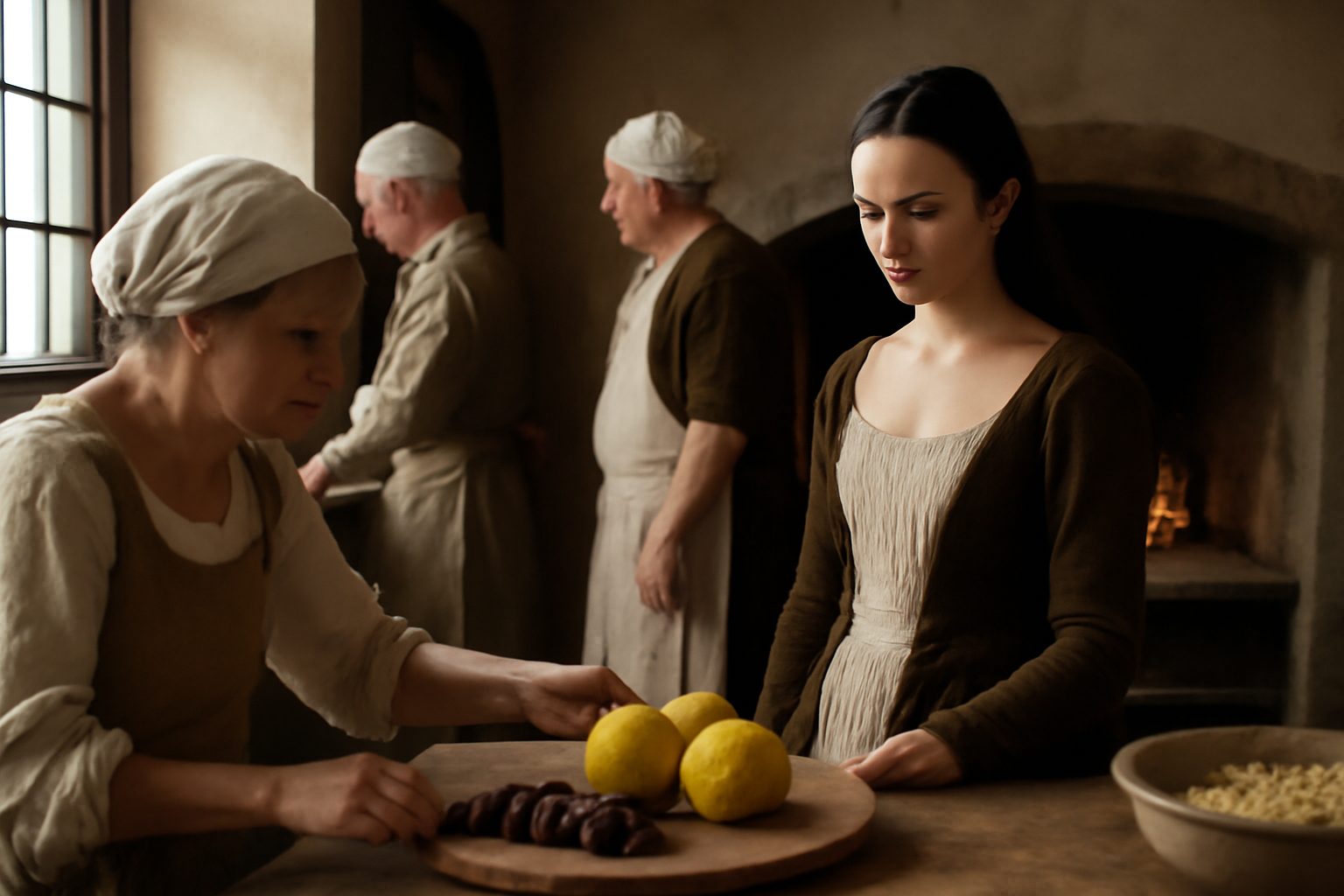
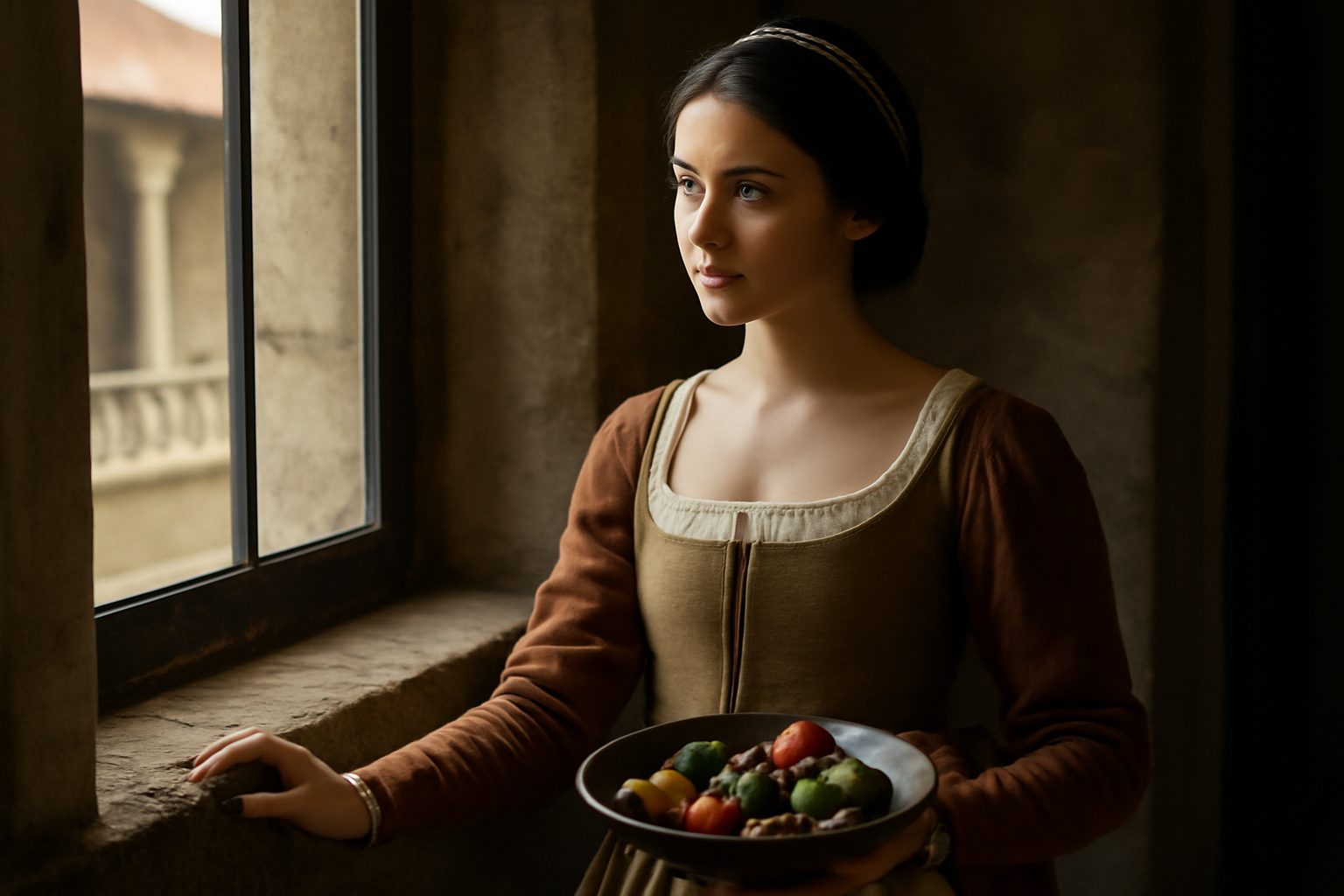
In Act 4, Scene 4 of Romeo and Juliet, the Capulet household bustles with last-minute preparations for Juliet's wedding to Paris. As servants rush to complete the festivities, the Nurse calls out to Angelica, likely another servant, to tend to the baked meats, highlighting the chaotic yet mundane details overshadowed by the play's unfolding tragedy. This brief moment contrasts the joyous pre-wedding atmosphere with the audience's knowledge of Juliet's desperate situation.
Capulet: "Look to the baked meats, good Angelica:"
In modern day english, we would say:
Make sure the food is ready, Angelica.
Frequently Asked Questions
What is Capulet asking Angelica to do in this line?
He is asking Angelica to check on the cooked food.
Connections to other verses:
Connections to "Look to the baked meats, good Angelica:"
This line, spoken by Capulet to the Nurse, is part of the bustling preparations for Juliet's wedding to Paris. It reflects the urgency and domestic chaos of the scene, connecting thematically and contextually to several other verses.
Urgency and Domestic Instructions
Capulet's directive to oversee the food aligns with other urgent commands in the scene, such as "Come, stir, stir, stir! the second cock hath crow'd", which emphasizes the early hour and need for haste. Similarly, "Make haste, make haste" and "Make haste, I say" reinforce this frantic atmosphere. The mention of baked meats also ties to "They call for dates and quinces in the pastry", highlighting the specific culinary details being managed.
Character Dynamics and Humor
Capulet's address to the Nurse as "good Angelica" contrasts with his earlier exasperation, such as in "Go, you cot-quean, go", where he mocks her for meddling. The scene's comedic undertones are further seen in exchanges like "Mass, and well said; a merry whoreson, ha!", which lightens the mood amid the chaos.
Logistical and Practical Concerns
The focus on wedding preparations links to practical instructions like "Call Peter, he will show thee where they are" and "Go waken Juliet, go and trim her up", showing the coordination of tasks. Capulet's insistence on sparing no expense, as in "Spare not for the cost", echoes his earlier lavish attitude, contrasting with the tragic irony of the situation.
Temporal and Ironic Elements
The scene's awareness of time, such as "The curfew-bell hath rung, 'tis three o'clock'", underscores the pre-dawn urgency, while lines like "Make haste; the bridegroom he is come already" heighten the dramatic irony, as the audience knows Juliet is not truly preparing for a joyful wedding.