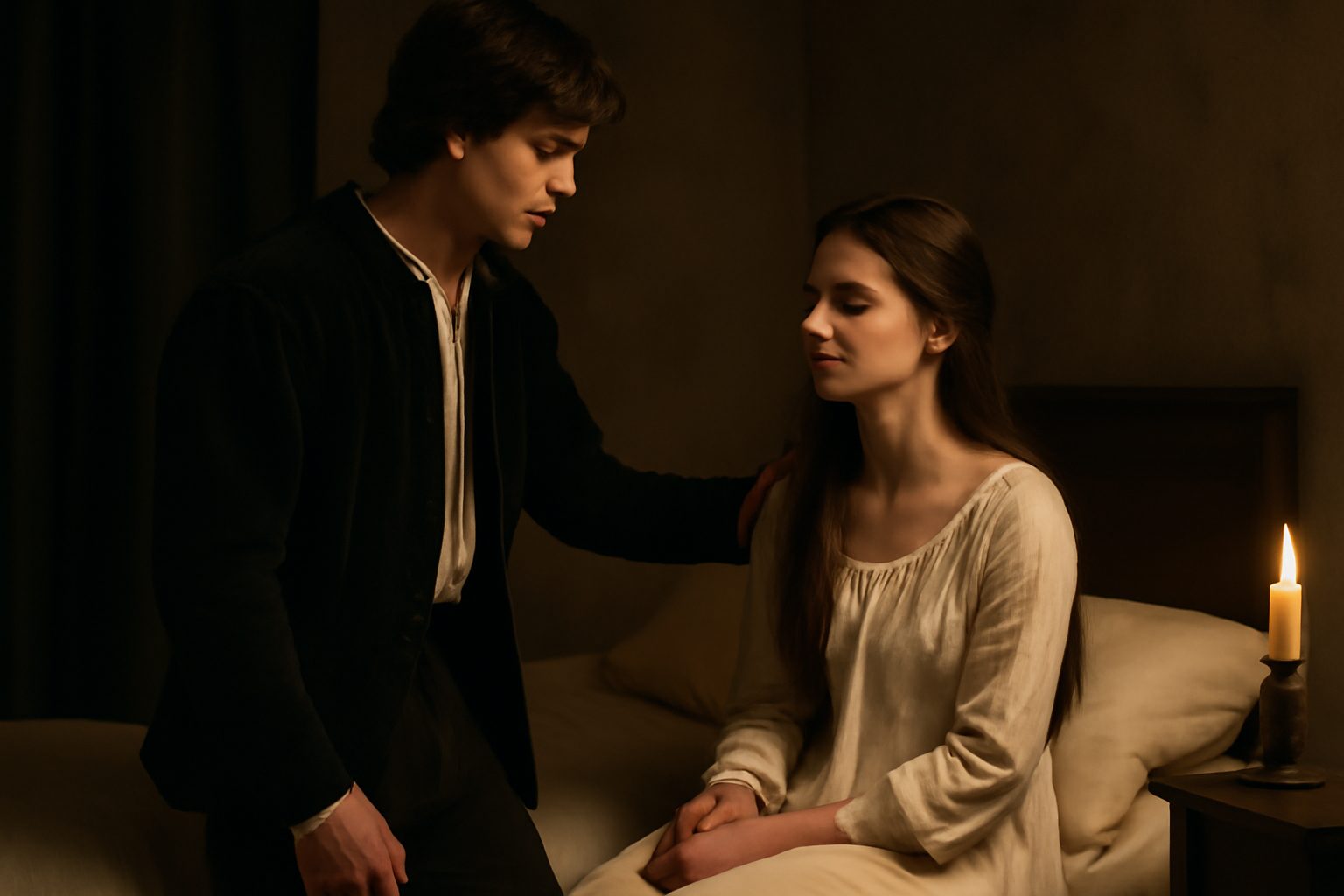
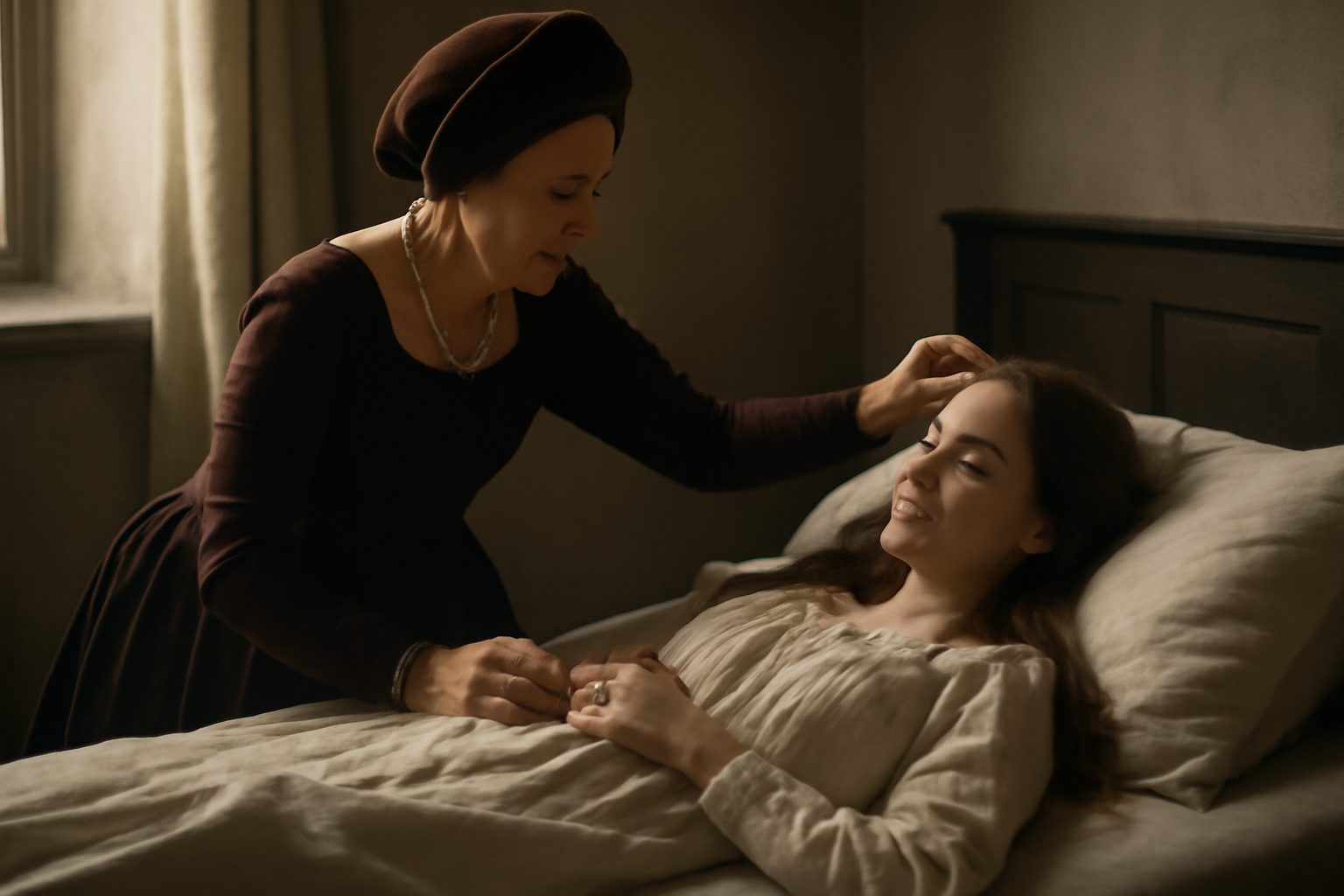
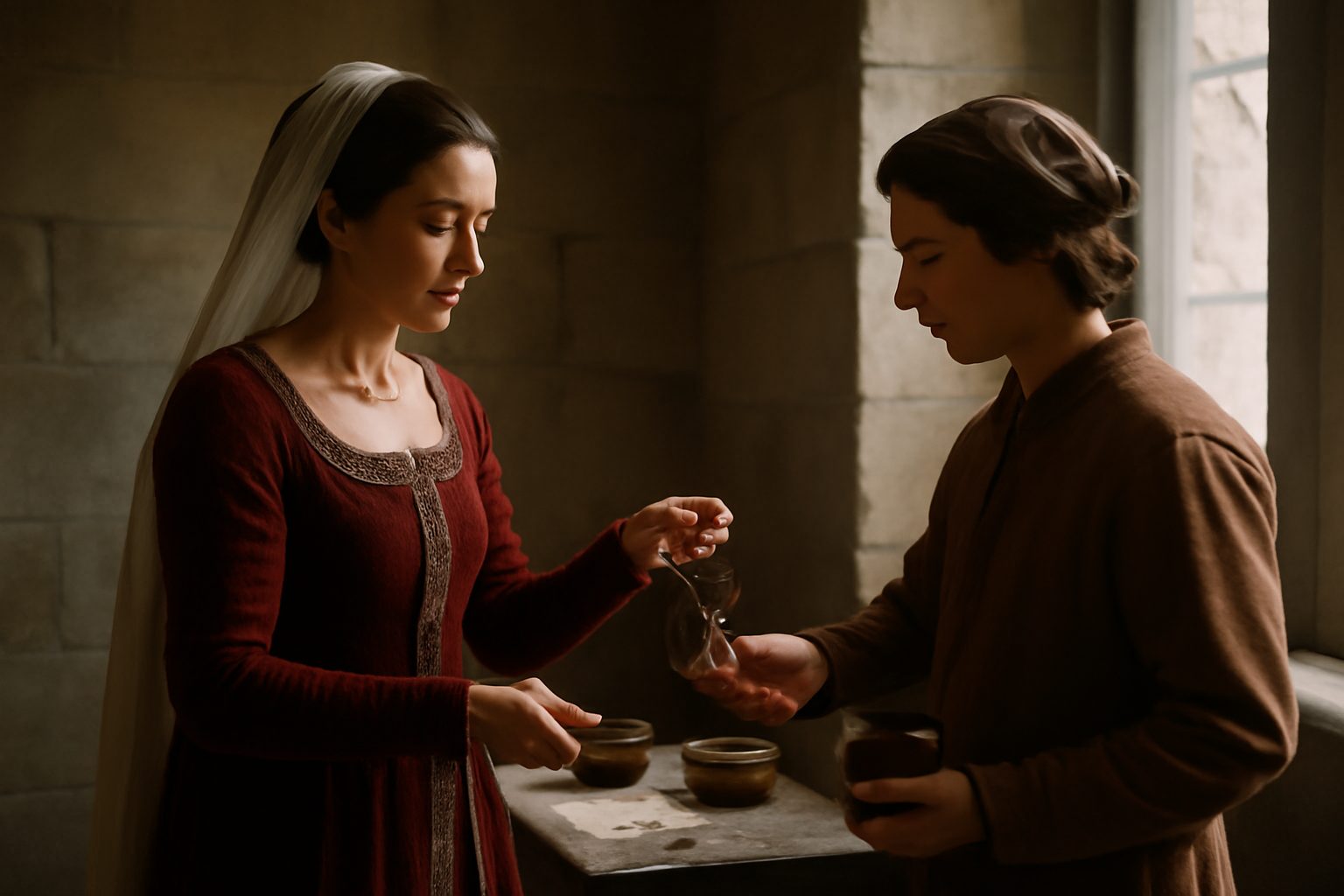
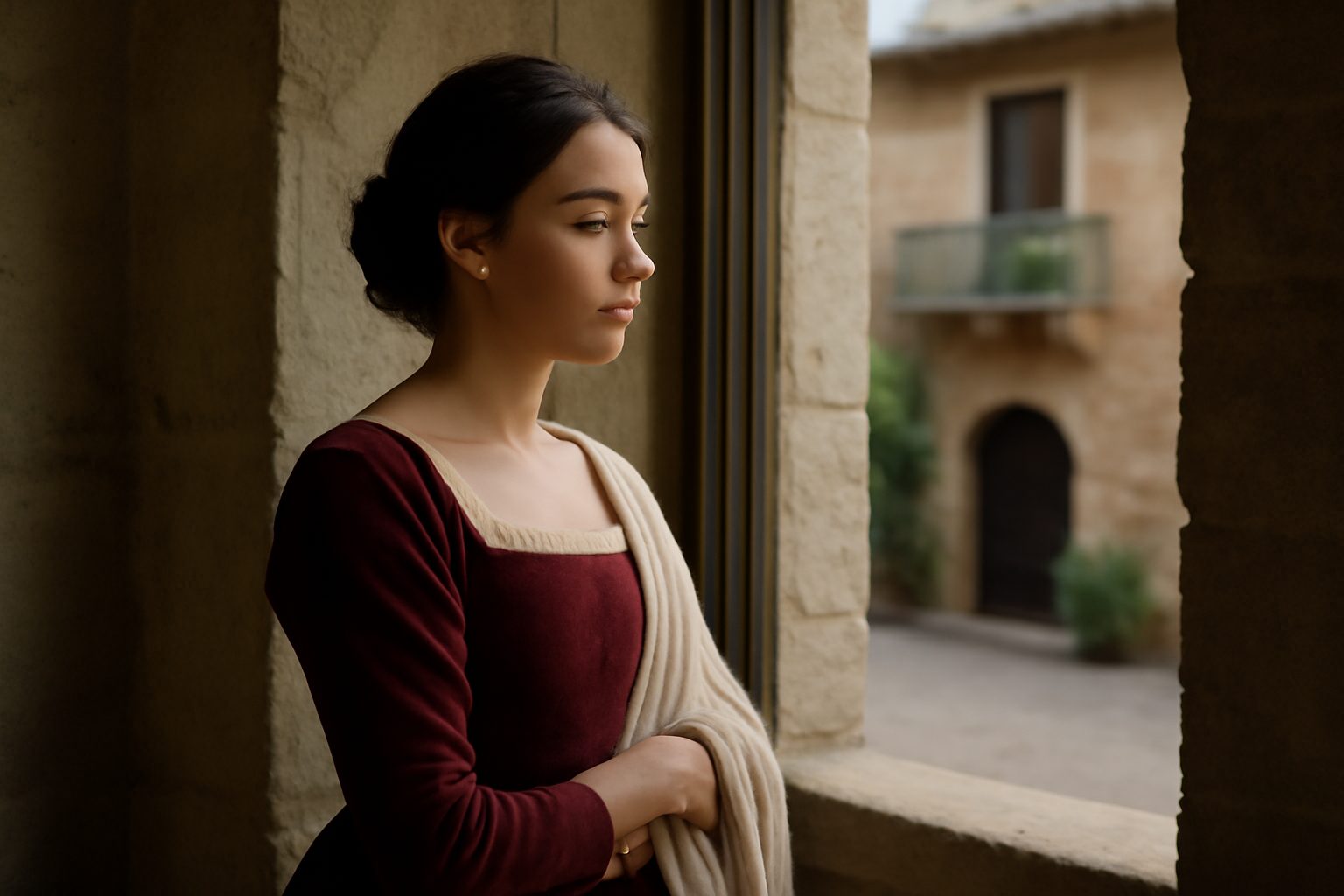
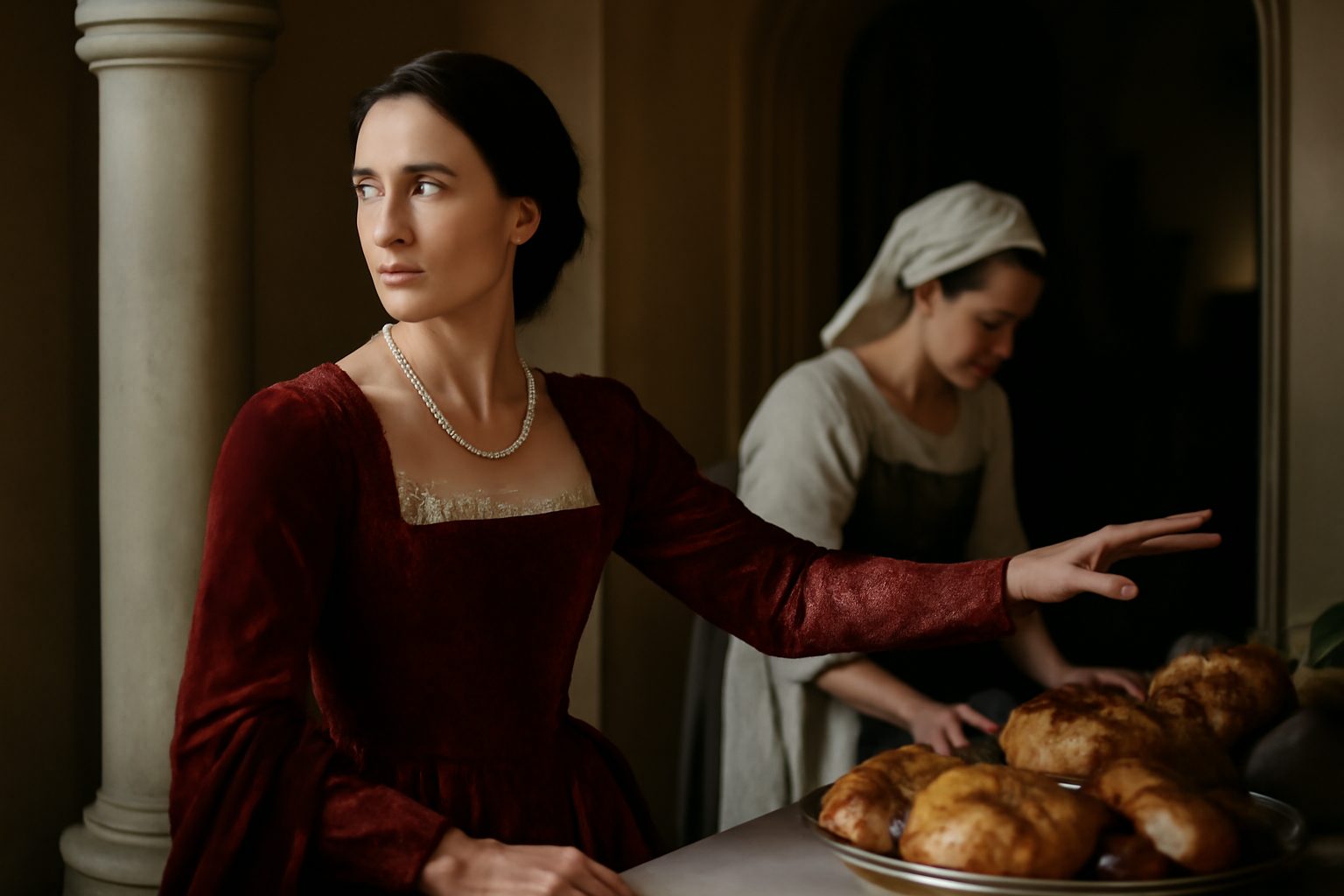
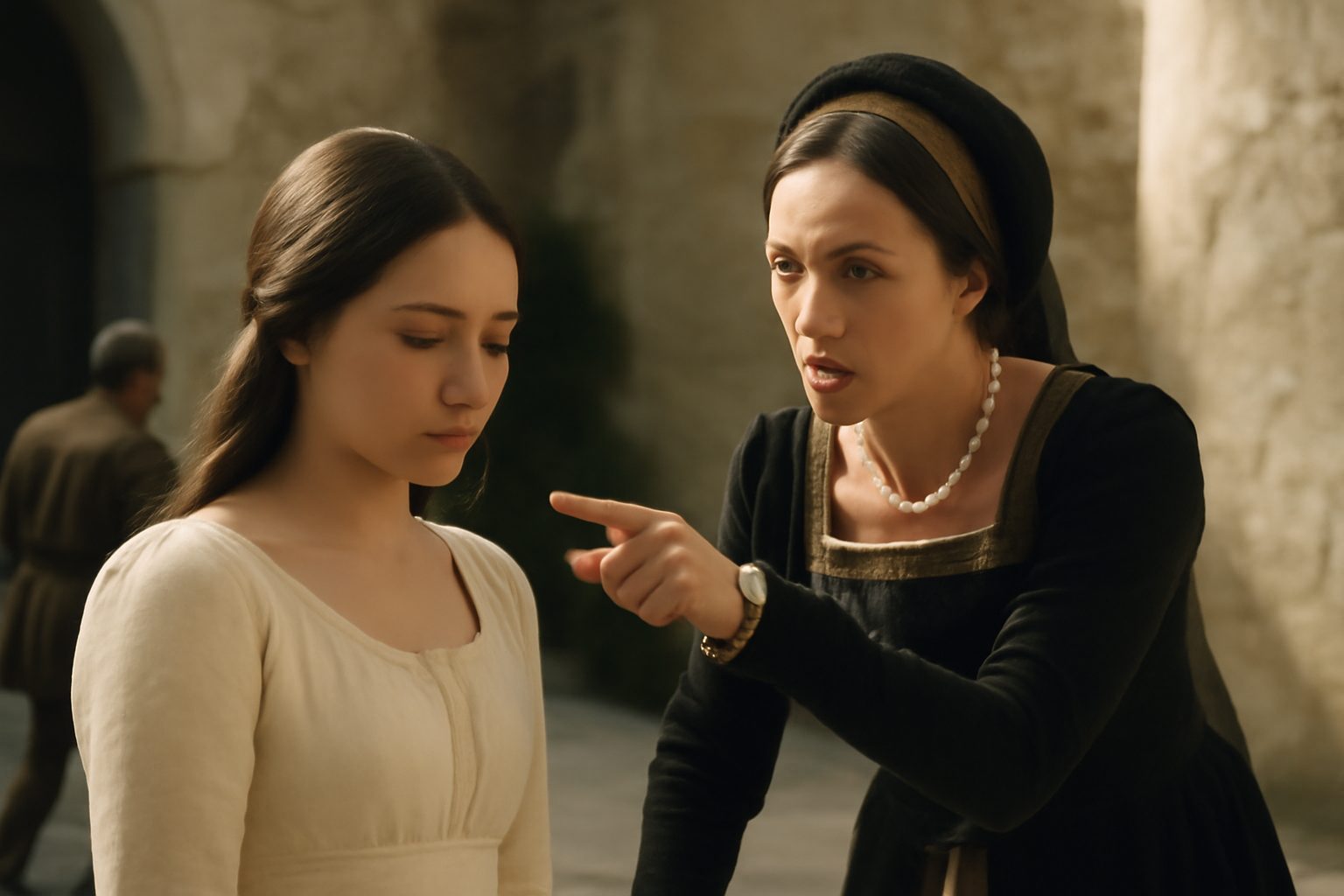
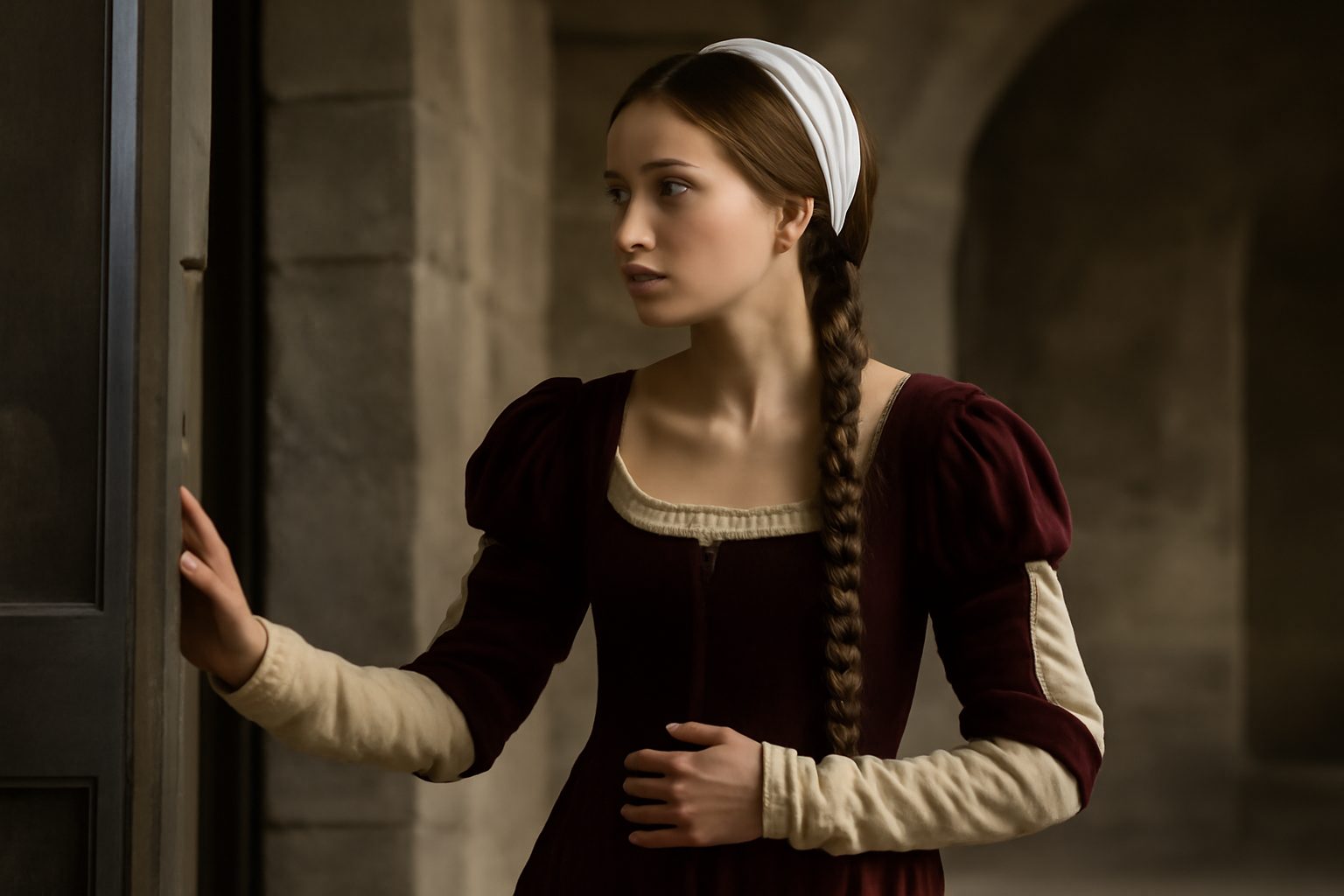
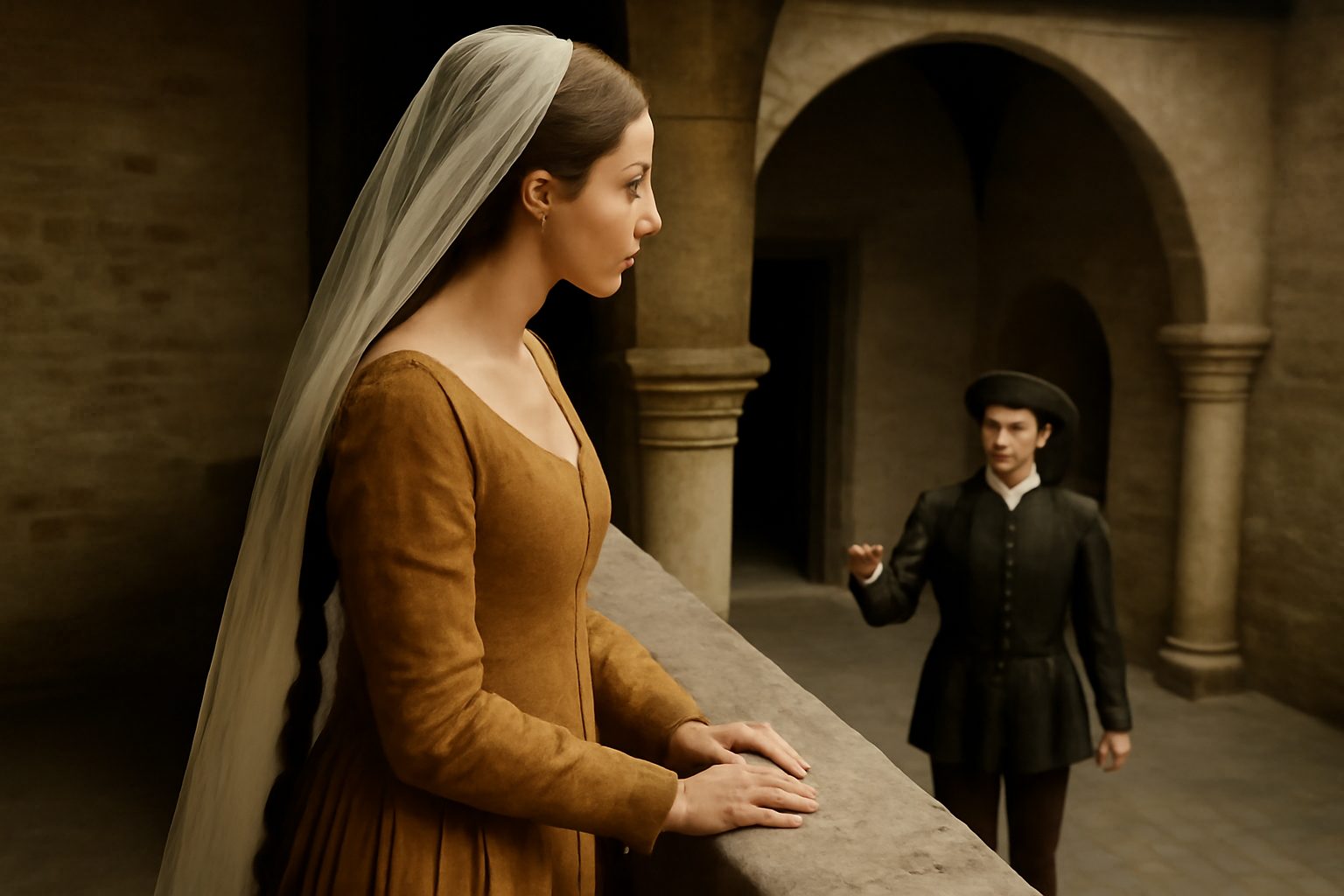
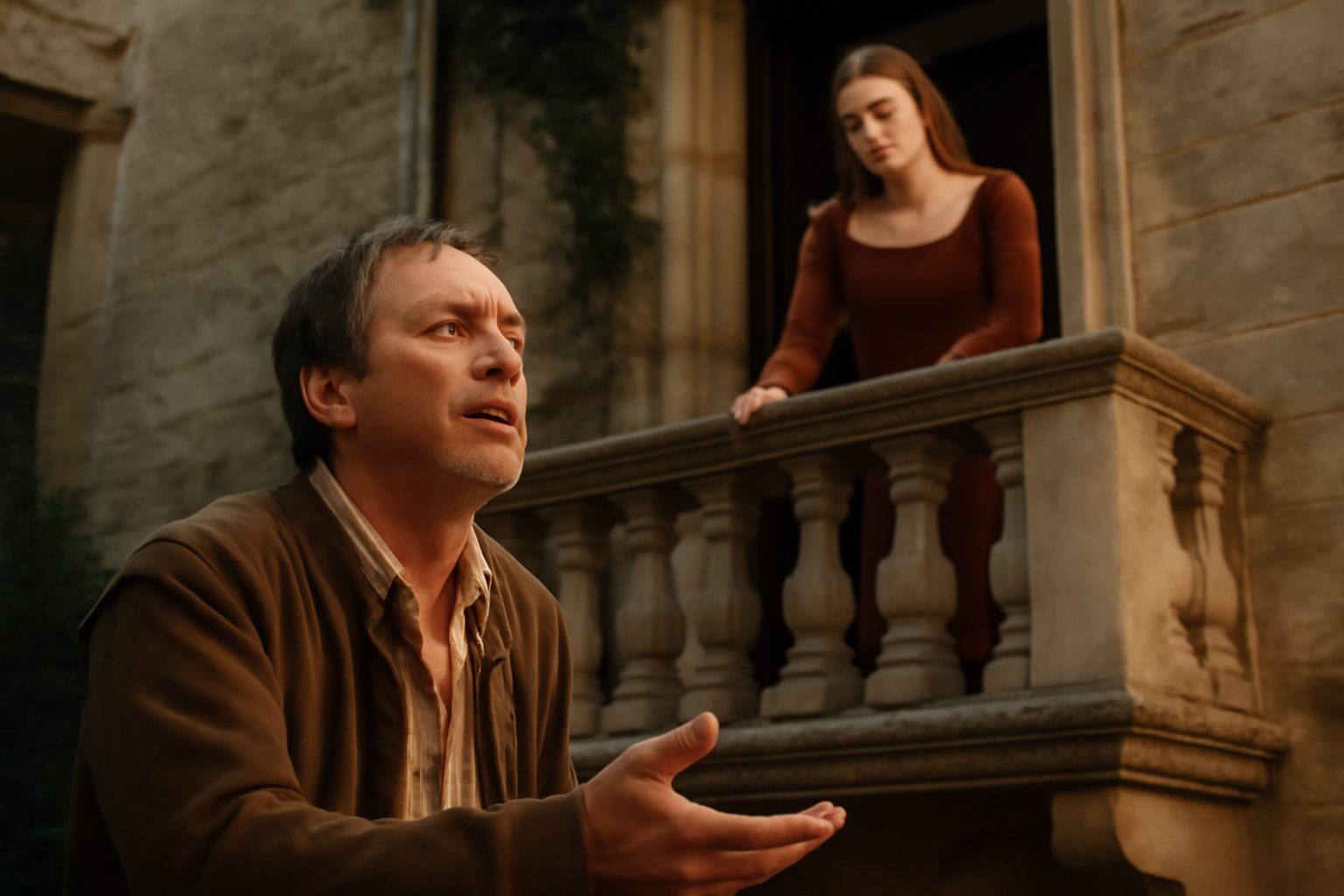
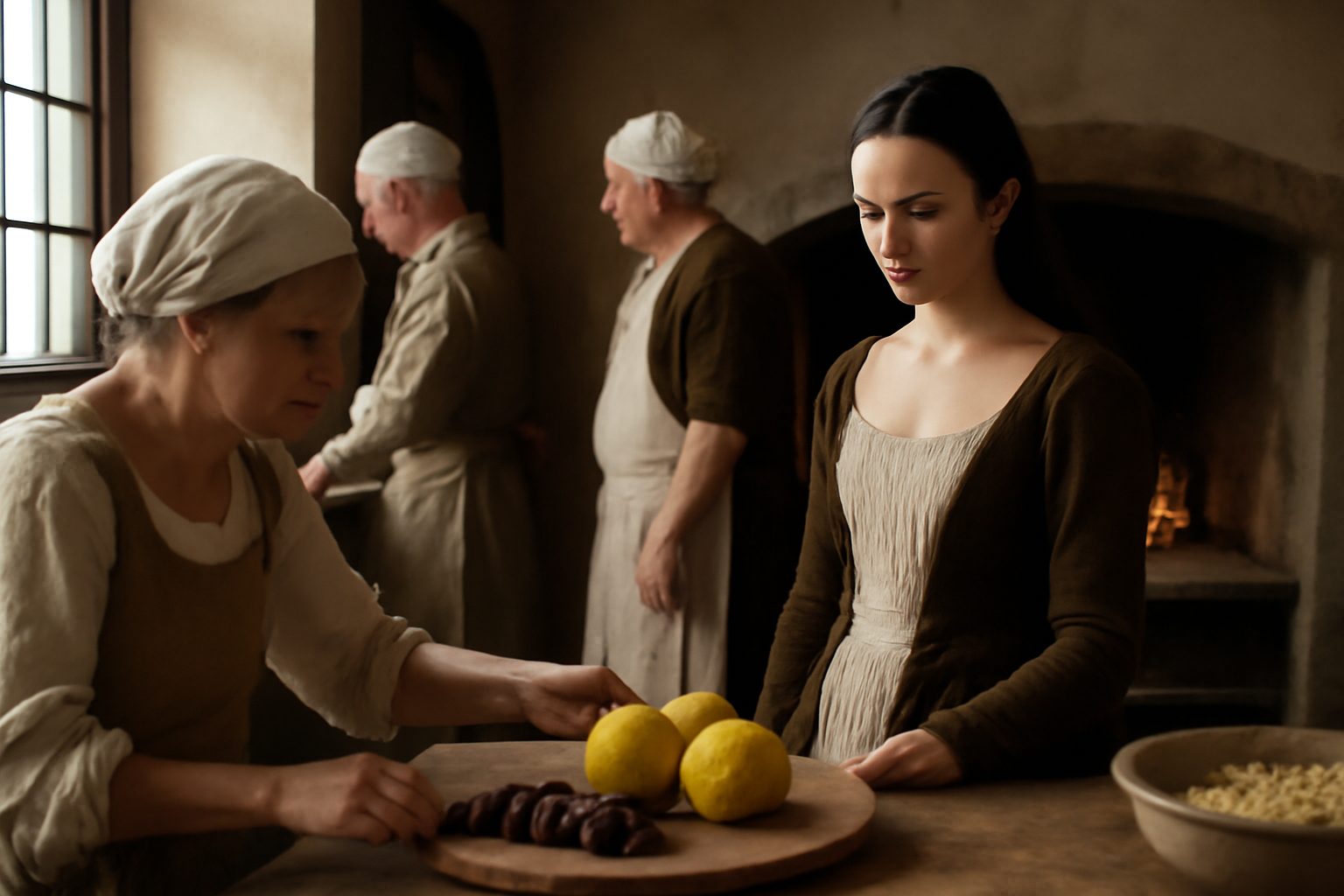
In Act 4, Scene 4 of Romeo and Juliet, the Capulet household is bustling with preparations for Juliet's wedding to Paris. Lord Capulet, eager to ensure the event is lavish and impressive, urges the servants to spare no expense in their haste to complete the arrangements. This line reflects his impulsive and extravagant nature, as well as the dramatic irony of the audience knowing Juliet has no intention of marrying Paris.
Capulet: "Spare not for the cost."
In modern day english, we would say:
Don’t worry about the expense.
Frequently Asked Questions
What does Capulet mean when he says not to worry about the cost?
Capulet means that money should not be a concern and they should spend as much as needed for the wedding preparations.
Connections to other verses:
Connections to "Spare not for the cost"
The instruction "Spare not for the cost" reflects the Capulets' urgency and willingness to spare no expense for Juliet's wedding, a theme echoed in other verses of the scene.
Urgency and Preparation
This directive aligns with the frantic preparations seen in "Come, stir, stir, stir! the second cock hath crowed", emphasizing the haste needed for the event. Similarly, "Make haste, make haste" and "Make haste, I say" reinforce this urgency, showing the household's rush to complete tasks regardless of expense.
Resource Management
The idea of not sparing cost is practically applied in "Hold, take these keys, and fetch more spices", where Lord Capulet delegates fetching additional supplies without concern for price. It also connects to "They call for dates and quinces in the pastry", indicating demands for premium ingredients, further highlighting the lavishness intended for the celebration.
Contrast with Frugality or Past Behavior
Interestingly, the instruction contrasts with Capulet's jest in "Ay, you have been a mouse-hunt in your time", which hints at past behaviors possibly involving less honorable spending, underscoring the shift in priorities for this occasion. Additionally, the mention of "And never trouble Peter for the matter" suggests avoiding petty concerns, aligning with the "spare not" mentality by focusing on grander preparations instead of minor issues.
Overall Tone of Extravagance
The command to spare no cost sets a tone of extravagance that permeates the scene, as seen in "Look to the baked meats, good Angelica", where attention to detail in food preparation reflects the importance of the event. This extravagance is further emphasized by "The county will be here with music straight", indicating additional luxurious elements like live music, all funded without restraint.