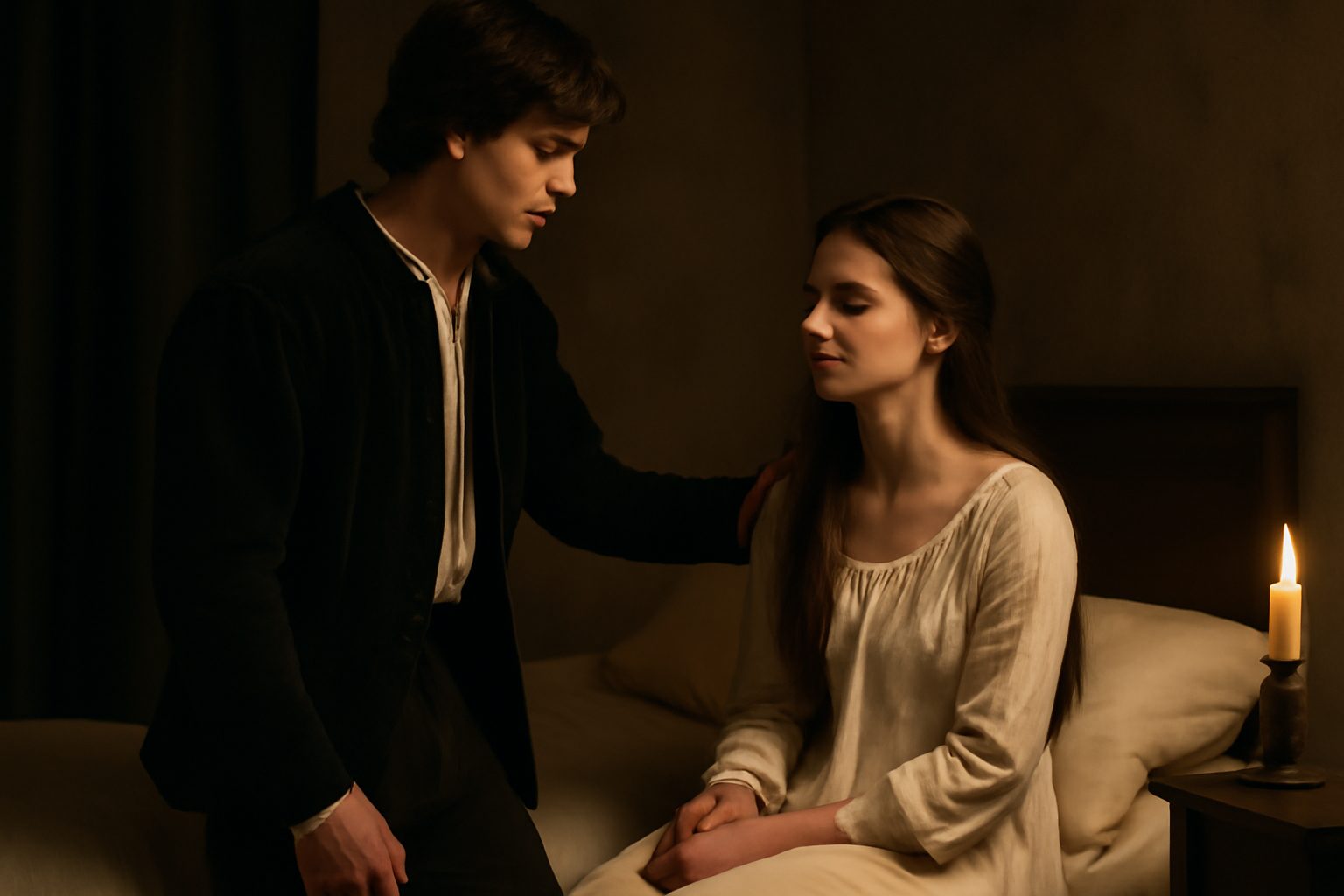
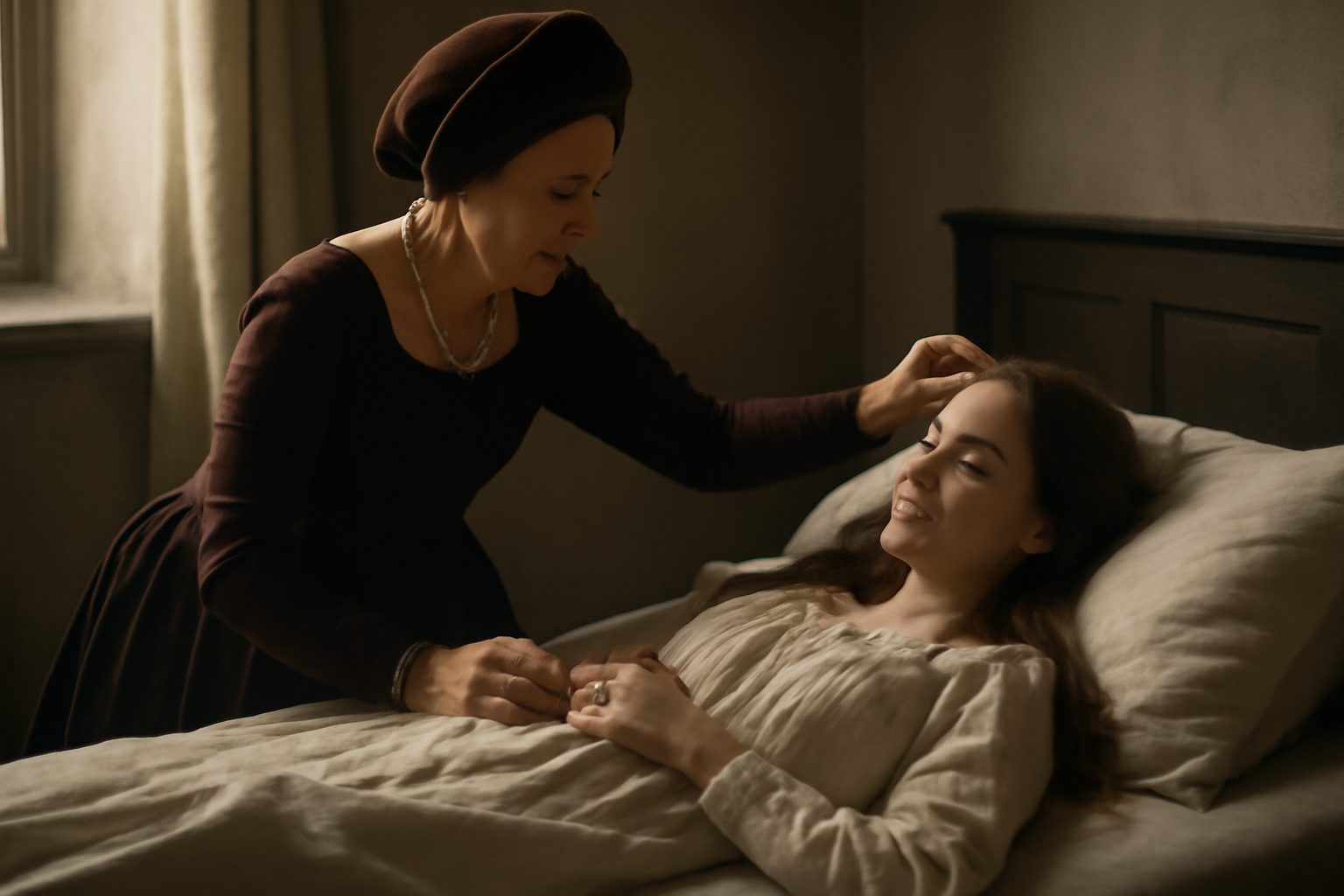
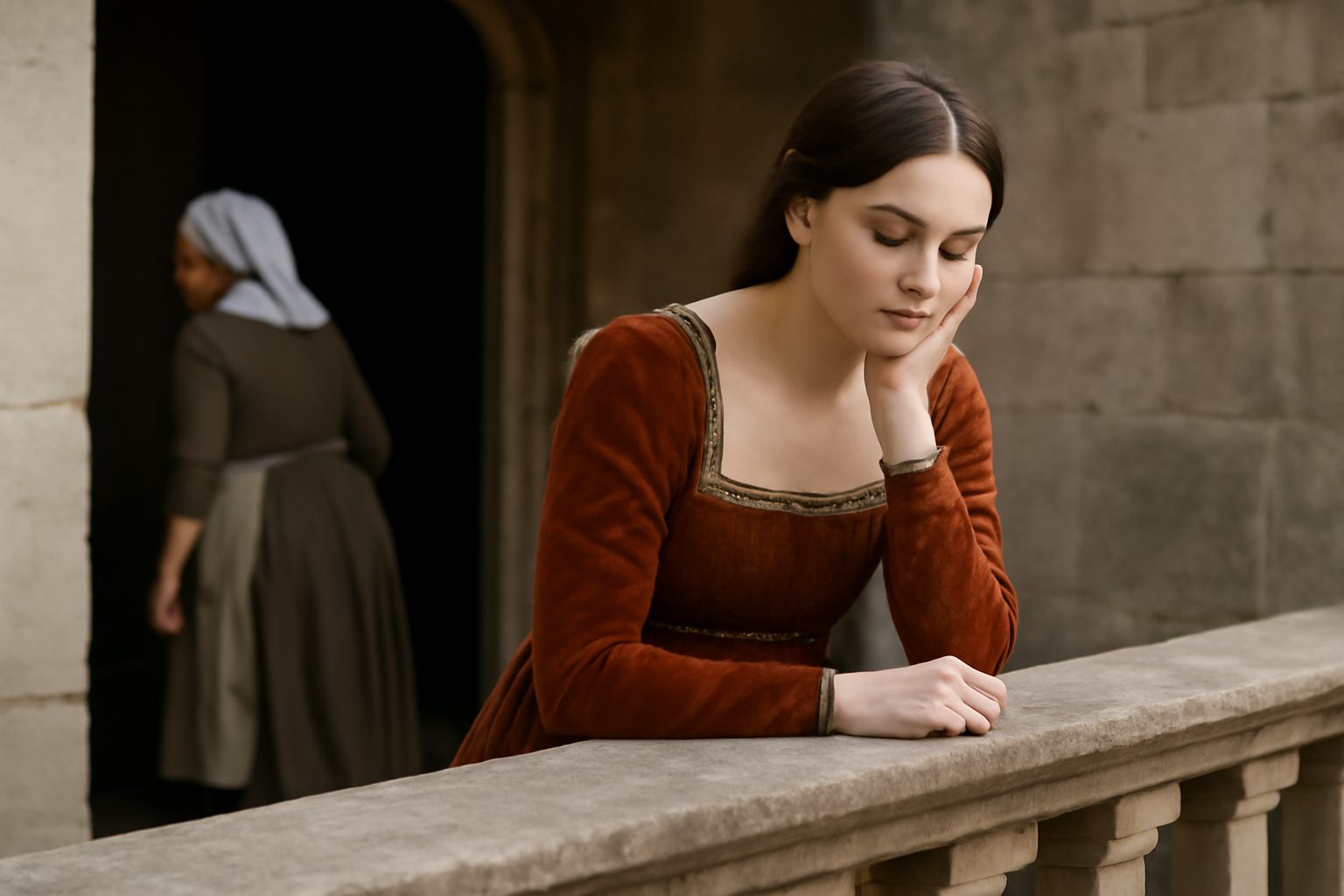
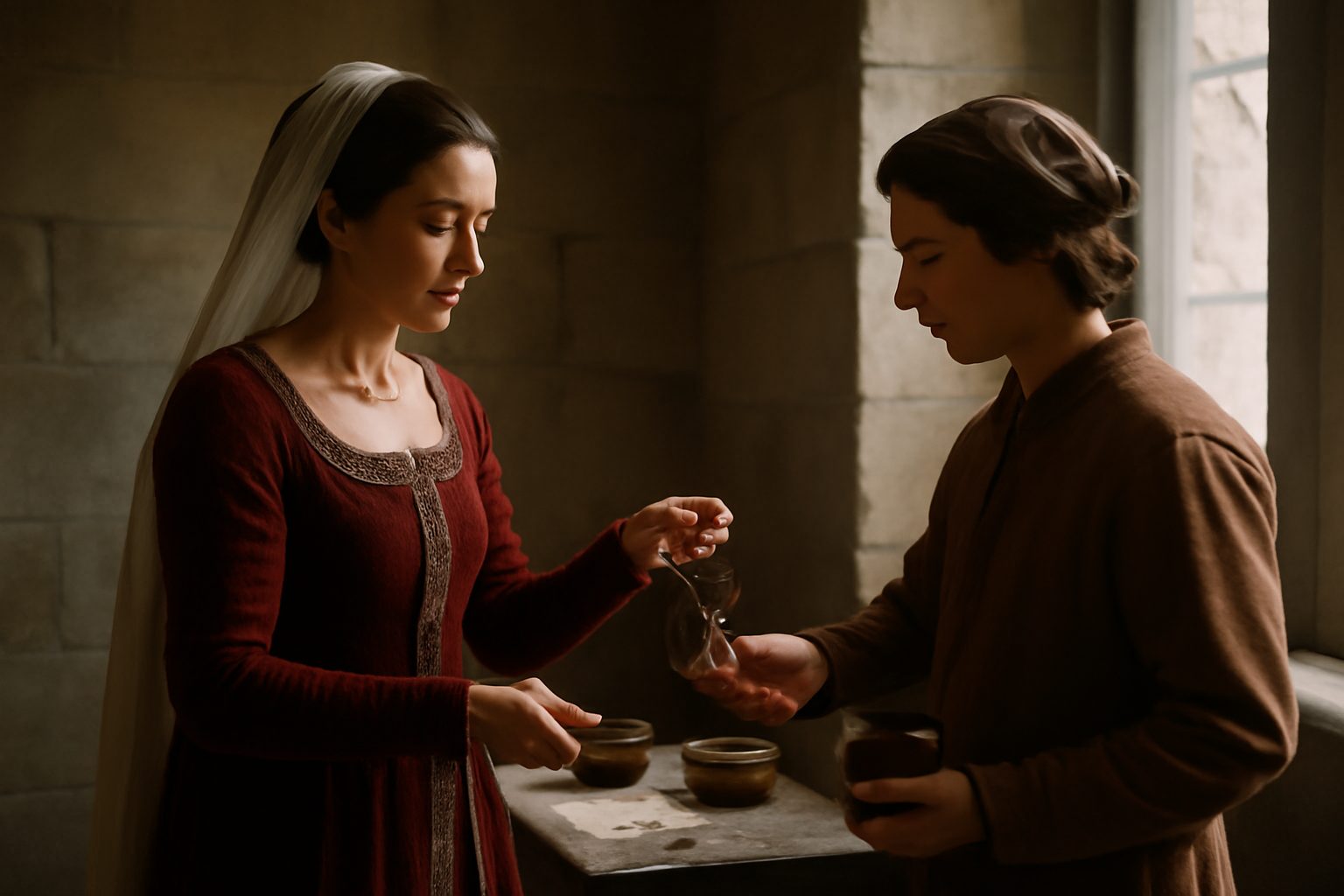
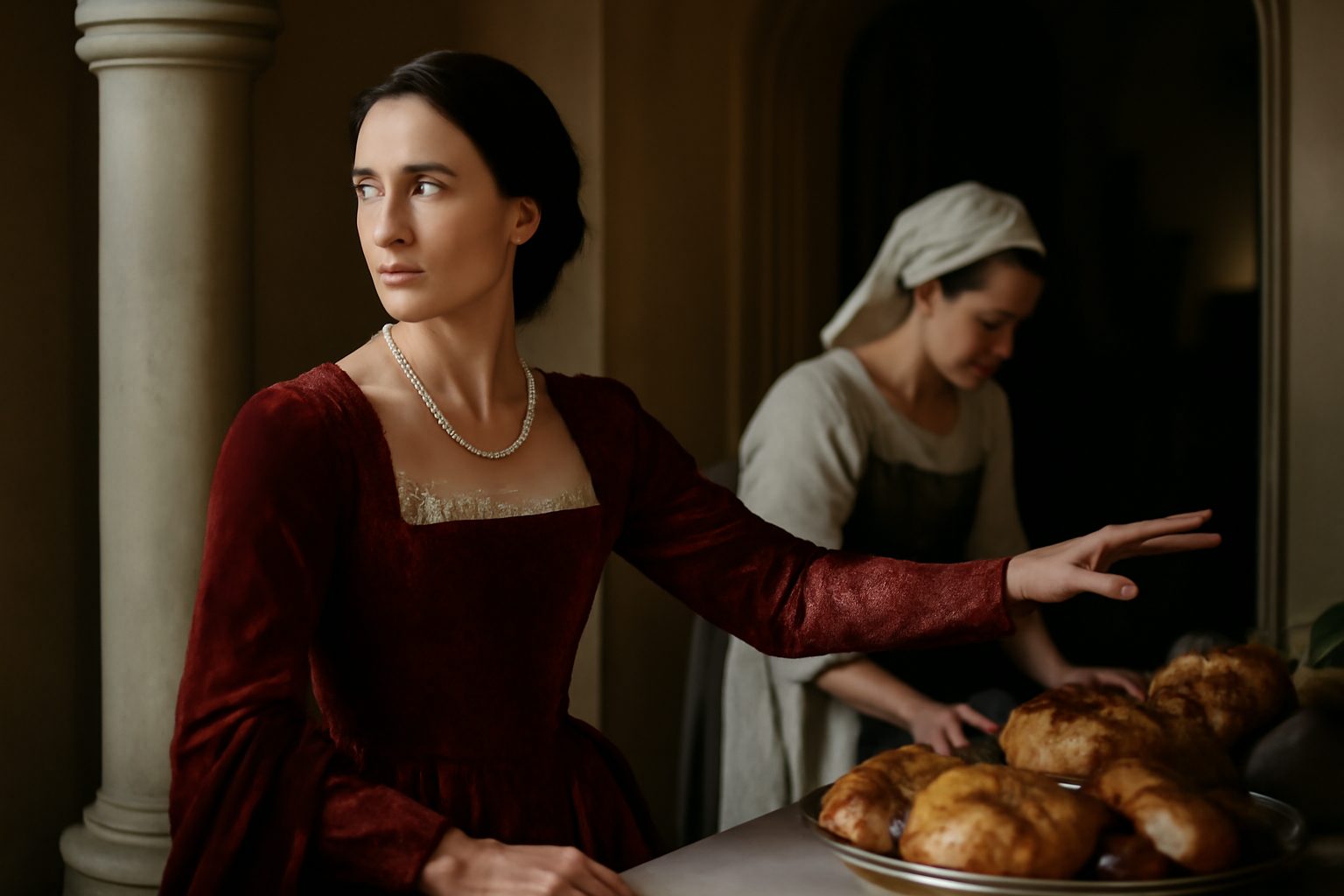
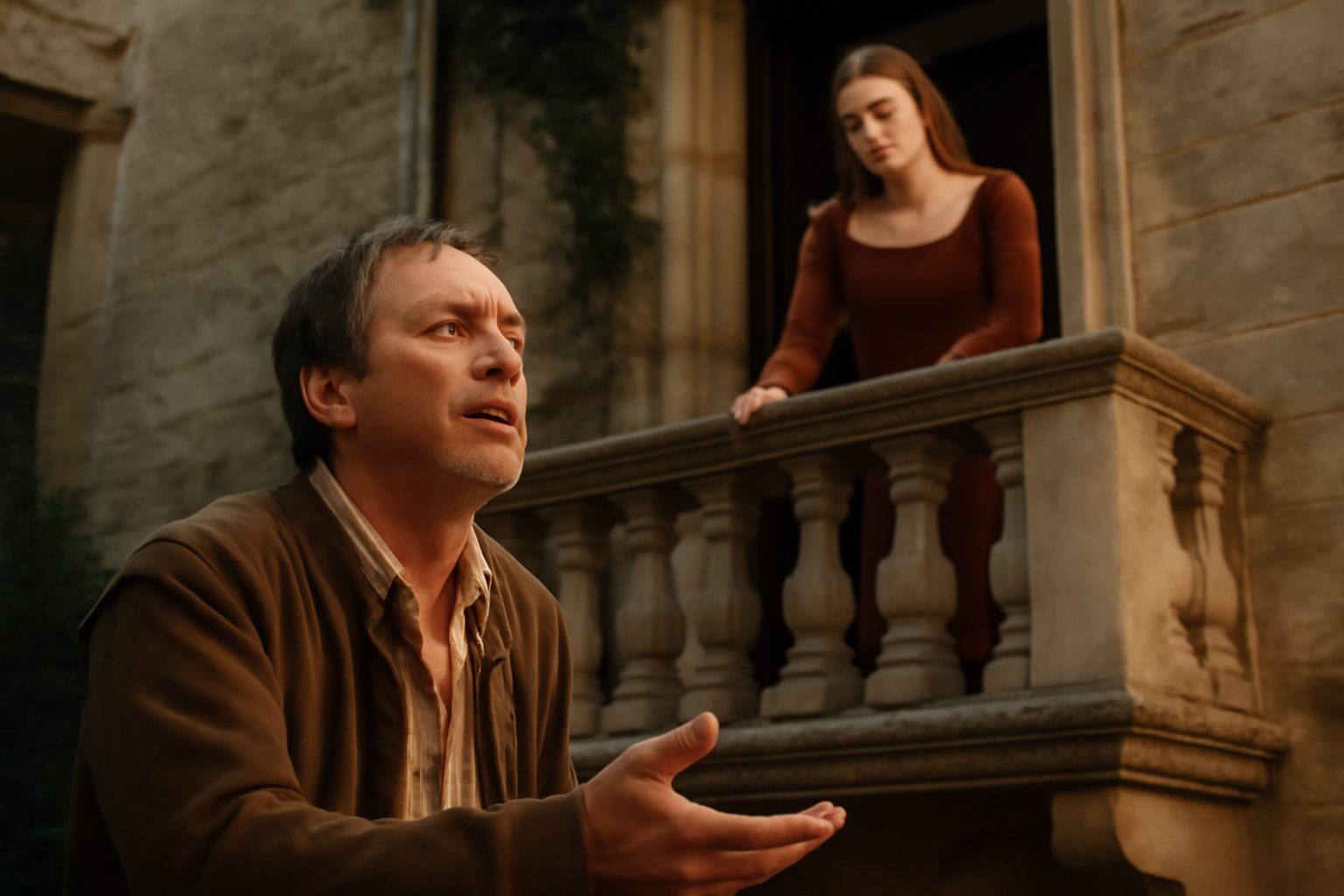
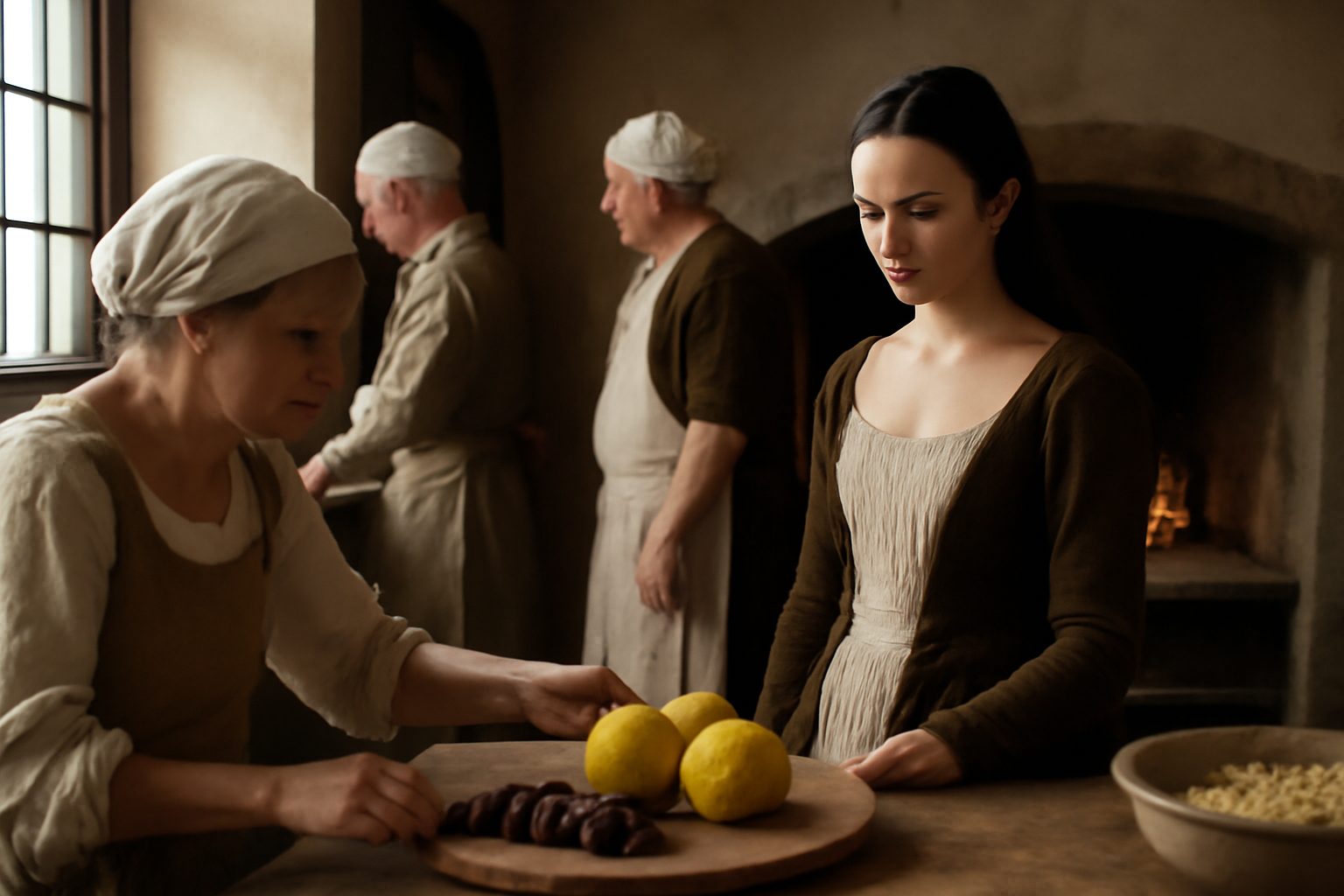
In Act 4, Scene 4 of Romeo and Juliet, the Capulet household is bustling with last-minute preparations for Juliet's wedding to Paris. As servants hurry to complete tasks, one remarks that they have stayed up all night for lesser reasons without falling ill, highlighting the chaotic energy of the scene. This line underscores the contrast between the household's festive urgency and the tragic reality of Juliet's impending fate.
Capulet: "All night for lesser cause, and ne'er been sick."
In modern day english, we would say:
I’ve stayed up all night for less important reasons and never felt this bad.
Frequently Asked Questions
What does Capulet mean when he says he has stayed up all night for smaller reasons without getting sick?
Capulet is saying that he has often stayed awake all night for less important things and never felt ill, so staying up for Juliet's wedding is no problem for him.
Connections to other verses:
Connections to "All night for lesser cause, and ne'er been sick."
The verse "All night for lesser cause, and ne'er been sick." is spoken by Capulet in response to his wife's concern about his health after staying up all night preparing for Juliet's wedding. This line highlights his resilience and contrasts with the urgency and chaos surrounding the wedding preparations in the scene.
Direct Response to Lady Capulet's Warning
This verse directly replies to Lady Capulet's earlier warning: "Get you to bed; faith, You'll be sick to-morrow". Capulet dismisses her concern by boasting about his past endurance, emphasizing his determination to oversee the festivities despite the late hour.
Connection to Vigilance and Past Experiences
Capulet's remark about staying up "all night for lesser cause" echoes his earlier statement: "No, not a whit: what! I have watch'd ere now". Both lines reinforce his confidence in his ability to handle sleepless nights, underscoring his stubbornness and control over the situation.
Contrast with the Servants' Hurry
While Capulet boasts of his stamina, the servants are repeatedly urged to hurry, as seen in lines like "Come, stir, stir, stir! the second cock hath crow'd" and "Make haste, make haste.". This contrast highlights the disparity between Capulet's leisurely confidence and the frantic efforts of those preparing for the wedding.
Link to the Time of Day
The scene's awareness of time, such as "The curfew-bell hath rung, 'tis three o'clock:", contextualizes Capulet's claim of staying up all night, grounding his boast in the early morning setting and the urgency of the wedding preparations.
Reflection of Capulet's Character
Capulet's stubbornness and dismissive attitude in this verse align with his earlier command: "Go, you cot-quean, go," where he mocks Lady Capulet for interfering. Both instances showcase his authoritative and somewhat arrogant demeanor.