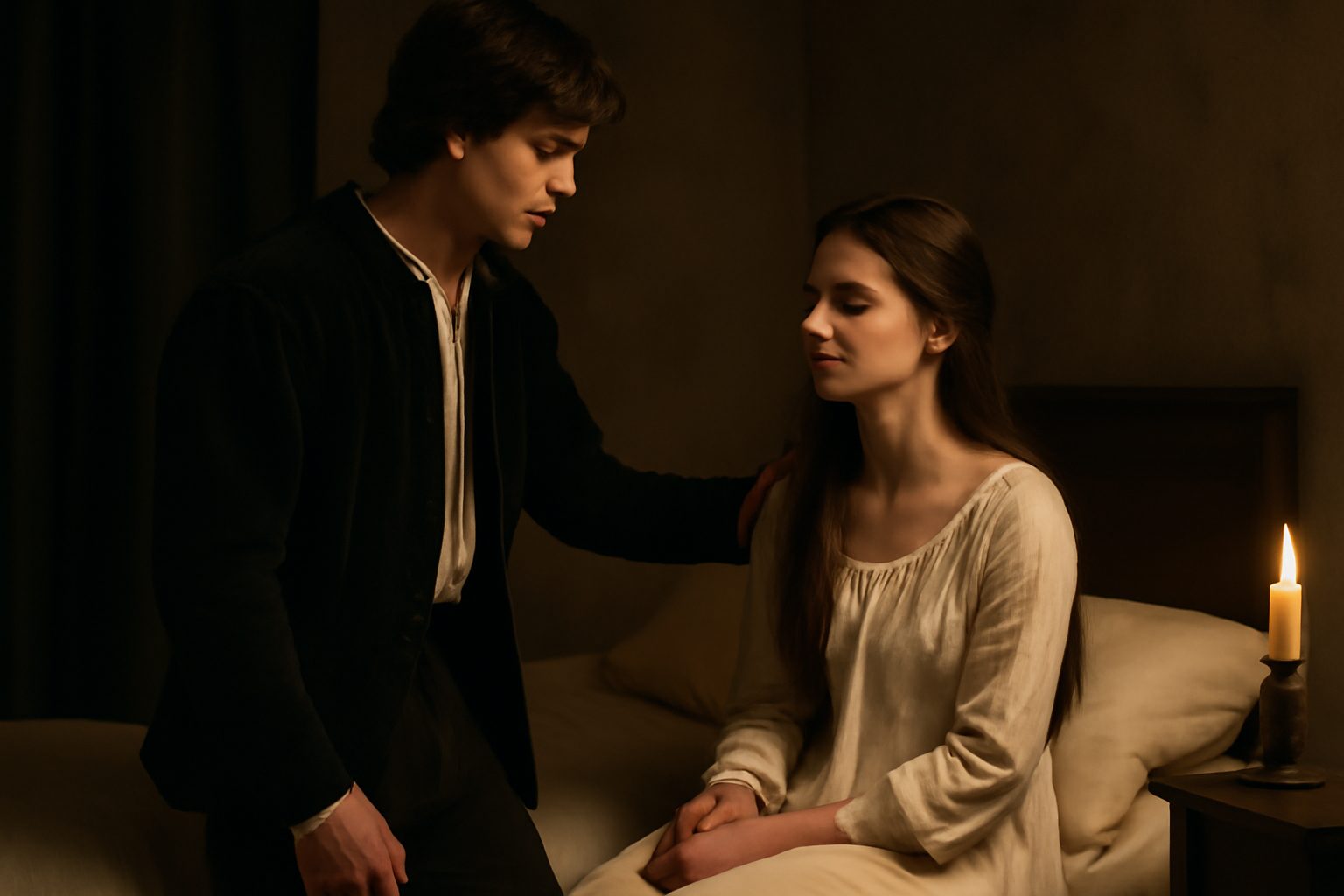
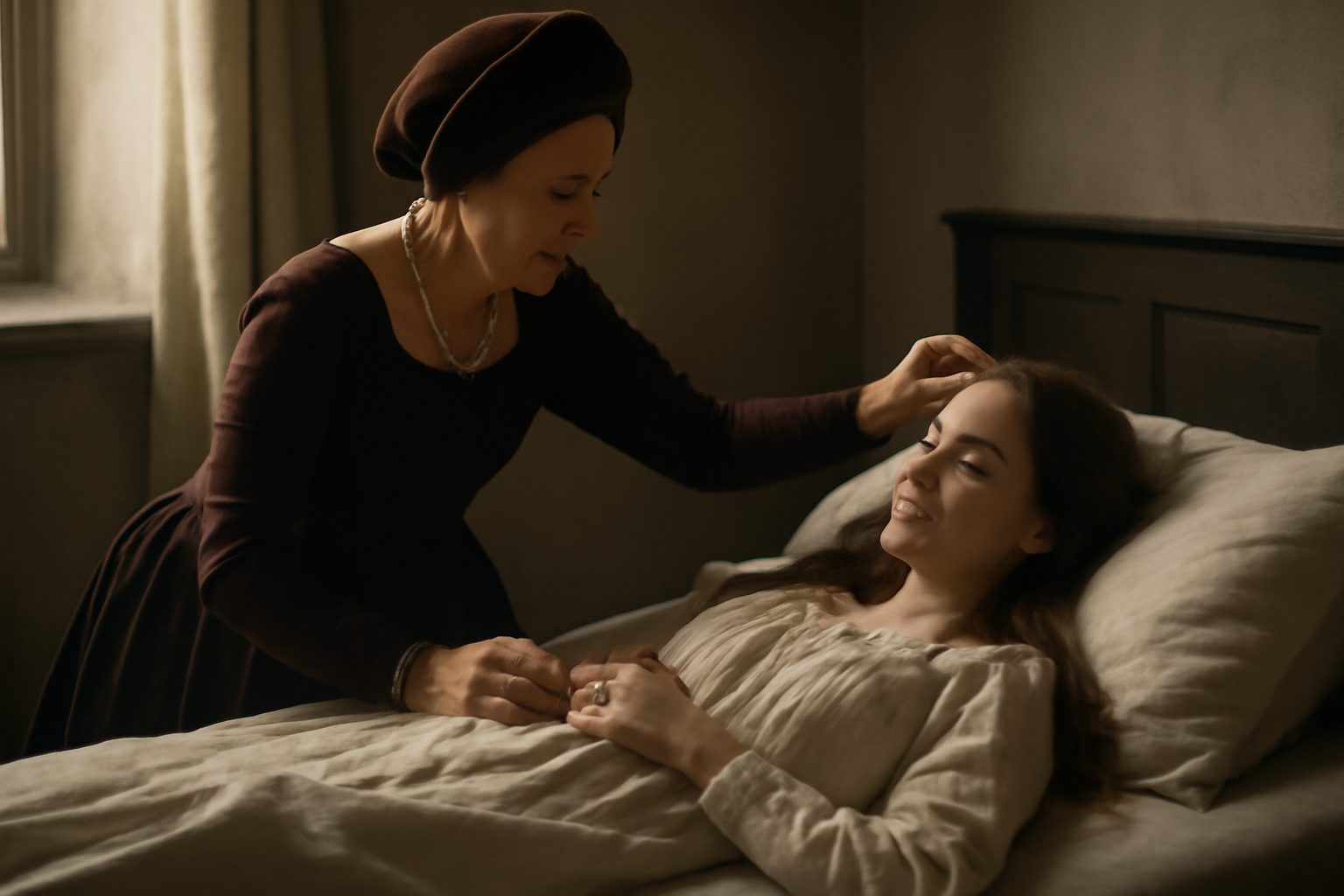
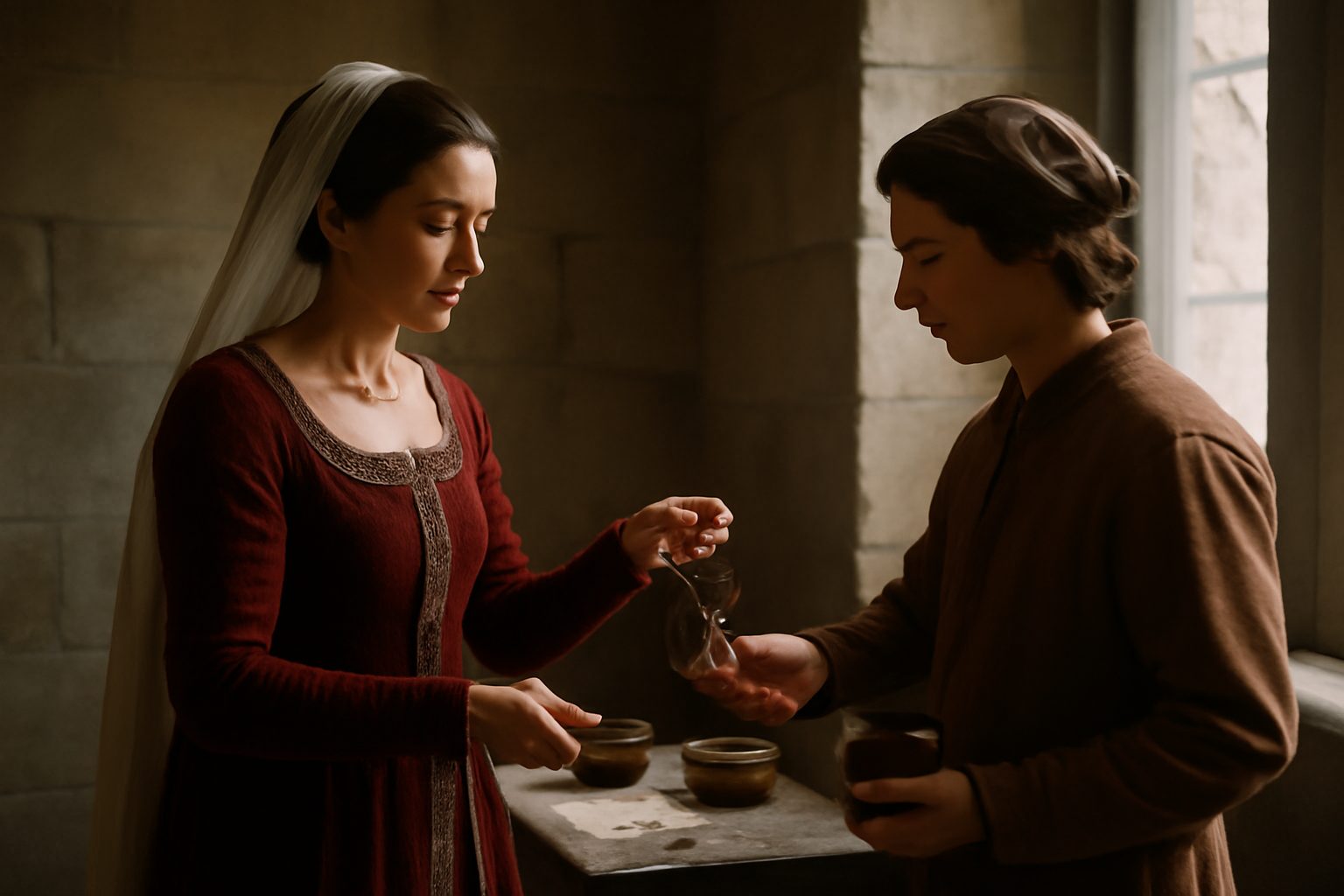
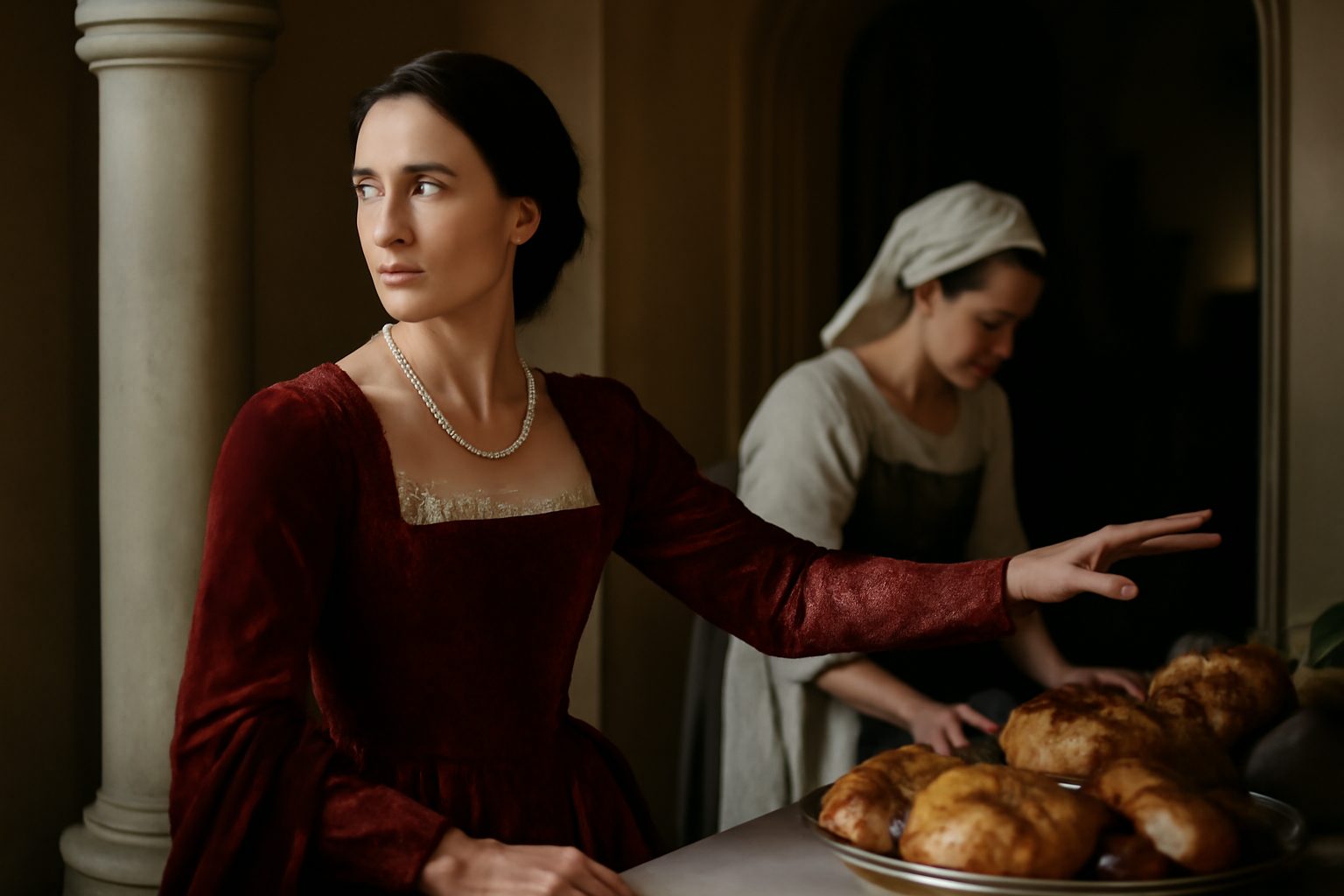
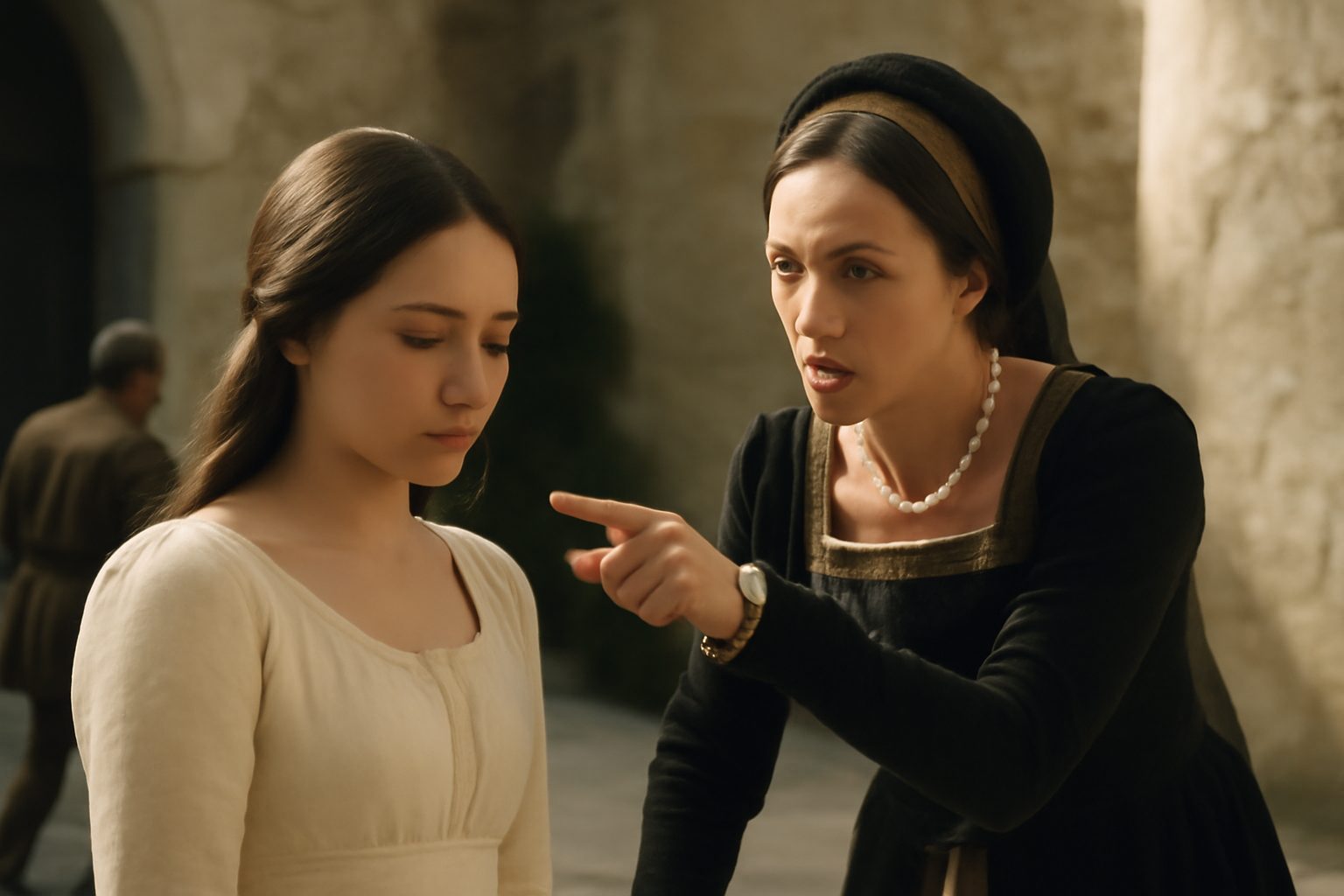
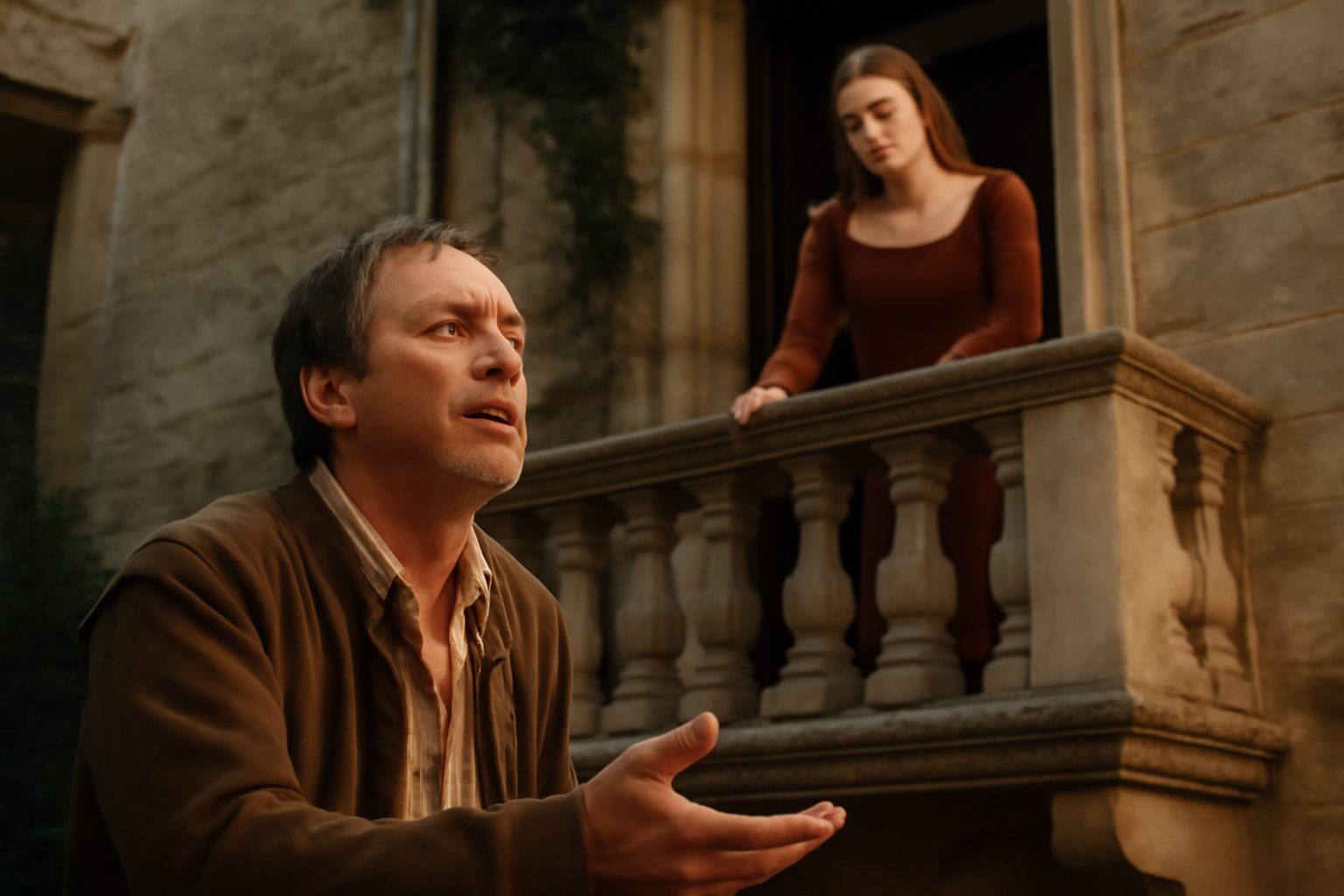
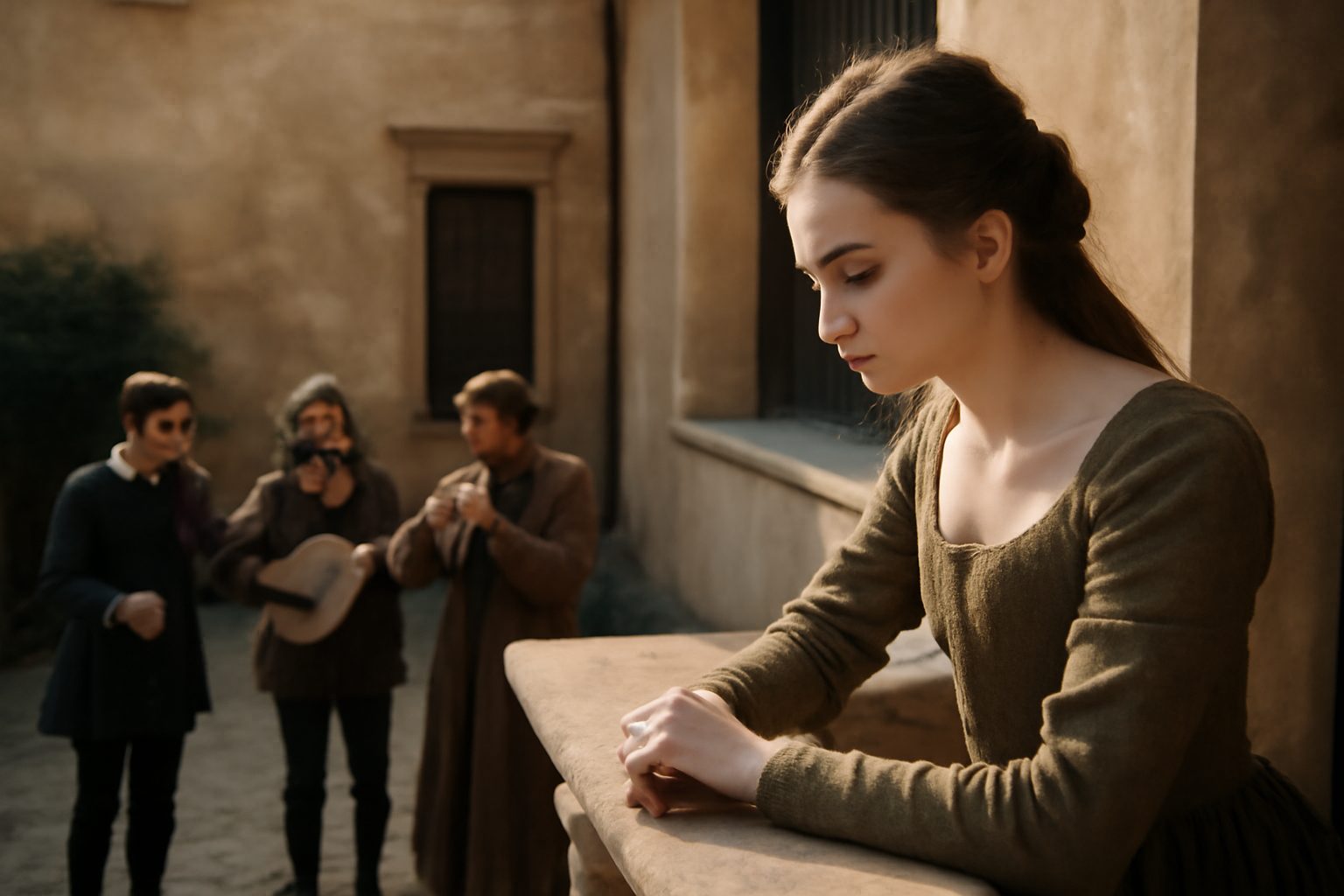
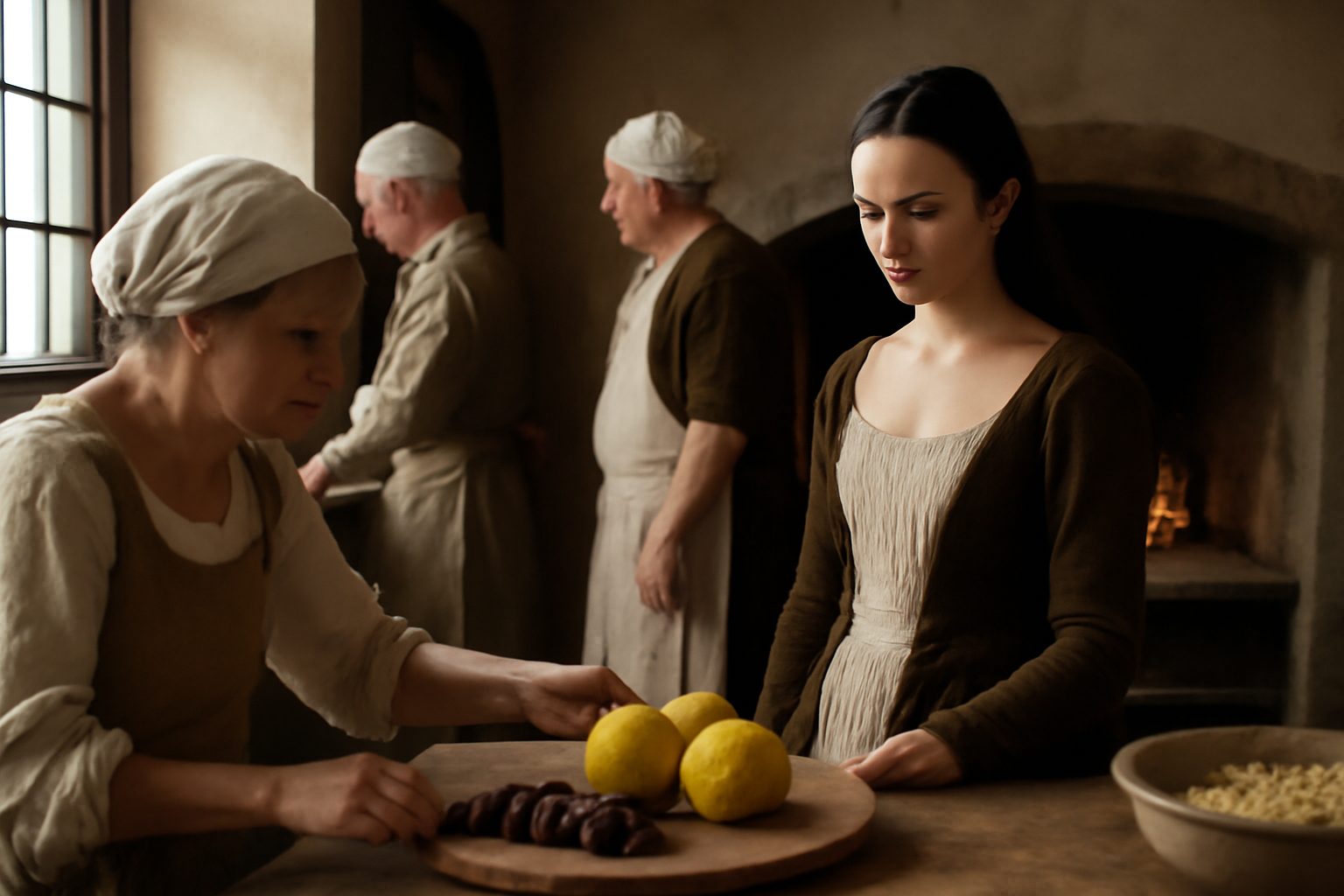
In Act 4, Scene 4 of Romeo and Juliet, the Nurse teases Capulet about his past flirtations as the household prepares for Juliet’s wedding to Paris. Her playful jab suggests he was once a relentless pursuer of women, adding a moment of levity amid the tension. This line highlights the Nurse’s bold, familiar relationship with the Capulet family, even as darker events unfold.
Lady Capulet: "Ay, you have been a mouse-hunt in your time;"
In modern day english, we would say:
You’ve chased after women quite a bit in your day.
Frequently Asked Questions
What does Lady Capulet mean when she says someone has been a mouse-hunt in their time?
She is teasingly saying that the person used to chase after women or had a reputation for being a ladies' man.
Connections to other verses:
Connections to "Ay, you have been a mouse-hunt in your time;"
This line, spoken by Lady Capulet to her husband, accuses him of being a womanizer in his youth. It connects thematically and contextually to several other verses in Act 4, Scene 4.
Related to Capulet's Past Behavior
Capulet's response, "But I will watch you from such watching now," suggests he will now guard against such behavior, showing a defensive reaction to the accusation. This is further emphasized by Lady Capulet's mocking repetition in "A jealous hood, a jealous hood!", highlighting her sarcastic tone and the tension in their relationship.
Context of Late-Night Revelry
The scene is set late at night, as indicated by "The curfew-bell hath rung, 'tis three o'clock:" and "Come, stir, stir, stir! the second cock hath...", which underscores the revelry and perhaps alludes to the kind of late-night activities where "mouse-hunting" might occur. Capulet boasts of his endurance in "No, not a whit: what! I have watch'd ere now" and "All night for lesser cause, and ne'er been sick," reinforcing his past wild behavior that Lady Capulet references.
Domestic Tensions and Preparations
The accusation occurs amid wedding preparations, with lines like "Look to the baked meats, good Angelica:" and "Spare not for the cost," showing the bustling household. Lady Capulet's sharp tone is echoed when she dismisses Capulet with "Go, you cot-quean, go," criticizing his interference in domestic affairs, which ties back to her frustration with his past and present behavior.
Contrast with Urgency and Order
While the "mouse-hunt" line delves into personal history, other verses focus on urgency, such as "Make haste, make haste." and "Make haste; the bridegroom he is come already:", highlighting the contrast between Capulet's frivolous past and the serious, rushed present. The scene concludes with practical commands like "Go waken Juliet, go and trim her up;", underscoring the shift from jest to gravity.