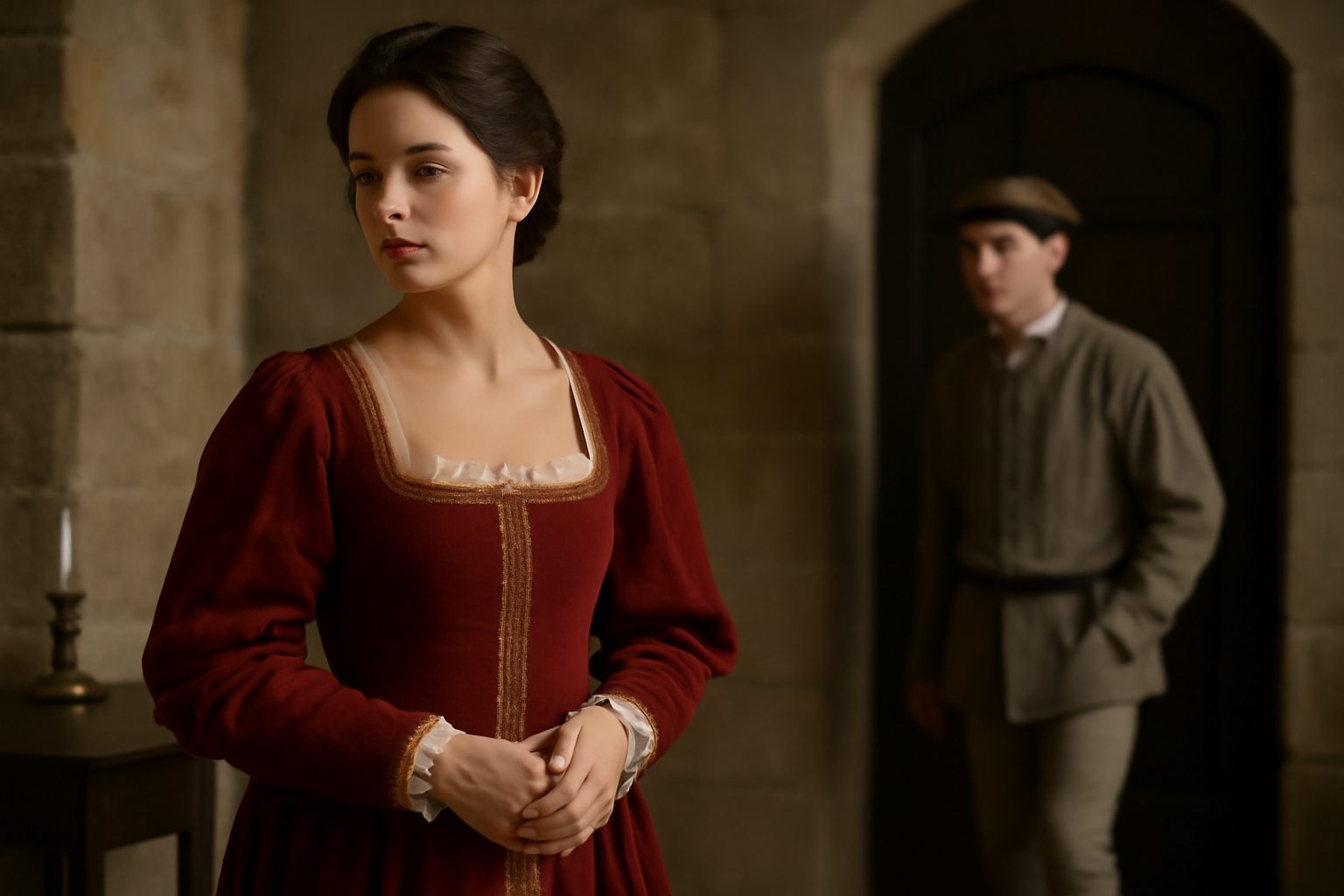
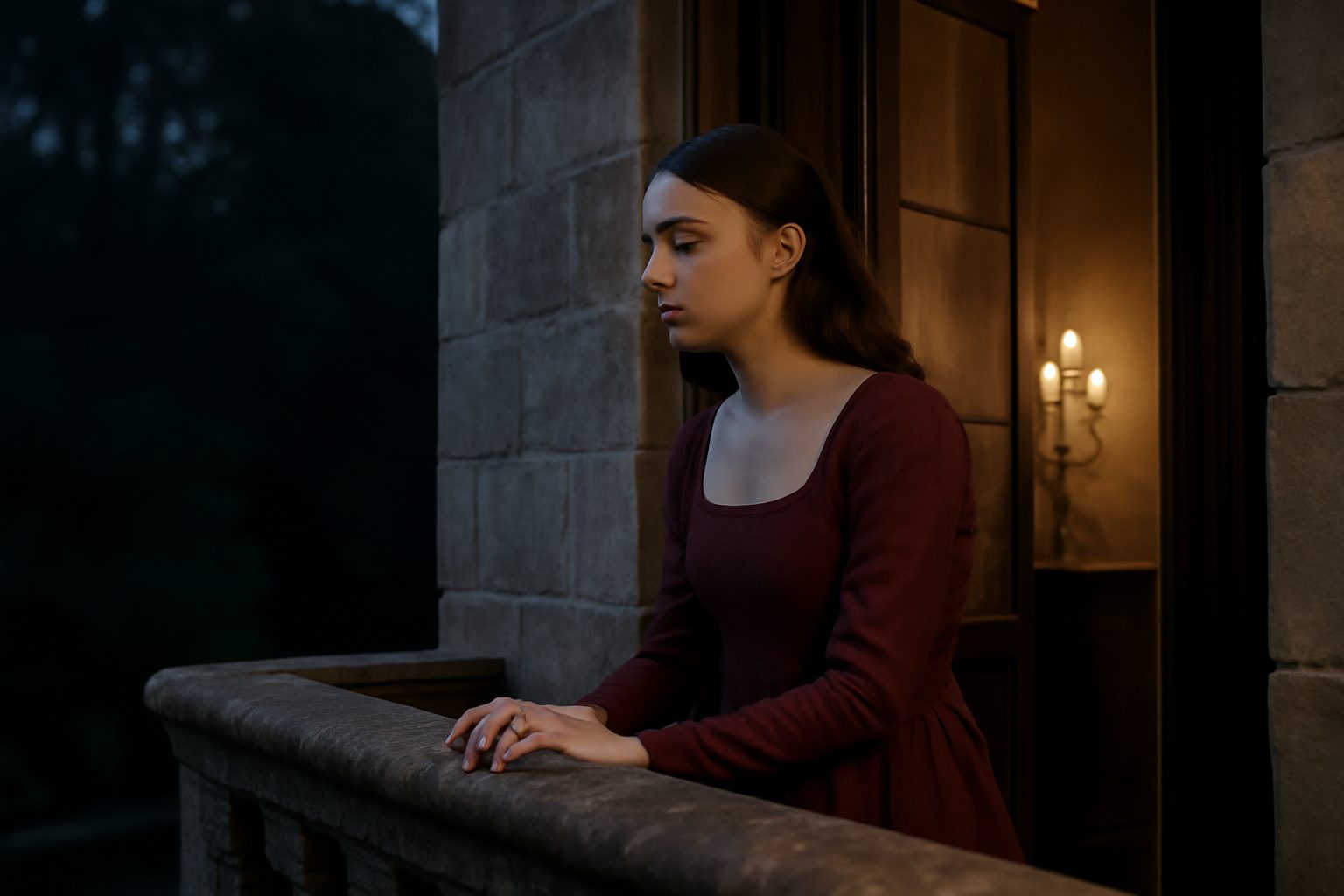
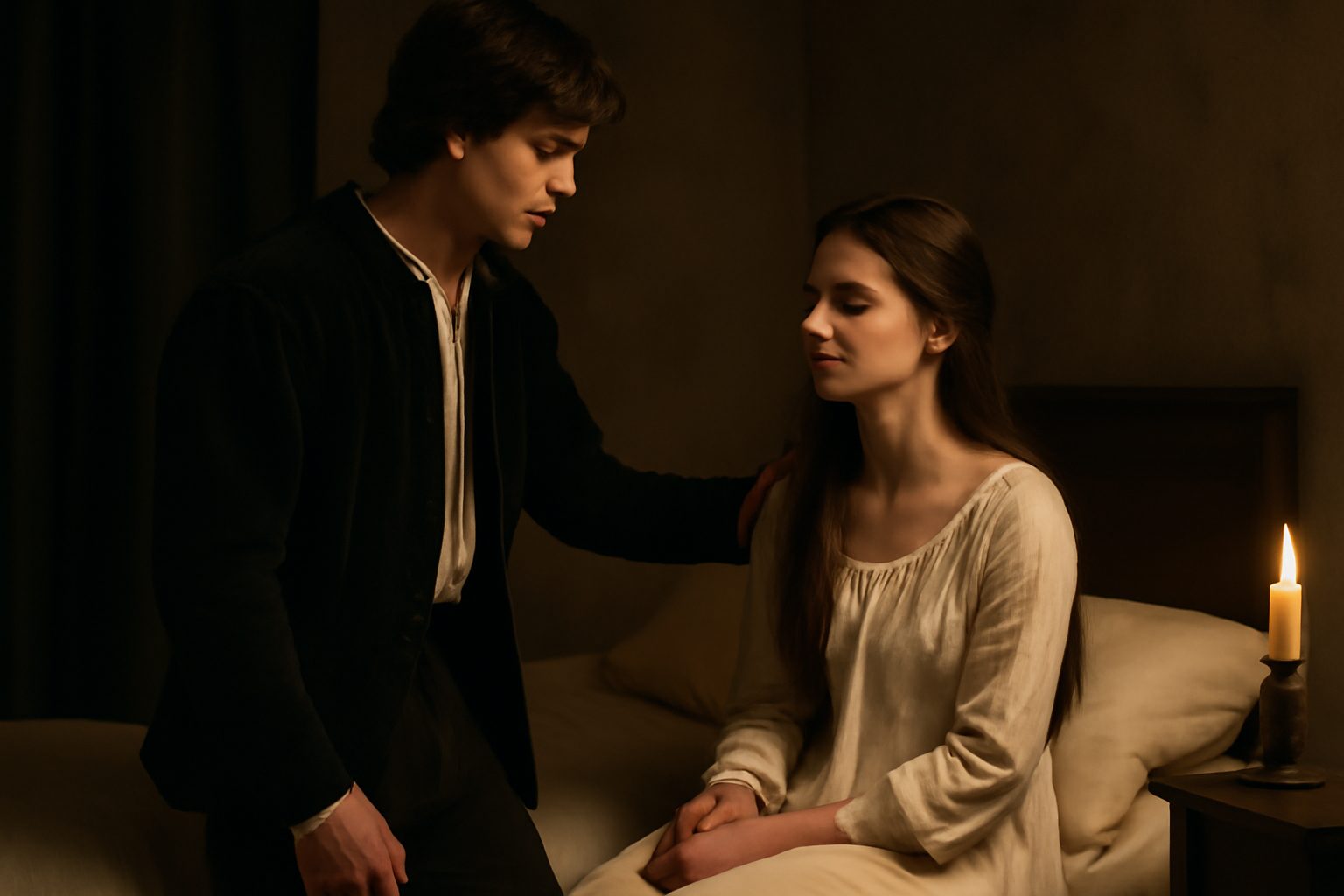
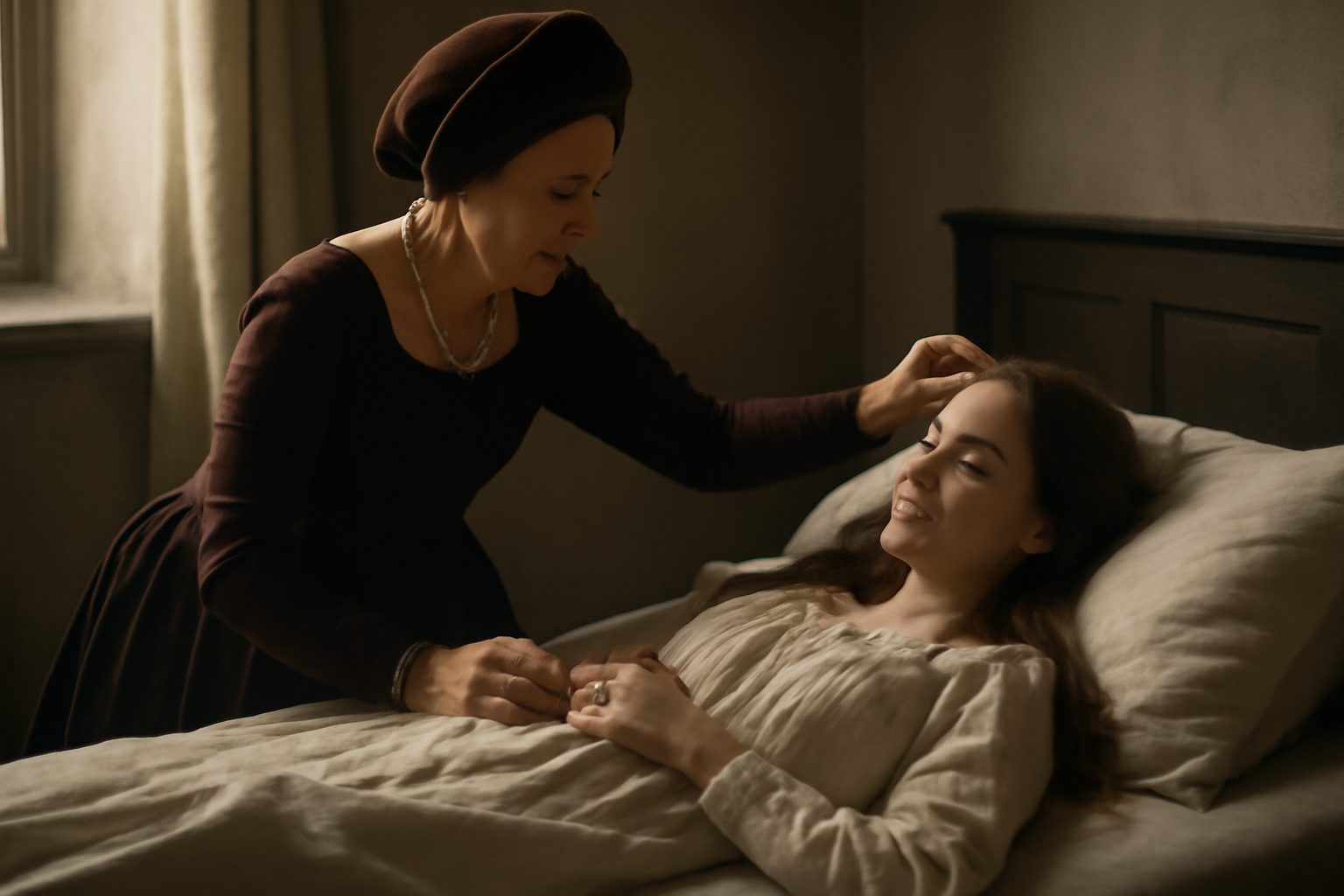
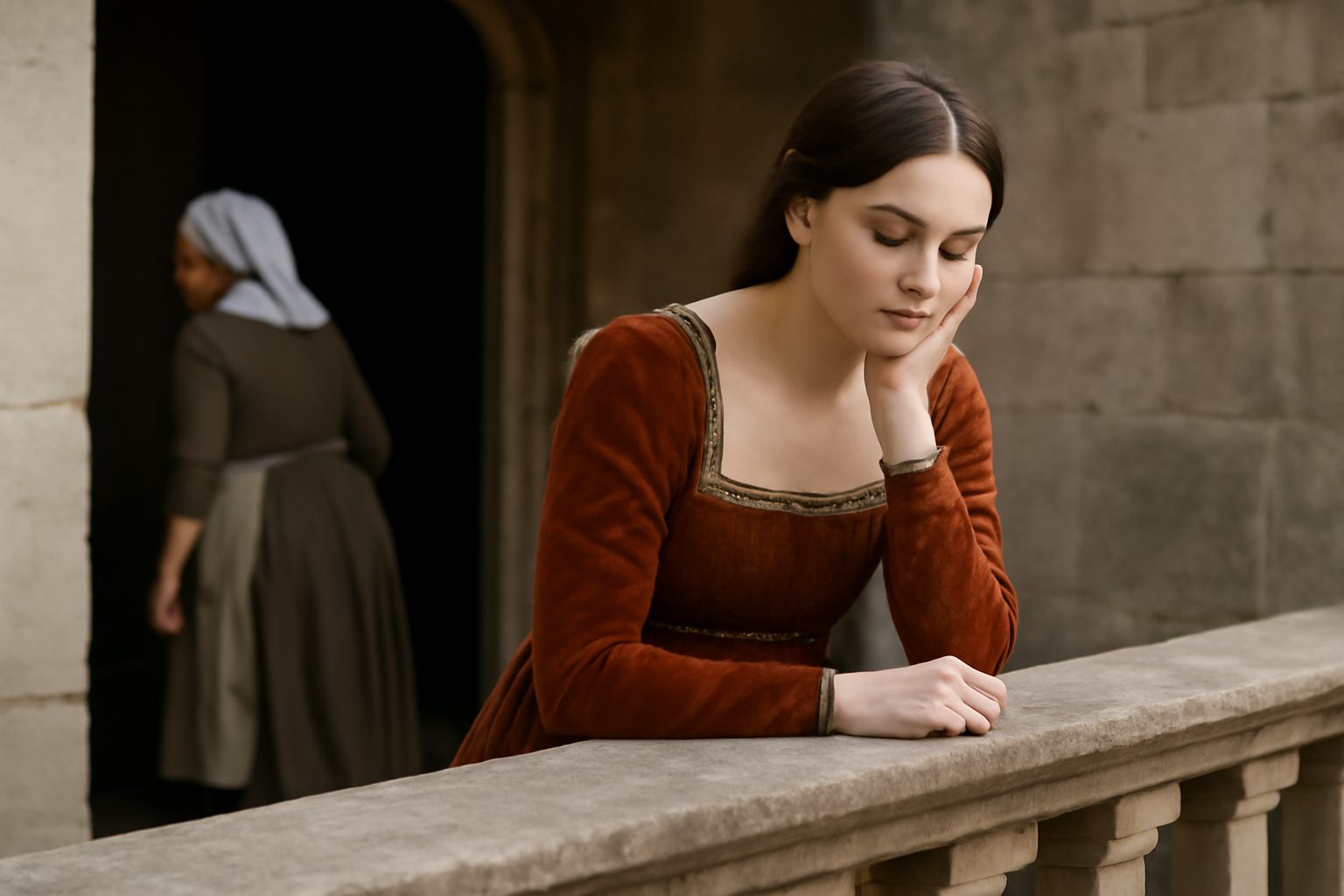
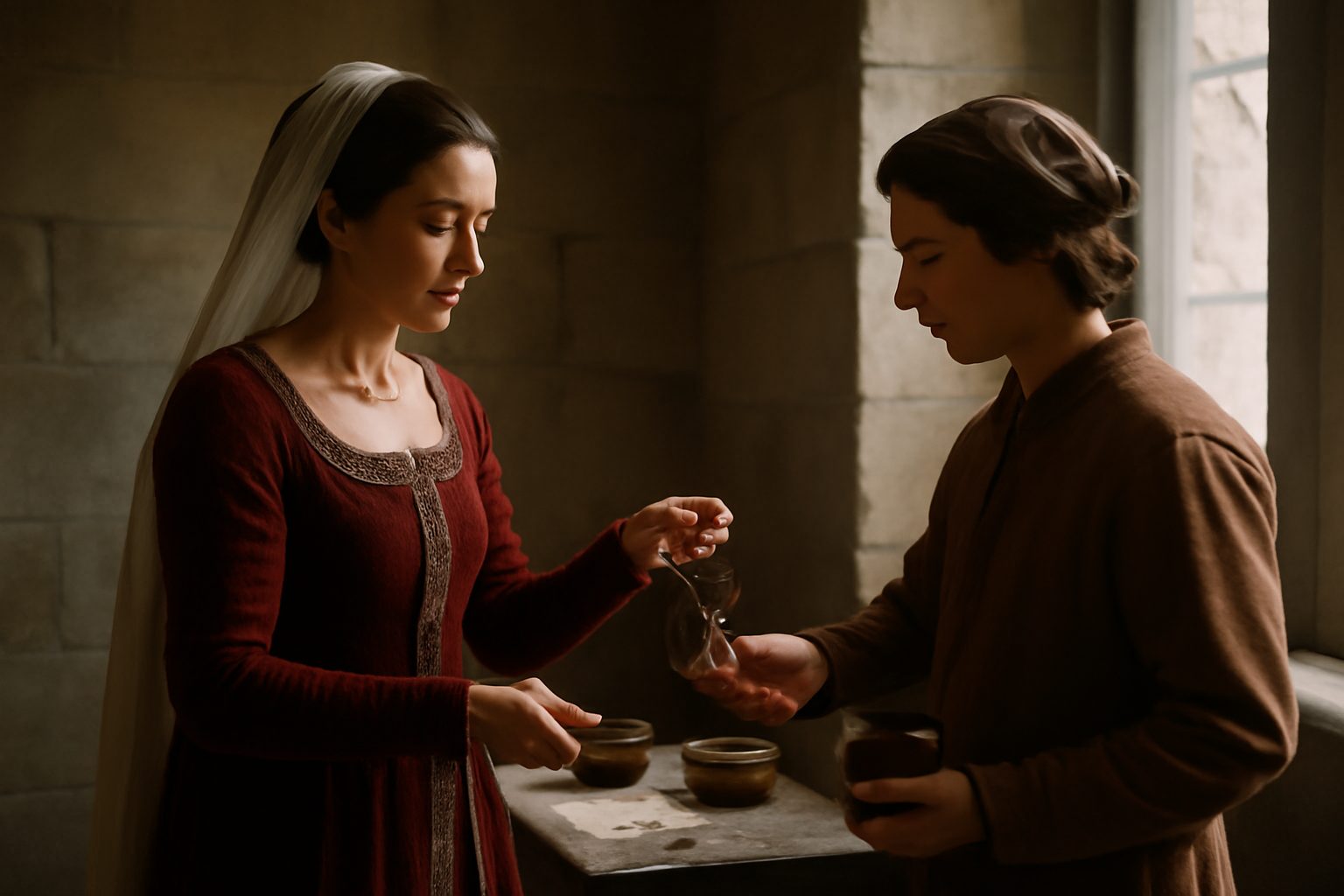
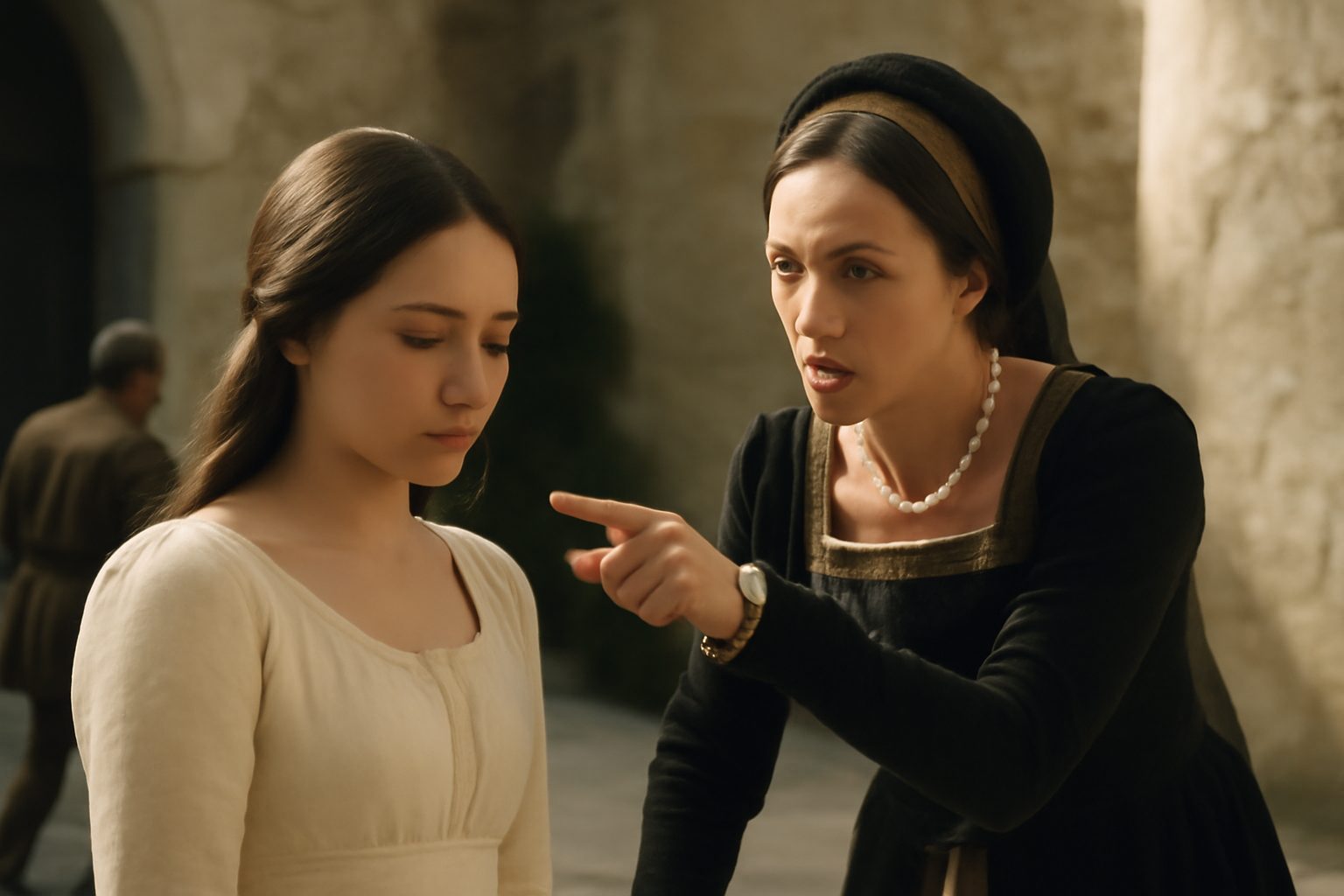
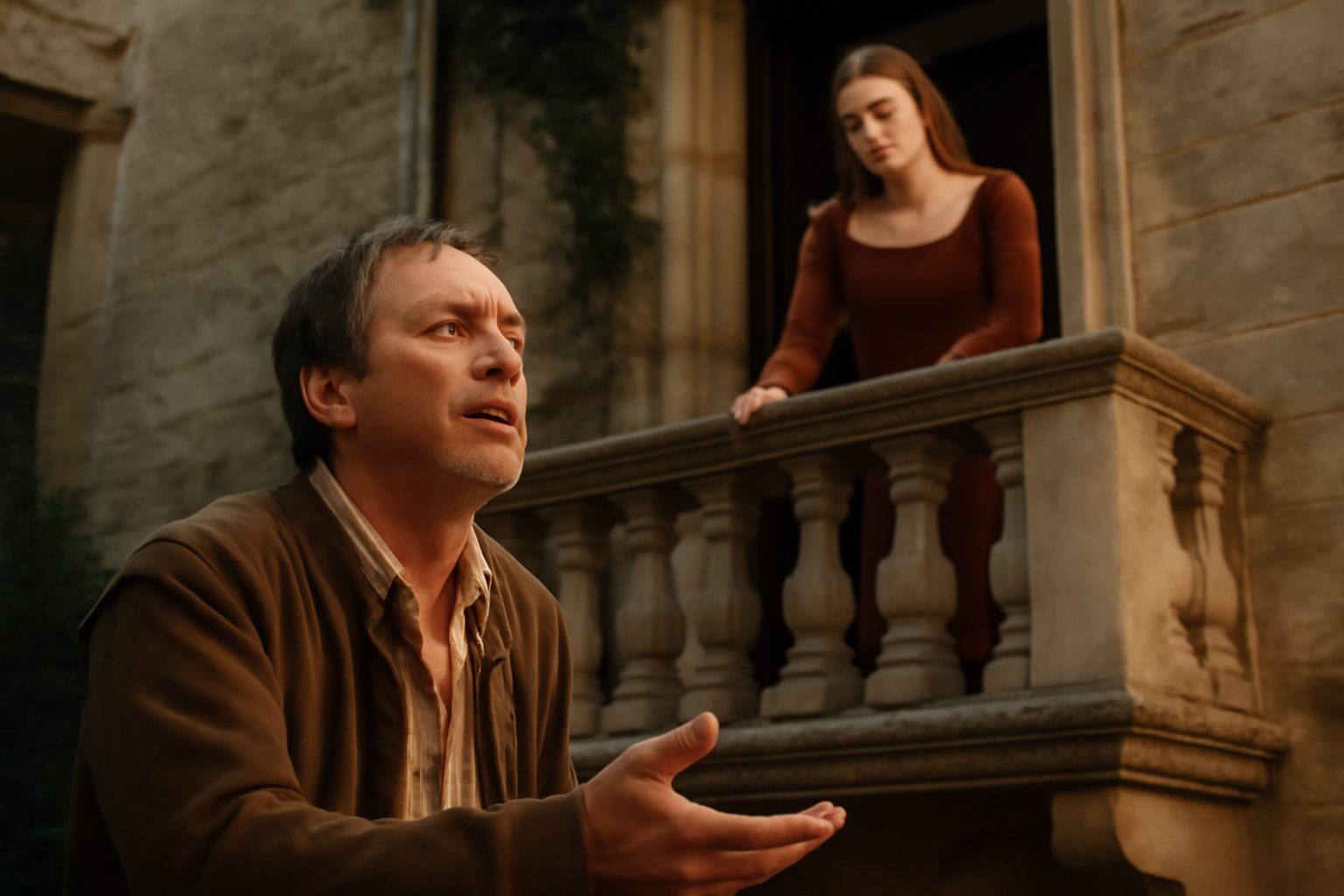
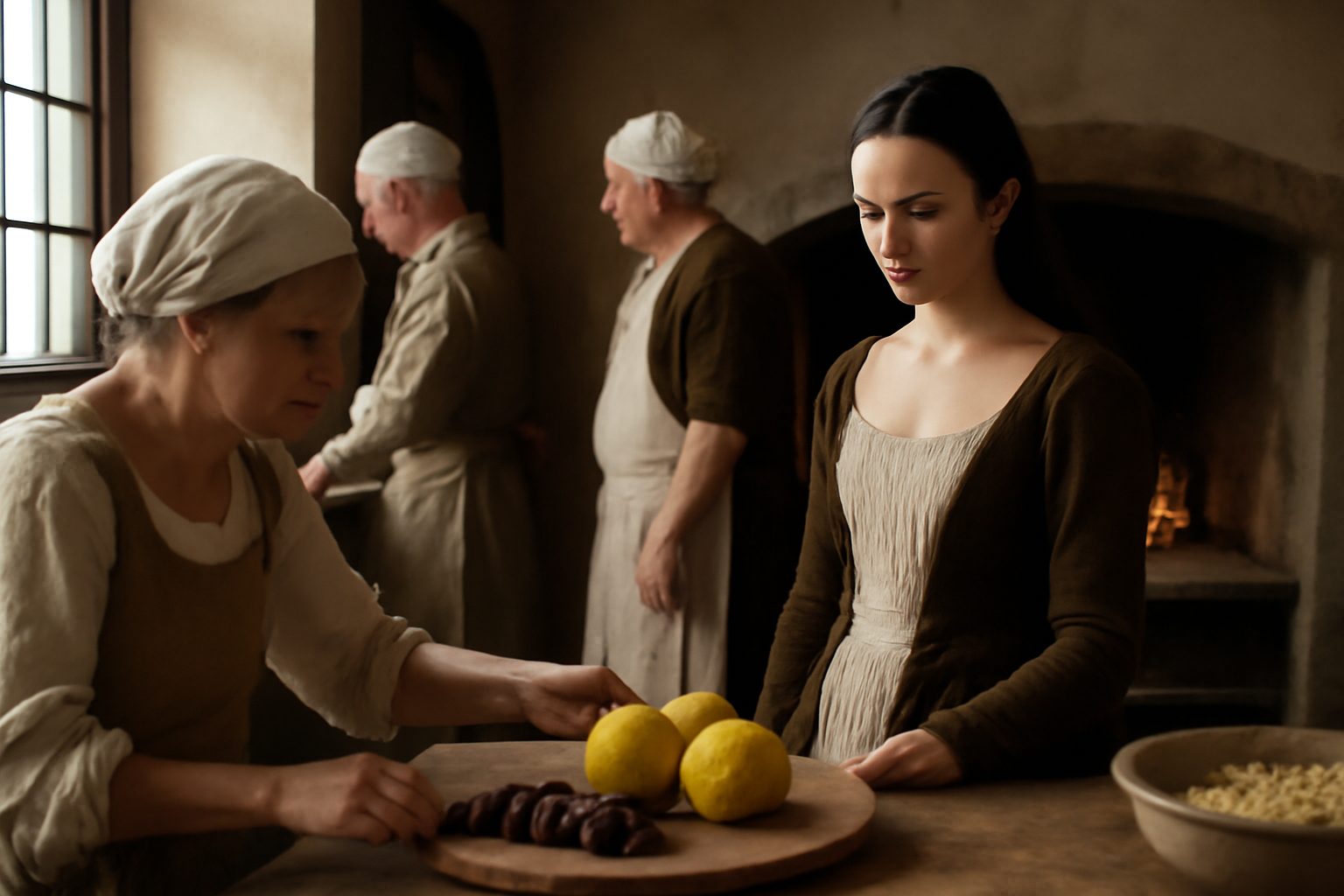
In Act 4, Scene 4 of Romeo and Juliet, the Capulet household is bustling with last-minute preparations for Juliet's wedding to Paris. As servants hurry about, one announces that Paris will arrive shortly with musicians, heightening the sense of urgency and anticipation. This moment contrasts sharply with the audience's knowledge of Juliet's desperate plan to avoid the marriage.
Capulet: "The county will be here with music straight,"
In modern day english, we would say:
The count will arrive soon with musicians playing.
Frequently Asked Questions
Who is Capulet expecting to arrive with music?
Capulet is expecting the county, Paris, to arrive with music.
Connections to other verses:
Connections to "The county will be here with music straight"
The verse "The county will be here with music straight" refers to Paris's imminent arrival for his wedding to Juliet, accompanied by celebratory music. This line is part of the bustling preparations in the Capulet household.
Related Preparations and Urgency
This announcement connects to the general urgency and chaos depicted in other lines, such as "Come, stir, stir, stir! the second cock hath crow'd", which emphasizes the early hour and need for haste. Similarly, "Make haste; the bridegroom he is come already" directly echoes the impending arrival, reinforcing the time pressure.
Musical and Festive Elements
The mention of music ties to the festive atmosphere, contrasting with the underlying tension. It relates to "They call for dates and quinces in the pastry", highlighting the culinary preparations for the celebration. The instruction "Spare not for the cost" further underscores the lavishness intended for the event.
Character Interactions and Tensions
Amid the hustle, Capulet's exchange with the Nurse—"Nurse! Wife! What, ho! What, nurse, I say!"—shows his agitated involvement. The playful yet tense banter, like "Ay, you have been a mouse-hunt in your time", adds a layer of domestic humor, juxtaposing the serious nuptial context.
Final Instructions and Irony
The line leads to conclusive actions, such as "Go waken Juliet, go and trim her up", which tragically precedes the discovery of Juliet's feigned death. The ironic fulfillment of Paris's arrival with music is undercut by the audience's knowledge of the impending doom, making this verse a pivot between celebration and tragedy.