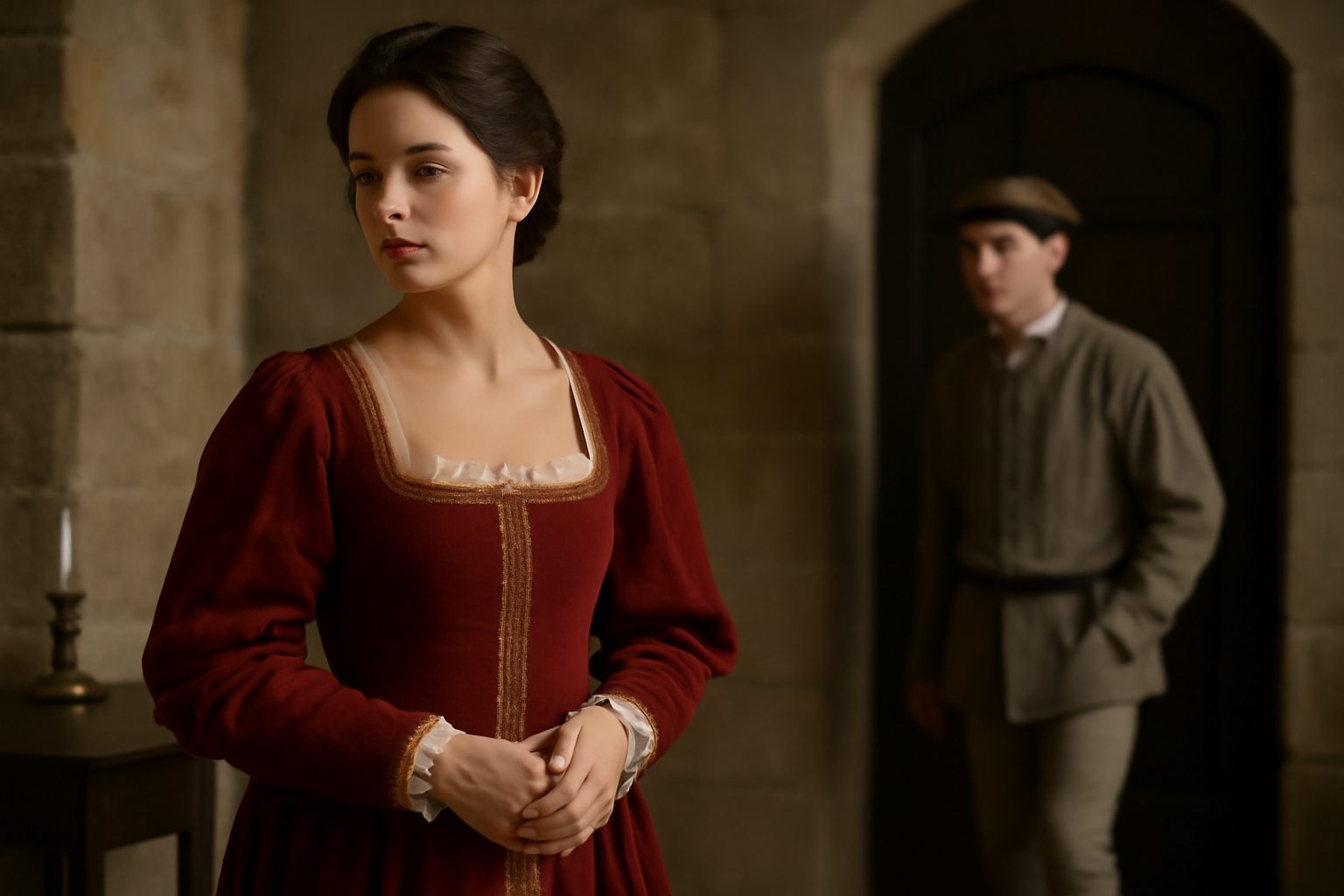
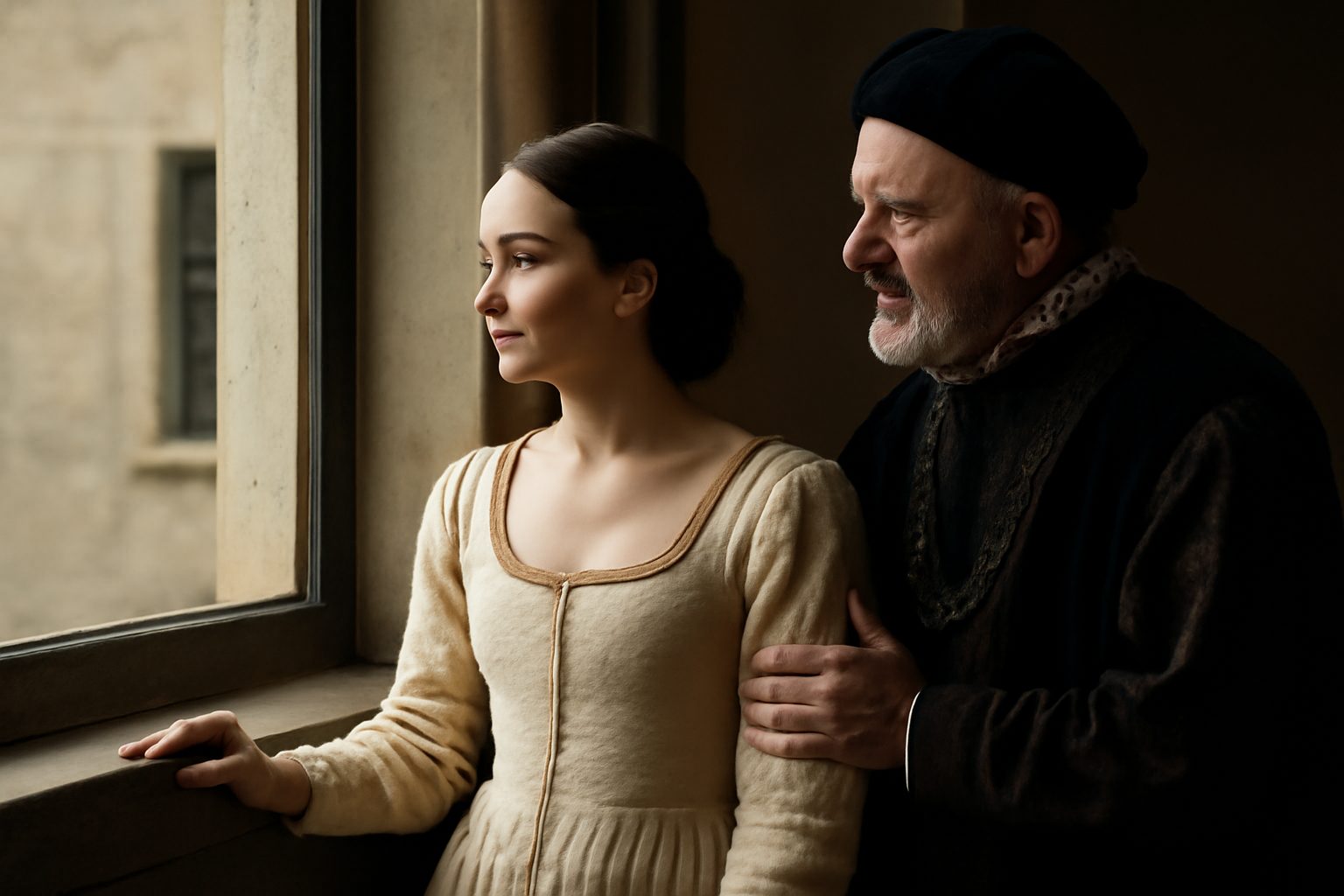
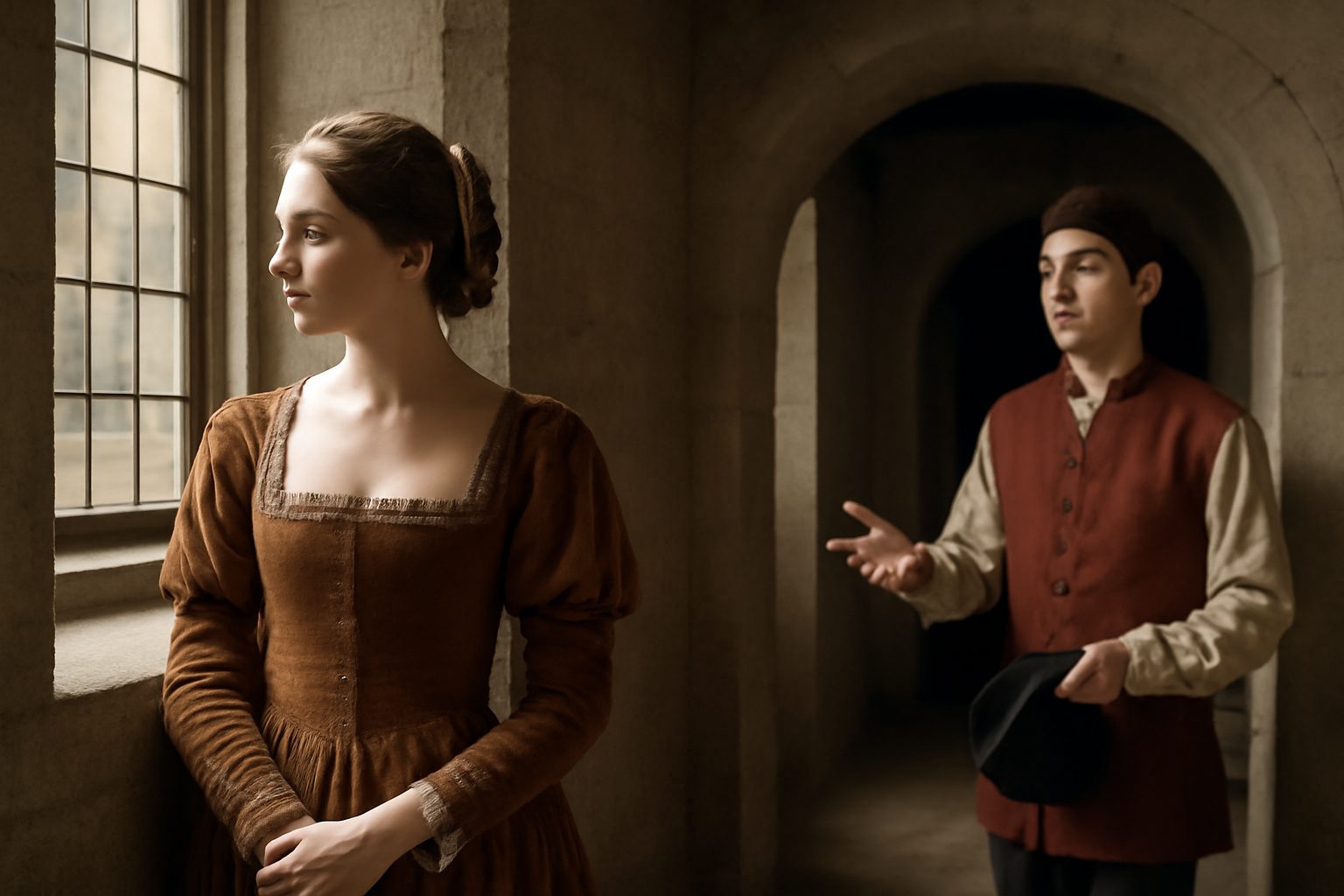
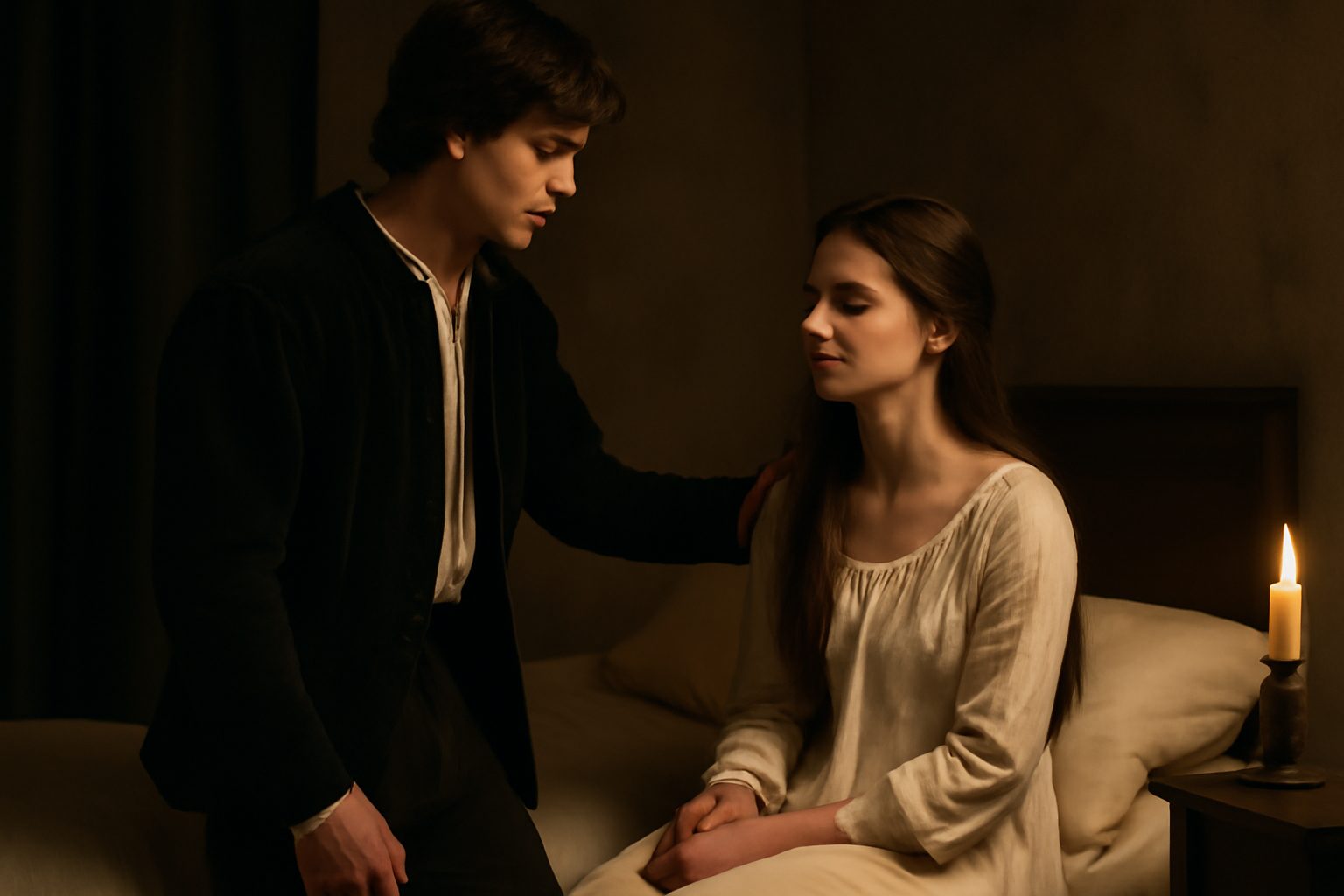
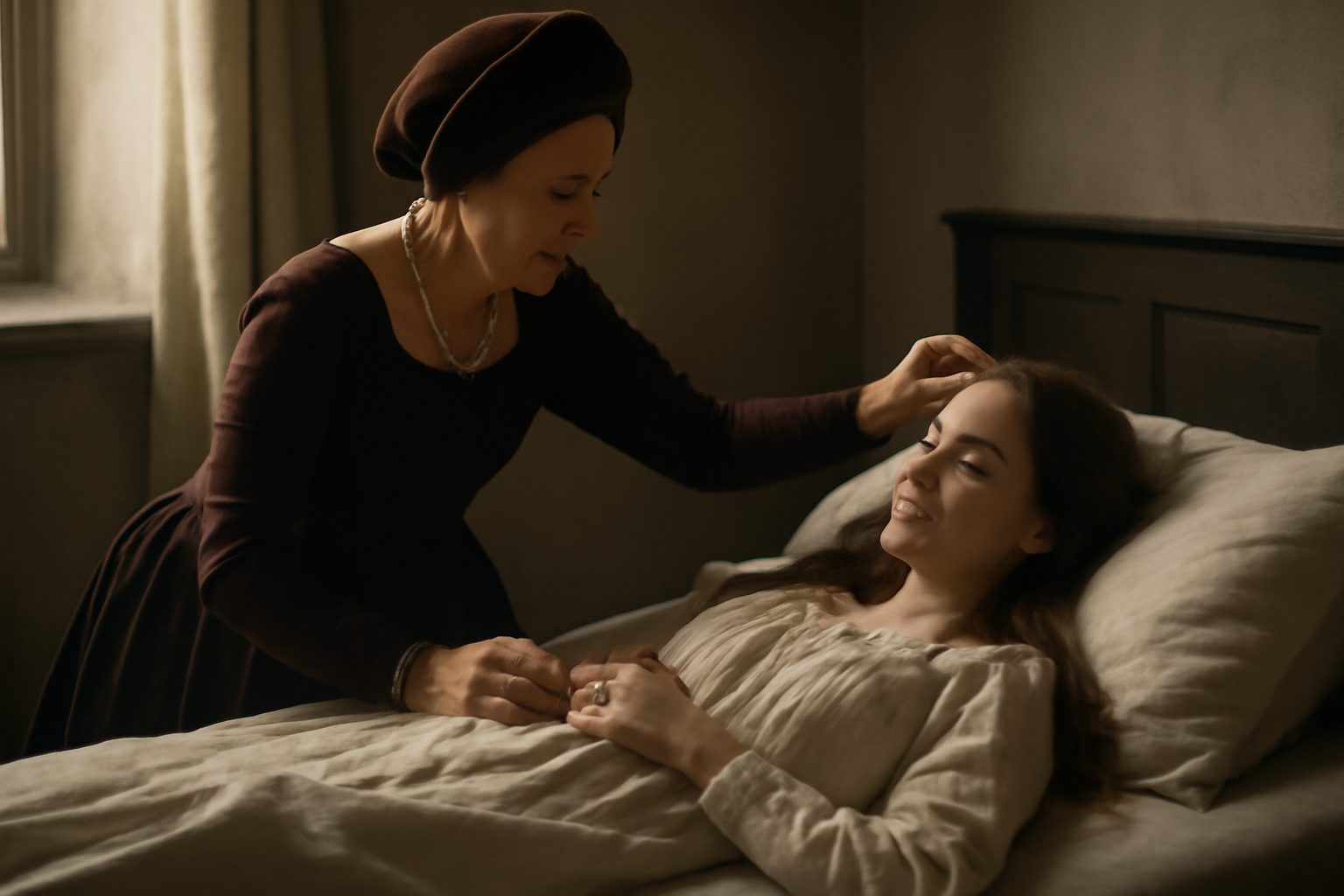
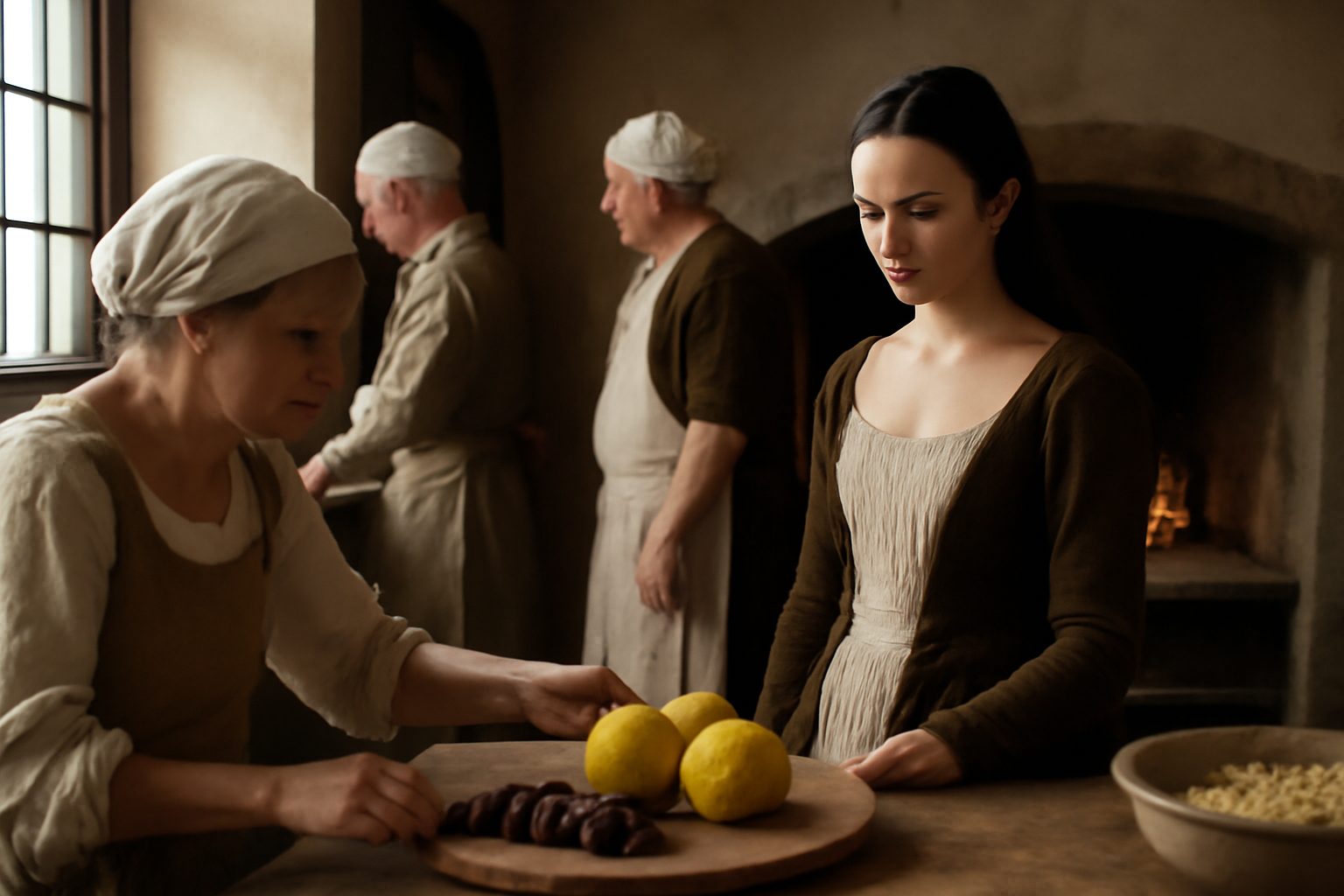
In Act 4, Scene 4 of Romeo and Juliet, the Capulet household is bustling with last-minute wedding preparations for Juliet and Paris. Lord Capulet, caught up in the excitement, impatiently calls for the Nurse to help with the arrangements. His repeated shouts reflect both the urgency of the moment and his obliviousness to Juliet’s true distress.
Capulet: "Nurse! Wife! What, ho! What, nurse, I say!"
In modern day english, we would say:
Capulet is calling out for his wife and the nurse, wondering where they are and why they aren’t responding.
Frequently Asked Questions
Who is Capulet calling for in this line?
He is calling for the Nurse and his wife.
What emotion does Capulet seem to be feeling in this line?
He seems to be feeling impatient or urgent.
Connections to other verses:
Connections to "Nurse! Wife! What, ho! What, nurse, I say!"
This line, spoken by Lord Capulet, reflects the frantic, bustling atmosphere of the Capulet household as they prepare for Juliet's wedding to Paris. It connects thematically and tonally to several other verses in the scene that emphasize urgency, domestic chaos, and the interplay between the characters.
Urgency and Commands
The repeated calls for the Nurse echo other urgent commands in the scene, such as "Come, stir, stir, stir! the second cock hath crow'd" and "Make haste, I say.", all underscoring the rushed preparations.
Domestic Instructions
Lord Capulet’s summoning of the Nurse relates to his delegation of tasks, as seen in "Look to the baked meats, good Angelica" and "Go waken Juliet, go and trim her up", highlighting the organized yet hectic nature of the household.
Character Dynamics
The line also ties into the playful yet tense exchange between Lord and Lady Capulet, particularly her remark in "Ay, you have been a mouse-hunt in your time", which adds a layer of personal history to their interaction amid the chaos.
Narrative Momentum
This call for the Nurse accelerates the scene toward the tragic discovery of Juliet’s feigned death, linking to foreshadowing elements like "Make haste; the bridegroom he is come already", building dramatic irony as the audience knows the wedding will not proceed as planned.