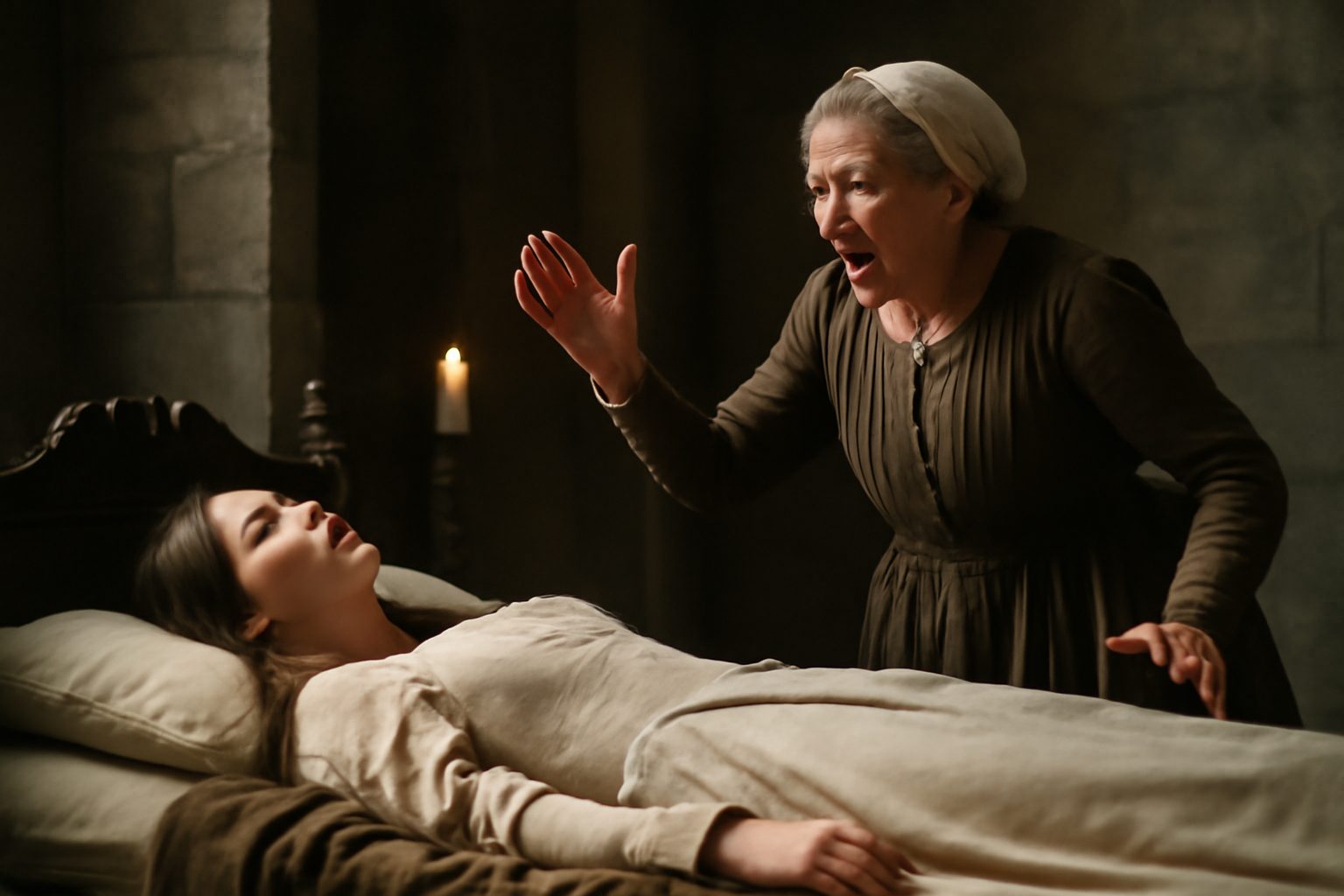
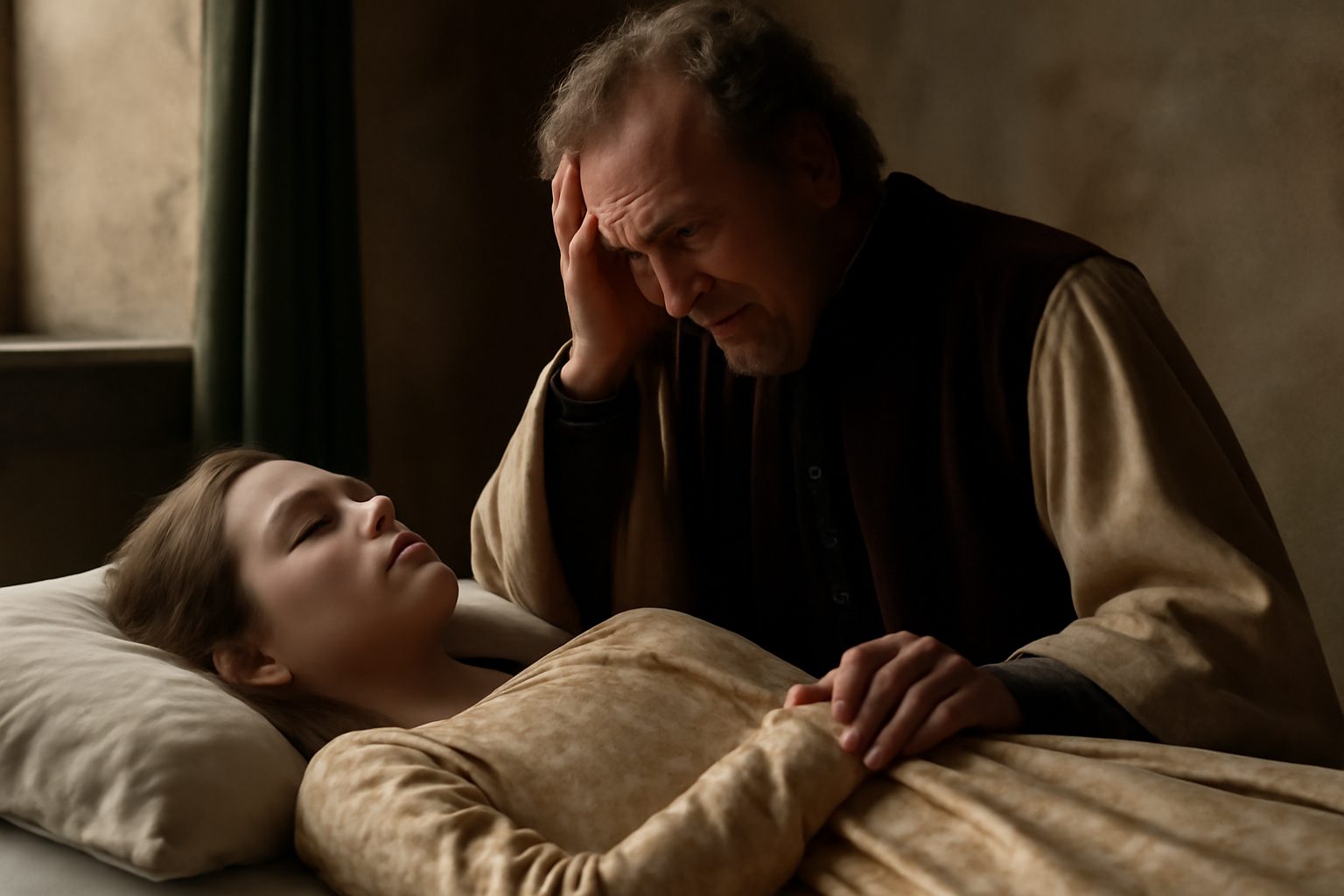
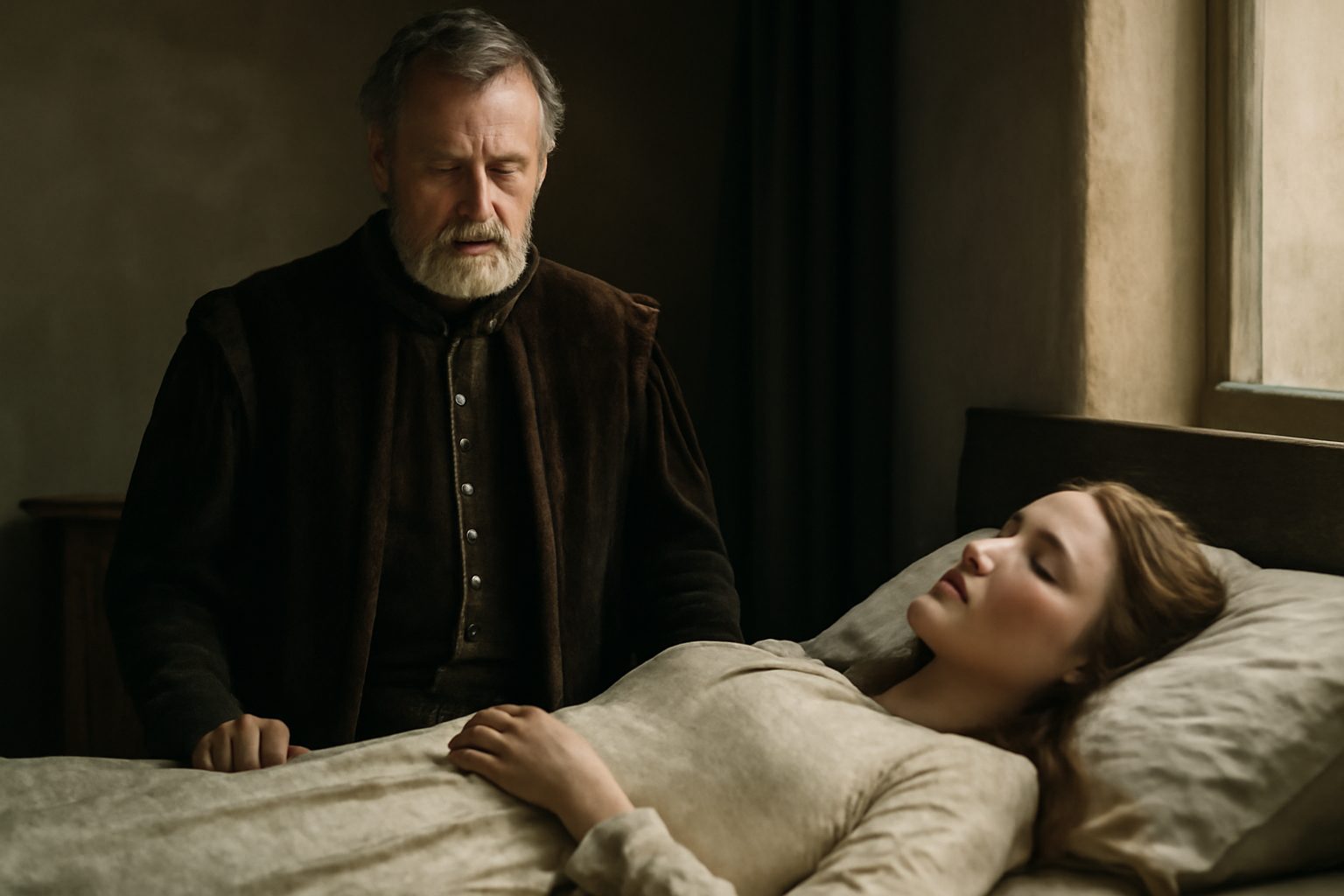
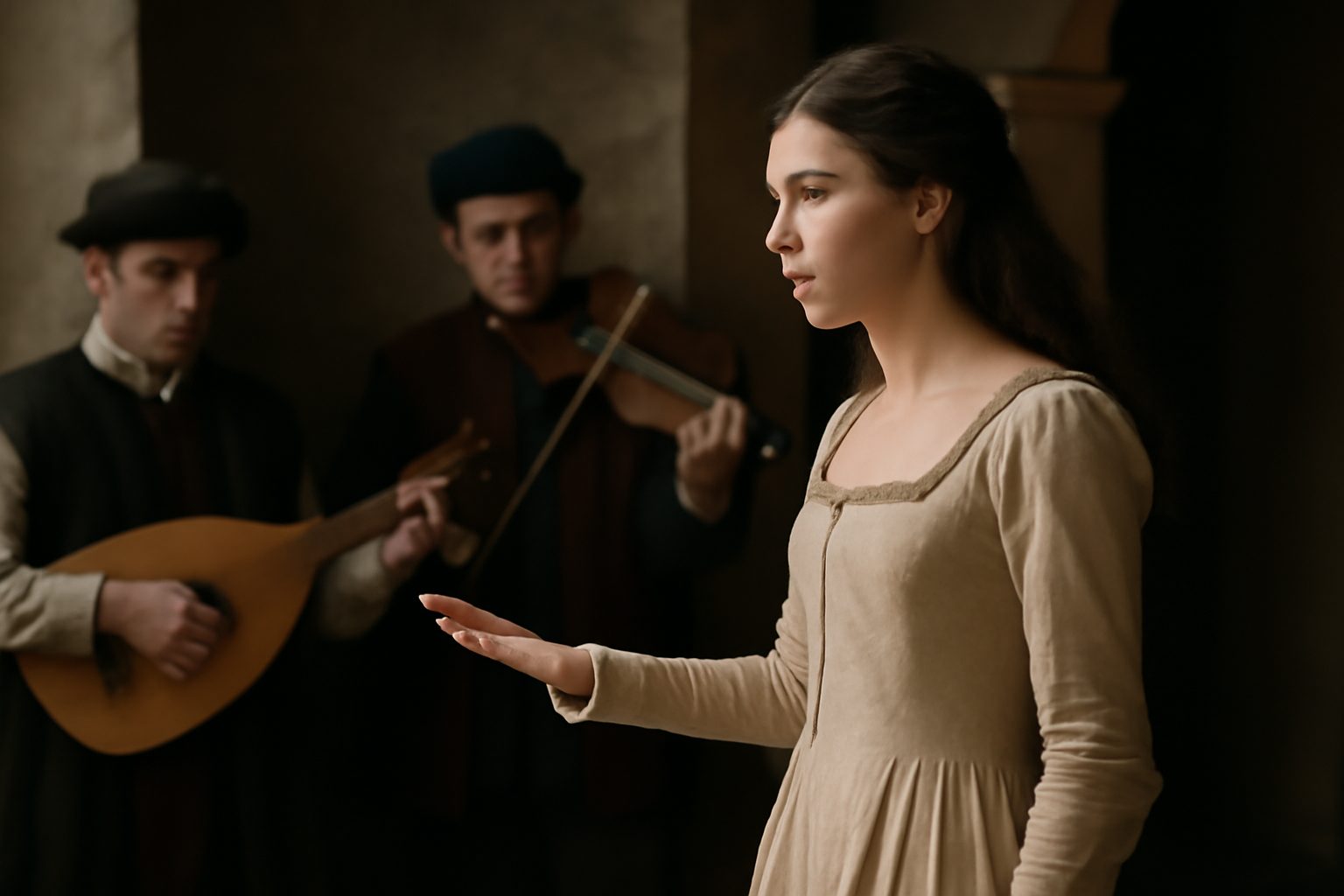
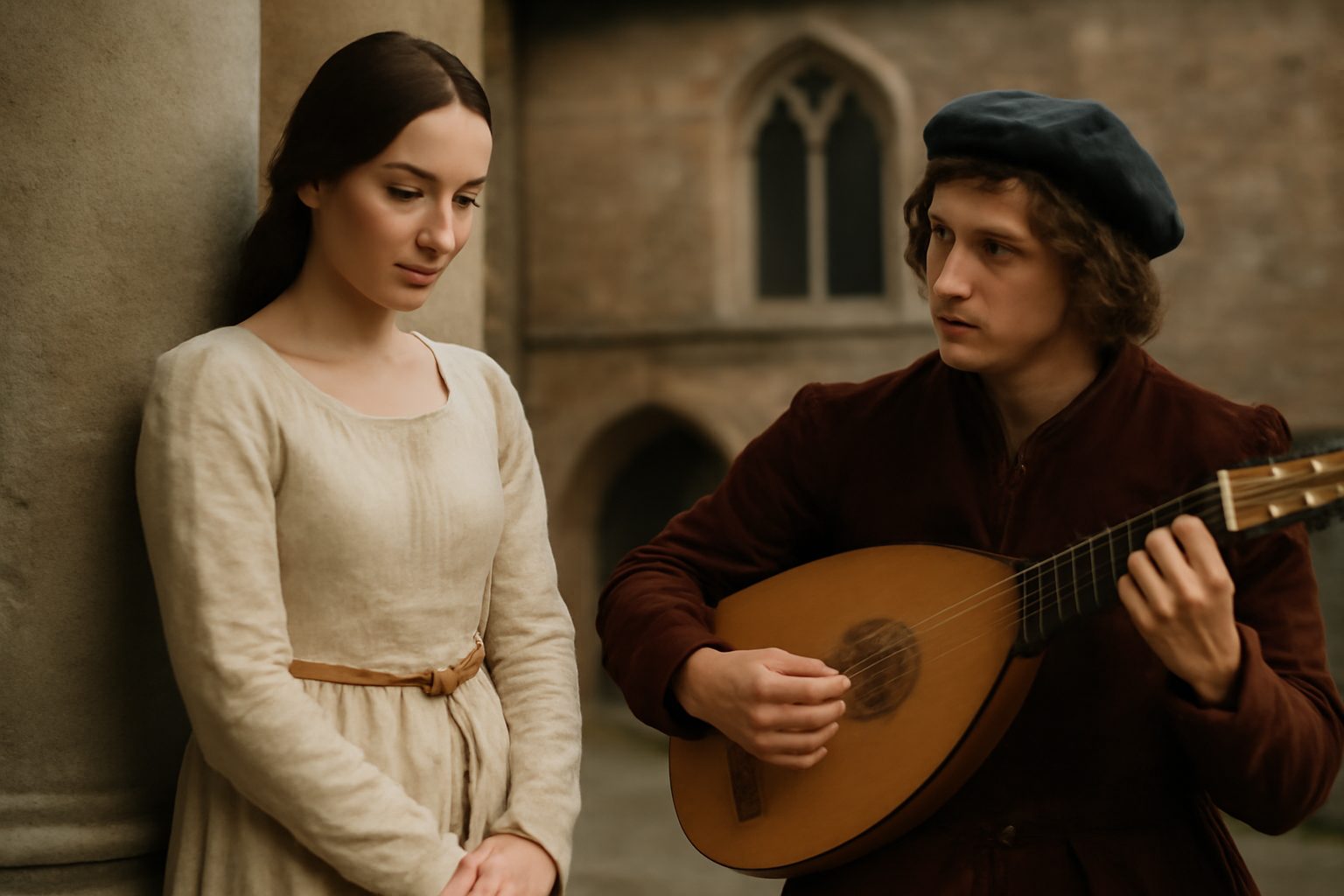
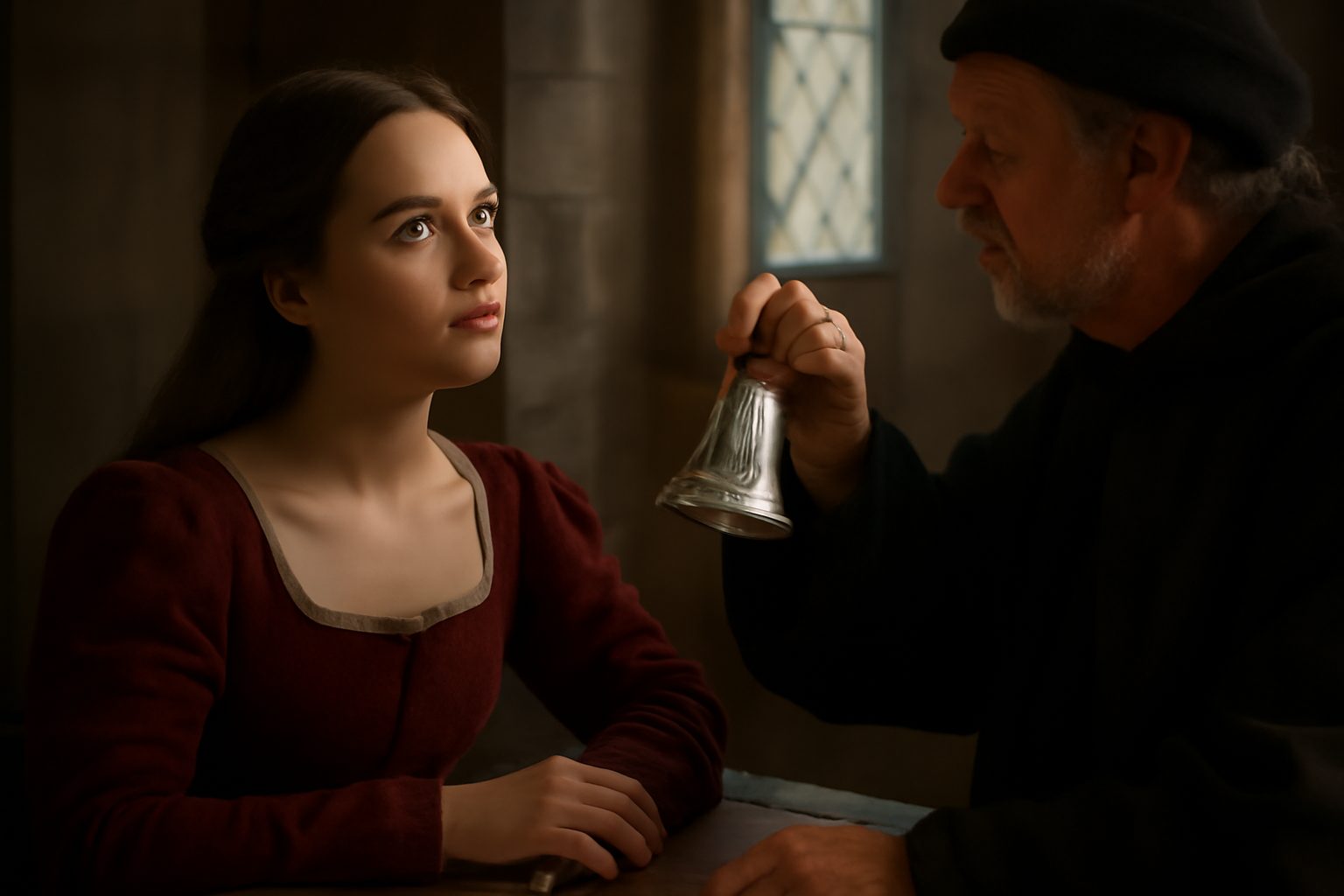
In Act 4, Scene 5 of Romeo and Juliet, the Capulet household believes Juliet has died, and the scene shifts from grief to chaotic mourning. The line about instruments turning to melancholy bells reflects the musicians’ reluctant participation in the somber occasion, highlighting the contrast between forced ceremony and genuine sorrow. This moment underscores the play’s recurring theme of appearances versus reality, as even music becomes a hollow performance in the face of tragedy.
Capulet: "Our instruments to melancholy bells,"
In modern day english, we would say:
Our music has turned into the sad sound of funeral bells.
Frequently Asked Questions
What does Capulet mean when he says their instruments have turned to melancholy bells?
Capulet means that the music they were planning to play for the wedding has now become sad and mournful, like funeral bells, because Juliet is believed to be dead.
Connections to other verses:
Connections to "Our instruments to melancholy bells"
The verse "Our instruments to melancholy bells" is part of a larger thematic sequence in Act 4, Scene 5, where the Nurse and Capulets discover Juliet's seemingly lifeless body. This line reflects the transformation of joyful wedding preparations into funeral rites, a central motif in this scene.
Transformation of Joy into Sorrow
This verse connects directly with "All things that we ordained festival" and "Our wedding cheer to a sad burial feast", emphasizing how celebratory elements are repurposed for mourning. The instruments meant for wedding music now accompany funeral bells, creating stark contrast.
Musical and Funeral Imagery
The reference to "melancholy bells" finds parallel in "Our solemn hymns to sullen dirges change", completing the musical transformation theme. This connection is reinforced by the musicians' later appearance and their discussion of appropriate funeral music in verses like "Musicians, O, musicians, 'Heart's ease, Heart's".
Contrast with Earlier Optimism
The melancholy atmosphere contrasts sharply with Paris's earlier optimistic arrival at "Come, is the bride ready to go to church?", highlighting the sudden reversal from anticipated joy to profound grief that permeates the entire scene.