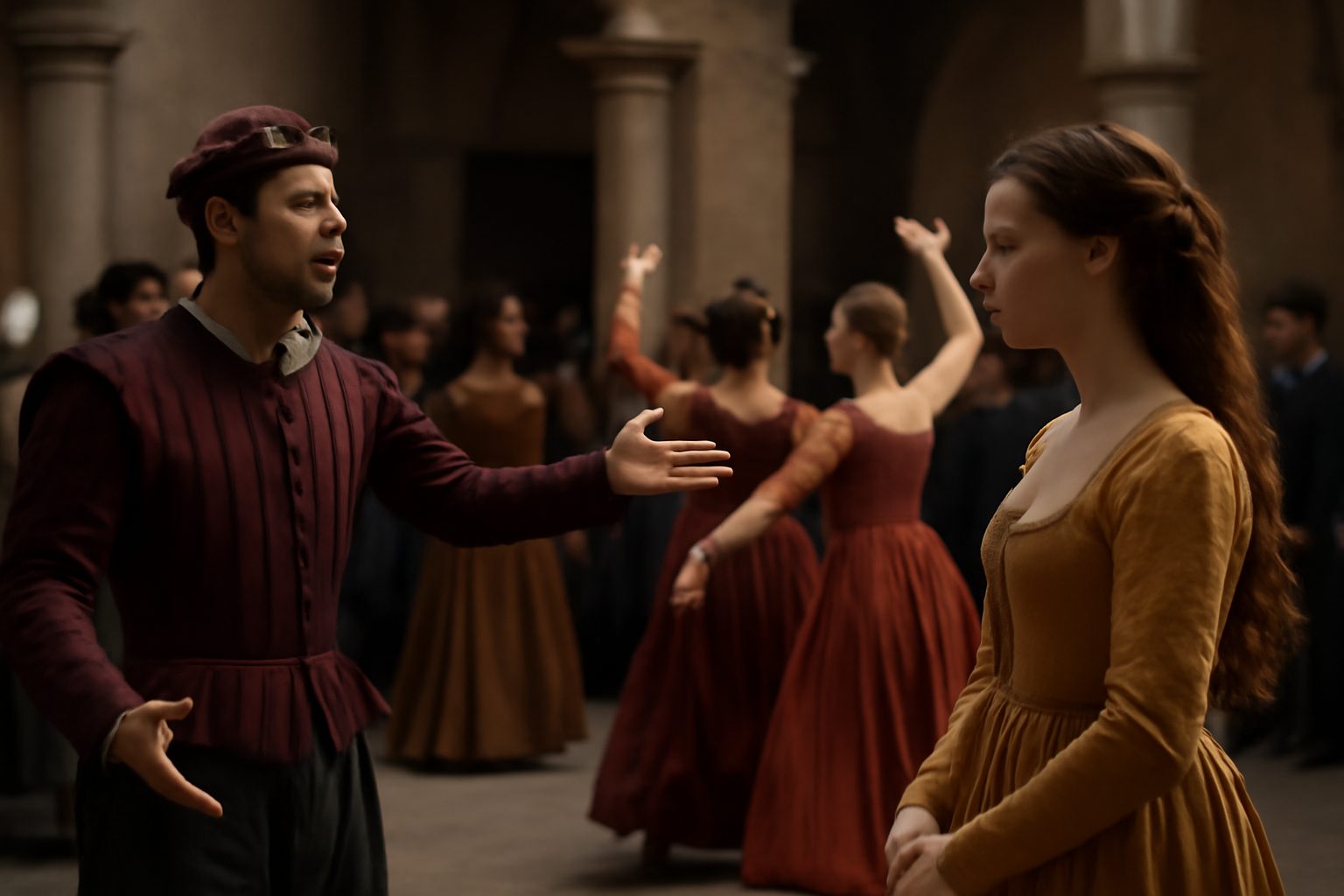
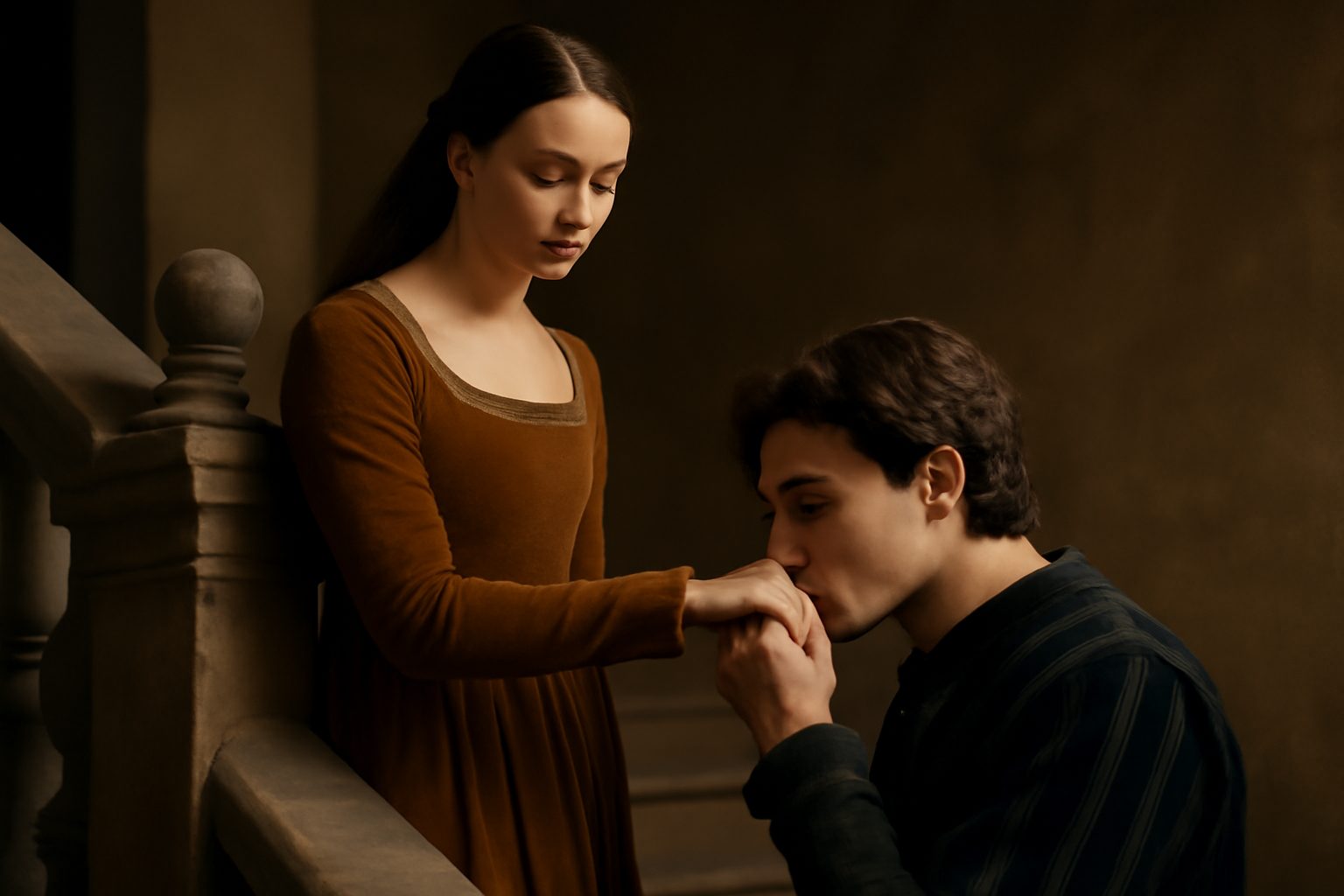
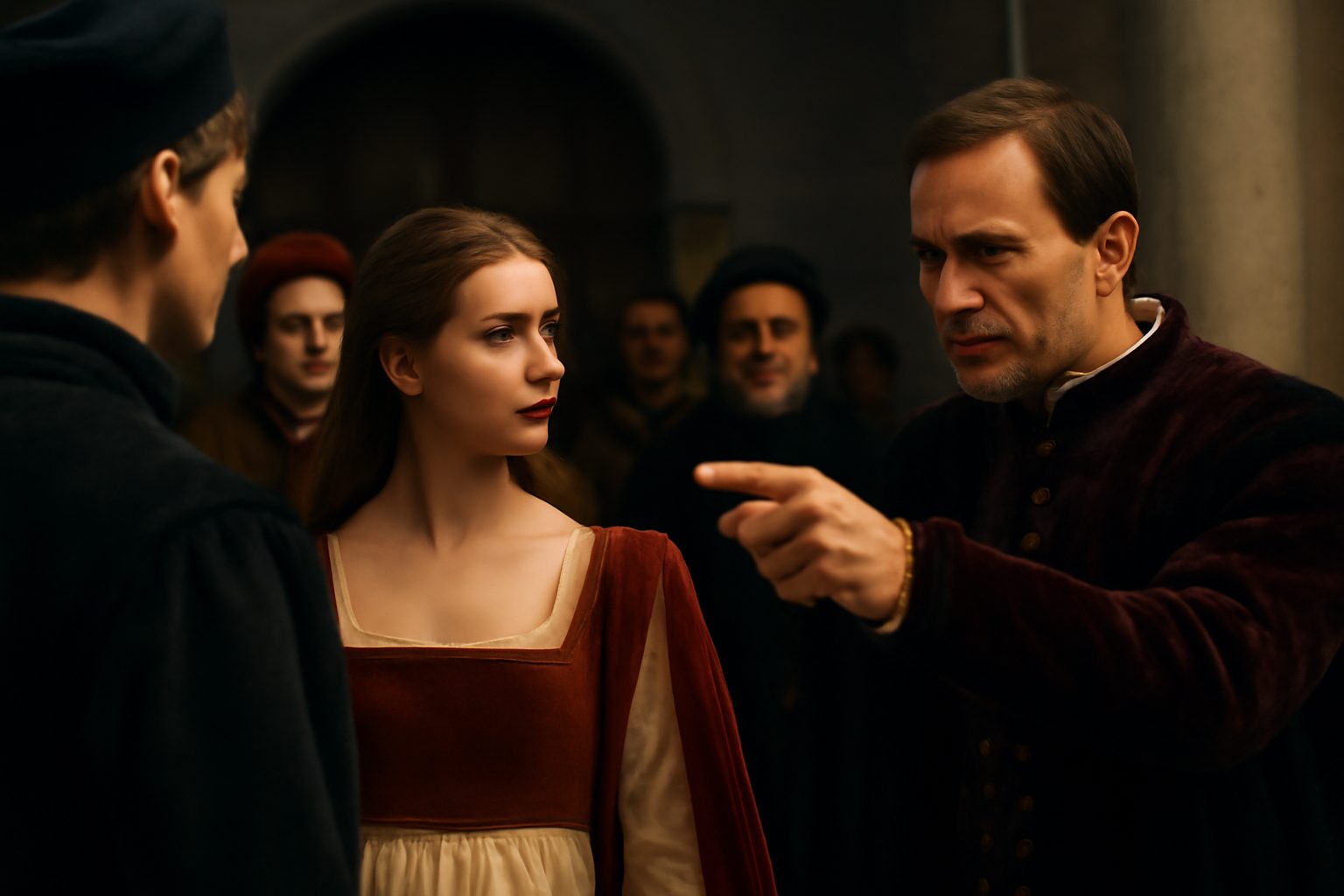
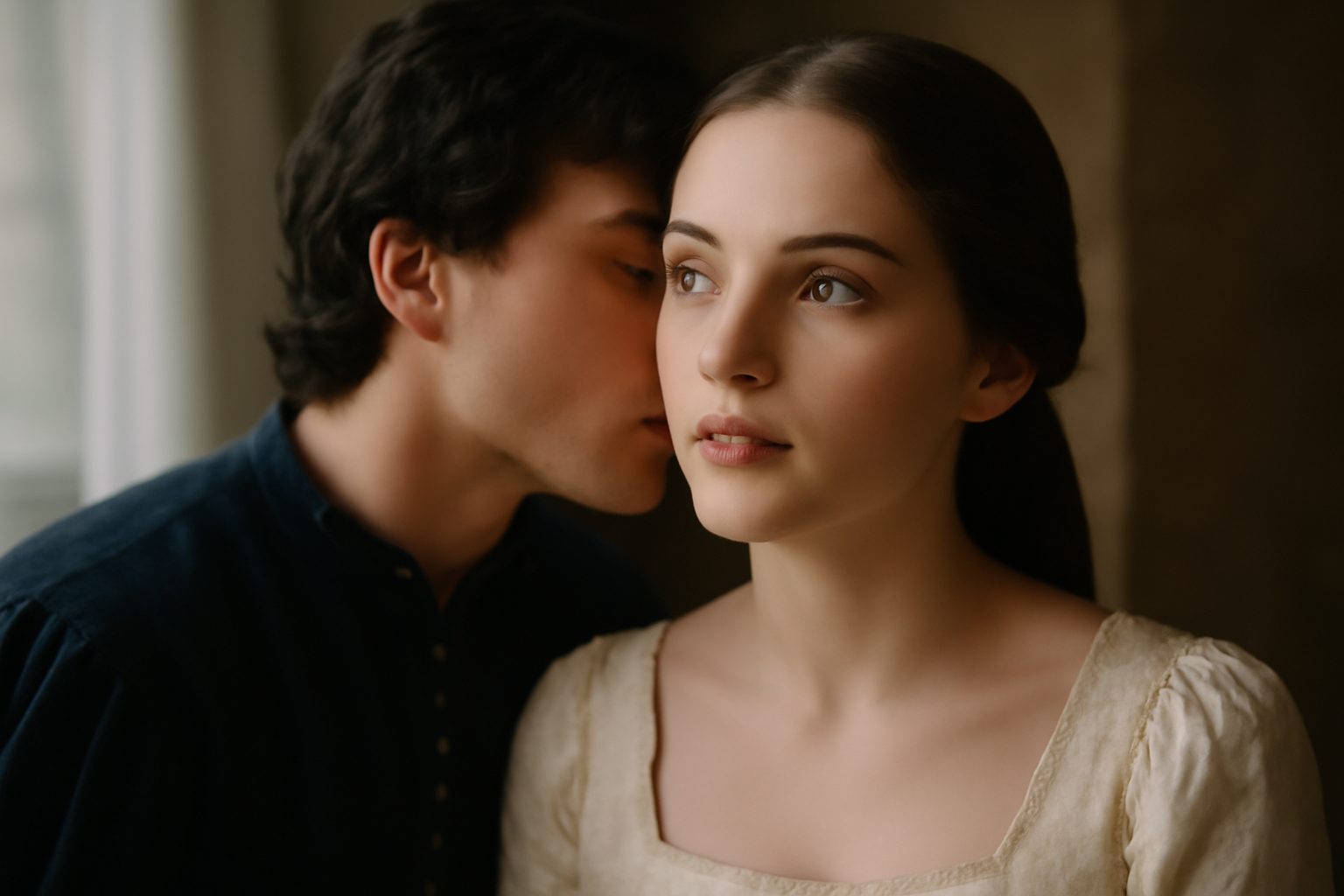
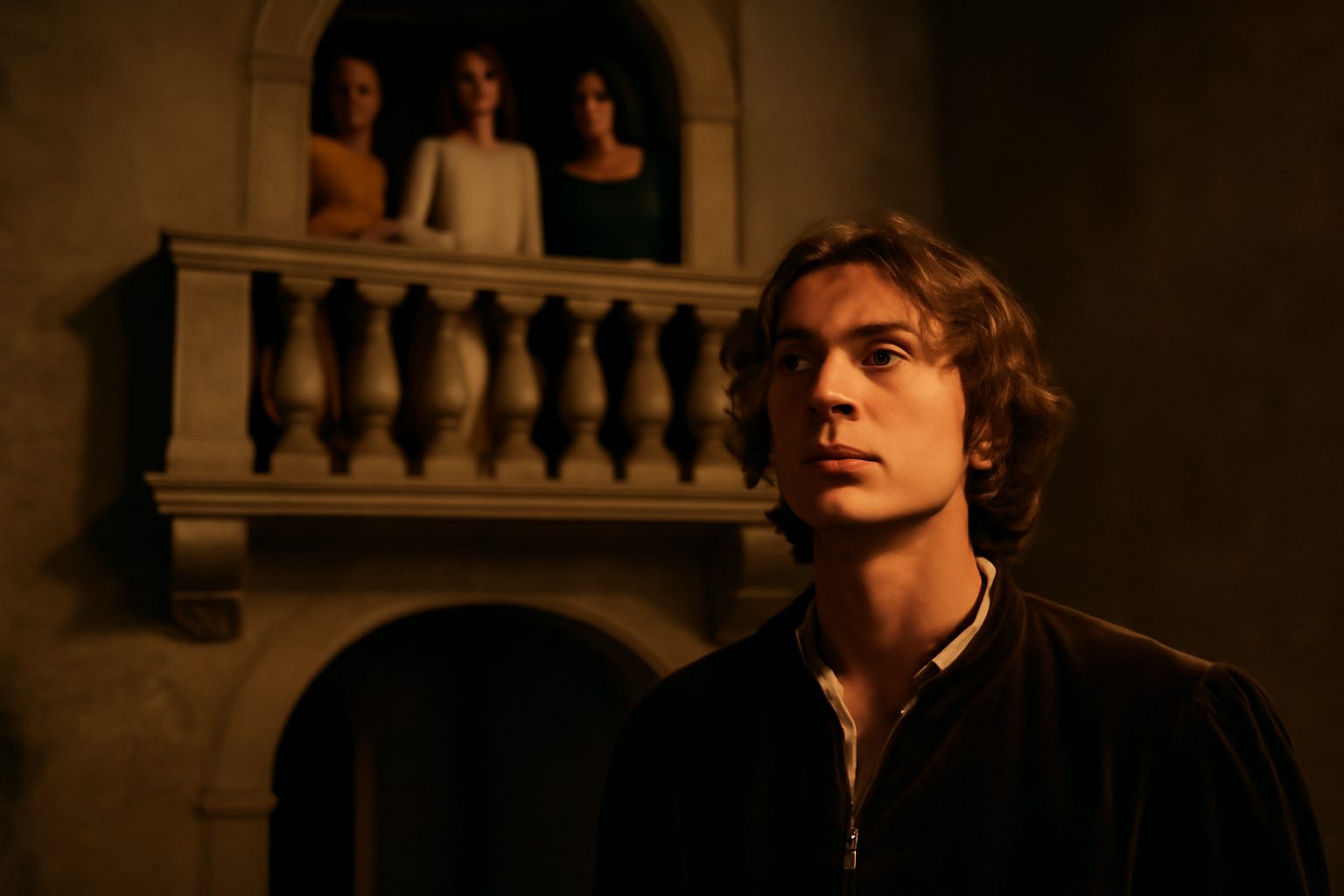
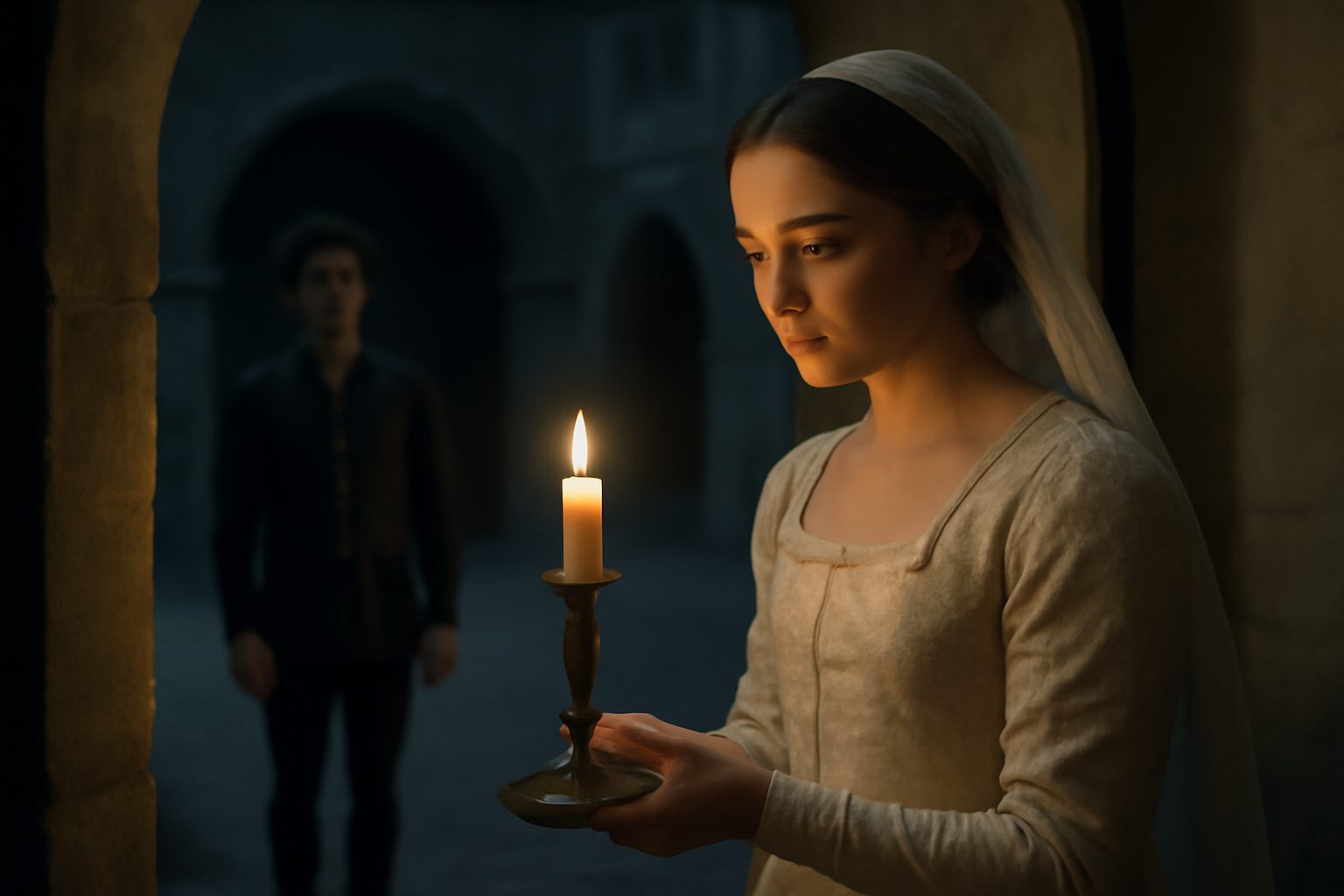
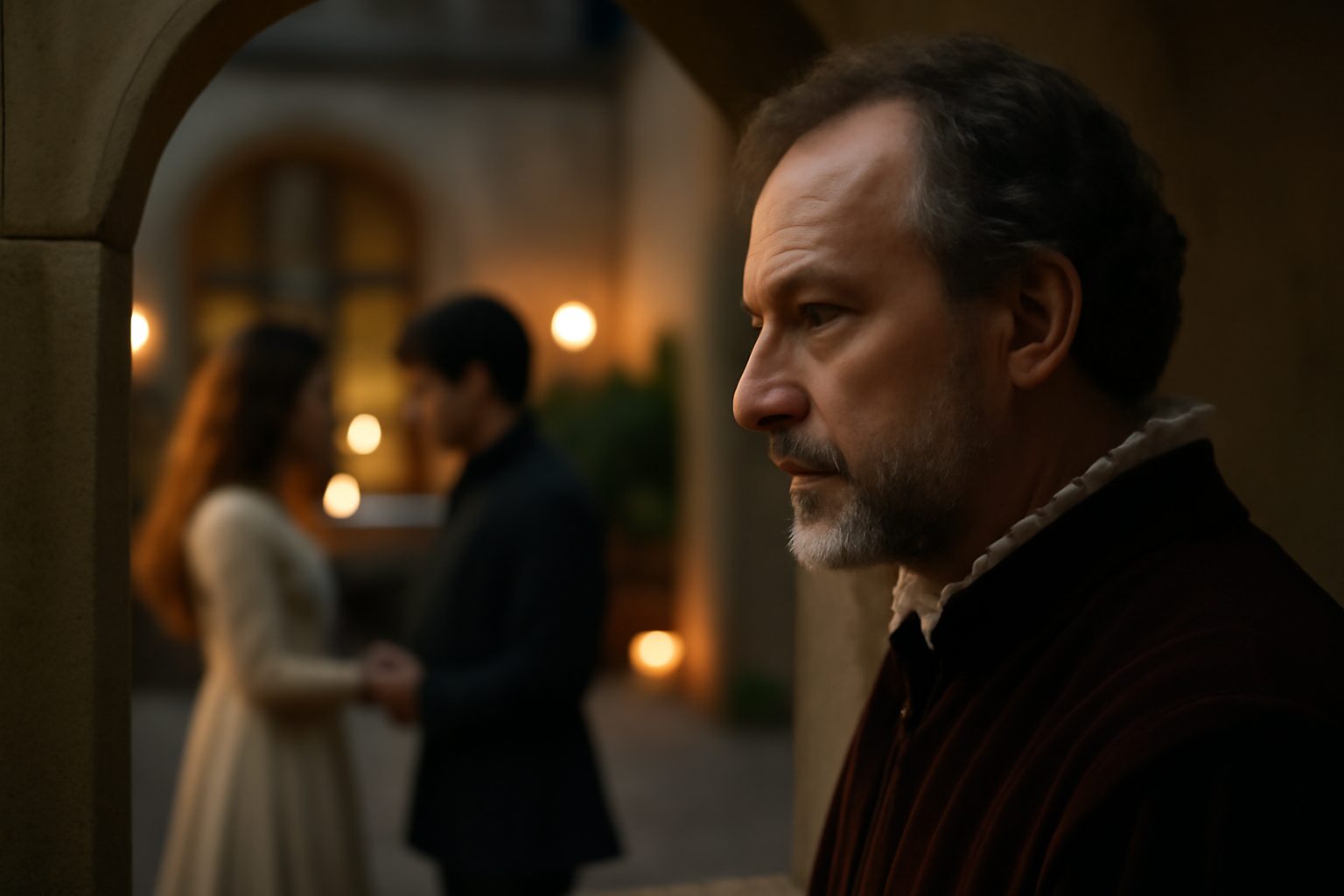
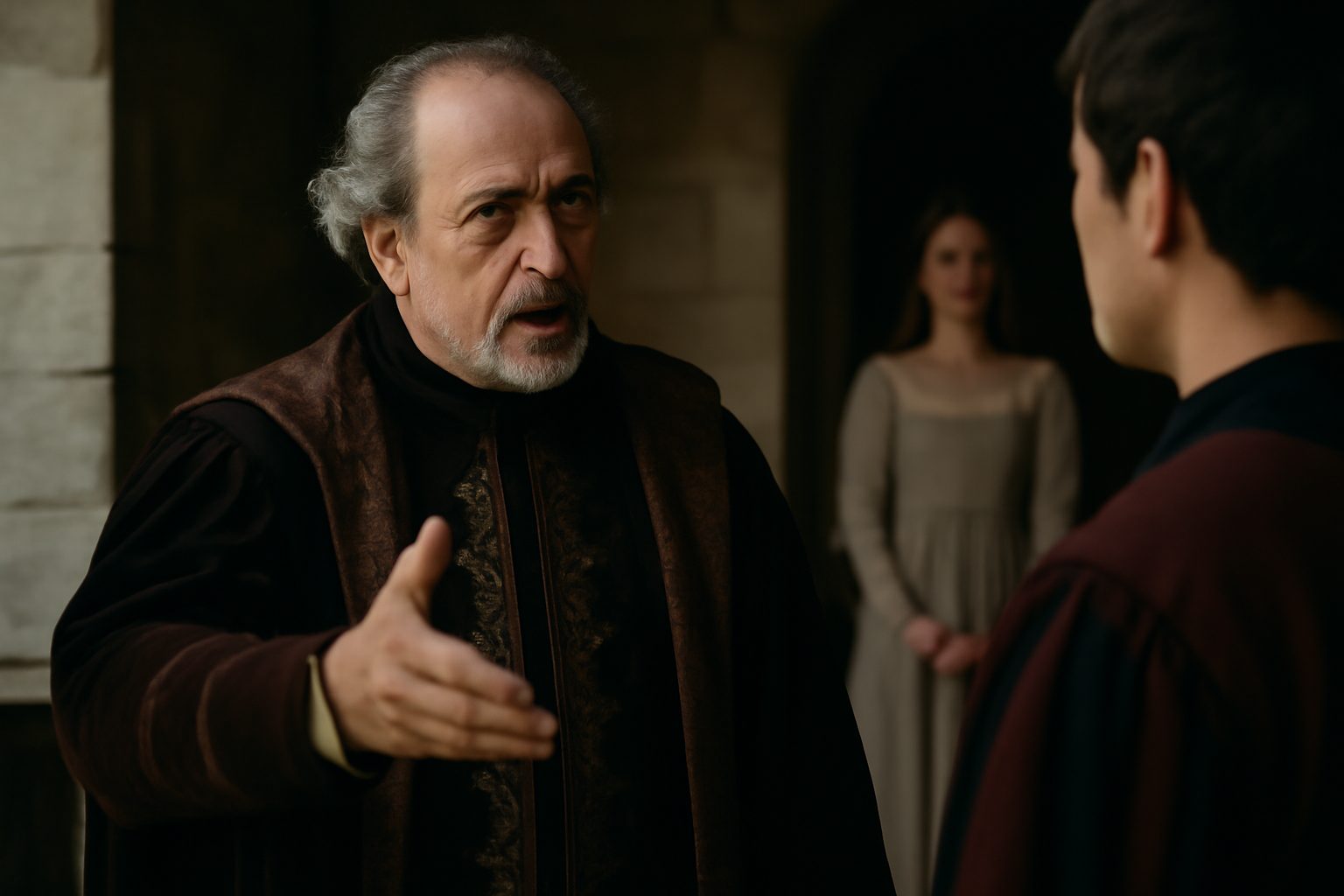
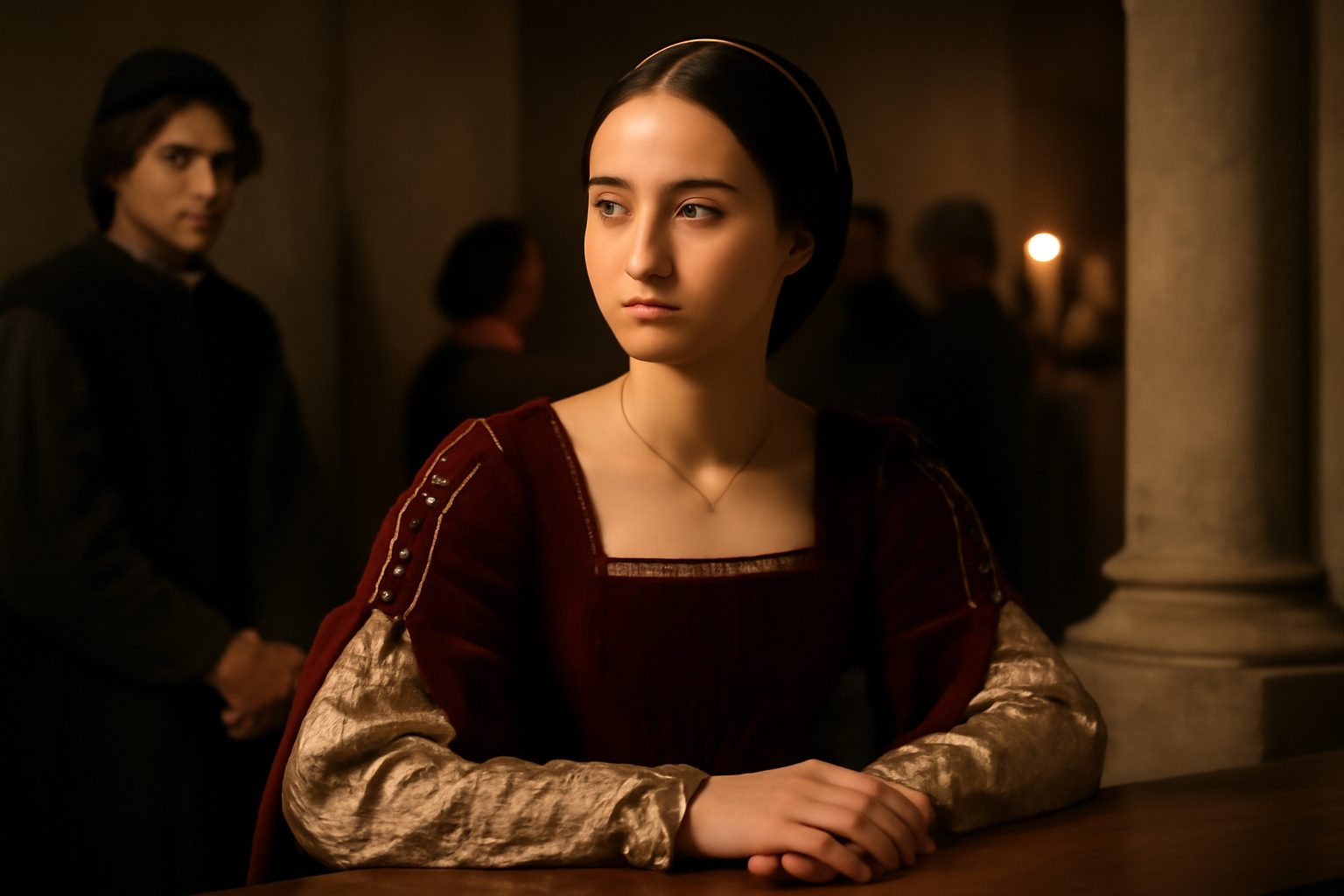
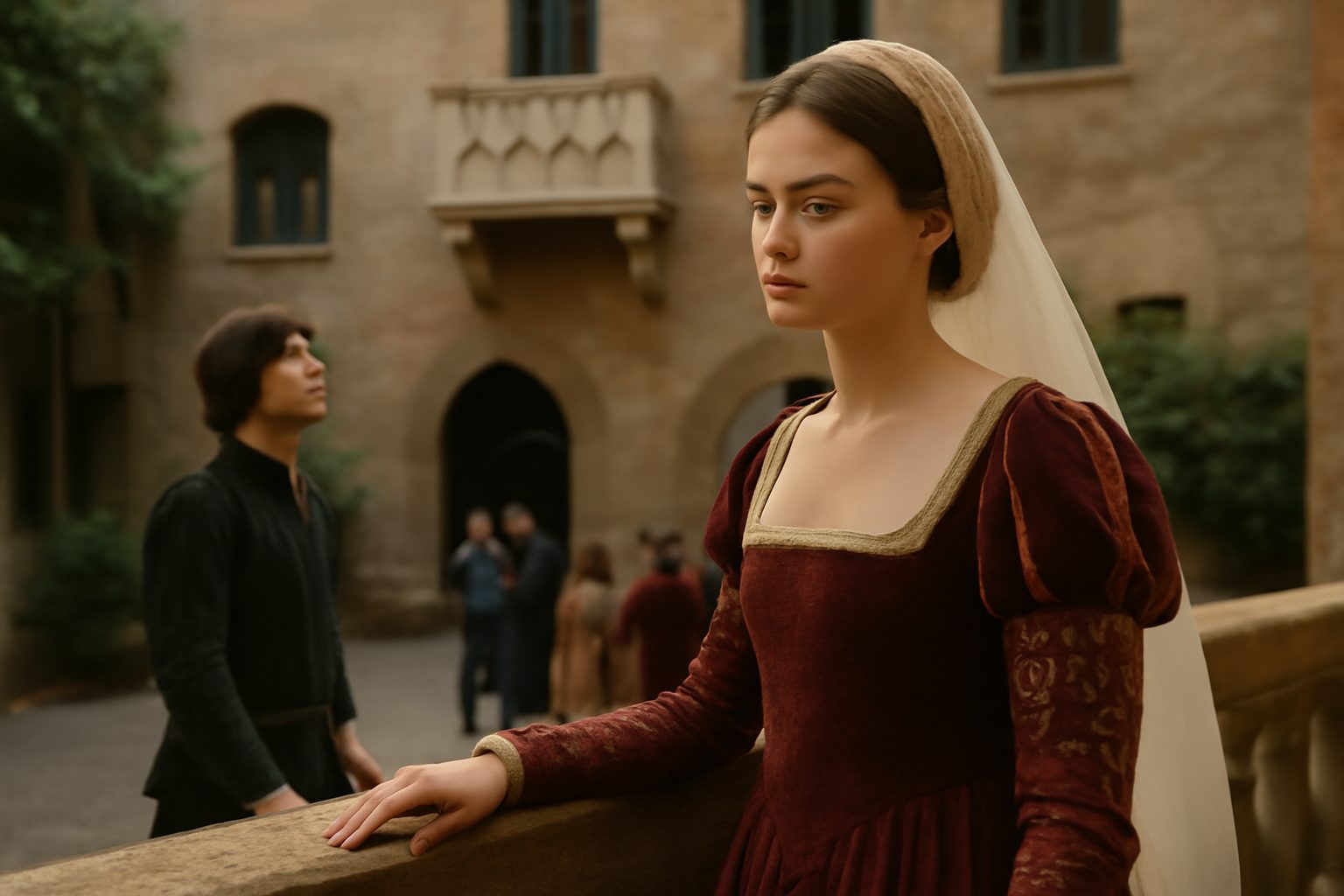
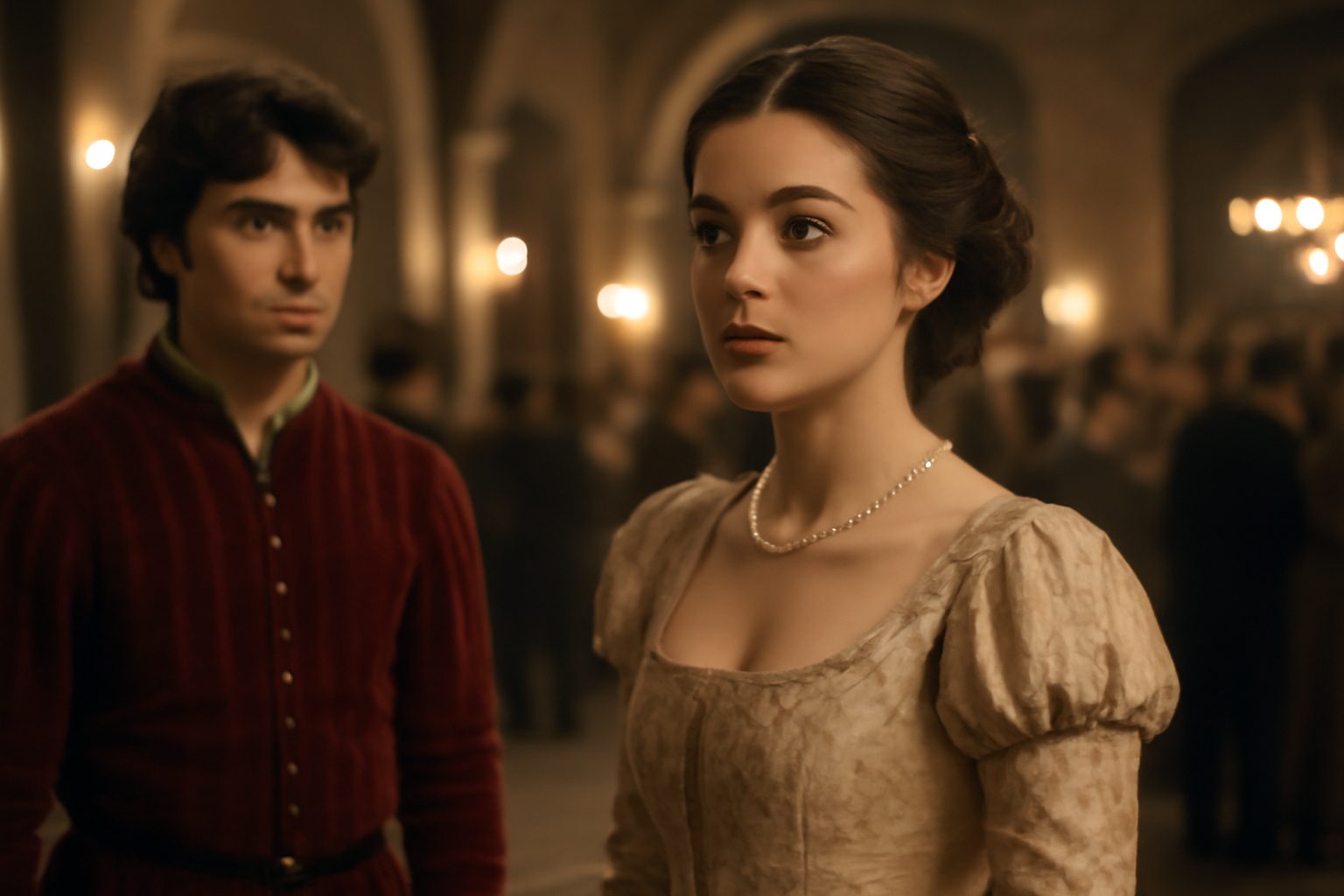
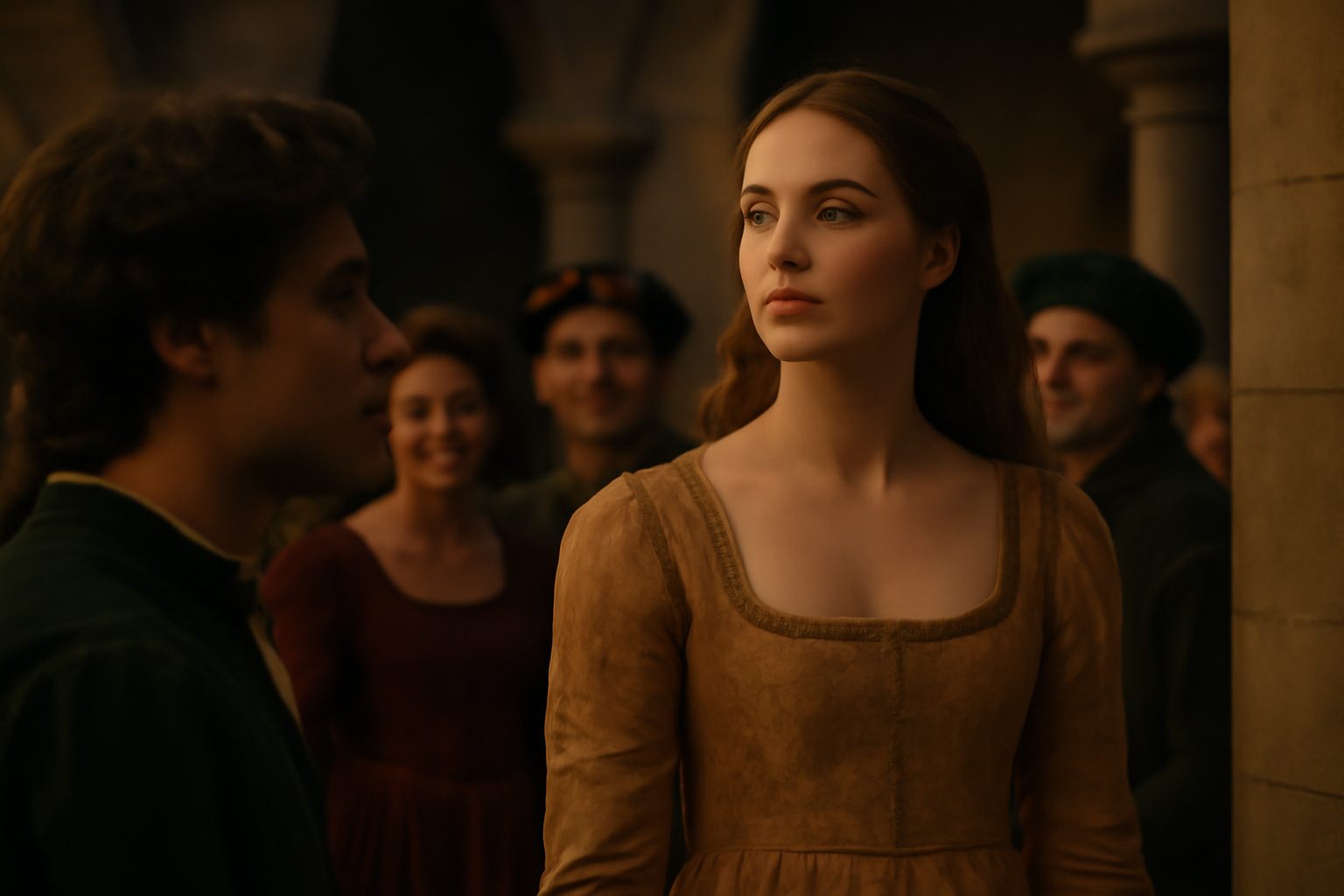
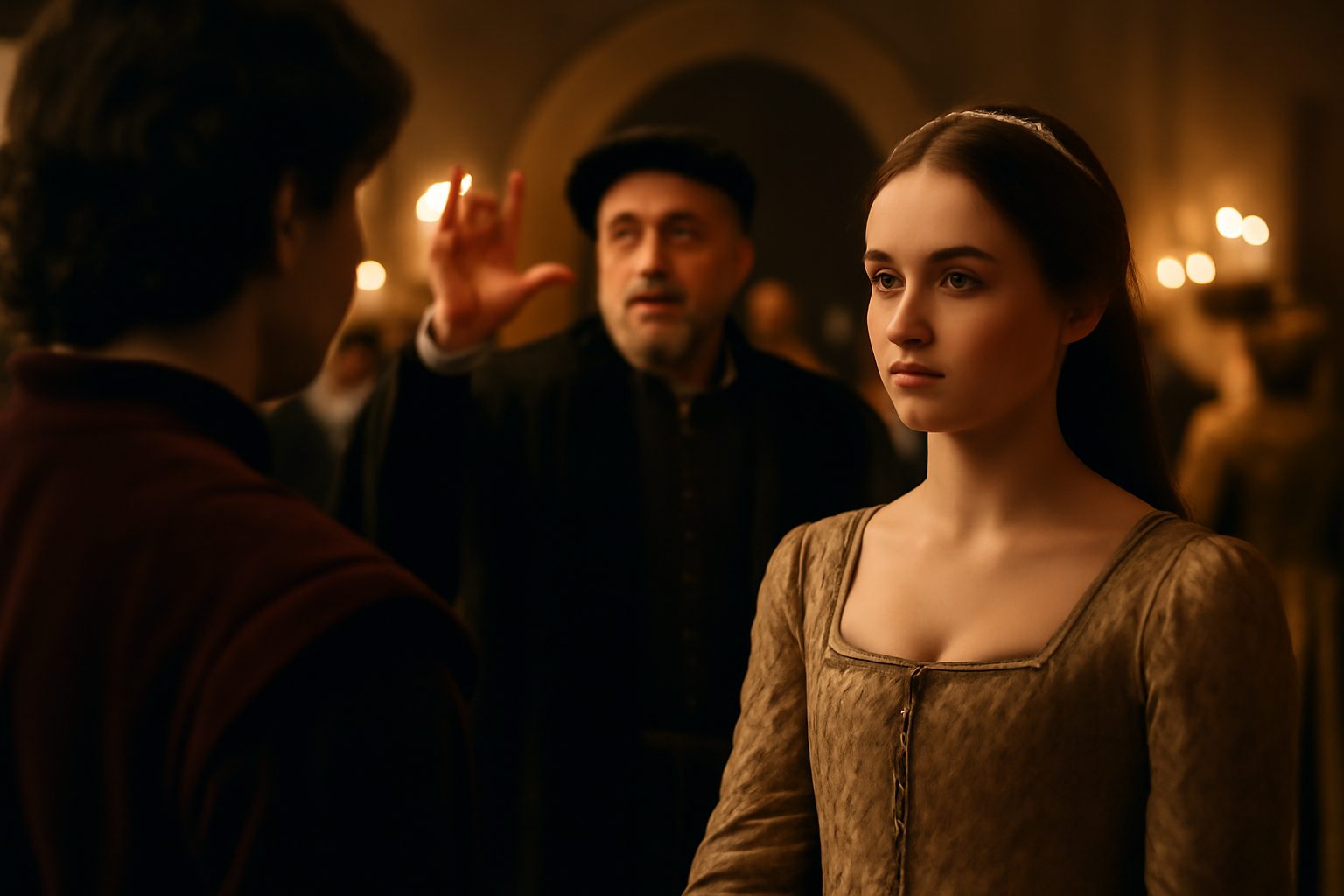
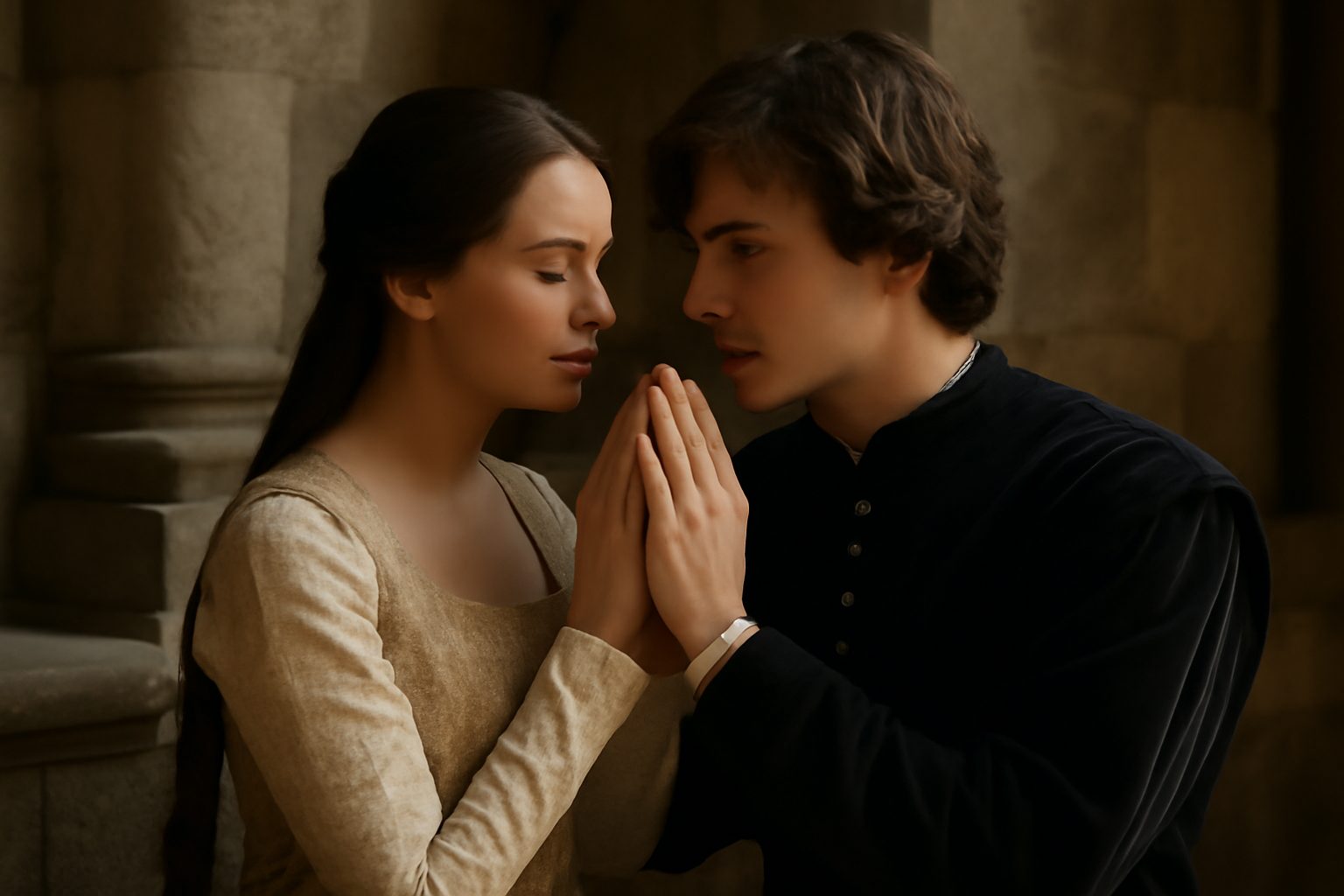
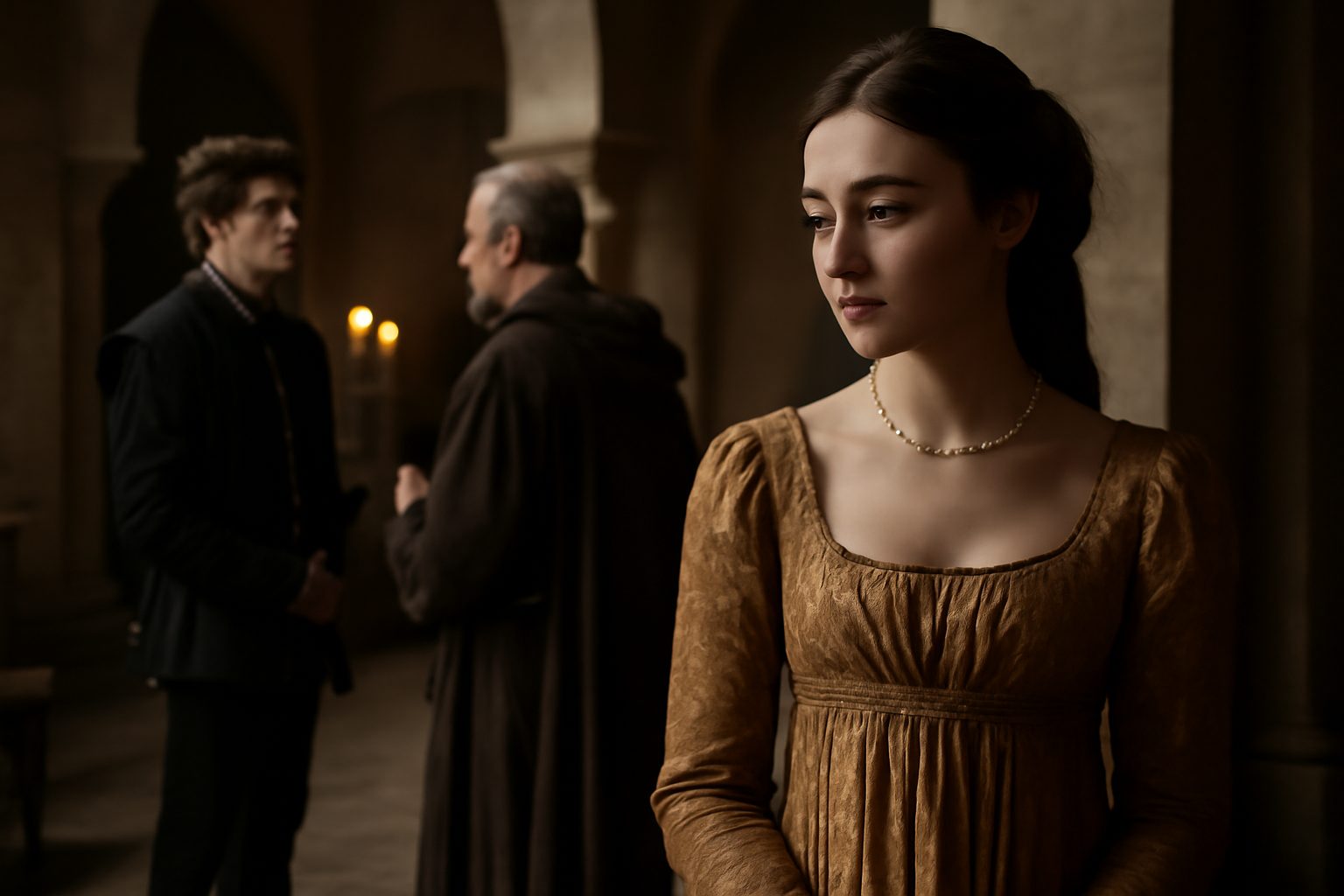
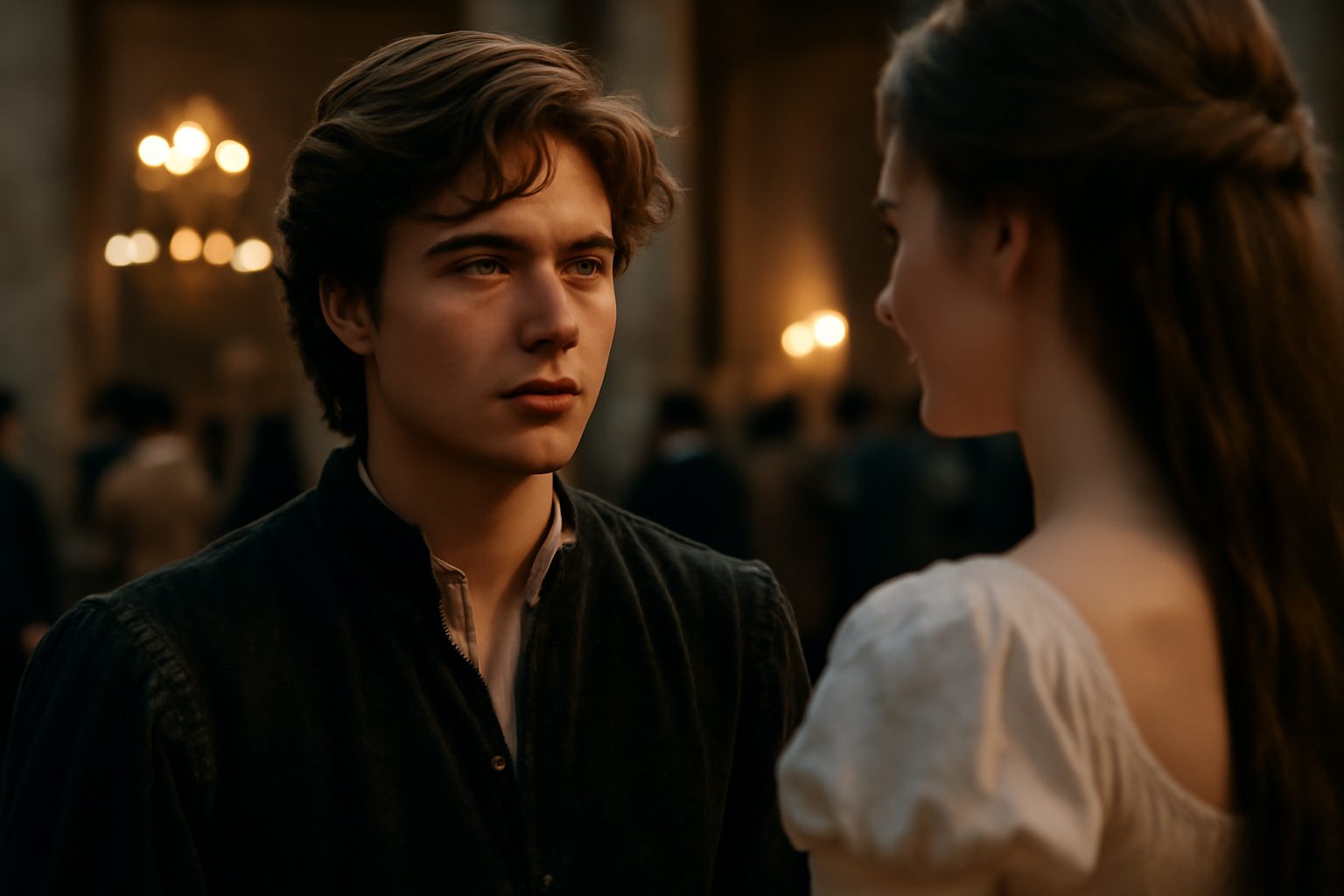
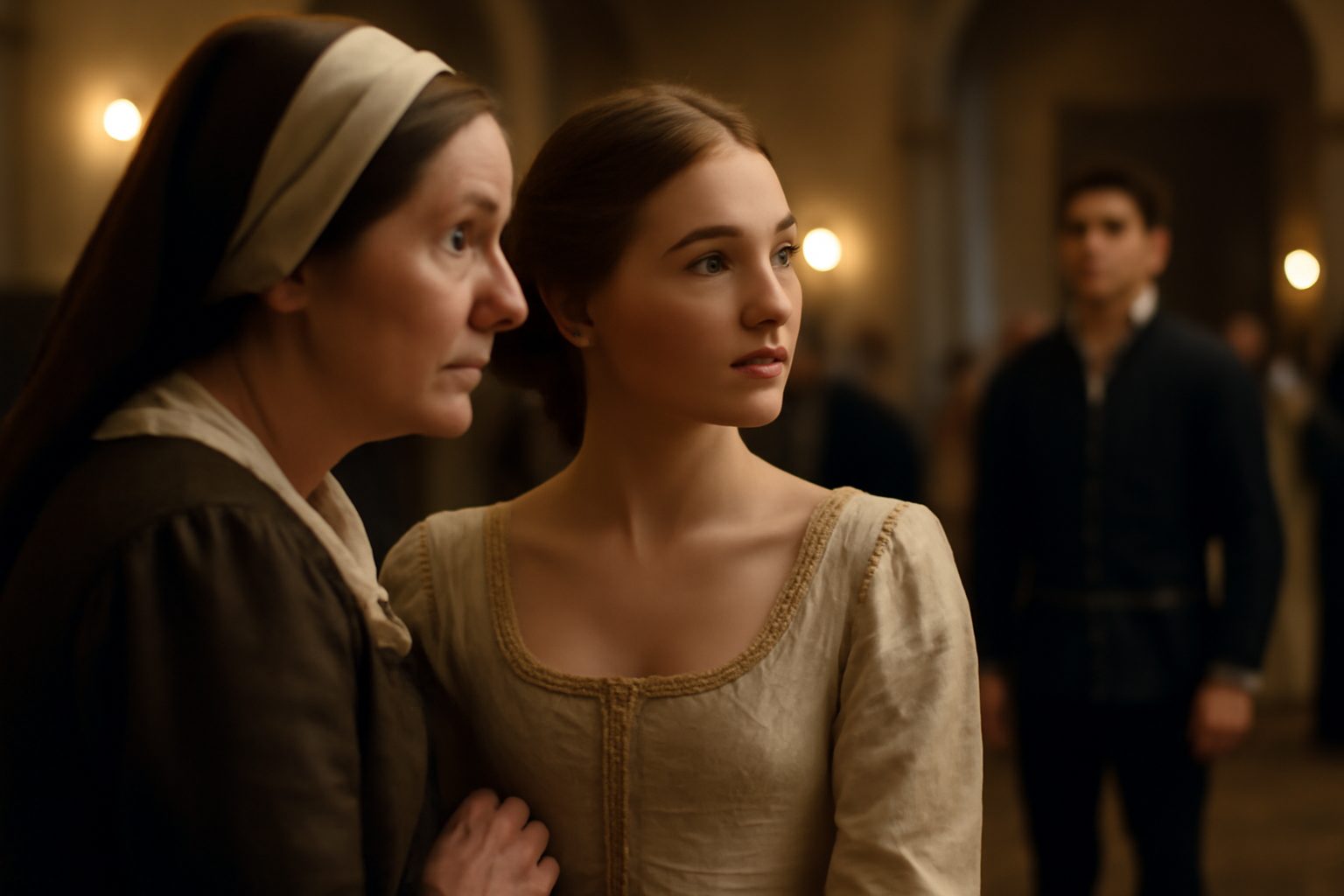
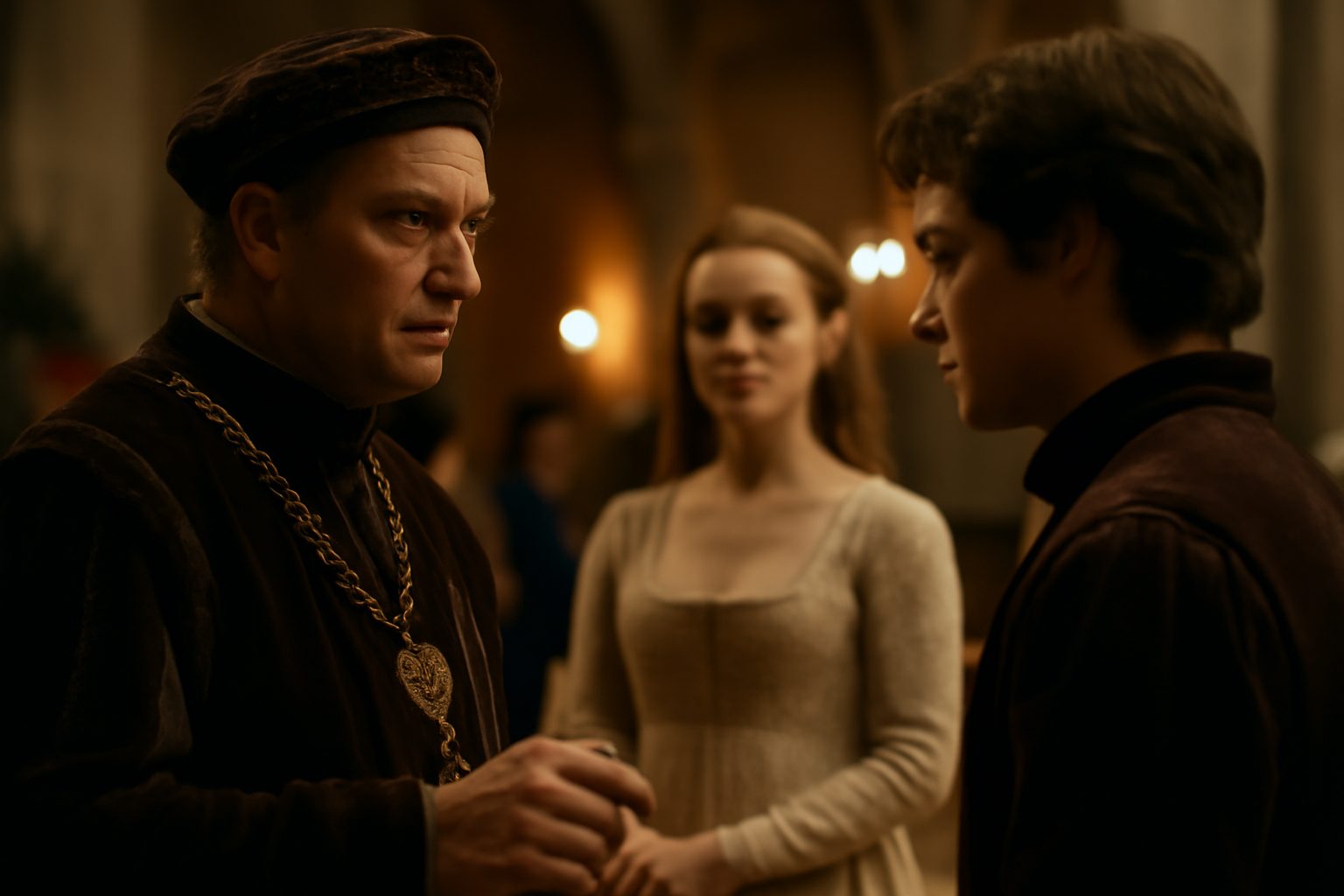
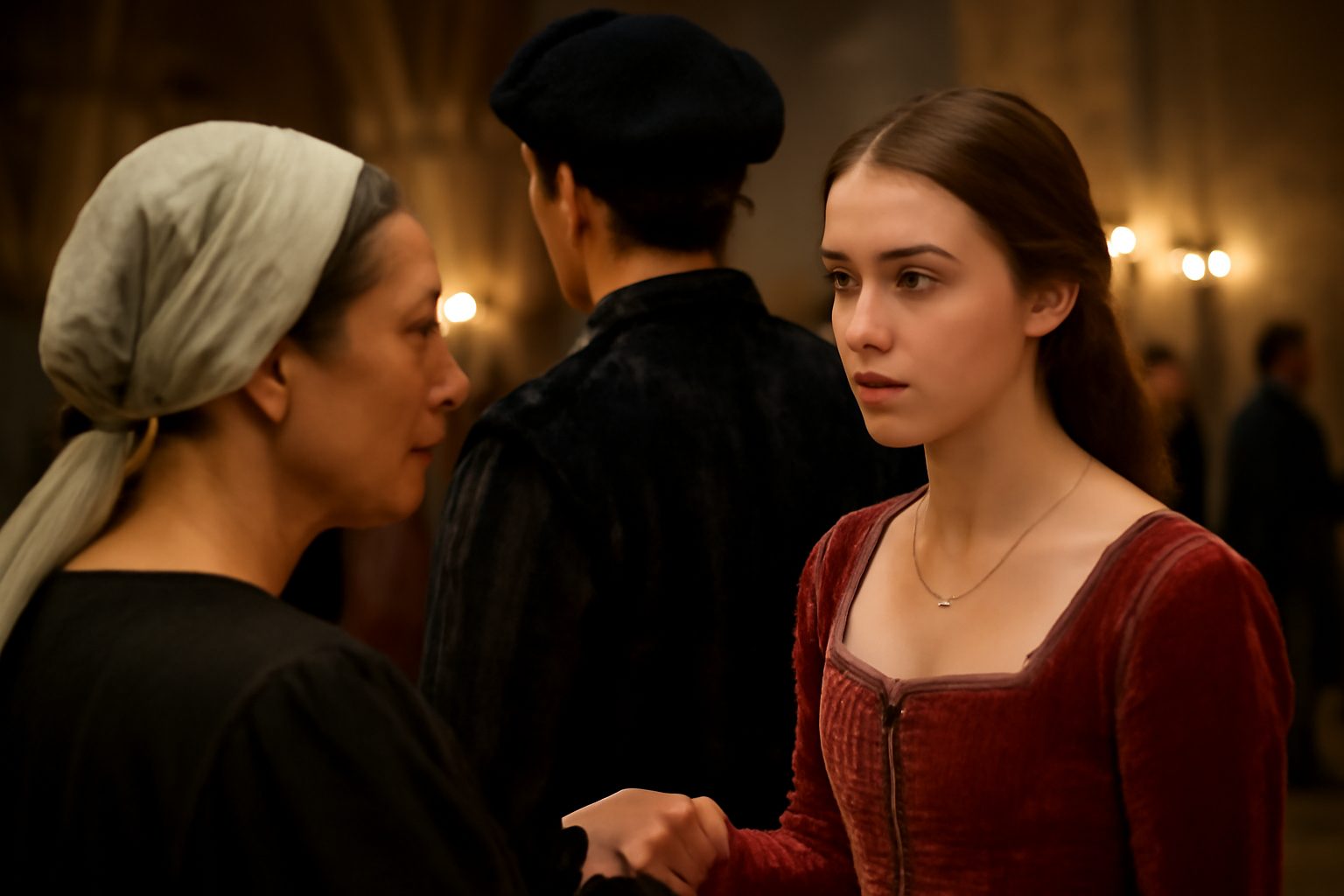
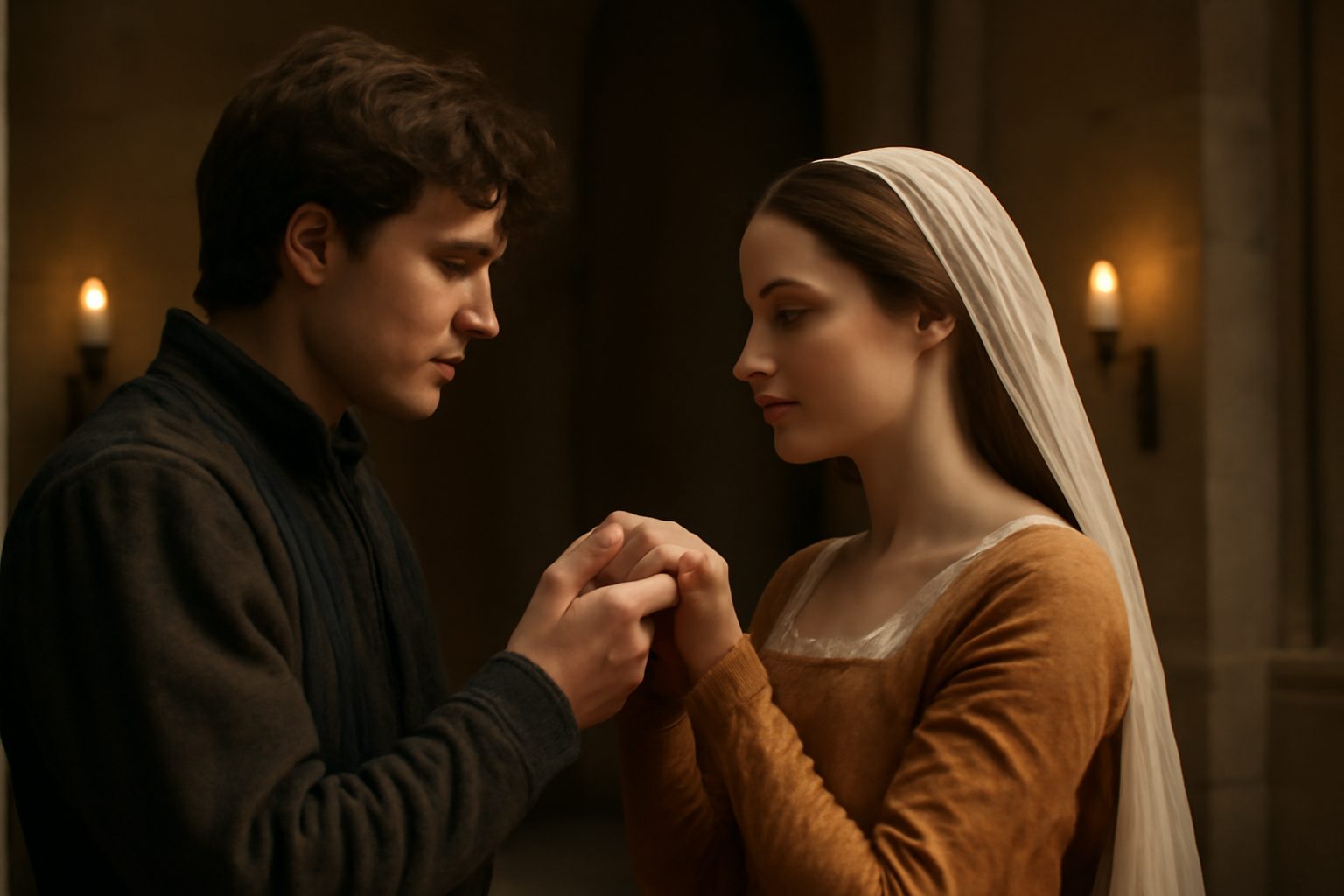
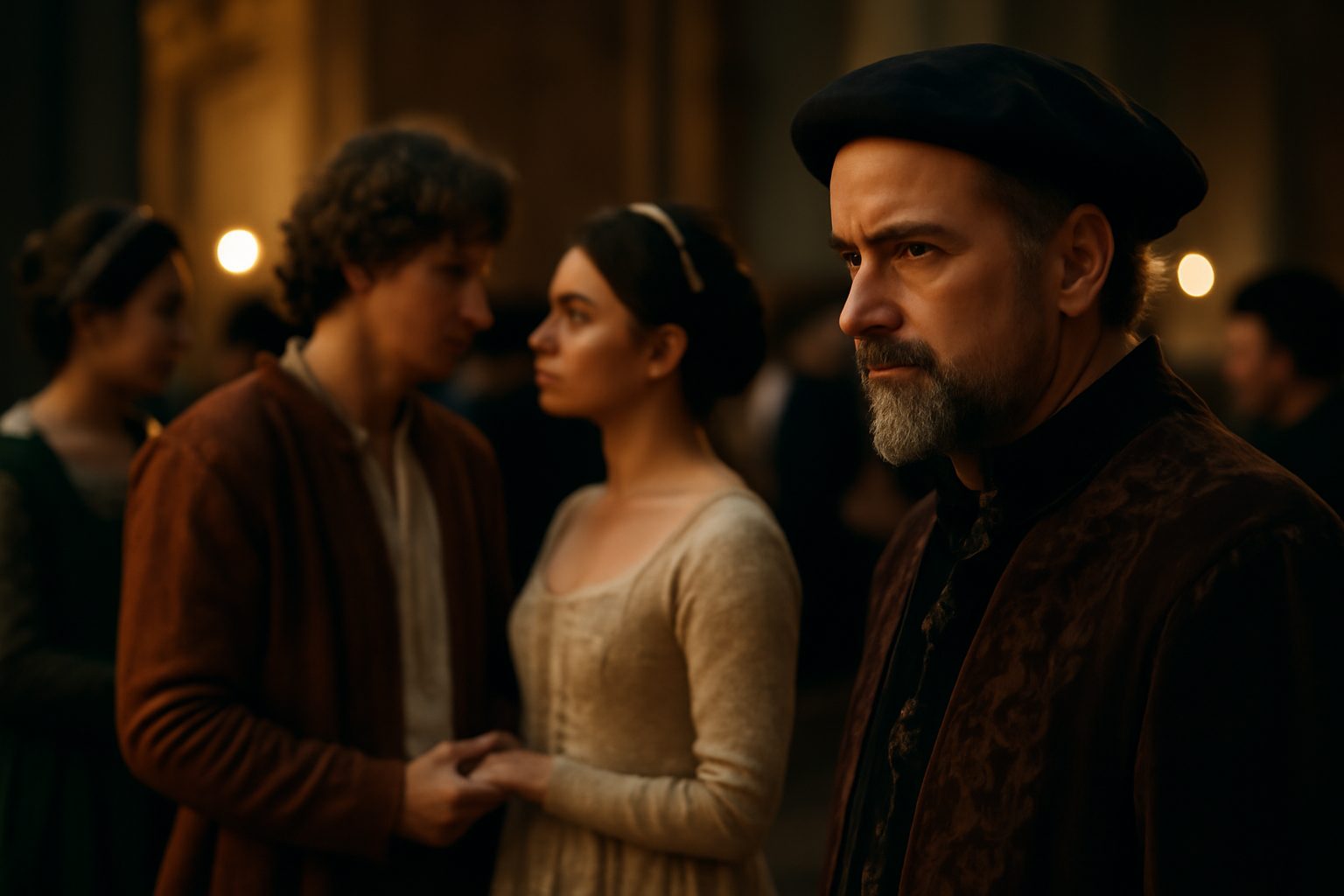
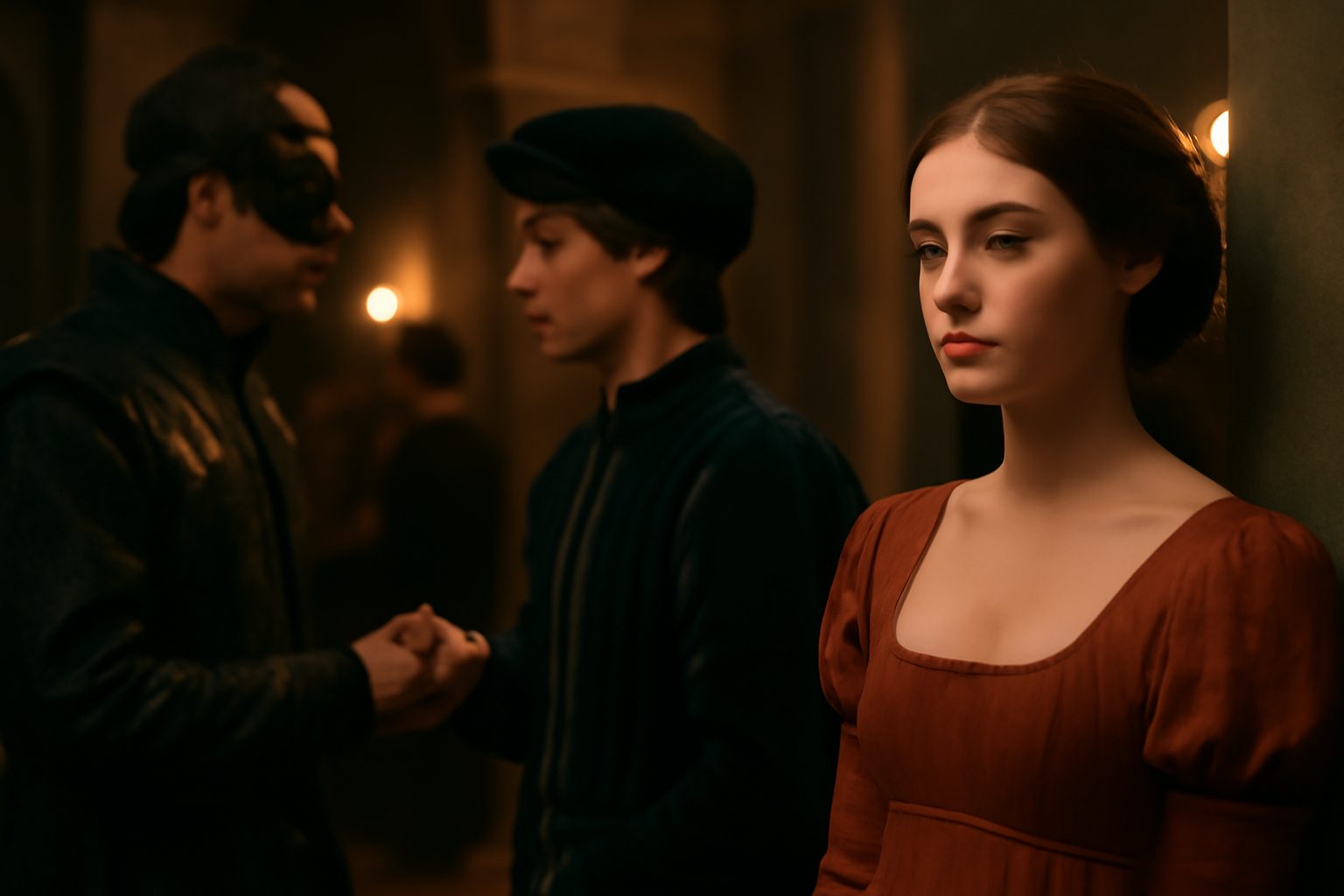
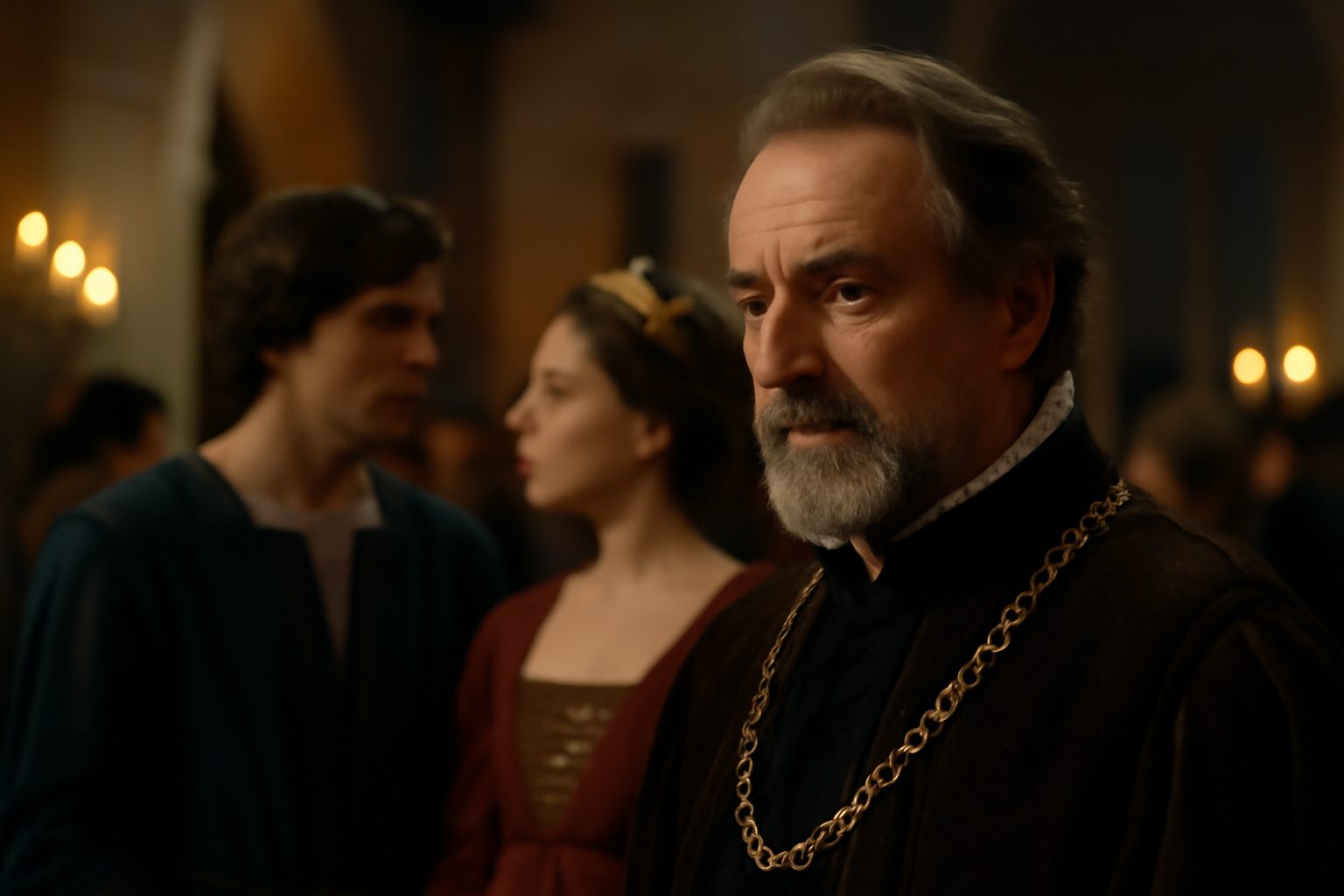
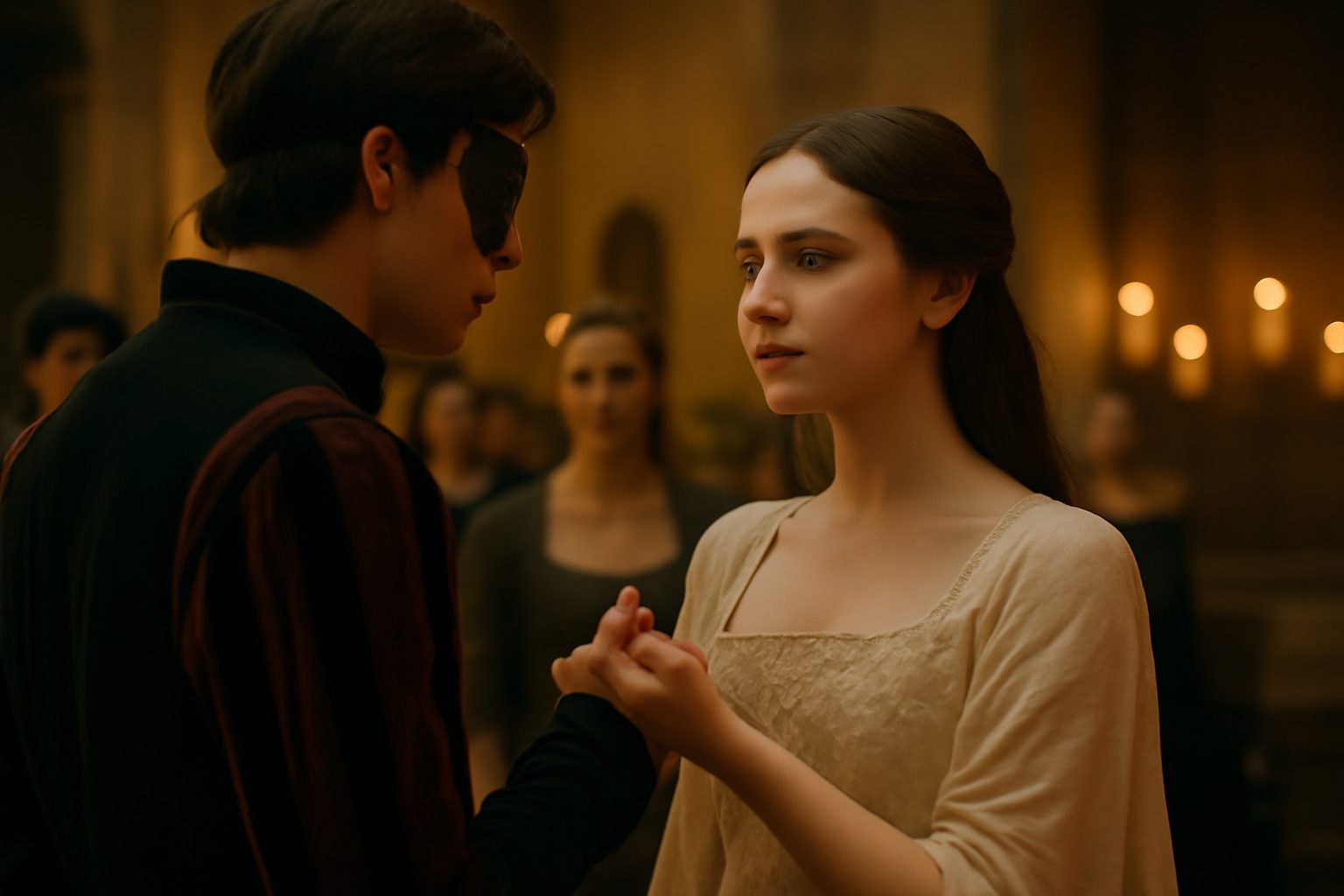
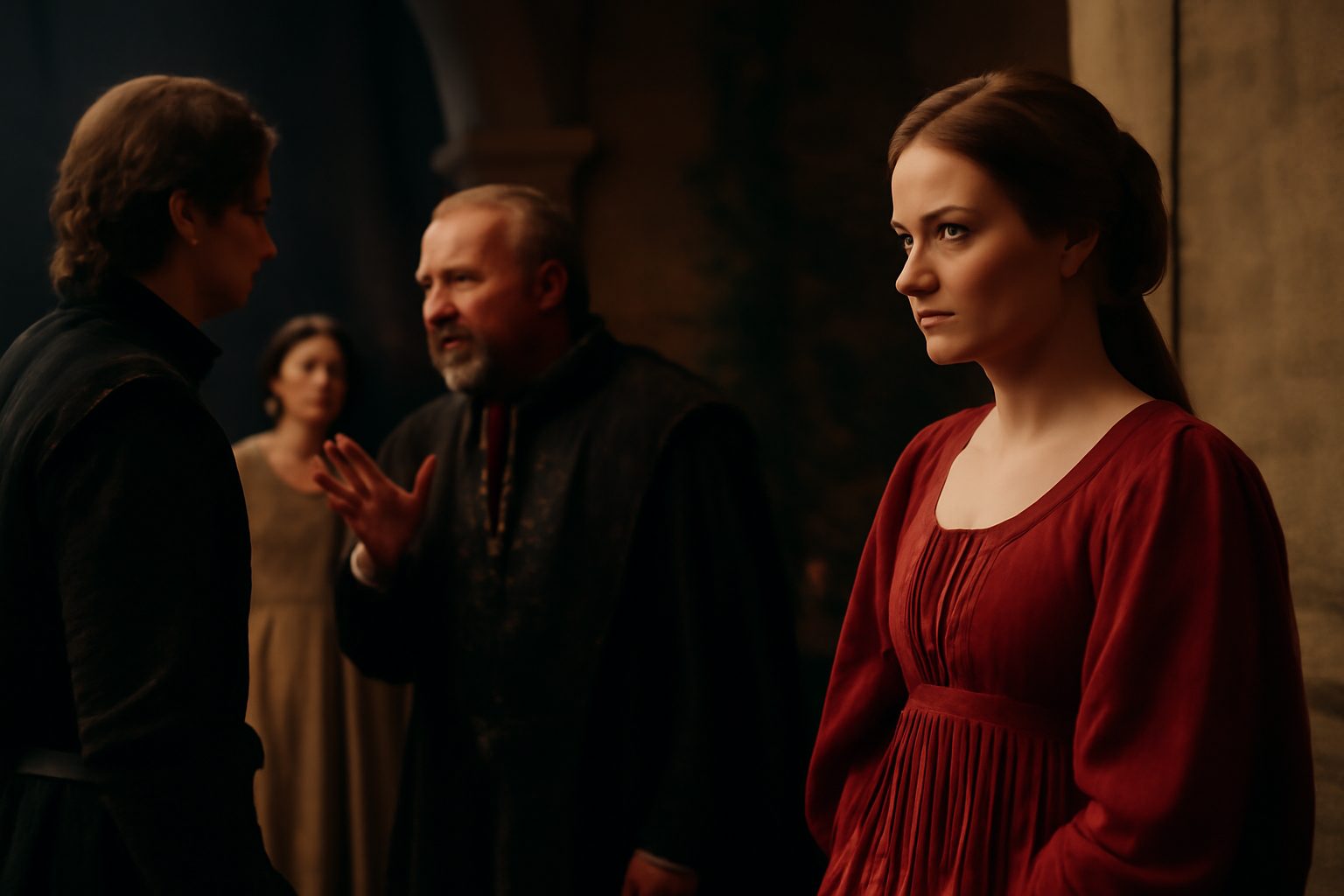
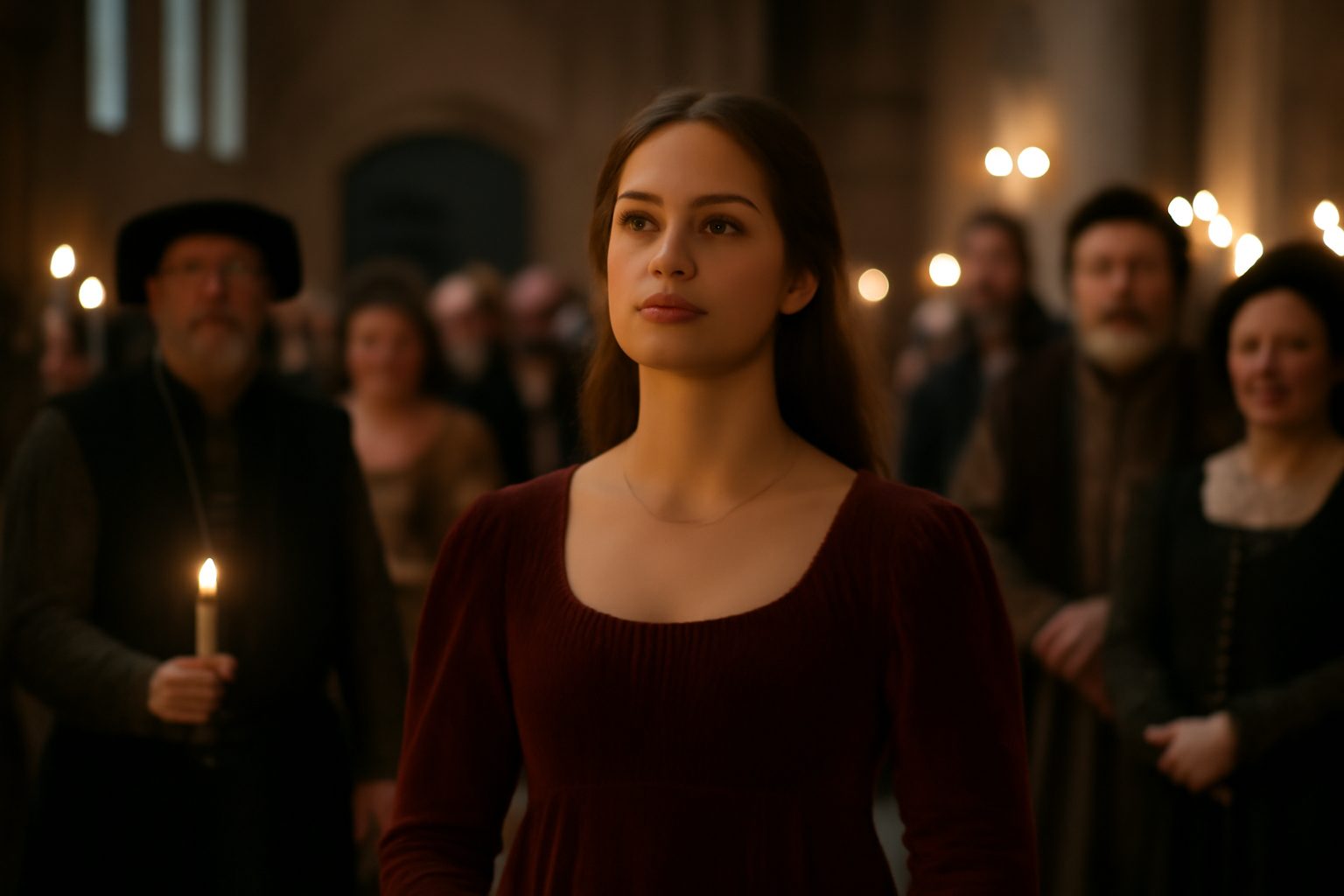
In Act 1, Scene 5 of Romeo and Juliet, Romeo attends the Capulet feast in disguise, still pining over his unrequited love for Rosaline. However, the moment he sees Juliet across the room, his infatuation shifts instantly, as she captivates him like no other. This line marks the pivotal instant when Romeo forgets Rosaline entirely and becomes enchanted by Juliet’s beauty, setting the tragedy in motion.
Romeo: "For I ne'er saw true beauty till this night."
In modern day english, we would say:
I had never seen real beauty until tonight.
Frequently Asked Questions
What does Romeo mean when he says he has never seen true beauty before this night?
Romeo means that the person he is looking at now is the most beautiful he has ever seen, making him realize he had not experienced true beauty before this moment.
Connections to other verses:
Connections to "For I ne'er saw true beauty till this night."
This verse marks Romeo's immediate and transformative infatuation upon seeing Juliet for the first time. It connects thematically and narratively to several other verses in the scene.
Immediate Preceding and Following Lines
Romeo's declaration follows his questioning of his past feelings in Did my heart love till now? forswear it, sight!, emphasizing the suddenness and depth of his new emotion.
Descriptions of Juliet's Beauty
His awe is foreshadowed by his earlier exclamation, O, she doth teach the torches to burn bright!, which highlights her radiant presence. He further elaborates with It seems she hangs upon the cheek of night and Like a rich jewel in an Ethiope's ear, using vivid imagery to convey her striking appearance. The phrase Beauty too rich for use, for earth too dear! reinforces his perception of her as otherworldly and precious.
Contrast with Others
Romeo's focus on Juliet is emphasized by his observation that she stands out among her peers: As yonder lady o'er her fellows shows and So shows a snowy dove trooping with crows, underscoring her uniqueness in his eyes.
Interaction and Aftermath
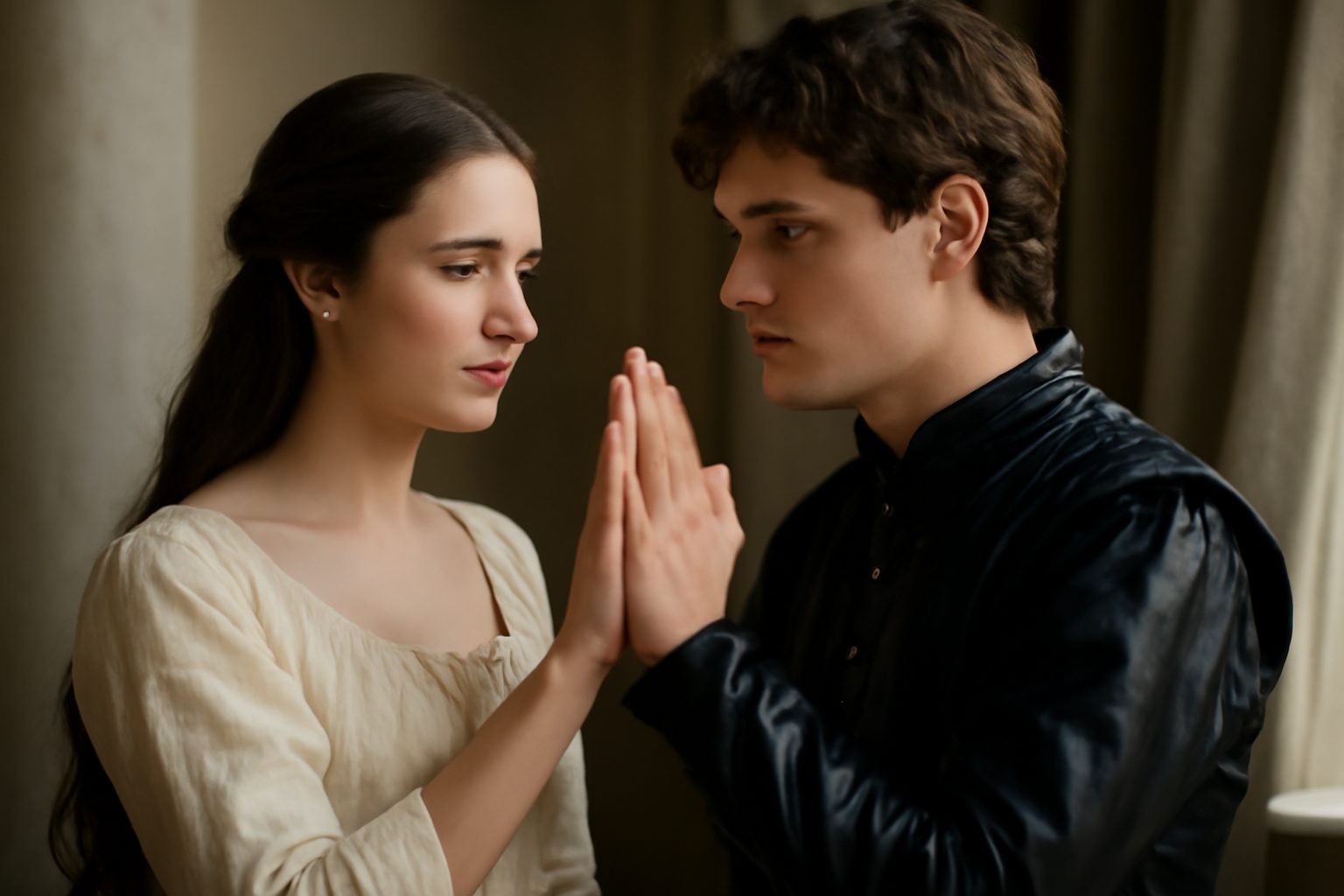
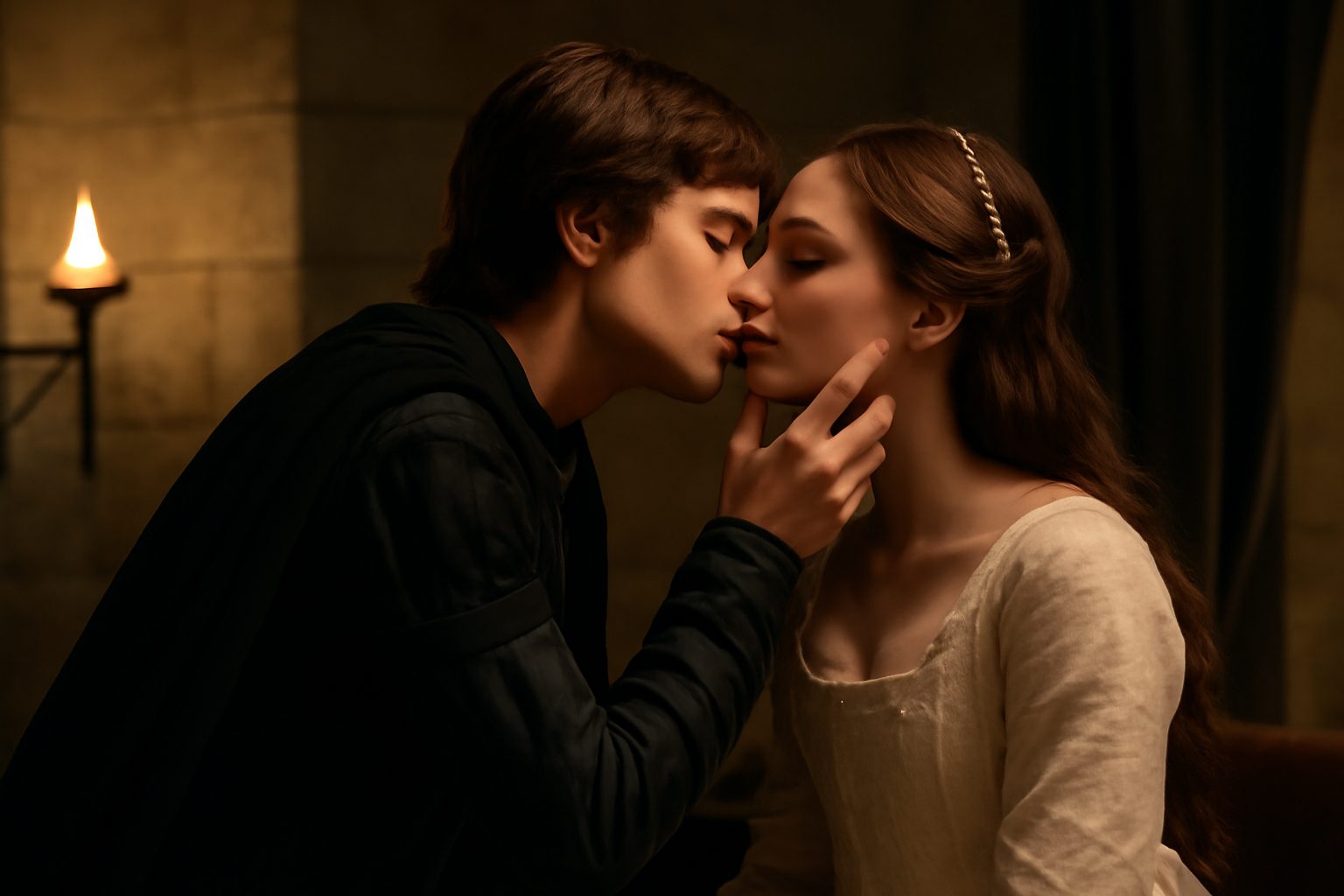
This moment leads directly to his approach and the poetic exchange beginning with [To JULIET] If I profane with my unworthiest hand, where they engage in a metaphor-rich dialogue about pilgrims and saints. The connection culminates in their first kiss and Juliet's remark, You kiss by the book.
Dramatic Irony and Conflict
Romeo's idealization is juxtaposed with Tybalt's recognition of him as Tis he, that villain Romeo, introducing tension. Juliet later discovers his identity with despair: His name is Romeo, and a Montague and My only love sprung from my only hate!, highlighting the tragic irony of his declaration.