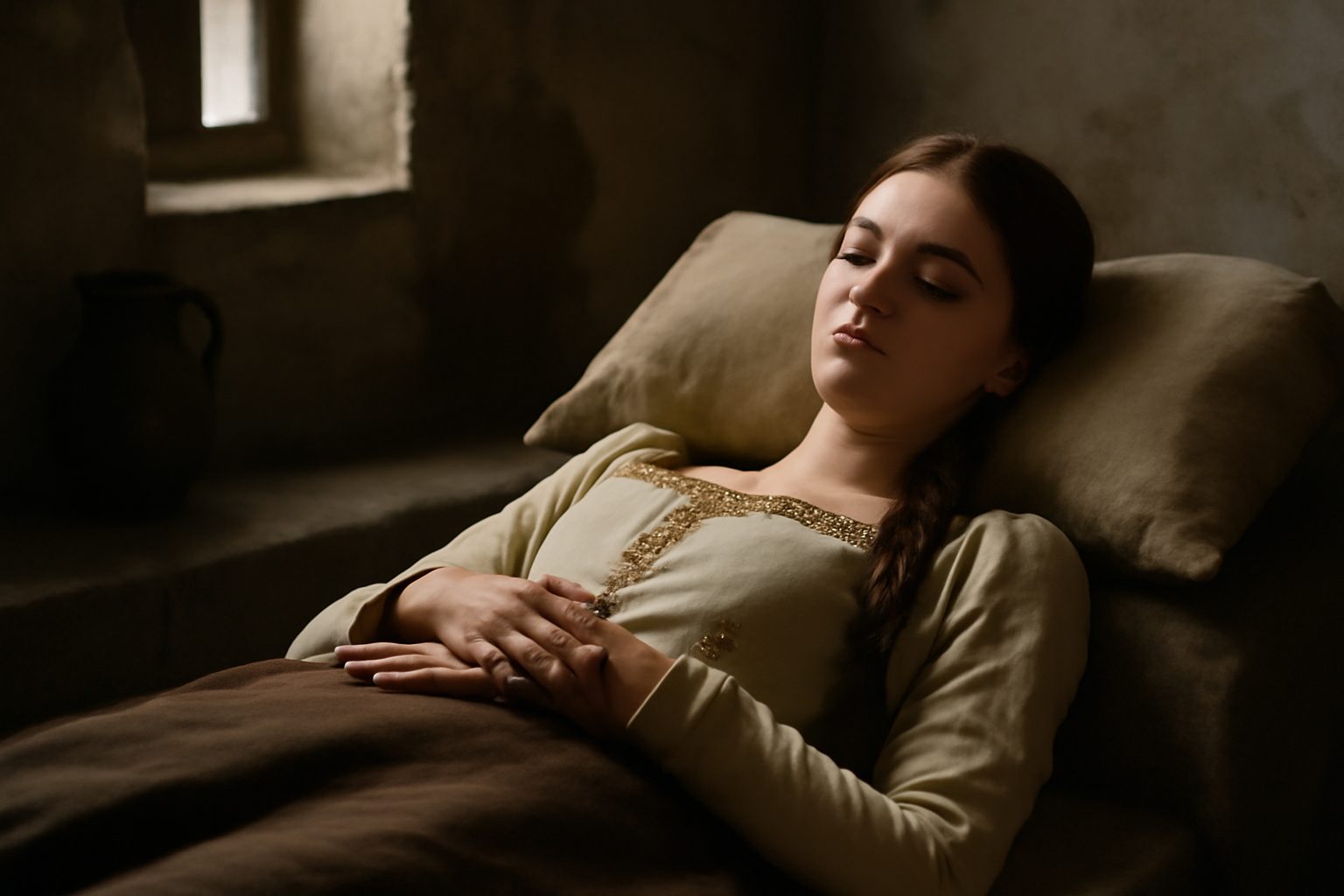
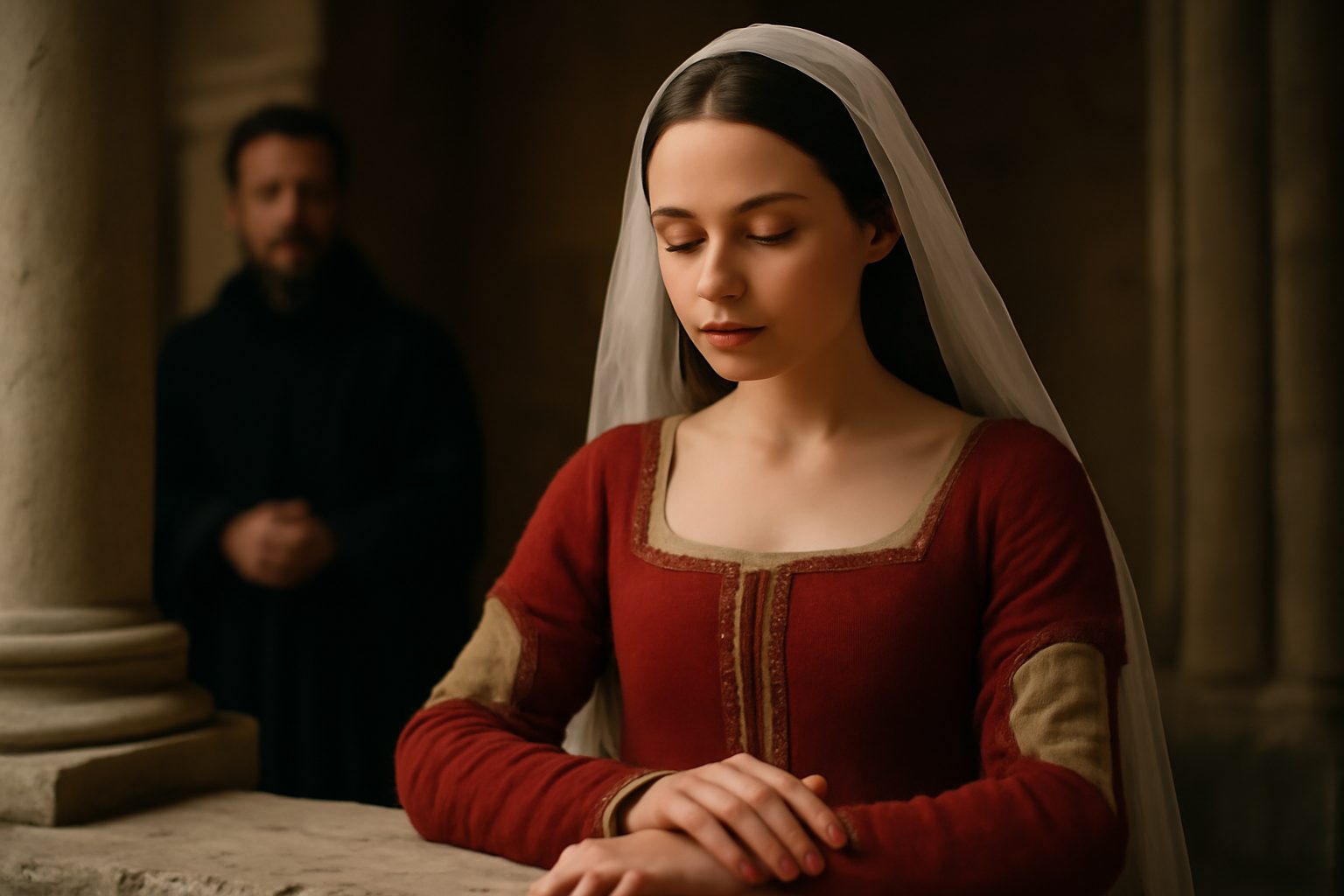
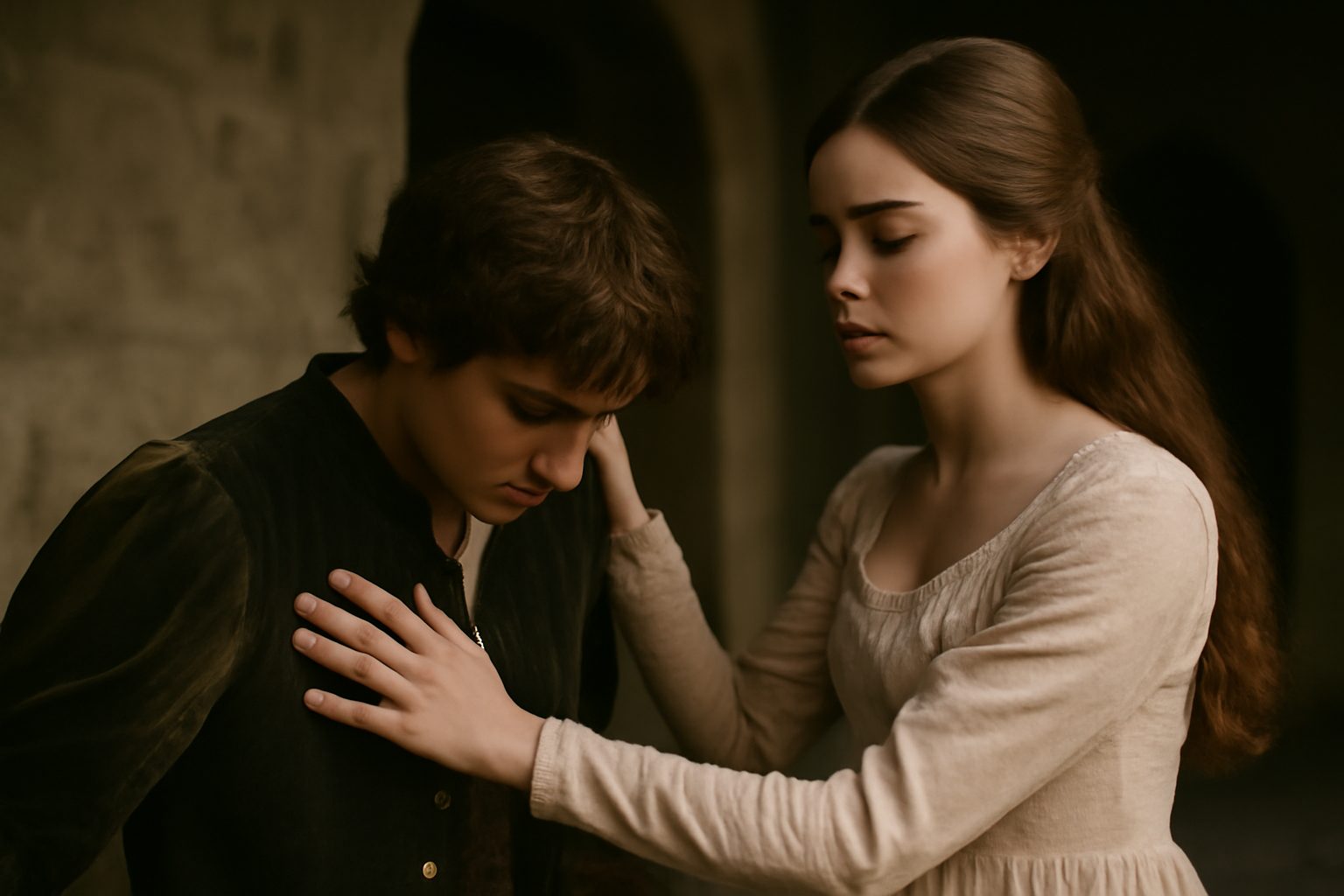
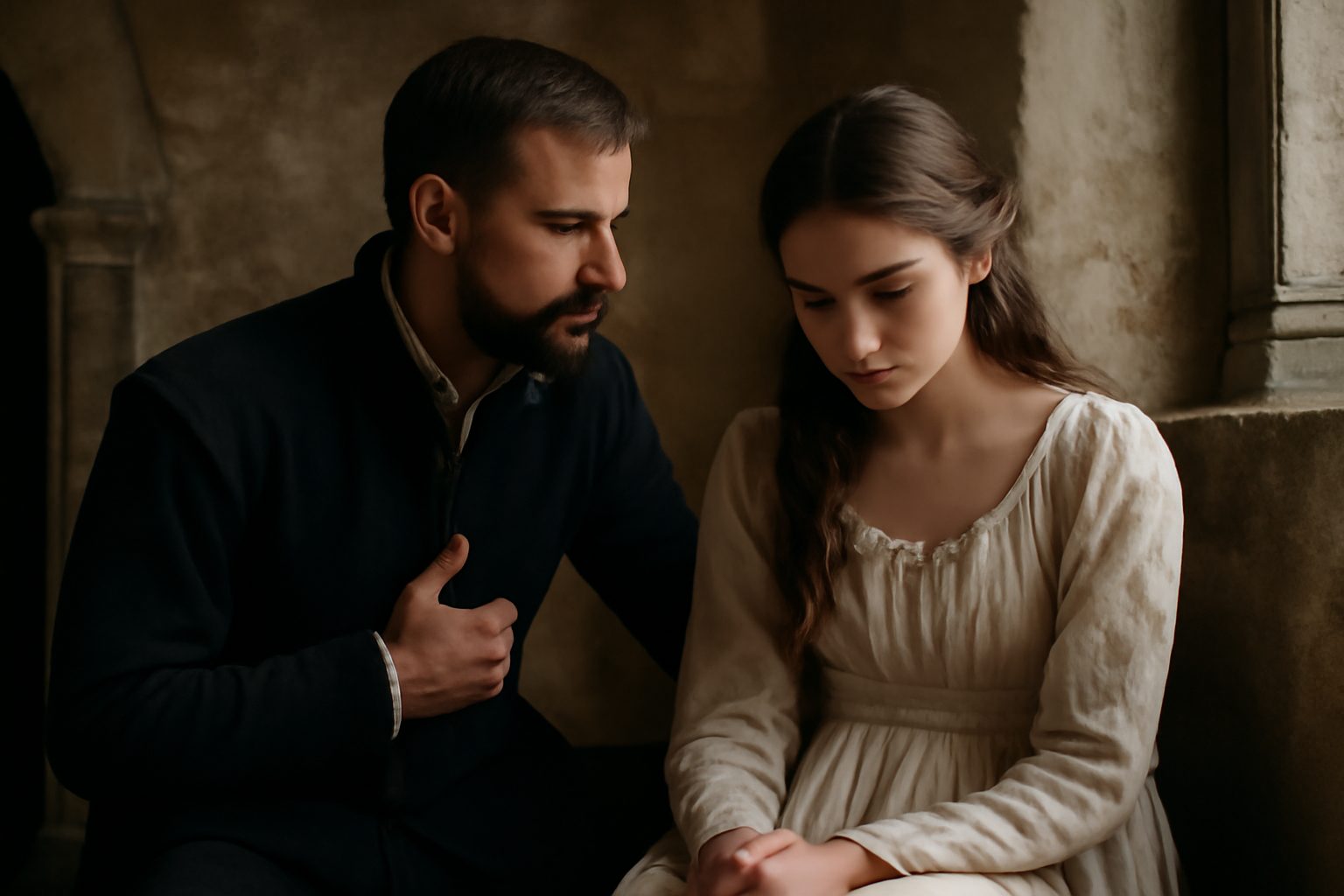
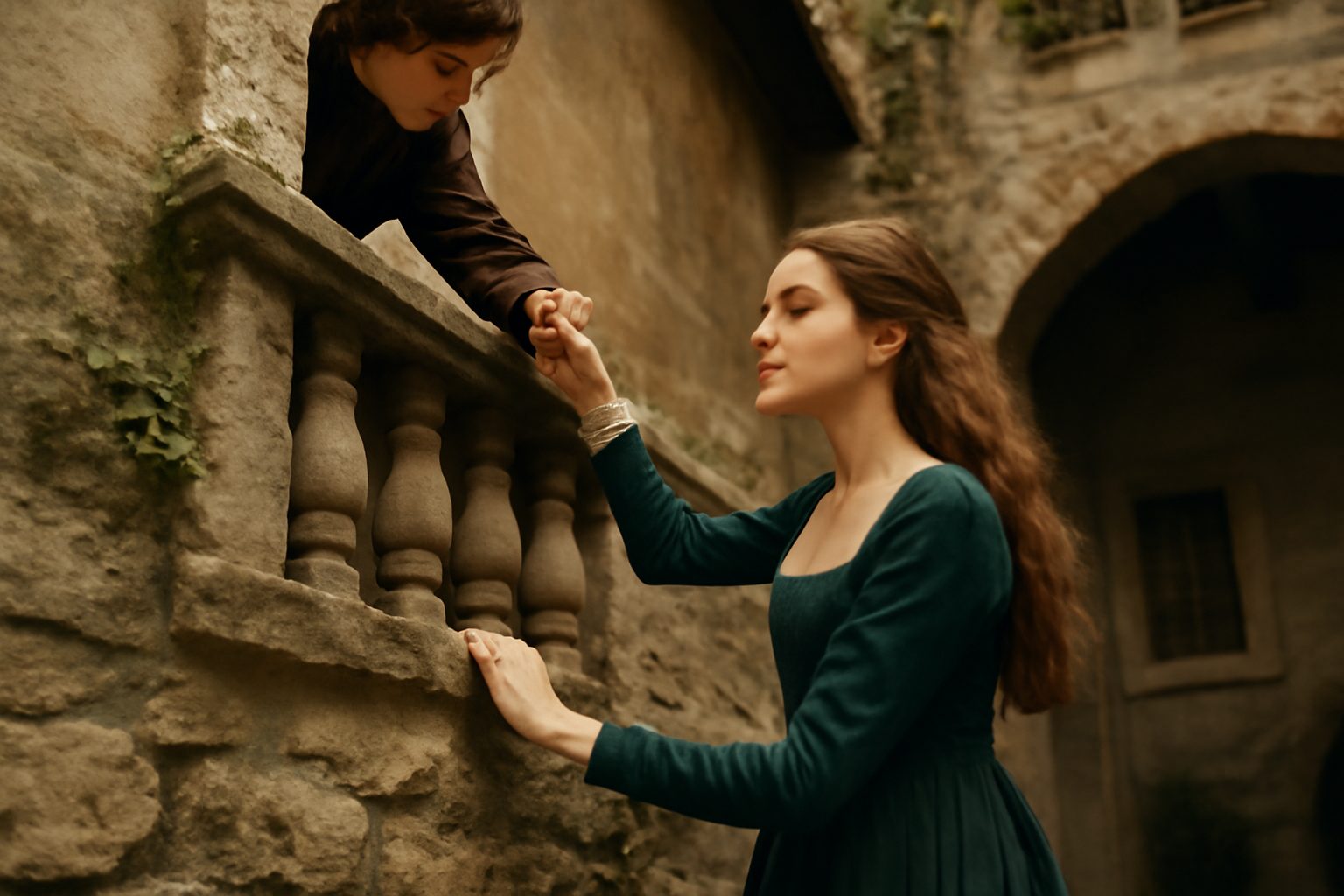
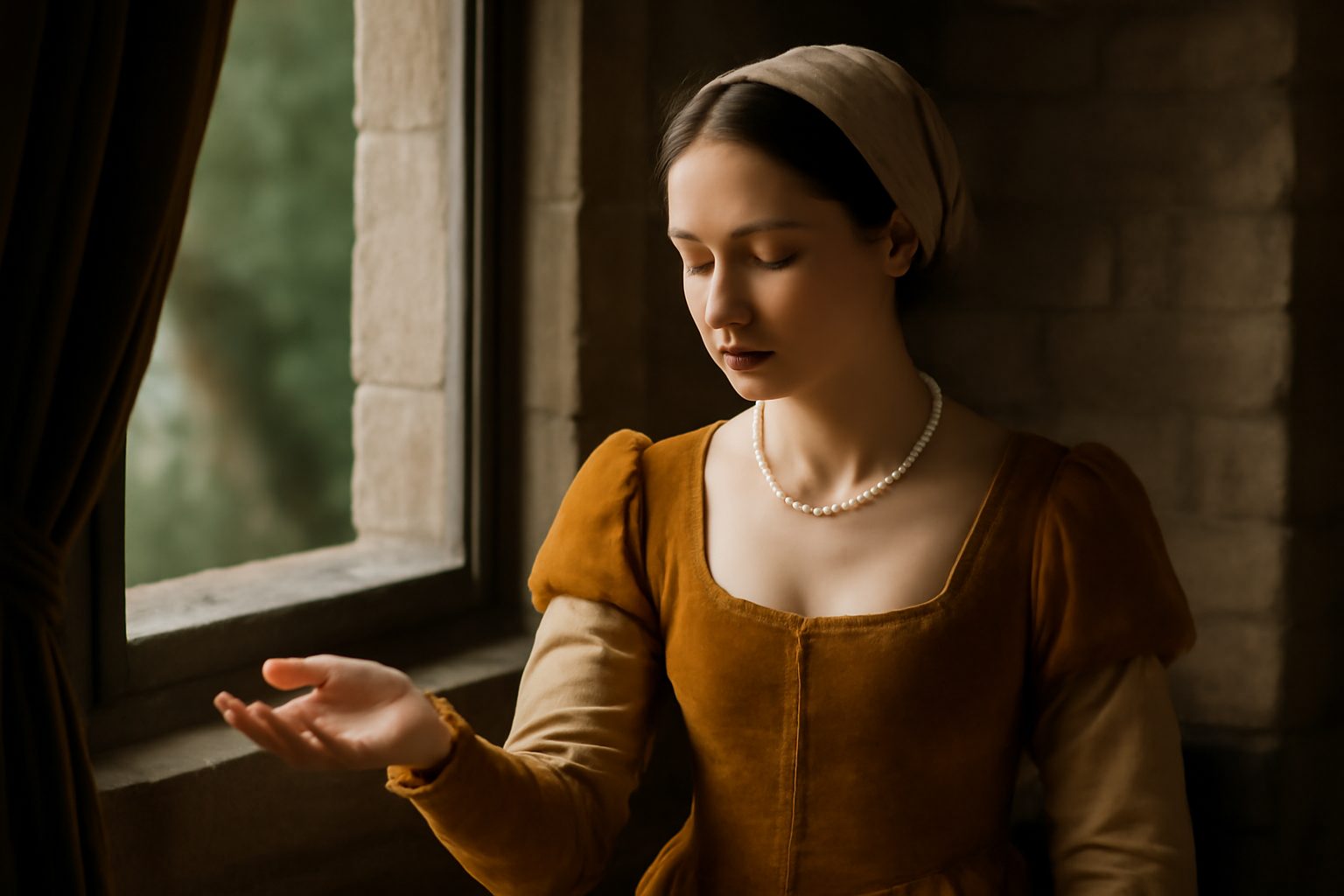
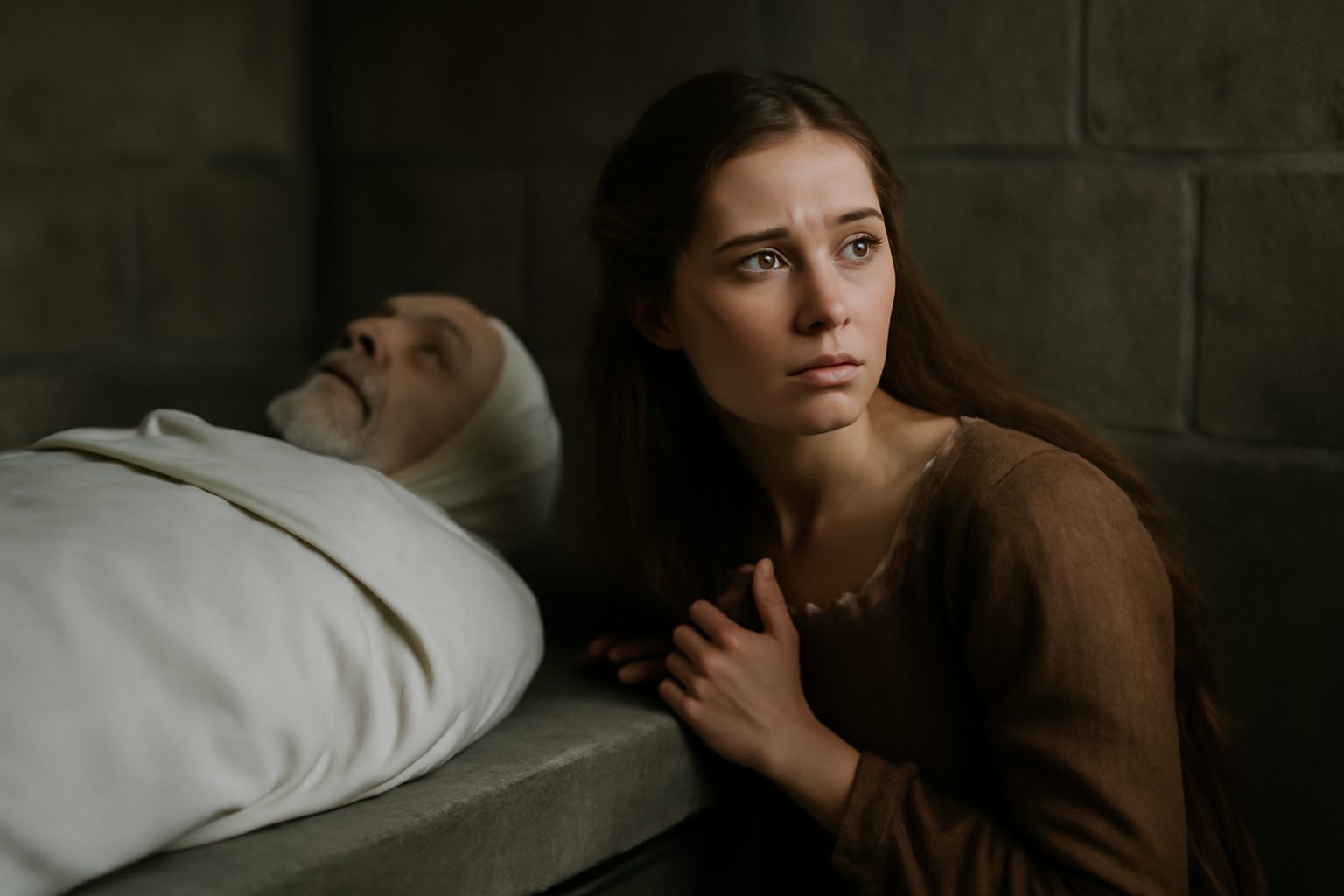
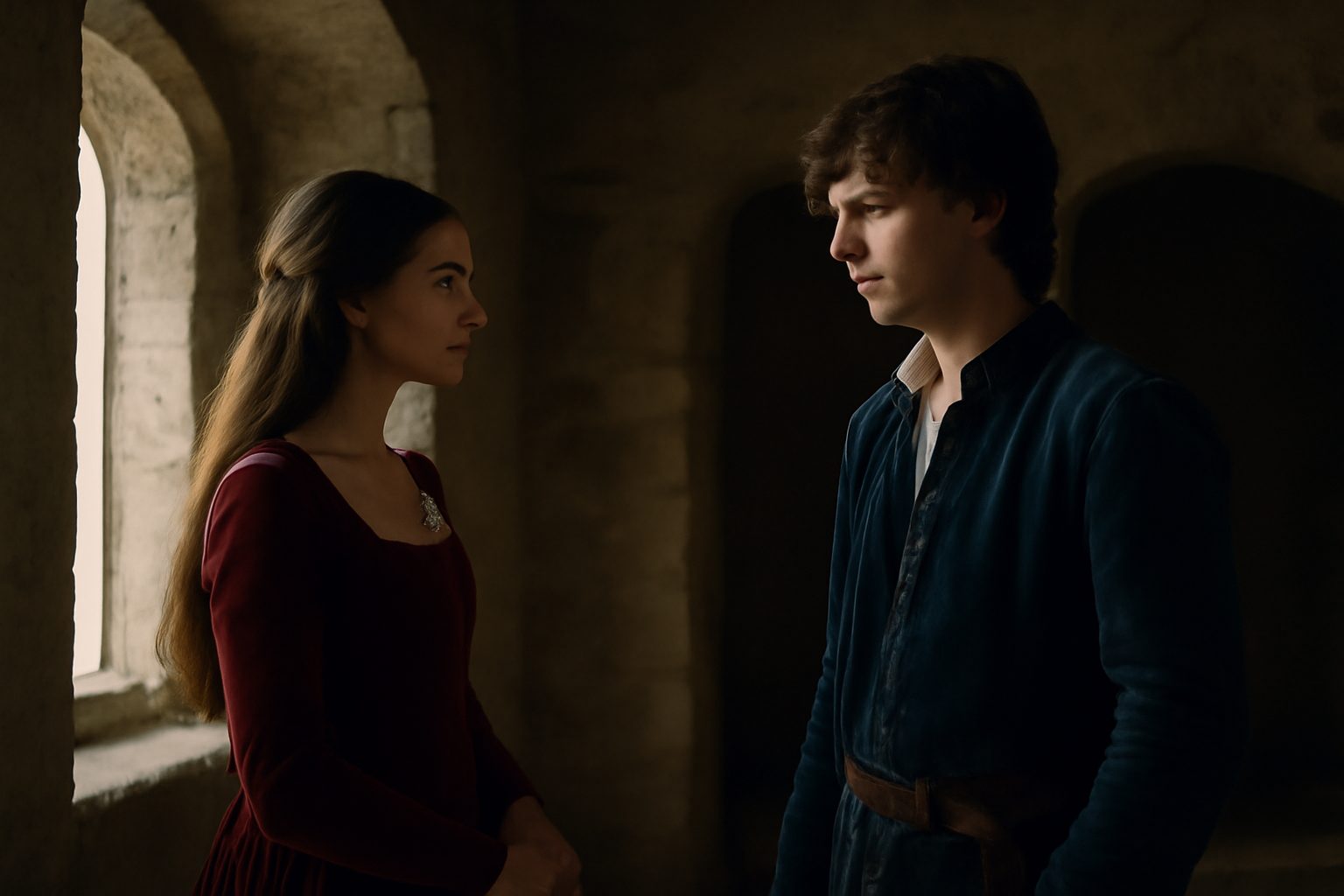
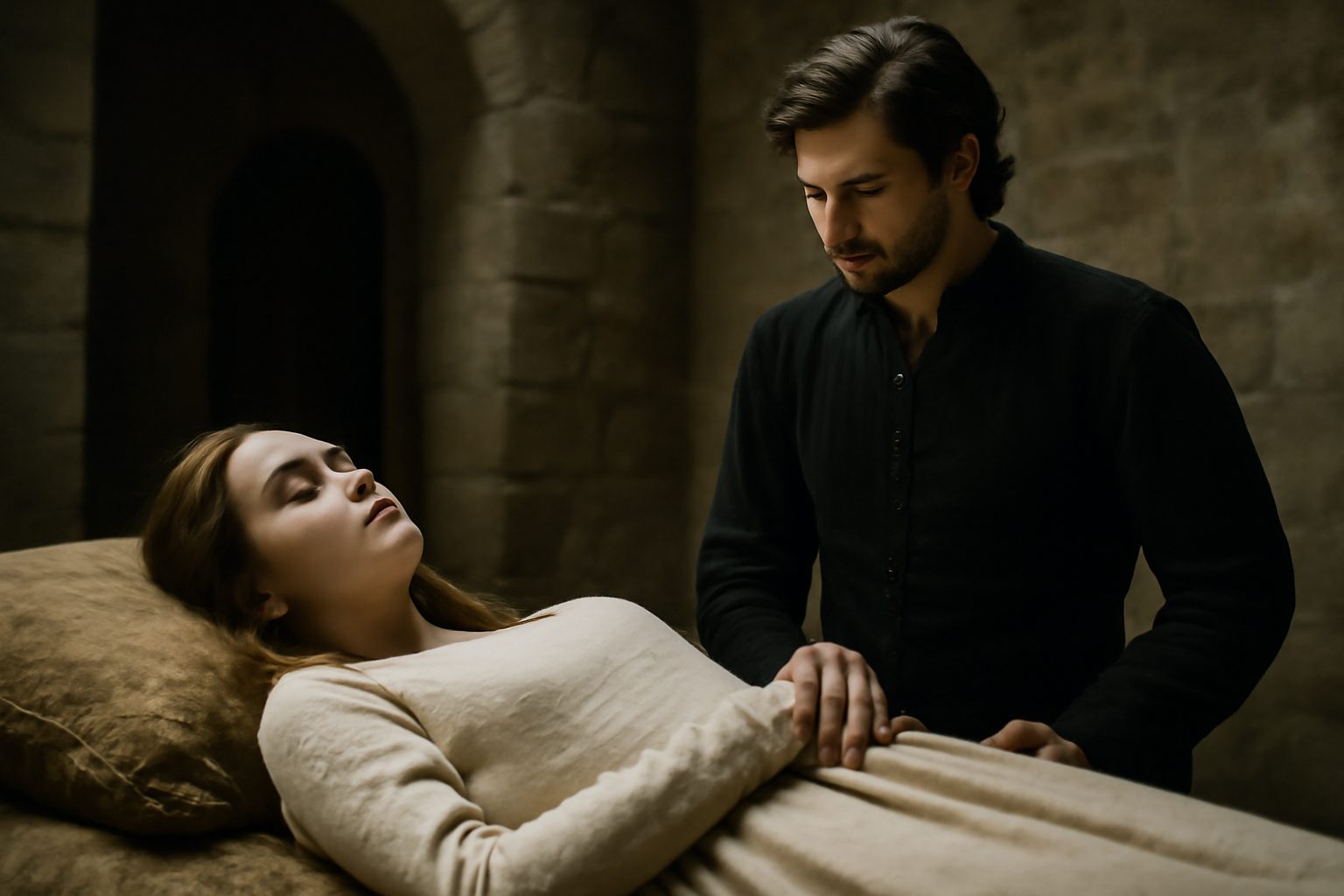
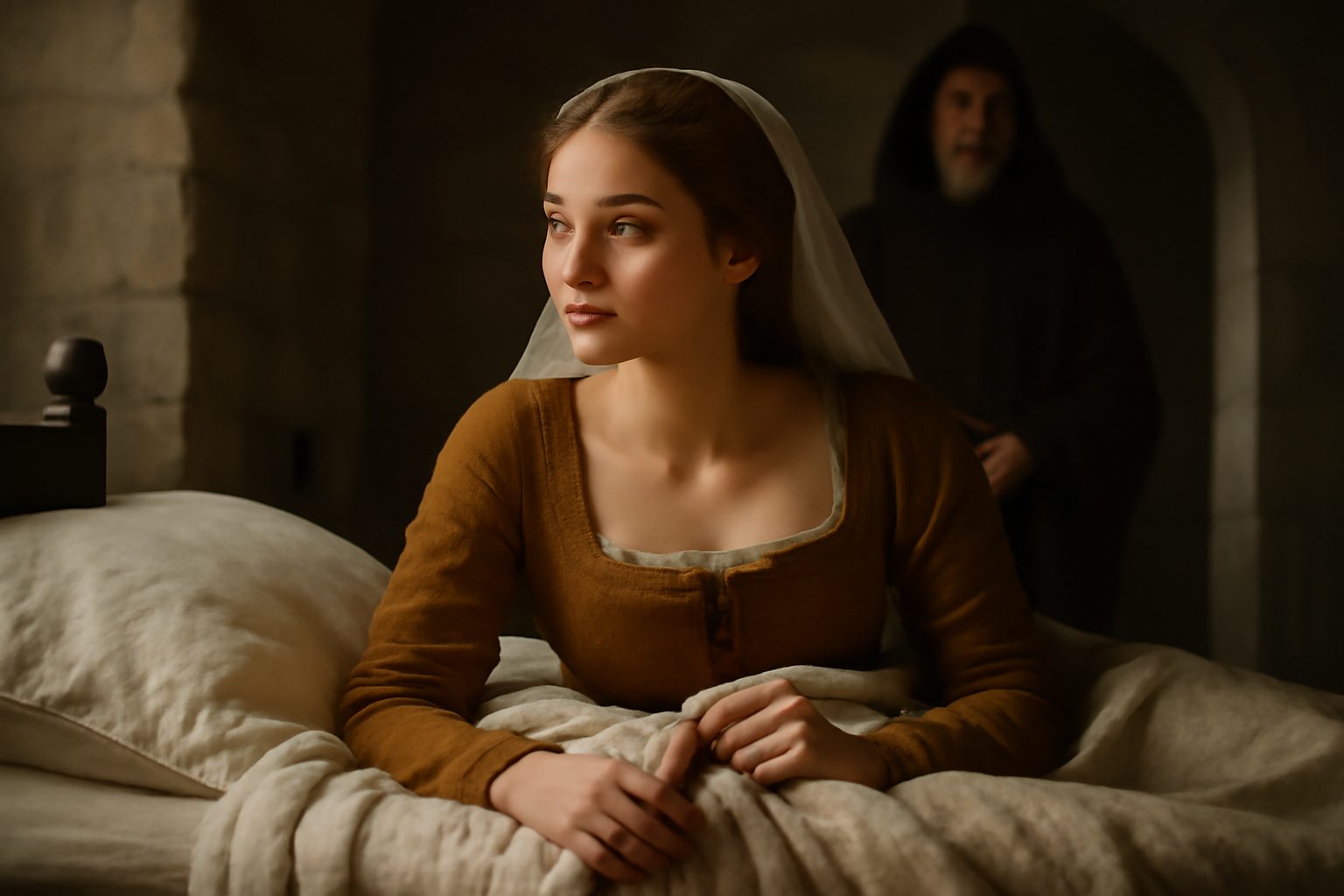
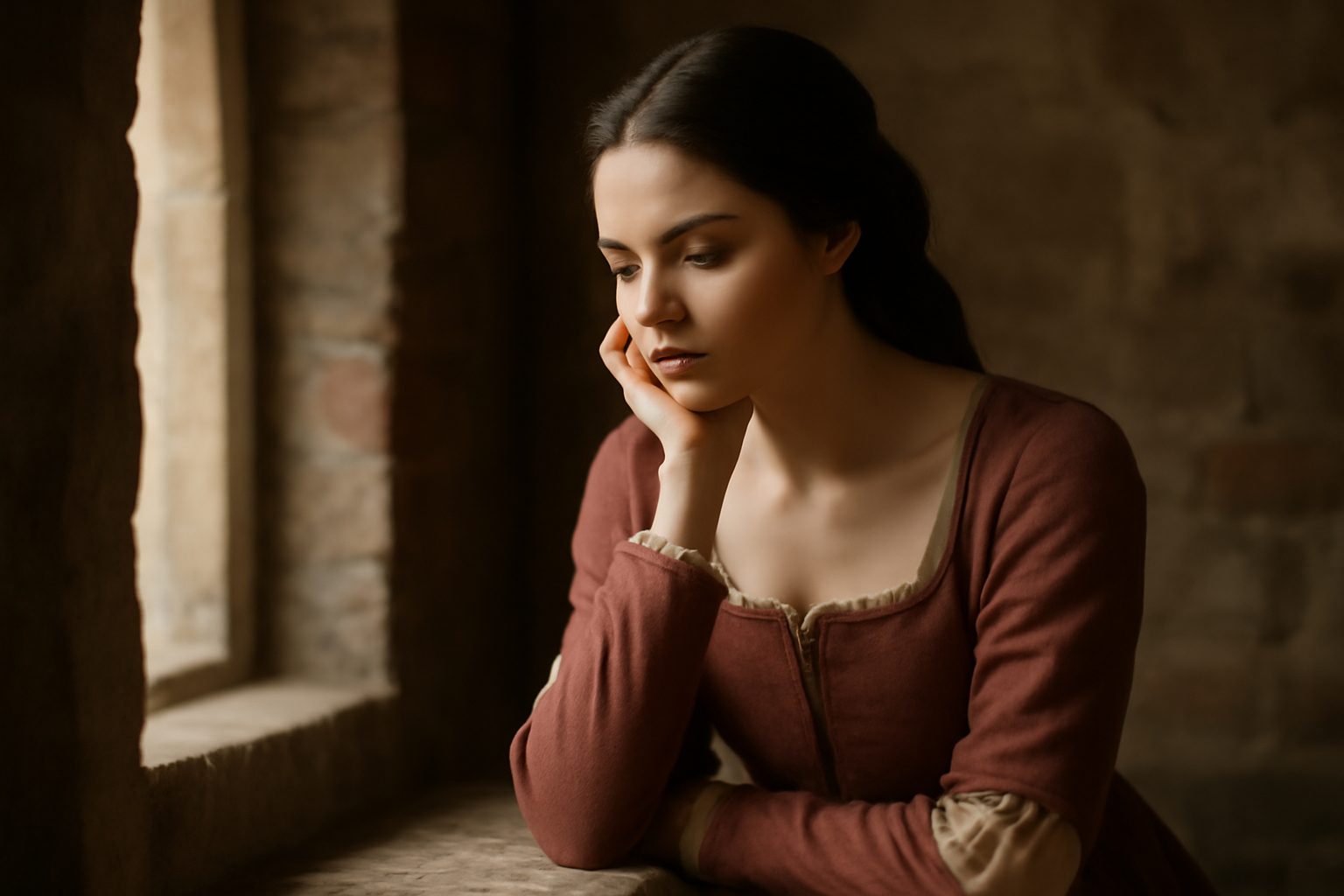
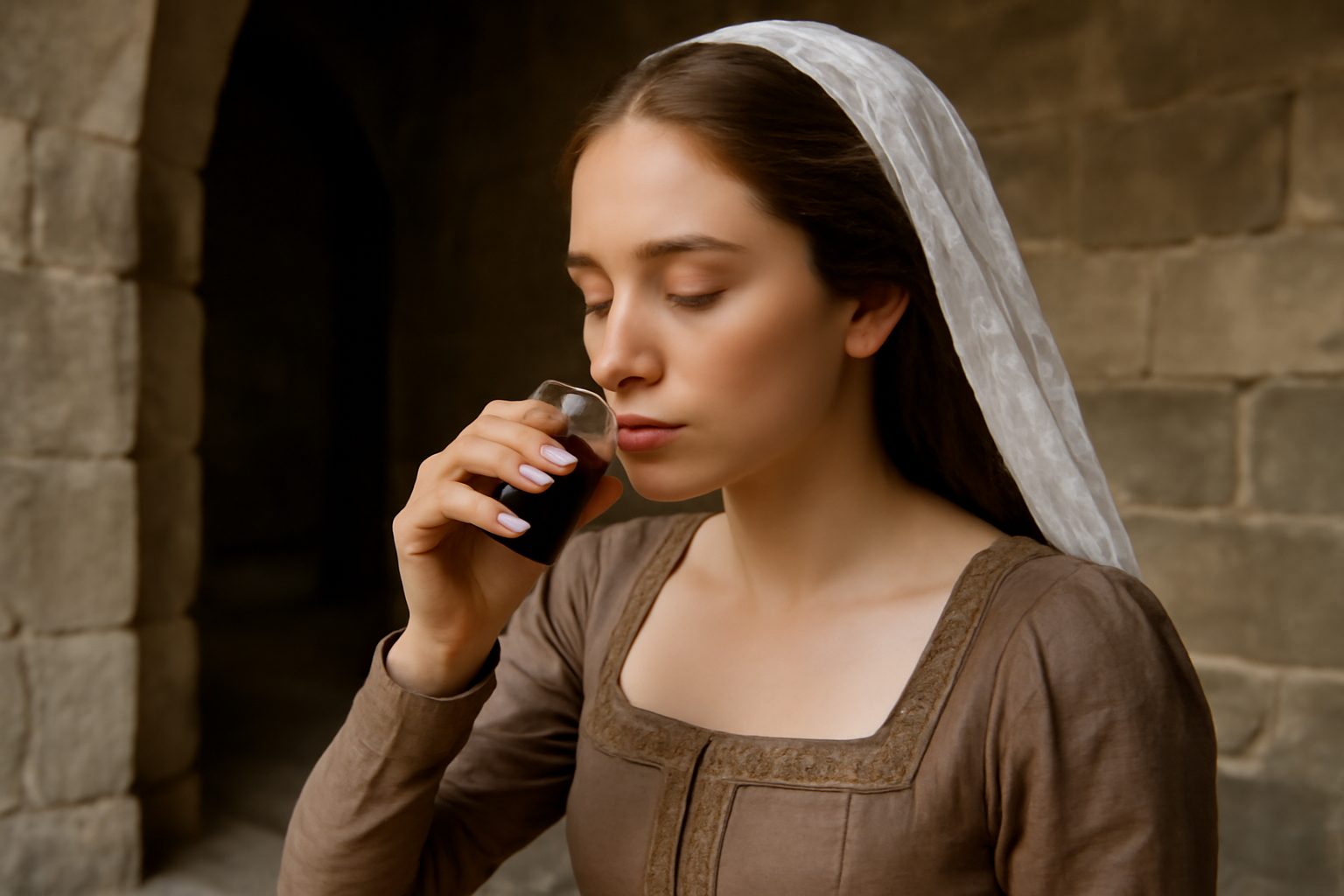
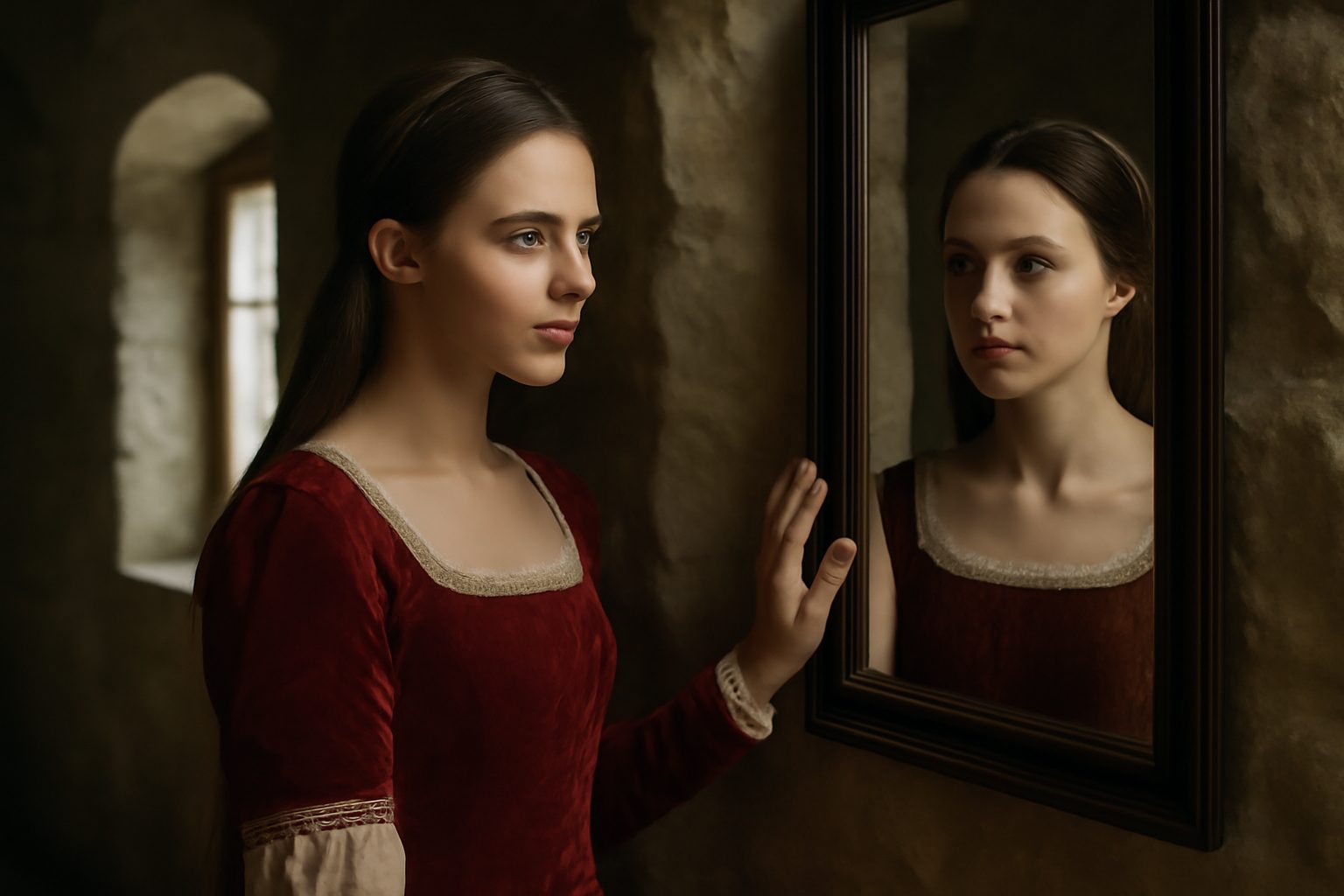
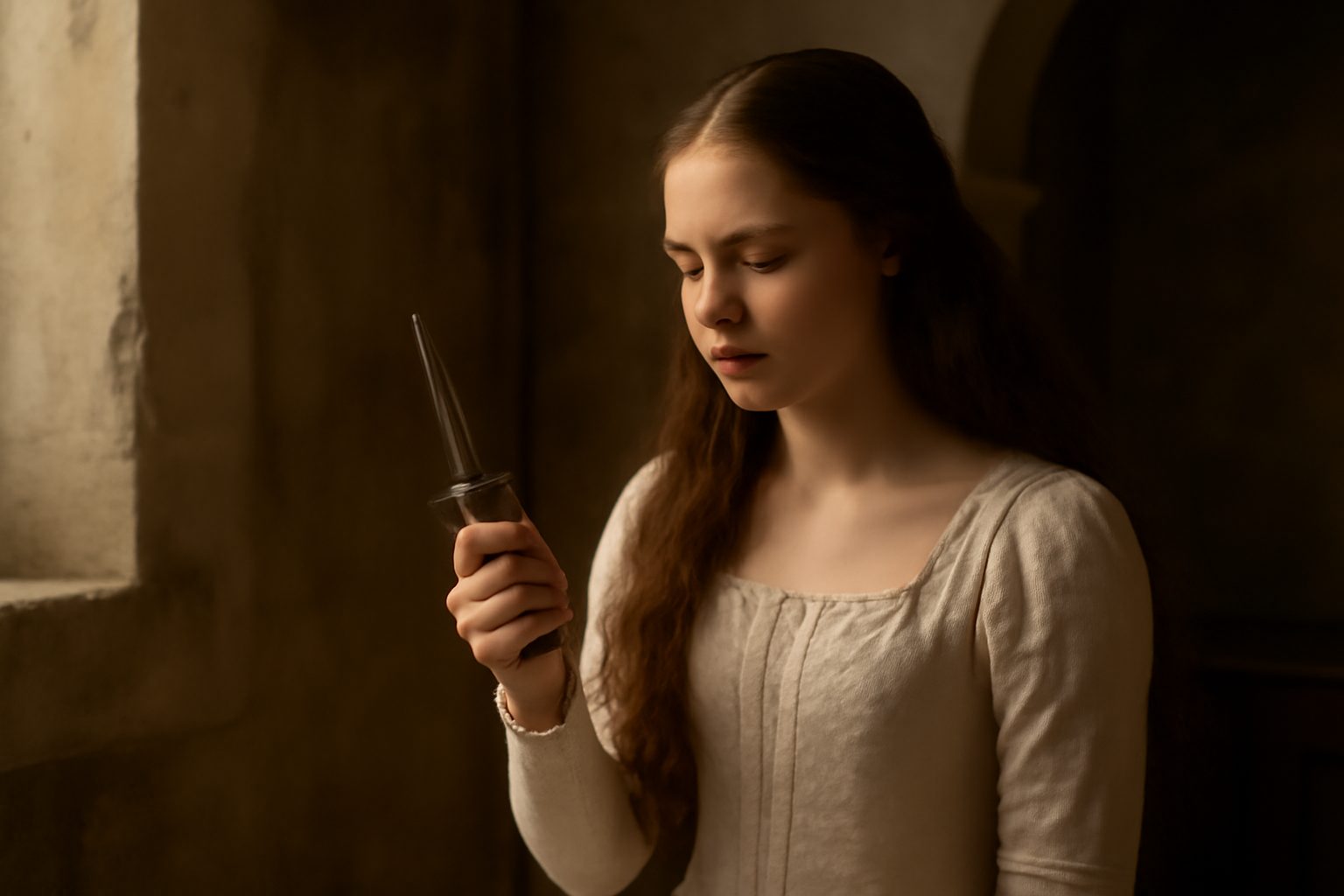
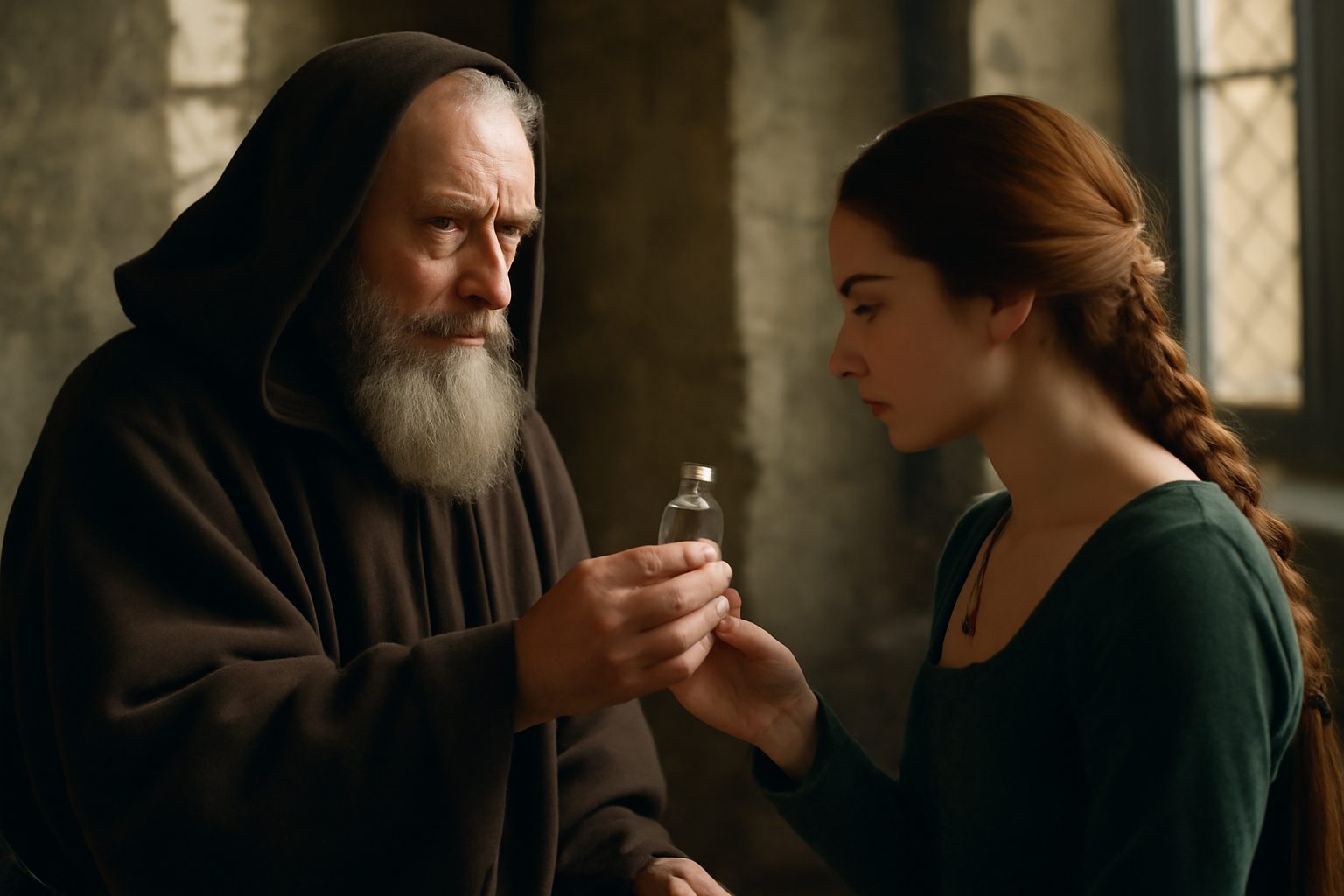
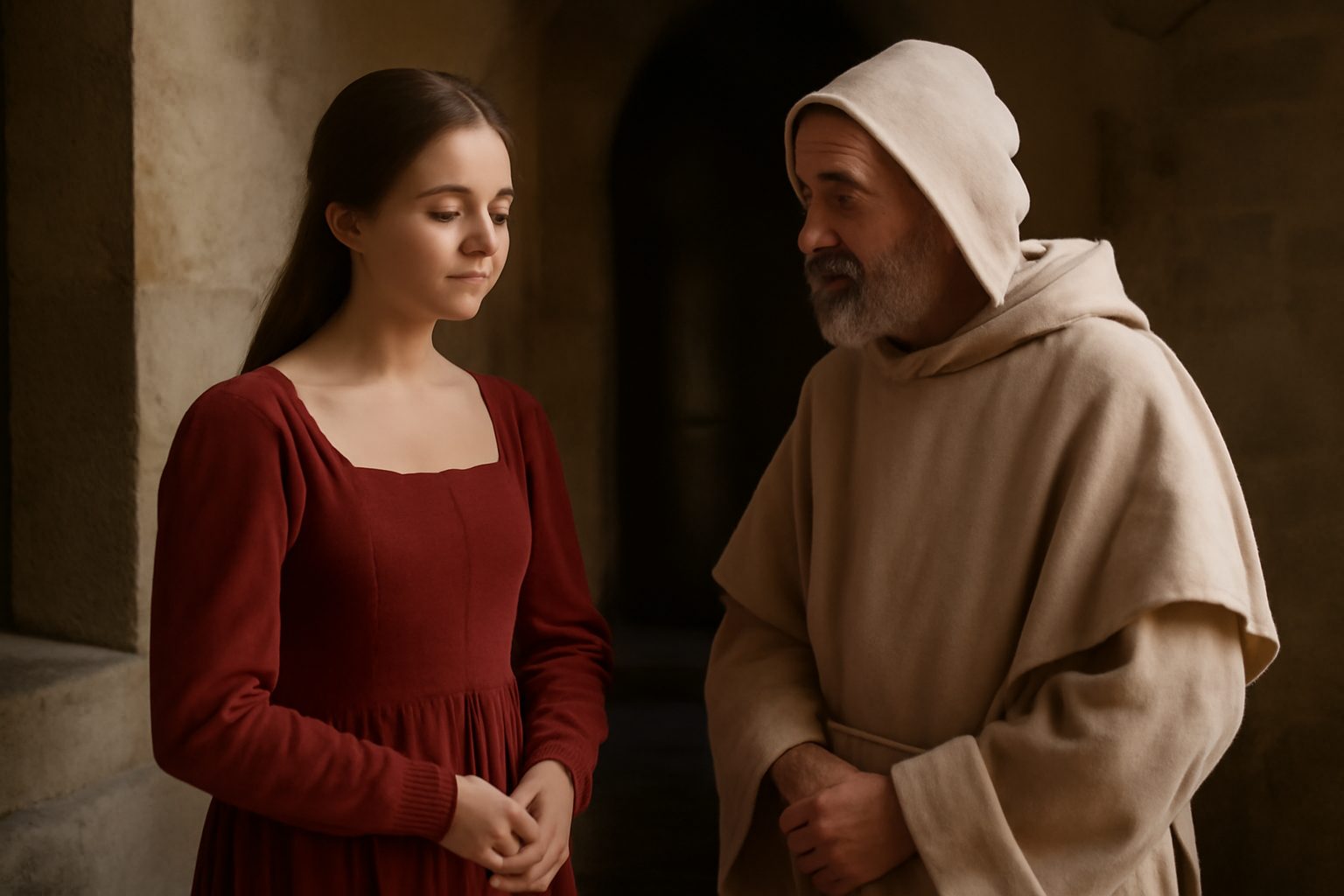
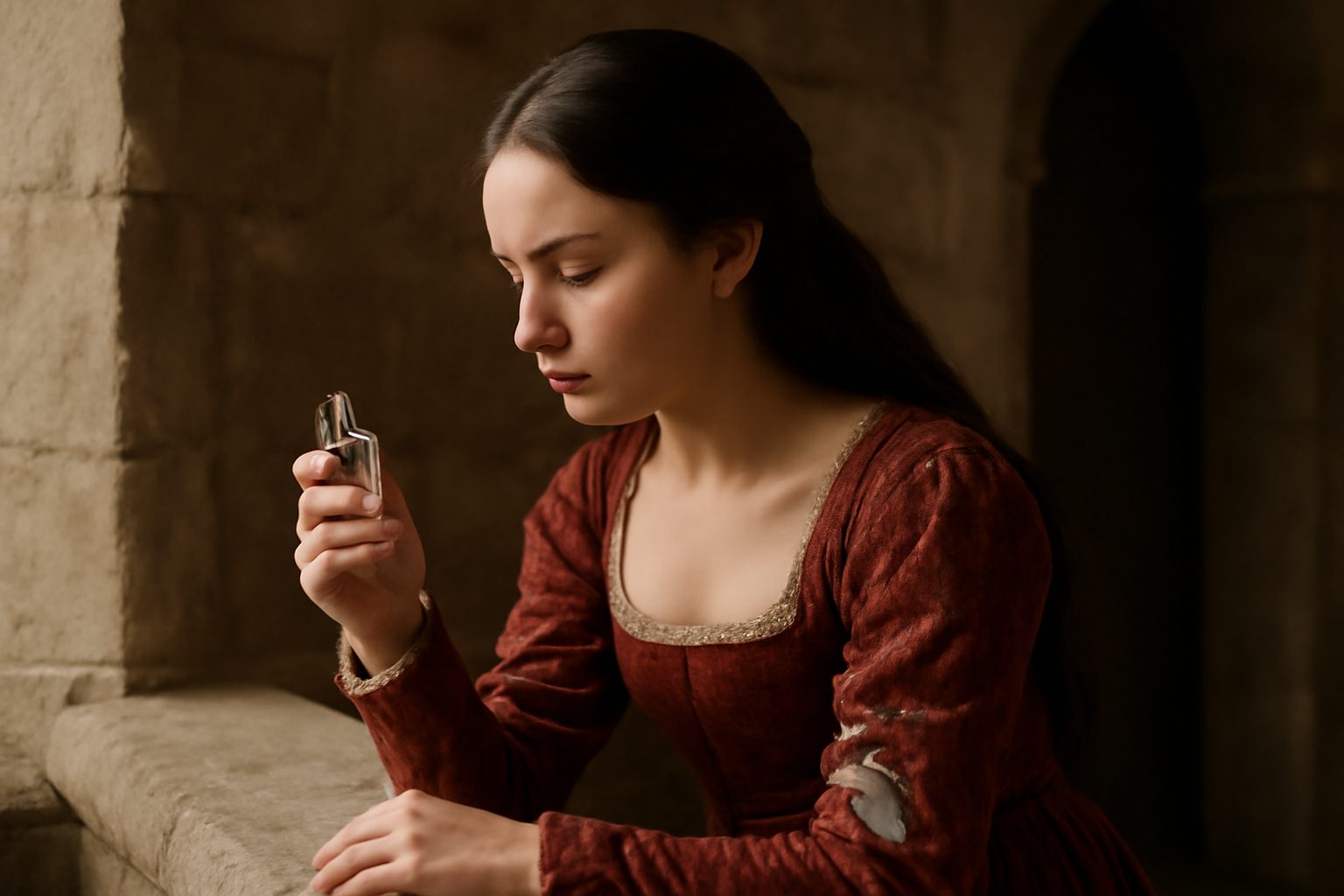
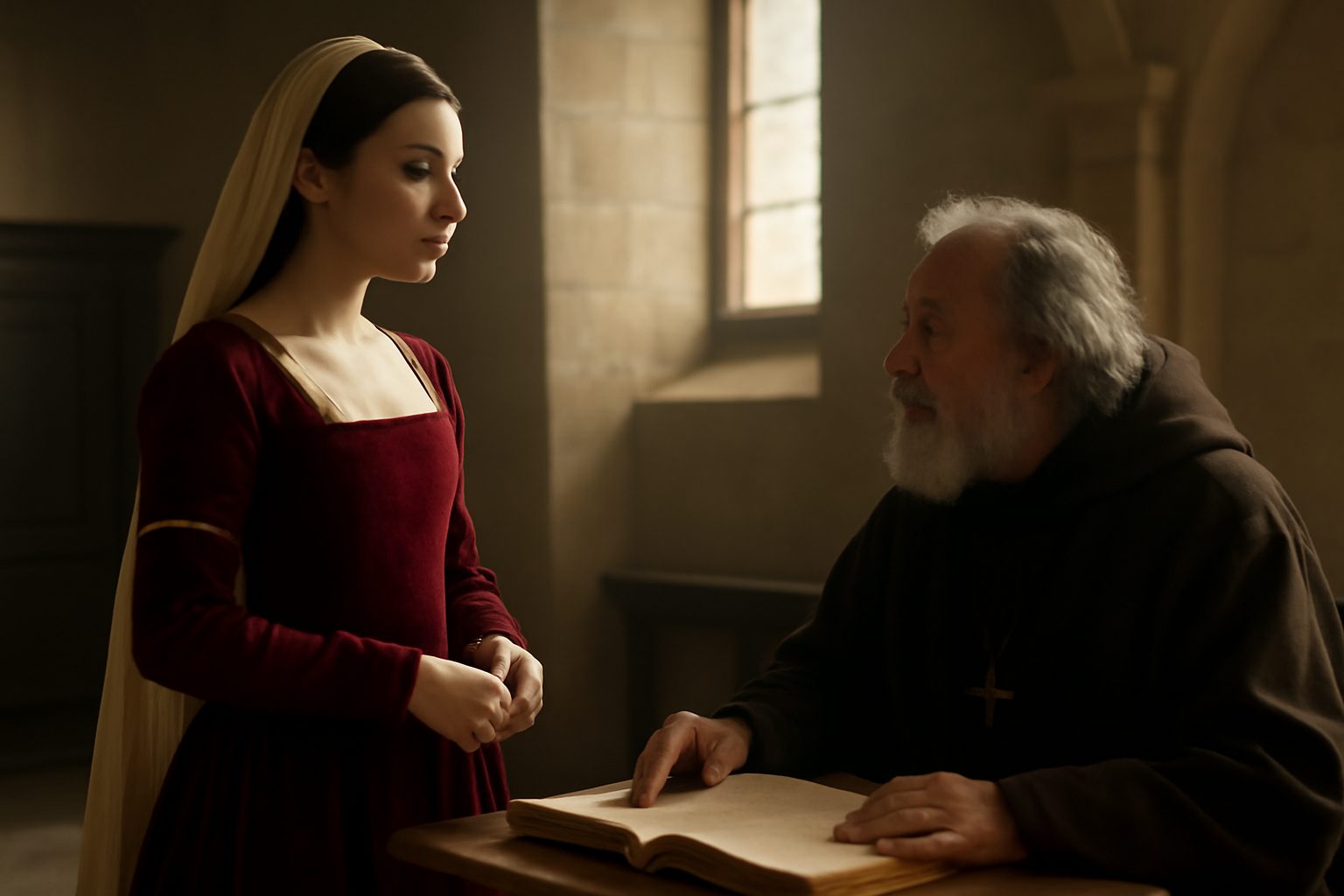
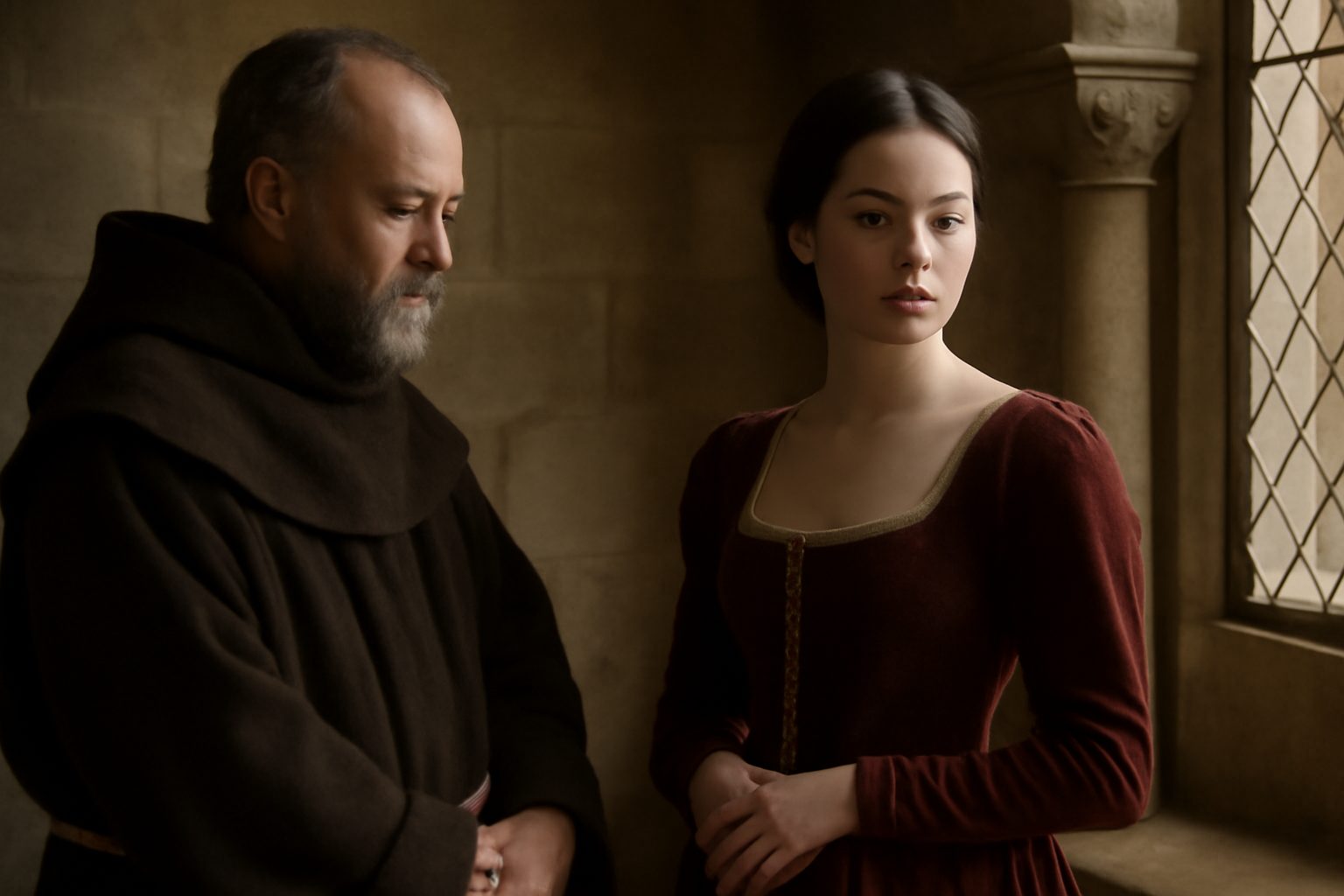
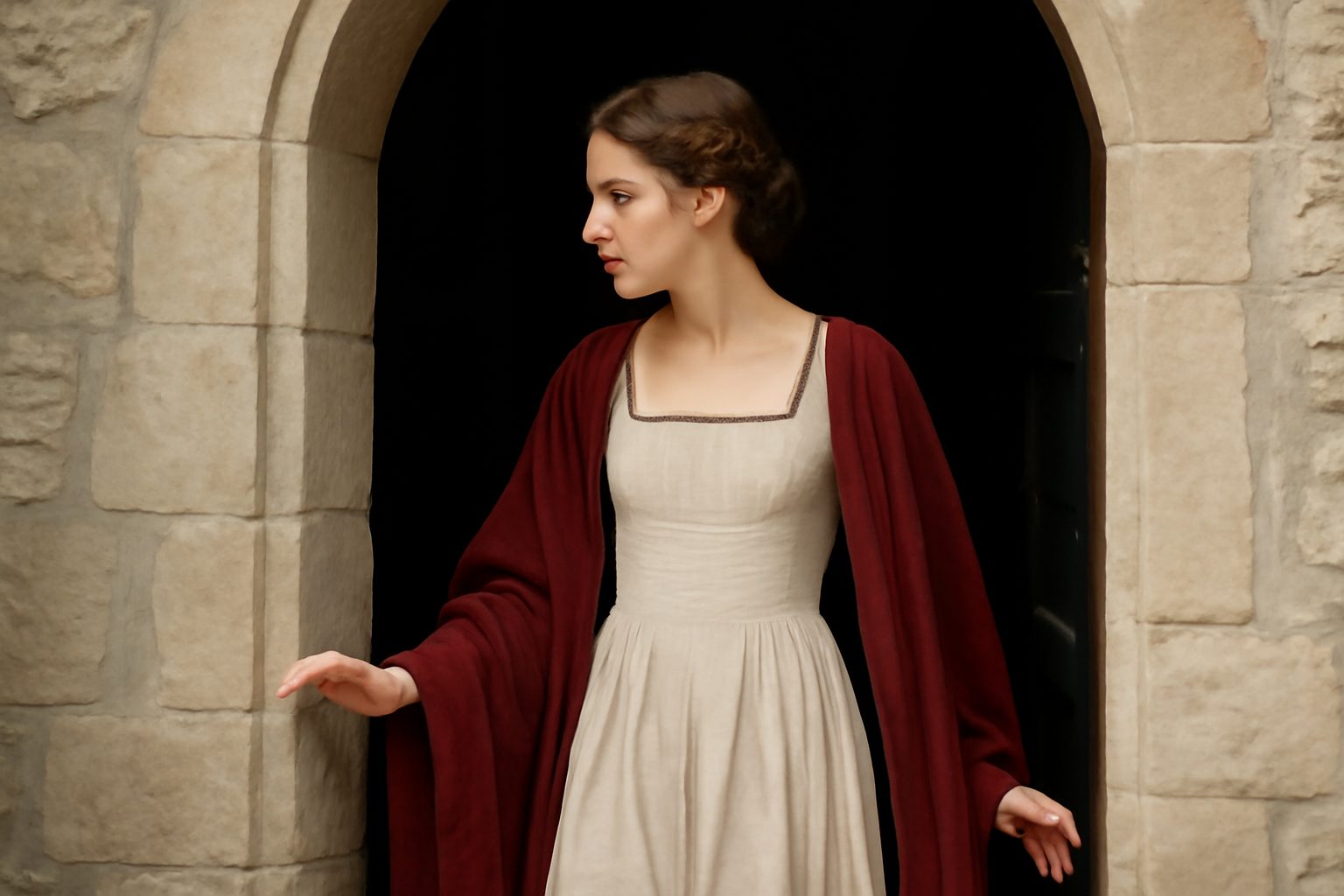
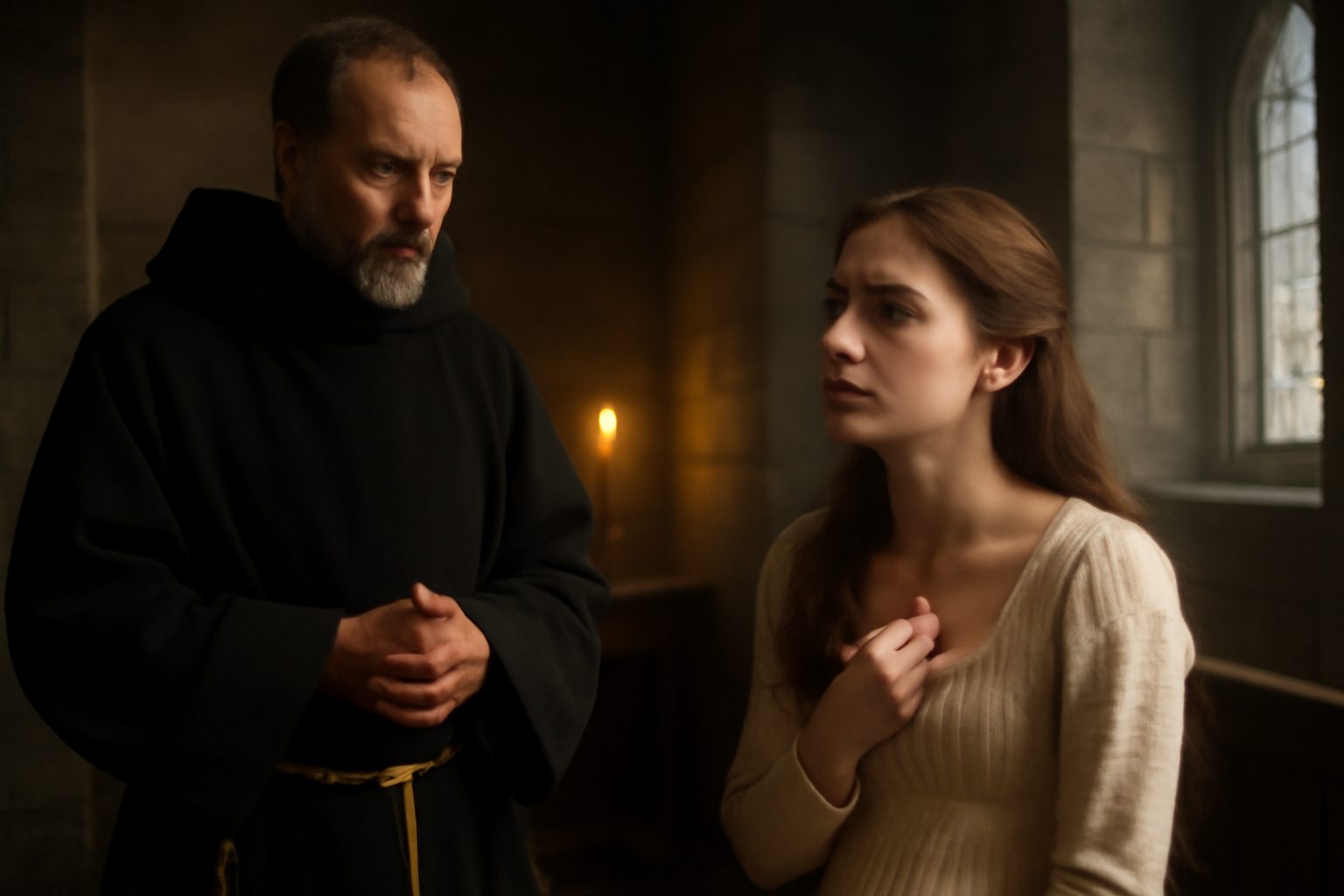
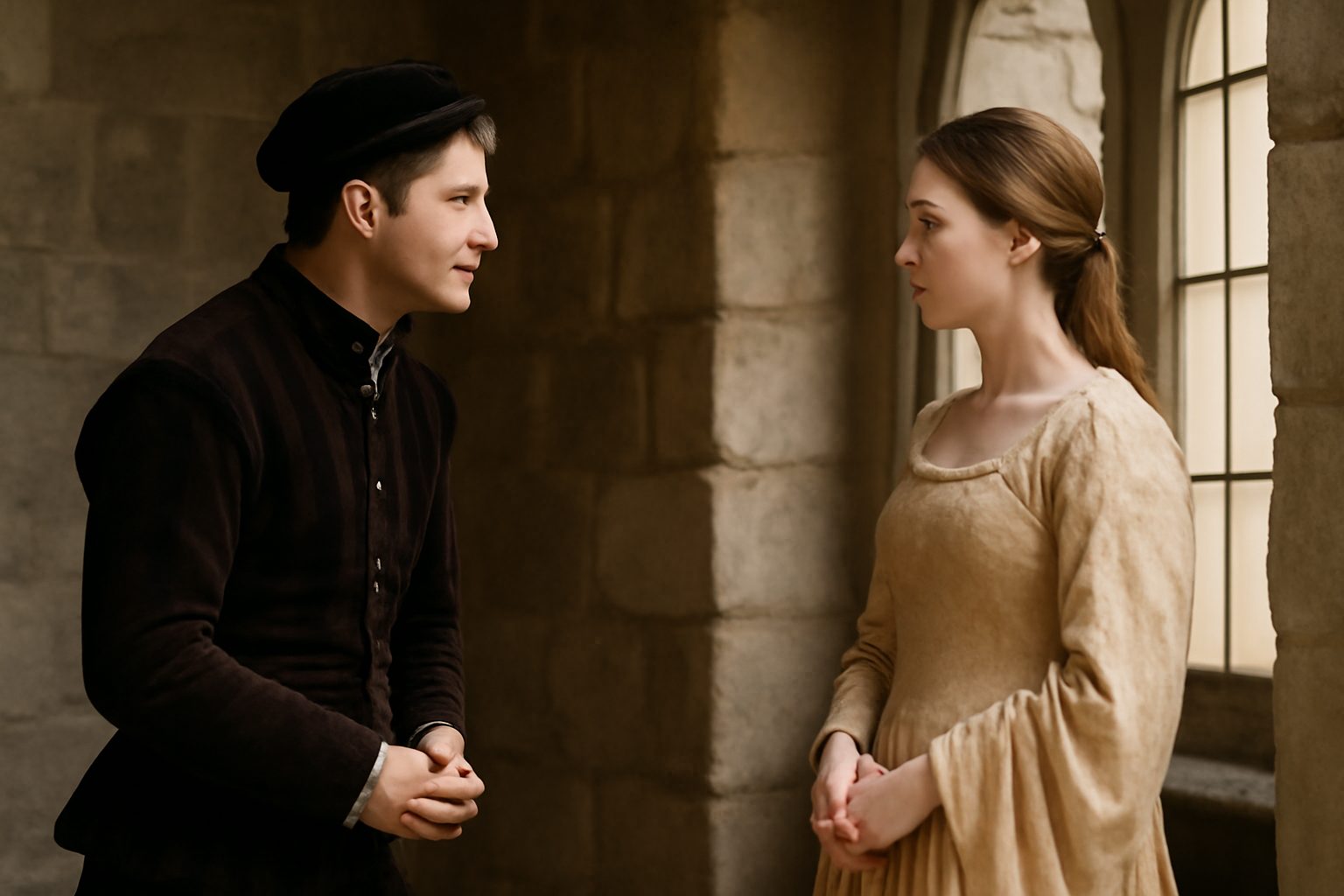
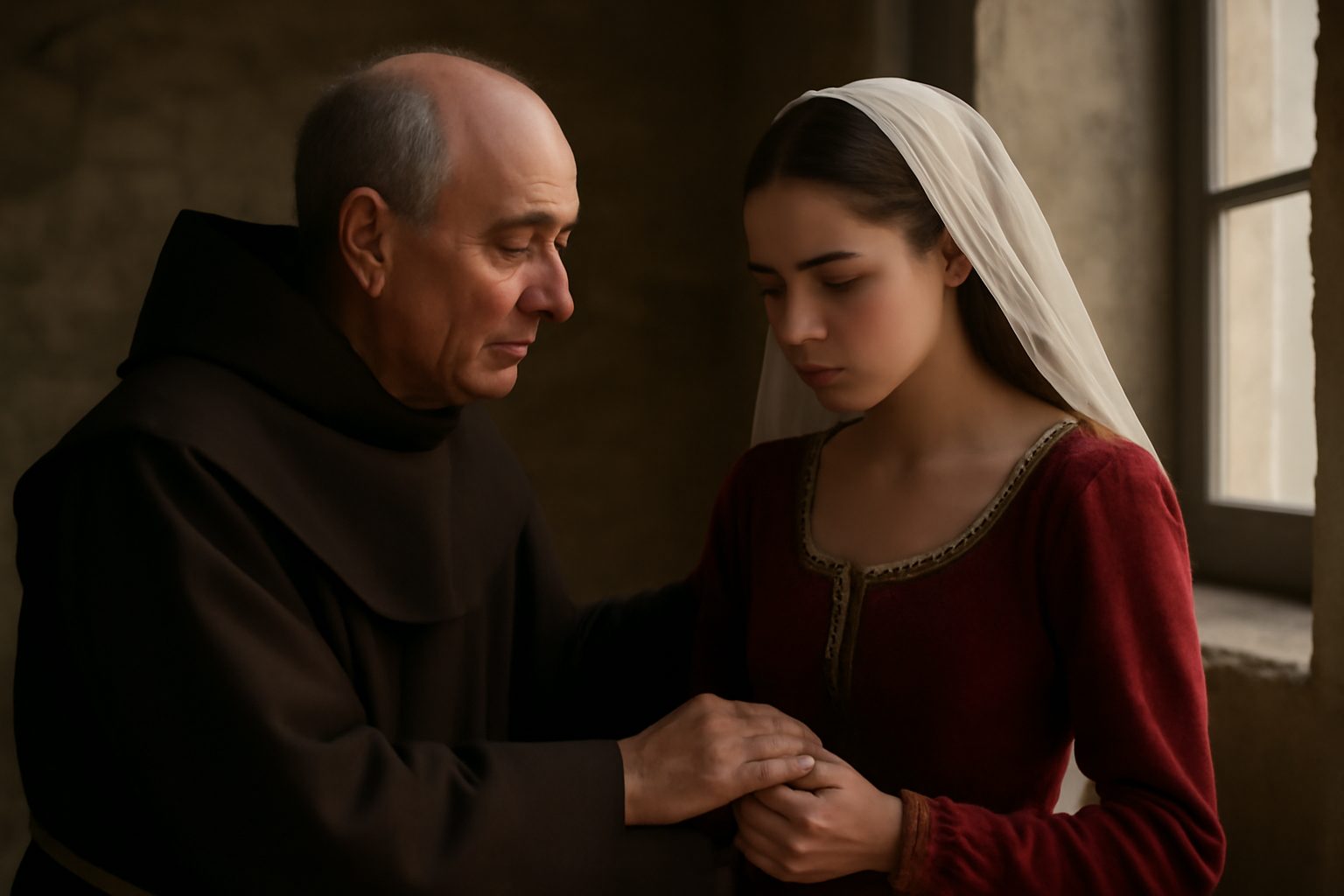
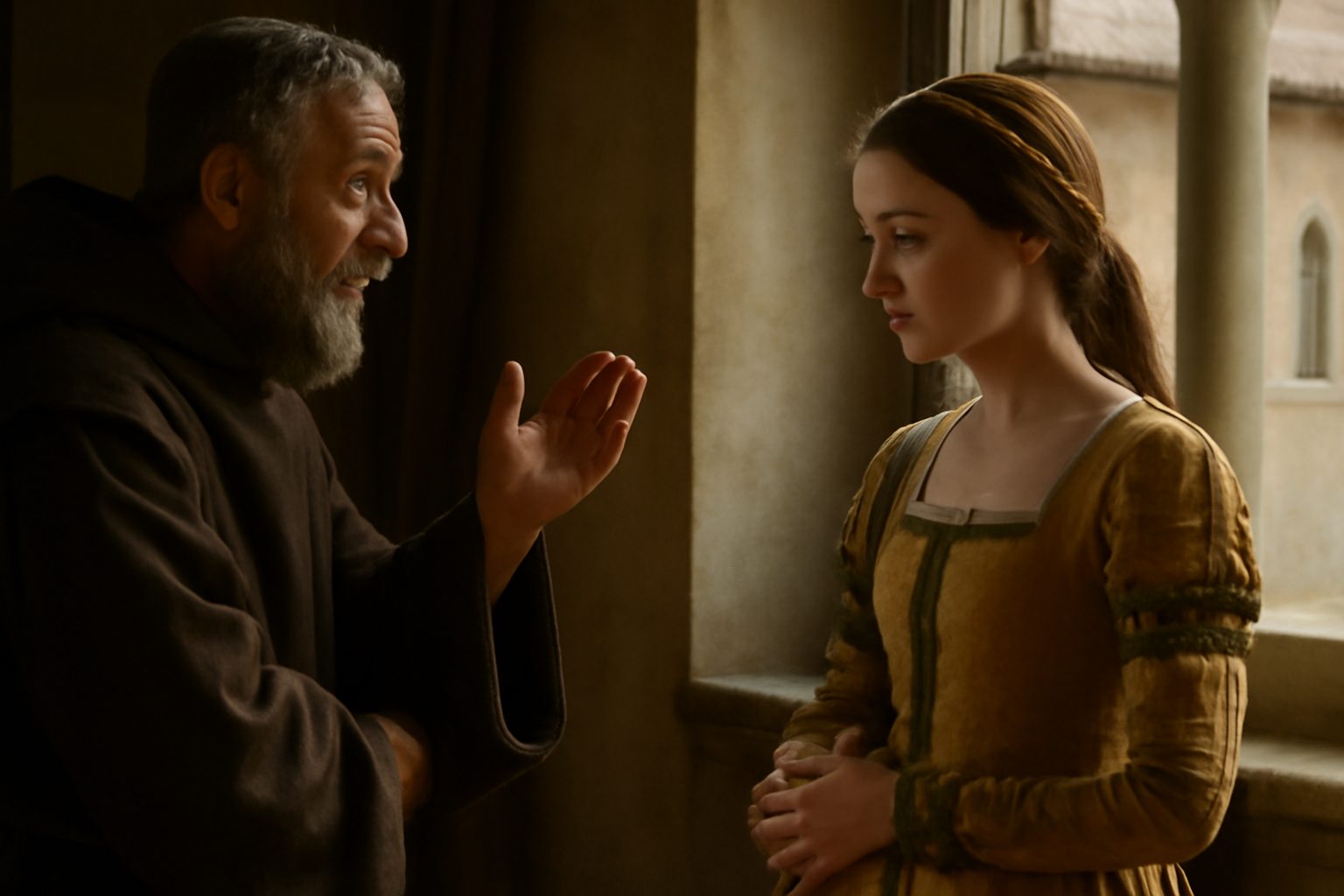
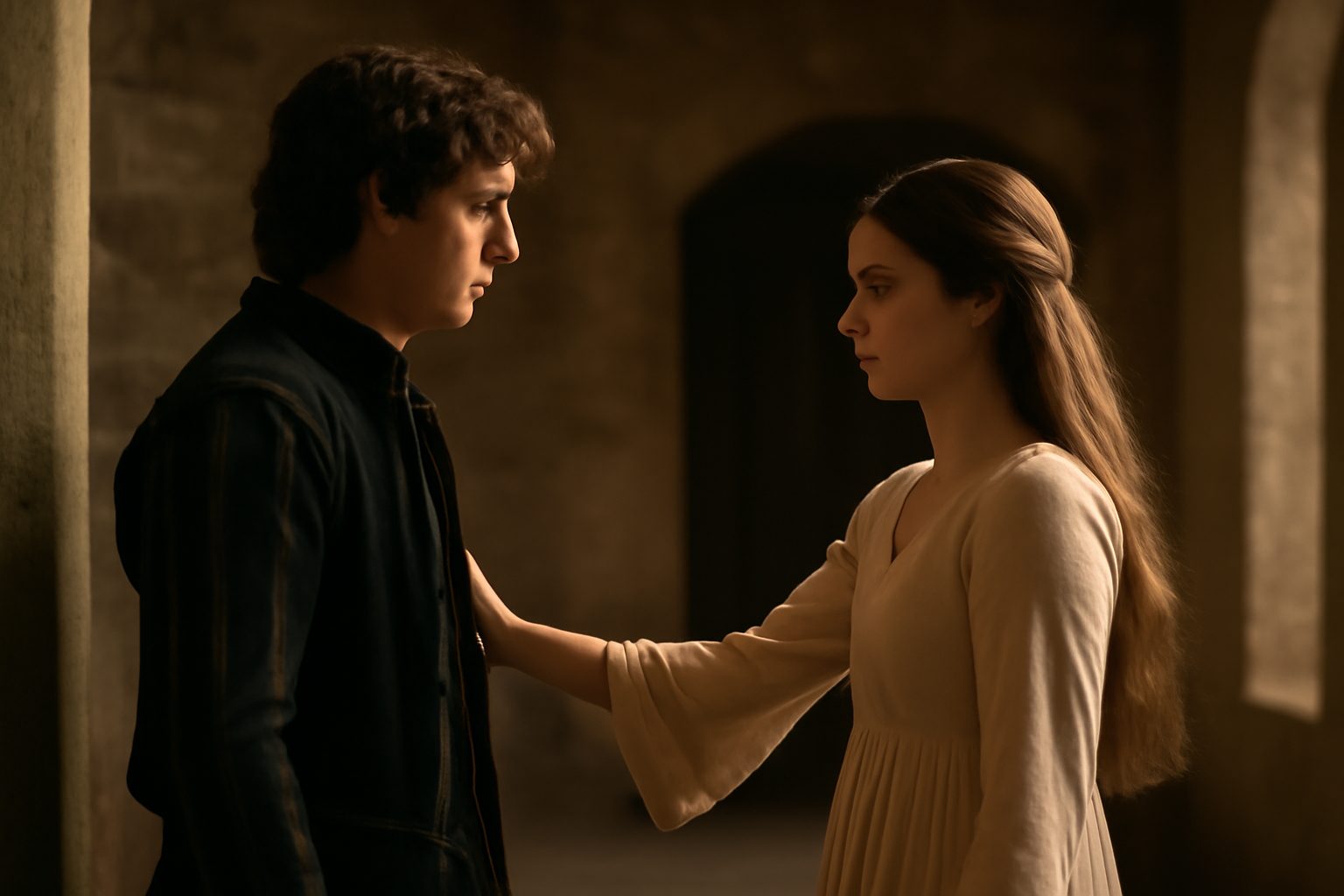
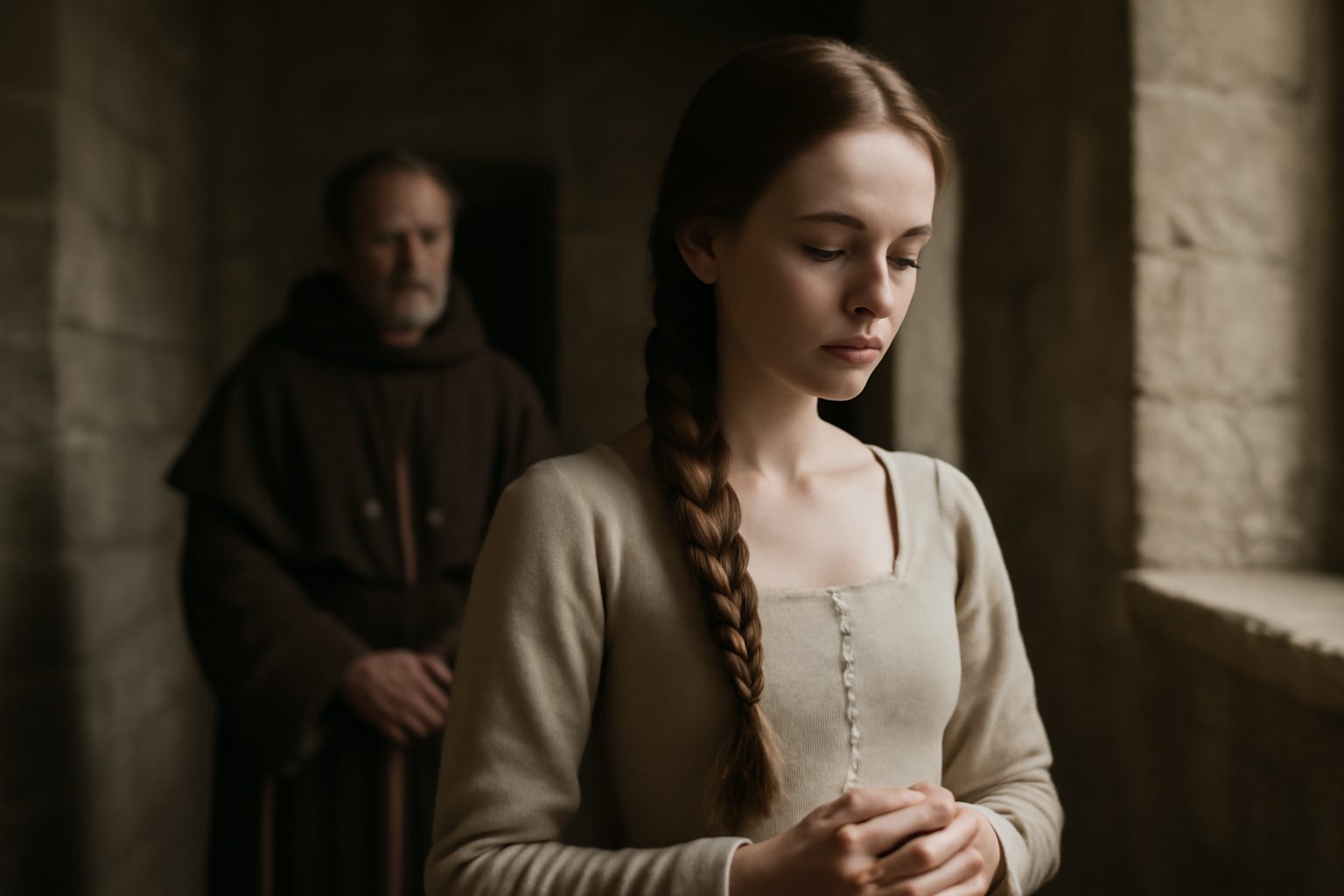
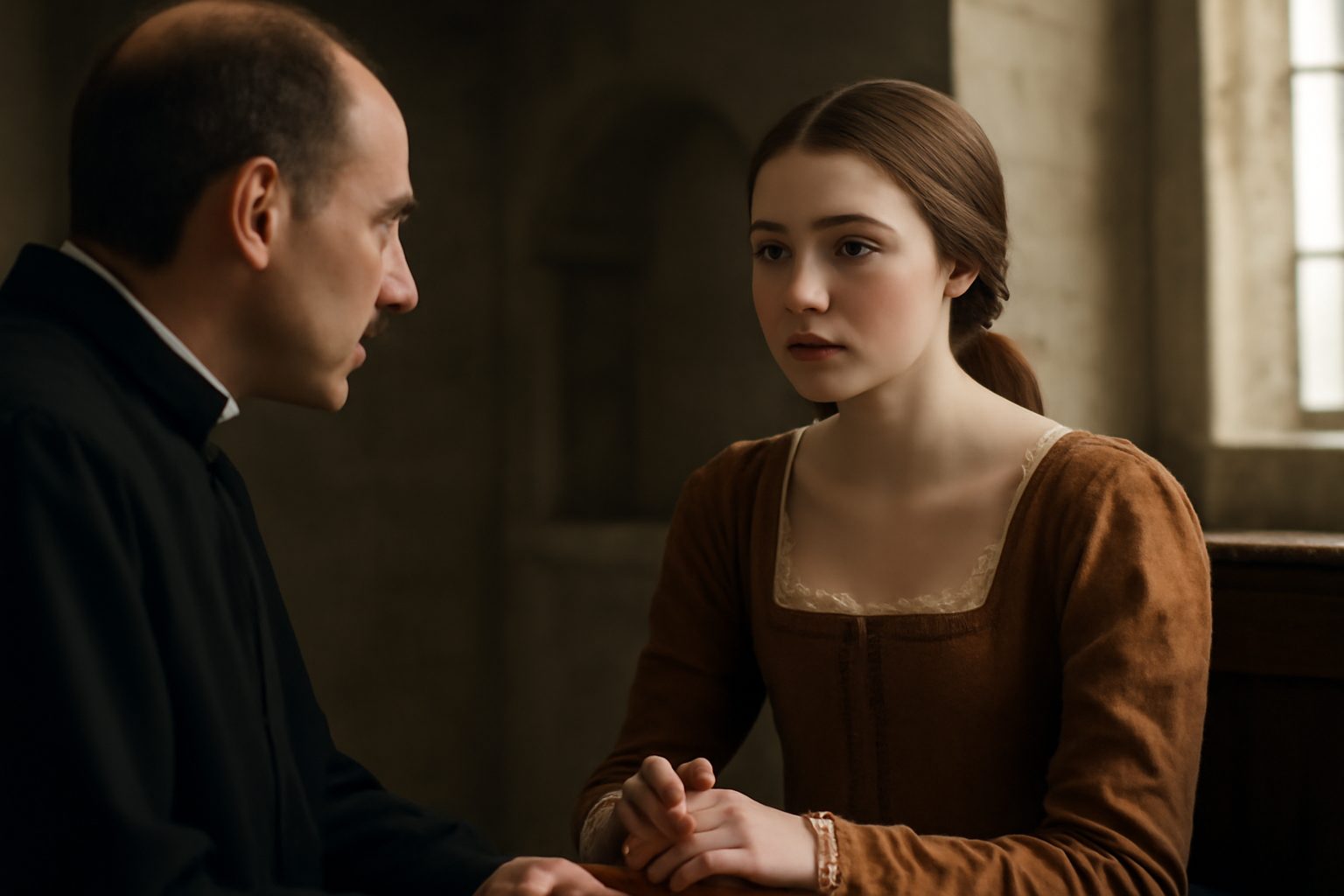
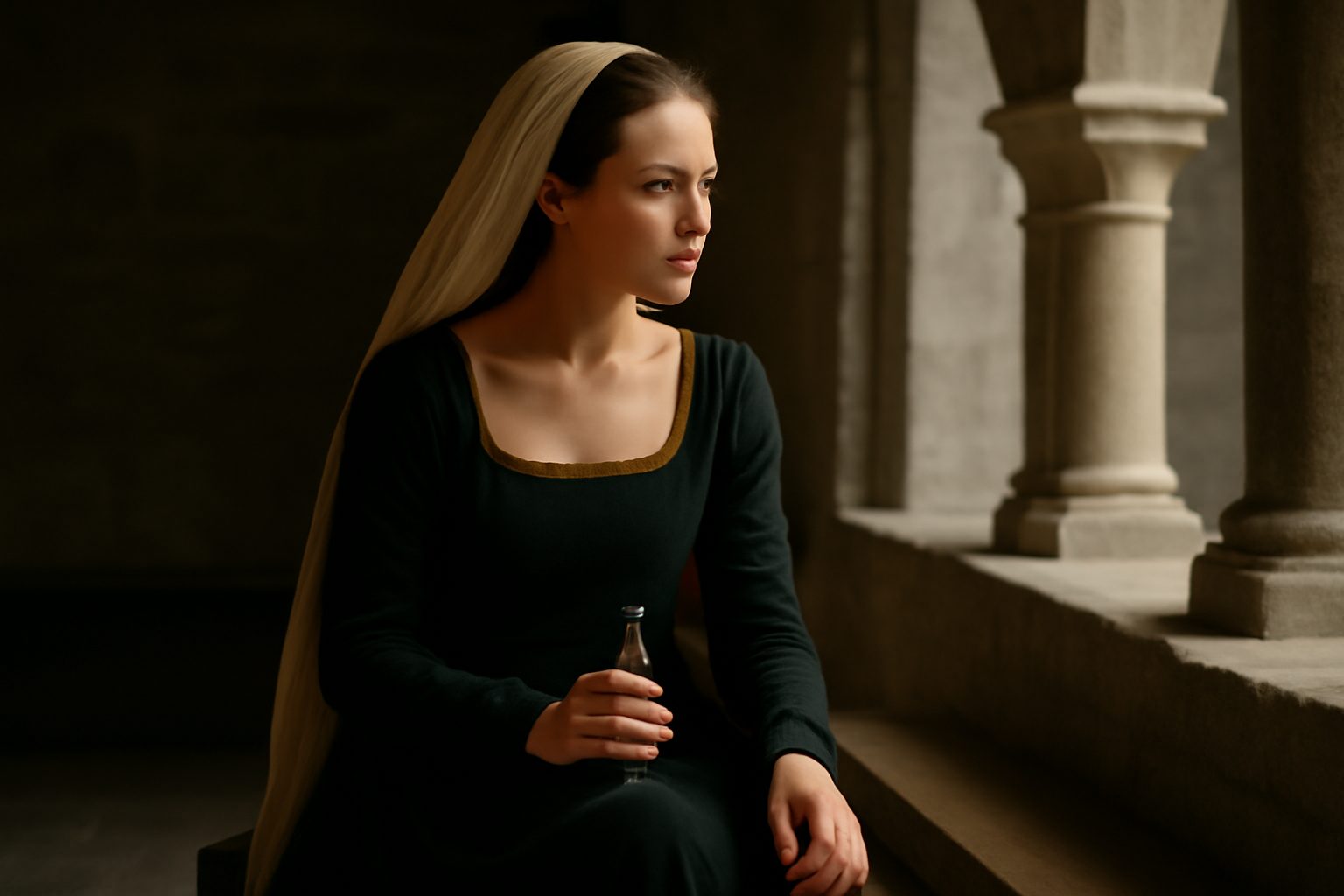
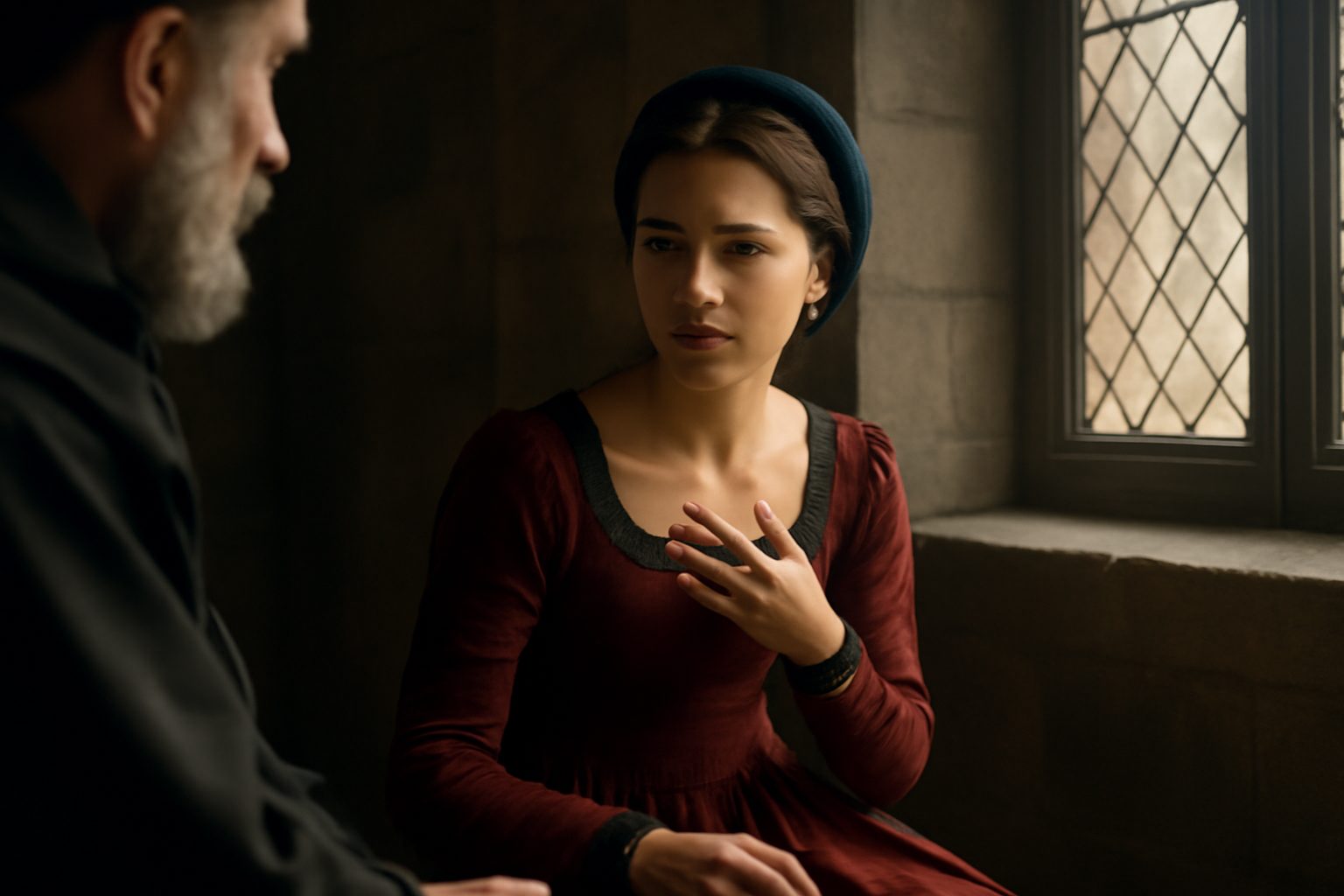
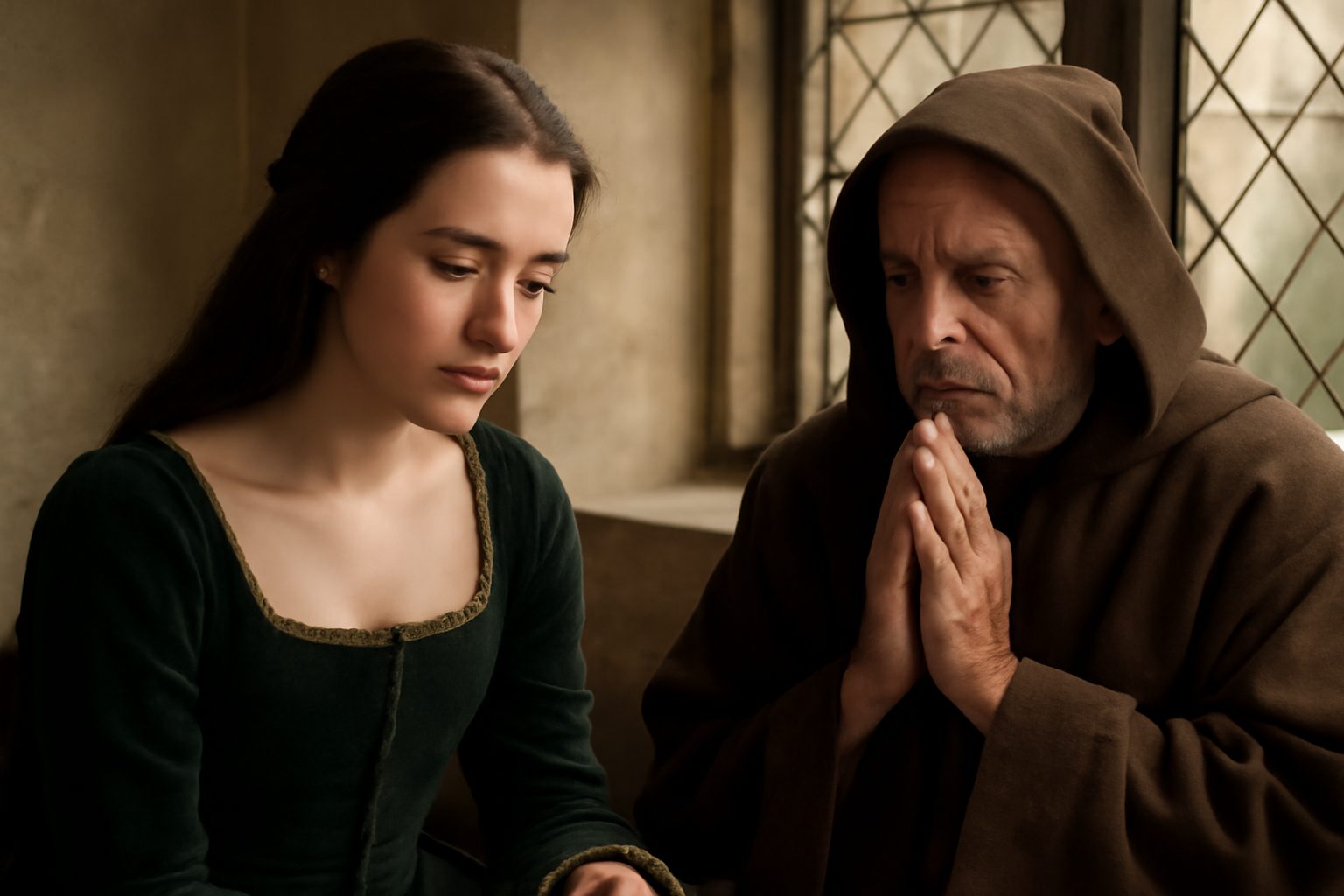
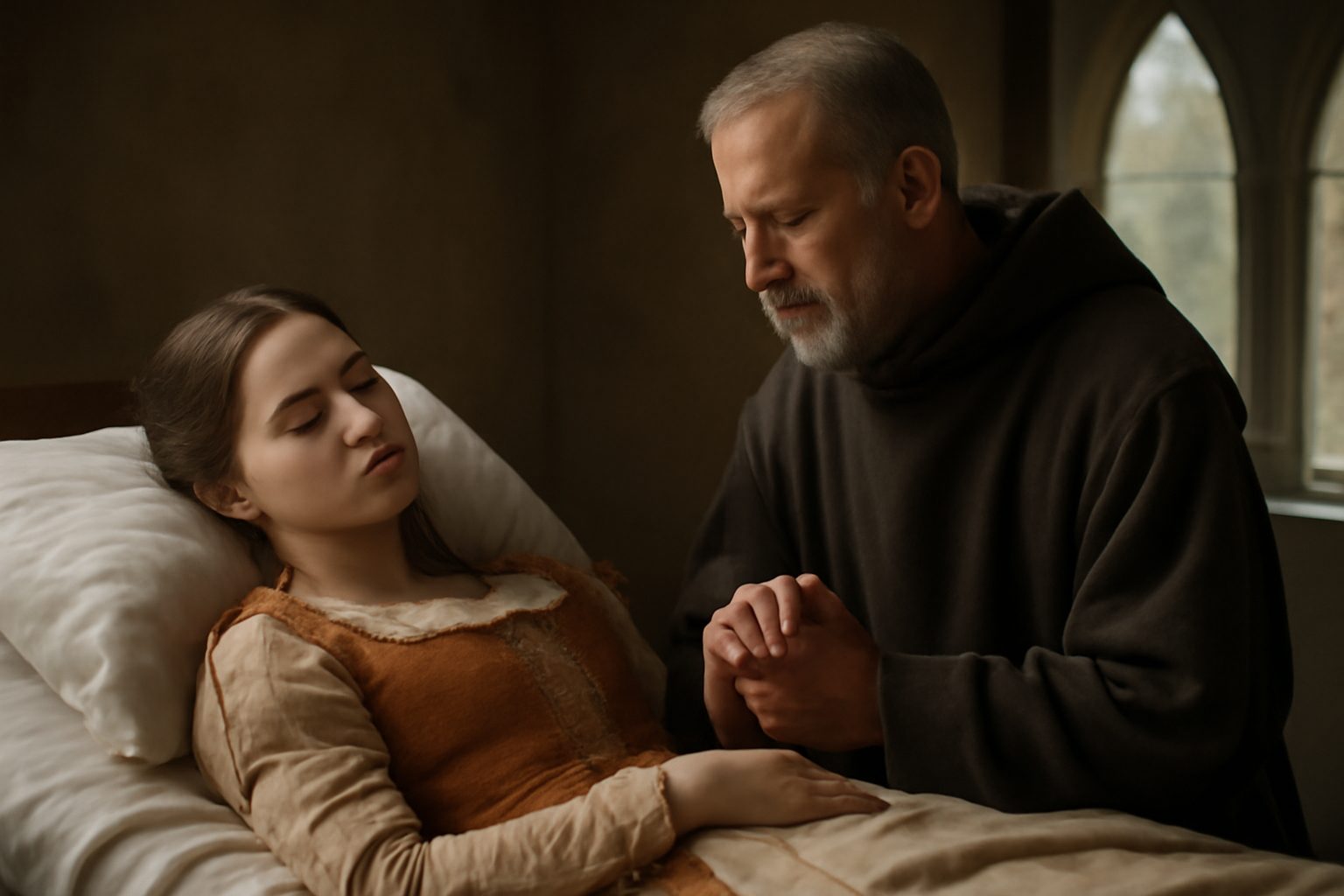
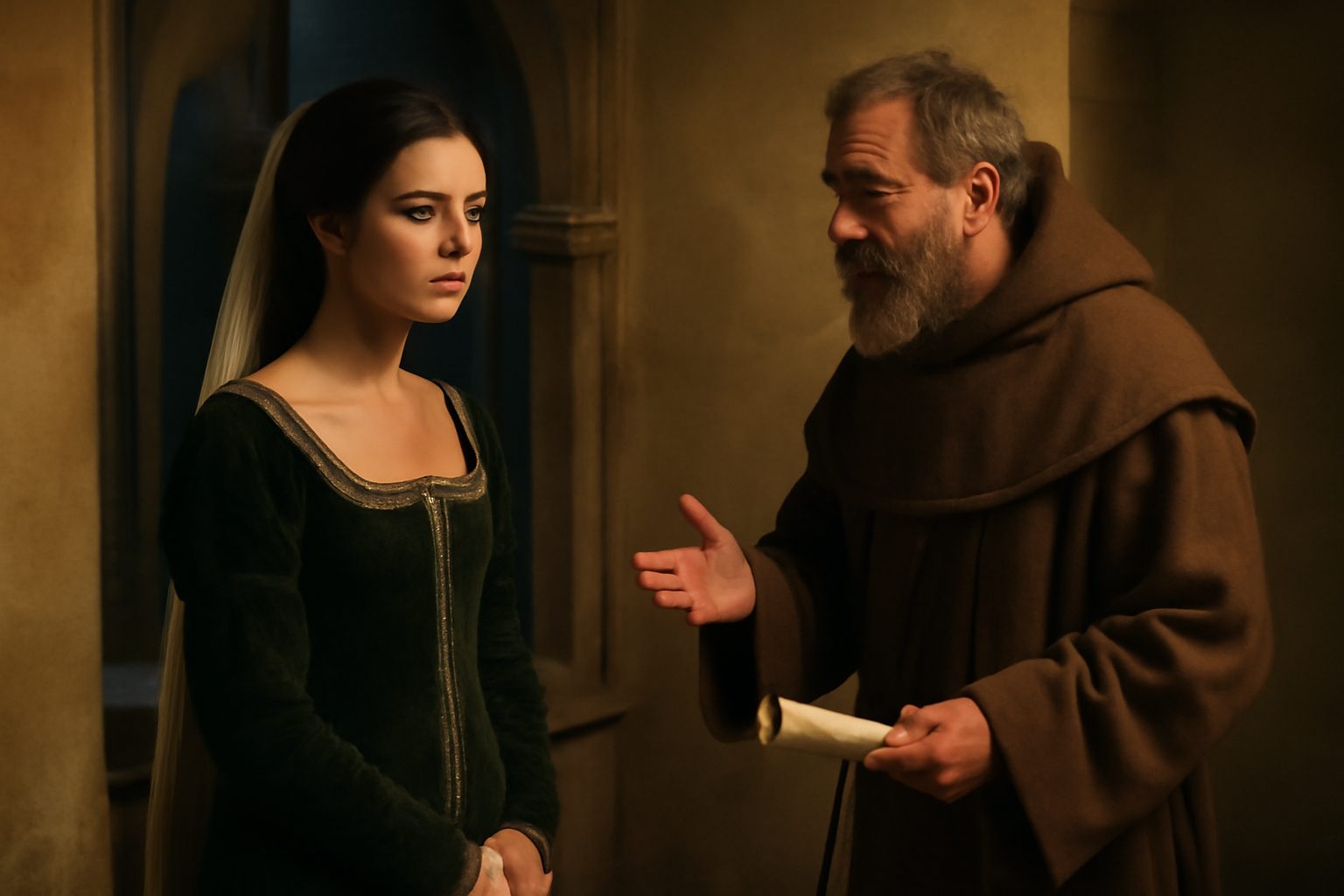
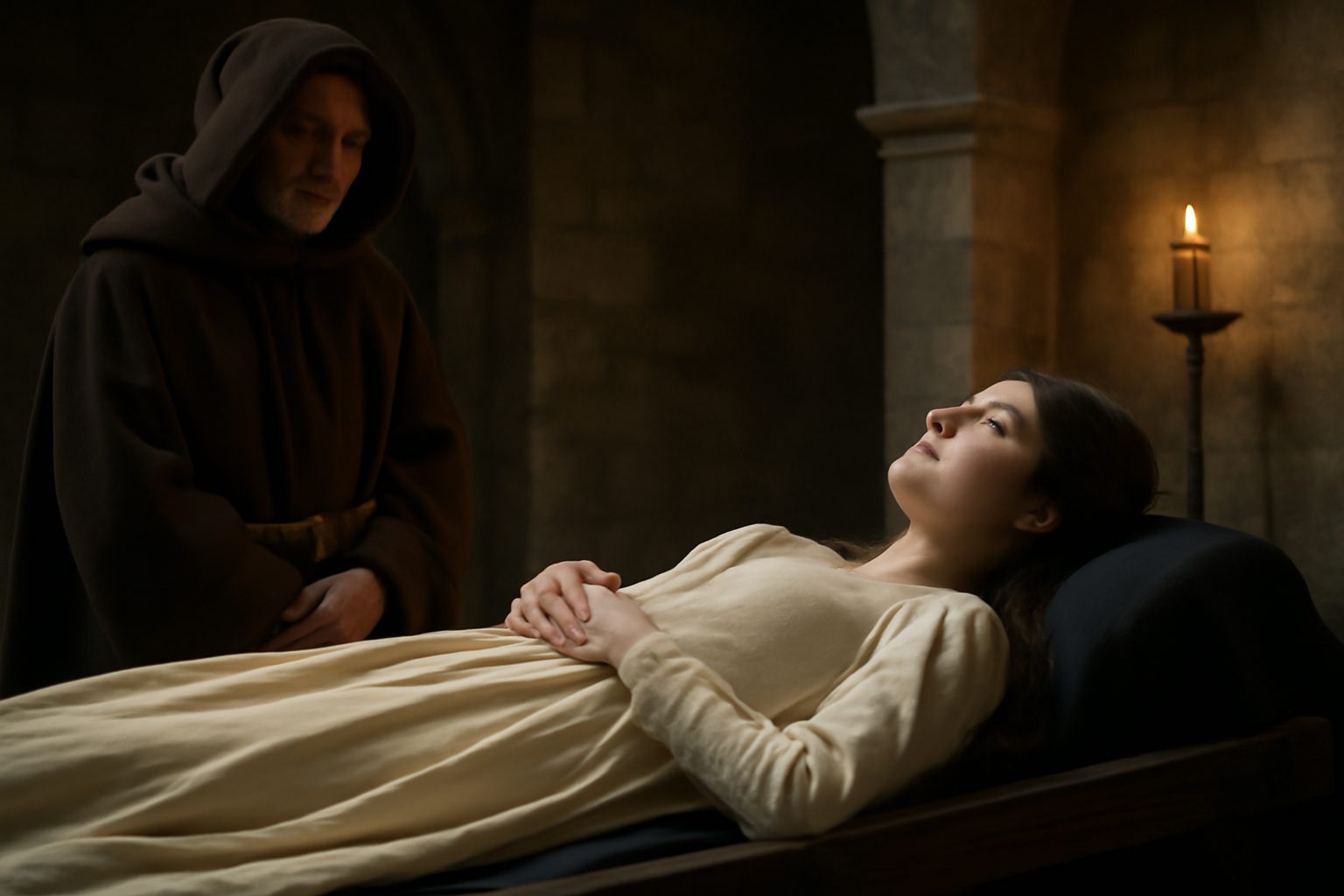
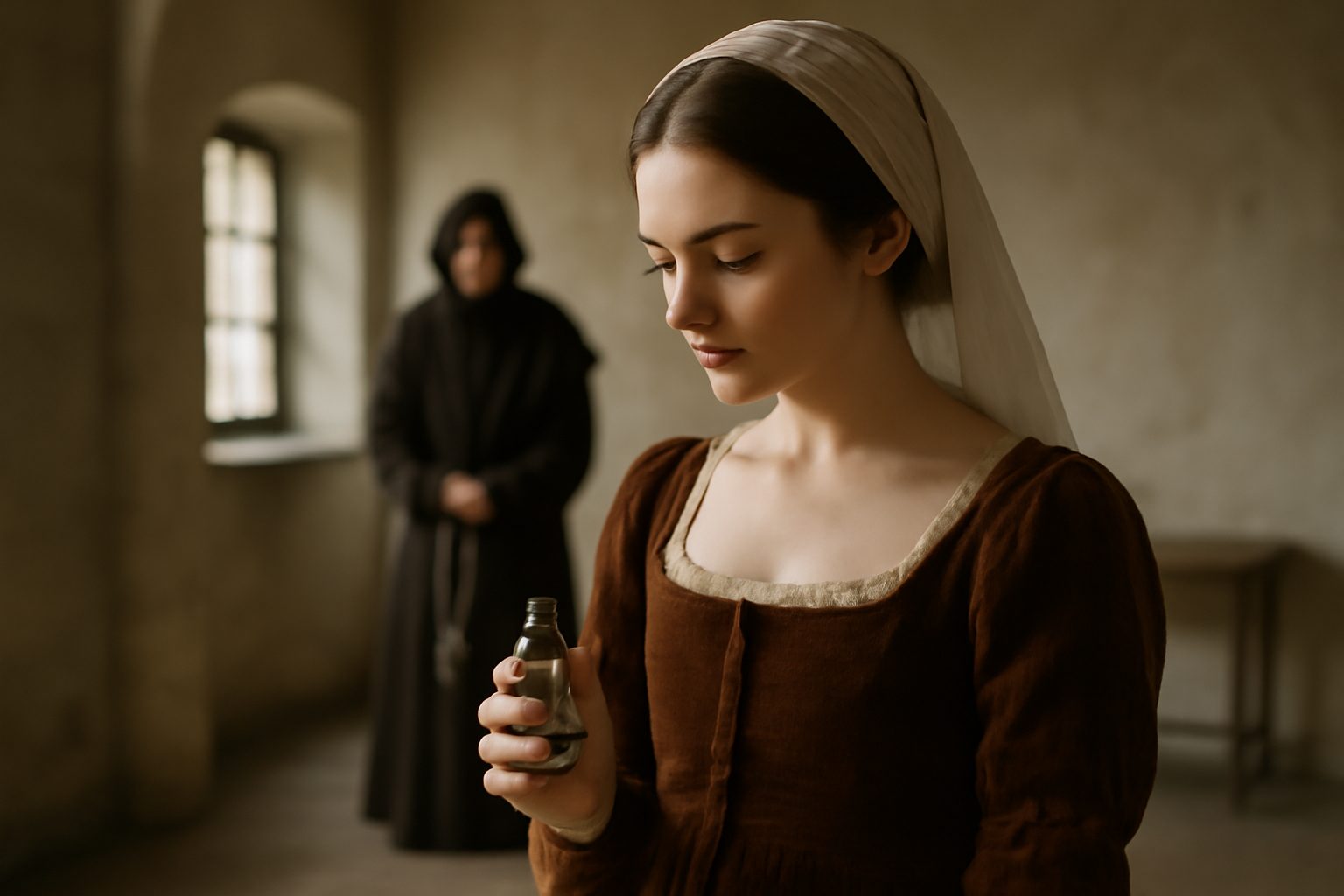
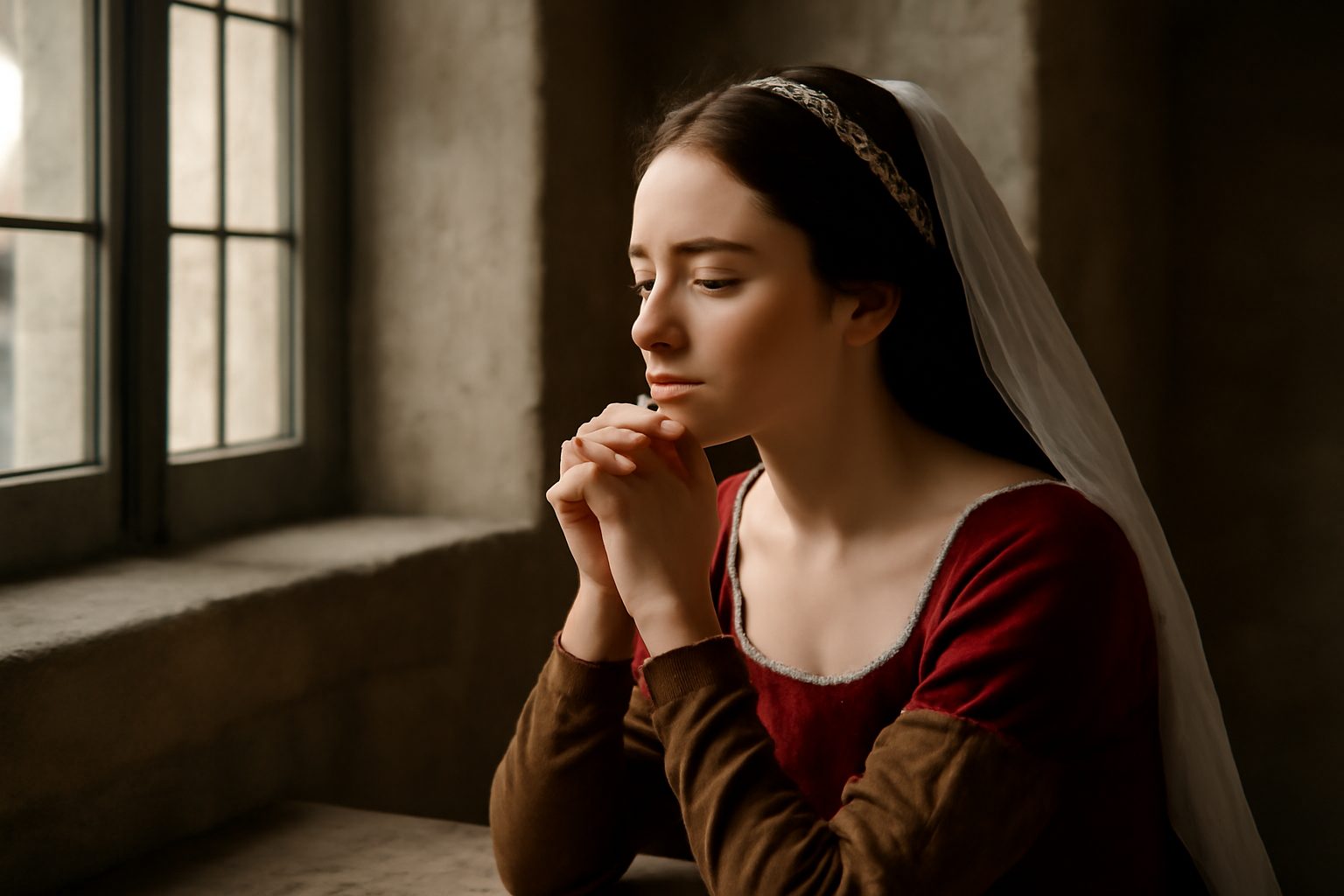
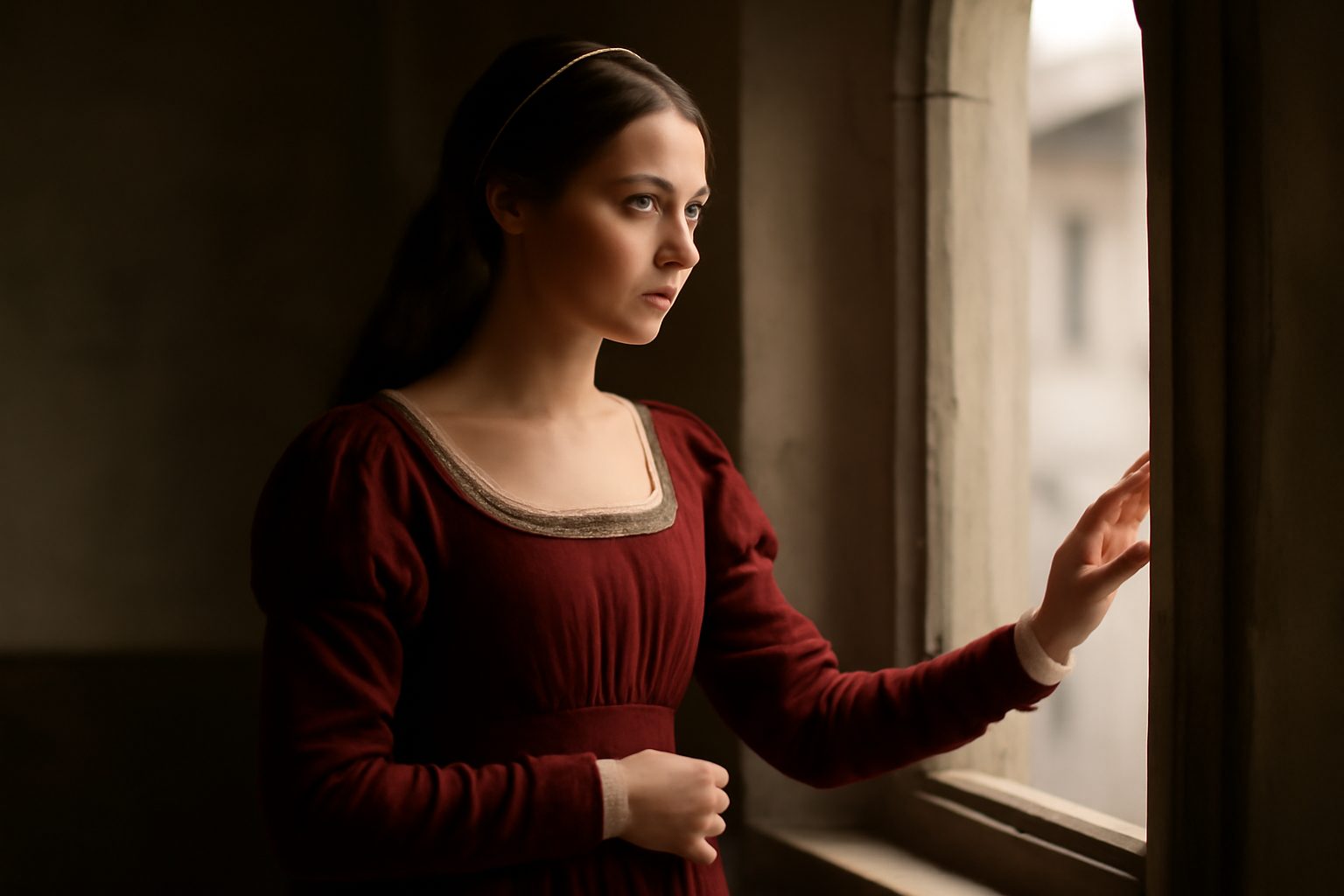
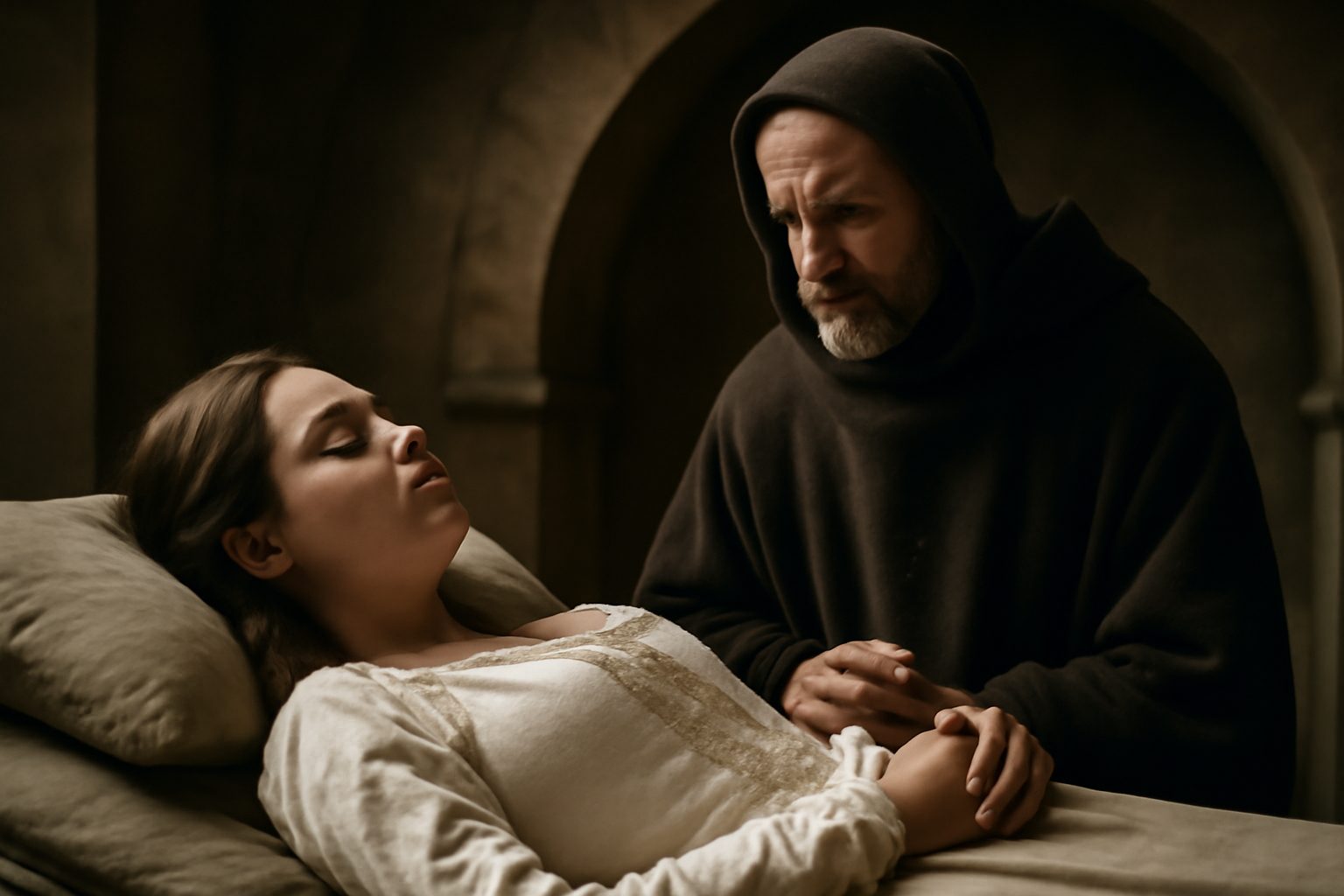
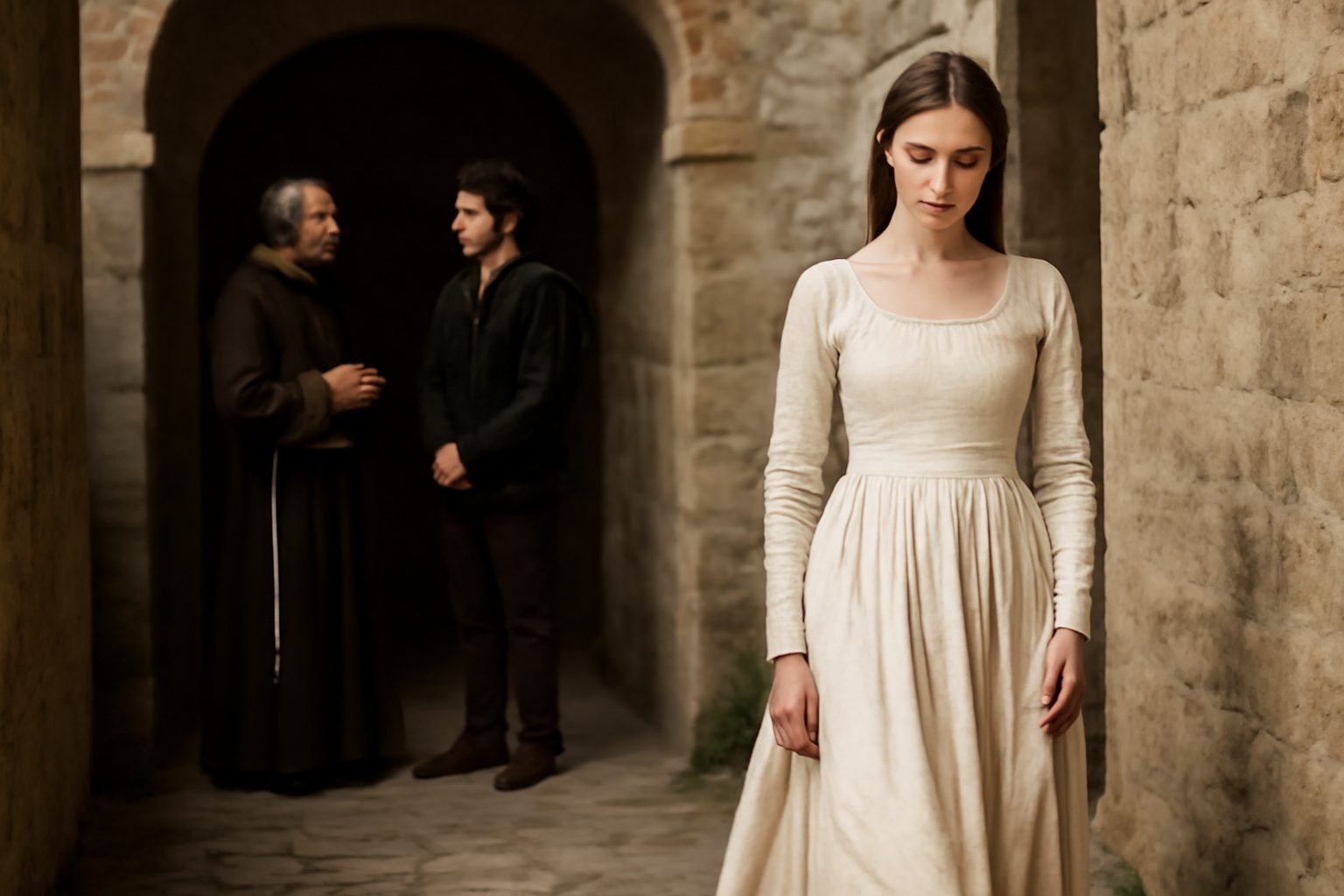
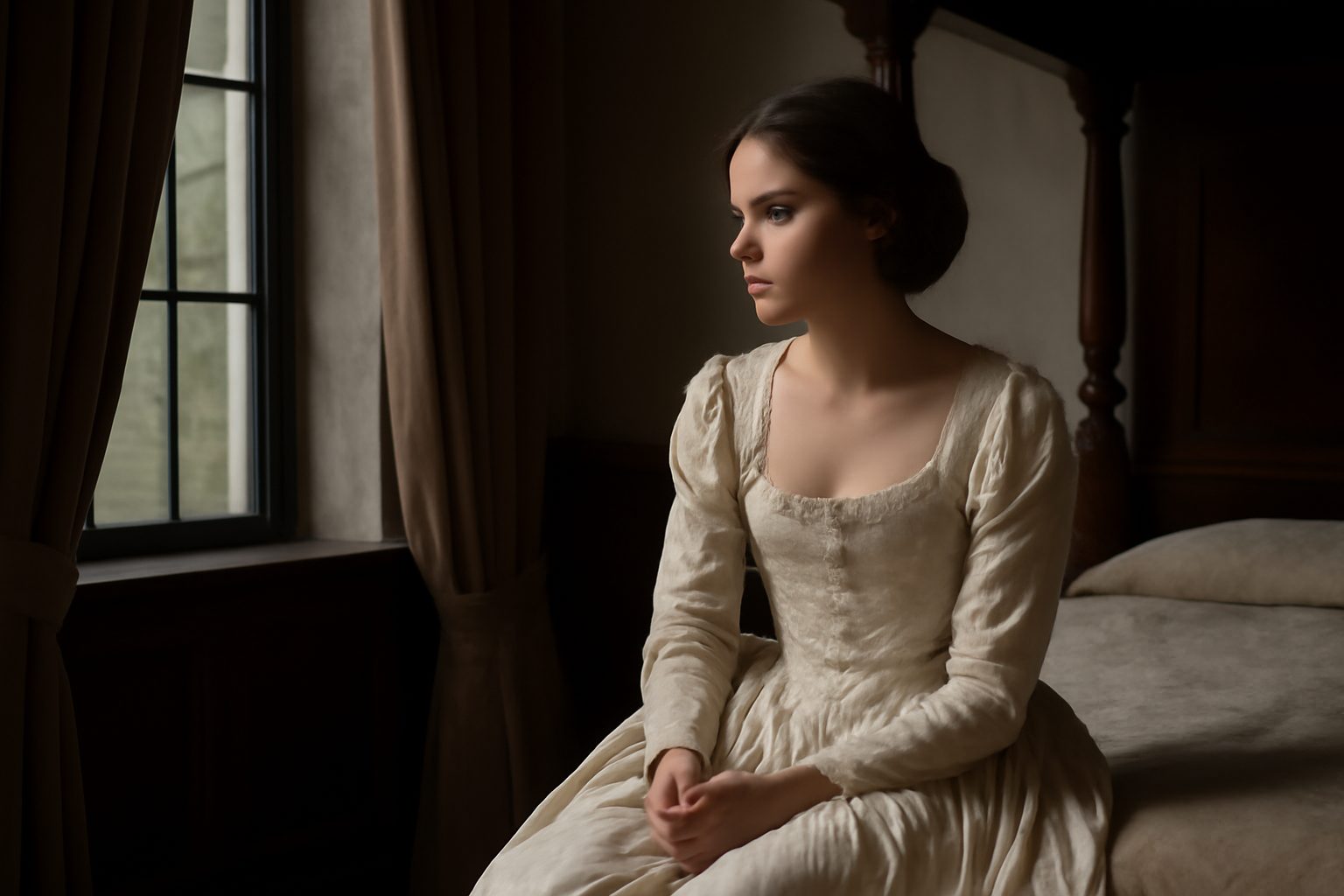
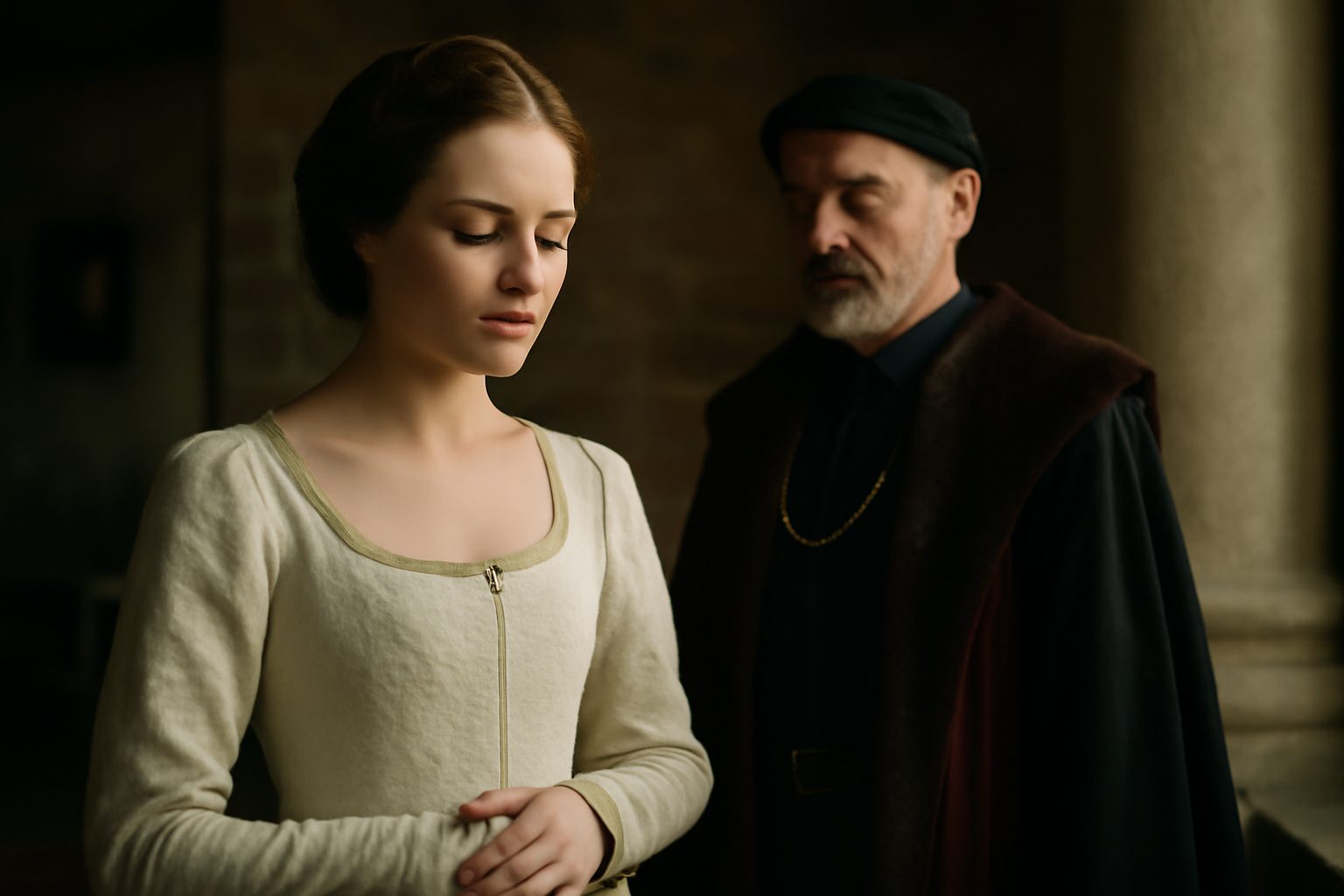
In Act 4, Scene 1 of Romeo and Juliet, Juliet, desperate to avoid marrying Paris, seeks Friar Laurence's help. As she pleads for a solution, her urgency is clear when she demands the door be shut, ensuring privacy for their conversation. This moment highlights her fear and determination as she faces an impossible choice.
Juliet: "O shut the door! and when thou hast done so,"
In modern day english, we would say:
Oh, close the door, and after you’ve done that.
Frequently Asked Questions
What does Juliet ask someone to do in this line from Act 4, Scene 1?
She asks them to shut the door.
Connections to other verses:
Connections to "O shut the door! and when thou hast done so,"
This line, spoken by Juliet, marks a pivotal moment of urgency and secrecy in the scene. It connects thematically and emotionally to several other verses:
Desperation and Secrecy
Juliet's plea for privacy echoes her earlier desperation in Give me some present counsel, or, behold,, where she demands immediate advice from Friar Laurence. Her isolation is further emphasized when she insists My lord, we must entreat the time alone., asking Paris to leave so she can confess privately.
Fear of Forced Marriage
The closed door symbolizes her attempt to shut out the impending marriage to Paris, referenced in On Thursday next be married to this county.. Her aversion to this union is starkly clear when she declares she would rather leap, rather than marry Paris or be confined in horrific places like a charnel-house.
Trust in Friar Laurence's Plan
Once alone, Juliet fully engages with Friar Laurence's dangerous scheme. Her resolve mirrors I will do it without fear or doubt, and she eagerly accepts the potion in Give me, give me! O, tell not me of fear!. The privacy she demands allows the Friar to detail the potion's effects, such as No warmth, no breath, shall testify thou livest.
Symbolism of Seclusion
Shutting the door prefigures the deeper isolation she will experience in the tomb, described in Thou shalt be borne to that same ancient vault. It also contrasts with the earlier social intrusion by Paris in Happily met, my lady and my wife!, highlighting her need to escape external pressures.