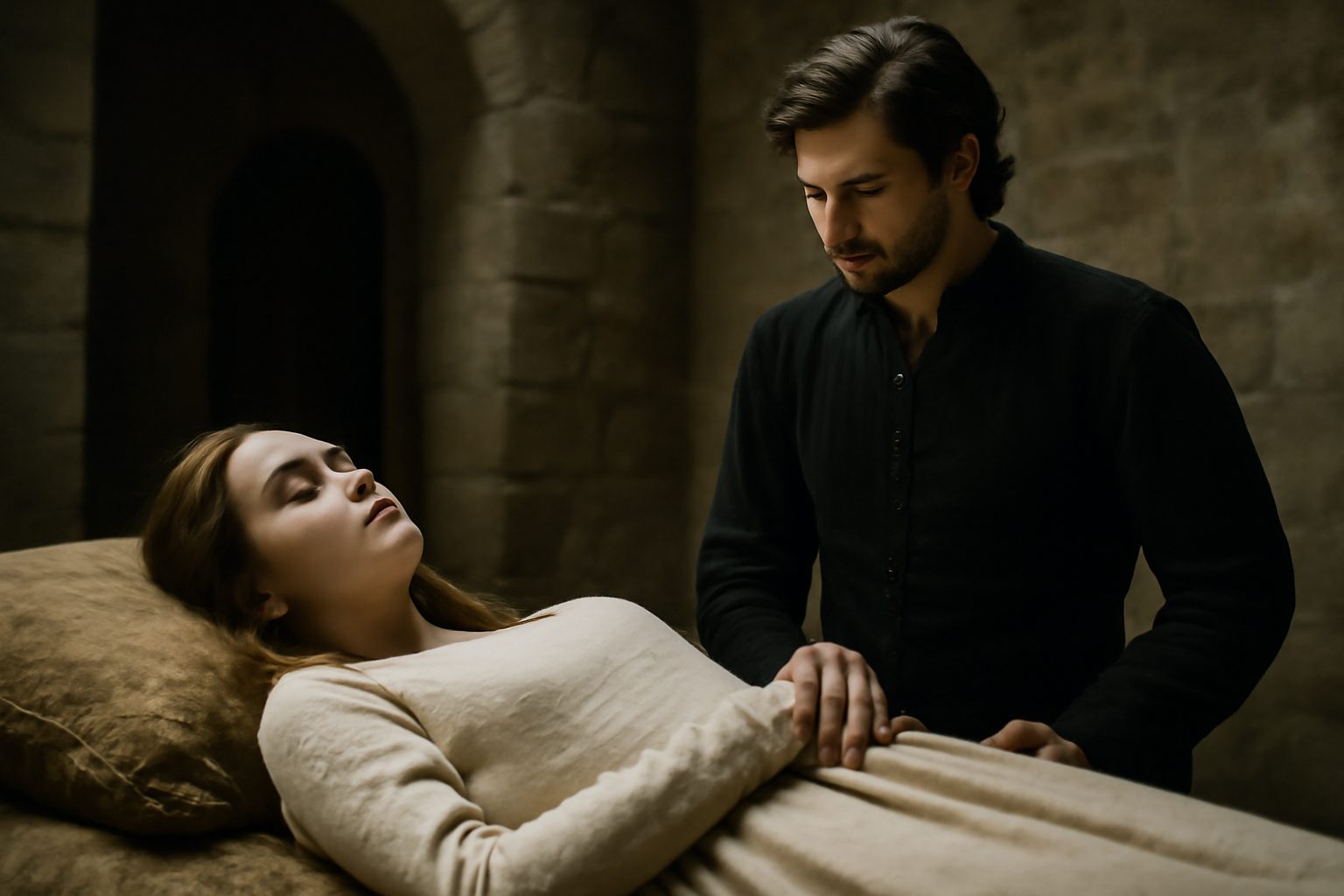
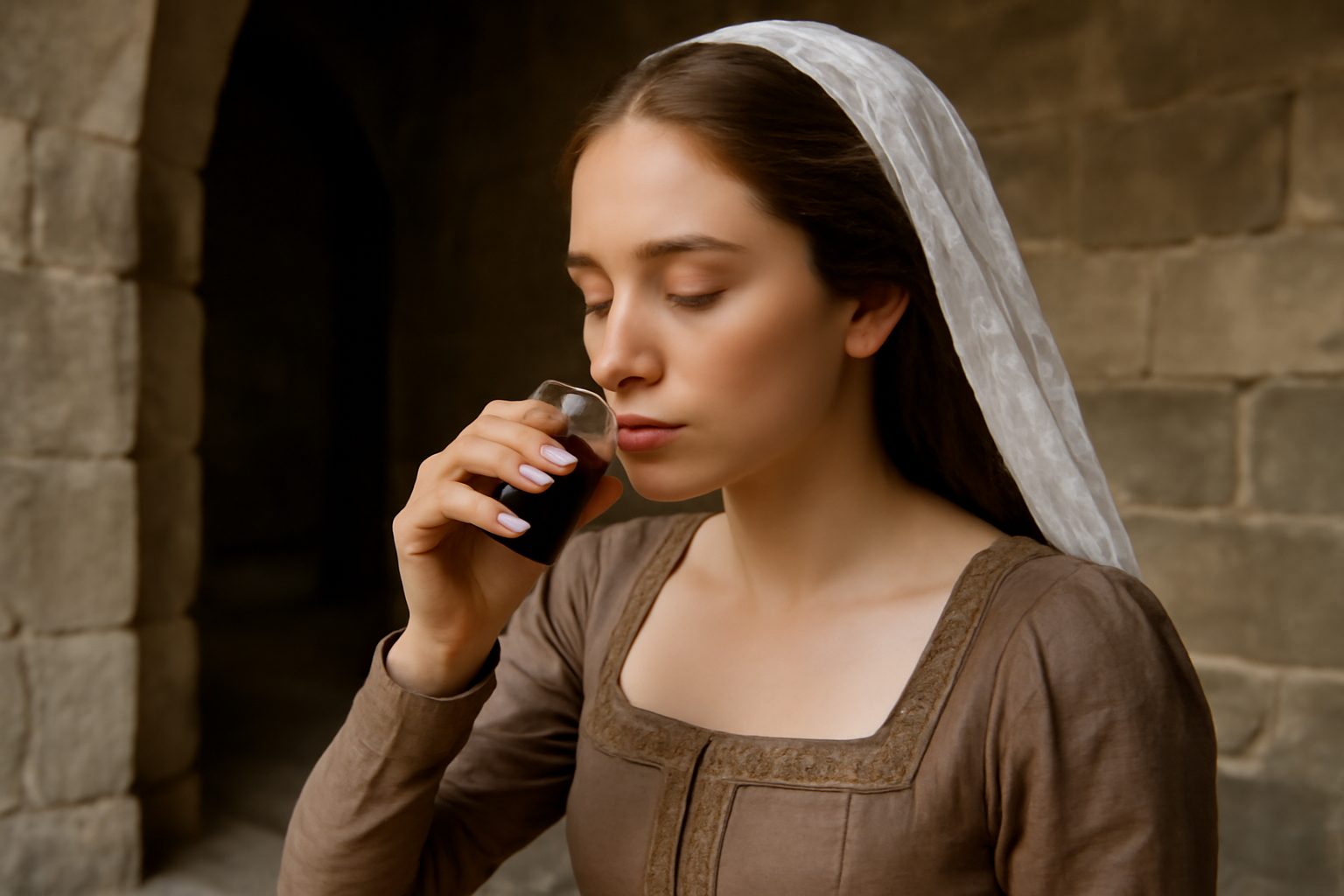
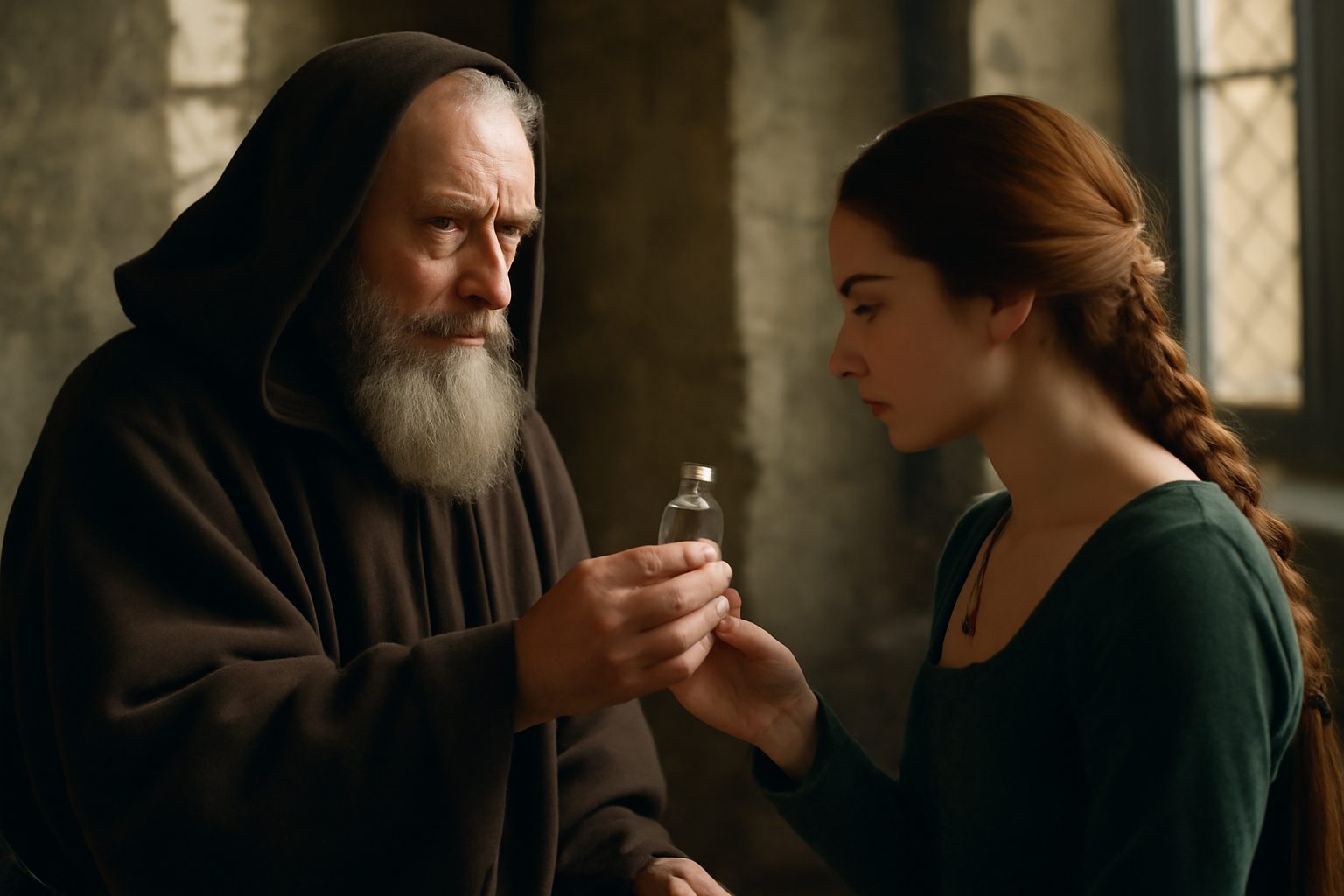
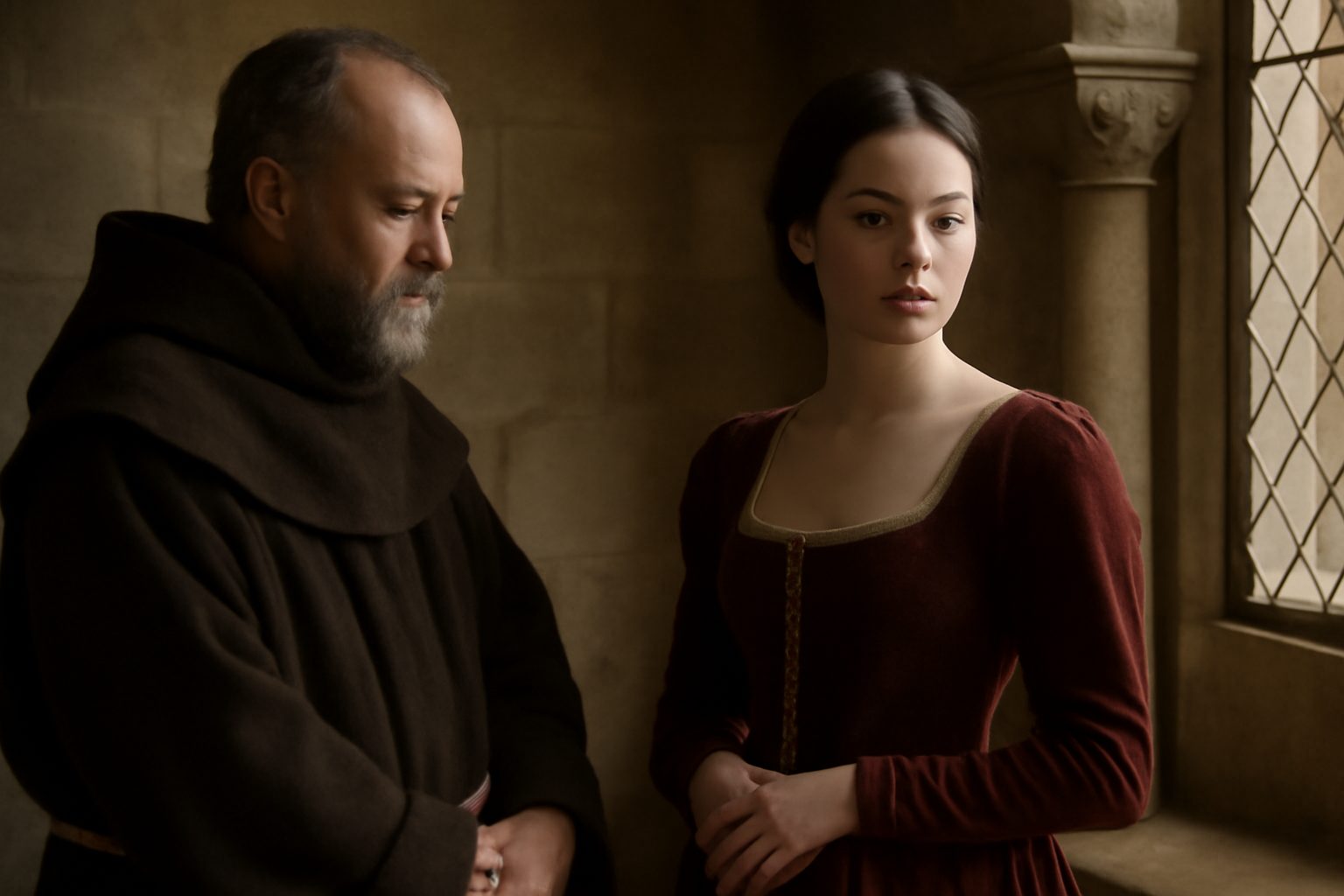
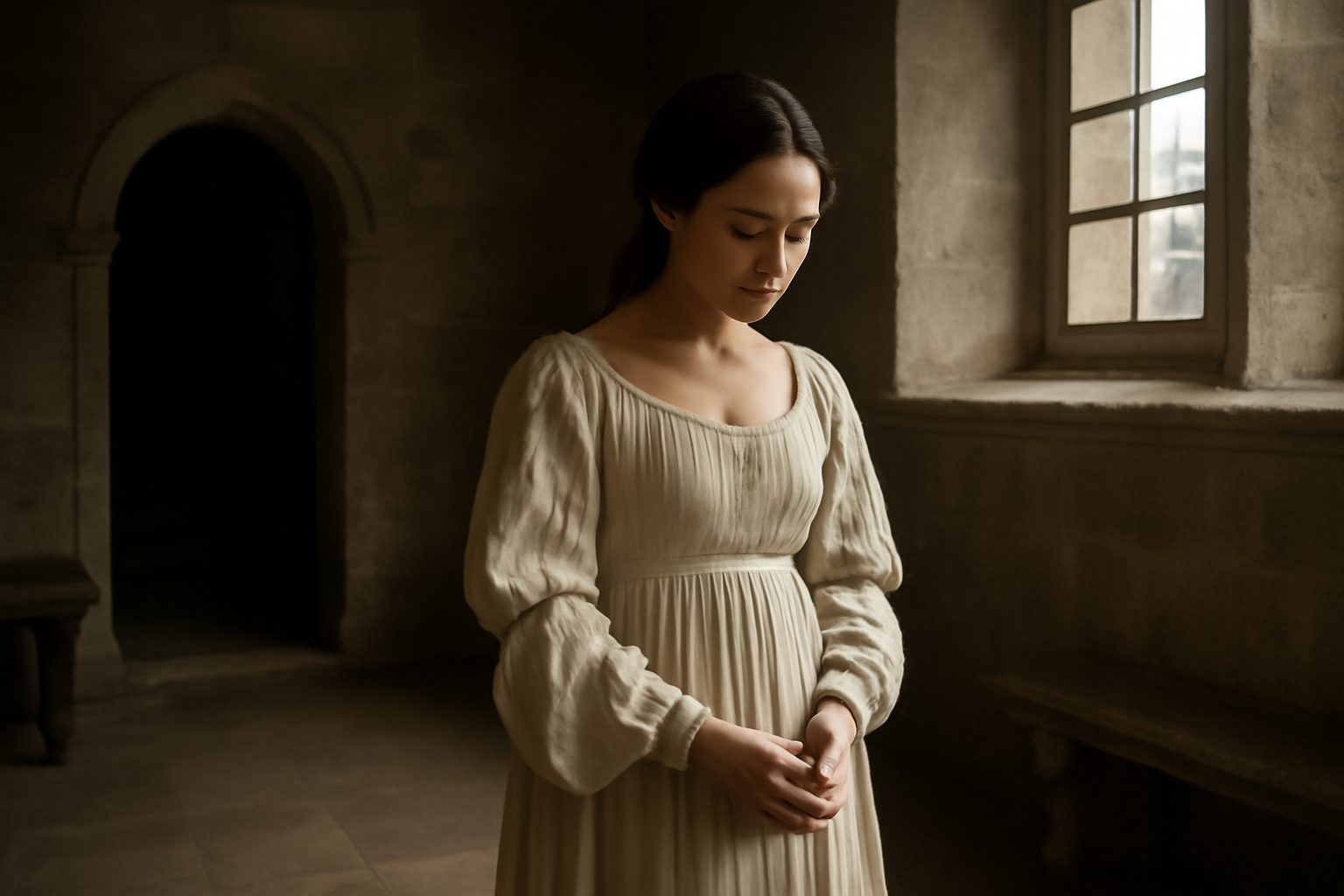
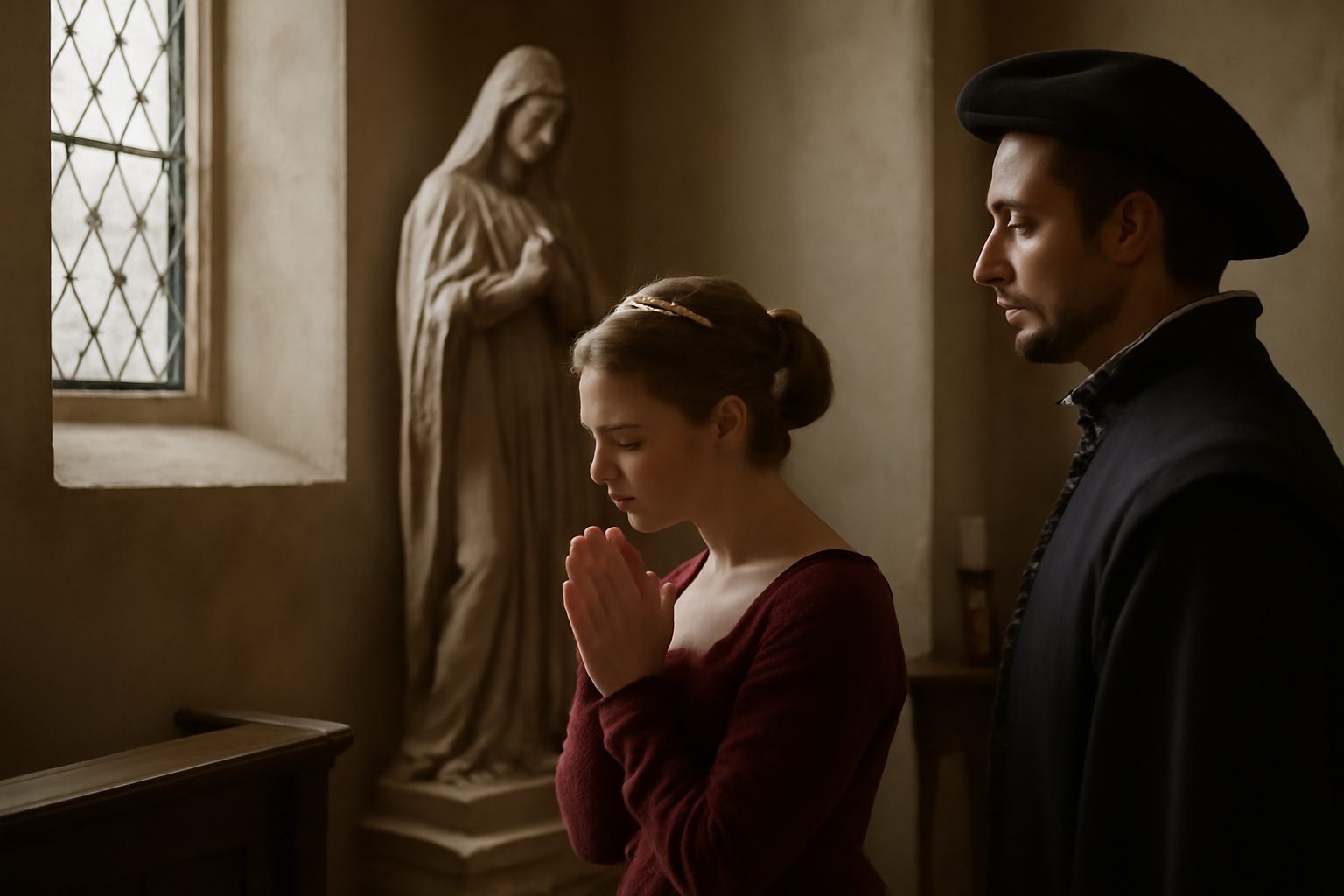
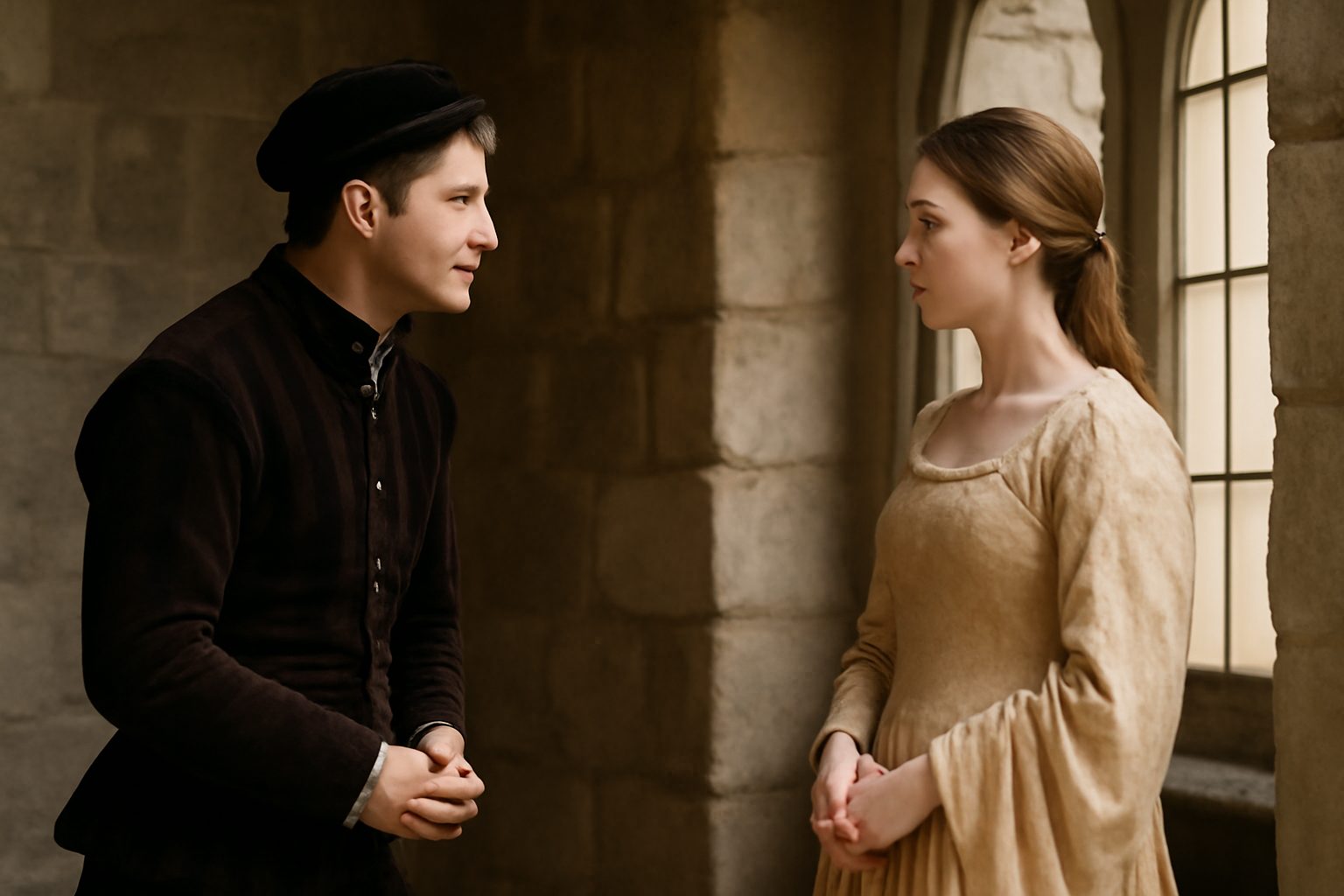
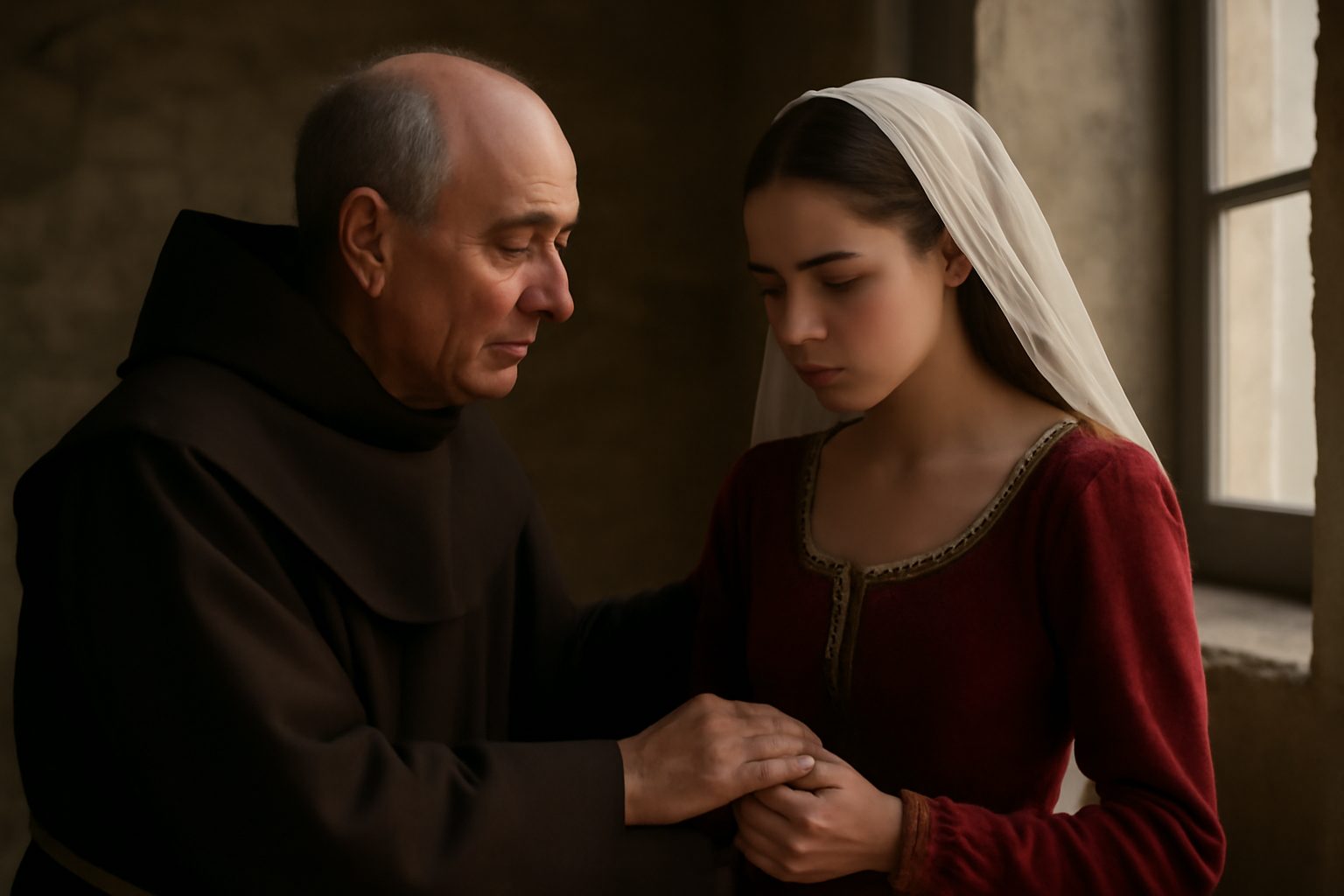
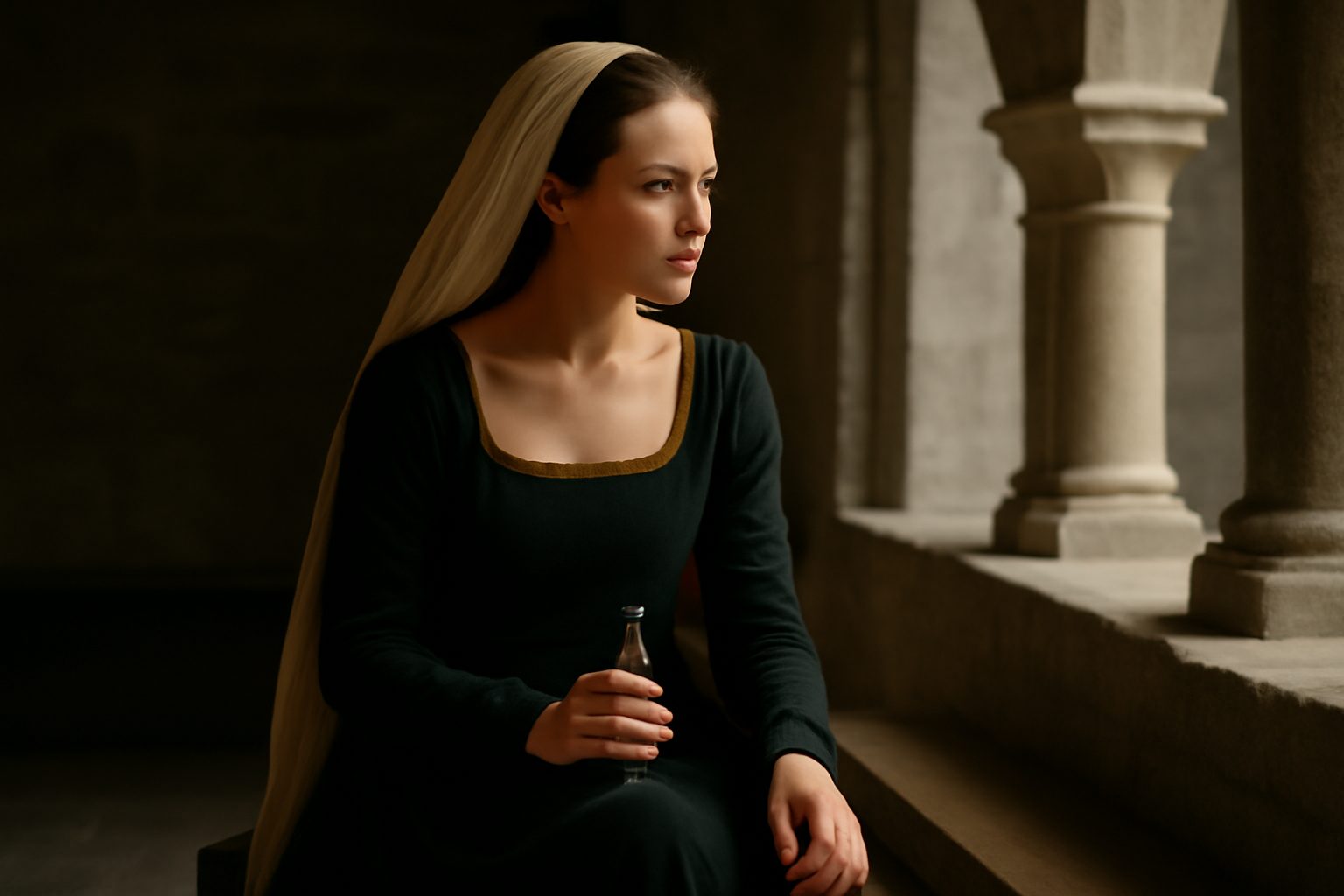
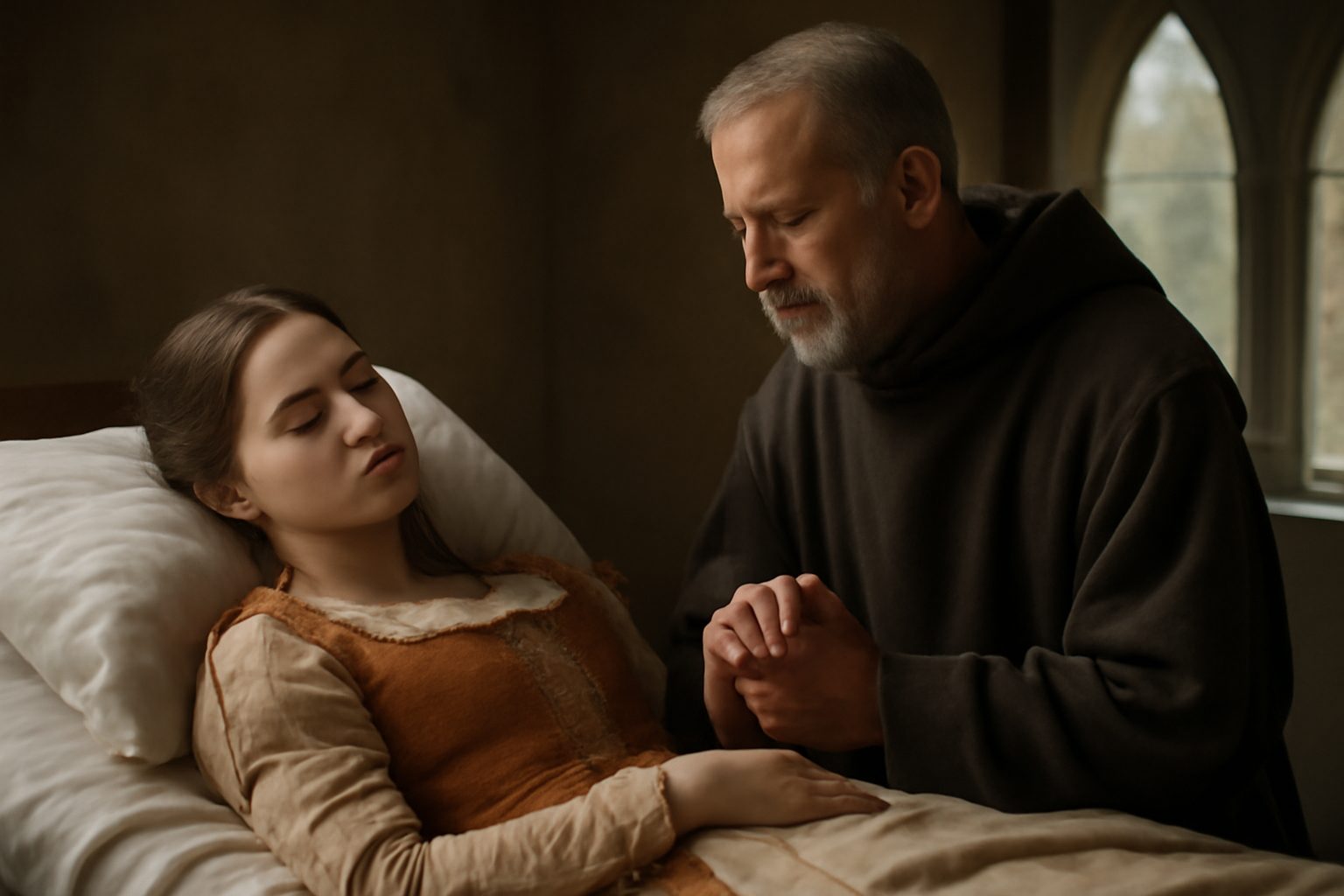
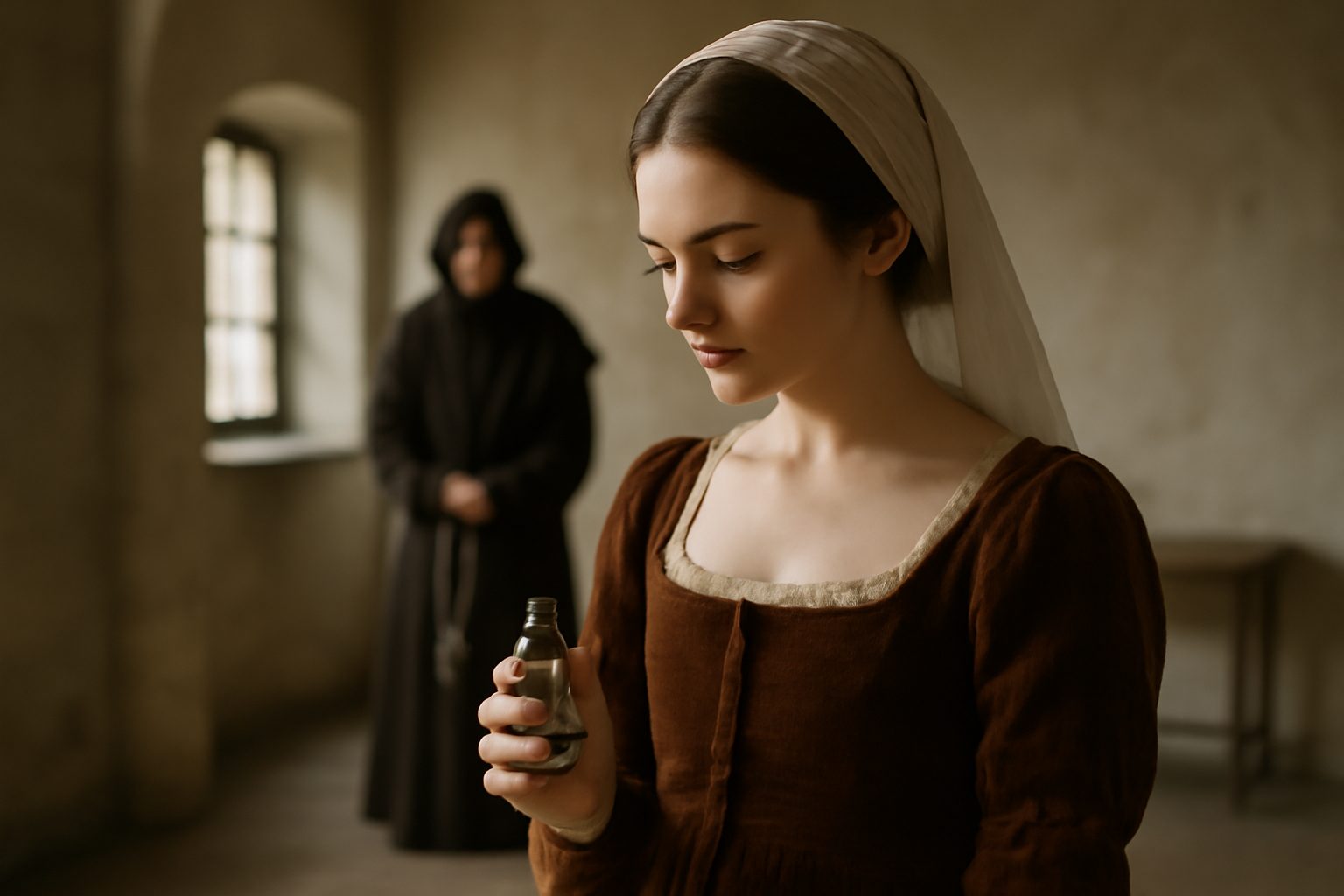
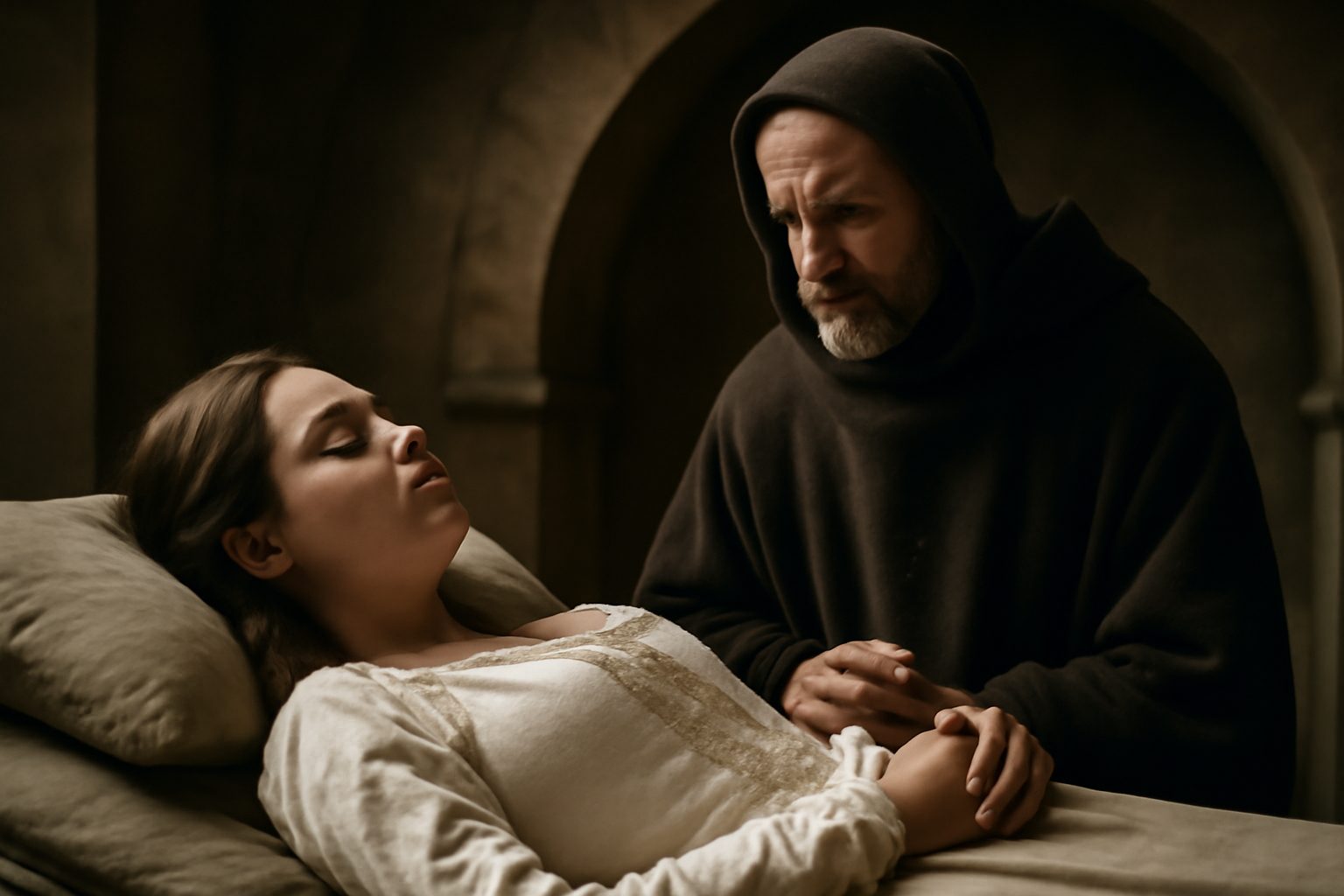
In Act 4 Scene 1 of Romeo and Juliet, Friar Laurence devises a desperate plan to reunite the lovers by giving Juliet a potion that will make her appear dead. This line reflects the chilling effect of the potion, which will stop all signs of life, leaving her cold and breathless to deceive her family. It underscores the extreme measures taken to escape the tragic fate closing in around them.
Friar Laurence: "No warmth, no breath, shall testify thou livest;"
In modern day english, we would say:
Your body will be cold and still, with no sign of life to show you’re alive.
Frequently Asked Questions
What does Friar Laurence mean when he says there will be no warmth or breath to show someone is alive?
He means the person will appear dead, with no signs of life like body heat or breathing.
Connections to other verses:
Connections to "No warmth, no breath, shall testify thou livest"
This line, spoken by Friar Laurence, describes the physical state Juliet will enter after drinking the potion. It connects thematically and literally to several other verses in the scene that elaborate on the feigned death and its effects.
Physical Description of Death-like State
The verse "A cold and drowsy humour, for no pulse" directly parallels the absence of life signs, emphasizing the suspension of bodily functions. Similarly, "Each part, deprived of supple government" details the loss of physical control, while "Shall, stiff and stark and cold, appear like death" reinforces the corpse-like appearance. The transformation is further illustrated in "The roses in thy lips and cheeks shall fade" and "To paly ashes, thy eyes' windows fall", depicting the loss of color and vitality.
Potions and Their Effects
The mechanism behind this state is explained in "And this distilled liquor drink thou off", introducing the potion, and "When presently through all thy veins shall run", describing its rapid action. The duration of the effect is specified in "Thou shalt continue two and forty hours".
Context and Purpose of the Feigned Death
This plan is Juliet's desperate alternative to marrying Paris, as stated in "O, bid me leap, rather than marry Paris" and "If, rather than to marry County Paris". The Friar's reassurance is found in "And this shall free thee from this present shame", and the intended awakening is described in "And then awake as from a pleasant sleep".
Symbolic and Emotional Connections
The verse echoes the theme of death as a remedy, introduced in "A thing like death to chide away this shame", and reflects Juliet's earlier determination in "And with this knife I'll help it presently". The Friar's acknowledgment of her resolve is evident in "Thou hast the strength of will to slay thyself".