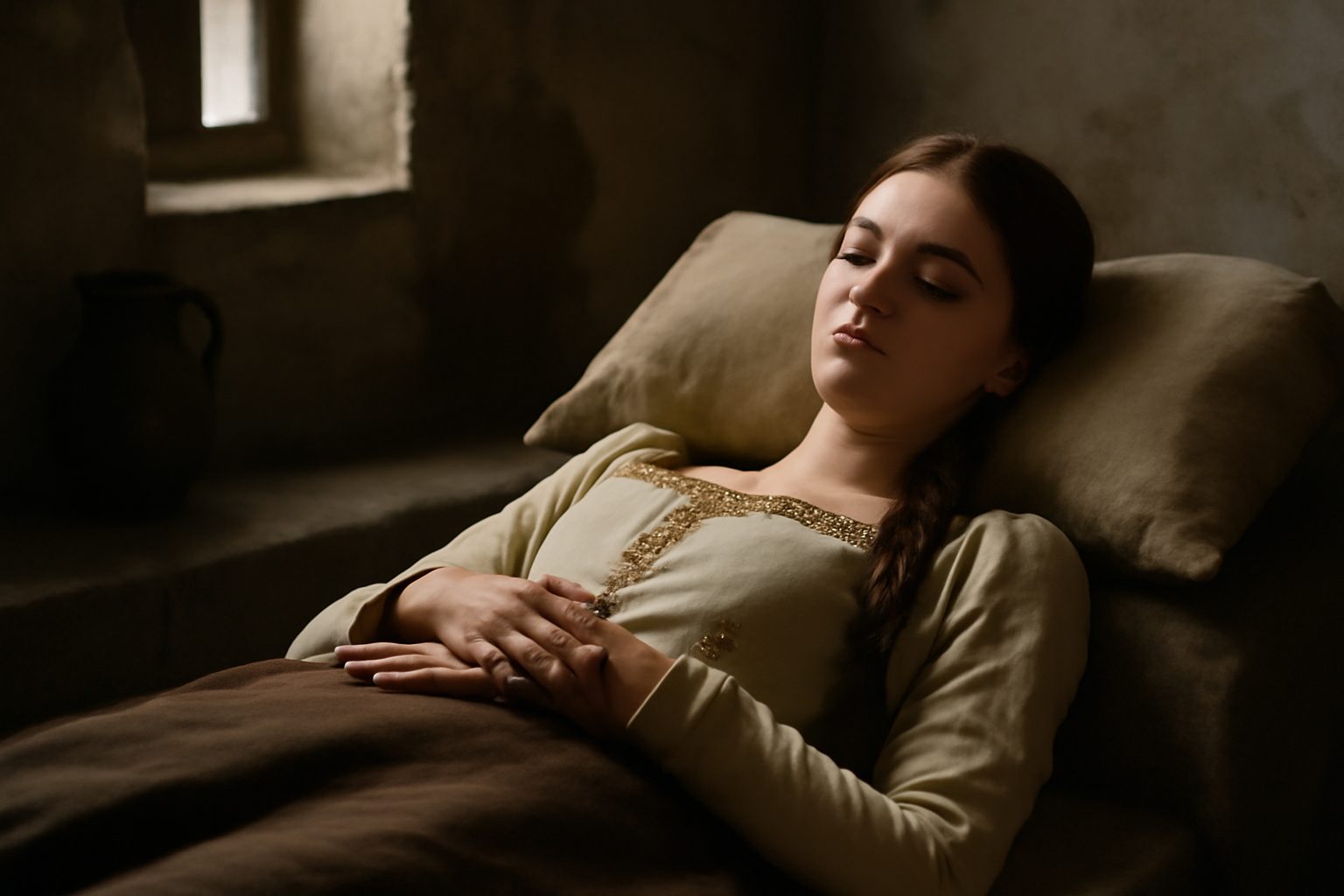
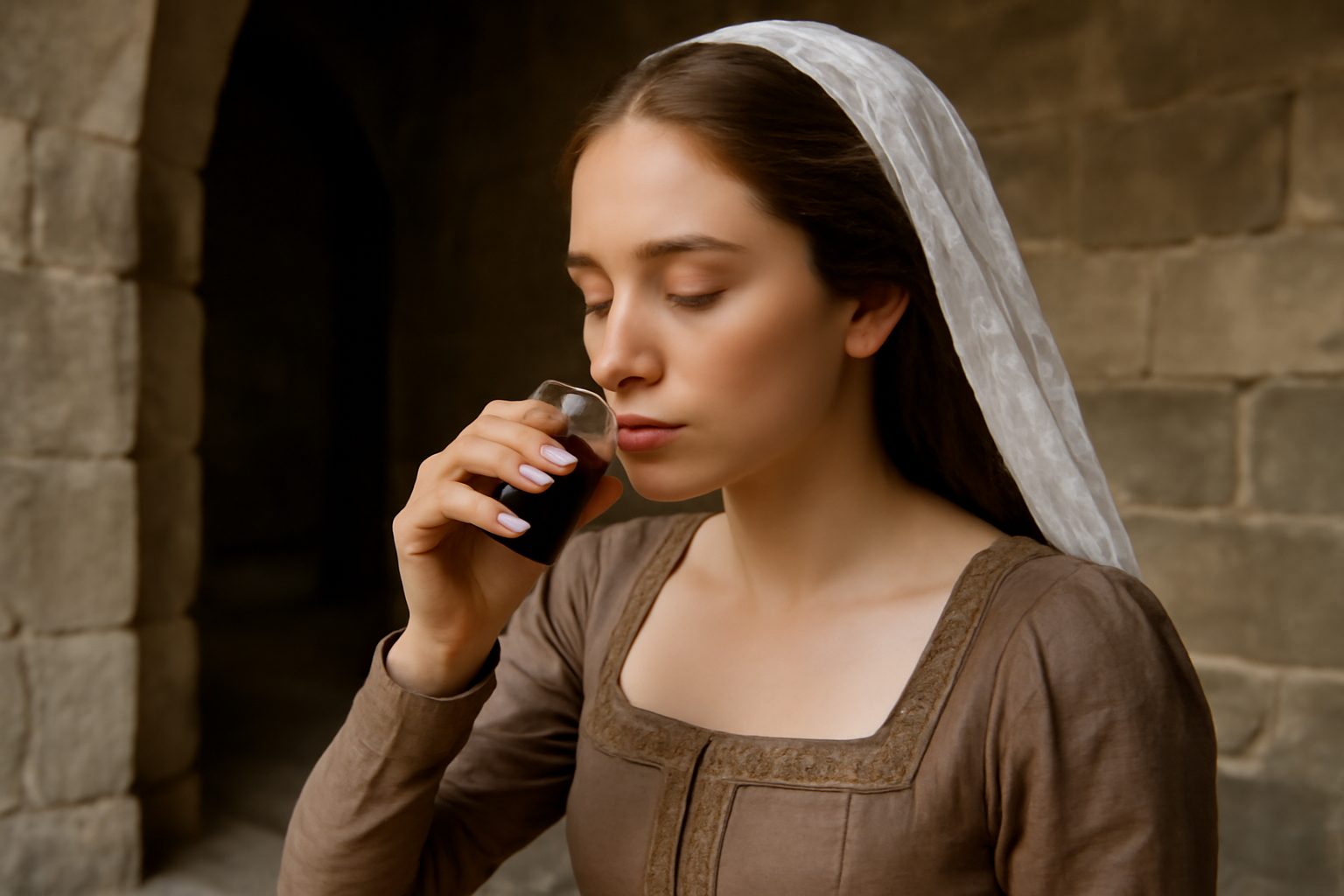
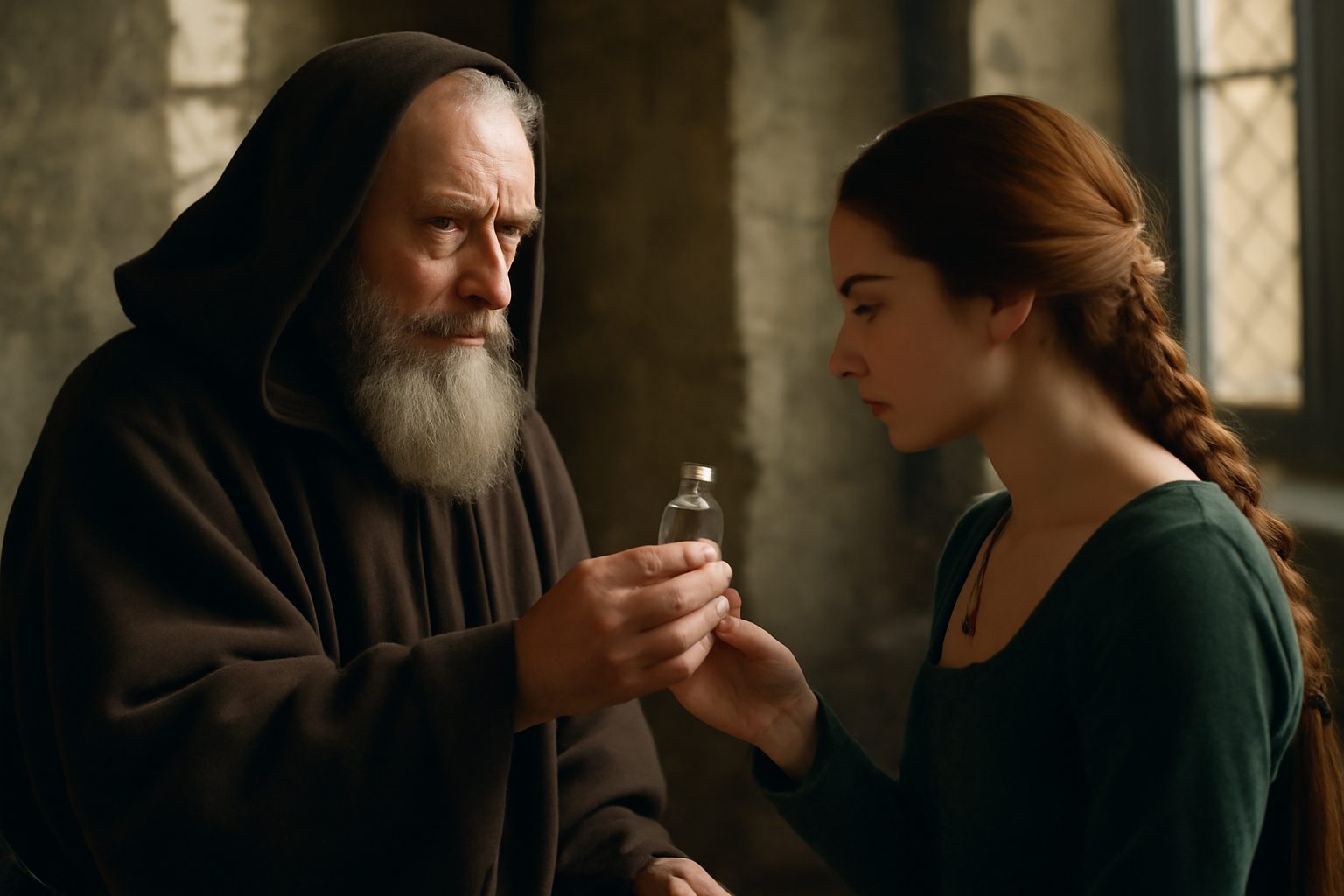
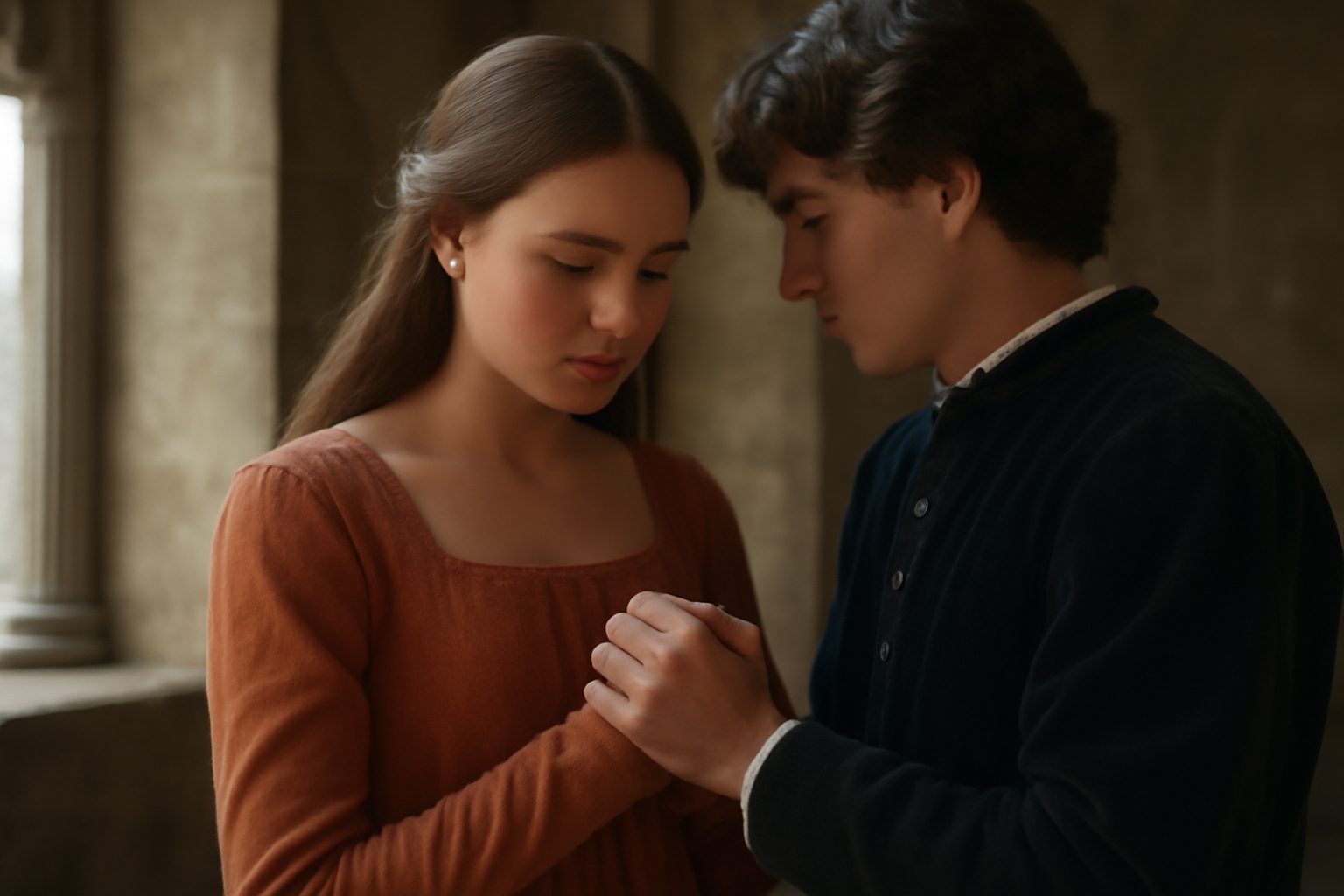
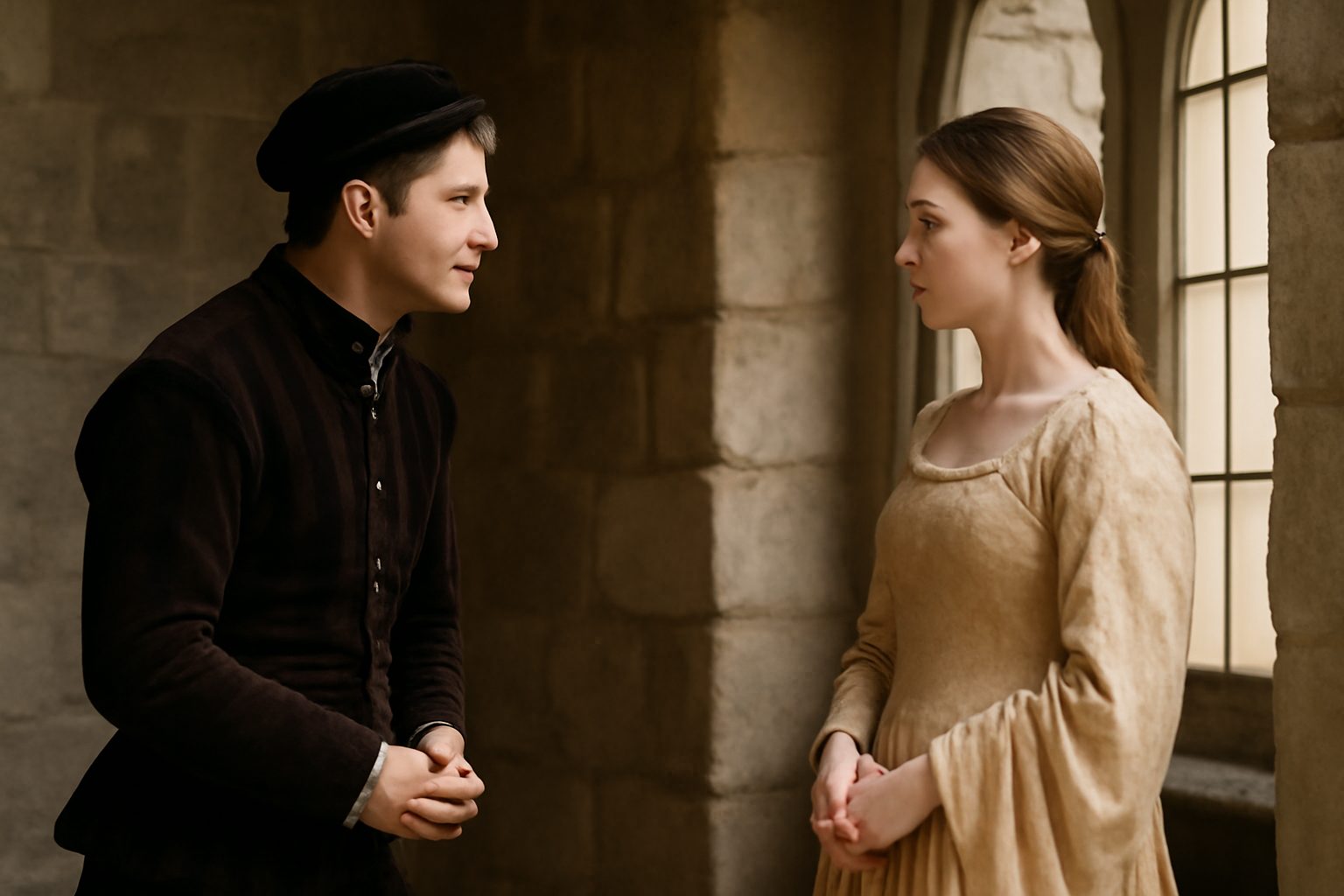
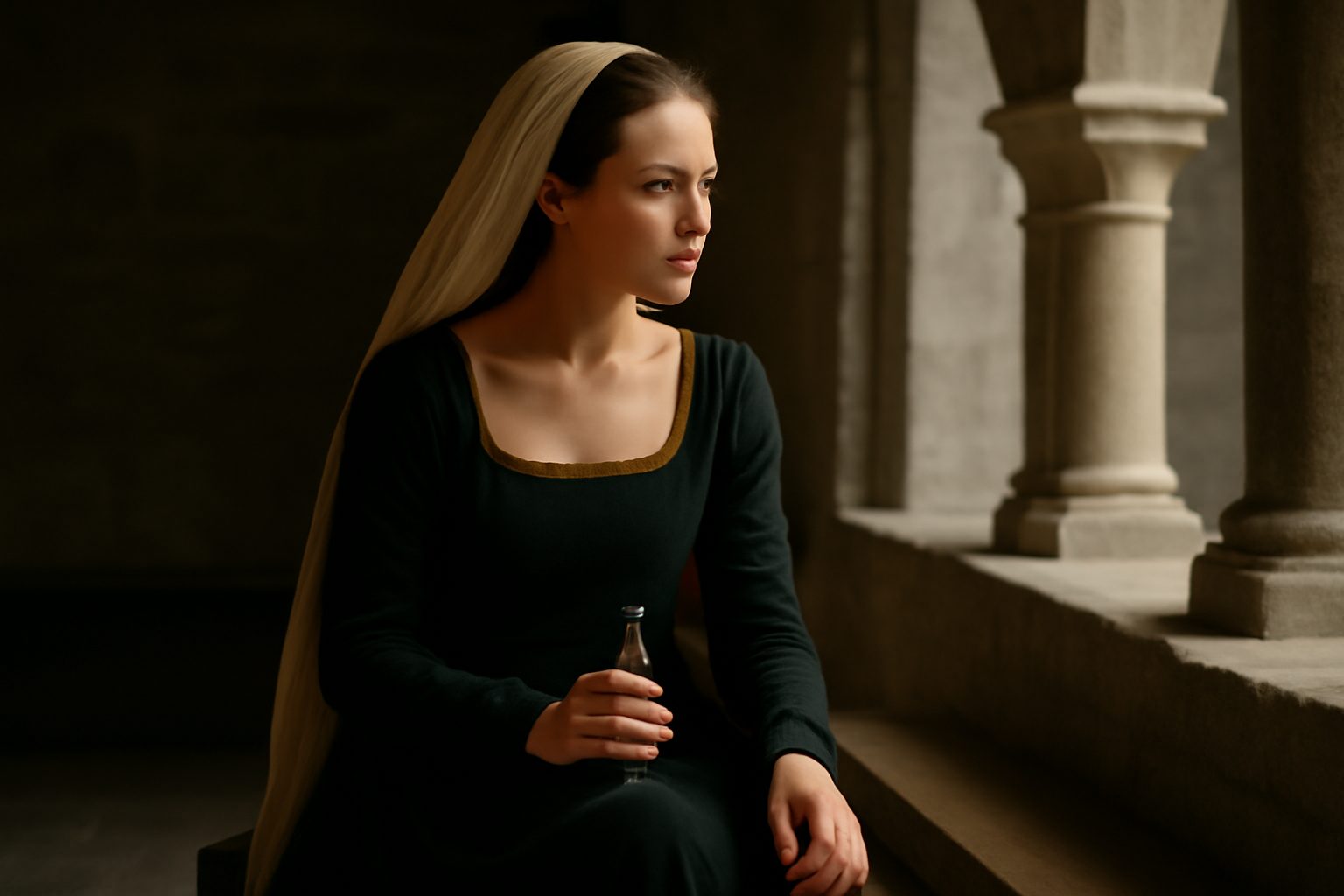
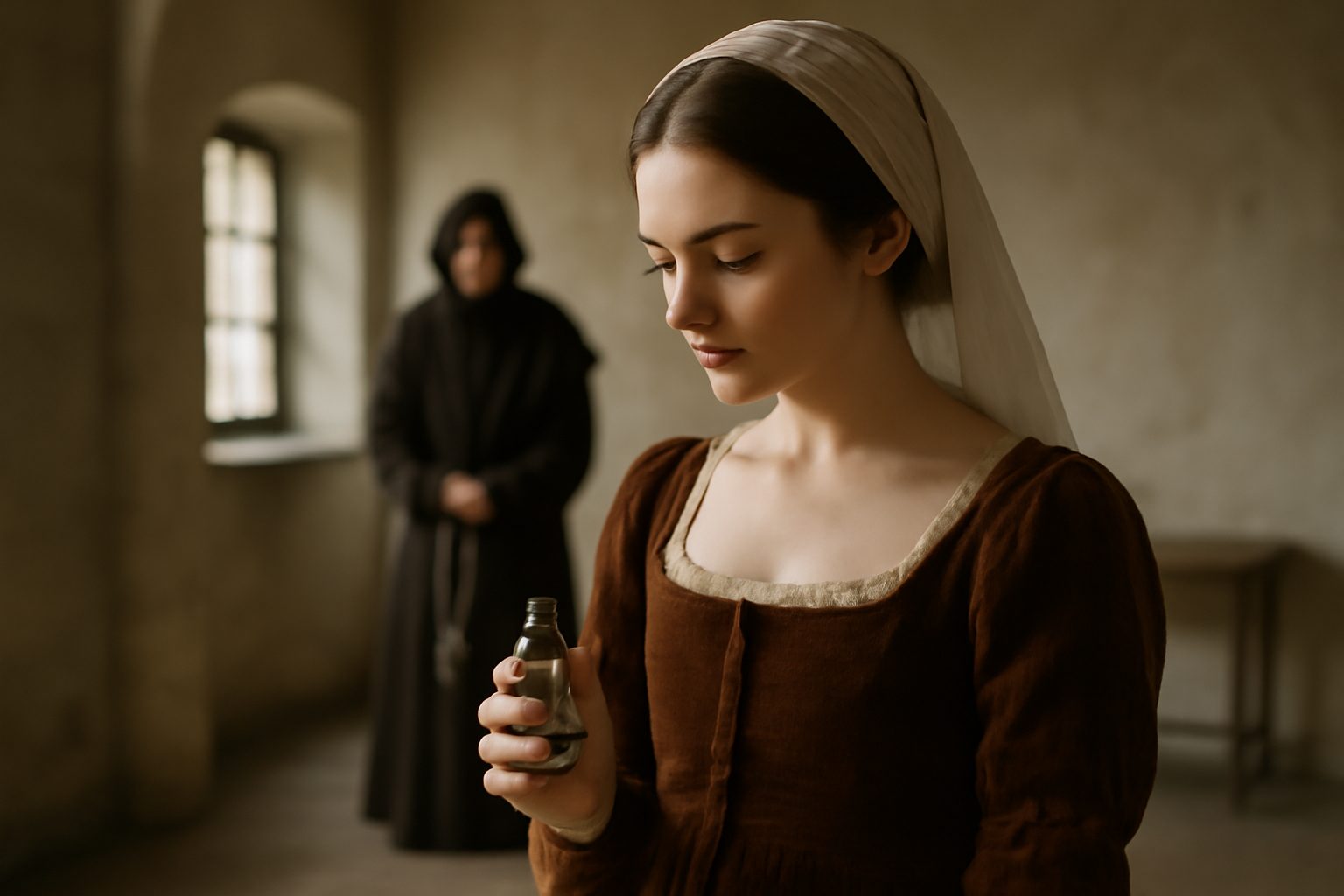
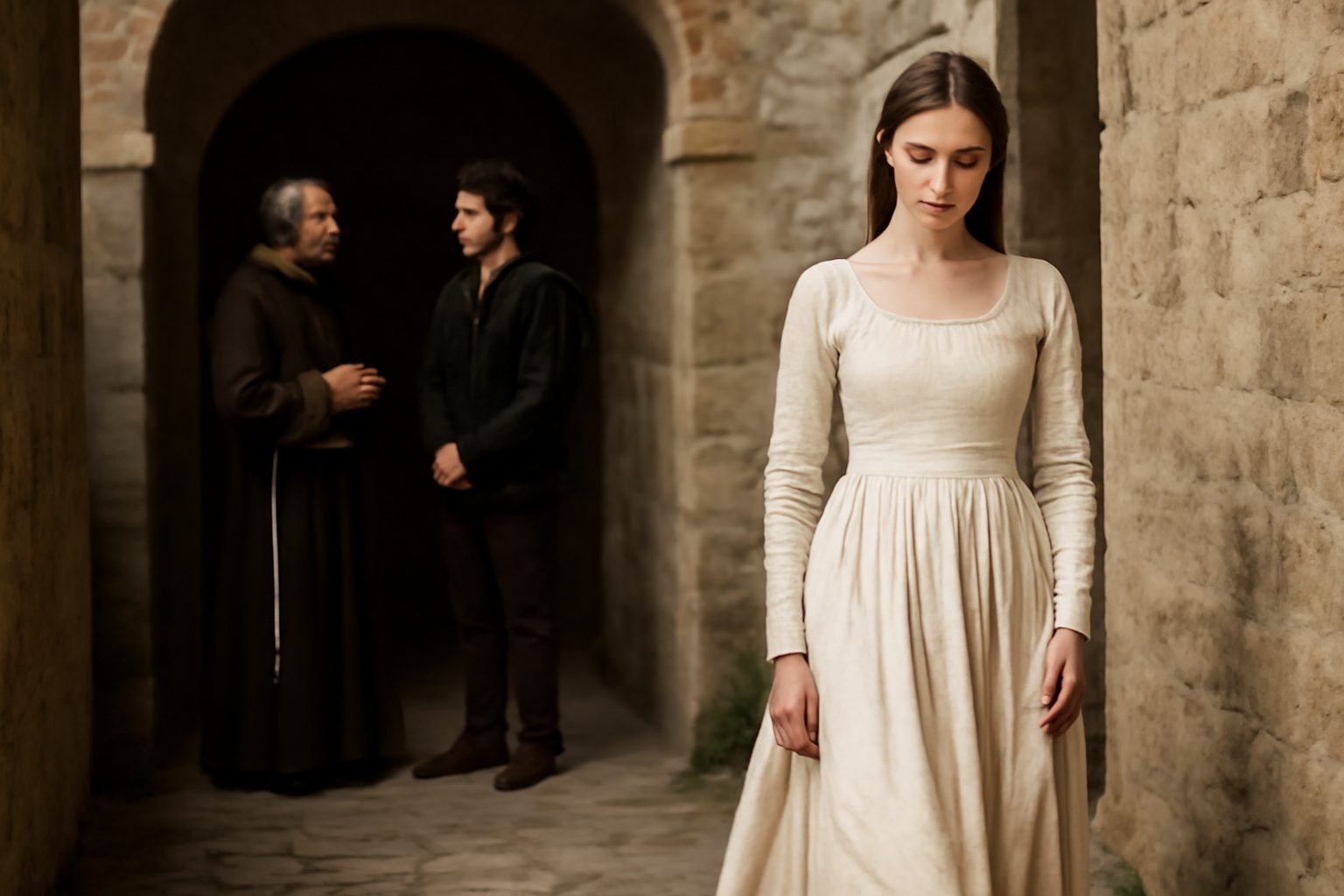
In Act 4, Scene 1 of Romeo and Juliet, Friar Laurence speaks these words to Juliet as she desperately seeks a way to avoid marrying Paris. The line reflects the friar's grim reassurance that her youthful beauty, like a fading rose, will wither if she follows his dangerous plan to fake her death. This moment underscores the stakes of Juliet's choice and the fleeting nature of life and love in the play.
Friar Laurence: "The roses in thy lips and cheeks shall fade"
In modern day english, we would say:
The color in your lips and cheeks will fade away.
Frequently Asked Questions
What does Friar Laurence mean when he says the roses in Juliet's lips and cheeks will fade?
He means that the natural beauty and color in Juliet's face will disappear, comparing it to roses losing their color.
Connections to other verses:
Connections to "The roses in thy lips and cheeks shall fade"
The verse "The roses in thy lips and cheeks shall fade" is part of Friar Laurence's description of the effects of the sleeping potion he gives Juliet. It vividly portrays the temporary death-like state she will enter, emphasizing the loss of color and vitality.
Related Descriptions of Death and Appearance
This imagery connects directly to "No warmth, no breath, shall testify thou livest", which further underscores the absence of life signs. Similarly, "To paly ashes, thy eyes' windows fall" complements the fading roses by describing how her eyelids will close and turn ashen, enhancing the illusion of death.
Physical Transformation and Simulated Death
The phrase also relates to "Each part, deprived of supple government", referring to the loss of bodily control, and "Shall, stiff and stark and cold, appear like death", which explicitly compares her state to actual death. These lines collectively paint a detailed picture of the potion's physical impact.
Context of Desperation and Remedy
Juliet's desperation, expressed in "O, bid me leap, rather than marry Paris", motivates her willingness to undergo this transformation. The friar's remedy, introduced with "And, if thou darest, I'll give thee remedy", leads directly to the description of the fading roses, tying her emotional state to the physical plan.
Awakening and Hope
Contrasting the temporary decay, "And then awake as from a pleasant sleep" offers hope, implying the fading is not permanent. This connection highlights the duality of the potion: it brings a death-like appearance but promises revival.