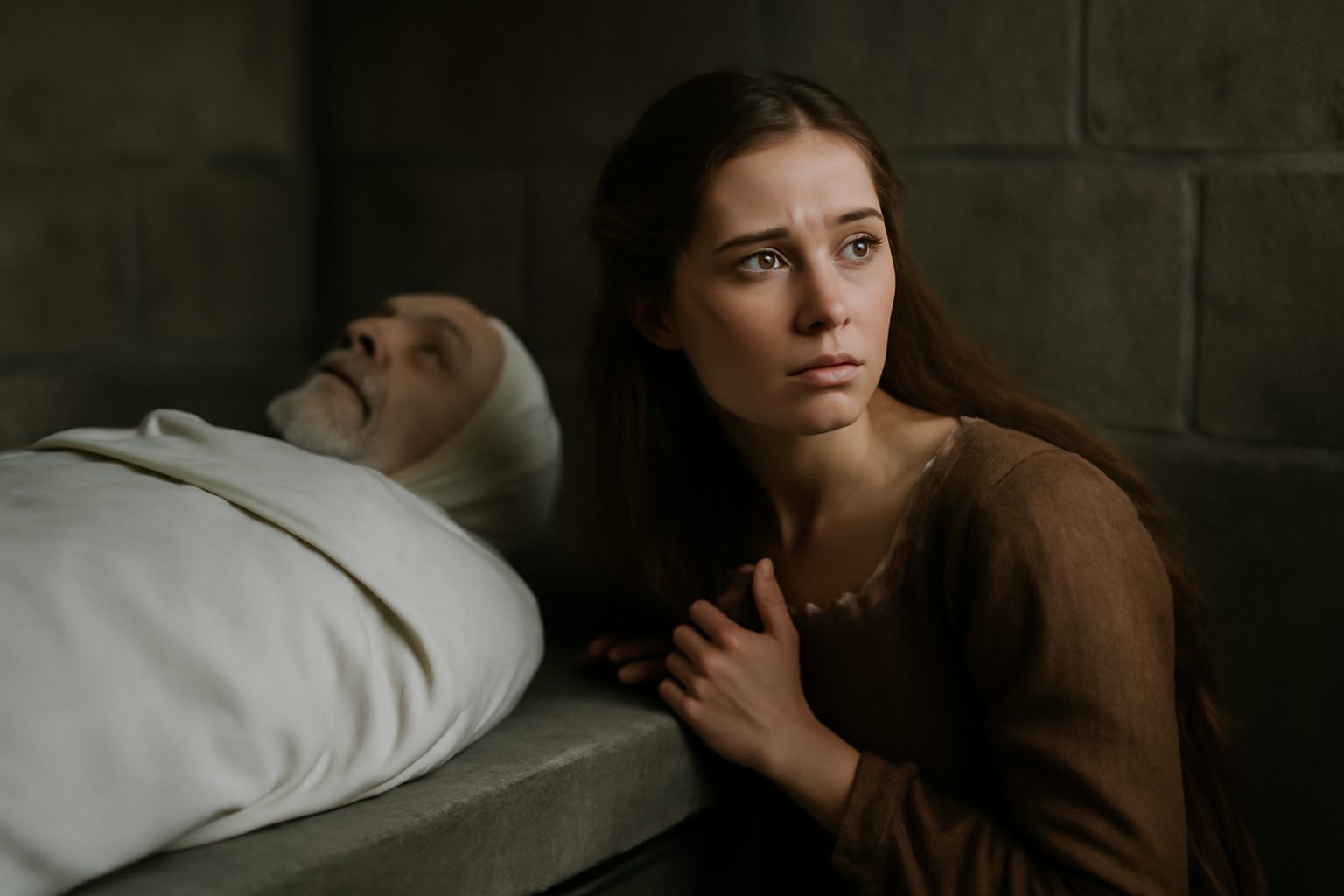
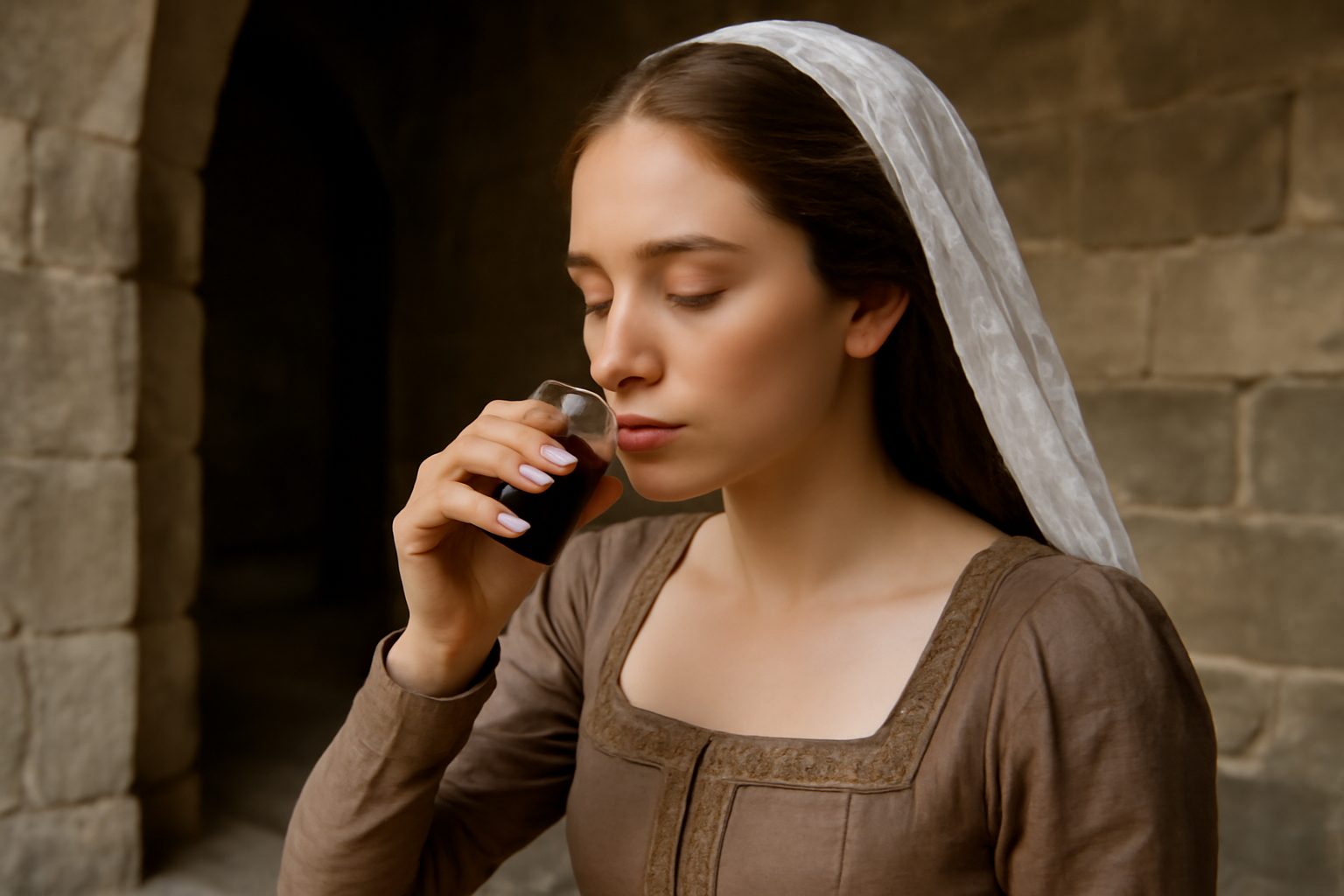
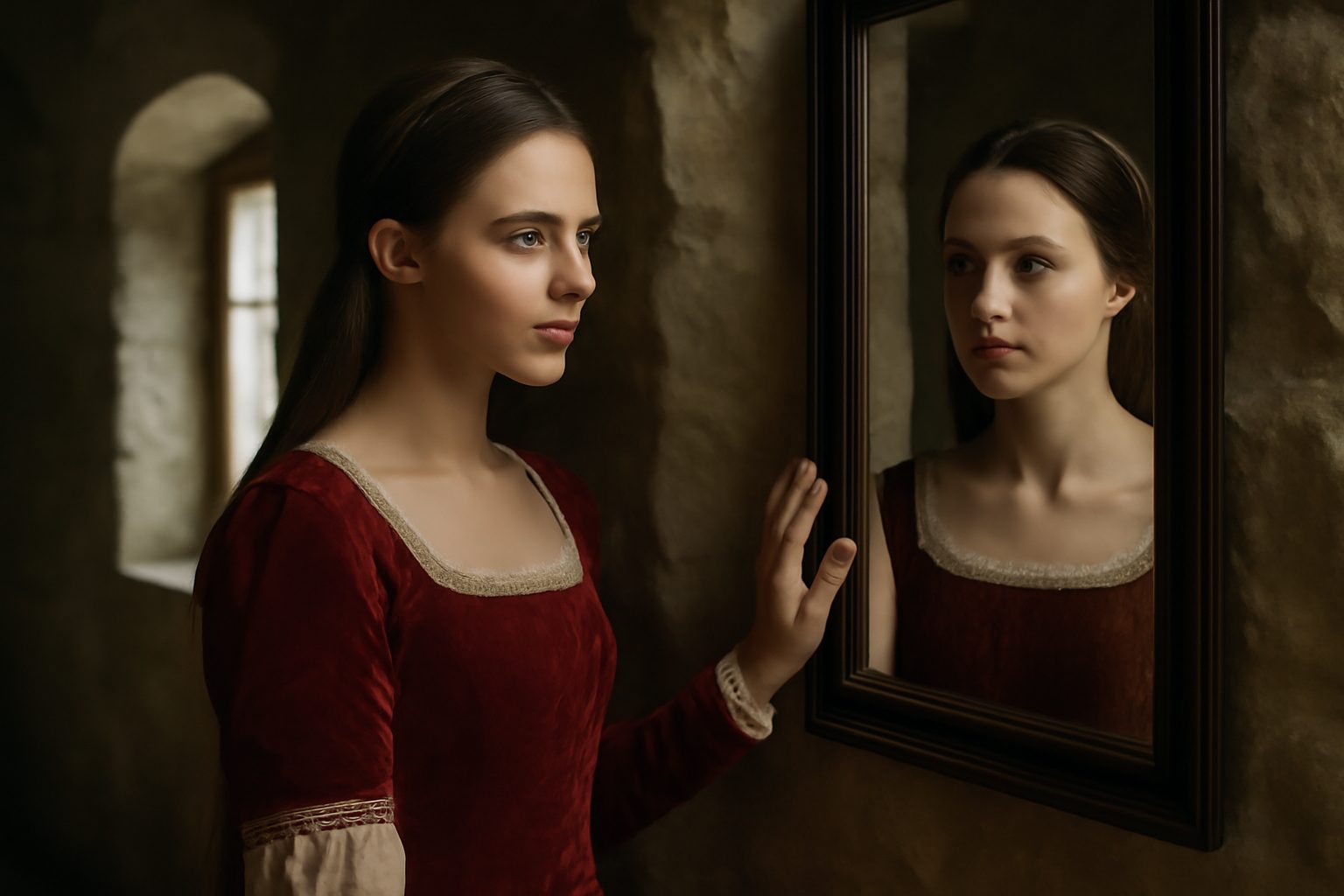
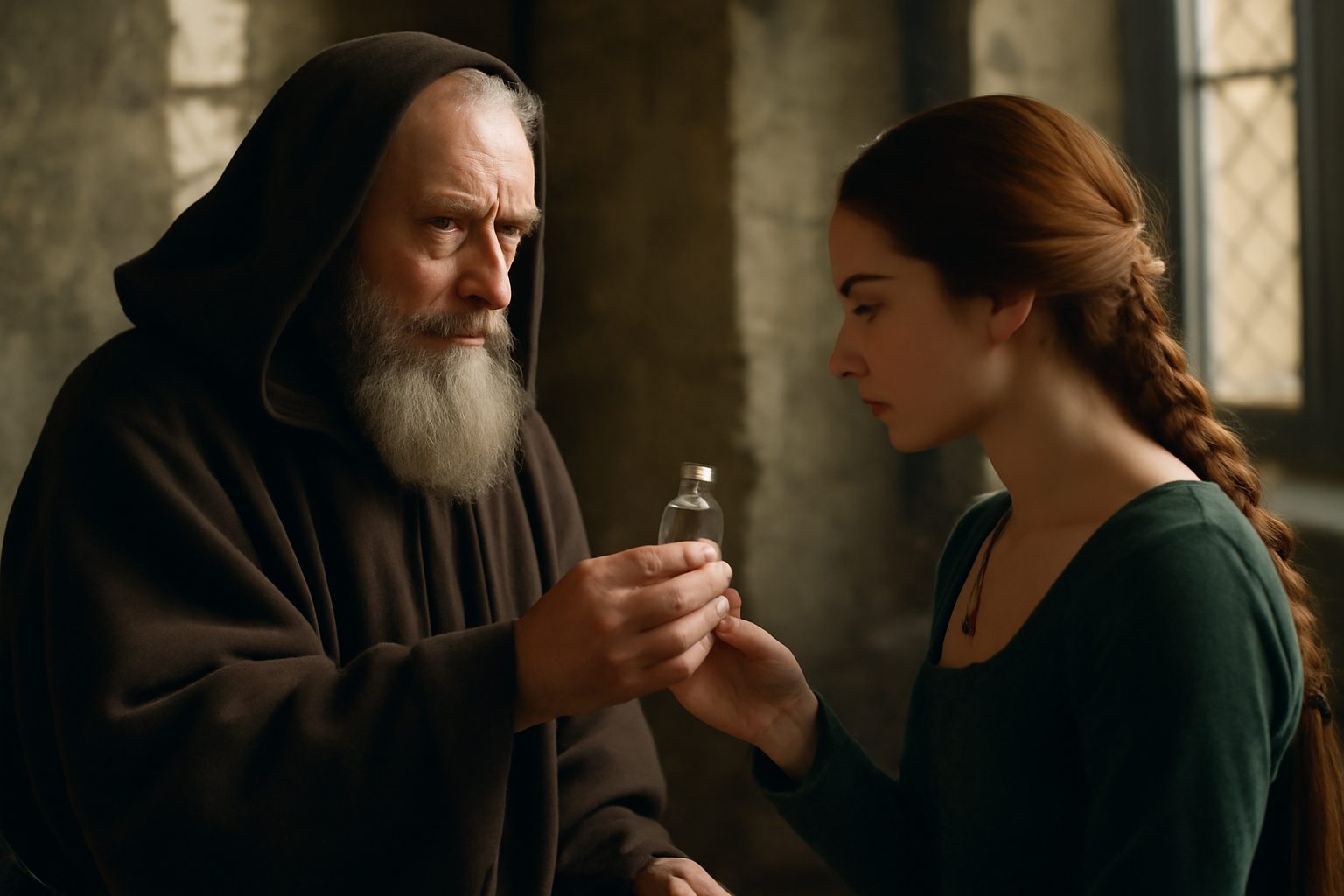
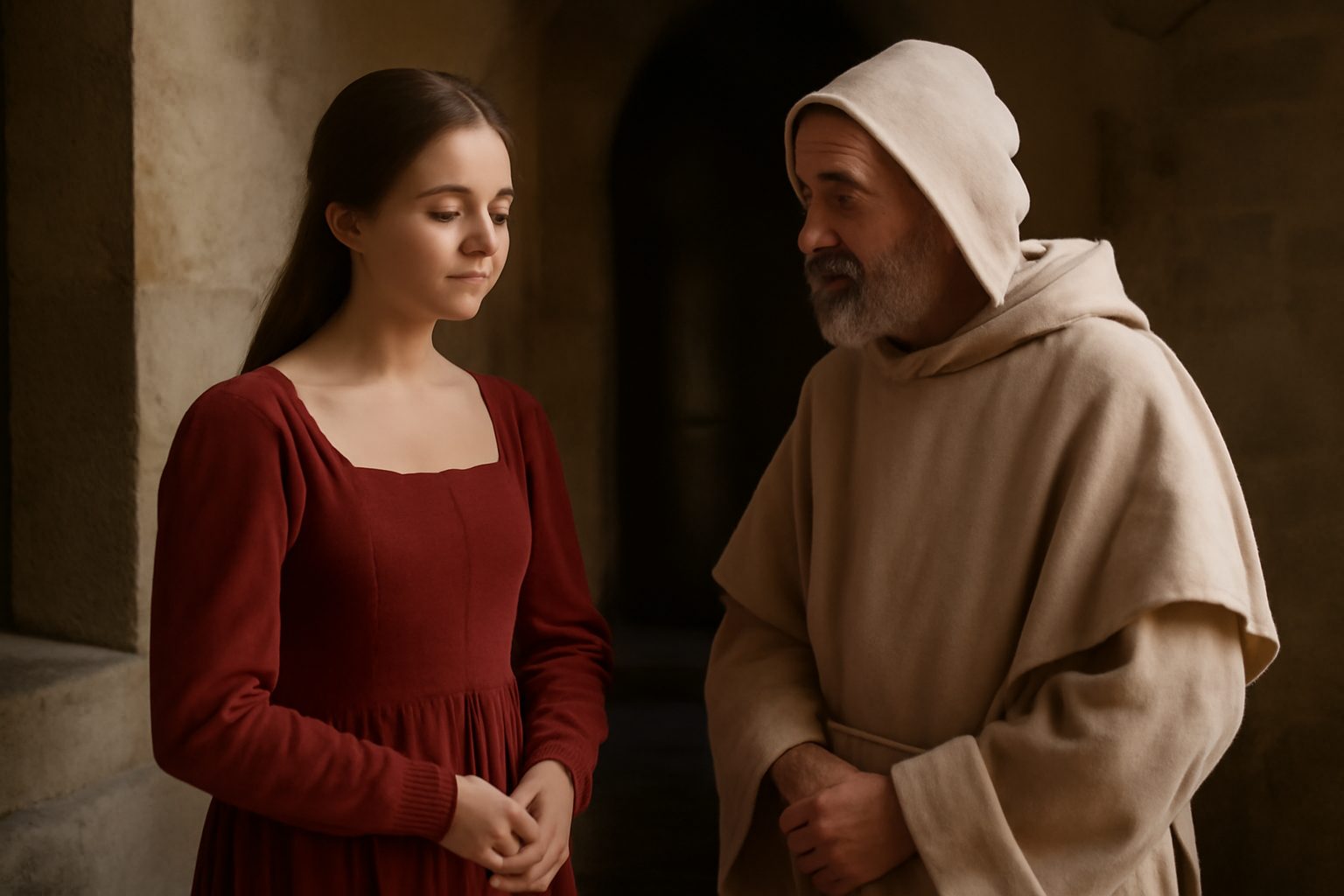
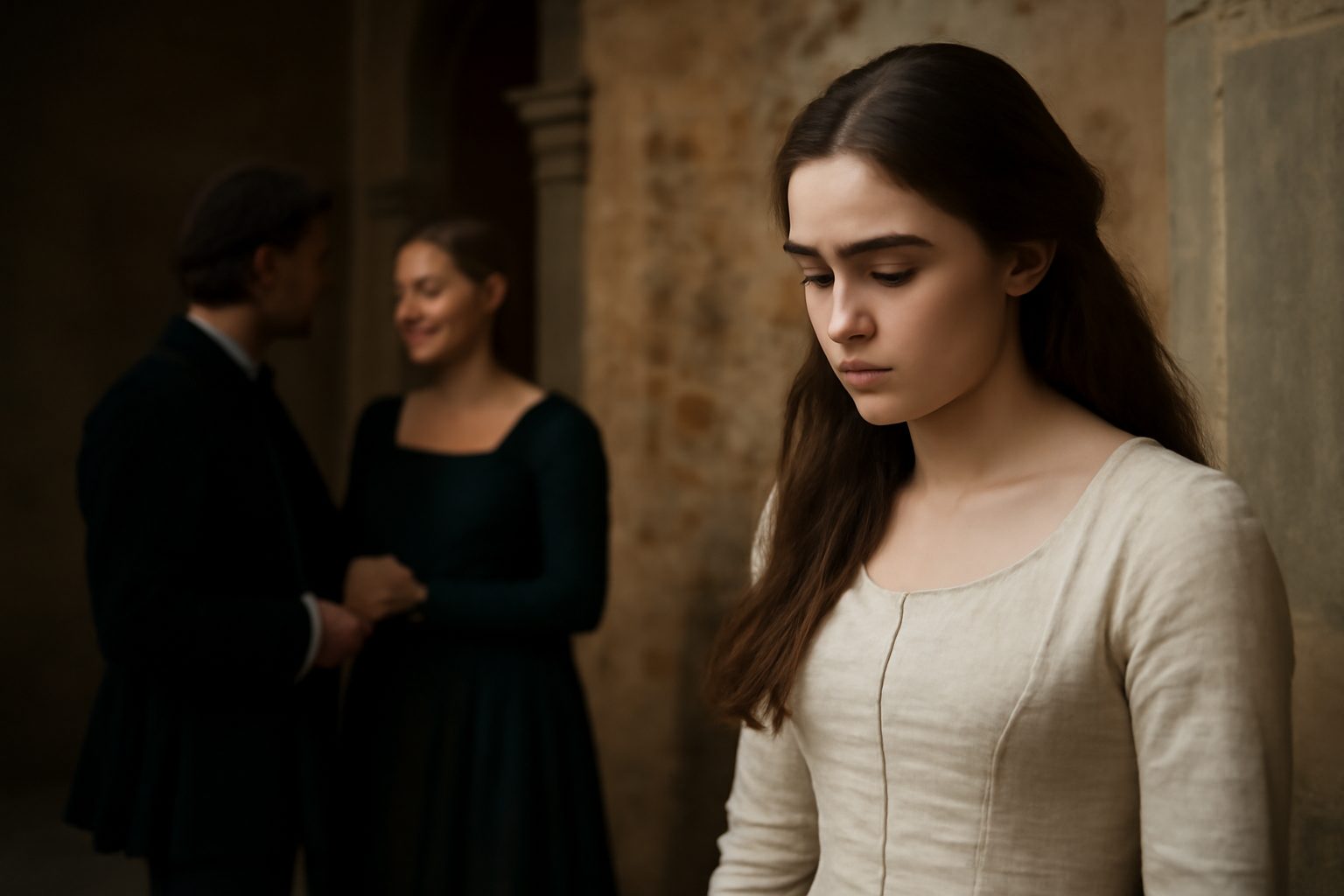
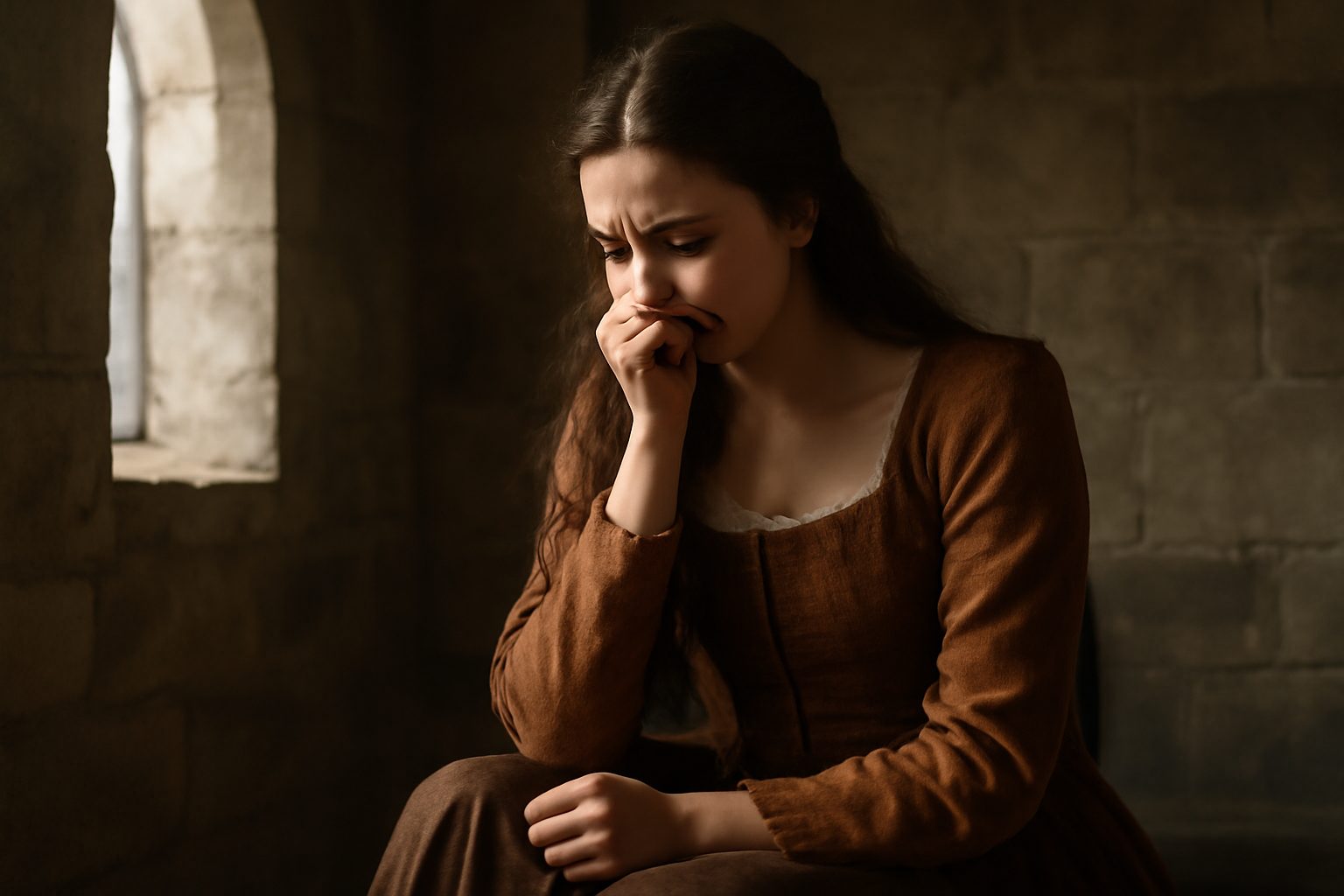
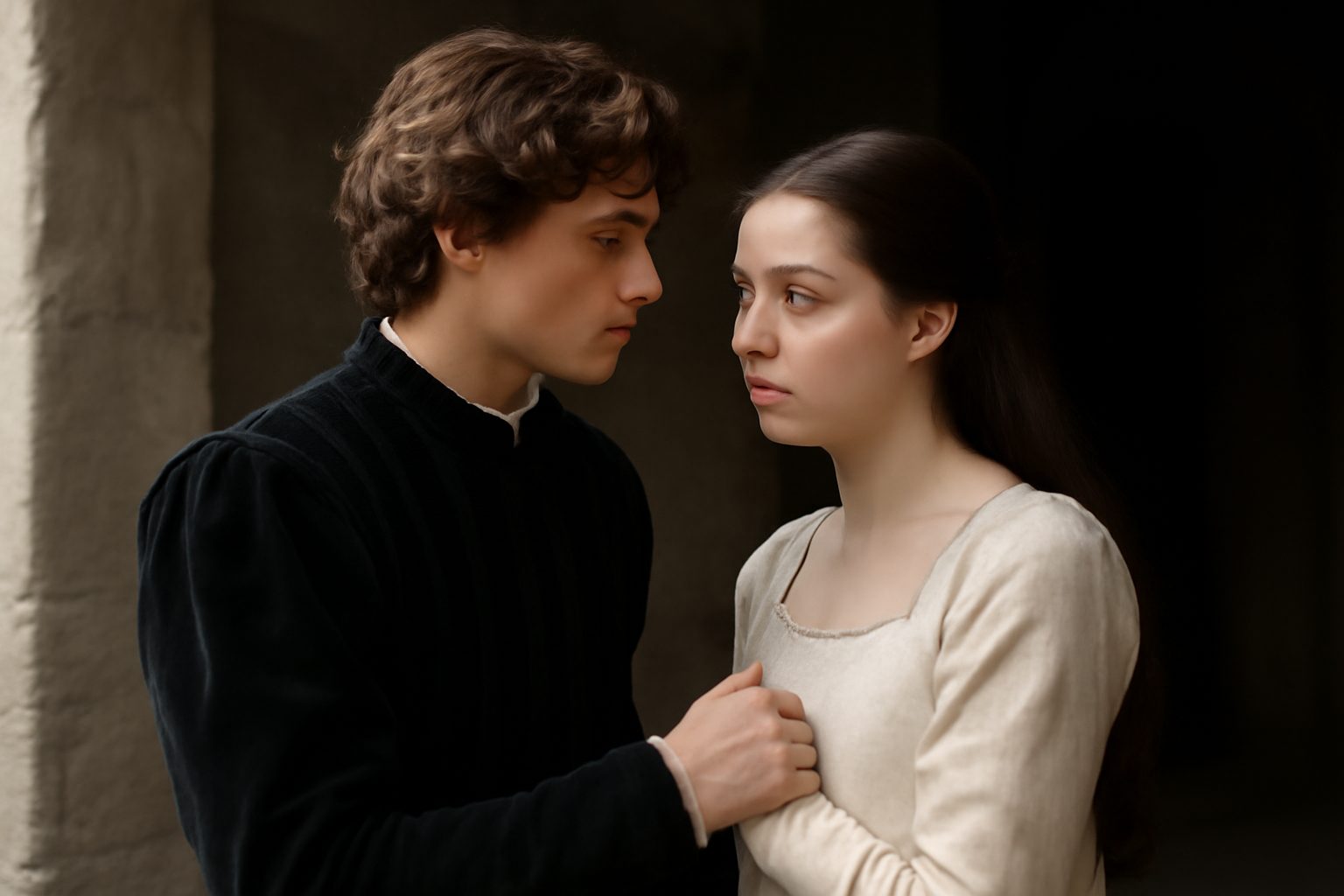
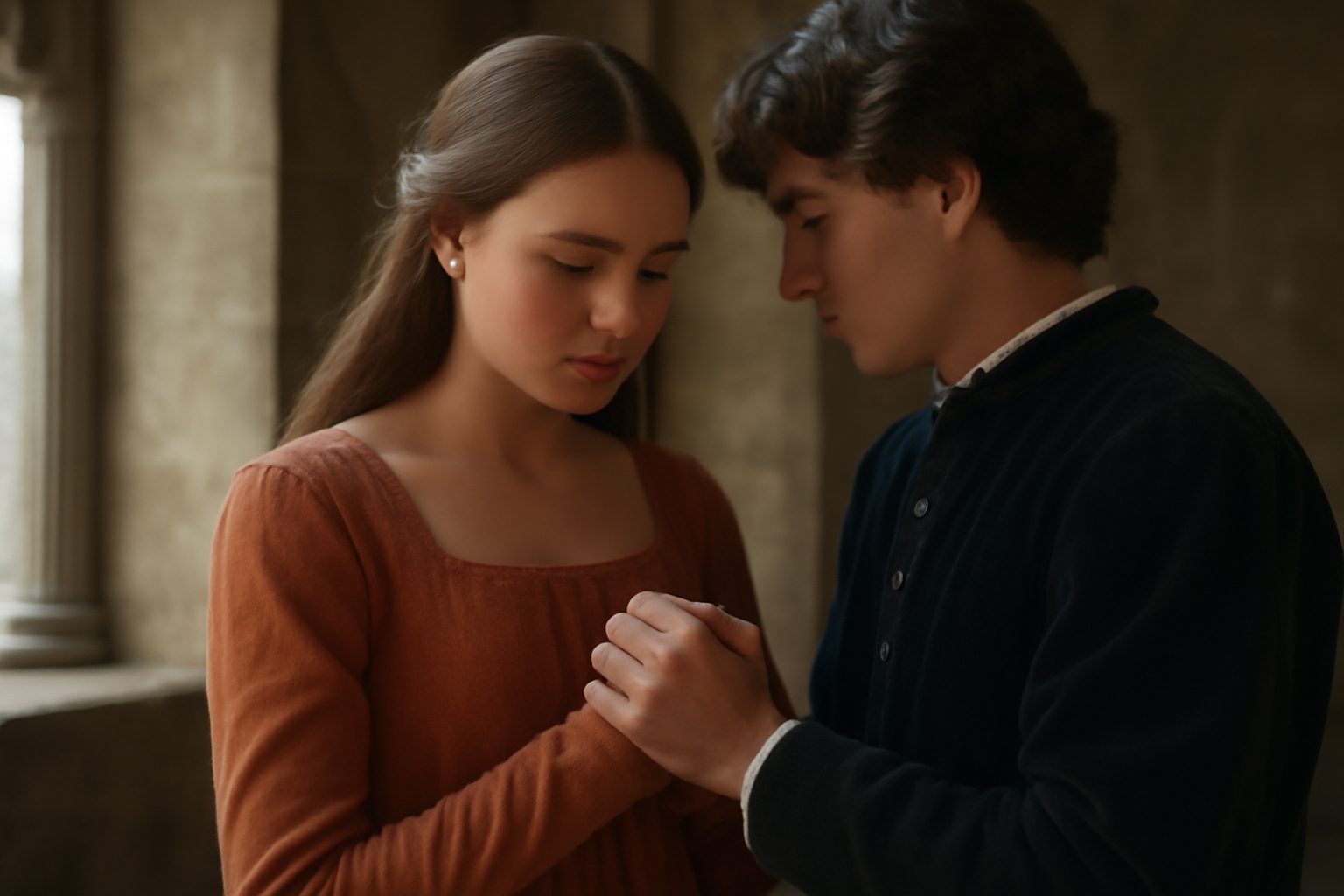
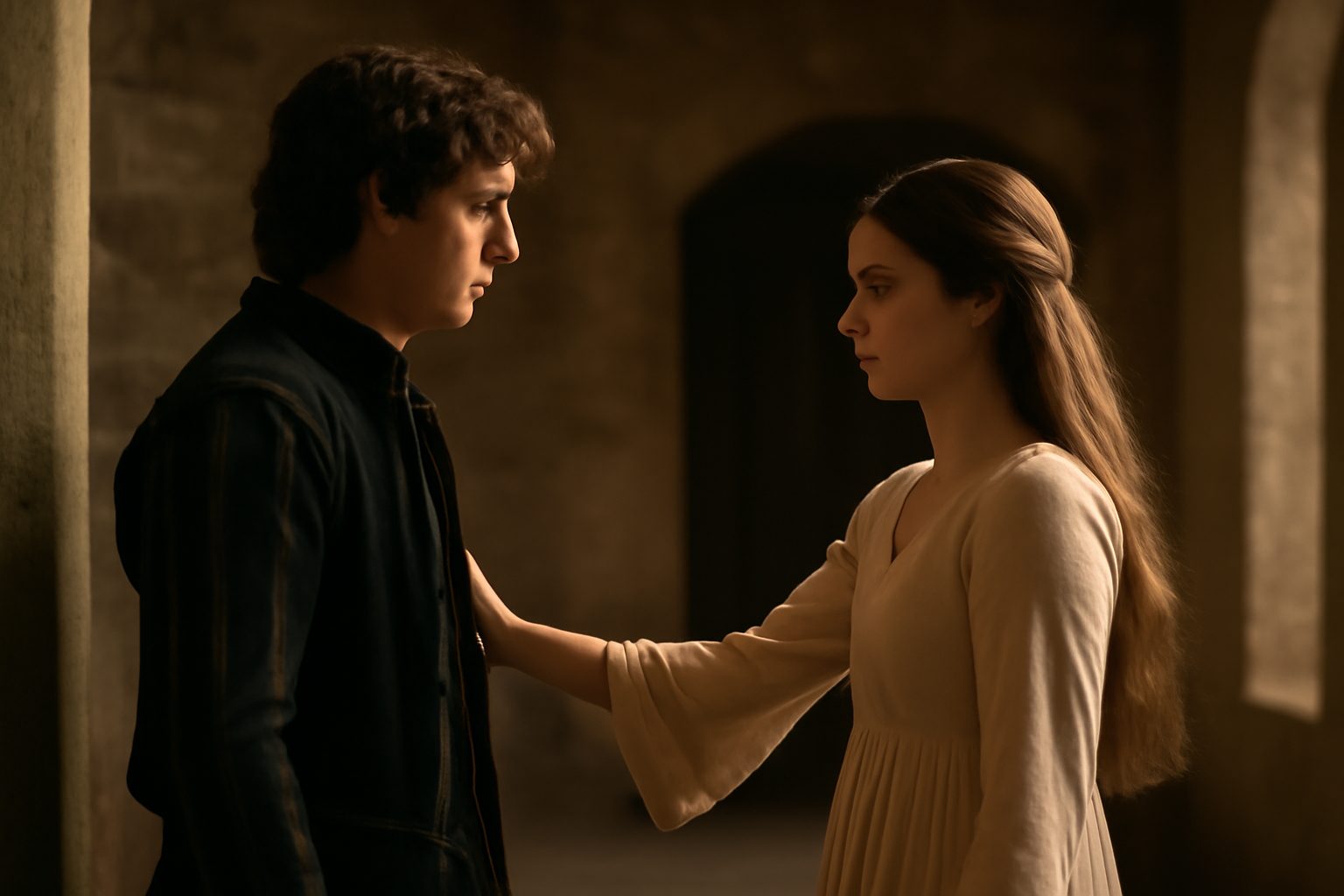
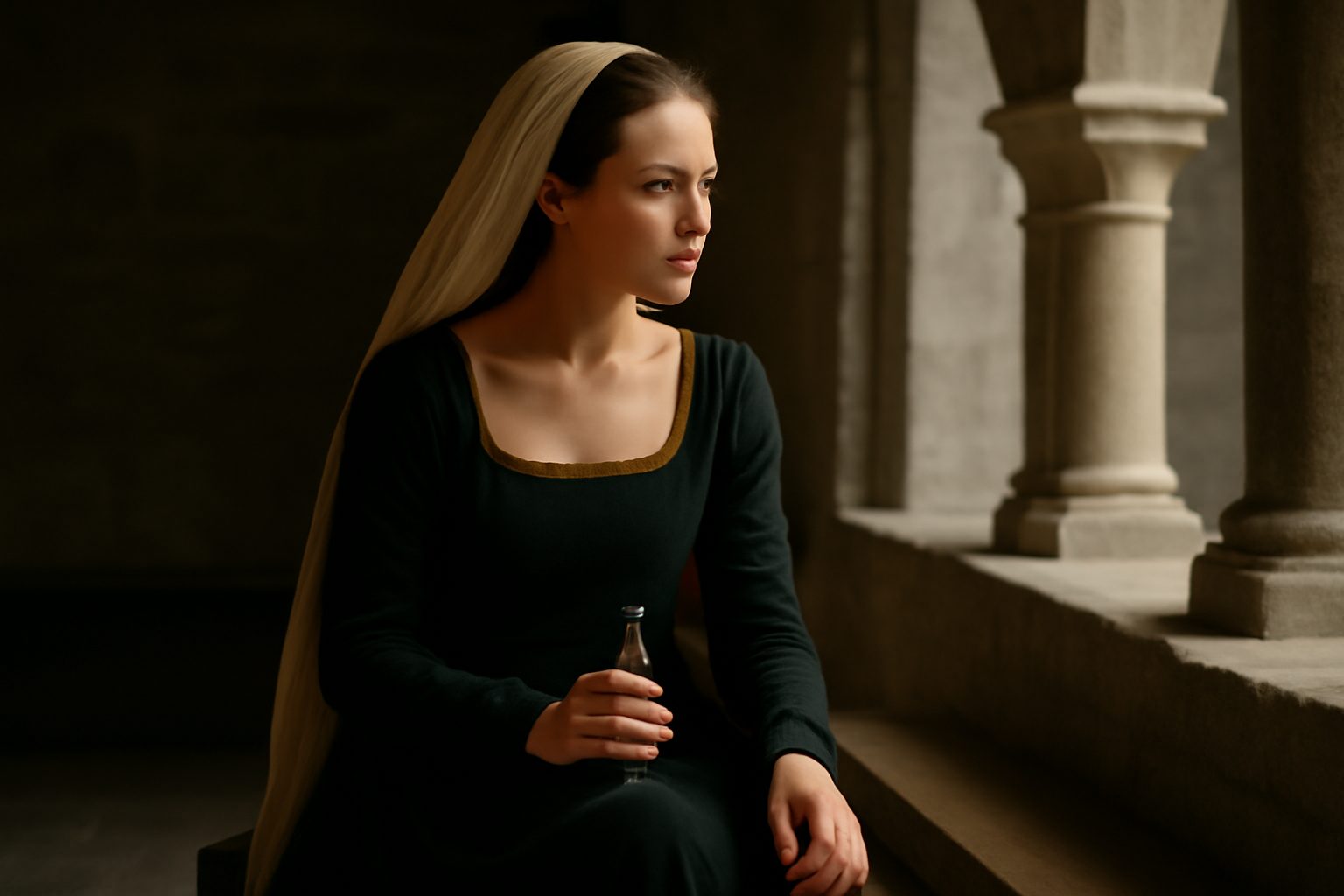
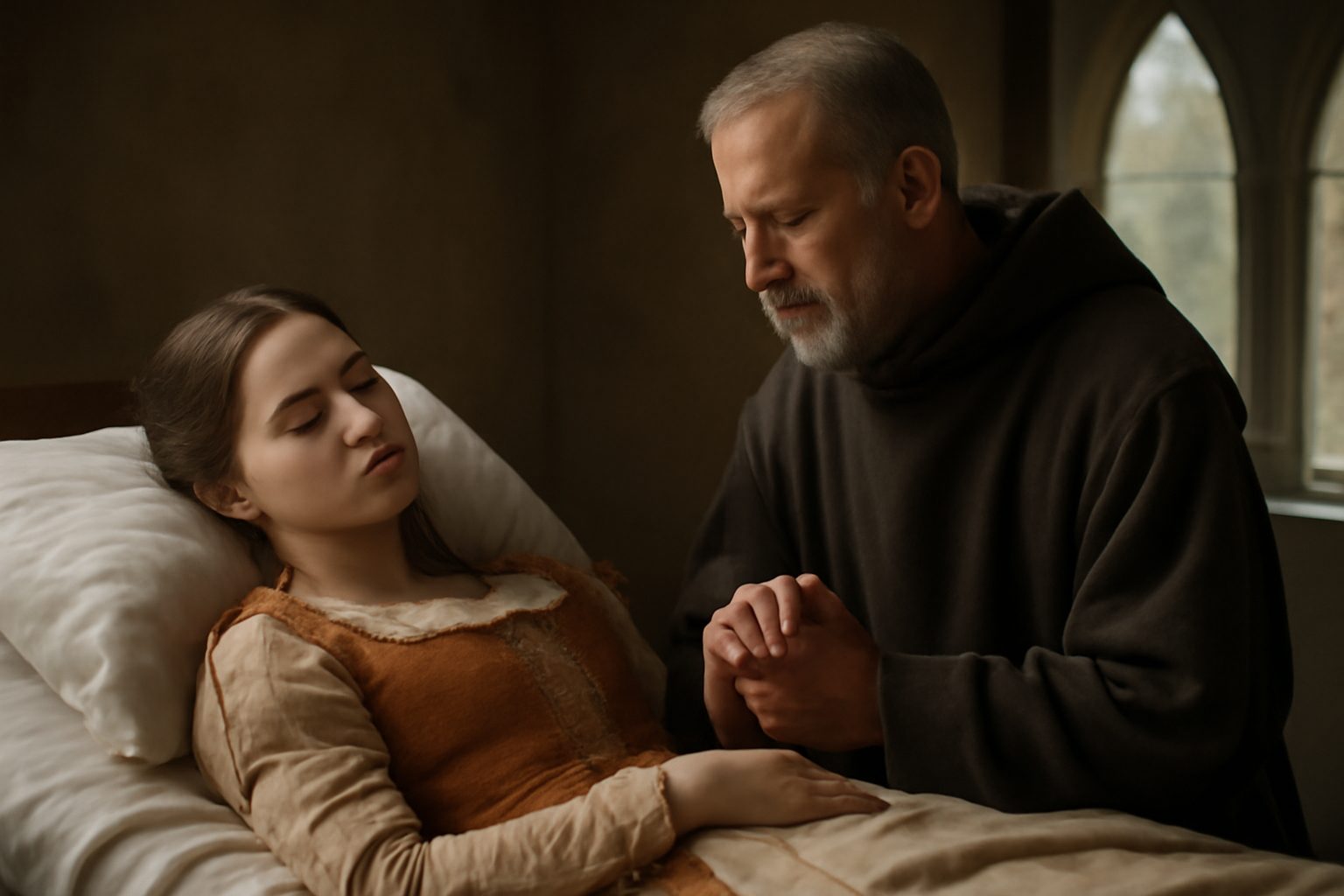
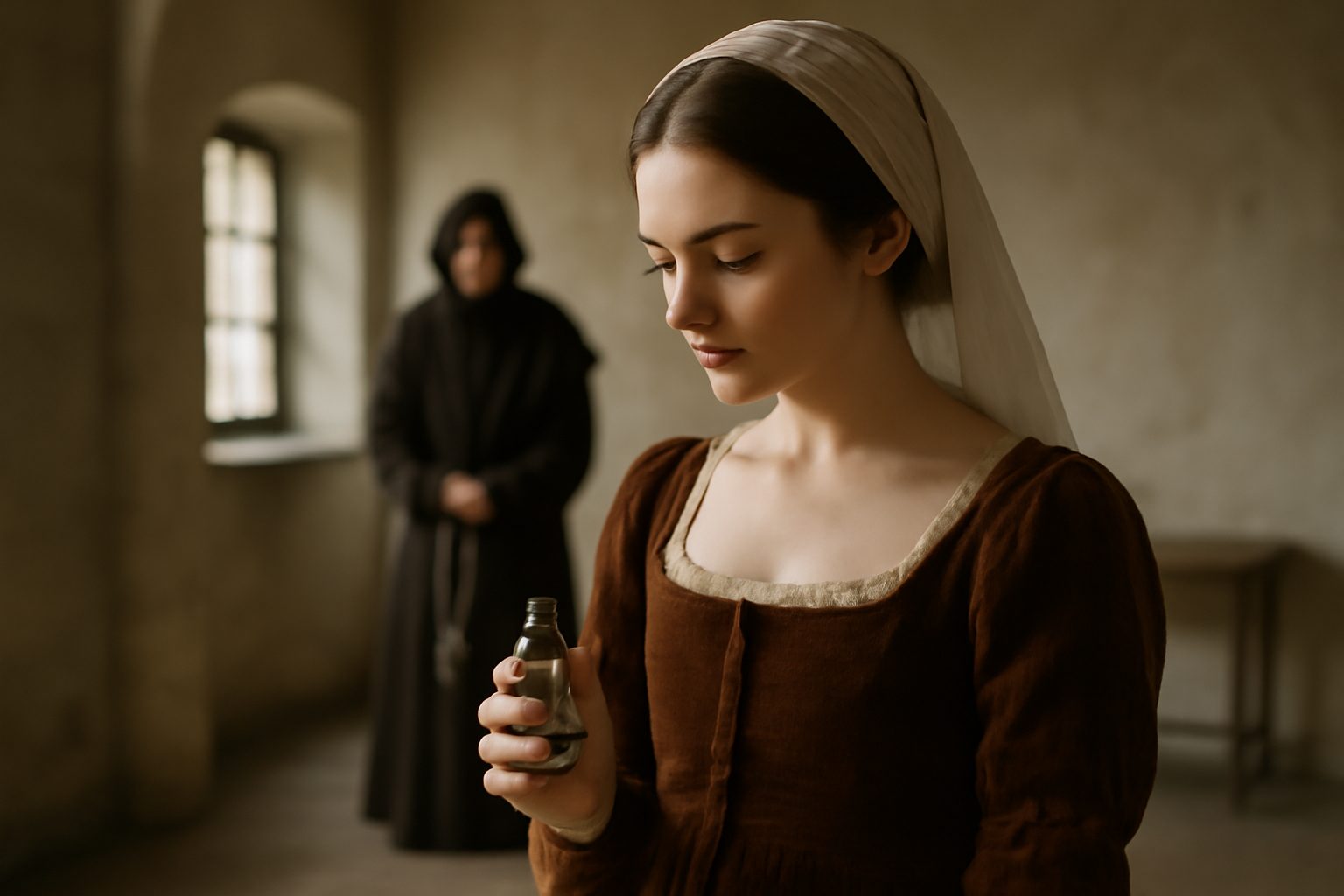
In Act 4, Scene 1 of Romeo and Juliet, Juliet is desperate to avoid marrying Paris after secretly wedding Romeo. She seeks Friar Laurence's help, and he devises a risky plan involving a potion that will make her appear dead. The verse reflects Juliet's fear of the plan's potential consequences, comparing the potion's effect to the finality of death closing the book of life.
Friar Laurence: "Like death, when he shuts up the day of life;"
In modern day english, we would say:
It’s like death ending a person’s life, closing it forever.
Frequently Asked Questions
What does Friar Laurence compare to death in this line?
He compares the end of a day to death.
Connections to other verses:
Connections to "Like death, when he shuts up the day of life"
The verse Like death, when he shuts up the day of life is part of Friar Laurence's description of the potion's effects, which simulates death. This imagery of death as a closing or ending is echoed in Juliet's desperate willingness to embrace actual death rather than betray her love for Romeo.
Desperation and the Embrace of Death
Juliet's declaration O, bid me leap, rather than marry Paris shows her preference for death over dishonor, paralleling the finality in "shuts up the day of life." Similarly, Or bid me go into a new-made grave reinforces this connection, as she equates marriage to Paris with burial.
Simulated Death and Its Physical Manifestations
Friar Laurence's plan involves creating the appearance of death, described in Shall, stiff and stark and cold, appear like death, which directly aligns with the shutting of life's day. The potion induces No warmth, no breath, shall testify thou livest, mirroring the absence of life implied in the original verse.
Awakening and Hope Beyond Death
Despite the deathlike state, there is promise of revival, as in And then awake as from a pleasant sleep, contrasting the closure of death with the hope of a new beginning. This temporary death is meant to free thee from this present shame, turning the simulation into a means of salvation.