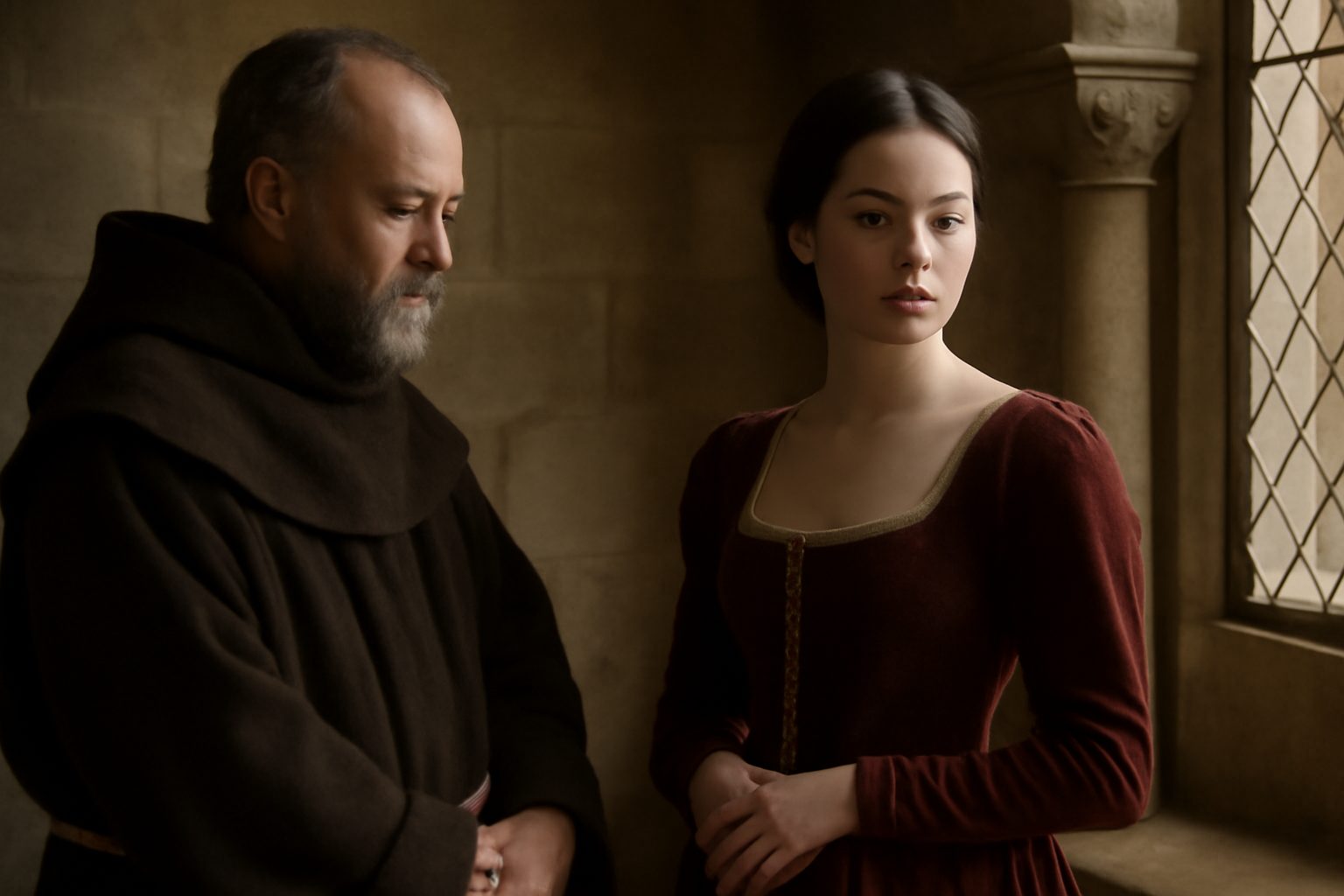
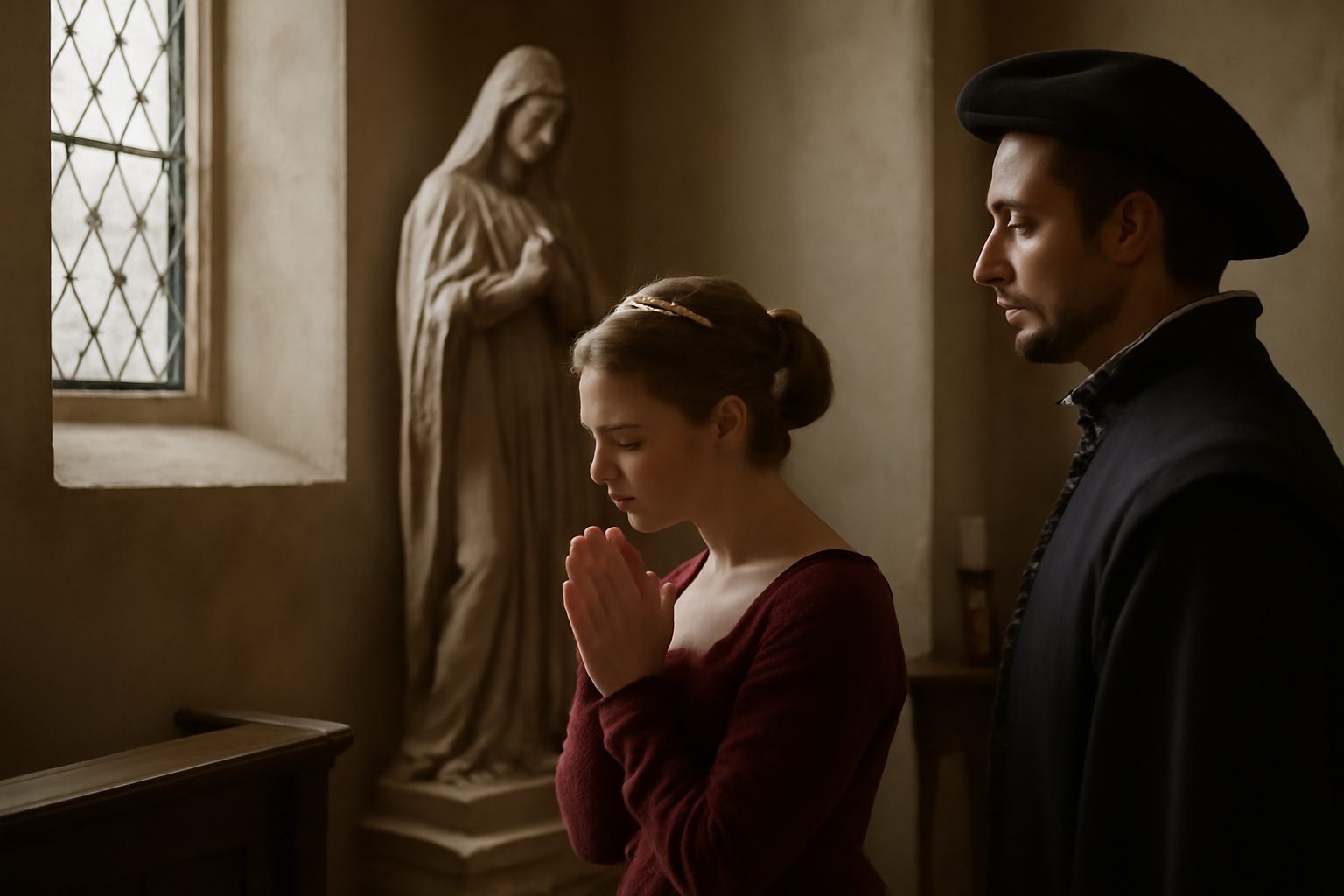
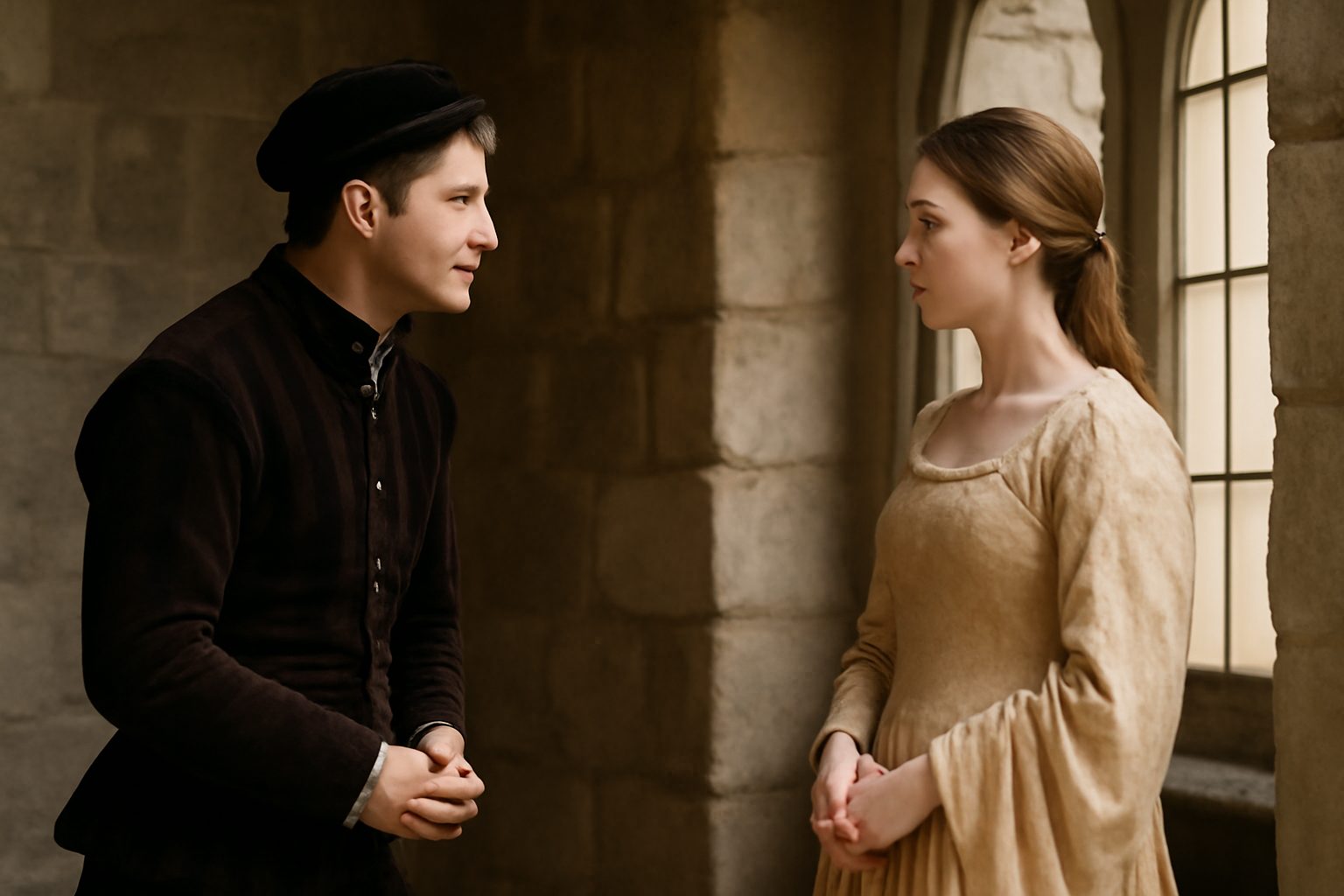
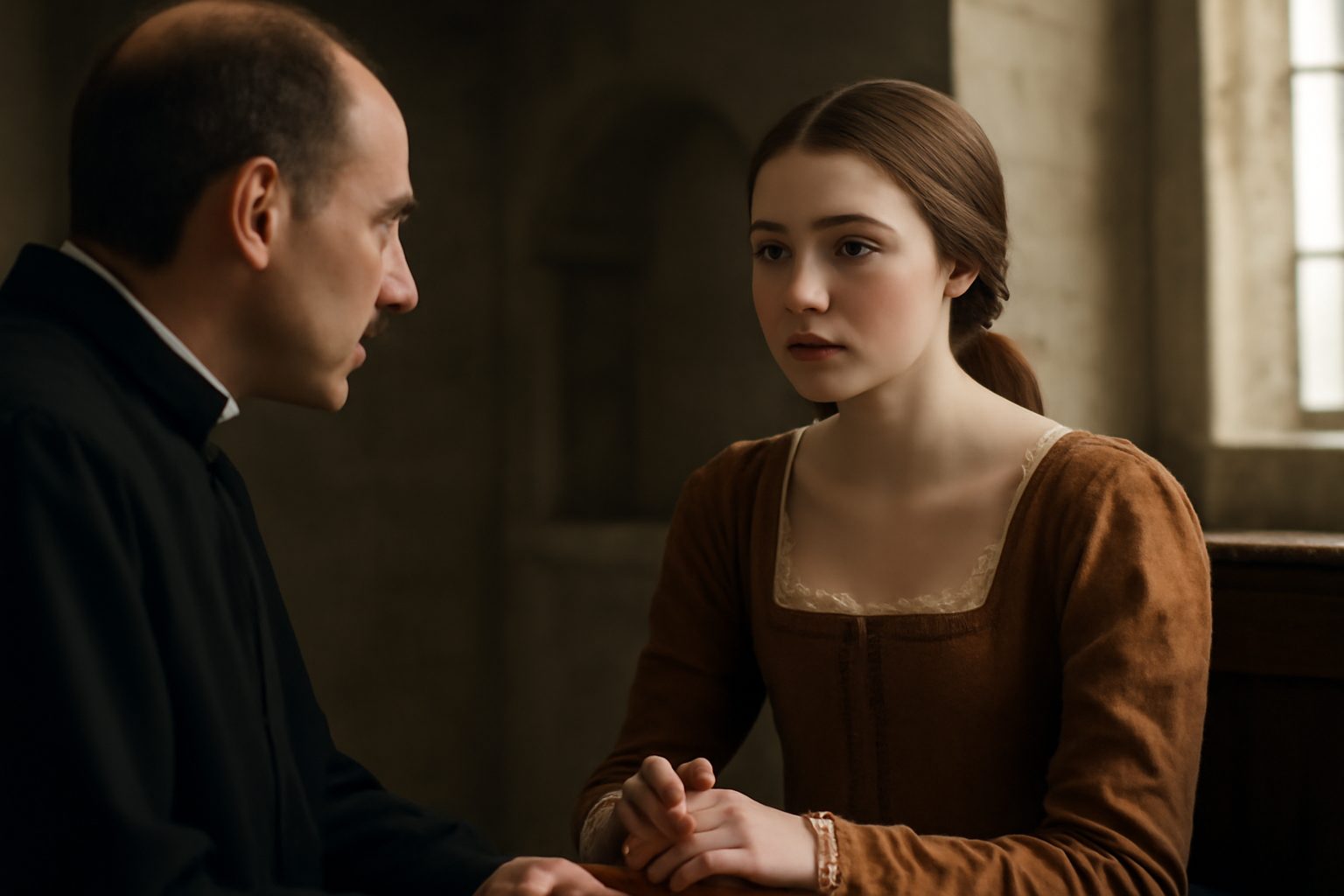
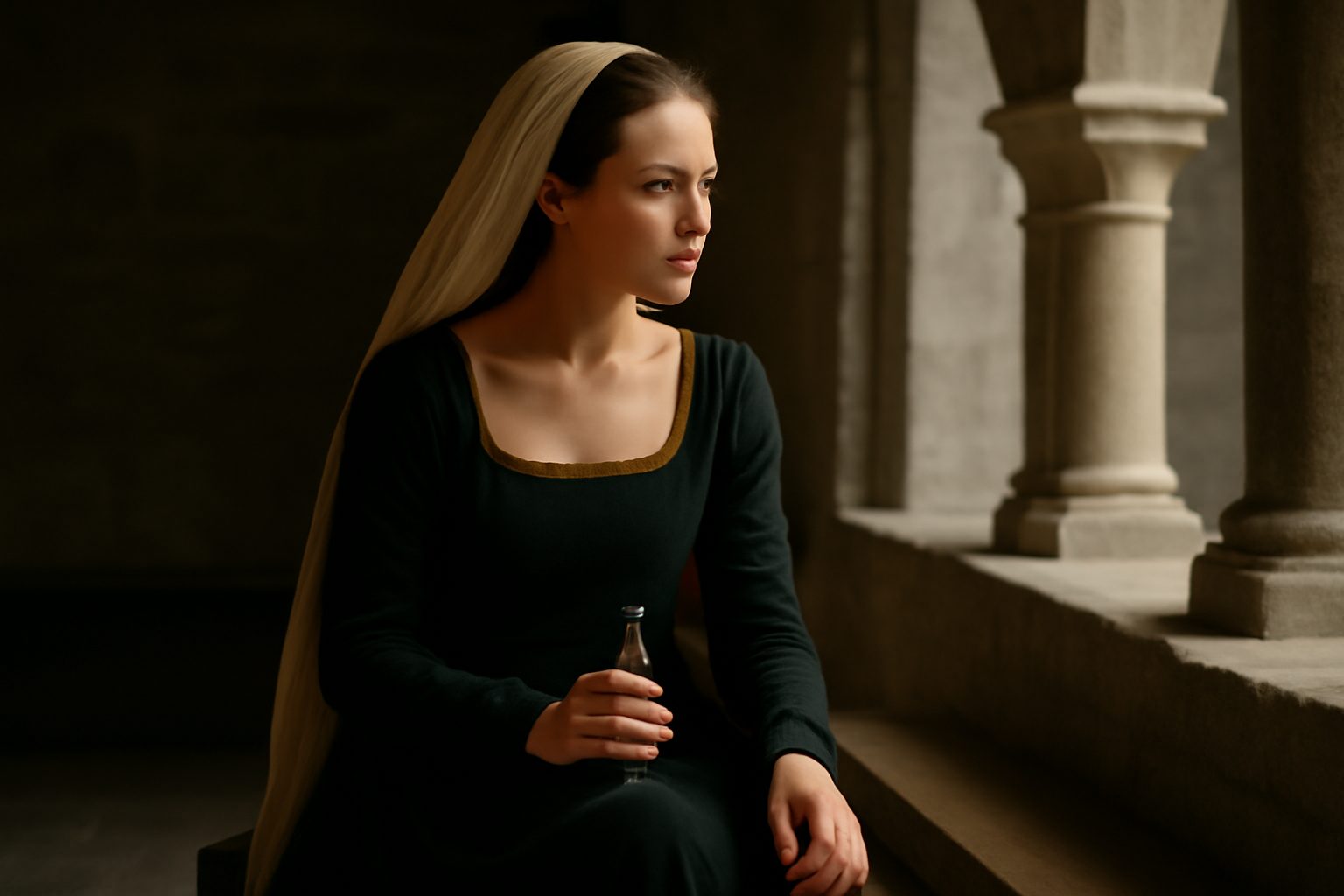
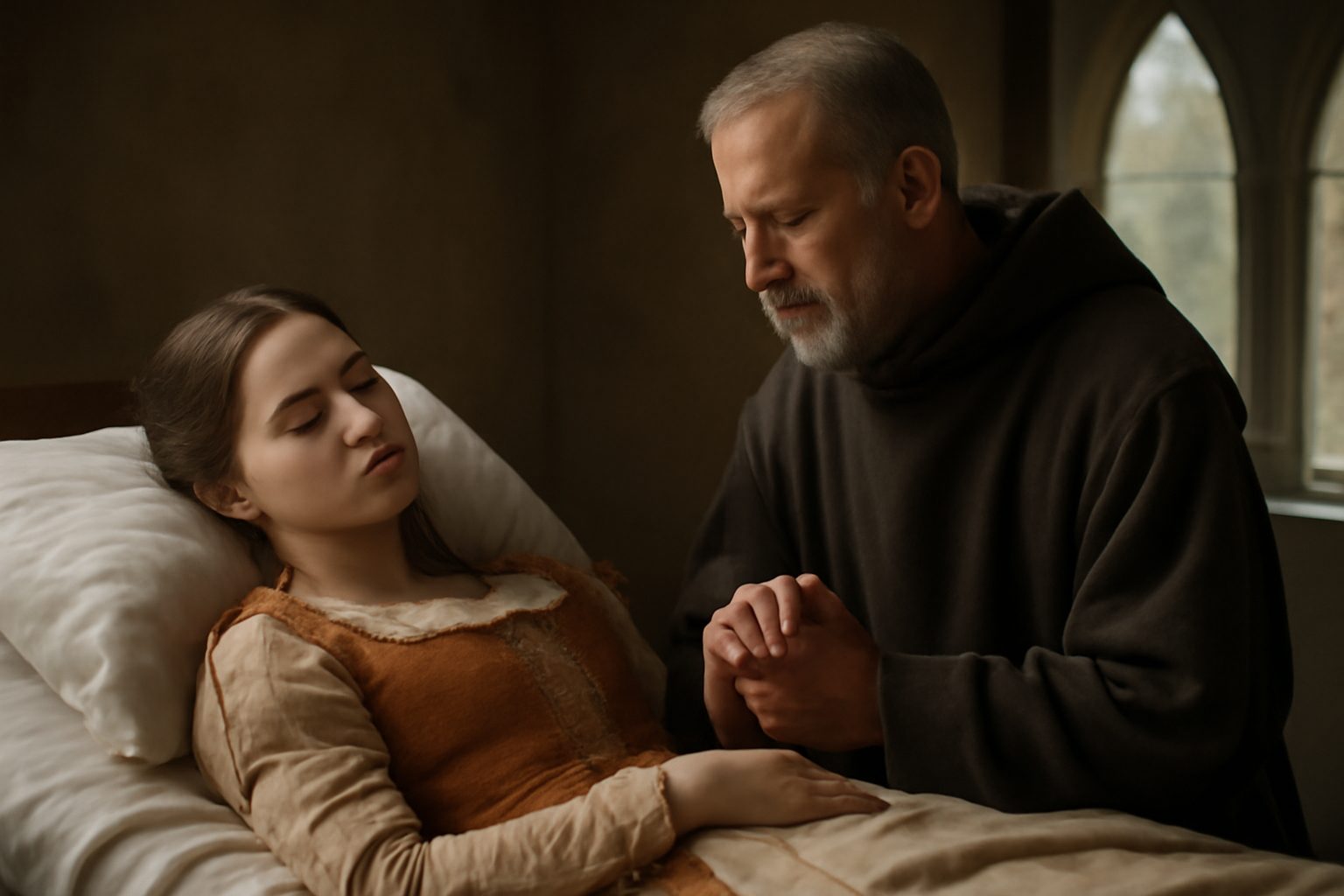
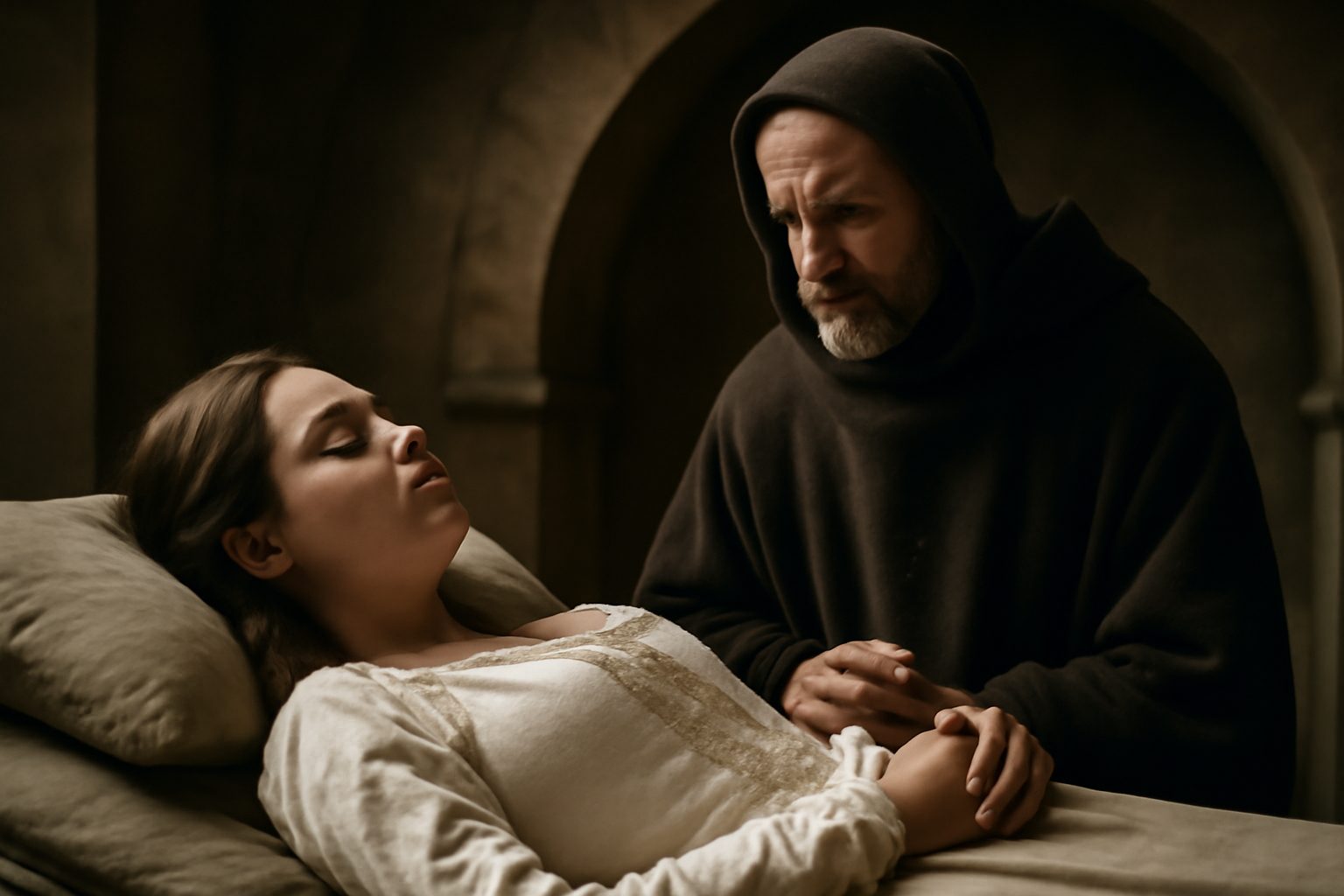
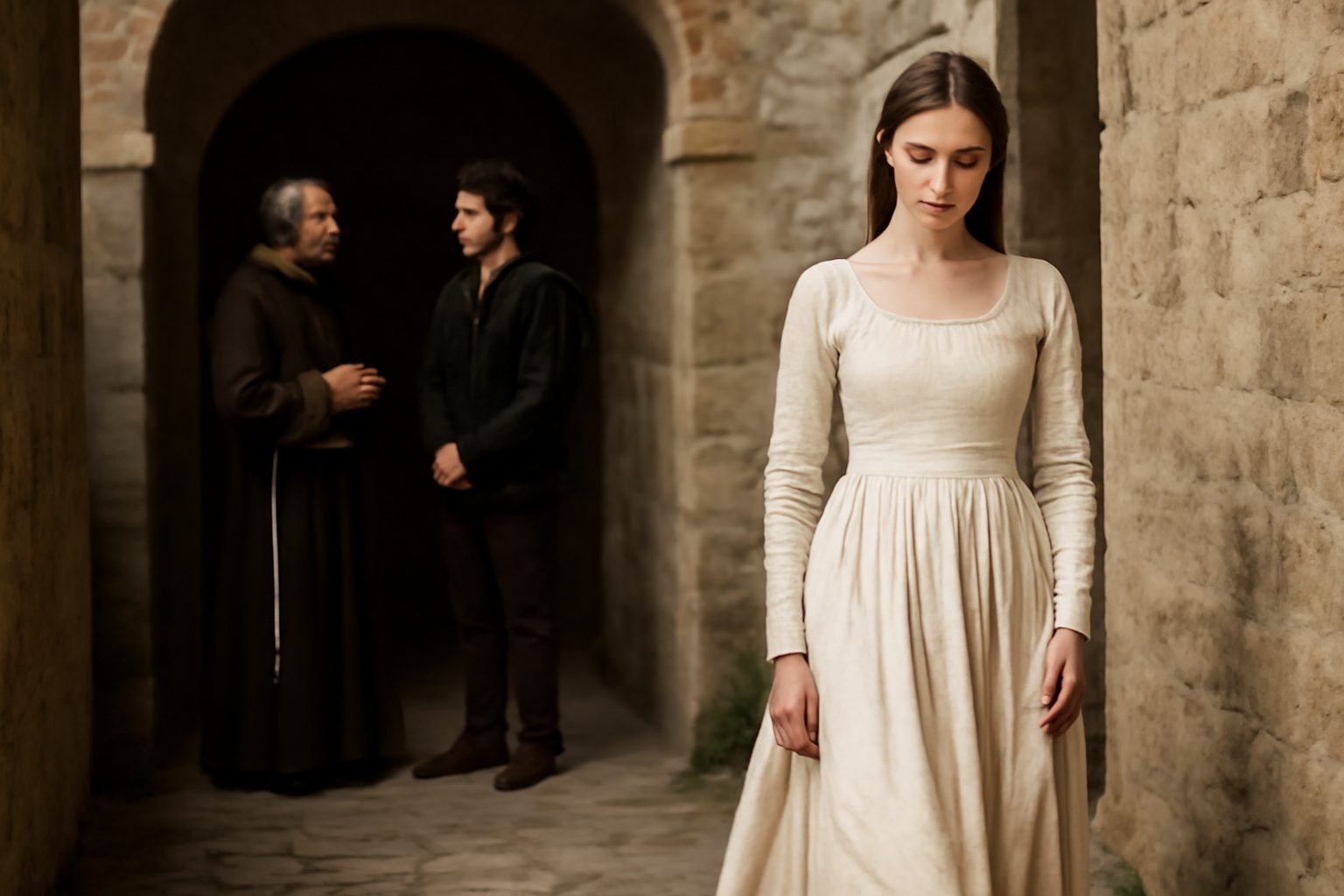
In Act 4 Scene 1 of Romeo and Juliet, Juliet speaks this line to Paris during a tense exchange at Friar Laurence's cell. She has been forced into an engagement with Paris against her will, and her words carry a double meaning—hinting at her secret marriage to Romeo while appearing compliant to Paris. The moment underscores her desperation and the precarious situation she faces as she seeks a way to avoid the arranged wedding.
Juliet: "That may be, sir, when I may be a wife."
In modern day english, we would say:
Maybe someday, sir, when I’m married.
Frequently Asked Questions
What is Juliet implying when she says she might be a wife someday?
Juliet is hinting that she might marry Paris, as her parents want, but she is secretly already married to Romeo.
Connections to other verses:
Connections to "That may be, sir, when I may be a wife."
Juliet's line, "That may be, sir, when I may be a wife", is a sharp retort to Paris's premature address of her as his wife. This moment underscores her resistance to the forced marriage and connects thematically and dramatically to several other verses in the scene.
Resistance to Marriage and Familial Pressure
Juliet's defiance is echoed when she declares her loyalty to Romeo in "God join'd my heart and Romeo's, thou our hands", emphasizing that her true marriage is spiritual and already exists. Her desperation to avoid marrying Paris is further illustrated when she threatens suicide in "And with this knife I'll help it presently", showing she would rather die than be unfaithful.
Interaction with Paris
This line directly responds to Paris's presumptuous greeting in "Happily met, my lady and my wife!", highlighting the tension between his expectations and her reality. Paris's insistence on the marriage is clear in "That may be must be, love, on Thursday next", to which Juliet's reply serves as a subtle but firm rebuttal.
Seeking Alternatives and Friar Laurence's Plan
Juliet's willingness to embrace extreme solutions connects to her plea in "O, bid me leap, rather than marry Paris", which mirrors the dire alternatives she presents. Friar Laurence's plan, introduced in "Take thou this vial, being then in bed", offers her a way to escape the marriage and remain true to Romeo, aligning with her desire to be a wife only on her own terms.
Emotional State and Resolve
Her steadfastness is reinforced in "And I will do it without fear or doubt", showing her courage in the face of the friar's dangerous remedy. This determination culminates in her hope to "live an unstain'd wife to my sweet love", directly tying back to her initial retort about the conditions under which she will accept being called a wife.