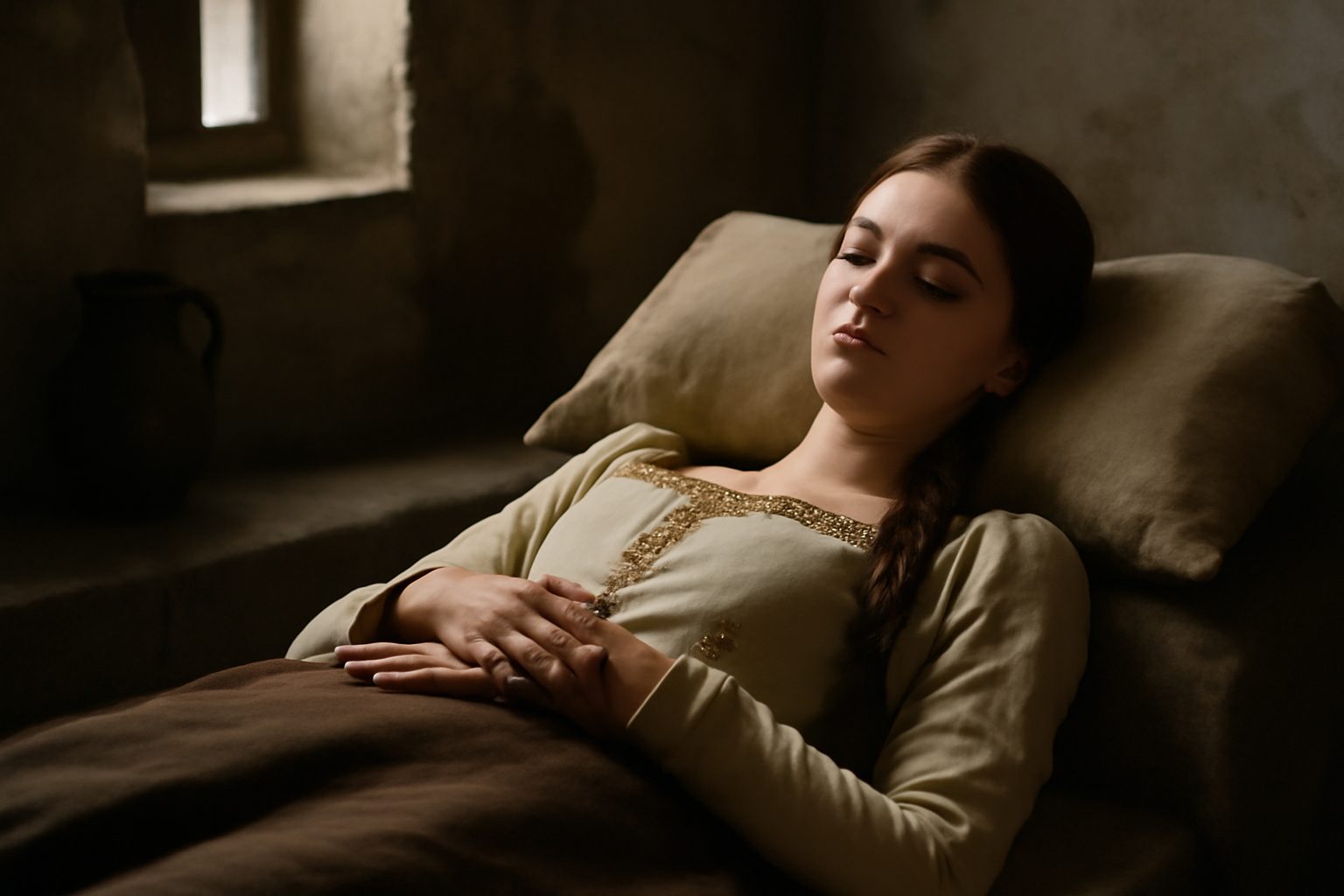
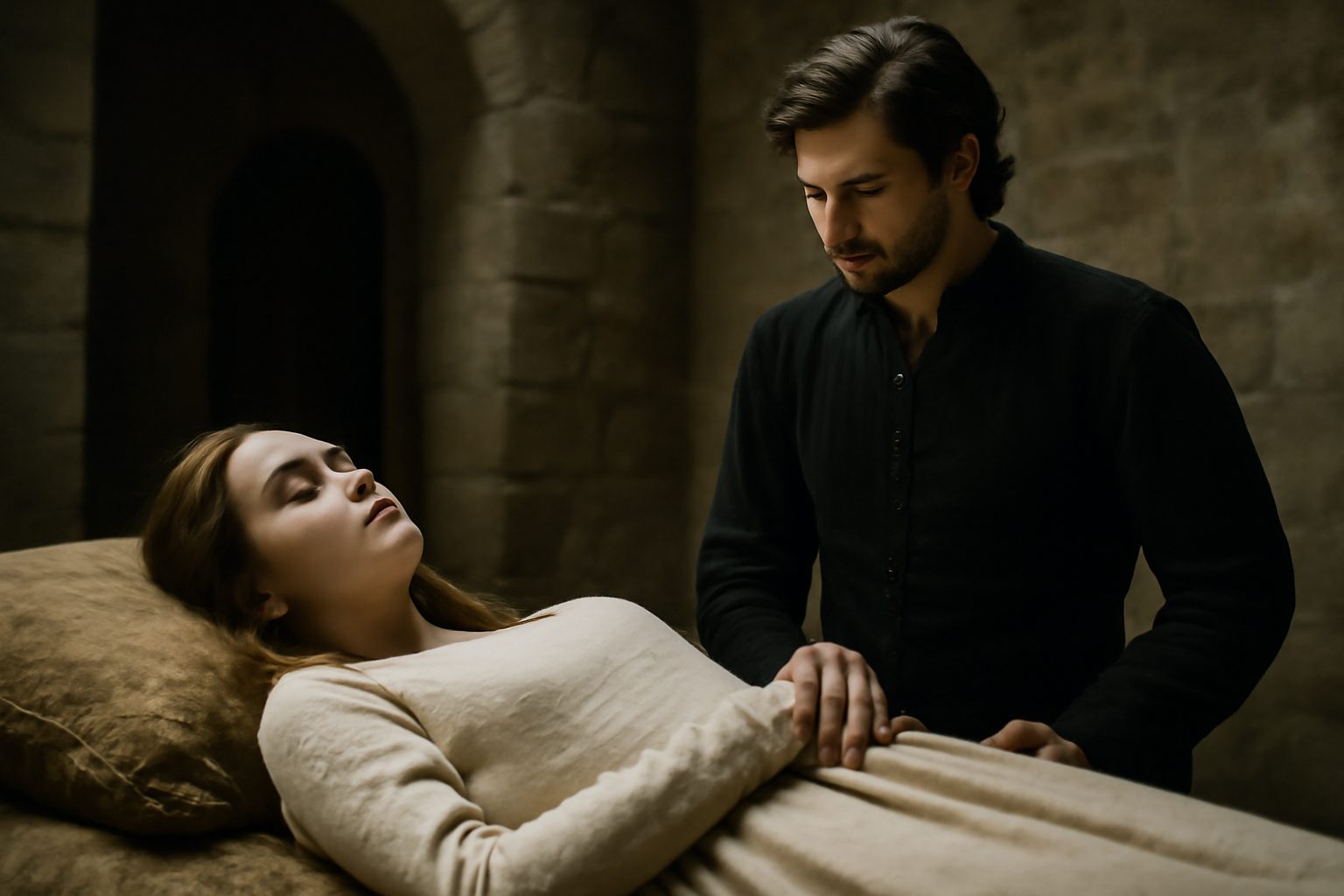
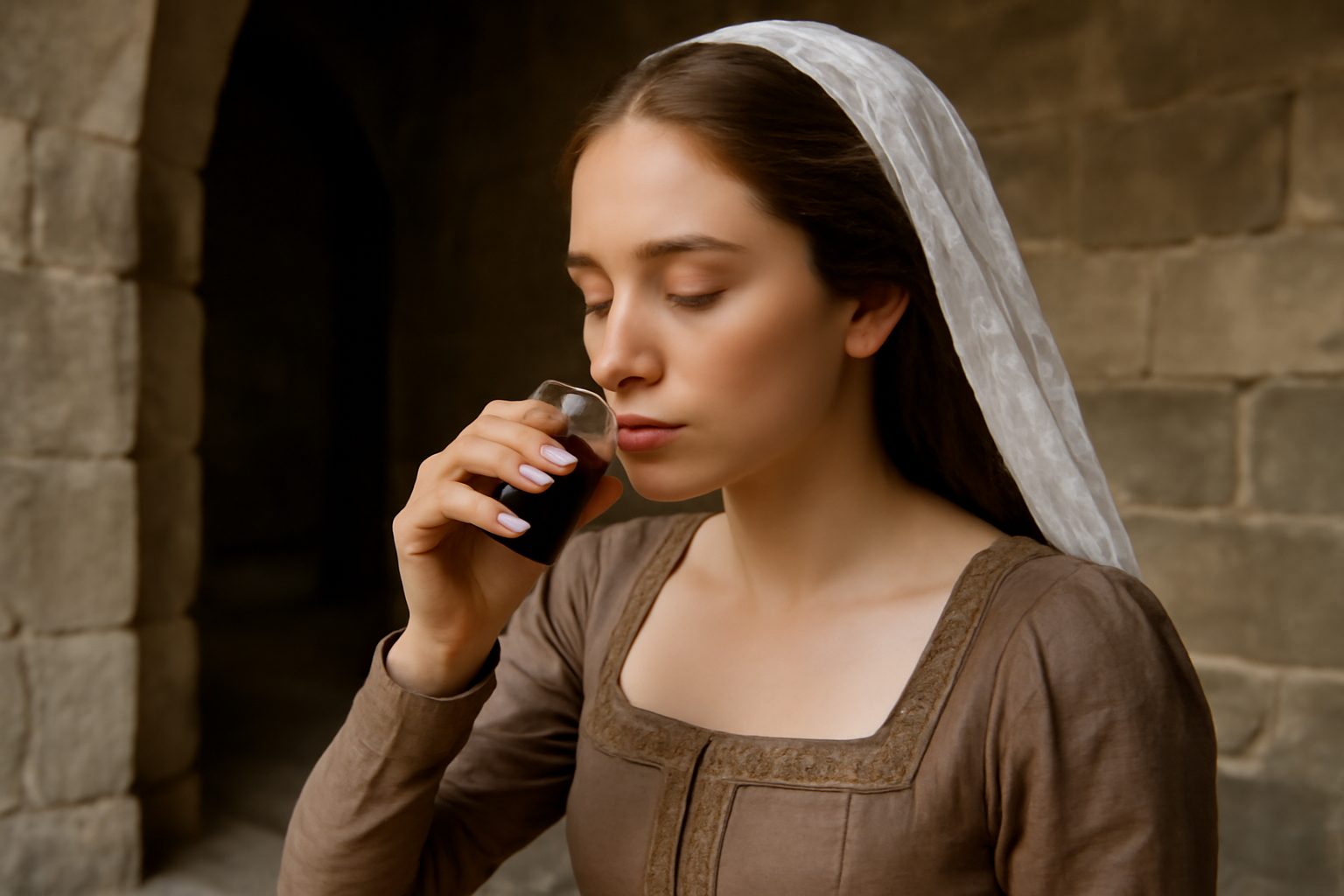
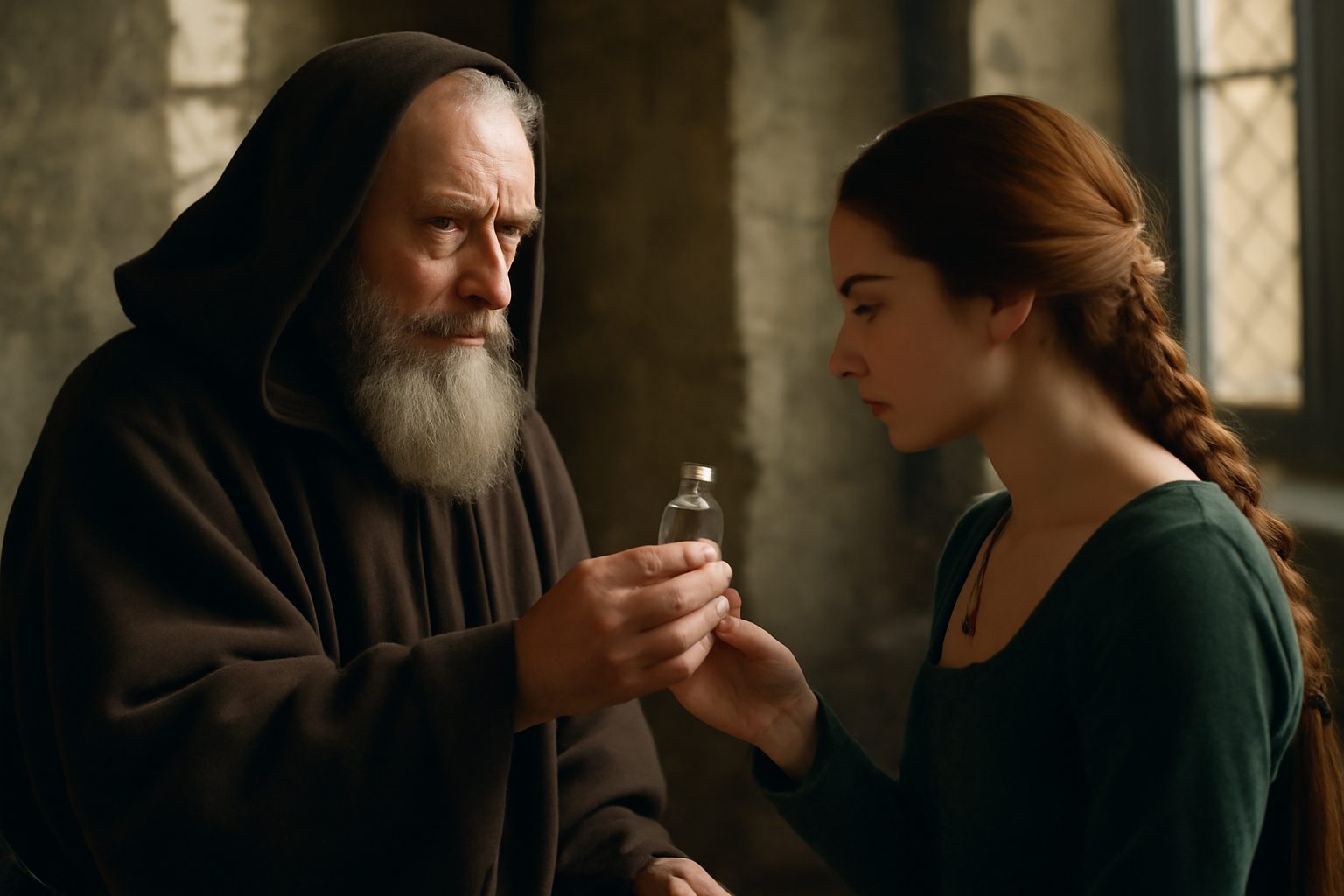
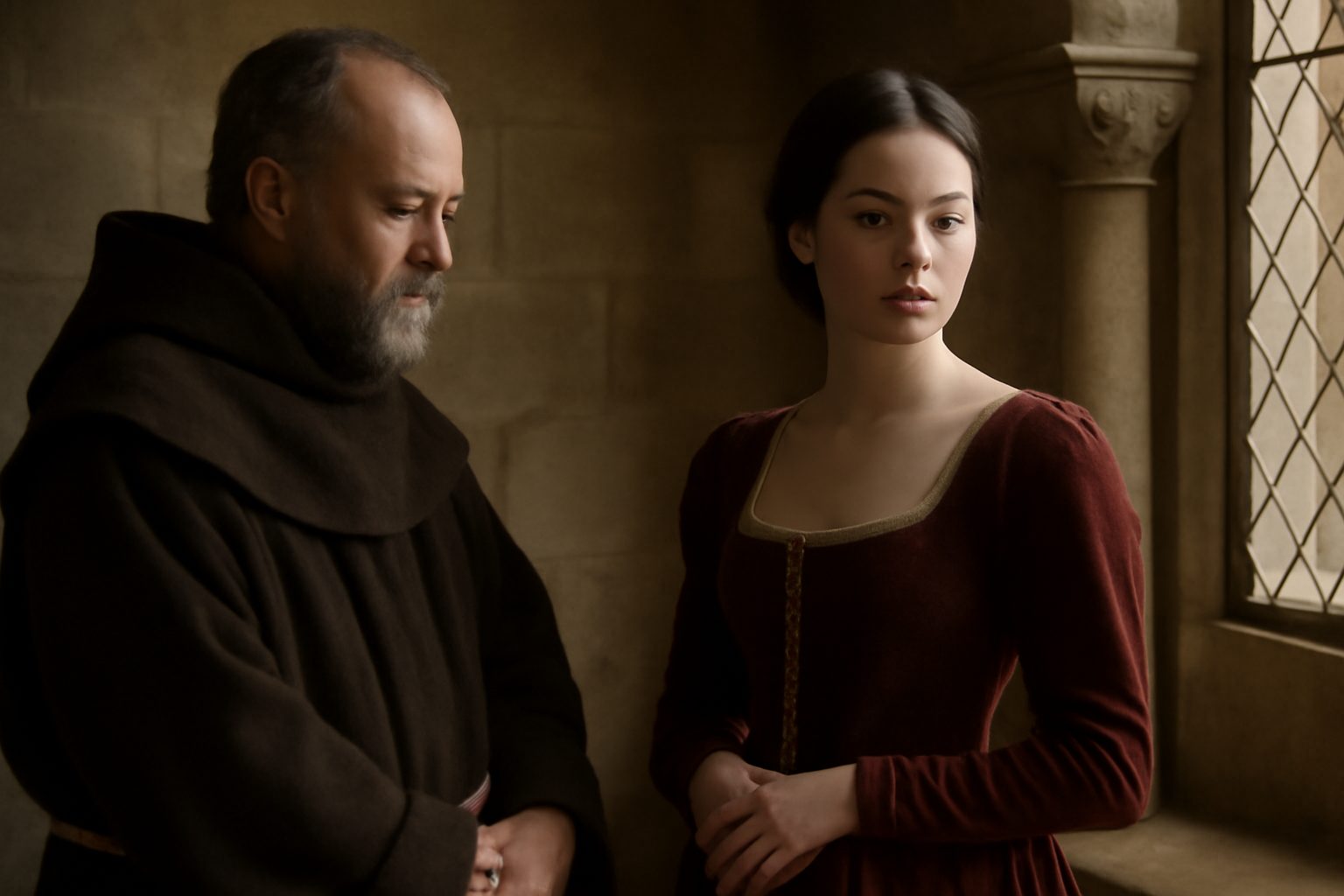
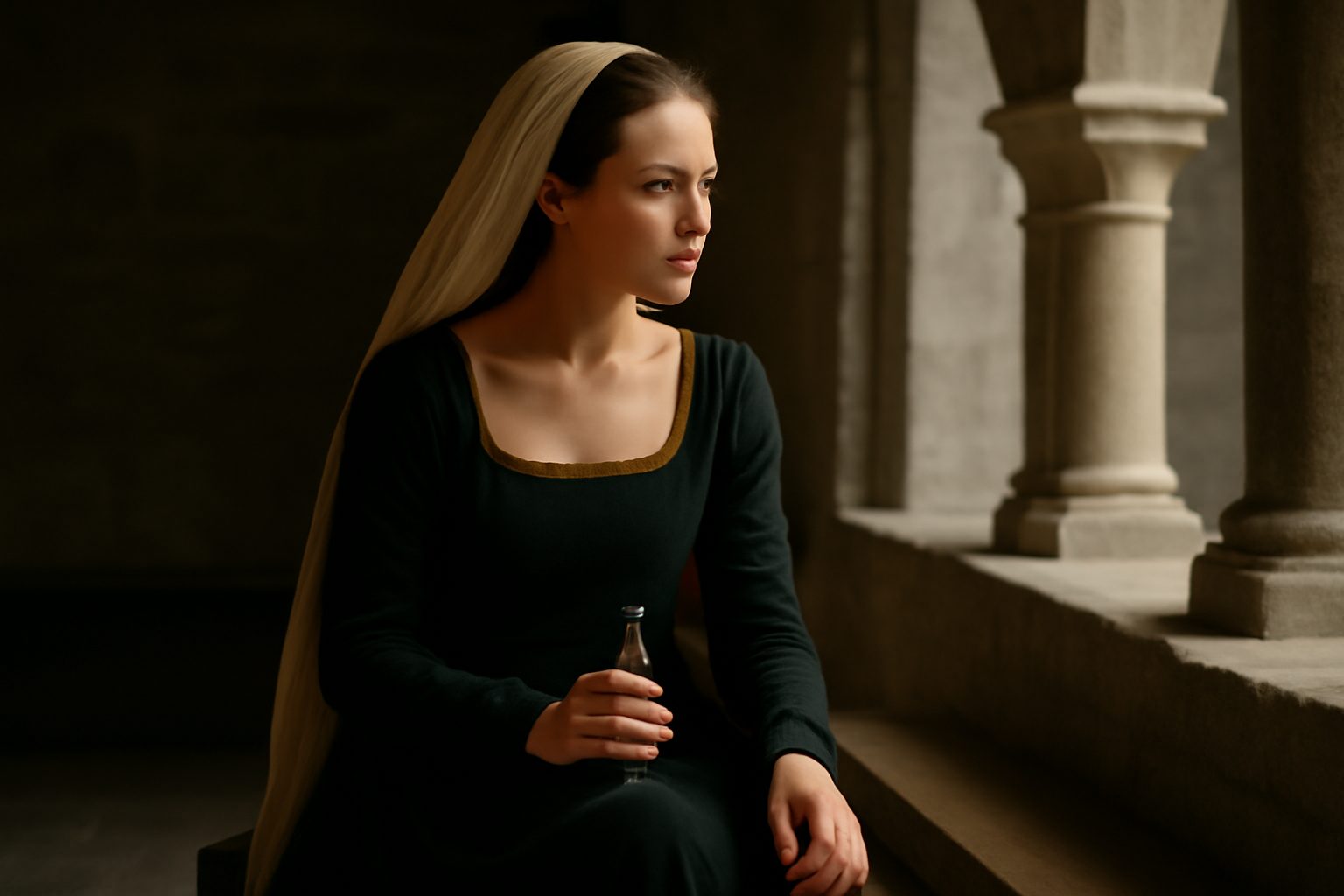
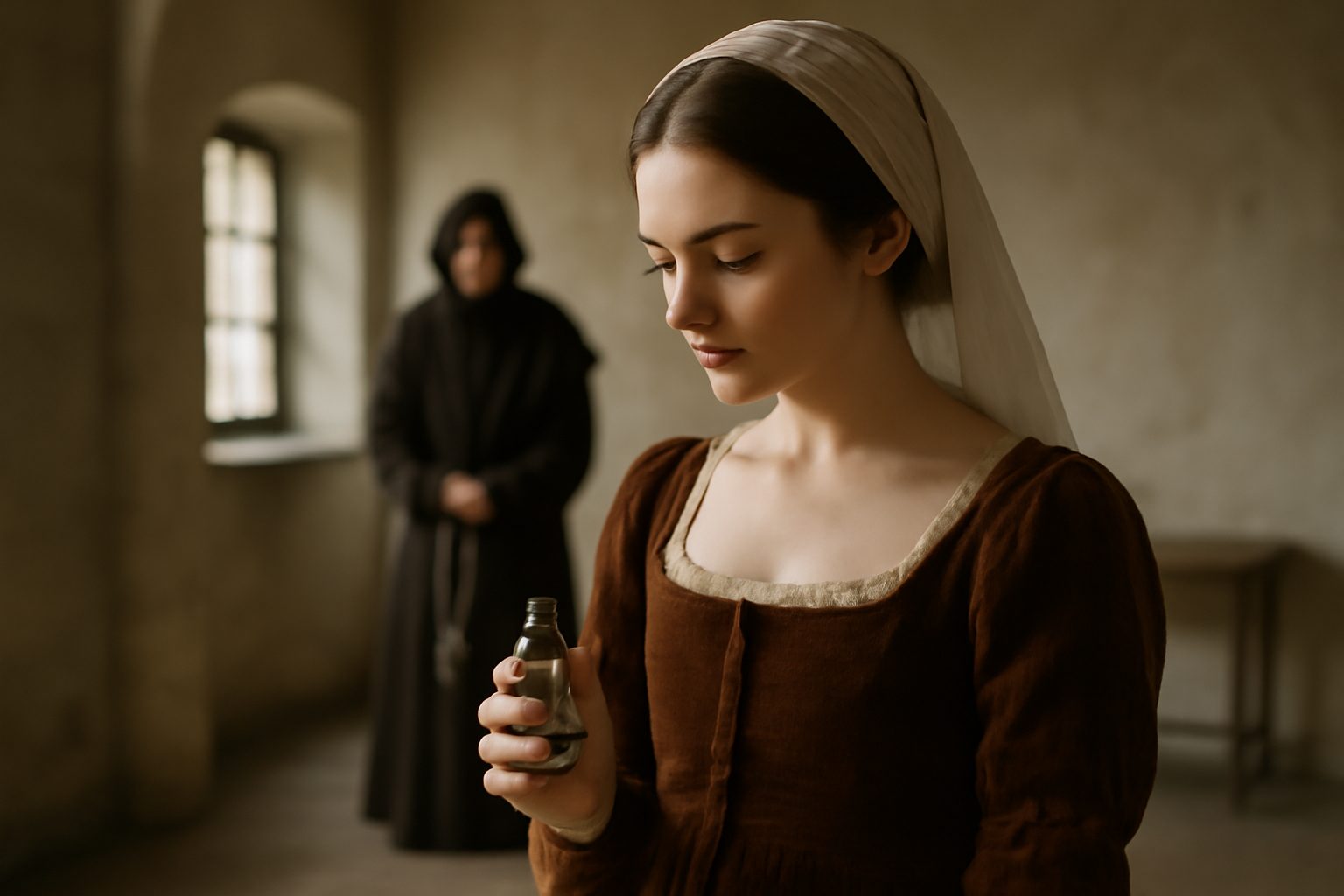
In Act 4, Scene 1 of Romeo and Juliet, Friar Laurence devises a desperate plan to reunite the young lovers. As Juliet pleads for a way to escape her impending marriage to Paris, the Friar instructs her to drink a potion that will make her appear dead. This line marks the moment he hands her the vial, setting in motion a risky scheme that will have tragic consequences.
Friar Laurence: "Take thou this vial, being then in bed,"
In modern day english, we would say:
Take this vial and drink it when you're in bed.
Frequently Asked Questions
What does Friar Laurence give to someone in this line?
He gives a vial.
When should the person take what Friar Laurence gives them?
They should take it when they are in bed.
Connections to other verses:
Connections to "Take thou this vial, being then in bed"
The verse "Take thou this vial, being then in bed" is part of Friar Laurence's detailed instructions to Juliet for the potion that will simulate her death. It connects thematically and sequentially to several other verses in the scene.
Preparation and Administration
This instruction follows directly from "And this distilled liquor drink thou off", which specifies the action of consuming the potion. The friar's plan requires Juliet to be in bed when she takes the vial, as indicated in "To-morrow night look that thou lie alone", ensuring privacy for the scheme.
Physical Effects
The consequences of drinking the vial are described in subsequent lines: "When presently through all thy veins shall run" introduces the potion's immediate effect, leading to "A cold and drowsy humour, for no pulse" that mimics death. The transformation culminates in "Shall, stiff and stark and cold, appear like death", reinforcing the potion's purpose.
Symbolism and Resolution
Juliet's willingness to undertake this desperate measure is established earlier when she declares "O, bid me leap, rather than marry Paris", showing her resolve. The vial represents her only alternative to suicide or bigamy, as she seeks "To live an unstain'd wife to my sweet love". Friar Laurence presents it as the remedy to "free thee from this present shame", tying the vial's use directly to the scene's central conflict.