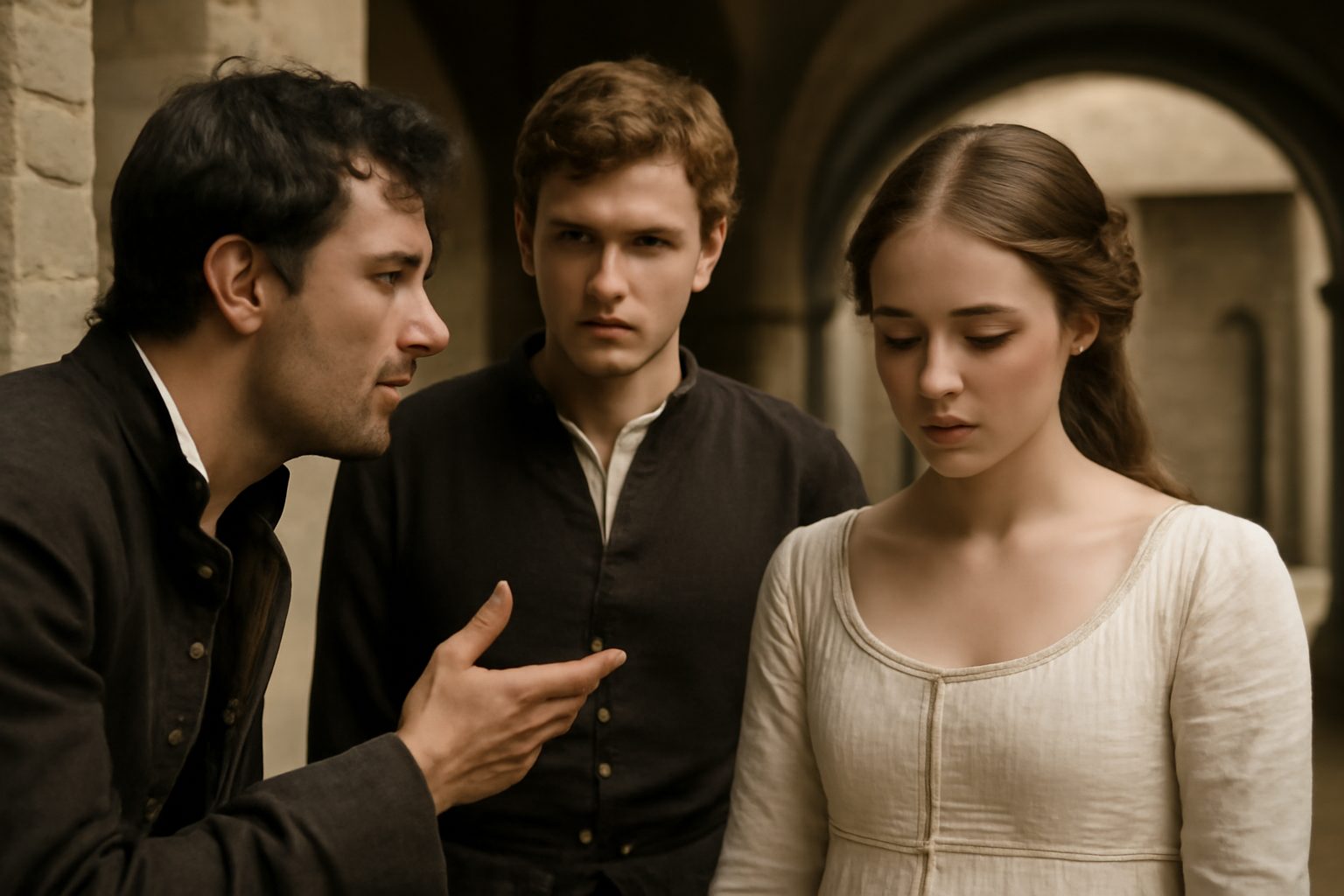
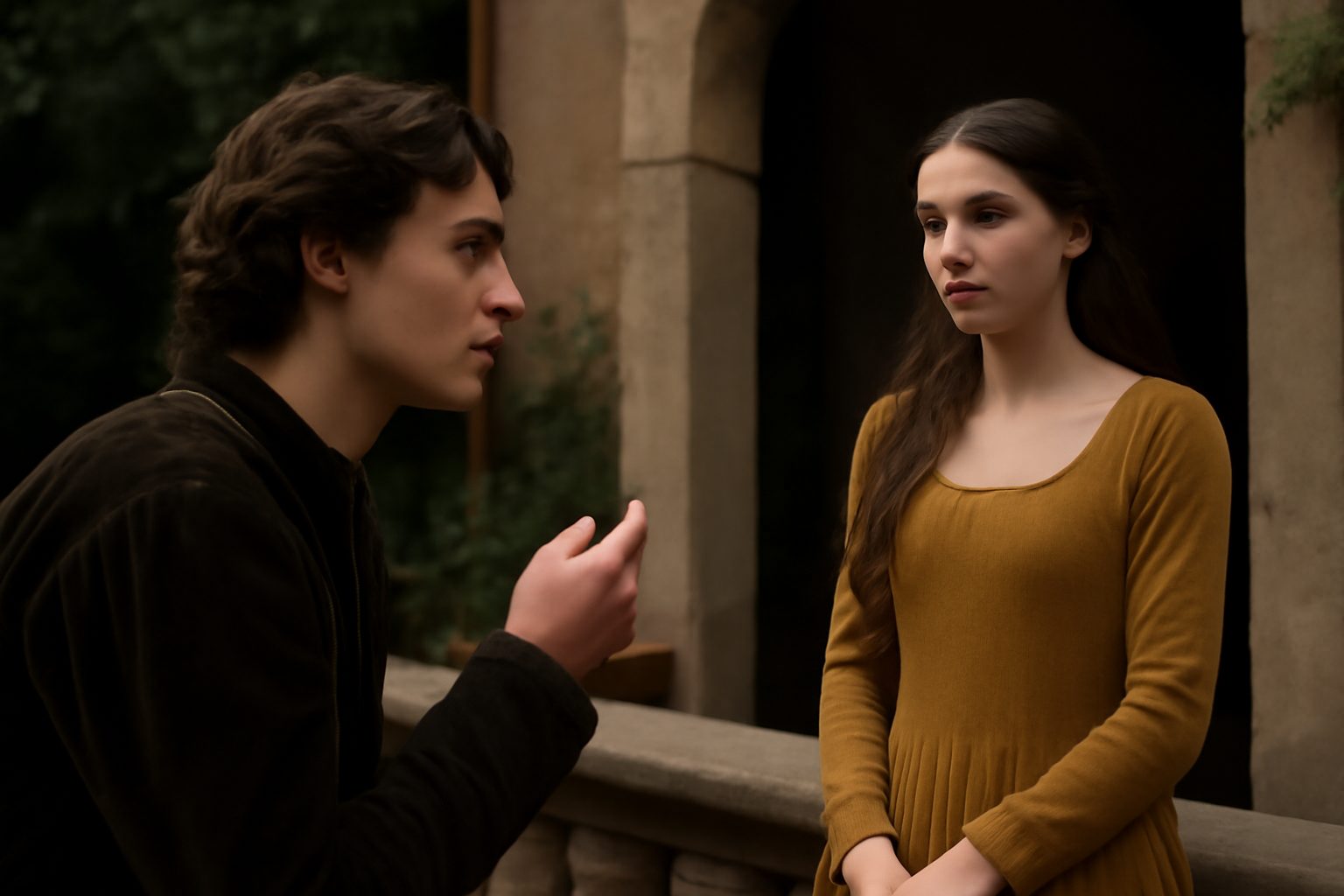
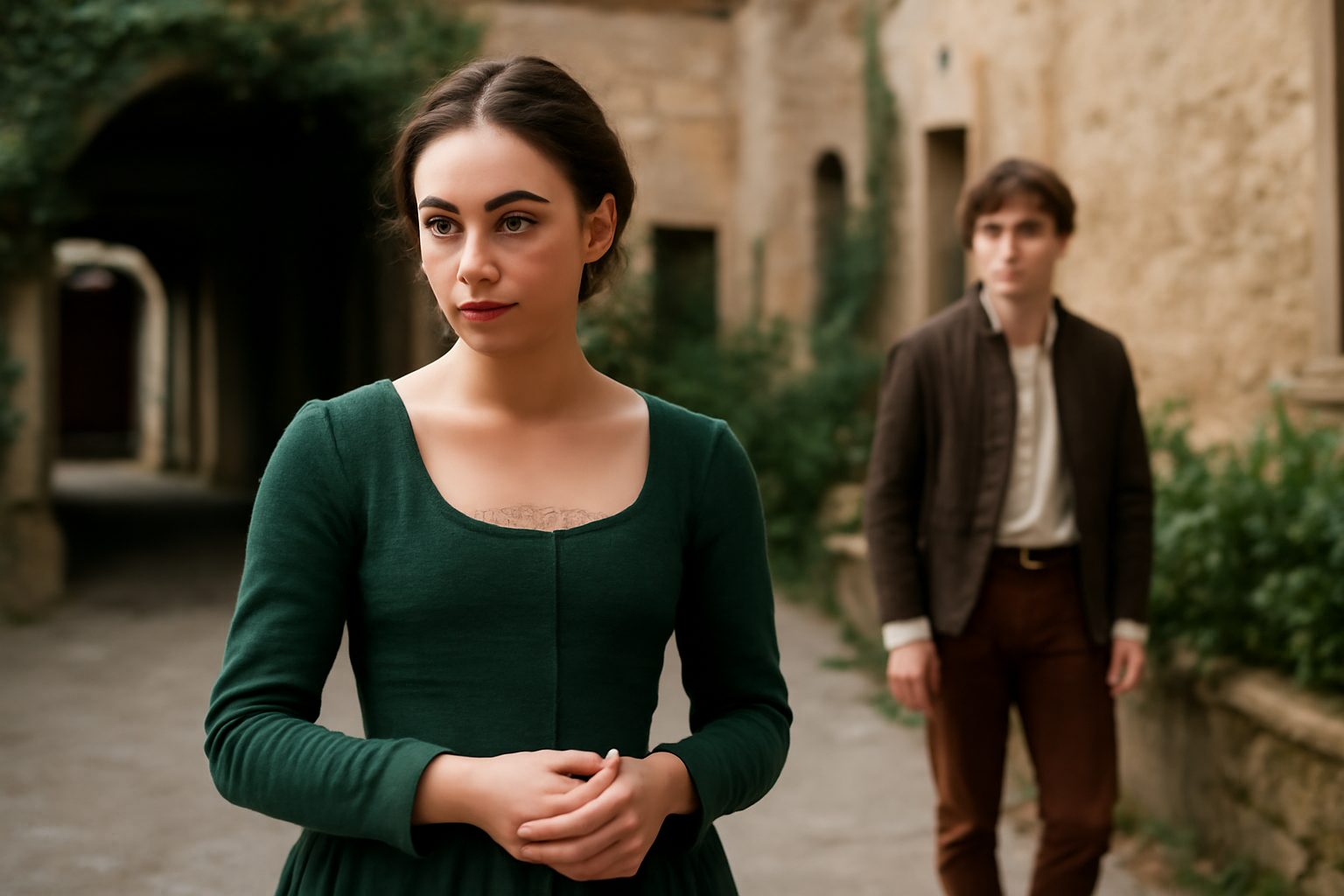
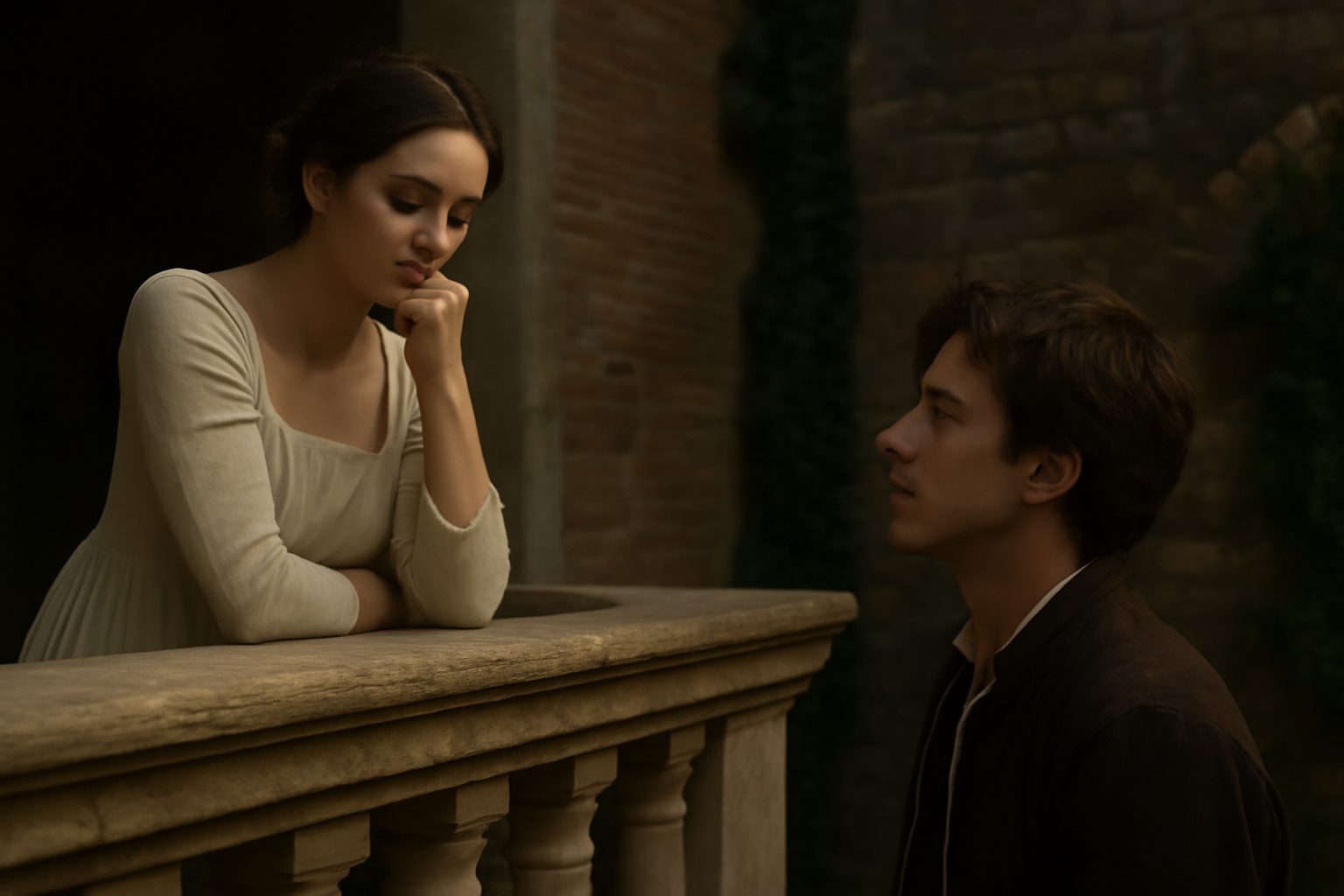
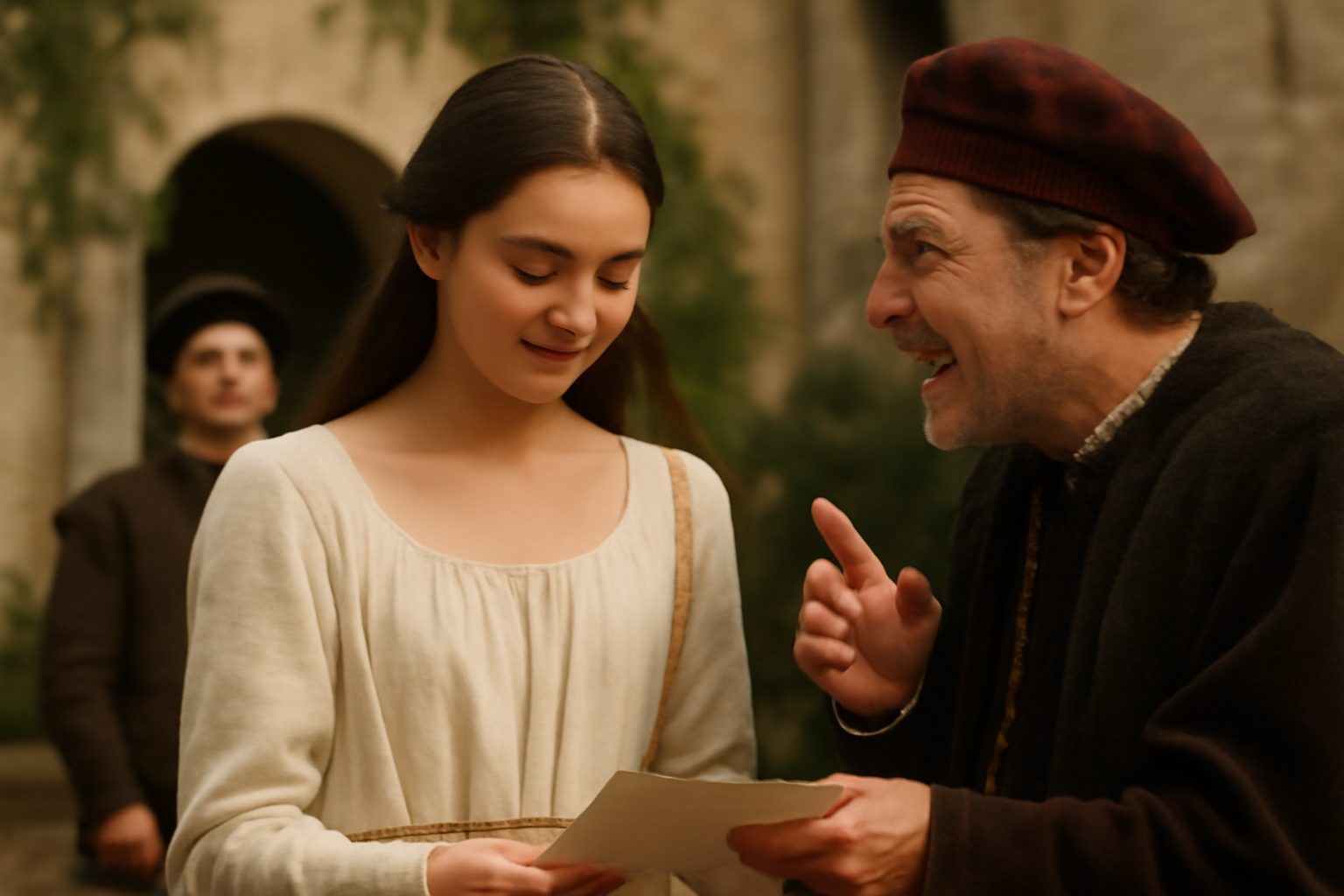
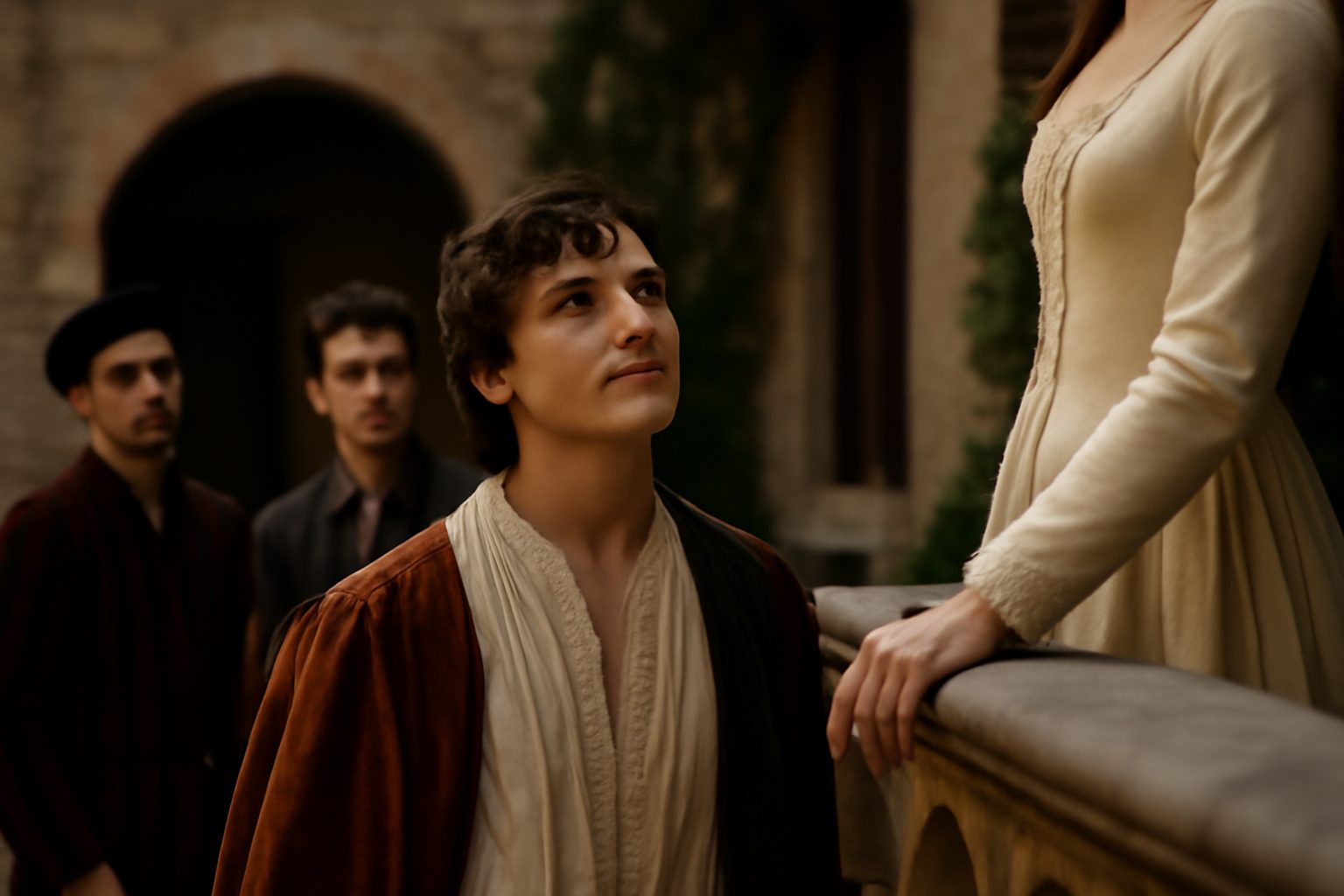
In Act 2, Scene 4 of Romeo and Juliet, Mercutio and Benvolio are searching for Romeo, who has stayed out all night after meeting Juliet. When Romeo finally joins them, Mercutio mocks him with playful, exaggerated language, referencing dueling terminology to tease Romeo about his absence. The line about the first house and causes is part of Mercutio's witty banter, showcasing his quick humor and the lively dynamic between the friends.
Mercutio: "very first house, of the first and second cause:"
In modern day english, we would say:
Mercutio is mocking Benvolio, saying he’ll pick a fight over the smallest things, like which house came first on the street.
Frequently Asked Questions
What is Mercutio referring to when he mentions the first and second cause?
Mercutio is joking about dueling rules, where the first cause is a reason to fight and the second cause is the challenge itself.
Connections to other verses:
Connections to "very first house, of the first and second cause"
The phrase "very first house, of the first and second cause" refers to Tybalt's skill in dueling and his adherence to the formal rules of combat. This connects to several other verses in the scene that elaborate on Tybalt's character, the theme of dueling, and the playful yet tense atmosphere among the young men.
Dueling and Tybalt's Prowess
This line is immediately followed by Mercutio's exaggerated description of Tybalt's fencing abilities in ah, the immortal passado! the punto reverso! the, highlighting Tybalt's reputation as a formidable duelist. It also ties to More than prince of cats, I can tell you. O, he is, where Mercutio mockingly elevates Tybalt's status, and the courageous captain of compliments. He fights, which sarcastically praises his adherence to dueling etiquette.
Challenge and Confrontation
The idea of a "challenge" is central here, linking to A challenge, on my life., where Benvolio confirms Tybalt has sent a letter challenging Romeo. This sets up the conflict that will later unfold. Additionally, dares, being dared. reinforces the theme of provocation and readiness to fight.
Wordplay and Mockery
Mercutio's wit is on full display in this part of the scene. The formal language of "first and second cause" contrasts with his playful taunts, such as in a very good blade! a very tall man! a very good, where he continues to mock Tybalt's vanity. The jesting tone is maintained in O single-soled jest, solely singular for the, showcasing the verbal sparring among the friends.
Foreshadowing and Tension
This verse subtly foreshadows the coming duel between Romeo and Tybalt. It connects to encounter Tybalt?, where Mercutio questions if Romeo is prepared to face him, and Alas poor Romeo! he is already dead; stabbed with, which humorously yet ominously predicts Romeo's vulnerability in love and conflict.