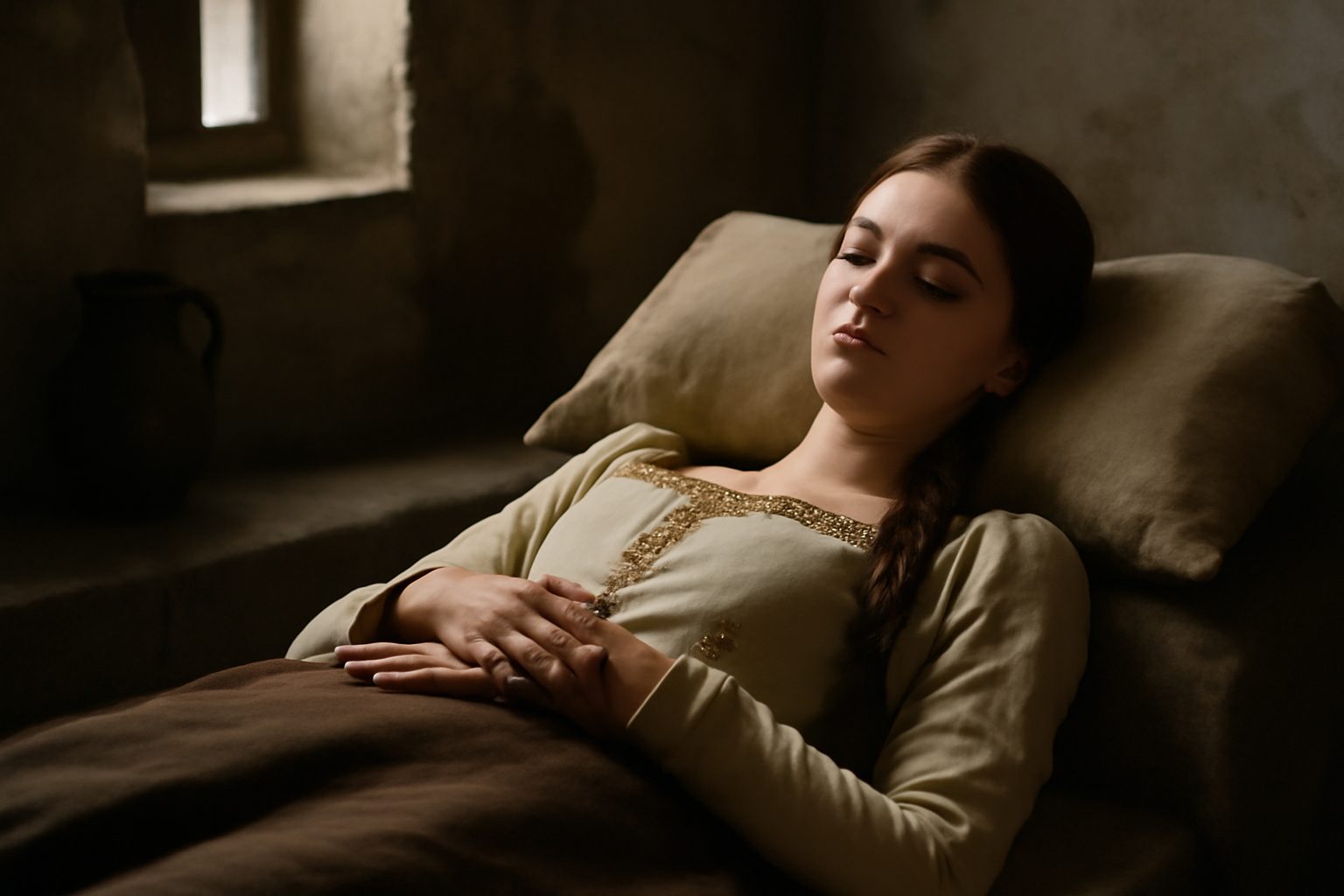
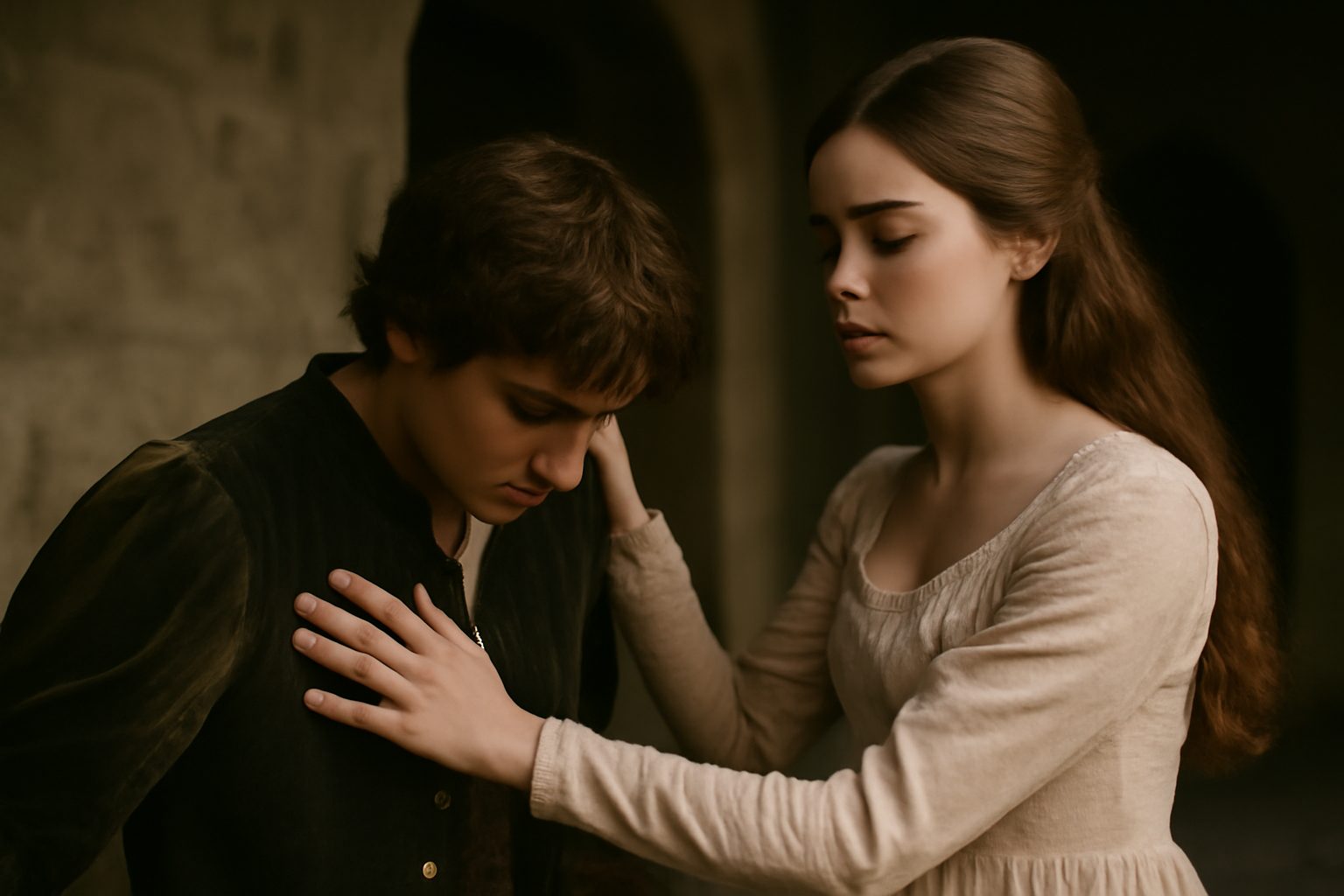
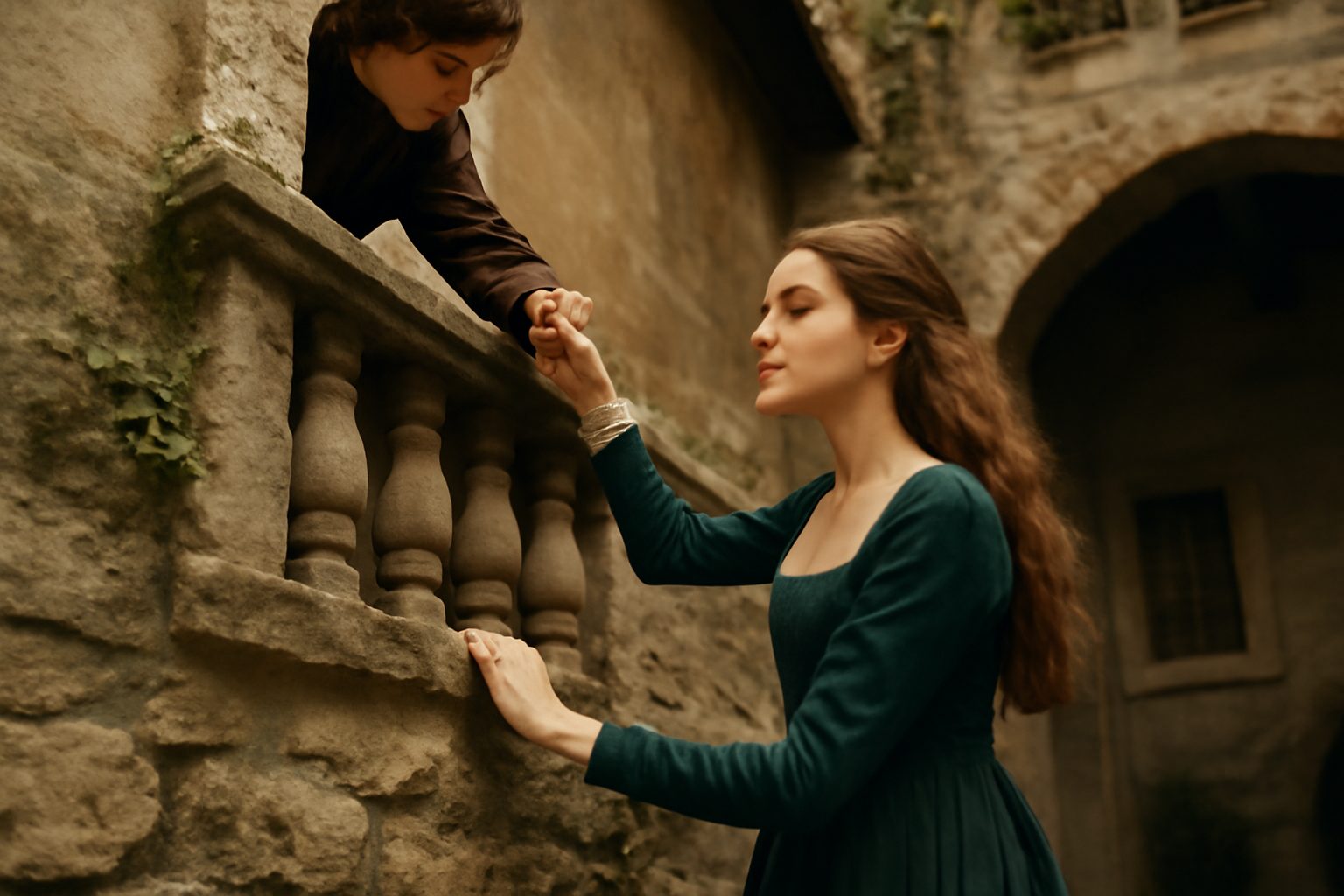
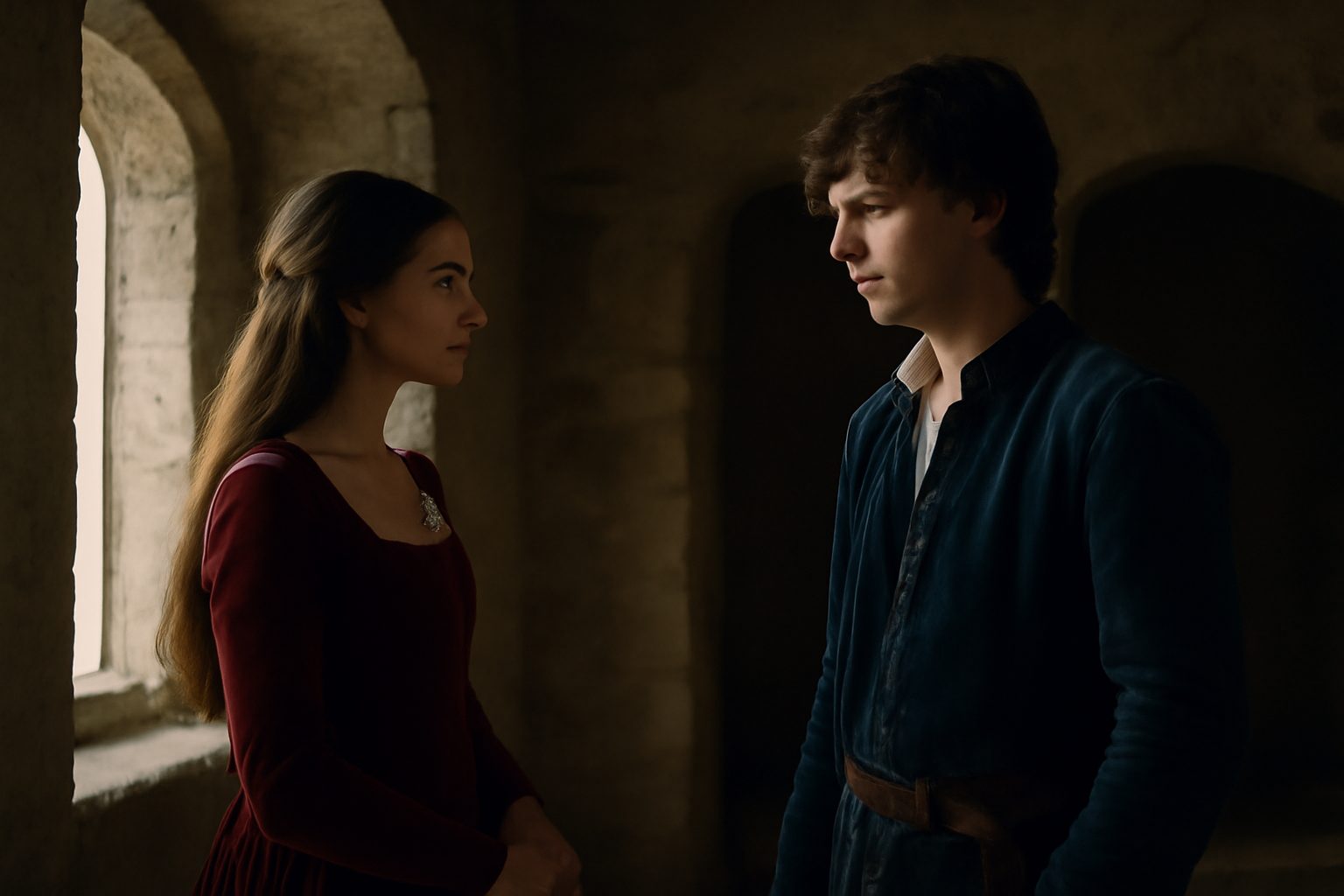
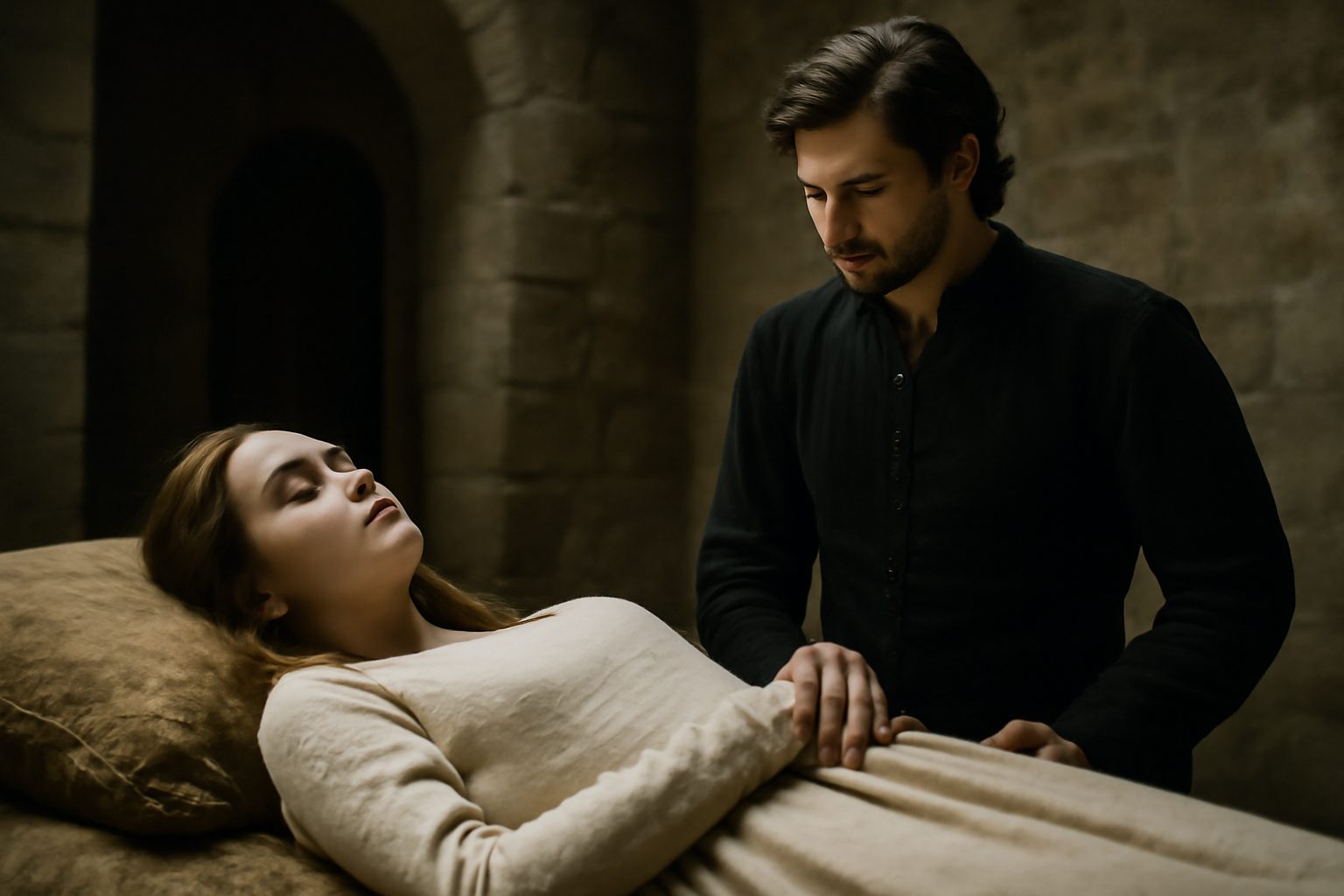
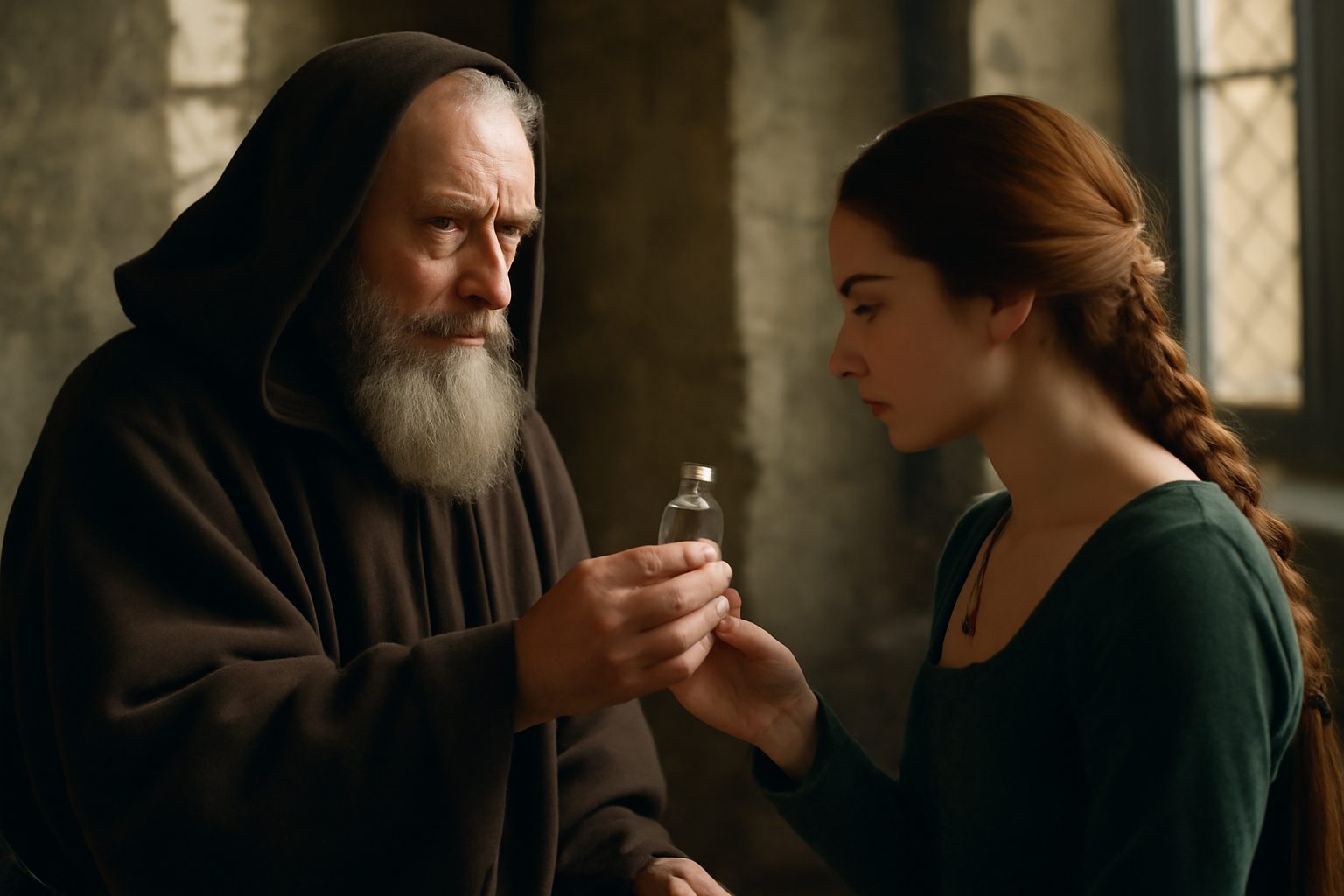
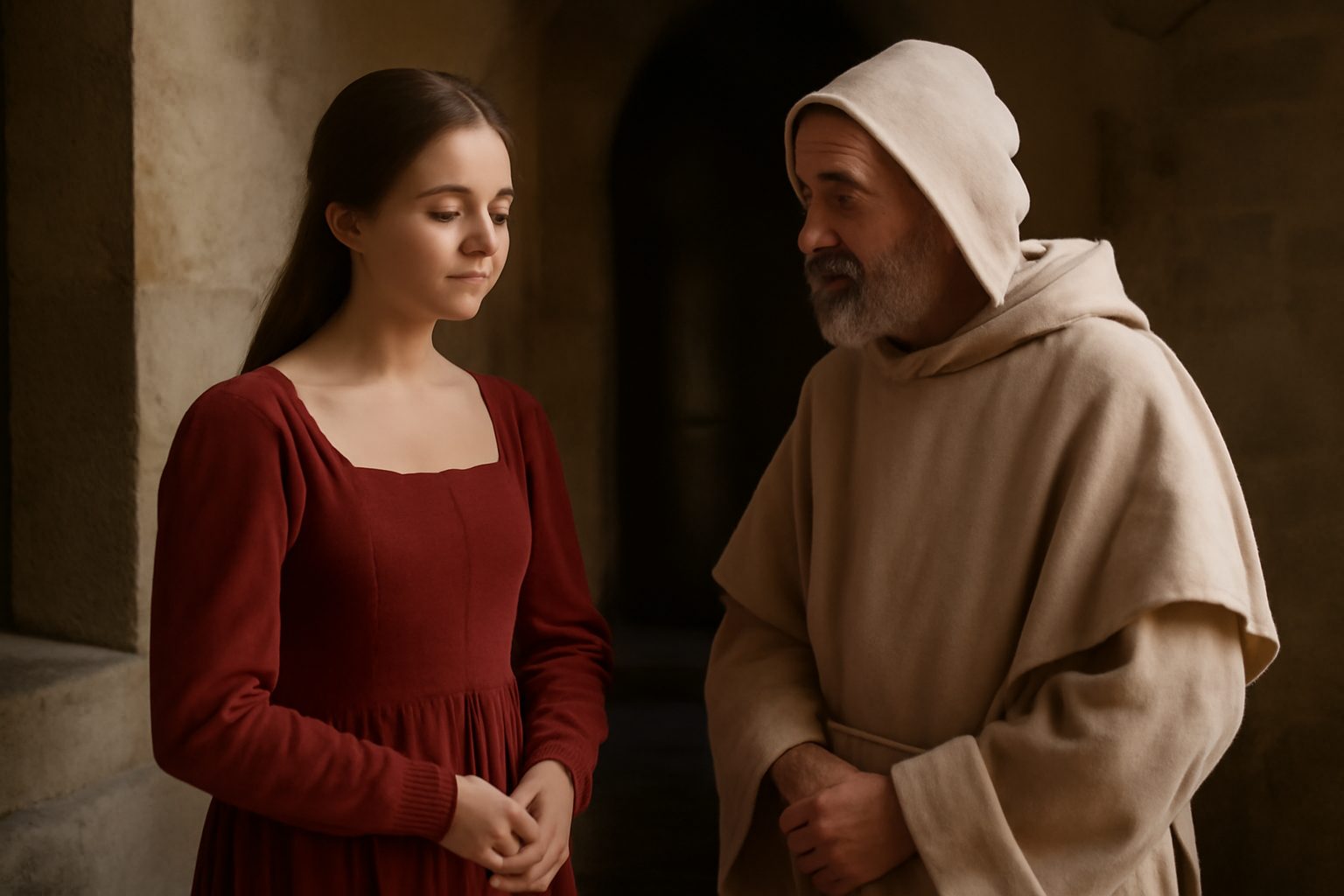
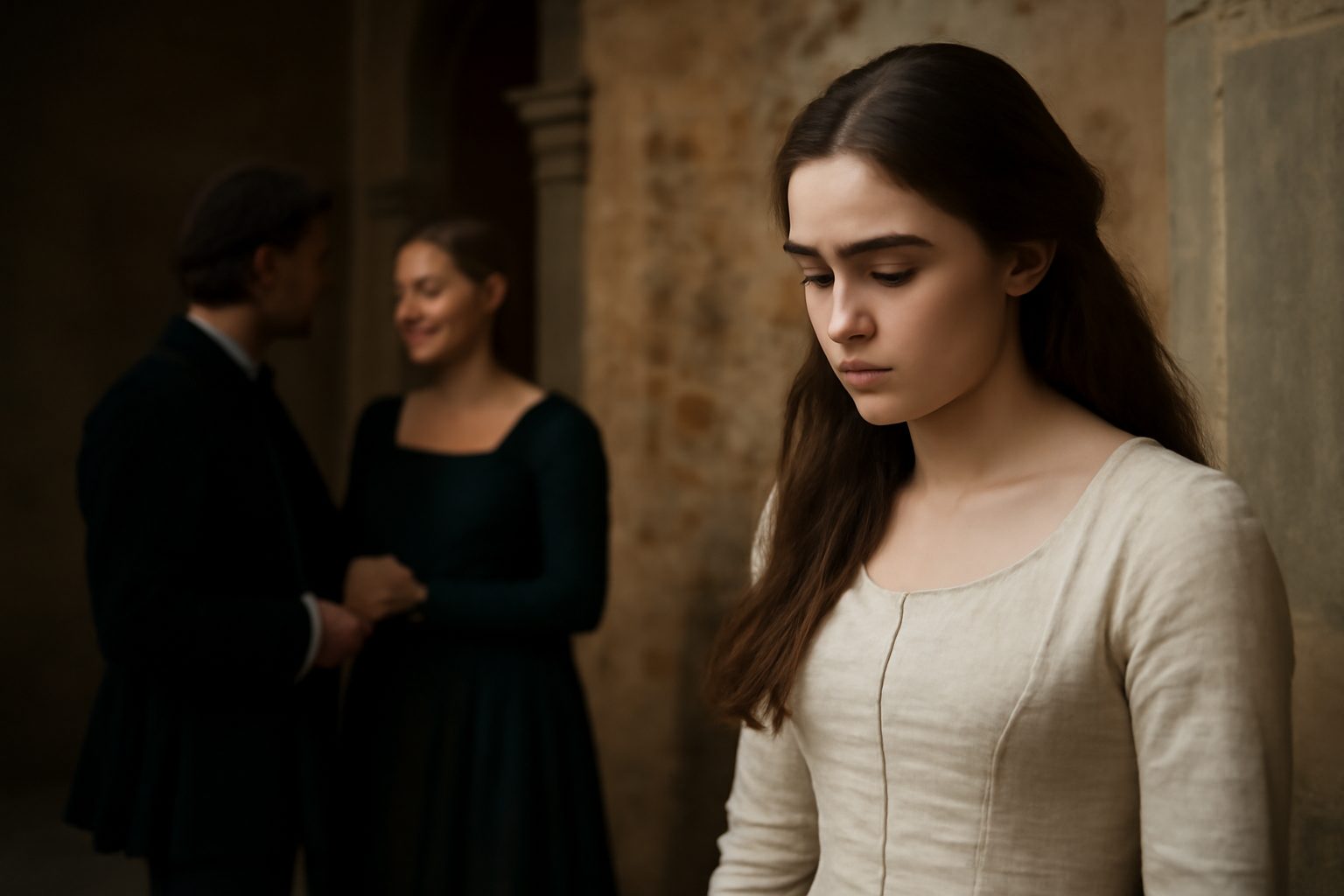
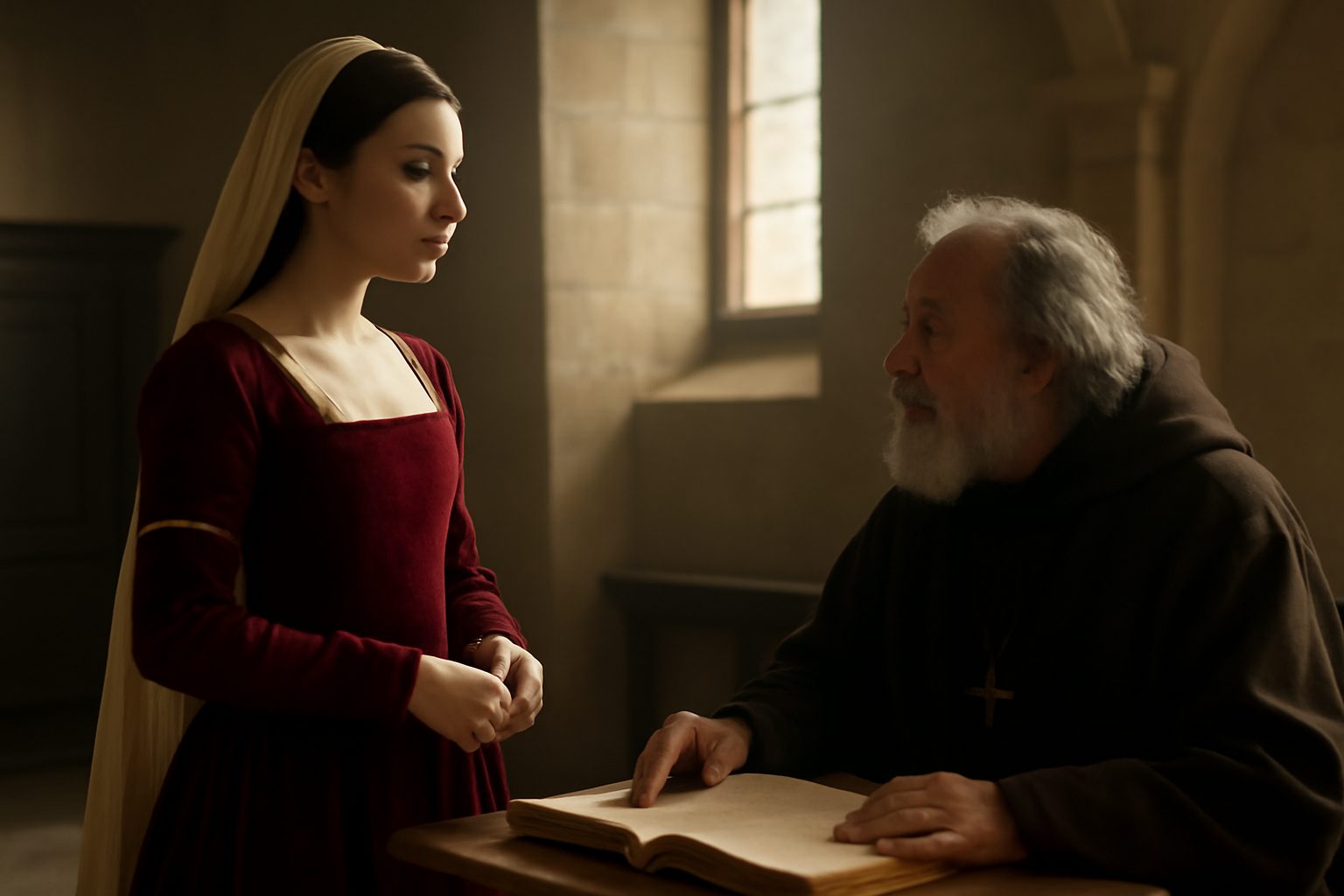
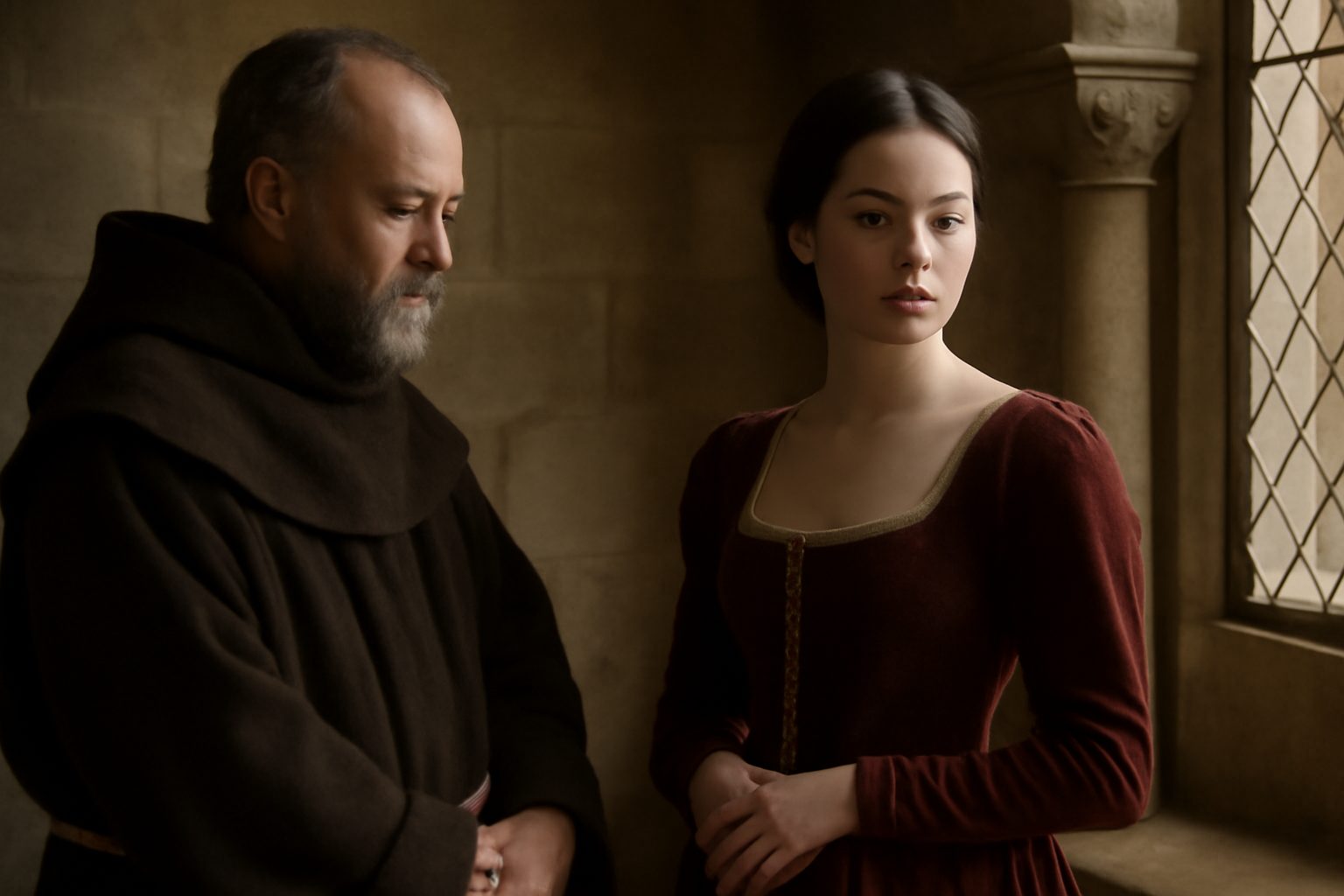
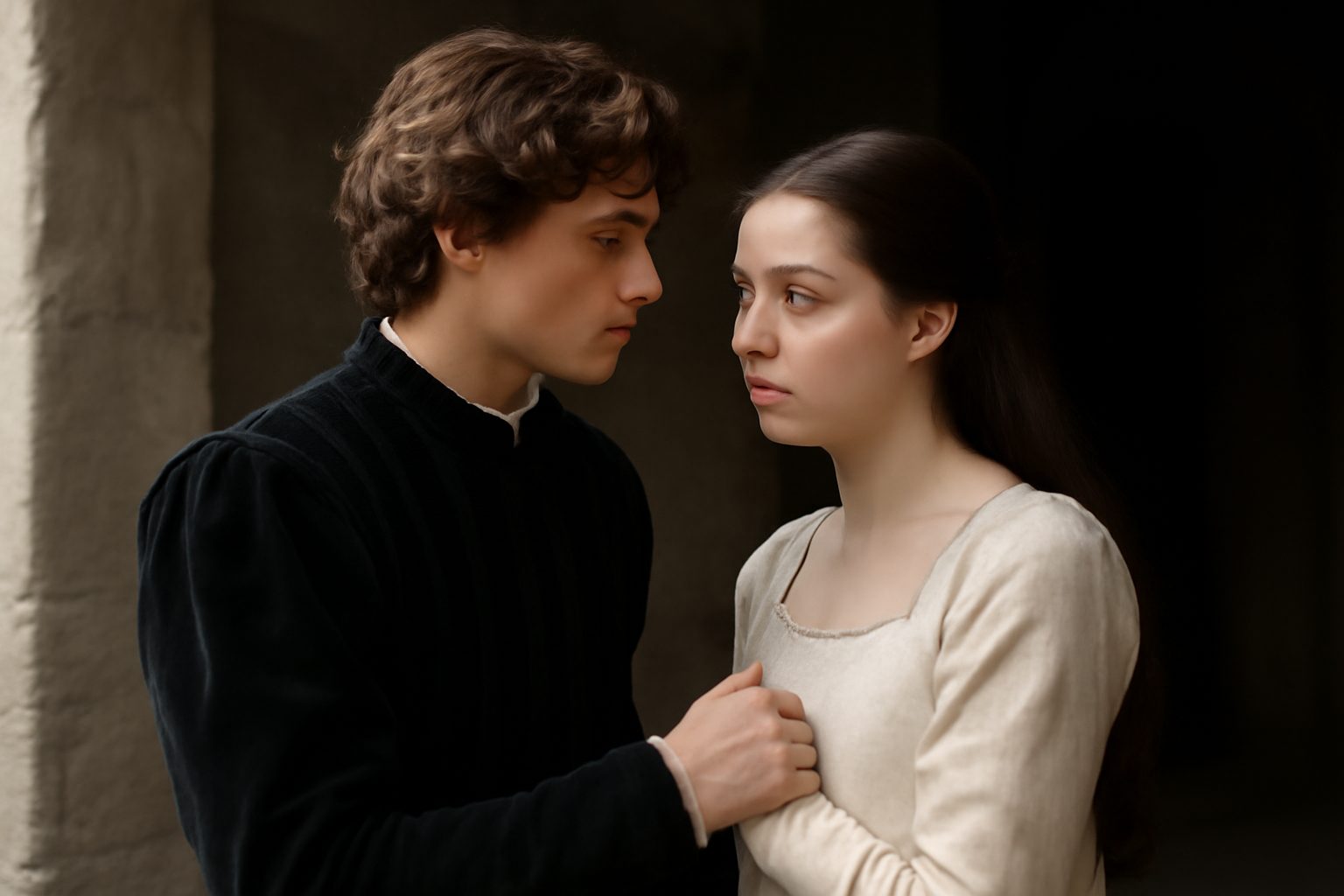
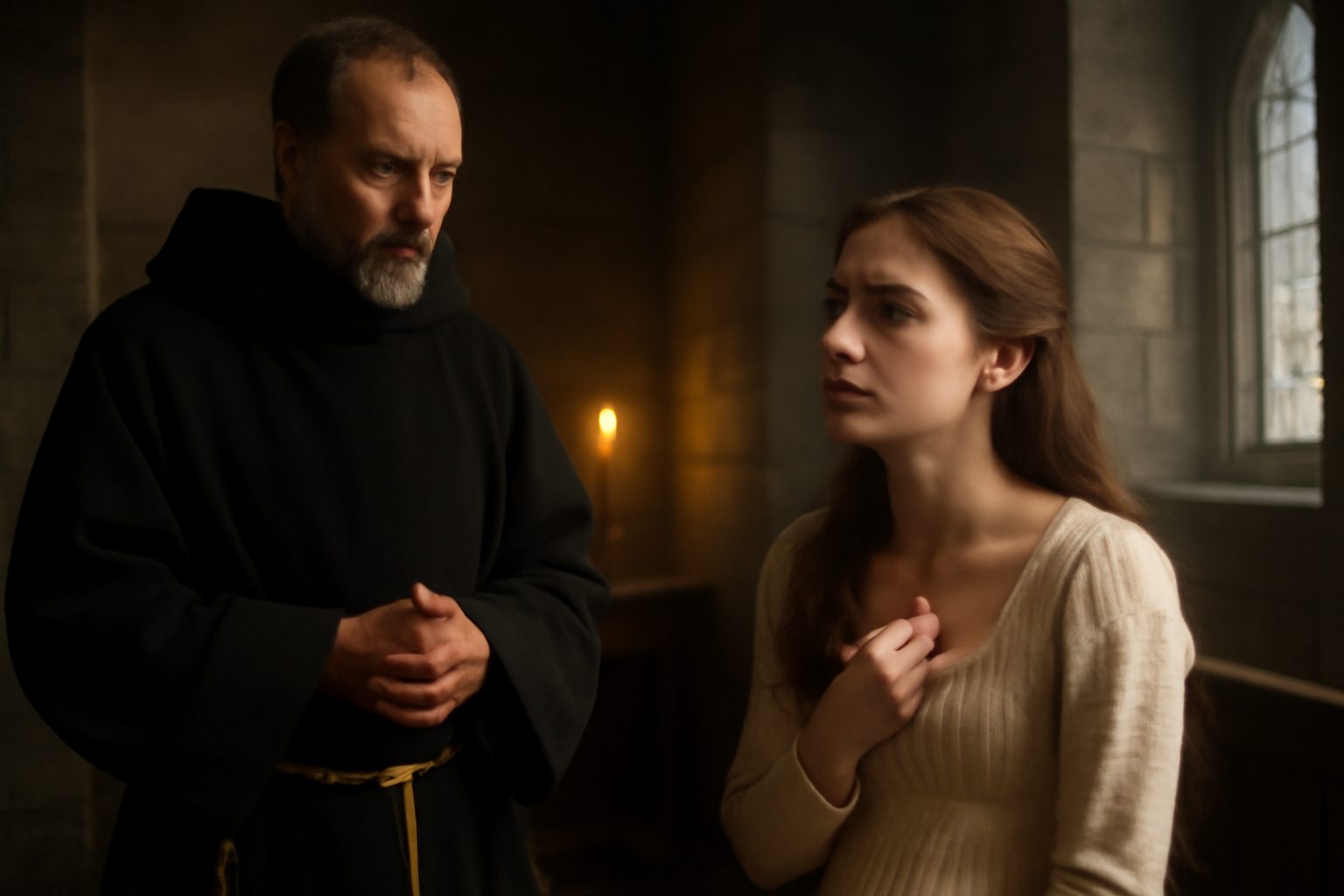
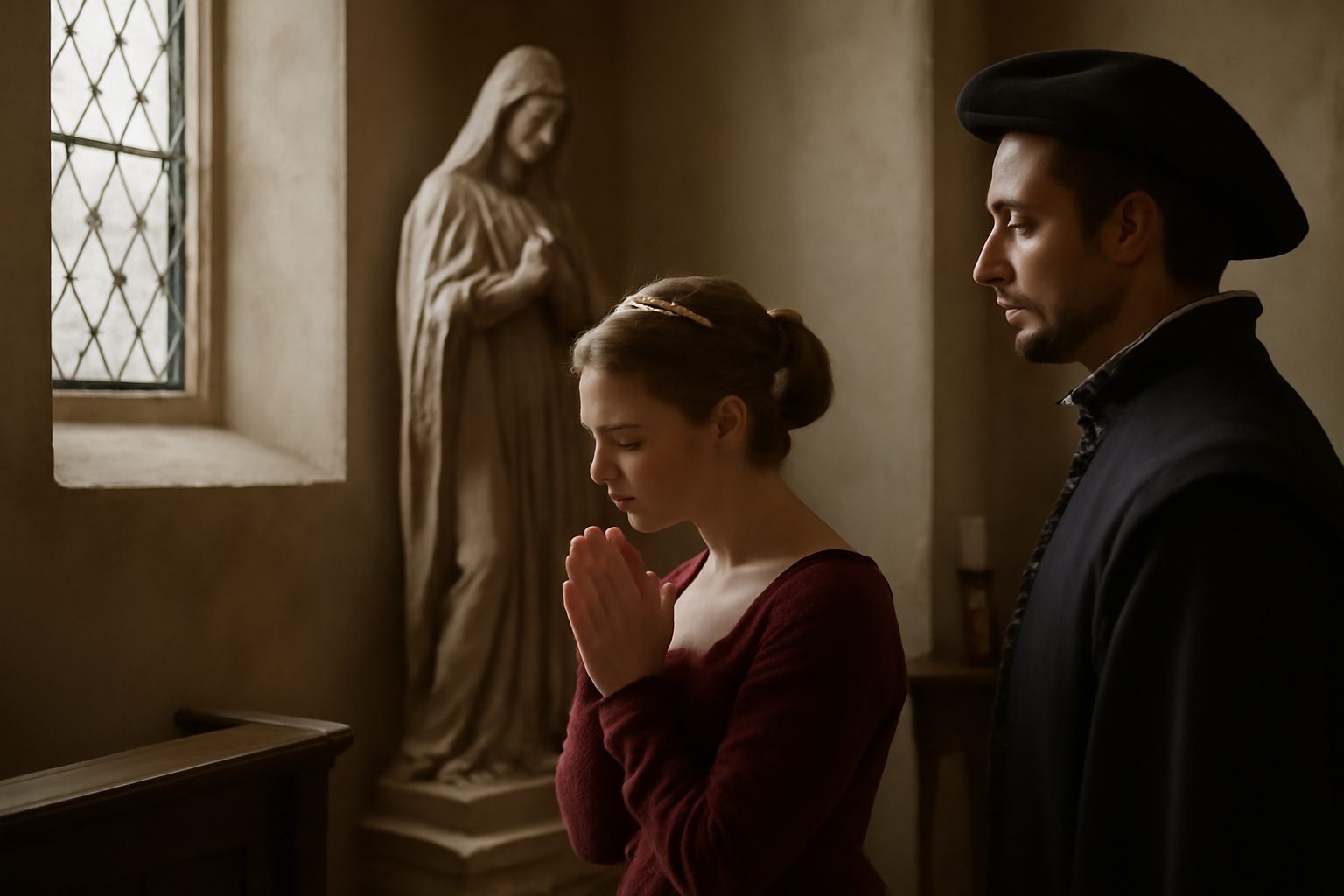
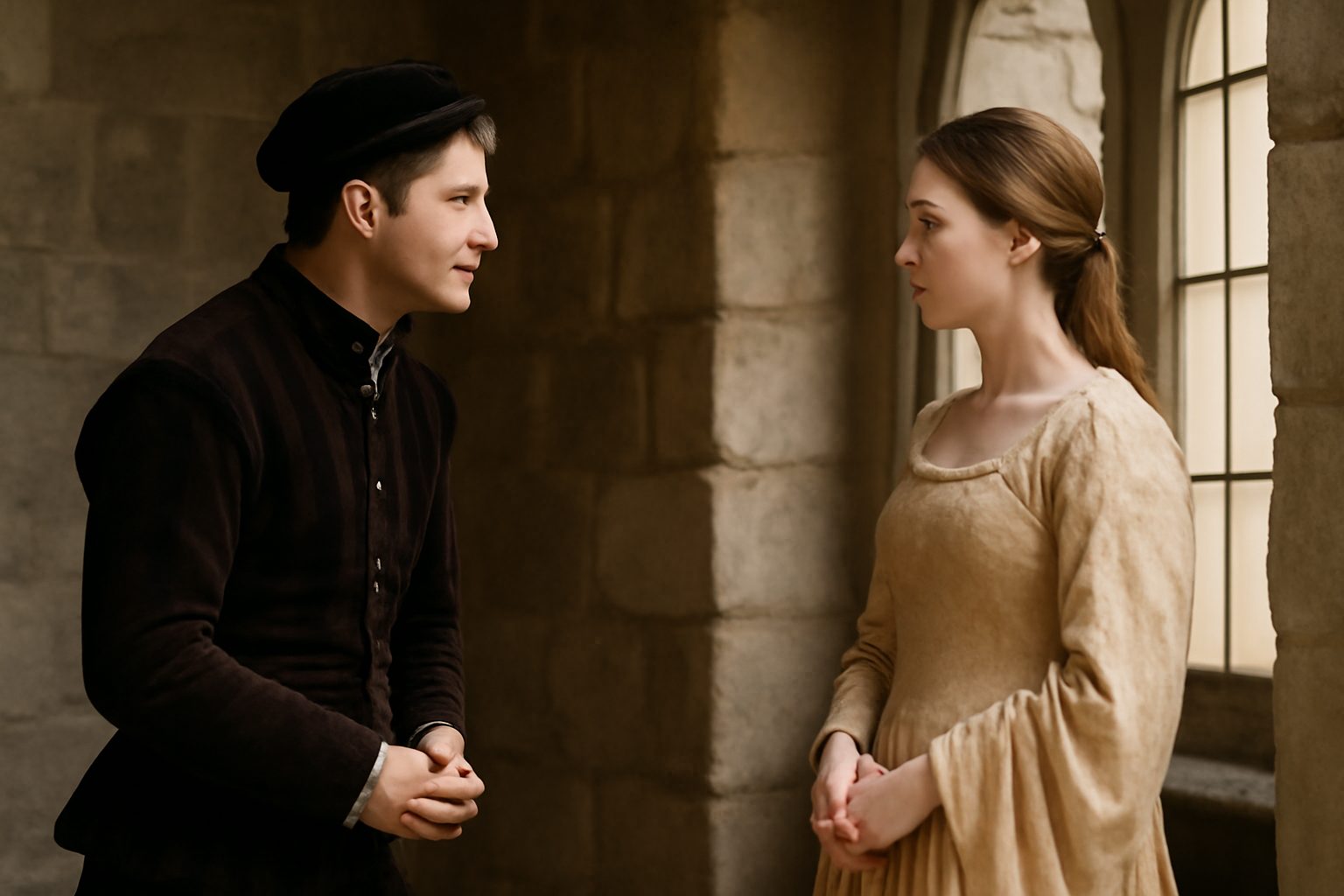
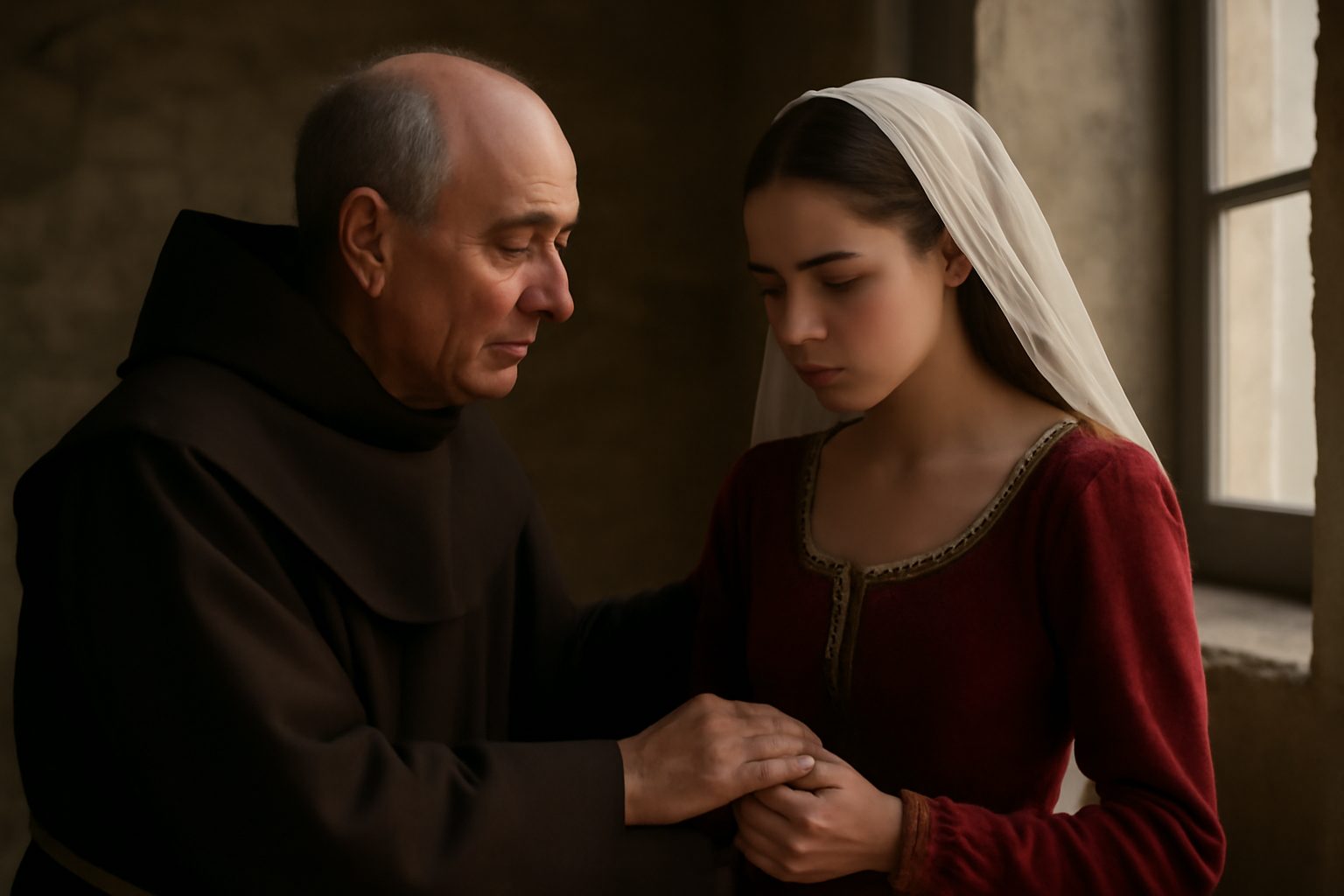
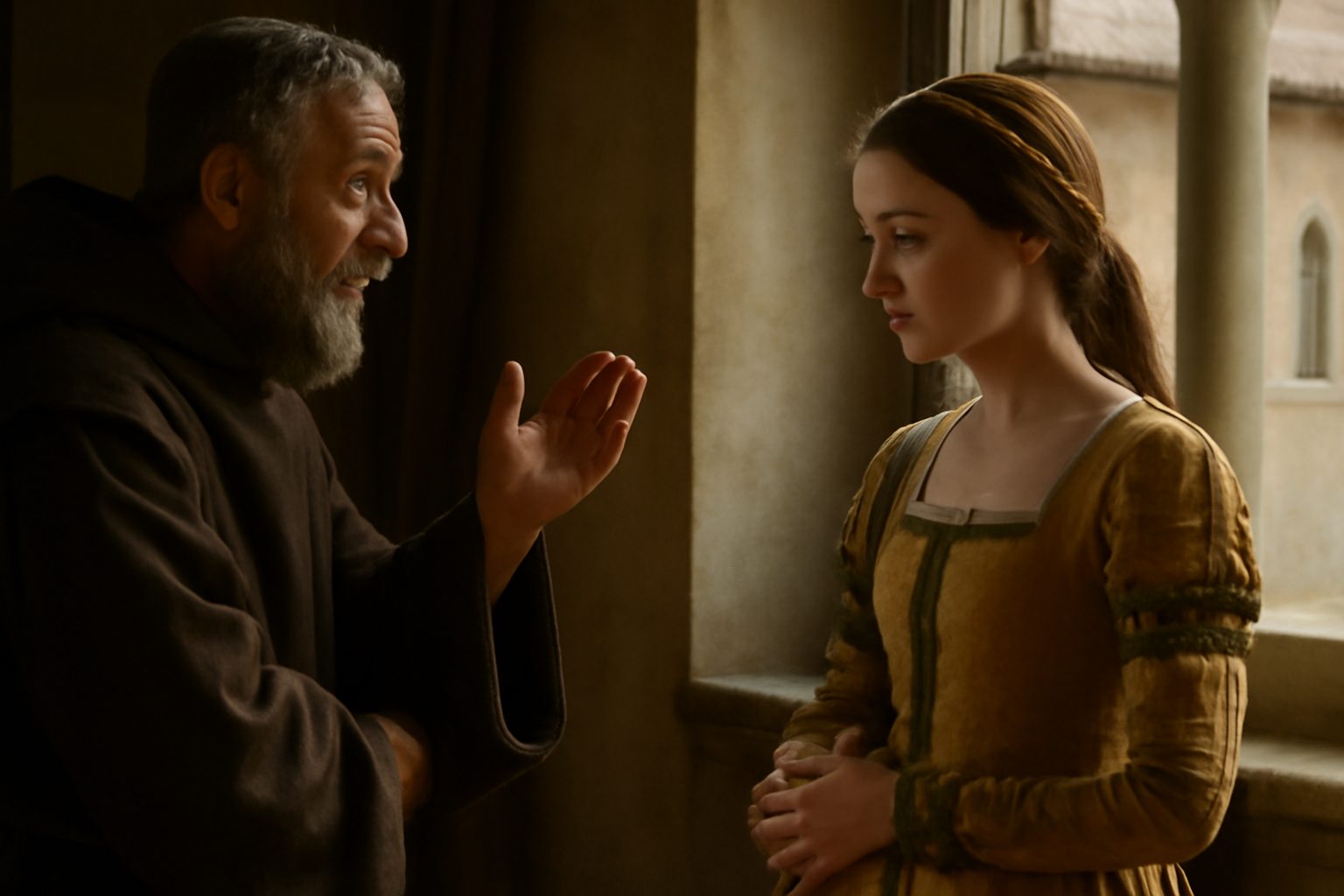
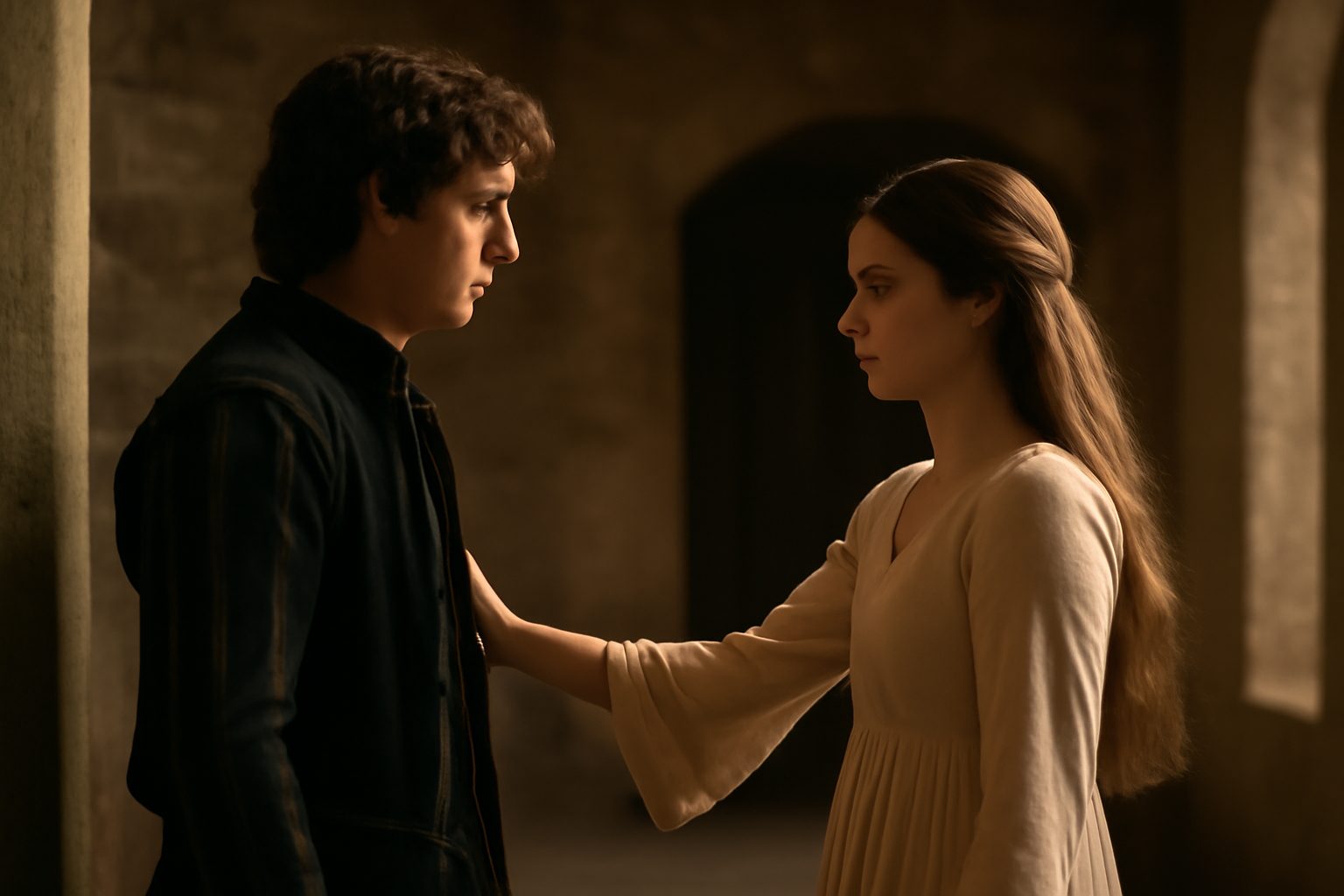
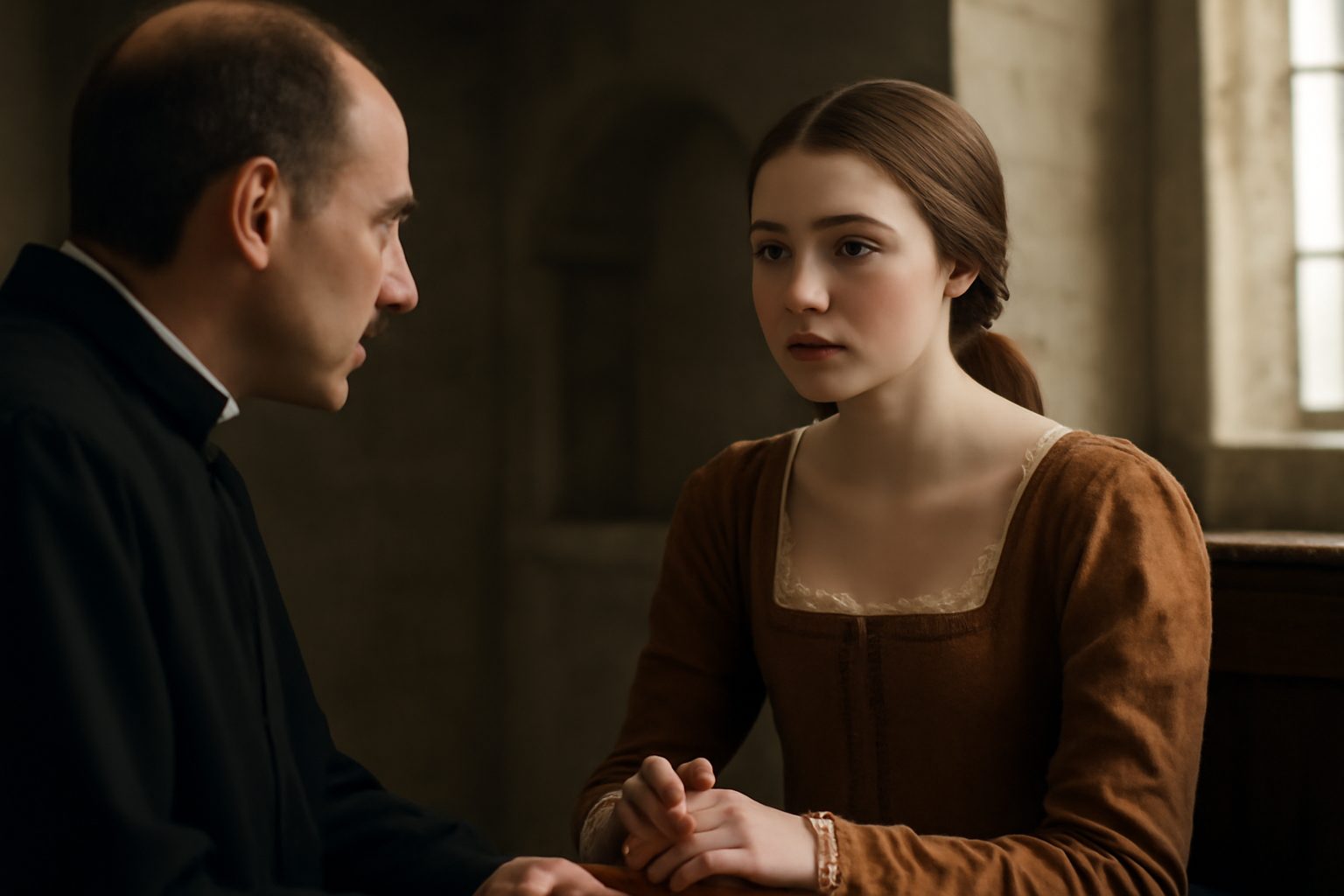
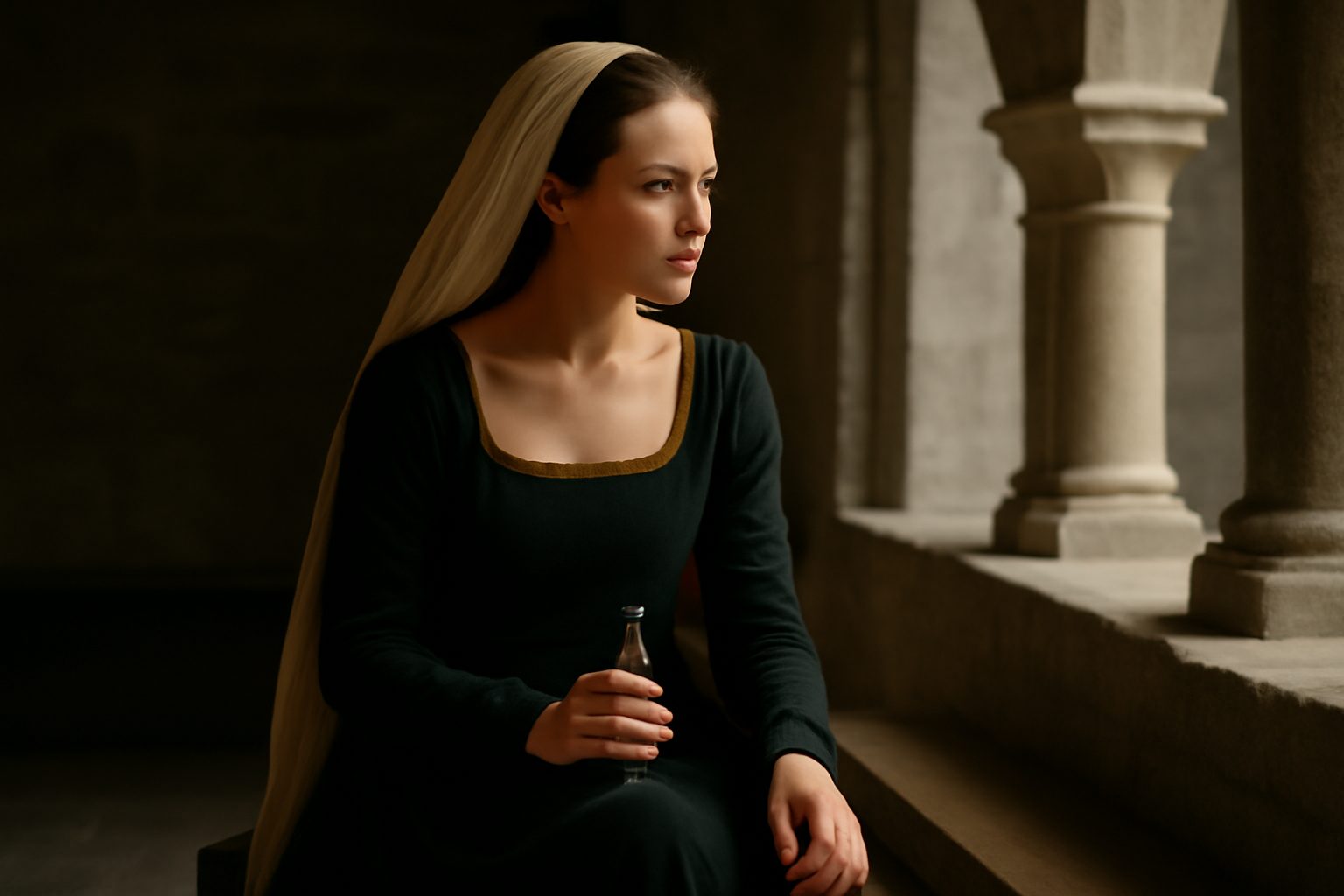
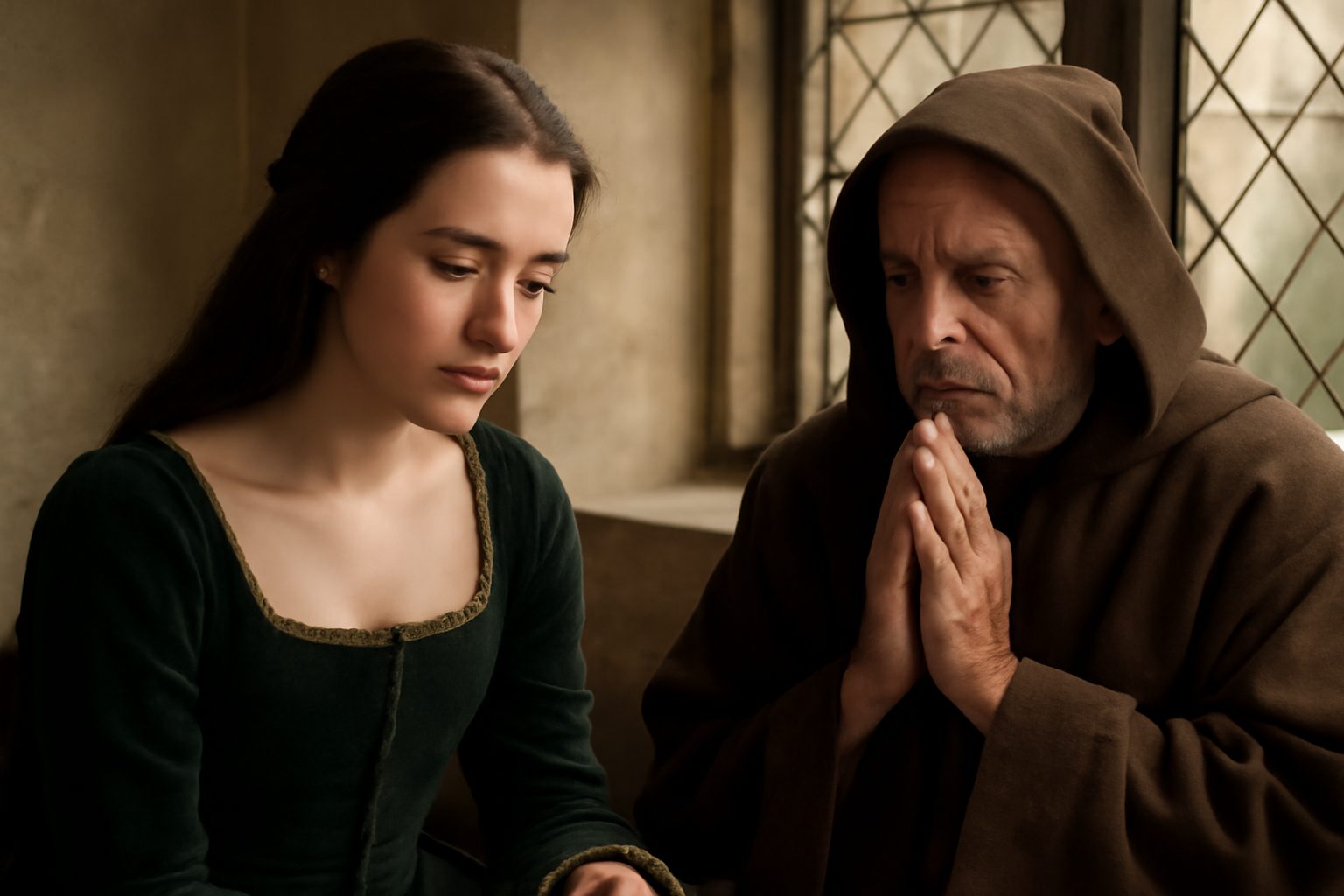
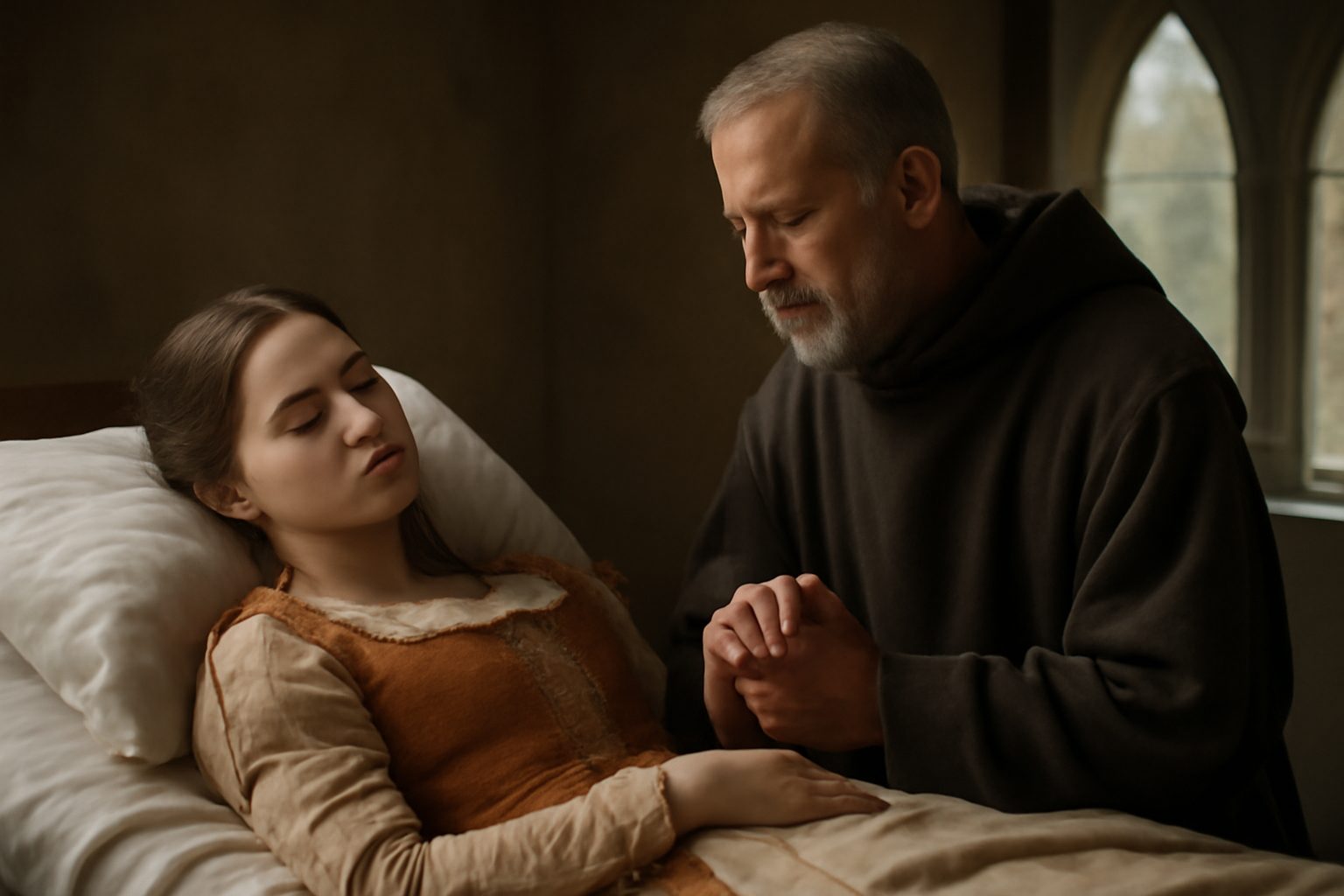
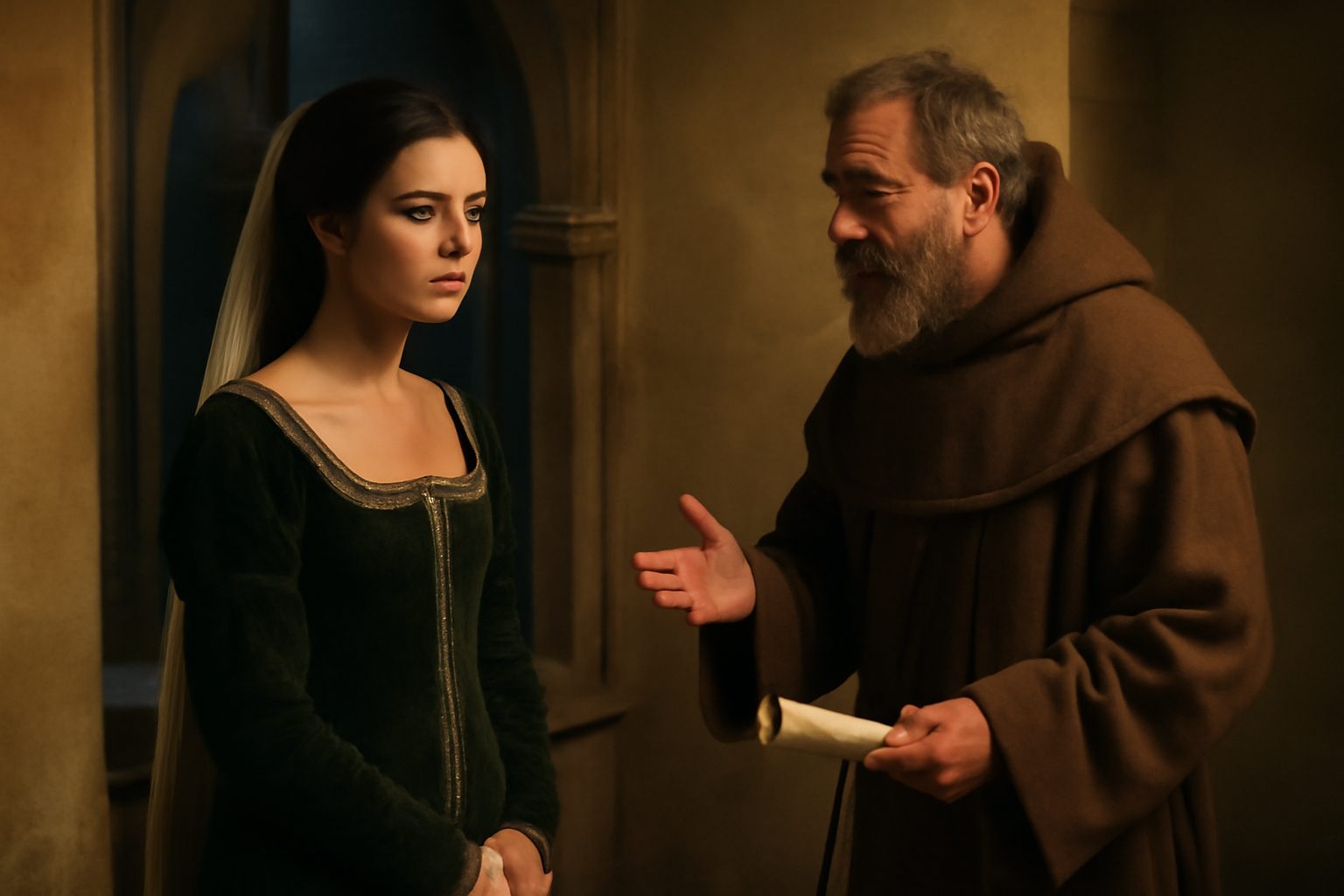
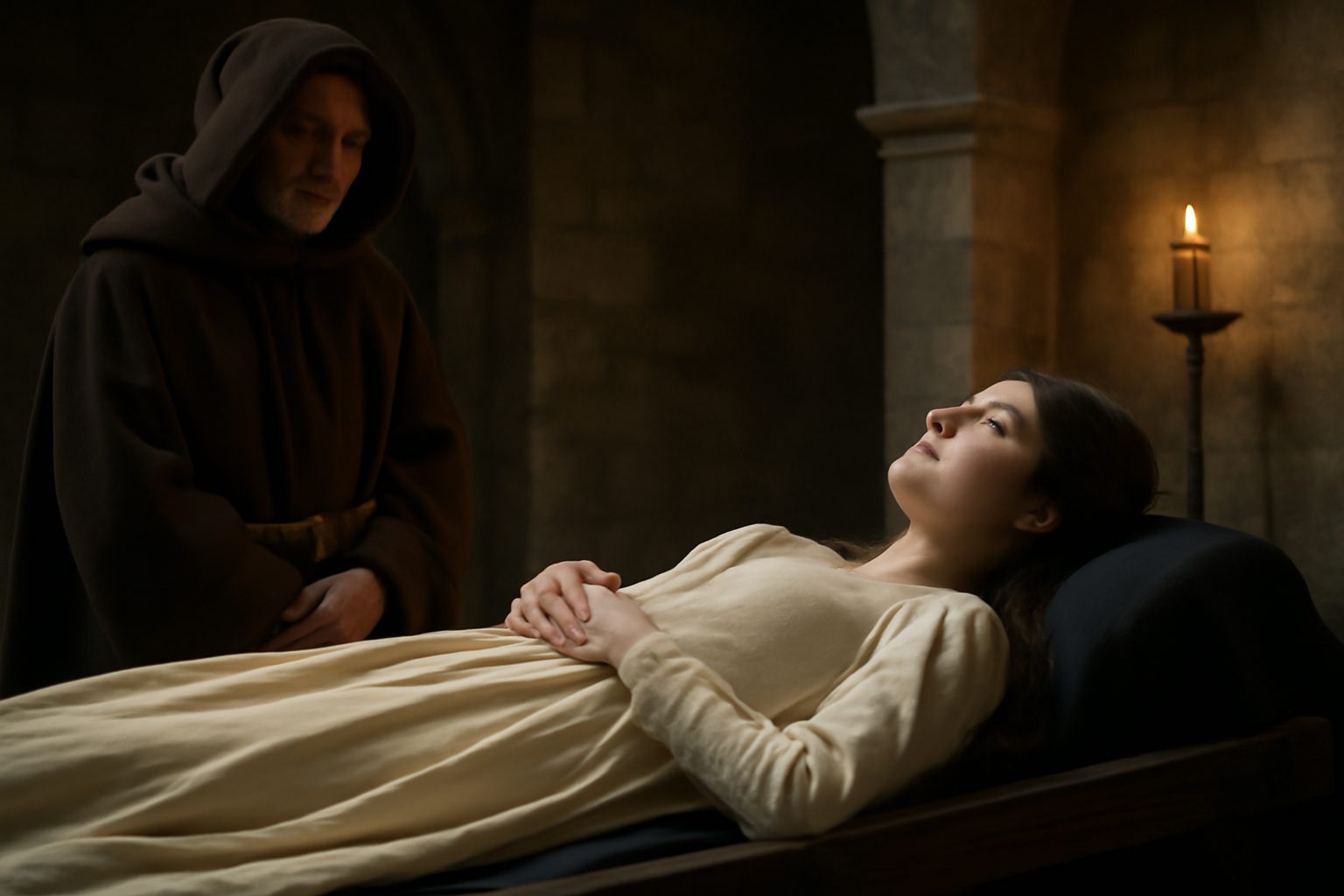
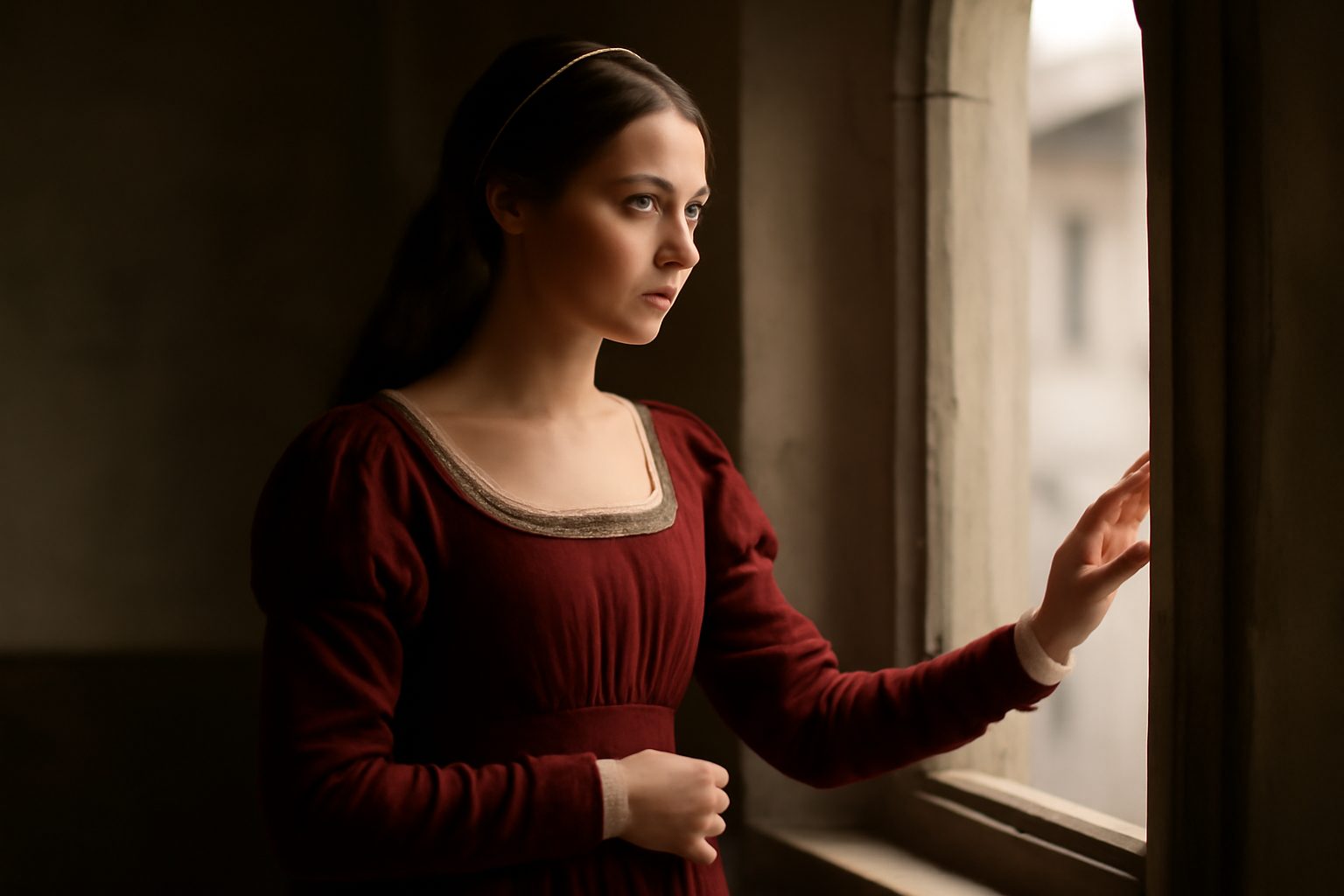
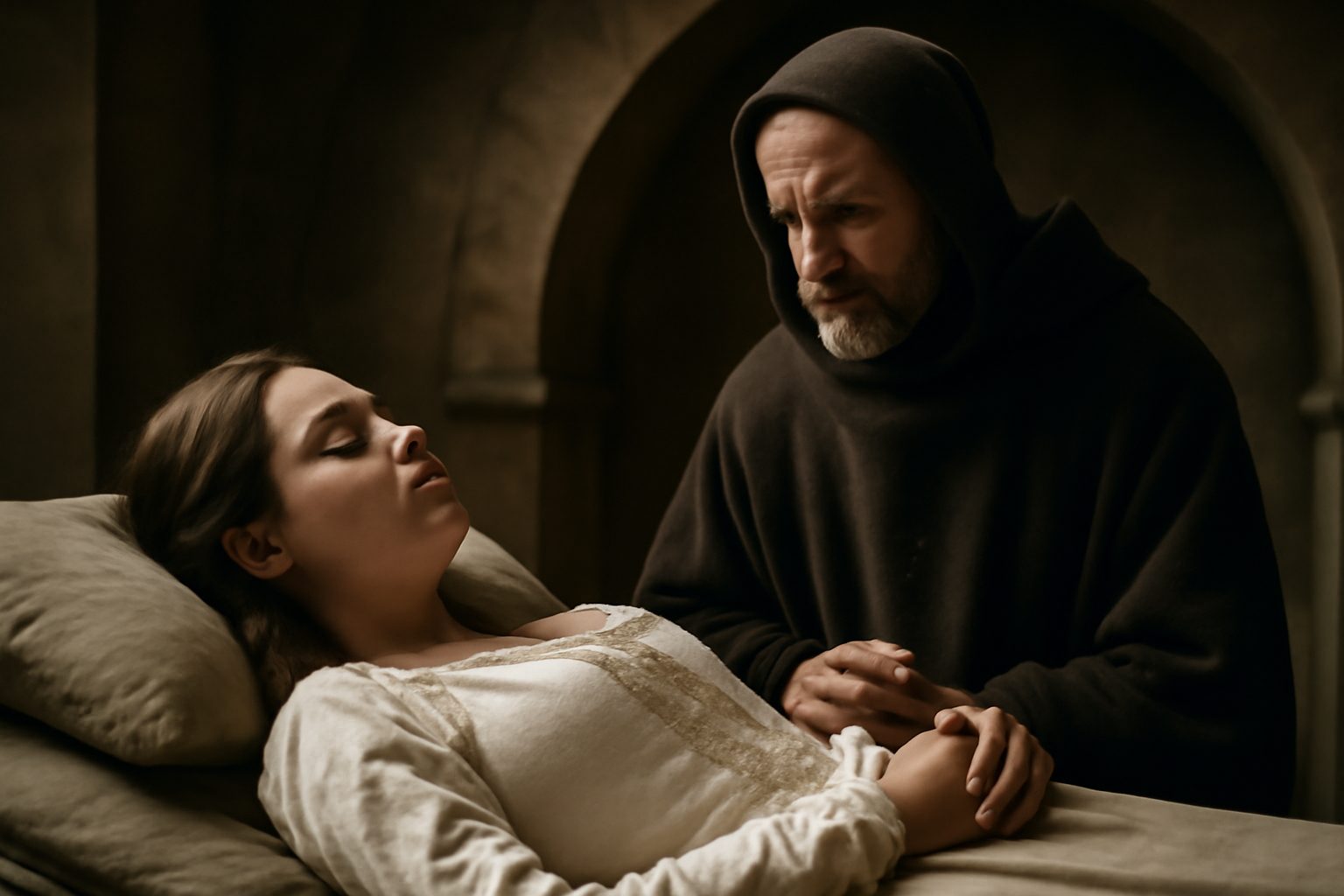
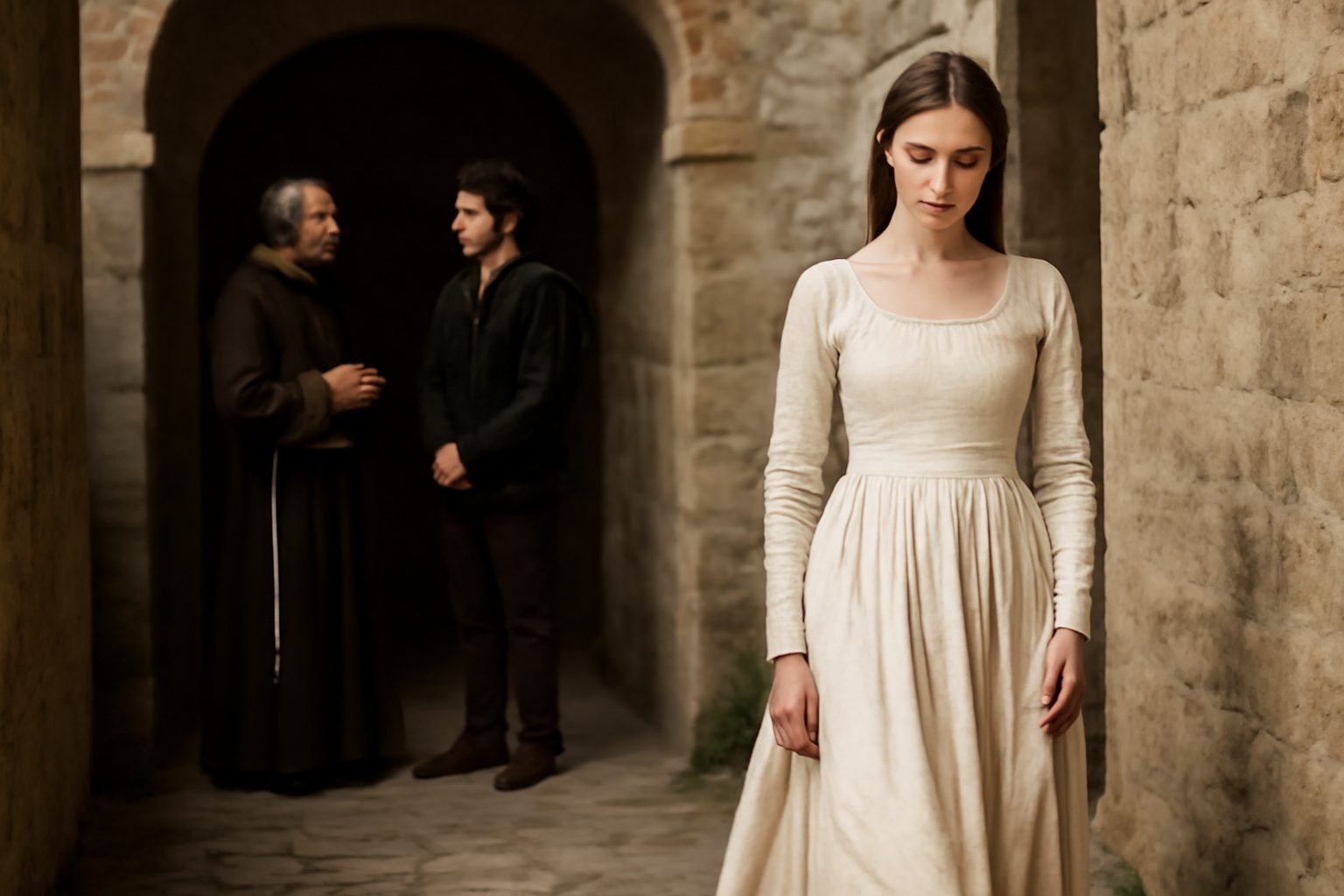
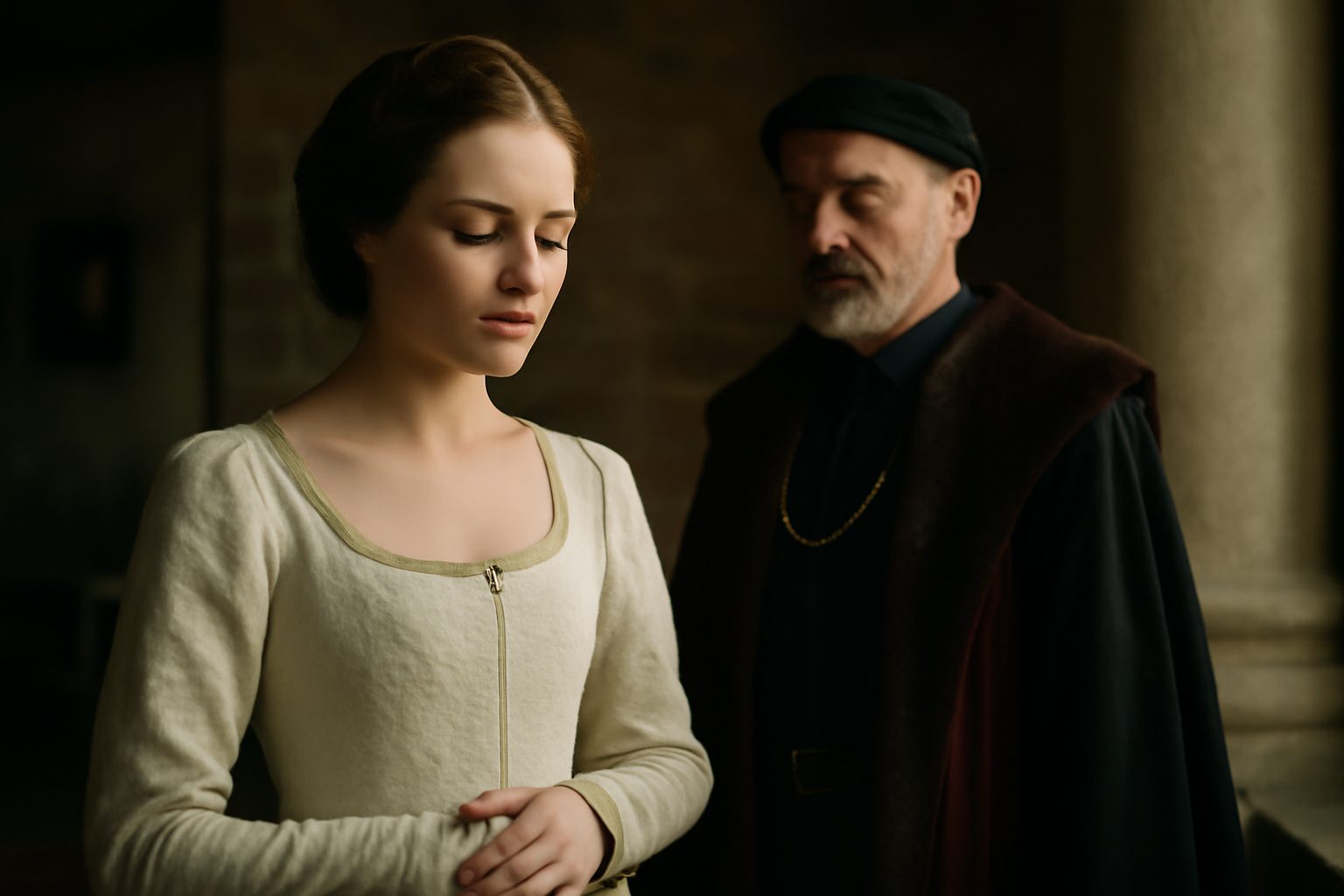
In Act 4, Scene 1 of Romeo and Juliet, Friar Laurence is anxiously awaiting news from Romeo while Juliet, desperate to avoid marrying Paris, arrives seeking his help. The aside reflects the Friar's private frustration as he questions why the message to Romeo has been delayed, unaware that the plan is already unraveling. This moment underscores the tension and impending tragedy caused by miscommunication and haste.
Friar Laurence: "[Aside] I would I knew not why it should be slow'd."
In modern day english, we would say:
I wish I didn’t understand why this is being delayed.
Frequently Asked Questions
What is Friar Laurence thinking in this line from Act 4, Scene 1?
Friar Laurence is expressing his wish that he did not know the reason for the delay in the plan, showing his concern or frustration.
Connections to other verses:
Connections to Friar Laurence's Soliloquy
The aside "I would I knew not why it should be…" reflects Friar Laurence's internal conflict and foresight. This hesitation connects to his later statement about the plan's desperation in Which craves as desperate an execution, showing his awareness of the risks. His unease is further echoed when he describes the potion's effects in A cold and drowsy humour, for no pulse, emphasizing the grave nature of his remedy.
Juliet's Desperation and Resolve
Juliet's determination, expressed in lines like Be not so long to speak; I long to die, contrasts with the Friar's doubt. Her willingness to embrace death-like states is seen in A thing like death to chide away this shame, which directly ties to the Friar's potion simulating death. Her resolve strengthens the Friar's aside, as her desperation pushes him toward action.
Thematic Links to Deception and Fate
The theme of unavoidable fate appears in Paris's line What must be shall be, which contrasts with the Friar's attempt to alter destiny. The idea of hidden truths is present in And what I spake, I spake it to my face, highlighting the tension between appearance and reality that the Friar's plan relies on.
Friar's Plan and Its Consequences
The Friar's detailed instructions in Take thou this vial, being then in bed and And in this borrow'd likeness of shrunk death show the culmination of his initial doubt, turning it into a dangerous scheme. This connects back to his aside, as he moves from uncertainty to decisive, yet risky, action.